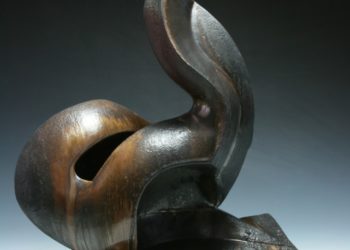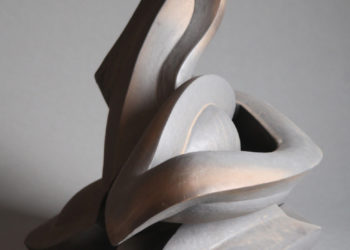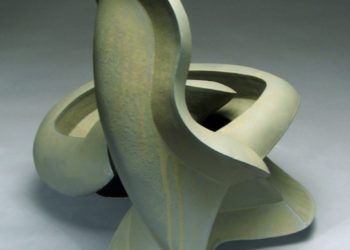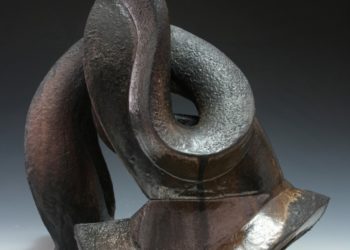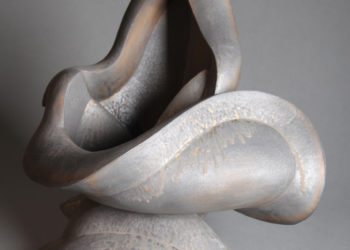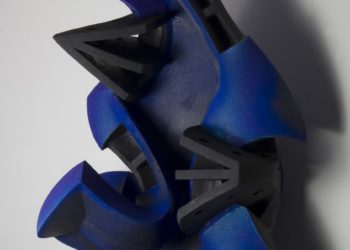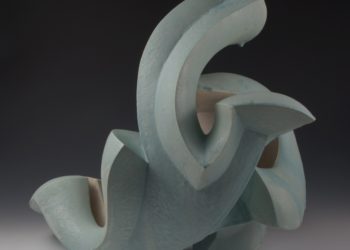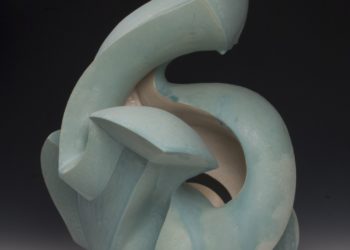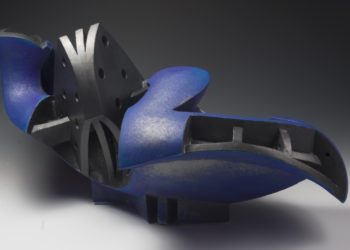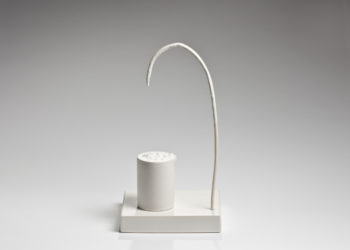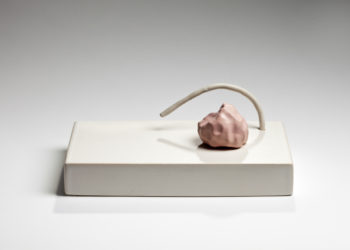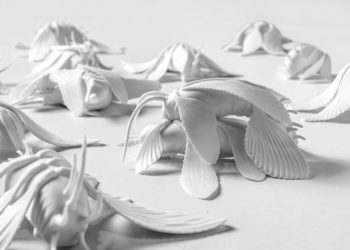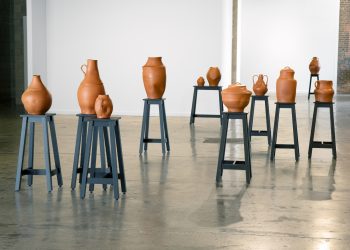
Marianne McGrath: Home Landscape Studies III, 2008, earthenware, plywood, steel rod, 12’h x 20’d x 20’w
contemporary
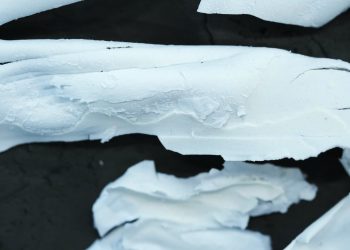
Marianne McGrath: “Maybe we can grow something on top of it all…”, 2010, unfired earthenware, plywood, string, wax, 5’ x 5’ x 5’
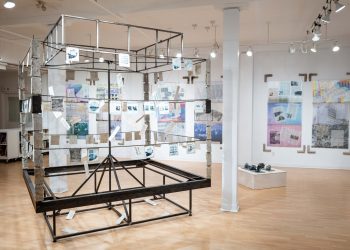
Marianne McGrath: Thoughts on Long Drives (gallery shot), 2009, porcelain, earthenware, plywood, steel rod, plaster, dimensions variable
Radu Comsa / Things as they are, SABOT, Cluj-Napoca

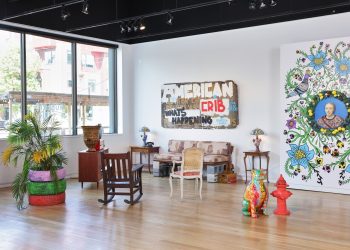
Radu Comşa / Things as they are, SABOT, Cluj-Napoca, Romania
20 January - 18 February 2012
When Giorgio Vasari wrote the “Life of Artists”, the notion of the authorship was finally acknowledged in the field of visual art. It was being used for quite some time previously, but never before had it been so clearly defined.
Since then, authorship has become more and more connected to branding and marketing, and the trend is going towards a point when they will have become indistinguishable. I don’t mean to demonize these concepts. Yet, we would be blind if we ignored the fact that nowadays artists are compelled to build their own brand, that above everything else they need to nest into a style, which is something familiar, repeated and recognizable. In other words, they have to brand themselves.
The whole notion of the “death of the author” didn’t really damage this status quo. On the contrary, it added strength to the idea of authorship. The artists have thus survived their own artistic death. Still, it is clear that they have simultaneously turned themselves into products of the capitalist society, much like Coca-Cola or the one dollar bill.
Everyday, Radu Comşa is fighting his way out of the aforementioned scenario. His work – or rather his modus operandi, his life style – is continuously contradicting the situation I just described. The fact that he has been working in the city of Cluj - with its cozy little coterie where everybody peeks at each other’s work - didn’t help much.
Suzanne Stumpf: Nest with Eggs III, 2011, 10”w x 2.5”h, altered wheelthrown with handbuilt components; porcelain and porcelain paperclay; oxidation fired to cone 10
Both nests and eggs hold important concepts for reflection and meditation for me. Eggs represent new beginnings, promise, mystery, and fragility. Nests signify “home,” with the intention of comfort and protection, and in the case of wildlife, camouflage. As an avid birdwatcher, amateur naturalist, and sculptor, I am intrigued by the variety of nests found in nature for both their architectural inspiration and symbolism. These three works are from a series of nest sculptures I am making.
Suzanne Stumpf: Changeable Views, 2007, 15.5”w x 6”h x 4.5” d (window structure), handbuilt porcelain; reduction fired to cone 10
The interactive sculpture Changeable Views is a very modular work—the windows may be left open or up to four of the twelve tiles may be inserted to create many varied views. The tiles have colors on one side and patterns of black and white on the reverse. Although the tiles were lined up flat and adjacent to each other when a number of colored glazes were applied (so technically there is an “order” to the tiles), the tiles “dialogue” and create interest in any number of combinations.
Metaphorically, windows offer the opportunities to look outward, inward, more deeply, and in new directions. The interactive play possible in this piece is intended as a meditation for its audience.
Suzanne Stumpf: Spike, 2008, 5.5”h x 8”w x 3” d, wheelthrown and altered porcelain with handbuilt components; black slip and shellac resist; oxidation fired to cone 10
I am yet to meet a woman who does not smile knowingly or even laugh out loud when viewing “Spike.” “Für die Schönheit muß man leiden” — “For beauty, one must suffer.”
The fashion industry only seduced me into wearing too-high heels for a short time in my life. It was a long time ago, yet I do have a strong physical memory of how my feet felt after walking an unplanned distance or standing longer than anticipated in them.
“Spike” has innumerable permutations for viewing. When all of the black, orange, yellow, and white “pins” are removed, Spike is somewhat of a trompe l’oeil with the raised black dots disguising its holes. The pins at first glance seem to be playful pain indicators. Yet, because the pins are pointed on both ends, when we place them into Spike, can we feel also a wee bit of revenge?
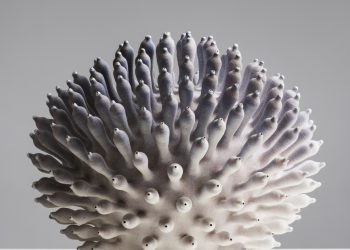
Deborah Britt: Alien Vegetable I, 18” x 12”, Wheel-Thrown and Hand-Built with Slip Decoration, Wood-Fired Stoneware, Cone Ten, 2008
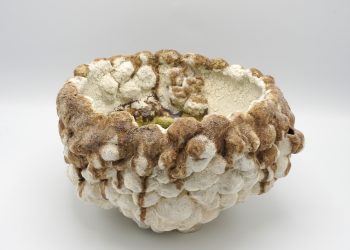
Kathy Pallie: The 4 Elements – Earth, Wind, Fire, Water, Earthenware, glazes, 18”H x 14” Diameter, 2011