Ceramic Workshop & Retreat with Takeuchi Shingo in Tajimi, Japan
April 21–25, 2026 | Tajimi, Japan
Immerse in Japan’s Hidden Ceramic Capital, Tajimi
For more than thirteen centuries, the clay-rich hills of Tajimi, in Japan’s Gifu prefecture, have quietly shaped one of the country’s most influential ceramic industries and cultures. Yet beyond specialist circles, Tajimi—the heart of the Mino Ceramic Valley—remains largely undiscovered. In April 2026, an intimate ceramic workshop and retreat with Shingo Takeuchi invites participants to step inside this living landscape of clay, craft, and community.
Running from April 21 to 25, 2026, the workshop offers ceramic practitioners and enthusiasts a rare opportunity to experience Tajimi not as a tourist destination, but as a working ceramic town—where clay is still drawn from the earth, processed locally, and shaped by generations of accumulated knowledge. With a maximum of eight participants, the retreat emphasizes depth over scale, allowing for close mentorship, meaningful exchange, and a slower, attentive way of learning.
A Place Shaped by Clay
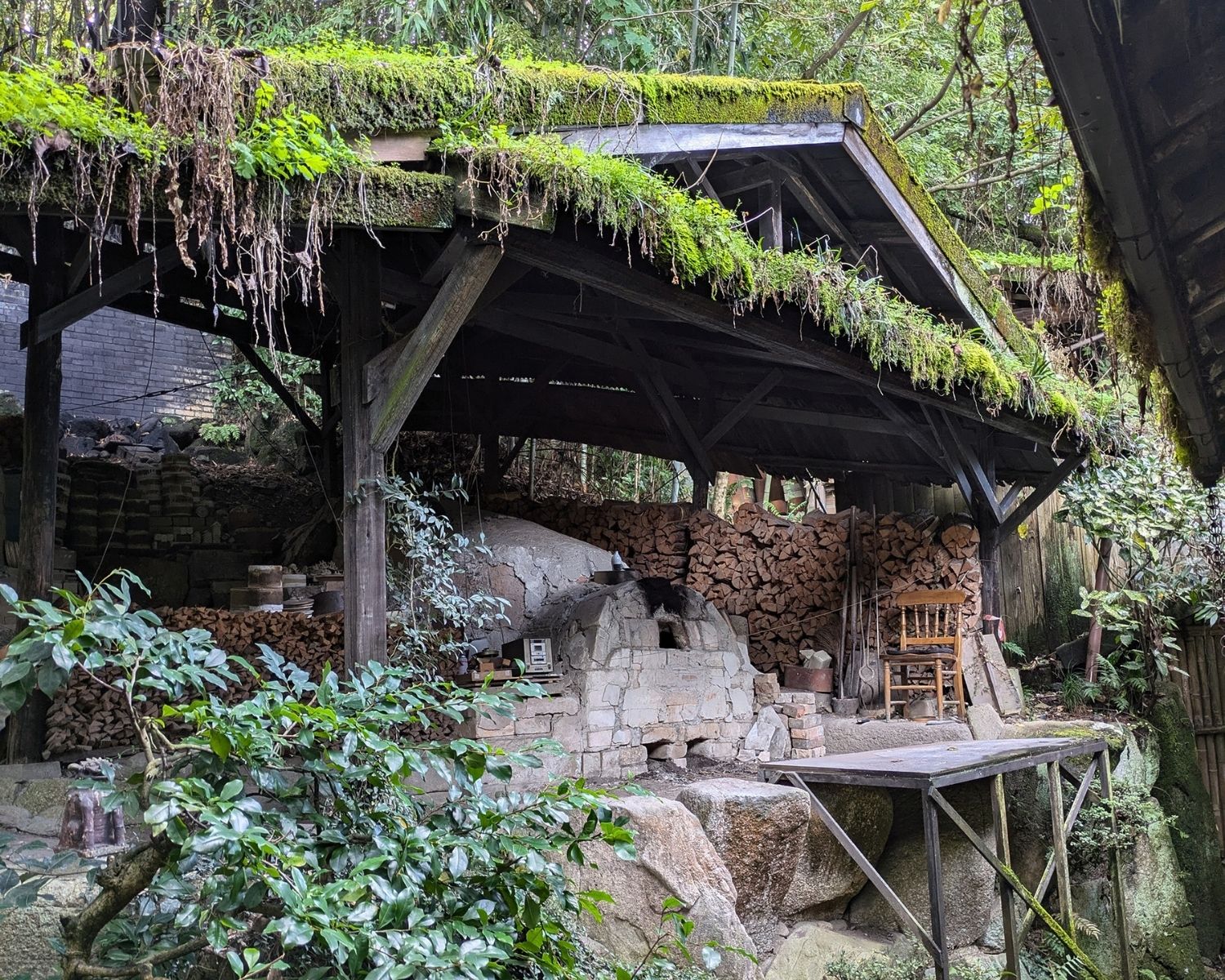
Tajimi’s identity is inseparable from its geology. The region’s clay-rich land has supported ceramic production for over 1,300 years, forming what is now known as the Mino Ceramic Valley. From practical tableware and industrial tiles to tea ceremony vessels and contemporary sculptural works, ceramics here have always existed at the intersection of function, ritual, and innovation.
This workshop centres Tajimi’s distinct identity. Rather than isolating studio practice from its context, participants are encouraged to understand ceramics as part of a broader ecosystem—one that includes land, industry, culture, and daily life. Each day balances hands-on making with field visits and cultural experiences, offering insight into how material, place, and process inform one another.
Learning from the Source
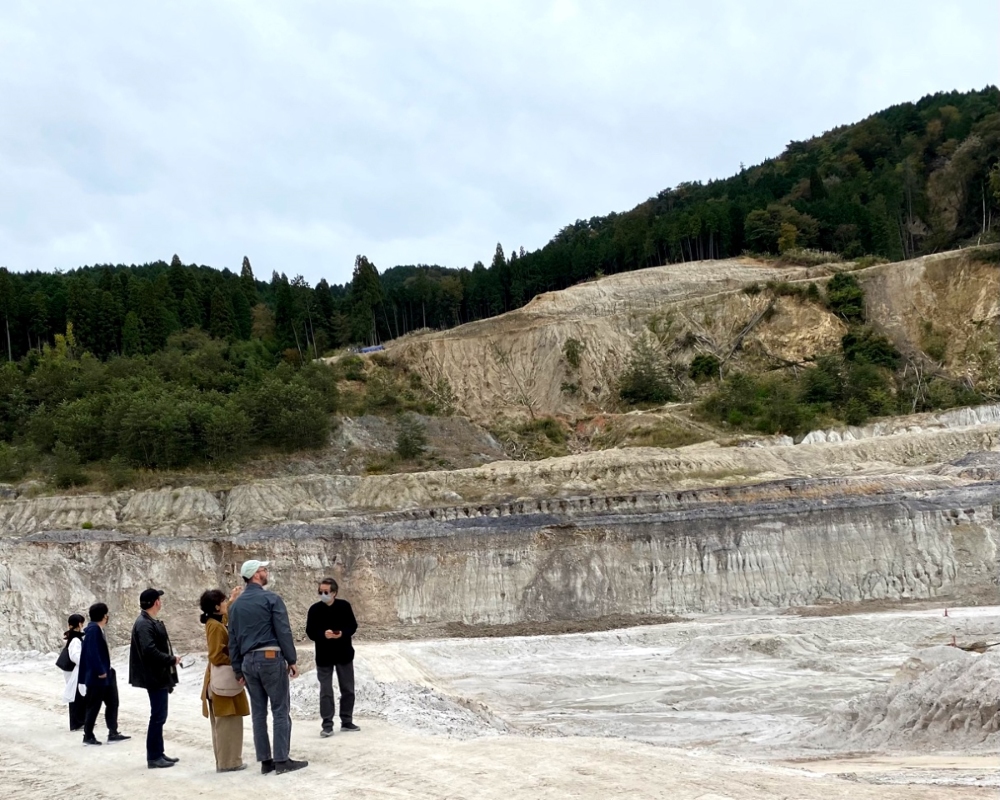
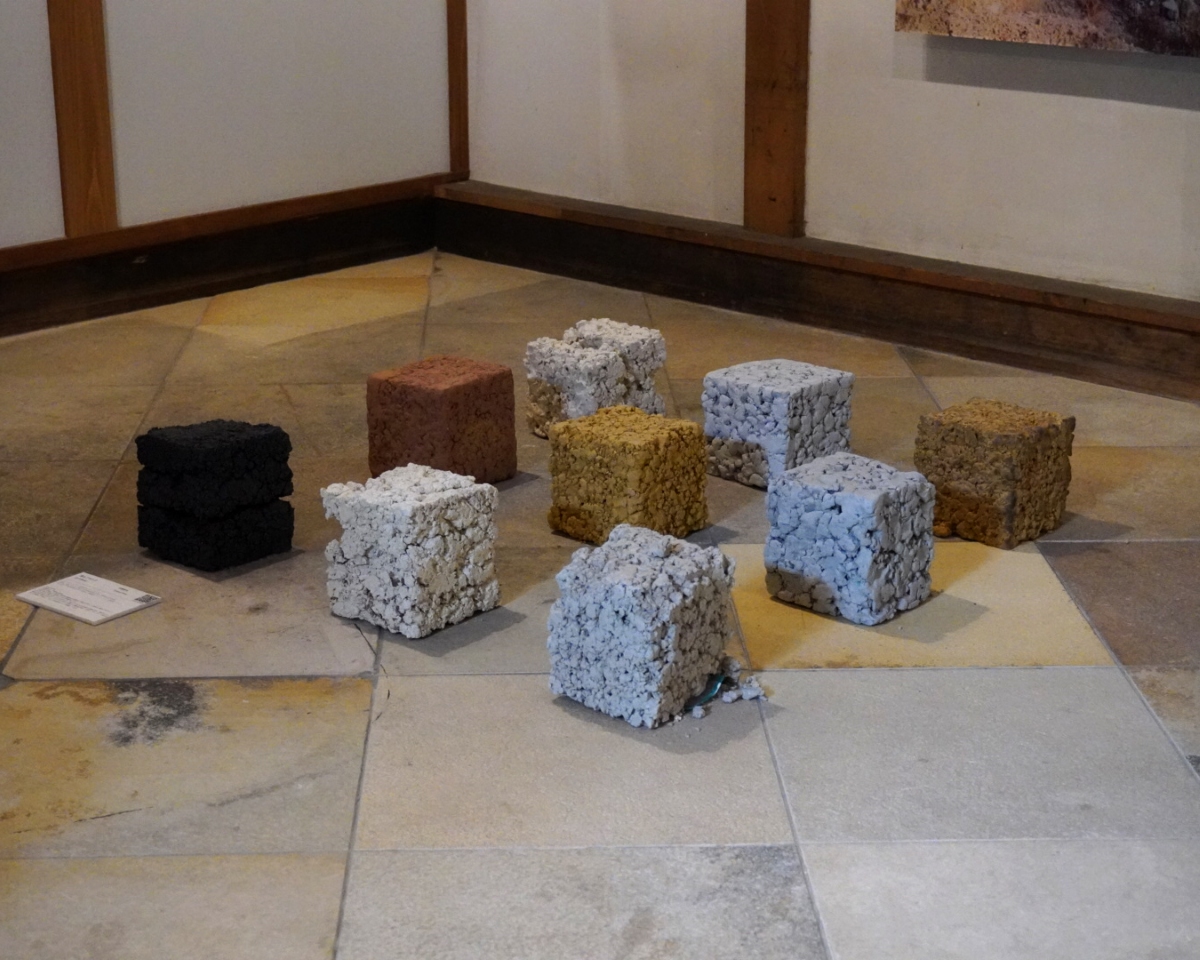
One of the defining experiences of the retreat is a guided visit to the clay pits of the Mino Valley, followed by time spent with a legendary local clay blender and bespoke clay processing site. Participants will trace the journey of clay from its geological origins to its refined form, learning directly from experienced producers who design and blend clays for both traditional and contemporary use.
This encounter reveals how subtle differences in origin, mineral content, and processing shape the texture, colour, and character of clay. It is a rare opportunity to engage with material at its source, deepening not only technical understanding but also sensitivity to the expressive potential of locally rooted materials.
Hand-Building with Shingo Takeuchi
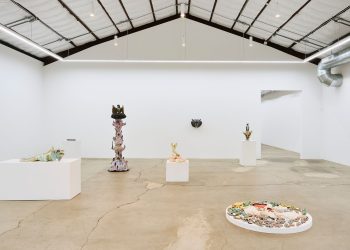
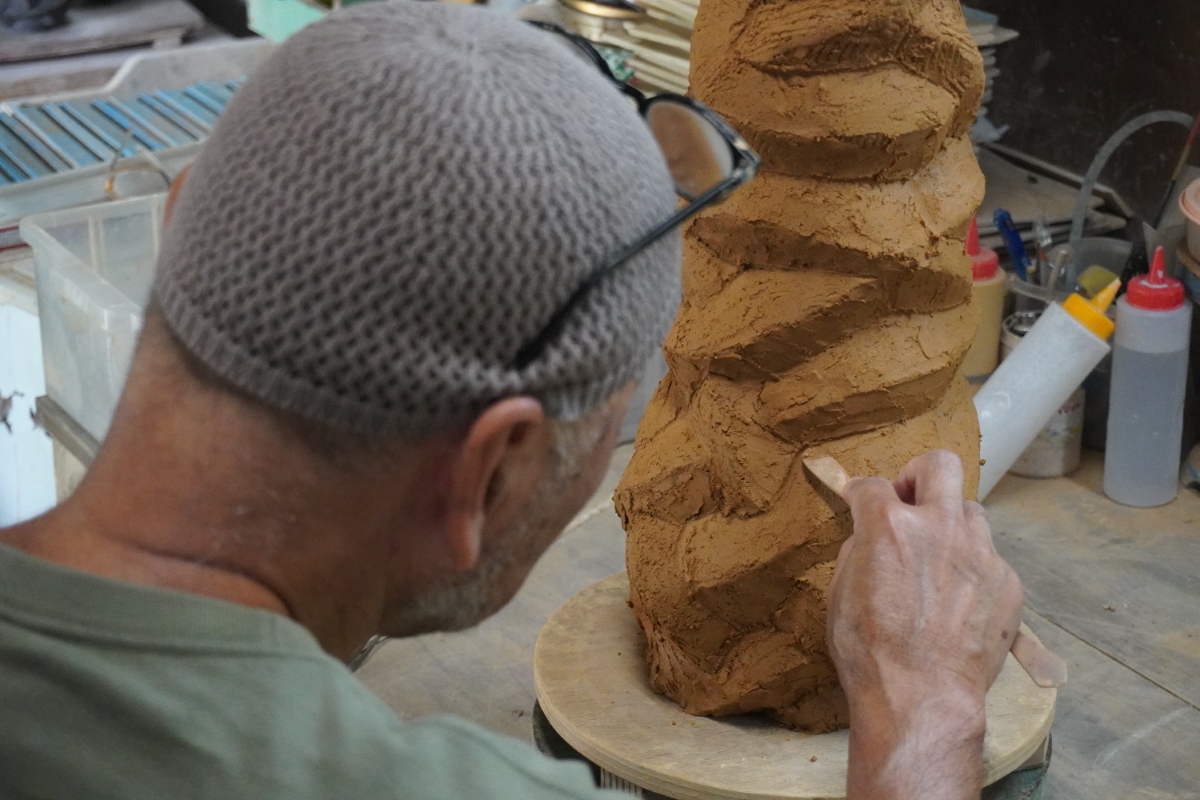
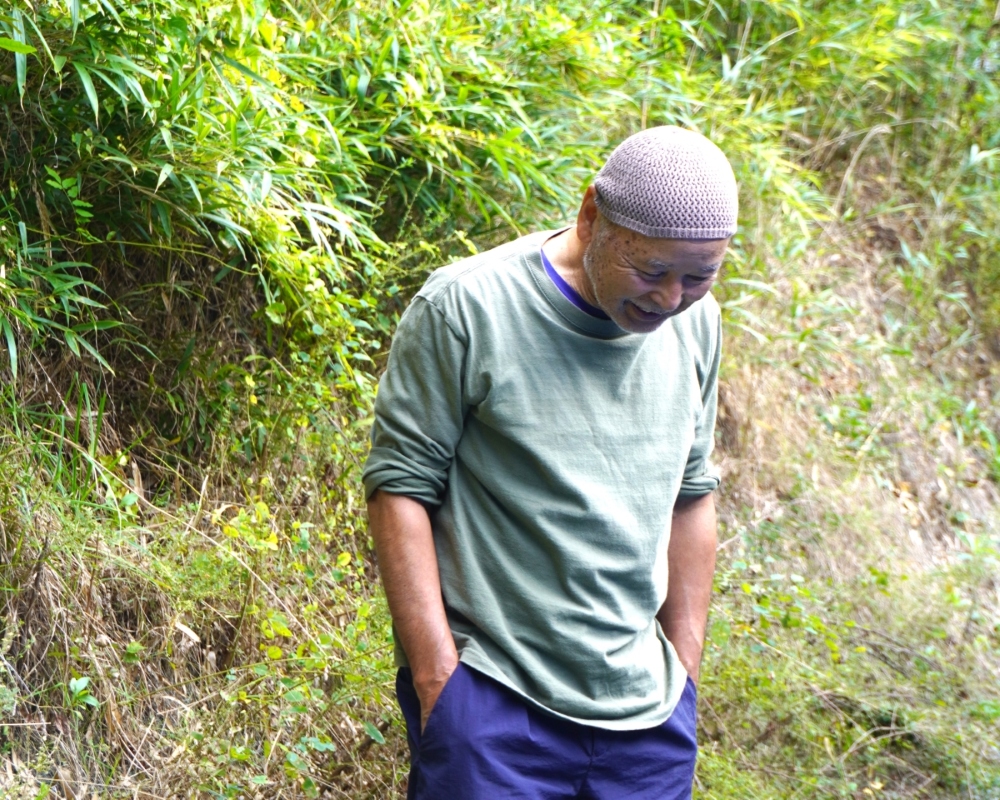
At the heart of the workshop is Shingo Takeuchi, a respected ceramic artist and educator. Over his 40 years of ceramics practice, Takeuchi has developed a highly recognisable sculptural ceramic style.
His complex hand-built forms are achieved through reduction-cooling techniques that reveal the inherent beauty of clay itself. Takeuchi also produces iron-rich, unglazed tableware whose calm, earthy surfaces evolve through daily use.
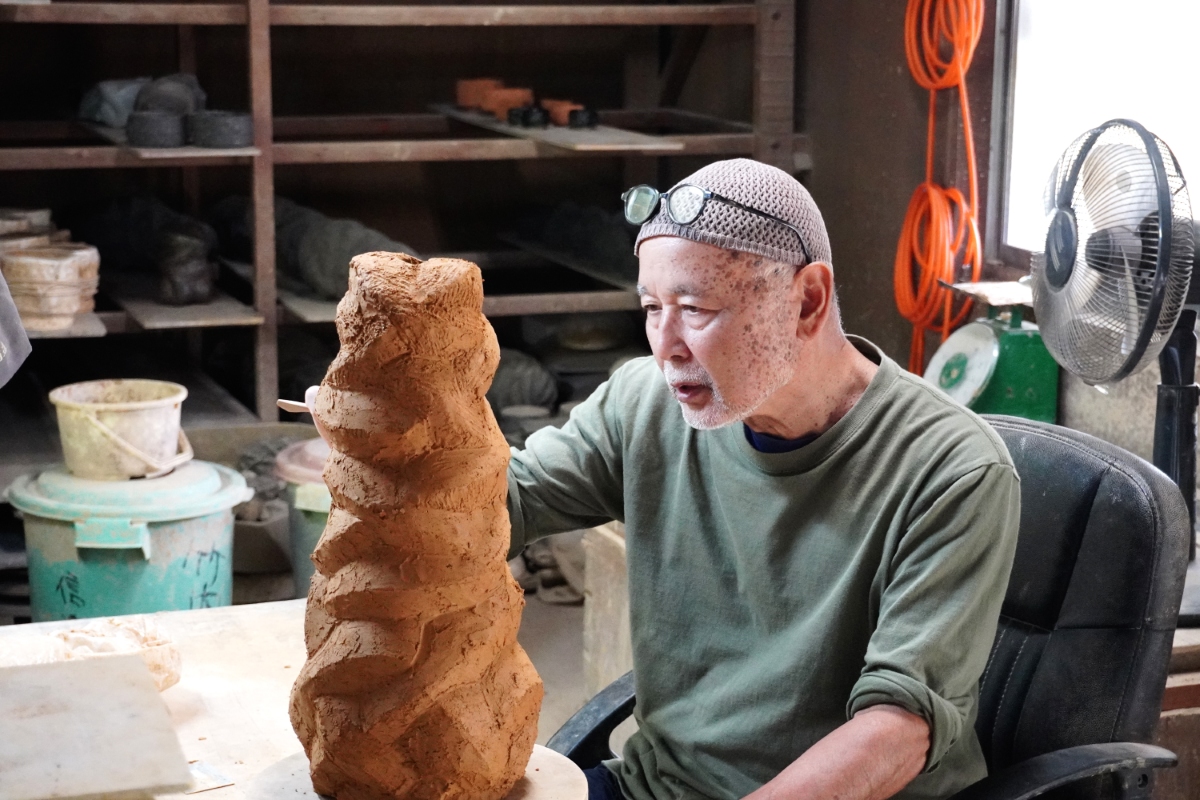
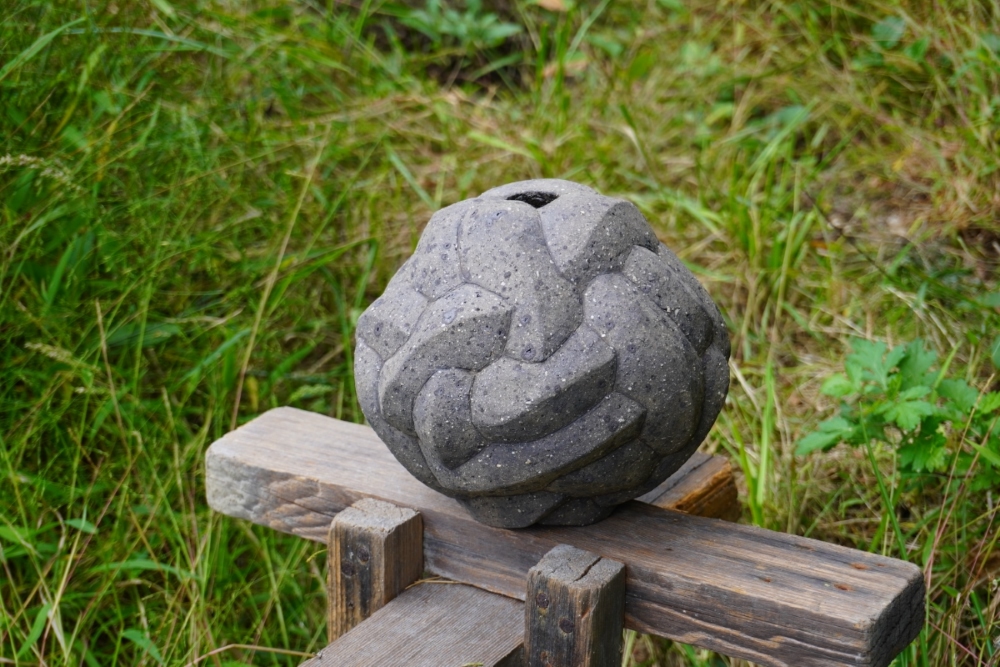
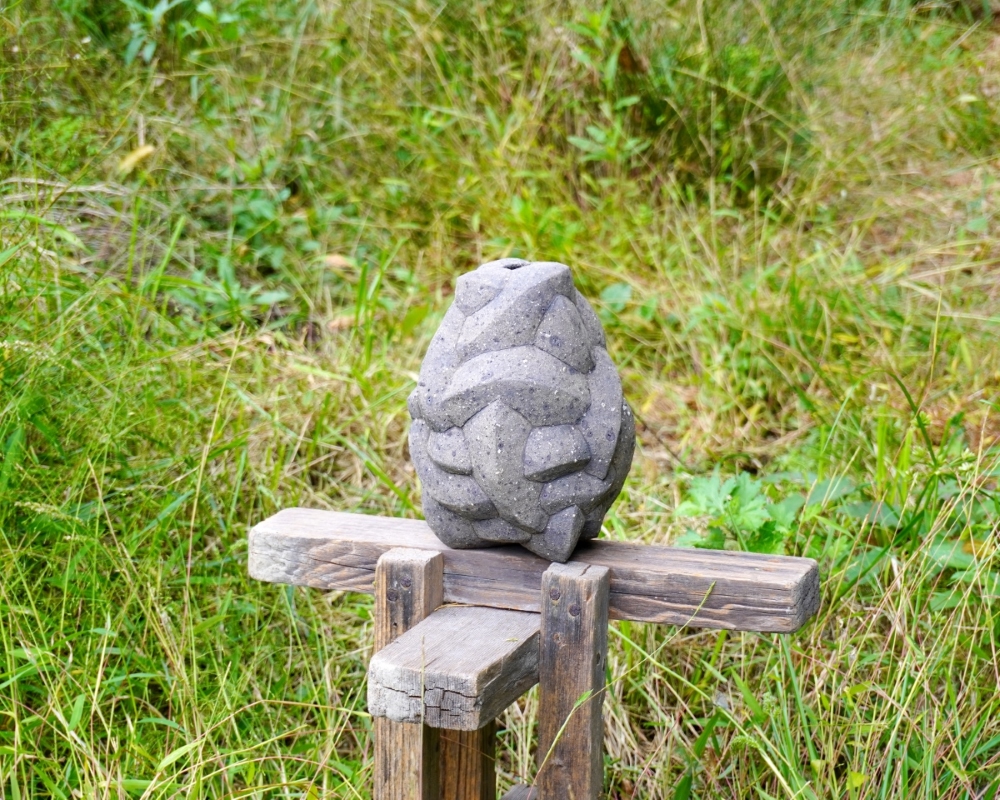
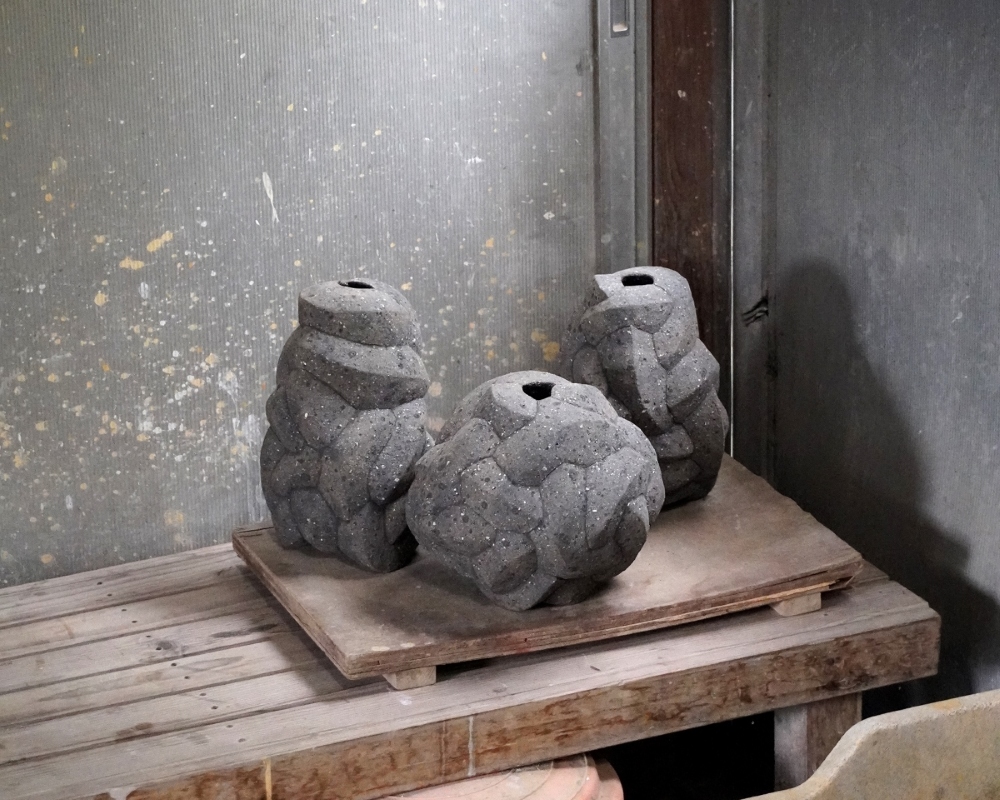
Over the retreat, Takeuchi will lead a series of focused studio sessions, beginning with an introduction to his distinctive hand-building process, followed by the construction of more complex forms, and finally, finishing techniques. The small group setting allows for close observation, dialogue, and feedback, offering participants rare insight into both the technical and philosophical foundations of his practice.
With an international exhibition history spanning New York, Seoul, Milan, Sydney, and Taipei, numerous awards, and decades as a teacher, Takeuchi brings a depth of experience that is rarely accessible in such an intimate format.
Beyond the Studio: Culture, Community, and Space
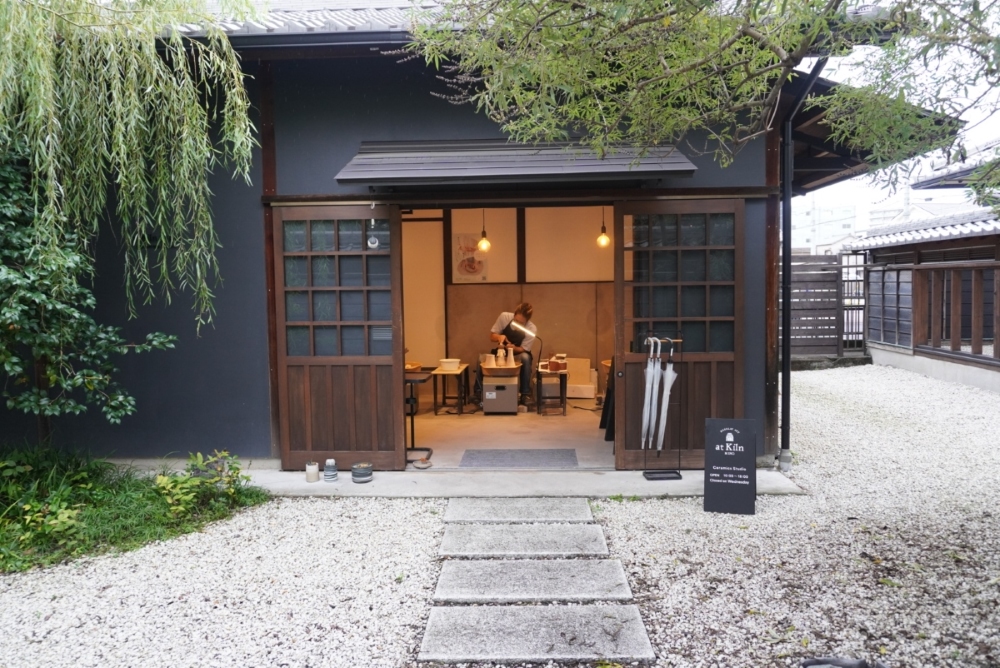
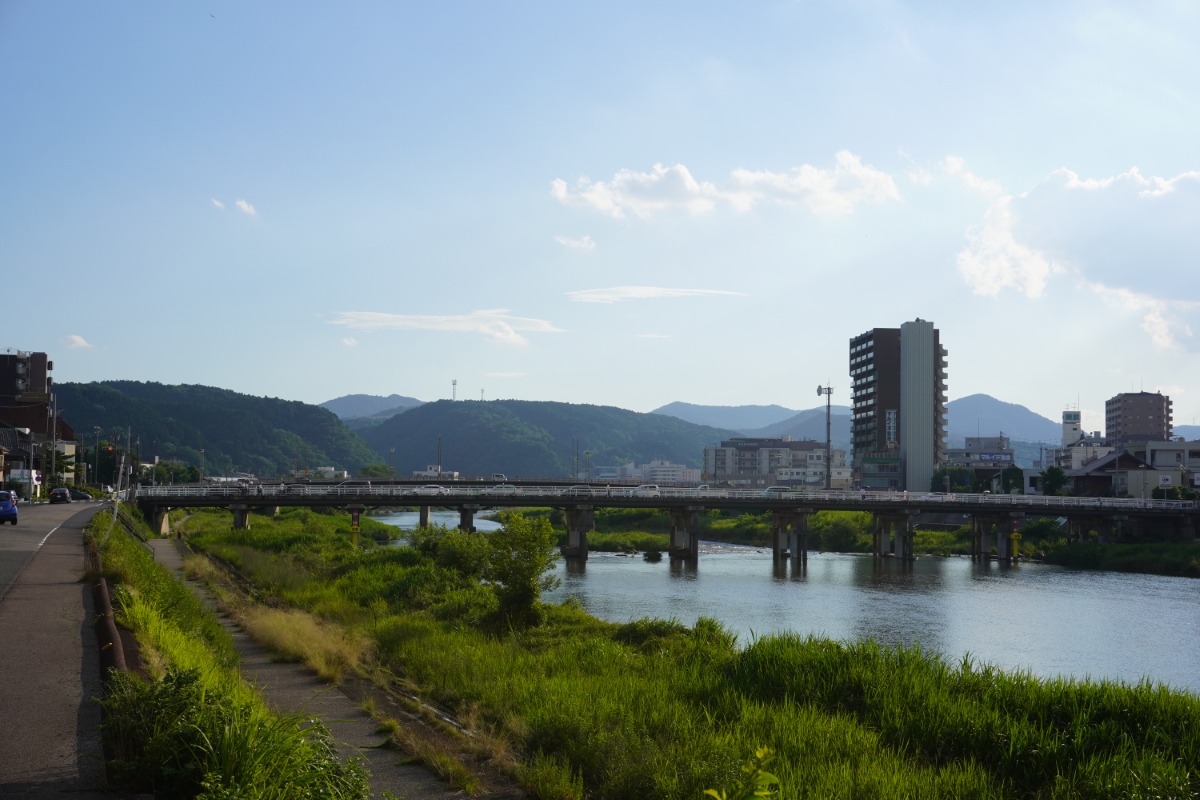
The workshop extends beyond the ceramics studio and explores the social and cultural spaces that sustain Tajimi today. Participants will be guided through local museums and walk Oribe Street, where small creative businesses are reactivating historic buildings and reshaping the town’s relationship to its ceramic heritage. One of the retreat’s most reflective experiences comes on the fourth day: a modern tea ceremony. The ceremony offers a depth of cultural knowledge and context, of the relationship between ceramic teabowls and Zen and Wabi-sabi aesthetics.
Thoughtfully Structured Days
The five-day itinerary offers a balanced program of enriching activities and relaxing moments.
● Day 1 welcomes participants to Tajimi, check-in, a guided museum visit, and dinner locally.
● Day 2 focuses on the land itself, beginning with visits to clay mines and processors before transitioning into hands-on studio work with Takeuchi Shingo.
● Day 3 deepens formal studio learning and introduces the context of ceramic town life and creative spaces.
● Day 4 concentrates on finishing techniques and culminates in the tea ceremony experience.
● Day 5 offers a gentle conclusion, with a late check-out and farewell brunch.
Shared meals throughout the retreat reinforce a sense of community, providing opportunities for conversation and reflection beyond the studio.
Guided by Place: Ion Fukazawa
The workshop is organised in collaboration with Ion Fukazawa, a ceramic artist, interpreter, and tour guide based in Tajimi. Raised between Sydney and Tokyo, Fukazawa brings a bicultural perspective shaped by both Australian and Japanese approaches to craft and design.
He holds a Bachelor of Design in Ceramics from UNSW Art & Design and has created tableware for acclaimed restaurants in Australia. His practice deepened further at Ishoken (Tajimi City Pottery Design & Technical Center), where he studied contemporary Japanese ceramic methodologies and developed his art practice.
Now exhibiting both in Japan and internationally, Fukazawa’s work explores the dialogue between natural processes and human touch. Alongside his studio practice, he guides groups through the mountains of Gifu, connecting visitors to the region’s landscapes, makers, and stories. His role in the retreat ensures a culturally sensitive experience that bridges language, context, and community.

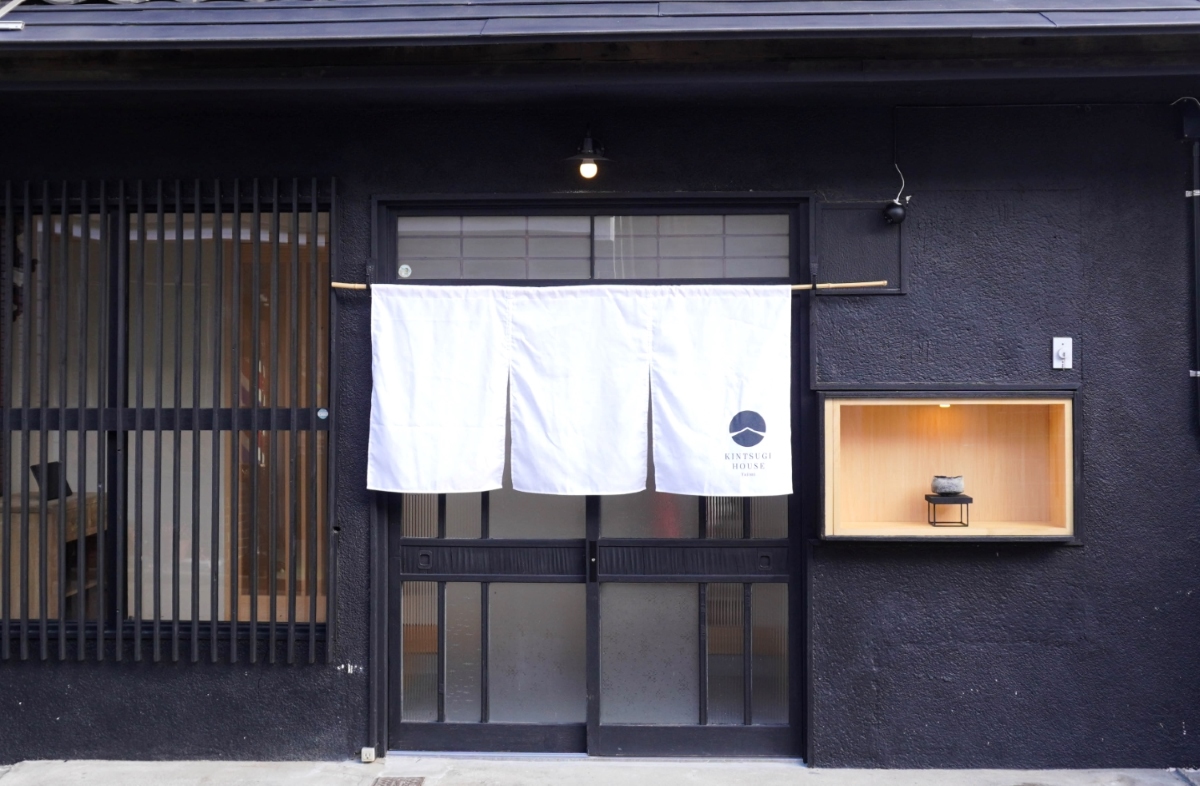
Accommodation:
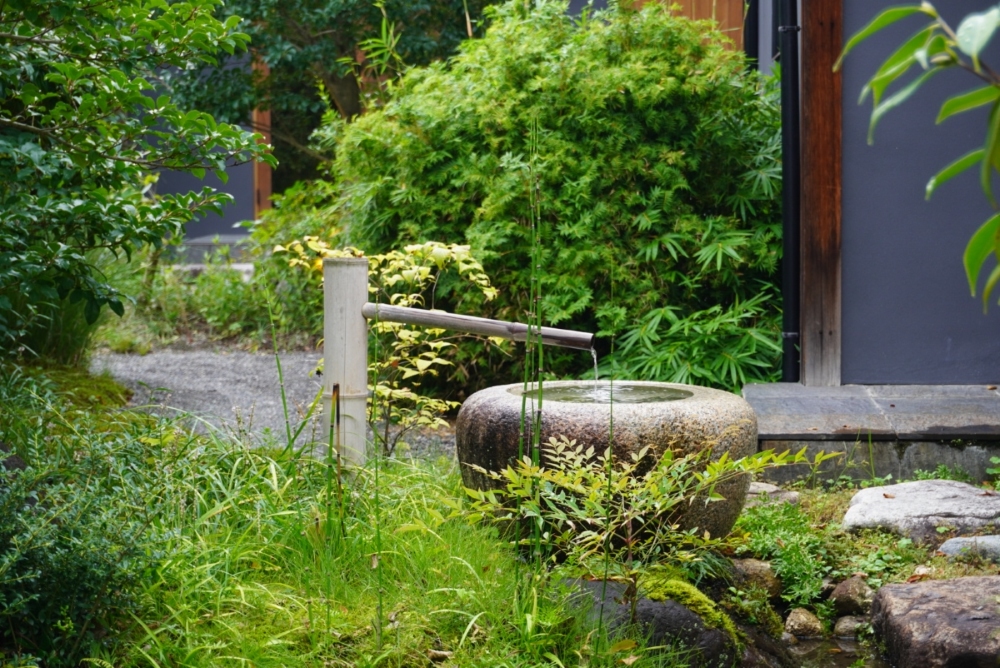
Participants will stay in local machiya townhouses integrated into the town, prioritising comfort and character.
Practical Details
● Dates: April 21–25, 2026
● Price: 286,000 yen (tax included)
● Group Size: Minimum 4, maximum 8 participants
● Deposit: 50,000 yen (non-refundable)
● Cancellation: Non-refundable within 30 days of the retreat
● Food: Dietary requirements accommodated with advance notice
For enquiries and applications
Website: www.craftlabjapan.com
Instagram: www.instagram.com/craft.lab.japan/
Email: hello@craftlabjapan.com