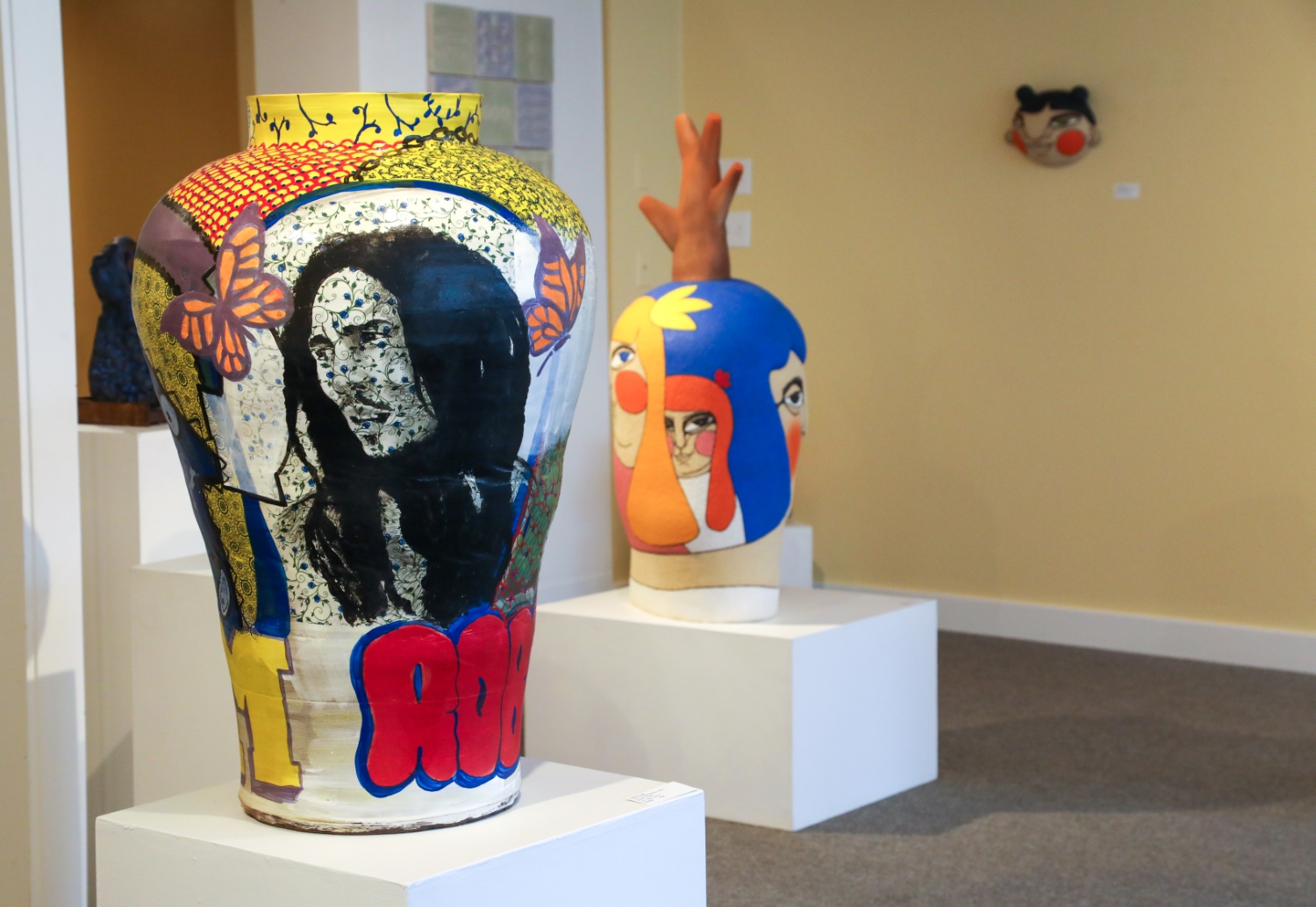
Evolving Clay: Where Tradition Meets Transformation is on view at Lucy Lacoste Gallery, Concord, MA
March 21 – April 18, 2026
Curated by Michael Dika
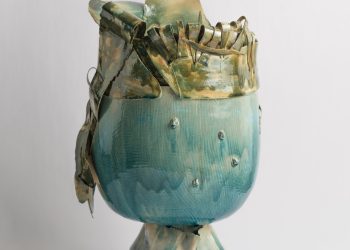
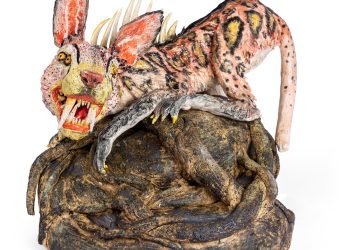
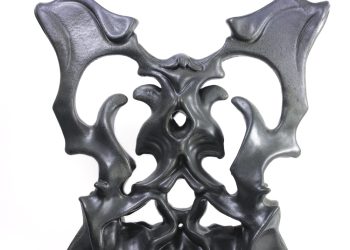
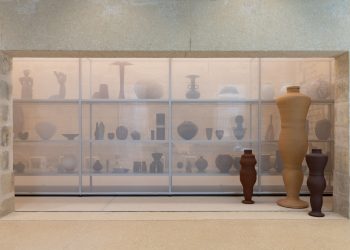
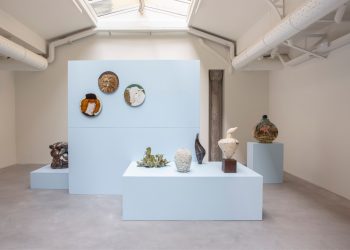
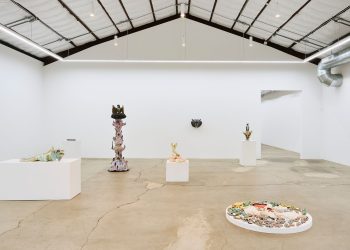
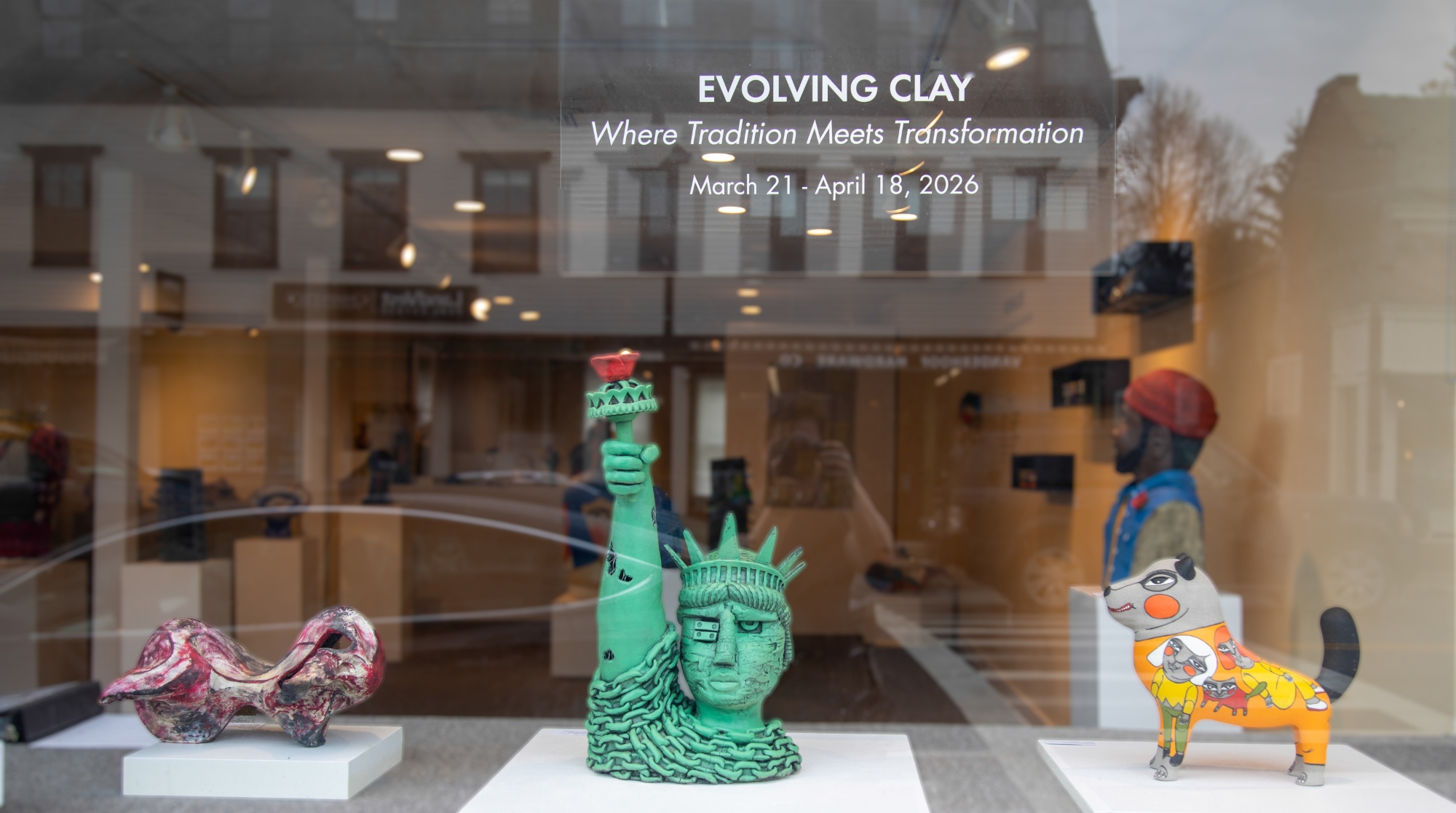
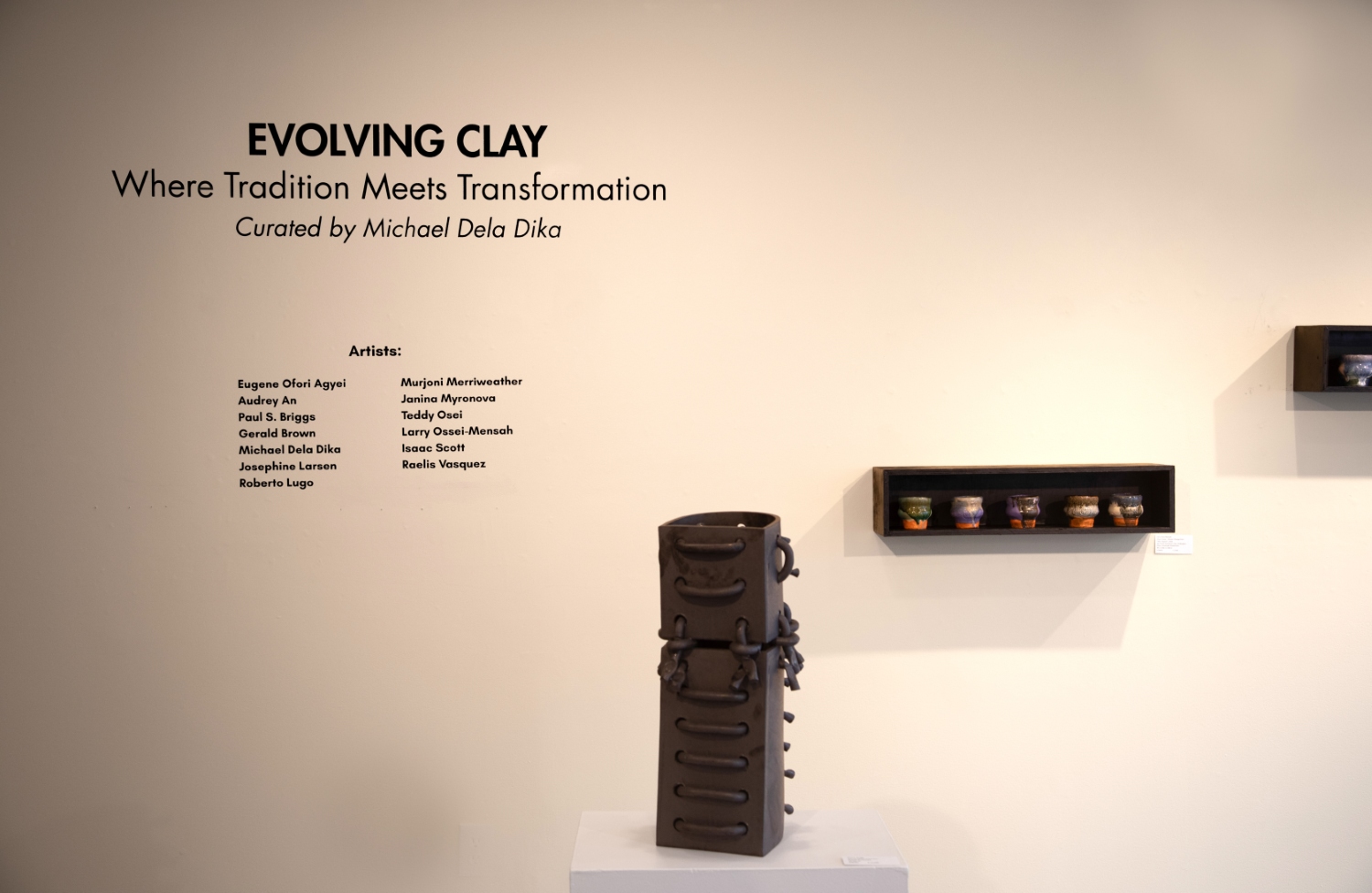
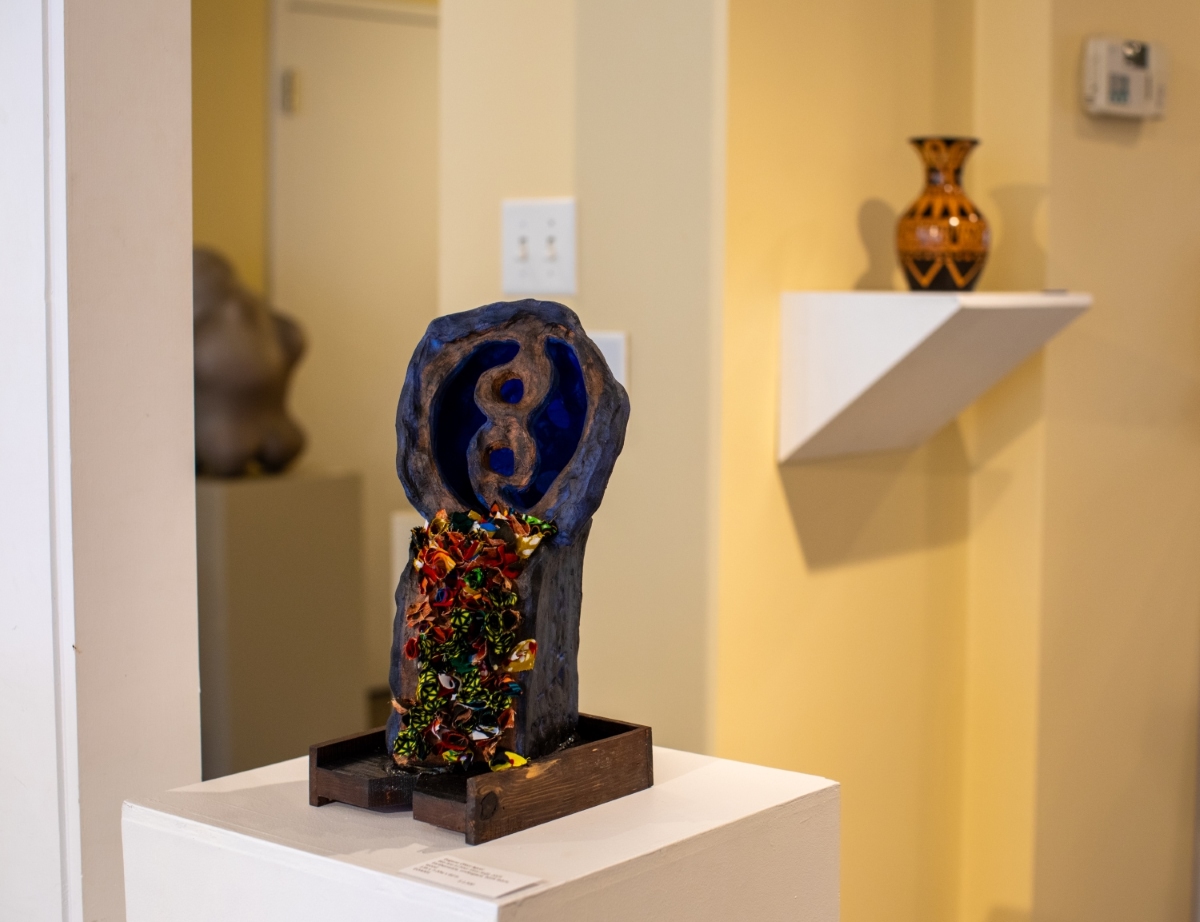
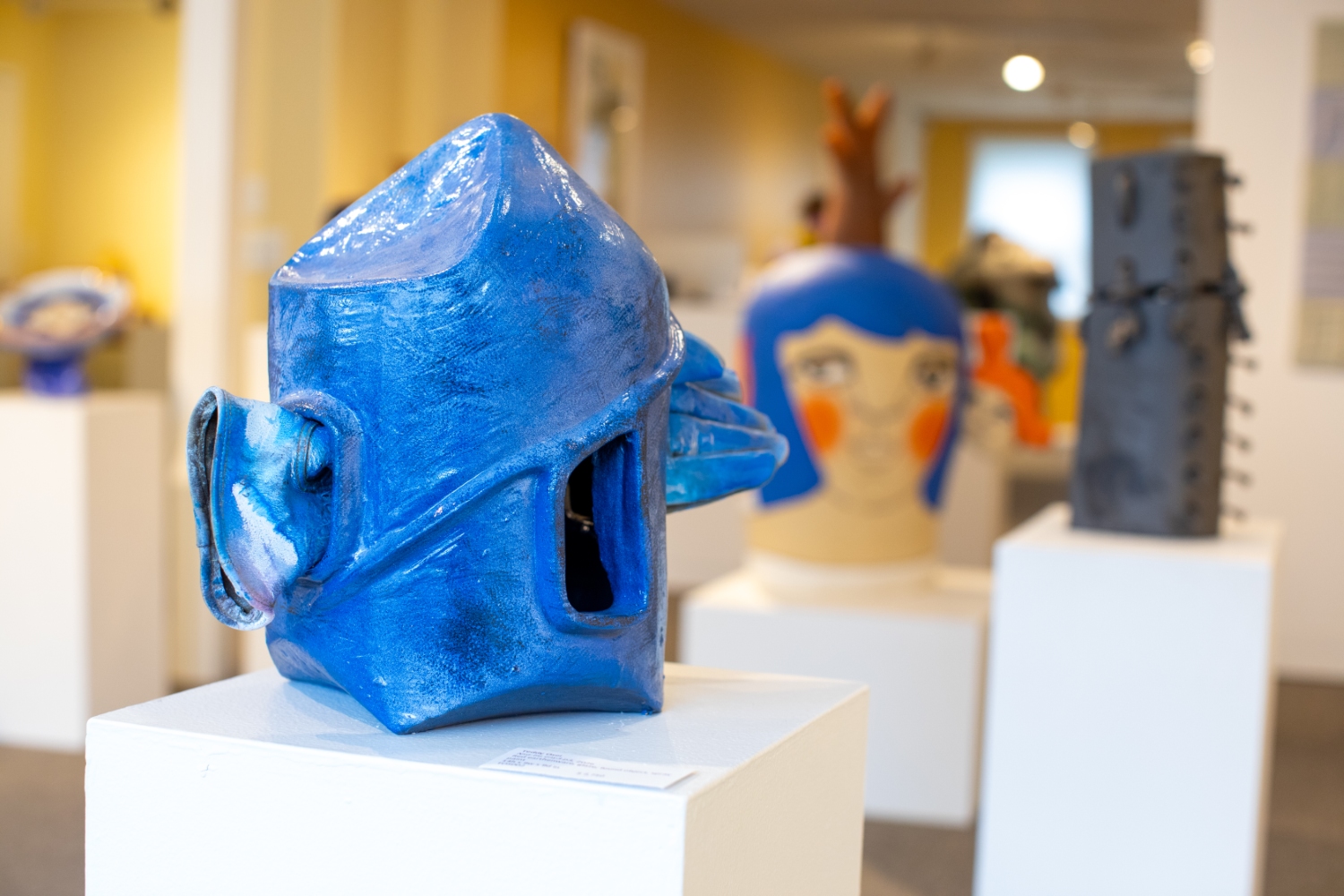
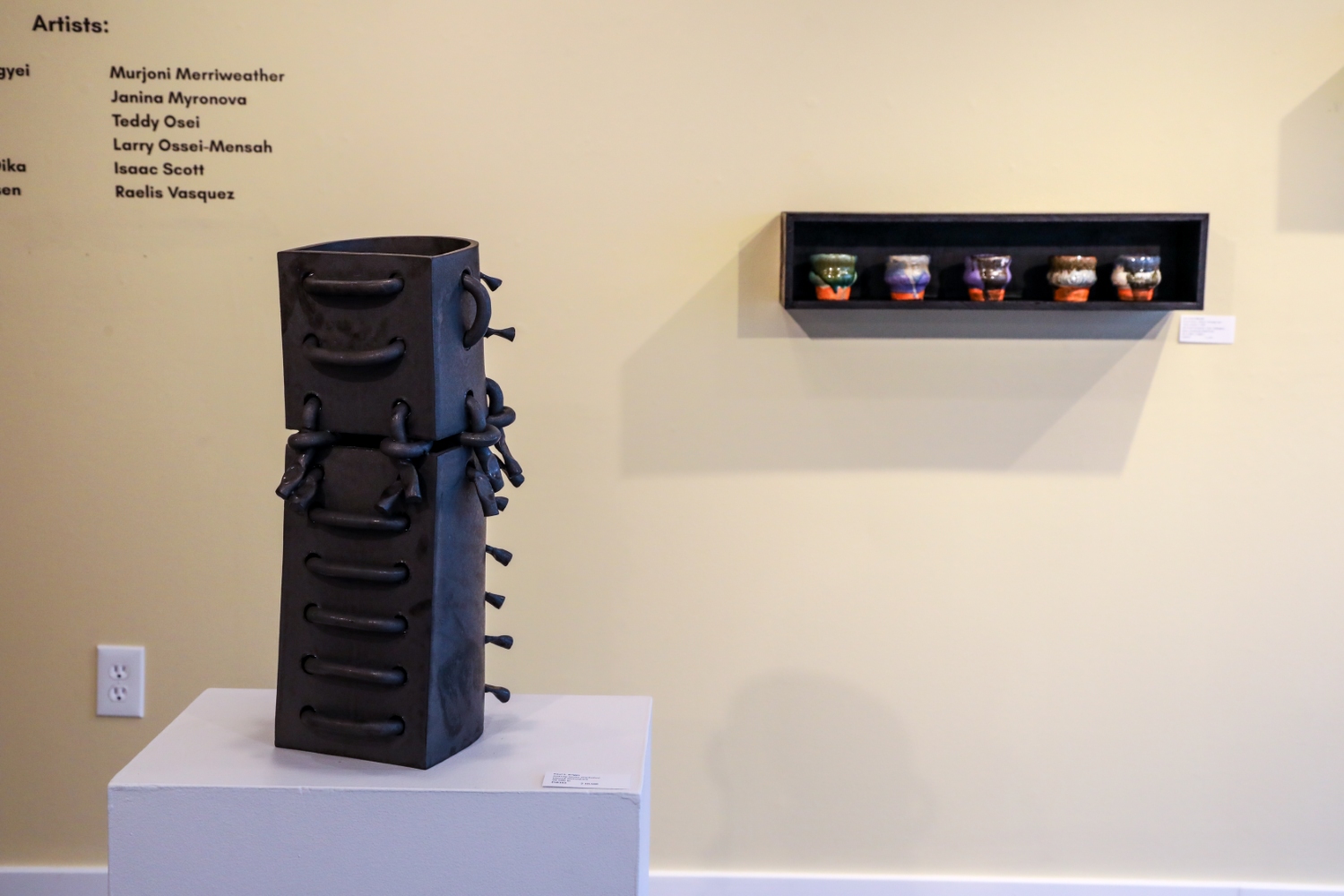
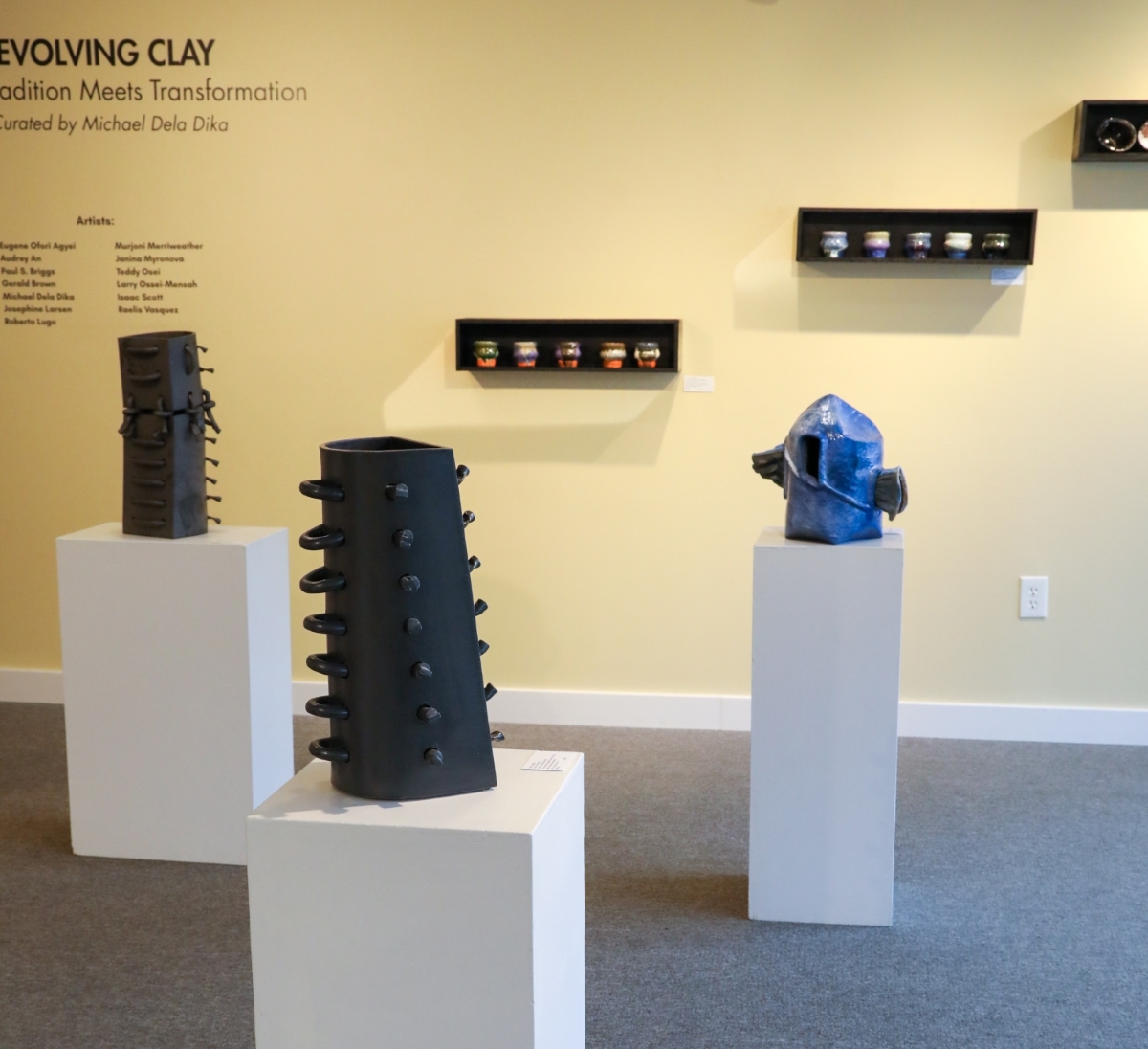
Lucy Lacoste Gallery is honored to present the ground-breaking group exhibition Evolving Clay: Where Tradition Meets Transformation, up through April 18, 2026 in Concord Massachusetts. Evolving Clay invites viewers into a space where ancient material meets contemporary art for radical storytelling and cultural reclamation. Curated by ceramist and professor Michael Dela Dika of Ghana, in collaboration with Lucy Lacoste Gallery, the exhibition traces clay’s expansive journey from its utilitarian roots to its reimagining as a vehicle for political commentary and spiritual depth.
Participating Artists: Eugene Ofori Agyei, Audrey An, Paul S. Briggs, Gerald Brown, Michael Dela Dika, Josephine Larsen, Roberto Lugo, Murjoni Merriweather, Janina Myronova, Teddy Osei, Larry Ossei-Mensah, Isaac Scott, Raelis Vasquez
Evolving Clay: The Group Show That Defines a Cultural Moment
By Margarita Lila Rosa
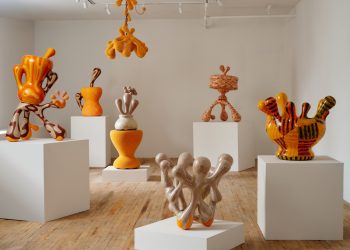
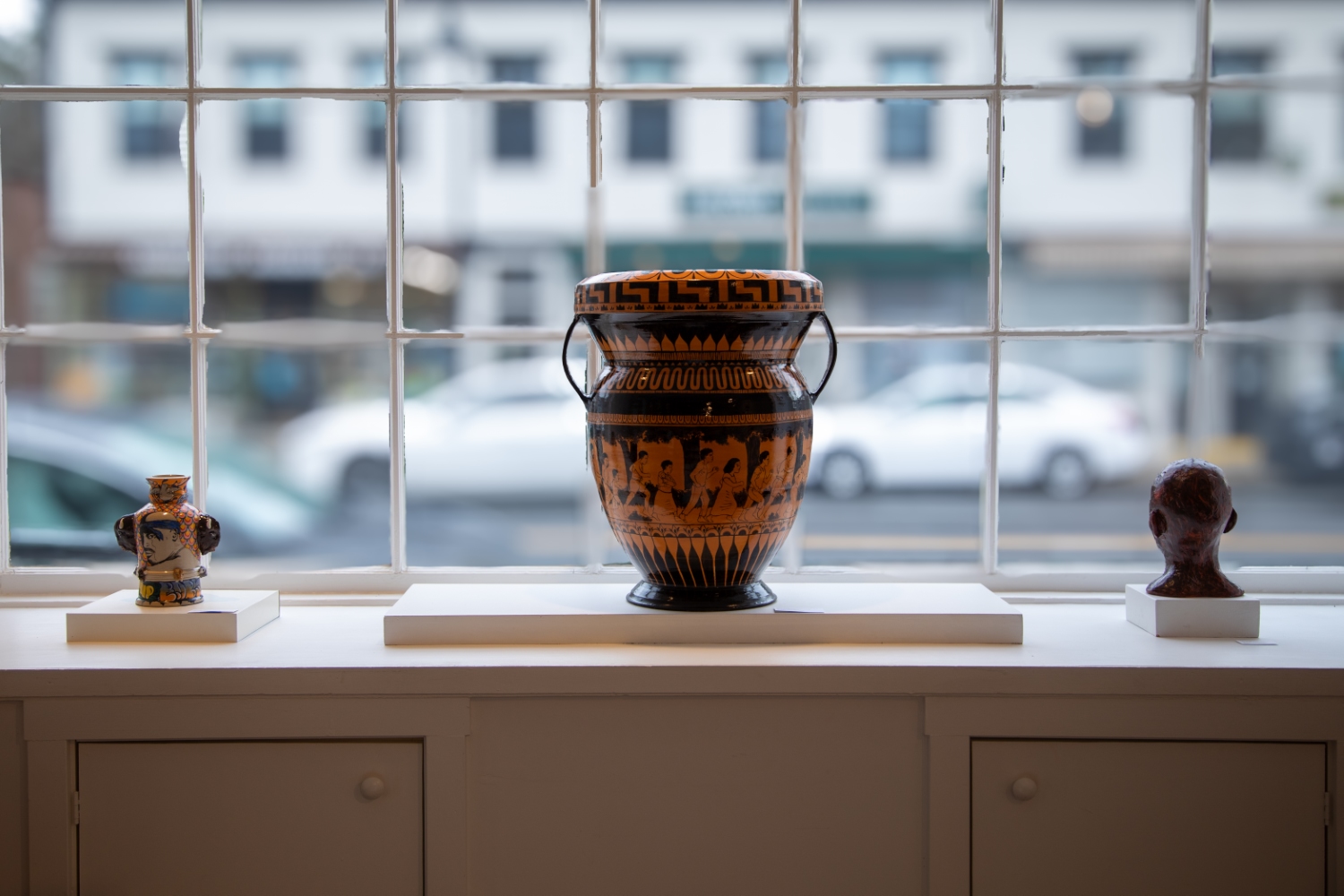
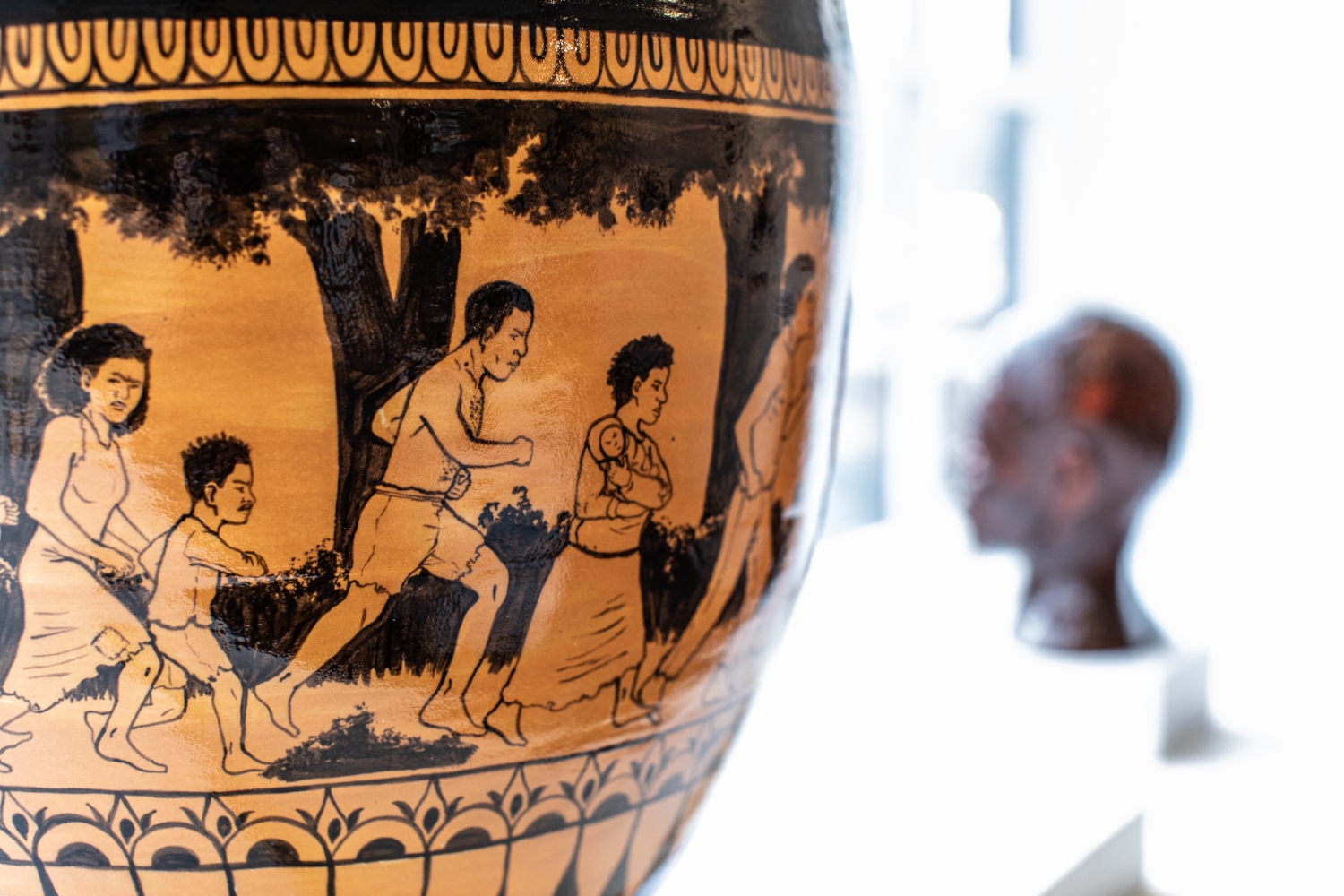
In Roberto Lugo’s, What Had Happened Was: The Path, from the Orange and Black Series (2024), a group of self-emancipated Black folks maroon into freedom. This history of Black people who fled slavery is a quiet, sparsely documented history, and told mostly through the newspaper columns and laws that criminalized those who sought their freedom by running away. Lugo’s work documents Black history through stories of dignity. The Philadelphia born-and-raised Puerto Rican artist is quickly becoming one of the most important ceramicists of our time.
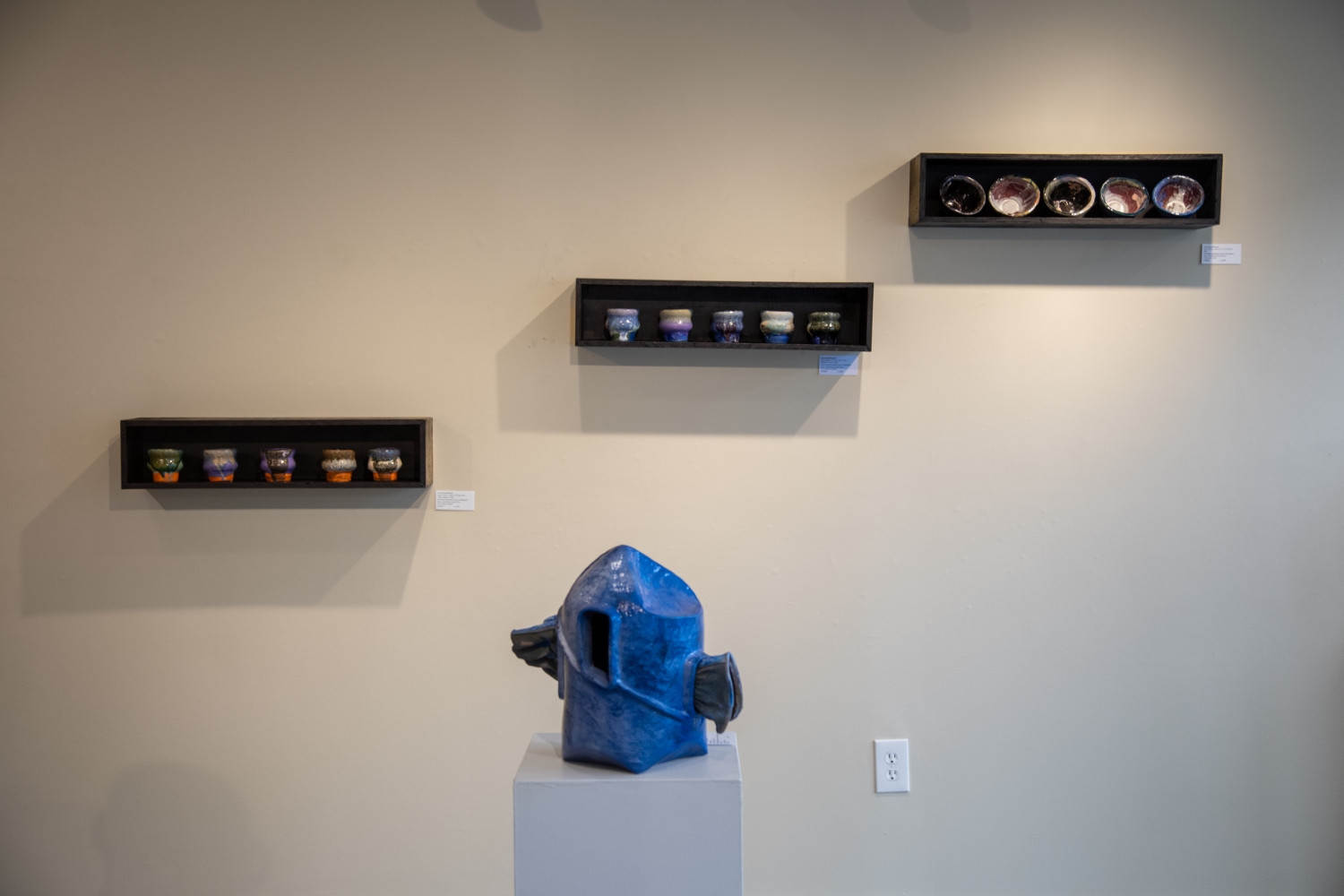
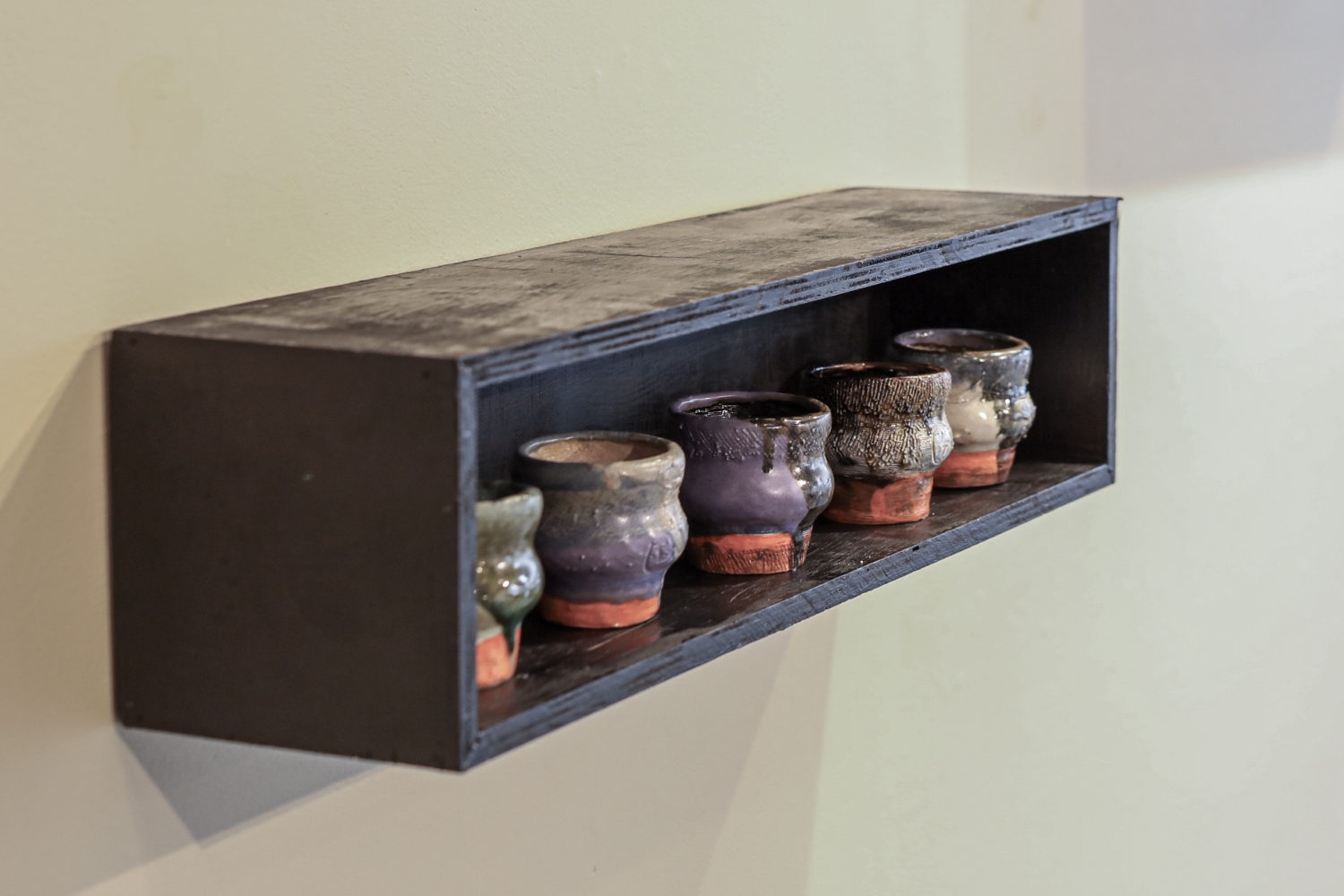
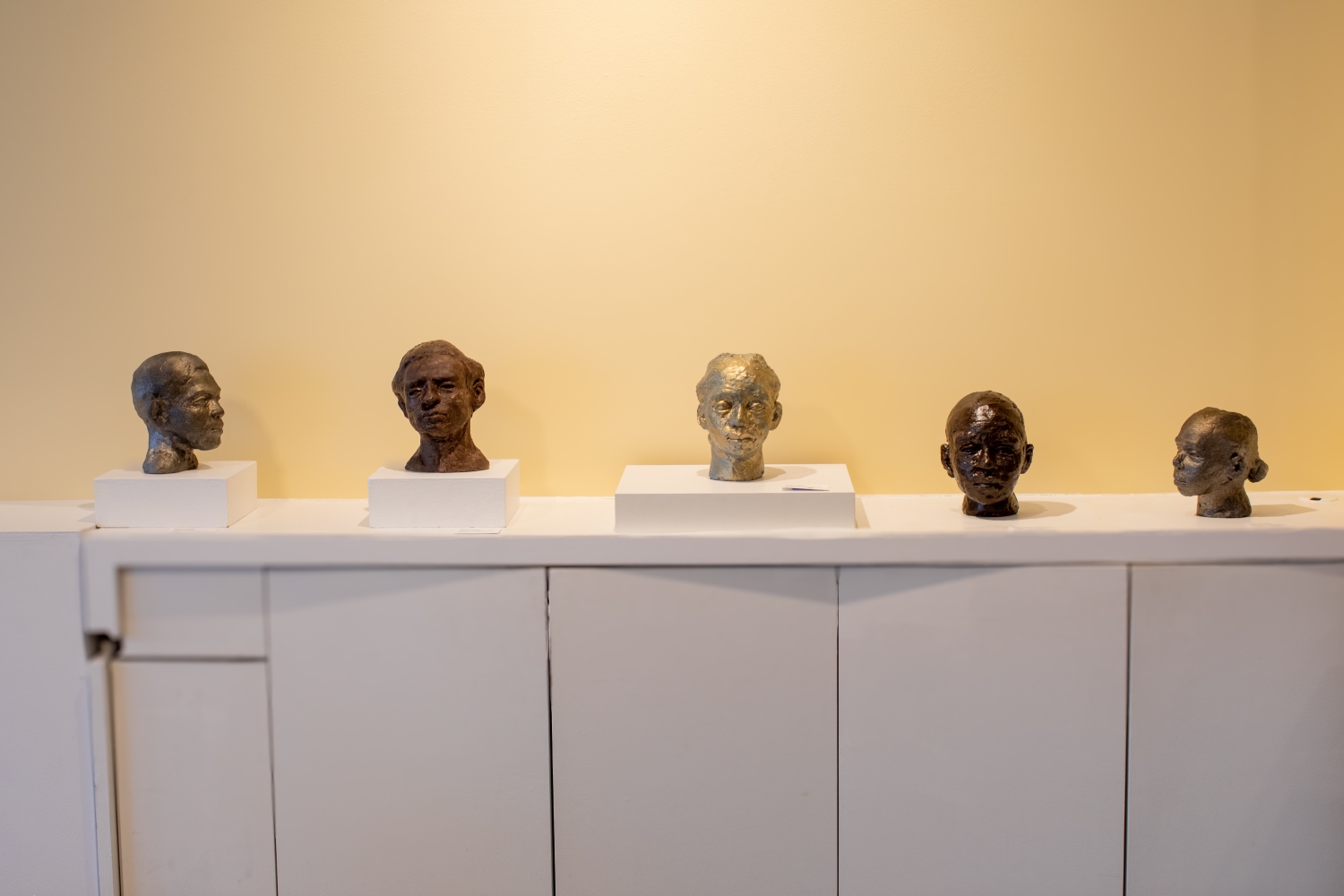
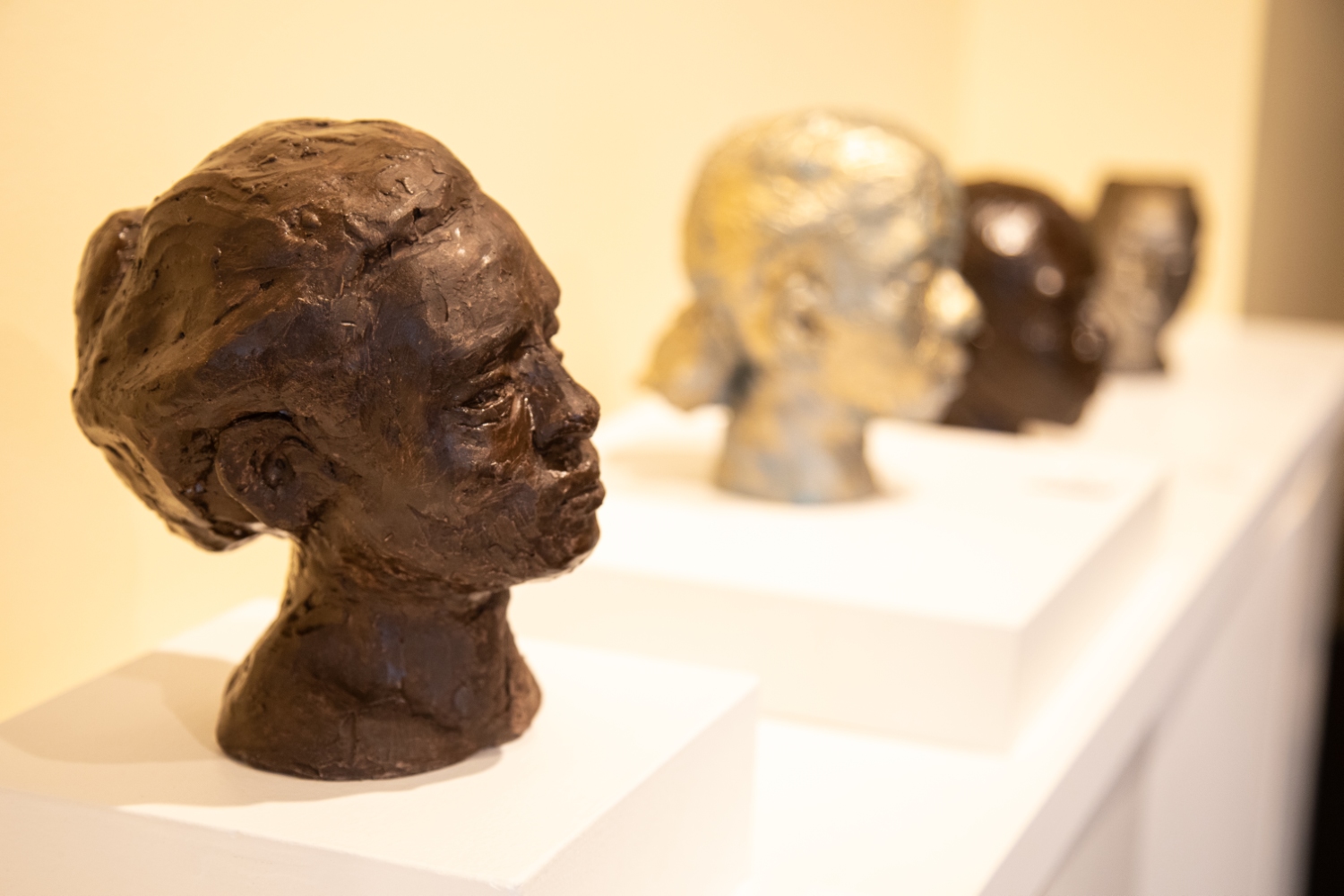
Roberto Lugo’s practice forms the perfect backdrop to explore the role of ceramics today, particularly among ceramicists of color, who are carving out new ways to consider object making as a form of storytelling. Take the artist Larry Ossei-Mensah, Ghanian artist and curator, who sees his emerging clay practice as an exploration of how movement informs perceptions. Ossei-Mensah’s highly gestural practice is informed by a carefully learned instinct—a tact that reflects his own global movement. The symbolically charged small works by Ossei-Mensah reflect small gestures, tete-a-tetes, and minute moments of a collective human experience.
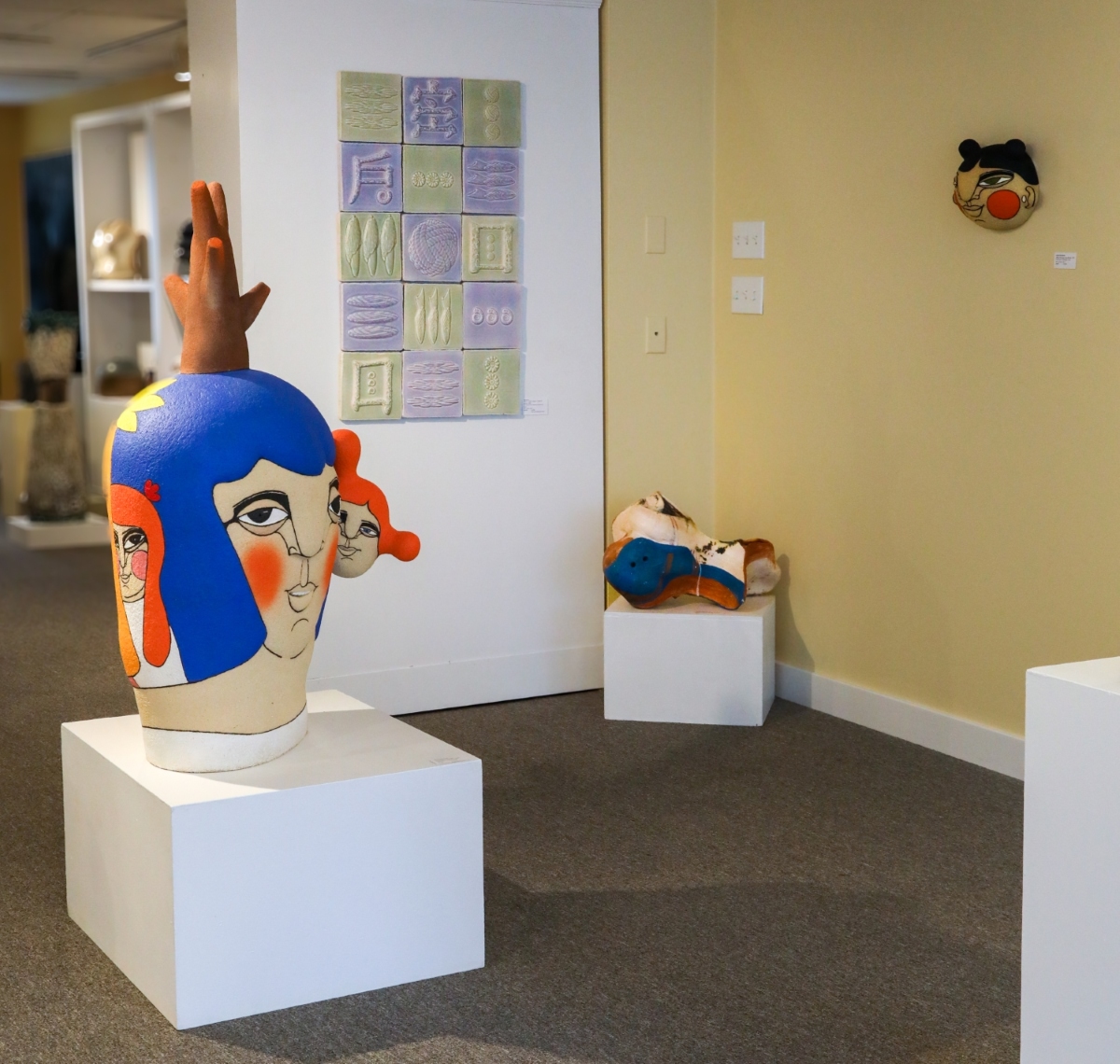
The exhibition Evolving Clay: Where Tradition Meets Transformation, presented at Lucy Lacoste Gallery, and curated by Ghanian artist and curator Michael Dela Dika, explores the responsiveness of clay to story, identity, and movement. With this exhibition, Raelis Vasquez, a Dominican painter who has long explored themes of migration, labor, and Black Dominican quotidian life, has shown his largest collection of sculpture works to date. This collection of six “busts”, created from stoneware, features unassuming, everyday people, in a style that reflects the simplicity of local countryside life. Carved with the same dignity as his paintings, these new sculptures point to a further exploration of the artist’s monumentalization of Dominican country life.
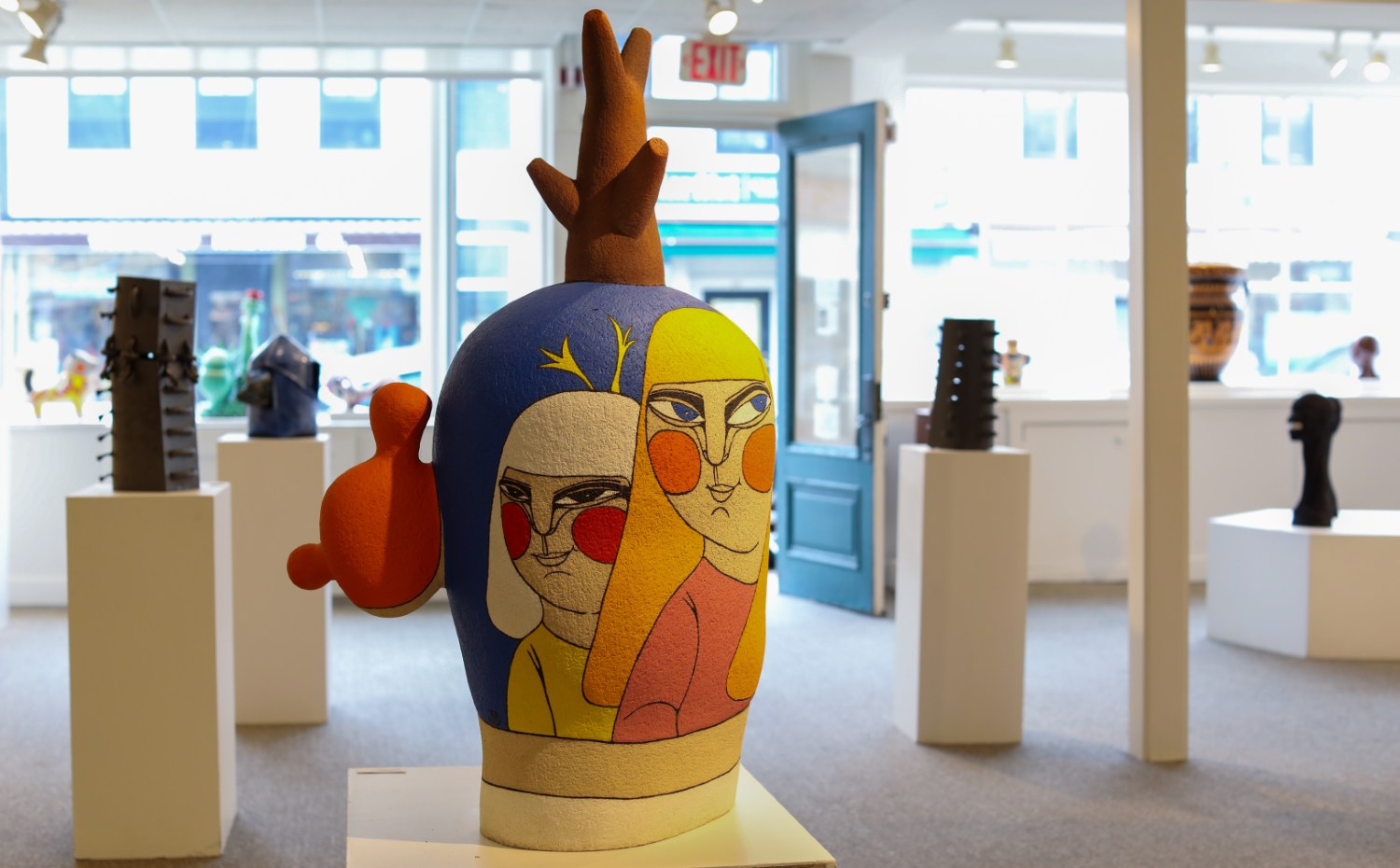
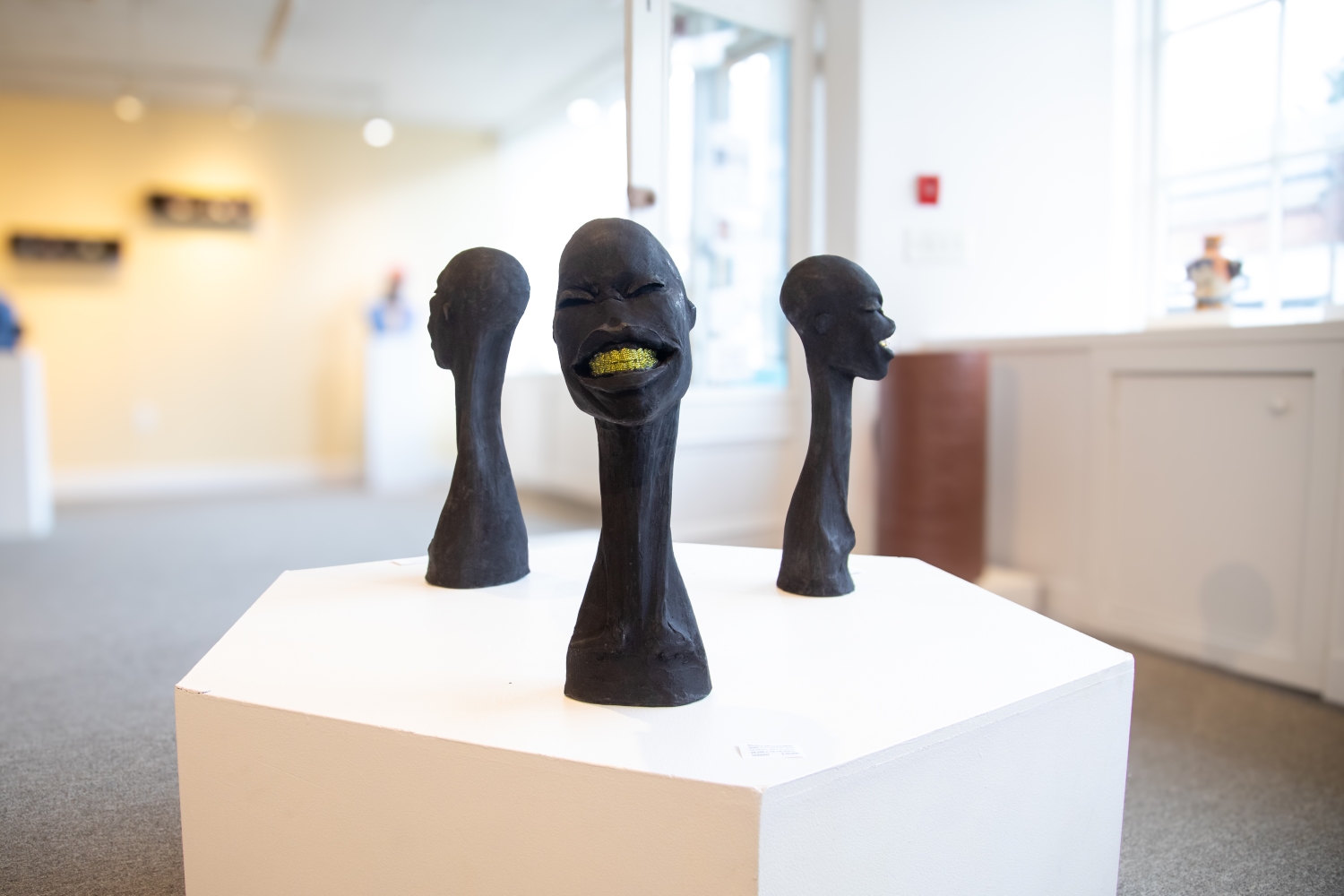
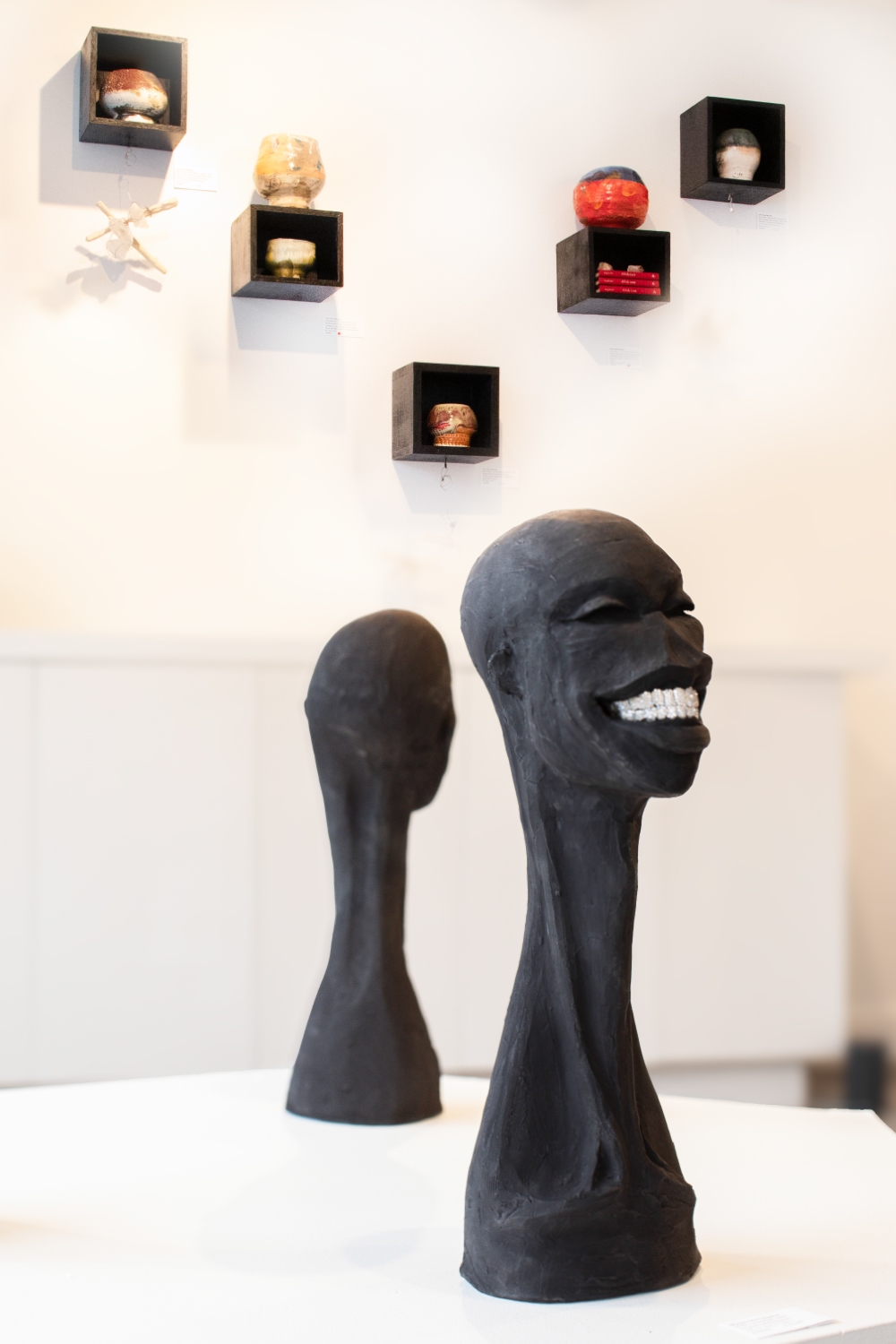
Defying the conventions of Renaissance portraiture—where the face was a site of restraint, proportion, and moral ambivalence—Murjoni Merriweather constructs a radically different visual language. Her works are approachable and familiar, marked by a rich dialogue with familial and cultural history. Her heavily stylized sculptures present monumentalized figures whose features resist the classical demand for realism. Instead of individualized likeness, we encounter centuries of black lineage and beauty, alongside a cultural motif— teeth adorned with stacked grills that shimmer through centuries of illegibility. The long neck, displayed on high pedestals, are meant to affirms the gravitas of Black contemporary life.
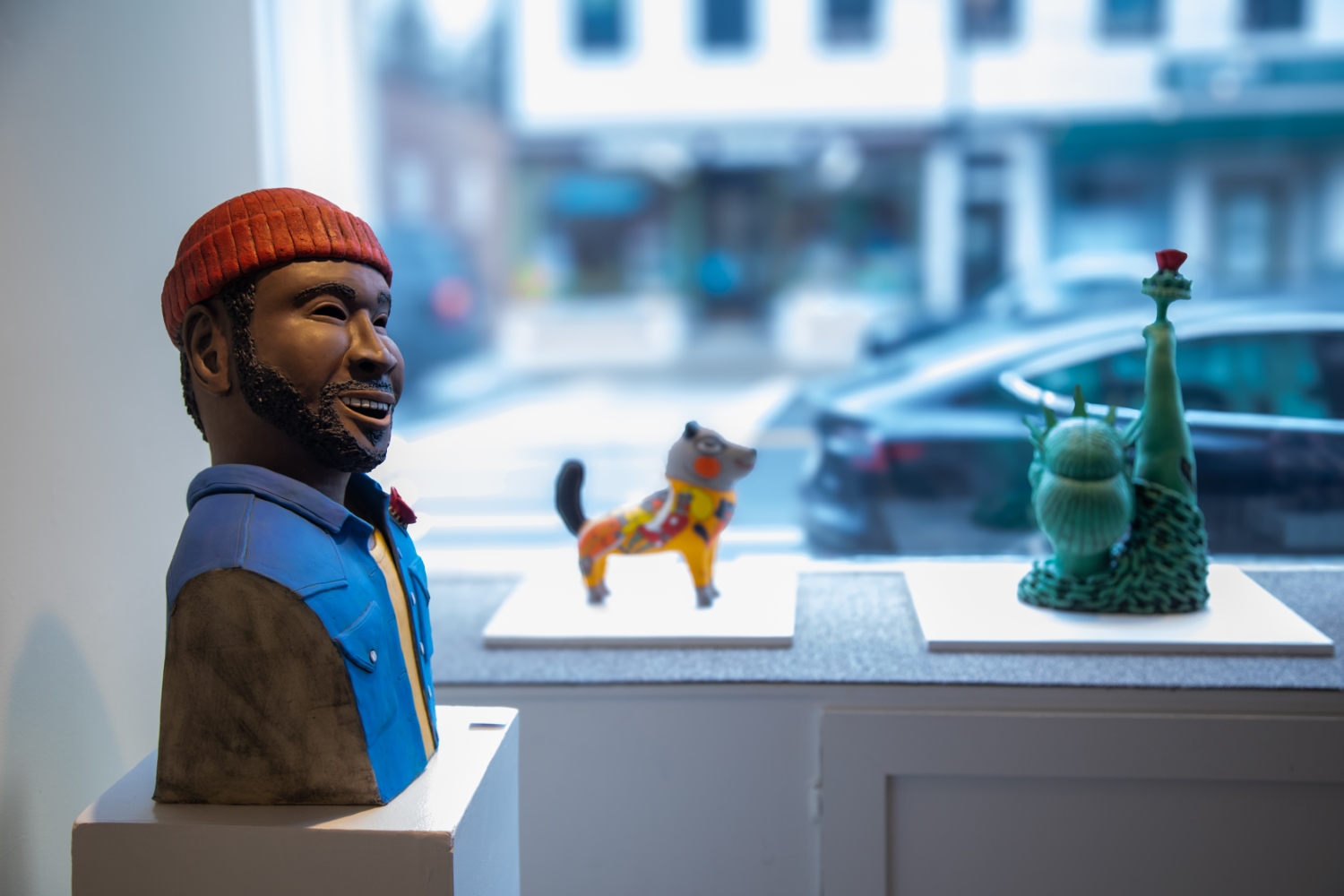
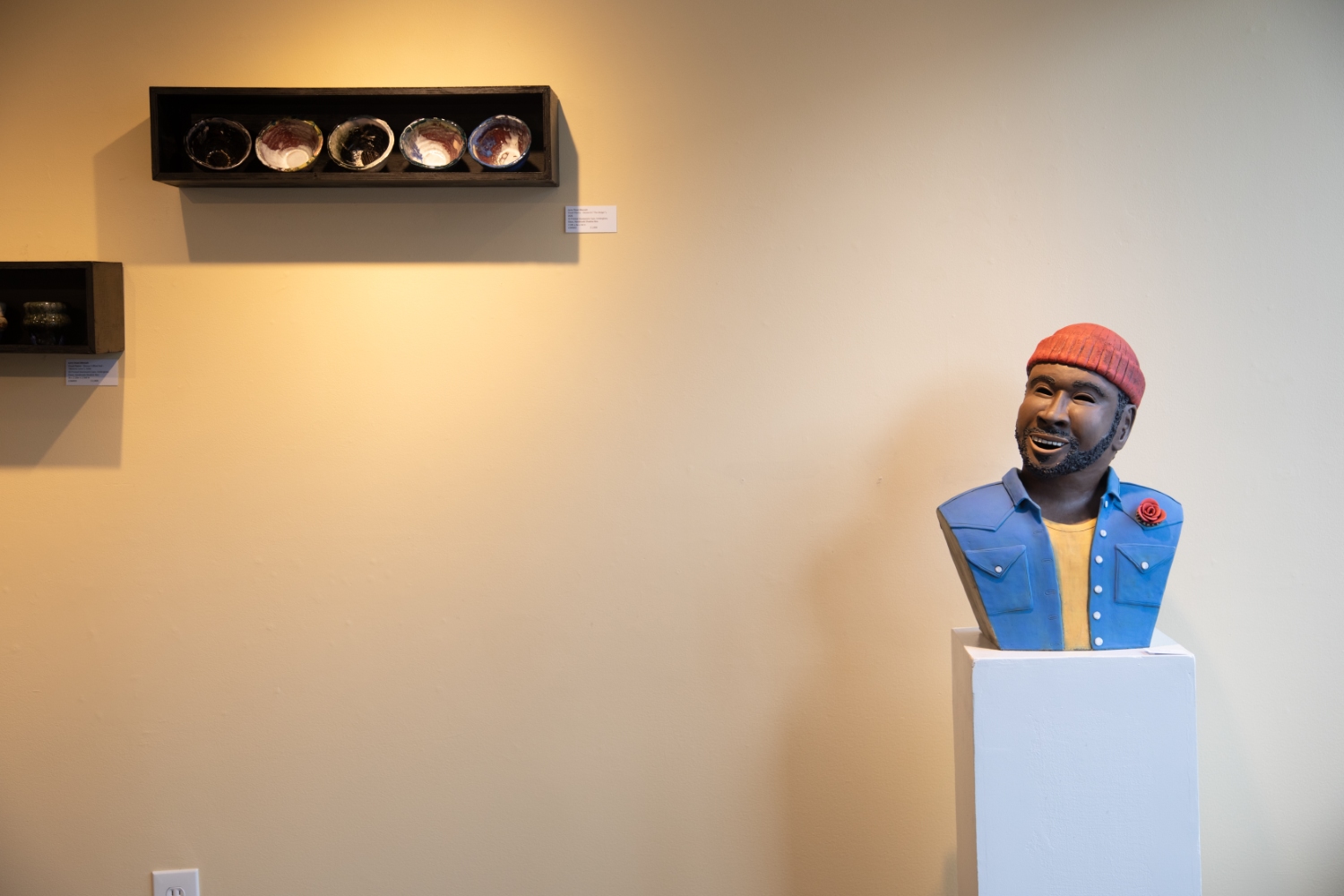
Isaac Scott’s timely Land of the Free? (2026) reflects on the destruction of democratic institutions in the United States, almost making its year of completion part of the name itself. This sculpture, alongside his Marvin Gaye (2026), eerily reflects the state of Black life that Gaye sung about in tracks like, “What’s Happening Brother” and “Inner City Blues (Make me Wanna Holler”). The question mark in Land of the Free? introduces a critical uncertainty, prompting reflection on the status of freedom as a political and social reality. Considered together, the two works establish a dialogue across time, positioning Gaye’s observations as enduring points of reference for understanding the present. Certainly, the present moment does make us wanna holler, and perhaps even question whether our most reliable institutions and monuments mean anything at all. Scott’s sculptures are not plainly figurative; they are an act of storytelling. Other artists in the show include Paul S. Briggs, Murjoni Merriweather, Gerald Brown, Michael Dela Dika, Eugene Agyei, Teddy Osei, Audrey An, Janina Myronova, and Josephine Larsen.
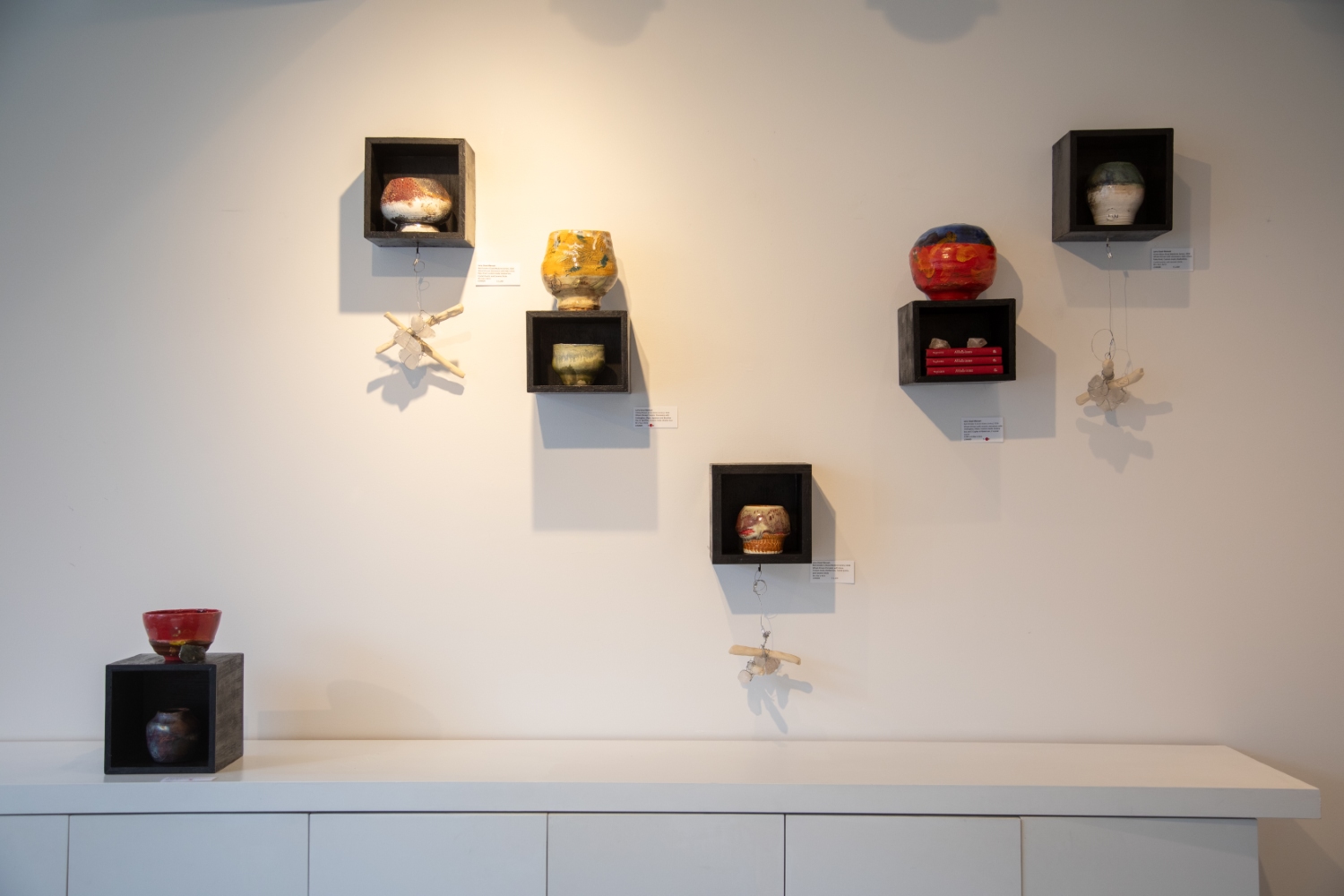
Exploring pottery and sculpture through thirteen contemporary artists, Ghanian artist and curator Michael Dela Dika has achieved a feat that is most necessary to concretize an art historical moment: surveying the contemporary moment. In a conversation with Dika, he noted this idea came from his desire to “capture the transformative power of traditional storytelling through clay,” and “record a multicultural language.” The exhibition is an ambitious exploration of contemporary clay artists, at a moment when material history, tradition, and cultural pride are being chipped at, at a structural level.
Contact
info@lucylacoste.com
Lucy Lacoste Gallery
25 Main Street
Concord MA, 01742
United States
Photos courtesy of the gallery and artists