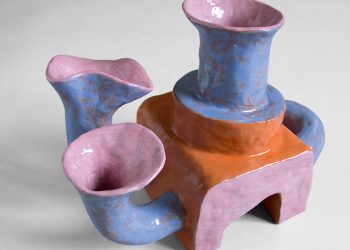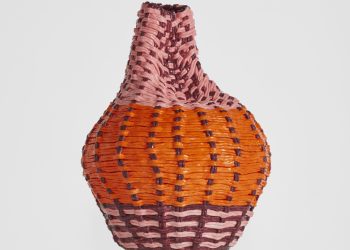

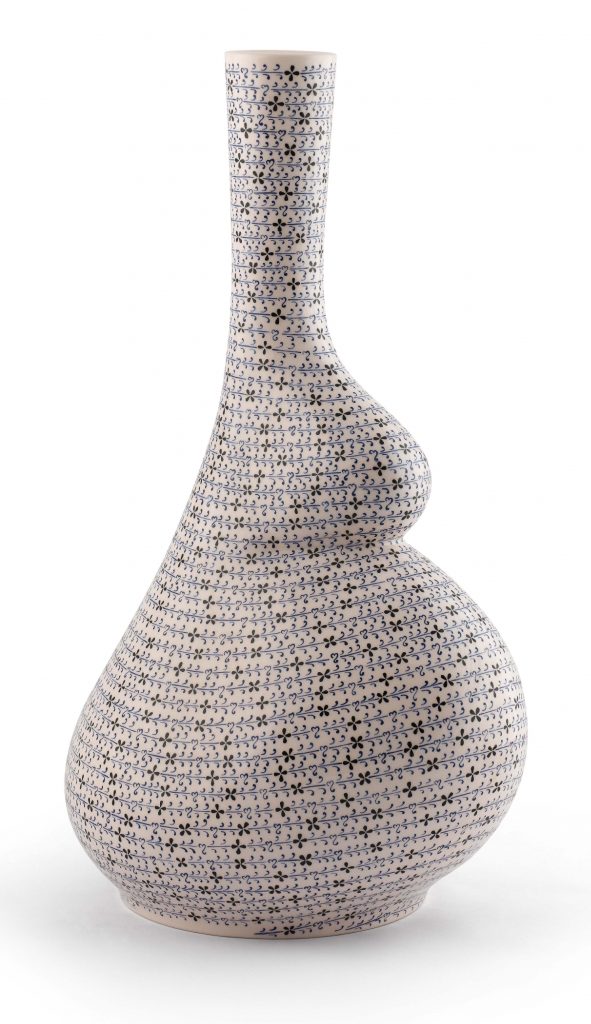
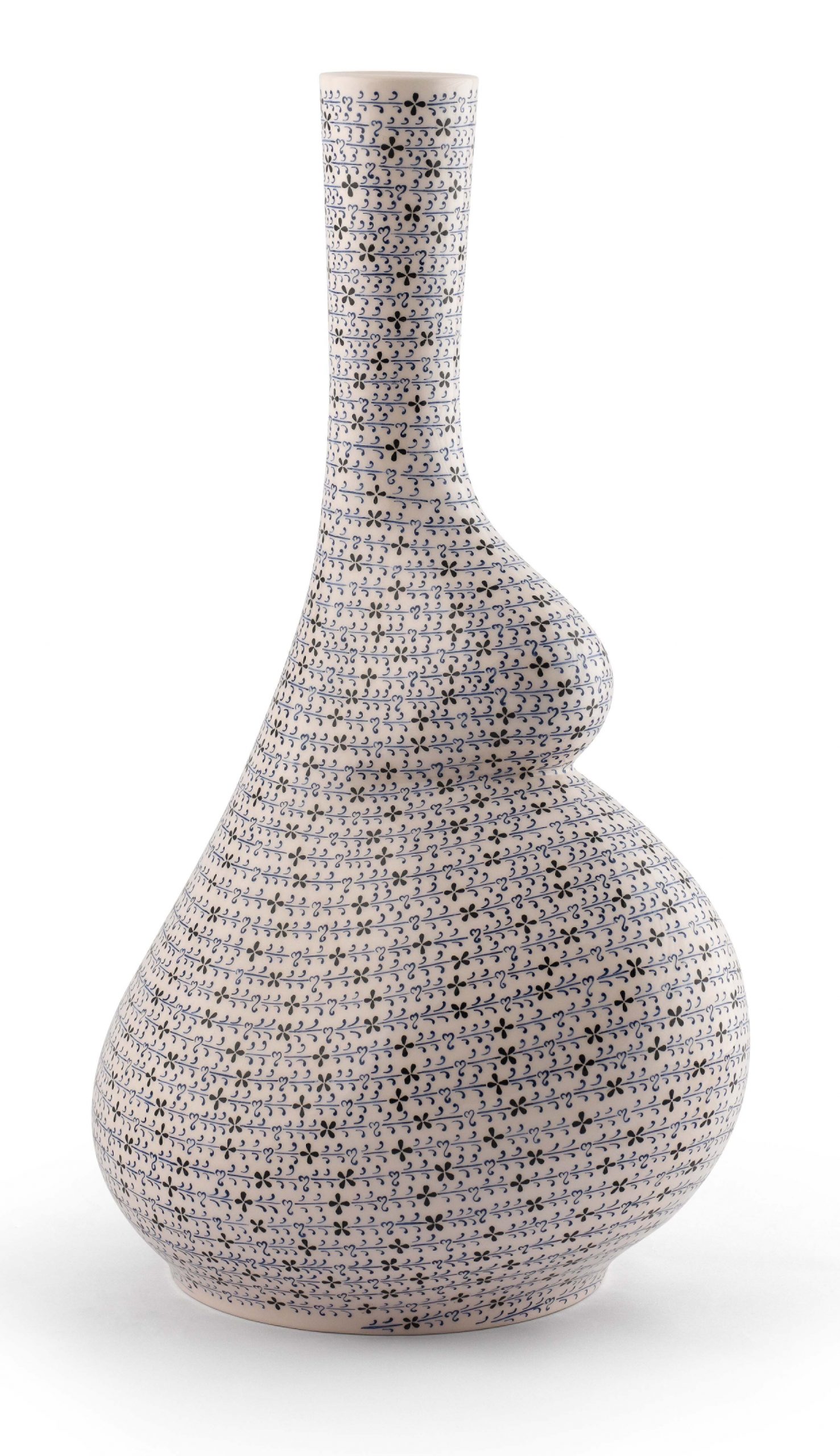
Pregnant Spiral, Elif Uras, 2019, Turkey 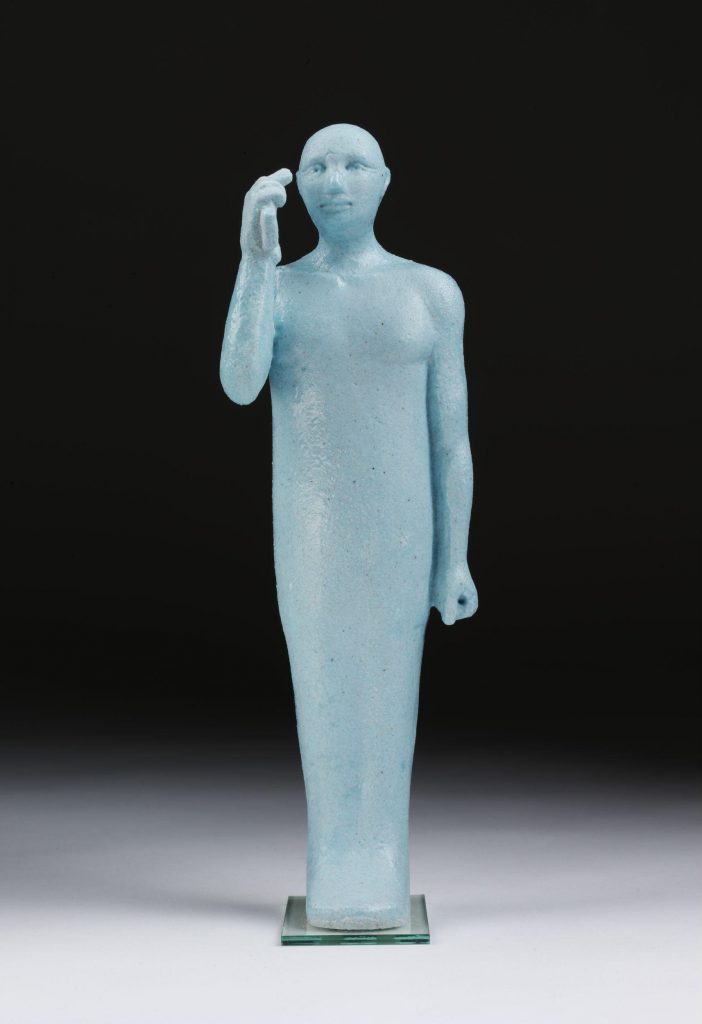
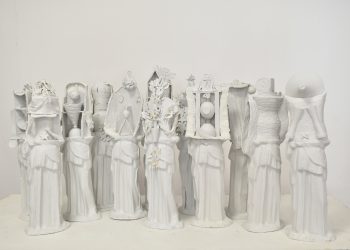
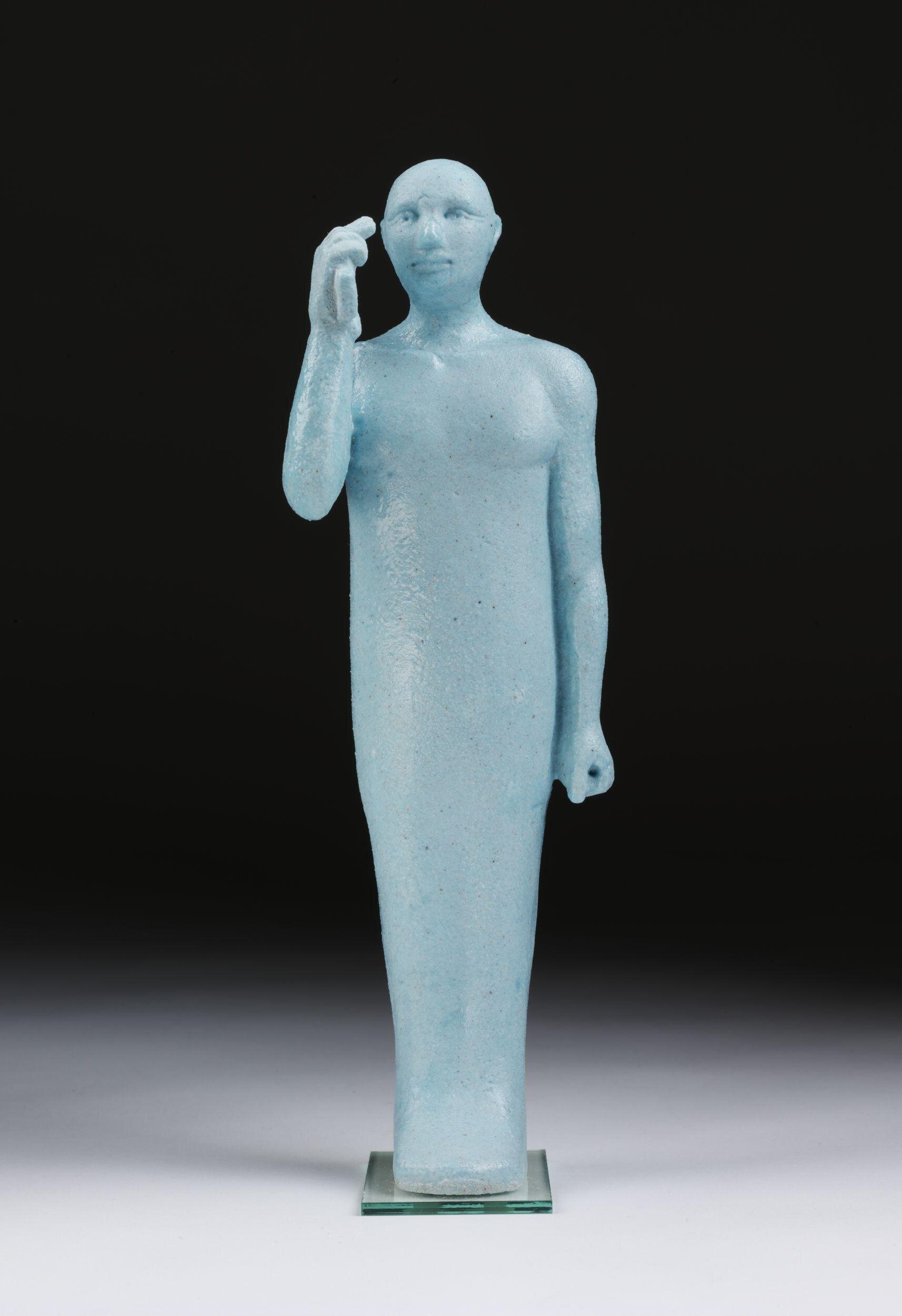
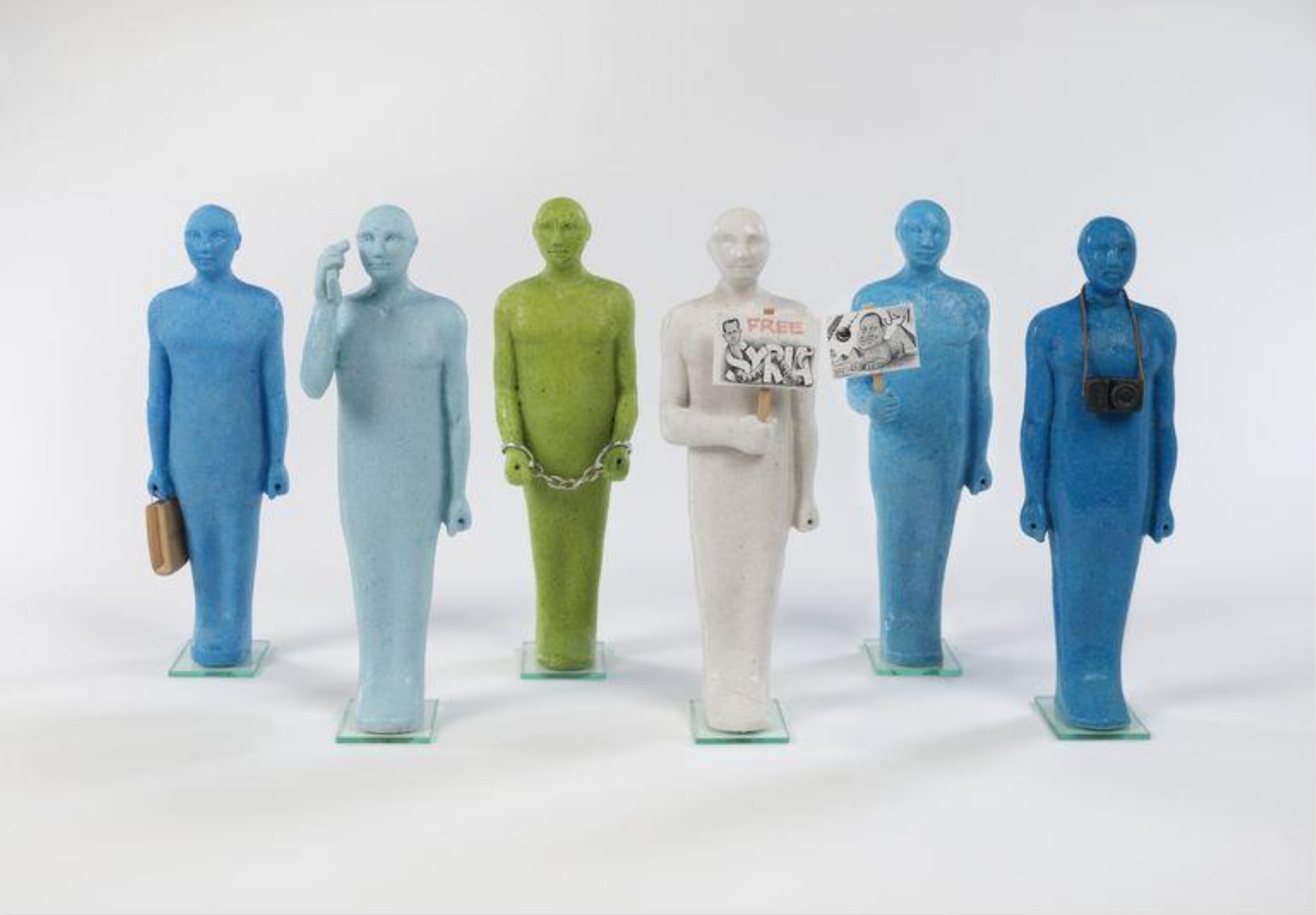
‘Nu’ Shabtis: Liberation, Zahed Taj-Eddin, 2014, London, England 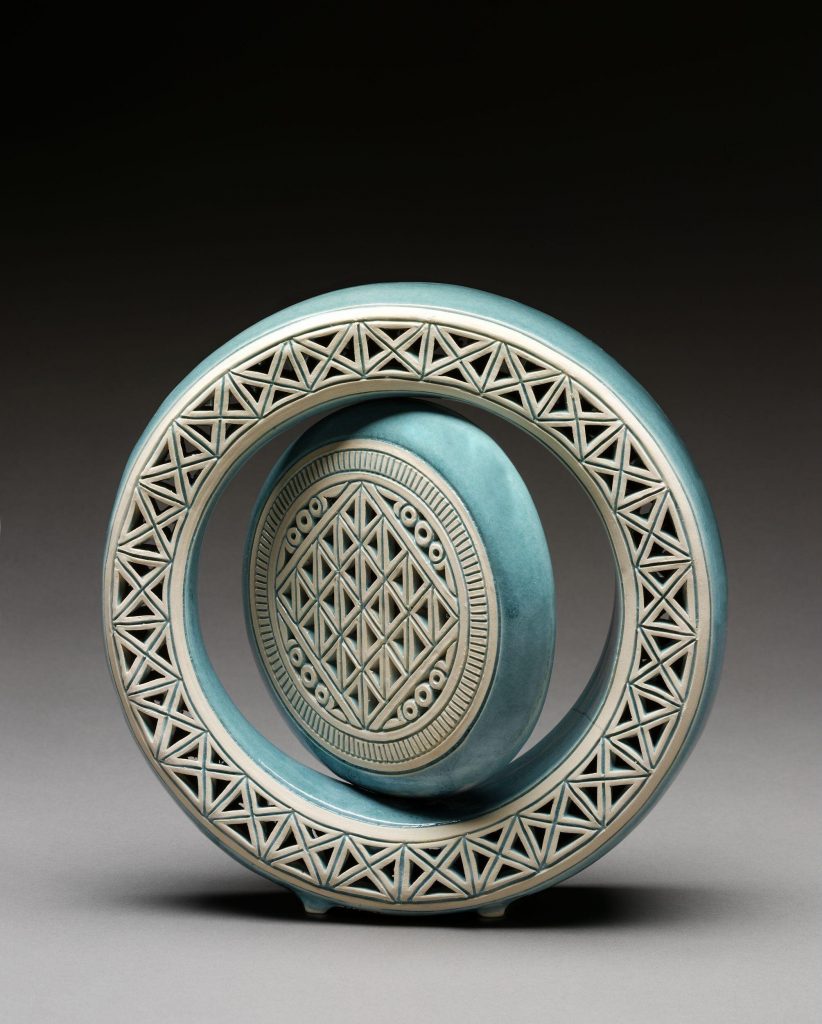
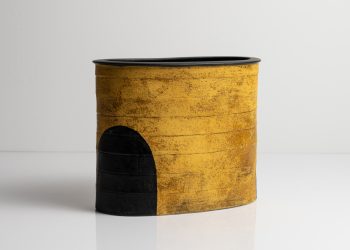
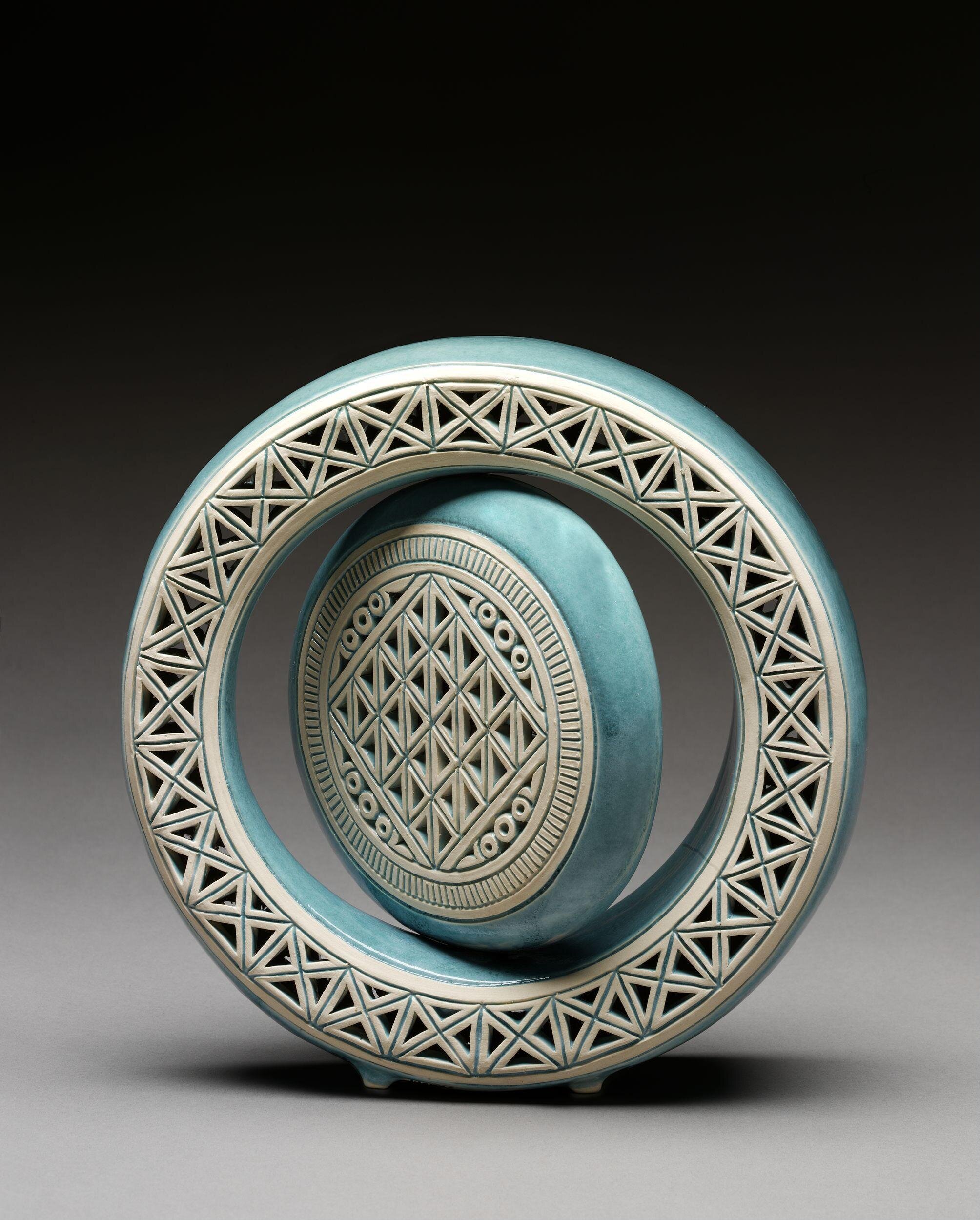
Double Circle, Ibrahim Said, 2013, Fustat, Egypt 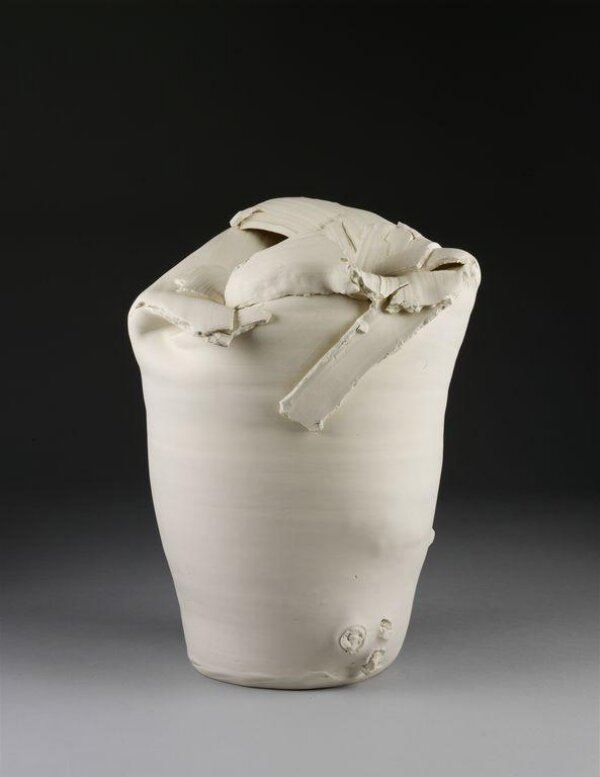
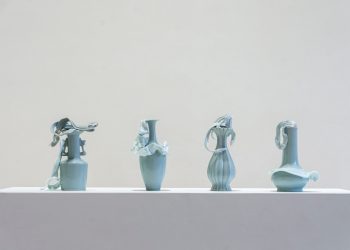
Vase from the series ‘The Eye Above the Well’, Nathalie Khayat, 2015, Beirut, Lebanon 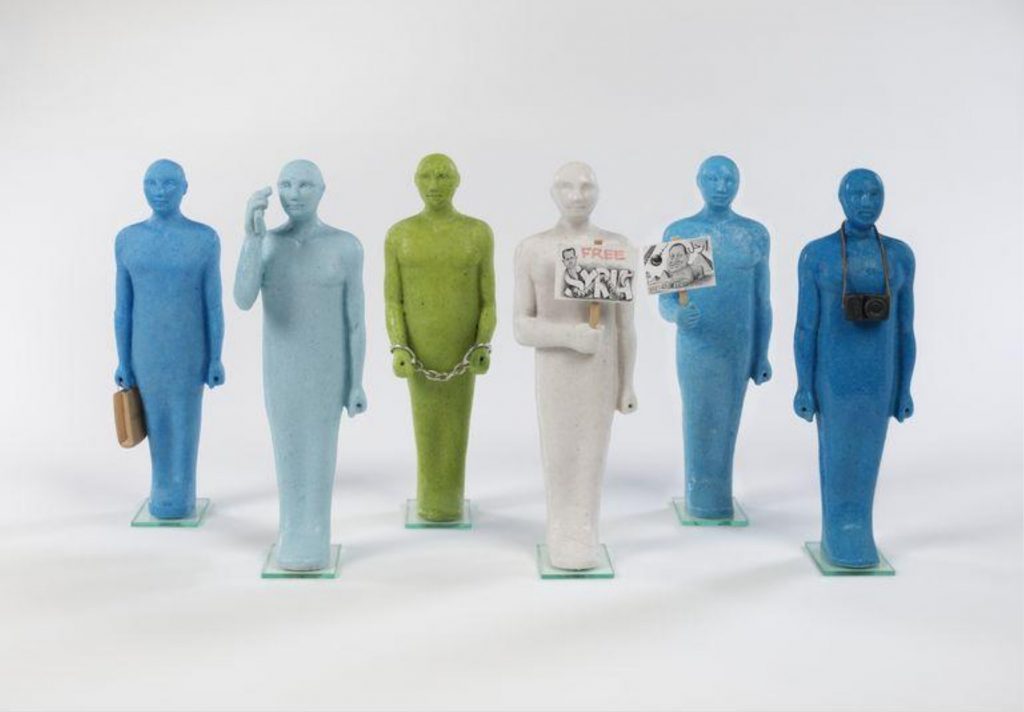
‘Nu’ Shabtis: Liberation, Zahed Taj-Eddin, 2014, London, England 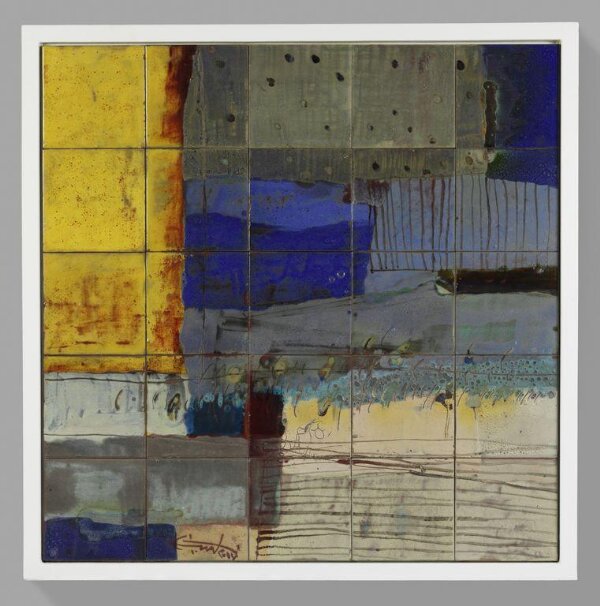
Tile panel, Diaa El-Din Daoud, 2018, Fustat, Egypt 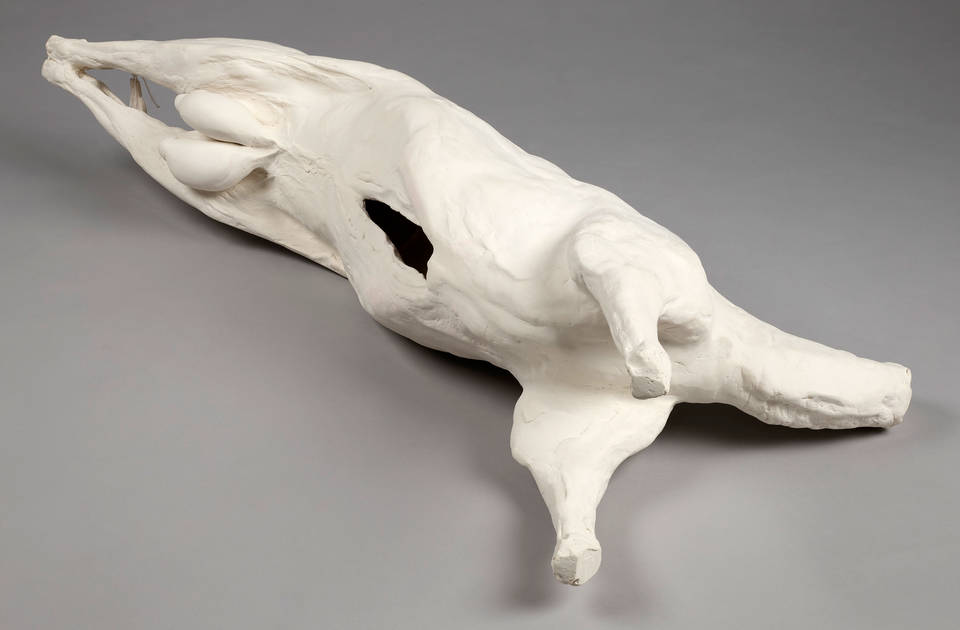
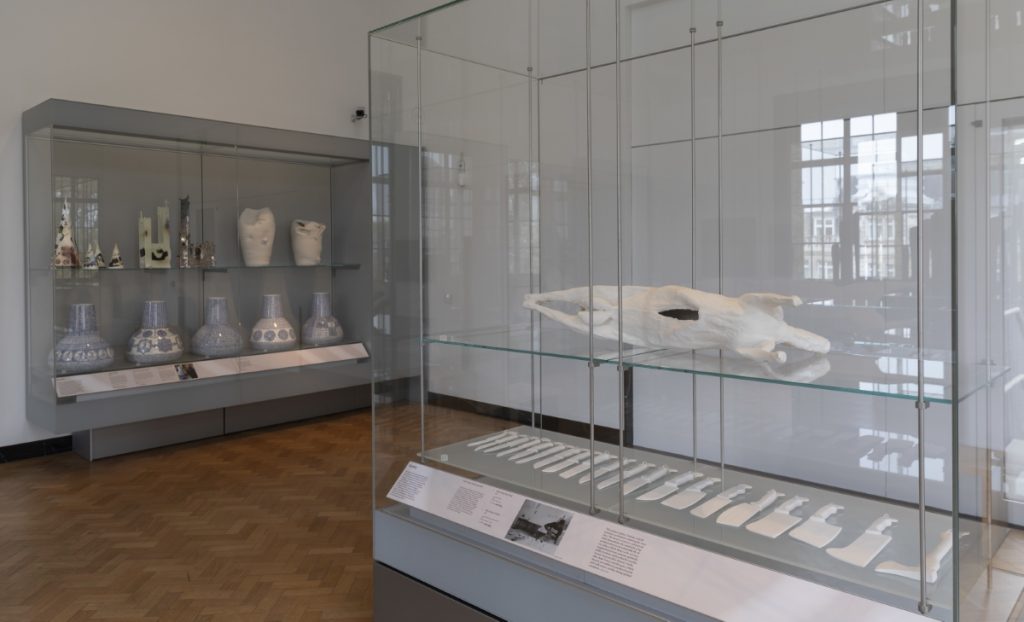
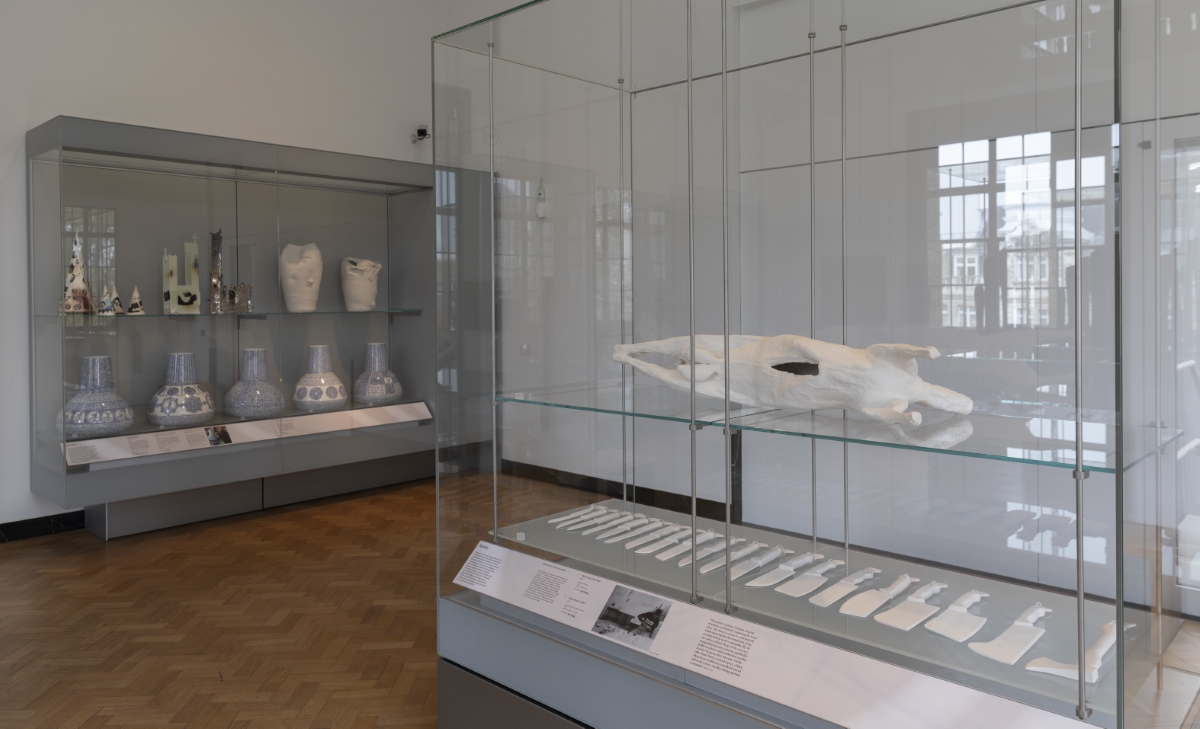
Black Sheep/Dead Meat, Malek Gnaoui, 2015, Tunis, Tunisia 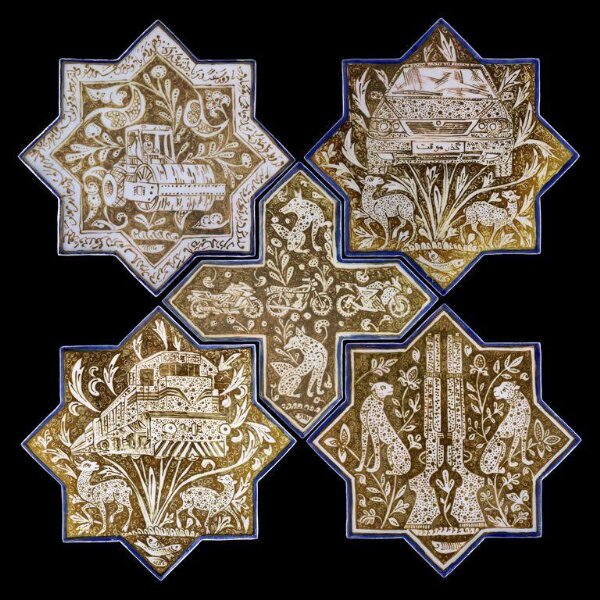
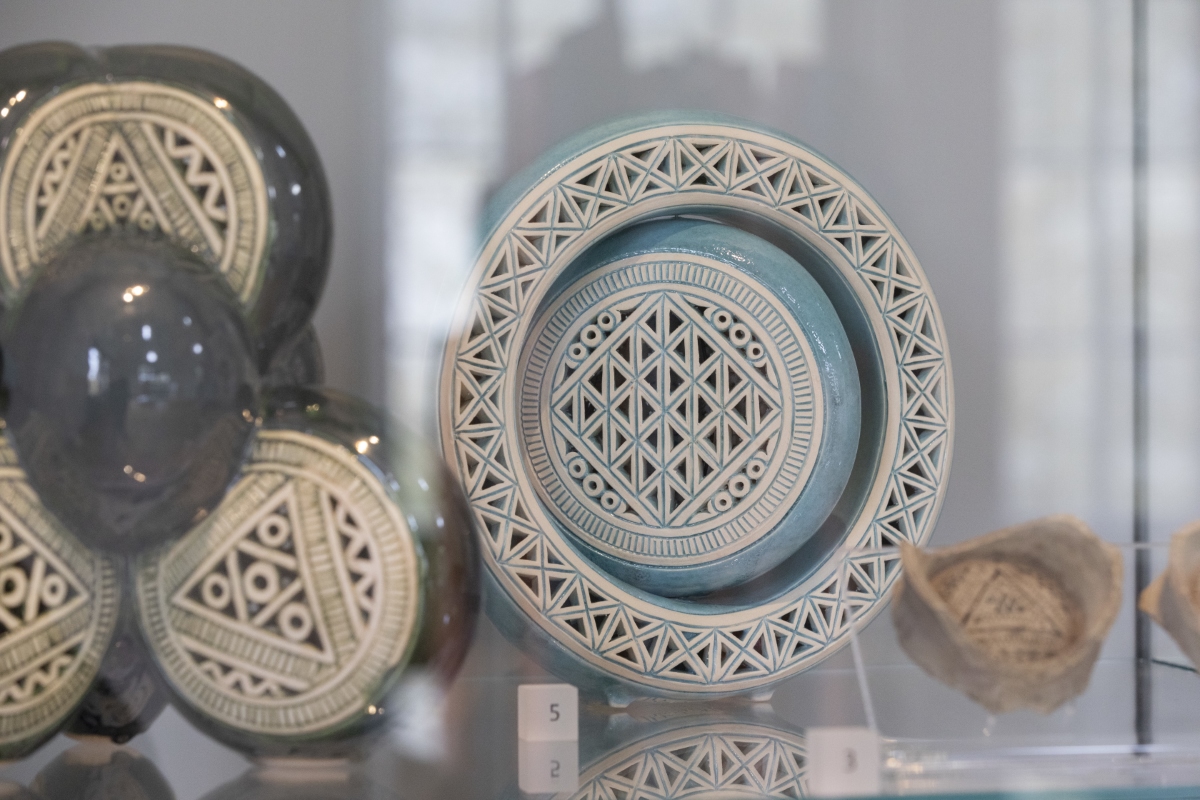
Panel of five tiles, from the series ‘Kashi and Kashan’, Abbas Akbari, 2019, Tehran, Iran
Contemporary Ceramic Art from the Middle East is on view at Victoria and Albert Museum, London
June 23 – October 17, 2021
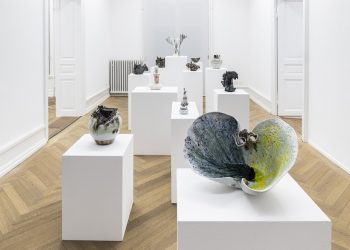
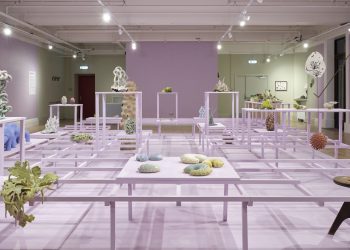
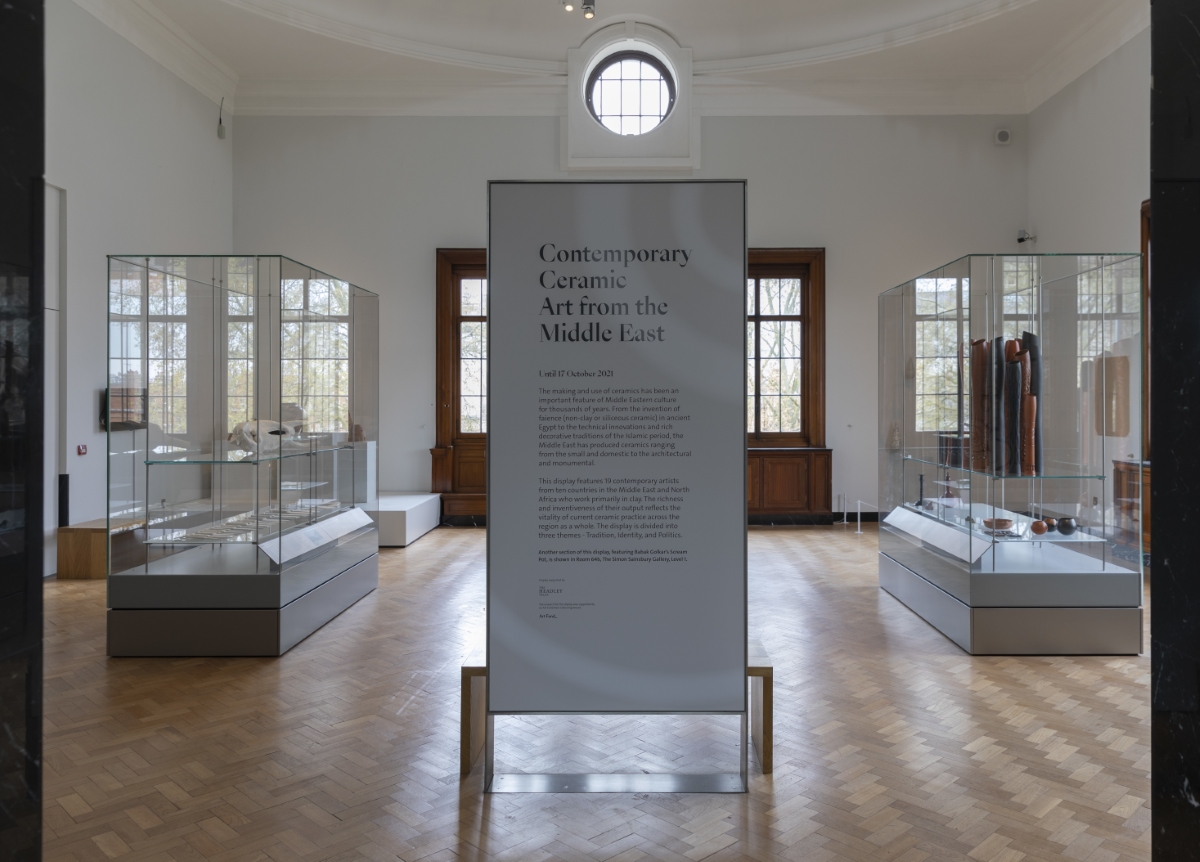
This display brings together for the first time contemporary artists from across the Middle East and North Africa and in diaspora, who work primarily in clay. While historical ceramics from this region are widely known and celebrated, current ceramic practice across the region is still little-known. This display introduces the richness and vitality of this practice.
The display features the work of 19 artists from ten countries. Some of these artists look back to the techniques and designs of their nation’s past, or seek inspiration from aspects of their culture. Others choose ceramic as a vehicle for political messages.
The display is divided into three themes:
TRADITION
The artists featured in Tradition seek a dialogue between the past and the present. Their work engages with the forms, designs and techniques of historical ceramics from the Middle East. The focus may be scientific enquiry into the use of materials – as with Zahed Taj-Eddin’s Nu Shabtis – or an exploration of the artist’s personal connection to their place of origin – as with Ibrahim Said’s reference to medieval water filters recovered archaeologically from Fustat, outside Cairo, which remains the potters’ quarter to today. Some artists use historical references to comment on social issues of today – such as Abbas Akbari’s lustre tiles or Elif Uras’s reference to Ottoman vessels – or as a way to keep traditions alive and give them a new future.
The display includes an installation of new work by Ashraf Hanna entitled Shararah, ‘Spark’ in Arabic. This installation began as an exploration of the techniques and designs of a collection of burnished pottery in the V&A collection, made in Asyut in Upper Egypt in the late 19th century. Hanna originally comes from the neighbouring city, El Minia, and wanted to explore this connection to his Egyptian identity. As the work evolved, it became a tribute to the youth who ‘sparked’ the Egyptian Revolution in 2011, as part of the Arab Spring. The installation features 25 vessels, referencing the date of 25 January when the protests began.
IDENTITY
The works in Identity engage with cultural and national identity. Khaled Ben Slimane and Rachid Koraïchi are both followers of Sufism, the mystical tradition of Islam, who use writing in symbolic ways in their pursuit of dialogue between faiths and cultures. For Koraïchi, who grew up during the final years of Algeria’s colonisation by France, using the symbols of his own culture has also been an act of resistance. Ben Slimane repeats particular words across his ceramics – especially ‘Allah’ (‘God’) and ‘huwa’ (‘he’, also referring to God) – and this writing is a form of spiritual practice. Nathalie Khayat uses her own body to physically impress her identity onto her ceramics. Injured in a car bomb explosion in her native city Beirut, making became a form of therapy, and notions of violence and damage are reflected in the two vases seen here.
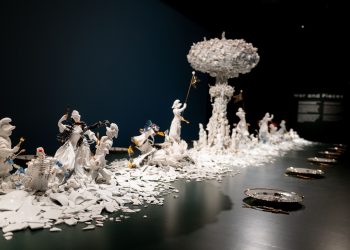
Malek Gnaoui references Tunisian popular beliefs and cultural traditions. The installation here includes work from his Black Sheep series, which references the ritual sacrifice of sheep during the ‘id al-adha festival, celebrated by Muslims throughout the world following the annual Hajj pilgrimage to Mecca. The works are made from delicate bisque-fired clay whose whiteness belies the bloodiness of the slaughter. The carcase in Black Sheep/Dead Meat was made using a combination of moulding and modelling, while the knives in Black Sheep/Toolbox are moulded from actual knives that have been used in sacrifices. They bear the star and crescent moon of the Tunisian national flag.
Contemporary Ceramic Art from the Middle East 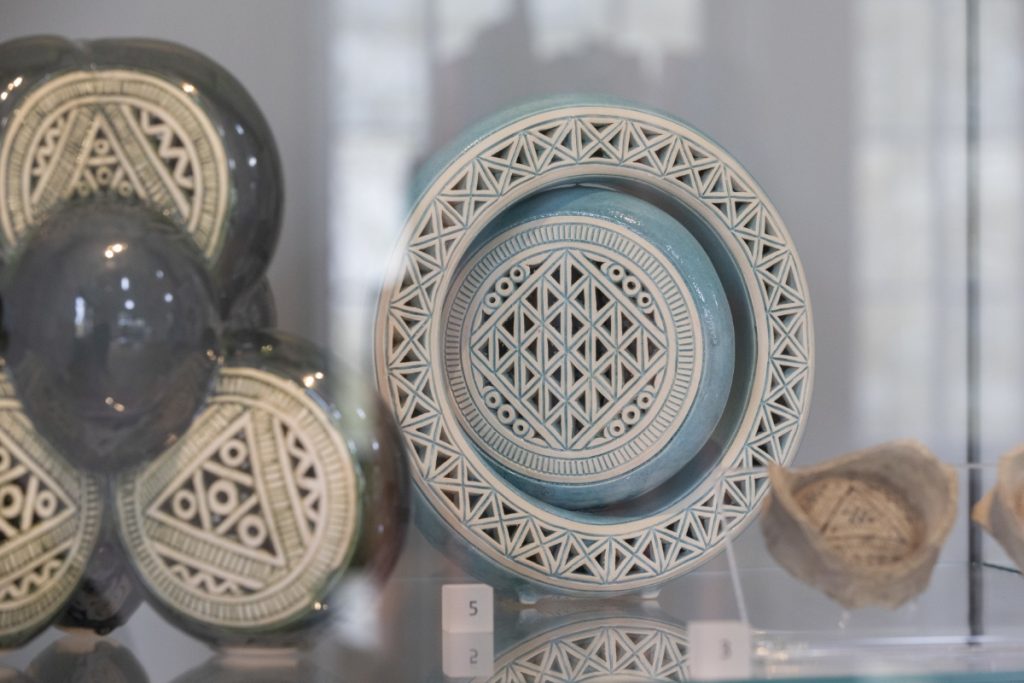
Contemporary Ceramic Art from the Middle East 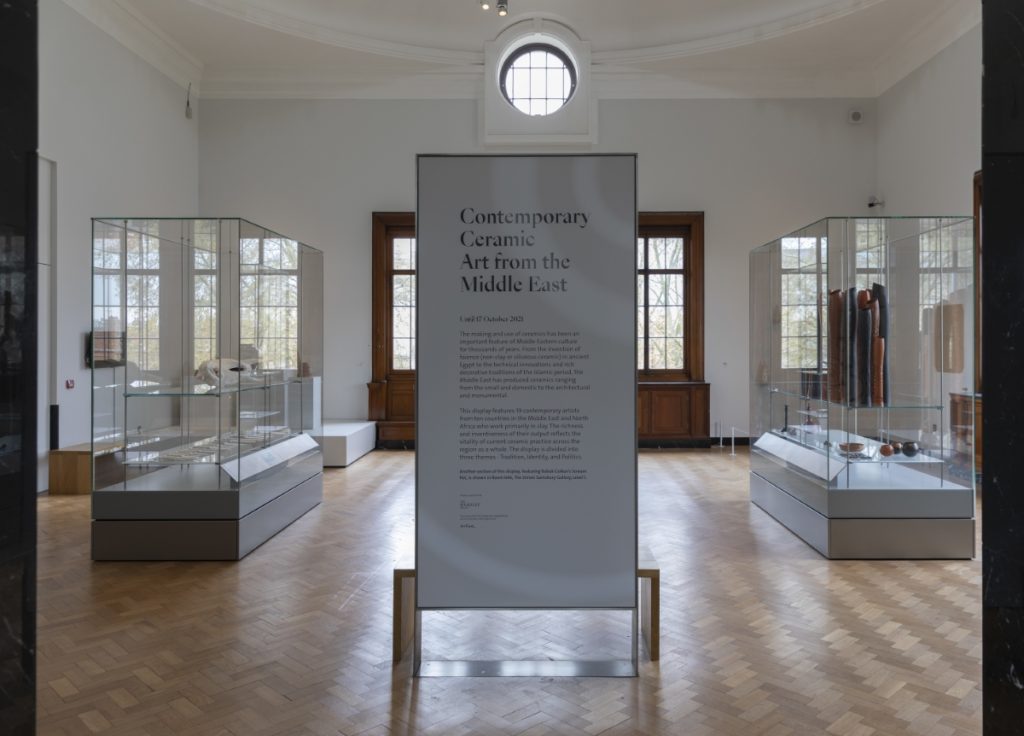
Contemporary Ceramic Art from the Middle East display 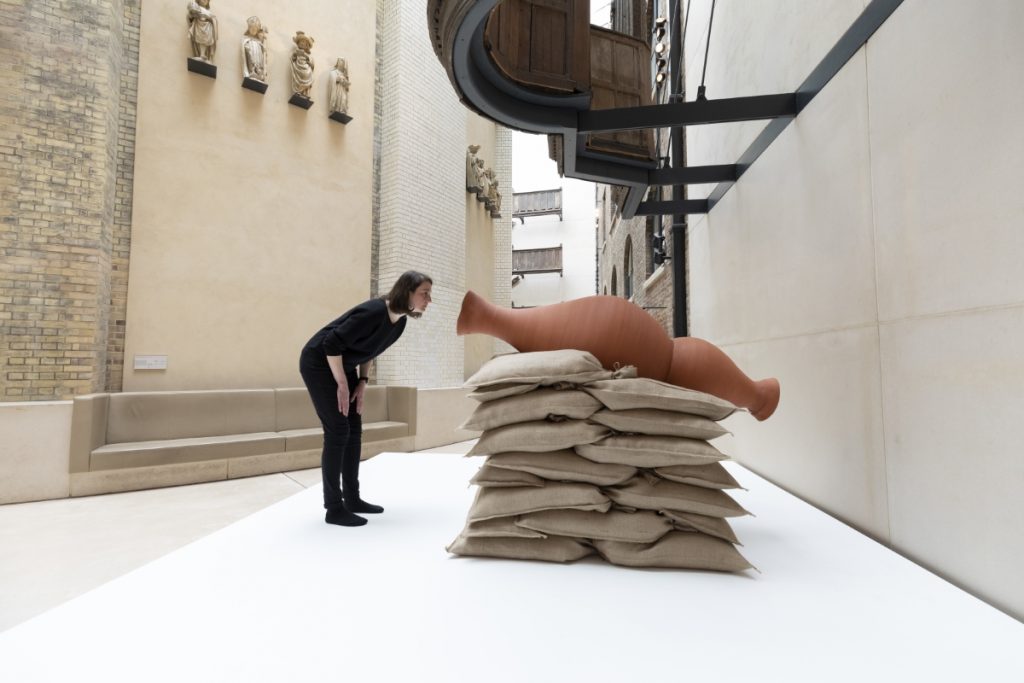
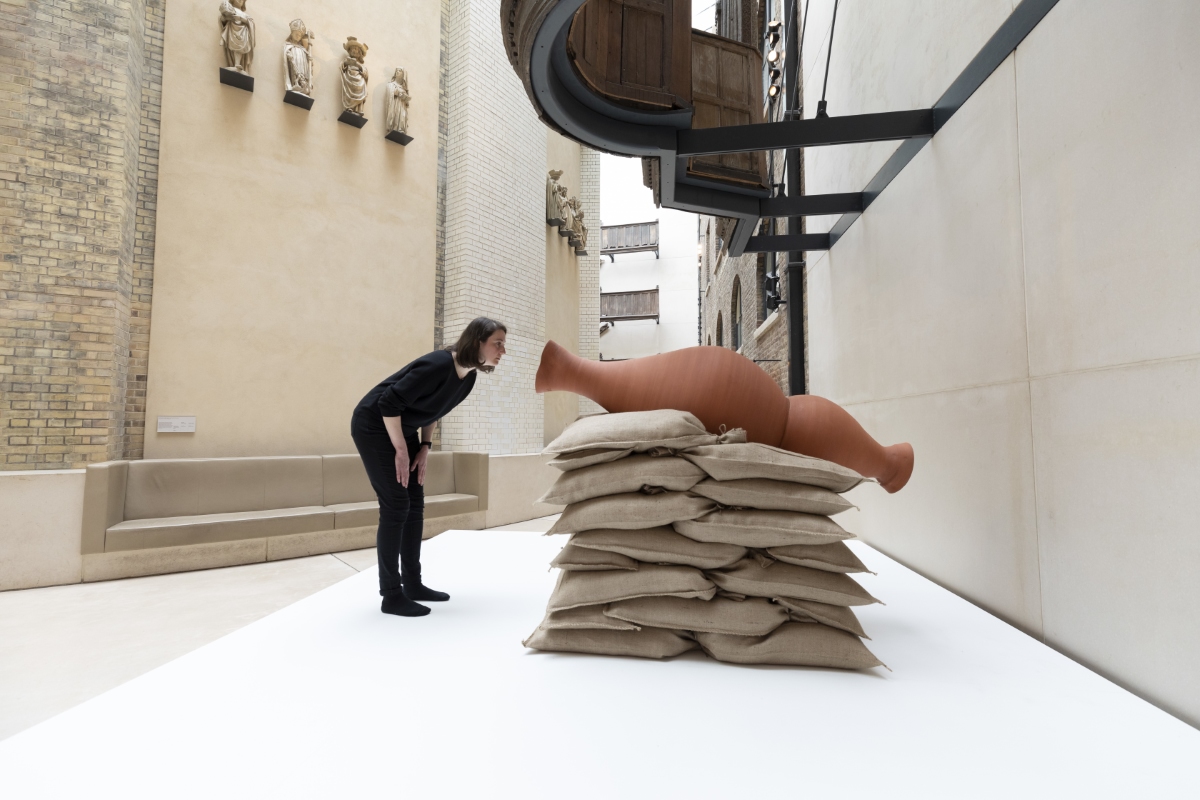
Scream Pot by Babak Golkar. Contemporary Ceramic Art from the Middle East
POLITICS
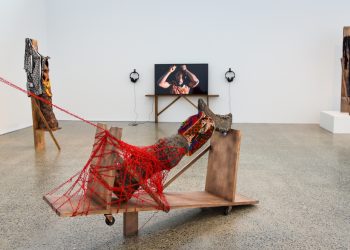
For the artists in Politics, clay serves as a medium for peaceful protest. The Middle East has been a region of political tumult for more than a century. Recent decades have seen the fall of dictators like Saddam Hussein in Iraq (ruled 1979 – 2003) and Muammar Gaddafi in Libya (ruled 1969 – 2011), and also the rise of new leaders such as Recep Tayyip Erdoğan in Turkey (in office since 2003). The works in this section confront traumatic pasts and comment on dictatorship, exile, censorship, the place of women in society, and the rise of Islamic fundamentalism as a political tool.
Raed Yassin’s vases – made by Chinese ceramicists in Jingdezhen – are decorated with scenes of famous battles from the Lebanese Civil War (1975 – 90), which the artist lived through as a child. He intends that the familiarity of blue-and-white porcelain vessels, seen in many Lebanese homes, will encourage the Lebanese to confront their past. Manal al-Dowayan’s doves are printed with the artist’s own travel permits, documenting the fact that women in Saudi Arabia were required to obtain written permission from a male relative in order to travel. On the lower shelf, the notebooks were covered in porcelain slip by Halim al-Karim and fired in a makeshift kiln as he fled Iraq – in this way he destroyed their subversive contents but also preserved them as a witness to persecution. The ceramic gun by Farnaz Rabieijah references the golden guns owned by several Middle Eastern dictators.
This section also includes two wall-based installations. Silent Tears by Taraneh Hemami evokes the personal sense of loss and displacement from her country and family following the Iranian Revolution in 1979. Shahpour Pouyan’s installation of domes and towers are inspired by a passage in the novel My Name is Red by Turkish writer Orhan Pamuk (1998). They incorporates references to multiple architectural styles and comment on the tension between tradition and modernity in the Islamic world. The structures create a dystopian cityscape critiquing what he sees as the stupidity of Middle Eastern leaders who seek to assert their power through embracing Islamic fundamentalism. He created this work at the time of the Turkish constitutional referendum of 2017, when President Erdoğan sought autocratic rule.
The display is complemented by the installation of the Scream Pot by Babak Golkar, on display in Room 64b. This person-sized unglazed terracotta vessel mounted on hessian sacks is intended to be an interactive object. Golkar is interested in the physical interaction of the public with his art. He wants his works to perform, and for his audiences to participate in that performance. His Scream Pots address the human emotions of frustration and distress, which are usually suppressed in public. They provide a safe place for people to expose their vulnerability by screaming their frustrations into them.
Contact
+44 (0)20 7942 2000
hello@vam.ac.uk
Victoria and Albert Museum
Cromwell Road
London SW7 2RL
Photos copyright Victoria and Albert Museum