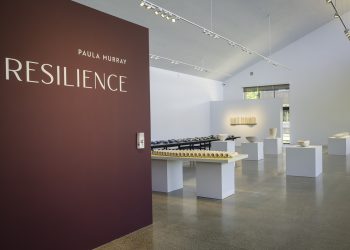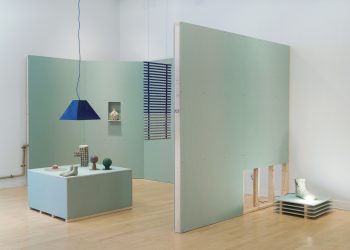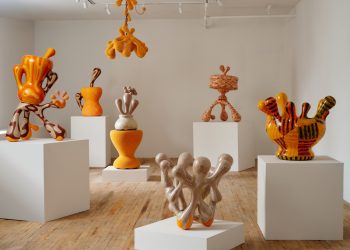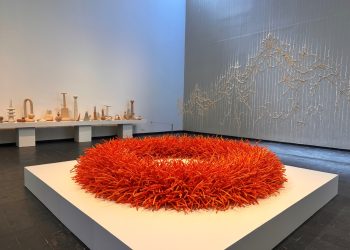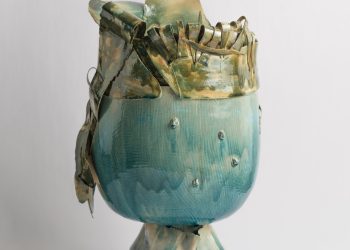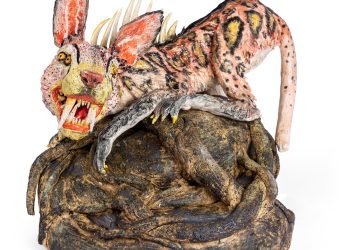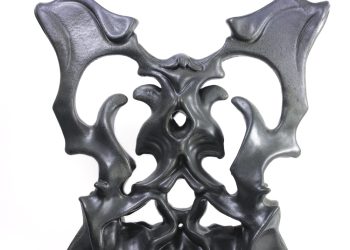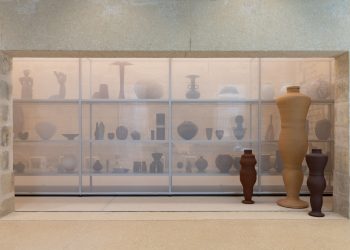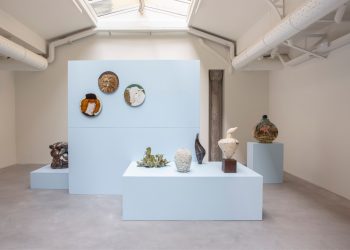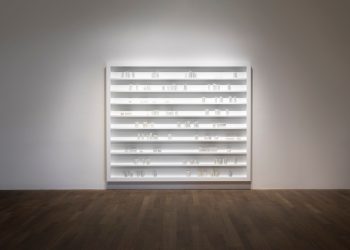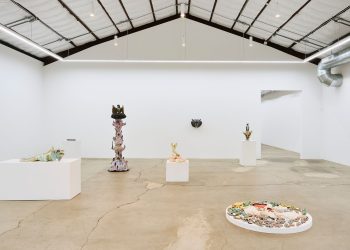
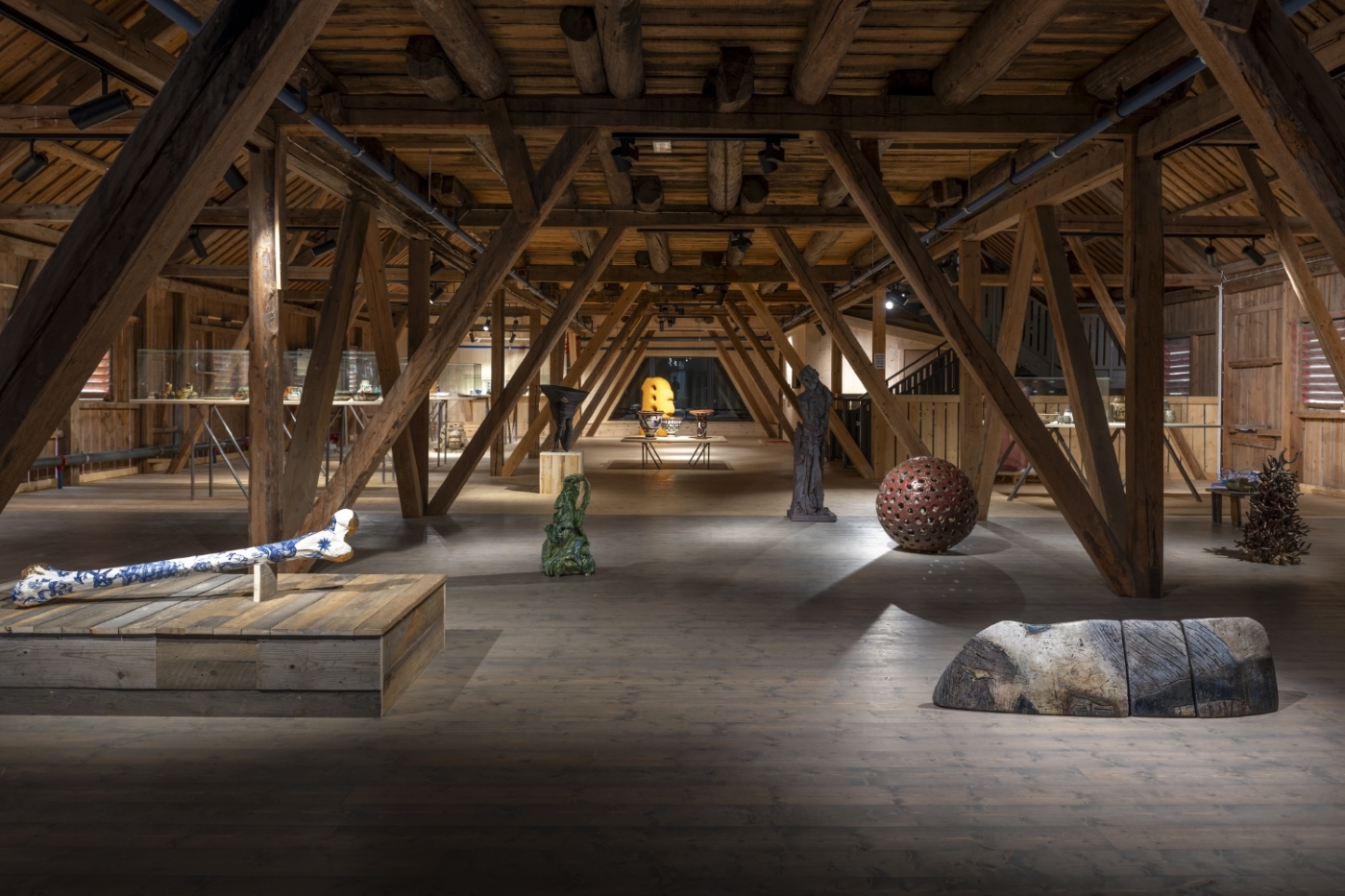
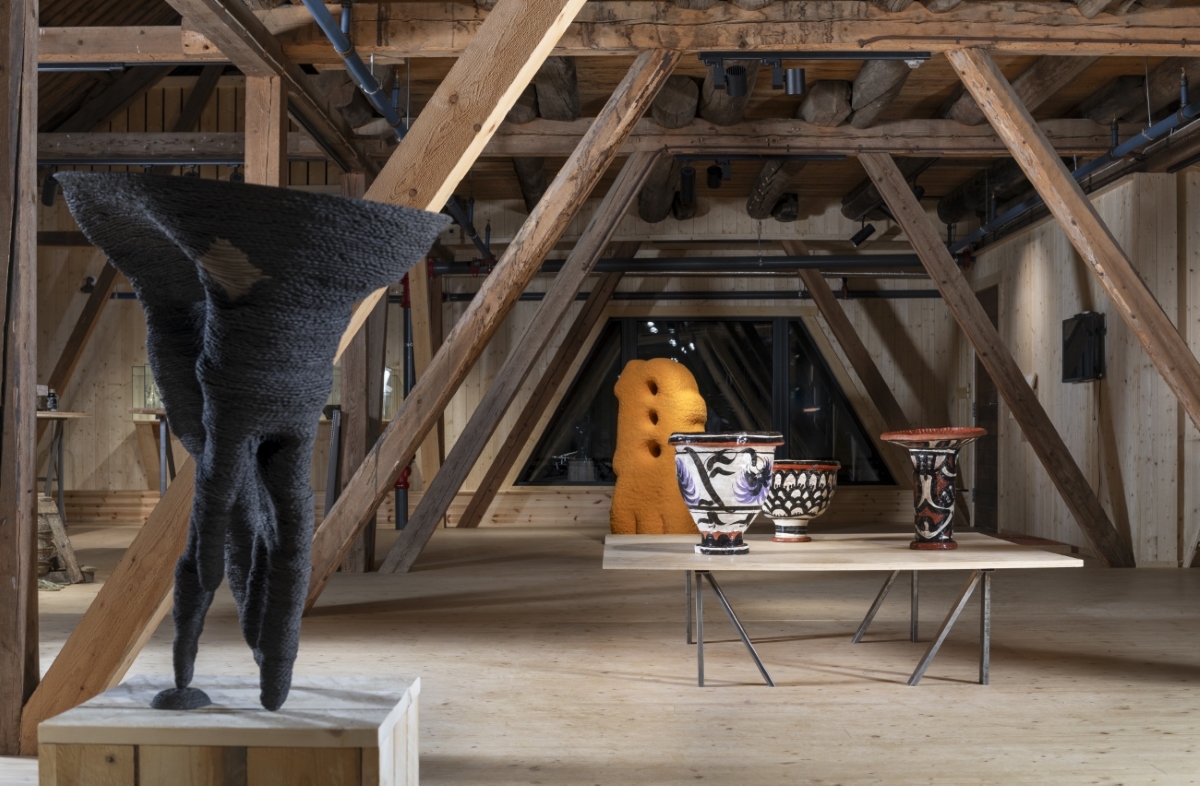


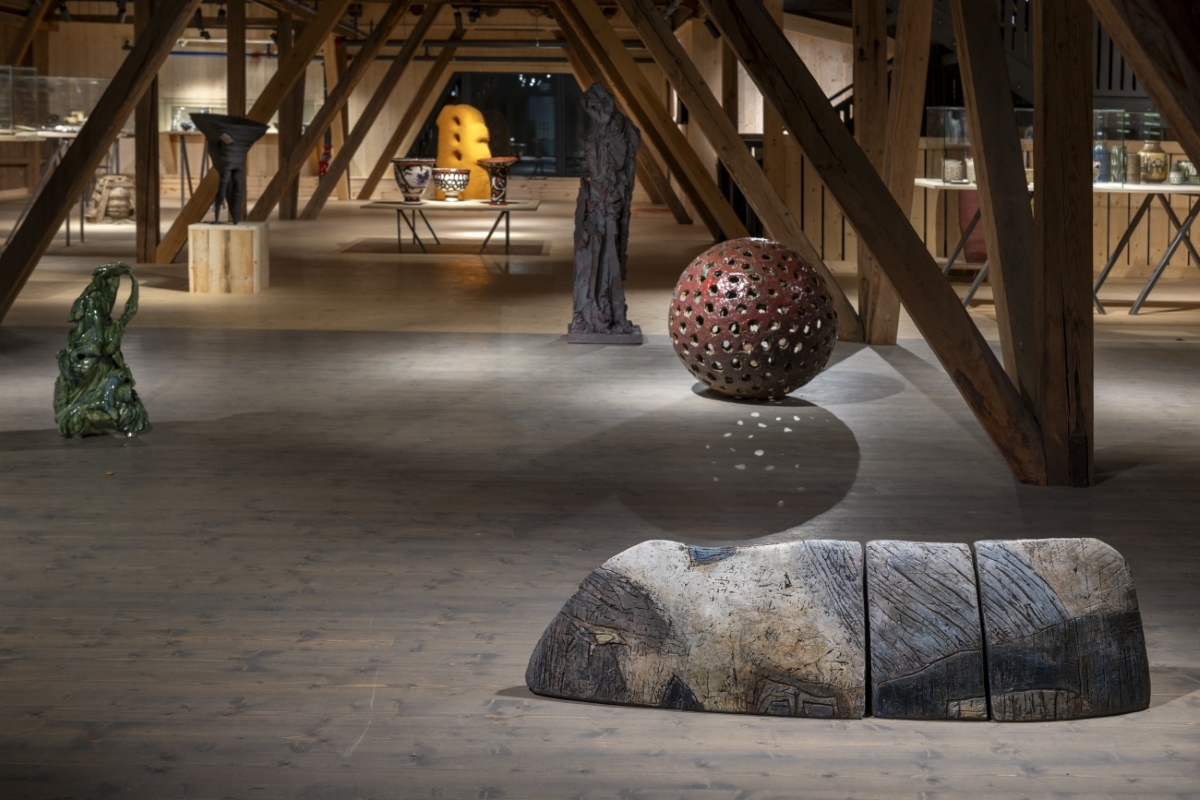
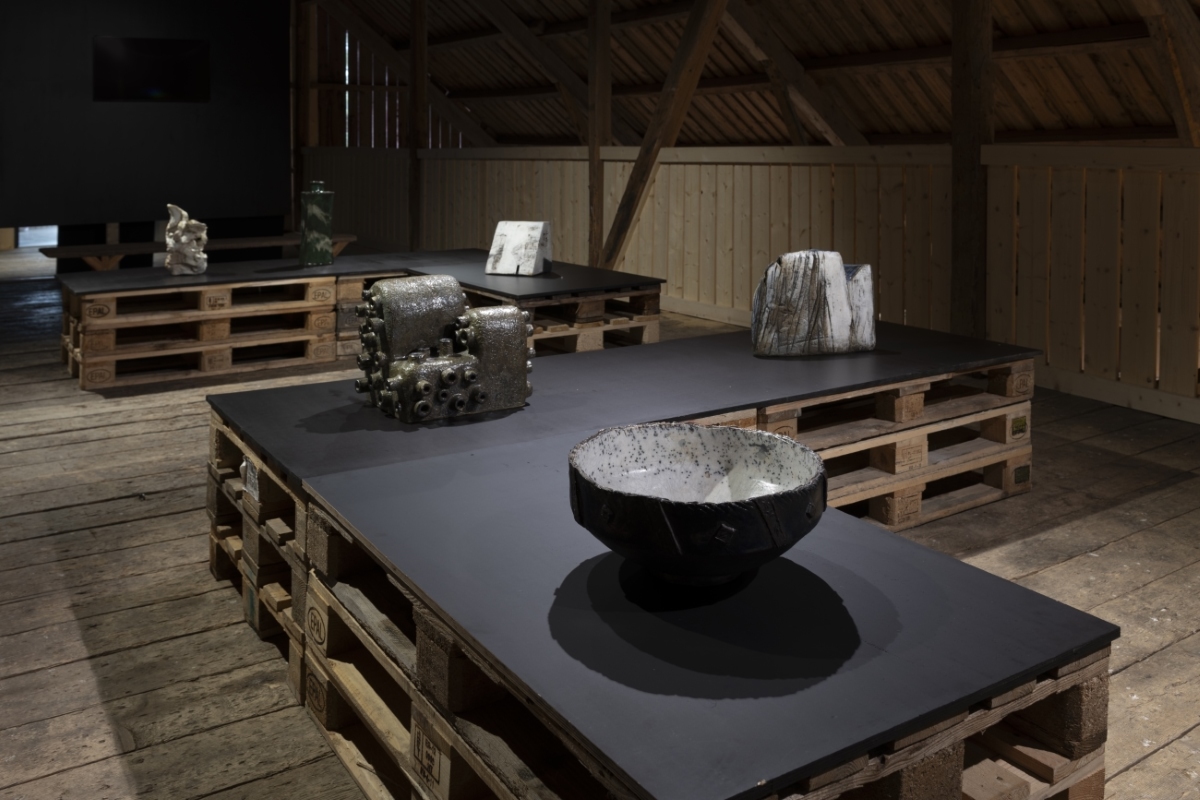
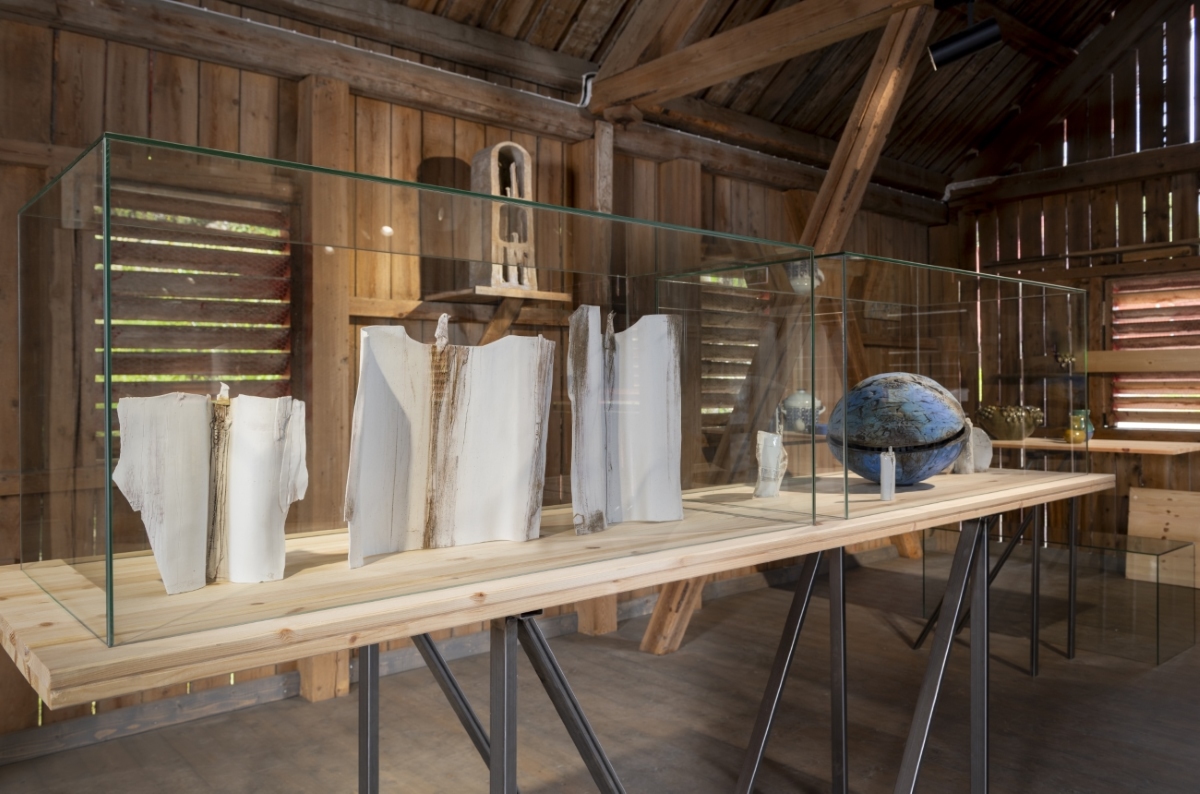


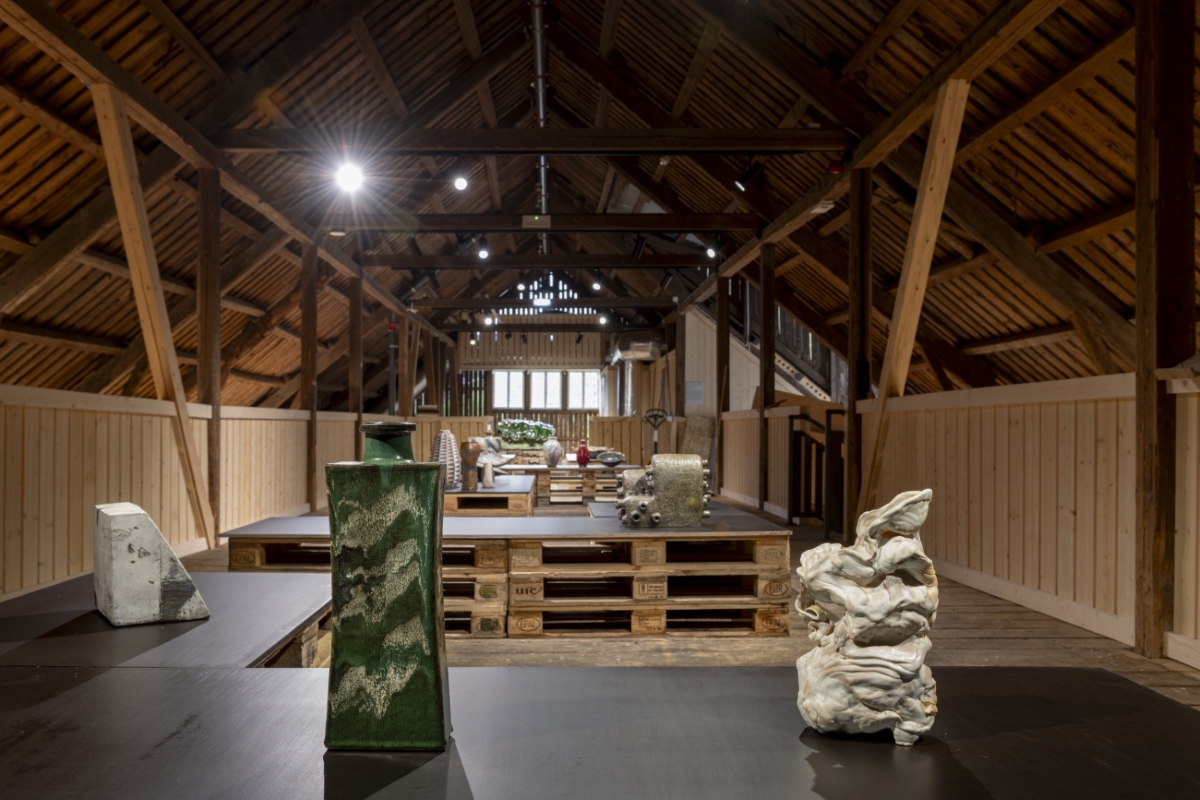


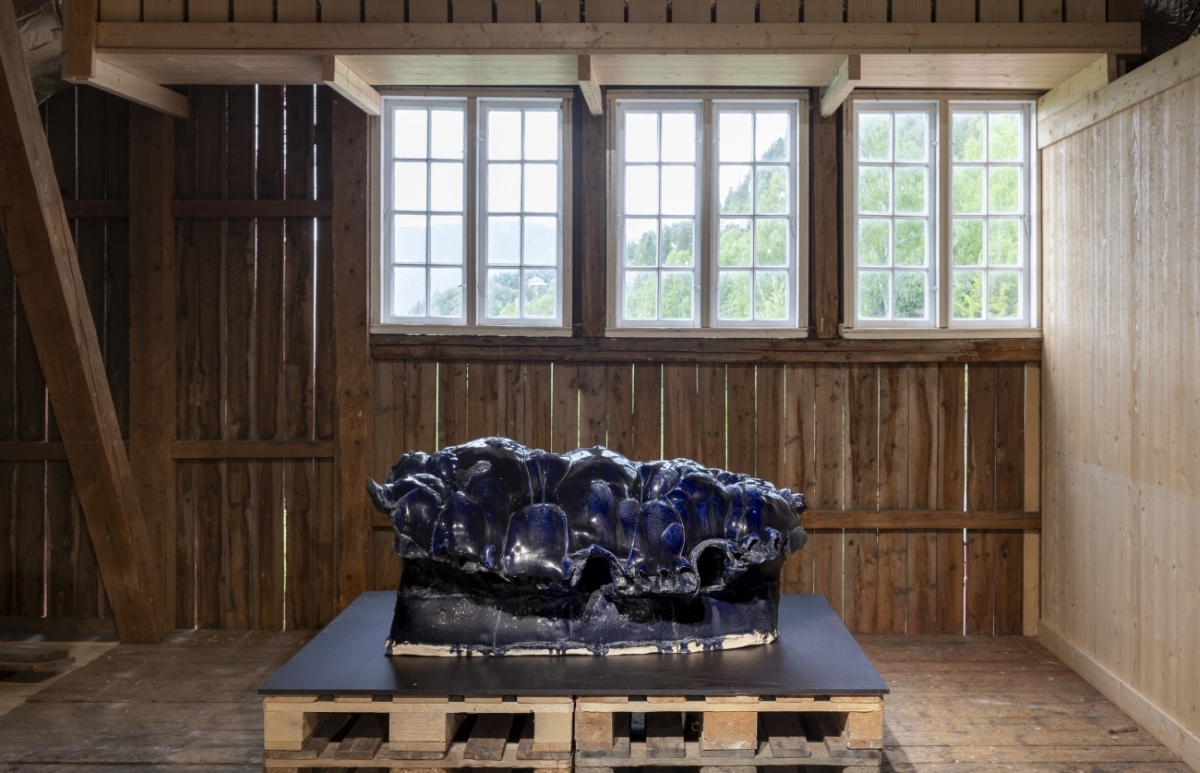
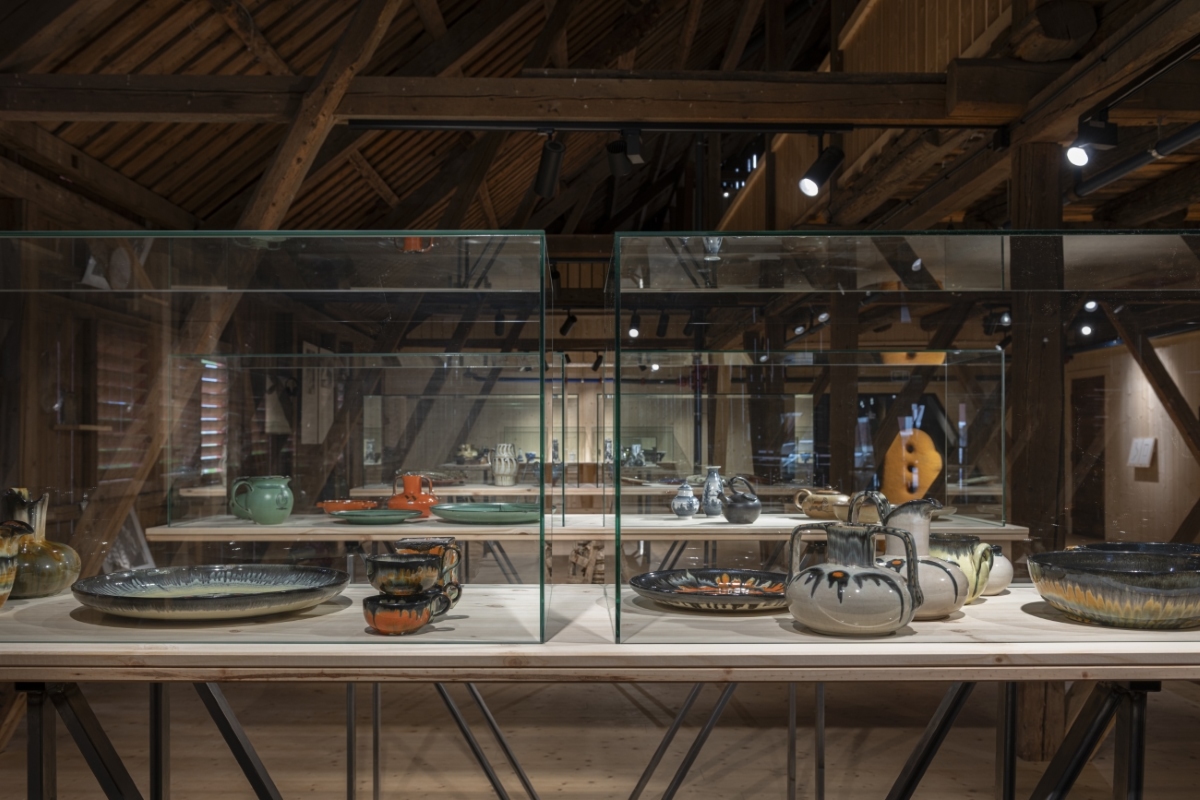
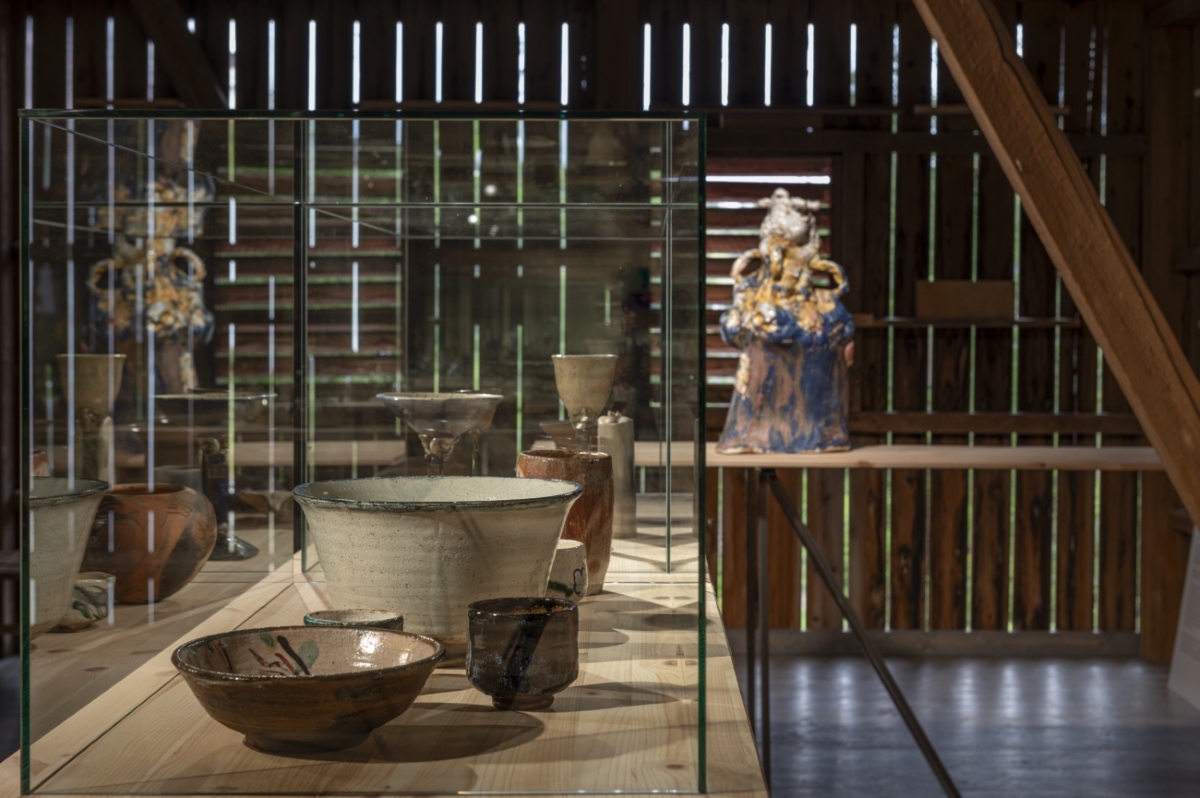
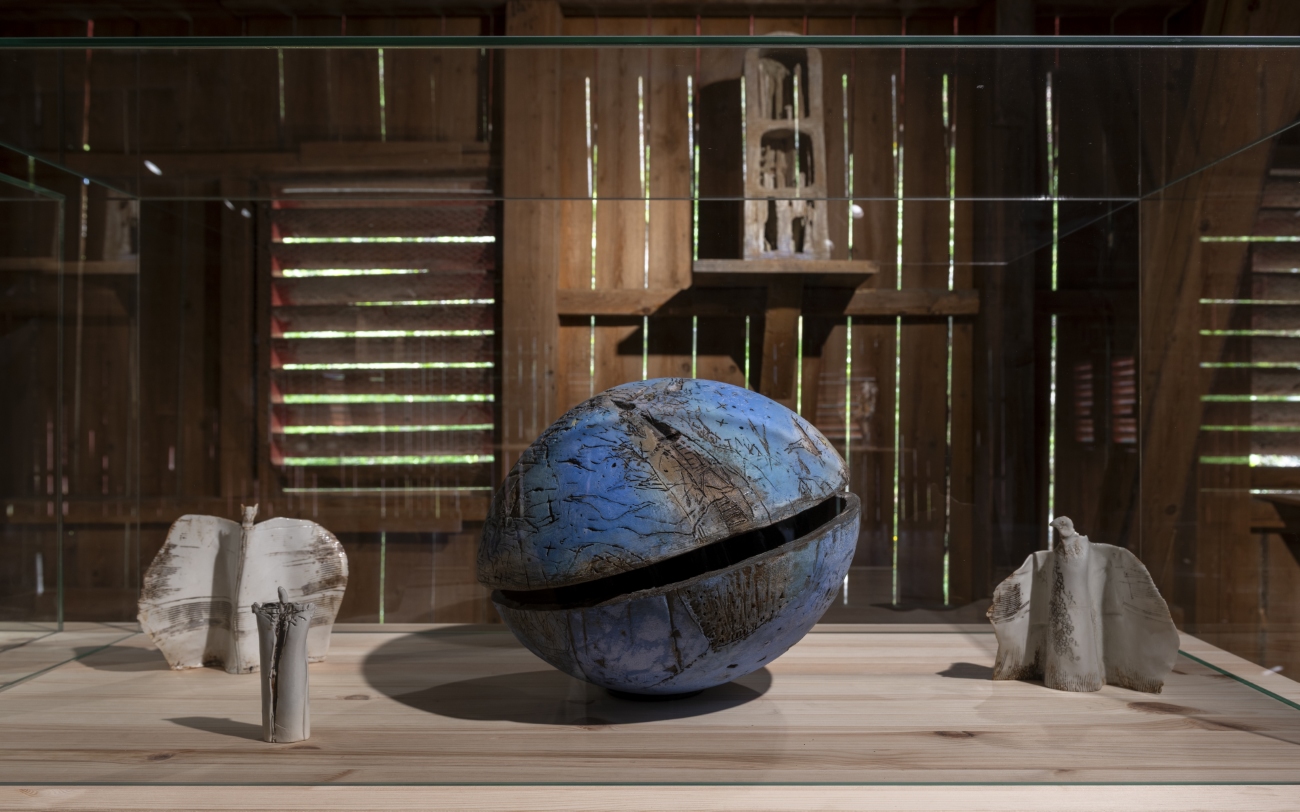


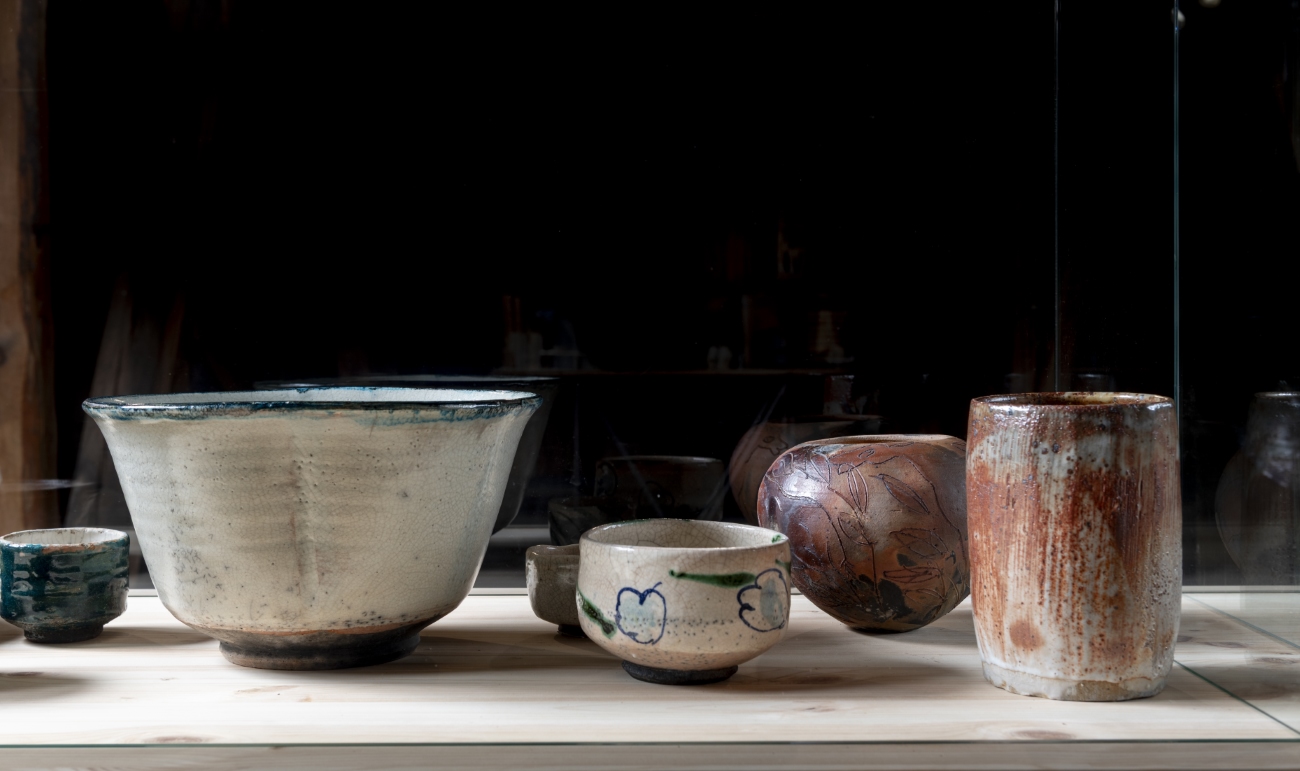
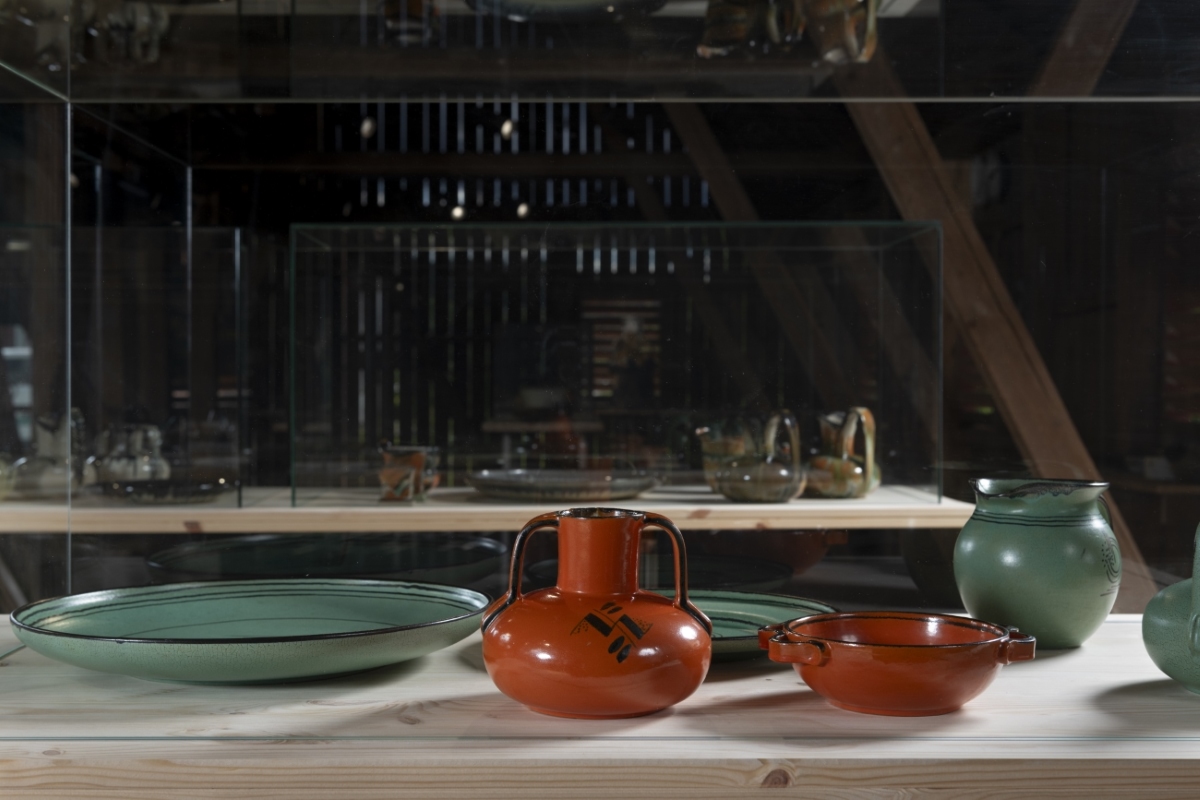


Energy Transfer. Parallel Narratives in Norwegian Ceramics 1895–2025 is on view at the Center for Ceramic Art Ringebu, Norway
May 31 – August 17, 2025
In 2025, the Center for Ceramic Art (SKK) marks its fifth anniversary. Established in Ringebu in 2020 as an artist-run gallery, project space, and workshop, SKK offers a professional platform for both artists and visitors. Over time, a desire emerged to root the institution more deeply in the Innlandet region’s material culture and craft traditions. This has led to an ongoing inquiry into areas such as archaeology—including the county’s earliest Iron Age discoveries—studio ceramics, craft, and industrial design.
Previous exhibitions, including Ceramics in Gudbrandsdalen: From the Faience Factory in Lesja 1760 to MENT in Fåberg 2022, Ceramics in Ringebu 1993–2023, and Ceramics in the Innlandet region, have each, in their own way, mapped the forces shaping the ceramics milieu in this region. It has been centuries since Ivar Skurdal (1790–1840) first settled in Vågå and began his pottery production based on the local area’s mineral resources. In this anniversary year, we continue our long-term research into ceramic histories.
Since its founding, SKK has developed an ambitious, wide-ranging exhibition program. These exhibitions serve as critical lenses, highlighting movements and moments in Norwegian ceramics through cycles of innovation and decline. Societal transformations—such as the expansion of gender equality, the development of the welfare state, and growing cultural diversity—have all influenced new relationships between ceramics and the social sphere. Political engagement and radical voices have challenged the field’s conventions. The time is ripe to explore these transfers of energy—to uncover the parallel narratives that have shaped modern ceramics, beginning with Andreas Schneider (1862–1931) and his vision of the liberated potter.
This year’s exhibition highlights a number of 20th-century Norwegian ceramicists who, for various reasons, have remained in the shadow of more widely recognized pioneers. By foregrounding overlooked impulses and perspectives, we aim to offer a deeper understanding of those who have carried the field forward. While some trailblazers remain indispensable, the paths of history are never shaped by a single pair of hands.
Ceramicists of the past century are placed in dialogue with contemporary artists, raising questions about the relevance of historical trajectories for today’s artistic practices, educational models, and institutions. Artist-led environments – such as Grete Nash’s raku workshops in her hometown outside
Kristiansand represents underexplored narratives brought to light in this context. Another key figure, Kari Christensen, was an early pioneer in revitalizing the use of porcelain within artistic processes. These legacies resonate in today’s studio-based practices. A shift in values toward more sustainable approaches is also sparking interest in low emission kiln technologies. SKK is currently building a next-generation wood-fired kiln of the Girel 3E type, where ecology, ergonomics, and economy are guiding principles. Contemporary practices that unfold in real time—such as performance—will also be integrated into both the exhibition and the accompanying seminars. By highlighting these shifting contexts, we uncover new forms of collective and individual participation. The aim is to broaden the horizon of knowledge, ensuring that parallel narratives remain visible as we revisit and reassess the ceramic field once again.
Main events
Trevet and Kjøringa
1895–1975: Pioneering ceramicists and key environments in institutions, education, industrial design, pottery, and studio ceramics.
2025 participants: Eyvind Solli, Halvor Skiftun Digernes / Bård Torgersen, Anders Hald, Sigve Knutson, Christin Løkke, Linda Morell, Irene Nordli, Lin Wang, and Silje Kjørholt, with performers Grete Riseng and Beata Daria Kubecka.
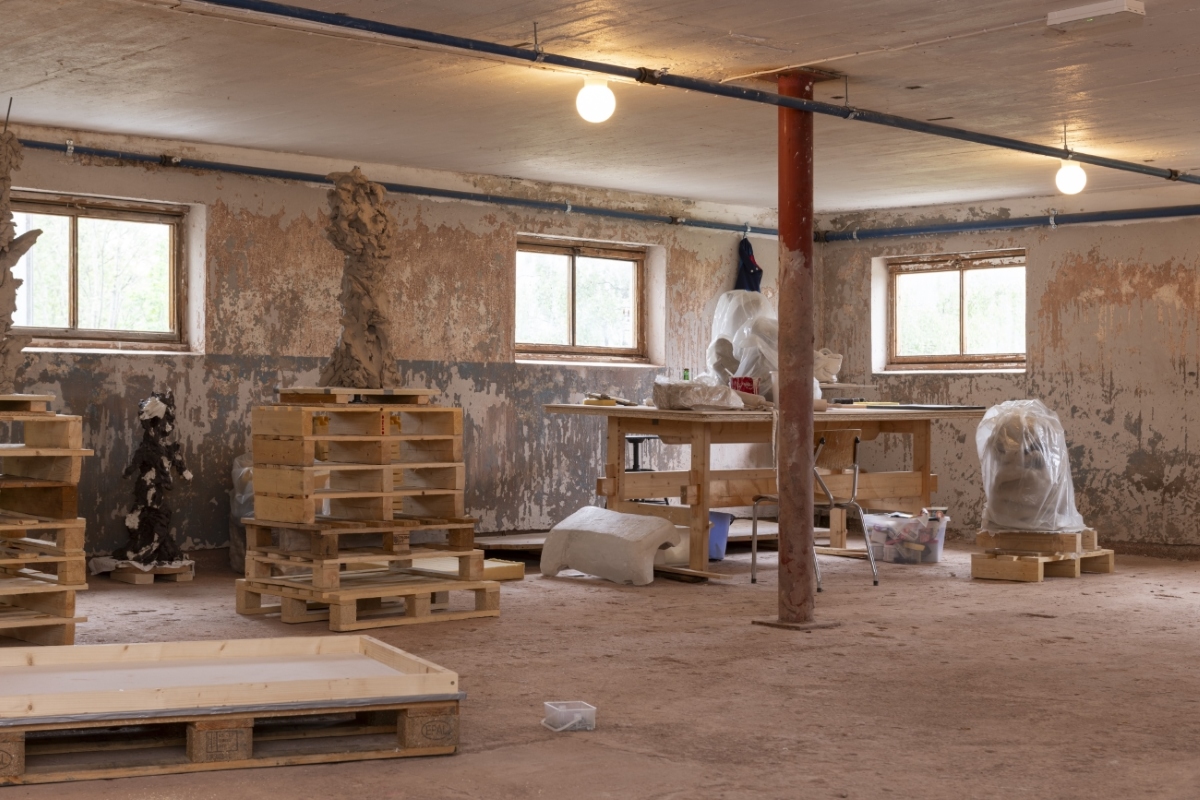
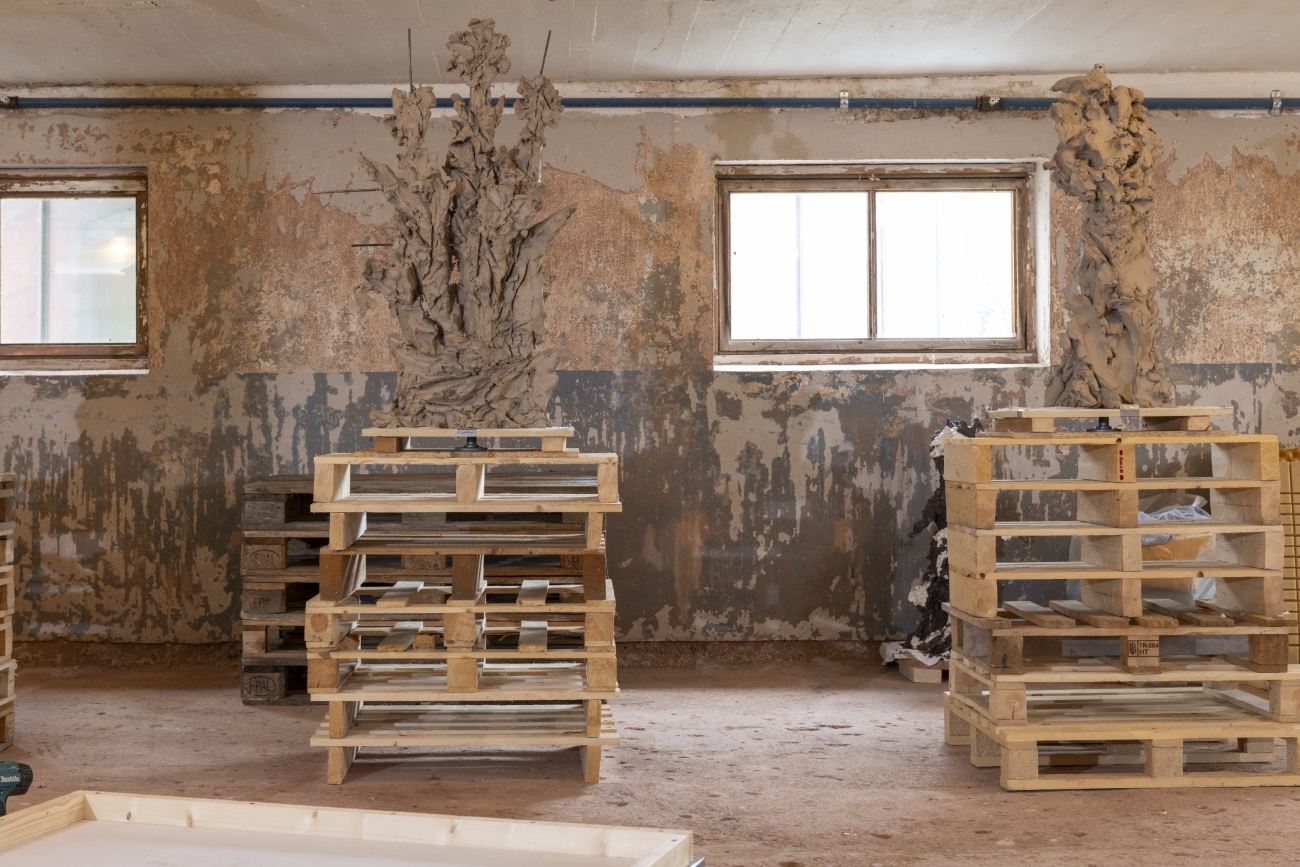
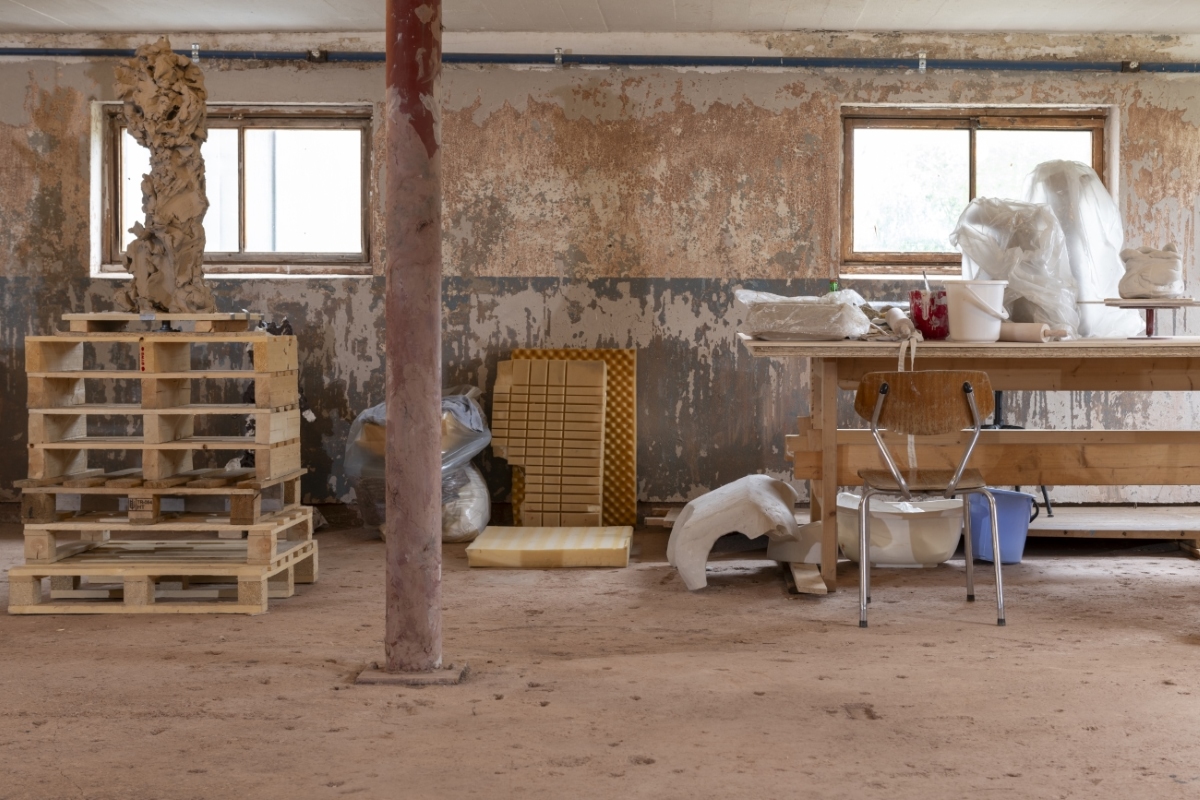
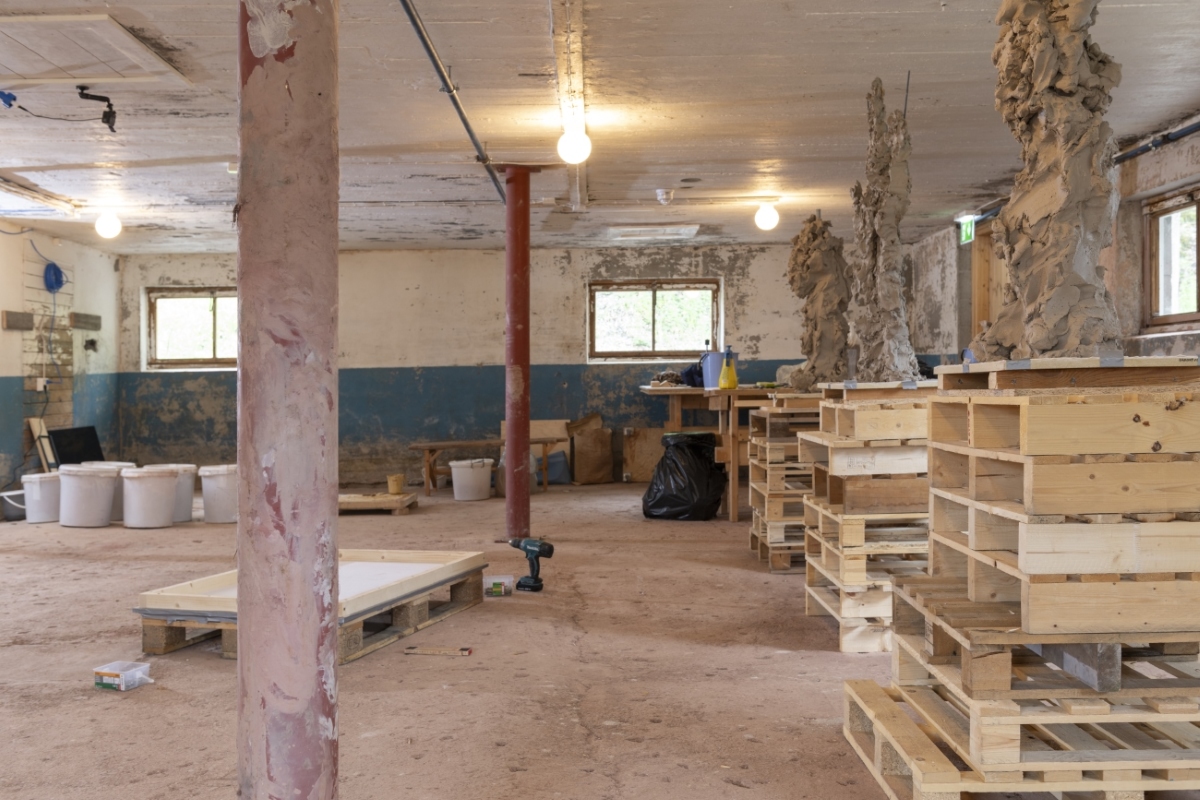
The Byre Project Space «Prosjektrom Fjøset»: Process
Process transforms the project space into a living studio. Four artists from the SKK. The workshop’s residency program, featuring Irene Nordli, Lin Wang, Anders Hald, and Eyvind Solli, each worked with clay over a three-week period. The pieces were left mid-process, offering visitors a rare glimpse into the evolving process behind ceramic thinking, theory and practice.
Kjøringa Nørdre by Torbjørn Kvasbø
Performance: Love, barns by Silje Kjørholt
Silje Kjørholt’s performances in raw clay explore the physical and psychological reactions that arise in the collision between body and material. Traditional techniques, such as wrestling, kneading, and throwing, drive the action forward. Kjørholt’s practice originates in the inherent duality of clay, characterized by its safety and civilization-creating nature in contrast to the destructive power of nature in the form of clay landslides. The performances are usually site-sensitive and developed with awareness of the available human and material resources.
The Pottery Workshop: The Skin of Clay
For ceramic artists, the surface of clay is almost like a skin—a surface full of possibility, where color, pattern, and texture all come to life. This exhibition presents a range of approaches to decorating tableware and shaping sculptural forms. Families, children, and curious minds of all ages are invited to explore the art of clay modelling under the guidance of professional artists.
English translation by Nicholas Sillitoe
Contact
info@senterforkeramiskkunst.no
Center for Ceramic Art Ringebu
Vekkomsvegen 433
2630 Ringebu
Norway
Photos by Thomas Tveter