By Elaine Henry
Diversity has many faces. The online Cambridge Dictionary defines diversity as “many different types of things or people being included in something; a range of different things or people.”
When, at the 1991 NCECA conference, Bobby Scroggins noticed the lack of black and brown faces, he rallied several attendees, including Imna Arroyo, Greg Busceme, Stephen Carter, Dora Hernandez, Winnie Owens-Hart, and others. This team became the founding members of The Color Network. Scroggins, James Tanner, Paul Andrew Wandless, and others, became board members, with some of the above serving as presidents.
At the 1996 conference, Paul Andrew Wandless, a Chicago-based African American artist, met Scroggins through his undergraduate professor, James Tanner, an African American artist and president of NCECA from 1996 to 1998. Following their introduction, Wandless became a member of The Color Network, and Scroggins eventually passed him the baton to lead the organization.
My 10 years on the NCECA board of directors began in 1994 and, with two years of breaks in between terms, ended in 2006. During that time, we worked to expand the diversity on the board. We succeeded in adding a few members of diverse races, nationalities, cultures, sexes, ages, genders, and sexual orientations, but the audience at the annual conferences remained less diverse than we would have liked.
While I was President of NCECA (2002–2004), the attendance at the conferences included approximately 15 countries. This year, 6,148 attendees from 29 countries were represented, with half of these countries being home to people of color from both sides of the equator.
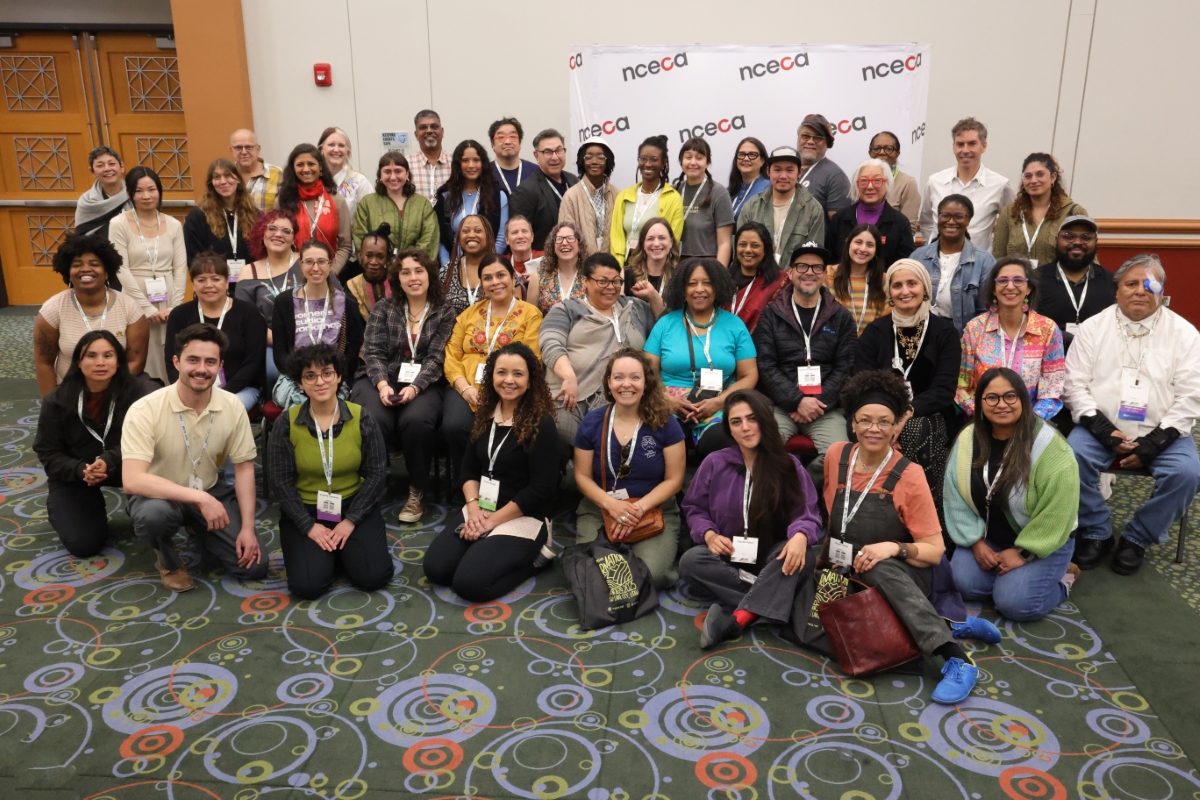
Then, fast forward and, in 2014, Theaster Gates gave a keynote address at the annual conference. His talk was titled, “The Need for Blackness in the Contemporary Ceramics Community.” As a part of this thesis, he pointed out the lack of diversity within the 4000+ member audience he faced. NCECA took this to heart and, with the support of donors, members, and the NCECA Board, the NCECA Multi-Cultural Fellowship was launched.
Fast forward again, and NCECA 2025, “Formation,” and the presenters, the attendance, the board of directors, are all diverse in the ways mentioned above. It has taken a village, but NCECA has made the effort to change the face of the organization.
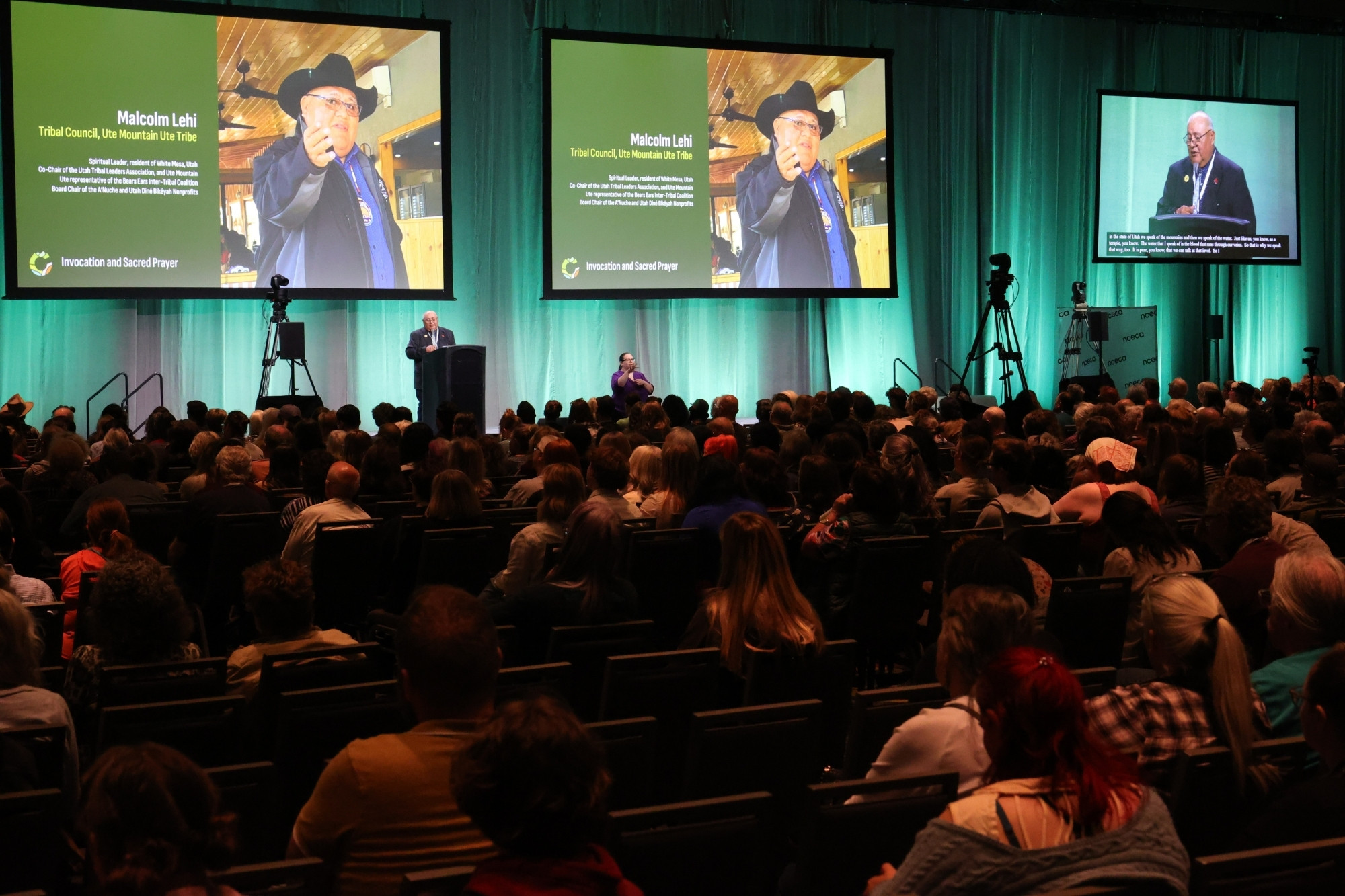
At this year’s conference in Salt Lake City, Utah, Malcolm Lehi, a Councilman for the Ute Mountain Ute Tribe provided a sacred invocation for the opening ceremonies of the conference. About Lehi’s talk, NCECA 2025 Conference Co-Liaison, Antra Singh (Utah State University) relates,
In India, we do an invocation before starting an event, a journey, or something as simple as accepting a meal. These are performed as prayer, meditation, and/or devotional practice. When Malcolm Lehi started his sacred prayer in his language, it reminded me of the times when monks/Sadhu in India would chant in Sanskrit. Those chants would include familiar names or names of places interwoven in the recitations like I heard in Malcolm’s invocation. I was transported to familial spaces with the way we began the SLC [Salt Lake City] conference.
From India and now living in the US, Singh’s comments remind us that we as humans have more in common than what divides us.
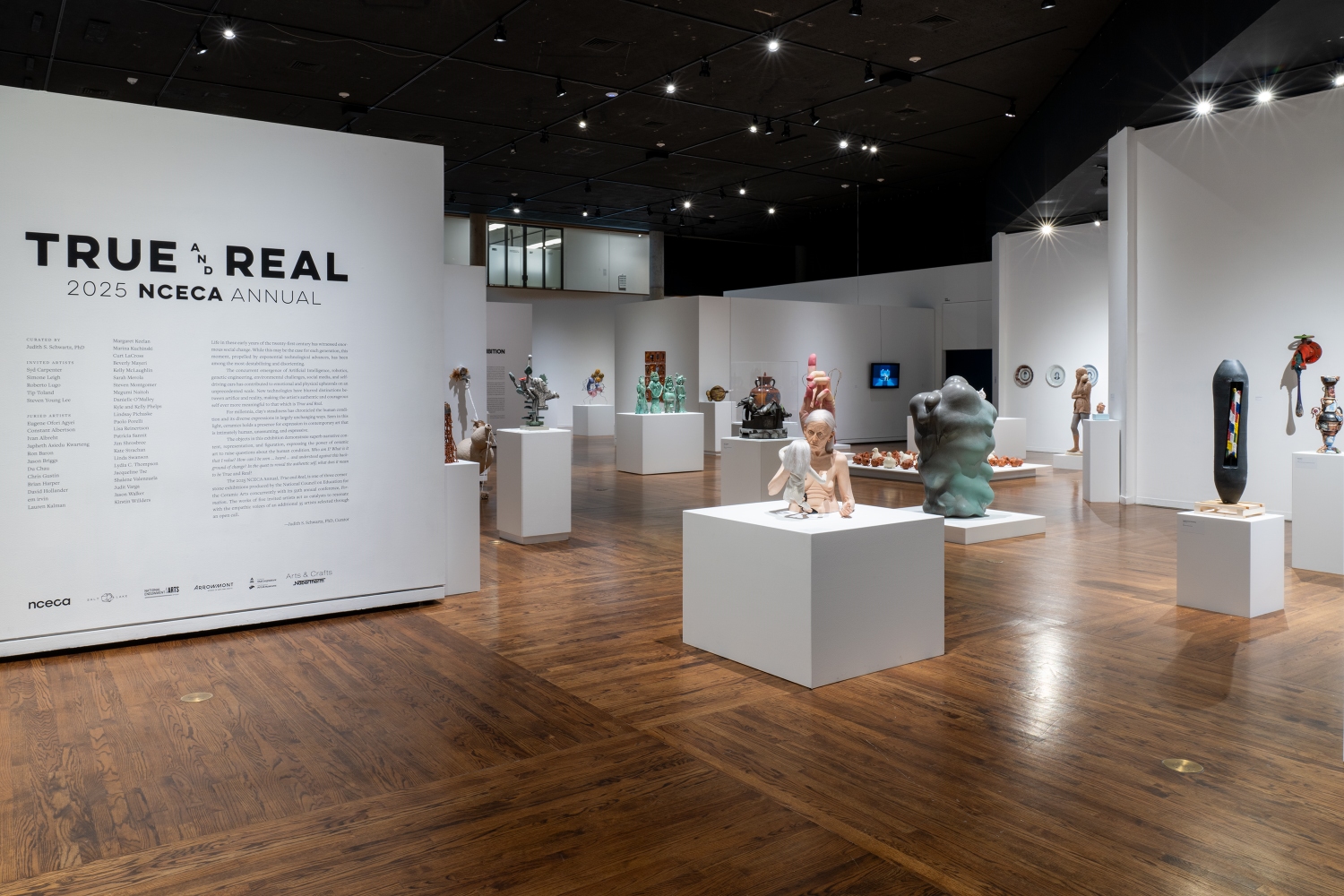
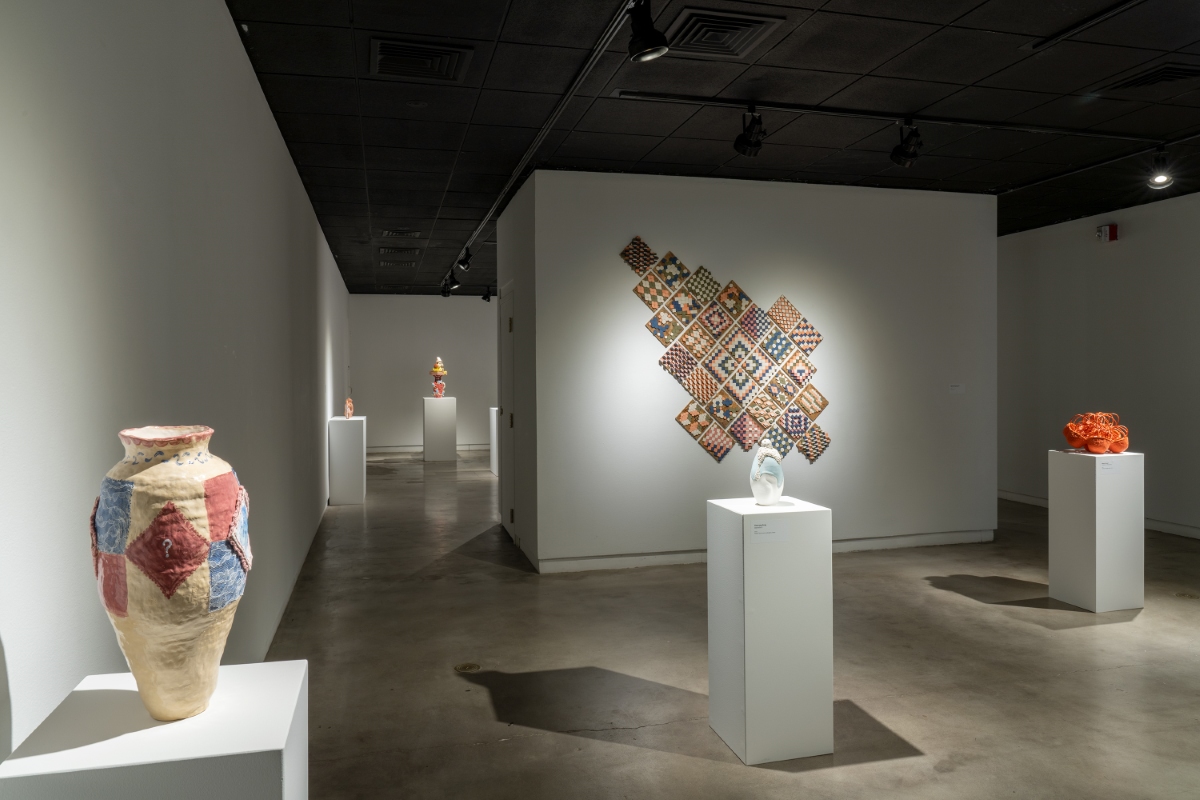
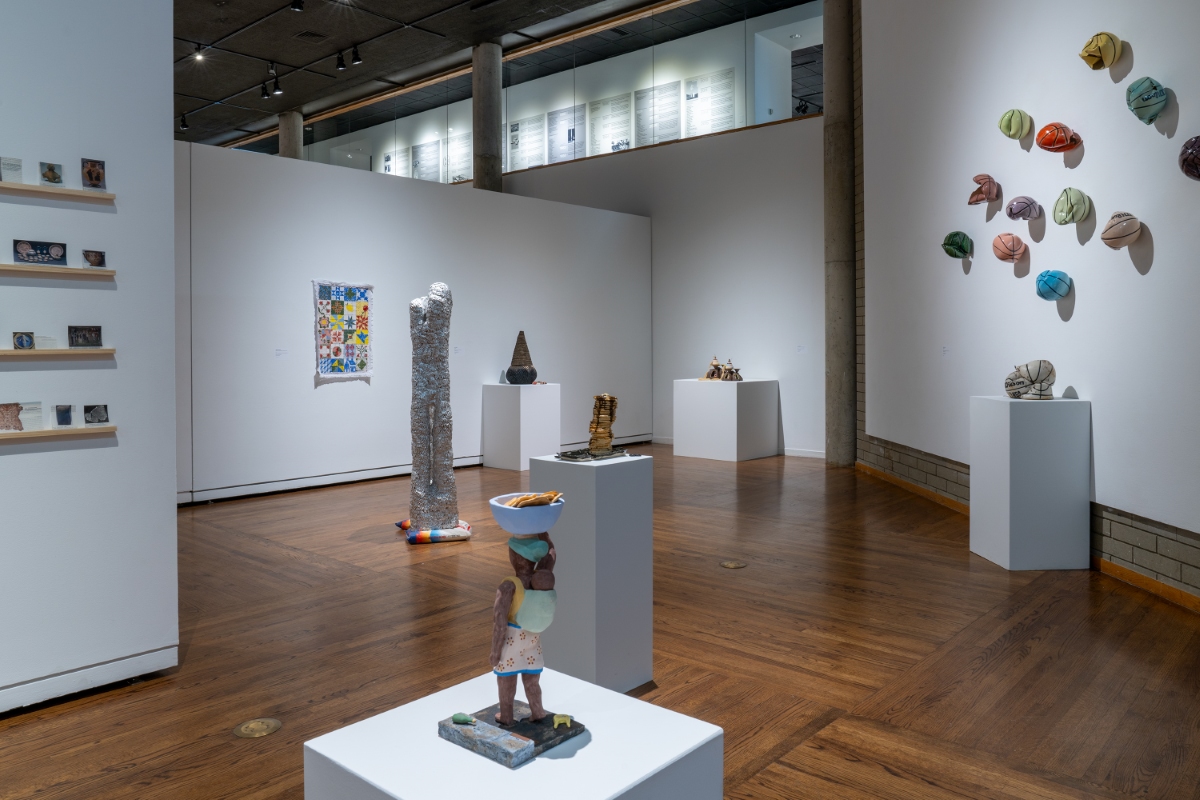
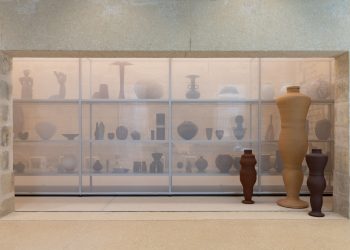
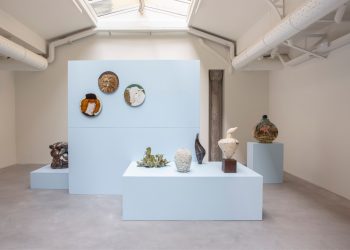
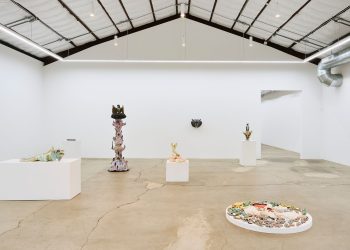
Judith Schwartz expertly curated the NCECA 2025 Annual Exhibition, True and Real, which was held at the Utah Museum of Contemporary Art, just a few steps from the convention center. Five artists were invited to “spearhead the theme,” as Schwartz puts it, a diverse group that included Tip Toland, Syd Carpenter, Steven Young Lee, Roberto Lugo, and Simone Leigh. Schwartz writes, “I am thrilled to include Simone Leigh’s Black and White film, Conspiracy, which was showcased at the Venice Biennale.” Other stunning works in the exhibition were by Lindsay Pichaske, Du Chau, and Lauren Kalman, to name a few.
Also on view at UMOCA were the Multicultural Fellowship Exhibition, and the NCECA Juried Student Exhibition.Lectures on the program were as diverse as the participants, ranging from James Tingey’s, “Volcanic Pumice and Clay Body Formulation,” Erin Shafkind’s “We Make Stuff in Here,” Diego Valles’s “Mata Ortiz Ceramics History and Stories,” Jake Boggs’s “Ceramics of Hawaii,” Katie C. Doyle’s “Self-Portrait in Catastrophe: Dillingham’s AIDS Series,” to British academic Anthony Quinn”s “Decoding Ceramics: Digital Transmission of Expertise.” These papers and more are available in this year’s NCECA Journal, which can be purchased through NCECA.
The 2025 Demonstrating Artists were Kyungmin Park and Diego Valles. Kyungmin Park, a South Korean-born ceramics artist, writes, “Ceramic art is far more than just shaping clay. It is a medium for weaving stories – stories that transcend time, cultures, and language.” In contrast, Diego Valles is a potter from Mata Ortiz in Chihuahua, Mexico, whose work, he writes, “helps him connect with his artistic and cultural roots, his fellow potters, and the world.”
The NCECA Emerging Artists never fail to impress. Their 10-minute presentations of their lives and their work are lively, moving, and they always leave the audience wanting more. This year’s Emerging Artists are Austin Coudriet, Reniel Del Rosario, Vincent (Sniper) Frimpong, Chenlu Hou, Michelle Solorzano, and Micah Lewis-Van Sweezie. They are all artists to watch.
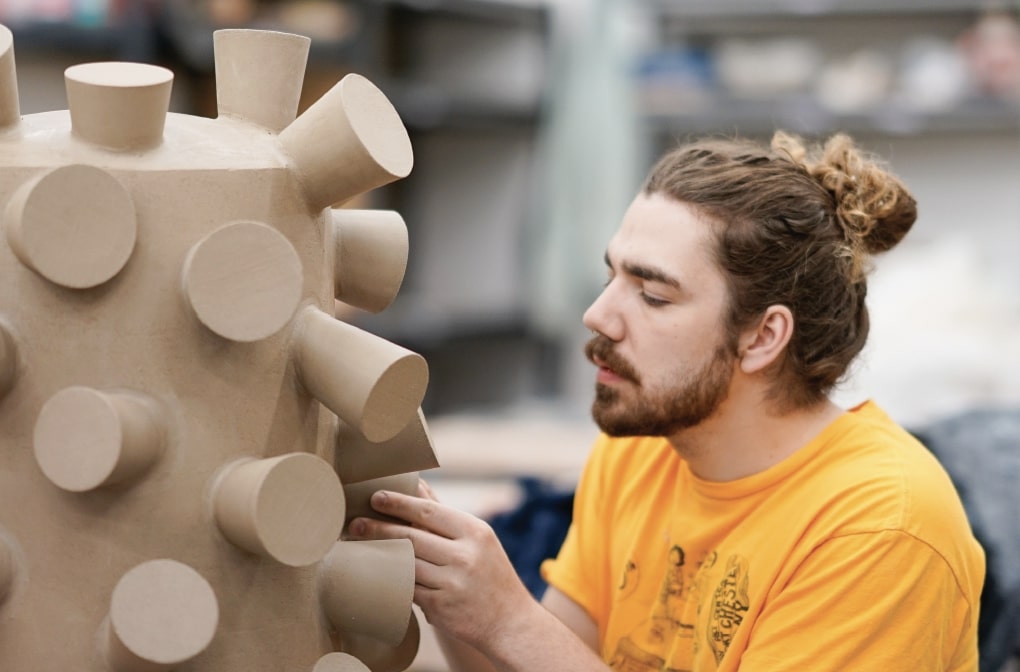
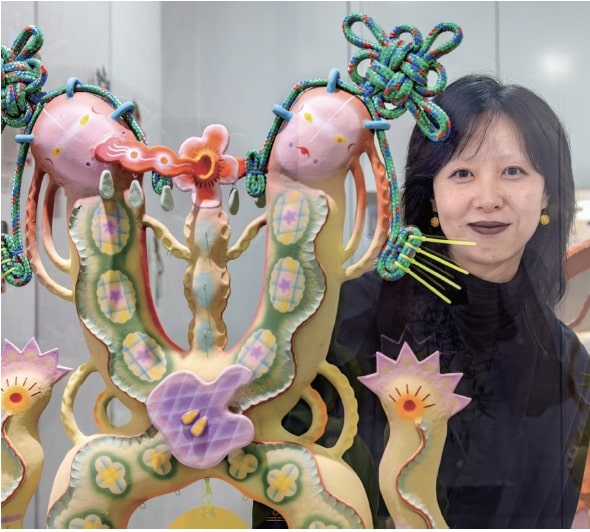
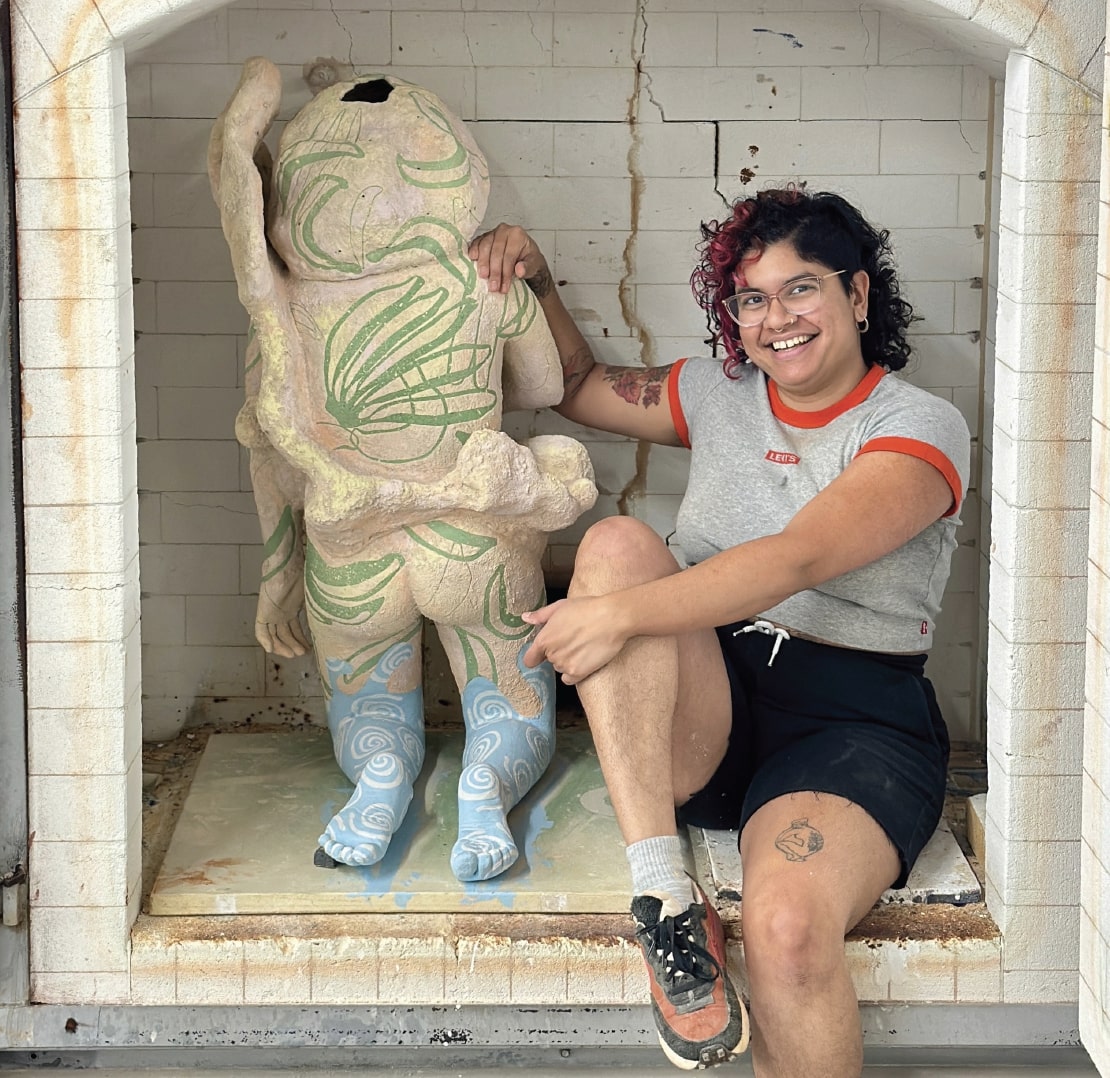
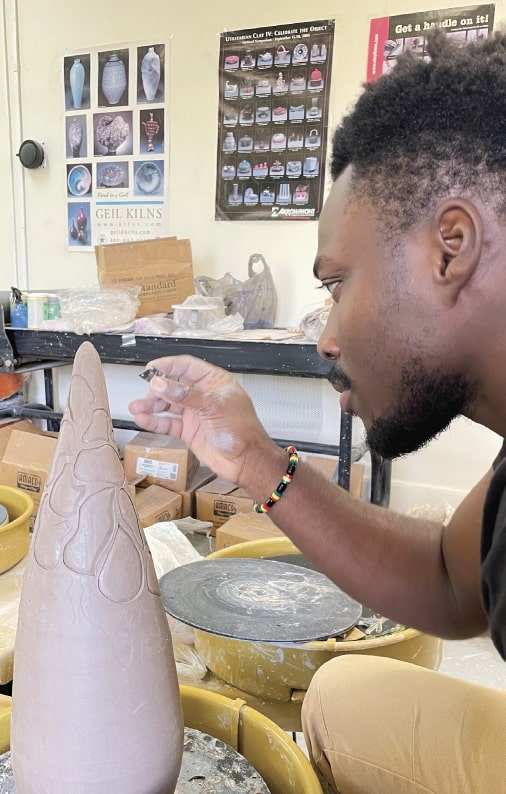
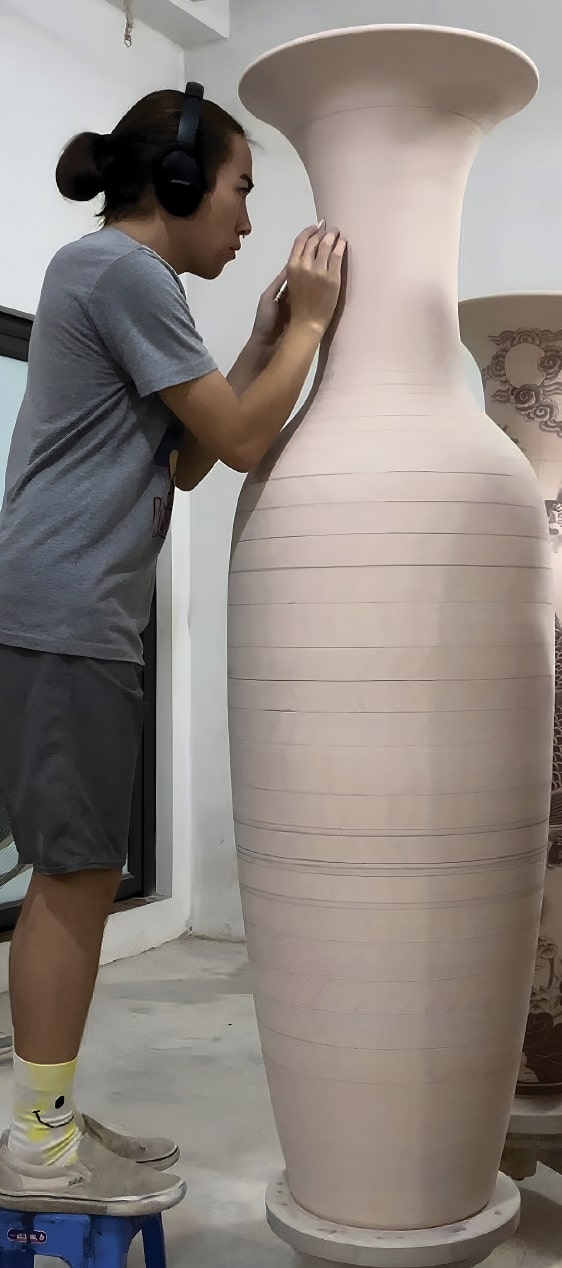
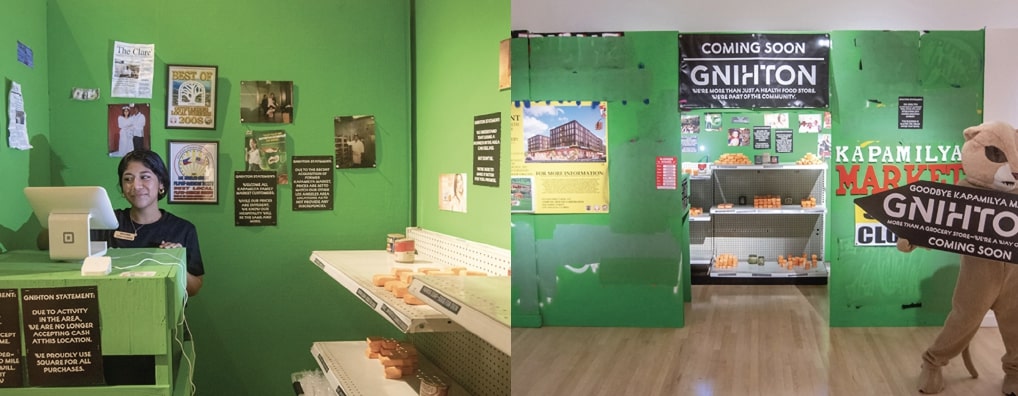


A highlight was nonagenarian Ron Meyers being named an Honorary Member of NCECA. Now retired from teaching at the University of Georgia, Meyers is a delightful man with a permanent smile on his face who is still working in the studio and producing his energetically wonderful pots. Long-time friend and fellow artist George Metropoulos McCauley, along with Maria Dondero, and moderator Rebecca Harvey presented moving and humorous anecdotal accounts of their relationships with the master.
This year’s conference brought out many of our ceramics heroes, including former presidents of NCECA Joe Bova, Patsy Cox, Lenny Dowhie, Mary Jane Edwards, Susan Filley, Holly Hanessian, Robert Harrison, Anna Calluori Holcombe, Chris Staley, Rhonda Willers, and ceramics icons Fred Olsen and Tom Coleman (sorry if I missed someone). We have missed seeing some of these people for several years, so it was great to reconnect.
Contrasting with the above, NCECA reported 1171 students in attendance, which works out to be 19% of the attendees. These, I am sure, included some whose work was selected for the K–12 Exhibition as well as the NCECA Juried Student Exhibition, which are always exceptional representations of what is happening in our school systems and our higher education institutions. These exhibitions give us glimpses into the hopeful future for ceramics.
Along those lines, I asked NCECA’s Executive Director, Josh Green, where NCECA is going from here, especially with the recent news of cuts by the National Endowment for the Arts. Here is his response:
Recognizing that ceramics is an art form that has evolved in nuanced ways through nearly every cultural legacy, NCECA will stay the course in its expansive and inclusive vision of the field. The National Endowment for the Arts has never been a certain source of funding, and direct support of fellowships was never an eligible use of that funding. Changes in funding priorities and resources, available support through the Endowment, make the path ahead more challenging. The greatest source of sustaining NCECA’s efforts will come through the continued commitment, support, and growth of membership.
Including diversity and other strides made by NCECA in the past 30+ years, go here to see the faces of the board. Having been registered for the NCECA Conference every year since 1992, I will continue to support the organization as much as I can. I will still attend to see old friends, to make new friends and, as importantly, to learn. Next year’s conference will be in Detroit, Michigan, US, and I am confident it won’t disappoint.
Elaine Olafson Henry is a ceramics artist, curator, writer, proofreader, and local volunteer. She is the former Editor and Publisher of the international ceramics journals Ceramics: Art & Perception and Ceramics TECHNICAL. She earned a BFA from the University of Wyoming, an MFA from Southern Illinois University at Carbondale, and an MA in English at the University of Wyoming. Henry taught at Emporia State University in Kansas from 1996–2007 where she served as the Chair of the Department of Art from 2000–2007. She served as the President of the National Council on Education for the Ceramic Arts (NCECA) 2002–2004 and the International Ceramics Magazine Editors Association (ICMEA) 2014–2016. She is currently an Honorary Member and Fellow of NCECA, and a lifetime member of ICMEA. Her work is internationally published, exhibited and collected. She is an elected member of the International Academy of Ceramics (IAC).
Subscribe to Ceramics Now to read similar articles, essays, reviews and critical reflections on contemporary ceramics. Subscriptions enable us to feature a wider range of voices, perspectives, and expertise within the ceramics community.
Images courtesy of the National Council on Education for the Ceramic Arts (NCECA)