Nils Erik Gjerdevik: Spaces of Possibilities is on view at CLAY Museum of Ceramic Art Denmark, Middelfart
November 9, 2025 – May 31, 2026
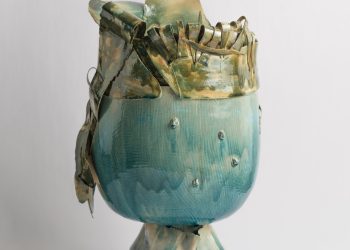
The ceramics by Nils Erik Gjerdevik’s (1962–2016) occupy a unique position in Danish art history. Through his artistic practice, the Danish-Norwegian artist explores and challenges both concrete and non-figurative space. He works with form and bold colour across painting, ceramics, graphic art, installation, and drawing. His approach to ceramics is at once paradoxical and innovative. He creates structures and spaces that appear utopian yet remain grounded in a profound knowledge of the history of art and architecture.
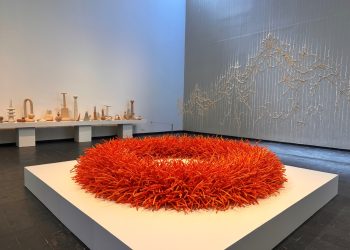
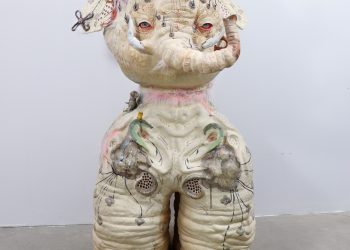
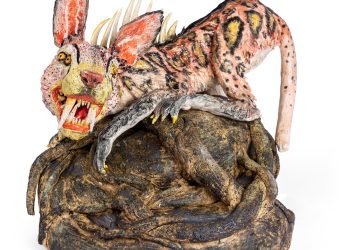
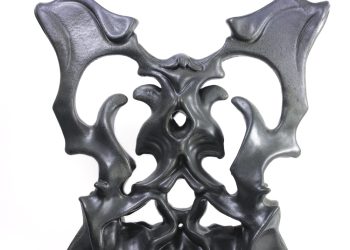
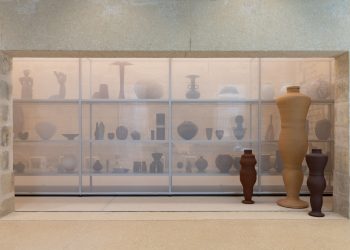
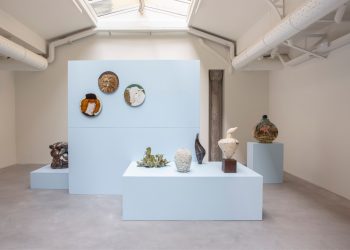
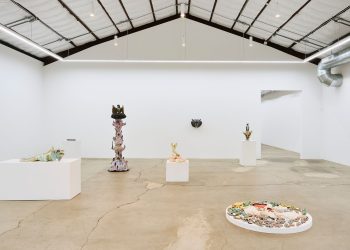
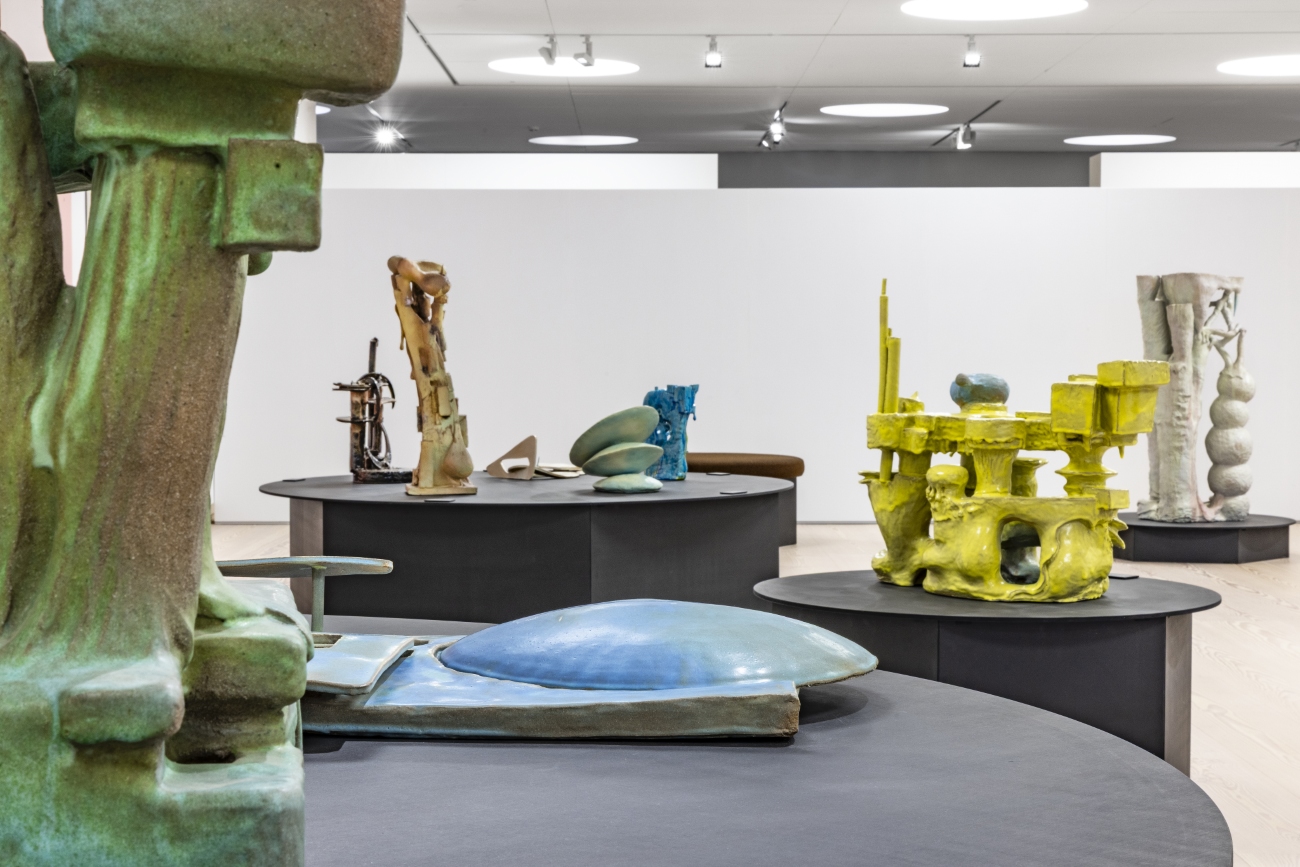
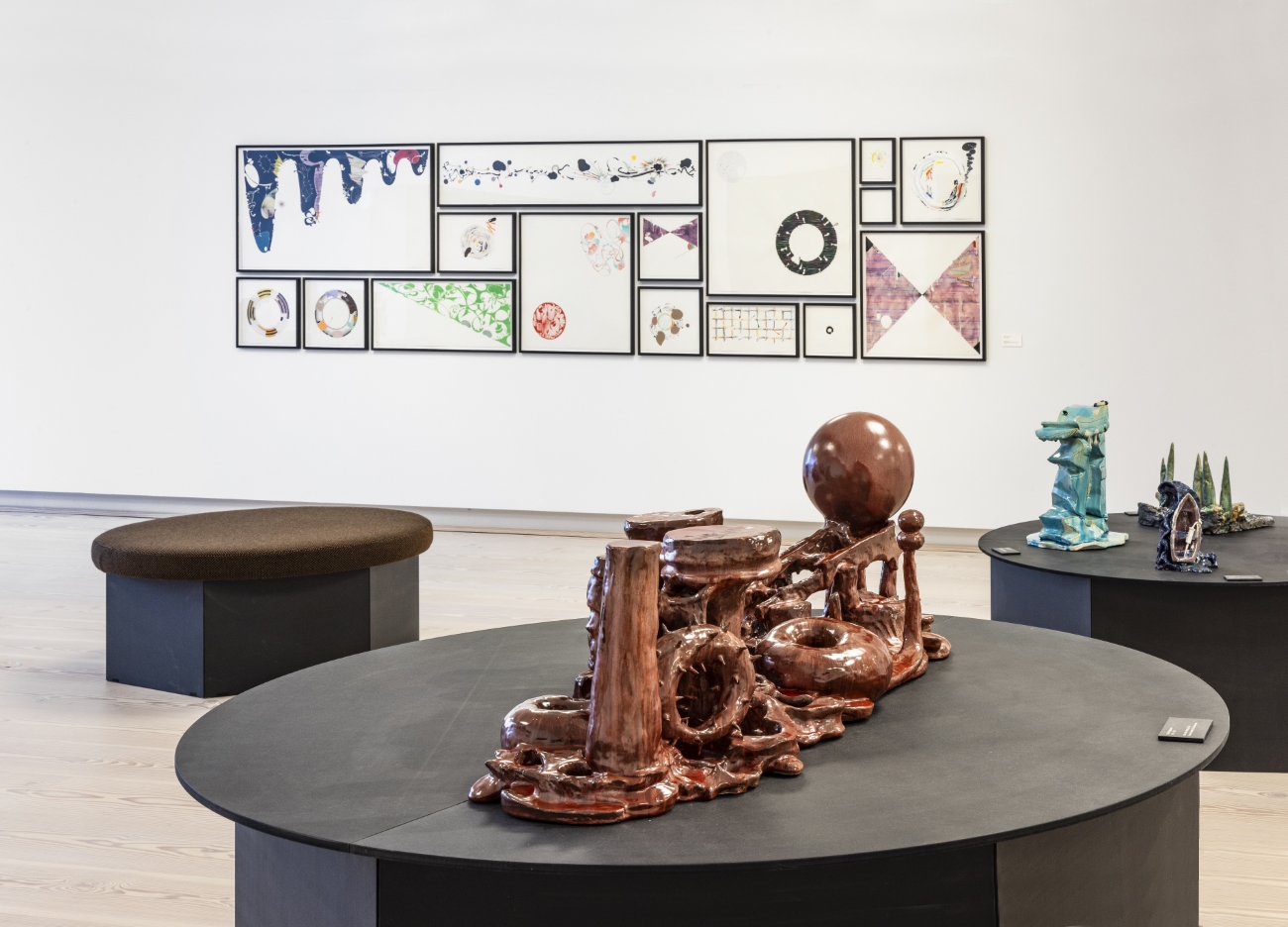
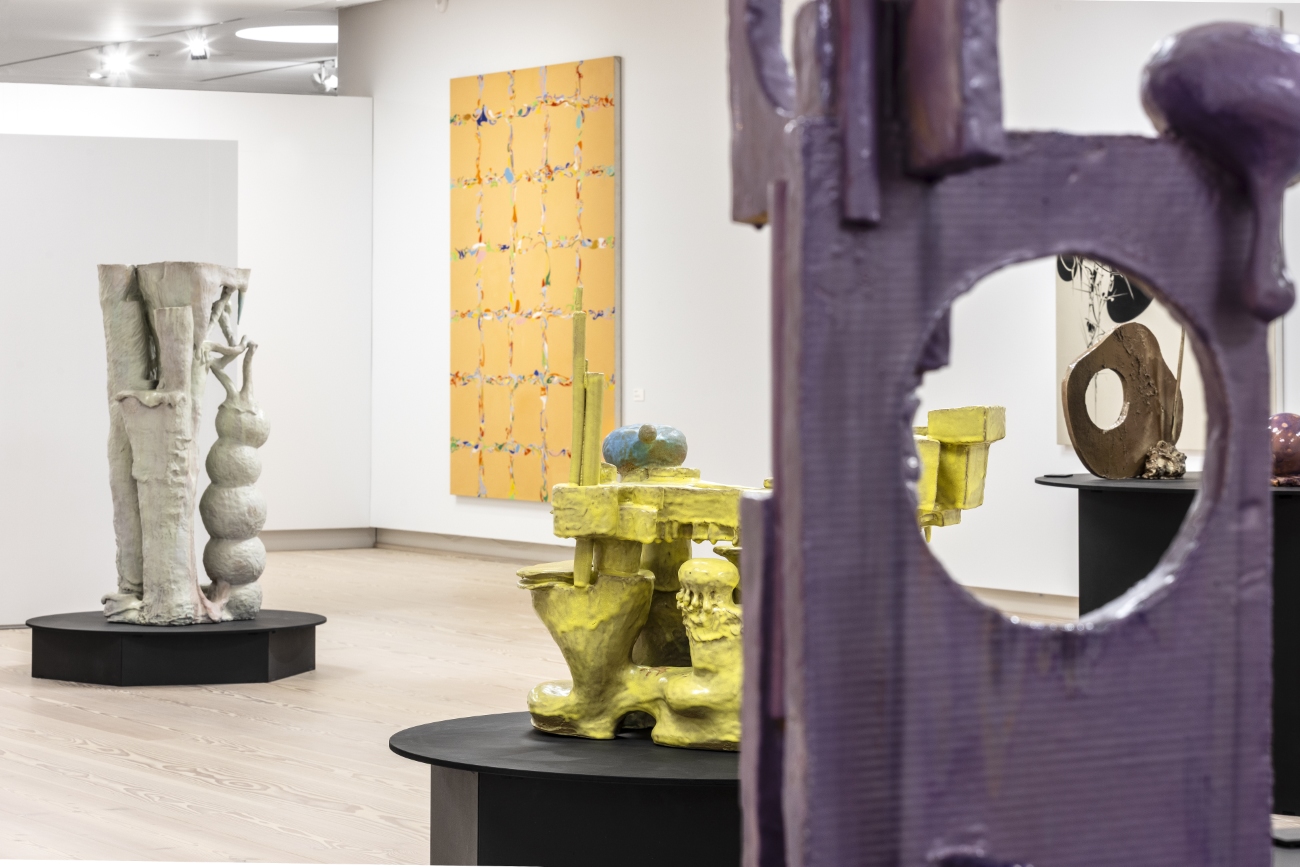
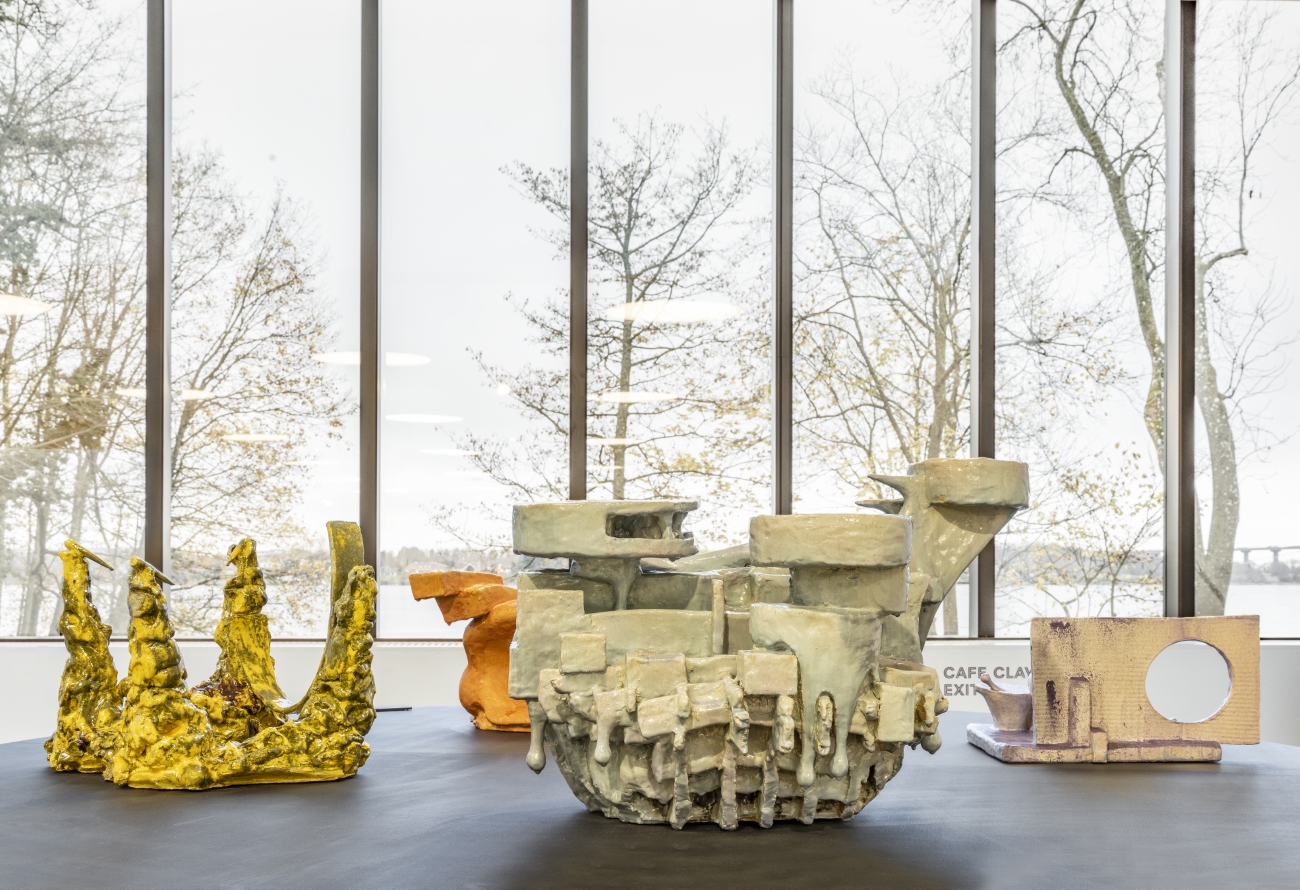
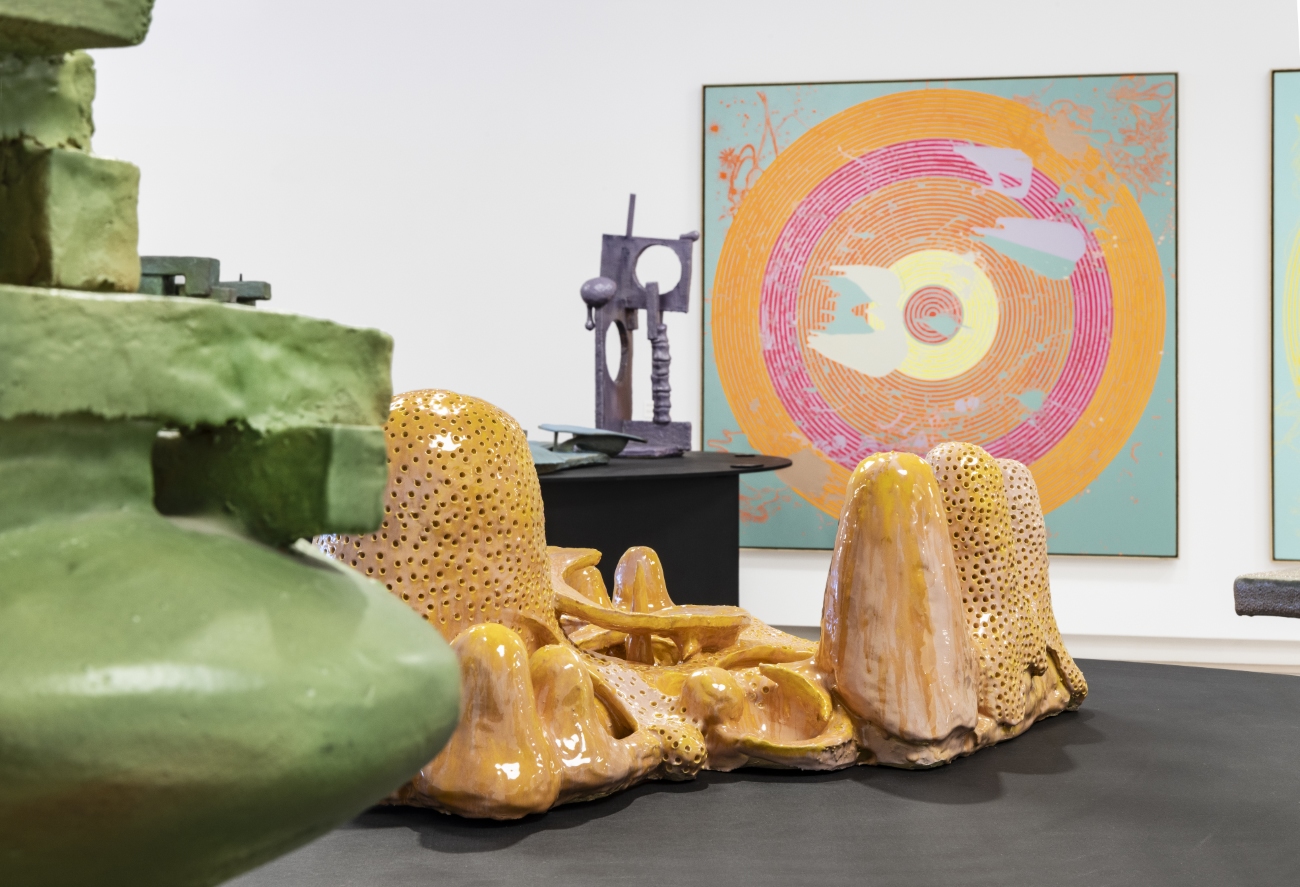
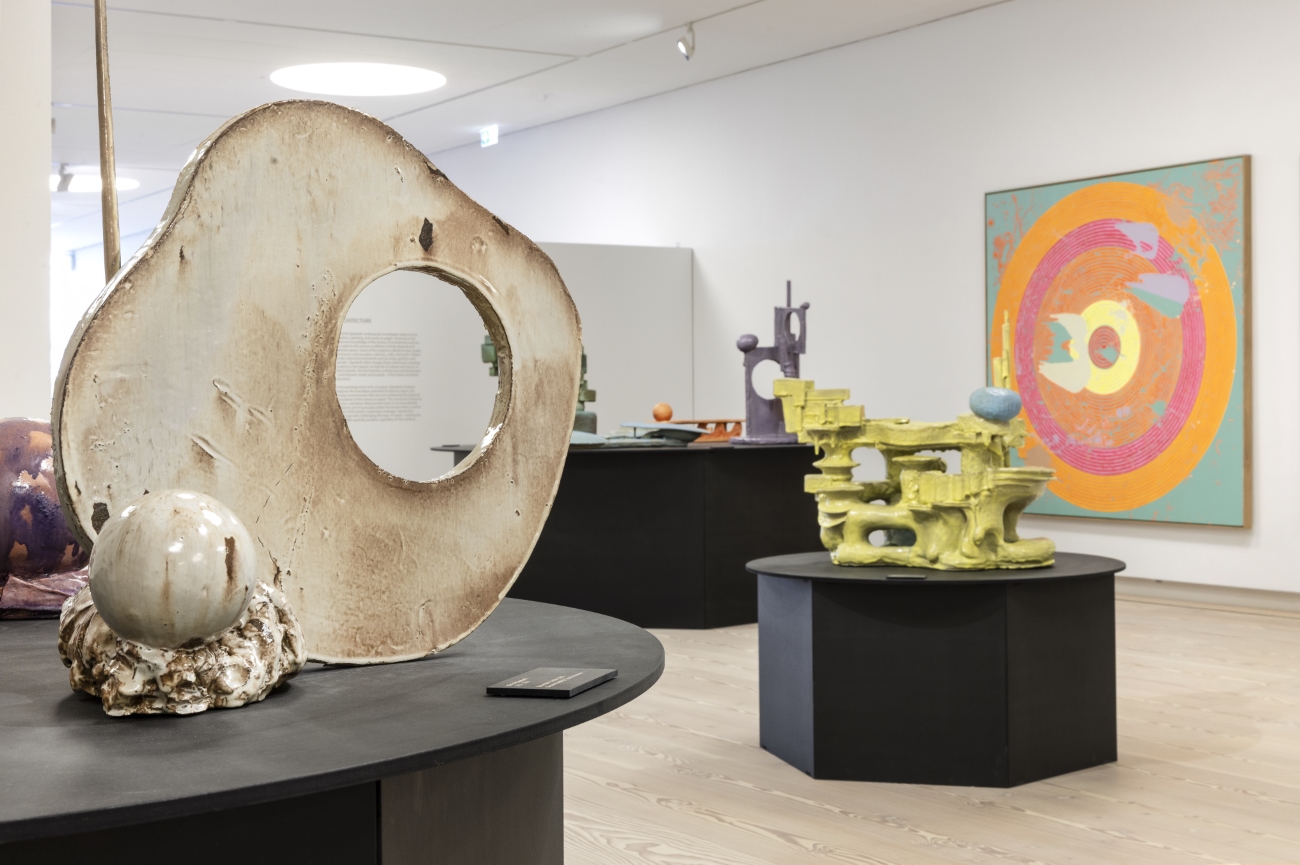
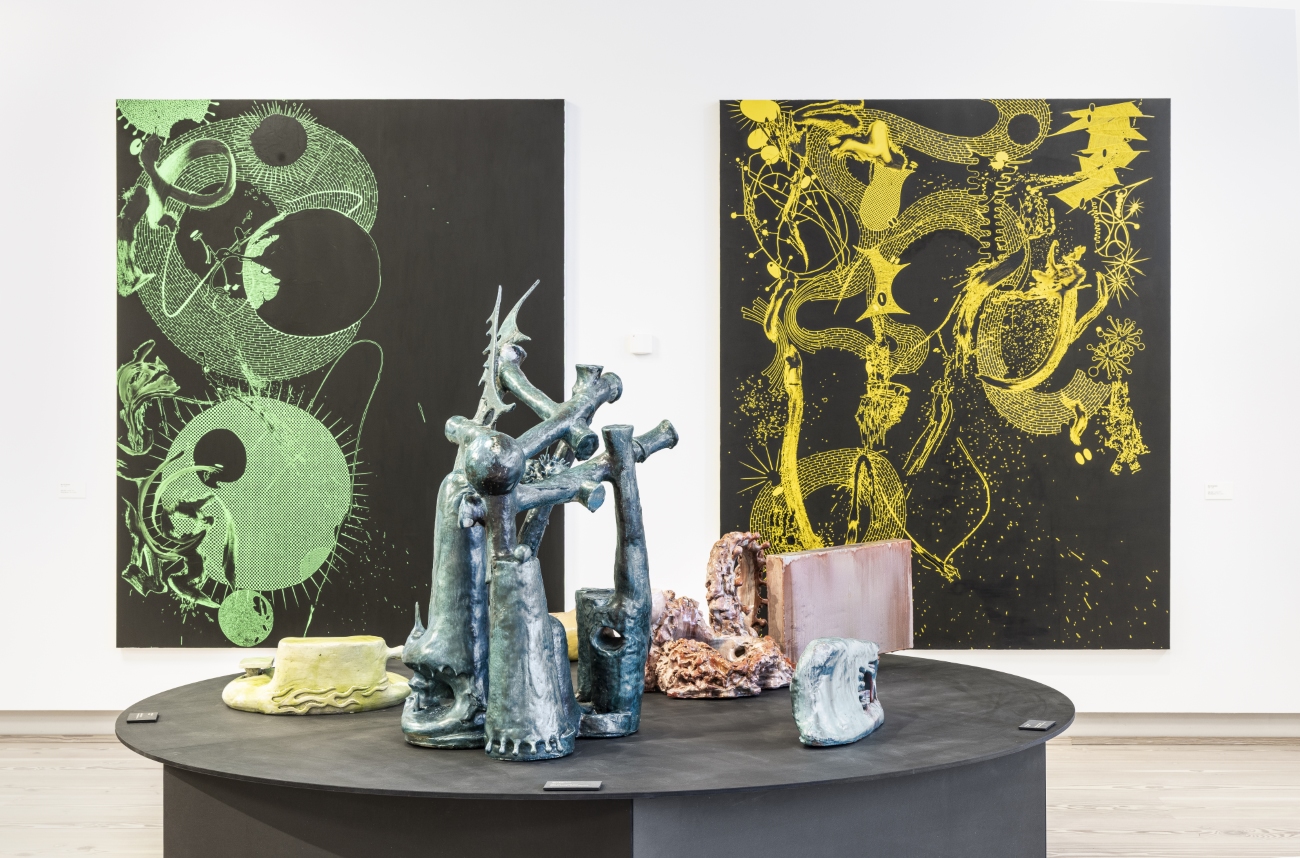
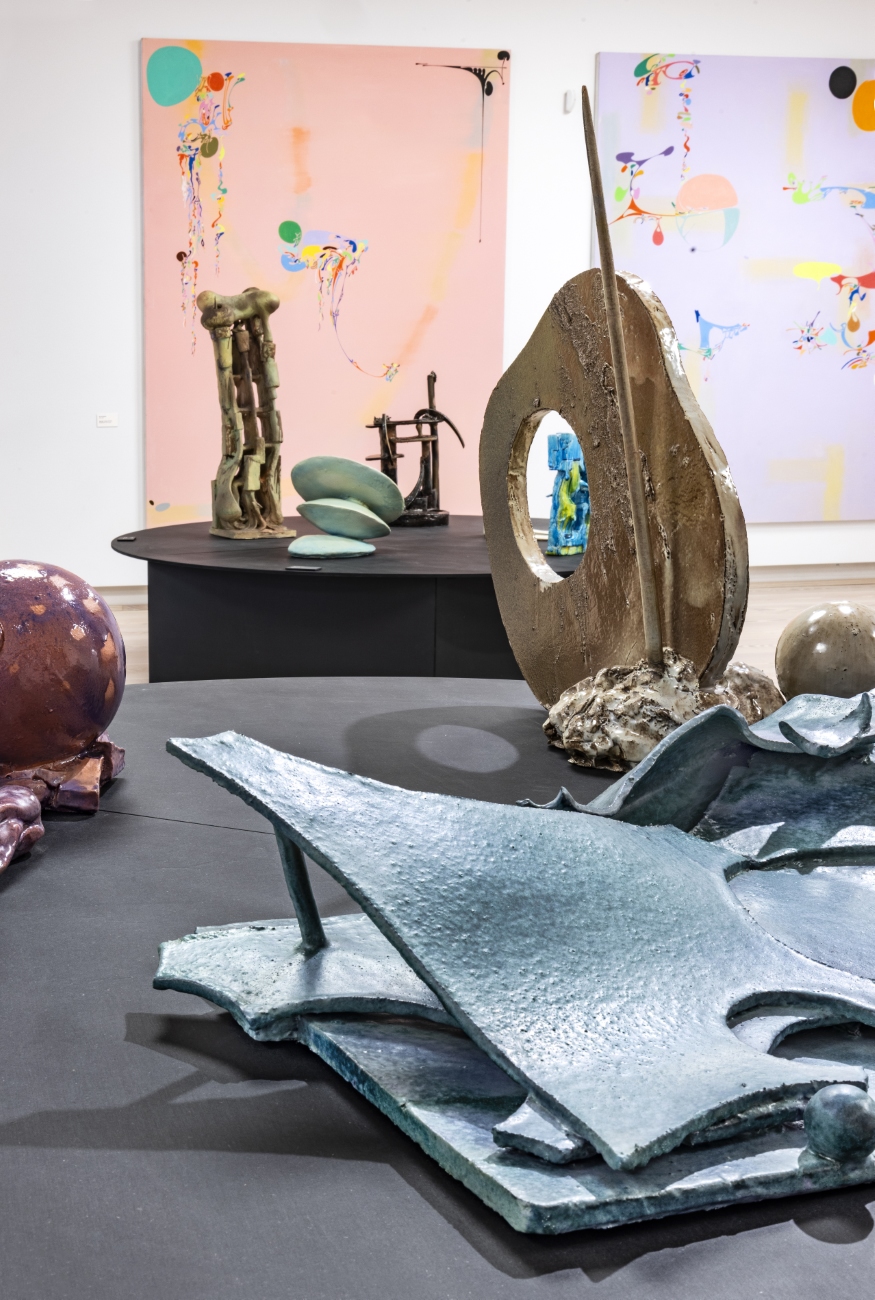
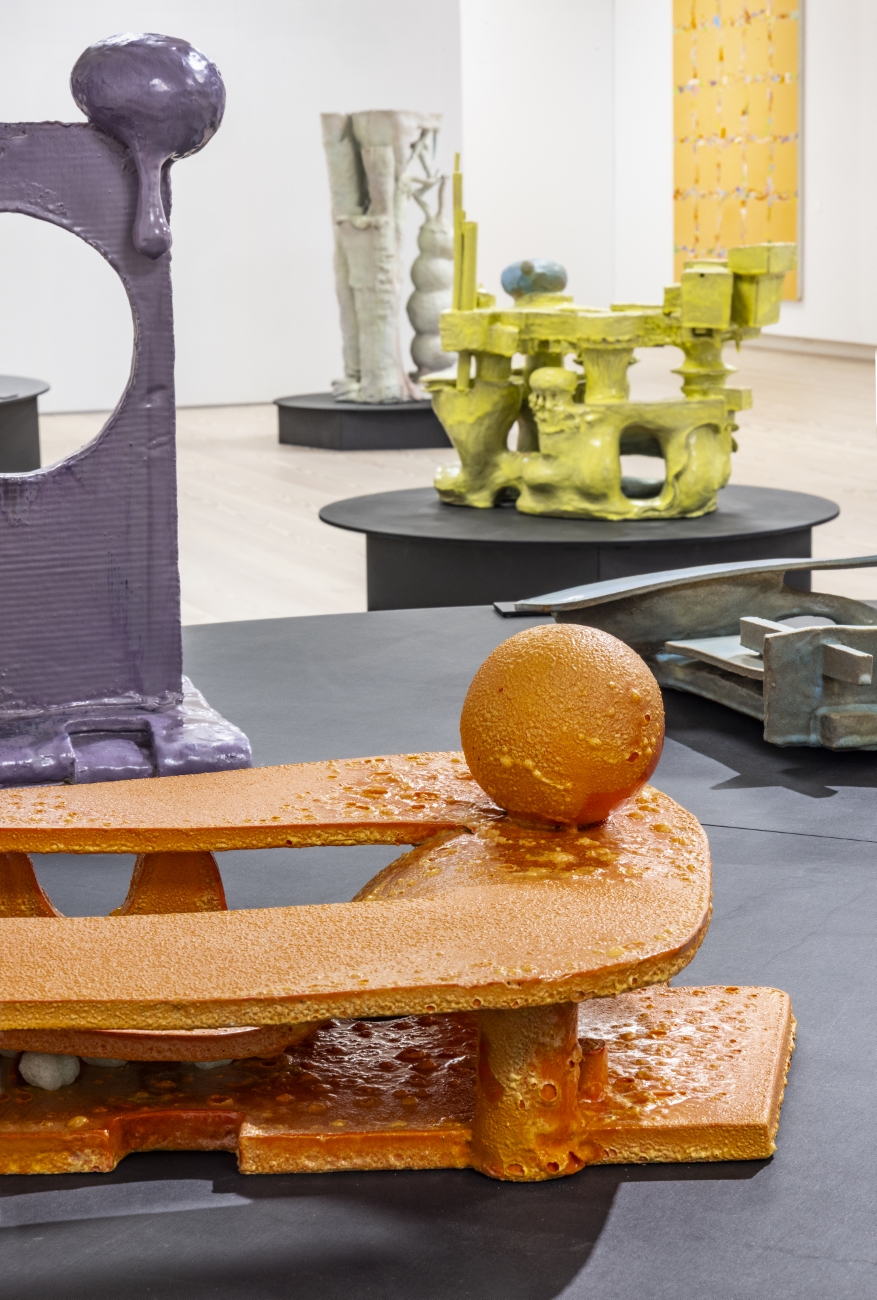
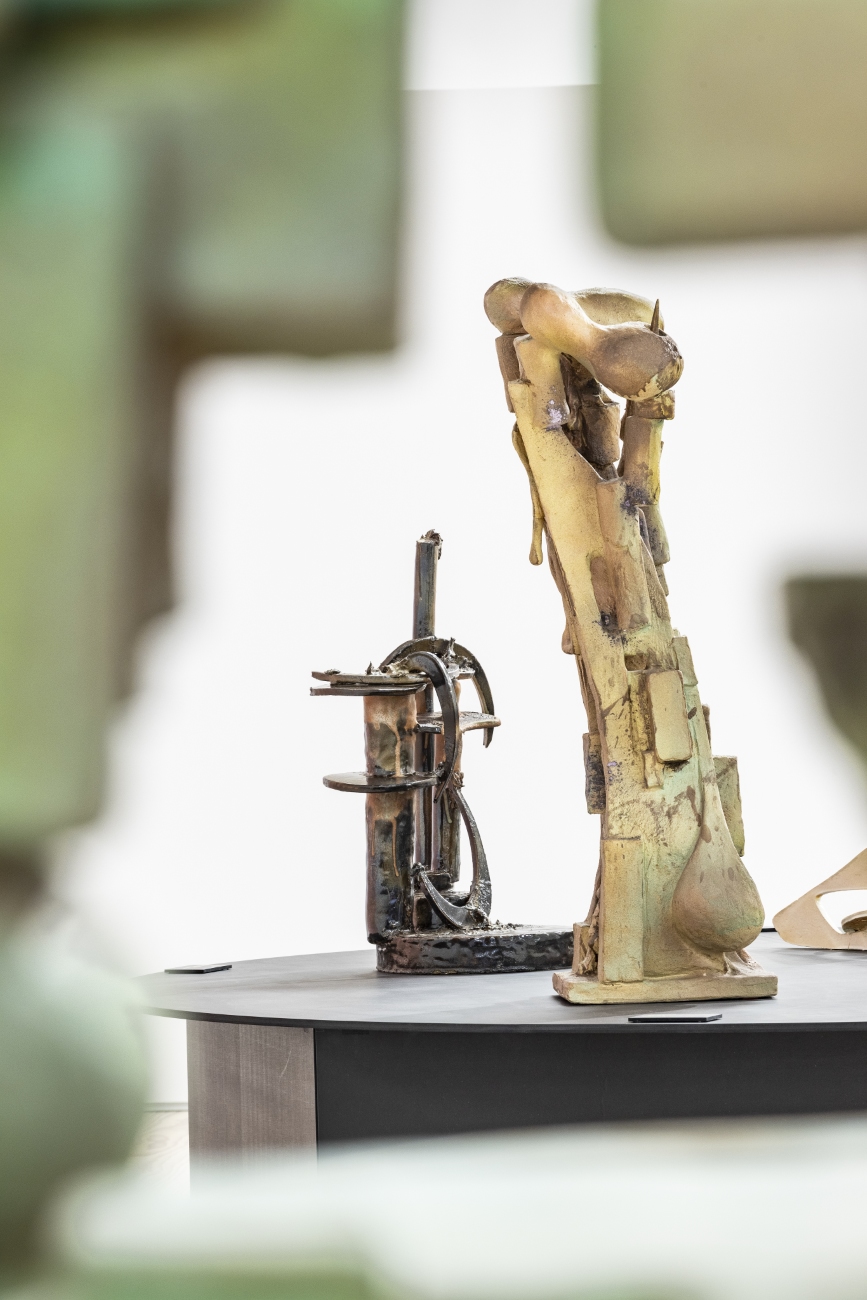
In the exhibition Mulighedernes rum (Spaces of Possibilities), the CLAY Museum of Ceramic Art focuses on Nils Erik Gjerdevik’s ceramic sculptures. These are shown in combination with a selection of the artist’s paintings and works on paper, presented through three overarching themes. The themes explore how Gjerdevik works with the creation of space, in ways that challenge gravity, architectural conventions, and the boundary between utopia and dystopia.
Gravity in clay
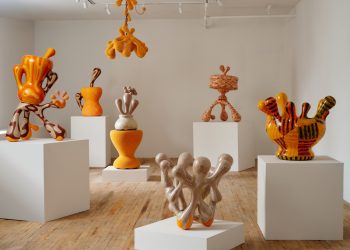
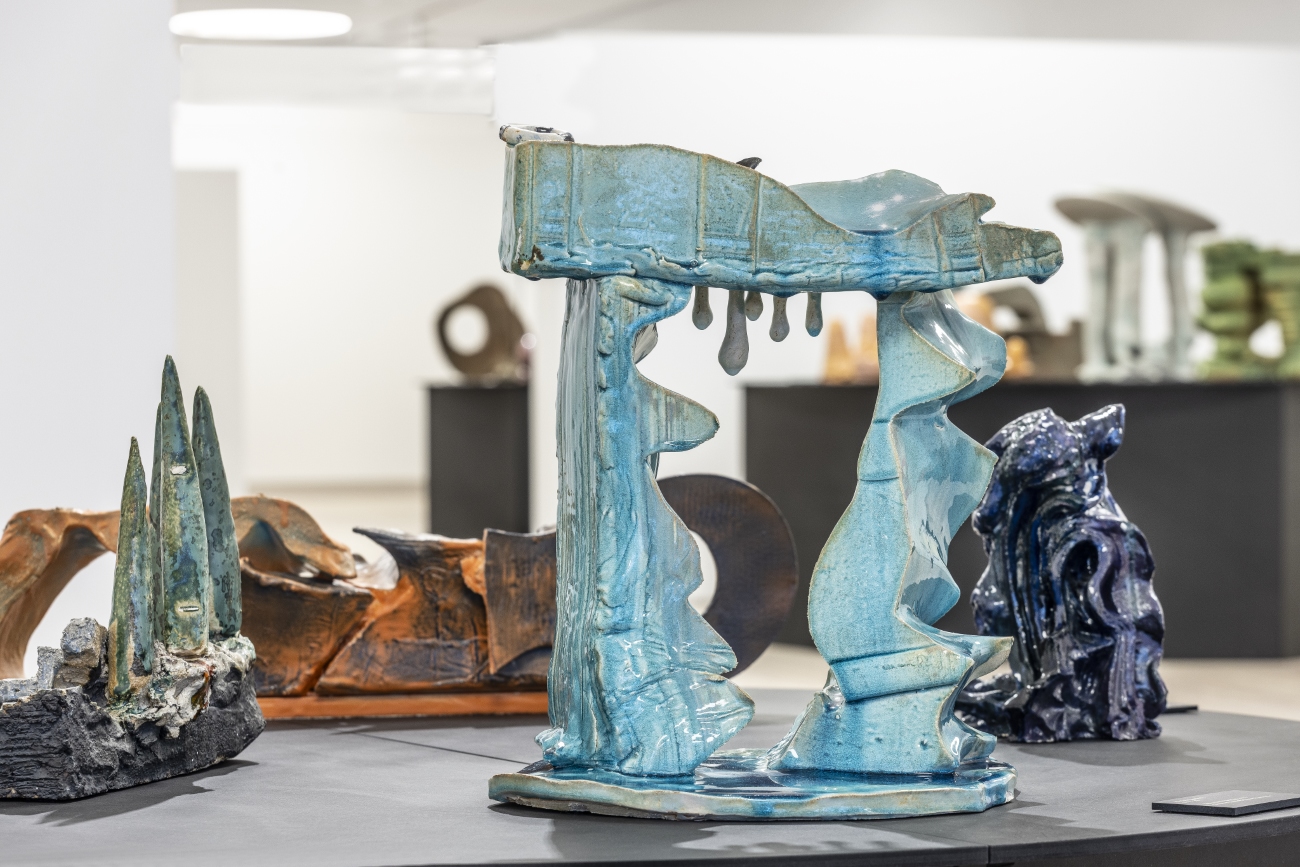
A recurring theme in Nils Erik Gjerdevik’s ceramics is the physical impact of gravity on clay. He constantly challenges the conventions of sculpture, in which a three-dimensional form is traditionally expected to be balanced, to convey stability and to support itself. Gjerdevik’s sculptures defy this idea. They often give the impression of being on the verge of collapse – or perhaps the collapse has already occurred? The works possess a distinctive tension that can be felt in the body. They remind us of gravity as an invisible force that affects us both physically and mentally.
The works also convey an underlying sense of optimism and humor. The paradoxical nature of the sculptures’ unstable forms – or their apparent lack of stability – produces a humorous effect. A charged duality between gravity and lightness emerges, one that runs throughout Gjerdevik’s ceramics, paintings, and works on paper.
Architectural landscapes, deconstruction, and Gaudi-Esque freedom of form
Nils Erik Gjerdevik continuously investigates space across ceramics, painting, and works on paper. Drawing on his extensive knowledge of the history of architecture and art, he explores the various conditions of both physical and abstract space. Some of his sculptures allude to man-made structures, such as spires, columns, walls, and roofs. Others evoke natural environments such as caves, grottos, and tunnels. Gjerdevik often merges these references, creating sculptures that appear as hybrids of culture and nature.
In these hybrids, the line between architecture and landscape – and between inside and outside – is first drawn and then dissolved. In his paintings and works on paper, Gjerdevik similarly explores the boundless potential of abstract space. He creates environments that are not confined by the physical boundaries of the canvas or paper. The connection between his two- and three-dimensional works is not immediately apparent, yet it is precisely within this tension that a central aspect of his artistic exploration emerges. Gjerdevik is concerned with challenging the logic of space – making the impossible spatially possible, regardless of the medium.
A space between dystopia and utopia
Nils Erik Gjerdevik’s art balances between opposites. Are we witnessing paradise or catastrophe? Inner or outer landscapes? Is the atmosphere one of humor and hope, or of darkness and melancholy? The works reflect a contemporary world shaped by change, complexity and uncertainty – a time in which the boundary between dystopia and utopia seems to expand for some and shrink for others.
Gjerdevik’s sculptures, paintings and works on paper can be seen as an exploration of creating new spaces without fixed rules or predetermined meanings. His unconventional use of color and format challenges traditional ideas of composition and harmony. The result is open, possible spaces. Here, utopia and dystopia coexist, and the tension between them allows for new interpretations.
We live in an era defined by constant change and negotiation, in a complex landscape where opportunities and challenges intersect. In this context, Gjerdevik’s works feel more relevant than ever. They open a space of possibilities – a place where imagination and reflection can unfold, paving the way for new insights into our shared past, present, and future.
Contact
info@claymuseum.dk
CLAY Museum of Ceramic Art
Kongebrovej 42 5500
Middelfart
Denmark
Photos by Ole Akhøj