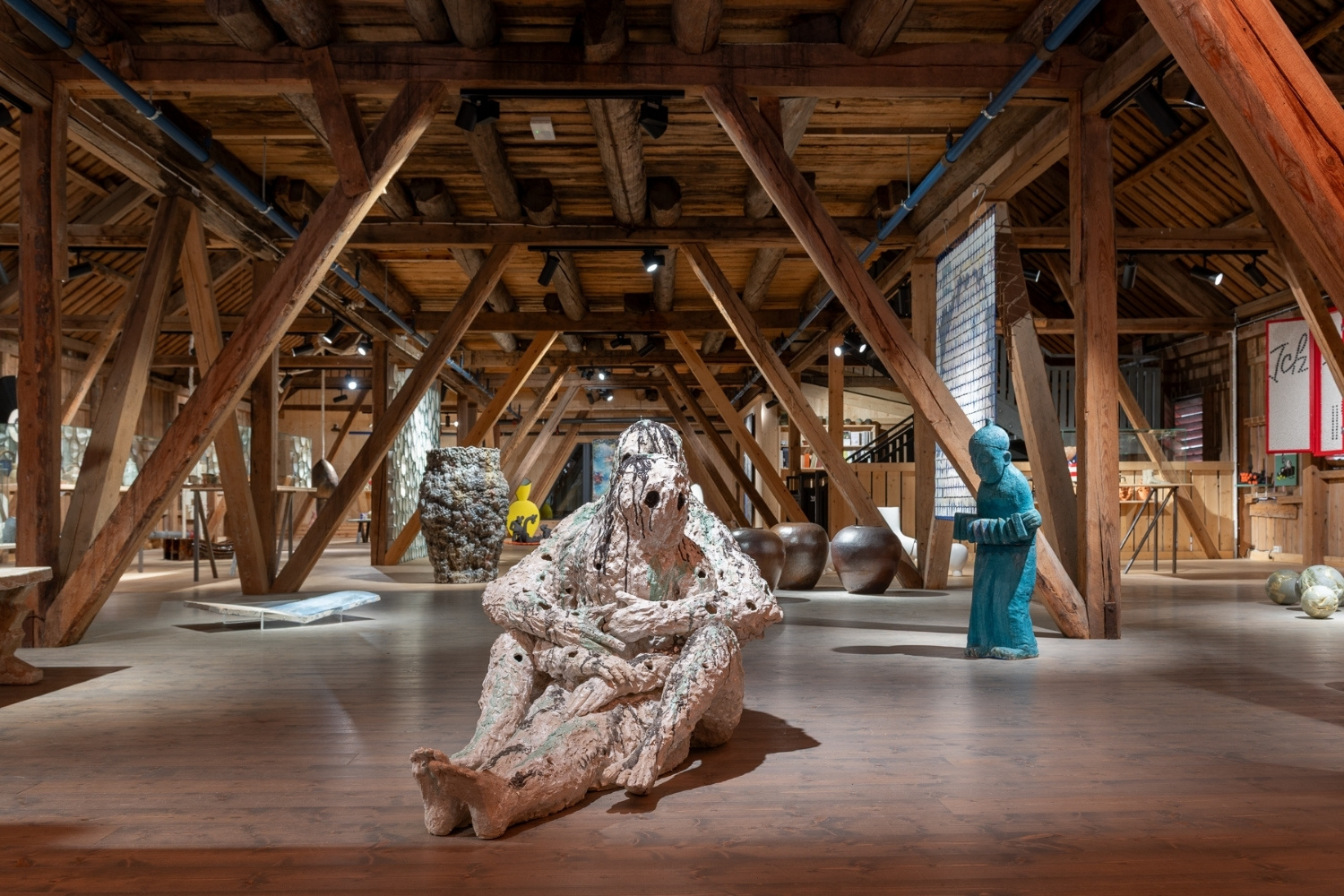
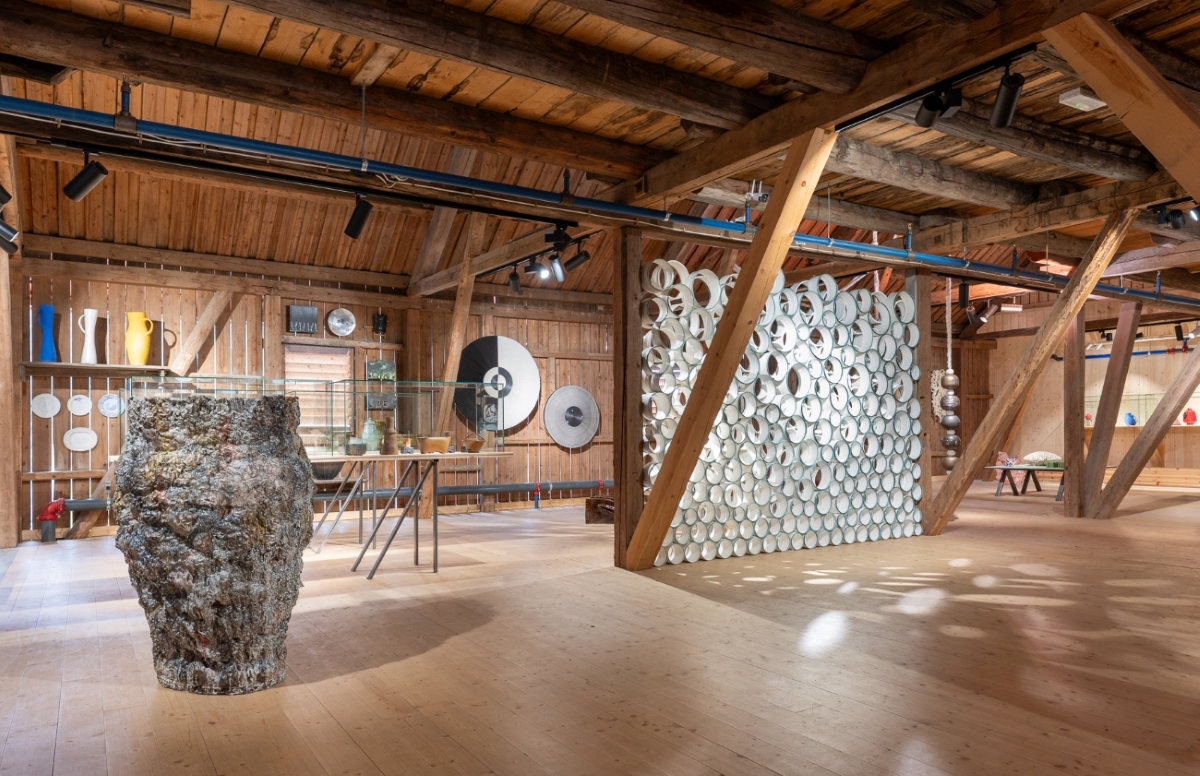
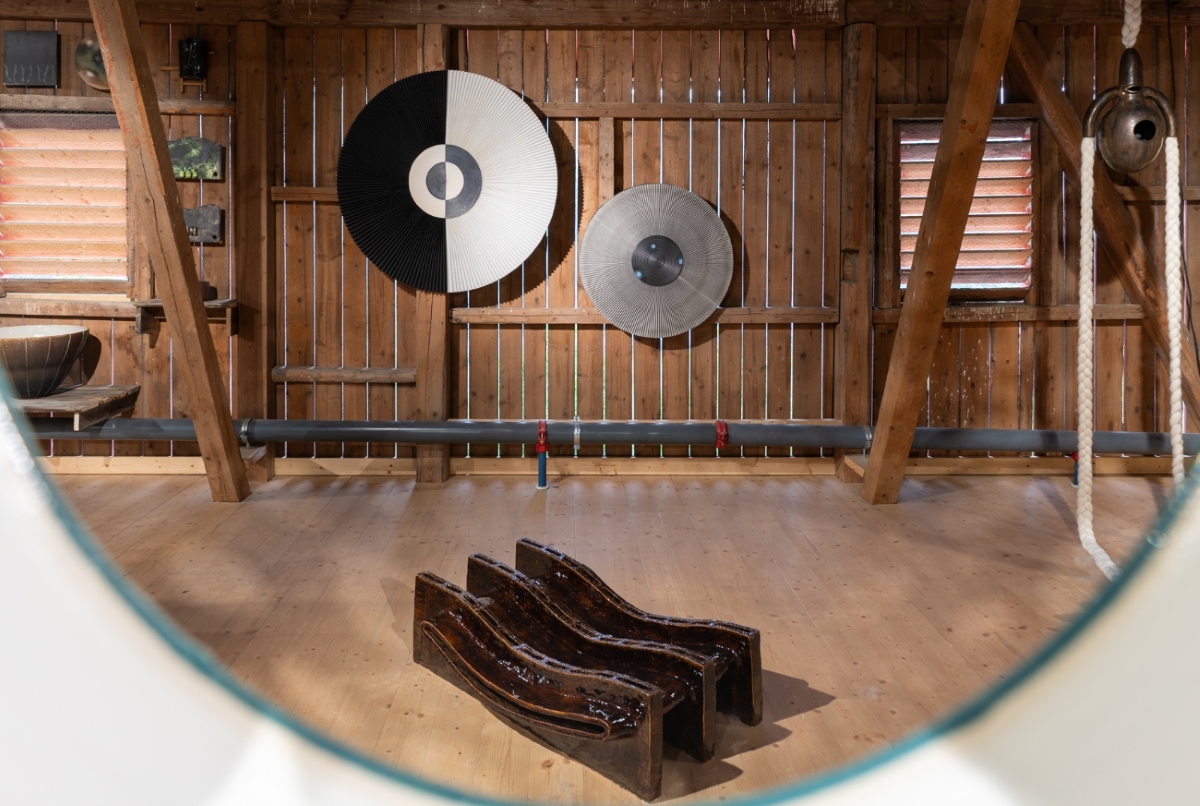
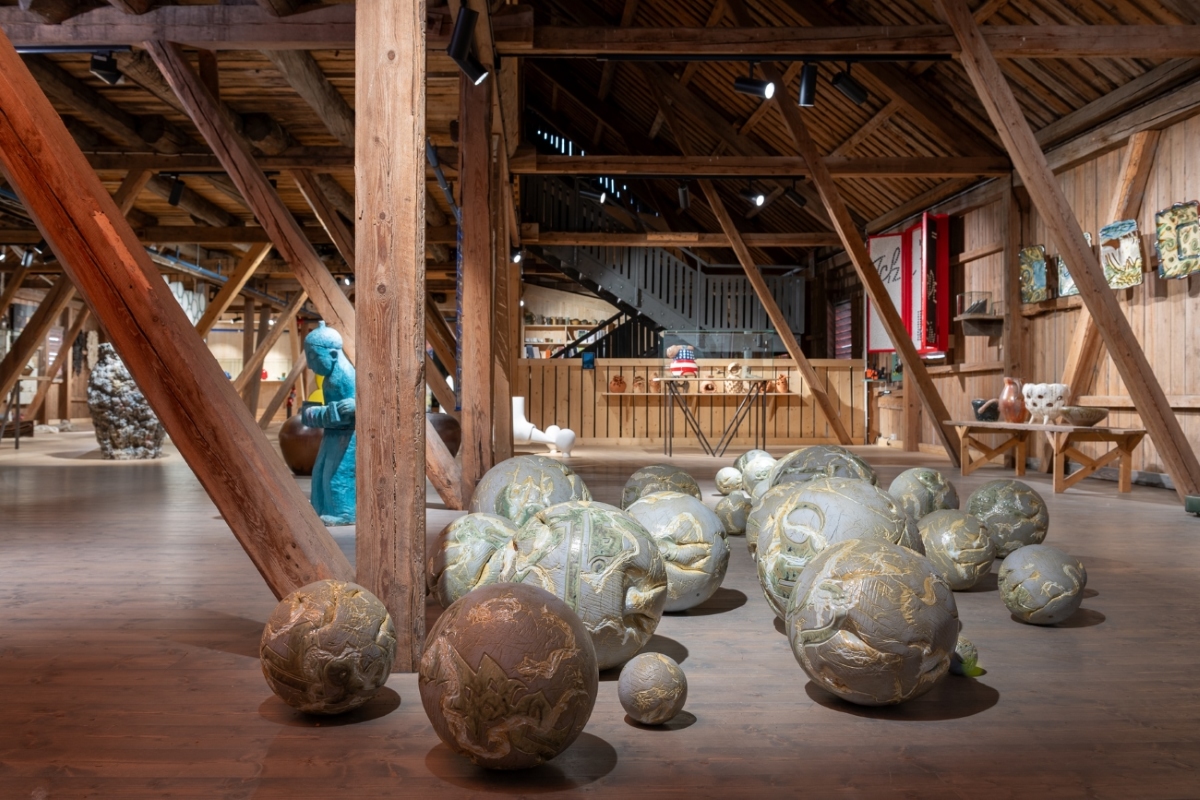
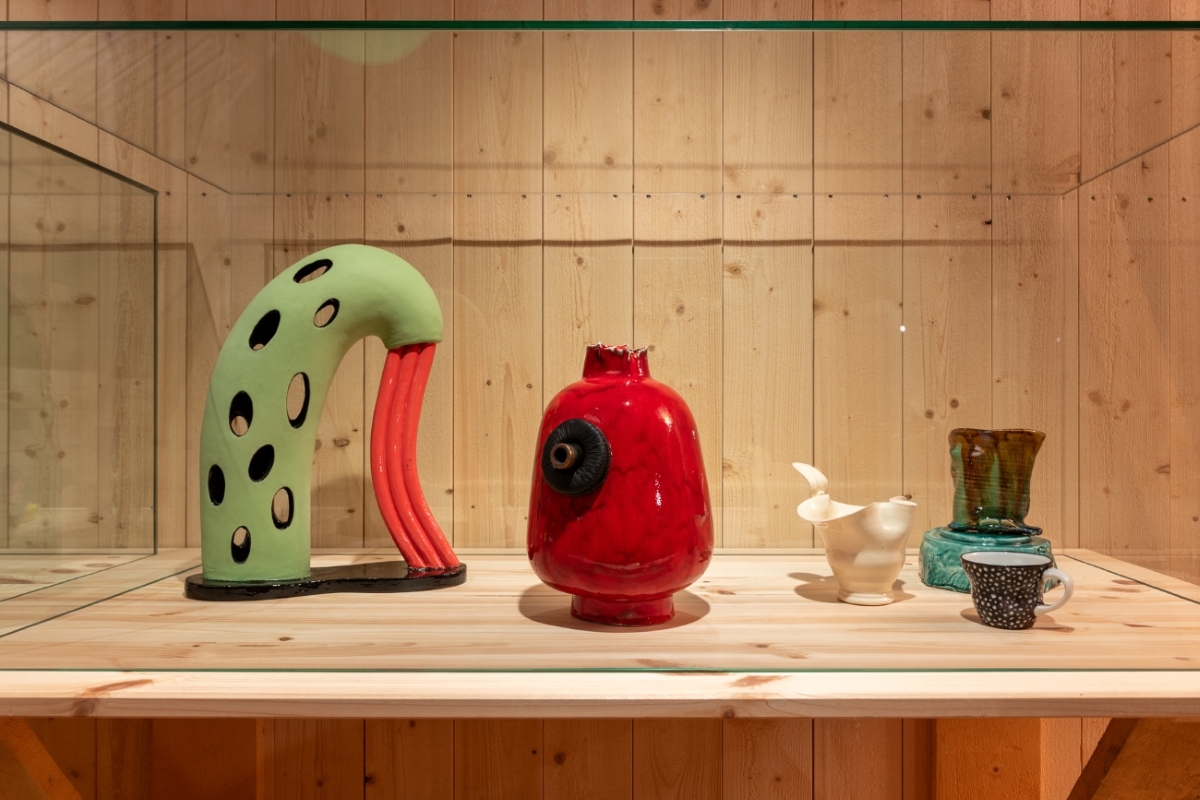
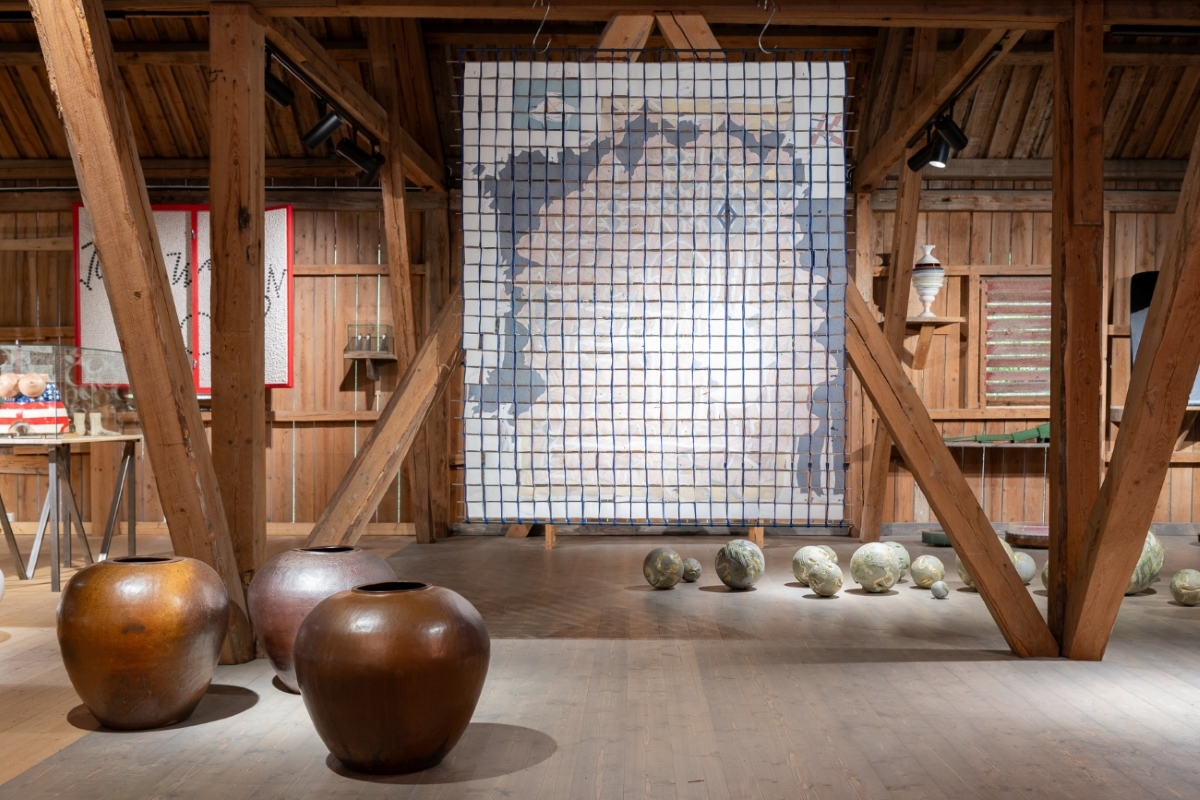
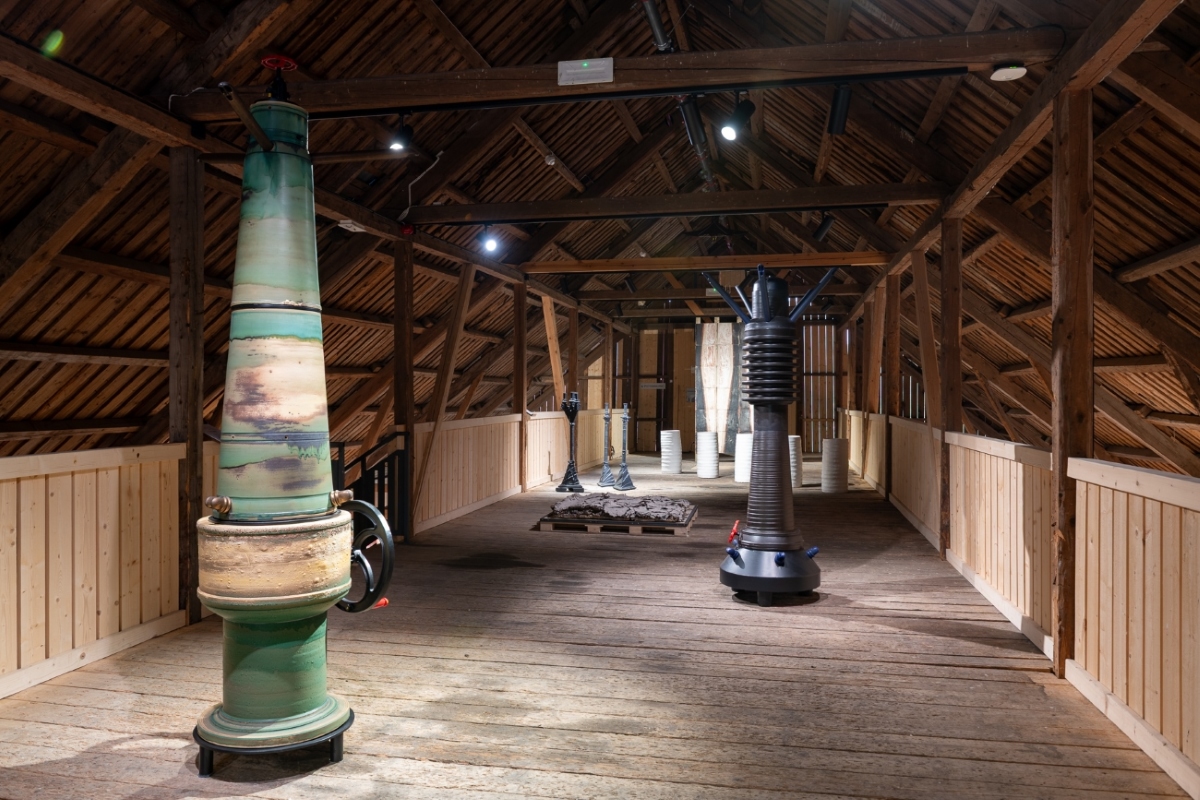
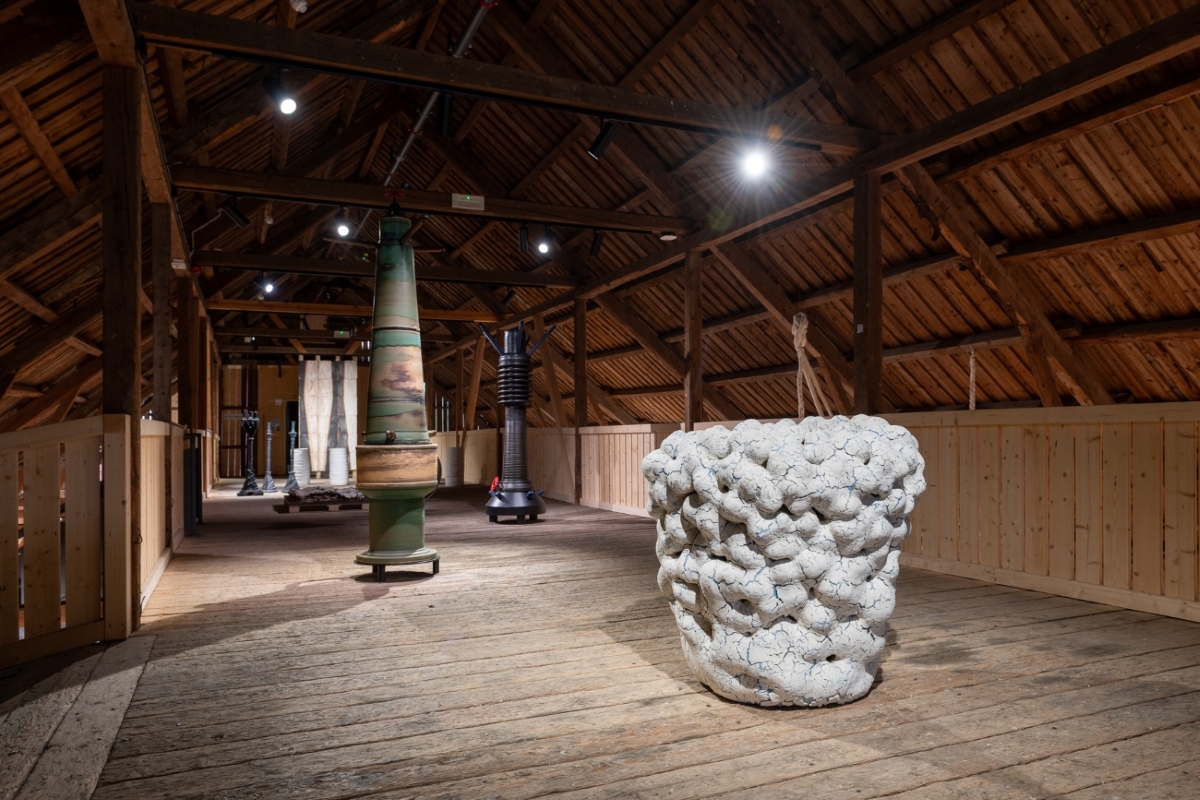
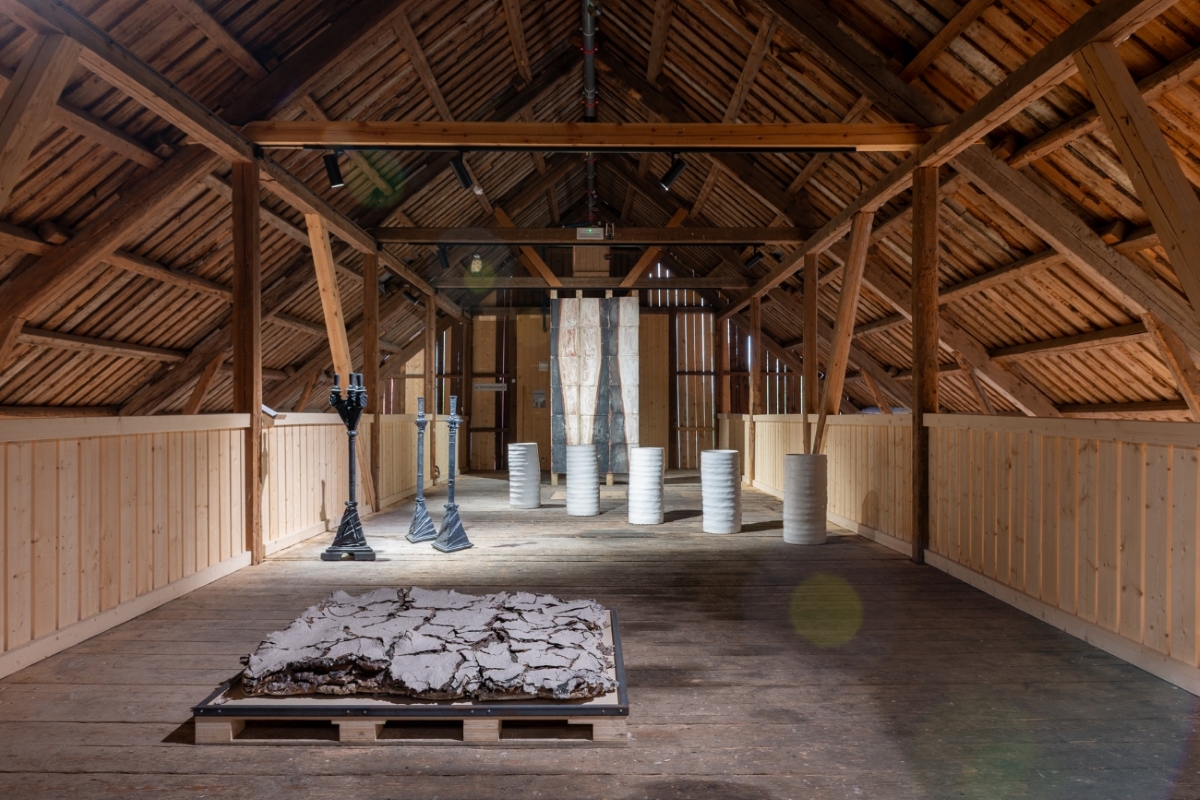
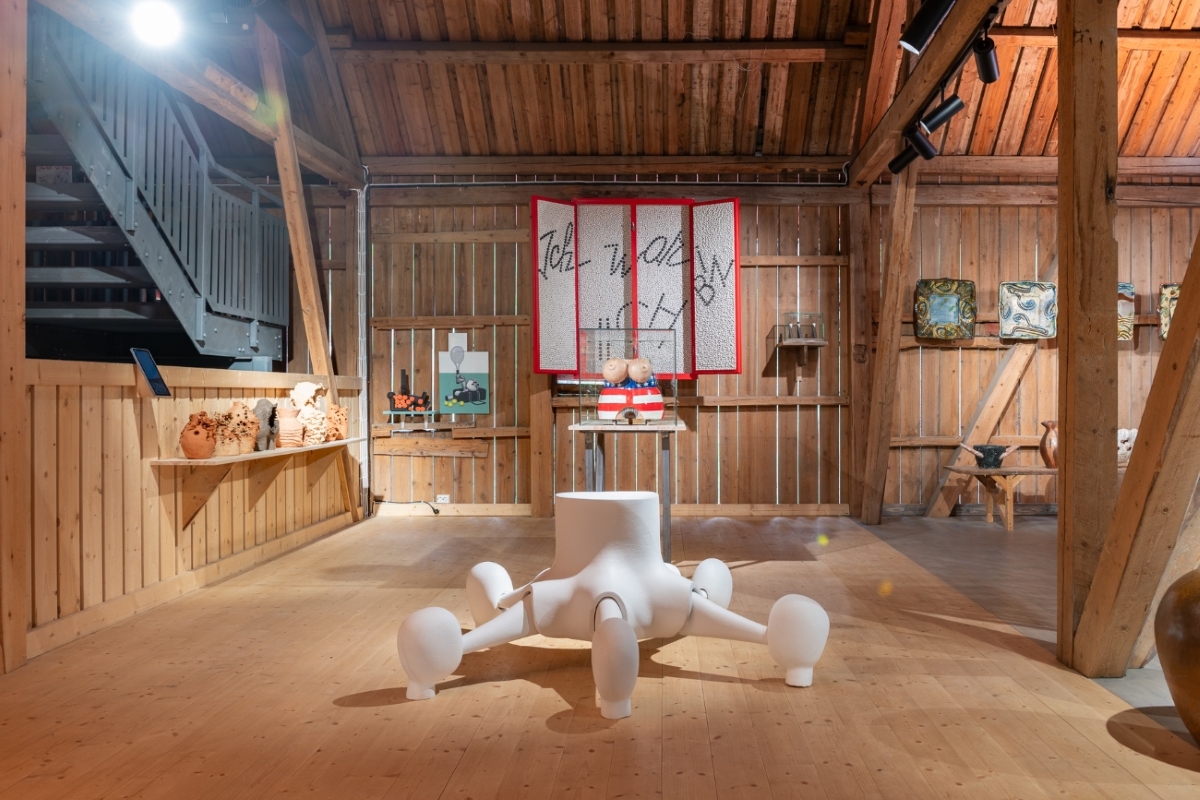
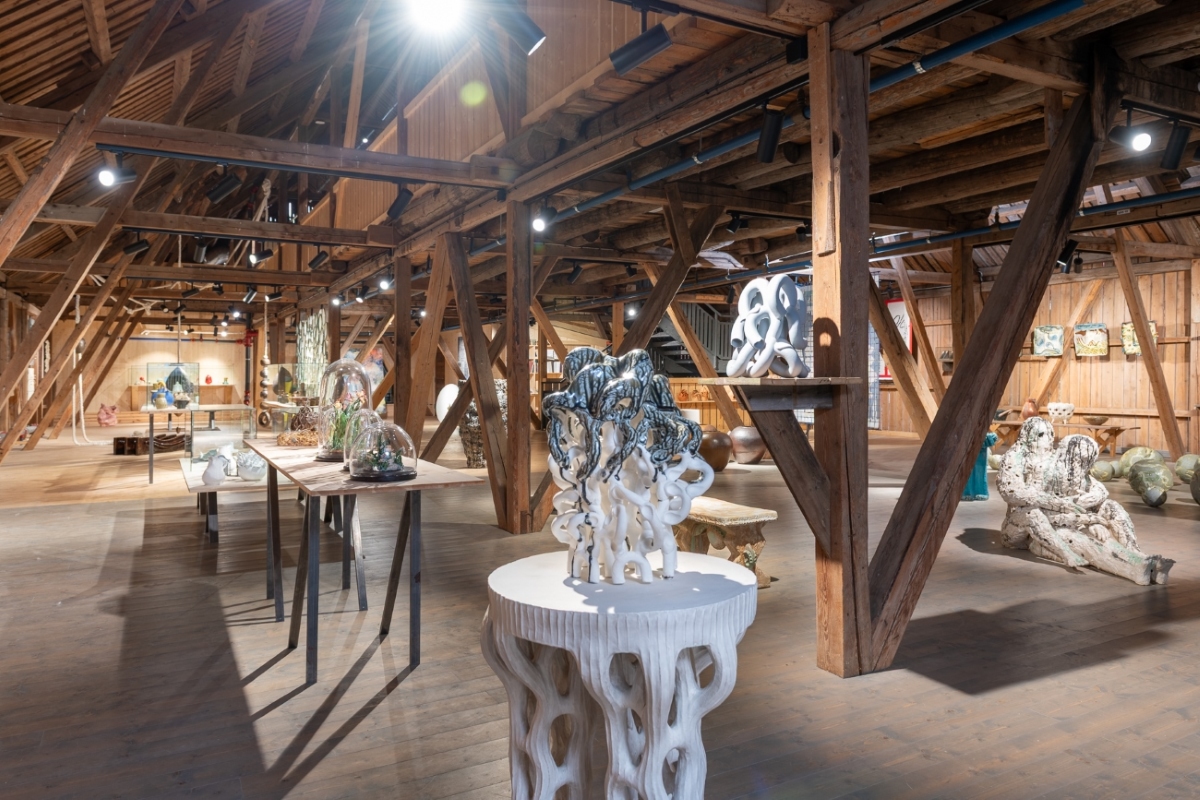
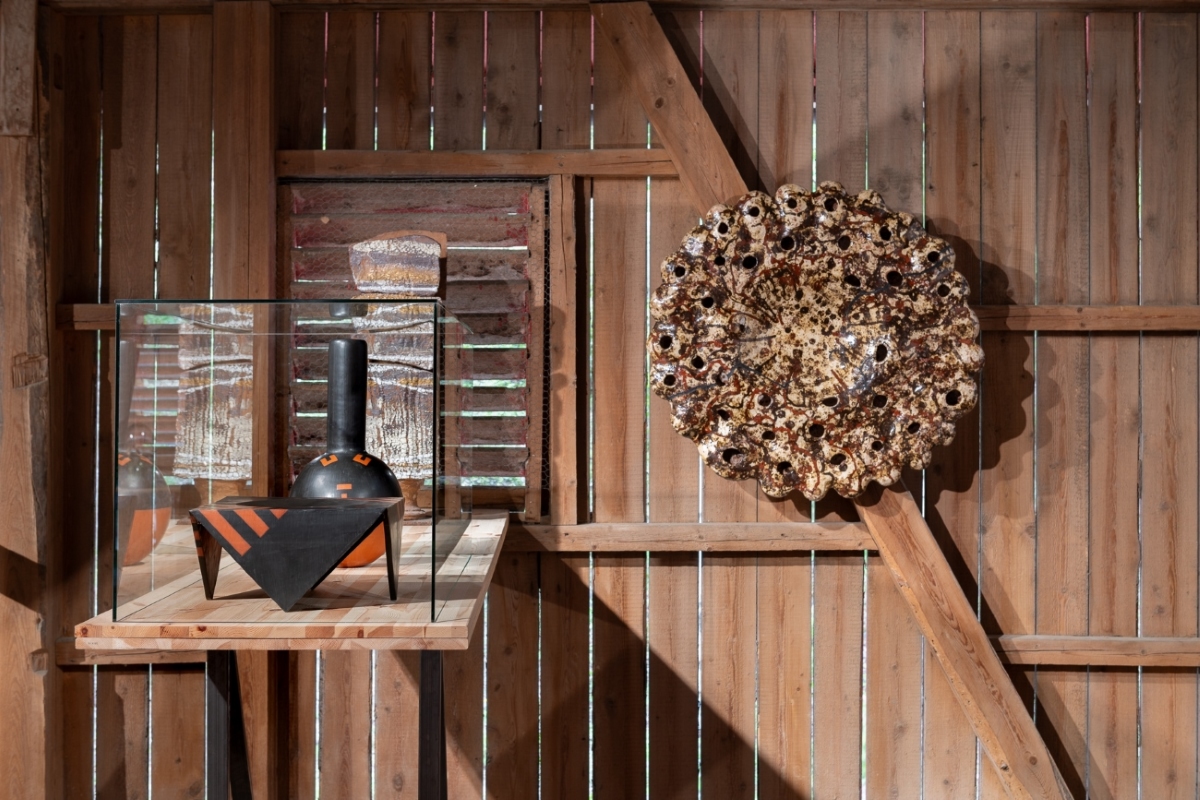
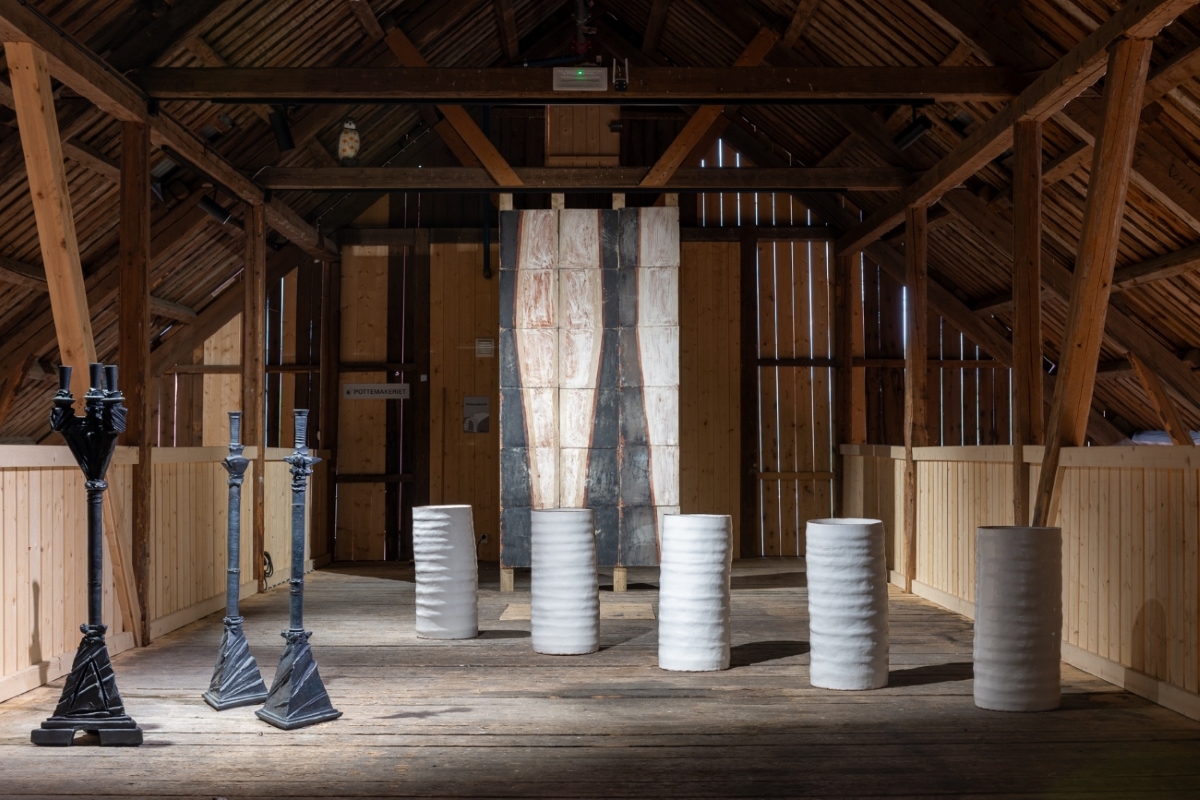
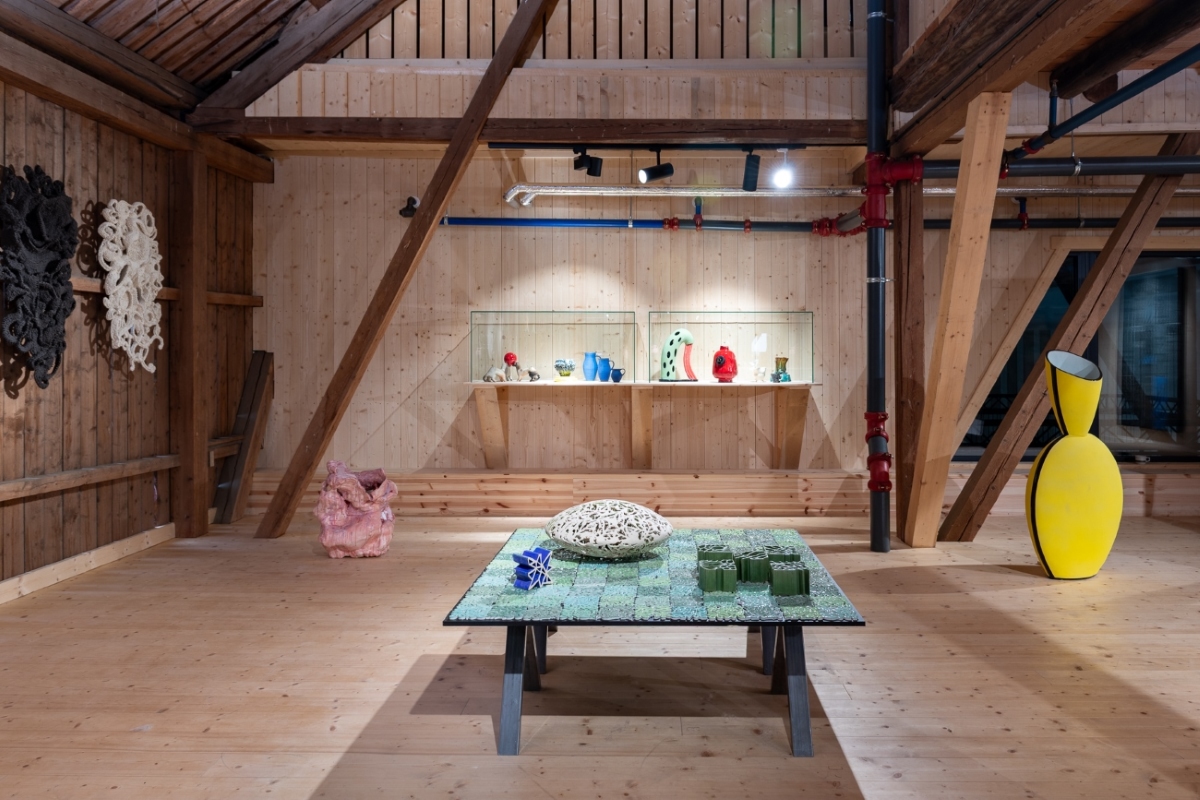
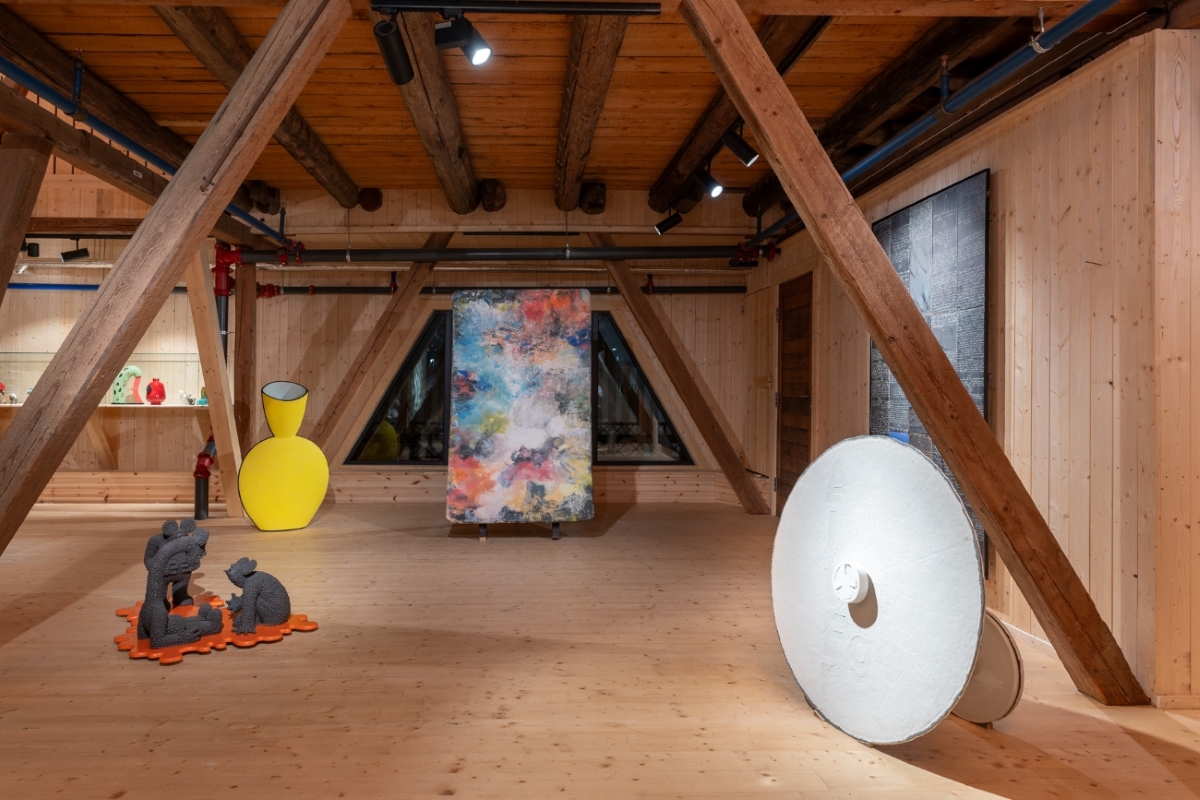
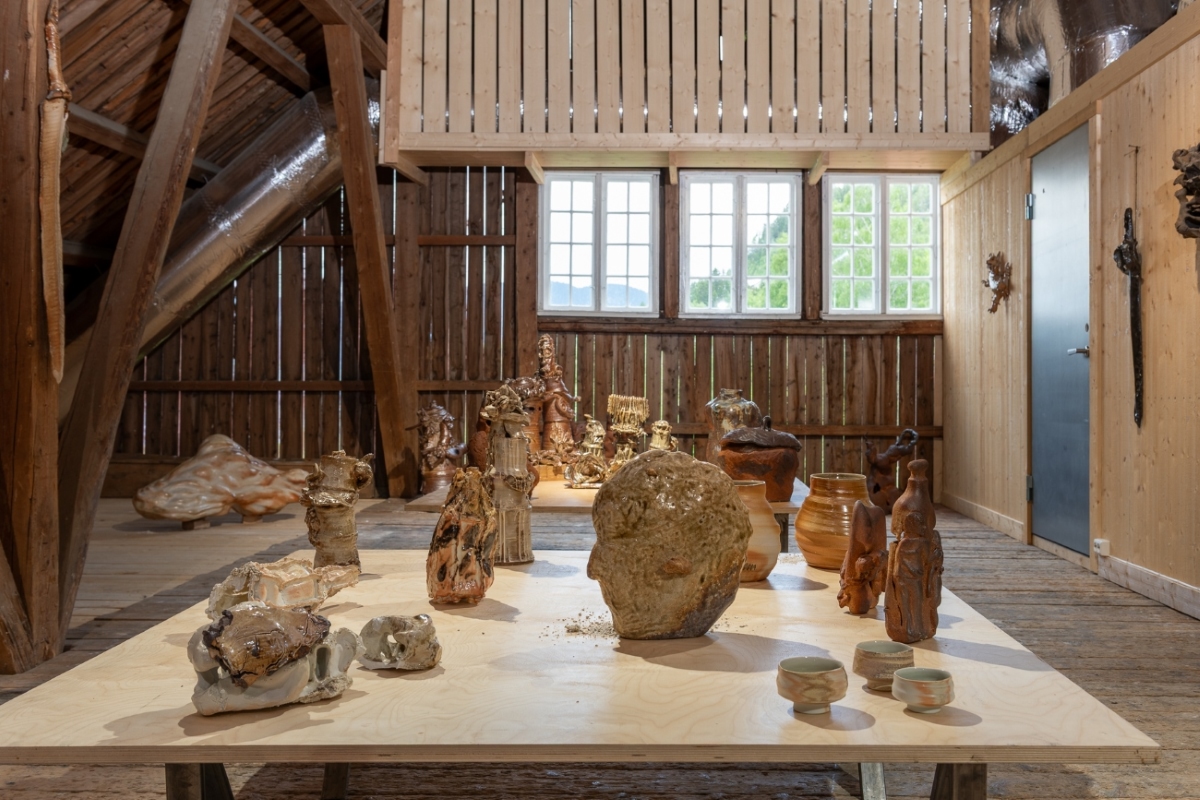
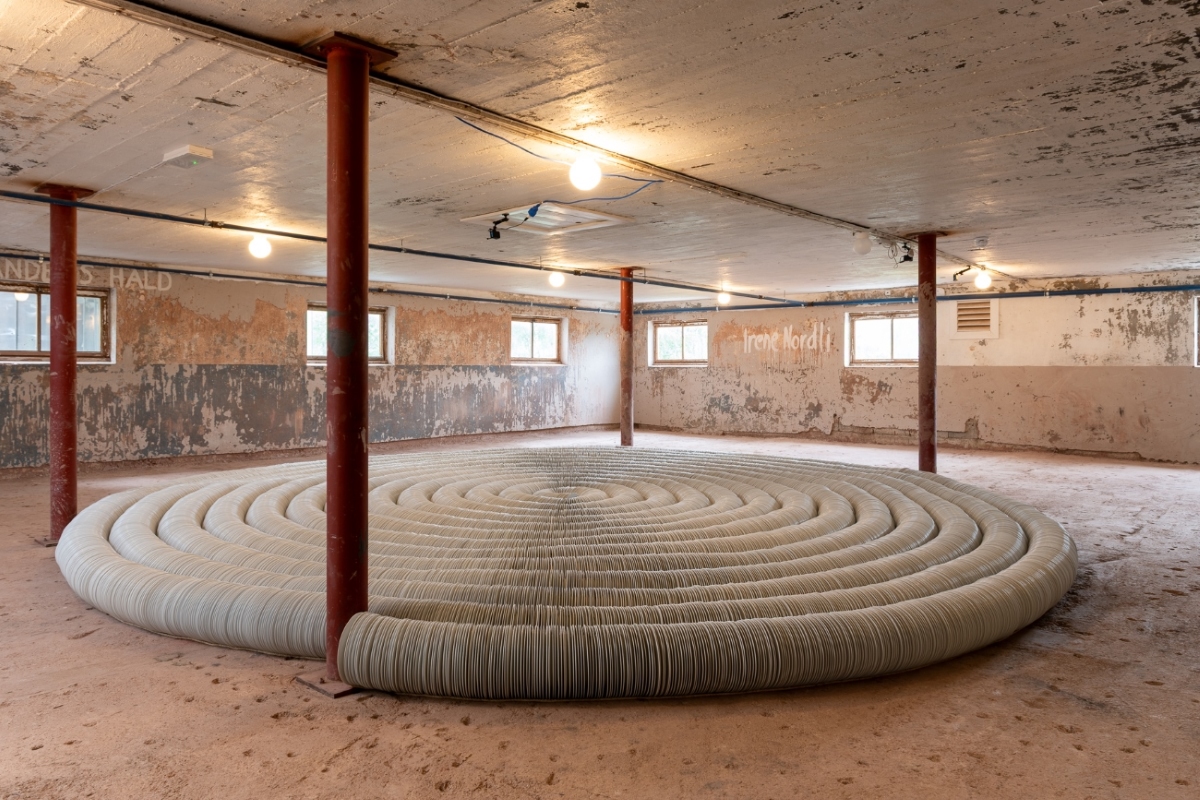
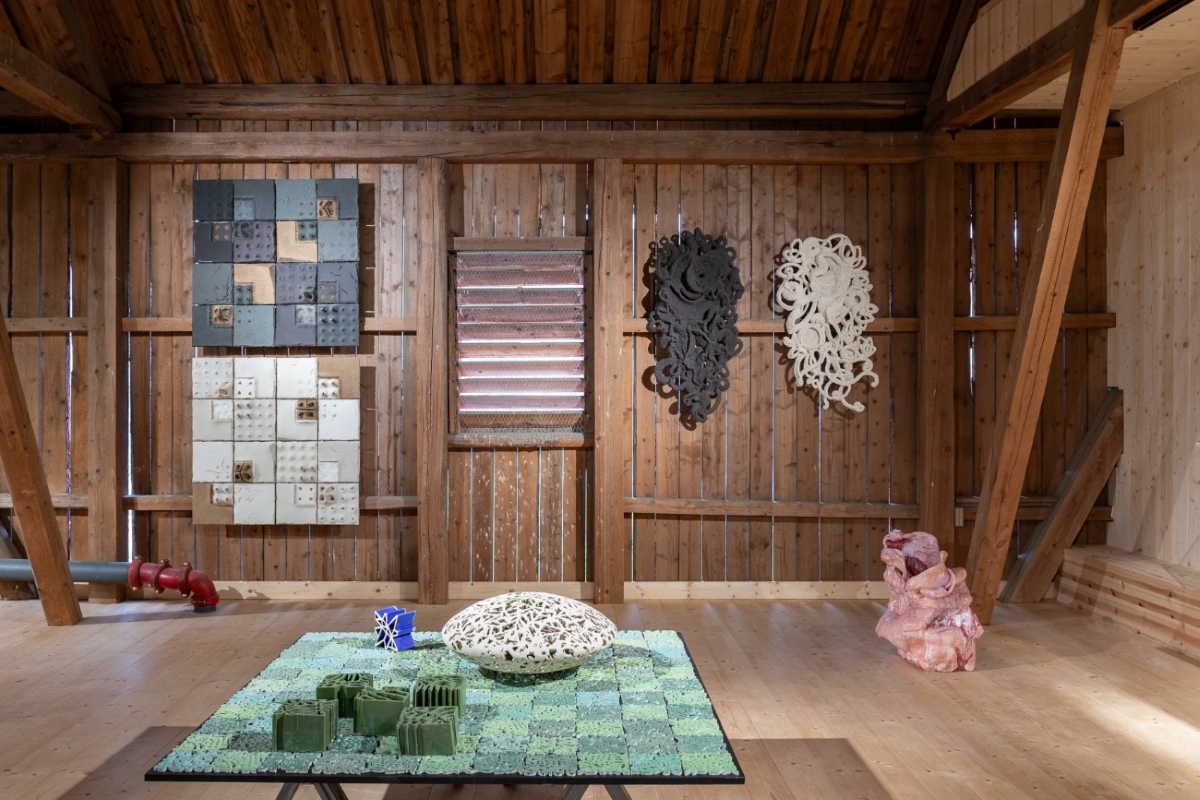
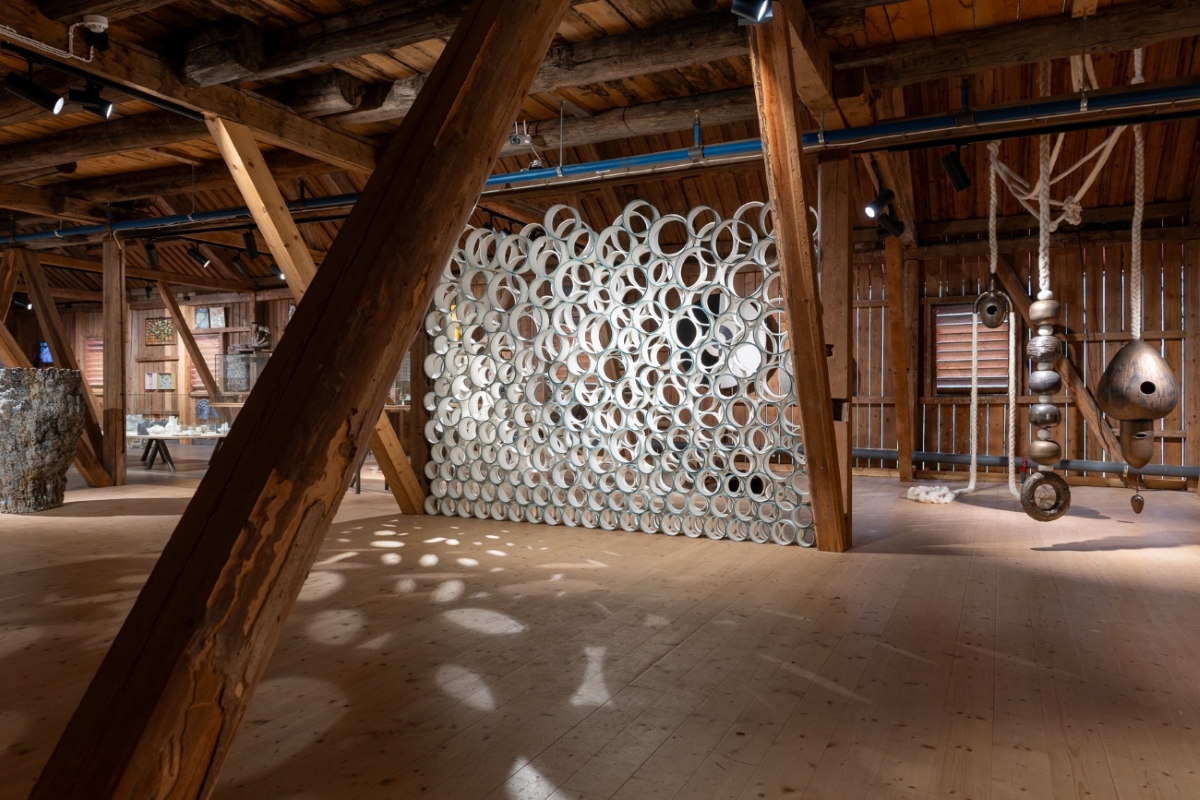
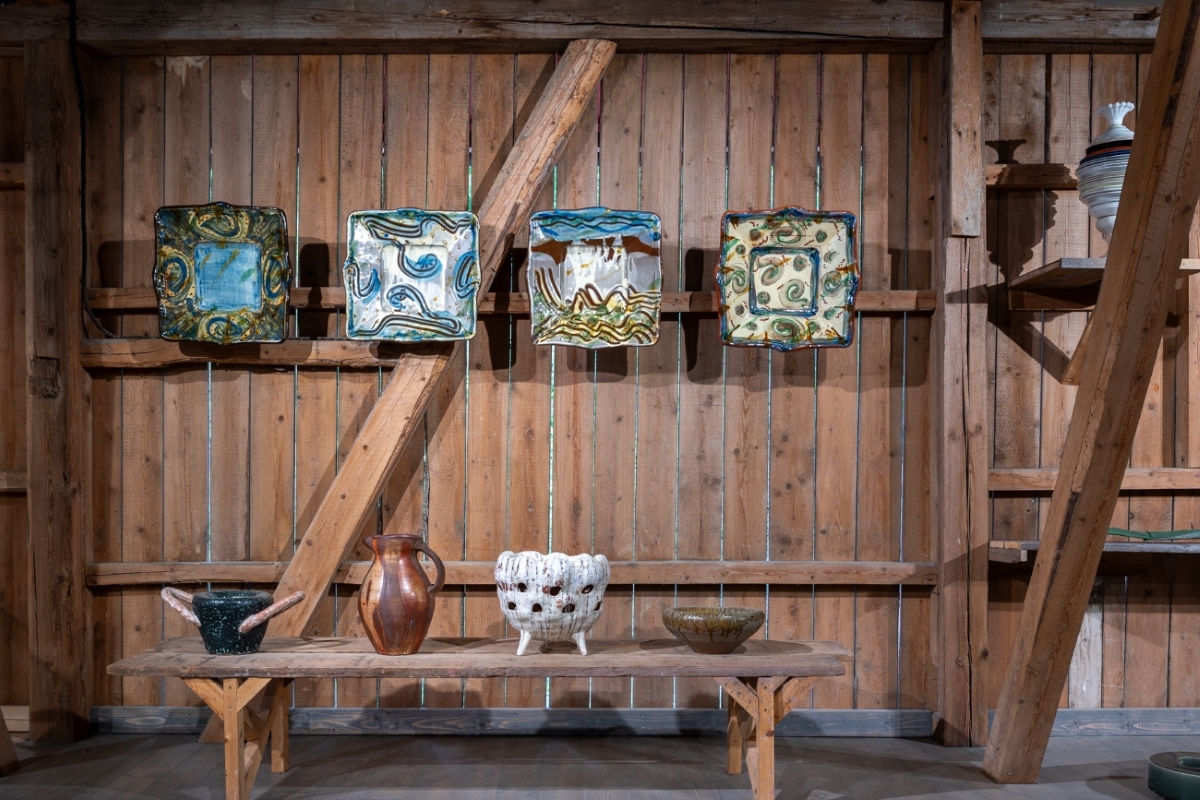
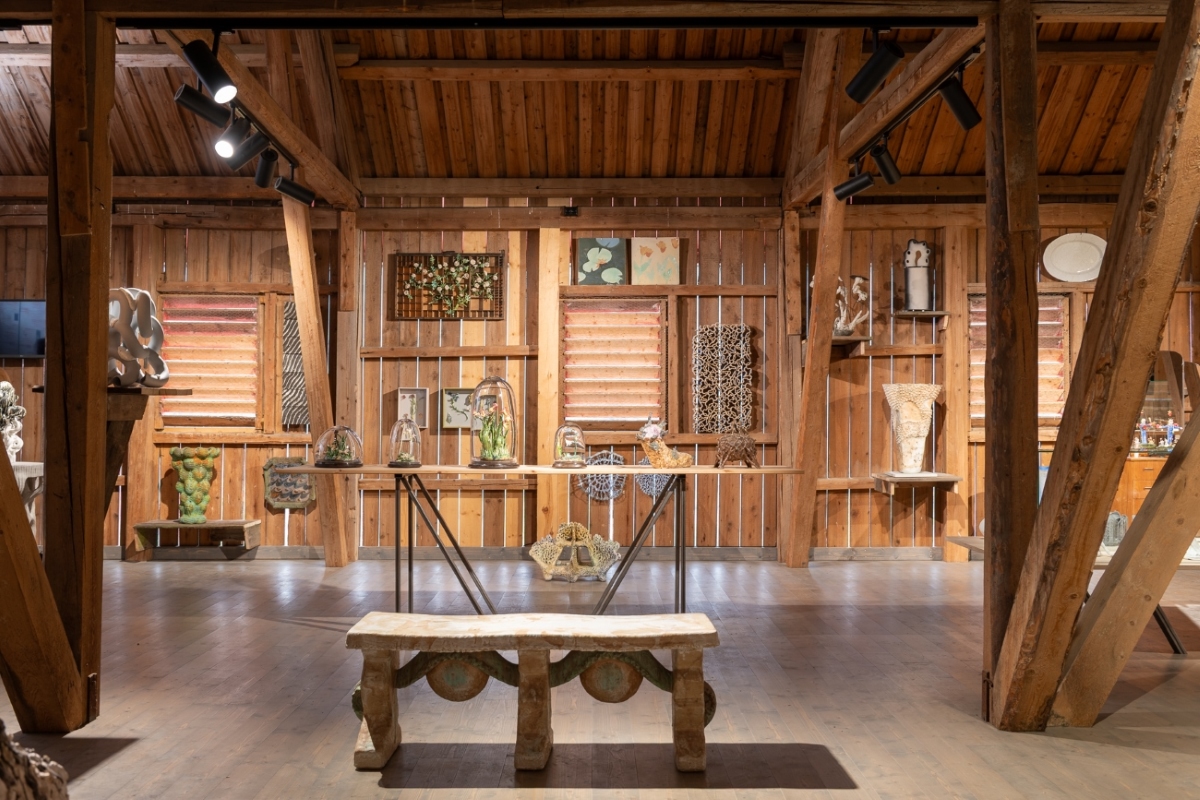
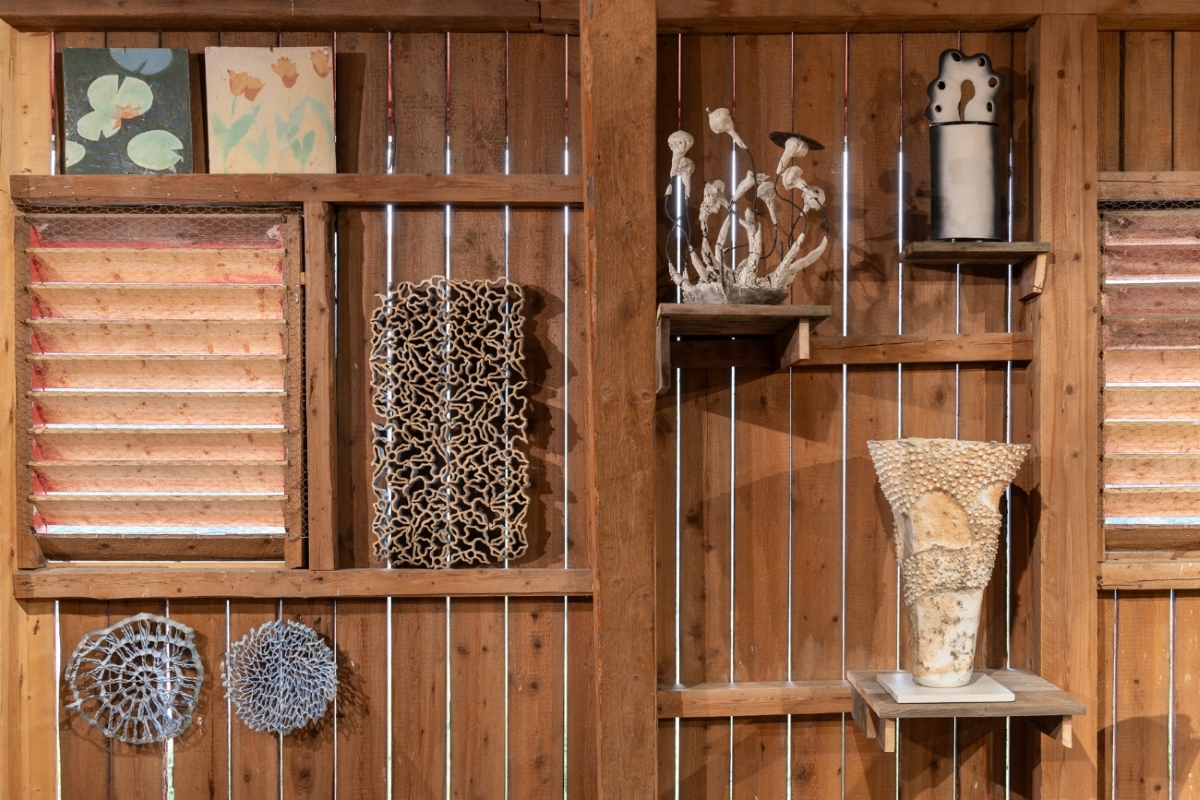
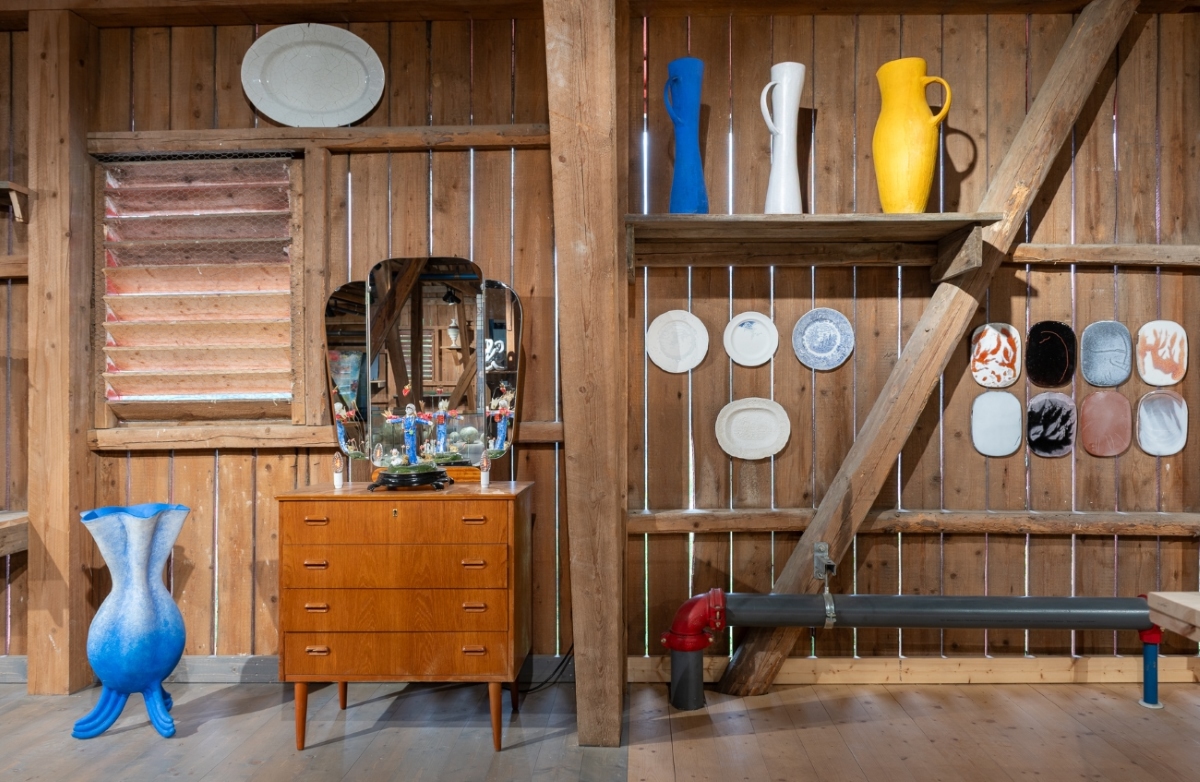
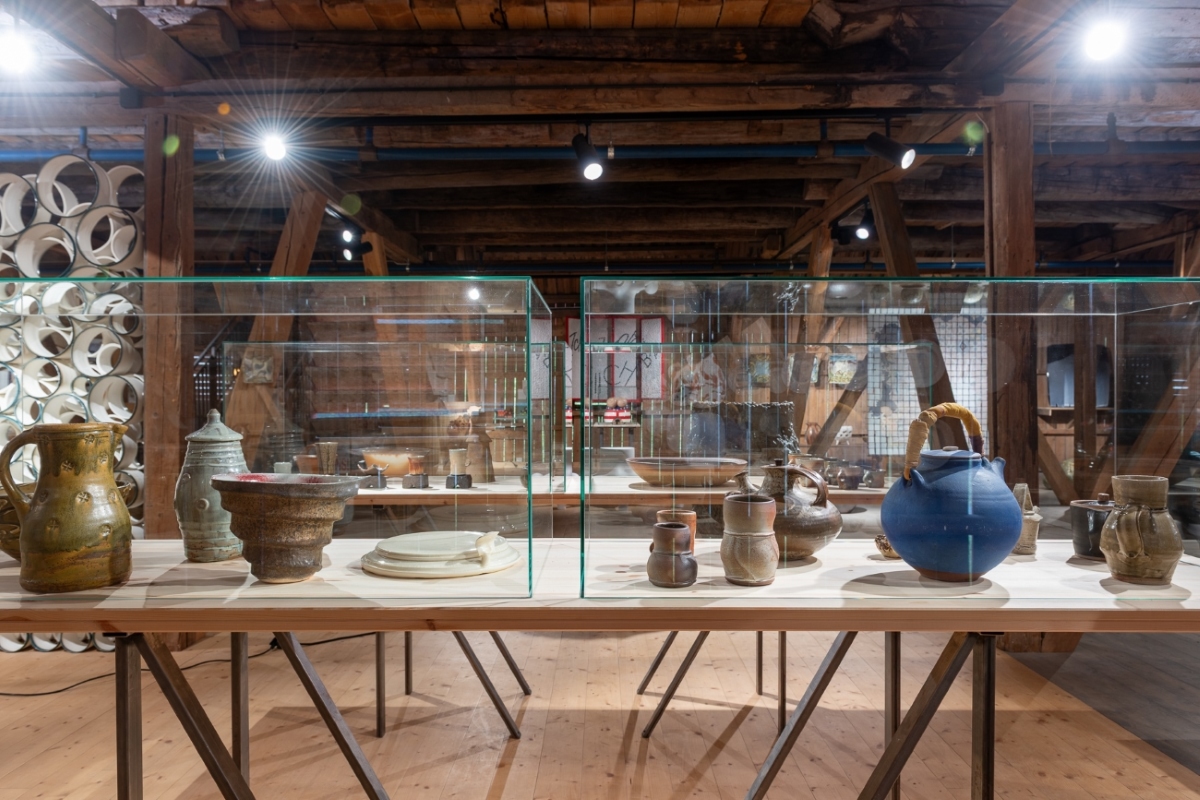
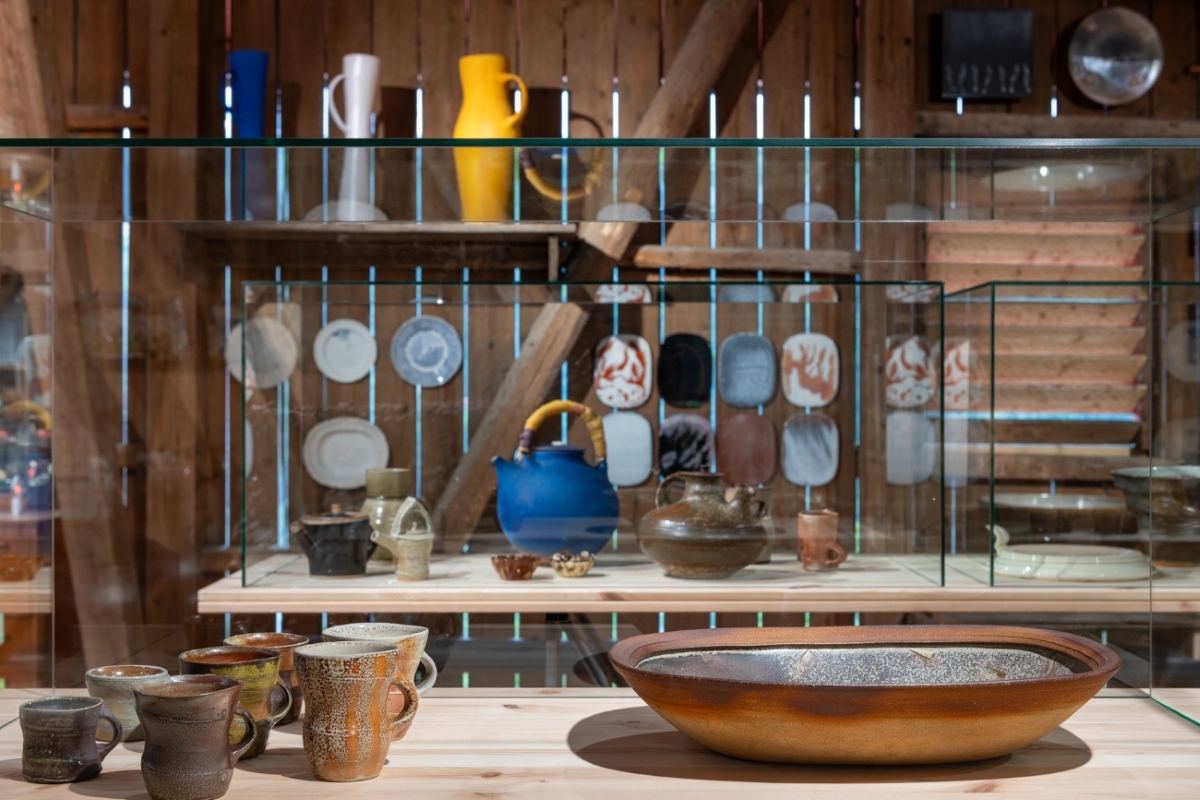
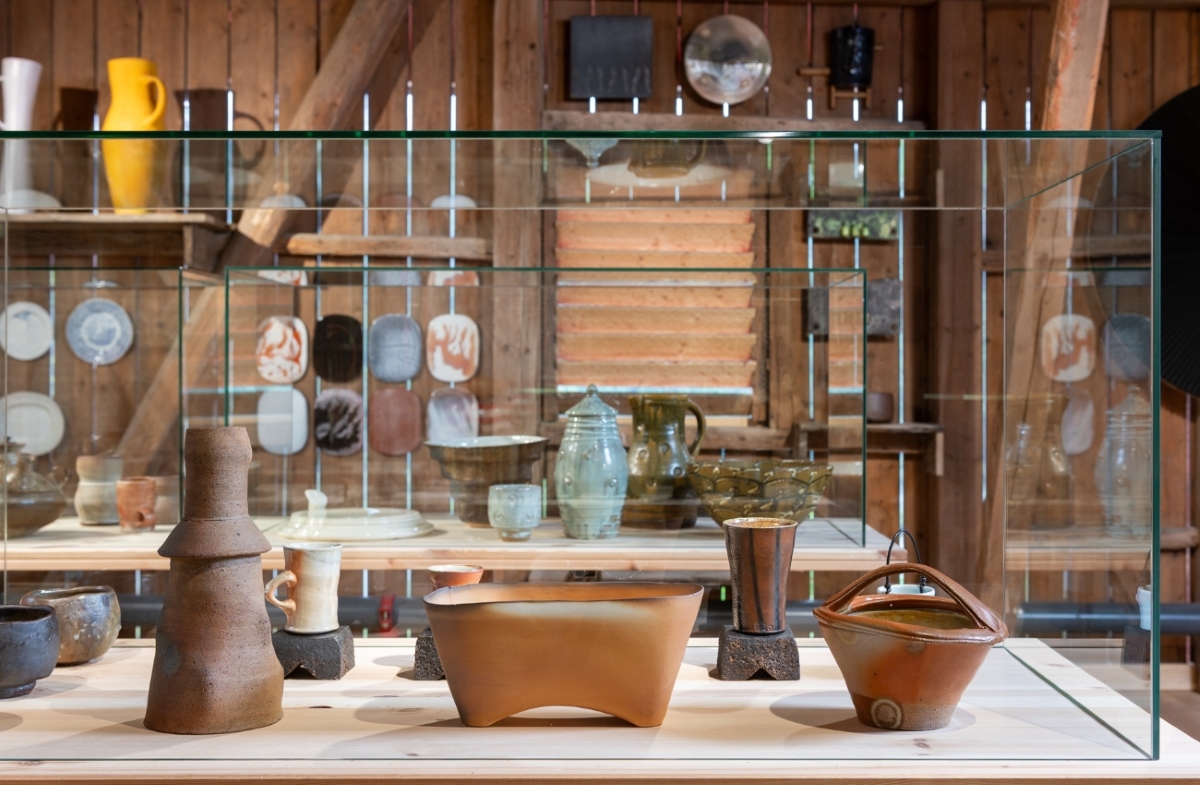
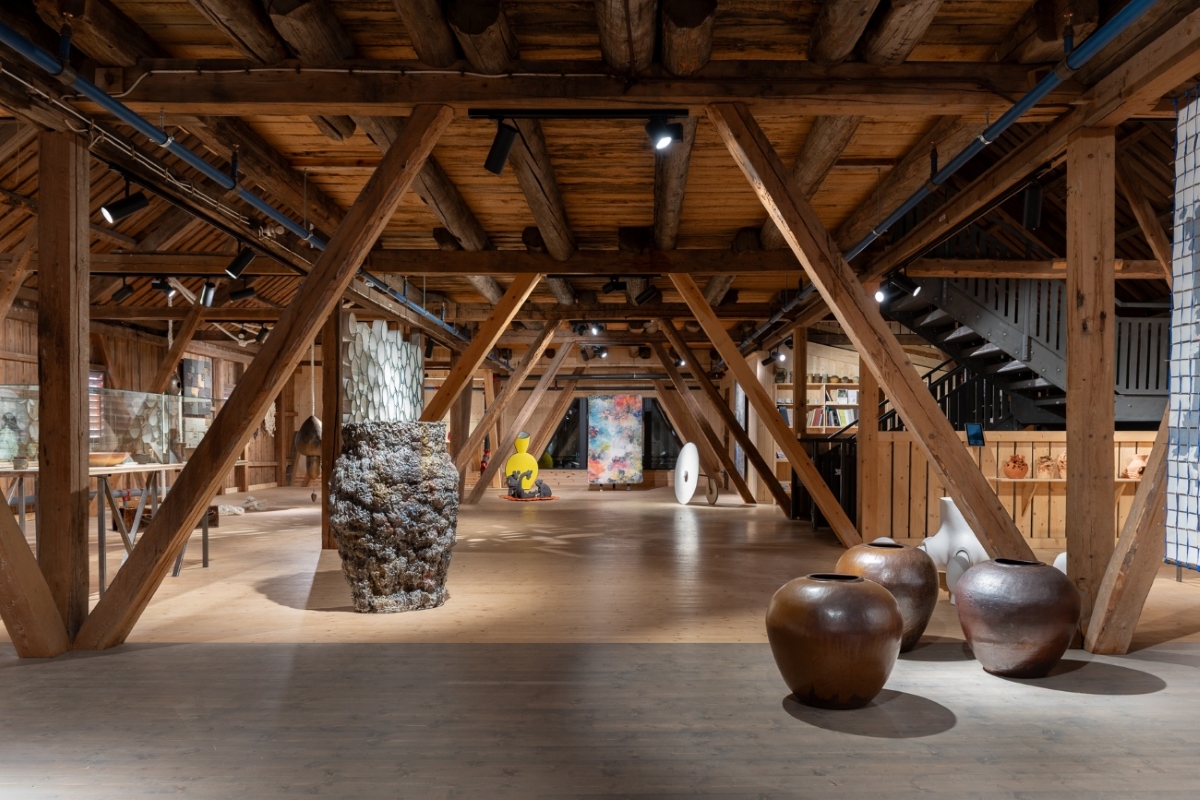
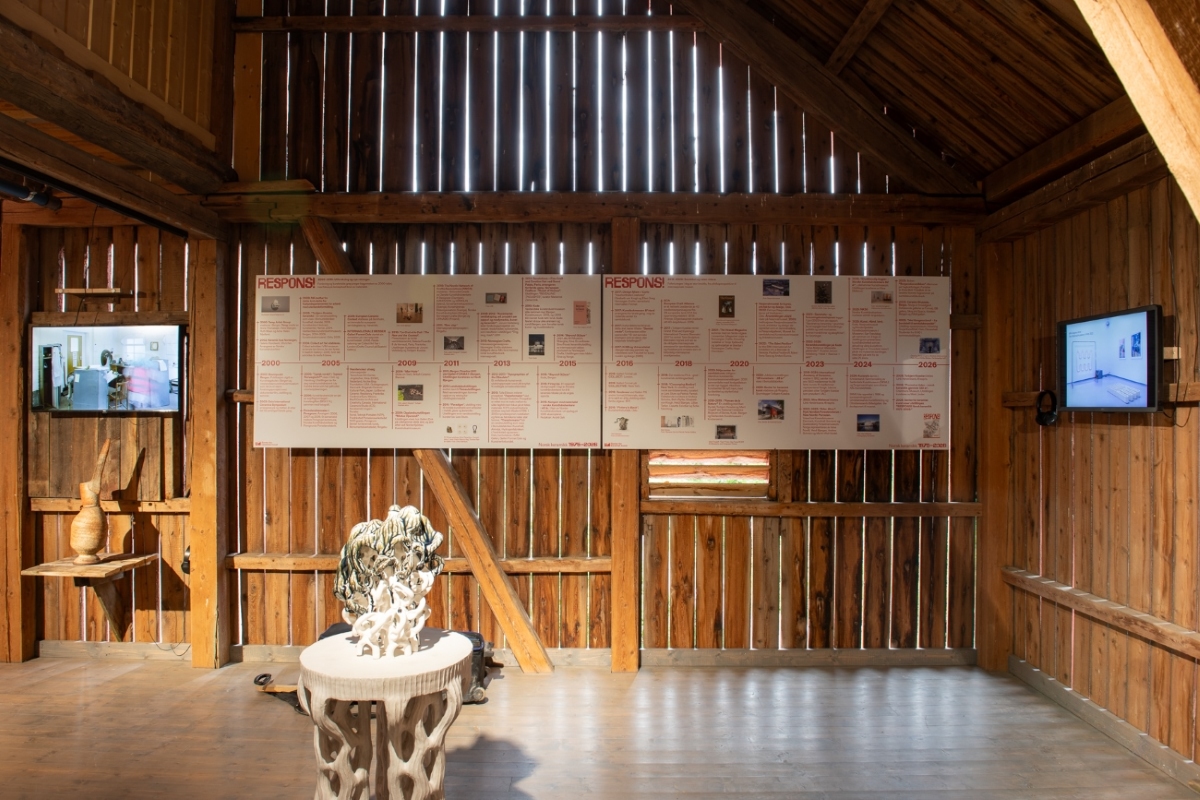
RESPONS! Norwegian Ceramics 1975–2026 is on view at the Center for Ceramic Art Ringebu, Norway
June 6 – August 16, 2026
The foundation of SKK (The Centre for Ceramic Art) is rooted in a long history, shaped by the struggle for artist-run exhibition spaces and public engagement. Ever since the artists’ protest actions in 1974, the oldest generation of today’s craft artists has continued to express both collective and personal narratives through their work.
The ceramics community has remained in constant movement, driven by artistic freedom and a growing awareness of how materials are part of the cycles of both human life and nature. These artists, and all those who followed, have responded to the calls for change that emerged in the 1970s through shared, tradition-based knowledge and an ambitious desire for renewal.
RESPONS! Norwegian Ceramics 1975–2026 can be read as the second chapter of a comprehensive exhibition project that explores the timeline of Norwegian ceramics from 1895 to 2026. Last year’s exhibition, Energy Transfer. Parallel Narratives in Norwegian Ceramics 1895–2025, explored how studio ceramicists sought to define their role in society during the pre- and post-war periods. This year’s exhibition begins at the moment when Norway’s oil adventure took off and the modern welfare society began to take shape. A time when industrial production was outsourced, ceramic artists moved into former factory spaces, and the travelling exhibition Transformator rose from the ruins.
Artists asserted the right to define their own field, resulting in a period of strong engagement and growing activity. The field of ceramics became increasingly professionalised through the establishment of new organisations, higher education programmes, and the success of government support schemes. When the Olympic Games came to Lillehammer in 1994 and the internet became widely available, new possibilities opened for cross-border collaboration. A major workshop bringing together internationally leading ceramic artists and their Norwegian colleagues was held in Ringebu. The founding of Norwegian Crafts in 2012 further increased opportunities for exchange and international networking within the wider ceramic community.
As artists gained stronger financial support, more people were able to pursue an artistic career. This created greater room for experimentation. Clay and ceramic materials increasingly carried their own expressive language, rather than primarily serving a practical function. Artist-in-residence programmes encouraged deeper exploration, where the process itself became central to the work. Ceramic practice expanded beyond the studio and into architectural spaces, appearing in town halls and other public and private buildings.
Ancient firing techniques are kept alive by artists who build and fire their own kilns. Young pioneers and new generations of students are welcomed into the field, helping to carry forward the collective values of the craft through shared practice.
Current political issues have also triggered conceptual ideas and shown that ceramics can be an increasingly flexible and open category. Critical perspectives do not necessarily need to be tied to traditional methods of production, but can also shape new ways of seeing the world. This includes issues related to hierarchies between indigenous peoples and the majority population, as well as questions connected to religious and cultural identities.
Playful exploration of the material’s associations with both high and low culture has also drawn attention to tensions between consumer culture and ecological concerns.
RESPONS! Norwegian Ceramics 1975–2026 highlights a number of prominent artistic practices and explores how artistic autonomy and experimentation have taken shape in the fifty years following 1974. The exhibition presents works by 63 artists and includes student projects, production from the Monumental Studio at SKK, and artists who, whether briefly or over longer periods, have helped shape the field.
Featured artists: Wisam Al-Samad, Kari Aasen, Heidi Bjørgan, Elina Brandt-Hansen, Neil Brownsword, Marek Cecula, Jim Darbu, Lisbeth Dæhlin, Tulla Elieson, Jens Erland, Yngvild Fagerheim, Kari Skoe Fredriksen, Fritz Harstrup, Eirik Gjedrem, Kari Bugge Gjerstad and Odd Gjerstad, Martin Woll Godal, Kari Brovold Hagen, Erick Stanley Hanson, Sidsel Hanum, Hanne Haukom, Helen Hausland, Elisa Helland-Hansen, Hanne Heuch, Katrine Køster Holst, Magni Jensen, Kjell Johannessen, Elisabeth von Krogh, Torbjørn Kvasbø, Richard Launder, Mingshu Li, Ole Lislerud, Linda Jansson Lothe, Nina Malterud, Nils Martin, Anne Helene Mydland, Svein Narum, Irene Nordli, Trude Westby Nordmark, Inge Pedersen, Julia K. Persson, Pauliina Pöllänen, Toril Redalen, Ole Morten Rokvam, Kjell Rylander, Tovelise Røkke-Olsen, Máret Ánne Sara and Matt Lambert, Andrea Scholze, John Skognes, Astrid Sleire, Caroline Slotte, Marita Isobel Solberg, Øyvind Suul, Ann Beate Tempelhaug, Svein Thingnes, Gunnar Thorsen, Marit Tingleff, Geir Tokle, Belete Wendimagegn, Terje Westfoss, Beth Wyller, Takeshi Yasuda, Kirsten Øverås, Arne Åse
A catalogue published in connection with the exhibition can be accessed here.
Contact
info@senterforkeramiskkunst.no
Center for Ceramic Art Ringebu
Vekkomsvegen 433
2630 Ringebu
Norway
Photos by Thomas Tveter