Notes from the 52nd IAC Congress, satellite exhibitions and the 2026 Jingdezhen International Ceramic Art Biennale
By Olivia Fero
There is a street in Jingdezhen for glaze and a street for bisque, a street for tiles, a street for tools, a street for decals. Whole districts specialise the way organs specialise: underglaze painting here, porcelain flowers there. Passing through it is like moving through an exploded diagram of the ceramic process, a city organised not around commerce or governance but around making. When the keynote speaker at the 52nd Congress of the International Academy of Ceramics, Wayne Higby, Professor Emeritus and Robert C. Turner Chair of Ceramic Art at Alfred University, called Jingdezhen a city for makers, the phrase was not a slogan but a road map.
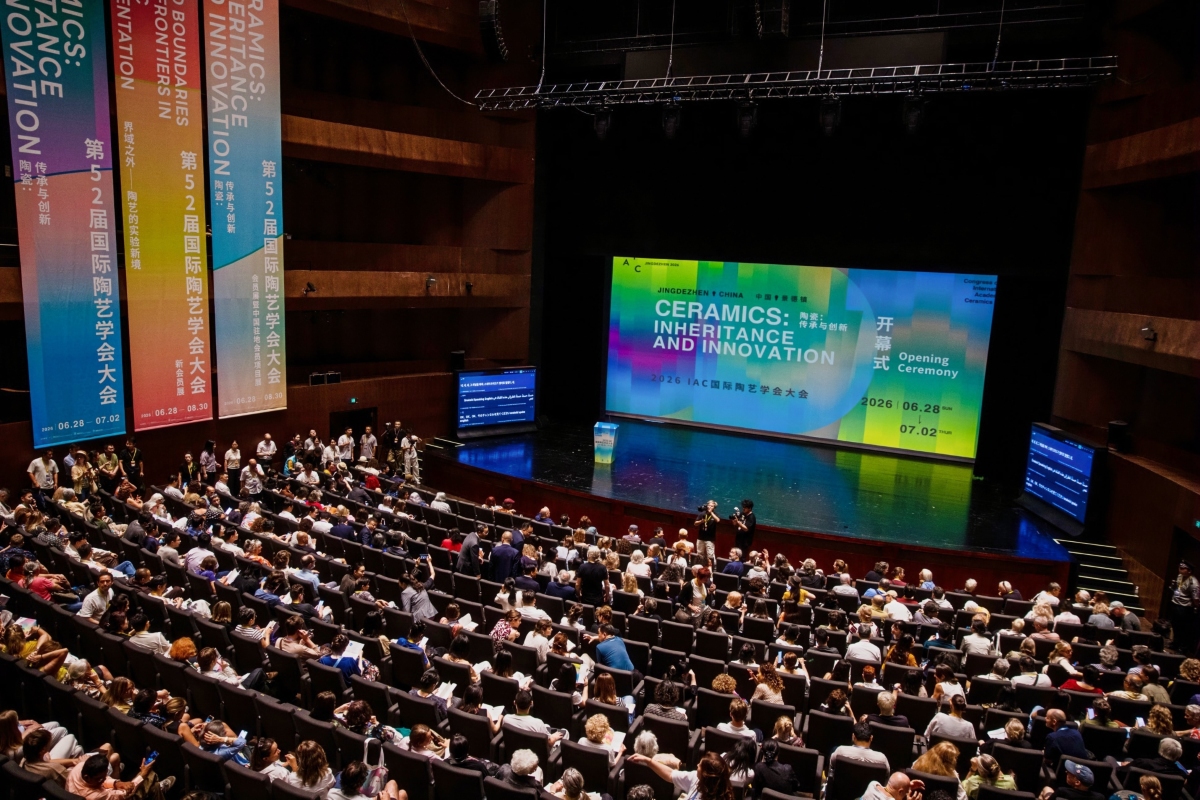
In the last week of June, the International Academy of Ceramics convened its congress, held until 2 July under the theme Inheritance and Innovation, alongside the opening of the third Jingdezhen International Ceramic Art Biennale and a constellation of satellite exhibitions. The porcelain capital, already of near mythical significance for anyone who works in clay, was for one week also the capital of the ceramic conversation, and thanks to near-instant simultaneous translation the field could argue and disagree in its own tongues rather than in weary conference English. What I saw there was a working demonstration that the anxieties currently paralysing the craft arts in Europe, Britain and America, about technology, about markets, about the survival of ceramics education itself, are not laws of nature but choices and can be prioritised differently. It was also, undeniably, a spectacle of scale and polish, and scale invites its own questions: who benefits, who gets in, and who pays?
A masterclass in a lifetime
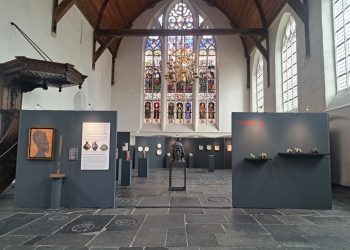
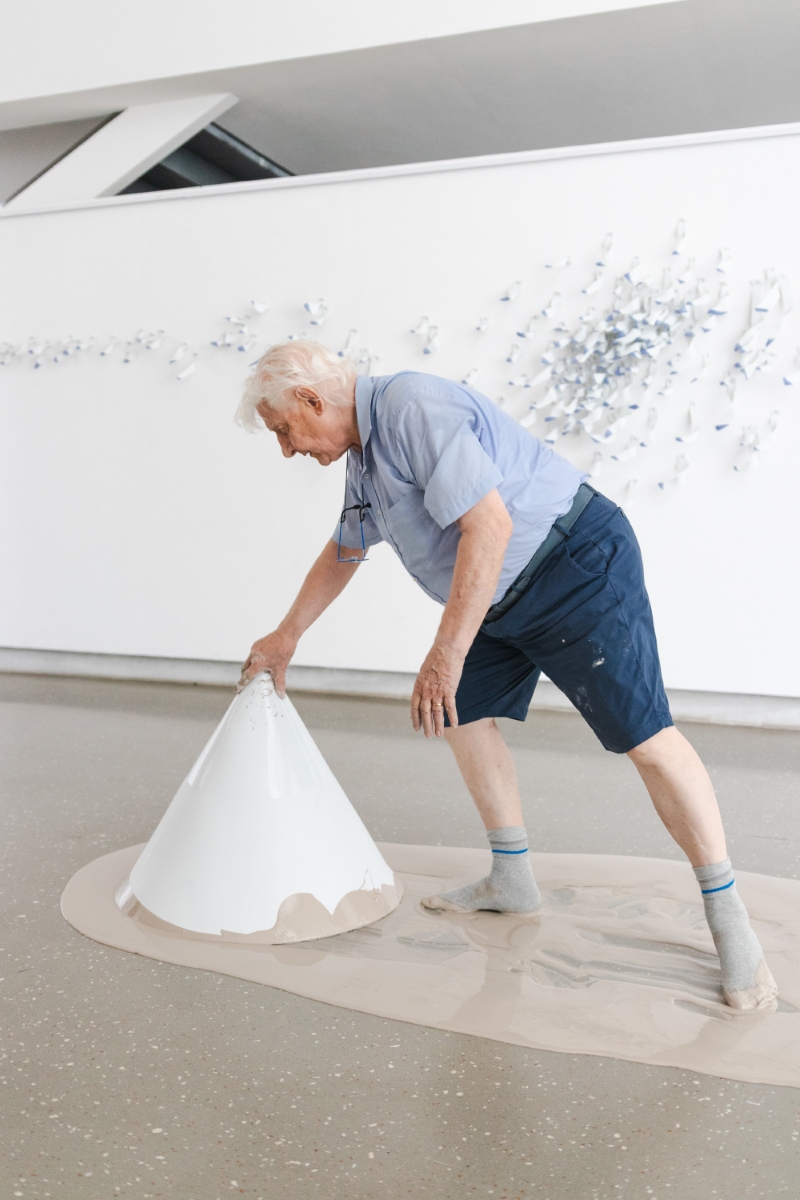
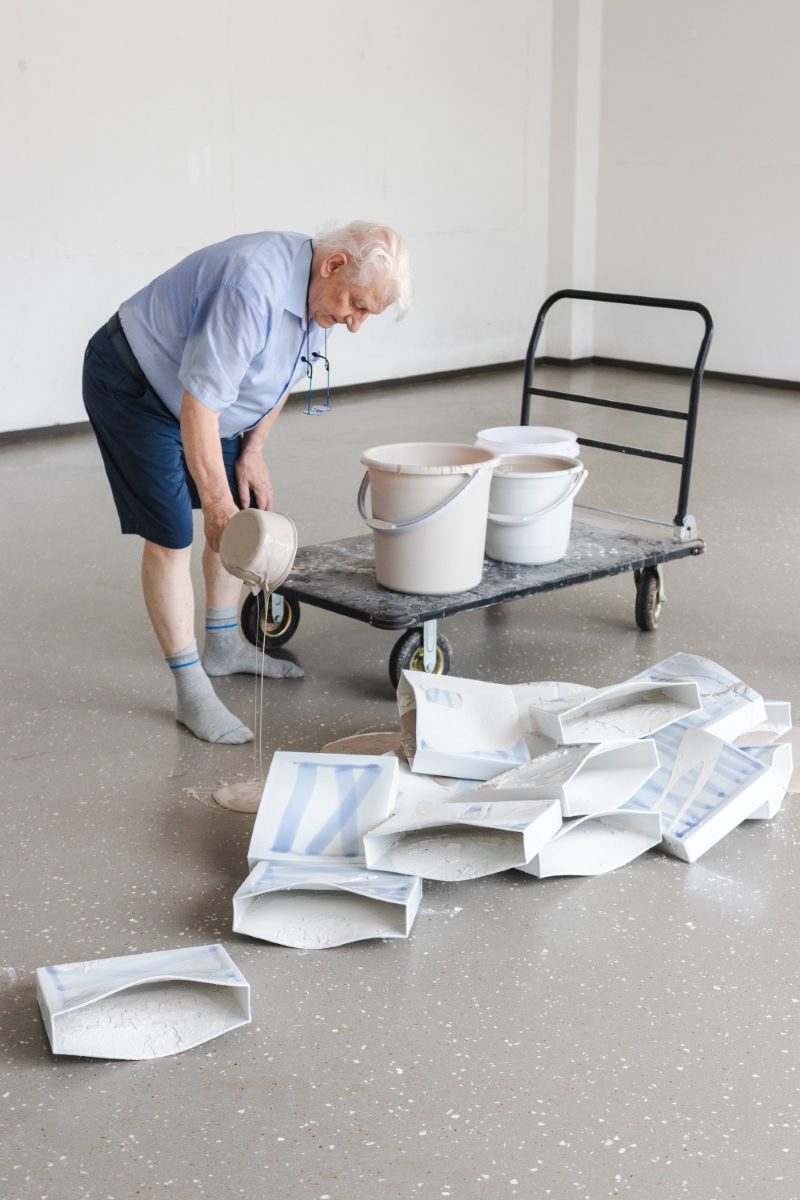
The presentation everyone will remember belonged to Piet Stockmans. The Belgian porcelain artist, now in his mid-eighties, delivered a lecture titled Be Yourself that was a masterclass not only in porcelain but in how to present a lifetime’s practice. Film, music, voiceover and image were edited together with a precision his own slip-cast porcelain would recognise, and through it you could watch a practice develop across six decades: the industrial designer who spent more than two decades at Royal Mosa, whose Sonja cup was produced some thirty million times; the artist who found his signature in that pale, cold, instantly recognisable Stockmans blue; the elder statesman pouring porcelain slip across great expanses to crack and pool like drying lakebeds. Alongside the lecture he showed three new works, Repair, Battle and The Books Are Running Empty, finished in Jingdezhen itself. The standing ovation was well earned, and not just for an exceptional individual: it was for the demonstration that a life in clay can be composed, over decades, with the same care as a single object.
The machine in the workshop
In the West we have developed a florid, well-rehearsed anxiety about technology in the craft arts, casting the CNC mill, the 3D printer and now the generative algorithm as wolves at the studio door. In Jingdezhen that anxiety simply does not exist, for economic rather than temperamental reasons: this is a city with an unbroken production ecology, where hand and machine have always coexisted along a spectrum of price and audience. New technologies are treated as what they are: tools, chosen according to the qualities wanted in the finished piece, which include, quite unsentimentally, the intended audience and the price. In the carving district you can watch a master work a single vessel for months, and a few streets away a CNC machine produce a comparable aesthetic for a fraction of the cost. Nobody pretends they are the same thing.
Nick Vest, the American ceramicist who runs the MenLo residency with his wife, the Jingdezhen artist Zhou Yuye, put it plainly: no master carver has been put out of work by the machine, because to the discerning eye the difference is legible in the object itself, and a market flooded with reproductions makes the original more valuable, not less. What the machine has actually displaced is drudgery, the mediocre carving once done by already underpaid hands; automation’s benefits and its costs rarely land on the same people.
There is also a category mistake lurking in the Western scepticism towards machine making. We keep asking whether an object made with a machine is authentic, as though authenticity were a property residing solely in the object rather than a relation between maker, process, object and audience. The city does not fear the machine because it has never confused the tool with the hand that chooses it.
The comparison Jingdezhen most obviously invites is not with the West but with Japan’s production towns, Arita, Seto, Mashiko, where hand and machine have coexisted in an unbroken ecology and the same questions of authorship, reproduction and price have been worked through in their own idiom. Tetsuya Tanaka’s lecture, Kogei Meets Contemporary Art: The History of Japanese Ceramics from Postmodernism to Today, argued that contemporary artists have transcended the art-craft divide altogether, dissolved by practice. Our anxiety, then, is not a universal human response to the machine but a local and recent one, and part of what an international congress like this offers is the opportunity to see as local.
The shoemaker’s shoes
Dr Fang Lili’s presentation proposed Jingdezhen as a model for urban regeneration, and it was the intellectual centre of the congress for me. She described the proliferation of small studios across the city and its villages, the young couples arriving to set up workshops, and the philosophy underneath: that ceramics offers a quality of life people need and value, and that this matters more than going faster, bigger and more. I kept thinking of Socrates in the Gorgias, asking Callicles, that dialogue’s great apostle of appetite, whether the finest shoemaker should therefore walk about in the biggest shoes and own the greatest number of them. It sounds like nonsense; this is the whole question. Excellence is not accumulation. The good shoemaker does not want the most shoes or the largest. He wants the shoe that fits. Jingdezhen, in a country not known for its suspicion of scale, wears very large shoes. What needs analysis is how well they fit.
The success presented here was not inevitable. The city’s history reads like a stress test. First the slow erosion of the western export market once Böttger broke China’s monopoly and Meissen began producing hard-paste porcelain in 1710, European factories multiplying across the century that followed. Then the devastation of the Taiping years, when fighting in the 1850s wrecked the kilns and sent the industry into a long decline. Then came the centralisation of all production into state kilns under communism, and, at the century’s end, the dissolution of those kilns, ownership parcelled out to redundant workers in lieu of severance. Any one of these might have finished a lesser place. Instead, Jingdezhen is booming. The regenerated factory district of Taoxichuan, opened in 2016 on the site of a former state porcelain works with its twenty-two factory buildings preserved rather than razed, has become the emblem of the recovery: galleries, studios, museums and a night market where young makers take a stall for a nominal rent. The city’s creative migrants even have a name, jingpiao, the Jingdezhen drifters, echoing the beipiao, the Beijing drifters of the 1990s. Estimates of their number vary wildly, from tens of thousands to, in the more expansive official counts, over a hundred thousand young creators, around five thousand of them from overseas. Ai Weiwei’s hundred million Sunflower Seeds were made here, by hand. There are more than thirty international residency programmes, five universities teaching ceramics, and a tourist economy that is benefiting from both national and international visitors. This summer its porcelain industry sites joined the UNESCO World Heritage List.
The state’s hand is visible in all this, and Fang did not pretend otherwise. The government has invested massively in the art and design of the region, using art as an instrument of both regeneration and quality of life, and has opened the city through state-funded residencies. Even the humble electric scooter plays its part: cheap mobility means makers need not afford the city centre to belong to the communities.
There are places, though, where the shoe pinches, and one of them will not be talked away. Researchers interviewing jingpiao artists have documented rents in Taoxichuan rising beyond what many young makers can afford, with studios and shops giving way to restaurants serving the tourists who now arrive in their millions. This is gentrification in its classic sequence, the makers generating the cultural value that then prices them out, and any Londoner or Berliner could finish the story from memory. The state has responded, with low-rent apartment blocks and interest-free loans, and it is fair to record the response. But it is also fair to say it may not be enough, and that the same instruments of investment which built the district are the ones now inflating it. A city can subsidise studios and still lose its makers to the very success it engineered. Whether Jingdezhen resists becoming a city that merely displays its makers is not a question its current policies have settled; it is a wager still being placed.
I watched all this with a European’s complicated heart. At home we are closing the very departments Jingdezhen is multiplying, shedding ceramics courses like ballast on the logic that making is expensive and screens are cheap. And here is one Chinese city demonstrating that when a place invests in its material culture at the grassroots, independent makers flourish. What makes the lesson genuinely portable is what Jingdezhen no longer has. The famous Gaoling deposit that gave the world the word kaolin was worked out decades ago; the mine is now a gated heritage site, and the city brings its raw material in from elsewhere in China, at a cost that makes it a poor place for cheap mass production. The dominance does not rest on a mountain of natural resources but on accumulated know-how and dense infrastructure, including the streets of glaze, tools, decals, kilns, and the people who understand them. That is why the model could travel. Stoke-on-Trent, its new programmes stirring among the bottle ovens, could be such a place; so could Pécs, my own adopted city, which sits on the legacy of the Zsolnay factory. You can tear an industry apart, but where there is community, memory and investment, it can regenerate. These places are not post-industrial wastelands. They are the fertile ground of cultural heritage.
Turning the mirror
Who, then, is a spectacle of this scale for? Artwashing isn’t a diagnosis; there are specific questions we can ask and some of those questions have answers. Who benefits, and who is displaced? The rents of Taoxichuan answer honestly: many, and some. Who gets in? At the level of the street, nearly anyone: the city’s community kilns will take a stranger’s work into their vast gas reduction firings for a small fee scaled to quantity, so that a student with one piece and a maker with a boxful buy the same high-temperature fire. In most of Europe that kind of firing means owning the kiln; here it is a utility, like water. Who pays, and what does the payment buy?
If the state pays, it is to enrich the lives of its citizens and their culture. I think that account is largely true; I have just described the flourishing it has produced. Yet a state that funds culture is also a state that curates it, and the same investment that fills a city with makers also decides which making the visiting world is shown and which conversation it is invited to have. I cannot tell you where the enrichment ends and the presentation begins. The mirror still belongs here, but held up honestly it shows difference, not likeness. Pécs rebuilt its Zsolnay Cultural Quarter with European Capital of Culture money on exactly this logic, and Bilbao, Liverpool and Stoke’s bids ran on the same fuel; the motive of development is no scandal anywhere. But in Pécs anyone may ask in print what the money does and what it quietly asks in return, and the asking costs nothing. I do not know what those questions cost in Jiangxi, or which of them could be printed there. So the harder questions stand open rather than answered: whose interests, beyond the makers’, does the investment serve? What forms of criticism does it permit? What does the shine of international prestige draw the eye away from? A guest is shown a city’s best rooms. What I cannot describe is what I was not shown.
The role of residencies
A recurring thread through the congress, with speakers from the Archie Bray Foundation, the Migratory Birds programme and the European Ceramic Work Centre, was the international residency. The discussion was refreshingly unsentimental: not tourism, not travel for the sake of gawping and photographing, but knowledge transfer, engagement with specific communities and working conditions. Ceramics is necessarily interdisciplinary and necessarily local; it depends on infrastructure, materials, accumulated know-how that cannot be shipped. A residency is how new ideas pollinate, how a local identity and an individual voice test themselves against each other. More should be funded, and more made accessible worldwide. Residencies remain, not incidentally, the widest door into Jingdezhen itself.
This lands close to home, because the residency programme closest to my heart is under threat. The International Ceramics Studio in Kecskemét, in Hungary, has been one of world ceramics’ great meeting places since 1978, built on János Probstner’s vision, connecting artists across the Iron Curtain when little else could, and guarding an international collection of nearly four thousand works. It now faces absorption into a larger municipal structure, the kind of quiet administrative decision that dismantles in a season what took generations to build. An open petition asks the city’s leadership to preserve and develop the Studio as an independent entity, and readers who agree can add their names. It would be a bitter irony if Europe spent this summer admiring the lesson of Jingdezhen while unlearning the lesson of Kecskemét.
Is it clay? Yes.
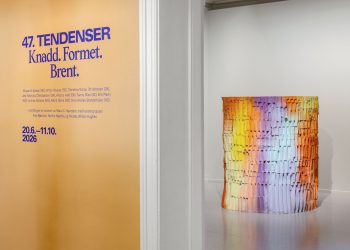
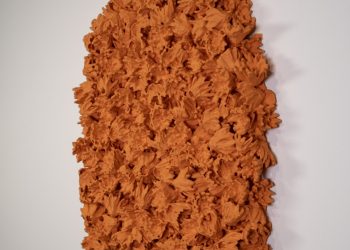
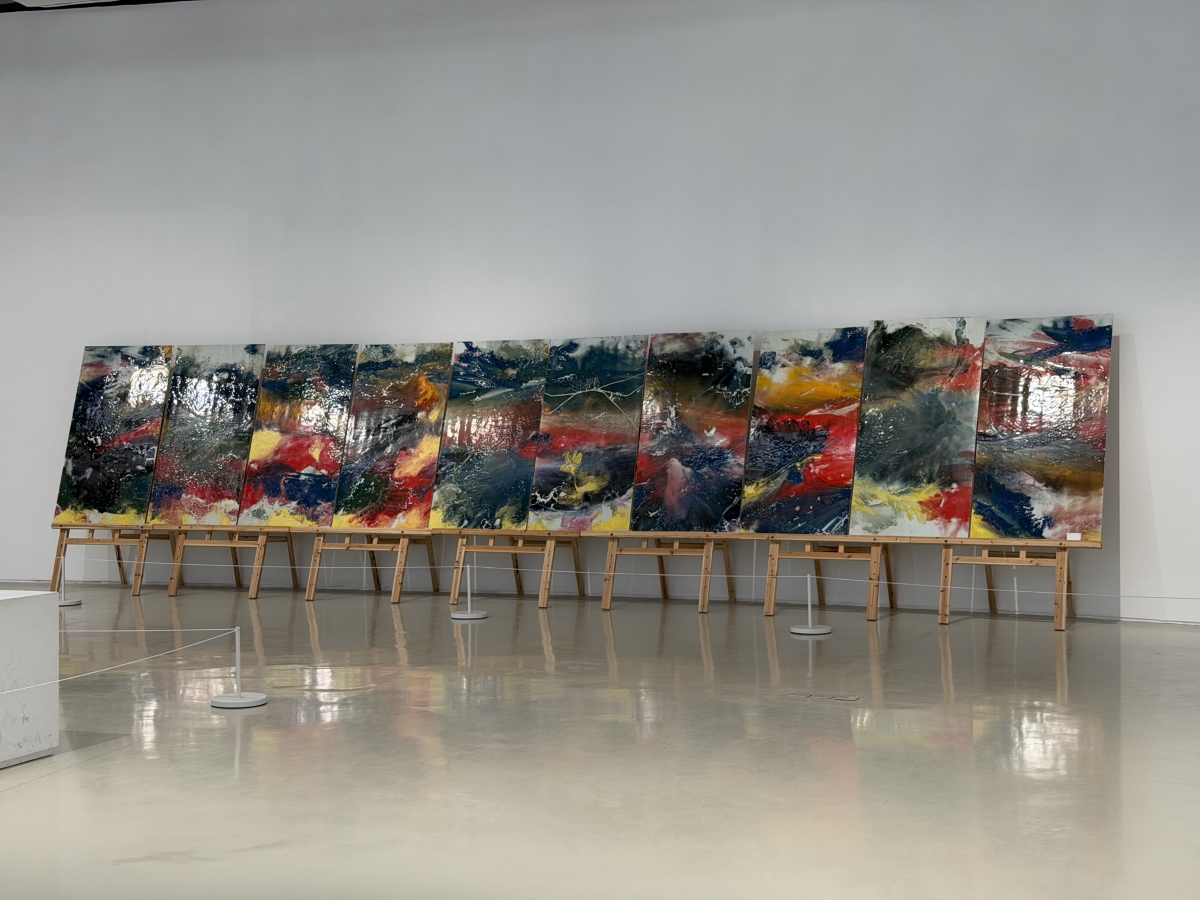
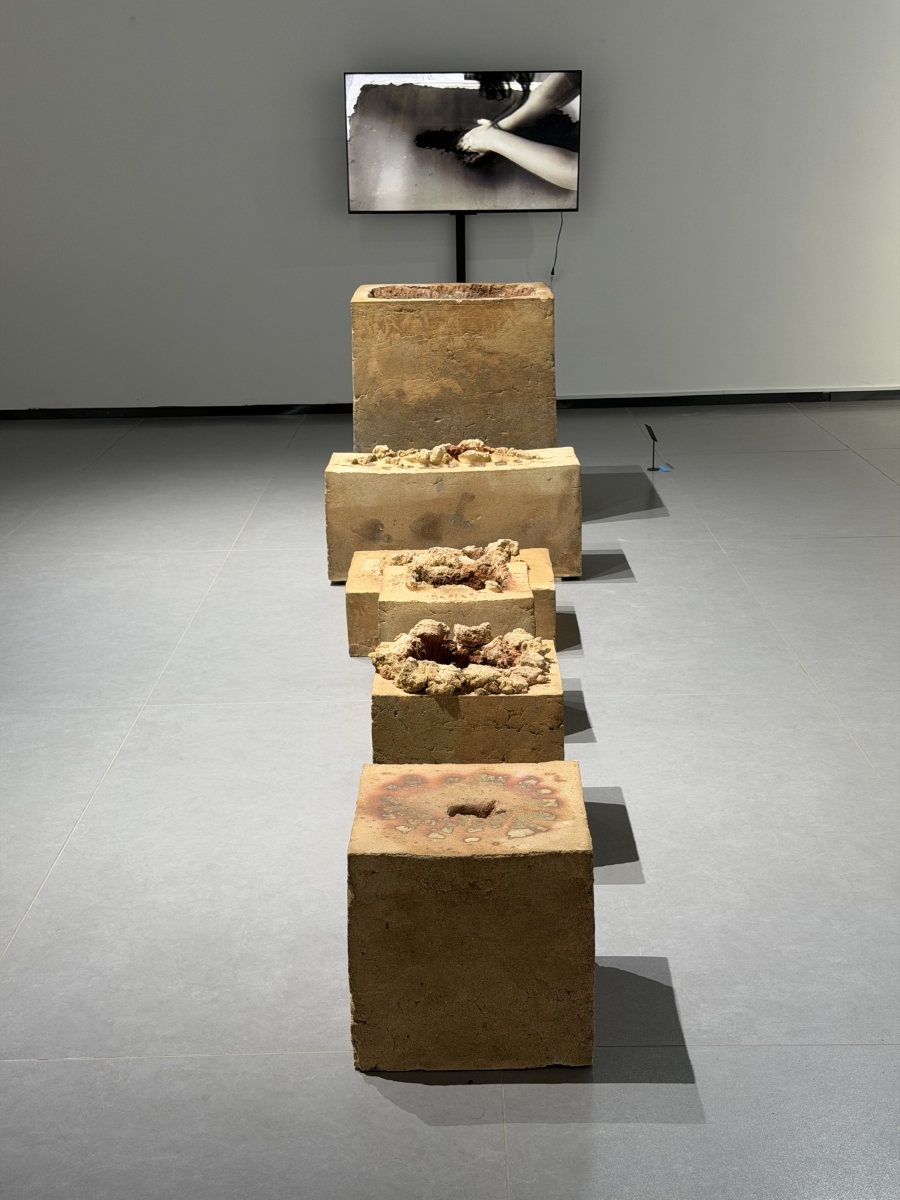
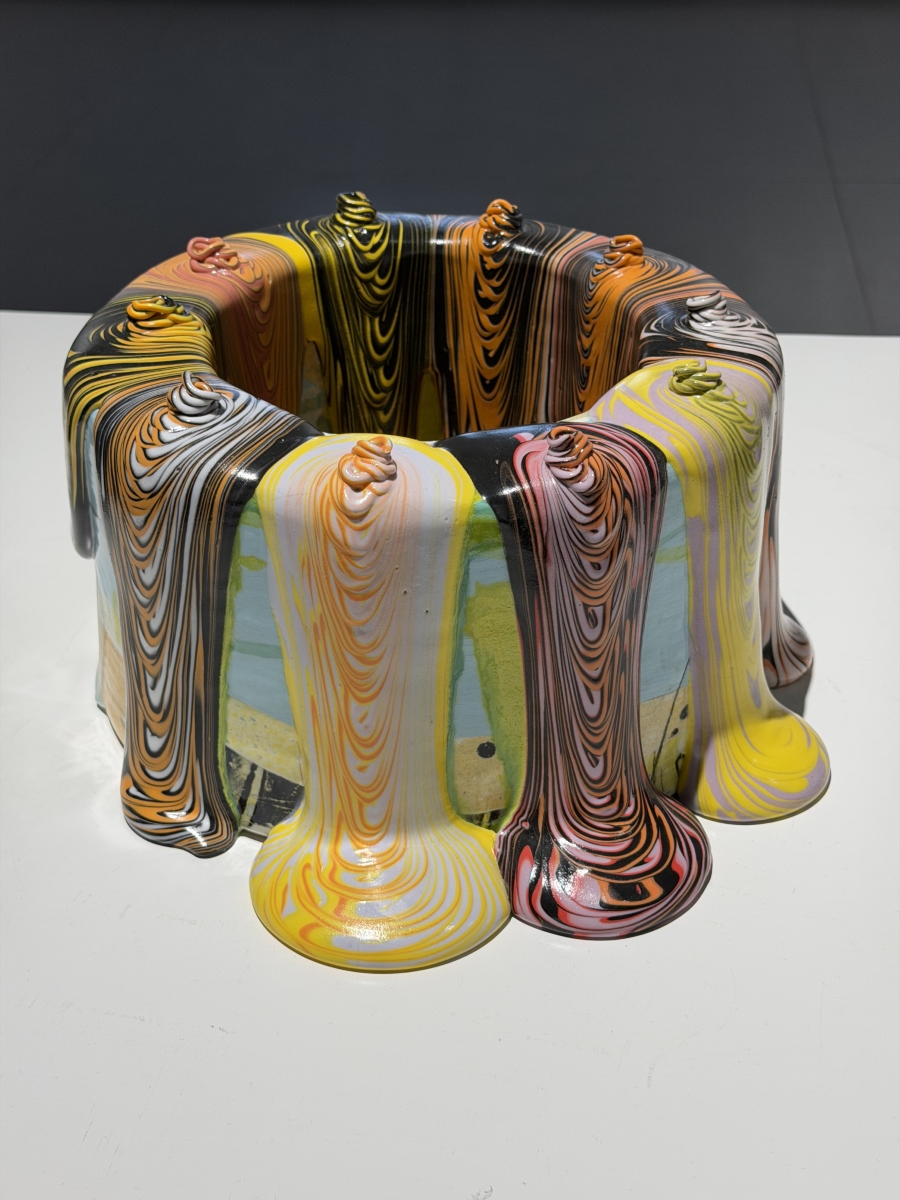
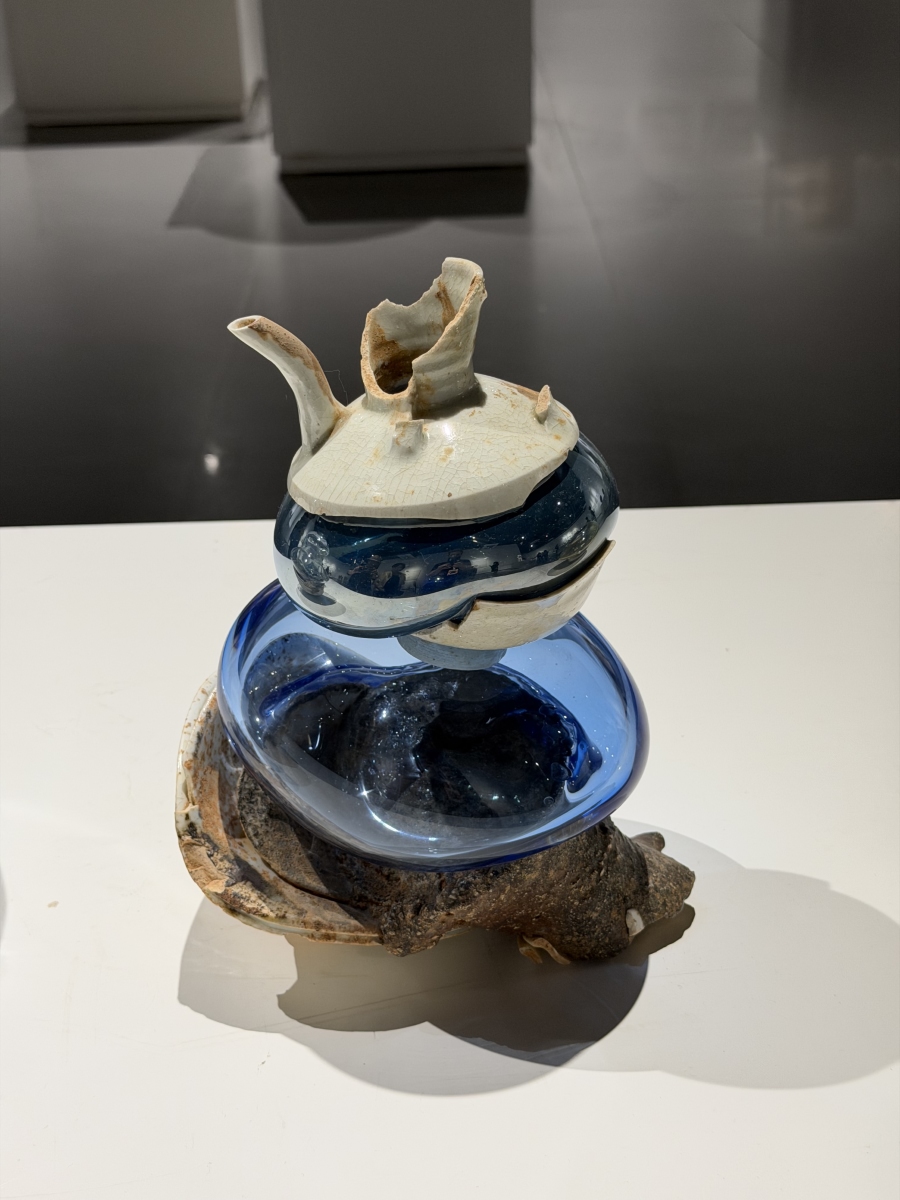
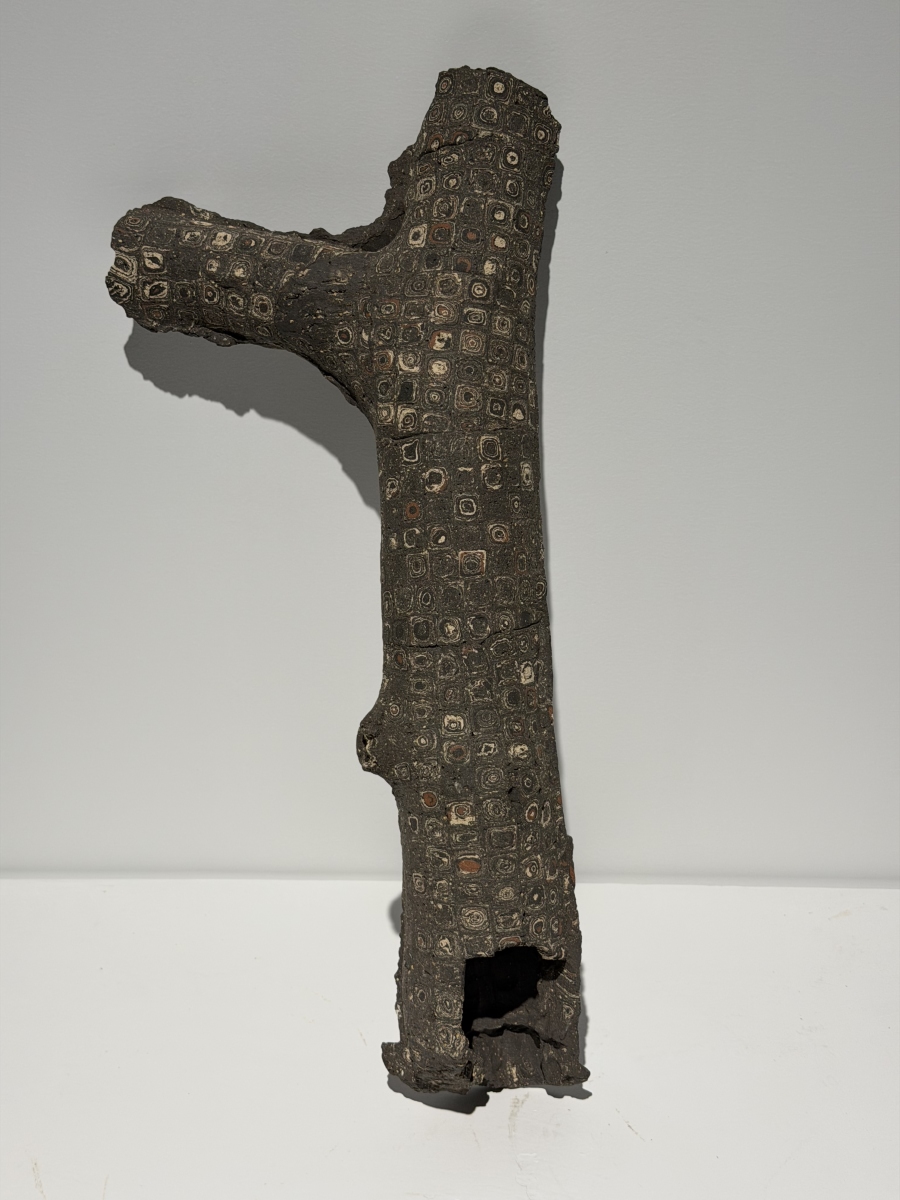
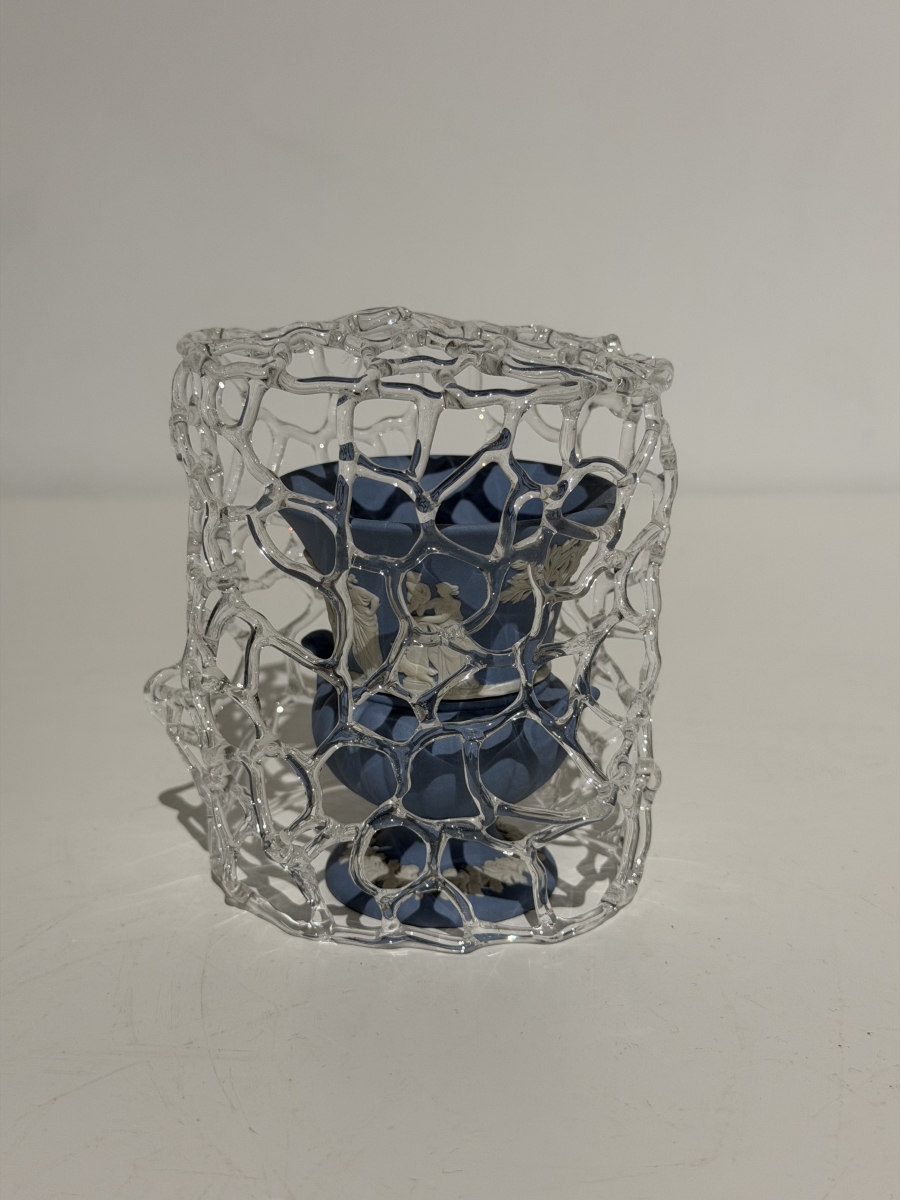
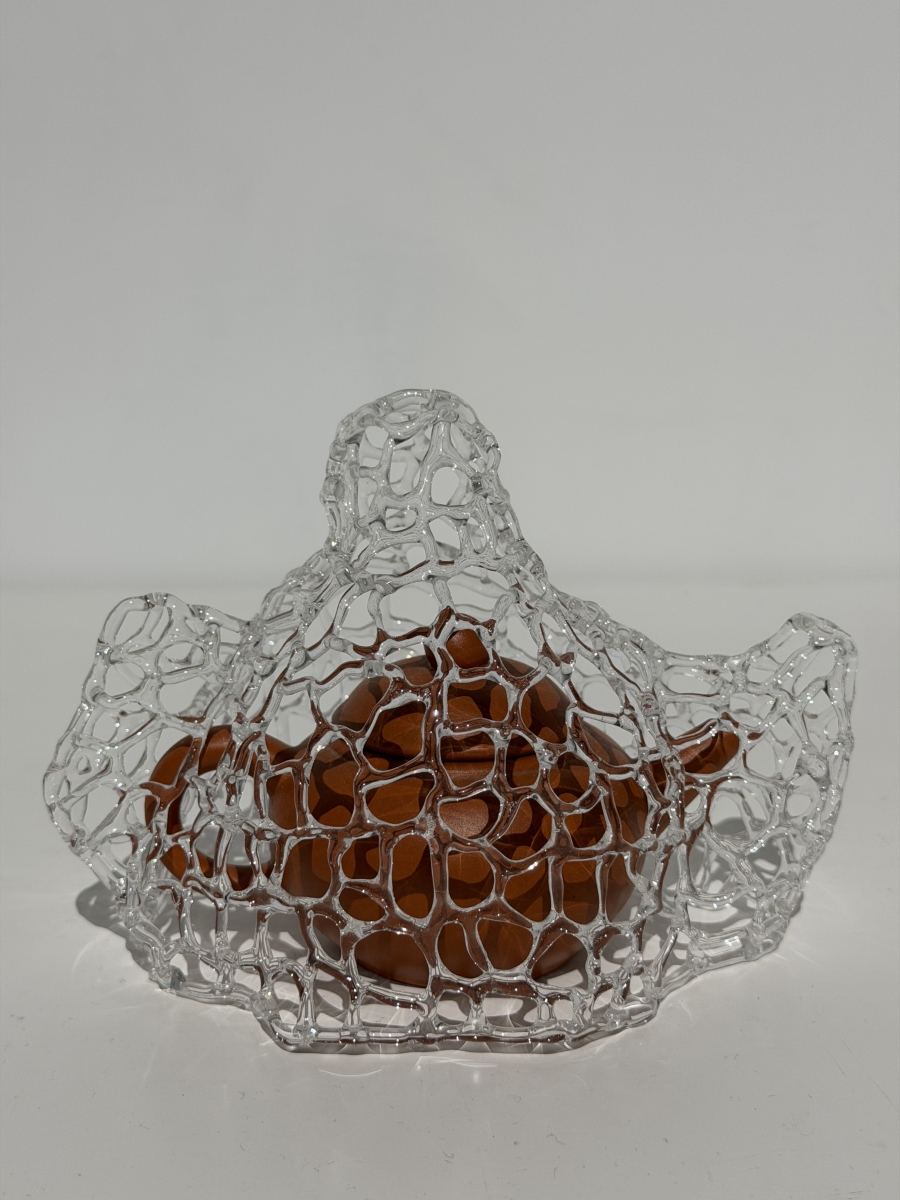
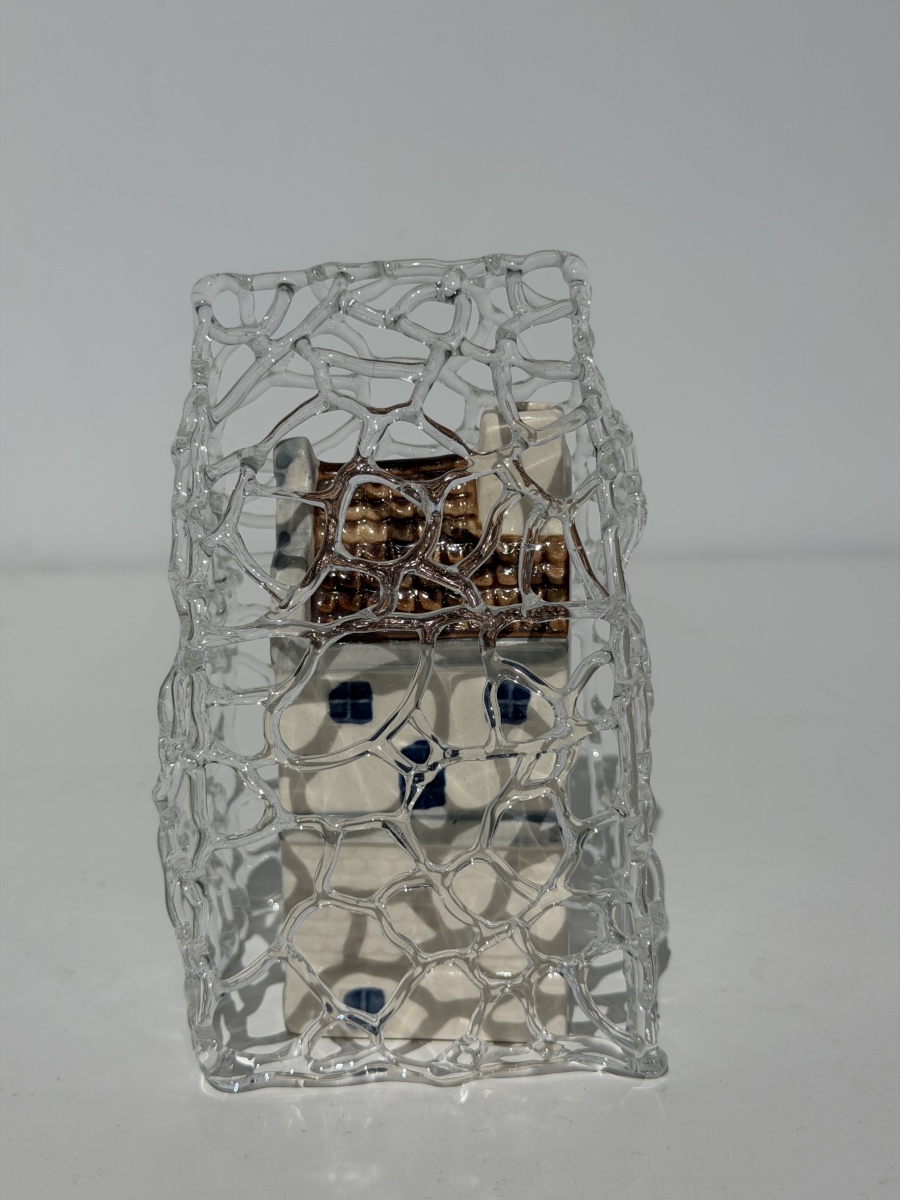
The third Jingdezhen International Ceramic Art Biennale opened on 29 June at Jingdezhen Ceramic University’s Xianghu campus, under the theme The Future of Ceramics, and runs until the spring of 2027. What distinguished it, in a field of biennales, was balance: the marriage of concept and skill within single works, which in most exhibitions arrive at each other’s expense. A remarkable number of the prizes went to Chinese artists, deservedly, for work combining materials in genuinely new ways, and influences moved in both directions. Chen Liujing’s performance video and relics, which took the Guozhong Emerging Artist Award, are clearly in dialogue with Brie Ruais and American performance ceramics, yet have found a voice entirely their own. Lauren Mabry’s glaze-flow cylinder, all glassy pooling and running colour, made the case for material agency and the sheer alchemy of becoming; Yuan Hailong’s huge glazed panels turned abstract-expressionist colour into an immersion you walk through. Old techniques were made to say new things: nerikomi in Zhaojing Wang’s Wood, glass and ceramic composites in Yang Yixue’s work and in the pieces by Tu Juan, where new blue blown glass and old collapsed saggars and their contents are compressed together.
And yet the word ‘international’ deserves scrutiny, because the exhibition was overwhelmingly Chinese, by my count roughly four in five of the works. Before this is read as a verdict on the jury, look at the mechanics. The call was, on paper, a model of accessibility: no fee, no restrictions of nationality, age or gender, an international panel selecting 220 finalists from digital images. Then the door narrows. Finalists had to deliver the physical works to Jingdezhen at their own cost and risk, with late delivery counting as withdrawal. For a large installation crossing an ocean on spec, that is a gate few can afford, and it predicts a domestic-heavy exhibition whatever anyone intends. Torbjørn Kvasbø, honorary president of the IAC, has said as much in an interview published by the Biennale itself: many artists simply cannot participate because of the transport costs and logistics of large works. The future of ceramics will need funded freight as much as funded residencies. Who gets to be international is, in the end, a question of funding.
And then there were the labels. The material information for every piece is, simply, ceramics. At first this flattening irritated me; then it began to look like a statement. If you know materials, you will recognise what you are looking at; if you do not, no label will save you. It read as a gentle poke at the tourist drifting through the markets asking questions whose answers they cannot use. Is it clay? Yes. There is a whole philosophy of categories folded into that deadpan. We spend so much energy sorting ceramic objects into taxonomies, vessel or sculpture, craft or art, and into the hierarchies within the material itself, white gold or mud, that we forget the material’s own serene indifference to the exercise.
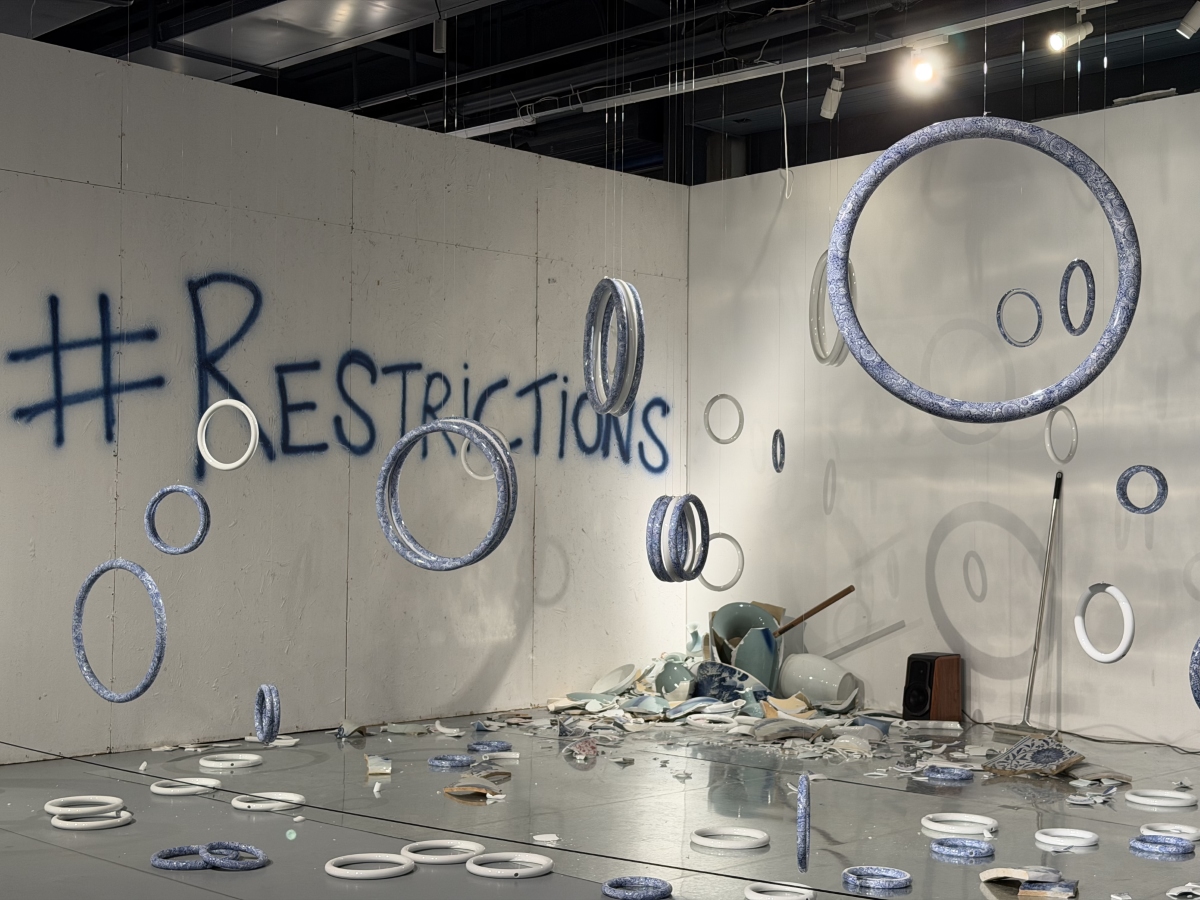
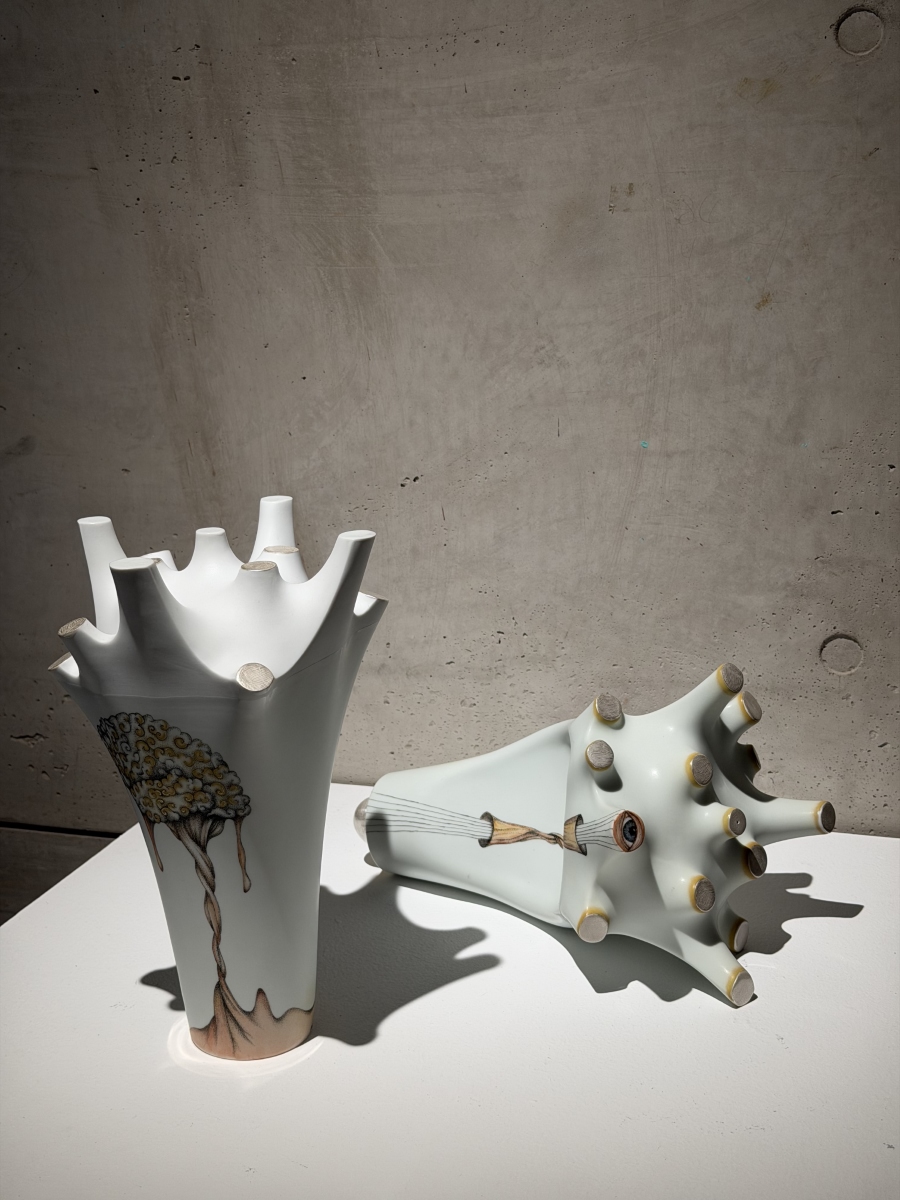
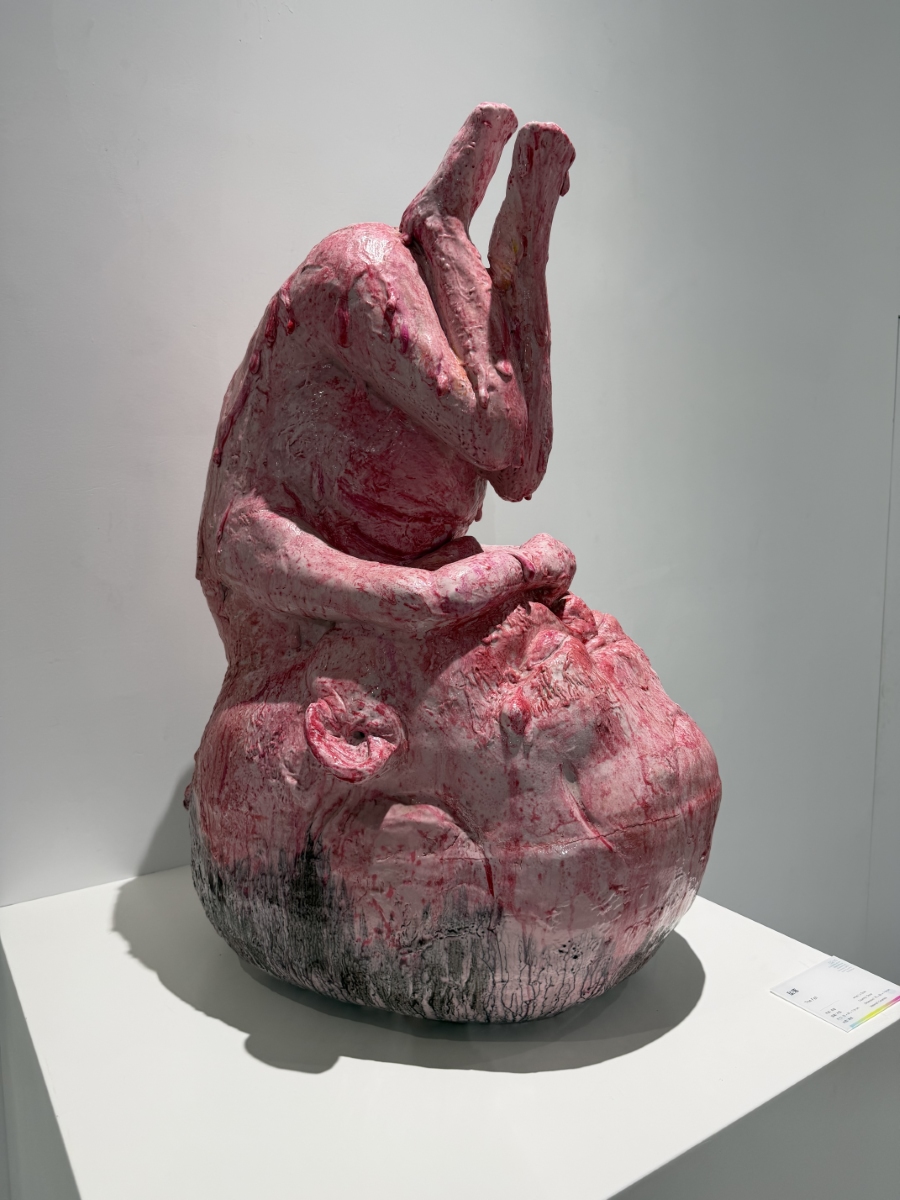
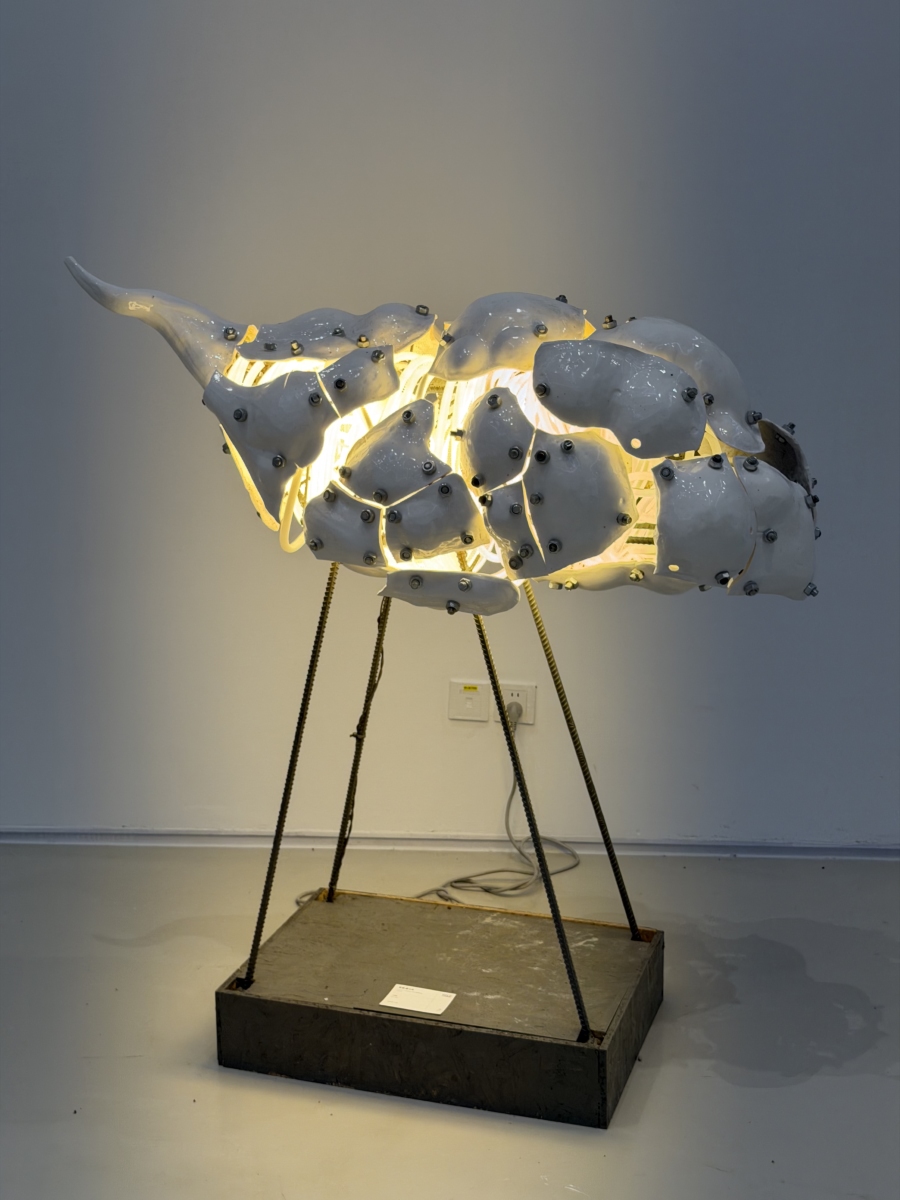
Beyond the Biennale, the city filled with exhibitions. The IAC International Members’ and International Residencies shows at the Taoxichuan Art Museum gathered work of striking range, from Ilona Romule’s hand-painted porcelain, a European rival to any traditional factory, to Li Chao’s disturbing giant baby, hand-built at scale, made of earth and returning to it. Sun Yilun’s cloud on metal legs, porcelain bolted around a neon light so that brightness burst from the cracks, and Jørgen Scheel’s blue-and-white performance piece of suspended hoops, speakers and spray paint, showed how far the medium now travels from the vessel.
The future, already in progress
The Biennale asks after the future of ceramics, and it is tempting to answer with technology: the mills, the printers, the algorithms. But the honest answer from Jingdezhen this summer is less glamorous and more hopeful. The future looks like the tens of thousands of young makers who have moved to a small city because it lets them live a life organised around material intelligence. It looks like residency studios, preserved factory buildings and a street that sells nothing but tools: infrastructure in the service of a philosophy, that making well, at human scale, is a form of the good life worth building a city around. Whether it stays that way depends on the questions the city and the field keep asking, about rents, about freight, about who the word international is allowed to include, and about what a state that pays for culture expects the culture to say. Socrates would have recognised the stakes at once. Not the biggest shoes. Not the most of them. The pair that fits, however large the footprint.
Olivia Fero is a ceramicist and researcher based at the University of Pécs, Hungary. She attended the 52nd IAC Congress while on residency at MenLo in Jingdezhen, generously supported by a Pannonia Mobility Scholarship.
The 2026 Jingdezhen International Ceramic Art Biennale is on view between June 26, 2026 and March 31, 2027 at the Jingdezhen Ceramic University Art Museum, Xianghu Campus, in Jingdezhen, China.
Subscribe to Ceramics Now to read similar articles, essays, reviews and critical reflections on contemporary ceramics. Subscriptions help us feature a wider range of voices, perspectives, and expertise in the ceramics community.
Captions
- Fig 1. Piet Stockmans (Belgium), Battle 2026. Porcelain; three new works finished in Jingdezhen. Shown alongside his lecture Be Yourself at the 52nd IAC Congress. Photo: © Senne Praczyk
- Fig 2. Piet Stockmans (Belgium), The Books Are Running Empty, 2026. Porcelain; one of three new works finished in Jingdezhen at 52nd IAC Congress. Photo: © Senne Praczyk
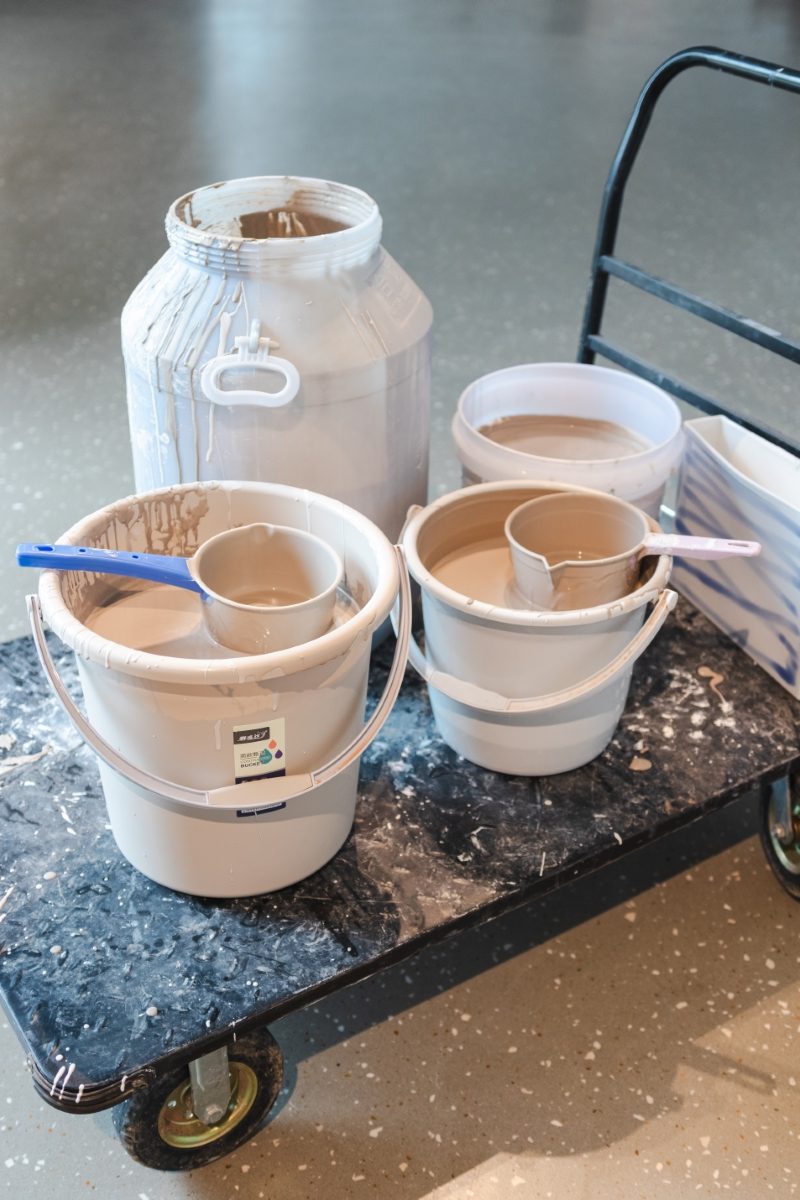
- Fig 3. Piet Stockmans (Belgium) material documentation of the slip buckets for the installation of the works, 2026. Photo: © Senne Praczyk
- Fig 4. Yuan Hailong (China), Ceramic Tiles. Abstract-expressionist glaze panels forming an immersive walk-through of colour. 2026 International Ceramic Art and Intangible Culture Exhibition. Photo: Olivia Fero
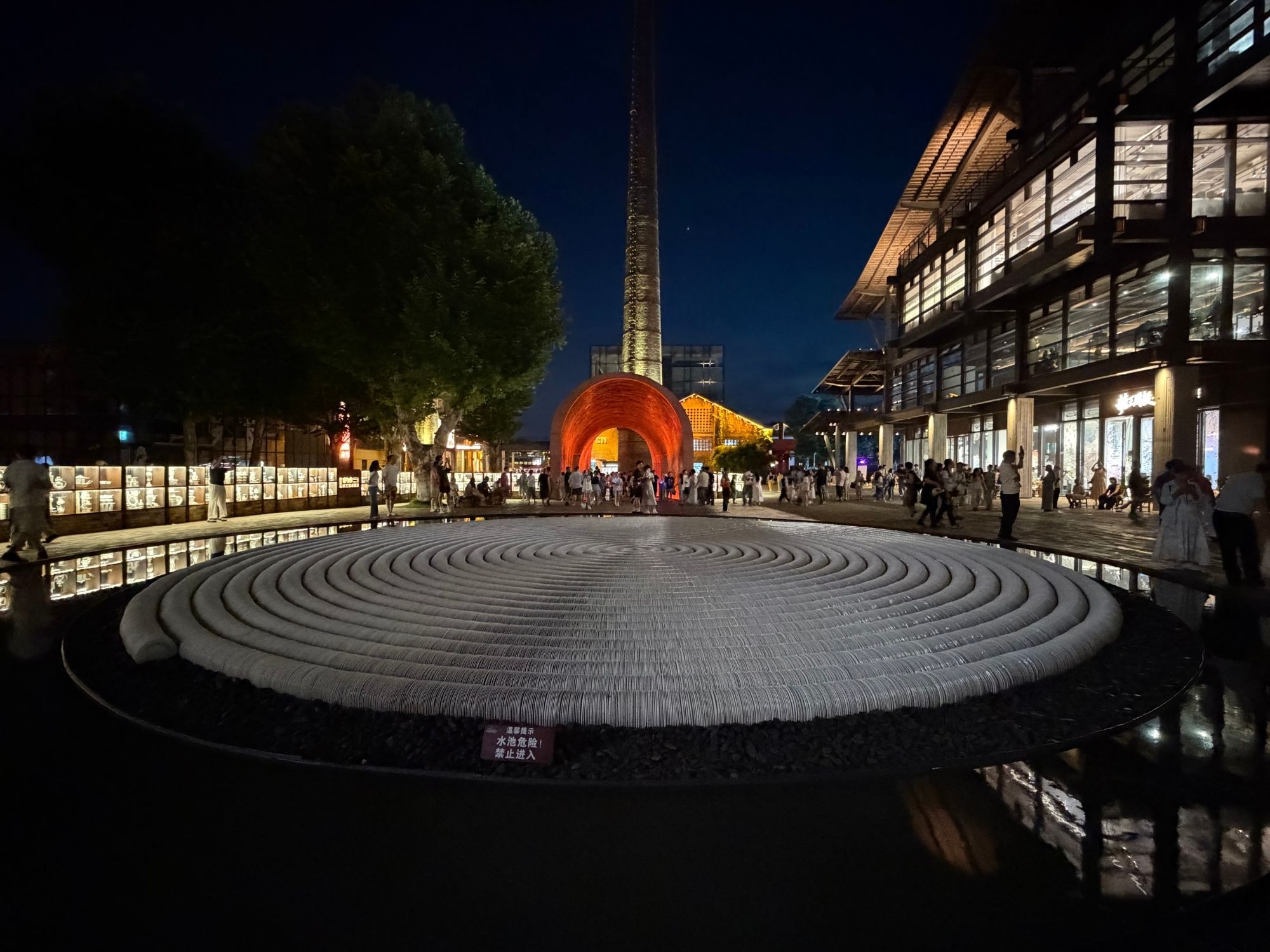
- Fig 5. Torbjørn Kvasbø (Norway), 碟落·铺陈 – loosely translated as Fallen Plates Laid Out. Installation made from more than 13,500 porcelain plates produced by local Jingdezhen ceramic factories, bonded together with local clay. Taoxichuan Ceramic Art Avenue, Jingdezhen. Photo: Olivia Fero
- Fig 6. Ingrid Lilligren (United States), Five Epic Fails. Beyond Boundaries: New Frontiers in Ceramic Experimentation, New Members Exhibition. Photo: Olivia Fero
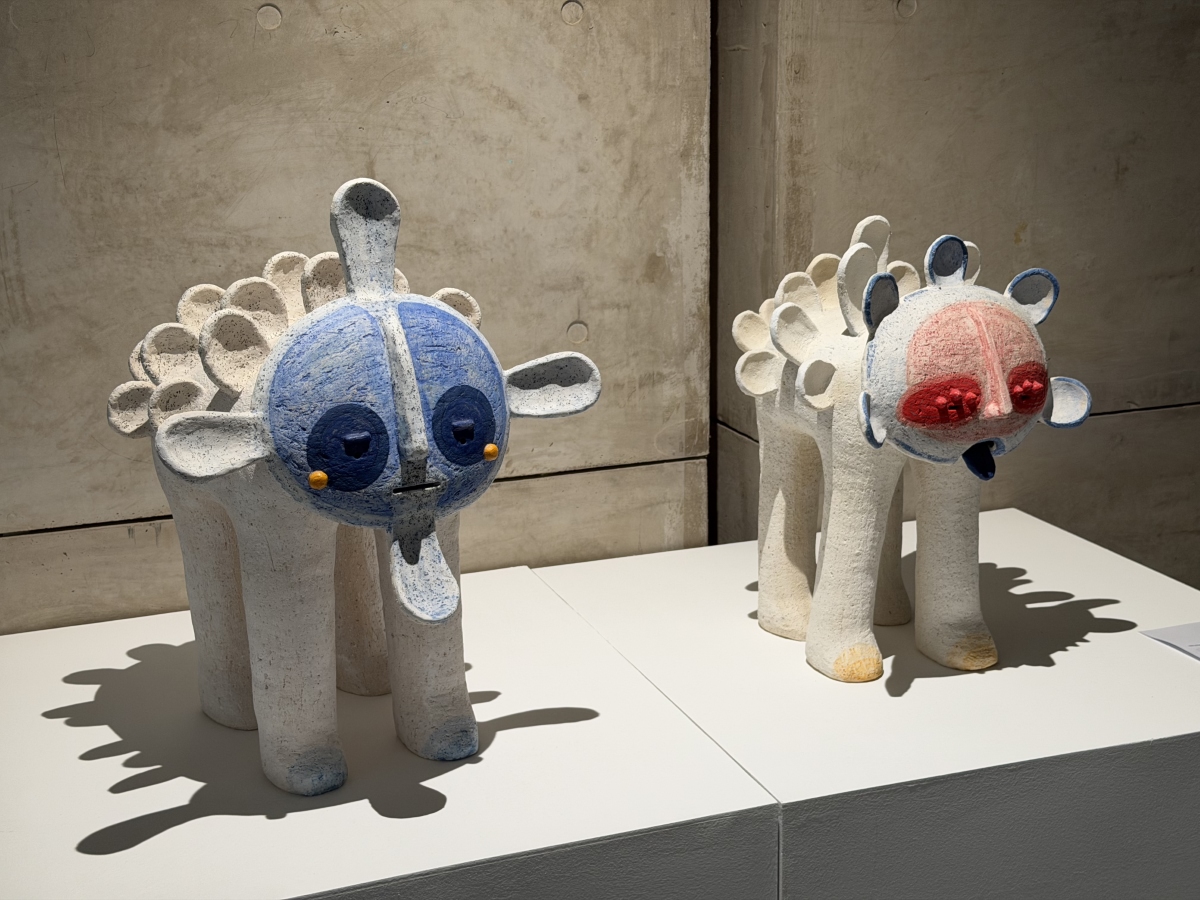
- Fig 7. Tomas Carpio (Ecuador), Solar Animals. Inheritance and Innovation, IAC International Members Exhibition and IAC International Residencies Exhibition. Photo: Olivia Fero
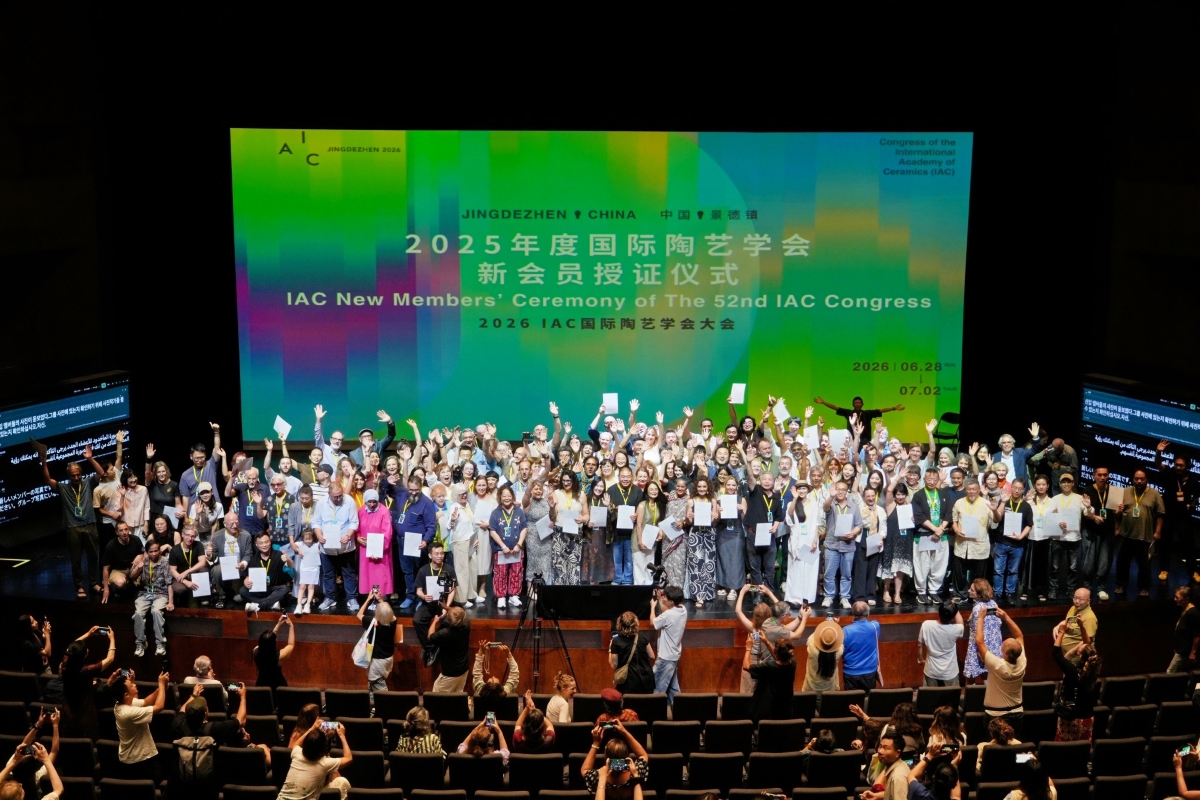
- Fig 8 and 9. The 52nd Congress of the International Academy of Ceramics, 2026, Jingdezhen, China. Photos courtesy of the International Academy of Ceramics
- Fig 10. Chen Liujing (China), Xirang. Performance (video and relics). Guozhong Emerging Artist Award. Jingdezhen International Ceramic Art Biennale. Photo: Olivia Fero
- Fig 11. Lauren Mabry (United States), Glaze Flow Cylinder no. 2. Jingdezhen International Ceramic Art Biennale. Photo: Olivia Fero
- Fig 12. Tu Juan (China), Emerald Cloisonné Dreamland. Two pieces from a series of seven in the installation. Jingdezhen International Ceramic Art Biennale. Photo: Olivia Fero
- Fig 12. Zhaojing Wang (China), Wood. A tree trunk made from incredibly intricate monotone nerikomi pieces. Inheritance and Innovation: IAC International Members Exhibition and IAC International Residencies Exhibition. Photo: Olivia Fero
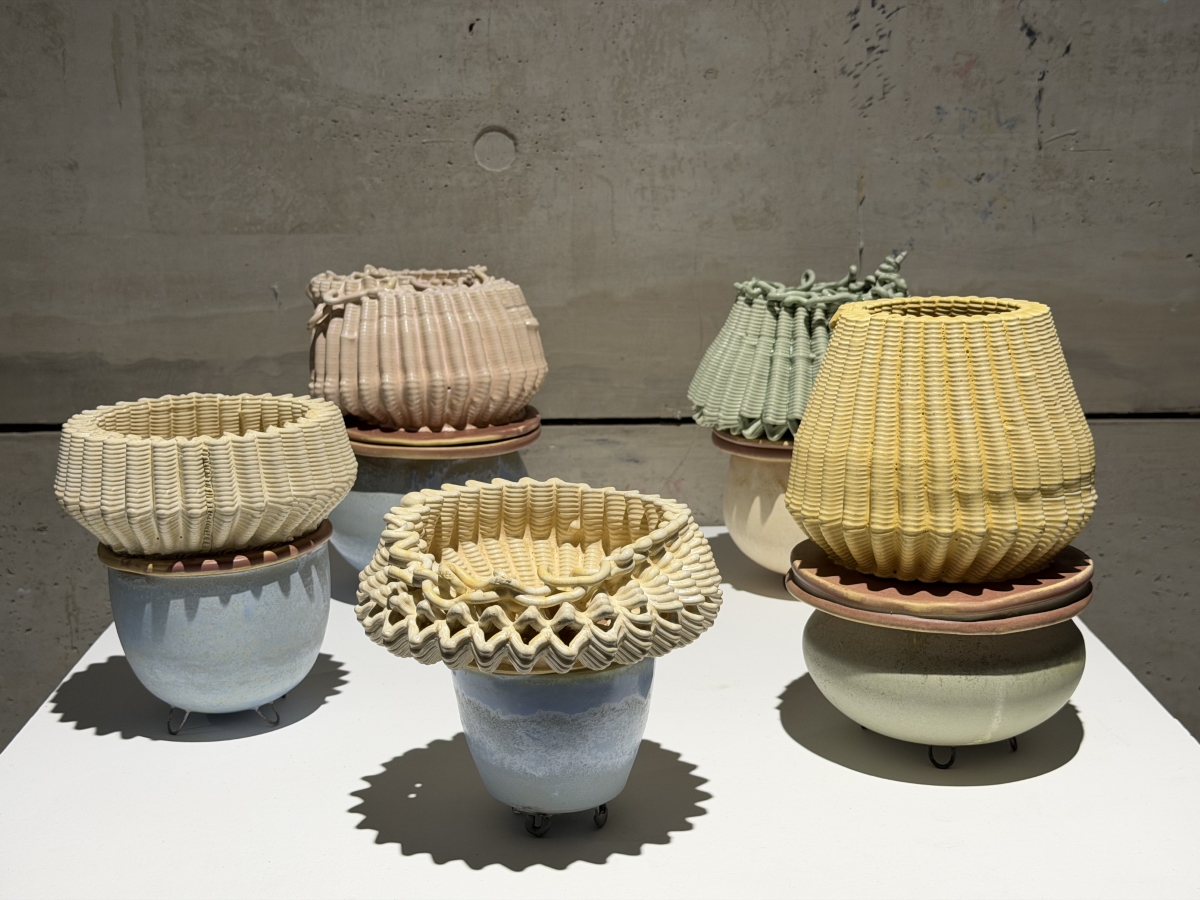
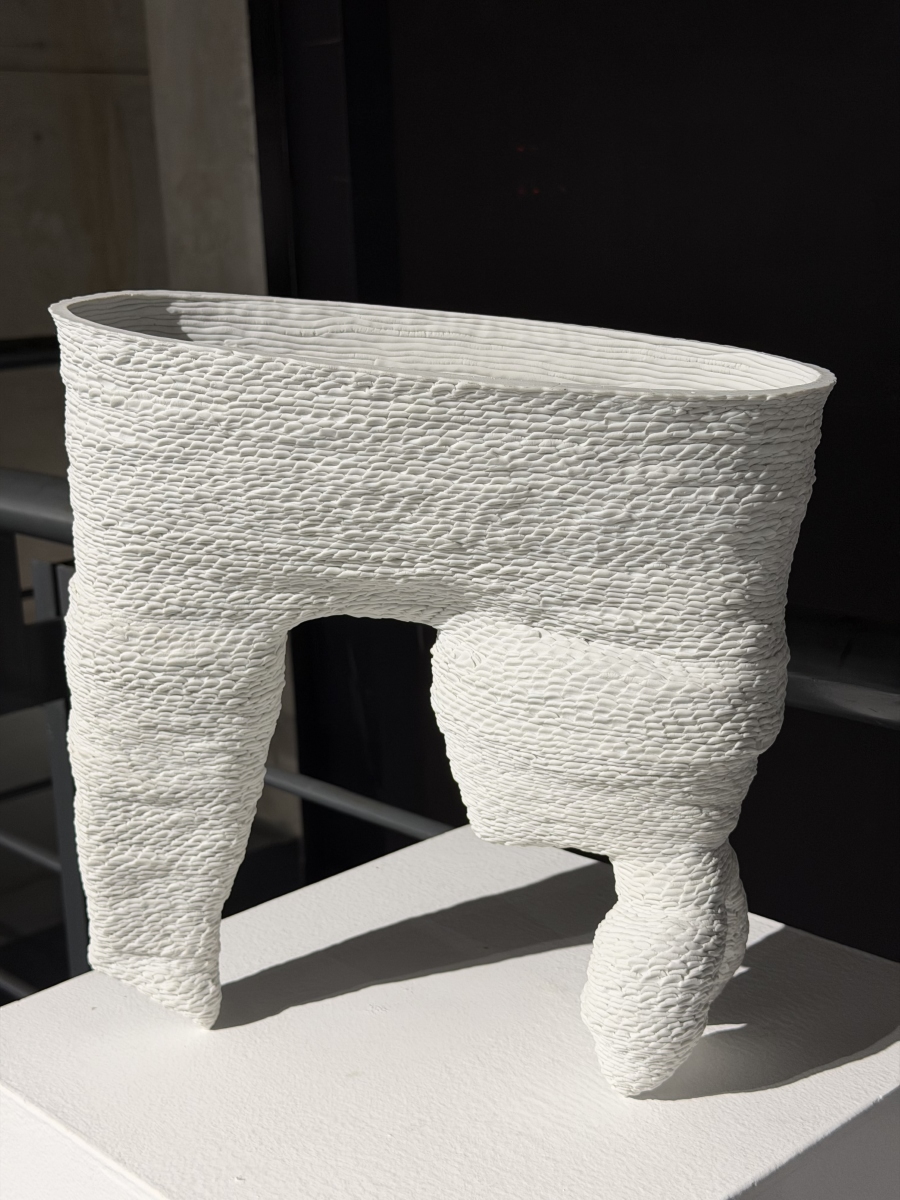
- Fig 13. Eyvind Soli Andreassen (Norway), PP4. Hand-built piece that gives the impression of being 3D-printed, made using coil technique. Beyond Boundaries: New Frontiers in Ceramic Experimentation, New Members Exhibition. Photo: Olivia Fero
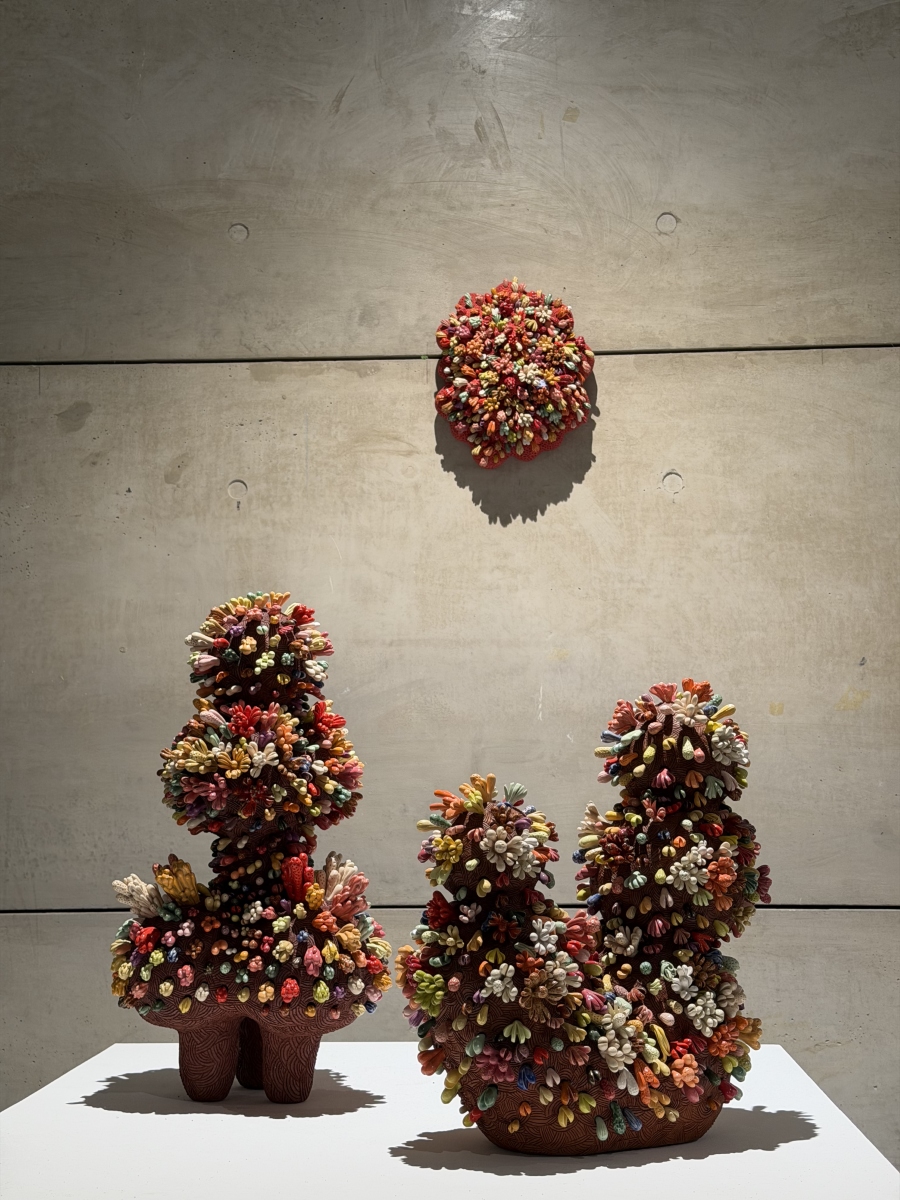
- Fig 14. Ying Zheng (Chinese, London-based), Purity of True Feelings. Inheritance and Innovation IAC International Members Exhibition and IAC International Residencies Exhibition. Photo: Olivia Fero
- Fig 15. a. b. c. Yang Yixue (China), Porous Presences. Chinese red clay teapot, a floral boot, a house and a piece of Wedgwood, each encased in a mesh of glass; appropriated ceramics from different cultures, using the hot-rod glass technique that has exploded in popularity in Jingdezhen. Recent graduate of the University of Sunderland, UK. Jingdezhen International Ceramic Art Biennale. Photo: Olivia Fero
- Fig 16. Jorgen Frederik Haarstad Scheel (Norway), Tear Down the Framework and Leave the Ceramic Assumptions Behind. A sound and performance installation piece featuring multiple-sized blue and white suspended hoops, speakers and spray paint and broken pots. Inheritance and Innovation: IAC International Members Exhibition and IAC International Residencies Exhibition. Photo: Olivia Fero
- Fig 17. Ilona Romule (Latvia), Identity Code. European excellence in porcelain: hand-painted eyes and brain on root-like forms, rivalling the skills of a traditional porcelain factory. Inheritance and Innovation: IAC International Members Exhibition and IAC International Residencies Exhibition. Photo: Olivia Fero
- Fig 18. Li Chao (China), The Fall. Hand-building at scale: a deeply disturbing giant baby, reminiscent of a comet; made of earth and returning to it. Ceramics for the Future: Inheritance and Innovation in Chinese Ceramics. Photo: Olivia Fero
- Fig 19. Sun Yilun (China), Dream Walking Somersault Cloud. A cloud on metal legs, porcelain bolted around a neon light so that the light bursts from between the cracks in the cloud. 2026 International Ceramic Art and Intangible Culture Exhibition. Photo: Olivia Fero
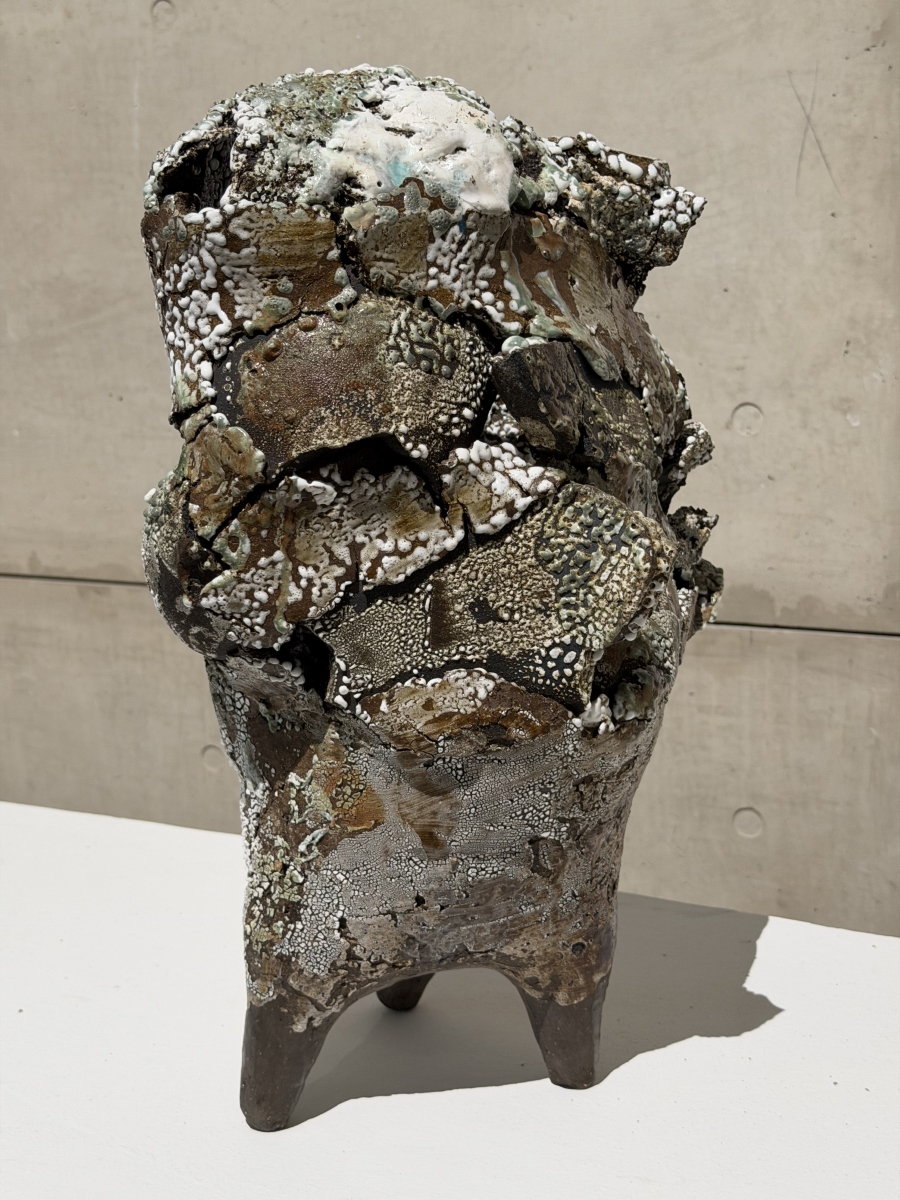
- Fig 20. Macarena Salinas Amaral (Chile), Rebuilt Vessel No 1. Inheritance and Innovation IAC International Members Exhibition and IAC International Residencies Exhibition. Photo: Olivia Fero