

By Benjamin Evans
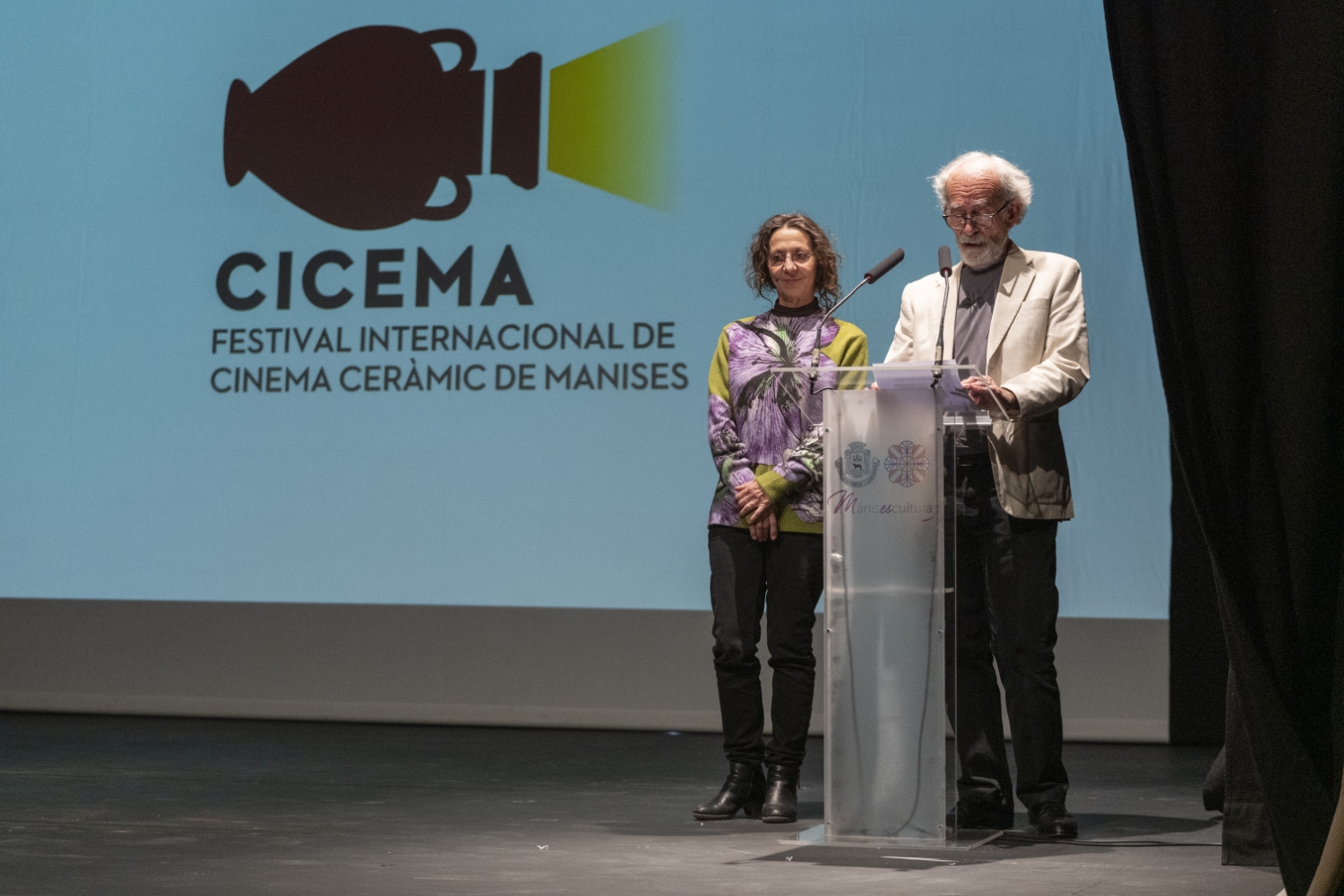
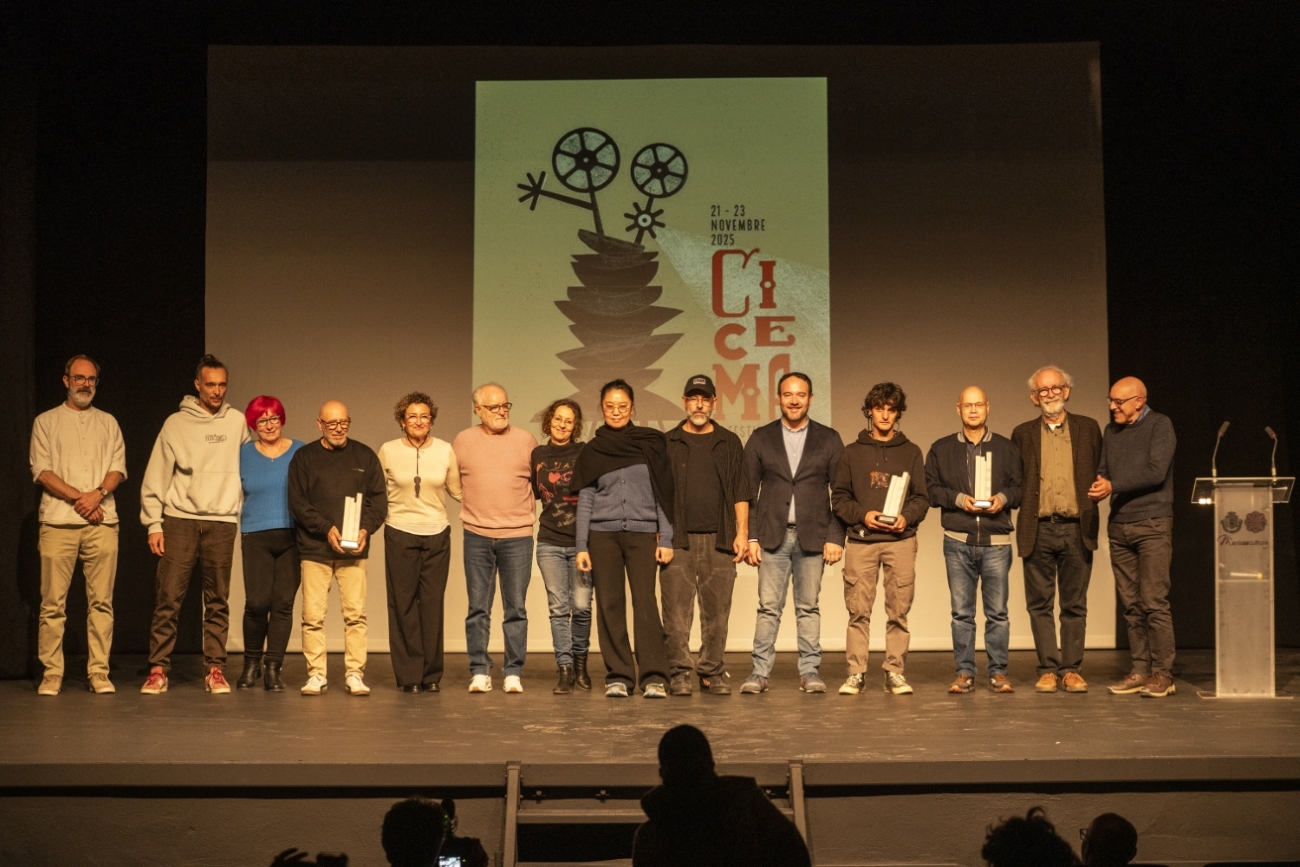
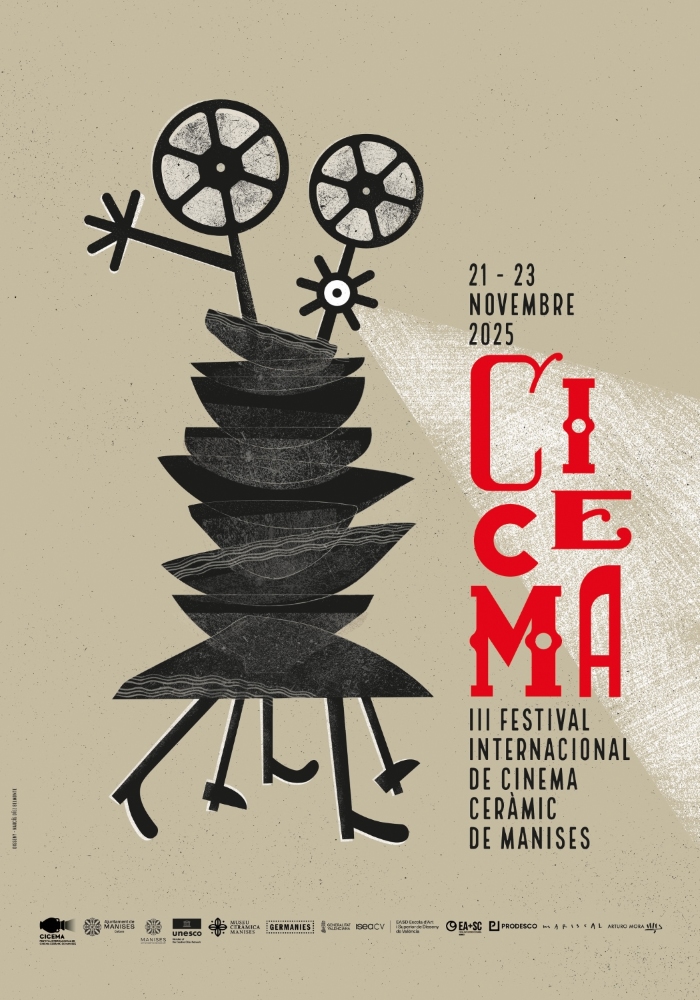
When I told people that I was going to Spain for a film festival devoted entirely to ceramic culture, the response typically involved the raising of eyebrows. The notion might well seem on the extreme side of “niche,” but the “CICEMA Festival Internacional de Cinema Ceràmic de Manises” is exactly what it says it is. It was not a playlist of YouTube videos on how to trim a pot, this was a professional festival, with a collection of sponsors, a submission process that brought in 60 candidates from 18 nations, a selection committee, a jury and multiple awards. Organized by Carlos Garcia and Rafaela Pareja, with a host of volunteers, this was the third time the event has been held.
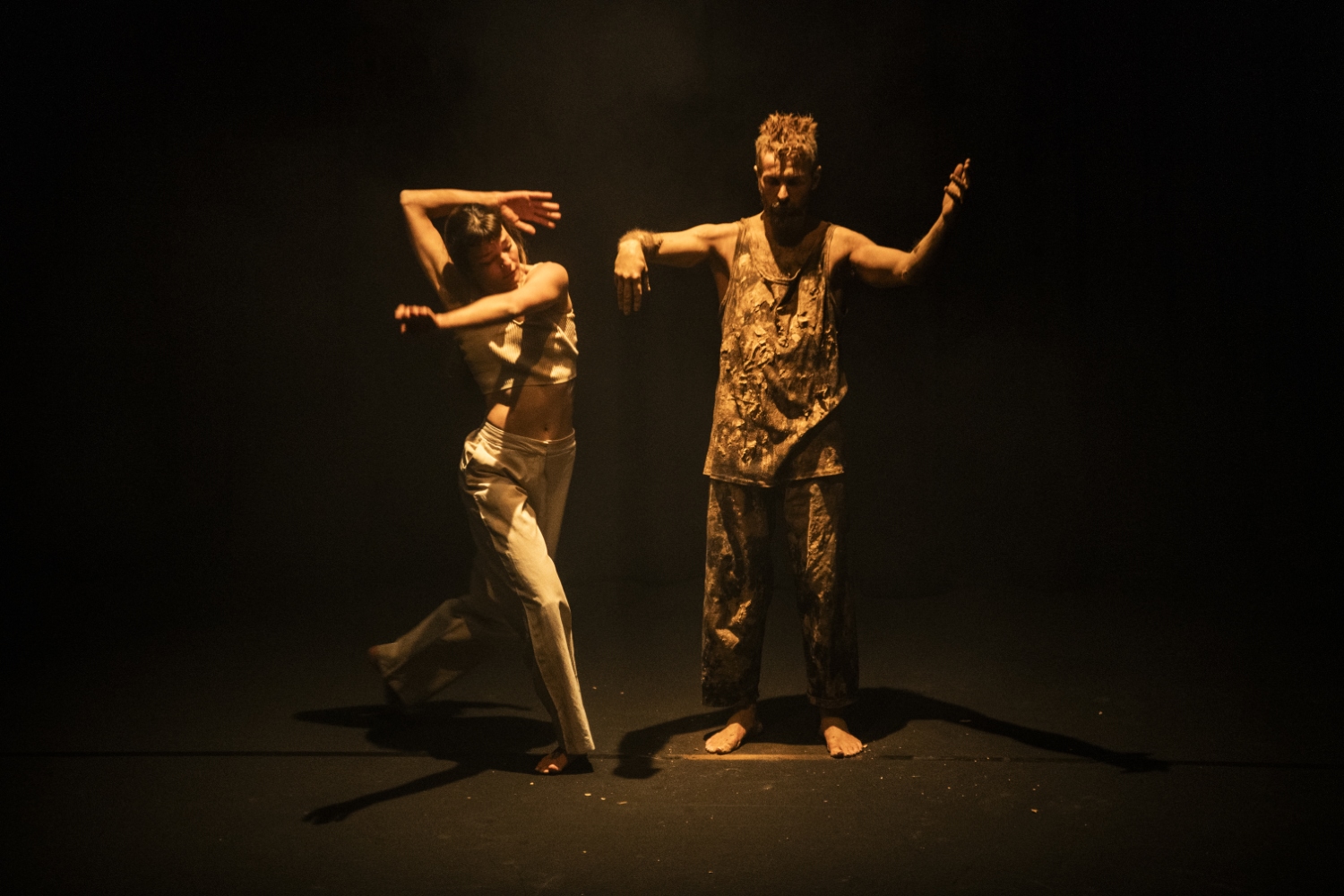
Films were organized into multiple categories. There were several documentaries focusing on the tradition of a particular region or artist, like Oropesa y el Collar de Perlas (“Oropesa and the Pearl Necklace”), which showcased rural figurative ceramics in Chile, or Tras las Huellas del Barro Andalusi (“In the Footsteps of Andalusian Pottery”), which explored how the cultural identity of the region has been shaped by a now-fading but ancient ceramics tradition. Another, “After Celadon” by ceramic film pioneer Tan Hangyu went in a different direction, exploring how several celebrated artists both in and outside China are bringing new ideas to celadon (and ceramics in general). If these attempts at capturing different traditions can be placed at one end of a spectrum, on the other end were “Experimental” films of artists using clay as an inspiration for performance through movement or narrative. In one, “Exuvie”, a woman slowly descended through a house filled with Egyptian symbols, entering rooms where she was handed intricately carved vessels by a mysterious priestly figure. In another, Coreografia de un Crecimiento, (“Choreography of Growth”), a woman in a billowing nightgown maneuvered, danced and jumped among clays and ceramic objects before being covered in slip by an older, Aquarius-like figure. In the Italian short “Aeon” by Benedikt Hipp (my favorite in this category), abstract ceramic forms were presented like so many asteroids or planetoids in a science fiction film, in extreme close-up, slow-motion shots of their textures as they slowly moved through a pitch-black space. There were also a few animated films, but not in the big-budget “Claymation” style we have become familiar with. These were humbler but often effective creations using the malleability of clay itself to express larger ideas. A real highlight in this regard was a lecture on ceramics and animation focusing on absurdist master Jan Švankmajer, which included a screening of some of his unrivaled ceramic animations (and if you have not heard of this guy you should look him up immediately!). There was even a work of fiction, a touching and unpretentious film about an elderly former ceramic instructor slowly losing his memory. His adult granddaughter, herself at a crossroad in life, reintroduces him to his studio and encourages him to teach her, and the two both grow as a result. This film, La Niebla (“The Fog”), ended up winning the Audience Choice award.
The penultimate screening was the Grand Jury Prize Winner from the 2024 Sundance festival, “Porcelain War” (directed by Brendan Bellomo and Slava Leontyev). This is a powerful film about a small group of ceramic artists in Ukraine who find themselves caught up in the war effort, becoming soldiers who pilot drones or teach others on the use of machine-guns. The impossibility of their situation, one day literally killing waves of doomed Russian soldiers and the next trying to return to a few days of normal life, is presented through high-production camera work and imaginative animation. It raises impossible questions and provides a never-seen-before perspective on the realities of contemporary warfare.
The festival closed with three very well-made short student films, two from India and one from Spain. The winner told the story of Kutchi pottery from the province of Gurarat, with images of weathered men crouched before wheels effortlessly throwing difficult shapes that have been part of their heritage for centuries. But it also revealed how these artisans are caught in the grip of contemporary economic realities, uniting them with films from earlier in the festival about pottery in Spain.
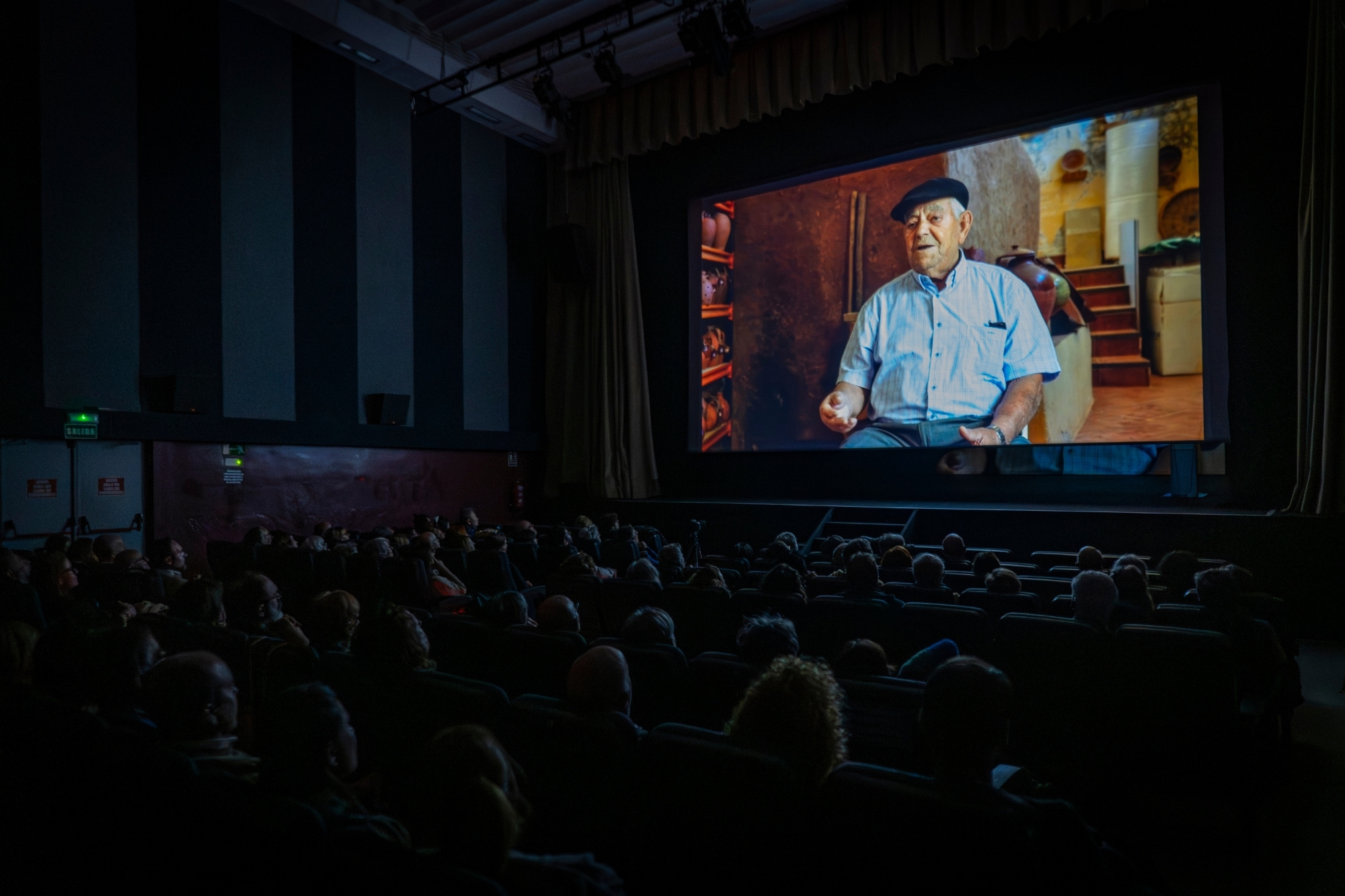
In hindsight what stuck with me the most were exactly these sorts of films documenting fading pottery traditions of different regional neighborhoods. To be fair, the films were each nuanced and unique, but given my poor Spanish and the blur that tends to happen at any film festival, they tended to merge into episodes from a single series, an attempt to capture a beloved history before the people who could still tell its story before it disappear. We watched many elderly, heavily accented potters talking about how things were in their “old days,” when there was a high demand for locally made terra-cotta pottery, like the “cantir” vessels that were taken into the fields to help keep the water cool. Image after image crossed the screen of men and women looking at the shambles of former wood-fired kilns or workshops and reflecting on how things used to be before economies of scale moved production to larger, modern factories, and plastic came to replace the ceramic vessels that had been used literally for hundreds of years.
This struck me as perhaps a European feature, the urge to capture the past, even the recent past, for most films were talking about things that happened not long ago, within a generation or two. As someone now living in the US, it got me thinking about American ceramics history, and their traditions and institutions. Notably absent from the festival was a North American presence, which, while heavy on Spanish films, also featured work from Italy, India, Norway, China, Switzerland, France, Germany, Argentina, Chile and the Ukraine. We Americans may not have the depth of ceramic history as Europe (nor, obviously, that of Asia), but not one of the films I saw were about the events of hundreds or thousands of years ago. They were about parents and grandparents, about recent generations and living memory. Surely we all have these, and our own neighborhood studios and institutions and traditions. Americans have the Archie Bray and Watershed, and Alfred and Black Mountain College, and North Carolina and Santa Fe, and NCECA, we have Binns and Volkous and Woodman and indigenous ceramic practices and any number of stories about ceramics impacting communities in all kinds of different ways across the country. I’m sure much of it has indeed been documented here and there at one point or another, but I still wonder who are, and who will be, the tellers of these stories down the road? If nothing else, my weekend in Manises convinced me that these stories, in this format, are valuable and important, and a festival celebrating international ceramic traditions and our shared love of clay is not really so “niche” but in fact really important, particularly given our painfully complex international political situation. With video technology so omnipresent, and at least as easy to learn as wheel throwing, there doesn’t seem to be any reason why we, whoever we are and wherever we might live, can’t all start using cameras to create new stories about our communities, our unsung heros, and our unique traditions.
The fourth iteration of the Cicema International Ceramic Film Festival will take place in 2027, as it is transitioning to a biannual format. If I’m fortunate enough to attend once again I hope I will find an even more diverse collection of countries represented.
More information on the festival itself, along with previews of many of the films, can be found on the festival’s website.
Note: For anyone actively working in this area, or more generally interested in ceramic filmmaking in any genre, please feel free to contact the author at evansb@alfred.edu, or festival organizer Carlos Garcia at cineceramico@cicema.com.
Benjamin Evans is The Wayne Higby Director and Principal Curator of the Alfred Ceramic Art Museum in New York. He holds a PhD in Philosophy from the New School for Social Research in New York and an MFA in Mixed Media from the University of Calgary.
Subscribe to Ceramics Now to read similar articles, essays, reviews and critical reflections on contemporary ceramics. Subscriptions help us feature a wider range of voices, perspectives, and expertise in the ceramics community.
Captions
Photos by Javier Marina




What a worthy festival. Great. How can I be notified when the call for entries for the next festival opens?