By Laura Curcio
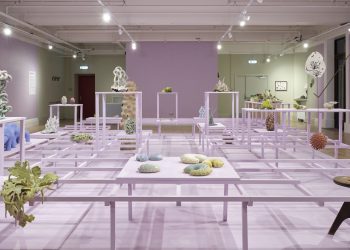
If you walk down William Street in inner-city Sydney before November 19, you will see a majestic ceramic work in the window of Australian Design Centre. Standing nearly one metre tall and aptly titled Apparition, it has a whimsical and dream-like quality, with coloured glass bubbles emerging from a white ceramic structure perched on four legs. It represents the first experiments combining glass and clay by acclaimed Australian ceramic artist Lynda Draper, who is one of 36 finalists in the 2025 MAKE Award: Biennial Prize for Innovation in Australian Craft and Design (10 October – 19 November 2025).
The award is also part of Australian Design Centre’s annual Sydney Craft Week Festival, 10 days of exhibitions, markets, talks and hands-on workshops all over Sydney and surrounds. For the popular event’s ninth year in 2025, the theme was Material Intelligence. This also resonated through the MAKE Award, ADC’s major exhibition during the craft and design festival.
MAKE is Australia’s richest non-acquisitive craft and design award, with a first prize of $35,000 and second prize $10,000. It was established in 2023 by ADC CEO and Artistic Director Lisa Cahill, assisted by a generous private supporter donation. Cahill was one of four judges who shortlisted 36 finalists from 197 entries from around Australia, including Draper’s Apparition. According to the Award criteria, works must demonstrate the makers’ particular skill and innovation, and represent a new evolution in their practice.
MAKE Award and Sydney Craft Week both emphase the materiality of creative practice in the craft and design fields, and how local makers use, manipulate and interrogate materials in innovative ways. In the face of artificial intelligence rapidly transforming our world, this dialogue between maker and material celebrates the qualities of hand-built, spun, blown and forged pieces as integral to an understanding of a maker’s practice.
At the combined opening night event for the MAKE Award and Sydney Craft Week on October 10, attended by a large and enthusiastic crowd in ADC’s Darlinghurst gallery space, the prize winners were announced. NSW contemporary jewellery artist Cinnamon Lee took home the $35,000 first prize for her ingenious and beautiful work NOCTUA, melding lighting, jewellery, sculpture and the endangered Bogong moth. Jake Rollins received second prize for his SOFA1 made out of 3477 used golf balls (yes you can sit on it) and Highly Commended was A Poetry of Rings: The Mulga Alphabet, Victorian artist-jeweller Roseanne Bartley’s alphabet of 26 rings made from found Mulga wood.
To create a dialogue between the two materials, attentiveness is required: not imposing form on the material, but responding to its behaviour and recognising its agency.
Eight of the 2025 MAKE Award finalist works are ceramic. Draper’s piece fuses pearlescent white clay and semi-transparent coloured glass into a bubbling, hybrid form, an amalgam of organic, animate and industrial elements. Known for her intricate coil-built ceramic towers and skeletal frameworks, Draper has long pursued a practice rooted in intuition, play and the liminal space between dreams and reality. Her works are held in major collections including the National Gallery of Australia, the International Museum of Ceramics in Faenza, and the Smithsonian Institute in Washington, D.C. Apparition signals a striking development for Draper, one that is as much about collaboration with people as working with new materials.
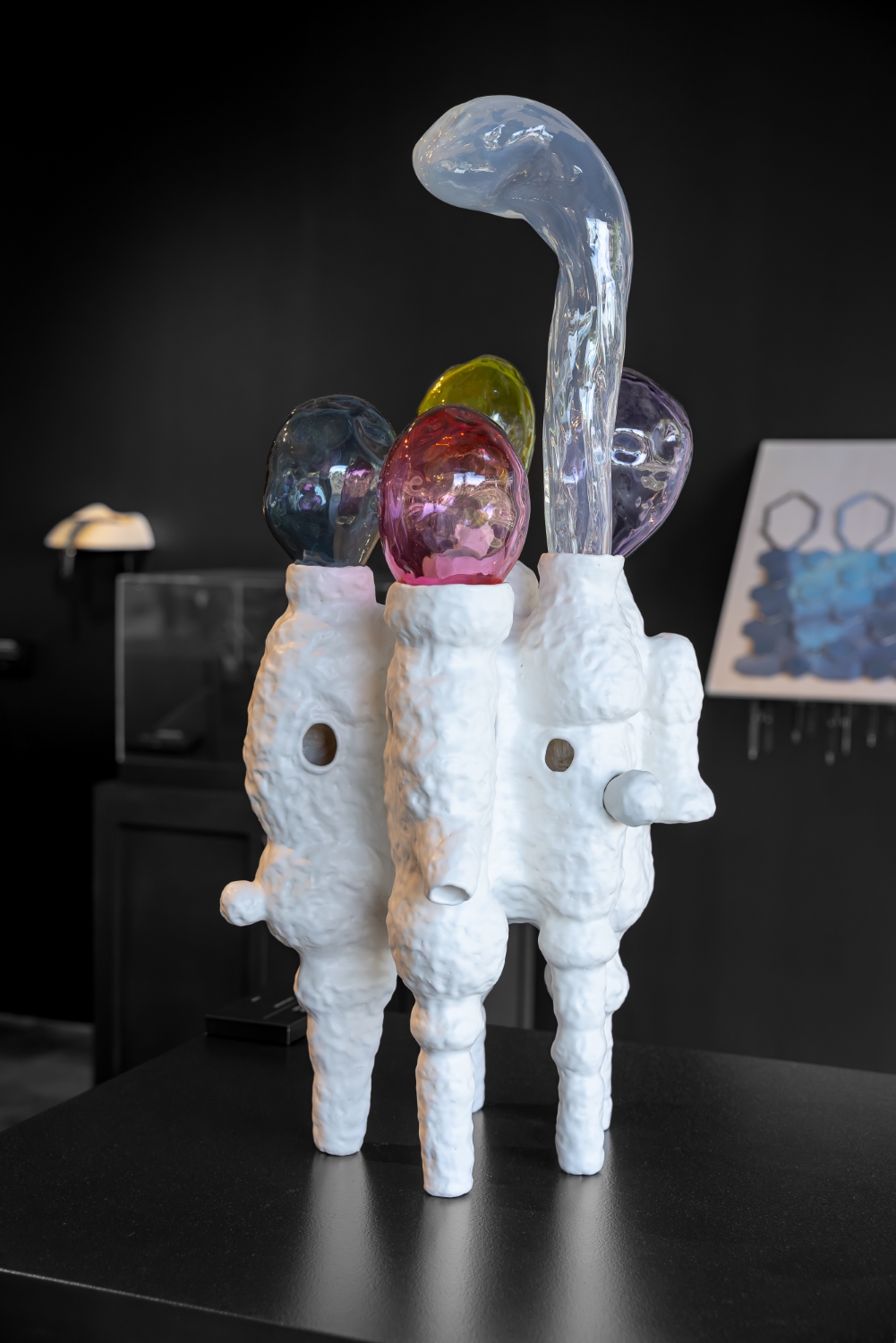
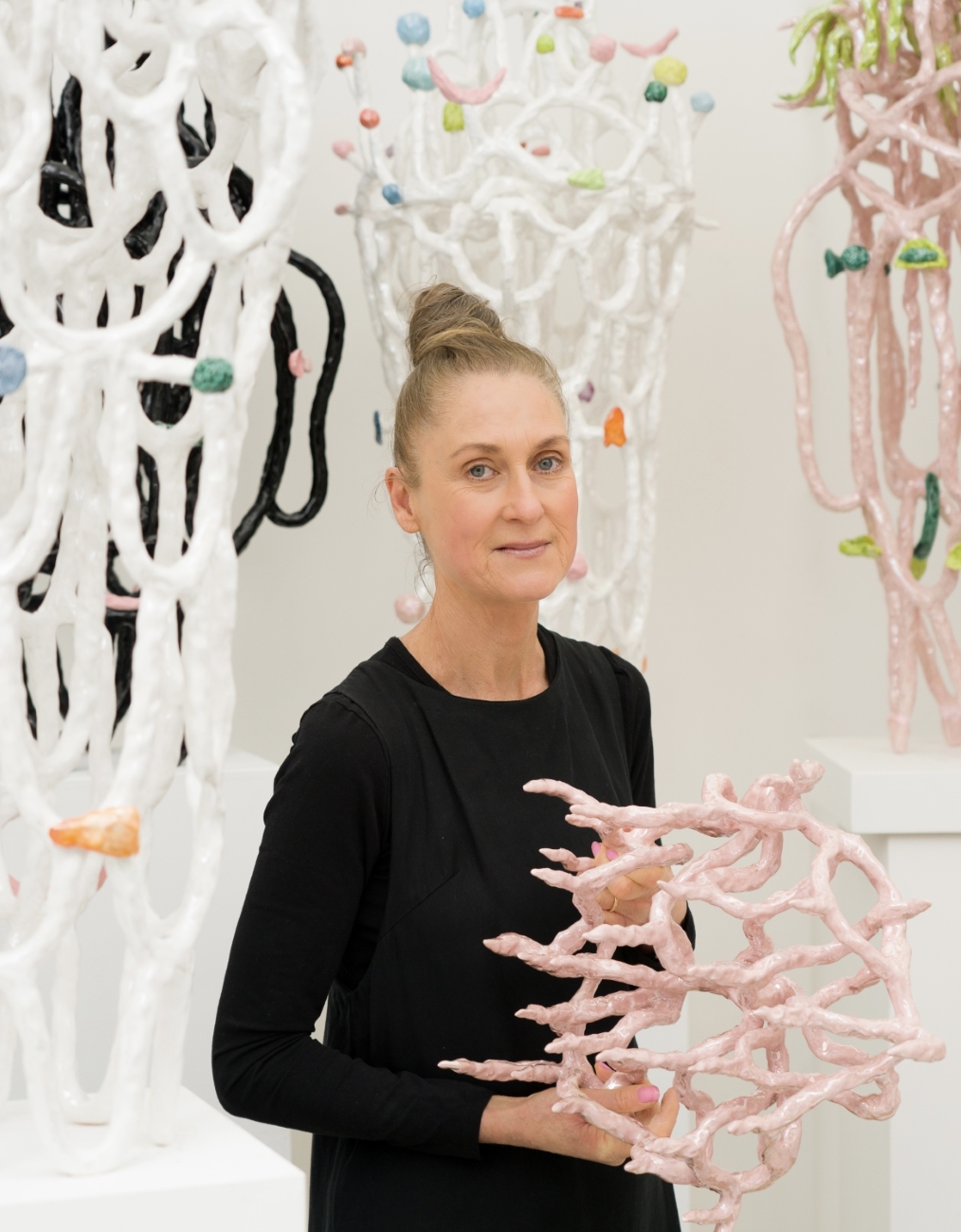
The work emerged during Draper’s six-week residency at Canberra Glassworks in 2024, the largest studio dedicated to glassmaking in Australia. Entering the glass hot shop, she sought to unsettle the familiar rhythms of clay and engage in a dialogue with glass. For an artist used to working alone, the residency’s collaborative environment, supported by the expertise of glassblowers and technicians, expanded not only her community but also her understanding of material processes. Draper described her approach as “arriving with a few ideas, but staying open, letting experimentation guide me.” This openness became essential as she negotiated the materiality of two very different mediums.
Clay has been Draper’s chosen medium for its tactility due to its capacity to record fingermarks and the intimacy of human touch. Glass, by contrast, is fluid, luminous and volatile, constantly shifting in response to heat and light. To create a dialogue between the two materials, attentiveness is required: not imposing form on the material, but responding to its behaviour and recognising its agency.
“What I enjoyed most about working with glass compared to clay was the material difference,” she says. “With clay one shapes form, with glass light. So I thought, I really want to link to the clay so it doesn’t feel like this stiff form. There are all these beautiful qualities that of course could be translated through glass, but the challenge for me was how to get that sense of touch into a material you can’t touch.”
Early experiments with glass moulds and blown glass inspired the artist to imprint plaster pressings with her finger marks into hot glass, creating surfaces that echoed her ceramic language. To support the glass-blown elements, Draper began intuitively constructing a skeletal form out of pinched clay coils, in the style of previous works, but soon realised it needed to be more robust. She began filling the voids with coils, working within the demands of both materials to build an elevated structural form. The result is a work where mass and weightlessness coexist, glass is lifted by clay and clay animated by glass – through this interplay, it seems the sculpture could suddenly levitate.


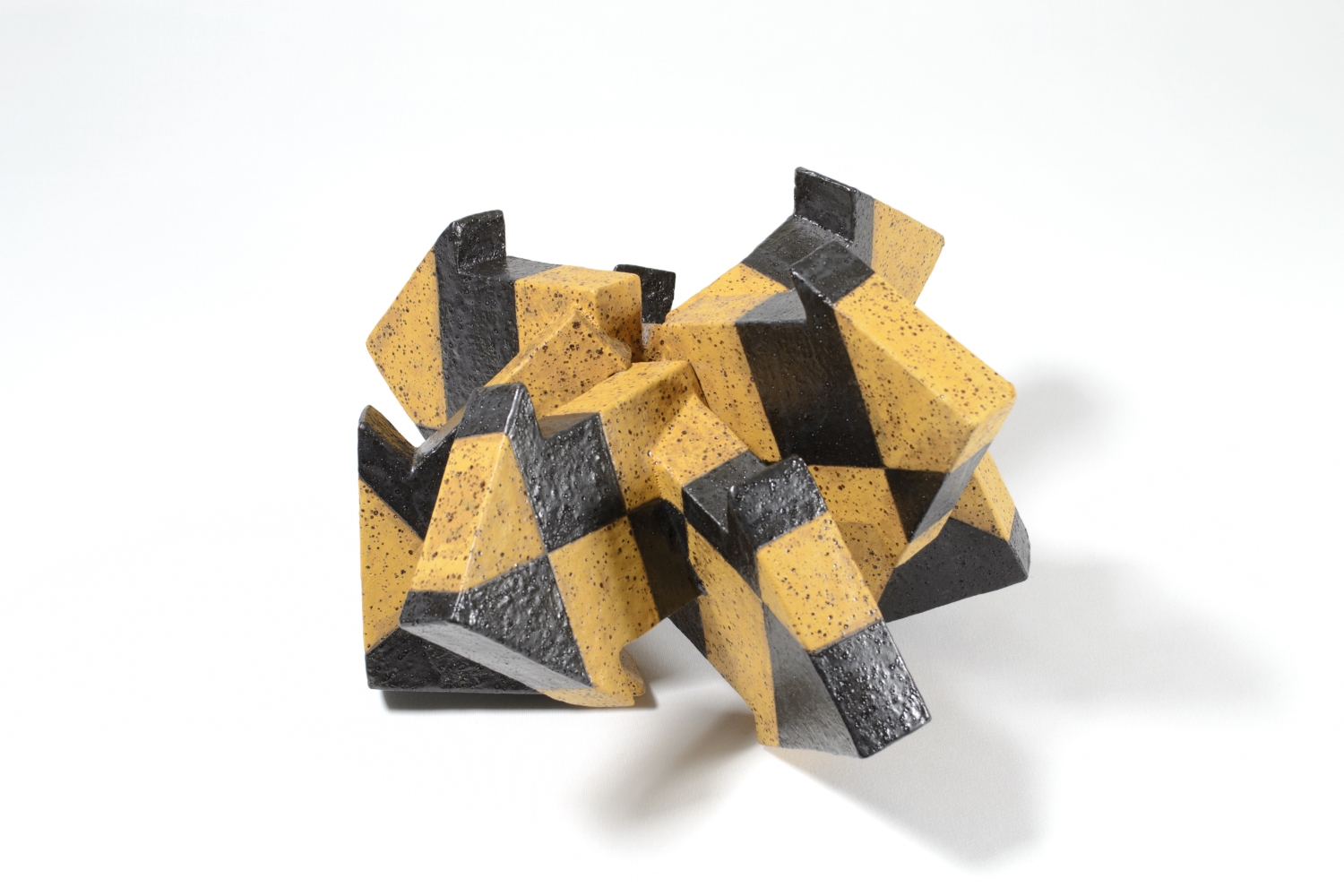
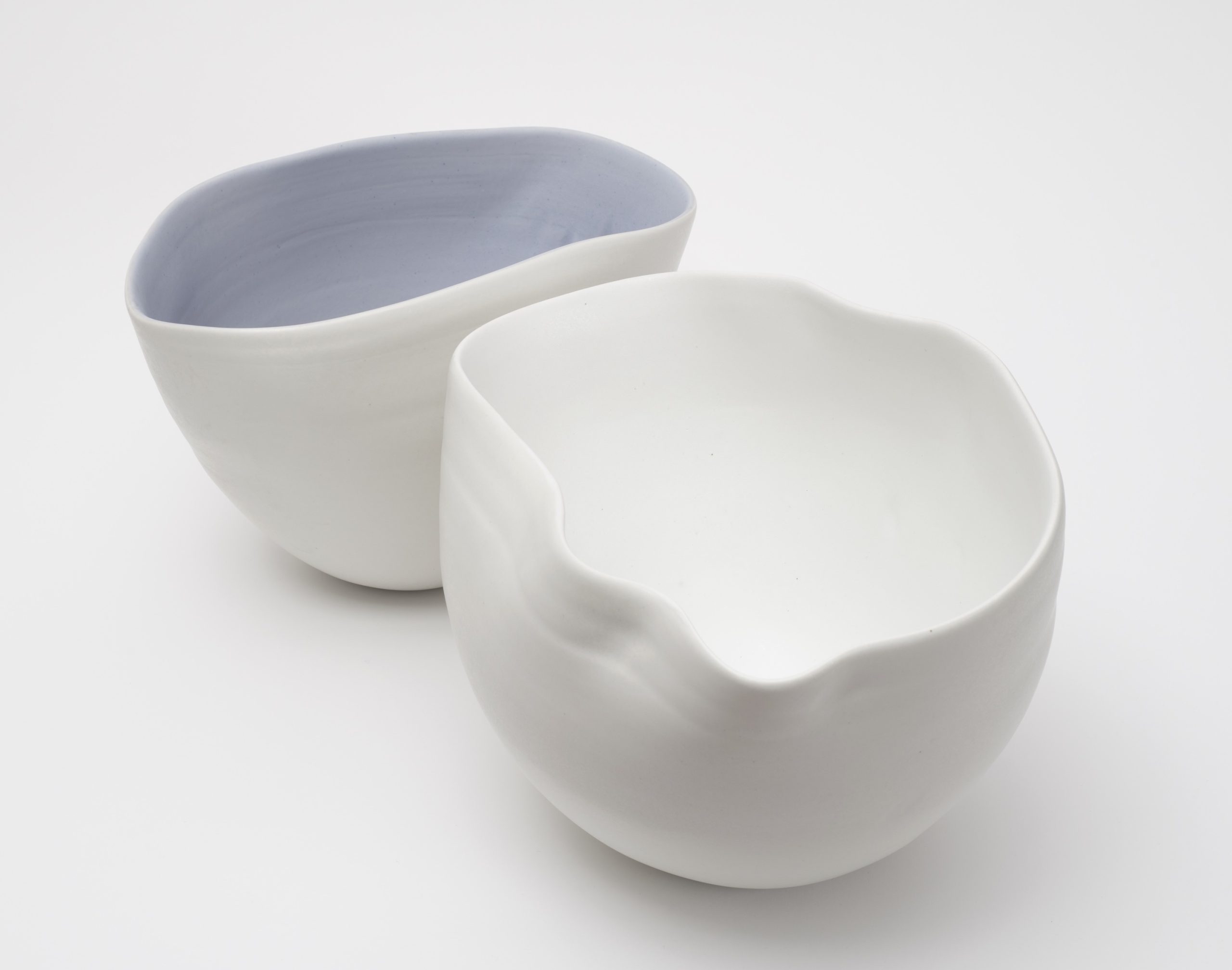

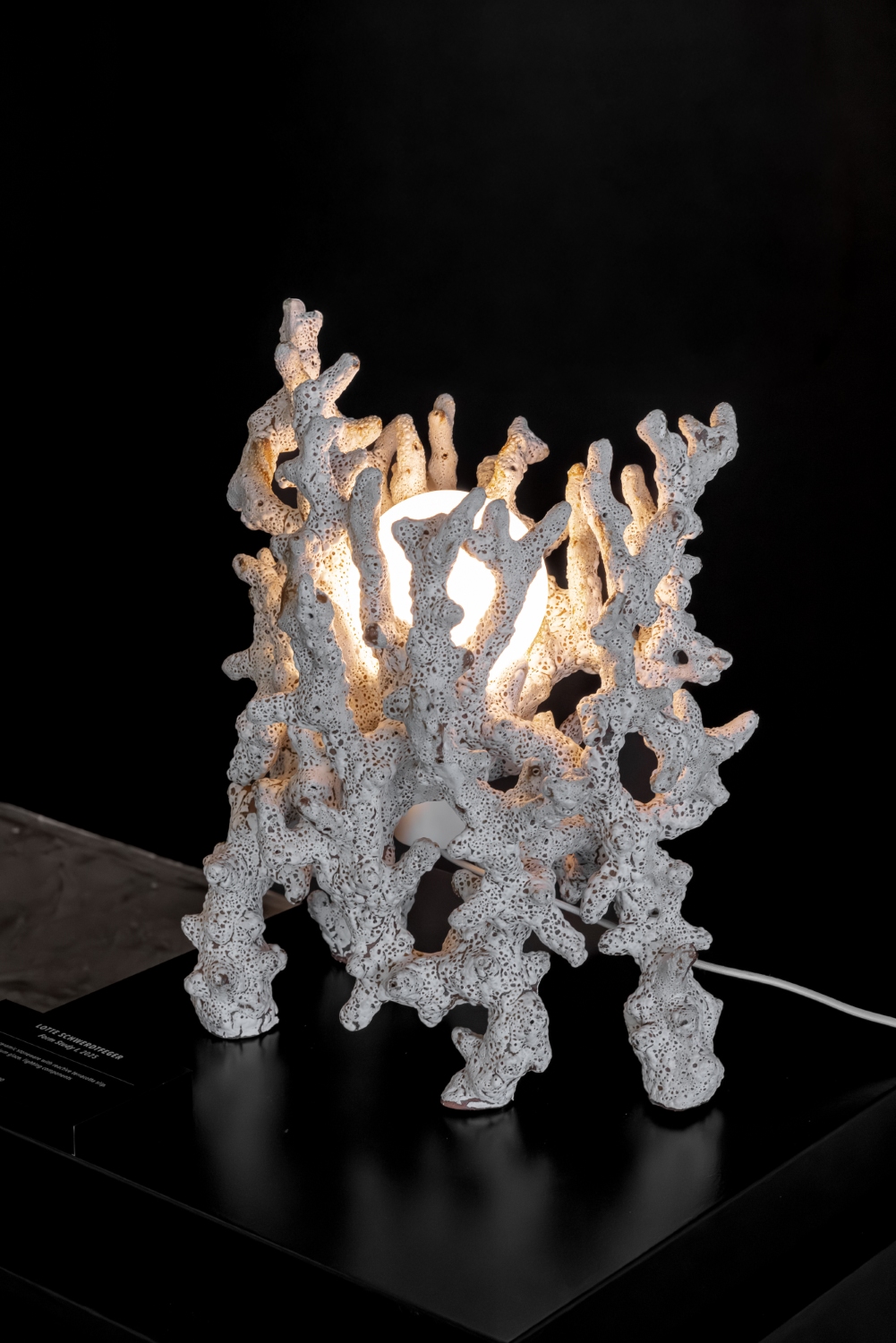
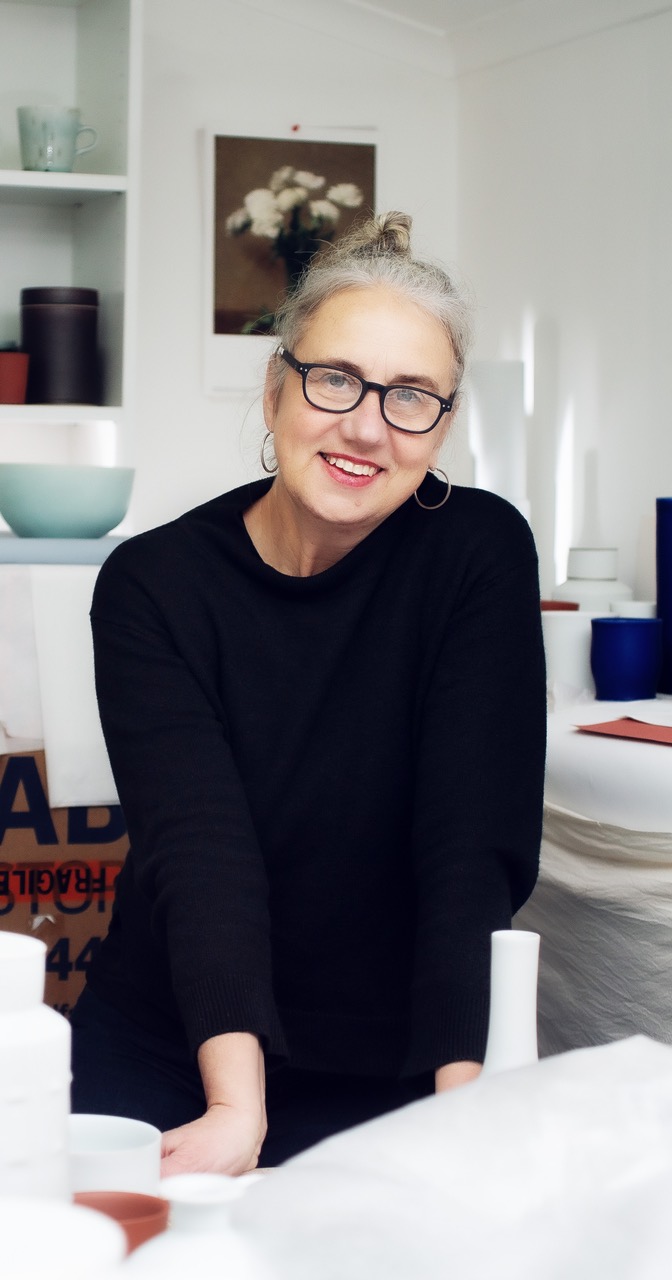
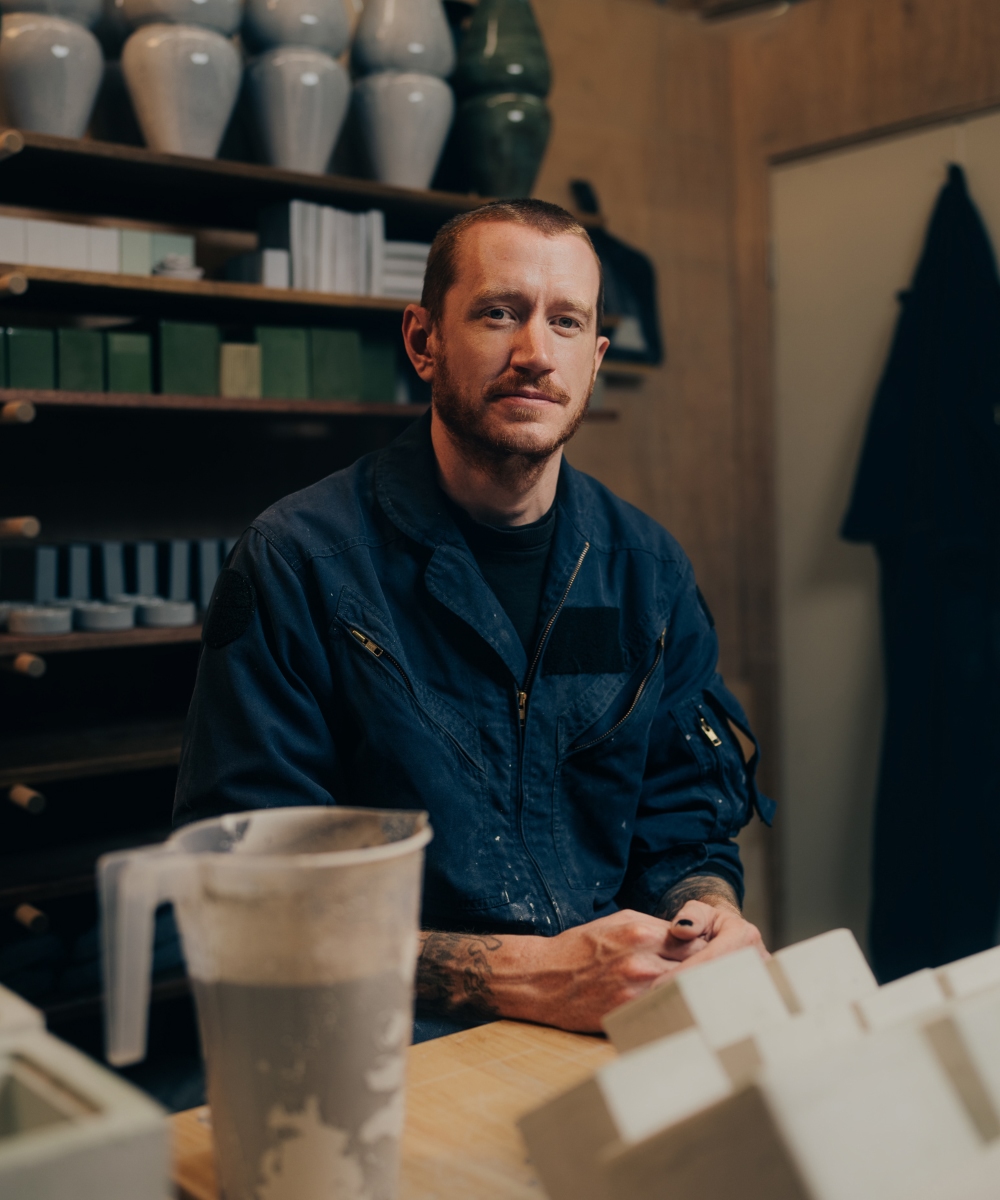
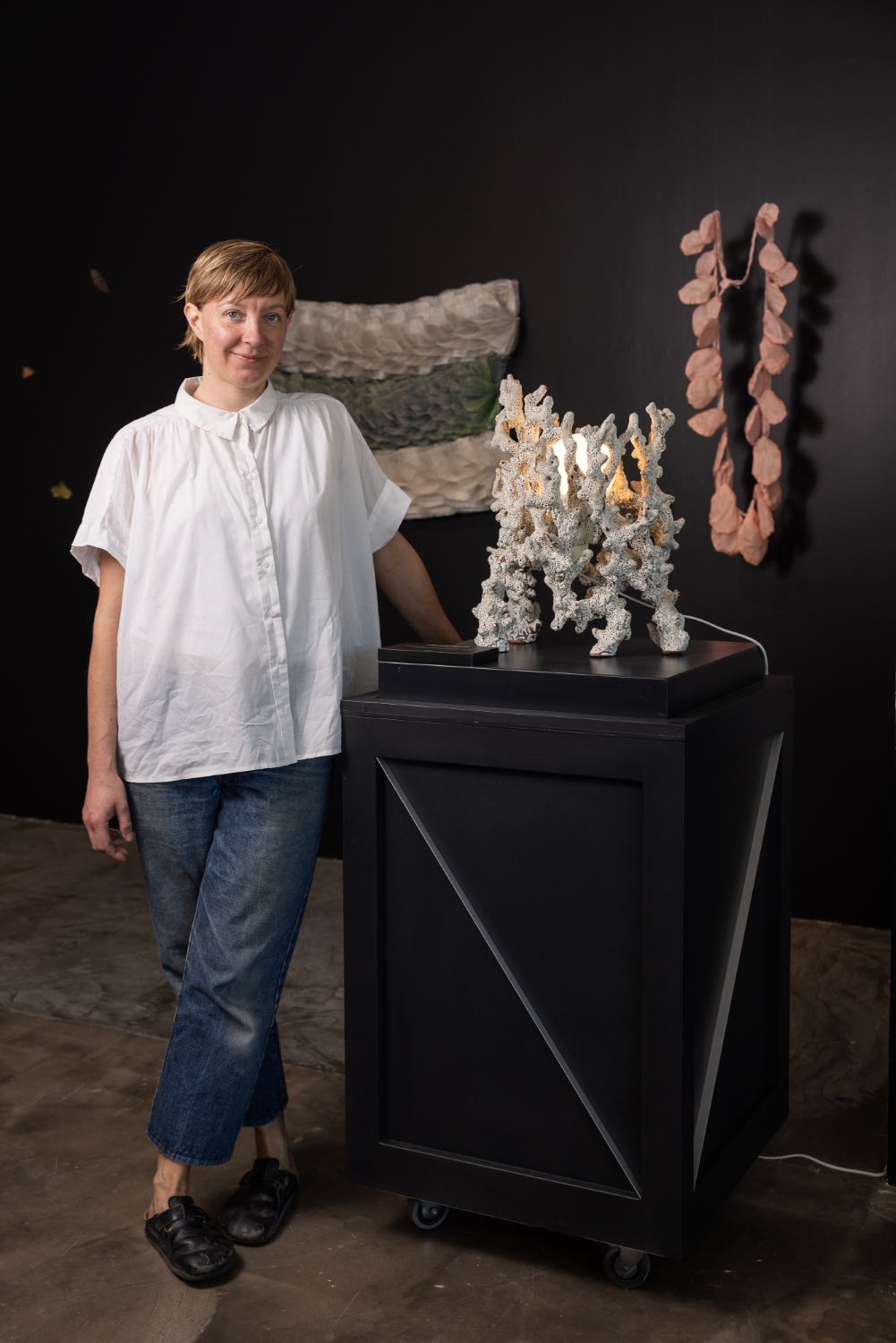
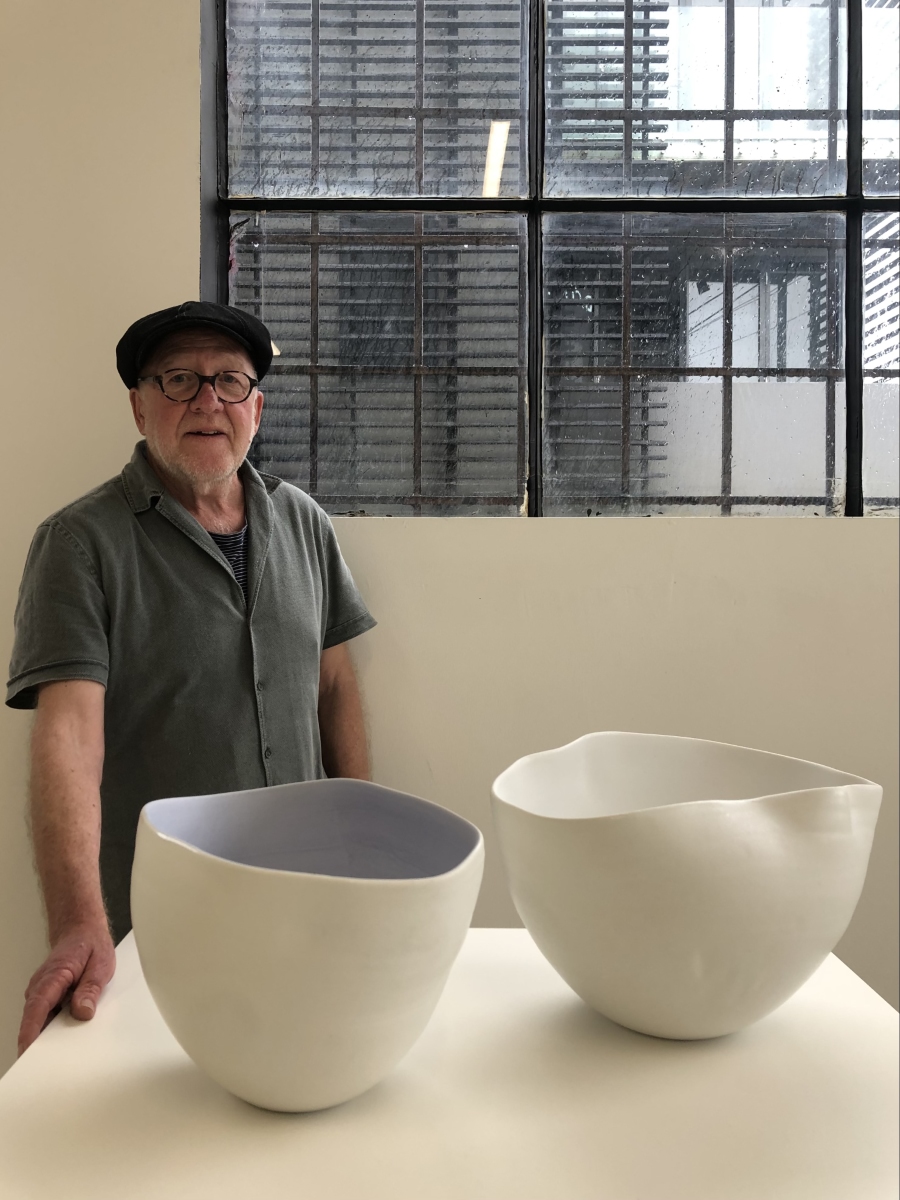
The emphasis on material enquiry is central to this year’s MAKE Award, where Draper’s work sits alongside other artists similarly expanding the language of ceramics. Dan Elborne’s SLEEPER Side Table #1 uses glaze-welded kiln shelves and props; Zara Collins’ She Always Hated Being Cold mixes porcelain, Egyptian paste and paper to replicate knitted textiles; and Kirsten Coelho’s In A Deep Founded Sheltering explores terracotta and porcelain in slender columnar forms. Each work exemplifies material intelligence in action, and in Draper’s Apparition, the exchange between clay and glass offers a distinctive perspective on how materials can shape artistic form and thought.
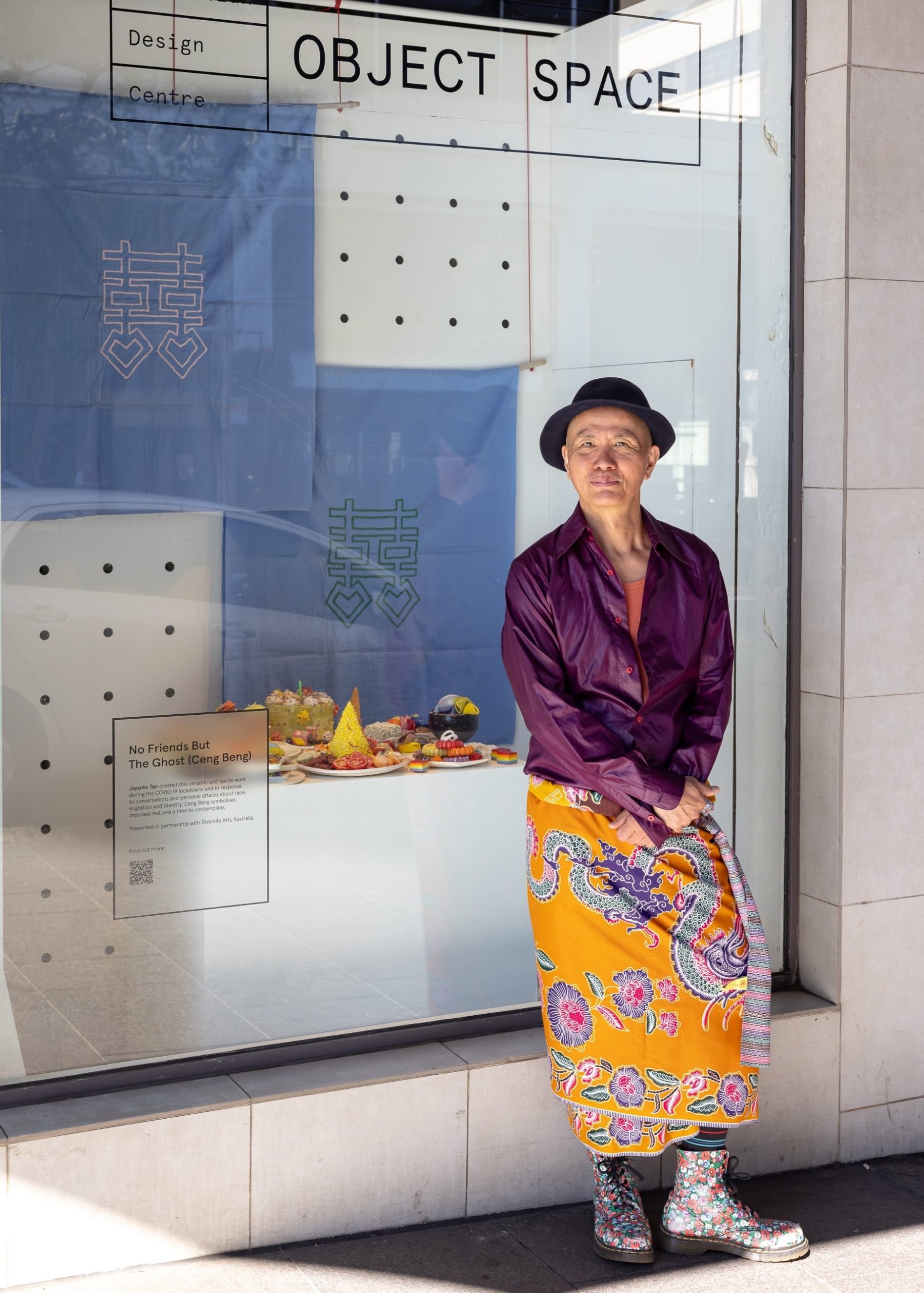
A very different demonstration of clay’s transformative qualities is No Friends But The Ghost (Ceng Beng), an exhibition by Sumatran-Australian artist Jayanto Tan showing in ADC’s Object Space window gallery on William Street, also showing until November 19. Tan is known for his colourful depictions of food using clay, and his work is showcased nationally, from his selection in the 66th Blake Prize, his solo show at Verge Gallery, and as winner of the 11th Greenway Art Prize.
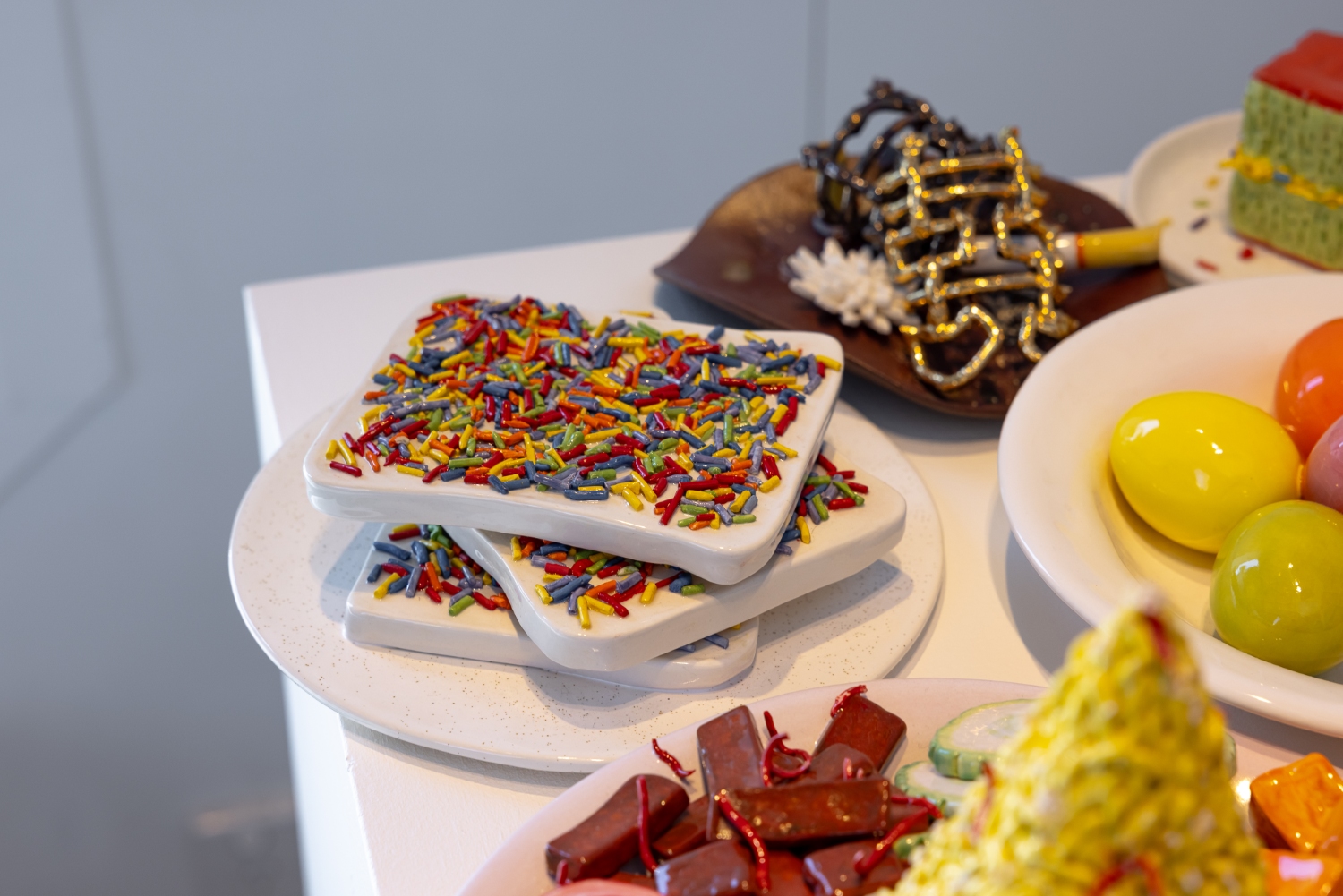
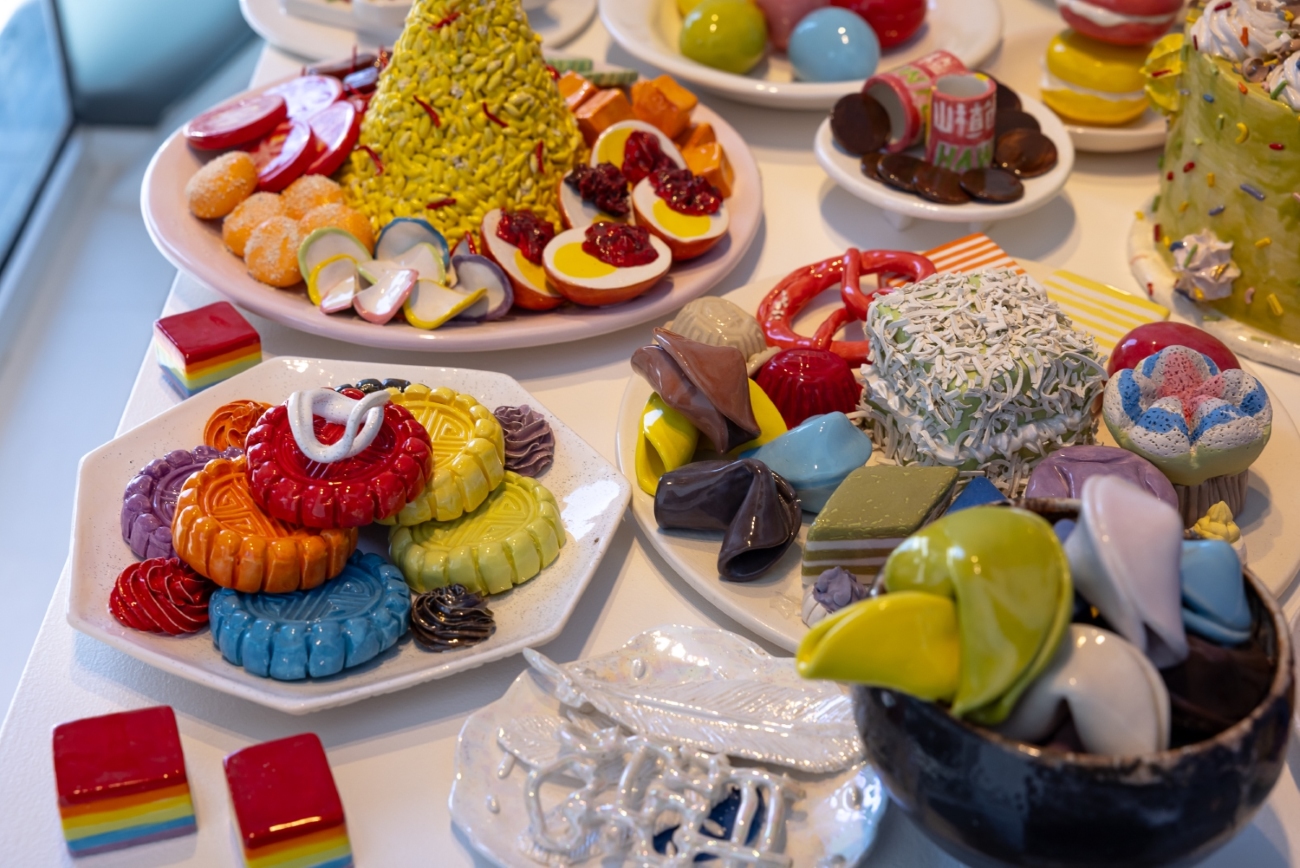
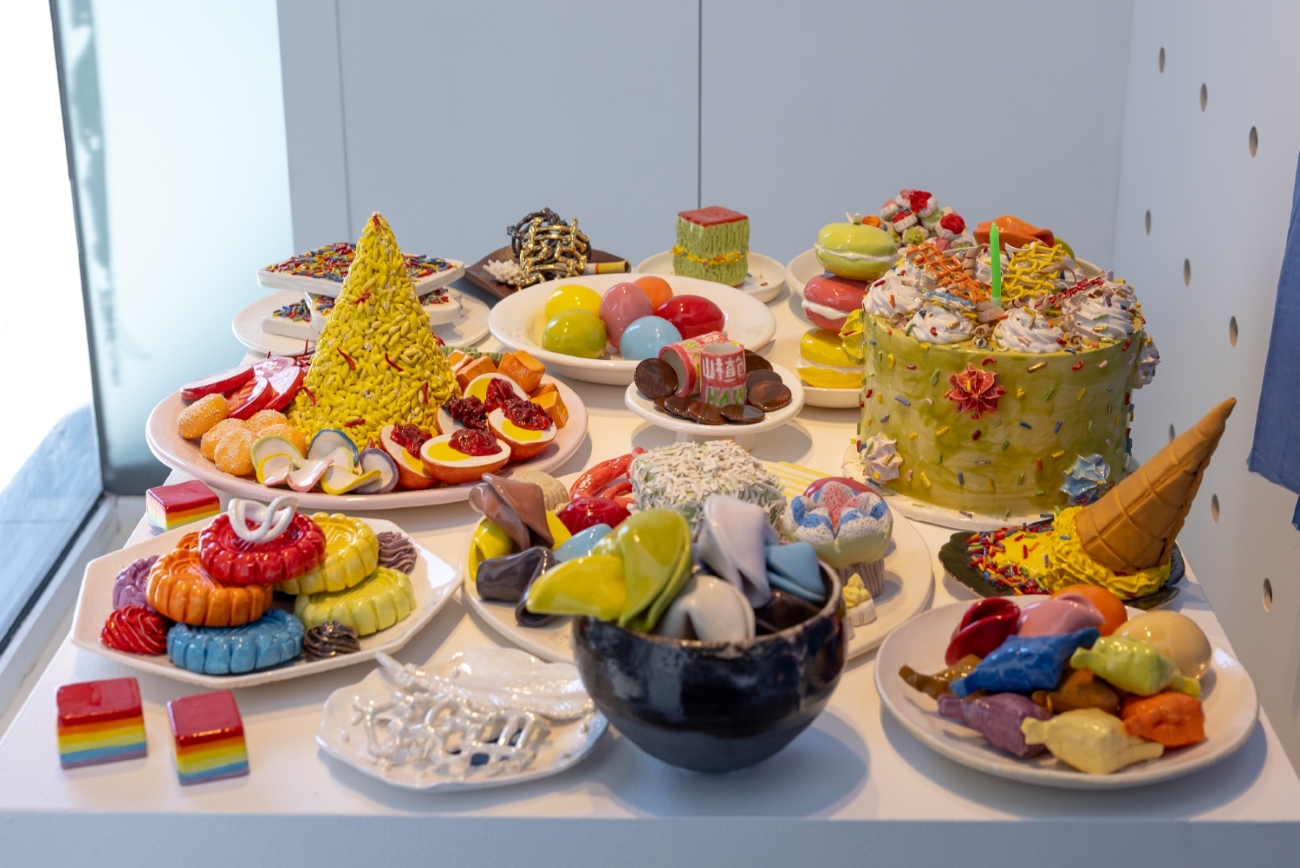
Comprising more than 45 hand-built pieces, Tan’s installation at ADC is a banquet of foods from his Sumatran childhood home, and also his adopted home in Australia. Each piece is rendered in earthenware and emboldened with underglaze. Sumatran childhood delicacies and Australian meals mingle harmoniously, creating a cross-cultural table where Tan’s cultural and personal identities meet. These delicious-looking dishes include a conical tower of Nasi Tumpeng (Turmeric Rice) with savoury accompaniments, slabs of fairy bread, fortune cookies, a pandan lamington and colourful moon cakes. The work is completed with a pair of ceramic raku shoes, as well as hanging blue embroidered panelling to create a ritual display celebrating the exchange between his two cultures. The shoes, modelling both Indonesian-style sandals and Australian-style thongs, are a reminder of the ordinary, shared experiences that connect communities. These intricately crafted pieces layered with cultural resonance embody the ability of clay to hold memory and create new forms of belonging.
Tan describes No Friends But The Ghost (Ceng Beng) as a ‘soft still life’, illustrating the transformation from soft clay to a fluid, energetic embodiment of everyday life. First created during a period of isolation during COVID-19, this work recalls a time in Tan’s studio where he felt surrounded by the ‘ghosts’ of family including his mother and father who spoke to him, encouraging him across distance and time to keep making. The work also reflects on the ritual of Ceng Beng, which is a time of remembrance, rest and reflection during mourning.
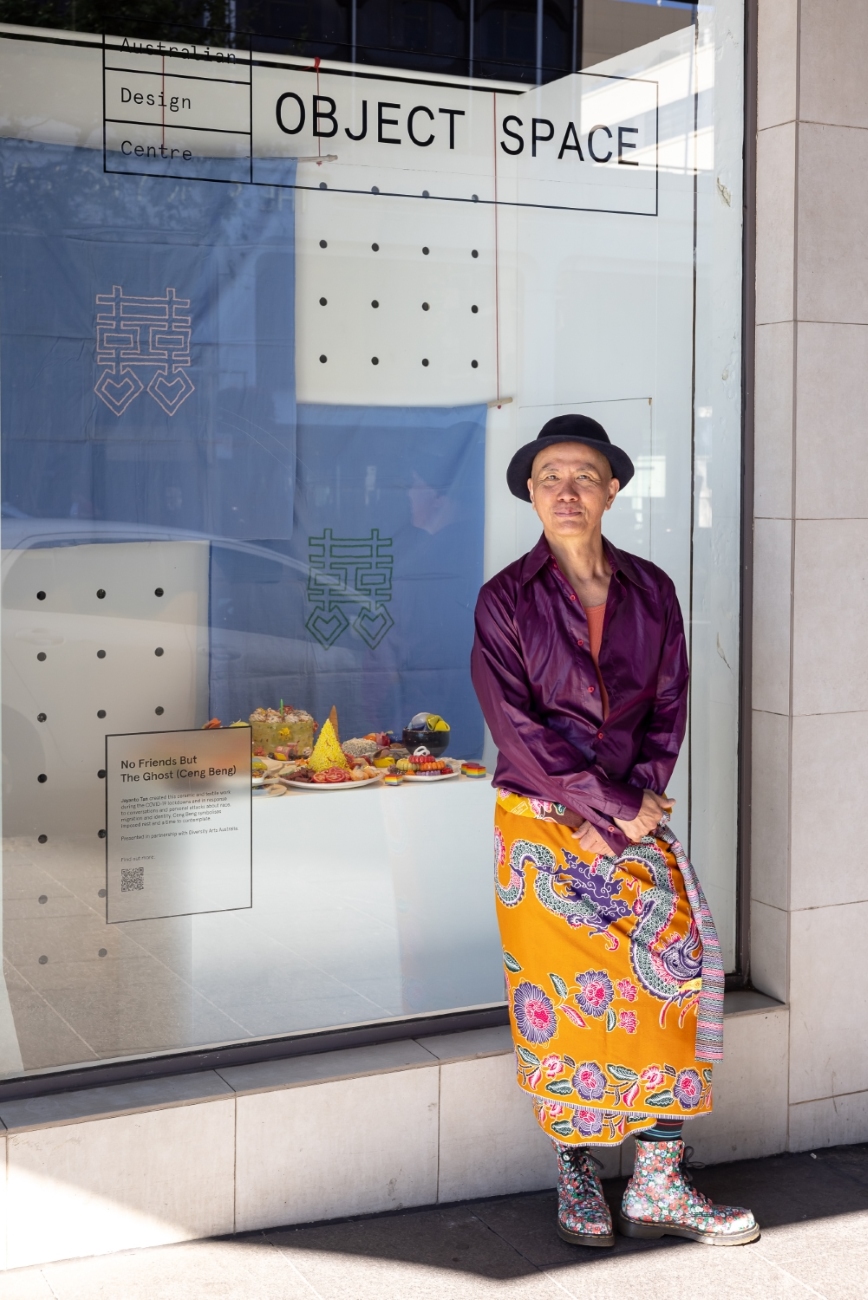
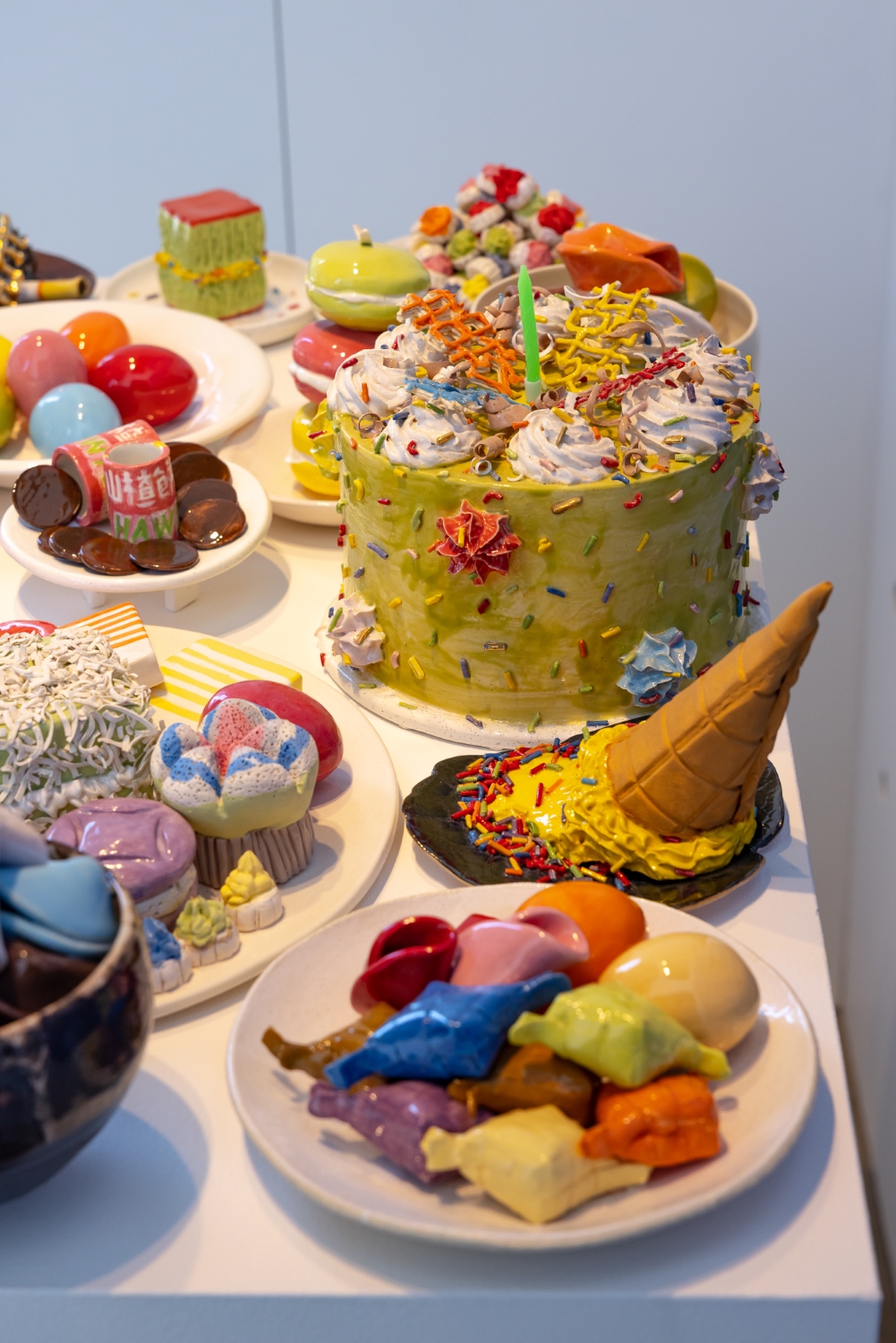
Growing up in a small North Sumatran village, raised by his Sumatran Christian mother and Guangdong Taoist father, Tan sought to distance himself from his household’s diverse traditions and eventually moved to Sydney, where he studied at the National Art School. It was only later in life, after reflecting on the mourning practices surrounding his father’s death when Tan was five, that he embraced Ceng Beng. This was sparked by a visit to his sister’s house in Indonesia, where they looked at old family photos including the time of their father’s death, and she explained the ritual to him. While others cried around him, his face in the photos was blank, too young to understand. In later years, Tan says,“I denied my authentic culture, I didn’t know it.”
Key to the Ceng Beng ritual is the celebration of family through a gathering of foods, as shown in his installation, presented in partnership with Diversity Arts Australia. In creating food and shoes from clay, the materiality becomes central in this act of cultural (re)connection for Tan. Sensitivity to materiality is also echoed in the embroidered blue panels hanging behind the ceramic pieces, which reference the Deli River in Tan’s hometown and the Cooks River in Inner West Sydney where Tan lives now. The embroidered material embodies the movement, energy and flow of these water systems, as well as the colonial histories that run through both landscapes, Dutch in Indonesia, English in Australia.
“There’s been a lot of trauma and horrible history in these places,” Tan says. “In Australia we all come from migrants except the First Nations people here, and we all want to be seen and accepted. My work is about merging together before eventually talking about the trauma. In this work I’m hoping we can bloom like a garden.”
As Tan notes, while recognising darkness it is important to “always look for the light”. Here, the medium becomes the vessel through which ancestral ties, migration, and multiculturalism are celebrated as part of our personal histories. Through his practice and materials, the artist activates a sense of shared belonging between cultures, creating new spaces for community to gather, connect and reflect.
This sense of community also lies at the heart of Sydney Craft Week, which in 2025 presented more than 240 events spread across Sydney and surrounding regions, from the Illawarra to Newcastle to the Blue Mountains. Ceramics is always well-represented, including Sydney Ceramics Market’s celebration of clay with over 130 ceramic stallholders at Carriageworks; Kil.n.it Experimental Ceramics Studio’s Shelf Life exhibition at Sydney Mechanics’ School of Arts reflecting on the importance of books and libraries; the Fire and Fabric exhibition at Shibori Gallery, combining clay and textile works; and Art Kintsugi workshops giving new life to damaged ceramics.
The huge variety of hands-on workshops are vital to the festival’s success each year, giving participants the chance to become makers and create with their own hands. These events all over the city affirm that making is not only about objects, but about relationships between people, places and the materials that shape them.
Editor’s note: Since the writing of this article, Australian Design Centre (ADC) has announced that its board has resolved to cease operations by 30 June 2026, unless alternative funding is secured to cover the shortfall in core operational support. Read more on ADC’s website.
Laura Curcio is an Australian contemporary sculptor, who explores gendered and cultural histories through their use of clay, metal and found objects. Curcio has completed a Bachelor of Arts (2014) and Master of Arts (2016) and is currently studying their Diploma in Ceramics at Northern Beaches TAFE.
The 2025 MAKE Award exhibition and No Friends But The Ghost (Ceng Beng) is on until 19 November 2025 at Australian Design Centre on Gadigal Land, 101–115 William Street, Darlinghurst, NSW, Australia.
Subscribe to Ceramics Now to read similar articles, essays, reviews and critical reflections on contemporary ceramics. Subscriptions enable us to feature a wider range of voices, perspectives, and expertise within the ceramics community.