Chryssa Kotoula: Selected works, 2025-2026
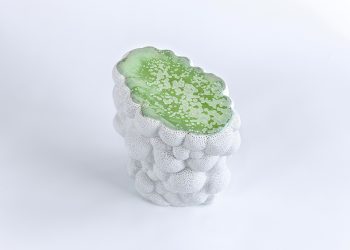
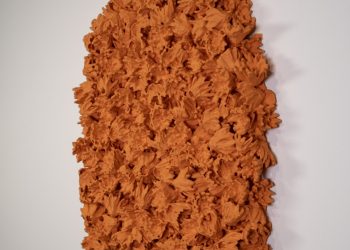
And Here I Bloom, For a Short Hour Unseen, 2026
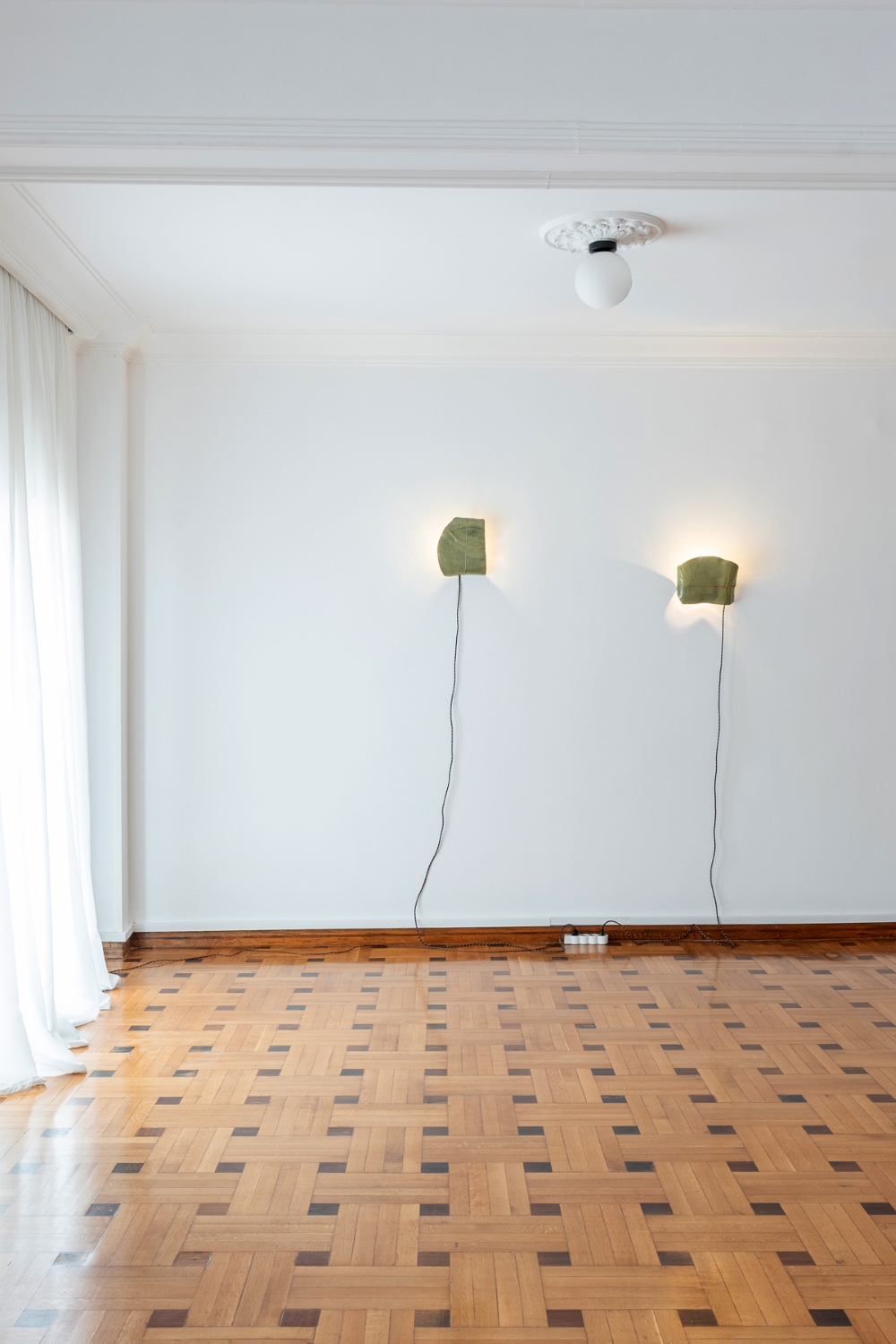
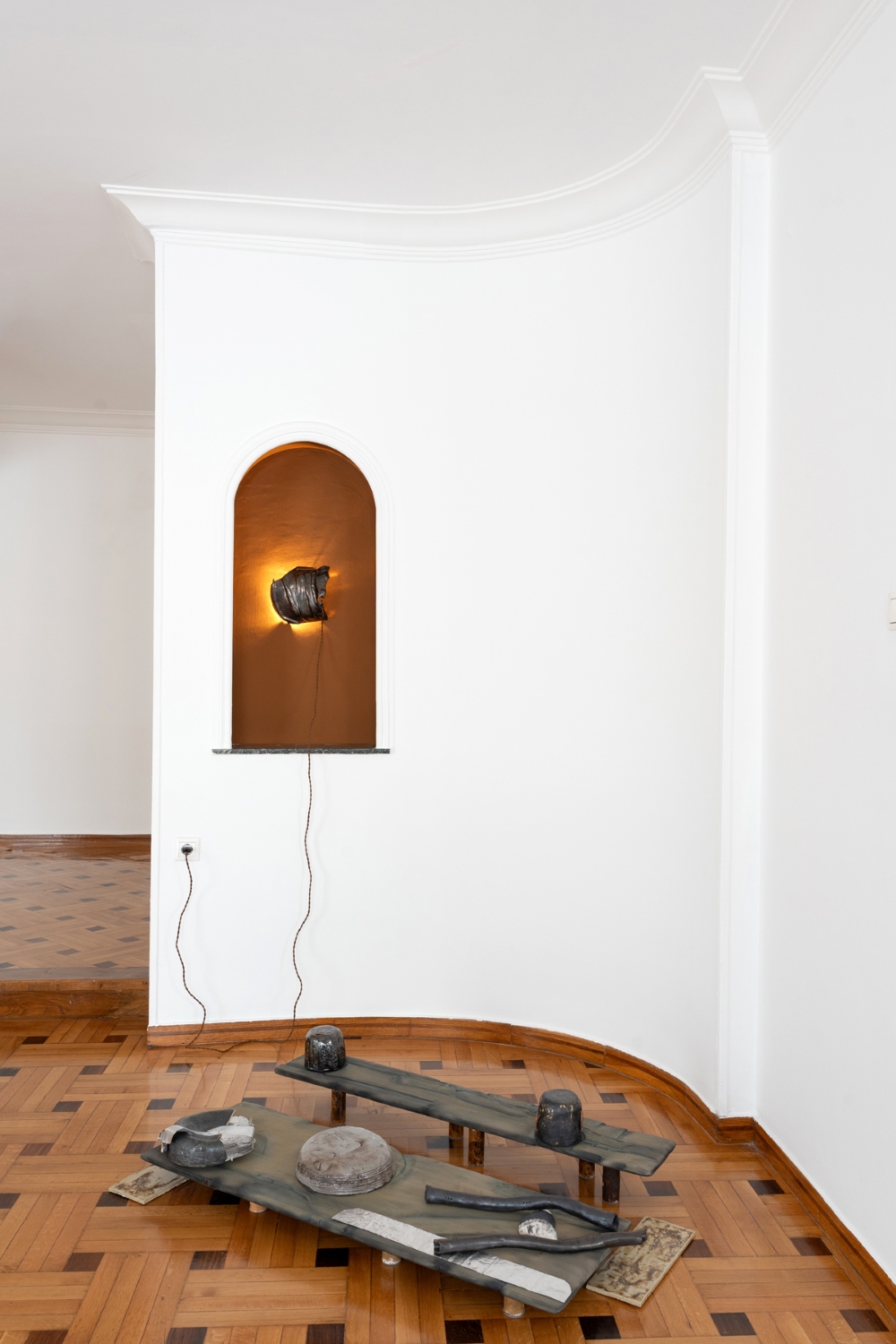
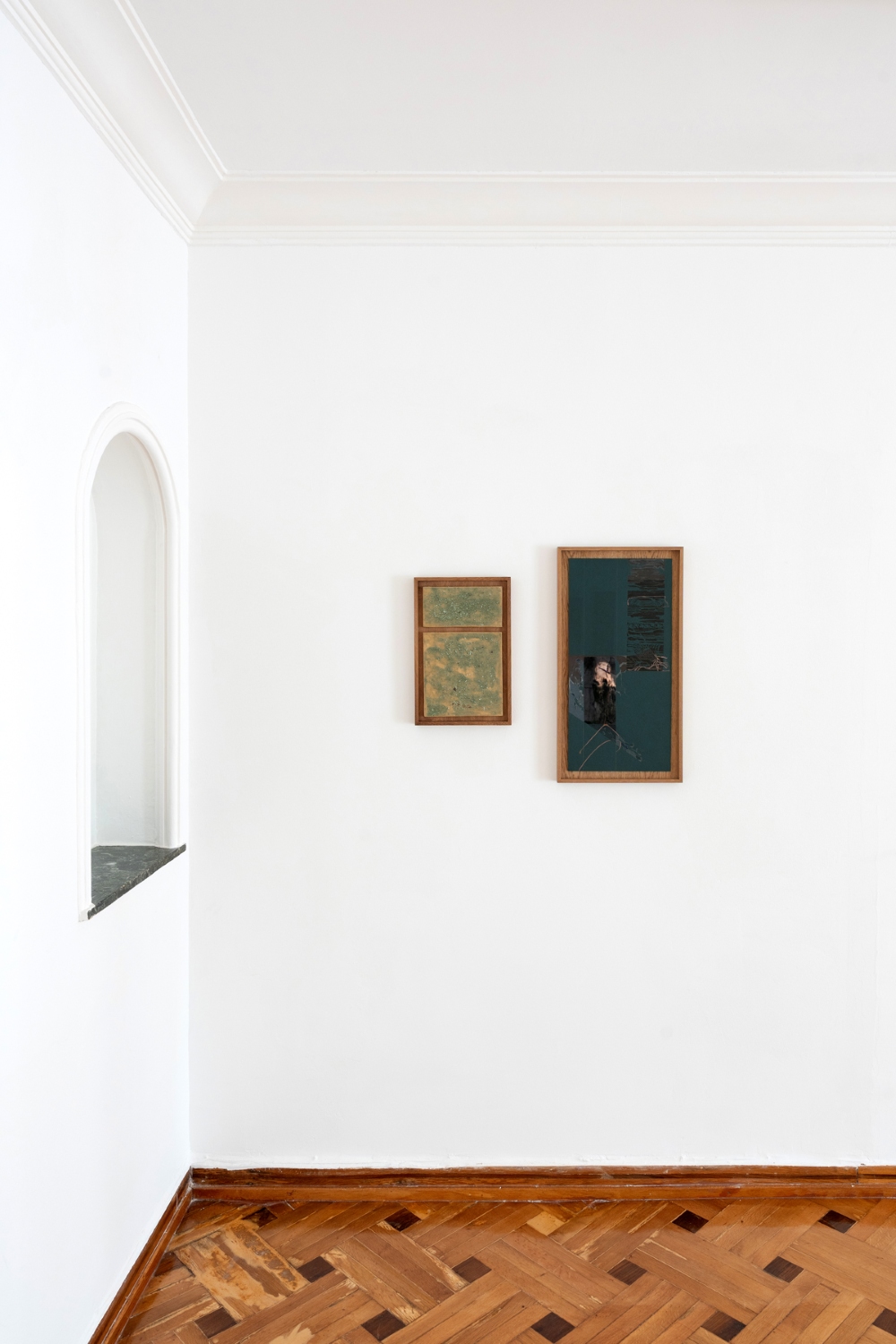
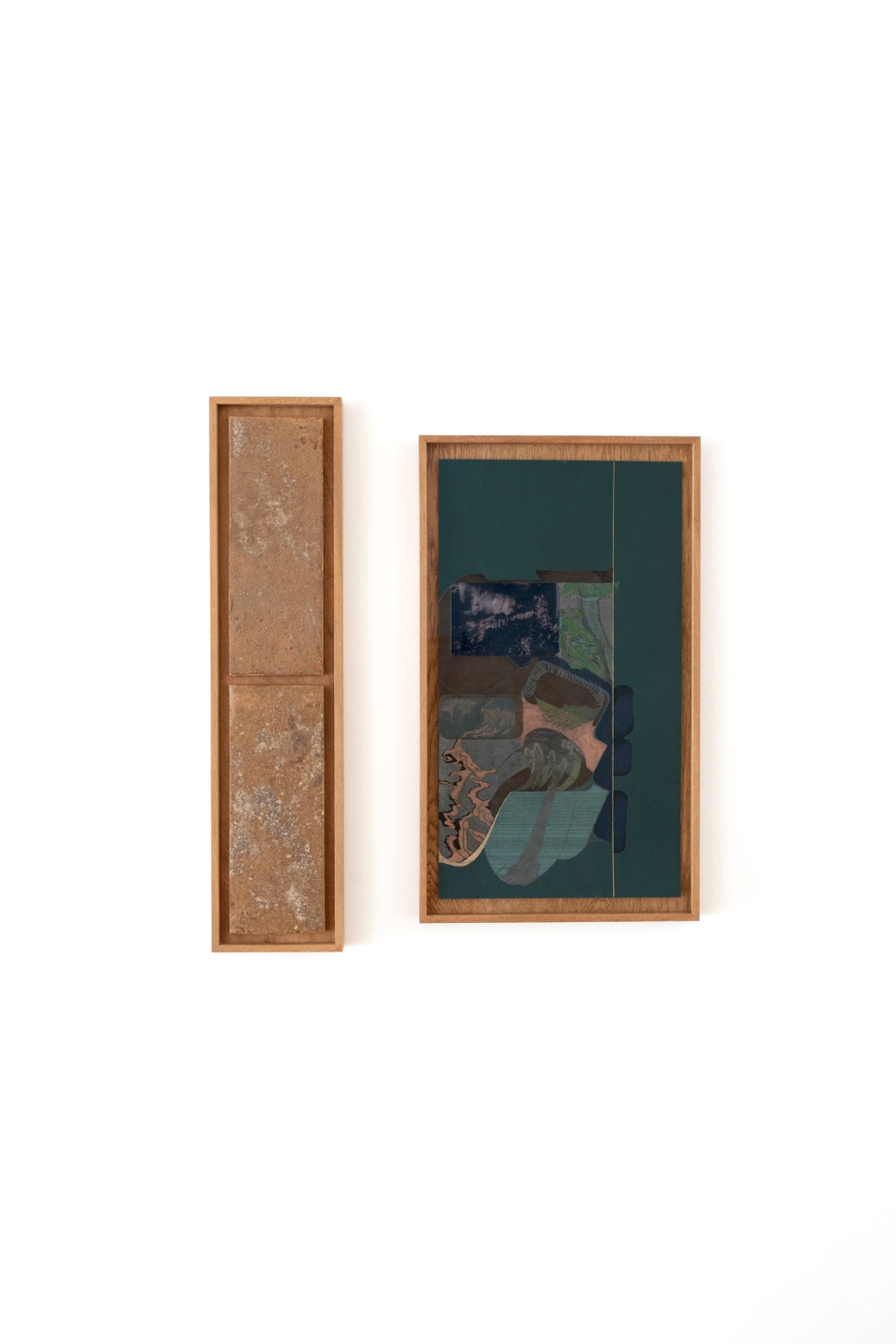
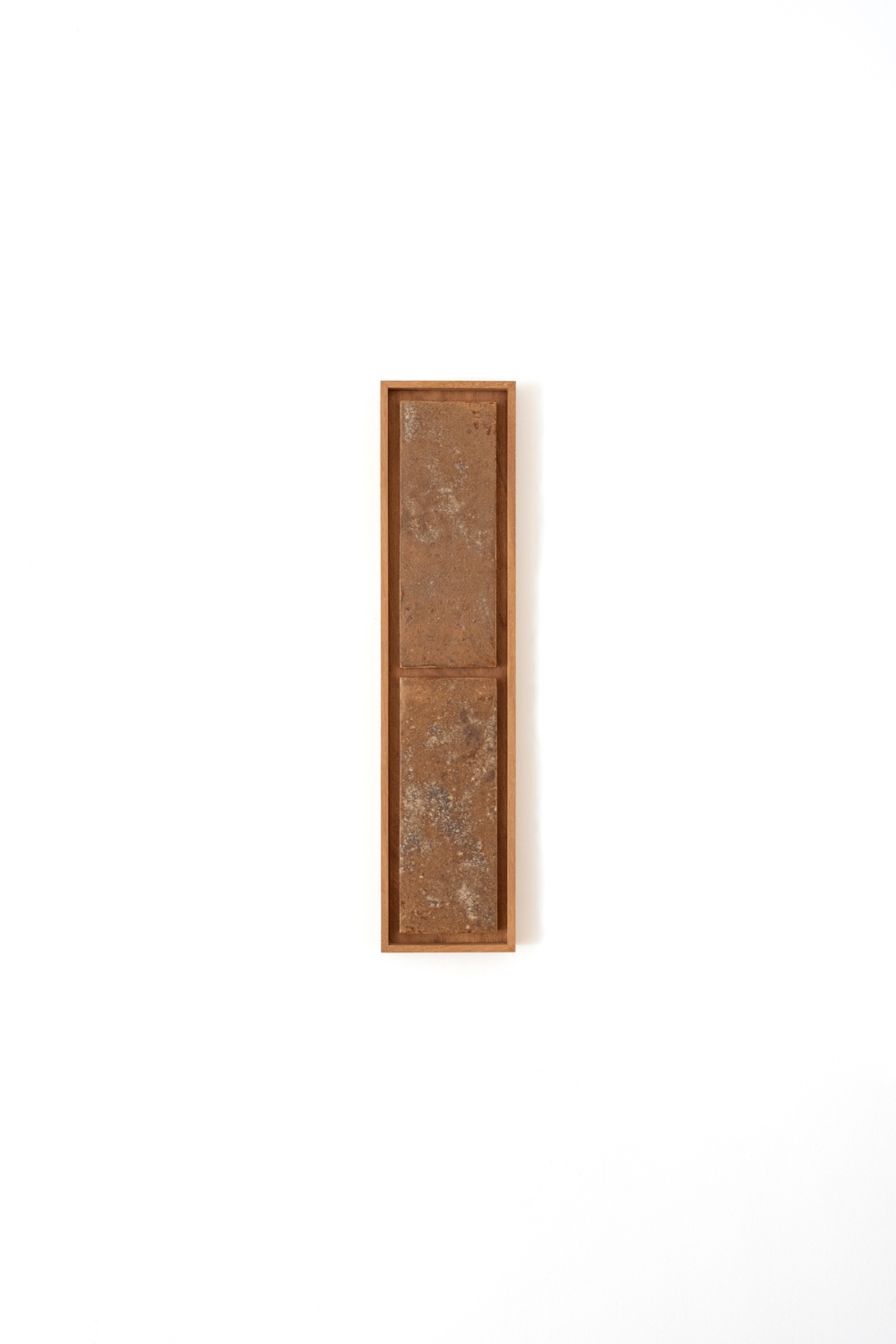
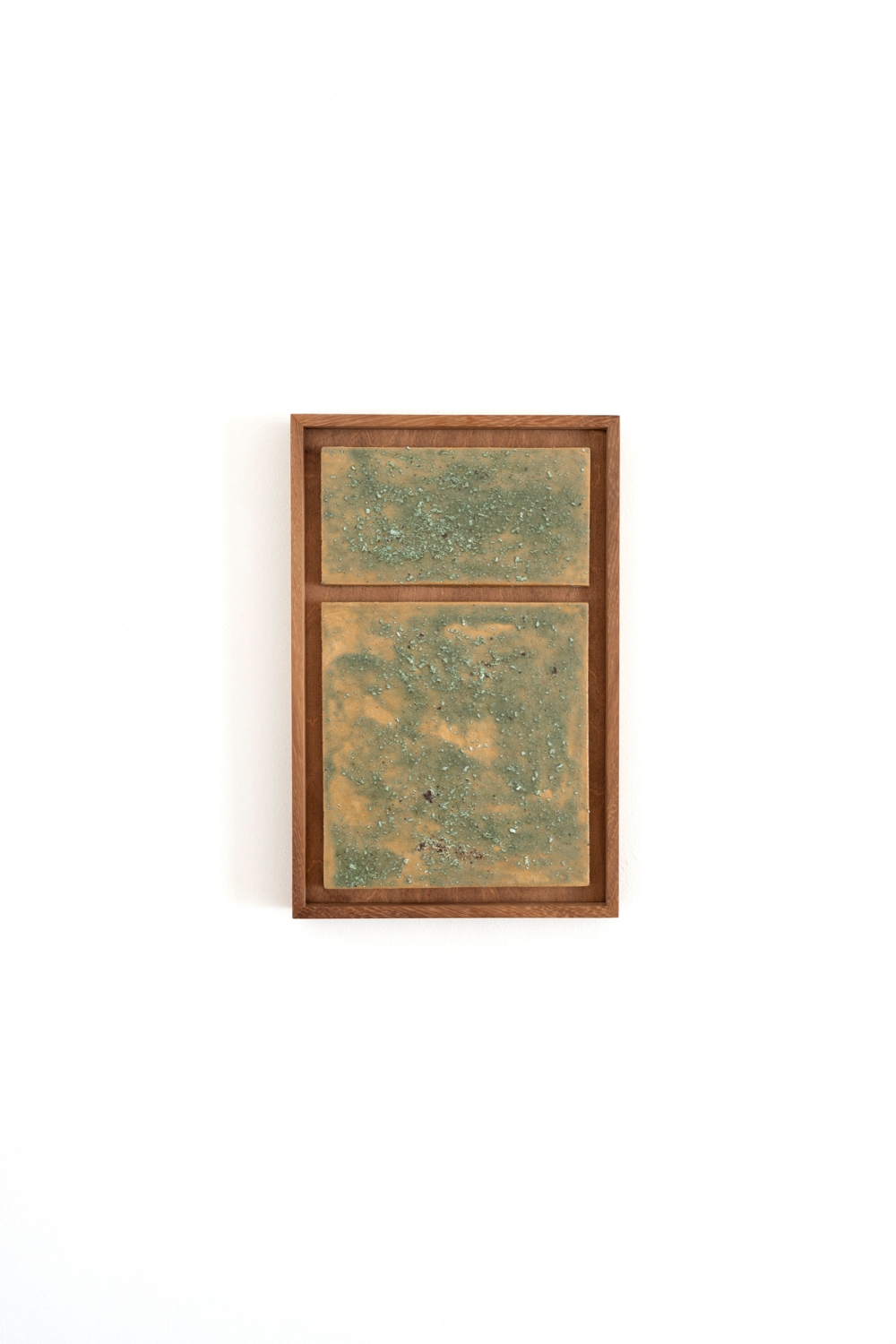
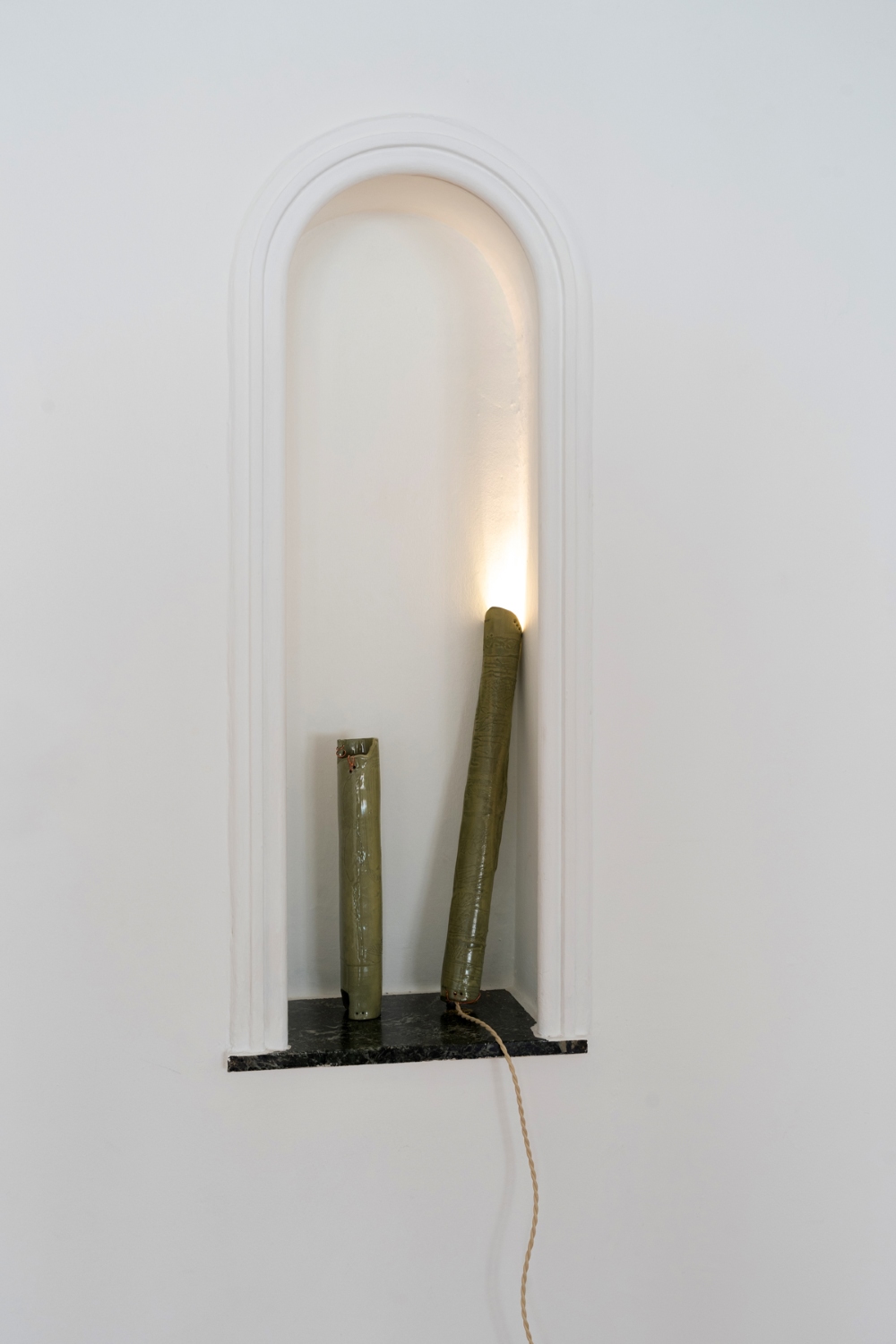
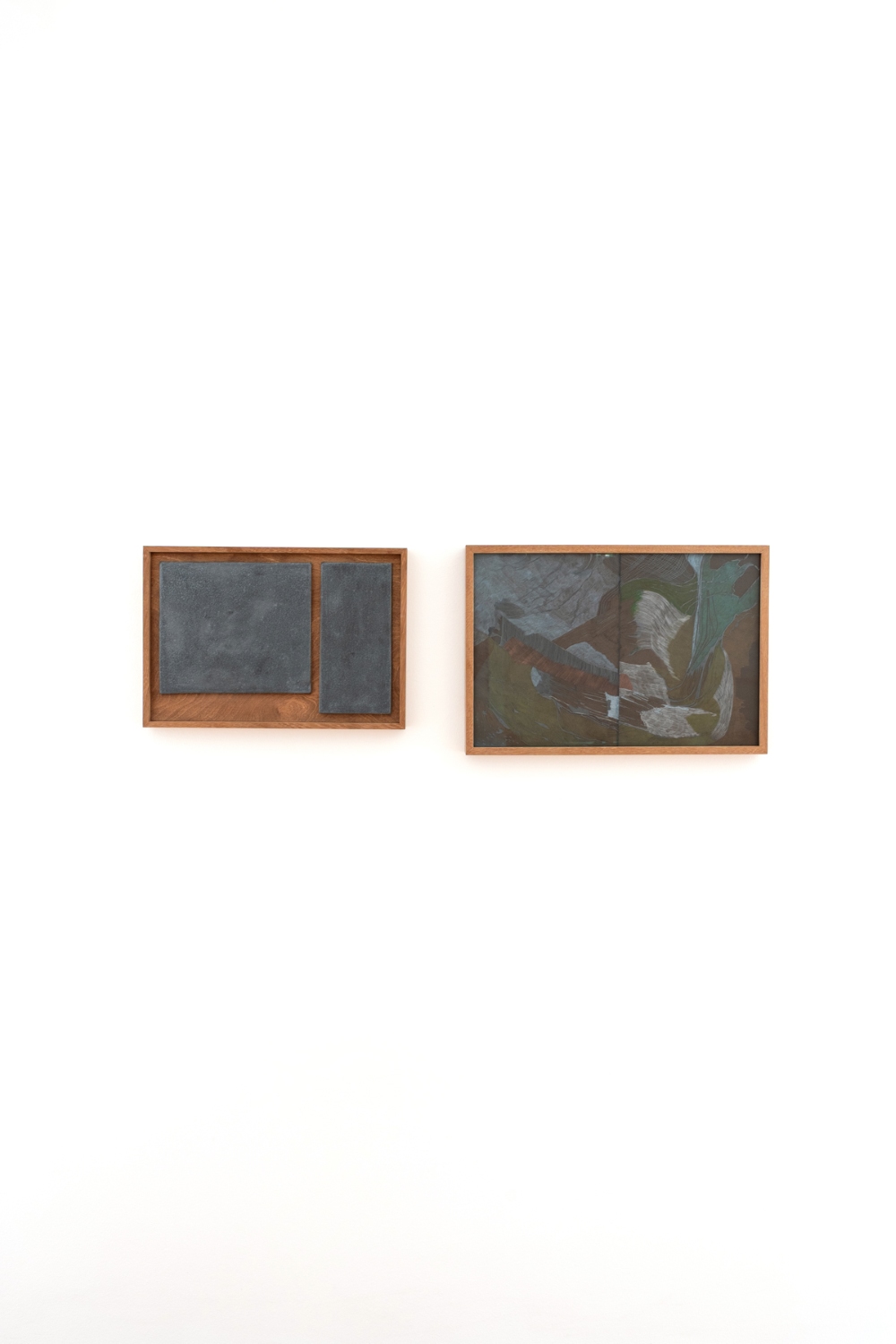
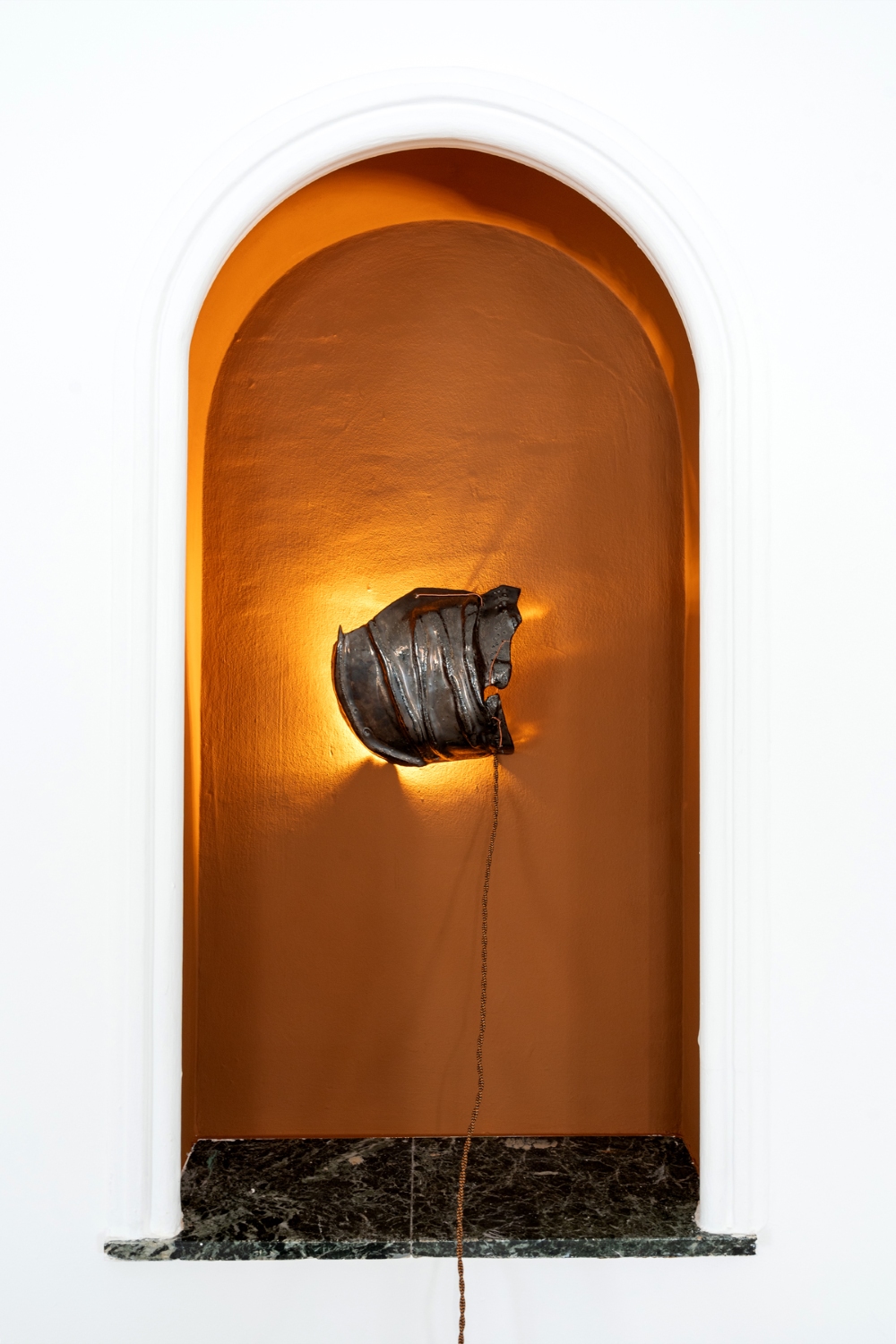
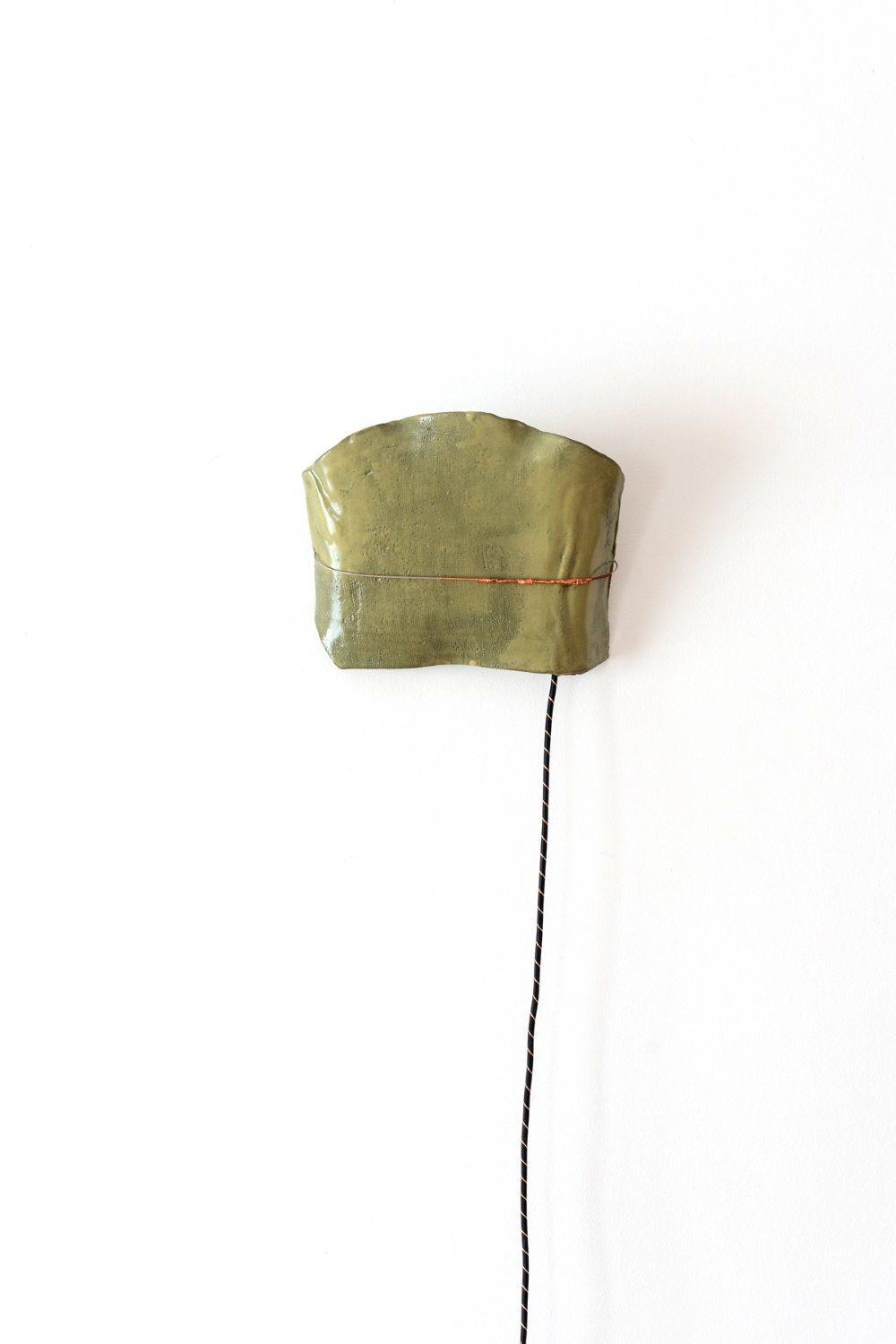
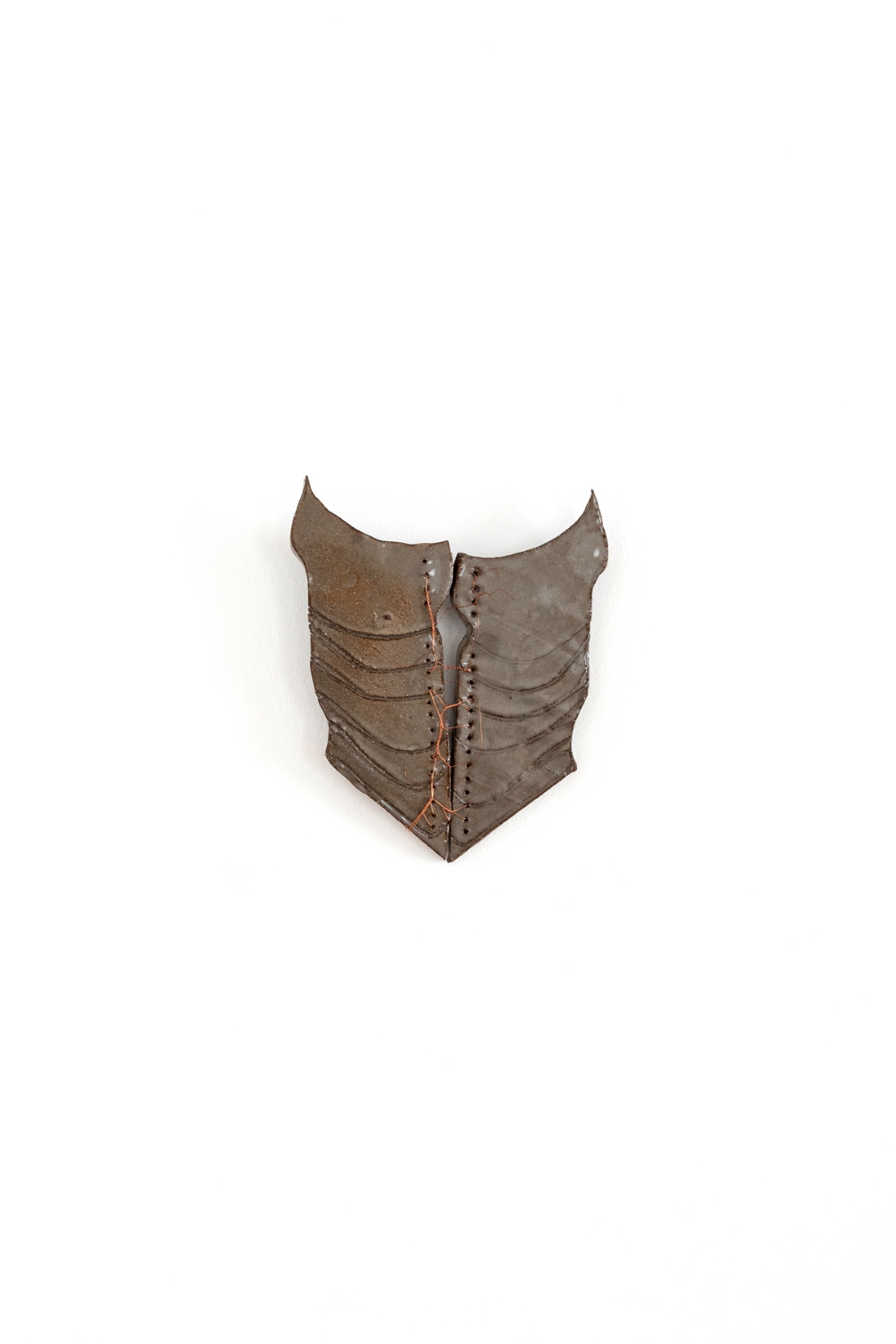
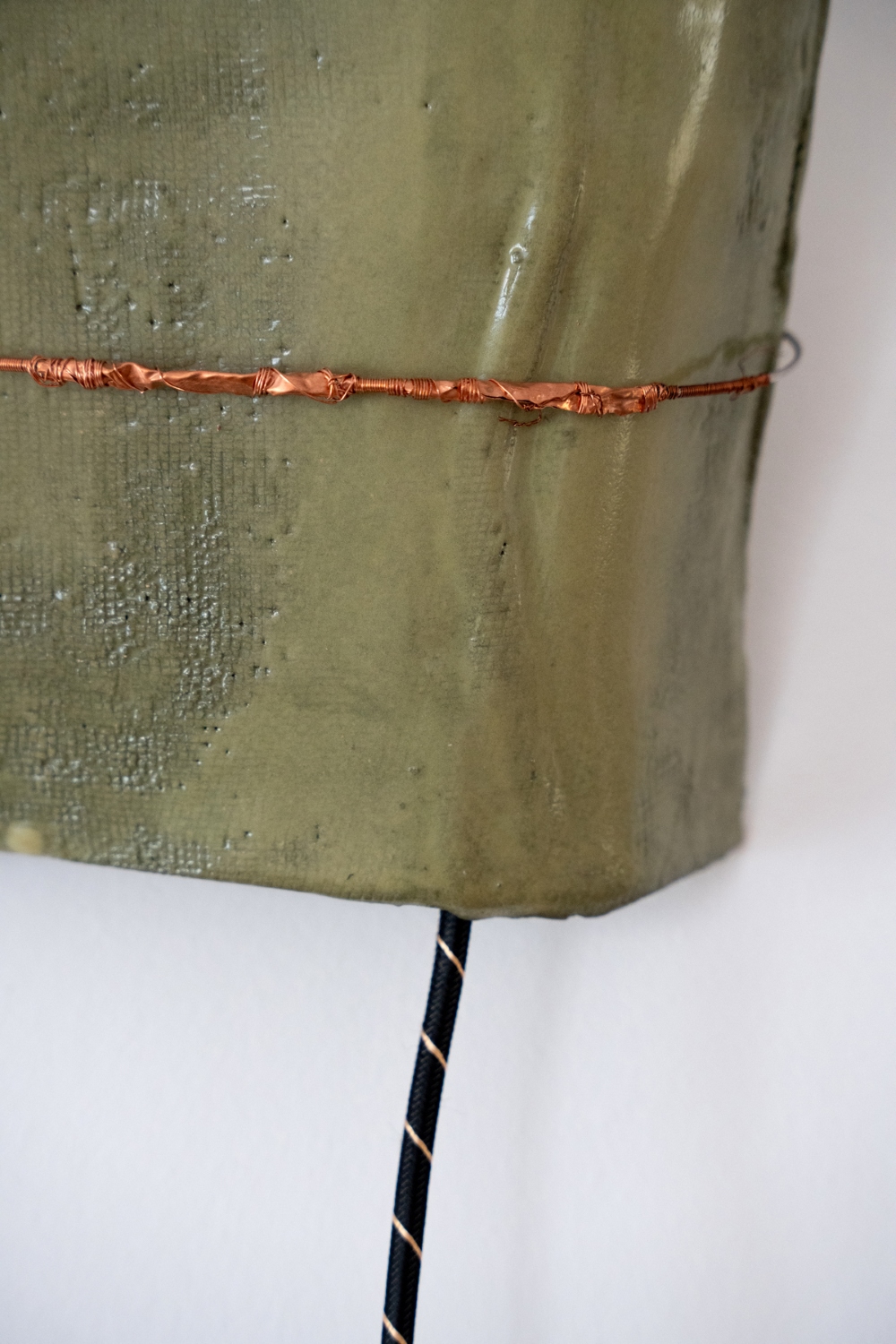
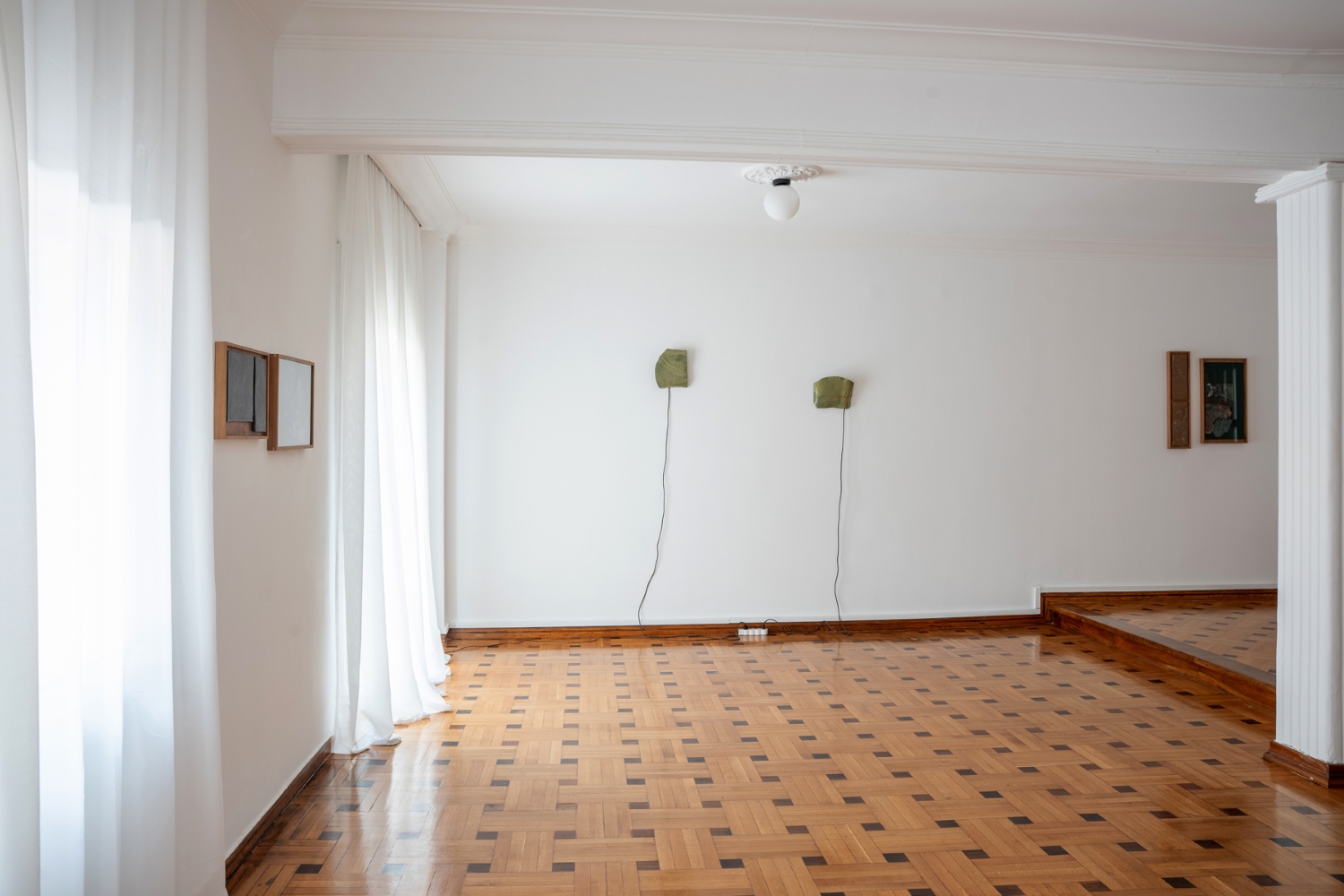
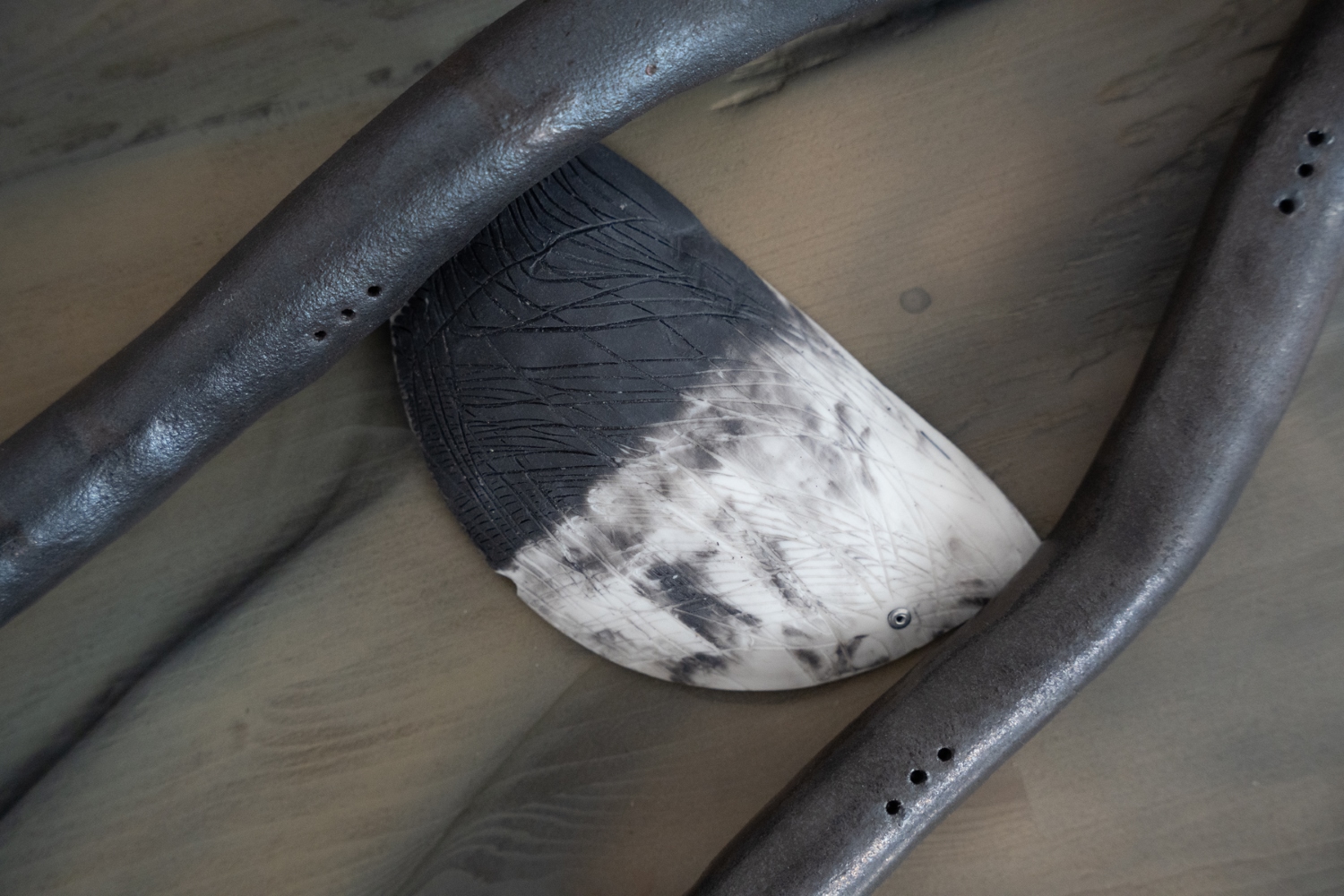
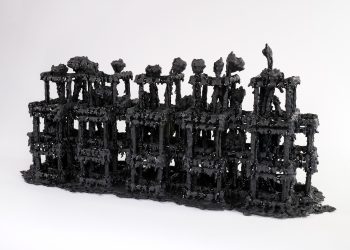
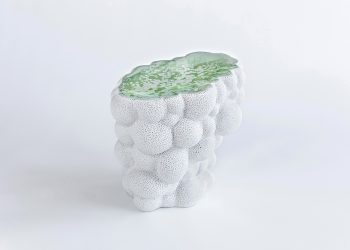
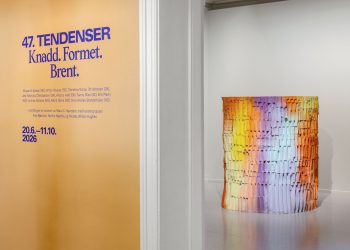
Geography of Intimacy: A room presents itself, 2026
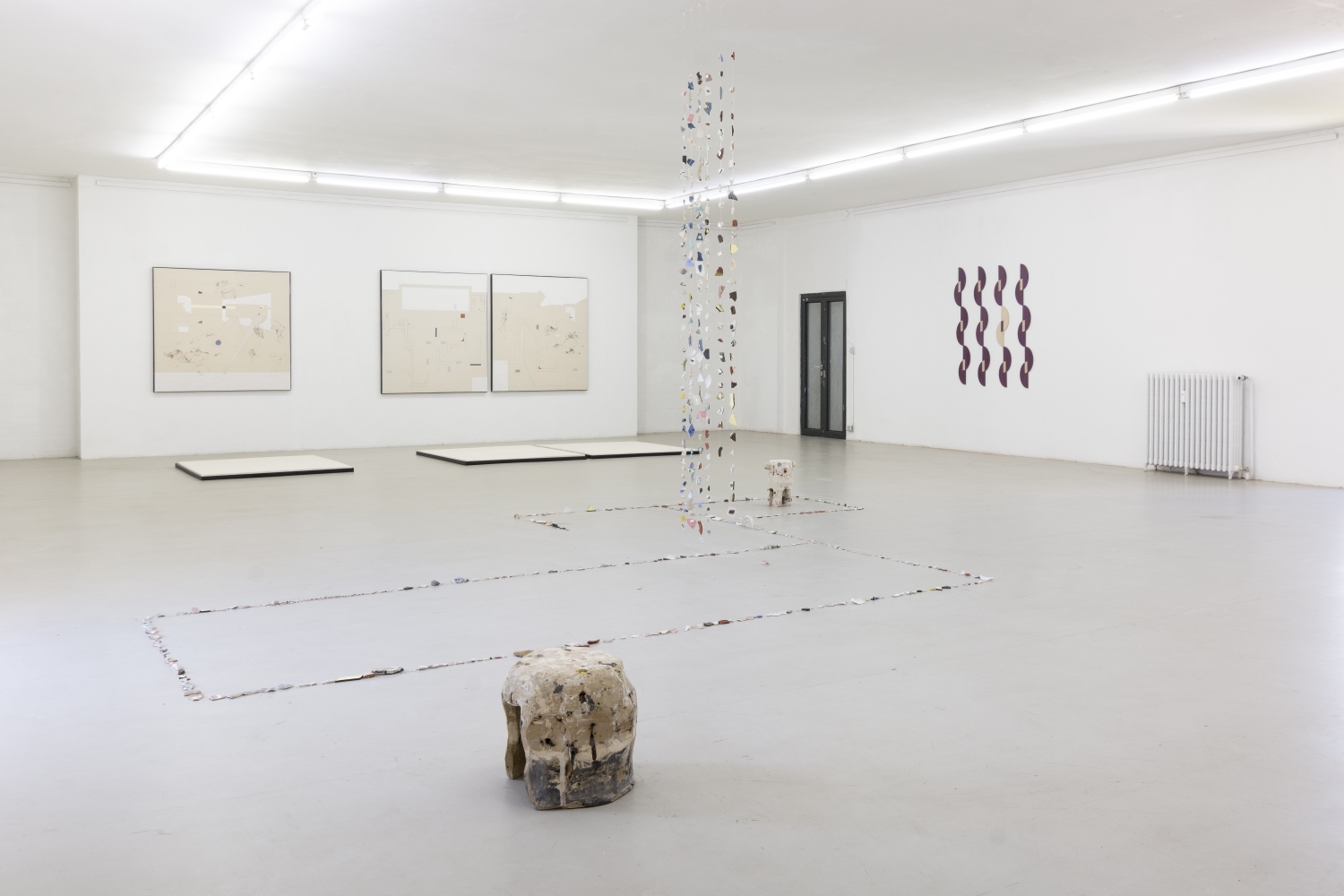
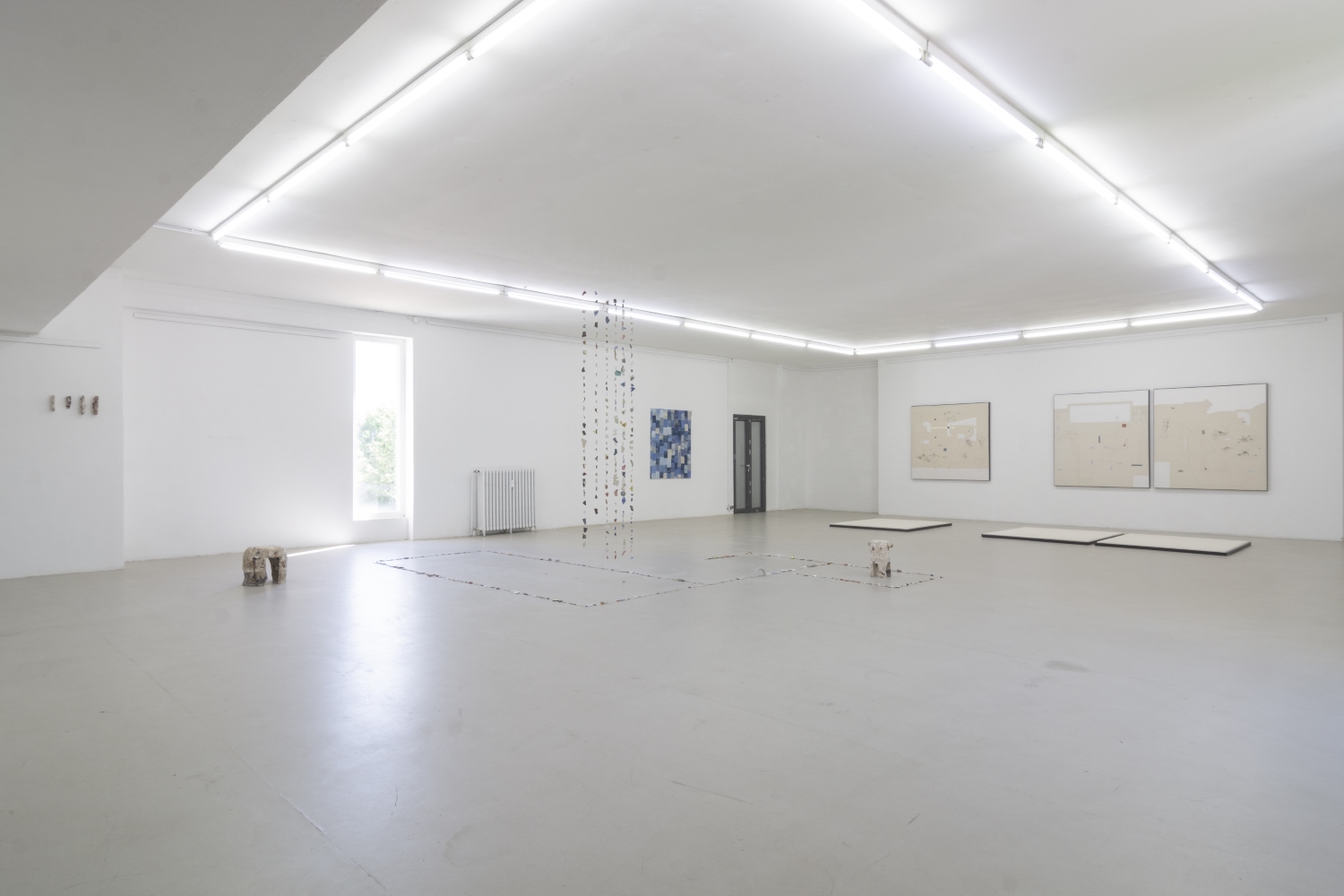
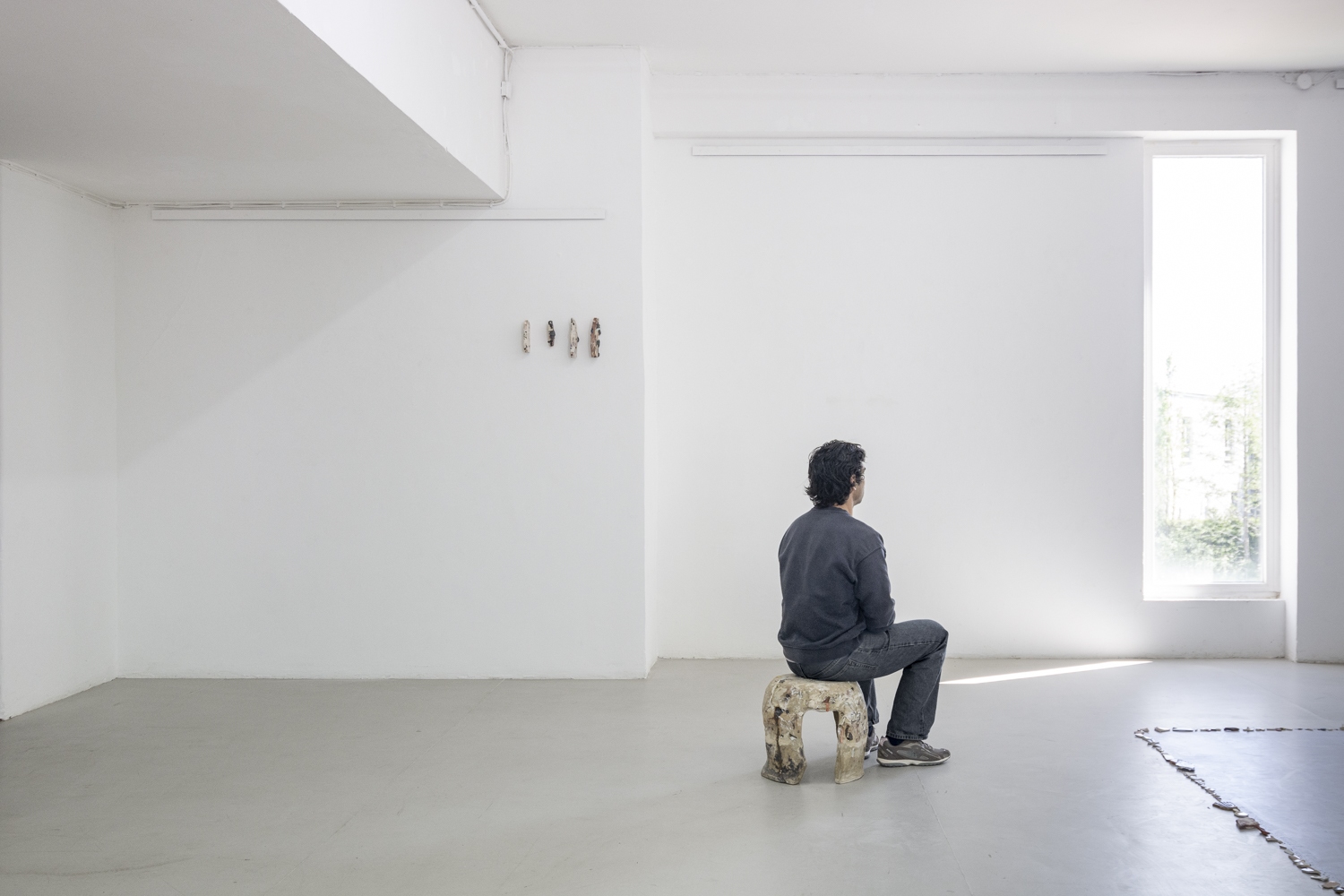
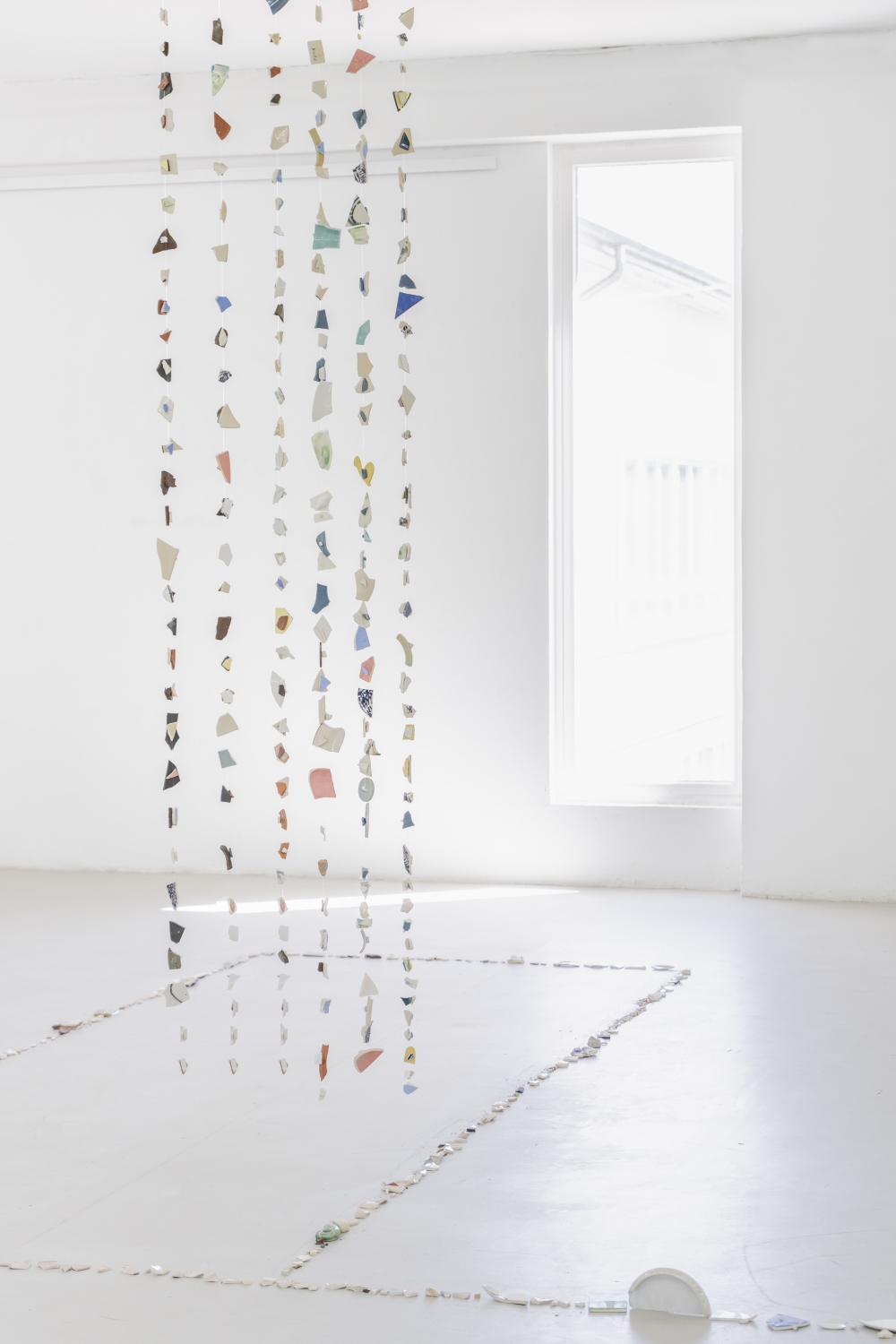
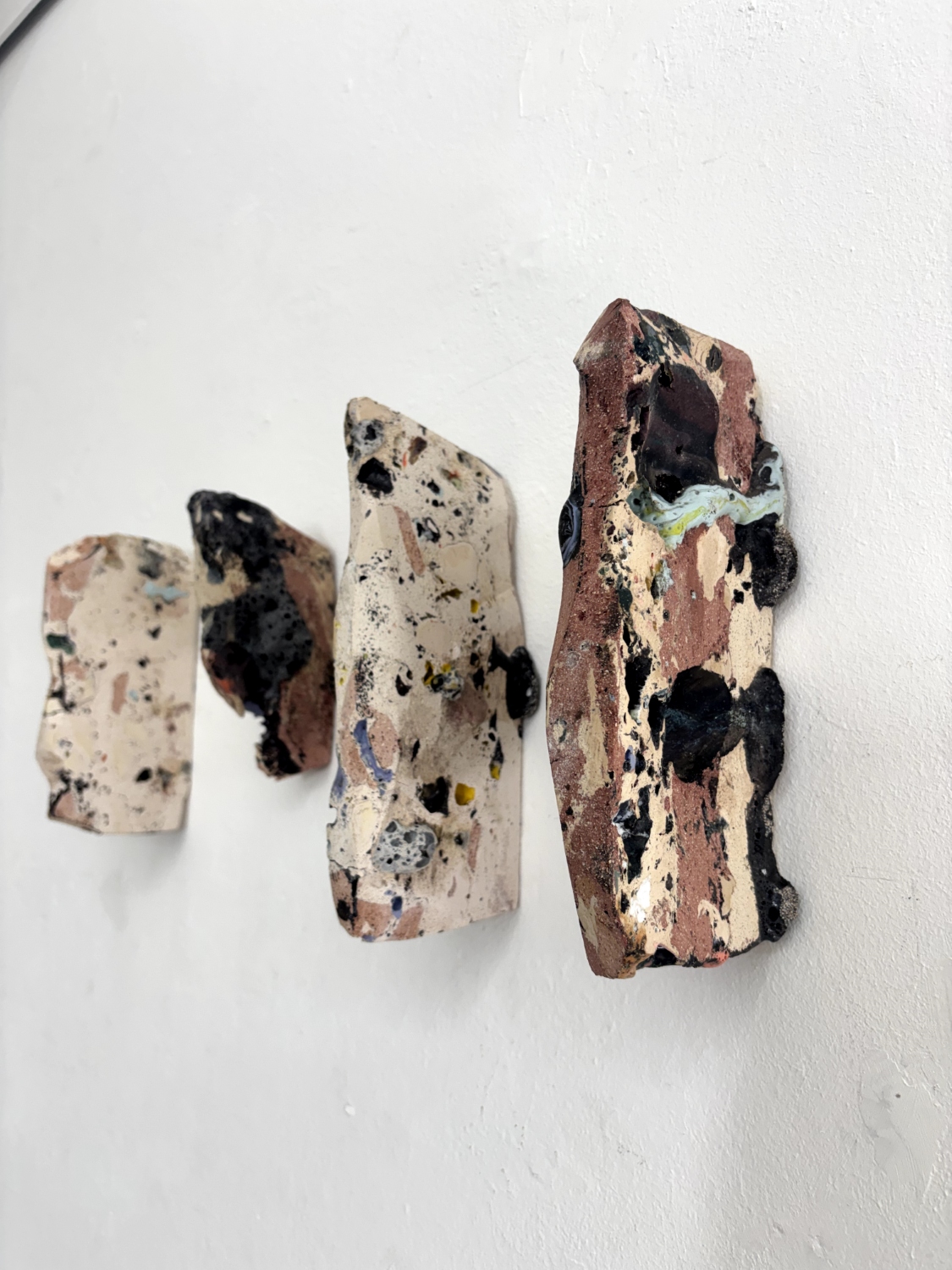
Influenced by Beatriz Colomina’s reflections on domesticity and visibility, Chryssa Kotoula approaches the domestic interior not as a stable site of comfort, but as a space shaped by acts of looking and inhabiting. Household forms are broken apart and reassembled like remnants of a dismantled architecture, composing objects that hover between furniture and sculpture, utility and collapse. A curtain made from broken shards is framed by the gallery windows, transforming them into a threshold between exposure and concealment, where looking becomes a spatial act. The floor plan unfolds from the geometry of the windows, extending its logic into the room as an expanded architectural trace. Around these lines, ceramic stools appear like staged spectators, inviting visitors into a choreography of observation, where the domestic is dispersed, observed, and continually reassembled.
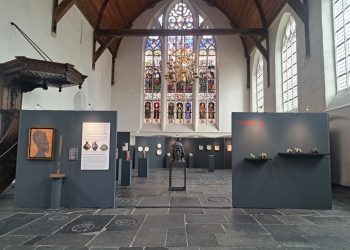
Matters of Concern, 2026
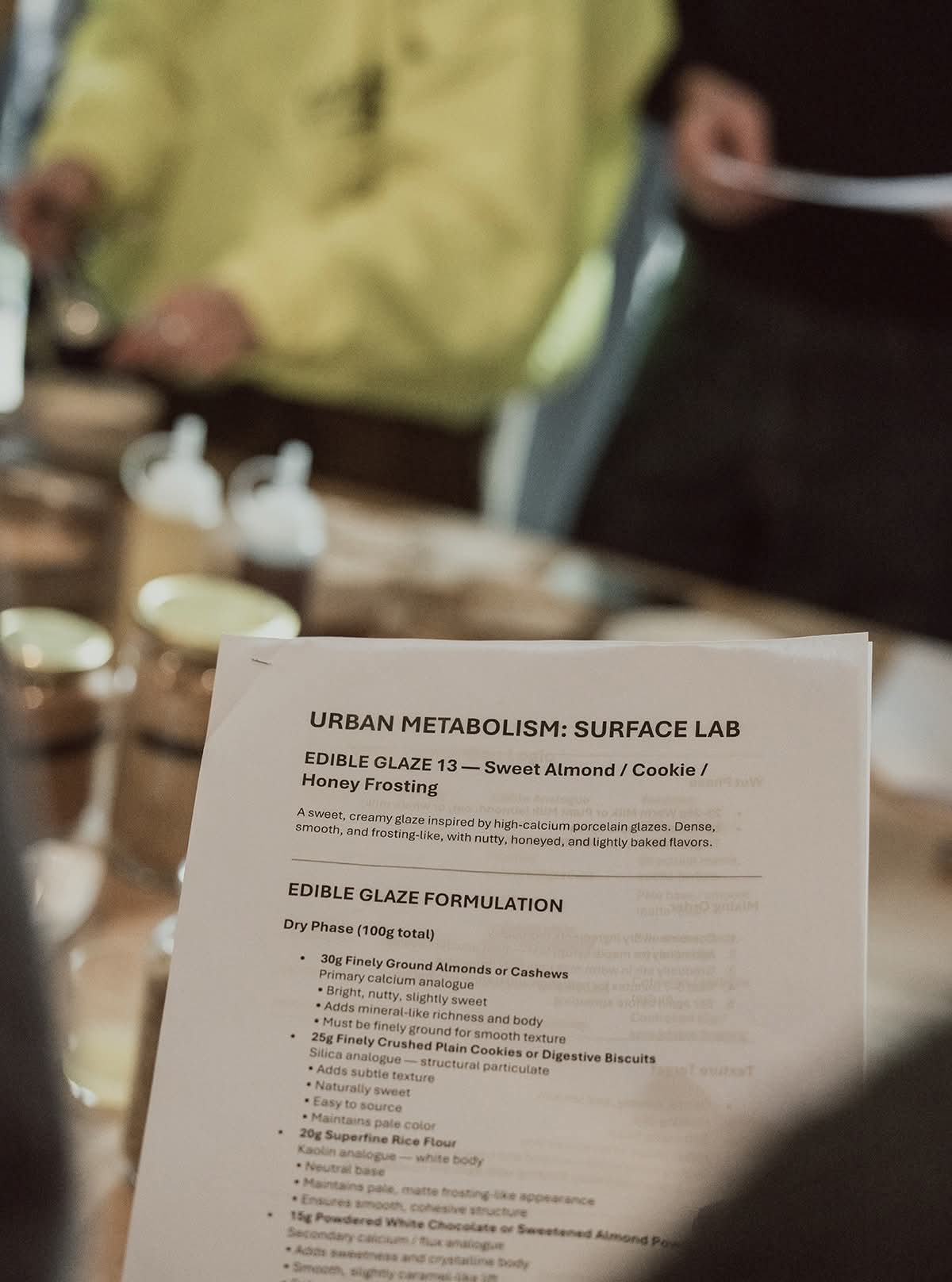
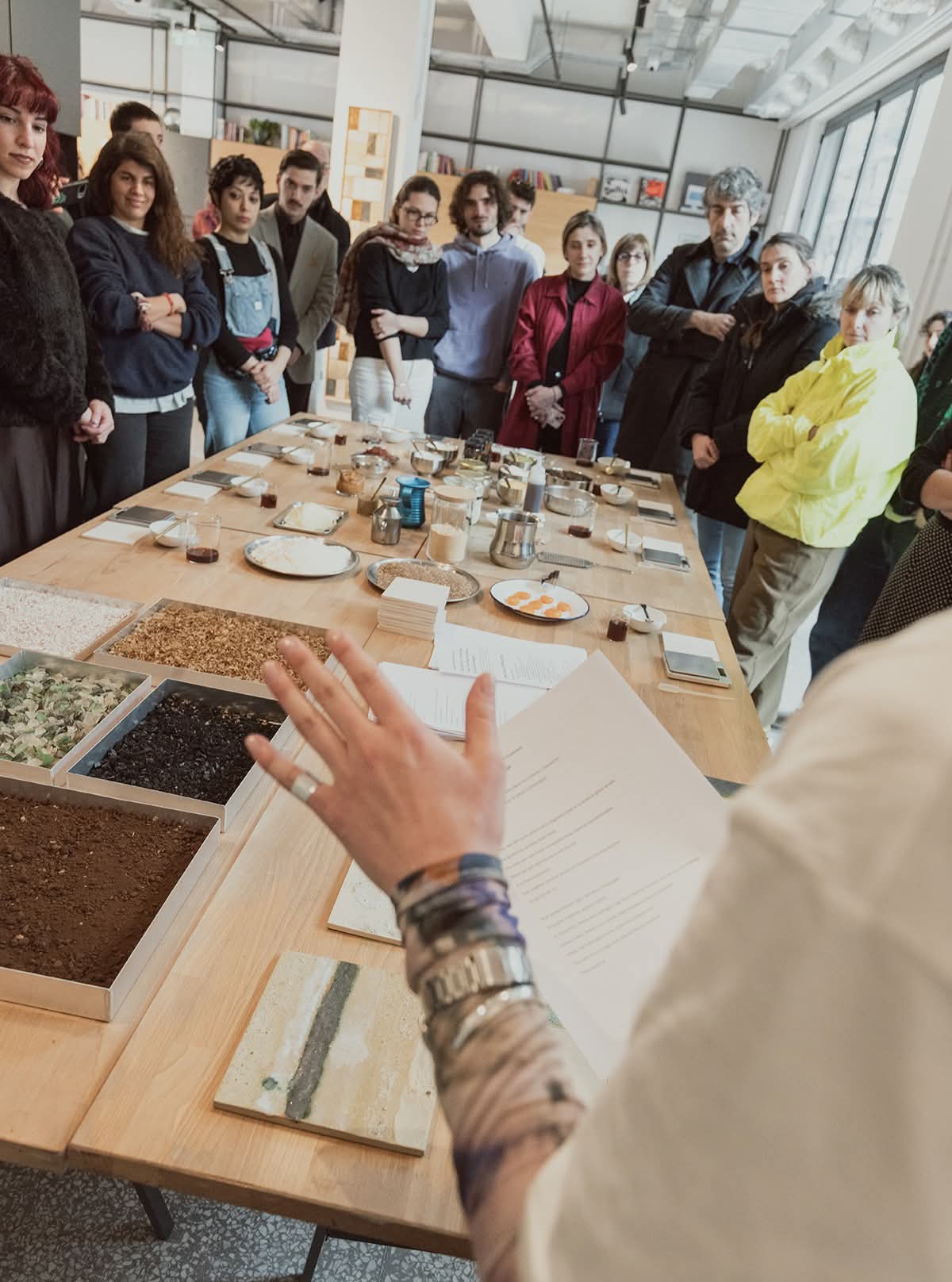
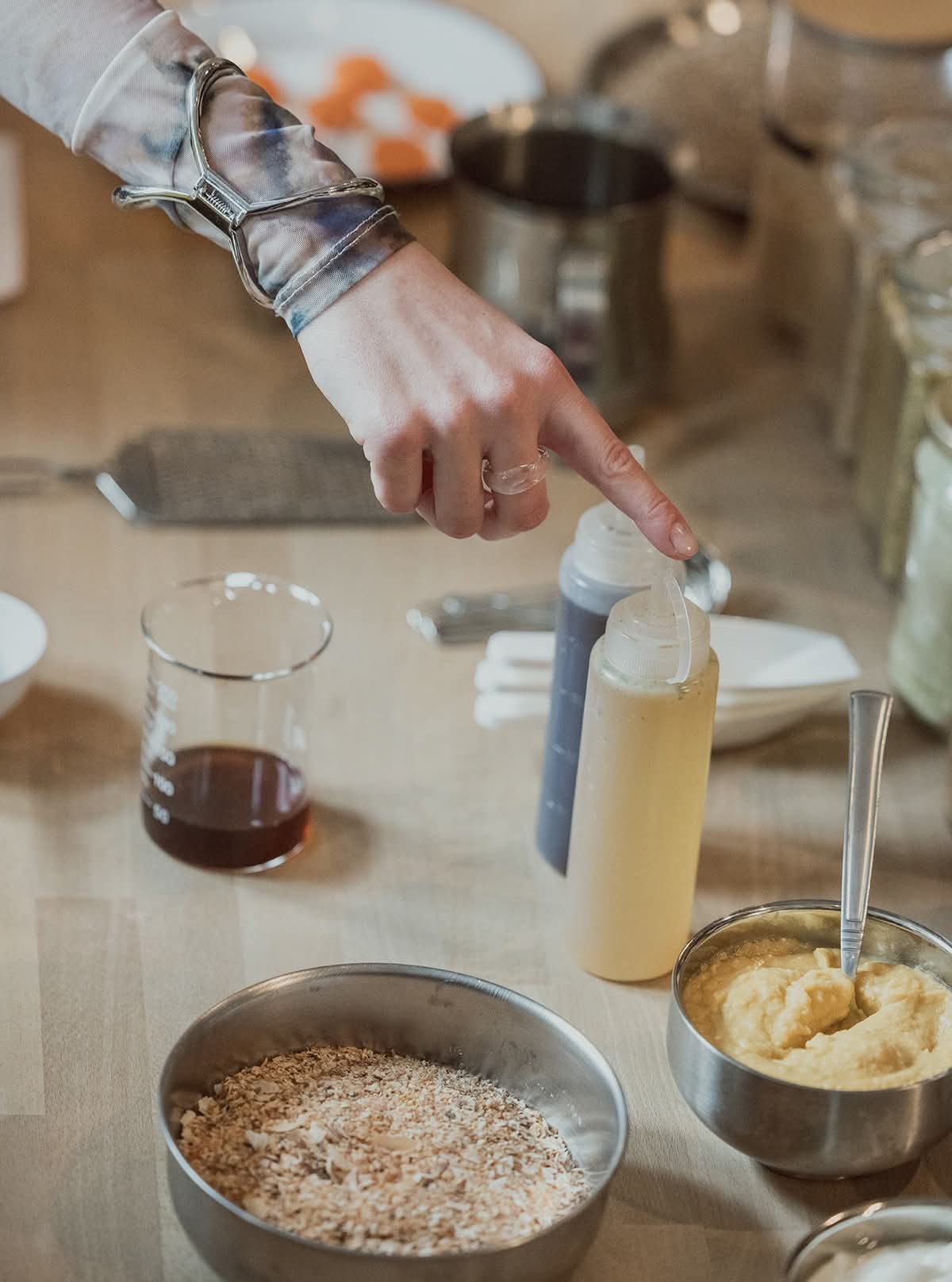
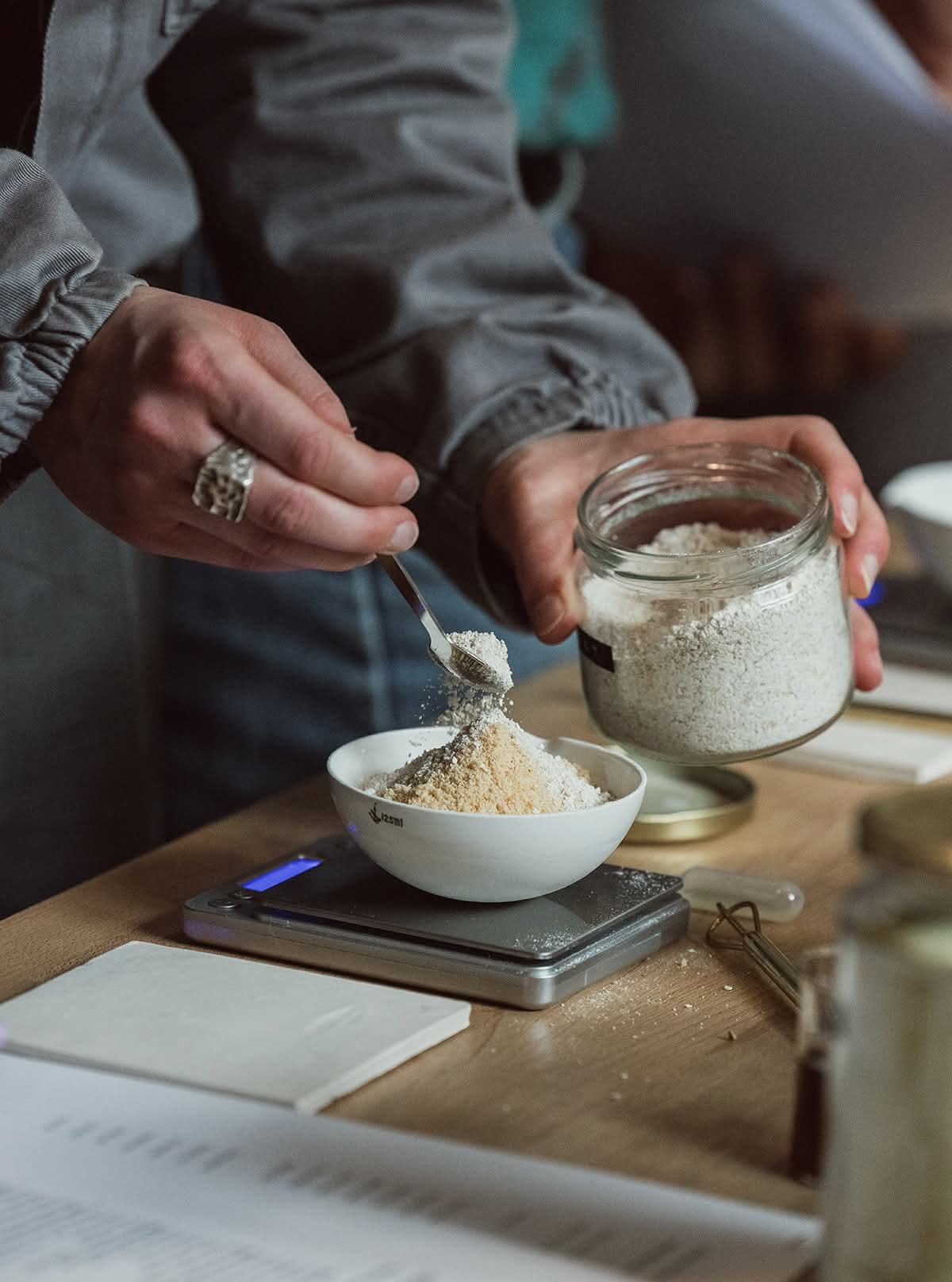
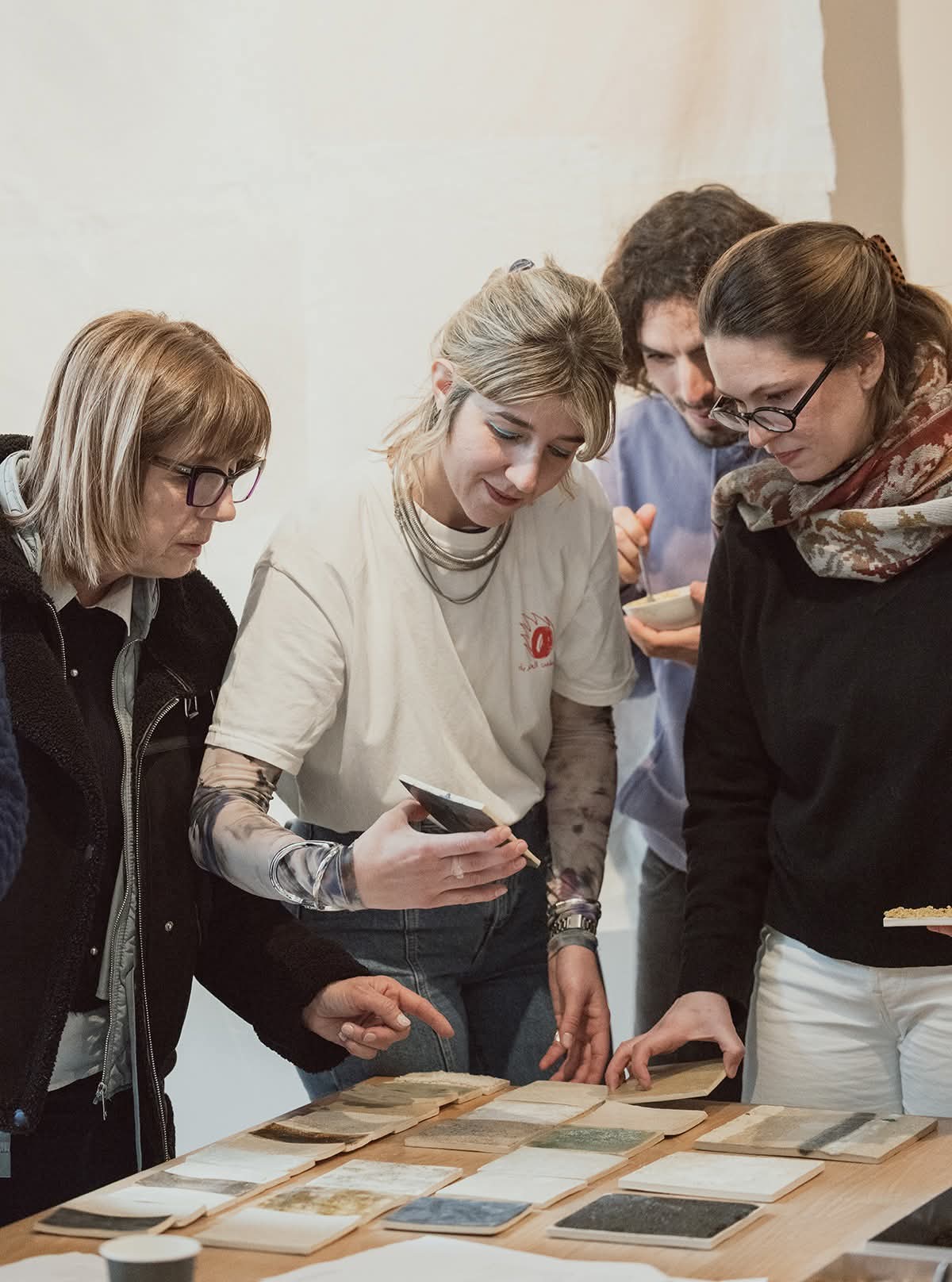
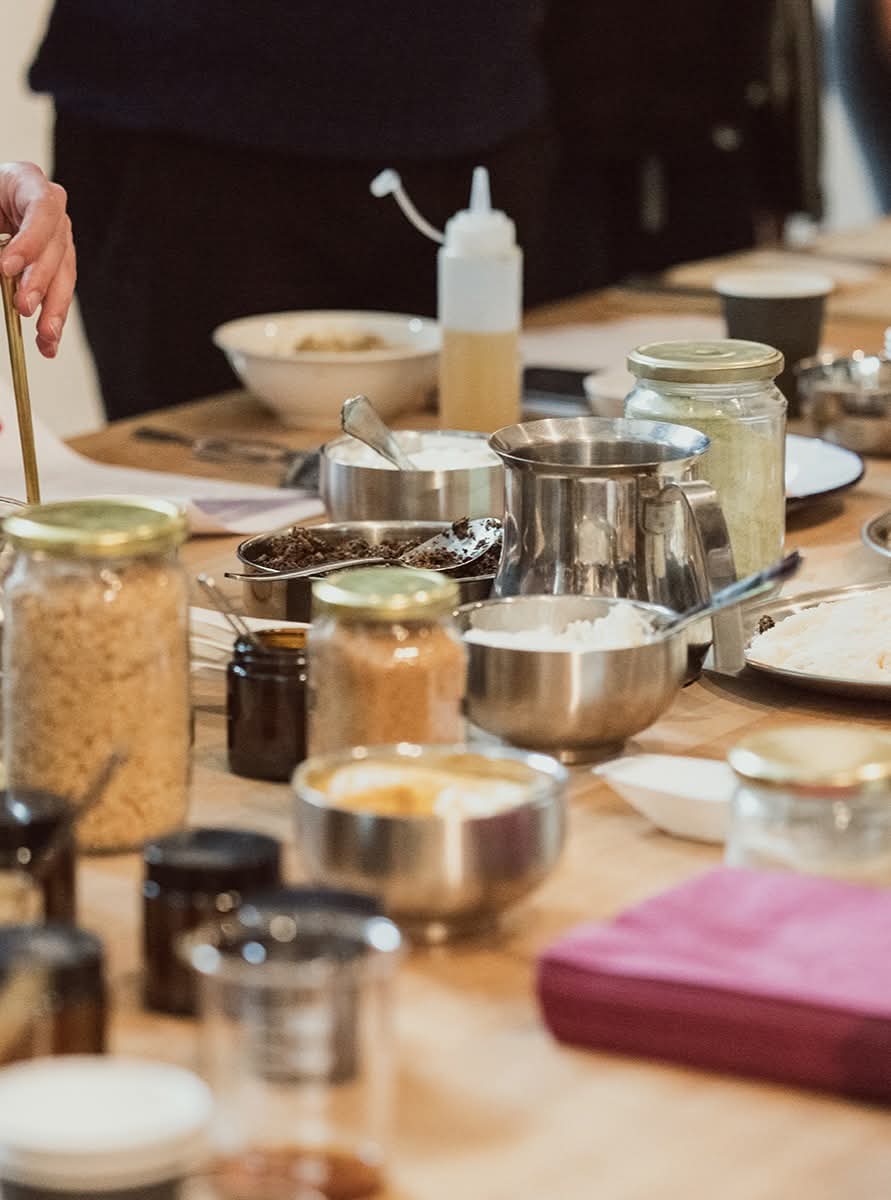
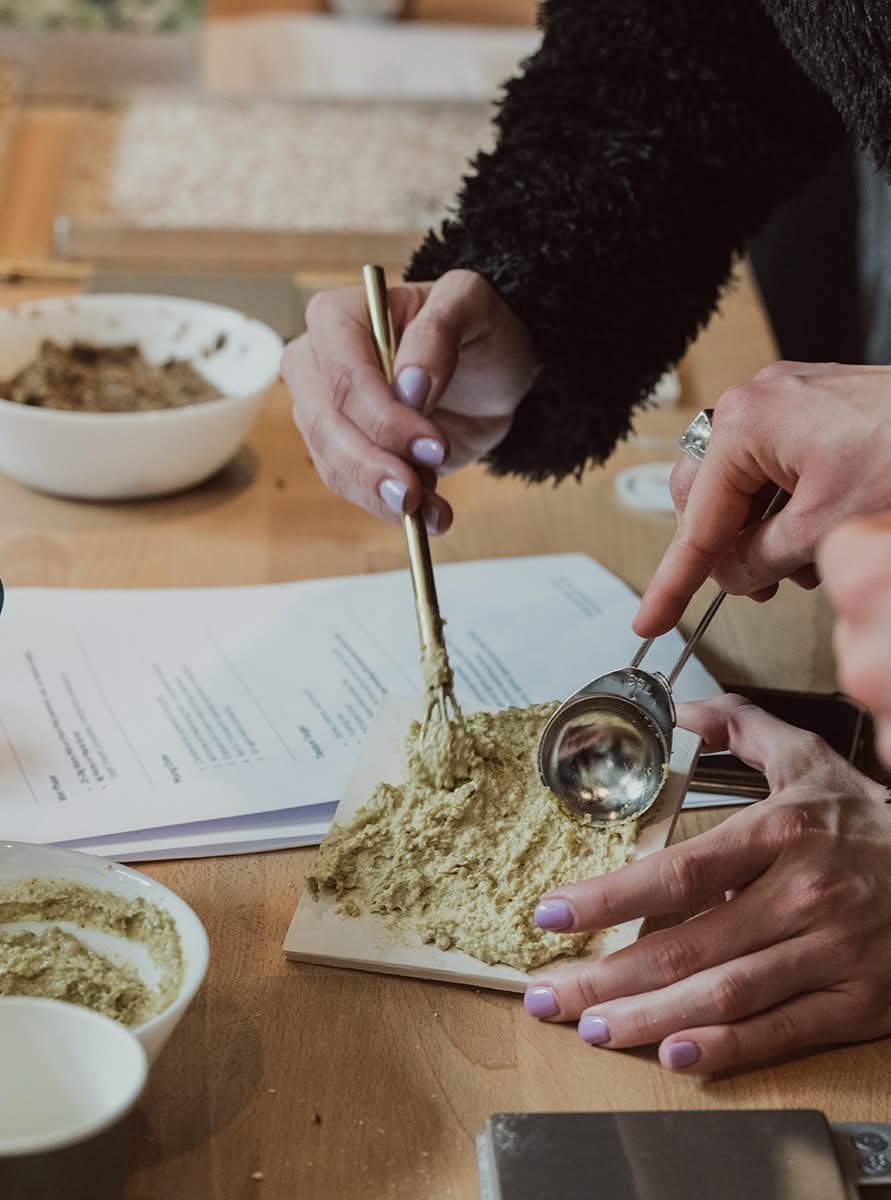
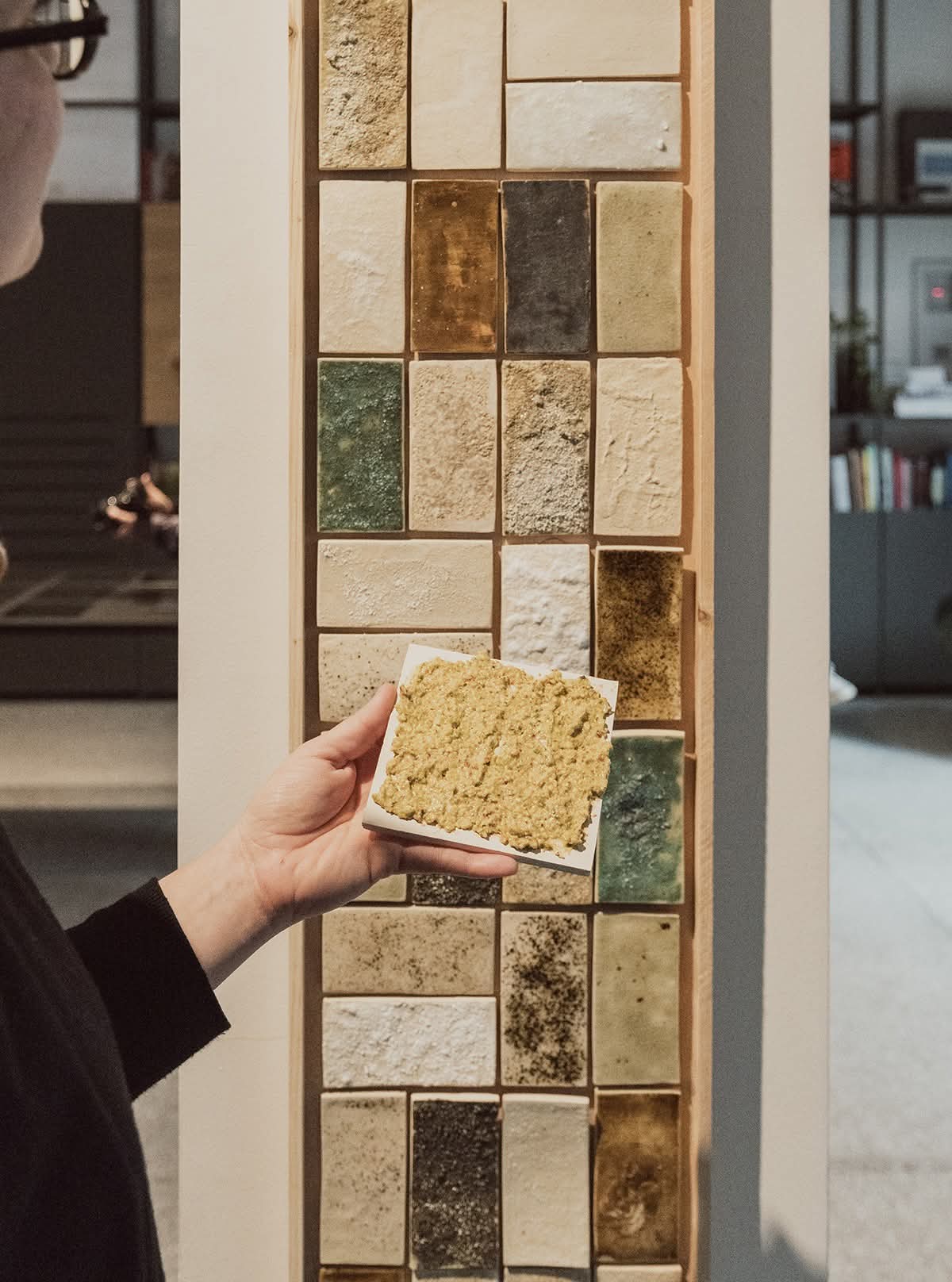
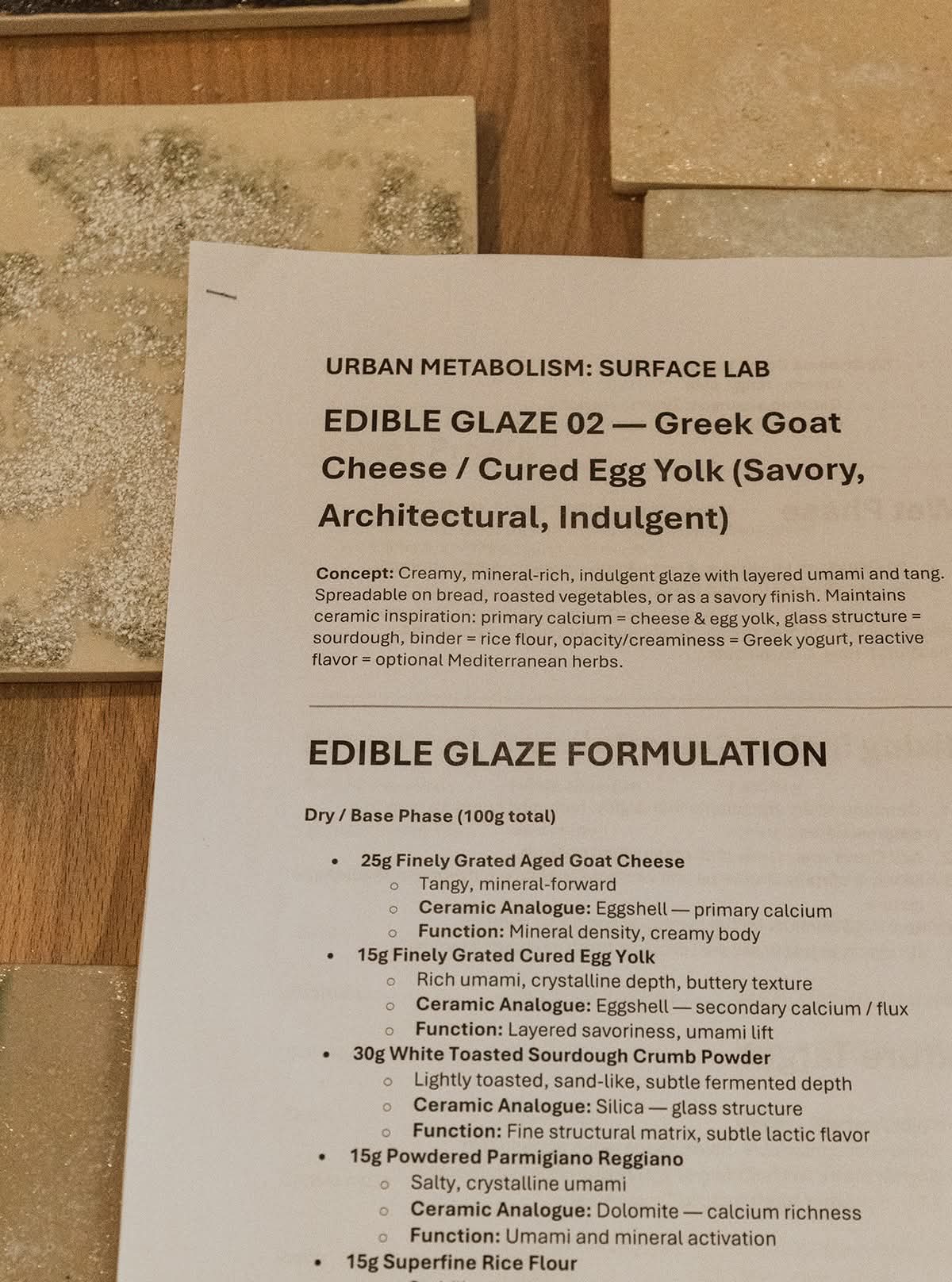
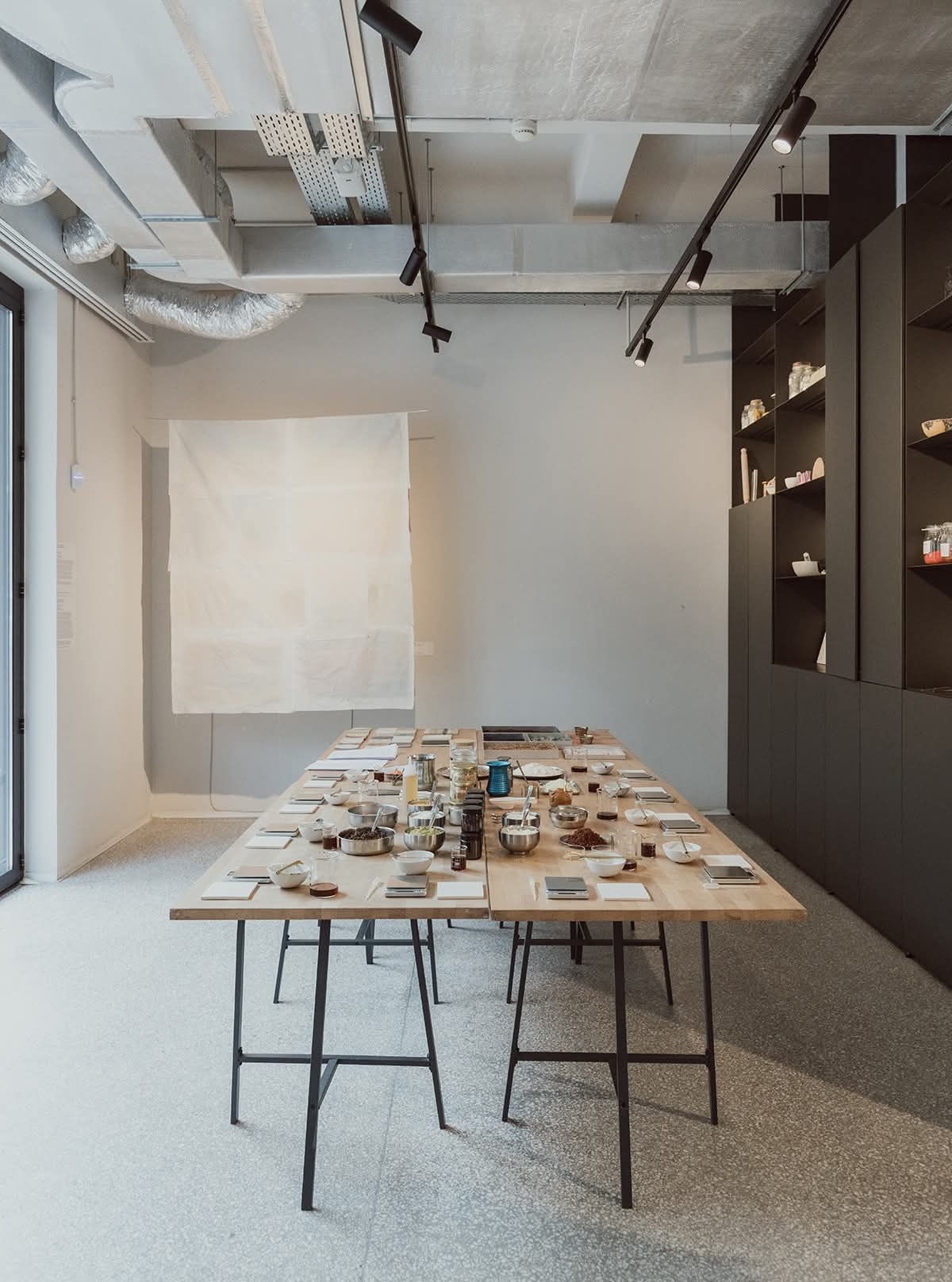
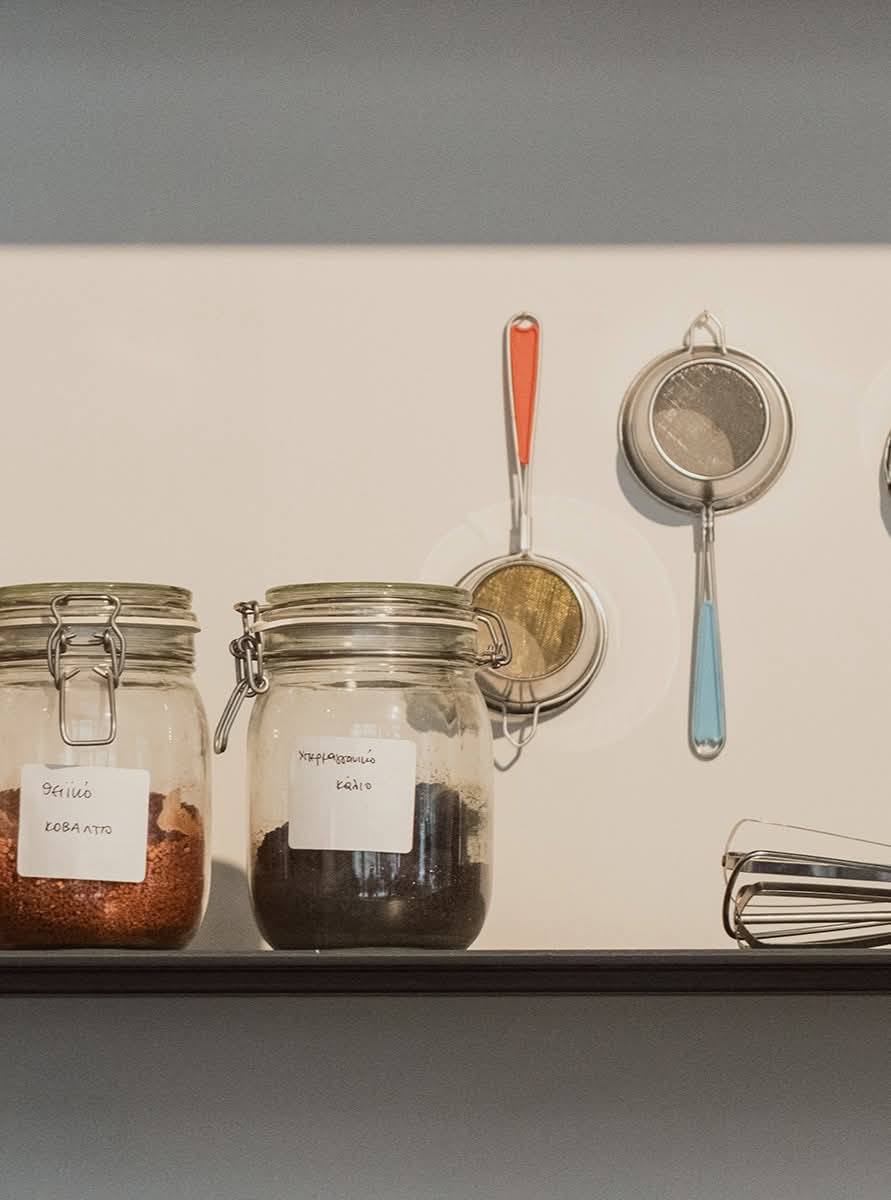
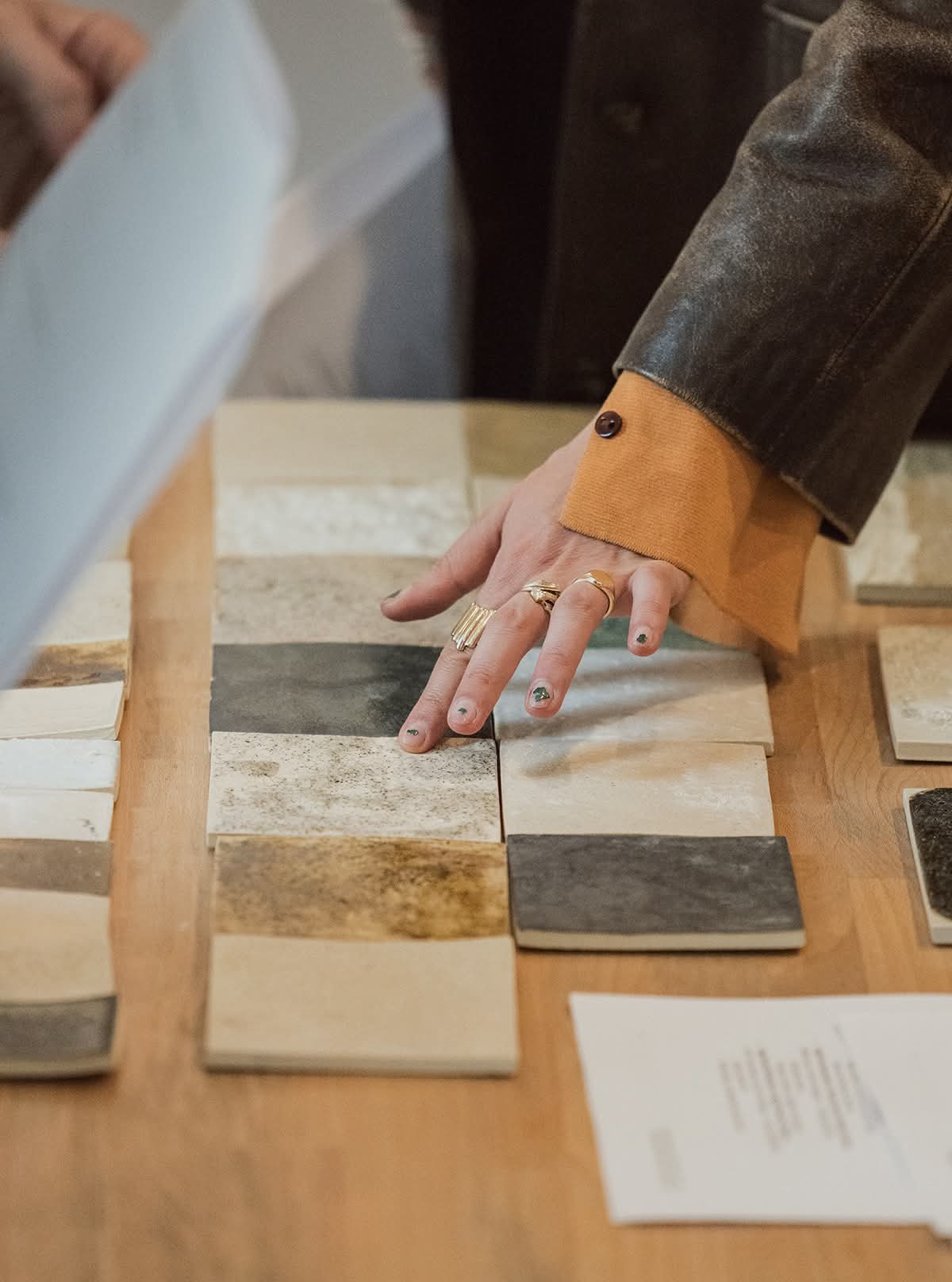
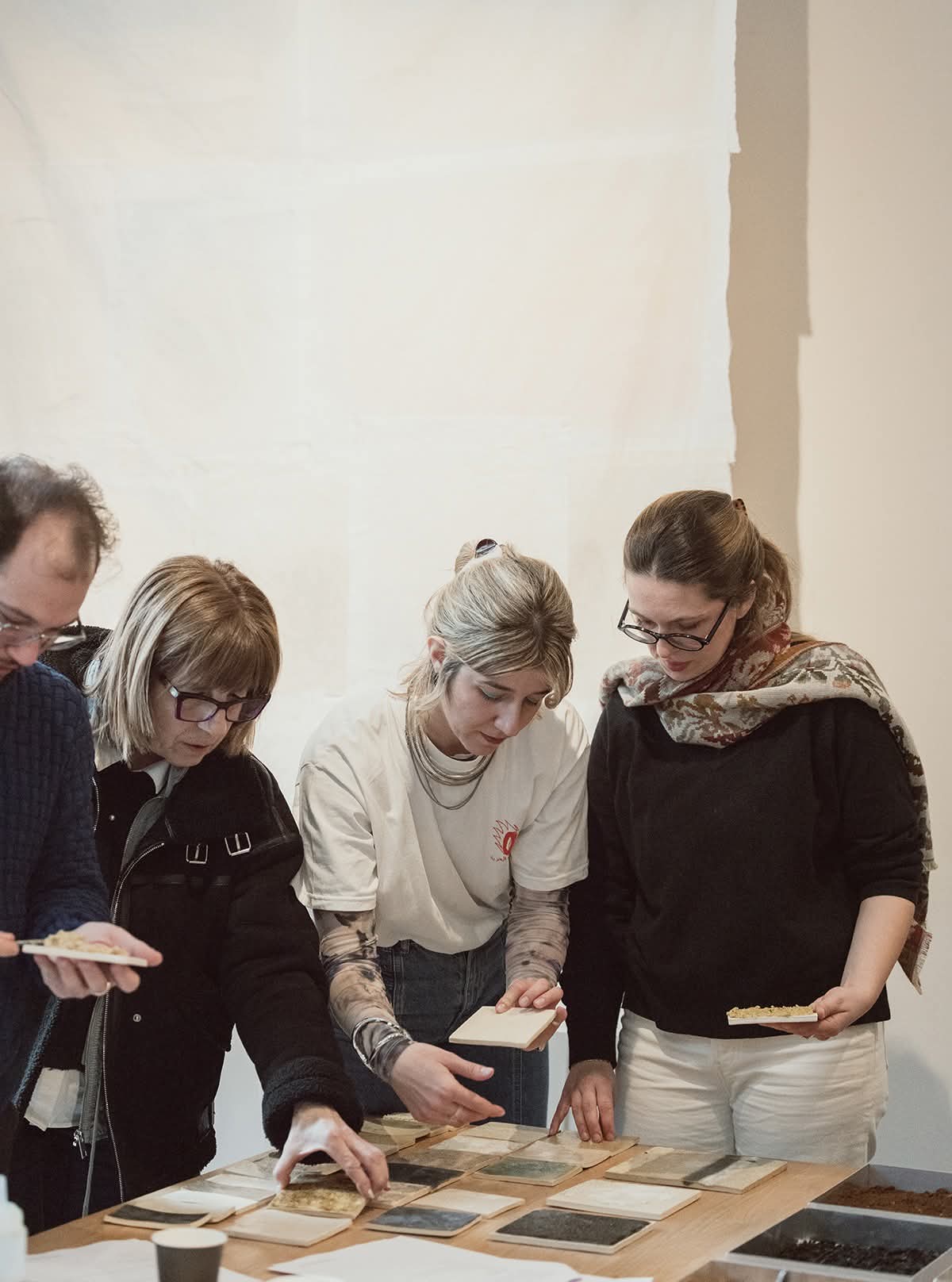
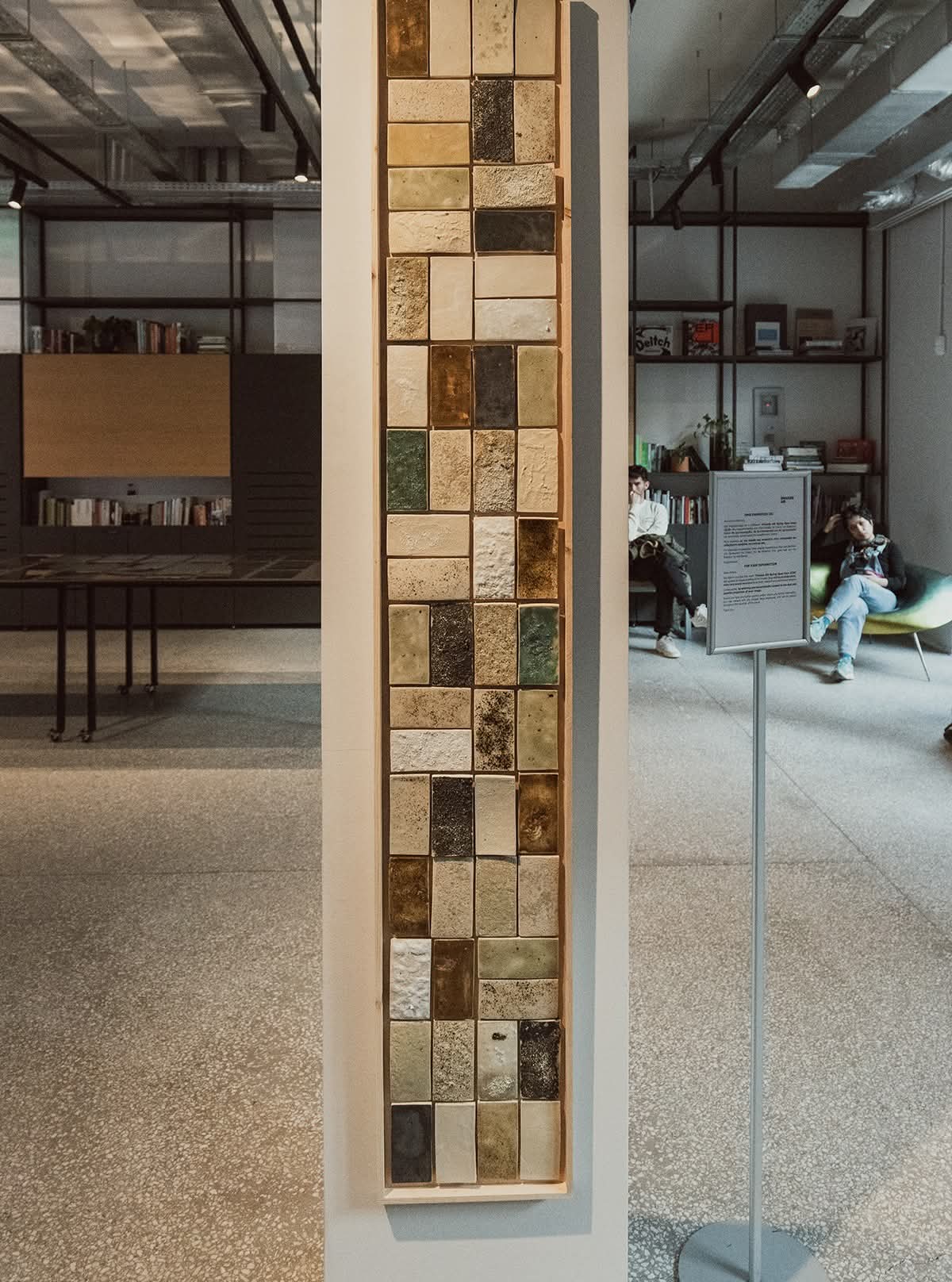
“Matters of Concern” emerges from the urban waste streams of Athens and unfolds as a sculptural and archival installation with a performative workshop activation. The project traces the full chain of labor behind ceramic production, foregrounding acts that often remain invisible: collecting, sorting, grinding, measuring, mixing, testing, and firing. Laboratory equipment and cooking utensils coexist in the space, emphasizing the shared infrastructures of ceramic and culinary transformation.
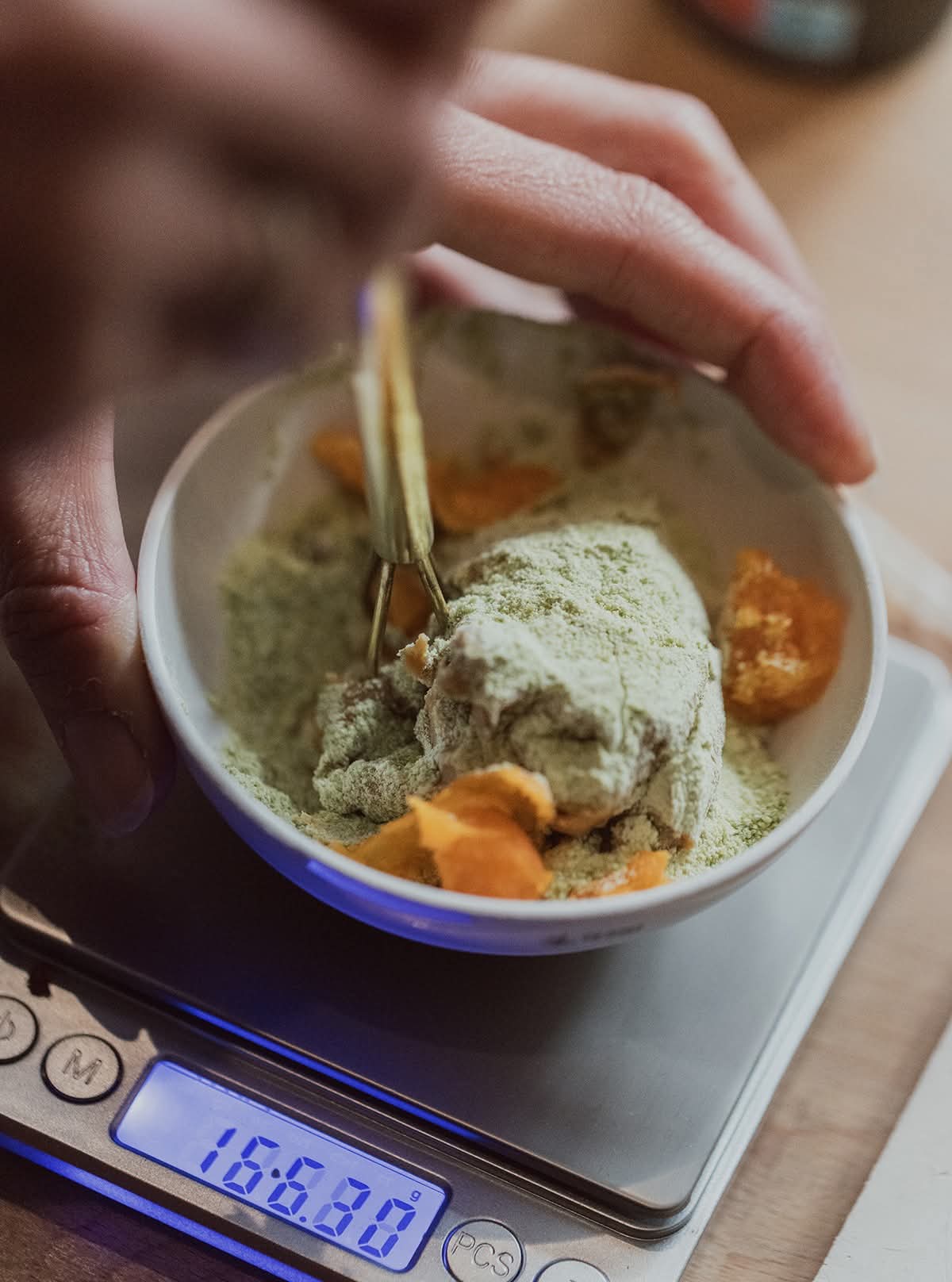
Food waste, ash, shells, glass, soil, and construction debris are reprocessed into clay bodies and glazes. Materials are approached as active agents that resist, react, fuse, and reform. Ceramic surface formulation becomes a way of reading the city through matter itself. Glaze and food share origin stories, forming a closed-loop system in which recipes mediate between ecological residue and public encounter. Glaze recipes developed from food waste are presented as percentage-based systems, each corresponding to a ceramic tile.
At 1260°C, the kiln reorganizes minerals into a stable surface; at 37°C, the body reorganizes edible matter through metabolism. During the workshop, participants translate glaze ratios into edible surface formulations, maintaining structural proportion across these two systems. What is thermally activated in one becomes metabolically processed in the other.
In a city shaped by intensified food production and consumption, the work reflects on circular materials, hidden labor, and the afterlives of waste. The installation remains accessible throughout the event, while the workshop serves as its temporary activation—proposing not completion, but the relocation of transformation within an ongoing urban metabolism.
Part of Onassis AiR Spring Open Days 2026
We Are Walking, Talking Minerals, 2025
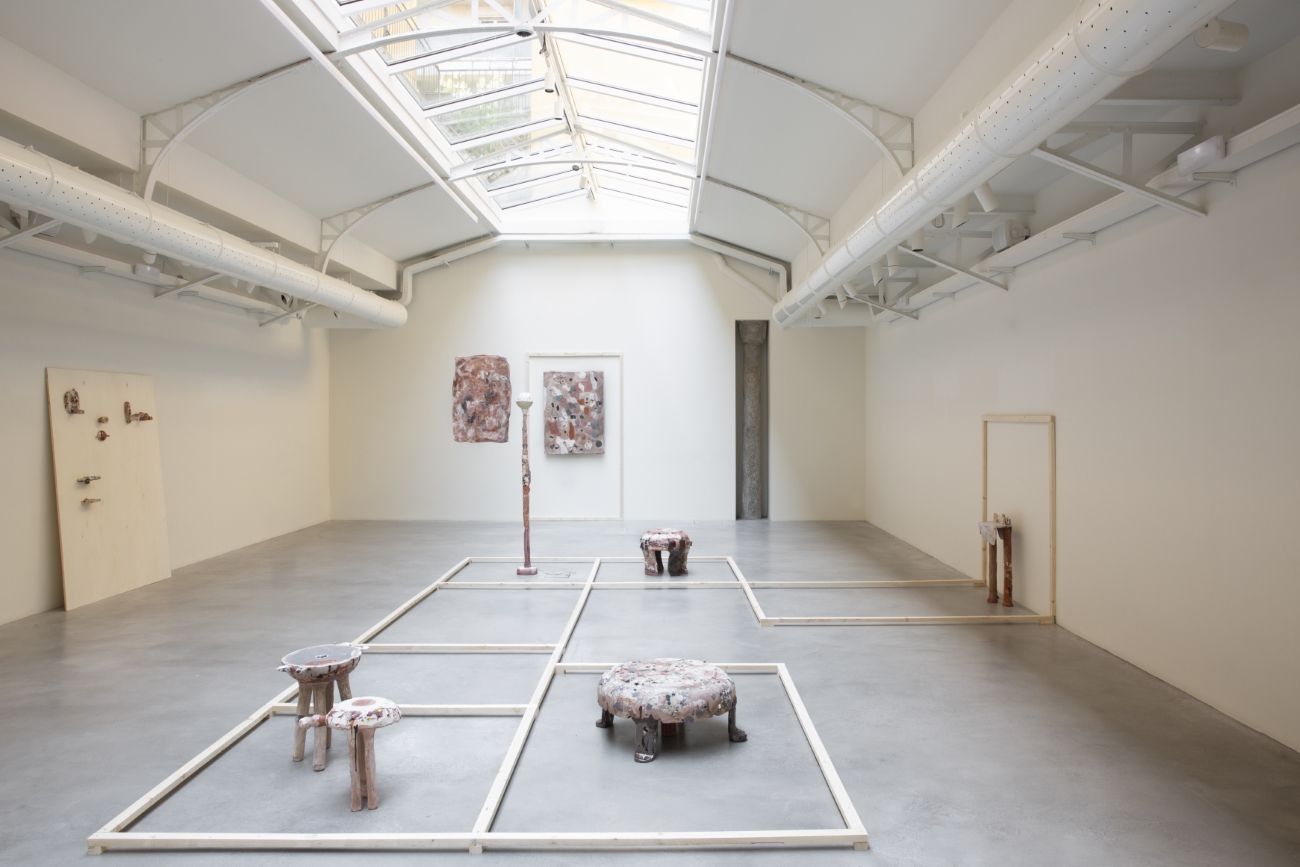
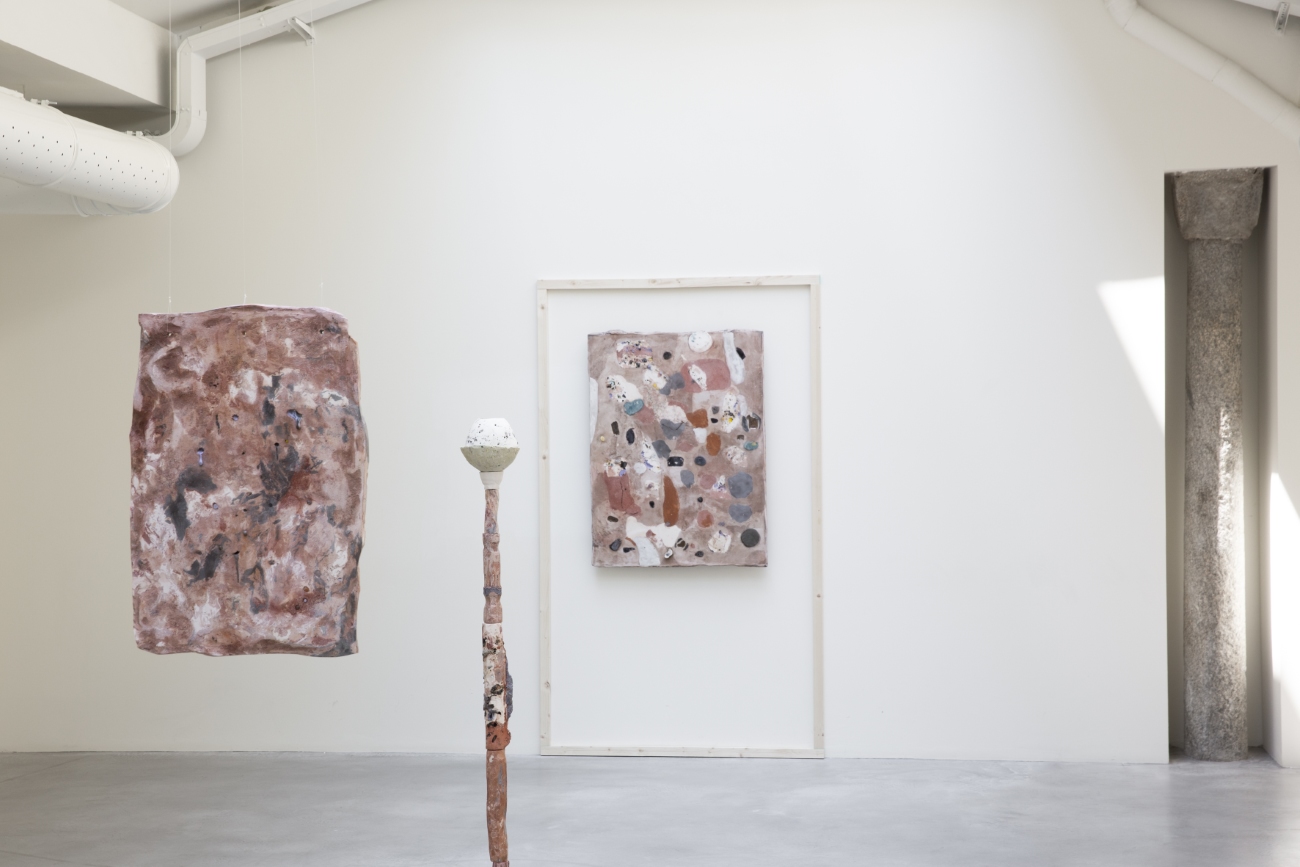
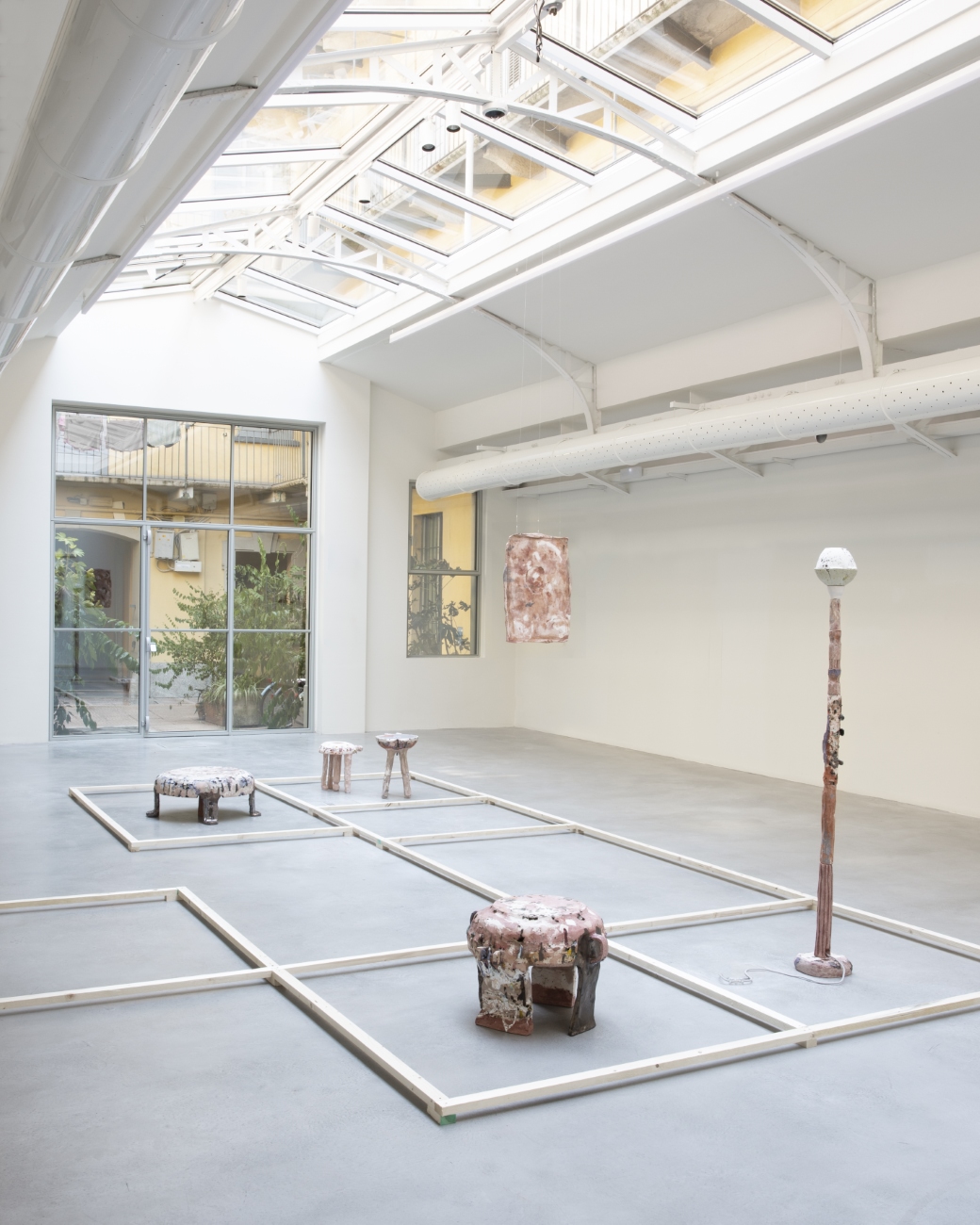
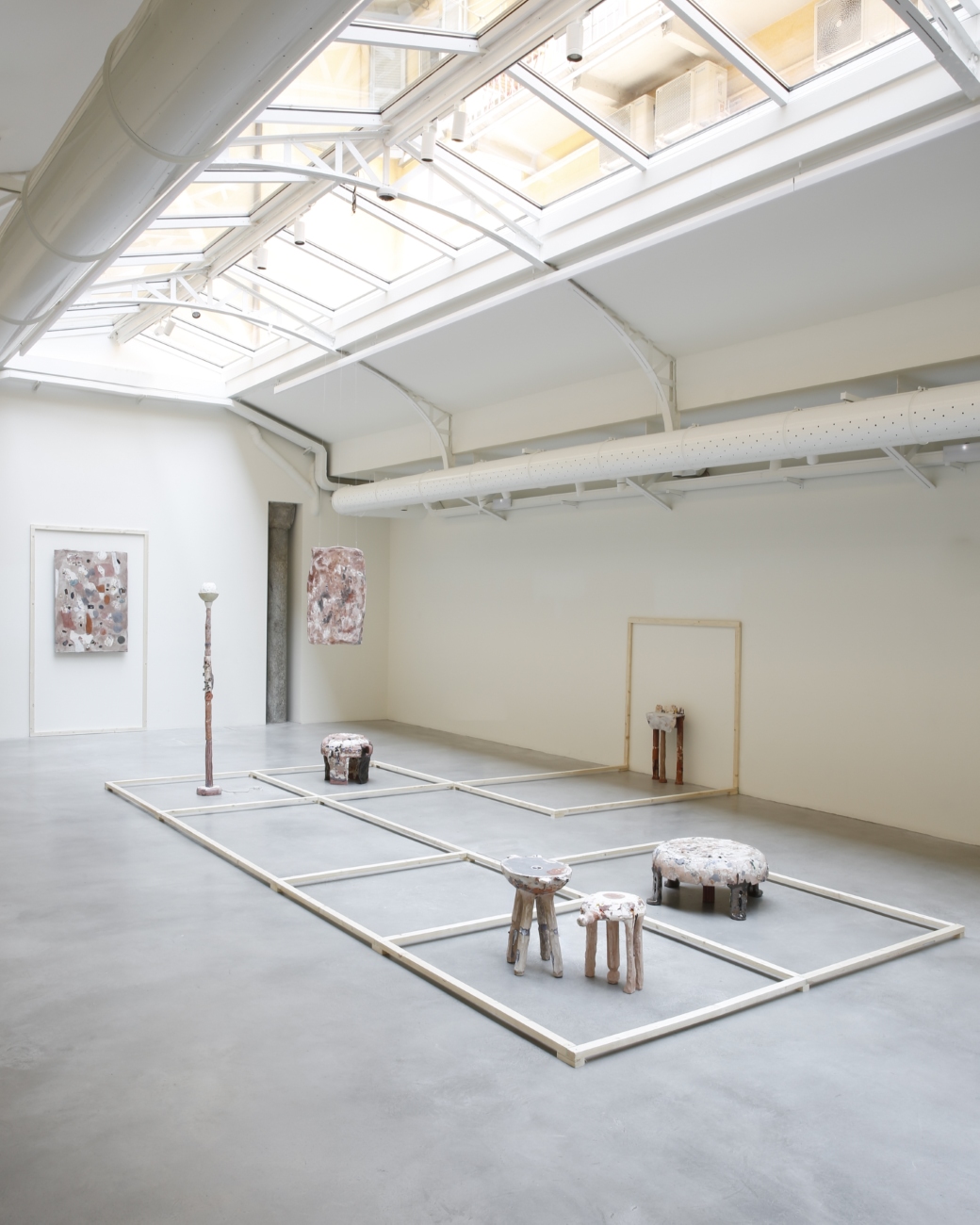
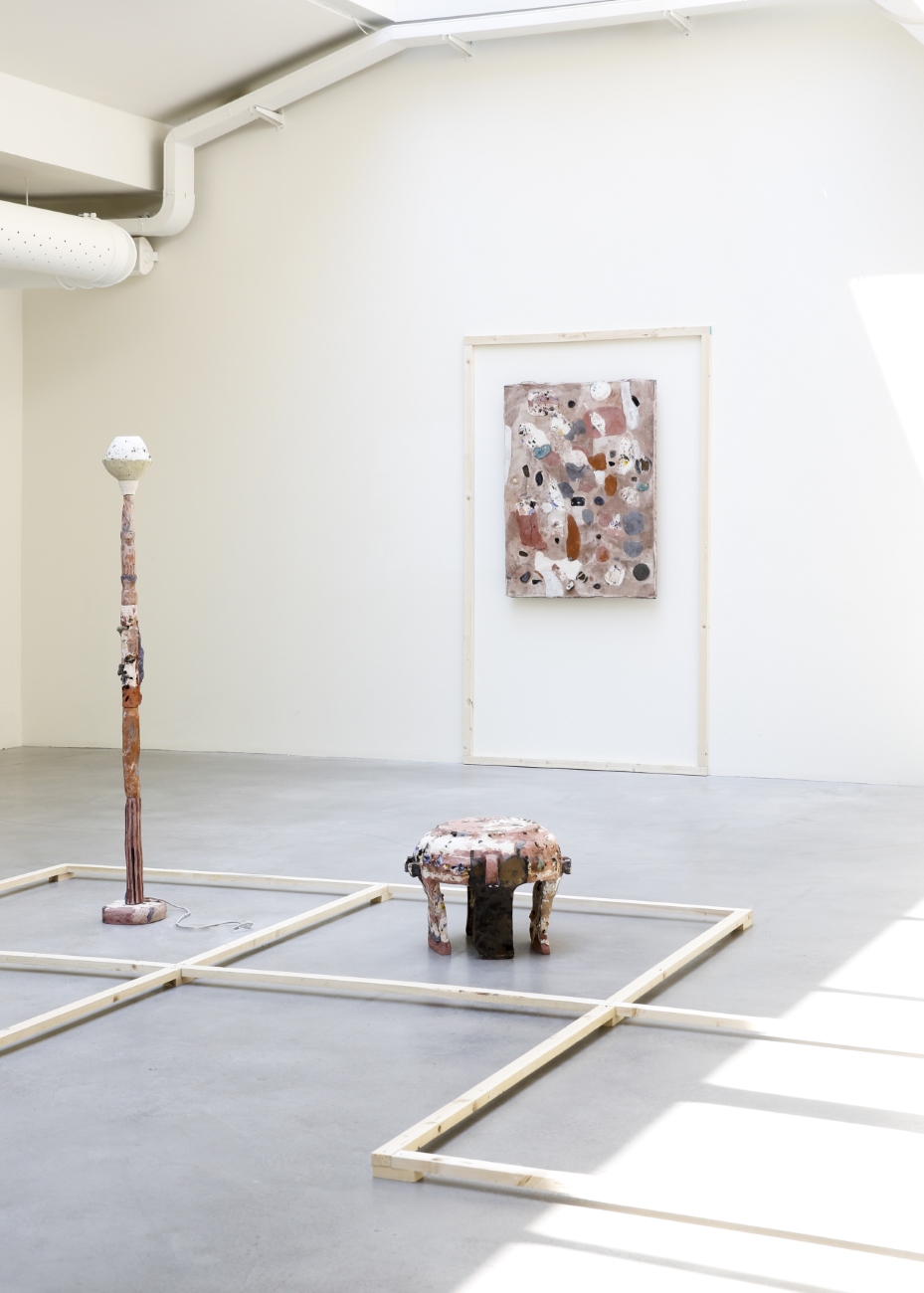
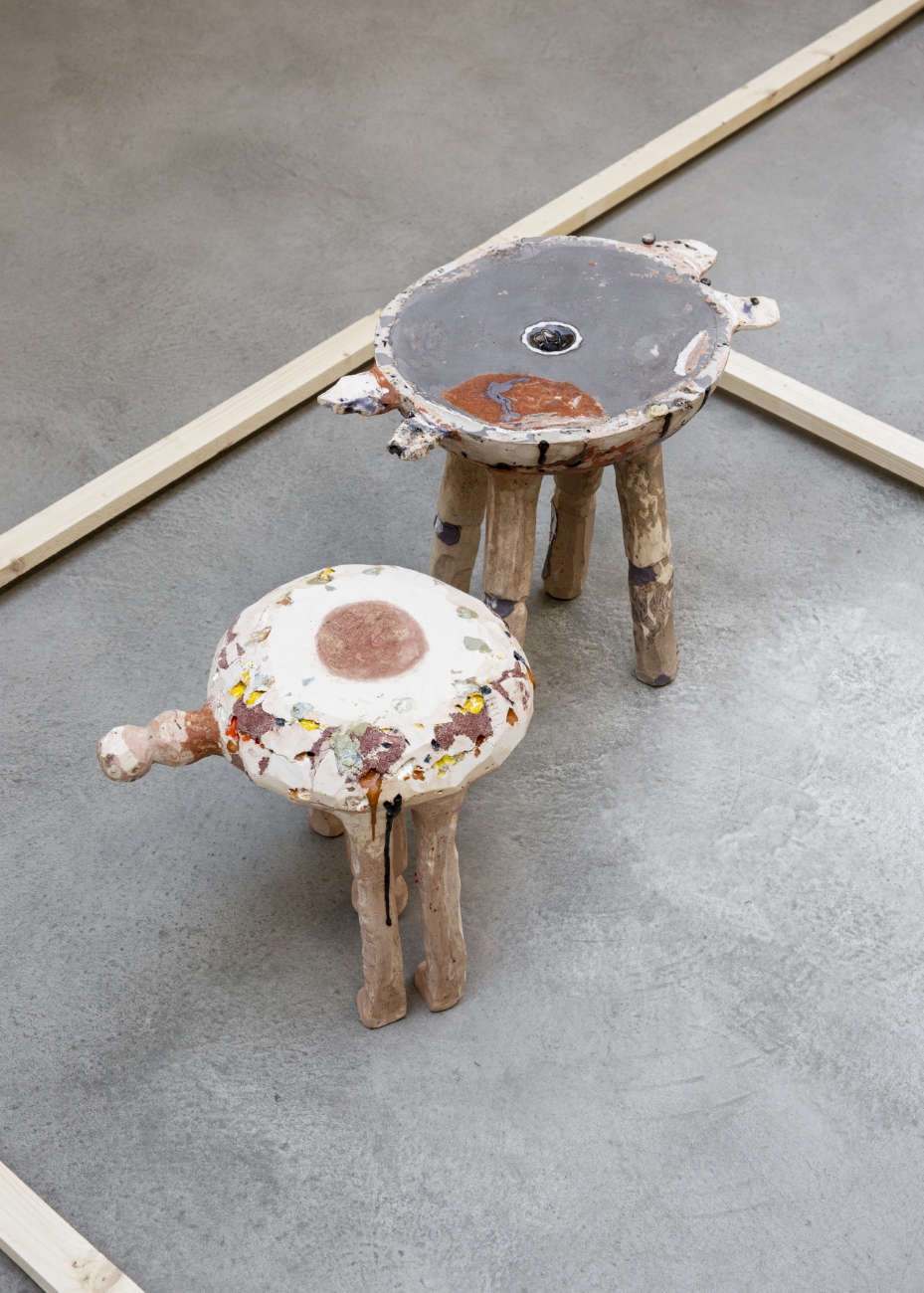
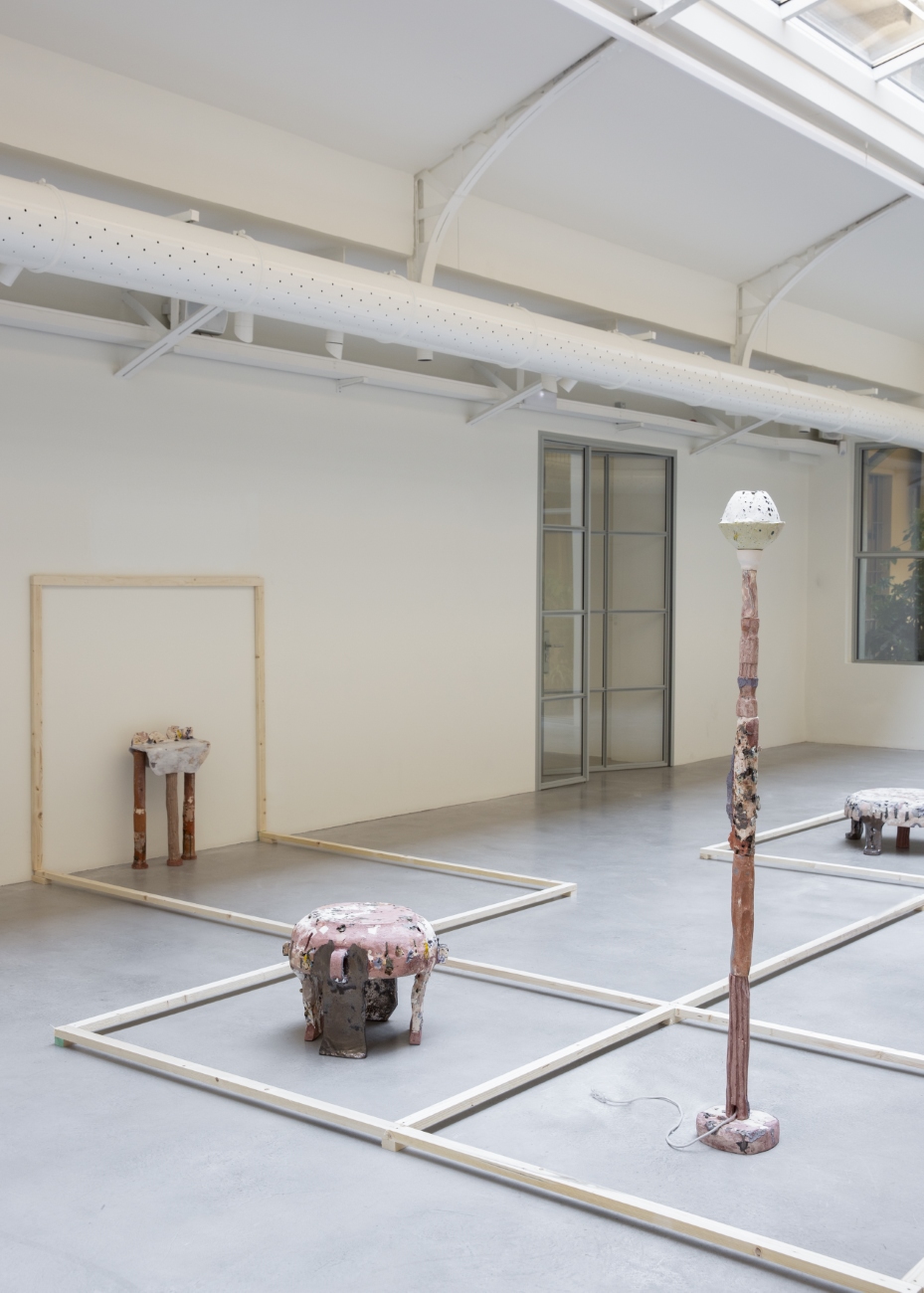
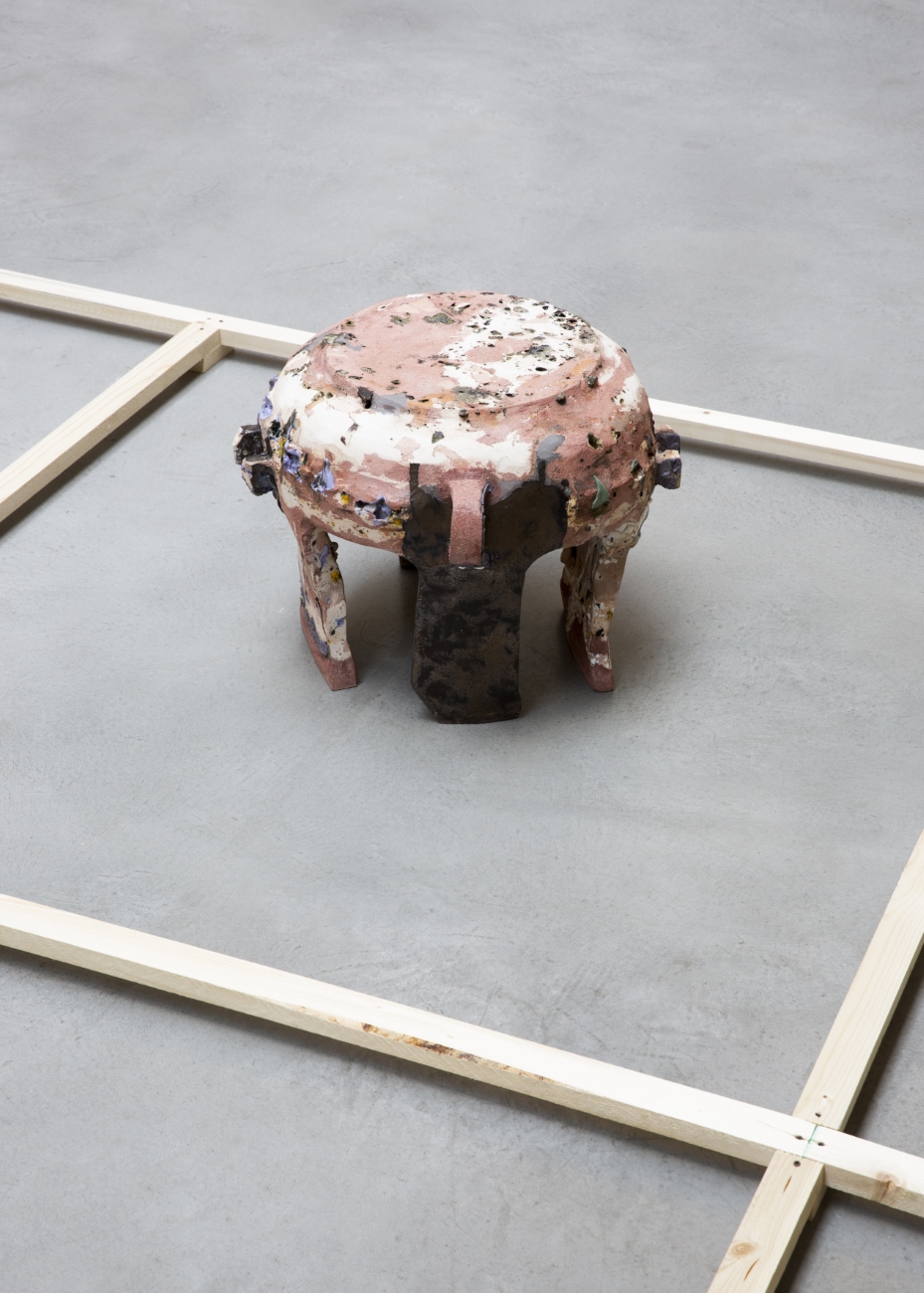
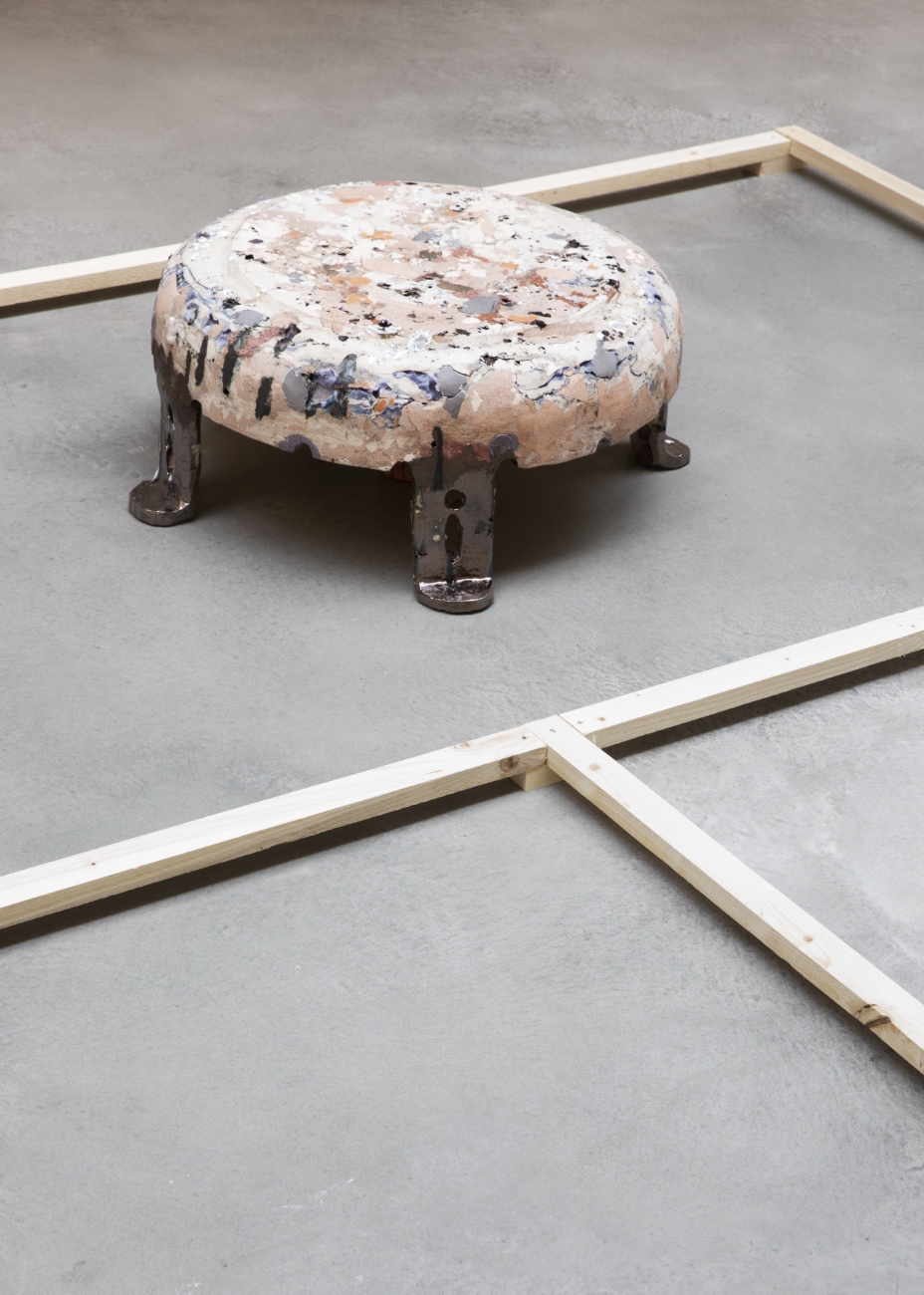
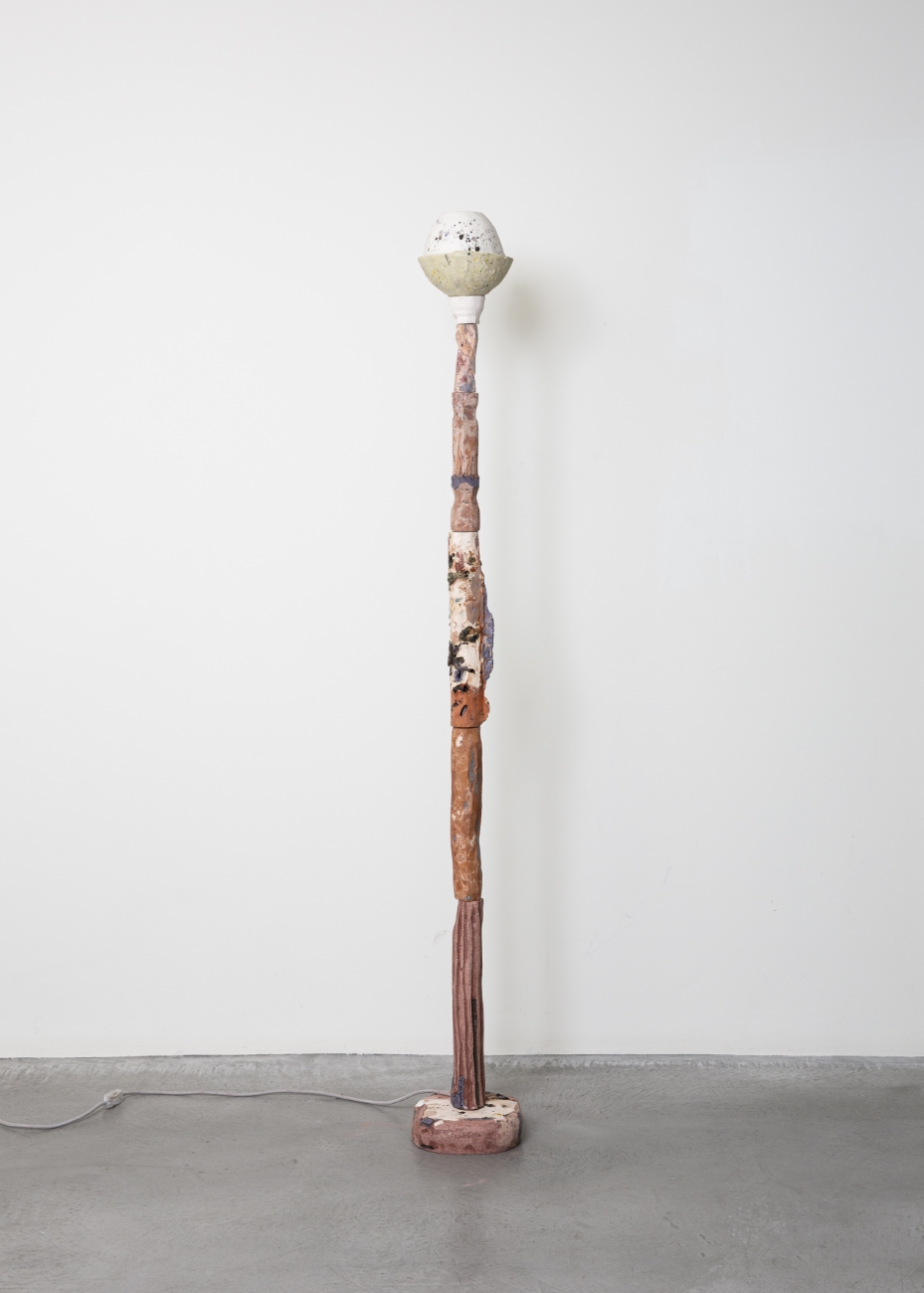
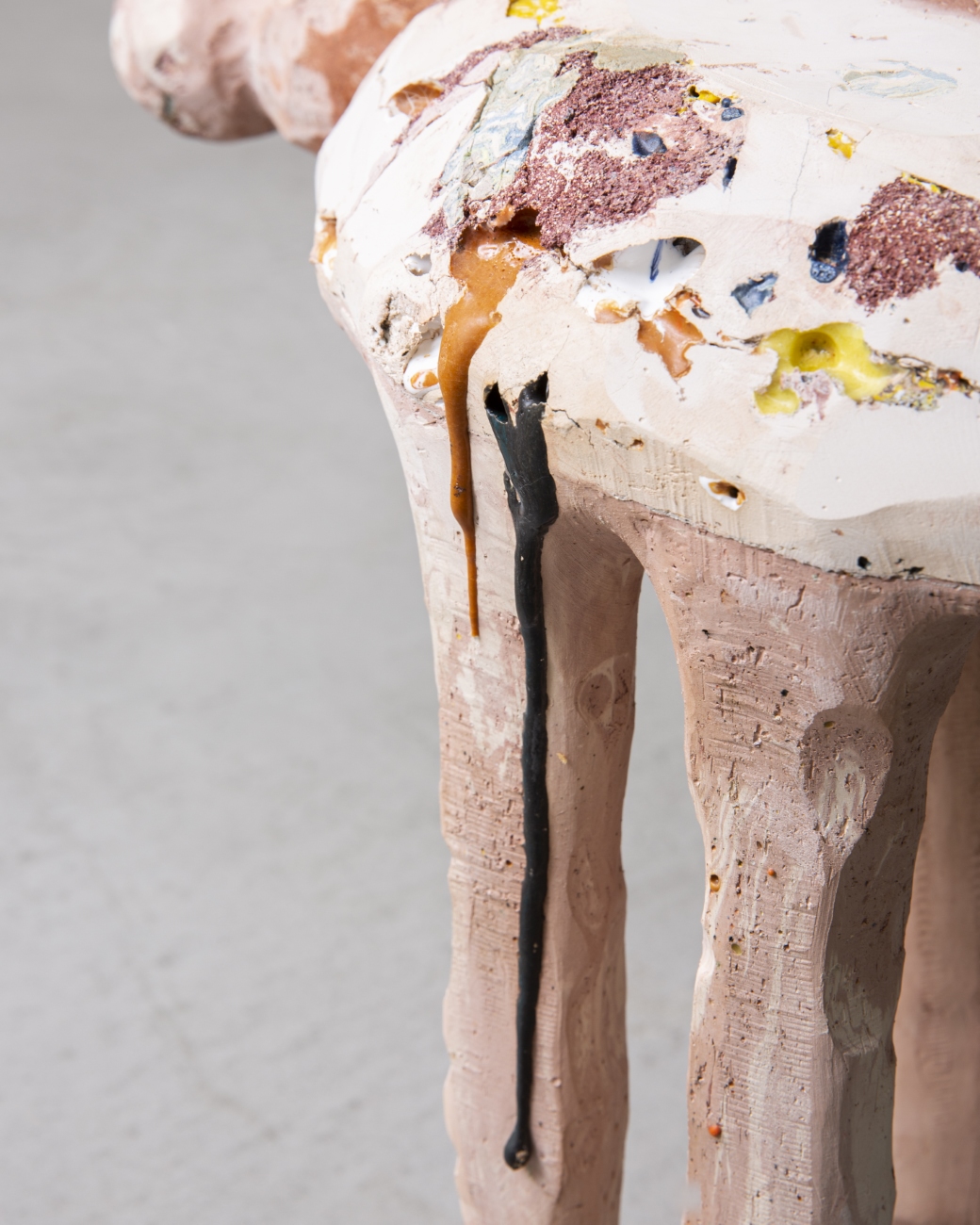
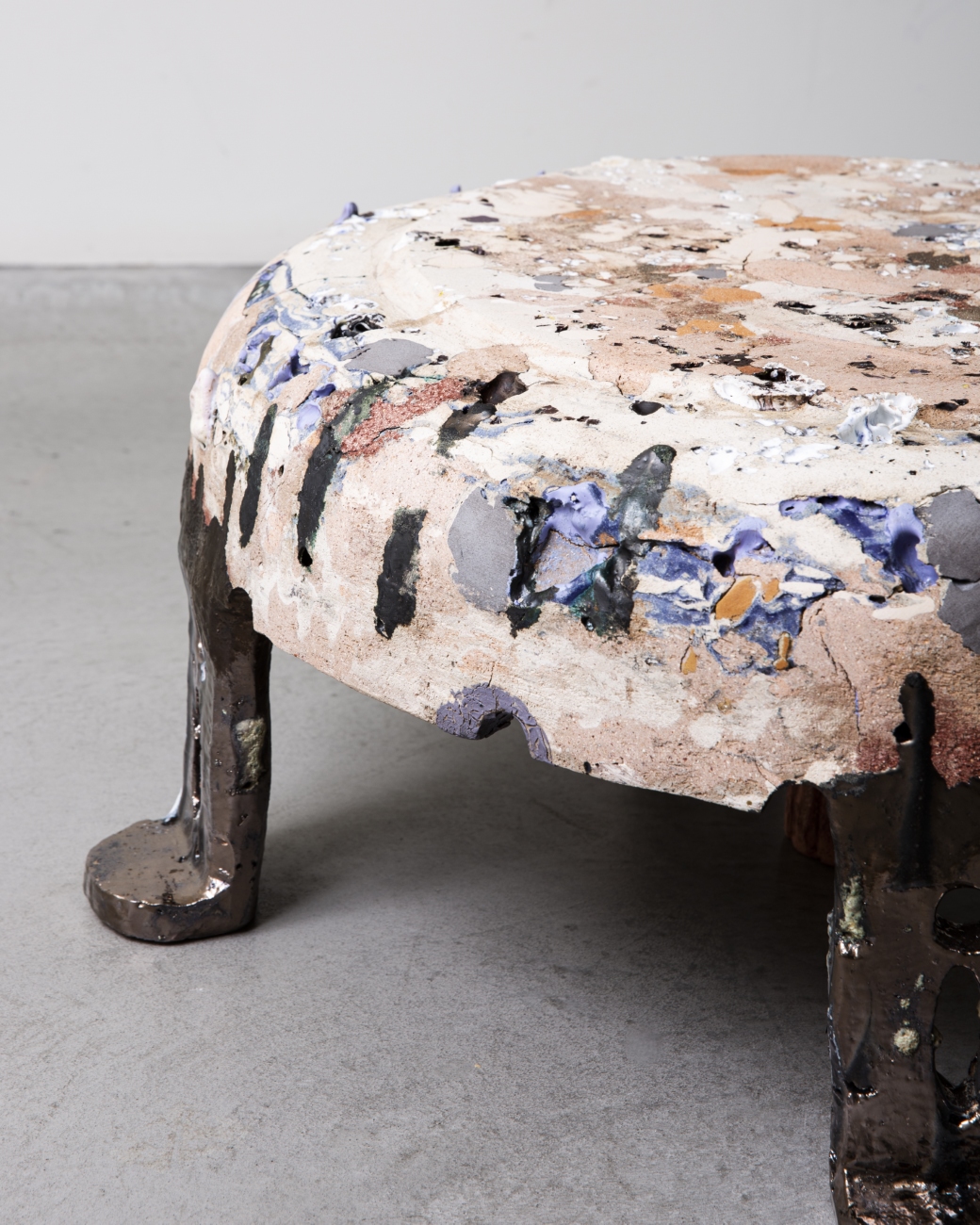
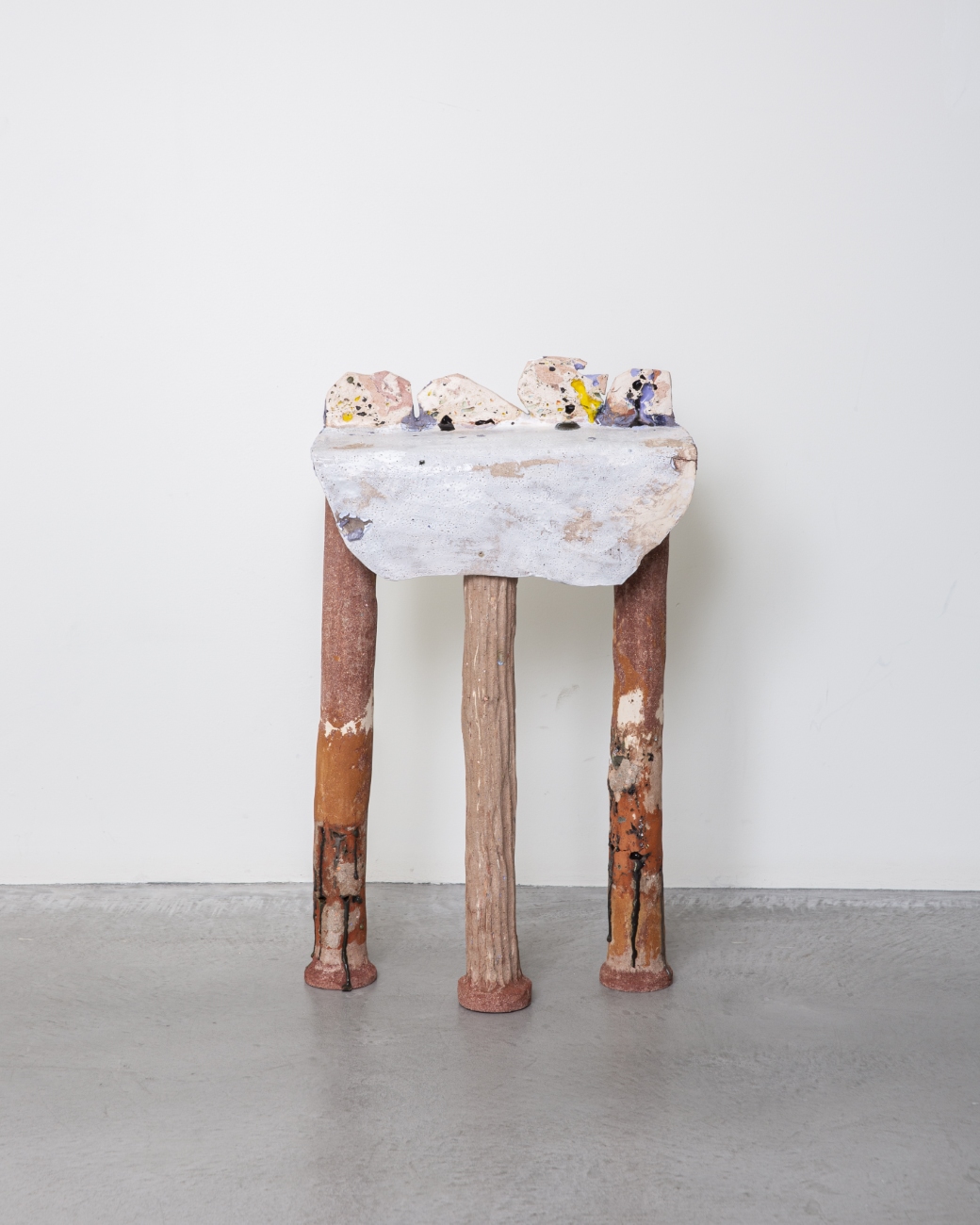
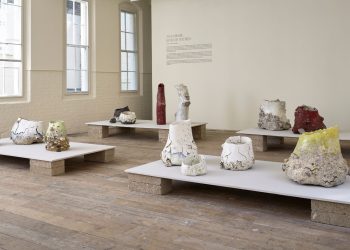
This material-focused show is the culmination of Kotoula’s artist residency at Officine Saffi in Milan, where she explored the expressive and ecological potentials of ceramic remnants.
Kotoula is known for a hybrid practice that merges fine art, design, and craft. With a background in painting, ceramics, and sustainable building, she brings an interdisciplinary awareness to her work—one that bridges ancient techniques and contemporary issues of the day. At Officine Saffi, she focuses on ceramic waste—dried clays, broken glazes, unused pigments—gathered from the foundation’s own workshops and previous residency workshops. These cast-off materials are recontextualized into sculptural forms that evoke ruins, prototypes, and speculative organisms. Her work interrogates not only material life cycles but also the porous borders between the organic and the artificial.
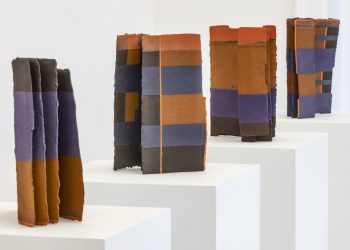
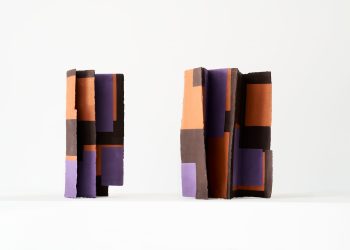
Central to Kotoula’s methodology is her reinterpretation of terrazzo, the ancient Roman technique of embedding fragments into surfaces, and which has seen a reemergence of popularity in recent years. Instead of traditional flooring, Kotoula reworks this logic into ceramic forms that mix elements of sculpture and furniture, and play around with any traditional connotations. Clay and glaze chips are not applied decoratively but become integral to the bodies of the objects themselves, creating strata of color, texture, and embedded meaning. Each piece is fired just once, and at lower temperatures, reflecting an ethos of energy-conscious making and structural ingenuity.
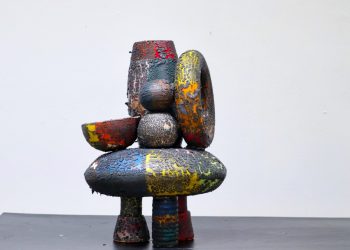
The title of the exhibition—We Are Walking, Talking Minerals—draws from Jane Bennett’s Vibrant Matter, a key text in contemporary eco-philosophy. Bennett challenges the idea of inanimate matter, proposing instead that all things possess a kind of liveliness. Kotoula’s pieces, many perched on leg-like appendages, seem to walk this line between the inert and the animate. They suggest a post-human archaeology—fragments from an unknown future or remnants of a slow, geological metamorphosis.
- We are walking, talking minerals, Installation views, 2025. Photo credit: Alessandra Vinci, Courtesy Fondazione Officine Saffi
- Ammoura, 2025, clay, glaze, 41x58x55 cm. Photo credit: Alessandra Vinci, Courtesy Fondazione Officine Saffi
- Latupe, 2025, clay, glaze, 32x78x77 cm. Photo credit: Alessandra Vinci, Courtesy Fondazione Officine Saffi
- Numb as a fossil, 2025, clay, glaze, 174x21x22 cm. Photo credit: Alessandra Vinci, Courtesy Fondazione Officine Saffi
- Medusa (detail) 2025, clay, glaze, 38x40x42 cm. Photo credit: Alessandra Vinci, Courtesy Fondazione Officine Saffi
- Latupe (detail), 2025, clay, glaze, 42,5x32x50 cm. Photo credit: Alessandra Vinci, Courtesy Fondazione Officine Saffi
- Tufi, 2025, clay, glaze, 75x16x43 cm. Photo credit: Alessandra Vinci, Courtesy Fondazione Officine Saffi