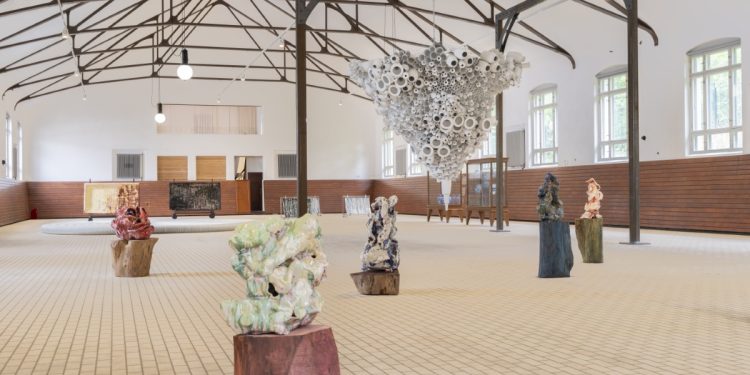
At the King’s Table – From dinner services to contemporary ceramics is on view at Queen Sonja Art Stable, Oslo
On view through December 17, 2025
The exhibition At the King’s Table – From Dinner Services to Contemporary Ceramics, explores the history of tableware from the Royal Palace in Oslo. It presents items dating from 1815 to the present day and takes us on an adventurous journey.
Since ancient times, humans have shaped clay into utilitarian objects and decorative pieces. In almost every culture, ceramics have been among the oldest crafts. In the 18th century, Europeans succeeded in developing their own method for producing porcelain, and the first factories were often supported by royal families or princes. The influence of royal houses can be seen both through historical production, use, and design.
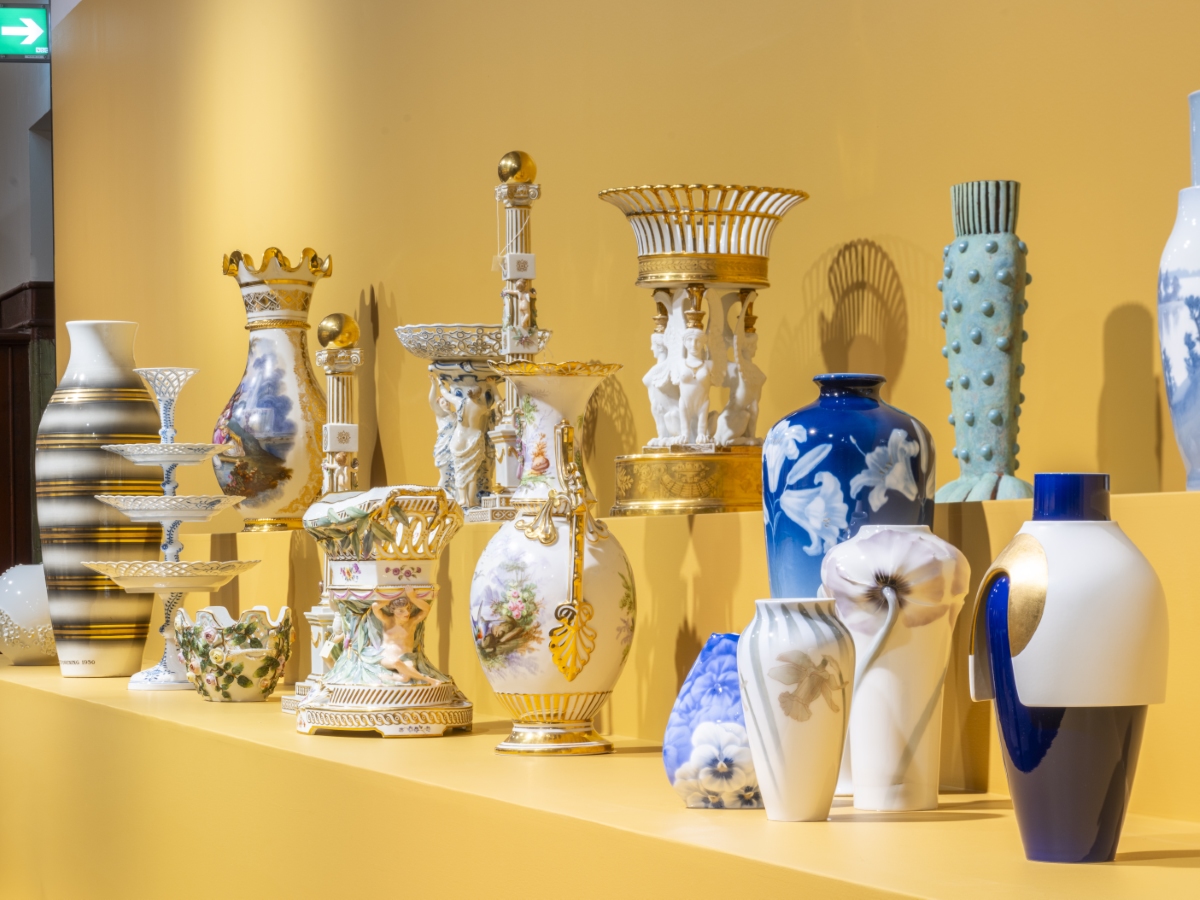
The presentation at Queen Sonja Art Stable consists of two parts. The first opened in the Midtstallen on February 7 and is based on the historical heritage linked to the King and Queen’s official meals in Oslo. This includes tableware from a collection spanning several generations. When guests arrive, they are greeted not only by a table set for a meal but for storytelling. These are presented through the tableware, as well as other ceramic and porcelain objects such as serving pieces, decorative items, and vases.

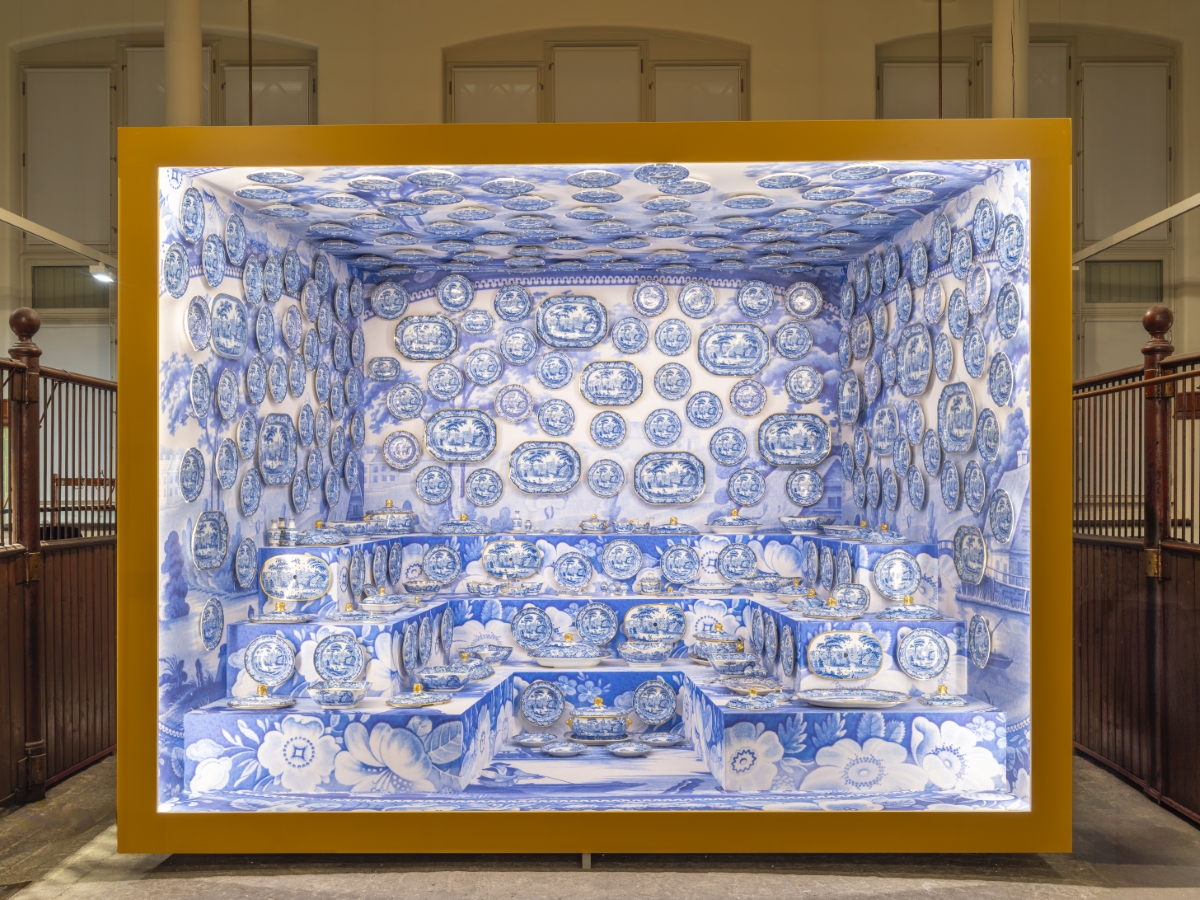
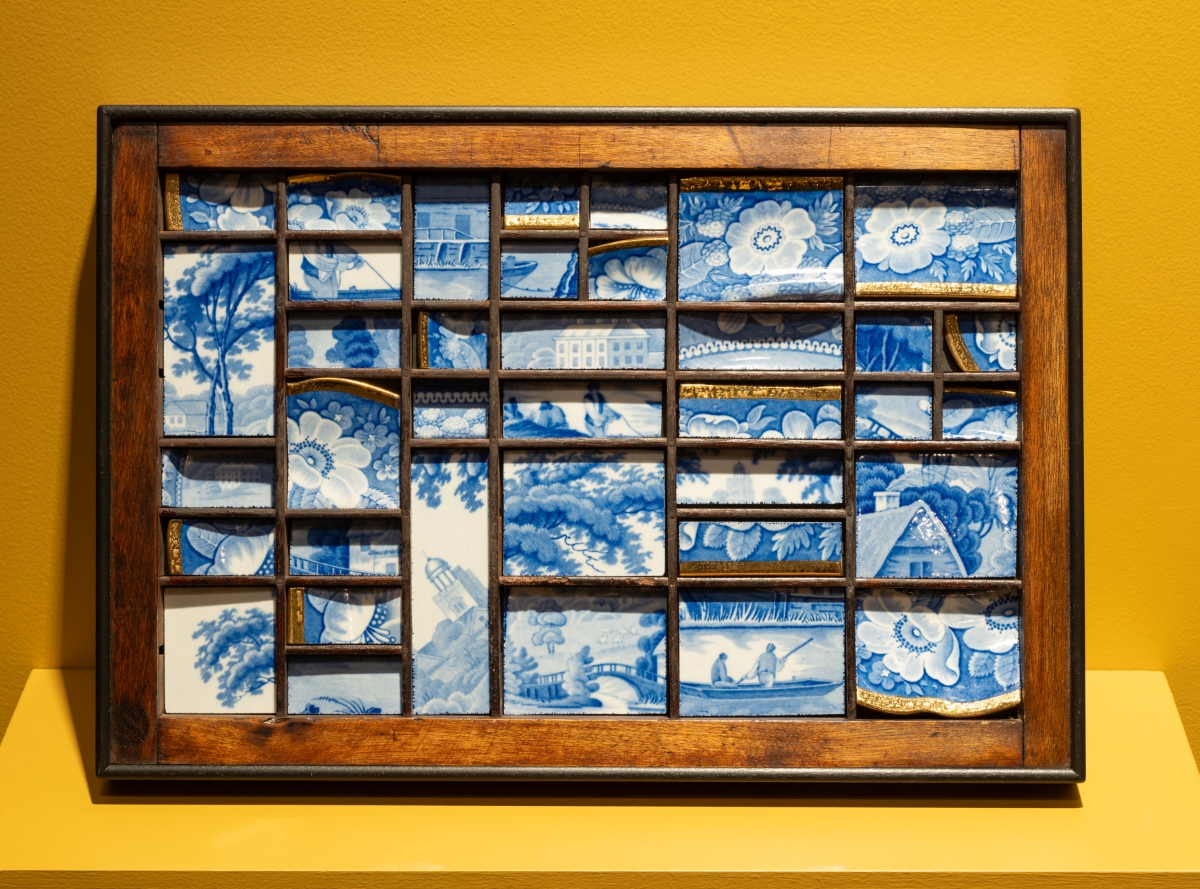


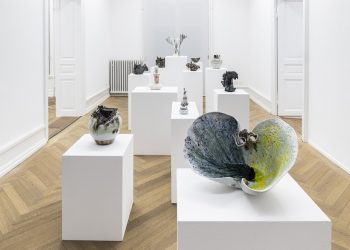
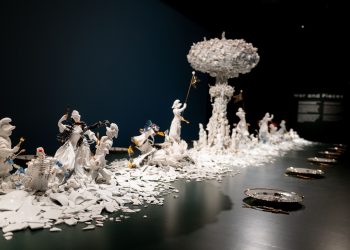
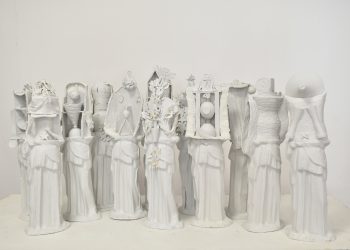
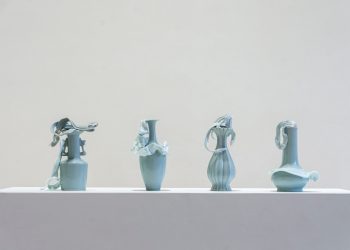
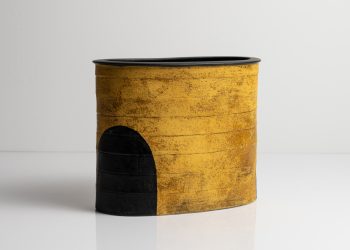
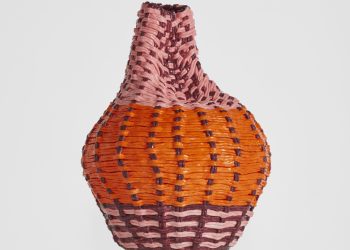
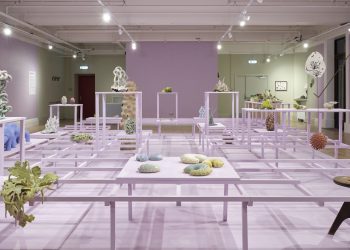
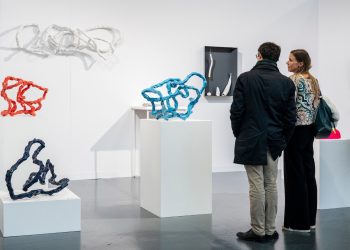
The second part of the exhibition opened on May 28 and revolves around contemporary ceramics that transform classical forms into monumental installations and sculptures. Featured artists: Torbjørn Kvasbø, Irene Nordli, Marit Tingleff, and Paul Scott.
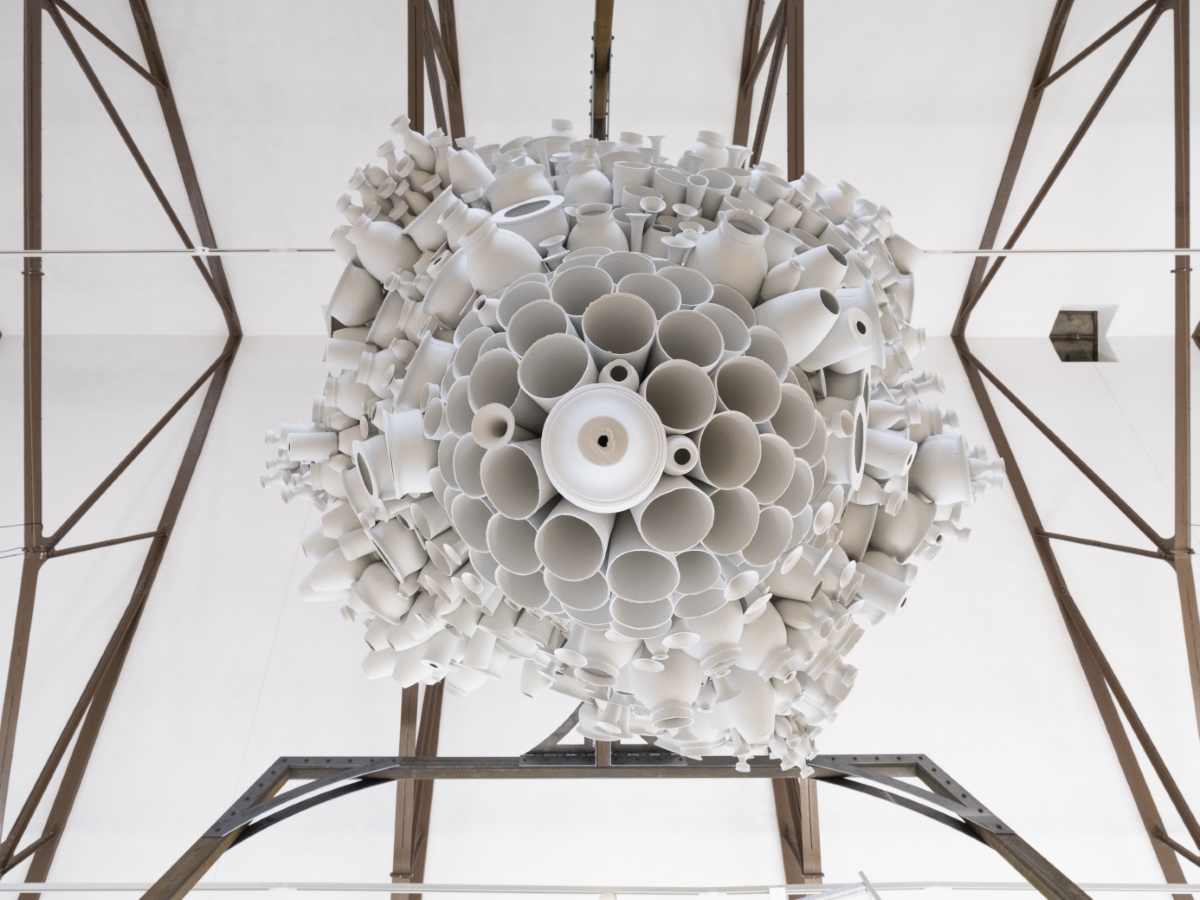
Torbjørn Kvasbø combines industrial production with contemporary ceramics in his work Vaseklase, which is now presented in Norway for the first time. The work was created in 2009 when Kvasbø was invited to a workshop at Porsgrunds Porselænsfabrik. During the two weeks he spent there, he cast several hundred vases using the nearly 150-year-old molds from the factory’s archive. The work, with its more than 3,000 vases, reflects mass production in the porcelain industry while at the same time challenging conventional notions of the vase as an object. By removing the vase from the table and its function as a utilitarian and decorative item, and using it as a building block in an organic, plant-like sculpture, the boundaries of ceramic design are stretched.
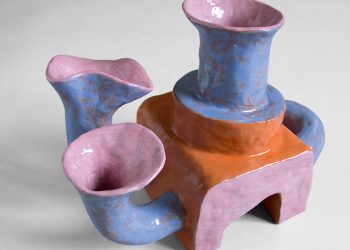
Material exploration is a key aspect of Irene Nordli’s artistic practice. She shows an interest and curiosity in experimenting with various techniques and surface treatments, giving each artwork a distinctive and playful character. For Nordli, porcelain figures, particularly from Porsgrunds Porselænsfabrik, have been a central source of inspiration in her artistic development.
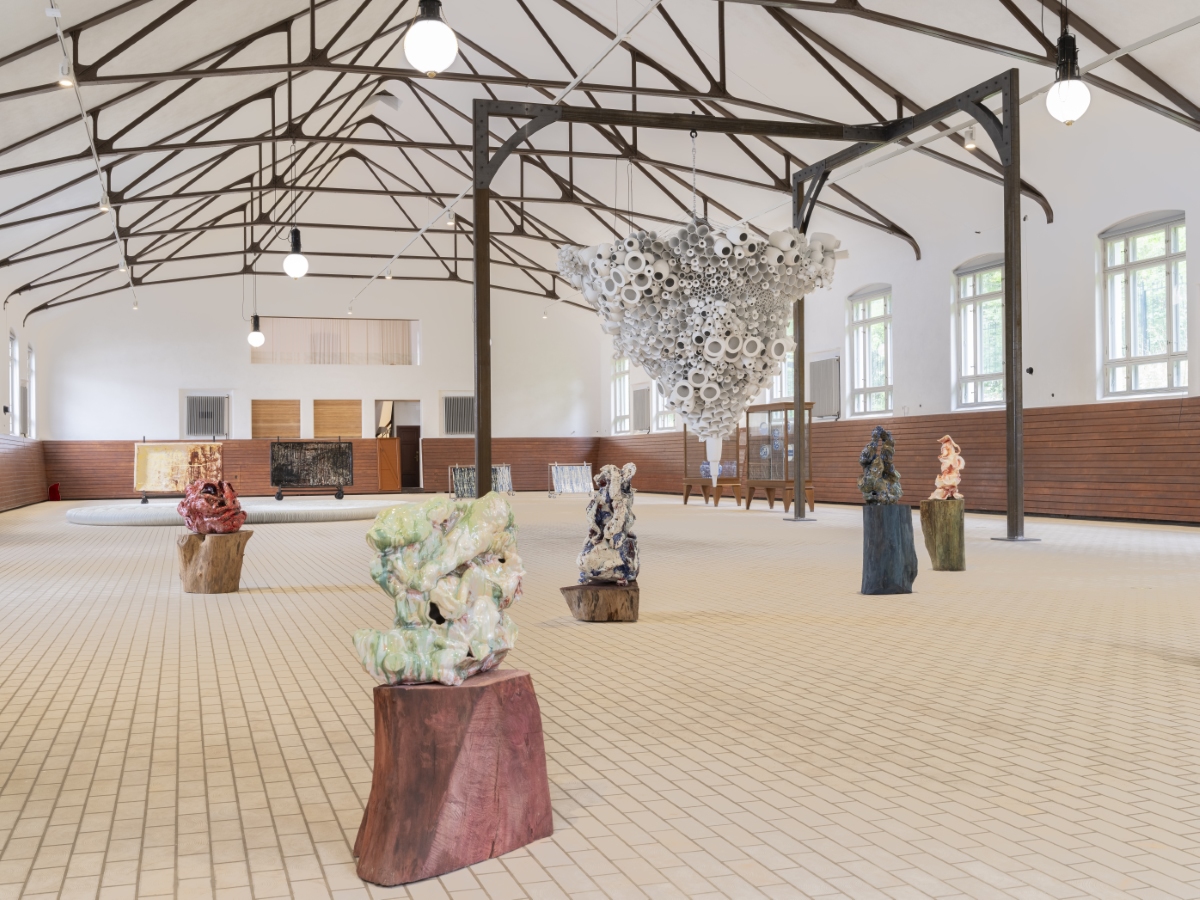





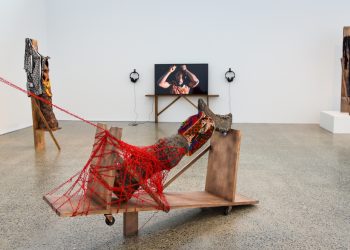
Marit Tingleff’s work, like Nordli and Kvasbø’s, is not only a visual experience but also a tactile and physical encounter. Objects that were previously attached to the table as part of the table setting and serving are now transformed into a bodily experience in the room. Tingleff challenges the size of ceramics and the limits of what is physically possible. If a crack appears during firing due to the size of the work, it becomes an important part of the visual image, rather than being hidden away as a ‘mistake. Rather, Tingleff’s kintsugi-like approach celebrates the beauty of imperfection by making the cracks a prominent and valued part of the work’s history.
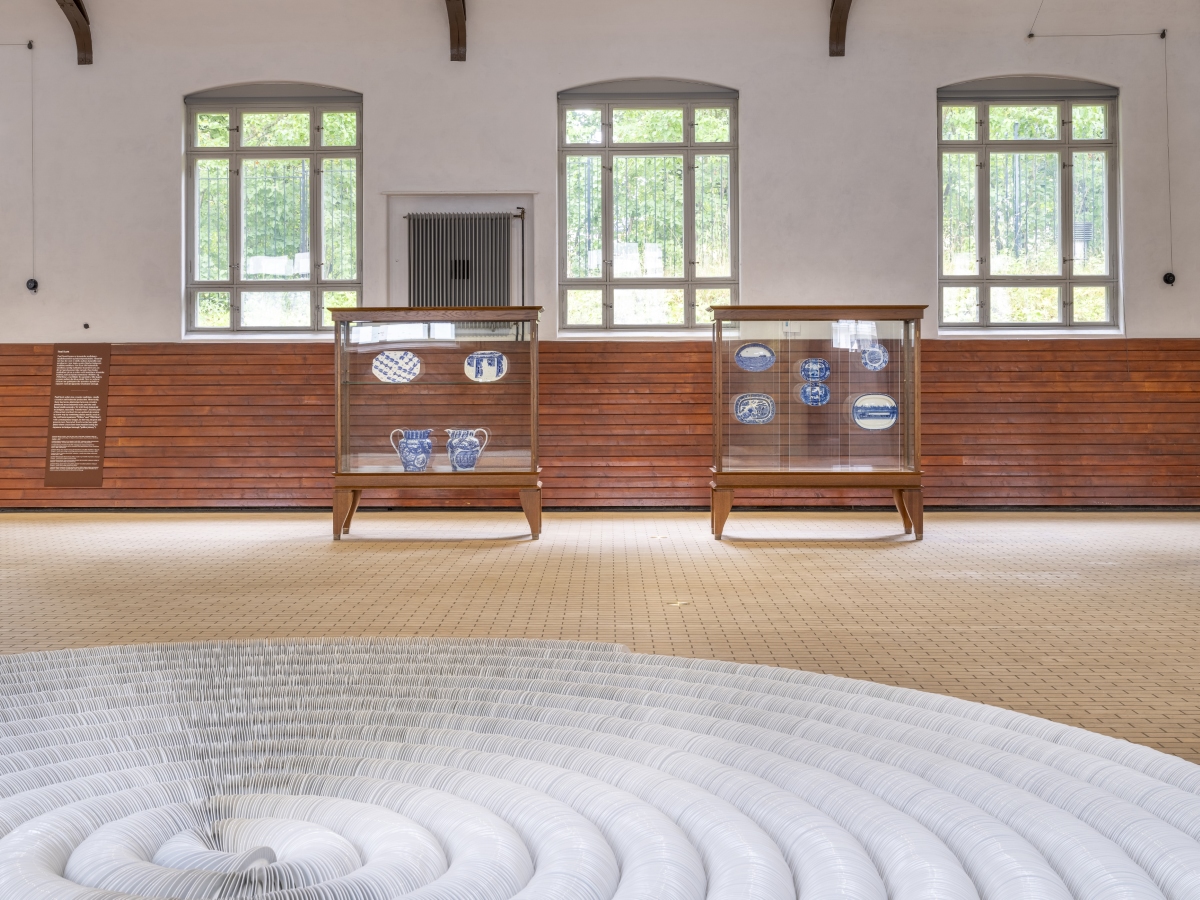
In addition, Paul Scott has taken his point of departure in fragments from the oldest tableware found in the Royal Collections. The blue tableware was commissioned by Swedish King Carl II, who, in the autumn of 1814, became the first union king of Norway-Sweden. Today, it represents the world’s oldest known collection of its kind. From these fragments, Scott has recreated new works, which are being shown to the public for the very first time.
The four contemporary ceramicists have all established themselves with an extensive artistic practice with their own workshops, and act as mentors and sources of knowledge and inspiration for future generations in the ceramics community.
Contact
kunststallen@slottet.no
Queen Sonja Art Stable
Parkveien 50
0010 Oslo
Norway
Photos by Øivind Møller Bakken