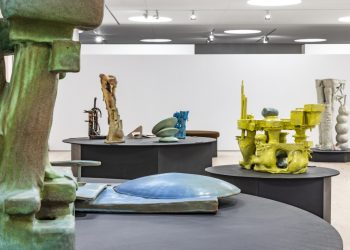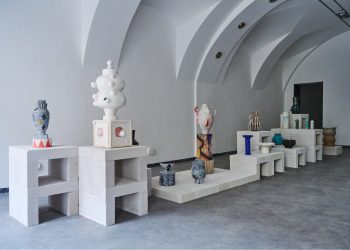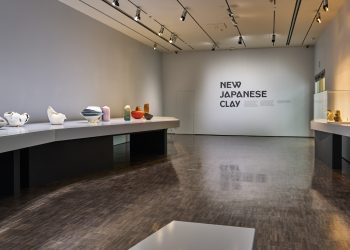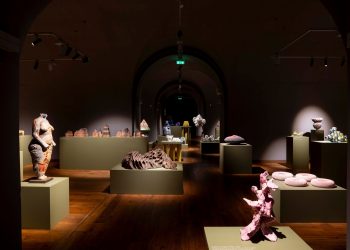
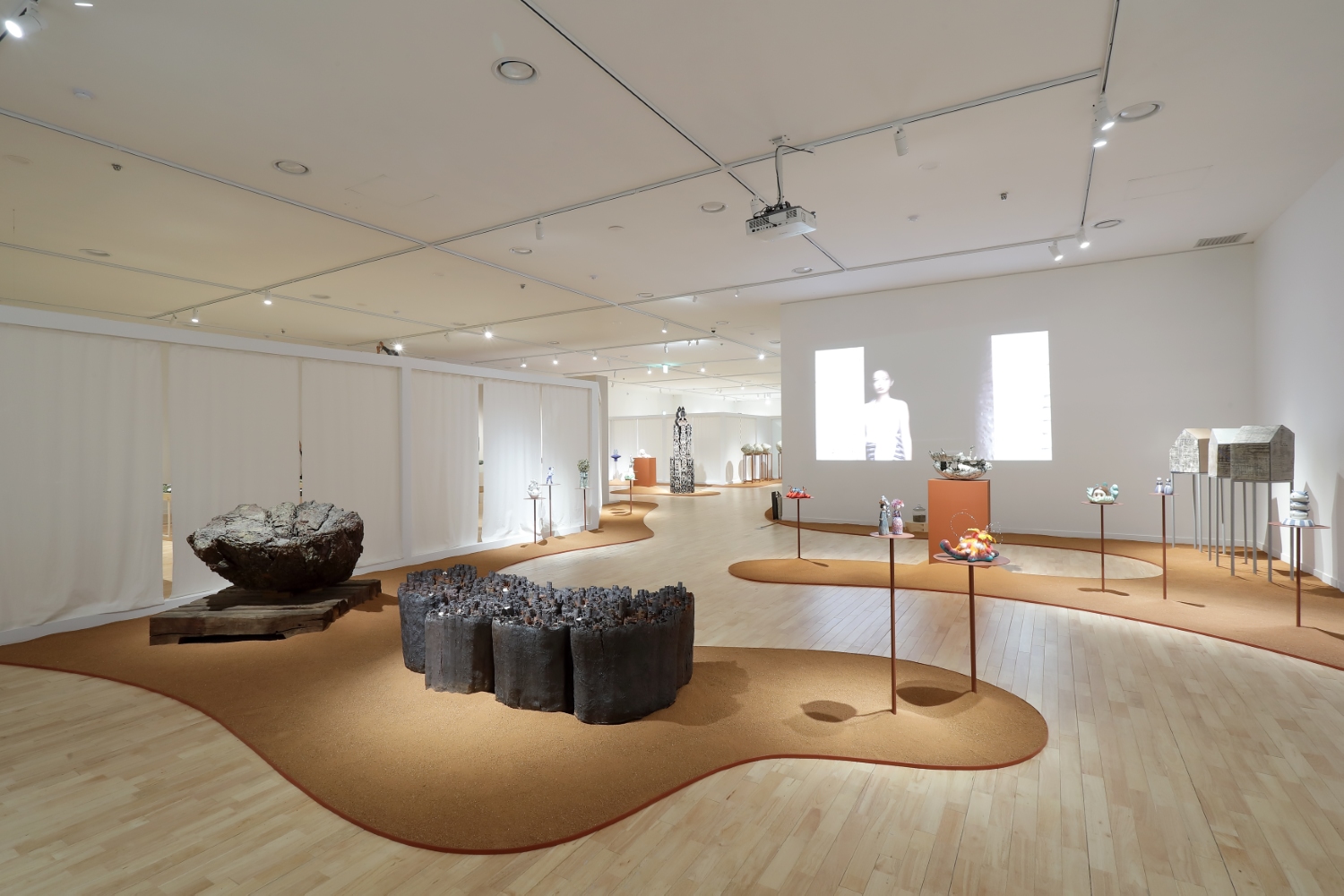
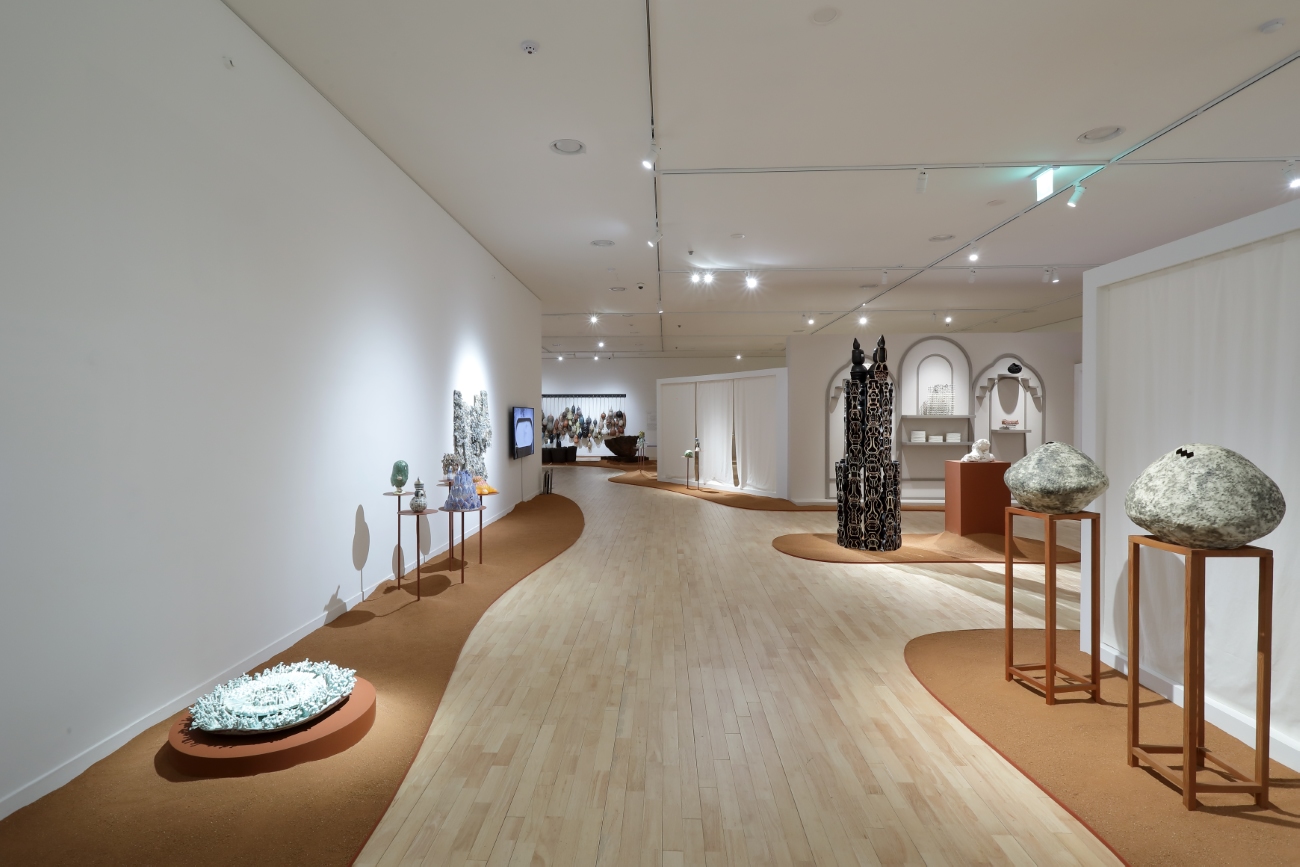
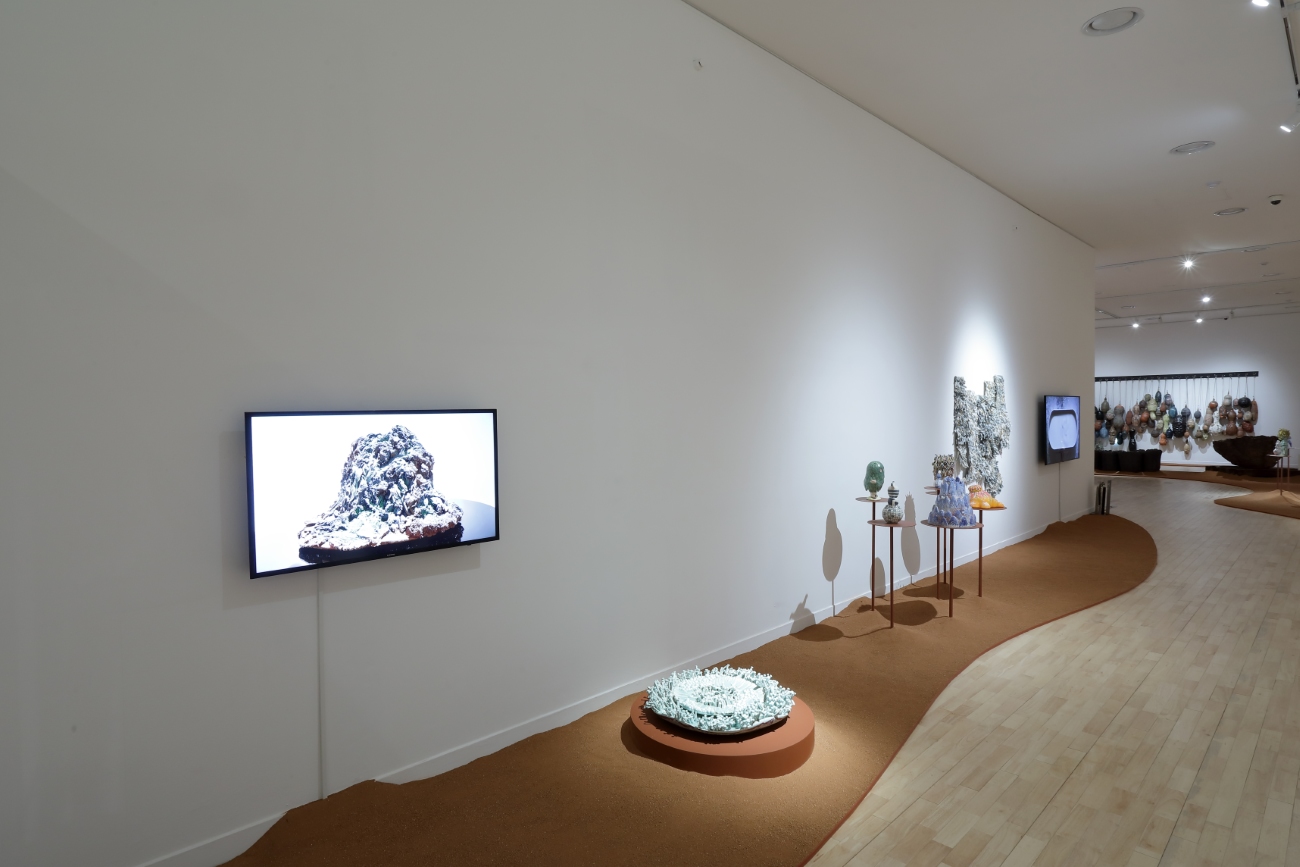
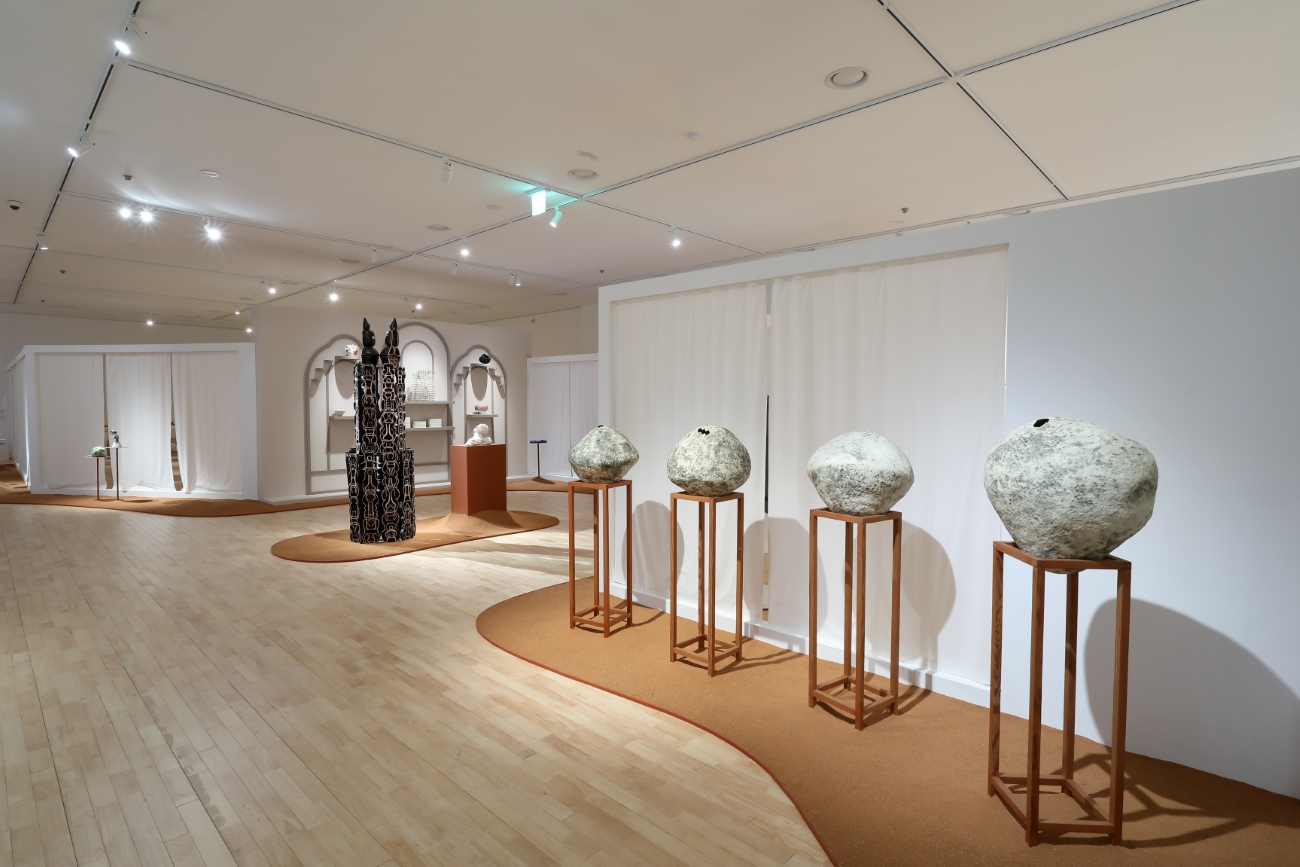
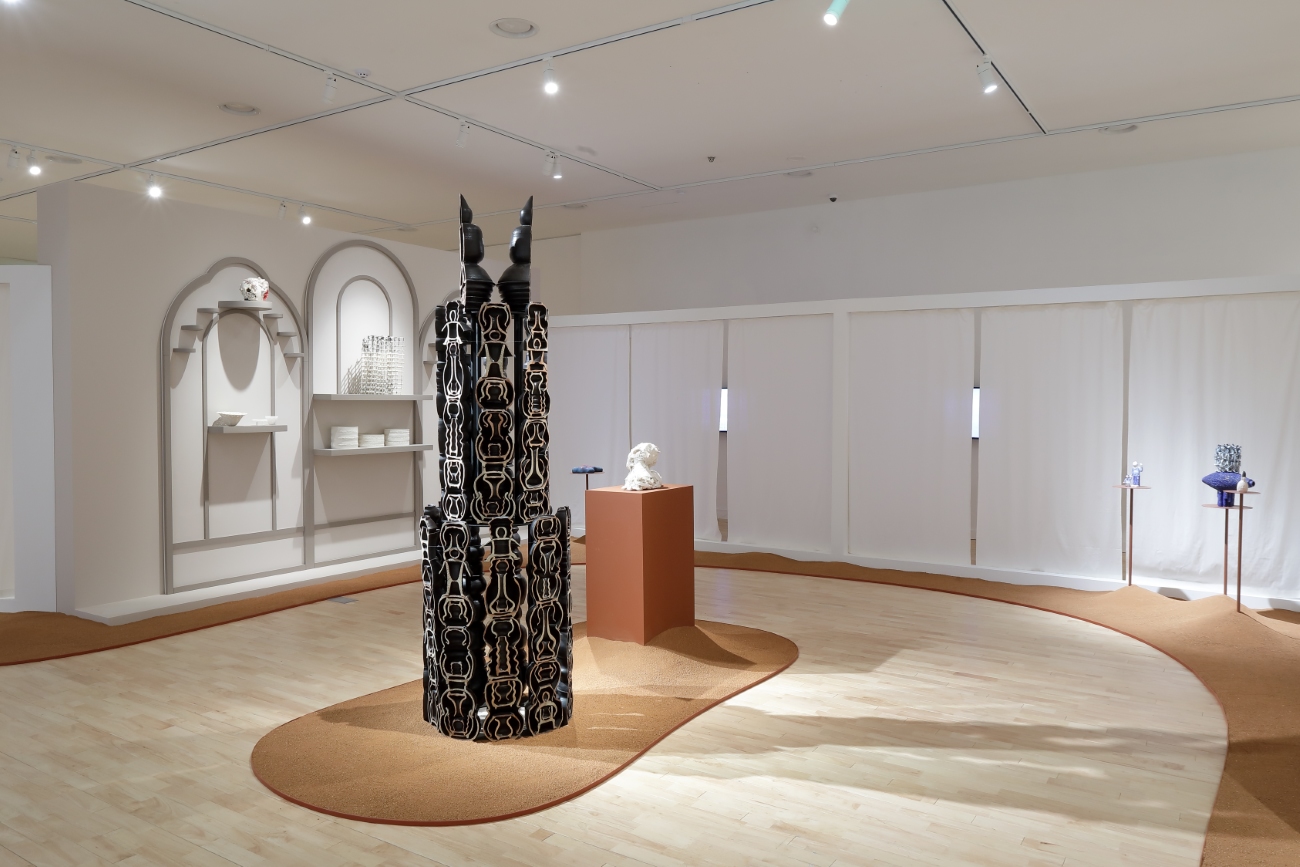
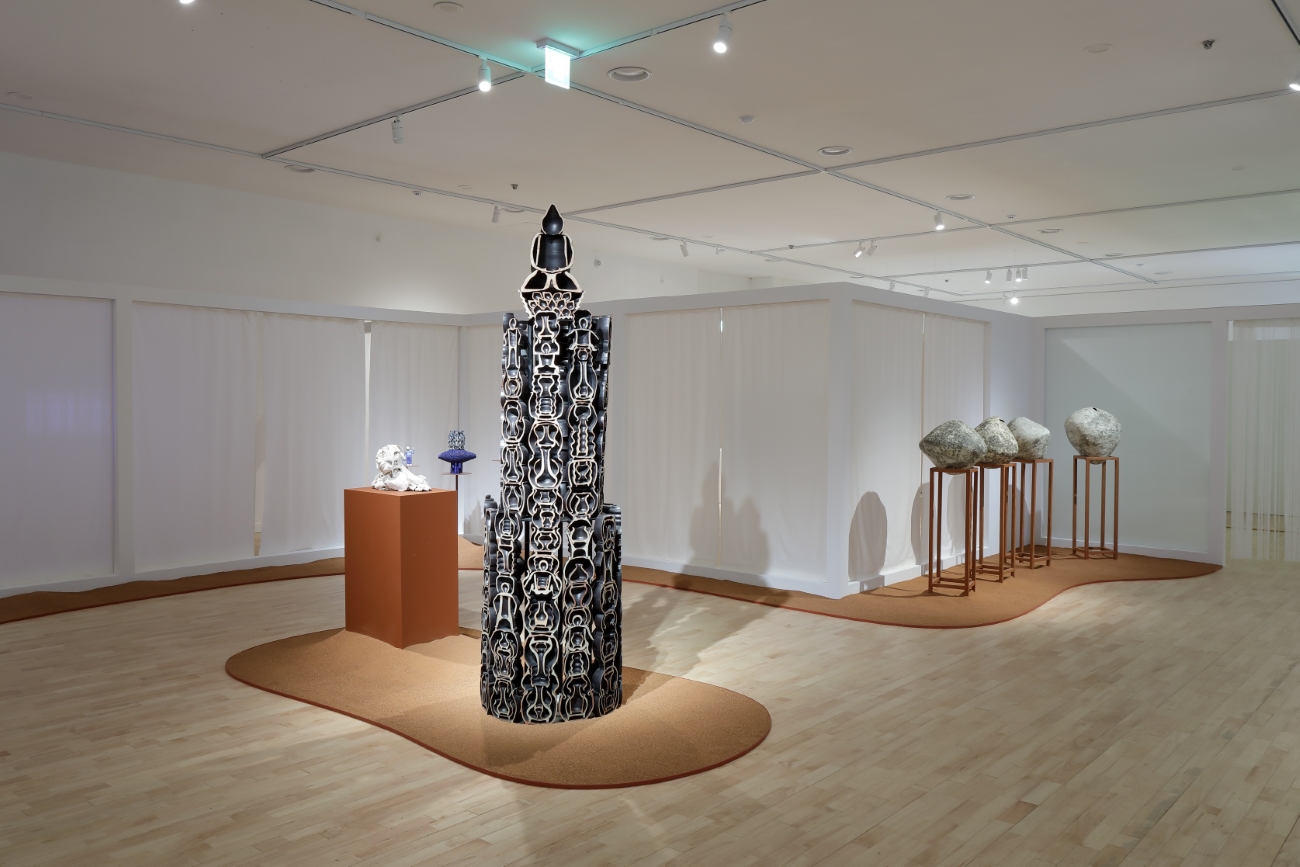
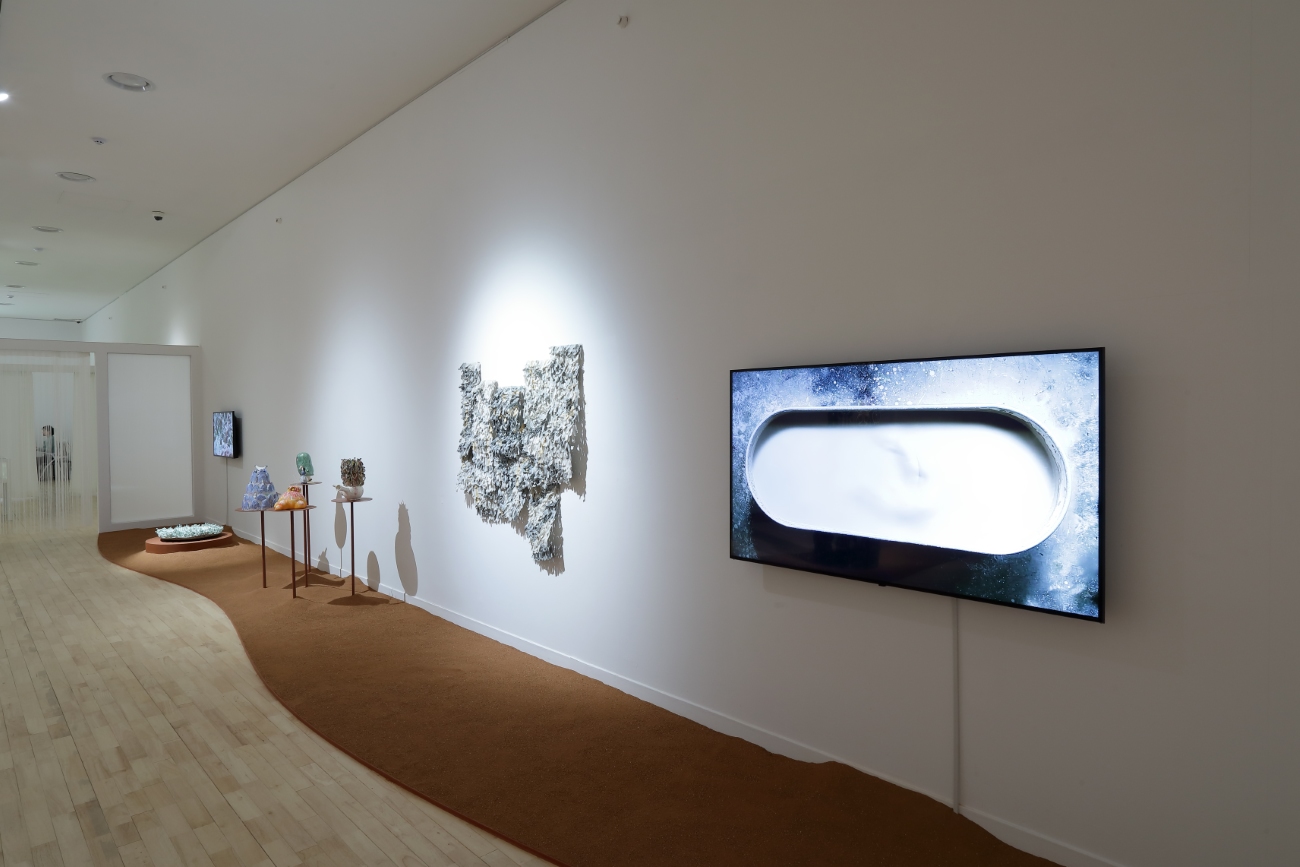
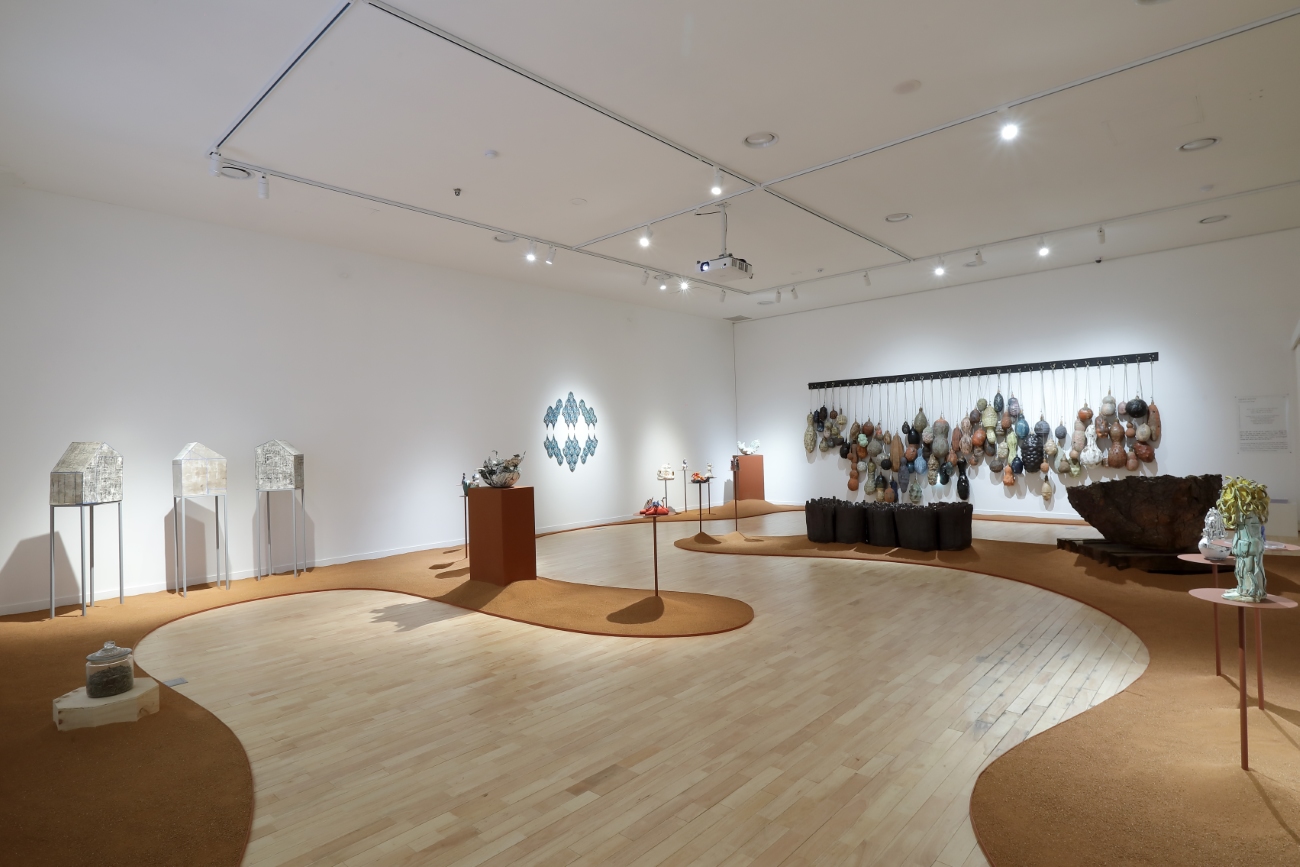
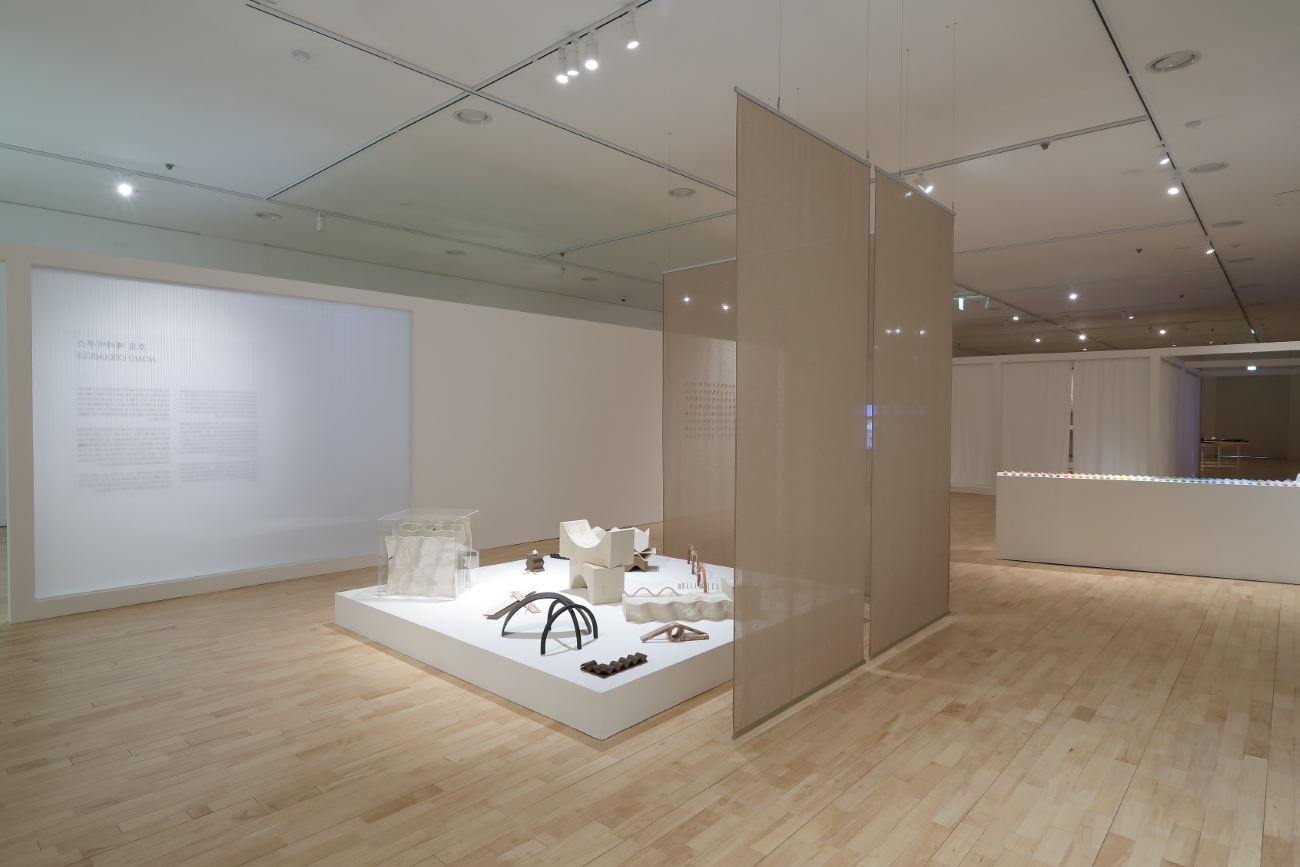
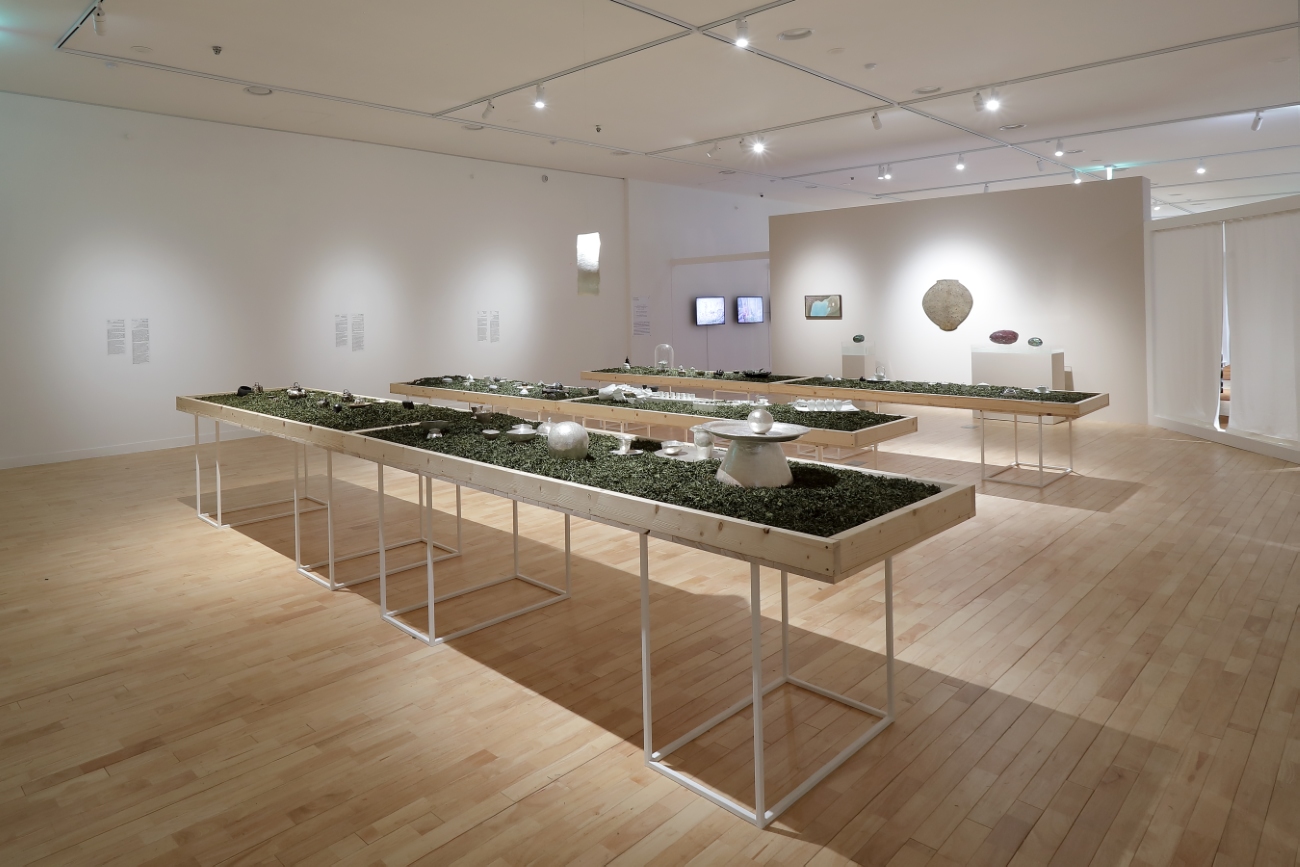
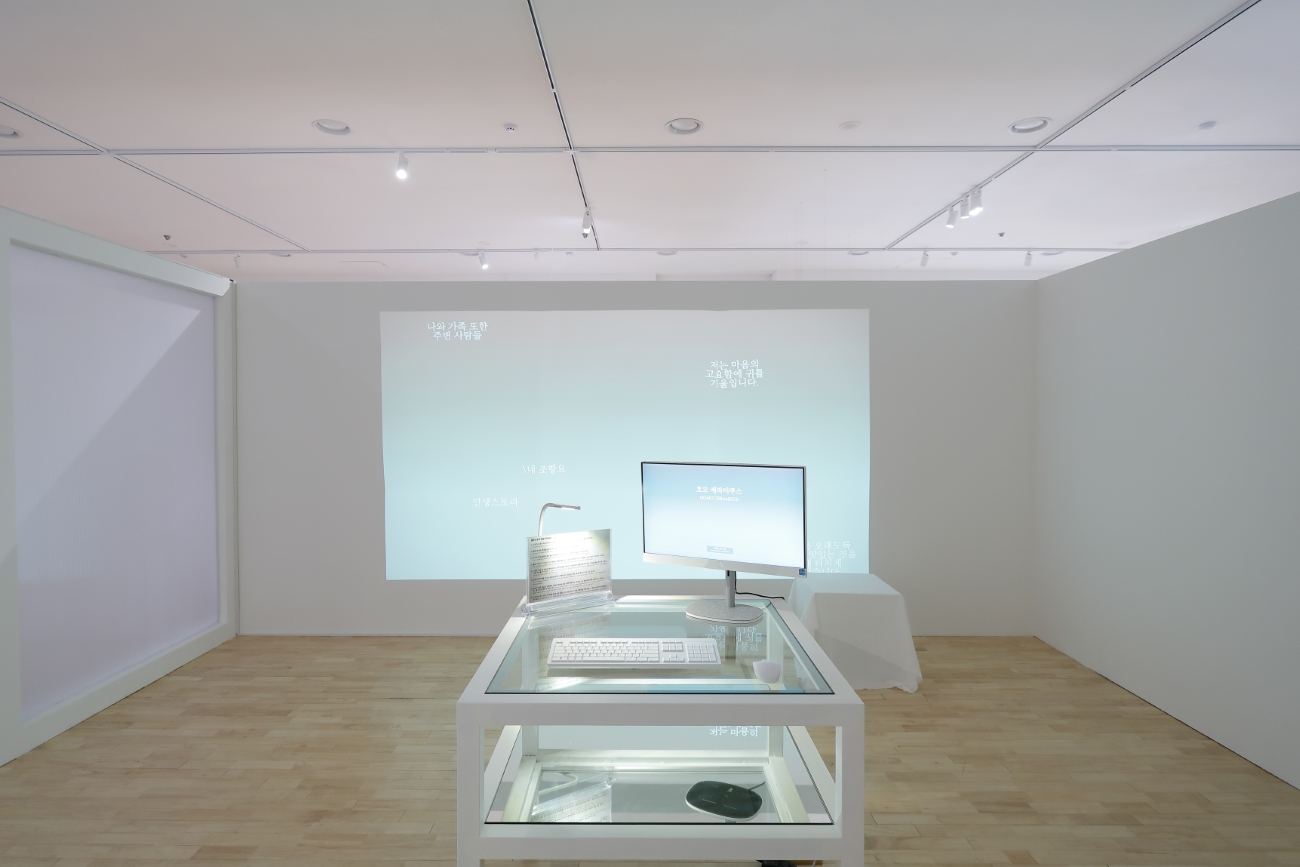
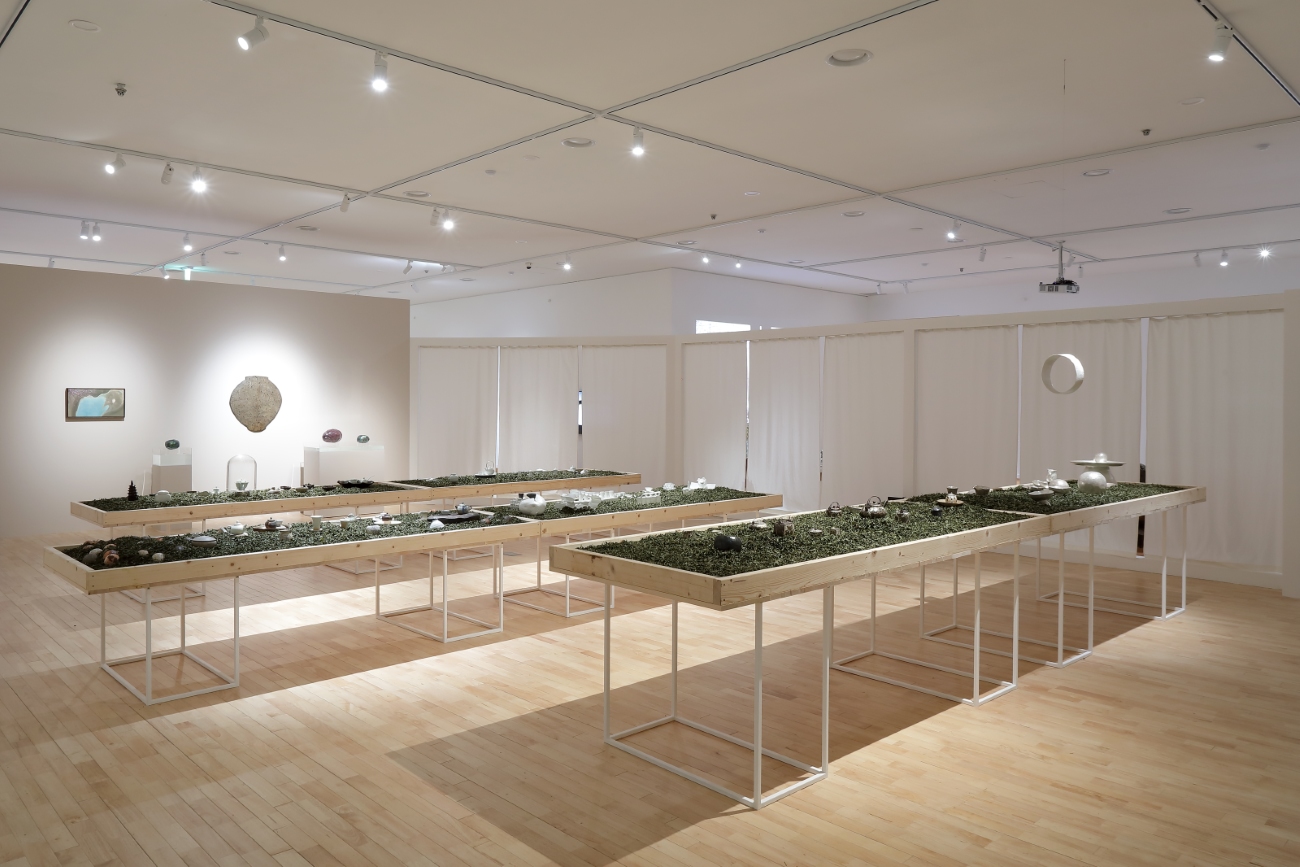
HOMO CERAMICUS is on view at the Gyeonggi Museum of Contemporary Ceramic Art, Icheon
September 19, 2025 – February 22, 2026
Homo Ceramicus is a neologism first articulated by the Gyeonggi Museum of Ceramic Contemporary Art (GMoCCA). In its most literal sense, the term designates humankind that works with clay.
In this exhibition the concept is employed in a more deliberate and focused sense, referring to potters who transcend mere technical practice and who, through clay, articulate a distinctive attitude toward life and a unique spirit. By framing the exhibition in this way, we seek to illuminate the identity of potters from a multidimensional perspective and hope that audiences will encounter their existence with greater depth and empathy.
Participating Artists
Part 1. Neil Brownsword, Back Inkyo, Saito Yuna, Lim Jihyun, Tontouristen
Part 2. Kang Youngjun, Moon Chanseok, Park Miran, Park Songkuk, Shin Hyunchoul, Woo Sihyeong, Lee Heami
Part 3. Kim Woonhee, Kim Yeji, Park Sunyoung, Yang Hyejung, Lee Joonsung, Cho Younsang
List of Artists from the GMoCCA Collection on Exhibit
Kim Junmyung, Naoki Kato, Nelson Lim, David Hicks, Dyah Retno, Lana Kova, Lisa Creskey, Rika Herbst, Lindsey Dezman, Magari Kazuma, Mee-sun Kim Park, Park Songkuk, Stephanie Lanter, Takefumi Aoki, Eliza Au, Christine Yiting Wang, Irina Razumovskaya, Ley. Wang, Choi Myungjin, Kathryn Baczeski, Ke Tang, Claudi Casanovasu, Tamaki Risa
In the novel by Hwang Sunwon (1915–2000), The Old Potter (1939), the protagonist is portrayed as a figure of steadfast conviction, meticulously inspecting the pottery taken from the kiln and tolerating no flaw, however small. This image, representing a popular perception of the potter, has been shaped over a long history.
While past and present ceramists reveal considerable differences in their methods and environments, they display a remarkable continuity in their attitude toward life and in their craftsmanship. These inner commonalities are quietly and faithfully preserved within the ceramics they have created, the tangible fruits of their labor.
The GMoCCA, attentive to these similarities and continuities, seeks to illuminate the existence of the ceramist through the concept of Homo Ceramicus. Homo Ceramicus is a neologism first proposed by the GMoCCA, signifying “humanity shaped through clay.” In this exhibition, the concept is employed in a more specific sense, defined as “the ceramists who shape clay” and “those who speak through clay.” It thus designates not mere technical practitioners, but beings who possess a distinctive way of life and a singular spirit.
Through this new designation, we seek to perceive the ceramist, much like the figure in Hwang Sunwon’s novel, in a more multidimensional and profound way. Furthermore, by illuminating their identity through an analytical and multilayered lens, we hope to foster a deeper public understanding of the ceramist. We also aim to reflect upon their attitude and their practice as we live through these weary times. We are then led to pose the following question to ourselves:
“With what attitude toward life are we shaping our today?”
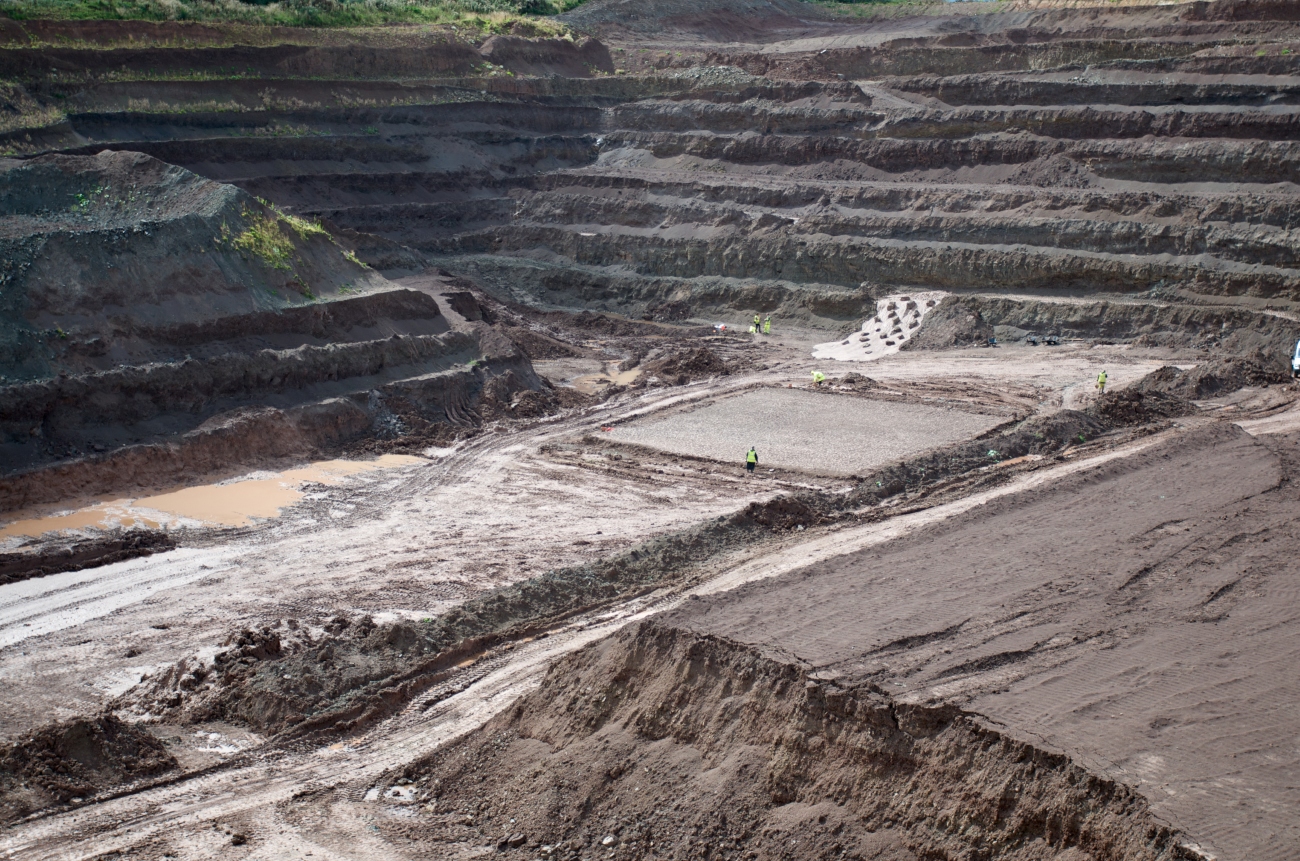
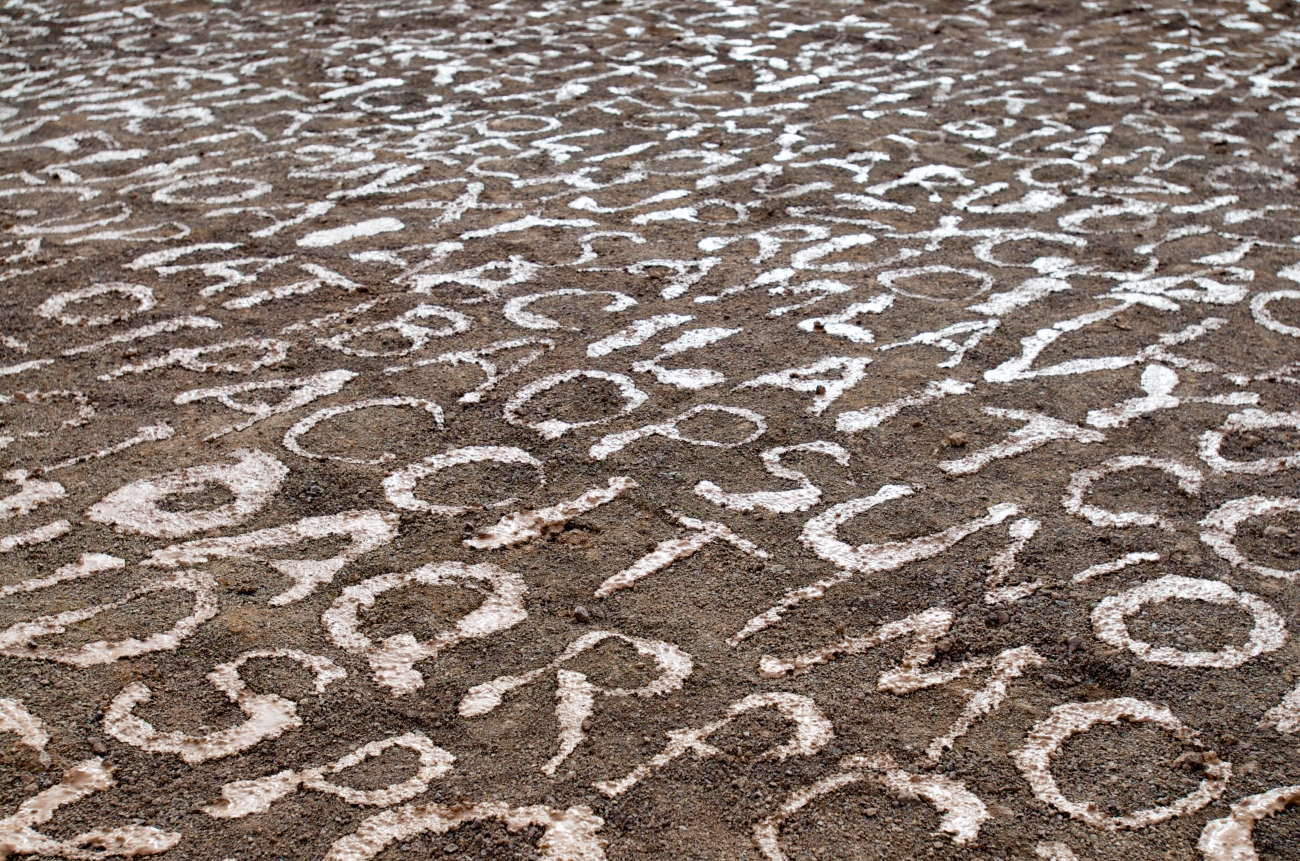
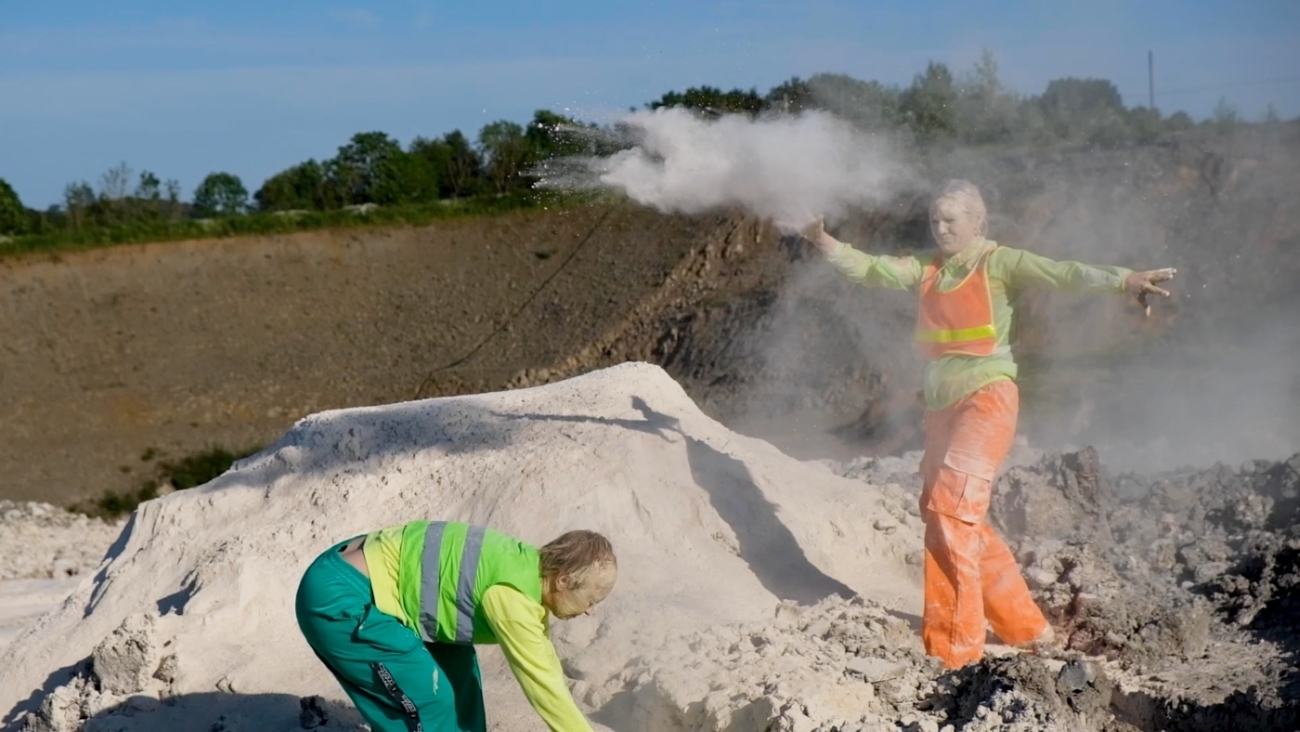
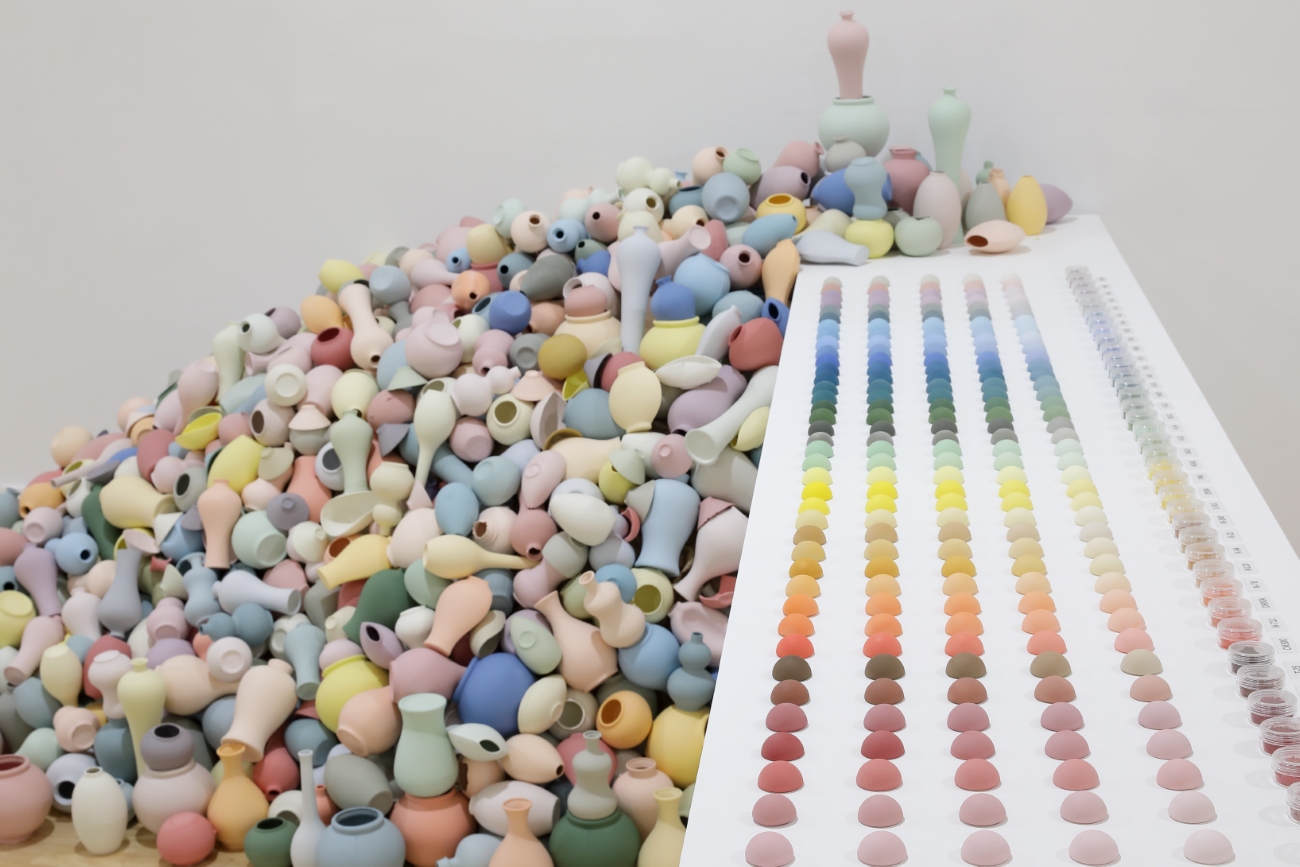
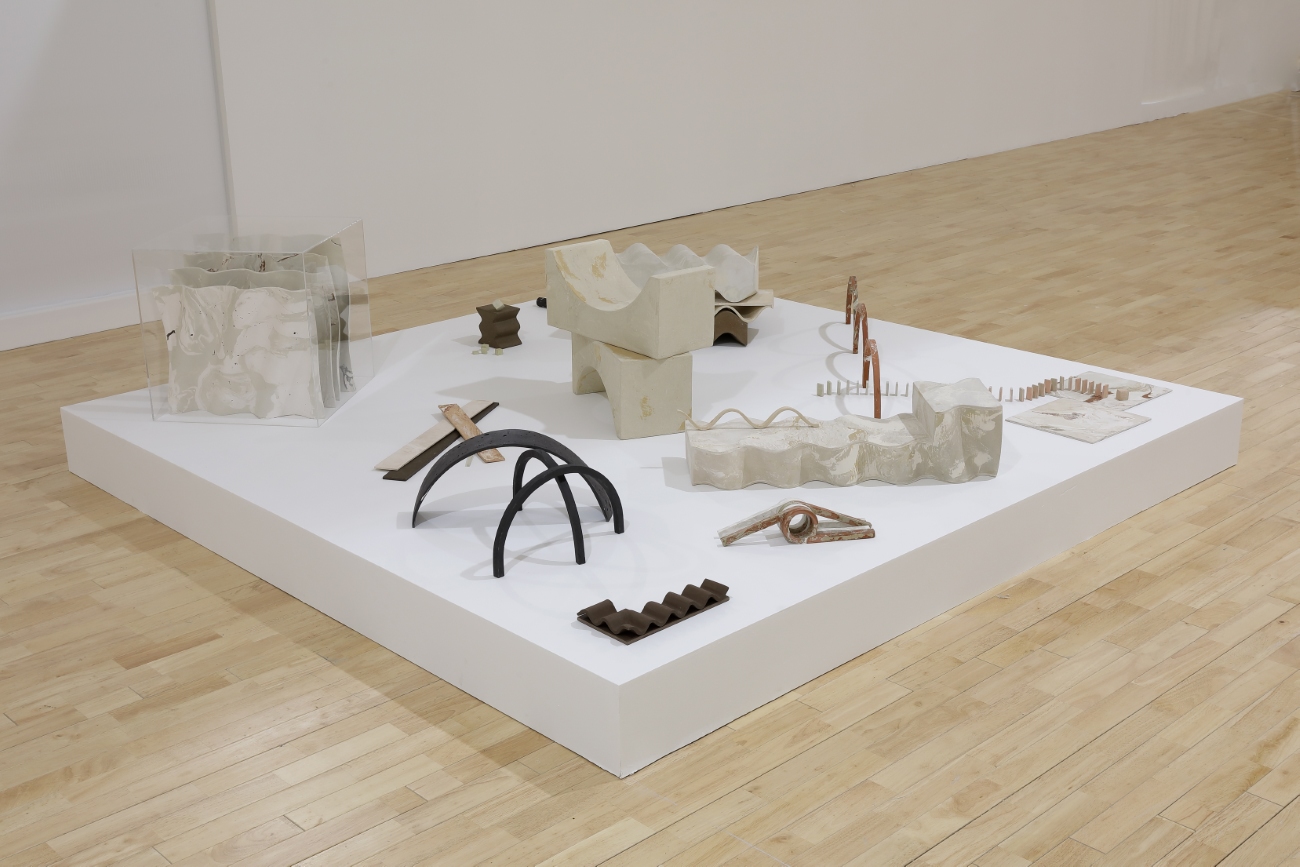
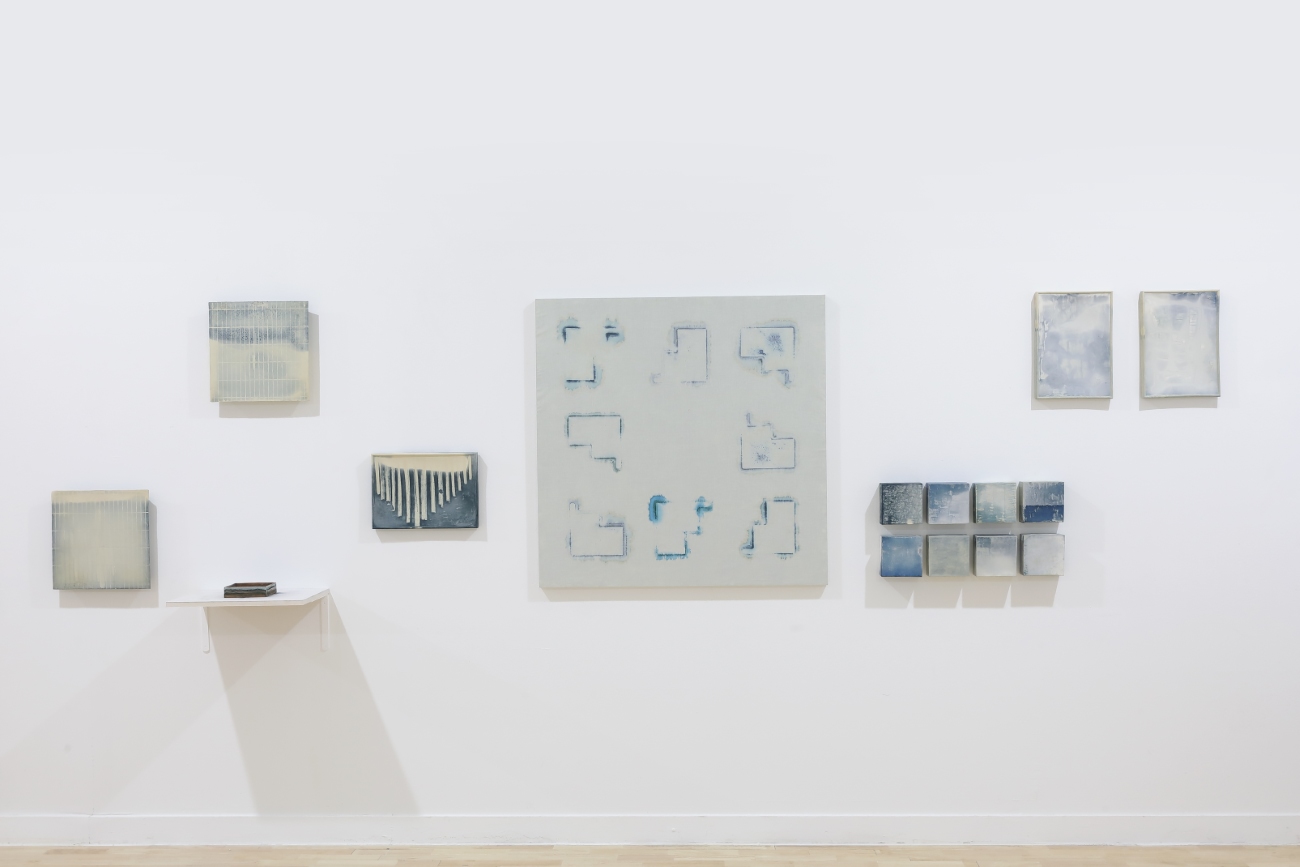
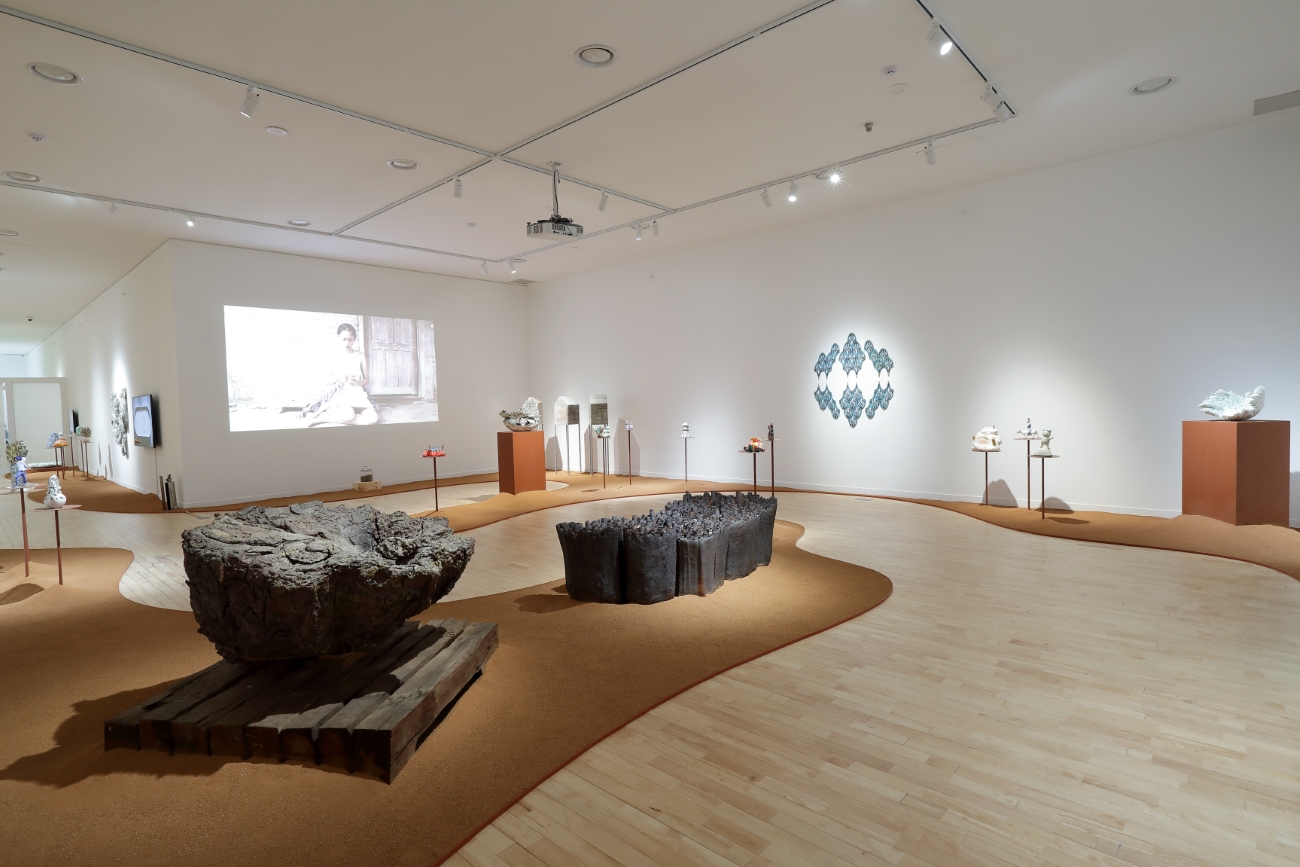
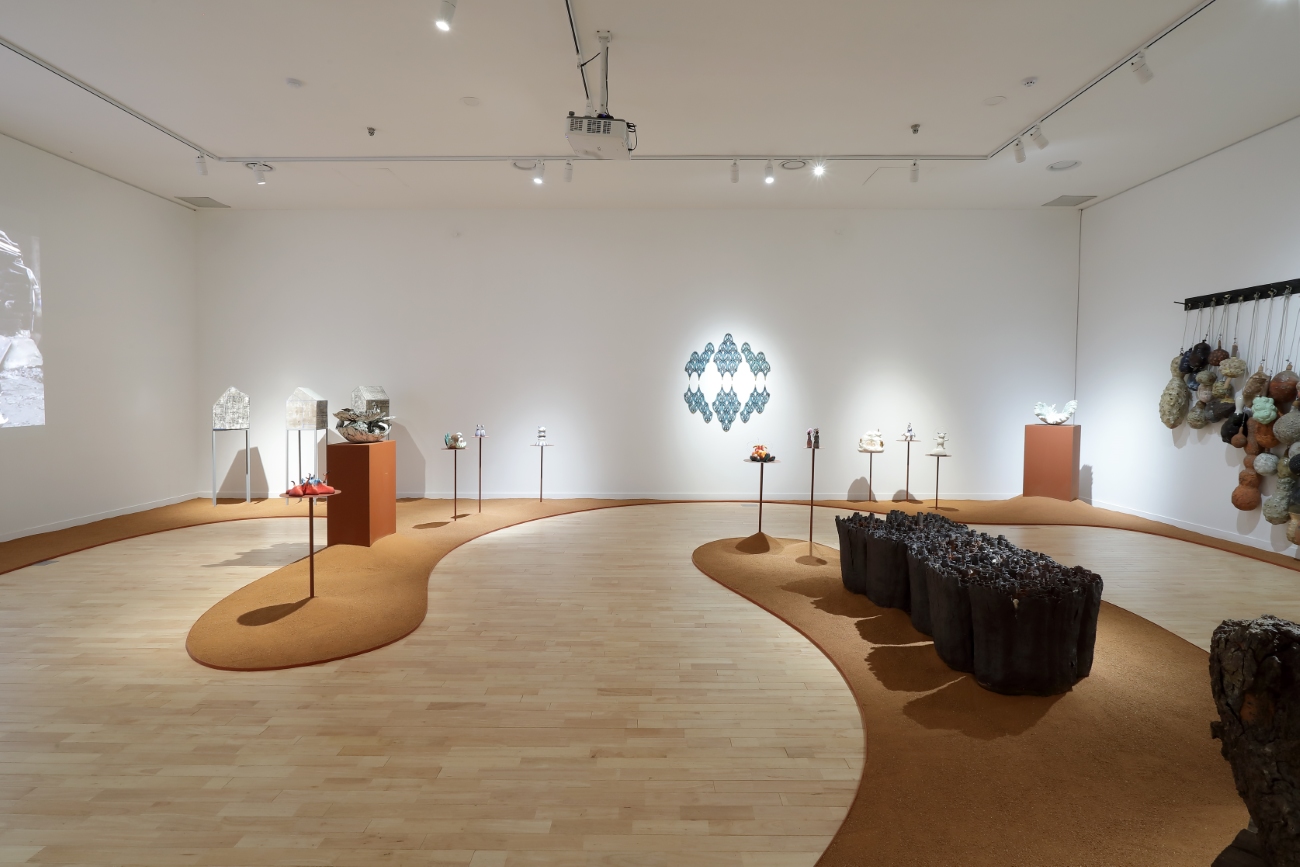
This exhibition is organized into three parts. Part I: Breathing Humbly highlights the cycle of clay, the destiny of ceramists who must live within that cycle, and their attitudes toward nature. Clay circulates, life that springs from it nourishes other life, and all existence ultimately returns to it. Within this principle of circulation, humanity has long revered clay as sacred. From the Bible, Sumerian and Greek mythology, and Native American beliefs to Korea’s agrarian traditions, clay has been honored as the very origin of creation and of life. In ancient Greece, Keramos was venerated as the god of pottery and became the very root of the word “ceramic.” Pottery itself was at times regarded as an act akin to divine power.
Contemporary ceramists likewise carry forward this tradition. They immerse themselves in the material of clay and the process of creation, finding wonder in moments of unpredictability. The practice of ceramics is deeply conditioned by natural forces such as temperature, humidity, fire, and wind and is imbued with variables that cannot be controlled by human will alone. Confronted with these limits, ceramists yield to a force beyond the self and approach their work with humility.
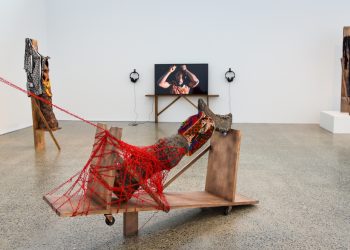
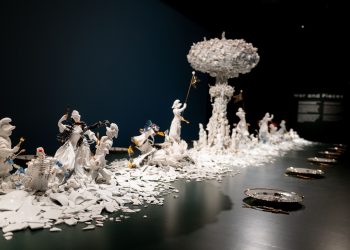
The video artwork of Tontouristen, which reveals such aspects of the ceramist, recalls the naturalness and materiality inherent in ceramics. It also reminds us that the ceramist, within such a landscape, is a being who contemplates deeply on the themes of human intervention and the restoration of nature. Neil Brownsword, in turn, conveys the identity of the ceramist through an elemental approach of engaging clay and laboring repetitively. Lim Jihyun, as an artist who works with the material of clay, introduces experimental artworks that present perceptions of both the digital world and the material world. Back Inkyo, through large-scale installations, embodies the enduring ceramist’s spirit of inquiry that embraces even failure. Saito Yuna discloses the vision of the ceramist who does not see nature as separate from the self but as an existence that enfolds the artist.
Together, these artists’ humility, which drives them to accept themselves as part of nature’s order and attune to its subtle changes as they continue their work, evokes the distant past when humanity encountered the world as something sacred. Even today, ceramics remain a mode of creation in which human beings engage the world in its deepest essence.
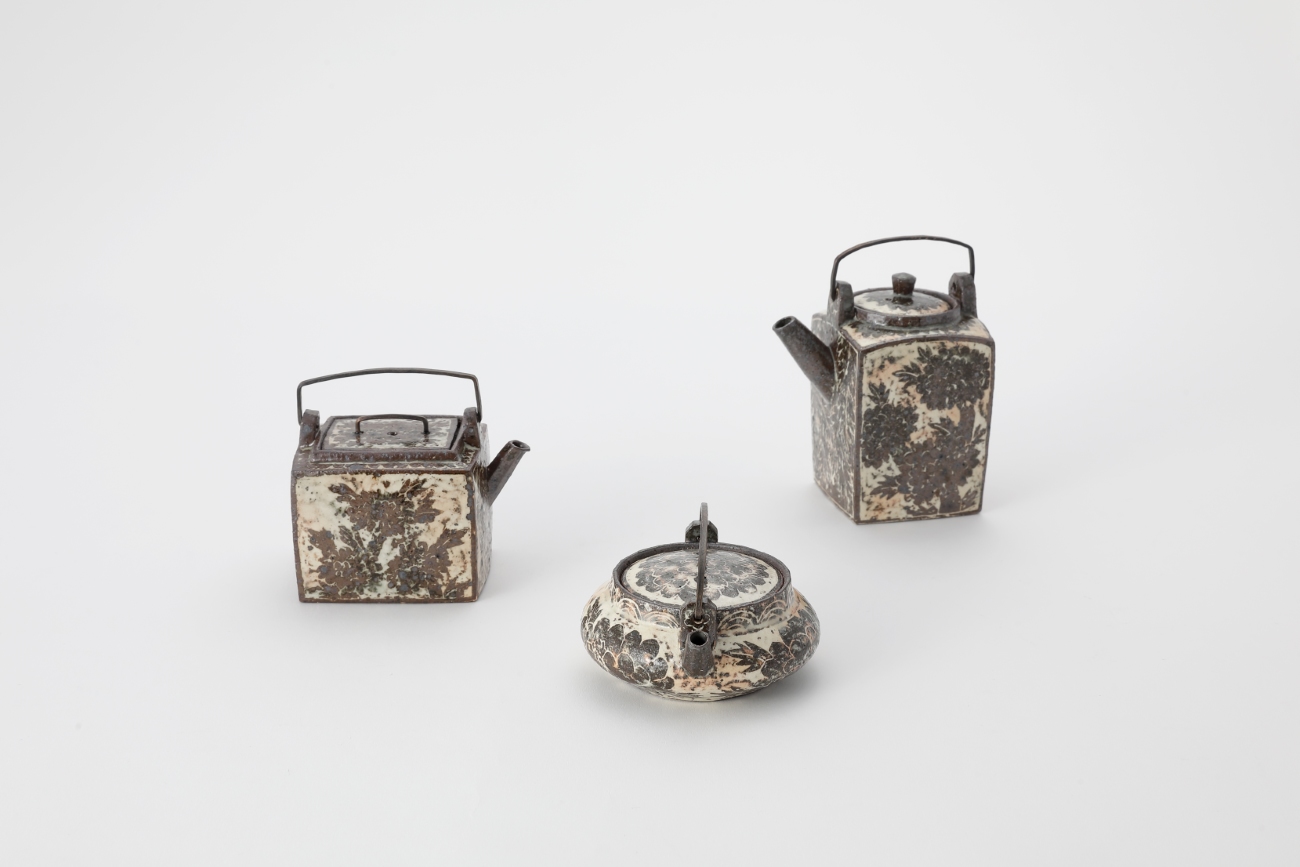
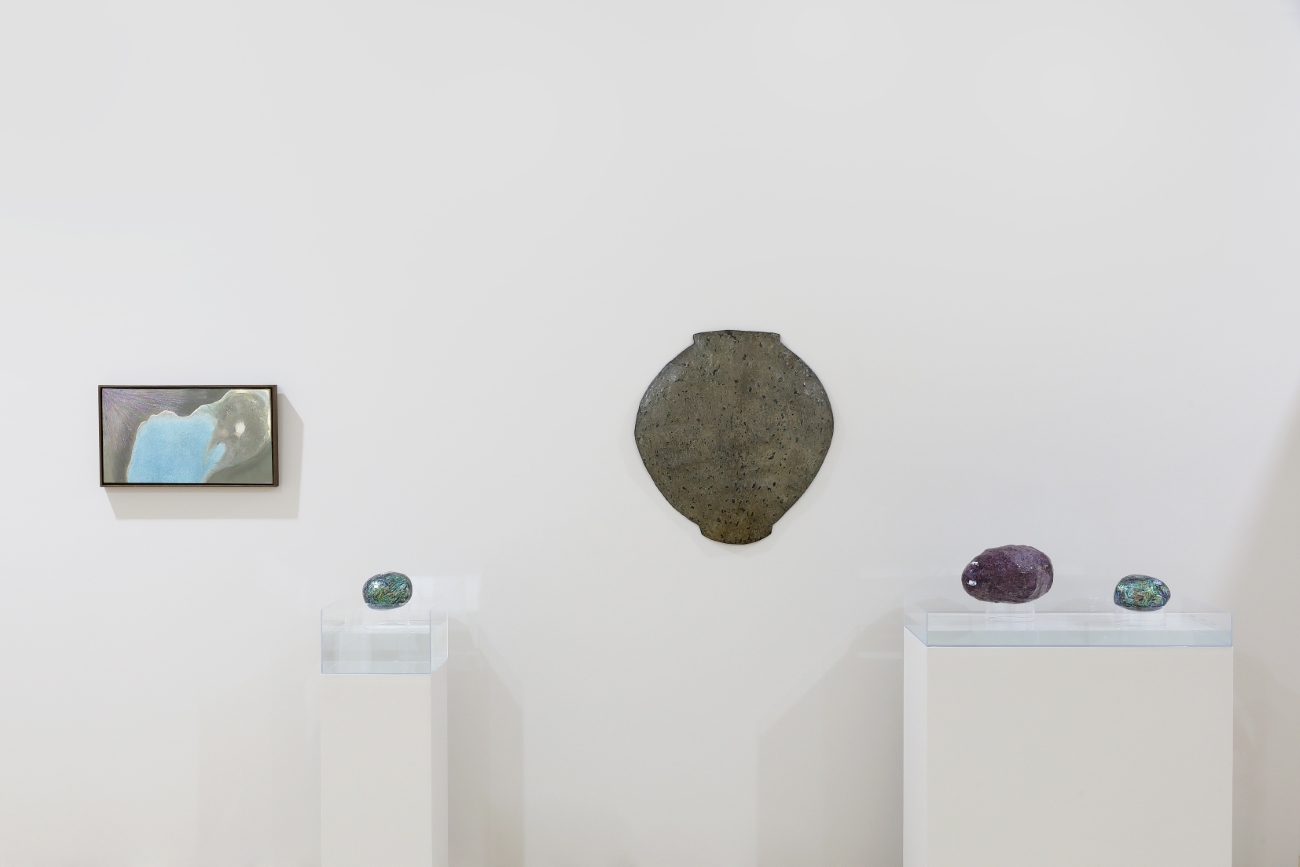
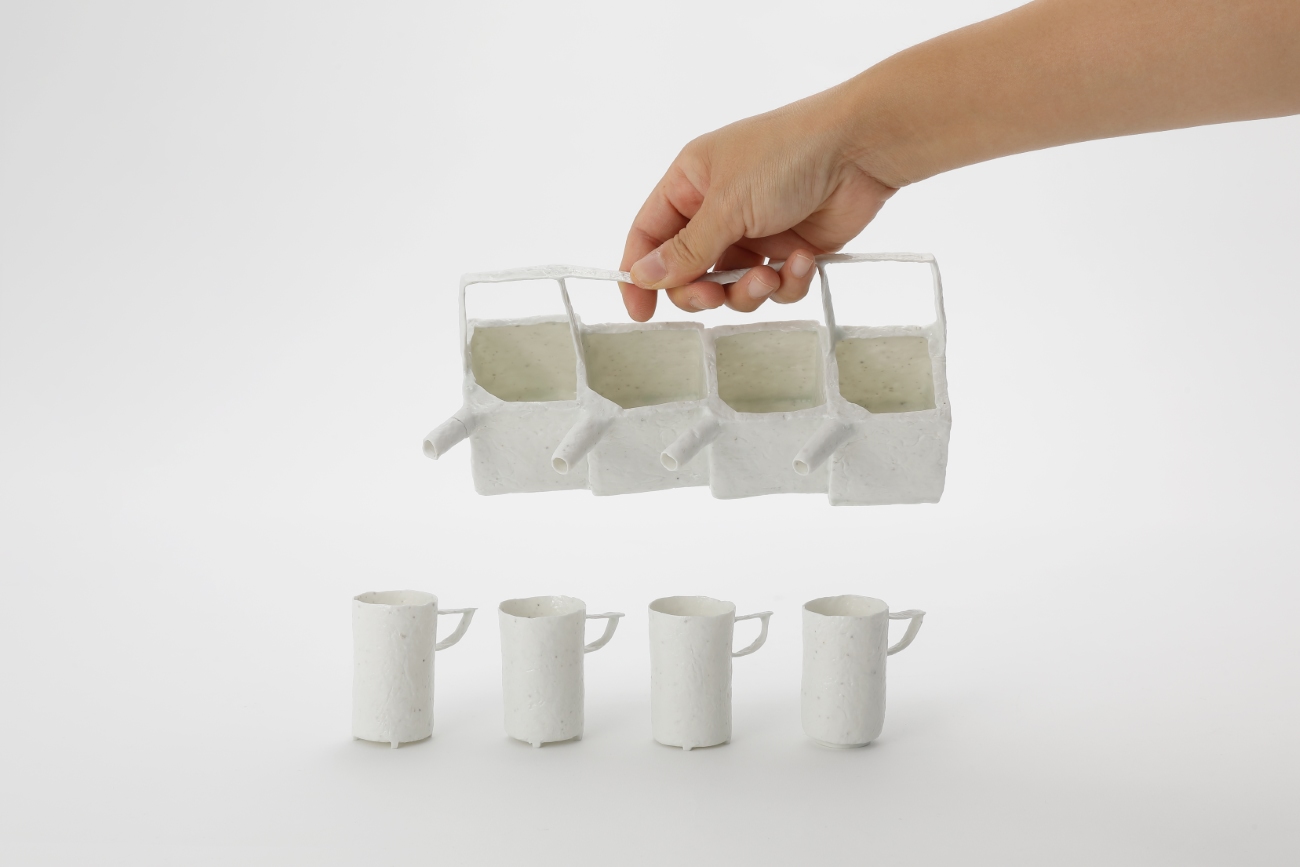
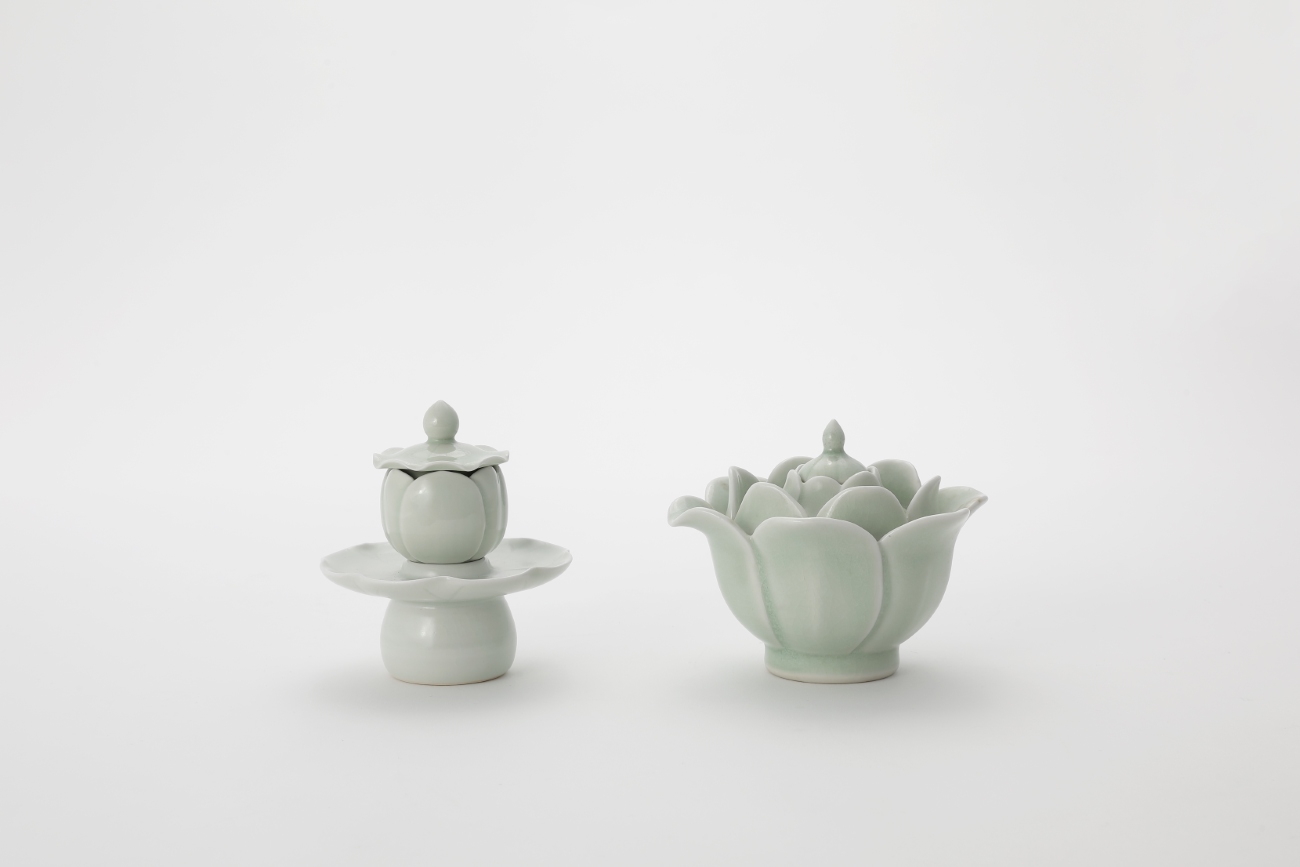
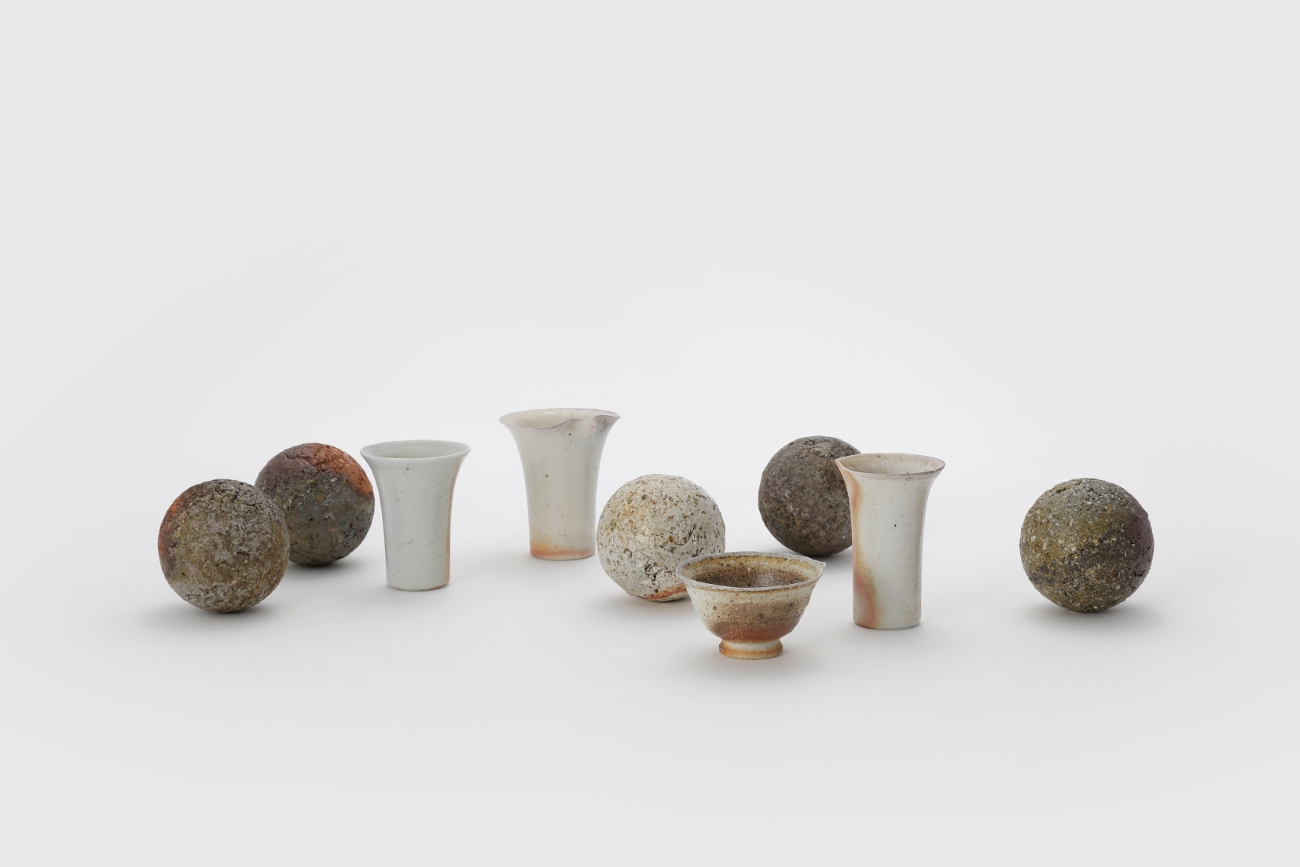
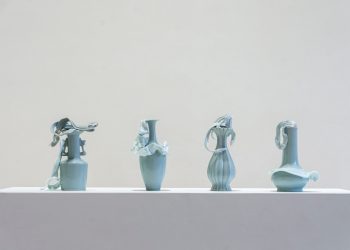
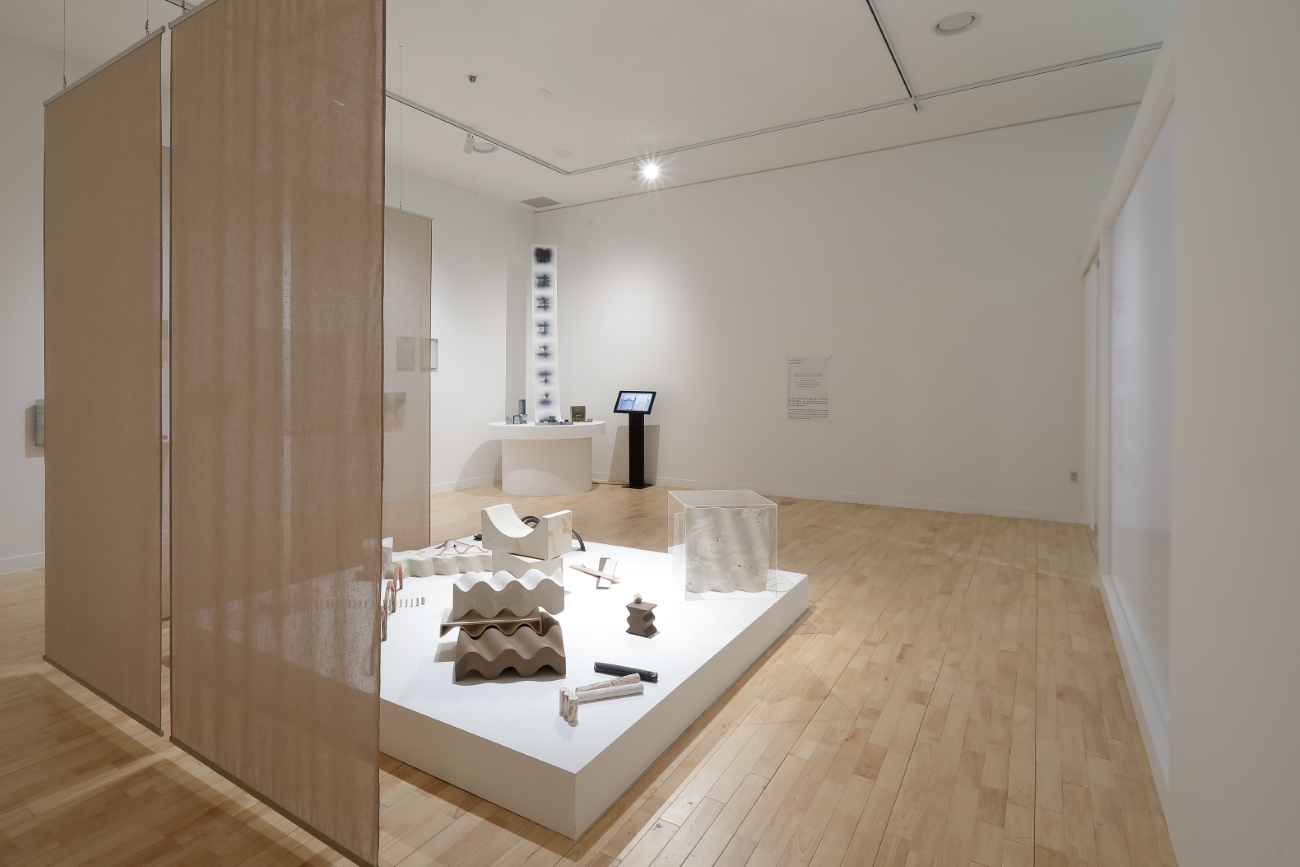
Part II: Enduring and Healing illuminates the attitude of ceramists who, while enduring the arduous processes of their craft, personify the Korean concept of 玩物趣味wanmulchwimi (a contemplative passion for objects) by drinking tea, creating and handling objects, and repeatedly indulging in them as a mode of both practice and meditation. Within this space, tea utensils and objects that represent such qualities are displayed. These artworks move beyond the notion of mere drinking vessels or decorative items, carrying instead the significance of ceramics as a medium for the ceramist’s self-cultivation and healing.
For the ceramist, the act of drinking tea is regarded not merely as simply imbibing something, but as a ritual that encompasses life and work, as well as materiality and spirituality. By raising a teacup they have crafted, bringing to their lips the tea within, and savoring it slowly, they reawaken through the body the texture, weight, balance, warmth, and flow of the ceramic, sensuously experiencing their own artwork anew.
It is, at once, a time of self-reflection and a quiet pause in which the tension and stubborn persistence felt in working with clay are momentarily set aside. In this stillness, ceramists savor the lingering resonance of contemplation, converse with themselves, and experience once more an intimate connection with nature.
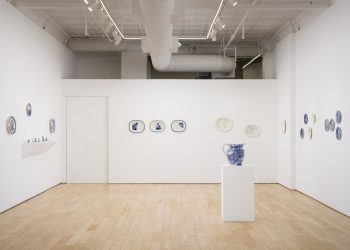
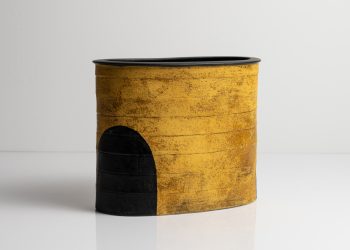
Kang Youngjun, who prepared a dedicated tea room for such experiences, presents tea utensils that delicately embody a Korean sensibility laden with a touch of antiquity. Woo Sihyeong, through a process akin to spiritual practice, creates unglazed ceramic works that evoke the cycles of existence and extinction, transformation and healing.
Moon Chanseok, drawing on experience accumulated through countless failures, presents tea utensils poetically themed around the moon. Lee Heami reveals silver-glazed ceramics that are continuously transformed over the course of the user’s life. Shin Hyunchoul presents tea utensils that serve as mediums of self-cultivation and spiritual reflection. Park Miran unveils ceramic plates that reinterpret glaze along with objects imbued with the meaning of healing, while Park Songkuk introduces experimental tea utensils inspired by the motif of hanji, traditional Korean paper.
These artists’ creations are similar in that they are brought to completion through immersion, despite countless hours and repeated failures. Such an attitude involving silently conversing with clay and steadfastly walking the path solely in pursuit of beauty reveals the very essence of the ceramist.
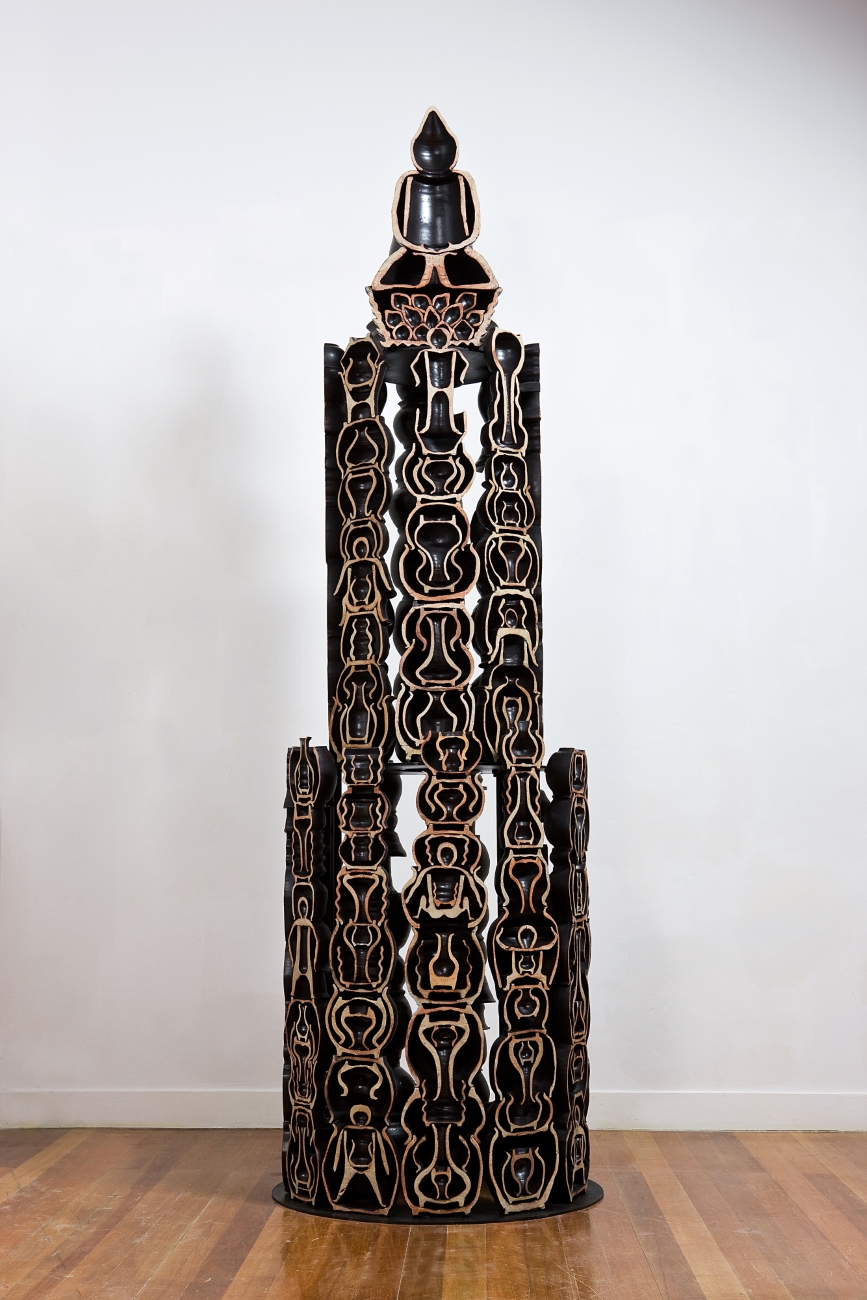
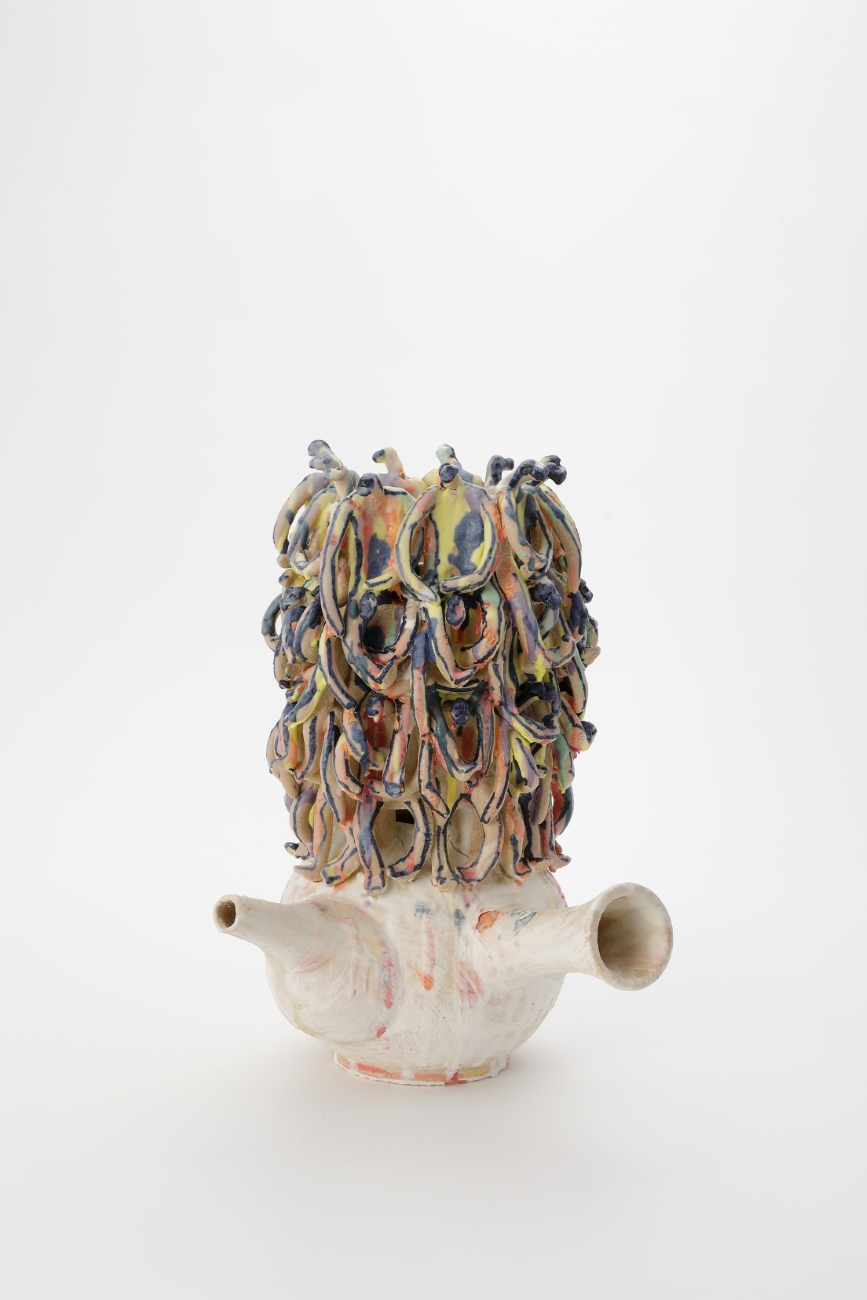
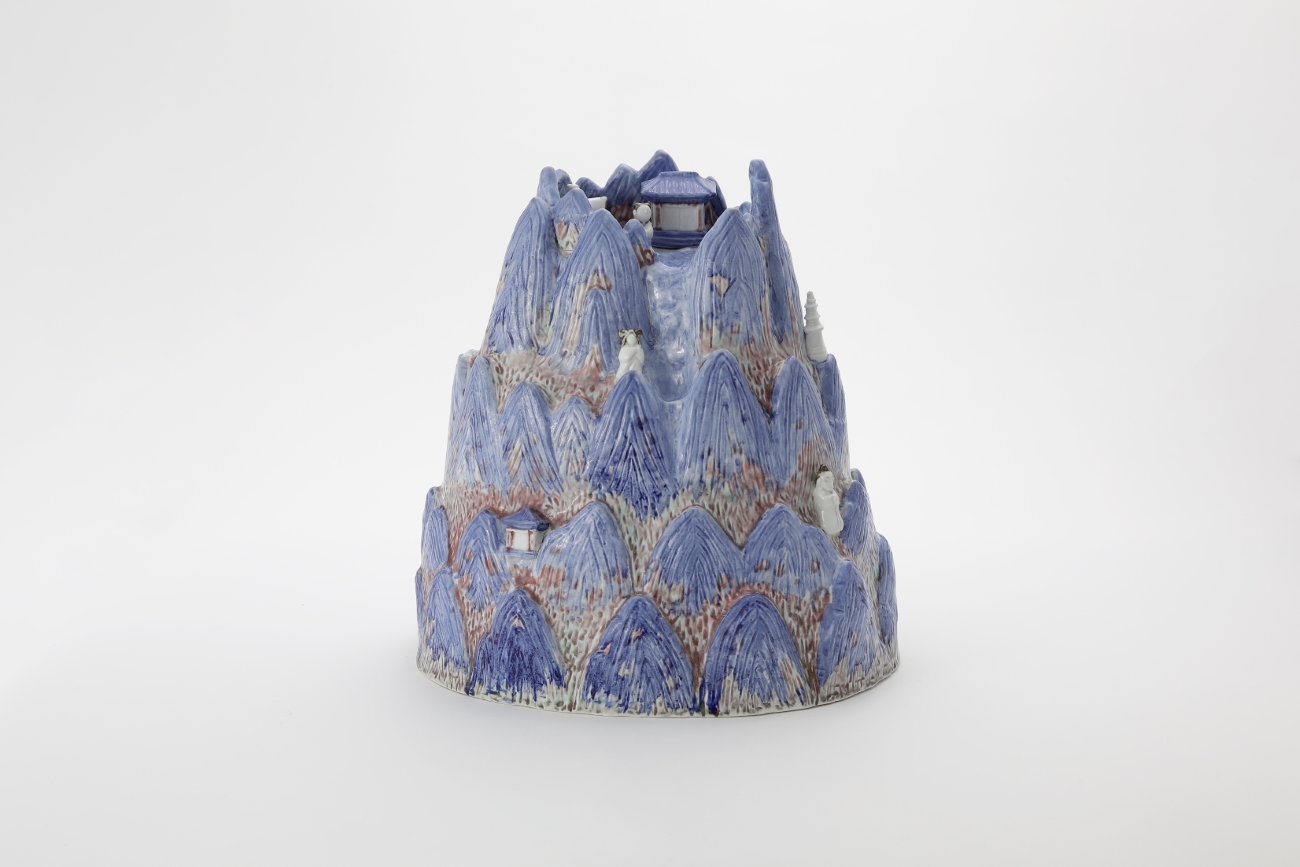
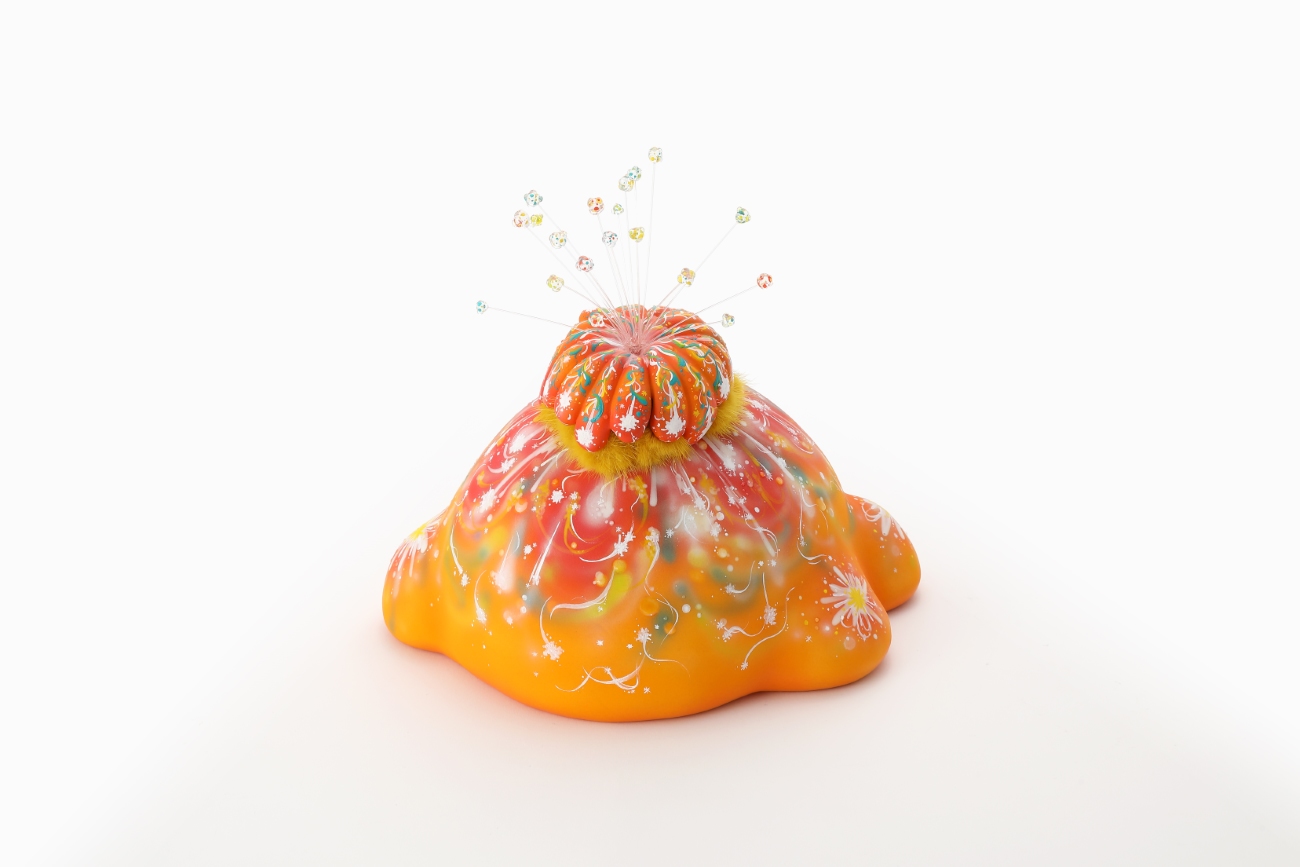
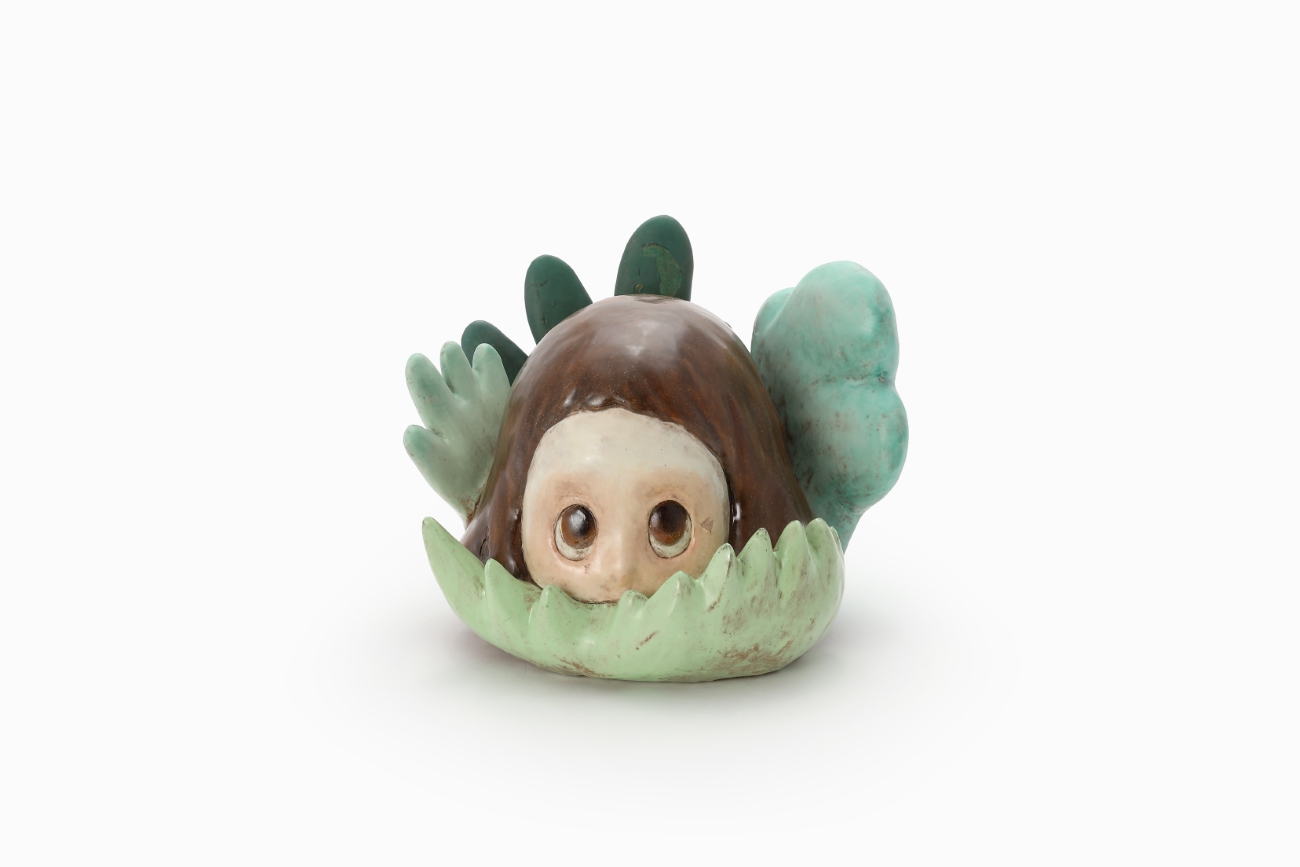
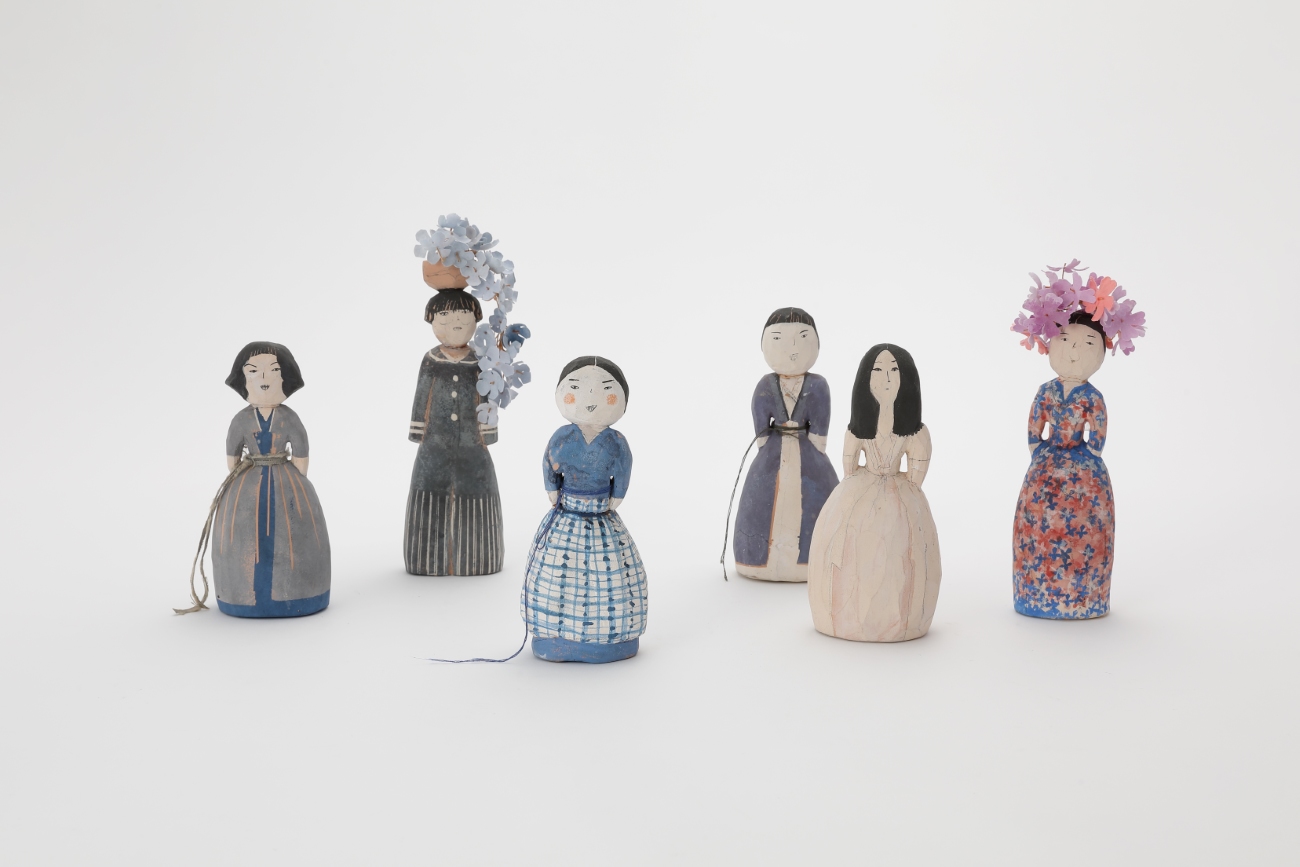
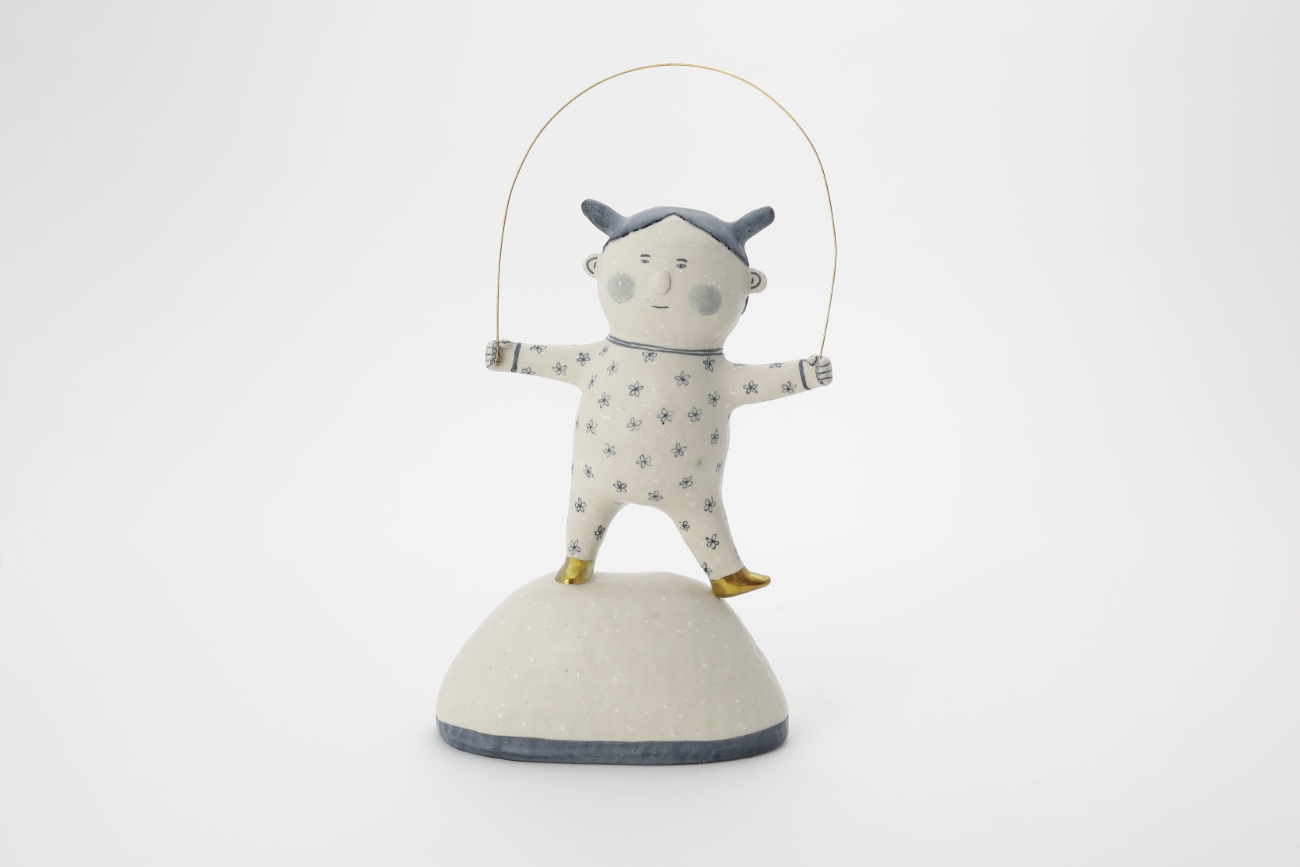
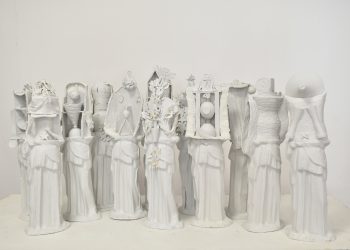
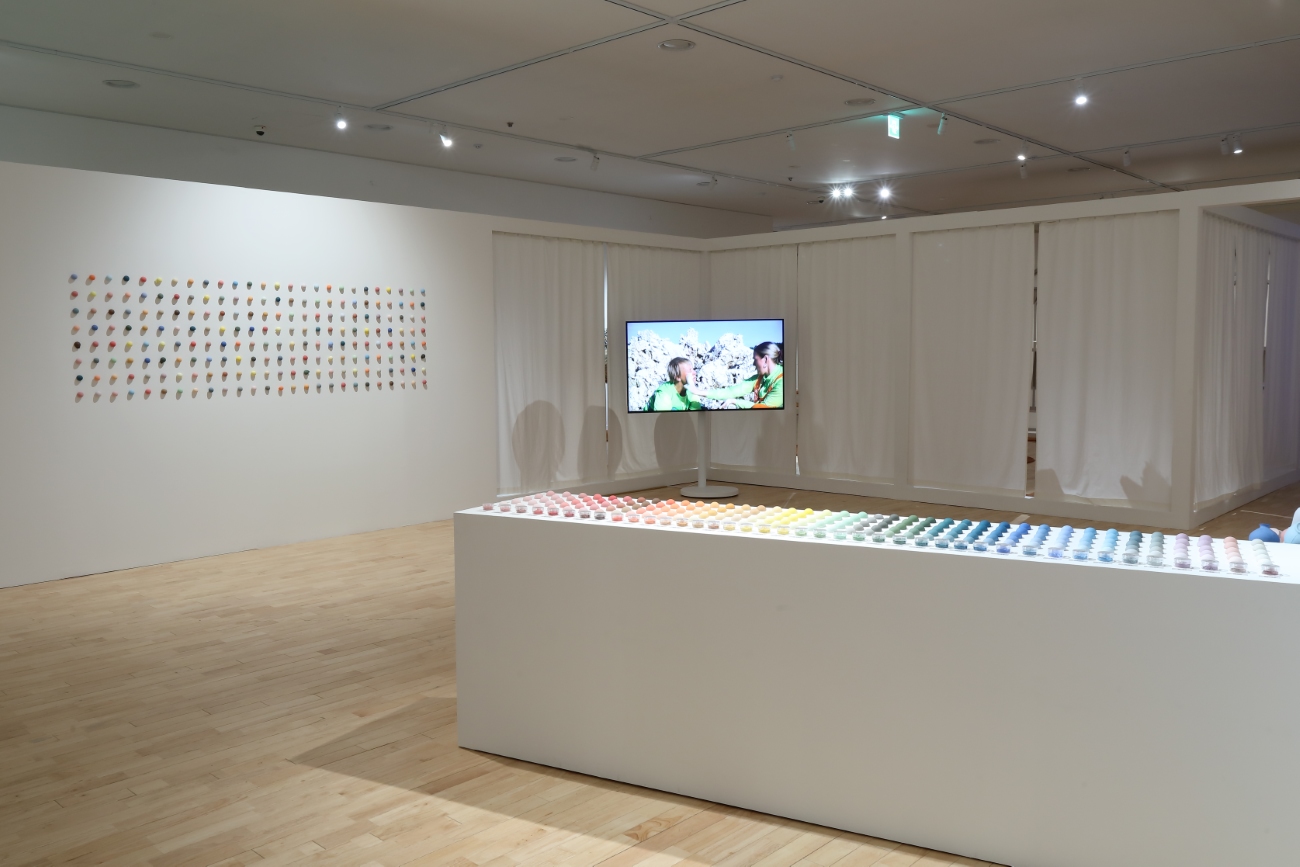
Part III: Reflecting and Living consists of six miniature self-portraits created by contemporary ceramists, together with 24 artworks from the collection of the GMoCCA. Installed as if to guide the viewer, these figures recall Kkokdu (traditional wooden effigies), at once ornamental objects and religious symbols that served as guardians of the deceased, designed to protect and to transform the sorrow of death into solace and wit.
Kkokdu were symbolic beings that bridged the human and the transcendent, serving as mediators that transformed life and death, suffering and sorrow into consolation and humor. The self-portraits presented in this space likewise reinterpret the character of such traditional forms in a contemporary context, functioning as windows that reflect the unseen inner world of the ceramist beyond the tangible form of the artwork itself.
The artworks are organized around 喜怒哀樂huinoaerak–four fundamental emotions of human beings– allowing the viewer to observe each ceramist’s attitudes and emotions that shape their life and offering a glimpse into their inner world. 喜Hui comprises artworks that symbolize joy and the delight of creation, while 怒No brings together artworks that convey anger and frustration. 哀Ae presents artworks that symbolize loss and compassion, and 樂Rak consists of artworks that humorously unravel the complex interplay of emotions such as joy and sorrow, and hatred and despair.
Lee Joonsung presents a kkokdu object rooted in the artist’s intimate stories yet steeped in emotions and narratives that resonate with all hearts. Kim Yeji reveals her identity as a ceramist who views the world from a distinctive perspective through objects that dramatically embody inner emotions.
Park Sunyoung expresses in clay the love and stress she has experienced while raising two children, exploring the balance between art, life, and motherhood. Kim Woonhee introduces a kkokdu object of a simple form, accented by witty expressions and endearing attire. Yang Hyejung presents modest, endearing “kkokdu” objects that evoke an unspoiled childhood.
Cho Younsang introduces an artwork that embodies reflections on human society through drawings that carry a tactile presence, raising philosophical questions about human existence.
These artists’ works reveal the ceramist as one who unfolds stories through clay. Clay is not merely a material for shaping form; for the ceramist, it is a tool for shaping a personal philosophy, a mirror linking inner emotion and the outer world, and ultimately a medium that ceaselessly questions the very origin of existence.
In this sense, Homo Ceramicus presents artworks that reveal the identity of ceramists who contemplate the cycles of life within the order of nature, endure human limitations, and personify their immersion in practice alongside the pursuit of technical perfection. This exhibition also shares with the viewer the everyday lives of ceramists who handle clay as though they were engaging in daily self-cultivation, laying bare their attitudes toward life itself.
Furthermore, the exhibition extends beyond merely displaying artworks to convey the following messages:
“Clay becomes true ceramic only after being tried by fire.”
“A broken vessel is not a failure but a passage that must be passed through.”
“Even when the flame of the kiln falters in the rain, the ceramist rekindles the fire and continues the work in silence.”
Ceramists understand that failure is not an end but a part of growth, and that each moment is precious and fleeting. This truth extends to all of us, for it is through trials that we become stronger and discover the opportunity to begin again. Through these messages, which are subtly hidden within the exhibition, we hope that the question posed to each viewer in the prologue, “With what attitude toward life are we shaping our today?,” will reveal an answer tempered with the strength of affirmation.
Contact
contact@gmocca.org
Gyeonggi Museum of Contemporary Ceramic Art
263, Gyeongchungdae-ro 2697 Beon-gil, Icheon-si,
Gyeonggi-do Province, 17379
Republic of Korea
Photos courtesy of Gyeonggi Museum of Contemporary Ceramic Art