Magdolene Dykstra is a second-generation Egyptian Canadian artist educator. After studying both biology and visual arts in undergraduate studies, she earned her MFA from Virginia Commonwealth University. Her work in sculpture, installation, and mark-making is grounded in exploring systems of relation, anti-capitalism, and craft. Magdolene has participated in residencies at the Medalta Historic Clay District, Watershed Center for Arts and Crafts, and Concordia University. Magdolene has been awarded several grants from the Ontario Arts Council and the Canada Council for the Arts, including Research and Creation Grants, Exhibition Assistance Grants, and Arts Abroad Grants. She has been recognized by the National Conference on Education for the Ceramic Arts as a 2024 Emerging Artist and received the 2024 Helene Zucker Seeman Fellowship for Women.
In her work as an artist, educator, and community organizer, Magdolene is committed to building community. She is a member of the organizing team for The Color Network, an organization that aids in the advancement of people of color in the ceramic arts. Magdolene is also a member of The Lost and Found Collective, which fosters curatorial interest in experimental craft-based practices. Magdolene’s work has been exhibited throughout Canada and the United States. Notable exhibitions include site-specific installations at the Gardiner Museum (Toronto, ON), Canadian Clay and Glass Gallery (Waterloo, ON), and the Art Gallery of Burlington (ON), as well as solo exhibitions at the Jane Hartsook Gallery (New York, NY) and A-B Projects (Los Angeles, CA).
Visit Magdolene Dykstra’s website and Instagram page.
Featured work
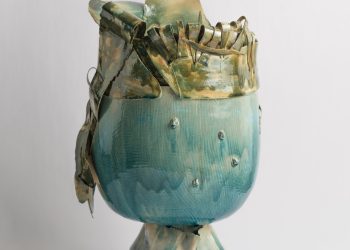
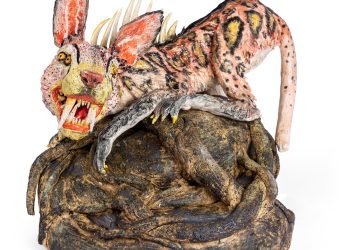
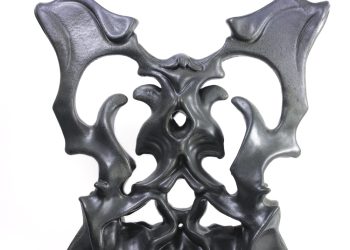
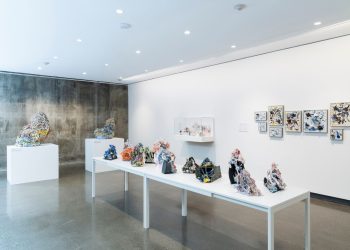
Speculative Structures, 2024-2025
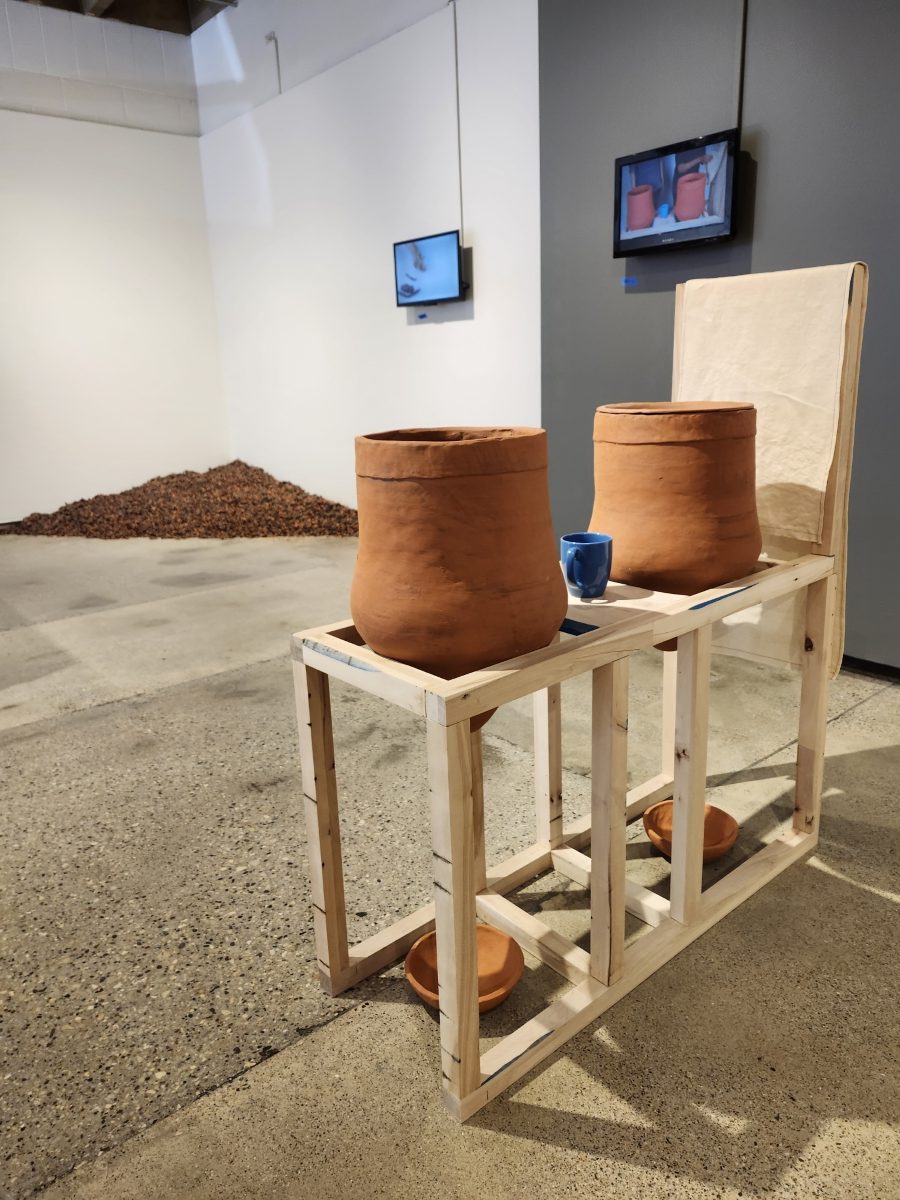
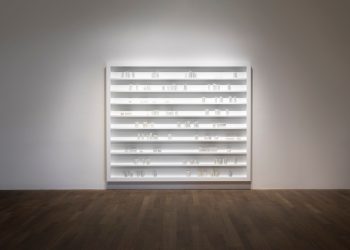
Mark-making, 2022-2024
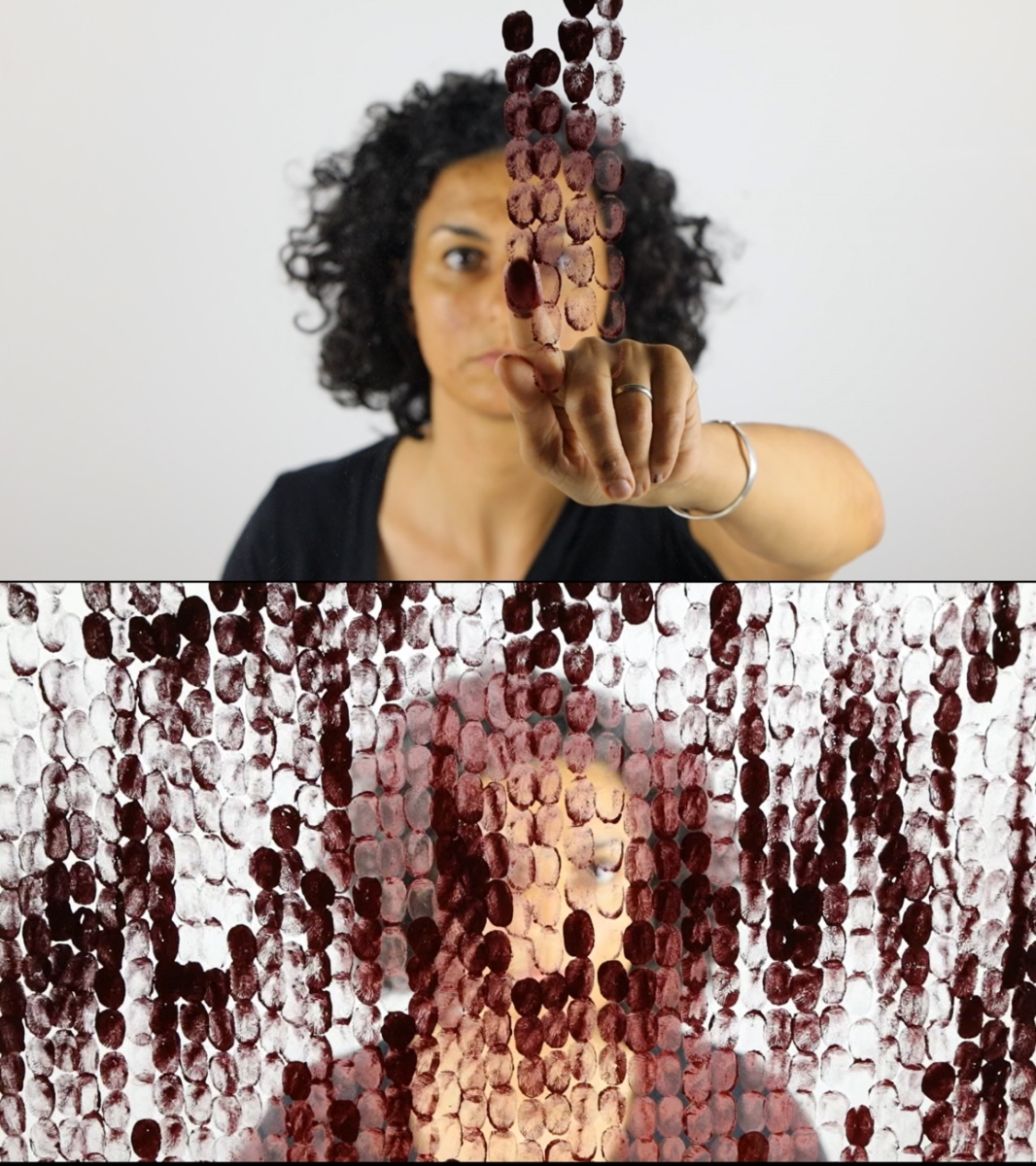
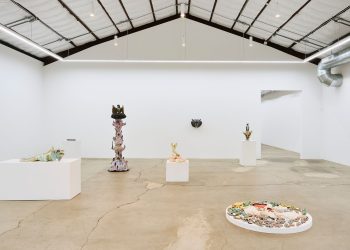
Microbial, 2020-2023
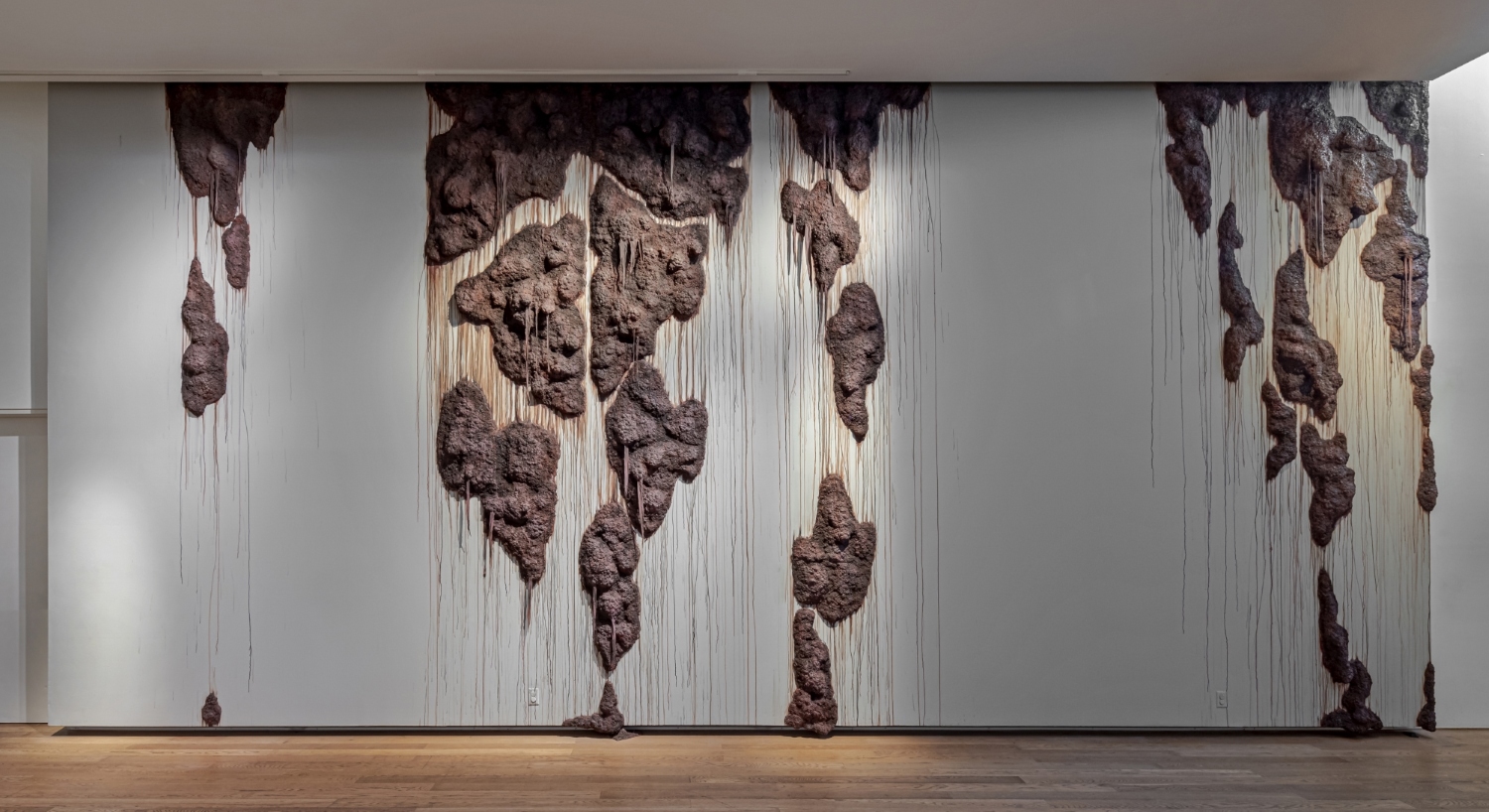
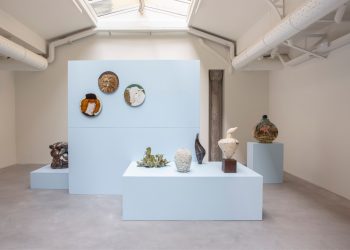
We humans are entangled in a complex web of interdependencies. Magdolene uses sculpture, installation, and mark-making to visualize, actualize, and reconfigure connections between human and more-than-human bodies across space and time, disrupting the illusion of an independent self. Her work meditates on the power of the small when gathered into a collective, prioritizing slow processes that depend on consistent effort over time. Magdolene works with clay accompanied by supporting materials, including wood and fiber, to facilitate an exploration of broader notions of kinship that transgress suggested boundaries of us vs. them, self vs. other. Clay, textiles, and wood have shaped human cultures around the world. These materials carry memories of touch and place, offering a connection to human and non-human bodies across time and space.
Magdolene’s work reflects on the power and potential of impermanence. She embraces ephemerality and precarity for their poetic and anti-capitalist capacity. Each of her works is embedded with the possibility of transformation, eagerly waiting to discover other systems of connectedness. In this way, many of Magdolene’s works exist as momentary configurations in a never-ending process of emergence and decay, a cycle of deconstruction and reformation.