By Katherina Perlongo
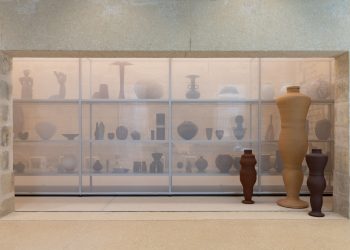
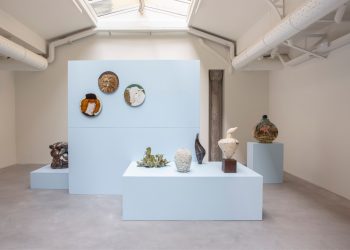
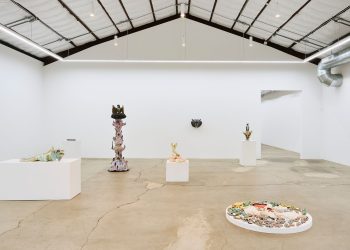
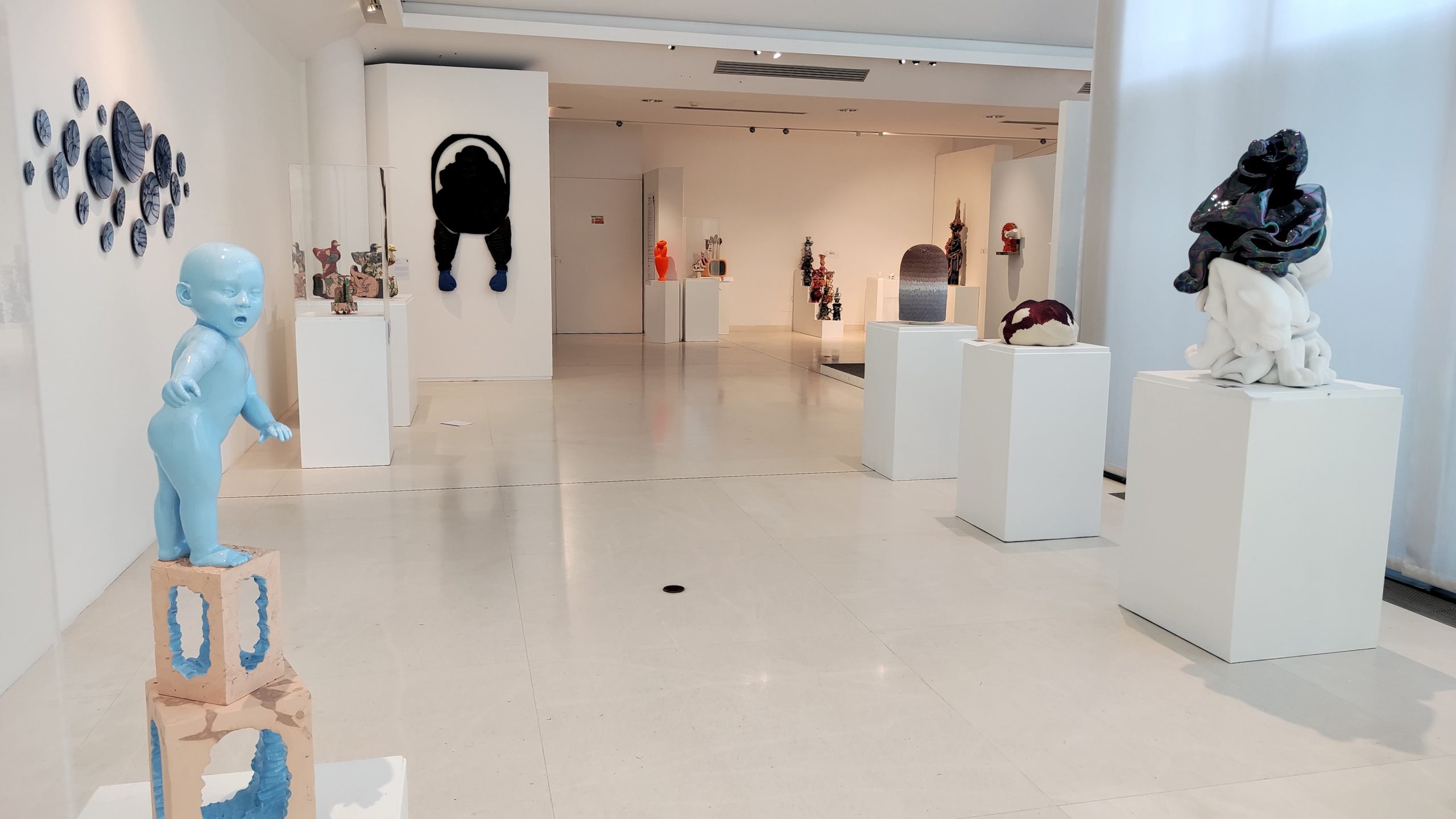
For over 80 years, the Museo Internazionale delle Ceramiche (MIC) has served as a central stage for international ceramic art in Faenza, a city of around 58,000 residents located in the northern Italian region of Emilia-Romagna. Within this historically rich city, the Premio Faenza – International Biennial of Contemporary Ceramics, taking place from June 28 to November 30, 2025, showcases the diversity, innovation, and global interconnectedness of the contemporary ceramics scene. This biennial event is a vibrant reflection of the current state of ceramic art worldwide, highlighting evolving trends, emphasizing artistic self-conceptions, and opening spaces in which ceramics fluidly traverse the fields of art, craft, and design. This renewed sense of confidence is the result of decades of committed work by numerous actors, including the MIC itself, which ranks among the most important institutions globally for the promotion, mediation, collection, and research of ceramic art.
The 63rd edition of the Biennale impressively confirms how significantly interest in ceramics as a serious medium of artistic expression has grown over the past decades – both among artists and within critical discourse. “The way of interpreting, reading, and welcoming ceramics as a language of contemporary art has changed,” observes MIC Director Claudia Casali. From more than 1,300 submissions, an international jury – Claudia Casali (Director, MIC Faenza), Hyeyoung Cho (Korea Association of Art & Design), Valentins Petjko (Latvian Ceramic Biennale), and Marco Maria Polloniato (curator) – selected 109 artists from 70 countries. Their works reflect – through stylistic diversity and expressive depth – the urgent issues of our time: social insecurity, environmental crises, war, human fragility, inequality, and the question of sustainable futures. Since the previous 62nd edition (2023), the Faenza Prize has been awarded in two age categories: Over 35 and Under 35. This division makes it possible to highlight and equally recognize both established positions and emerging young talents – a curatorial approach that acknowledges the heterogeneity of contemporary ceramic practice. In both categories, the jury awarded one main prize.
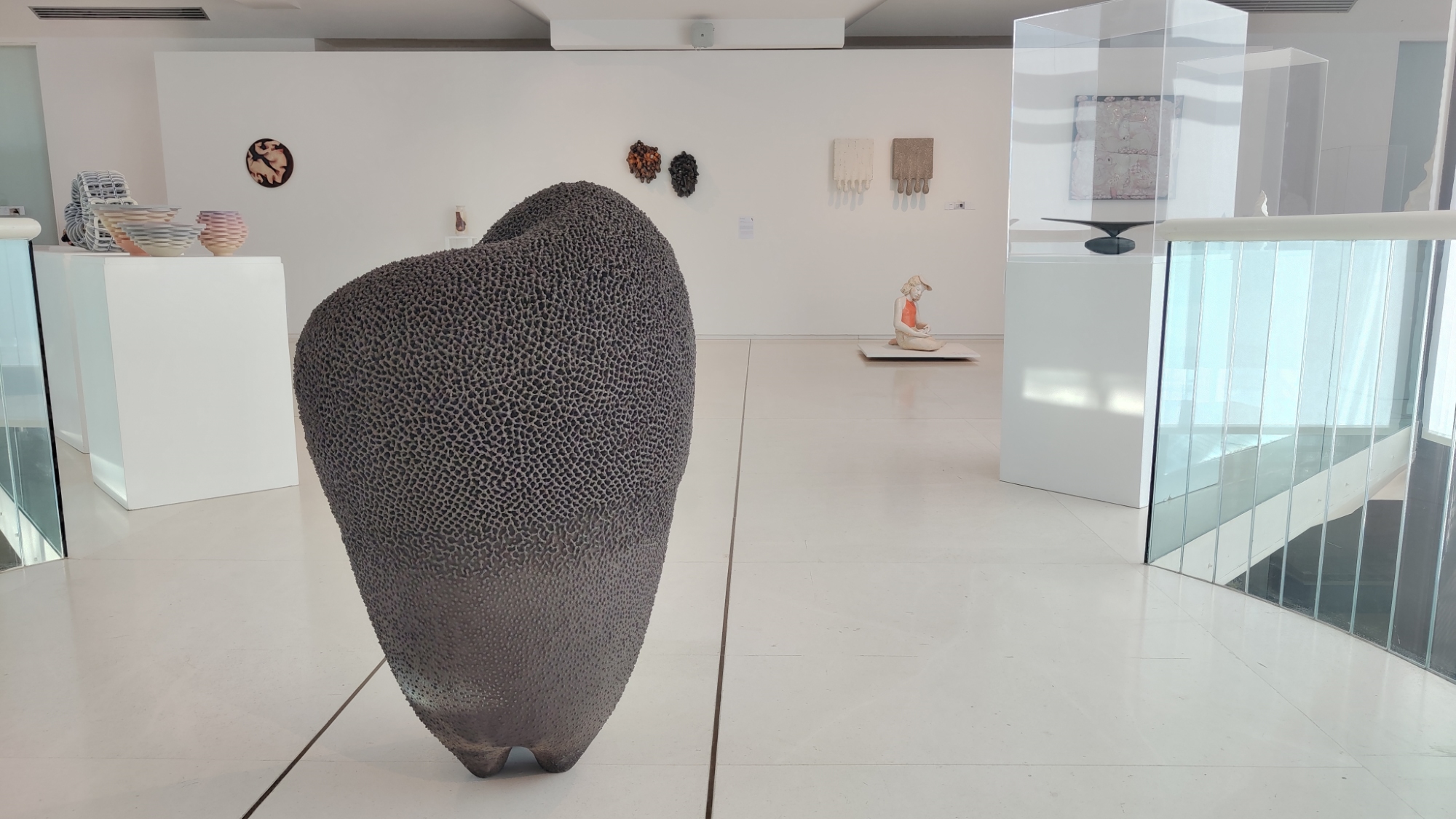
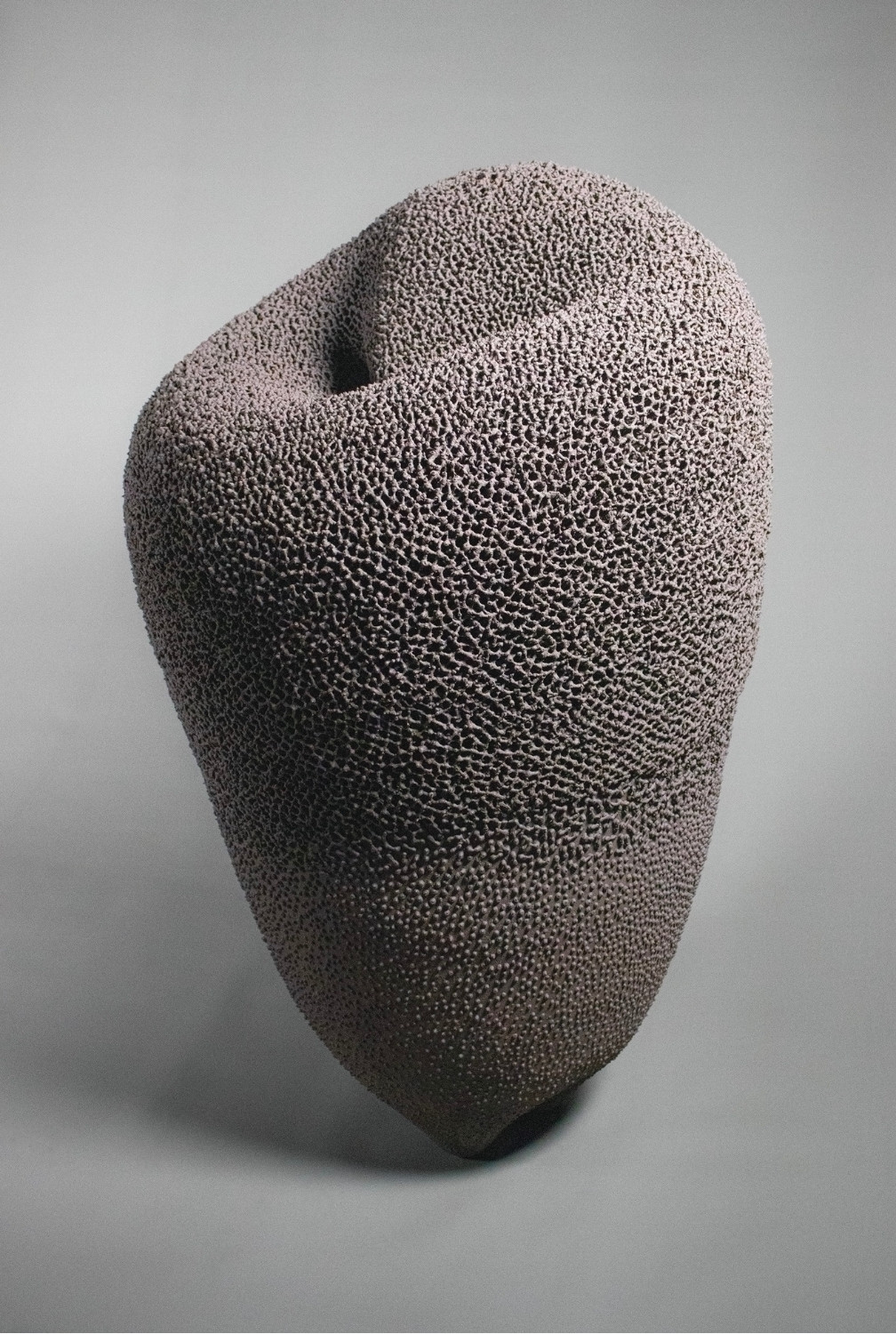
Awarded the prize in the Over 35 category, artist Hanna Miadzvedzeva (*1988, Belarus/Poland) received recognition for her work November – a sculptural form referencing the vessel as one of the oldest ceramic archetypes. The surface is masterfully rendered with technical precision and extraordinary sensitivity. Part of her series Landscapes, the work explores how external natural forces influence our emotions and self-image. With the title November, the artist addresses a phase of retreat typical of this month – a time when people enter an energy-saving mode, seek silence, and practice introspection. The compact, inward-folding form, enveloped by a complex, textured surface with a soft, almost fuzzy effect, powerfully reflects this internal withdrawal. The jury praised the work as an example of how material can be shaped into a „visual language“. November captivates with the apparent simplicity of its silhouette, combined with the technical complexity revealed in its detailed surface. Viewed from a distance, it unfolds – thanks in no small part to its size and texture – an immersive force that draws viewers in visually and emotionally.
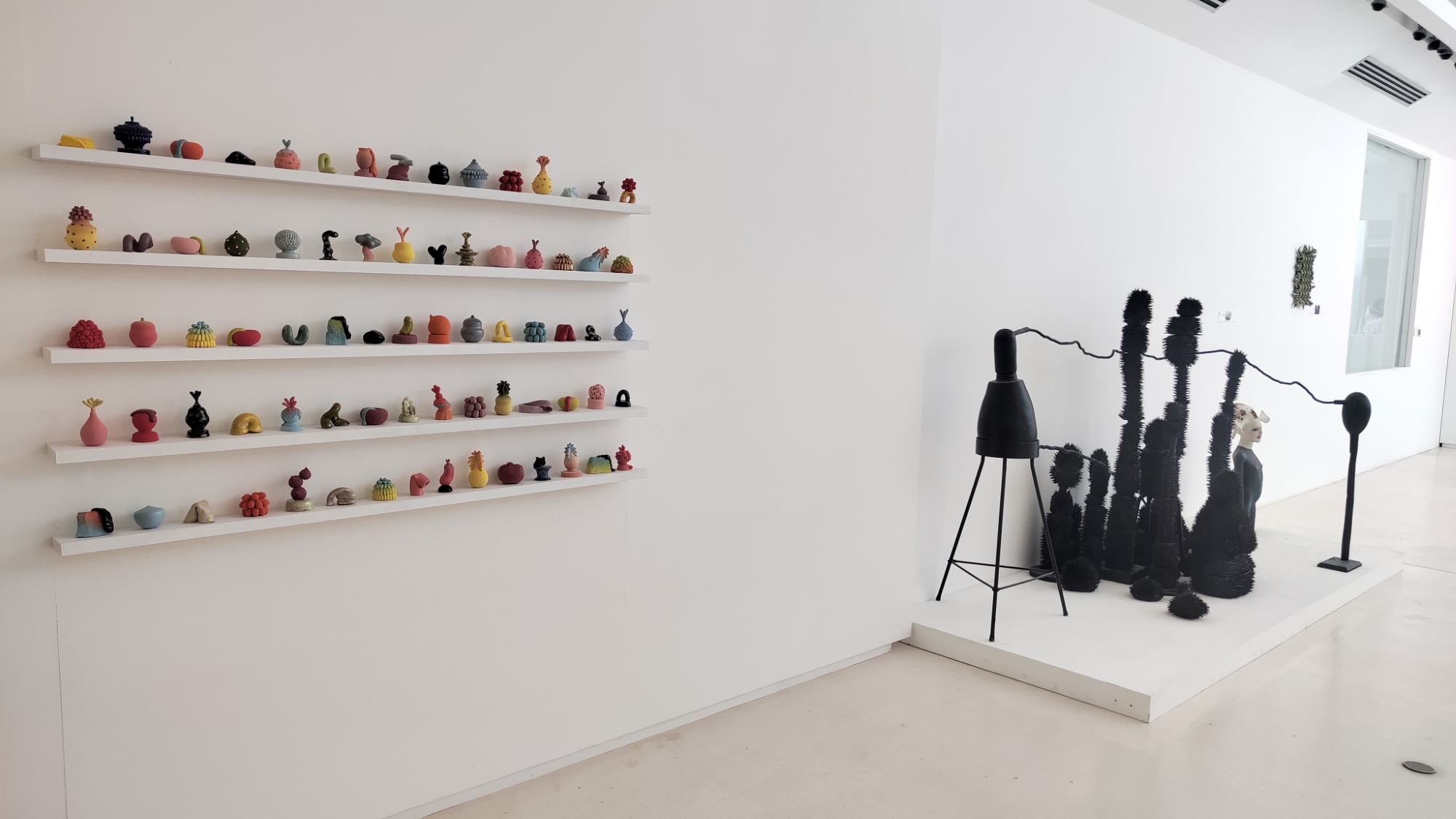
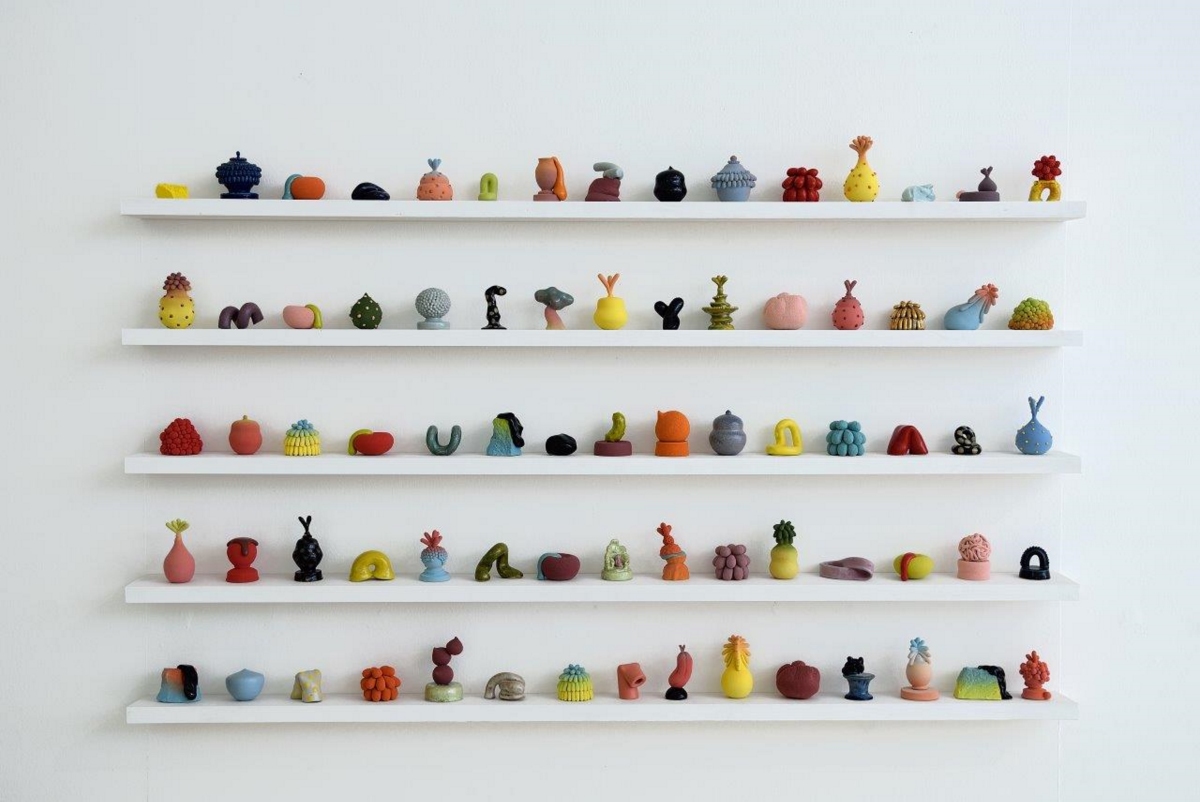
In the Under 35 category, Léa Renard (*1993, France) impressed the jury with her installation Subtle Conversations of States of Mind – a multifaceted ceramic cabinet of curiosities that fascinates through the finely balanced interplay of individual objects and their overall effect. The jury described the work as a „subtle dialogue between forms, glazes, and textures“. Each object appears like a „materialized thought“ born from the artist’s imagination – some taking the form of fantastical creatures that seem poised to enter into dialogue with their surroundings. The individual pieces resemble colorful miniatures of larger ceramic sculptures and are arranged on wall-mounted boards reminiscent of shelves. This gives them a decorative quality that evokes interior design, while also recalling collected artifacts in a cabinet of curiosities, imbued with meaning and history. Each element tells its own story and at the same time blends harmoniously into a cohesive whole. The installation opens up a poetic reflection on the interplay between individual and collective states – hovering between abstraction and the emotional resonances it triggers in the viewer. Part of the award also includes a two-month artist residency in the fully equipped workshops of the MIC. The works created during this time will subsequently be presented in the museum’s Project Room – an important opportunity for an emerging artist to further develop their practice and gain international visibility.
In addition to the main prizes, several special awards were also presented to honor outstanding artistic contributions. This year’s recipients include Marta Palmieri (Prize Presidenza della Camera dei Deputati), Martin Smith (Prize Presidenza del Senato della Repubblica), Yaerin Pyun (Monica Biserni Award), Francesco Ardini (Eleuterio Ignazi Memorial Award), Mattia Vernocchi and Francesco Bocchini (Rotary Award), Martina Cioffi (Lions Award), and Su Yen-Ying, who received the silver medal from D’A Magazine. Several additional works received honorable mentions, including those by Claire Lindner, Wang Yuzhe, Rūta Šipalytė, and Juliette Clovi.
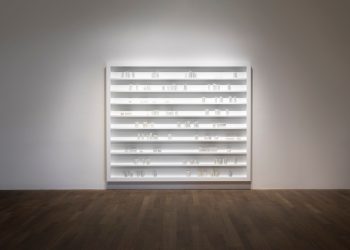
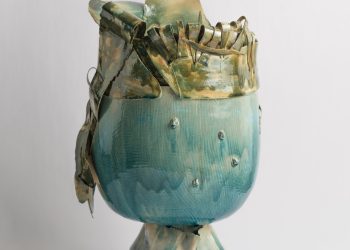
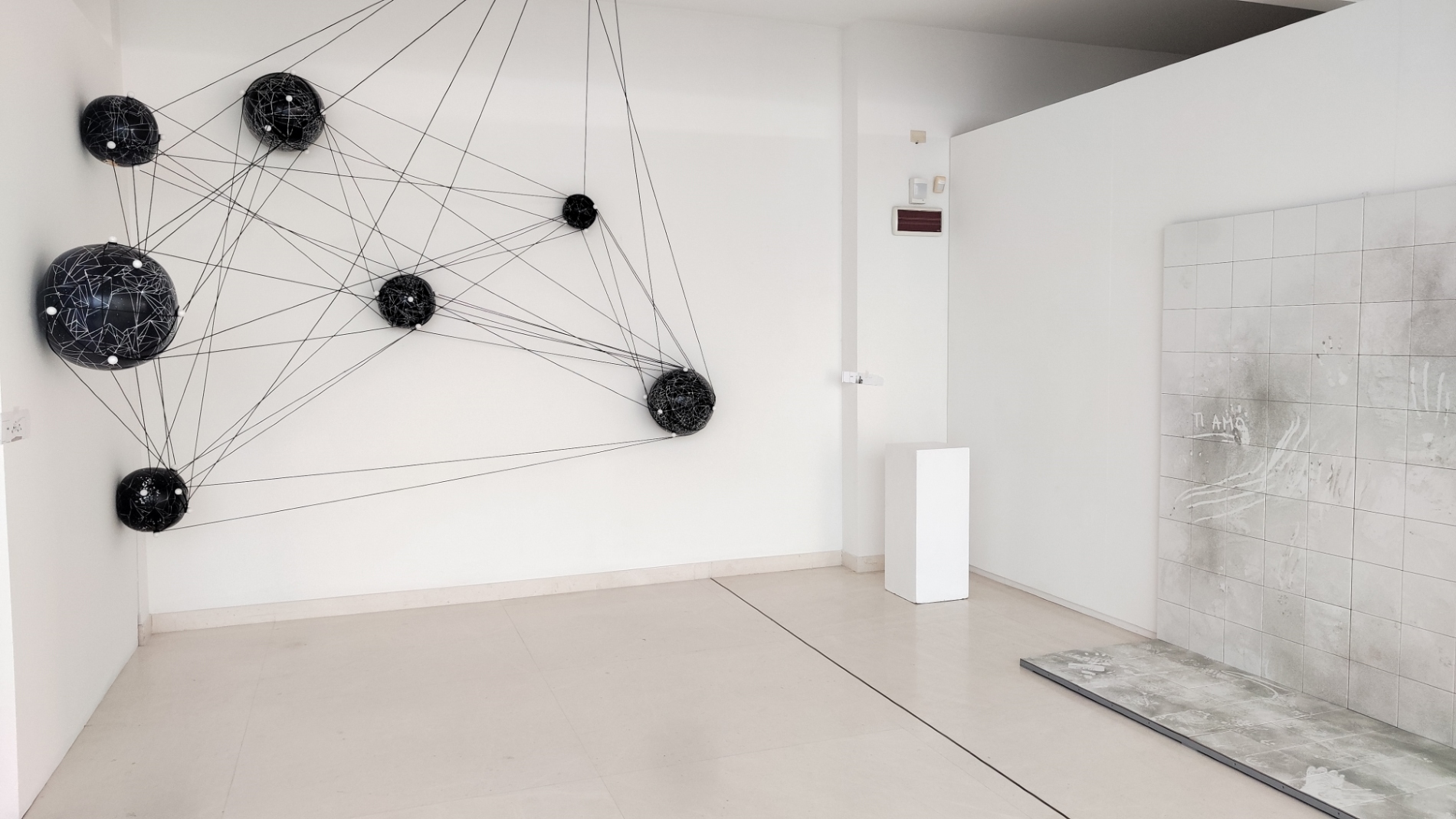
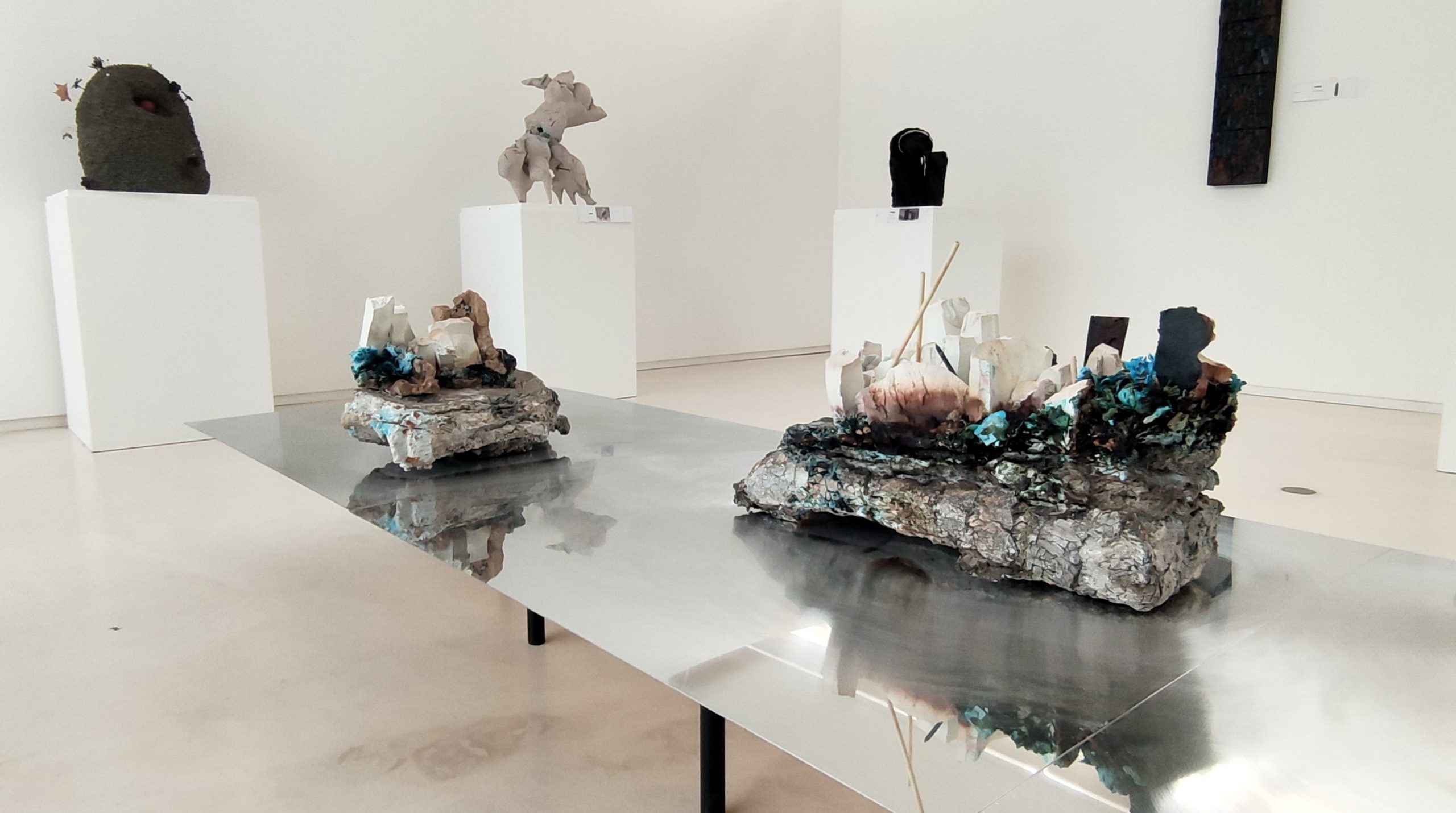
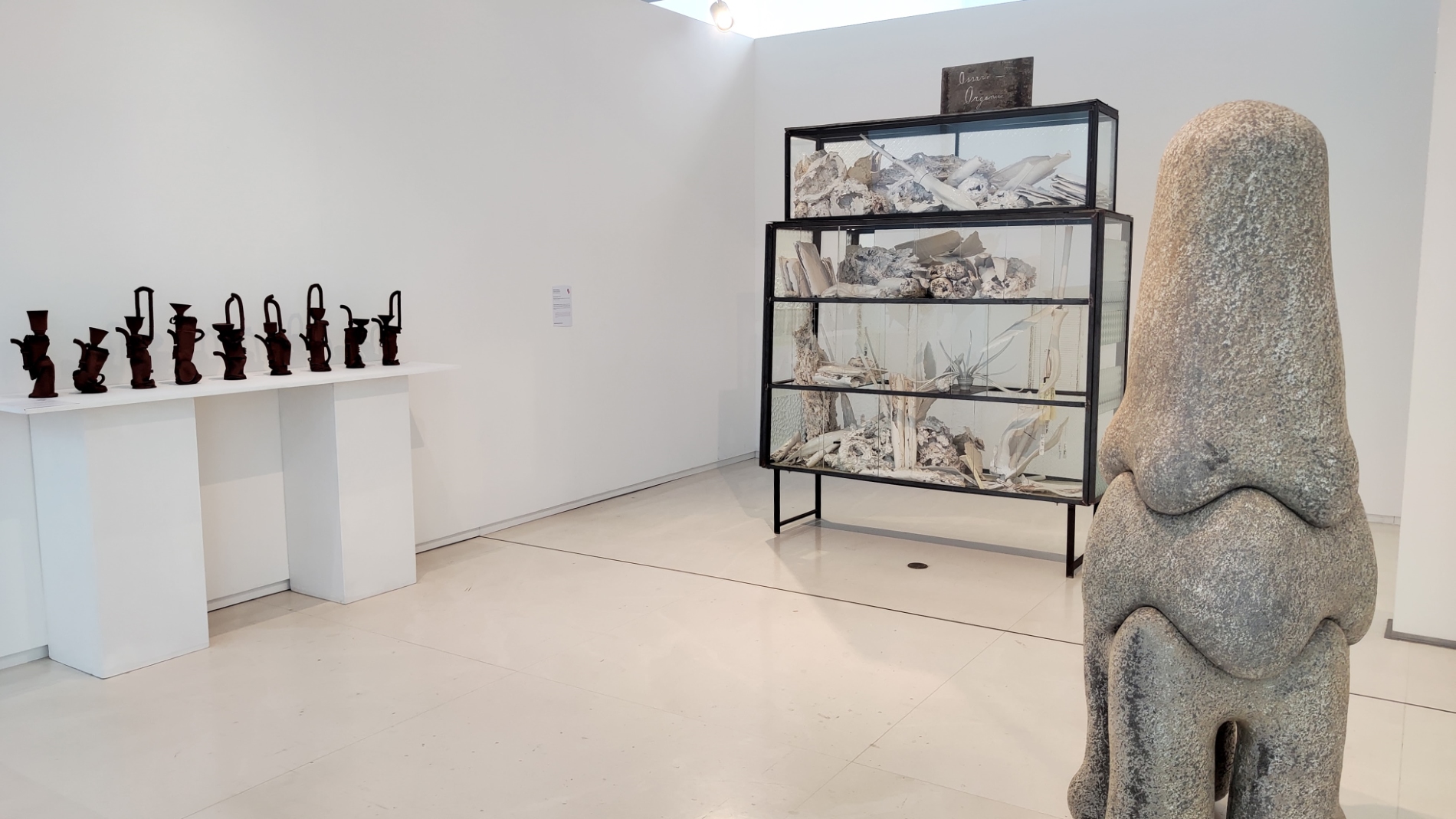
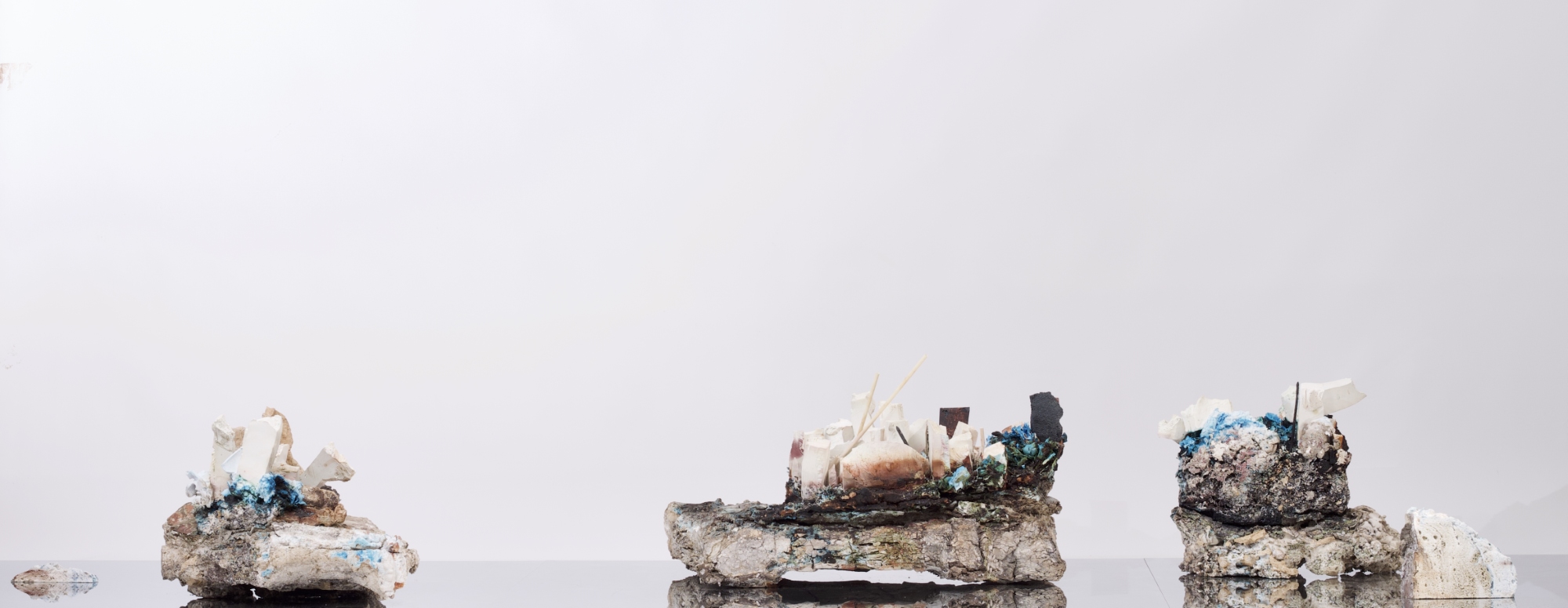
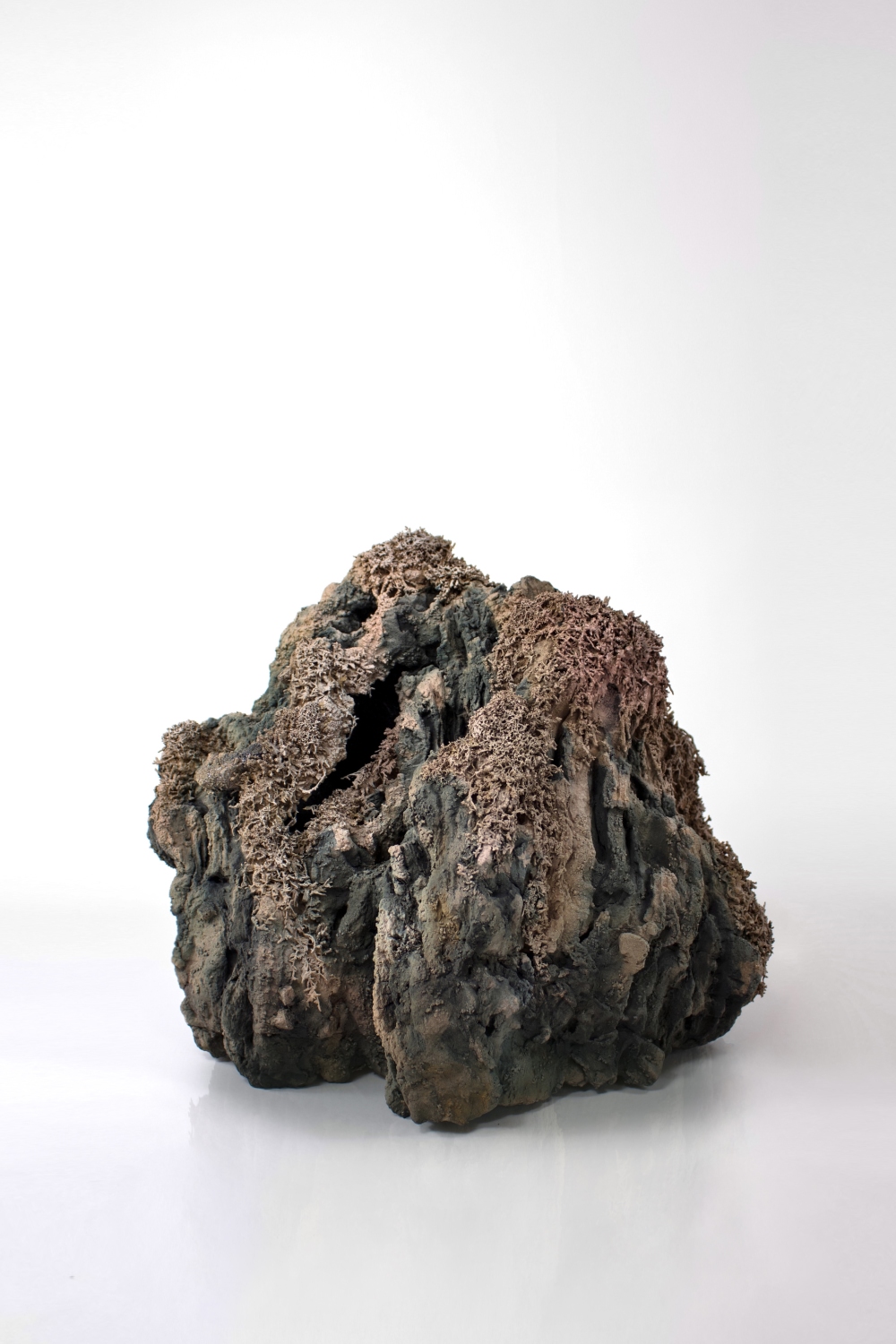
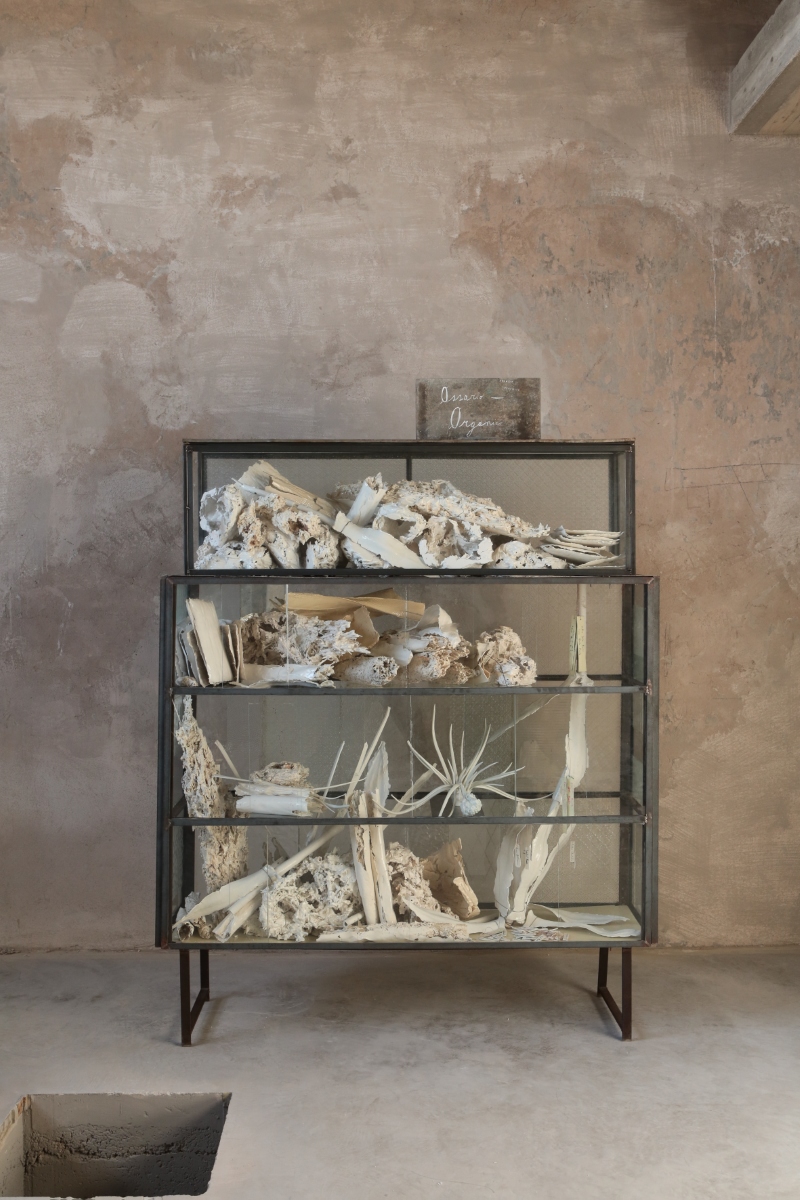
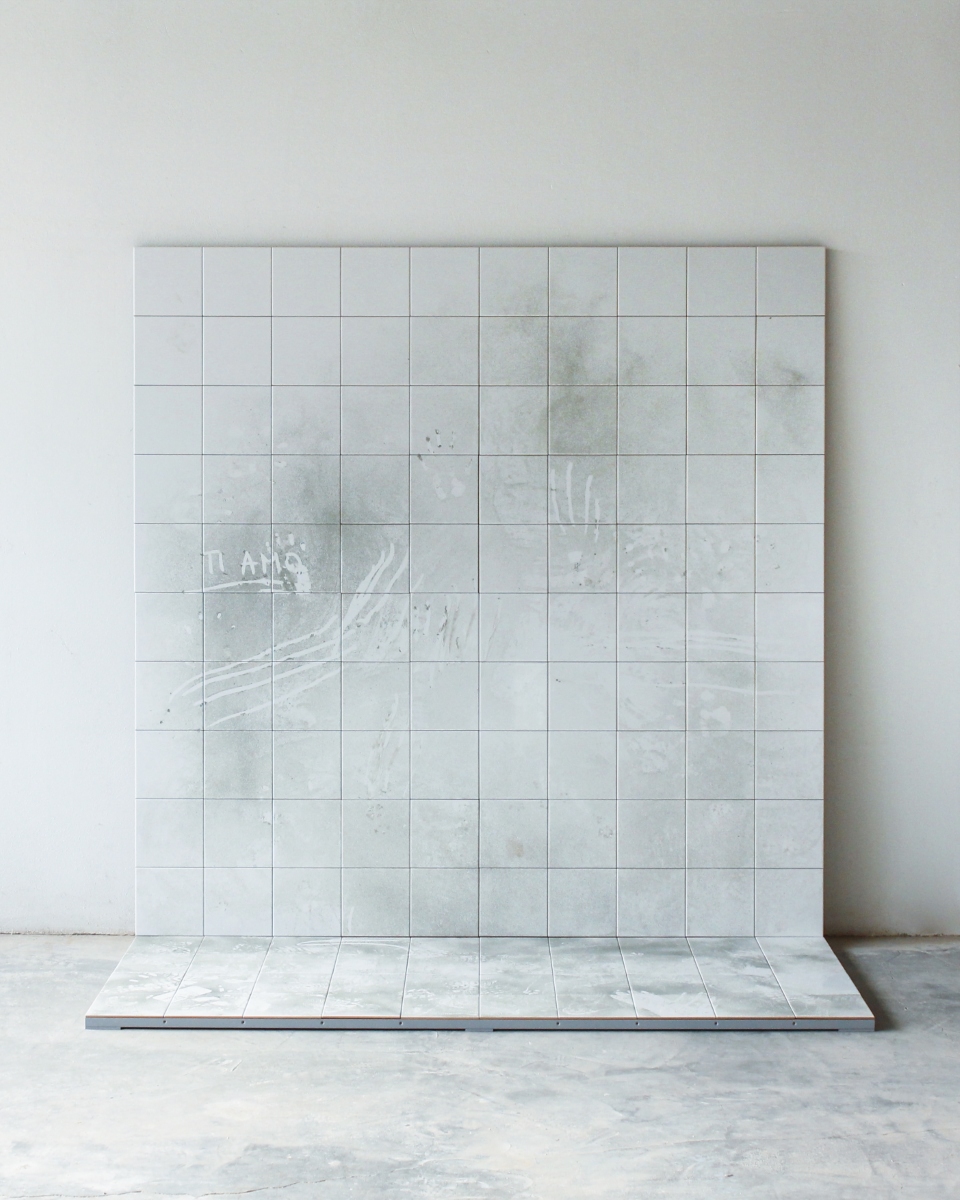
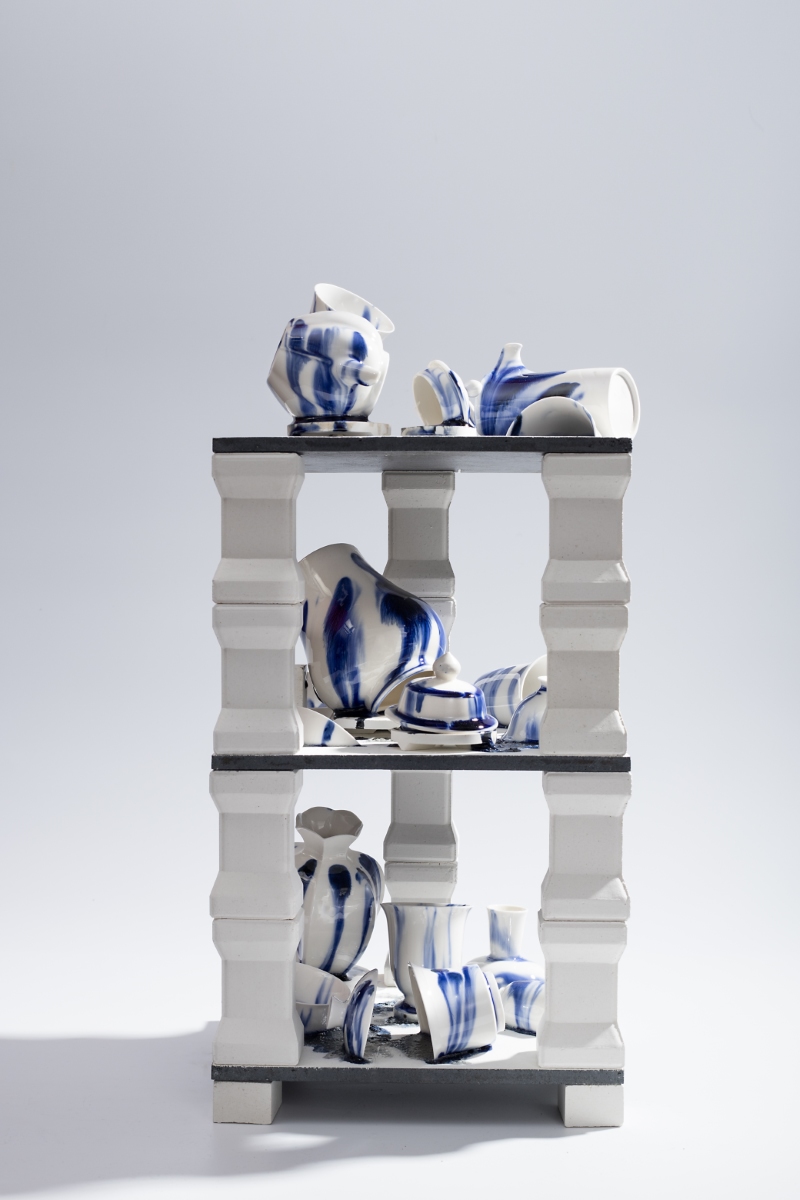
Among these artists, the works of Marta Palmieri, Yaerin Pyun, Mattia Vernocchi and Francesco Bocchini, Francesco Ardini, and Wang Yuzhe stand out in particular. Each of their contributions engages, in its own unique way, with processes of decay, memory, and renewal. Marta Palmieri (1973, Italy) presents Rovine, a work consisting of ceramic and glass structures from which fragments of broken clay bowls protrude, evoking archaeological finds. Between encrustations and material layers, a new post-apocalyptic nature is revealed. The artist explores the idea of the city as fragmented memory, as an „archaeology of the future“ in which communication breaks down and reality morphs uncontrollably – a metaphor for loss, alienation, and what we risk losing in the face of global polycrises. Almost seamlessly, Yaerin Pyun’s (1994, South Korea) work Poem for Ephemeral Moments / 241213 continues this line of thought. In its fragile, nature-inspired form, it preserves the fleeting moment. Rock formations shaped by erosion, pressure, and weather serve as models for this stoneware and chamotte sculpture, which acts as an organic memory vessel – an archive of past myths, stories, and both collective and personal experiences. Opposites oscillate within it: life and death, beauty and decay, moment and eternity. The result is a narrative that reflects shared trajectories in nature and human life. Mattia Vernocchi and Francesco Bocchini (*1980 / *1969, Italy) address the idea of transition – of existence beyond the physical body – in their installation Ossario Organico. Their aim is to artistically exorcise the fear of death. In the installation, which consists of a glass cabinet with an elegant steel frame reminiscent of natural history museum displays, the artists imagine human bodily remains transforming into floral and plant-like forms – flowers, branches, growths. What was once human and alive becomes part of a new vegetal visual language – a reconciliation of death and life through aesthetics. By using dust as a symbol of passing time and fragility, Francesco Ardini (1986, Italy) creates in Polvere_Scritta a poetic reflection on impermanence. His 180 x 146 x 90 cm installation, composed of individual ceramic tiles, redefines dust – typically regarded as a meaningless byproduct – as a symbol of lived time and delicate memory. In collaboration with the renowned Bottega Gatti in Faenza – a historic family-run workshop known for its centuries-old tradition of handcrafted maiolica – Ardini explored the possibility of integrating dust into ceramic material. The tiles bear traces of human fingers and the inscription “TI AMO” (“I love you“) – one of the most powerful emotions, and yet one that is mutable and fleeting. These words, formed from dust, become remnants of a sentiment destined to dissolve – an inscription already beginning to disappear at the very moment of its creation. Ardini’s work reflects on the paradoxical desire of art to capture the ephemeral while time relentlessly moves forward. In a wholly unique dimension, Wang Yuzhe’s (1994, China) work Scenery in the Kiln Fire makes transformation not only a subject but an artistic process in itself. The magic lies in the fire: the alchemical moment in the kiln when matter sheds its original form and is redefined by temperature, chance, and time – a process deeply familiar to any ceramic artist. Depicted is the inside of a kiln, where various blue-and-white vessels – echoing the iconic color palette of traditional Chinese porcelain – are arranged at different levels and angles. Their arrangement appears partially random and unstable. For the artist these objects stand in for people, alluding to their rigid perspectives, which can lead to prejudice. At the same time, the piece is an invitation to view things – and people, and the world around us – from new and different perspectives. Particularly striking is the subtle humor woven into the work, which suggests both an East-West dialogue and a nuanced reflection on bias and perception.
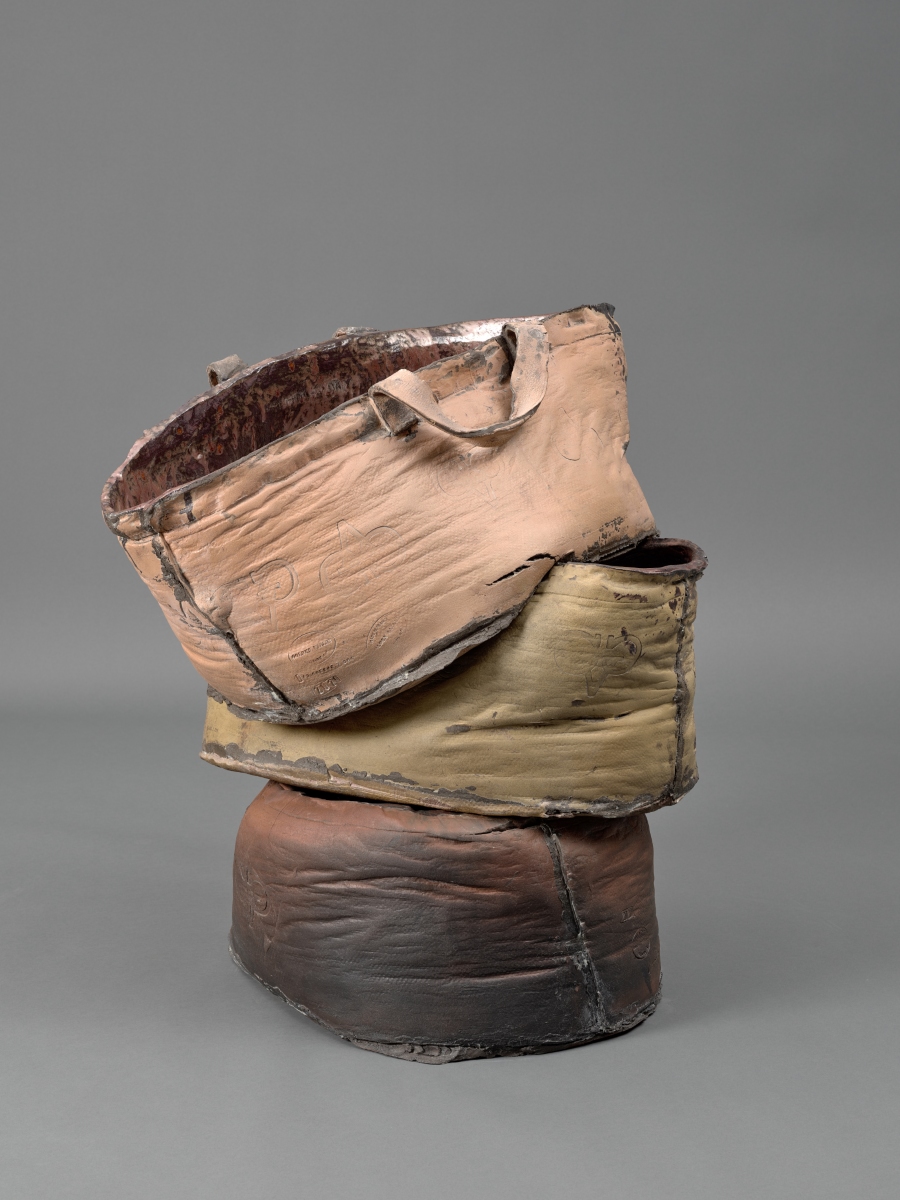
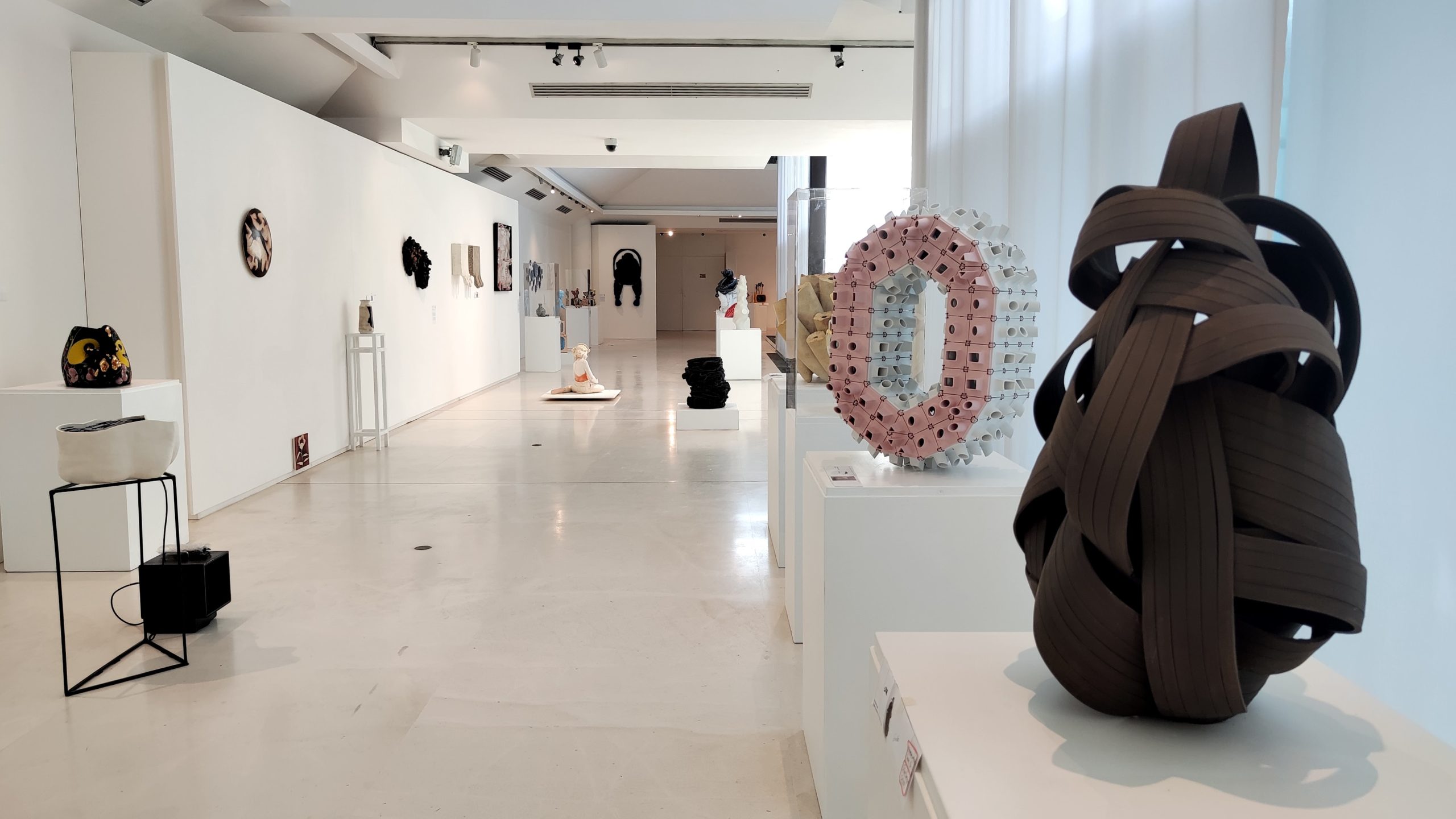
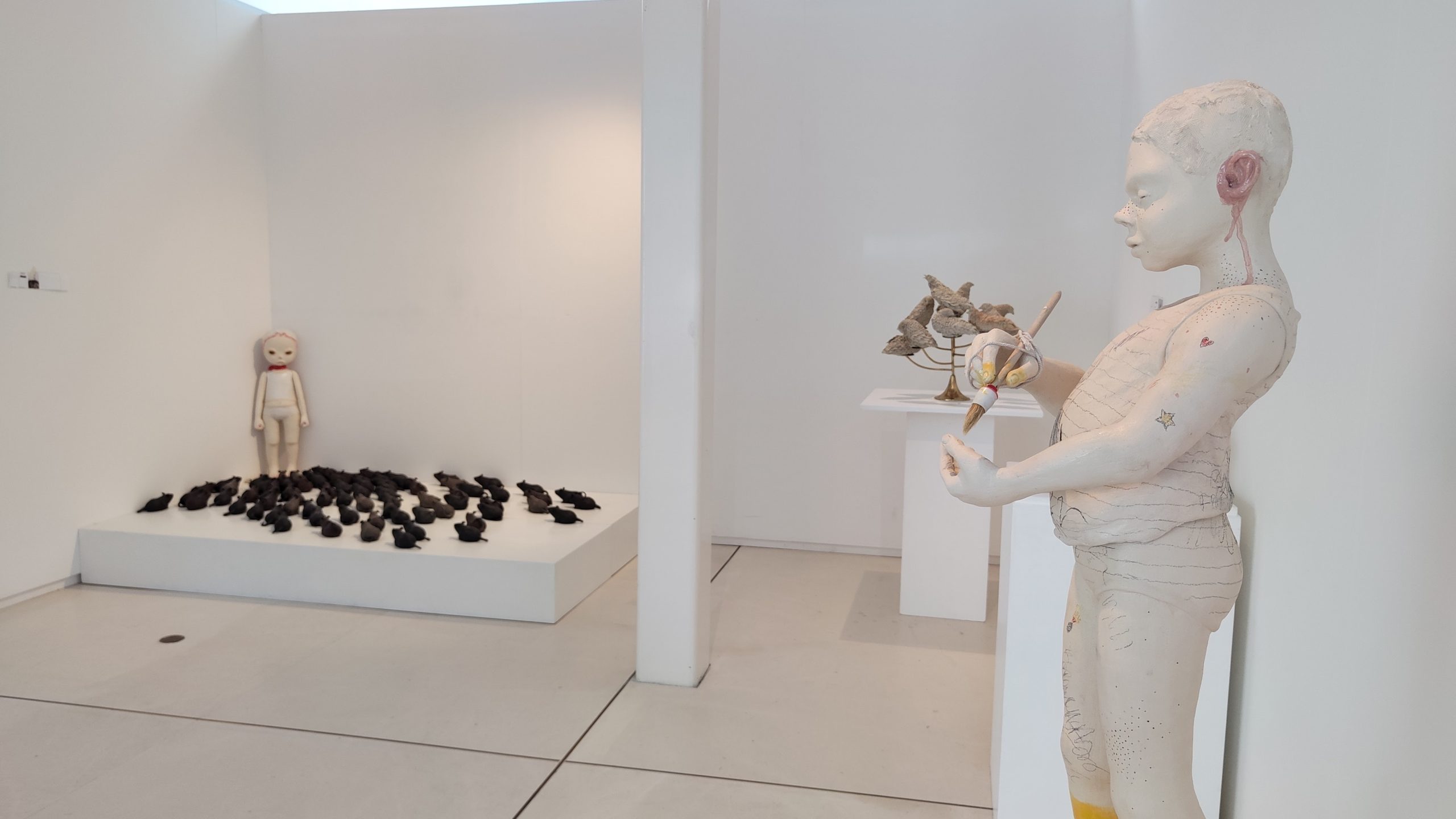
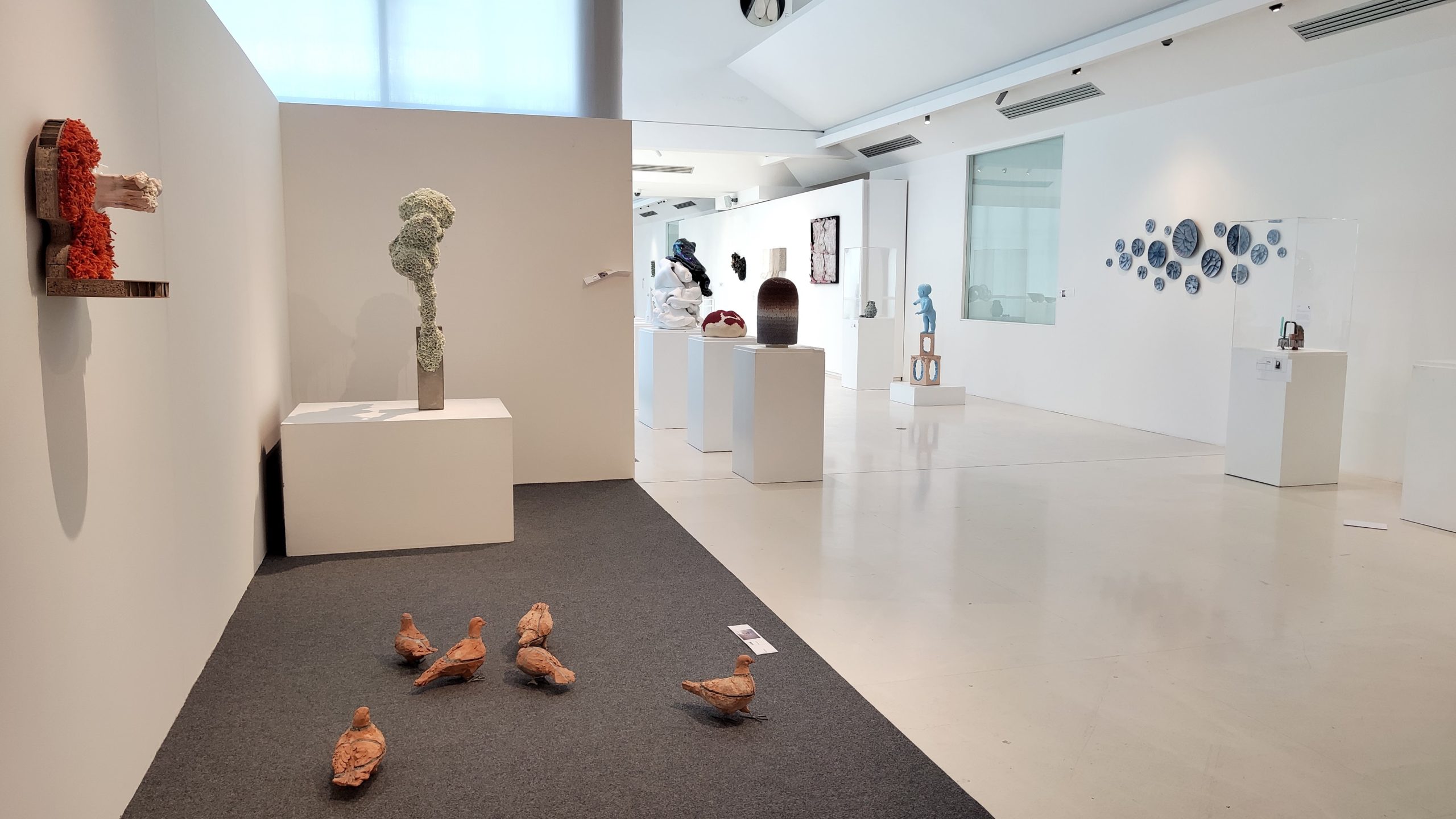
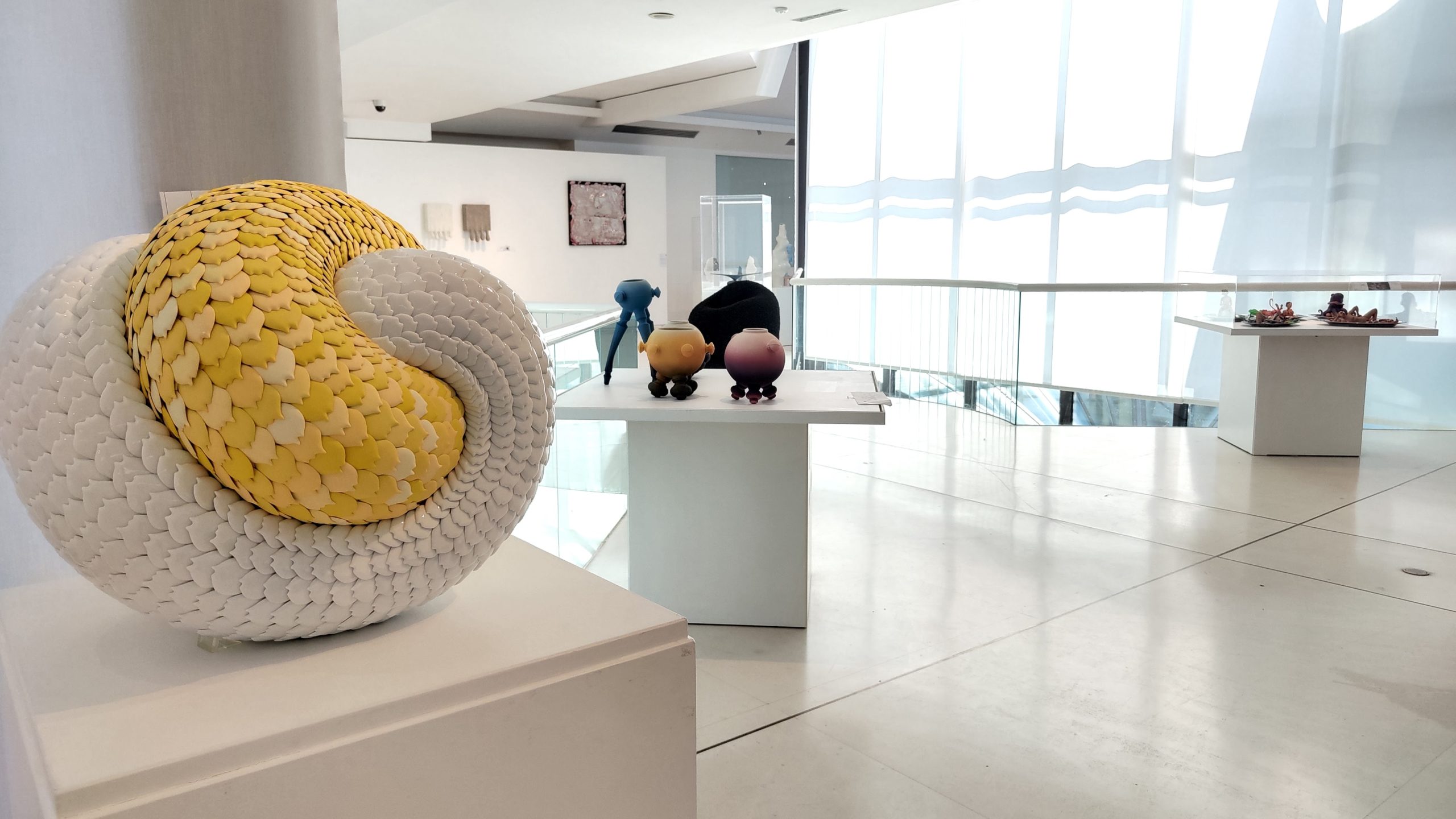
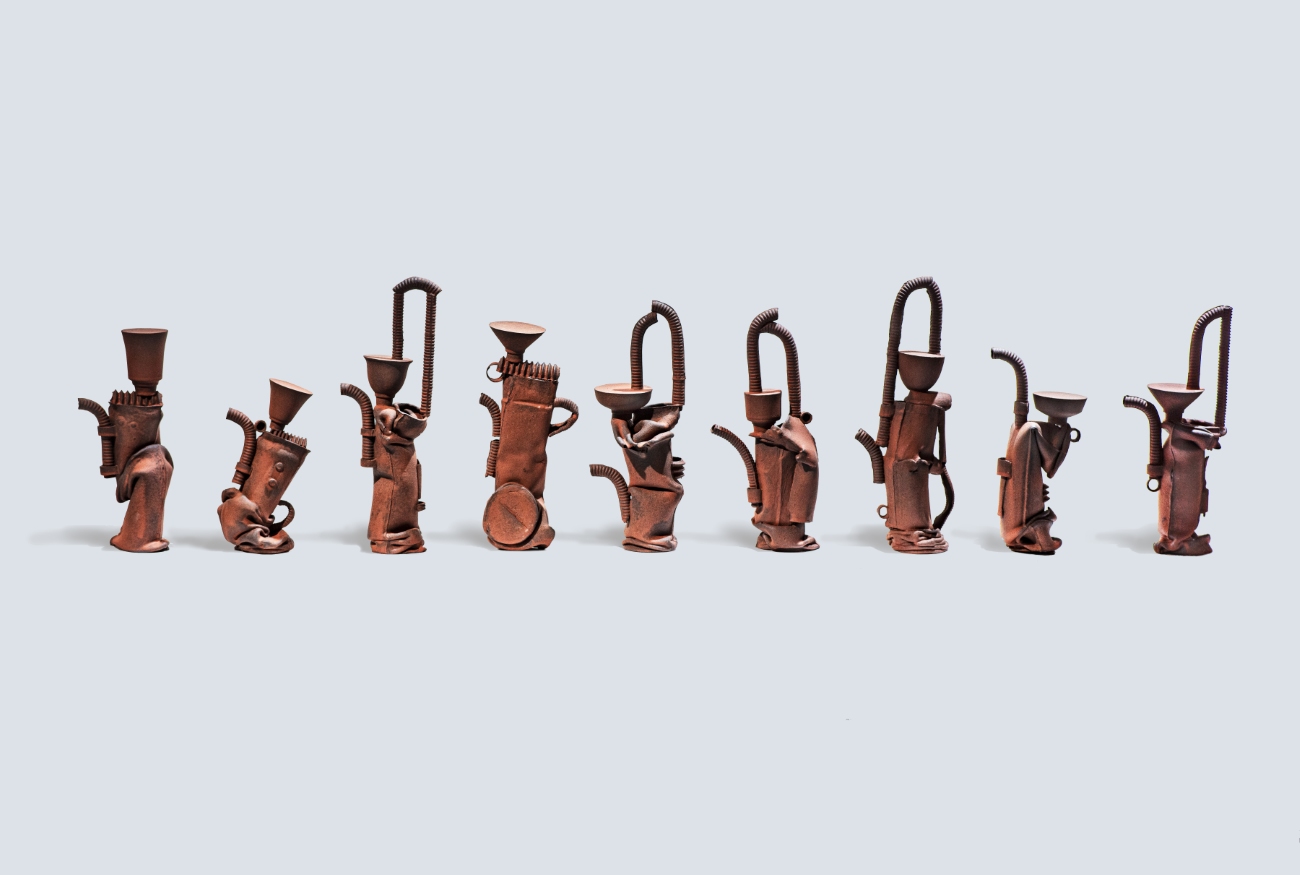
Many of the exhibited artists engage with or create everyday objects – often transforming them to critically question contemporary life. Yangkun Wang (1996, China), for example, transfers disposable items such as take-away containers into clay in his work Variations of New Life, transforming them into quiet, almost meditative still lifes. The material’s traces, engraved lines, and a balanced polish lend the objects an aesthetic depth that oscillates between precision and organic flow. Their serial arrangement on a table further creates the image of a modern still life that not only reflects everyday aesthetics but also raises critical questions about time, use, and memory. Olivia Barisano (1982, France) also draws on familiar consumer forms – but with a local historical reference. In her work Golden Valley, she uses clay from former extraction sites in Vallauris, a town renowned for its ceramic production since the 16th century, and shapes it into large vessels resembling shopping bags. These objects become symbols of a consumption-oriented lifestyle, linking archaic materiality with contemporary social critique. Barisano’s work invites reflection on the cultural meaning of everyday objects while reviving forgotten craft traditions and addressing ecological challenges. Shicai Liu’s (*1991, China) work A New Form with Meaning starts from a traditional, functional object: the teapot. The artist develops an ensemble of nine sculptures characterized by a free interplay of pipes, openings, lines, and volumes. He uses the purple Yixing clay, deeply connected to Chinese ceramic history. Liu consciously forgoes functionality and transforms the teapot into a new, formally experimental vocabulary that oscillates between design, architecture, and free sculpture.
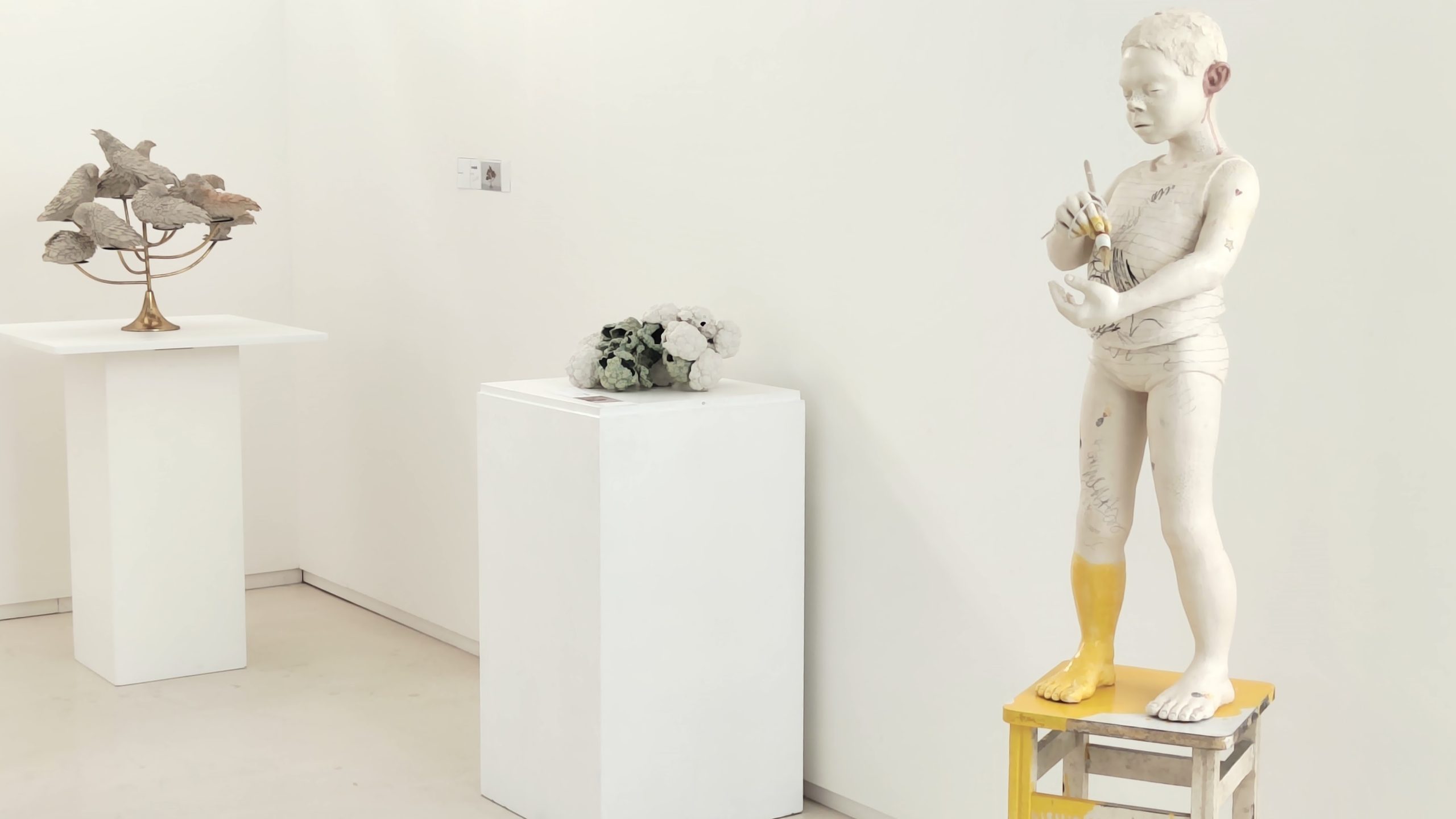
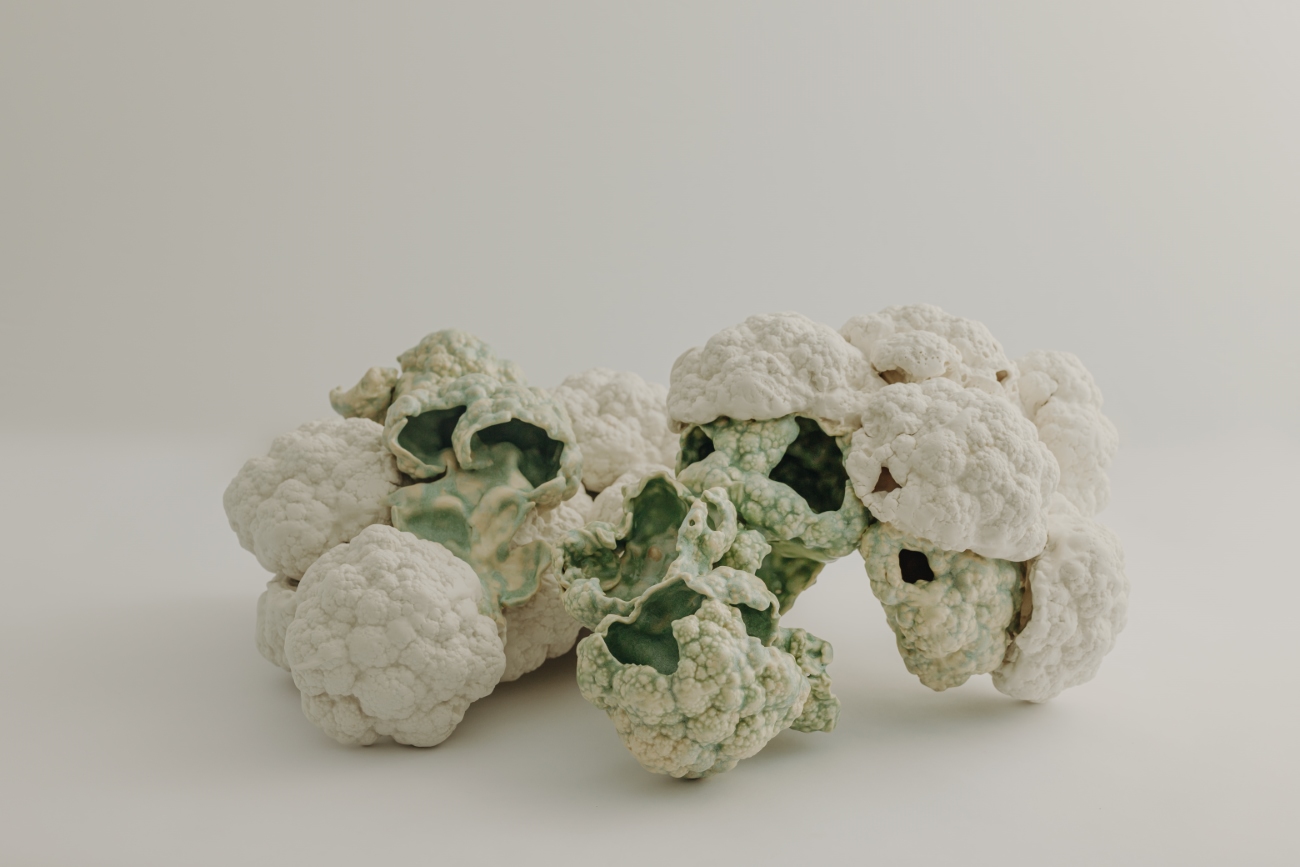
Equally fascinating are artists who dedicate their works explicitly to nature – not in the sense of romantic idealization, but as precise observation and ceramic imitation of biological processes and forms. Particularly impressive is Kristina Okan’s (1991, Russia) work Petrified Food. In a group of hyperrealistically crafted cauliflower heads, the artist explores the tension between ripeness and decay. Inspired by fairy tales, in which food often triggers magical transformations, Okan understands her ceramics as a poetic reflection on transience and change. Food exists in perfect form only for a brief moment – before that, it is unripe, afterward spoiled. This fragile transition becomes here a silent symbol for life itself. The idea of transformation is also taken up by Aya Murata (1979, Japan) in her work Cordyceps. She refers to a fungus that infects insects and grows out of them – a fascinating natural process she processes into organically mutated plant forms. With her work the artist opens a new perspective on nature – not as a static object, but as a living, dynamic counterpart. The work is especially striking due to its delicate, meticulously crafted, tiny details.
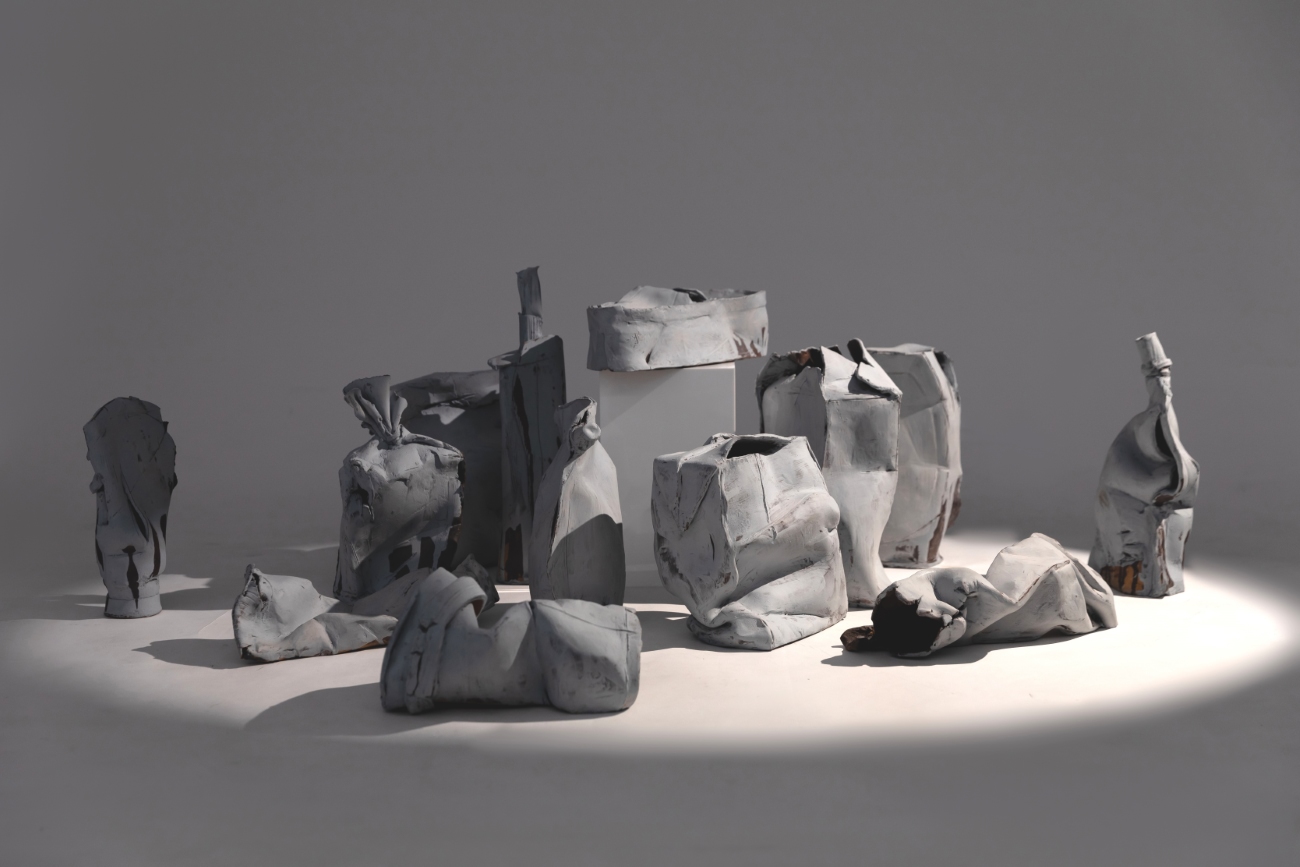
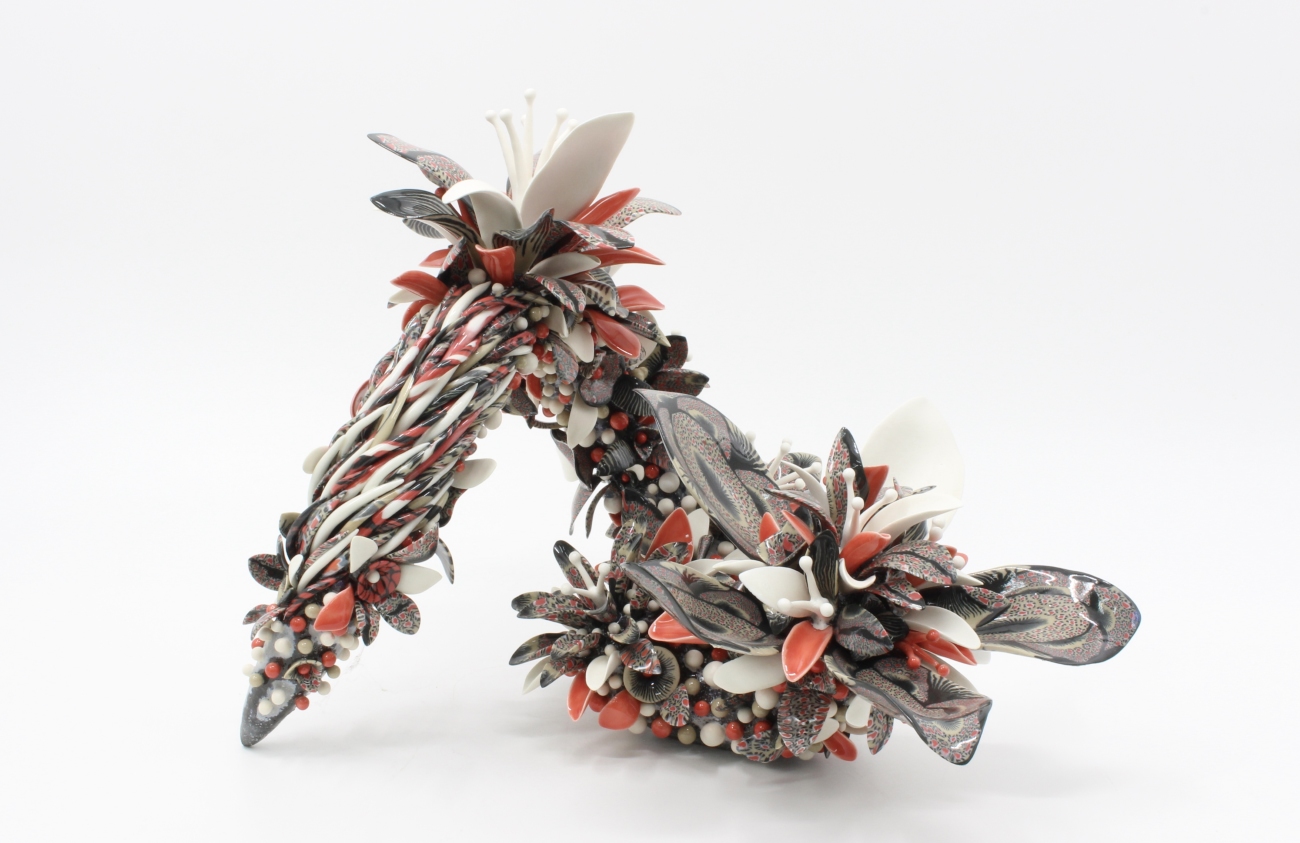
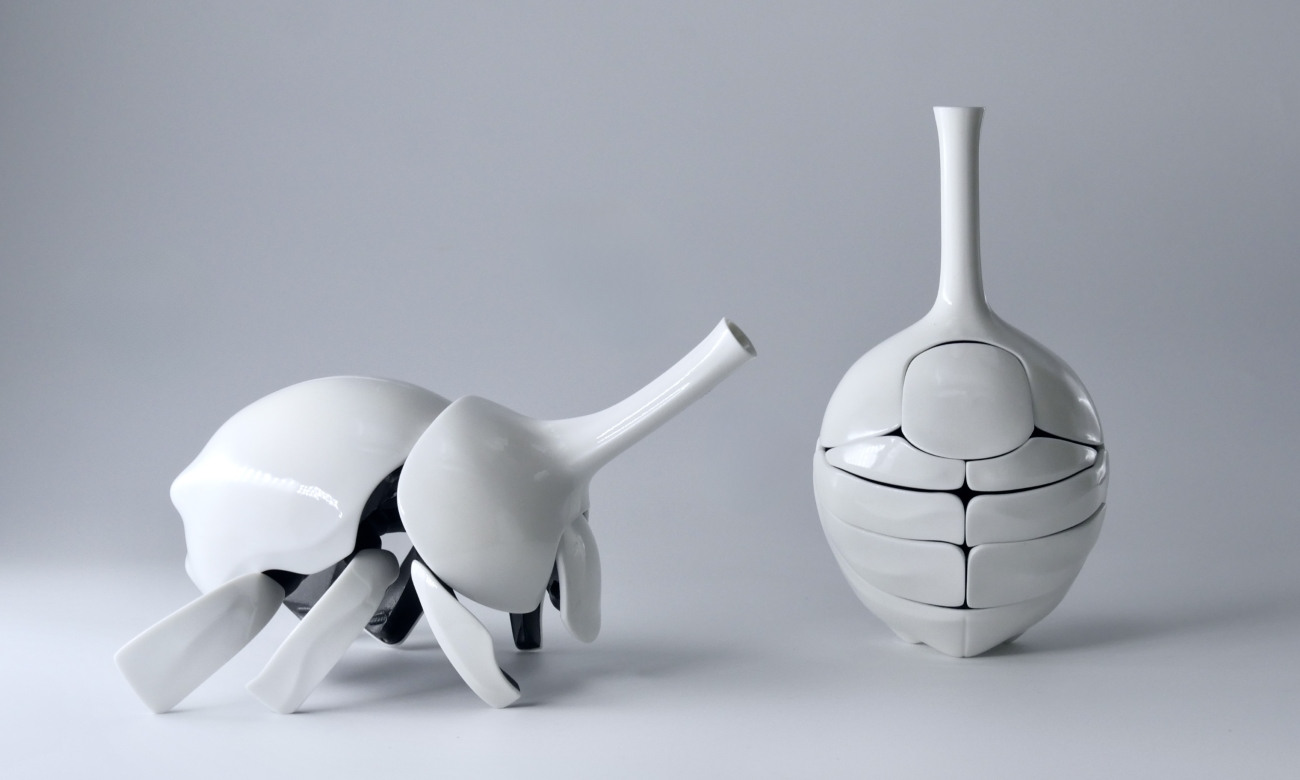
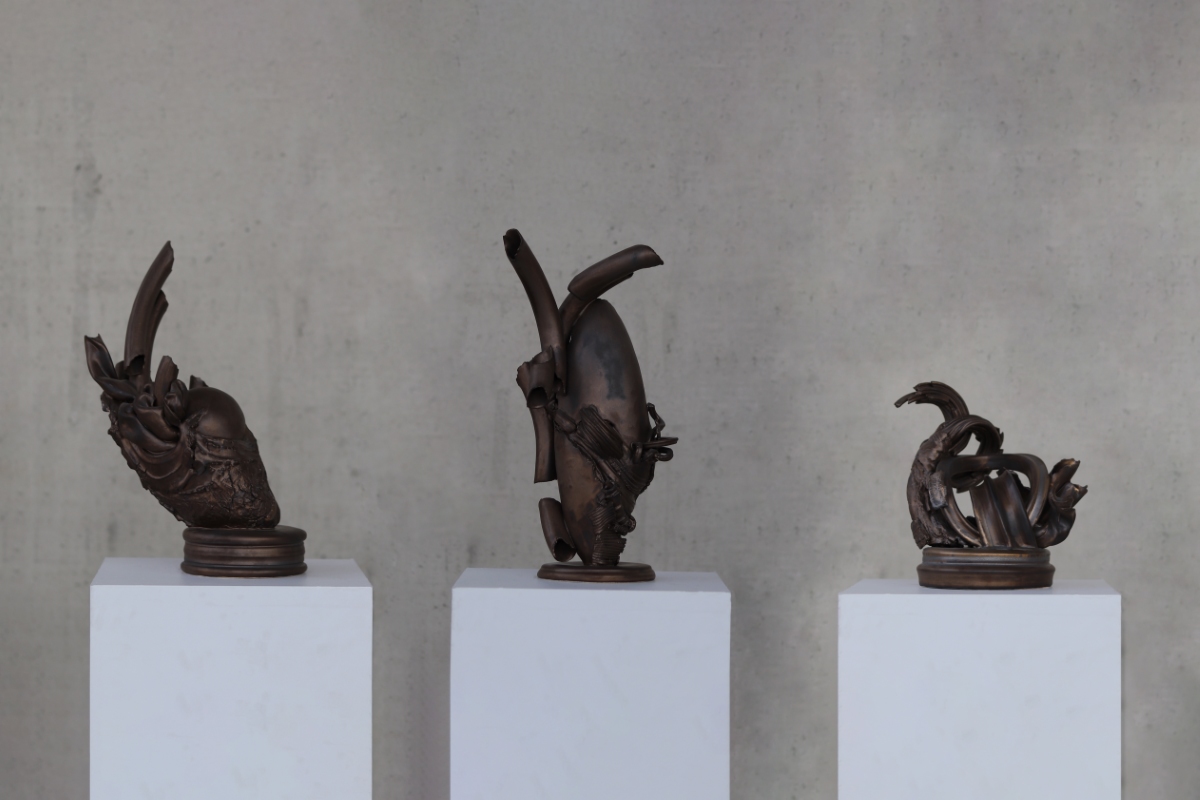
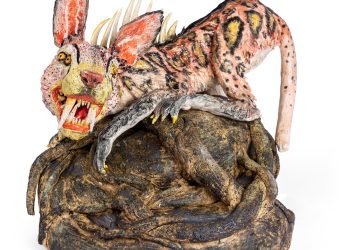
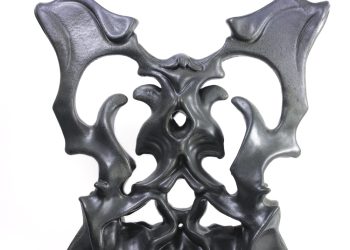
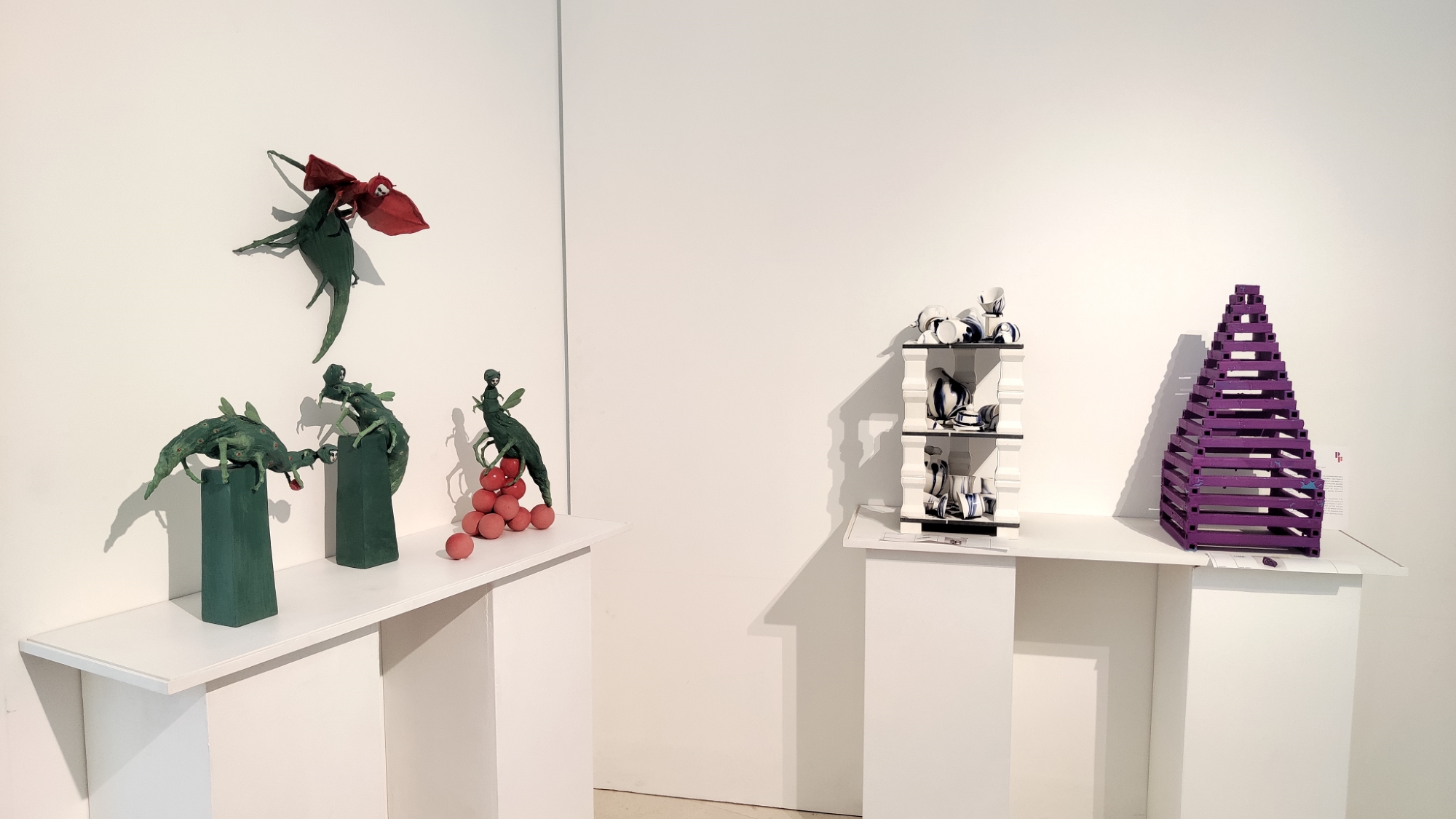
But what if the boundaries between object and nature dissolve, and our future brings forth new beings that oscillate between both worlds? Takahuru Hori (1996, Japan), for example, combines ceramic techniques with his lifelong knowledge of insects. In his work ICHILINZASAHI SOKKURI MUSHI (An insect that transforms into a flower vase), he imagines a distant future where insects mimic porcelain artifacts left behind by humanity. Retaining characteristic insect features, his creations dissolve into imaginative forms between living insect and vase. This interplay opens an original perspective on transformation and impermanence. Ielizaveta Portnova (1981, Russia) draws on the vase forms of artist Andrey Kirchenko and weaves them into a fantastic creature made from iris buds. In her play with technical reproduction processes, she depicts the emergence of an imperfect, organic being – a metaphor for an imperfect world that nonetheless needs hope. The flower-formed beast strives for a new life in which all living beings are united by the breath of love, crafted from ceramics enhanced with engobe, glaze, oxides, chamotte, and faience. This vision of transformation as both an end and a beginning is also central to the work of Sandra Majecka (*2001, Poland). Her work Artefacts (from the „Transmutation series“) addresses the possibility of the world’s end – or more precisely, the end of the world as we know it. Yet instead of dystopia, Majecka imagines alternative beginnings. She observes how abandoned structures are gradually reclaimed by nature: concrete crumbles, metal corrodes, moss and roots spread. This slow, almost imperceptible process is not one of pure destruction, but of metamorphosis. Her ceramic sculptures often resemble hybrid relics – somewhere between post-industrial ruin and organic lifeform. Fragments of pipes, walls, or containers seem fused with sinewy roots or bone-like growths, as if new life were emerging from the wreckage of the old. In Majecka’s world, nature does not simply return – it transforms, absorbs, and repurposes the remnants of a human-dominated past. The resulting forms suggest a speculative archaeology of the future: material testimonies of a world shaped by human hands, now slowly being woven into new systems of life.
The 63rd Faenza Prize illustrates how contemporary ceramic art has moved far beyond traditional definitions. It engages directly with pressing social, ecological, and existential questions and expresses them through a material language that is both grounded and open to interpretation. Across regions and generations, the exhibited works reflect a shared concern with the uncertainties of our time and a curiosity about what lies ahead. Whether addressing everyday culture, speculative forms, or cycles of decay and renewal, ceramics here becomes a medium of reflection and projection. In its surfaces and structures, it records experiences, questions assumptions, and offers new ways of thinking. Its relevance today lies not only in its material presence but in its quiet insistence on attention, process, and change.
Katherina Perlongo (b. 1989 in Bolzano, Italy, lives in Berlin) is Curator at the KINDL – Centre for Contemporary Art in Berlin and co-founder of the curatorial collective CUCO – curatorial concepts berlin. Most recently, she was Director ad Interim and Curator of Outreach at Georg Kolbe Museum. Currently, she is researching topics at the intersection of contemporary art, craft and design.
The 63rd Premio Faenza – International Biennial of Contemporary Ceramic Art is on view between June 28 and November 30, 2025, at MIC Faenza, Faenza, Italy.
Subscribe to Ceramics Now to read similar articles, essays, reviews and critical reflections on contemporary ceramics. Subscriptions help us feature a wider range of voices, perspectives, and expertise in the ceramics community.
Photos courtesy of the artists and MIC Faenza