By Wolfgang Lösche
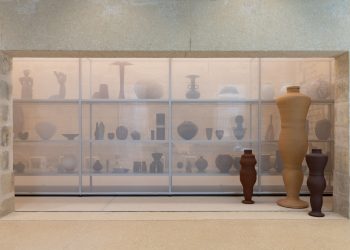
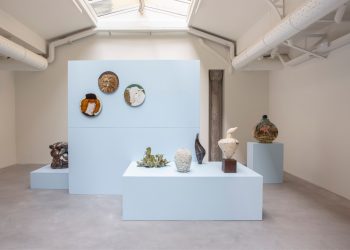
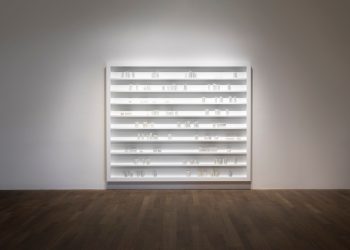
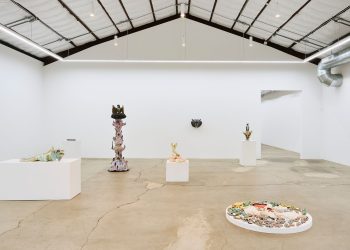
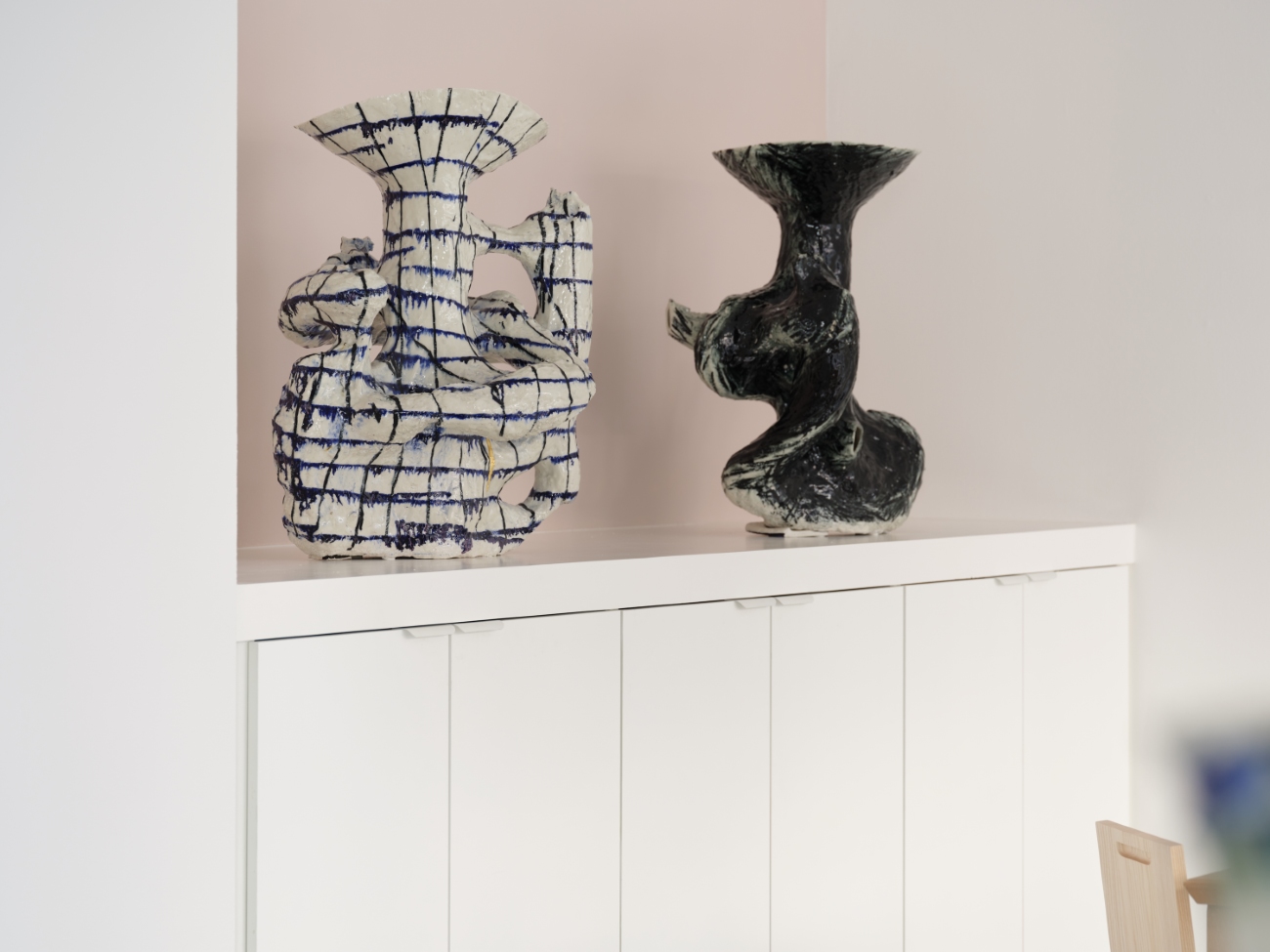
From September 17 to November 1, 2025, Monique Deul presents a total of 17 ceramic works by the German artist Johannes Nagel in the new premises of her gallery, Taste Contemporary, in Geneva. With this exhibition, she once again foregrounds contemporary ceramics, which play a central role in the gallery’s programme.
I came to know Johannes Nagel through my work as director of Galerie Handwerk in Munich (2003–2023). His ceramics were shown in several exhibitions at the venue from 2012 onward, and his works have been regularly featured for years at the Internationale Handwerksmesse (International Crafts Fair) in Munich, culminating in his receiving the Bavarian State Prize for Design in 2023. In May 2025, he was featured in “Spotlights of German Ceramics,” an exhibition I co-curated at Ceramic Art Andenne in Belgium. I write this text informed by those personal impressions and conversations with him.
Born in Jena in 1979, Johannes Nagel now lives and works in Halle (Saale). He received his initial training in Quebec, Canada, with the Japanese potter Kinya Ishikawa. Back in Germany, he both studied and taught Fine Art/Ceramics at Burg Giebichenstein University of Art and Design Halle, a renowned institution for its long-standing ceramic tradition. For a time he was assistant to Prof. Martin Neubert, who also exhibited at Taste Contemporary this year. Since 2008, Nagel has worked as an independent ceramic artist, exhibiting regularly in international solo and group shows. His works are represented in public collections including the Victoria and Albert Museum (V&A), London; Keramikmuseum Westerwald, Höhr-Grenzhausen; the GRASSI Museum, Leipzig; and Die Neue Sammlung – The Design Museum, Munich.
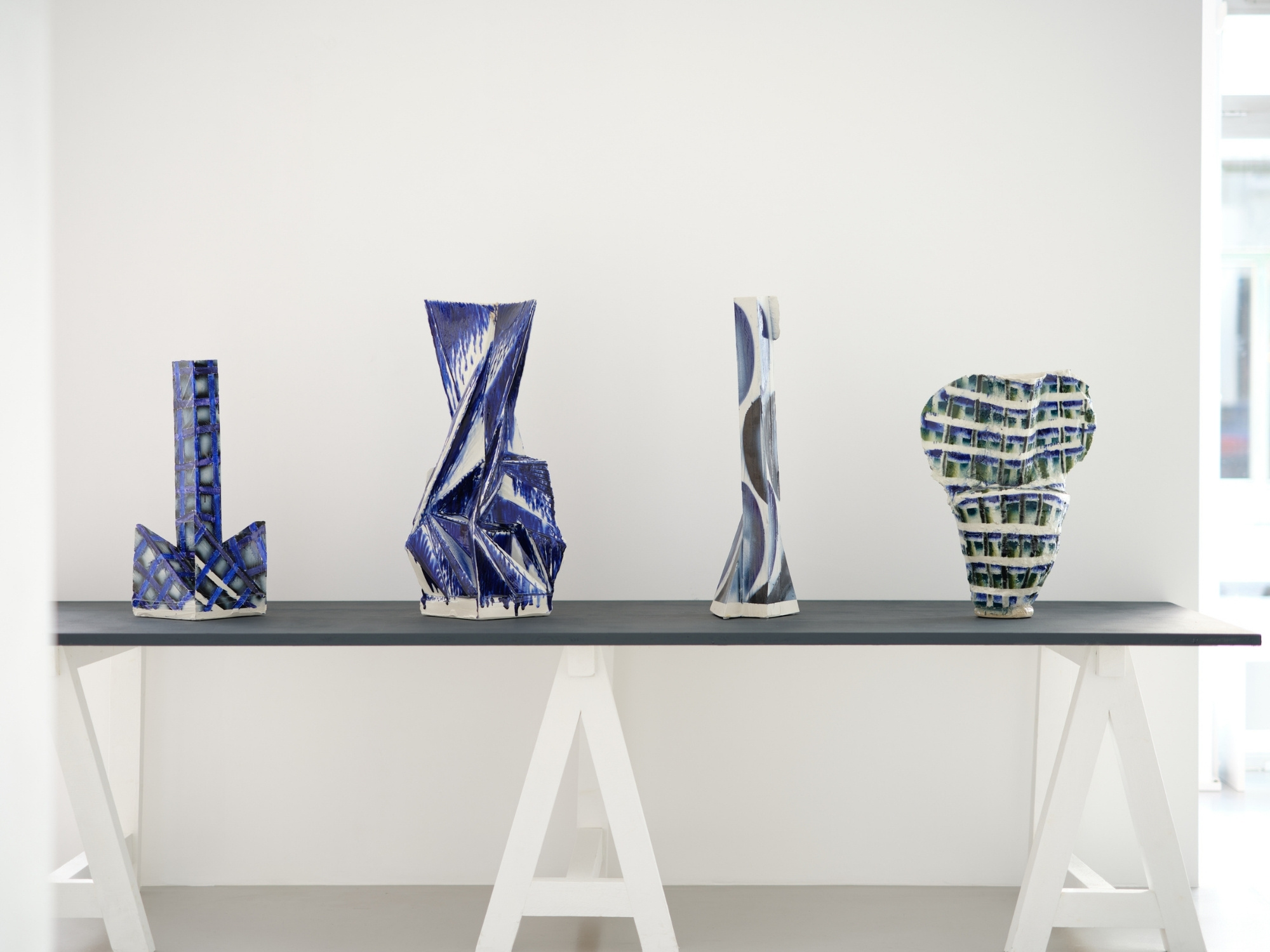
Glenn Adamson has observed that Nagel’s ceramics embody a “sacrosanct trinity”: the non-perfection of ceramics associated with the traditional Japanese tea ceremony, the clarity and geometry of Bauhaus rationalism, and the individualism of Abstract Expressionism. Nagel does not strive to create static, flawless objects. Instead, he maintains a continual dialogue with material and process—one that keeps evolving and often surprises. In this sense, his ceramics from the years after roughly 2010 brought forth something entirely new and have achieved international renown. His formal language is unmistakable; painting and colour play a major role. His ceramics bear distinctive, instantly recognisable traits: they can be angular and sharp-edged, softly flowing, lively, expansive; bulbous with large funnel necks; assembled into still lifes; and sometimes mounted on lead plinths.
The Geneva exhibition presents four main bodies of work:
• Cuts
• Movements
• Silhouette
• Silhouette Extended (which lends the exhibition its title)
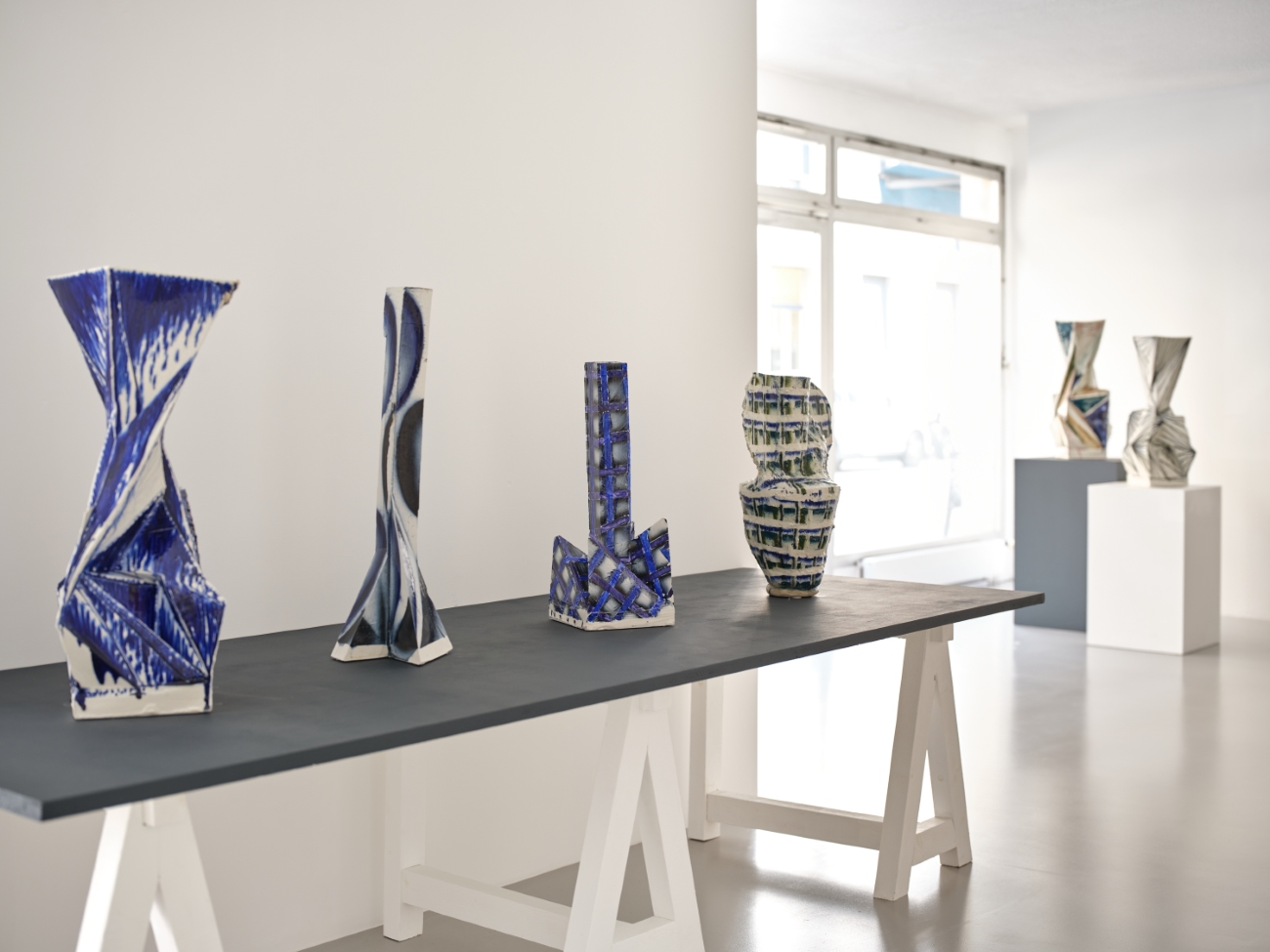
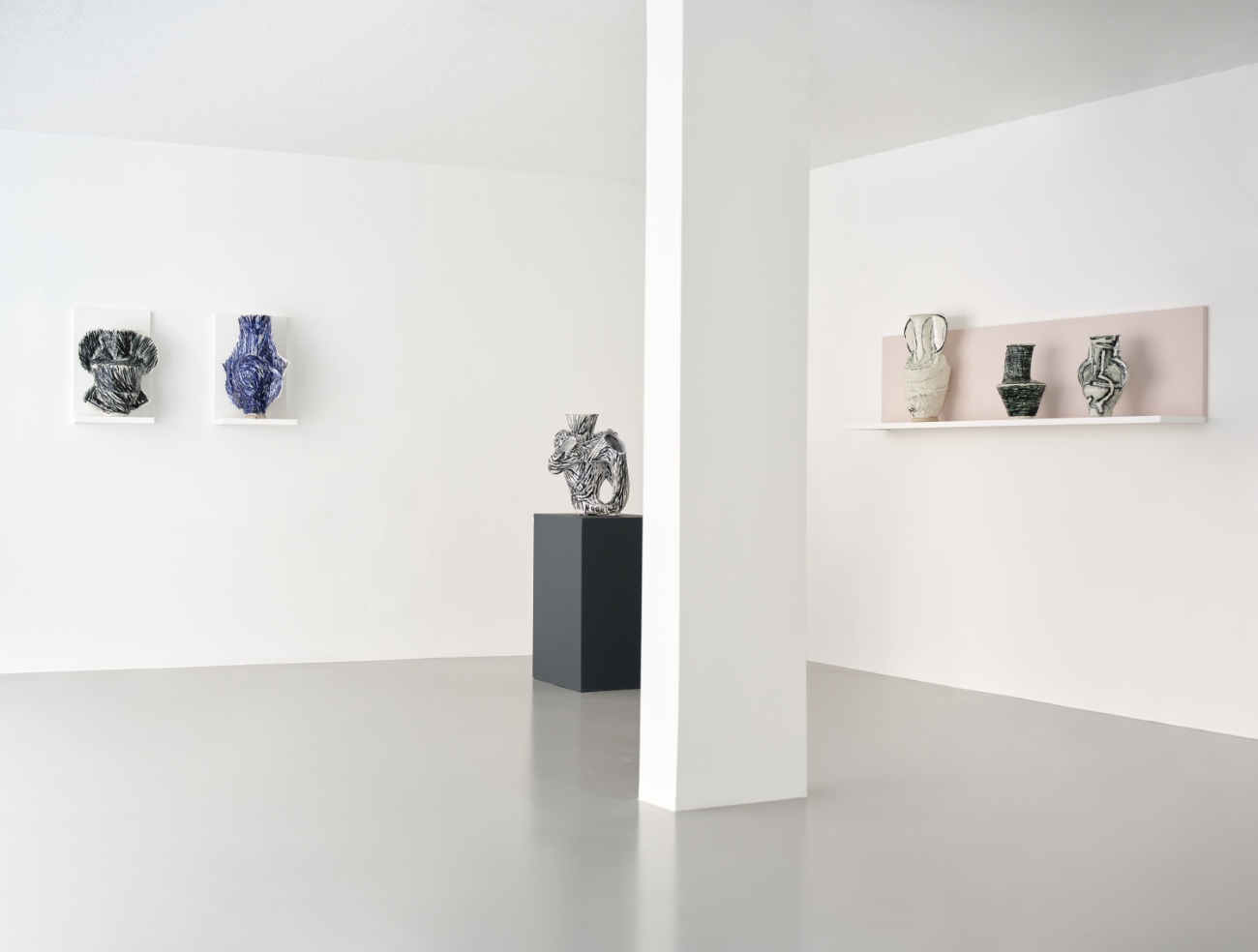
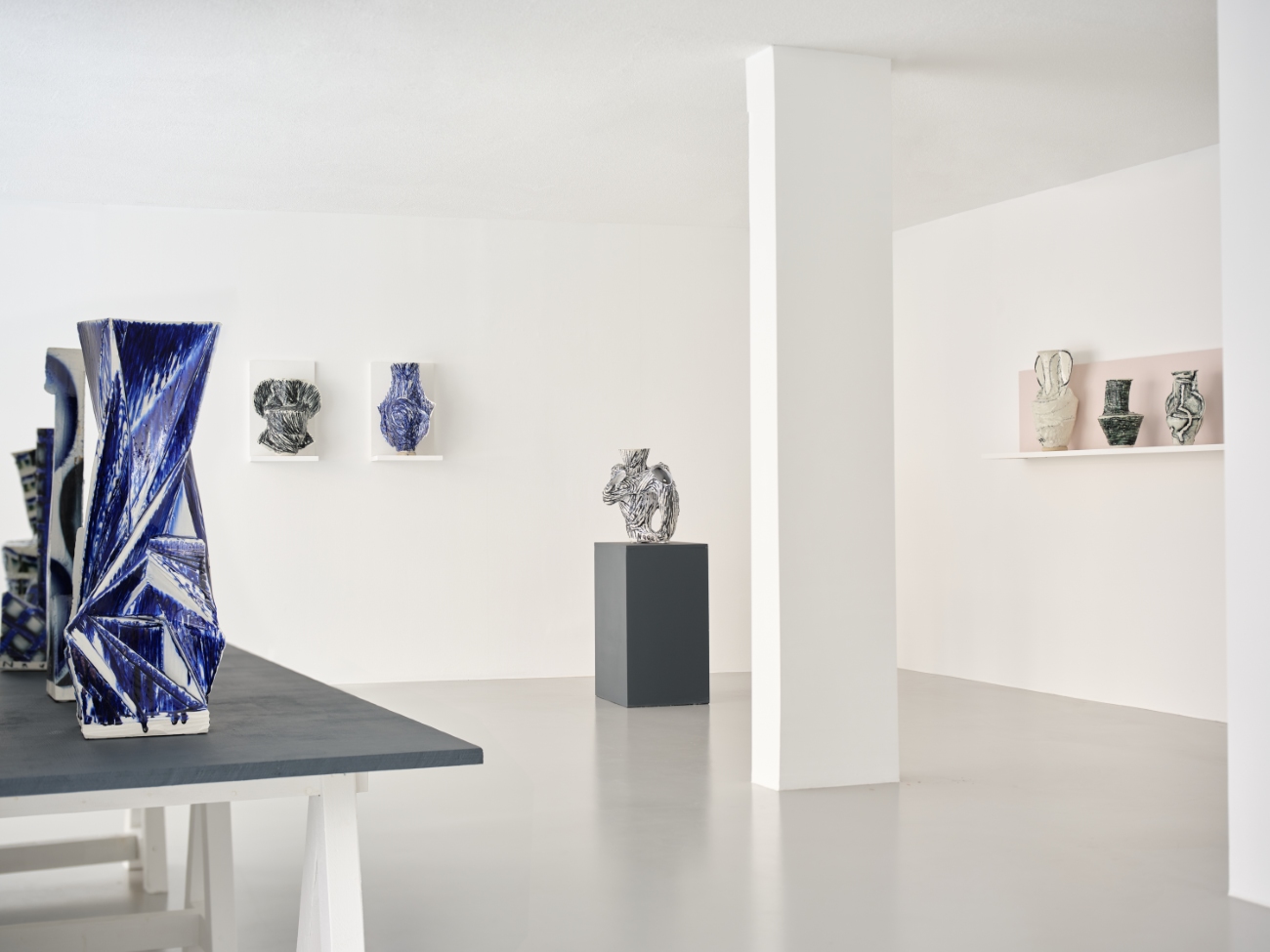
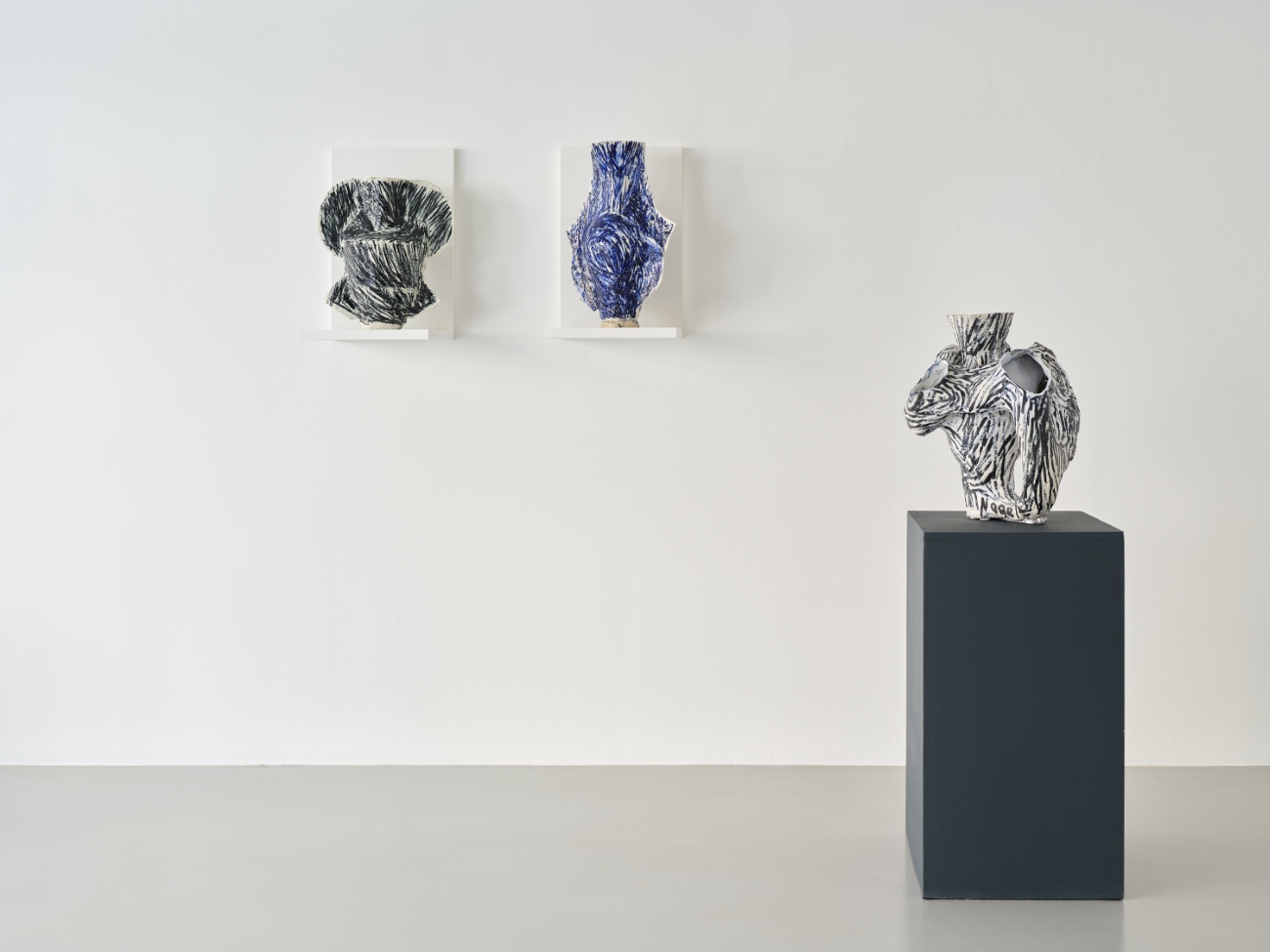
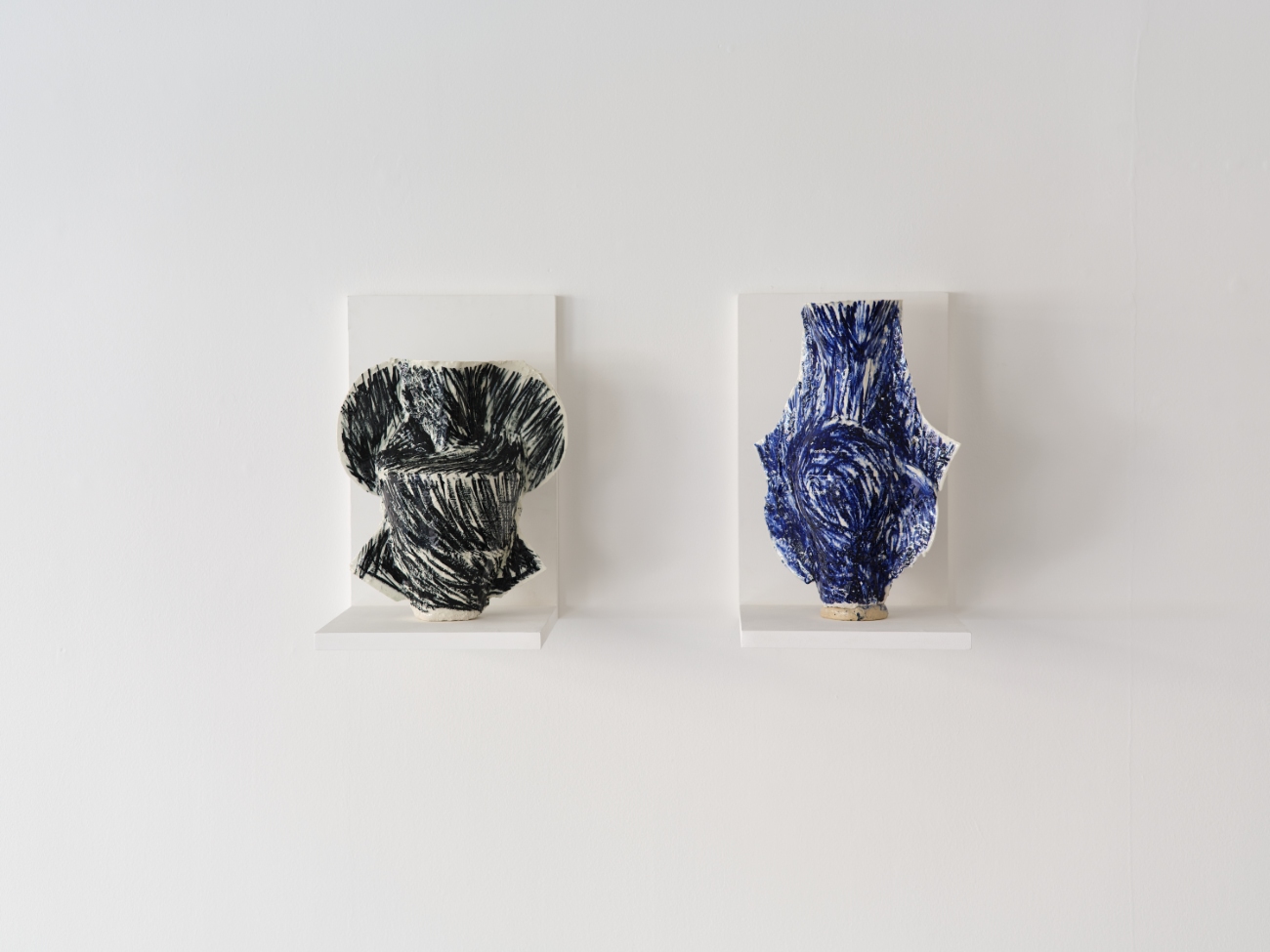
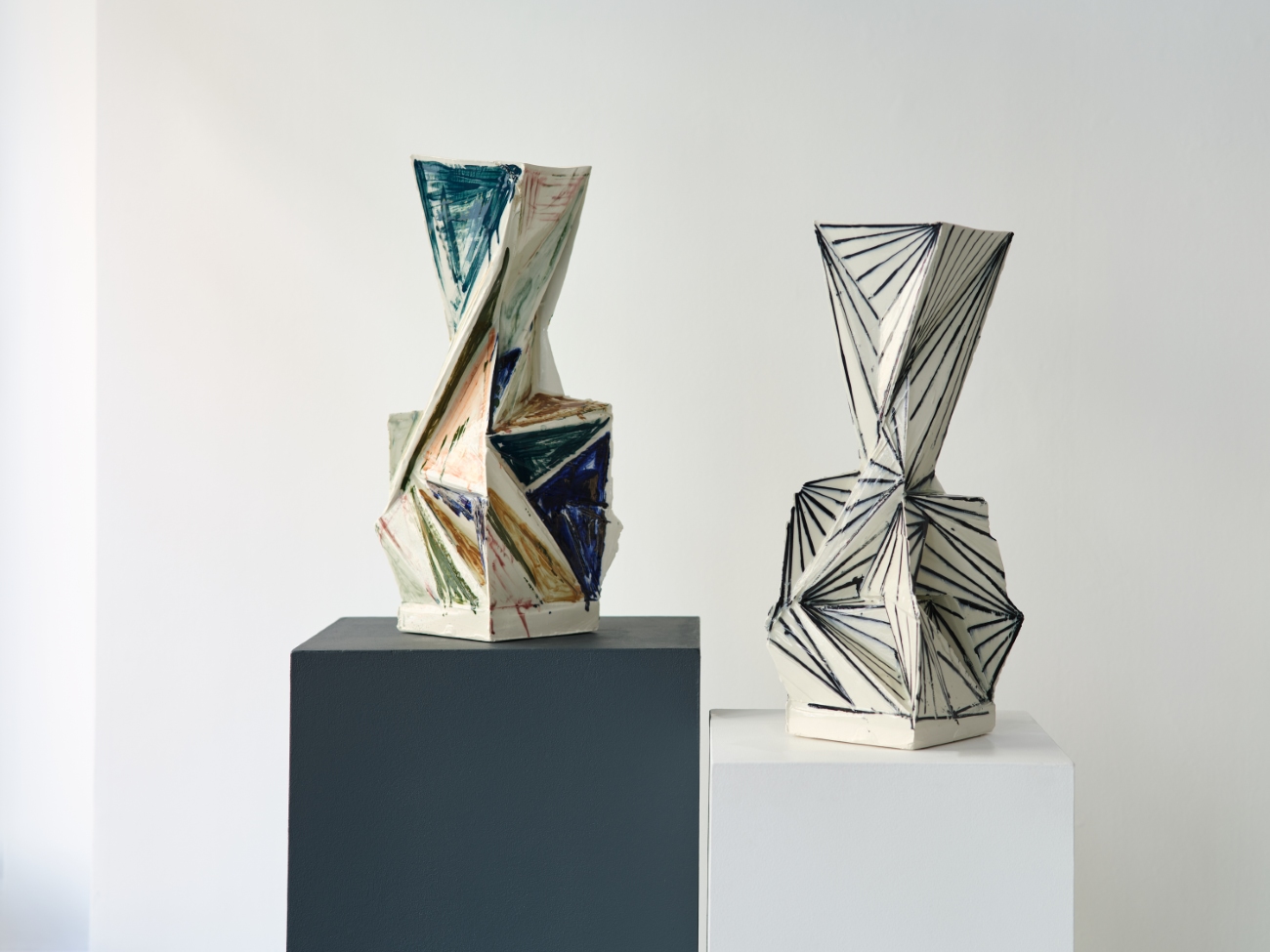
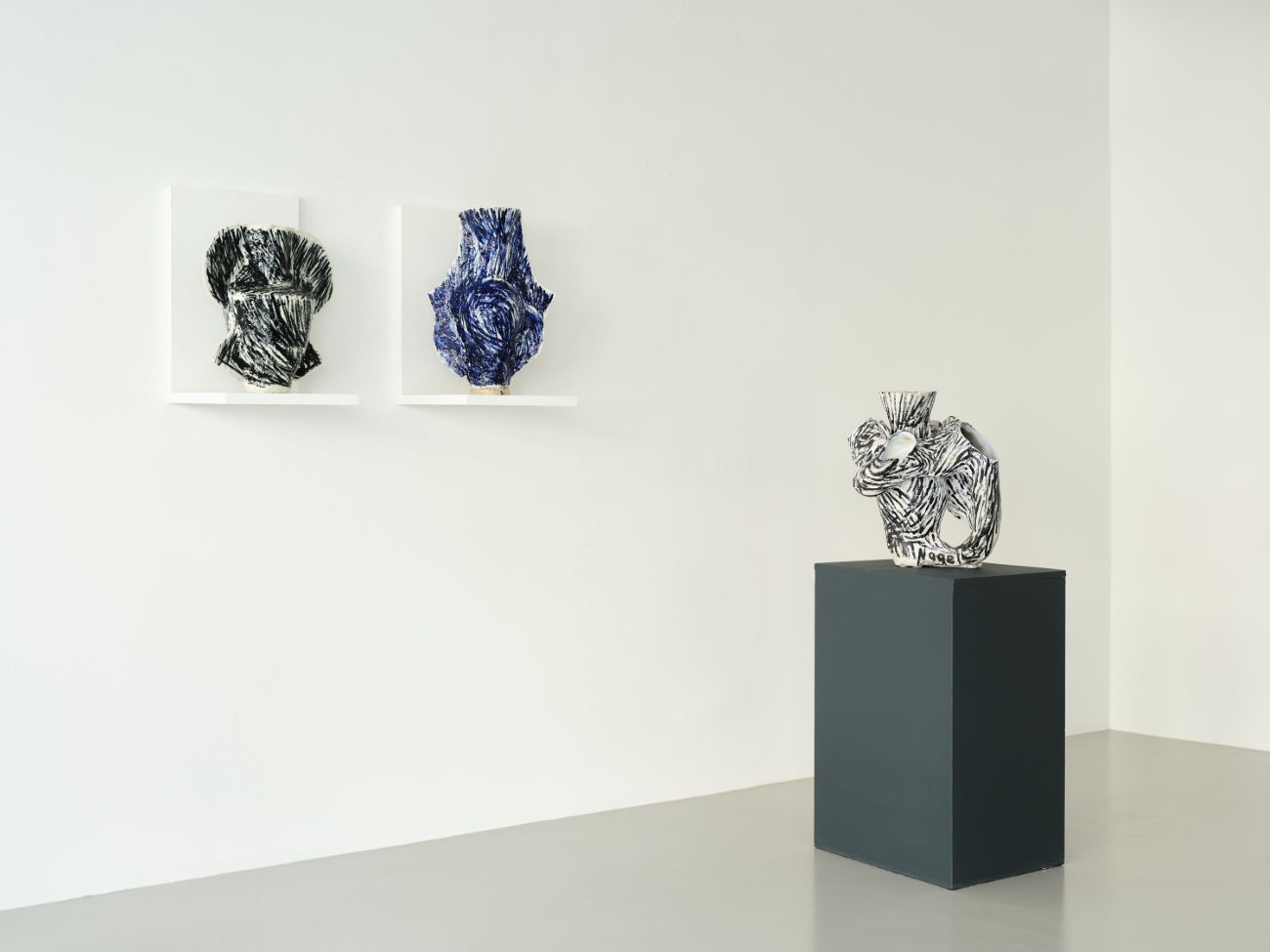
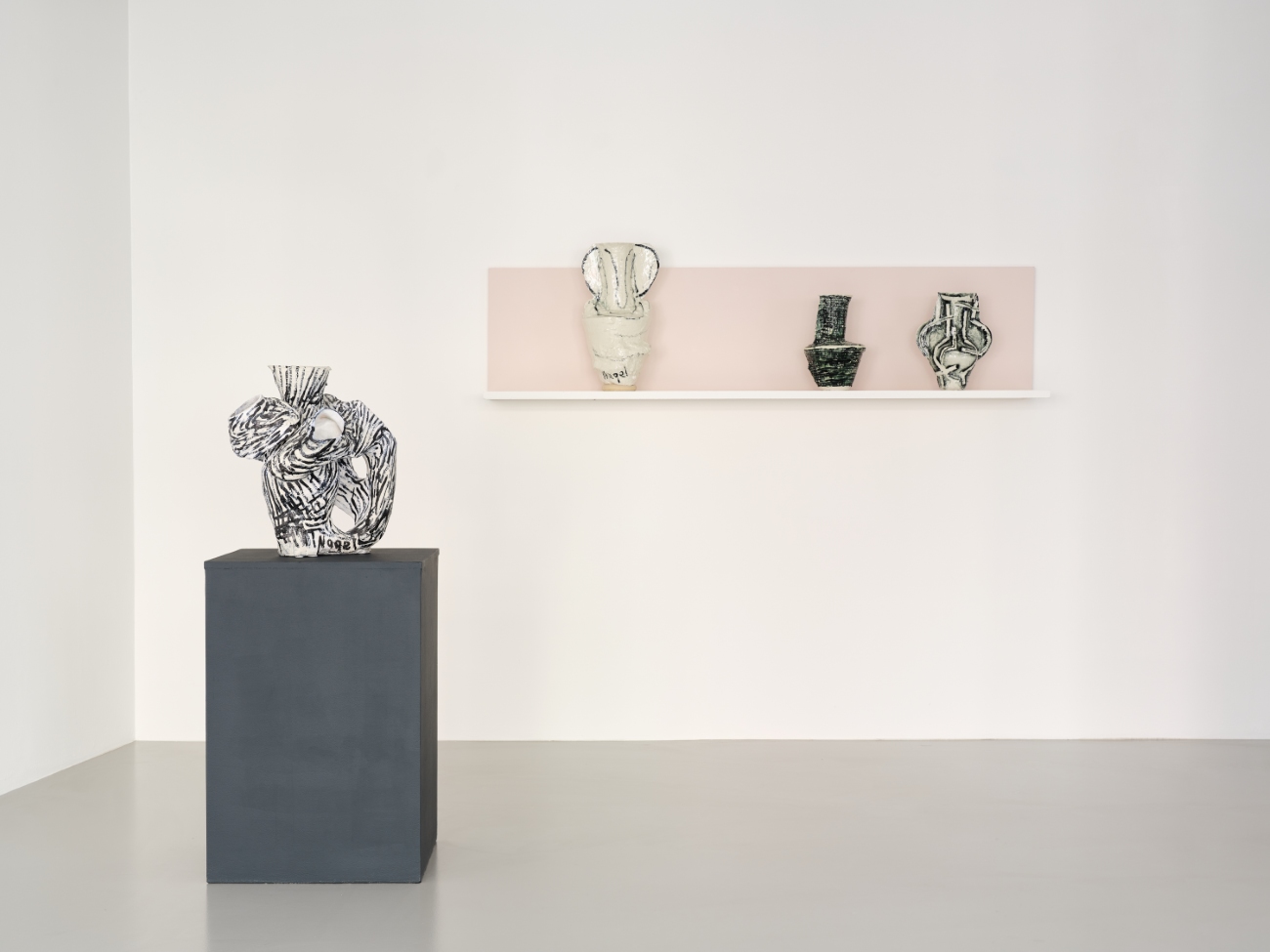
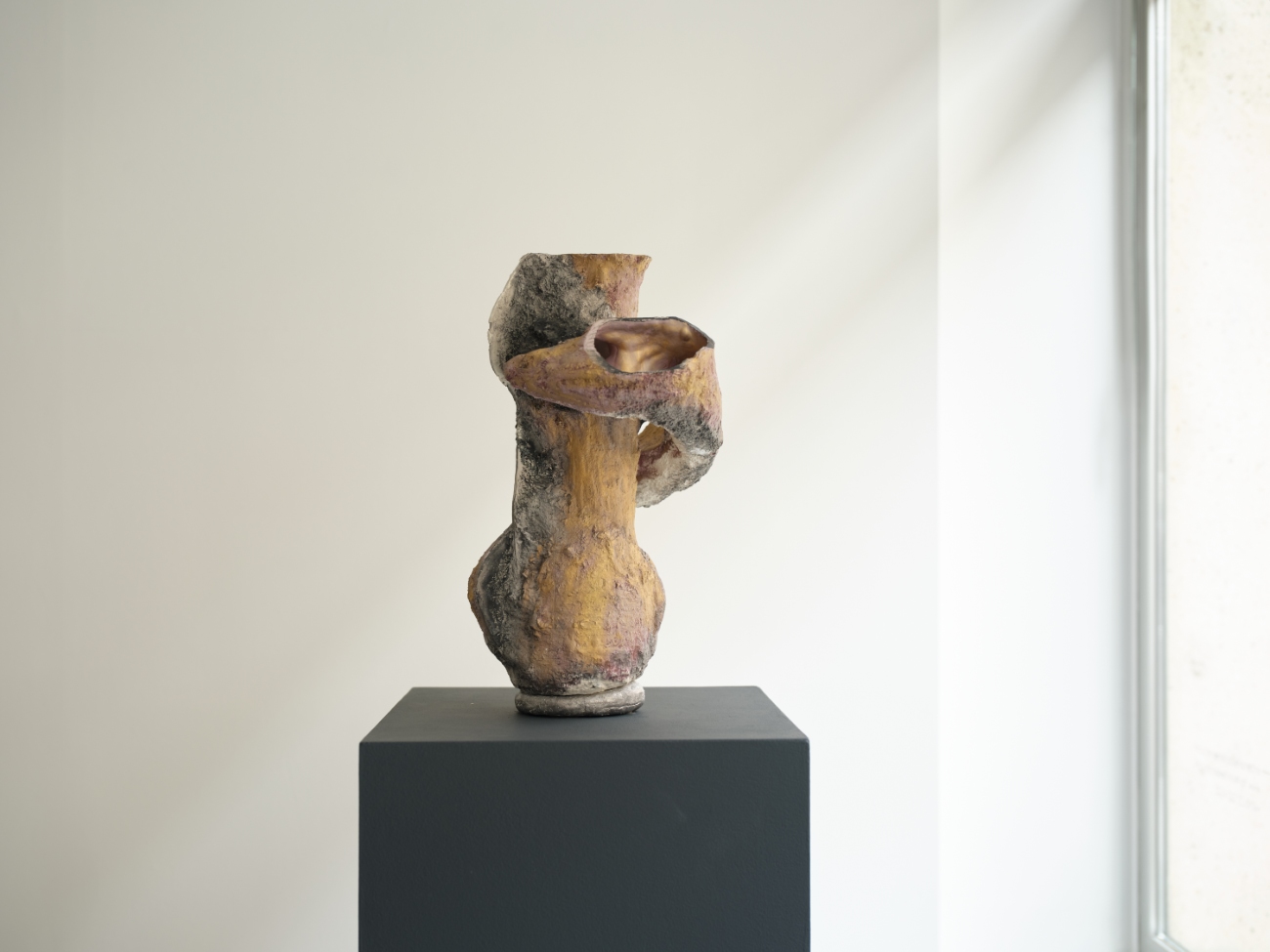
All the works are made from porcelain body using a casting process developed by Nagel. Formally, the aforementioned “sacrosanct trinity”—non-perfection in ceramics, Bauhaus clarity and geometry, and Abstract Expressionist individuality—is reflected in the pieces on view.
Cuts
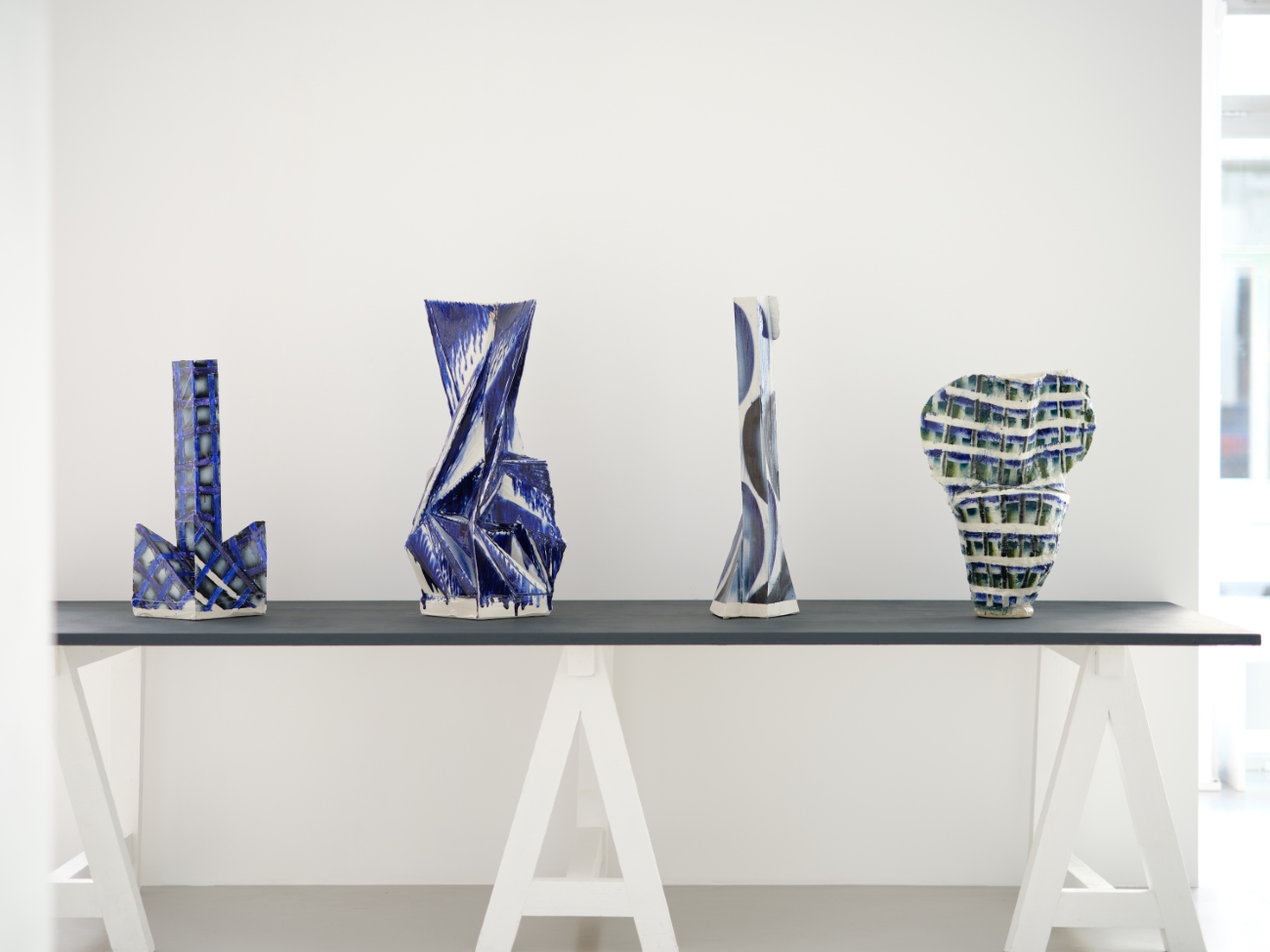
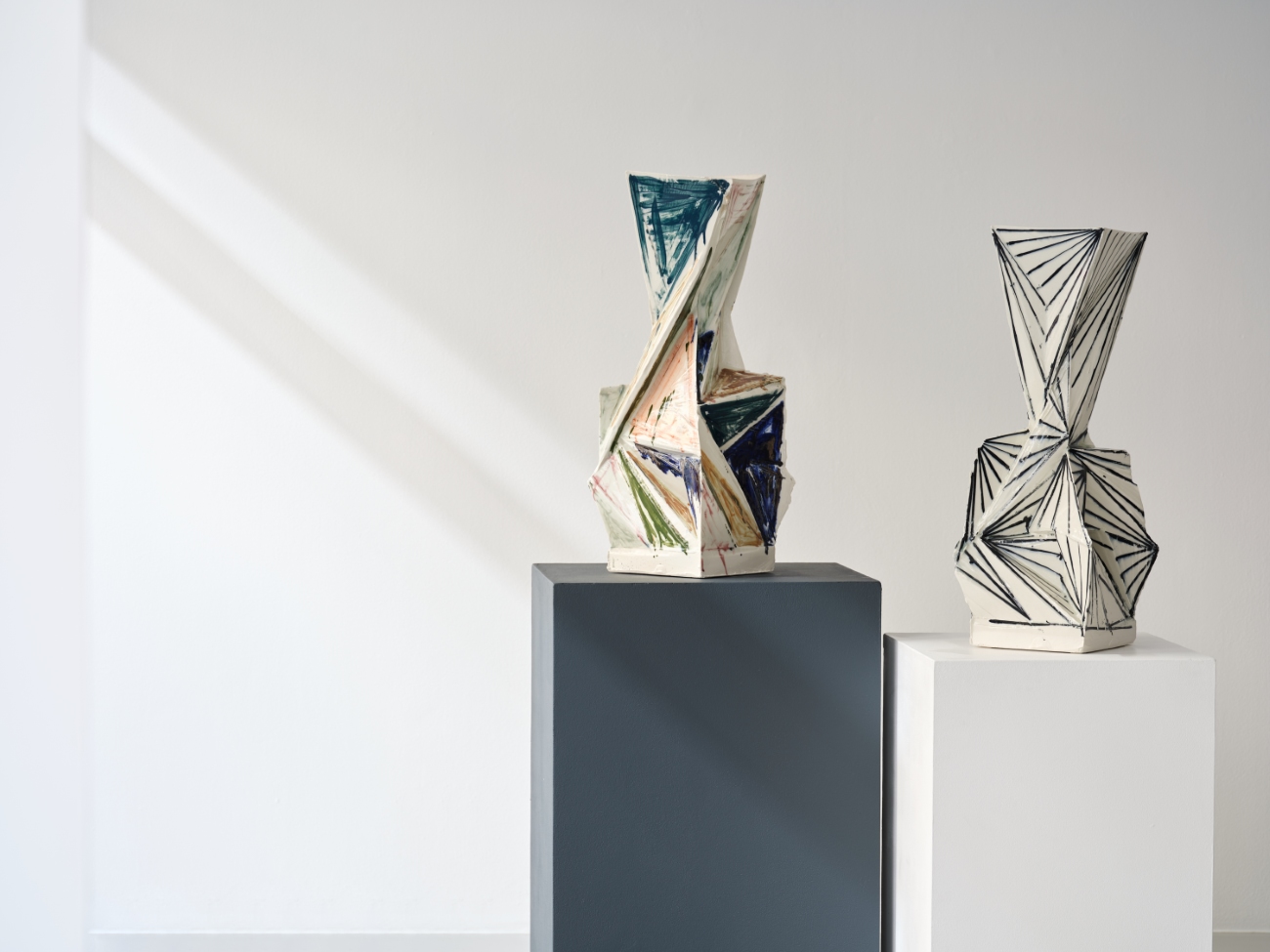
Irregular cubes, triangular planes, sharp edges and mostly square, funnel-shaped necks characterise the Cuts. Here are the plaster moulds—cut, sawn, or otherwise worked—that generate the cast forms. Their silhouettes are often accentuated by coloured lines—cobalt blue, for example—that visually tie them together. On certain triangular facets, lines converge toward a central vanishing point, heightening spatiality and multidimensionality and imparting strong dynamism. Glaze and colour play a significant role: when glazed in a single tone—celadon or pure white, for instance—the forms and their constructions read with great clarity. Triangular planes with a crystalline quality are often finished in solid fields of colour. In the Cuts, the vessel character—still associated with many of his works—comes strongly to the fore. In the Geneva exhibition, the Cuts also take on the air of abstract architectures.
Movements
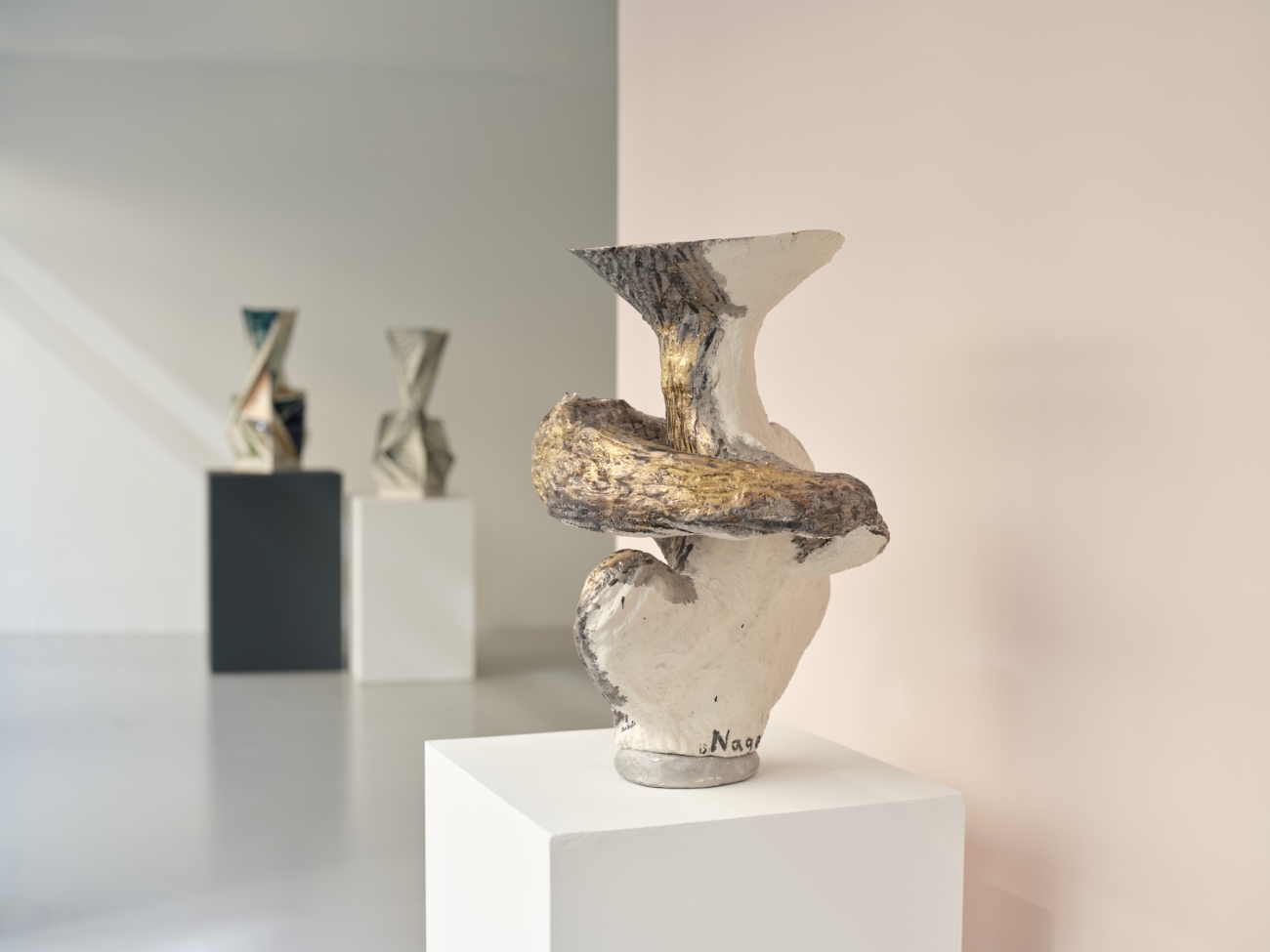
“Movements” is what Johannes Nagel calls the works born from a sandbox. This much-discussed technique of recent years proved a major surprise and a source of renewal. He digs cavities into a box filled with a special dense sand using his hands and arms. These voids are filled with liquid porcelain slip; after a set time, the excess, still liquid, is drained through a hole at the bottom of the box. What remains is a form defined by the tunnel system he excavated. Working virtually blind—guided only by an inner sense of how the form might emerge—he digs into the soft sand. Many experiments and long practice were surely required to wrest from this technique the forms that have, for years now, appeared in great variety and variation.
If one speaks of play in art, these works are, to me, a prime example. When I first learned of this technique, I was reminded of an underwater archaeologist’s account. He dived in Bavarian lakes in search of historical ceramics. The water was often turbid and muddy, making sight impossible; he had to feel blindly for vessels, hands and arms sunk up to the shoulder in the silt. After years of searching, his experience would tell him—often at the first touch—what kind of vessel he had found.
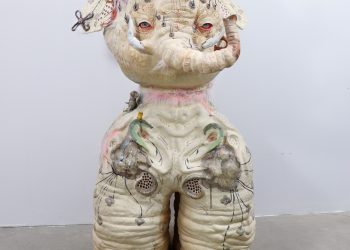
Nagel’s Movements often suggest sweeping, arrested motions. They remind me of dancers beginning to move. Bulbous volumes evoke splendid historical garments, and the flaring, funnel-shaped necks so typical of Nagel’s work suggest hats. For me, they yield impressions of flowing and rotating movement, as well as memories of abstract figurines.
“I am not after the perfect finish or ultimate expression, but a language of immediacy and the potential of objects.”
Silhouette
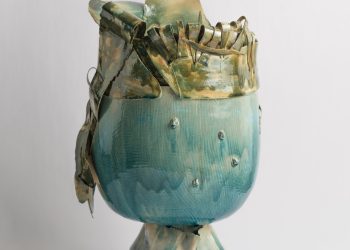
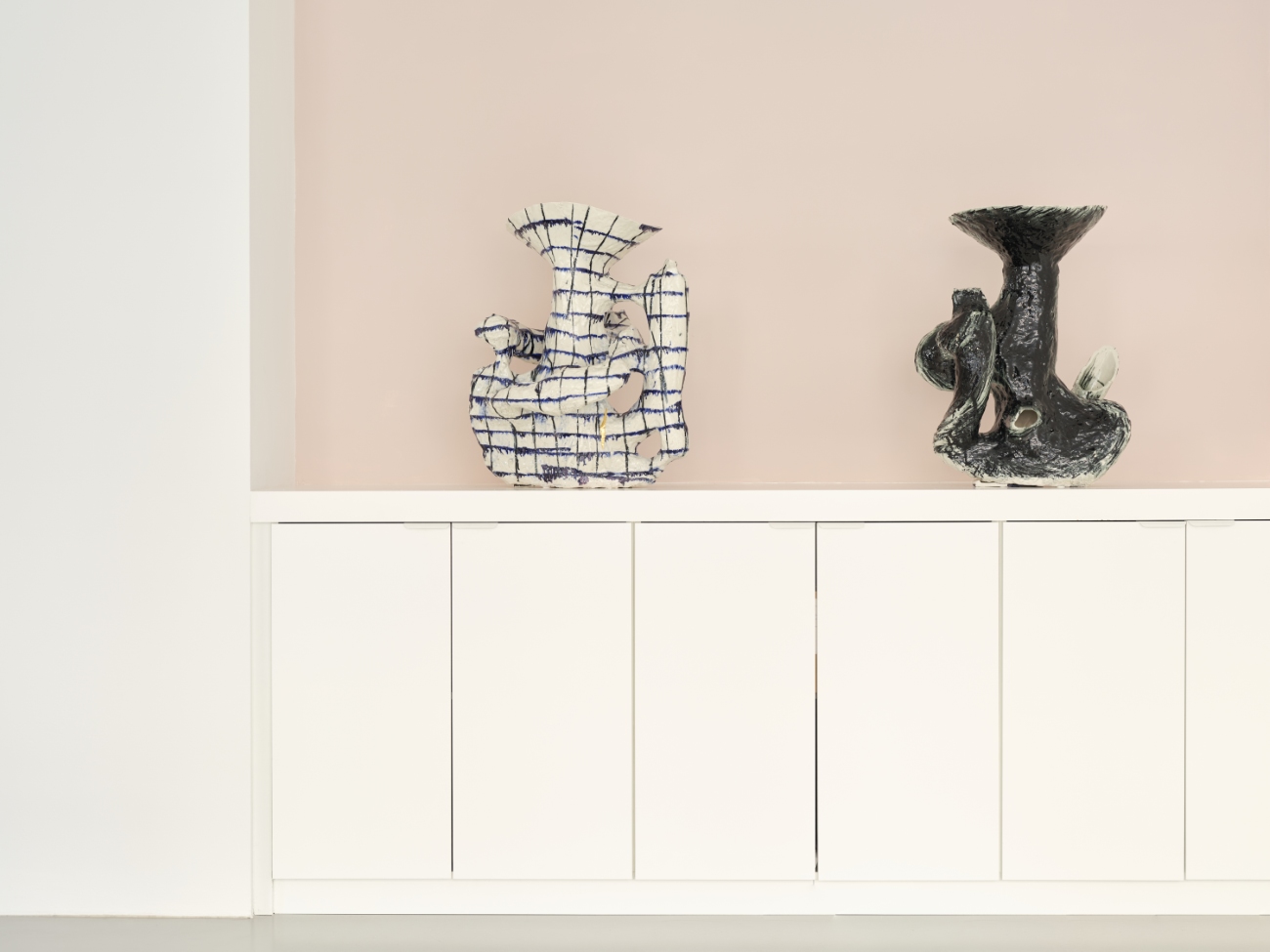
In the Silhouette works, superimposition is the central theme: a precisely shaped, flat silhouette framing a vase-like body formed in sand becomes the ground for dynamic painterly fields. With Silhouette, Nagel titles works that, to my mind, possess a strong vessel character; the theme of the vase is unmistakable. Classical ceramic forms are cited and transformed. Foot, belly, neck and upper opening all carry the hallmarks of the vessel, which, however, shifts into an object. The outer contour plays a major role: the classical canon of the vessel is taken up, translated into Nagel’s formal world and often calmed by monochrome glazes.
The Silhouette works also unite multiple modes of viewing. Two- and three-dimensionality merge in a single form. The vessel is opened up to painting, which, as in the Cuts, articulates the contour lines. Multiple viewpoints can emerge. The painterly element is significant here, underscoring a two-dimensional aspect akin to an image on canvas.
Silhouette Extended
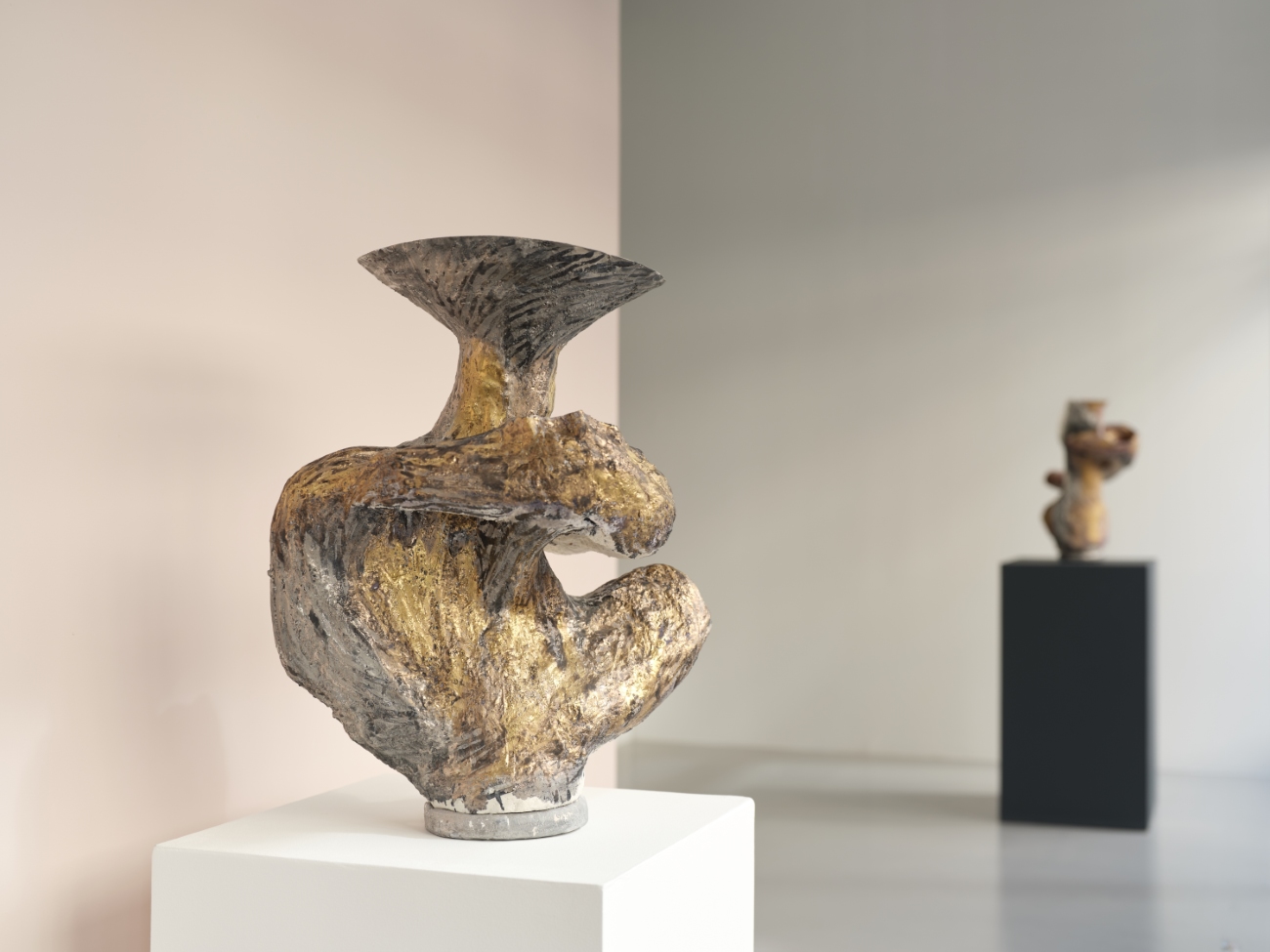
Silhouette Extended is the group that gives the exhibition at Taste Contemporary its title. In these works, the roughly symmetrical form pushes outward into space. We see bulges, elongations, extensions. This allows insights that were previously possible, but now in a new way. Cropped or fractured, expansive hollow vessel parts sometimes appear as if they have been encrusted for decades, fused with the body of the vessel. The glazed interior views carry an air of secrecy. In the Extended works, volume and three-dimensionality once again claim space.
To keep my remarks on the works at Taste Contemporary from straying too far, I would like to let Johannes Nagel speak for himself, with an excerpt from what he wrote for the exhibition:
“When I began working with casting to create sculpture and ceramic ware, I was fascinated by the inversion of a three-dimensional object and by the possibility of reproducing any form I could make or find. But the process lacked something of the immediacy and spontaneity I had experienced when working directly with clay. That immediacy is one of clay’s seductive qualities, as it records the maker’s intentions and attitudes. It was a great liberation to break out of the traditional discipline of mould-making and to discover more immediate ways of casting. The first impulse came when I took a saw to a previously unsuccessful mould, skipped the prototype and cut directly into the plaster. The mould became an active partner in constructing and deconstructing the vessel. Through this process, the idea of a vase as sculptural expression took shape in my mind and in my work. Another key discovery emerged from a series of experiments that led to a very direct manual method: organic forms carved by hand into a box of dense sand and cast in porcelain. I wanted these casting methods to remain an expressive component of the finished piece.
Recently, I came across the work of Lambros Malafouris, a Greek-British cognitive archaeologist, who considers artists or craftspeople and their materials as ‘partners’ that take turns leading the ‘dance’ of making. Malafouris writes that throwing on the wheel is an example of material engagement in which human and material agency are inextricably intertwined. He argues that ‘agency and intentionality are not properties of things, but neither are they properties of humans: they are properties of material engagement—the grey zone where brain, body and culture merge.’ This collaboration is at the heart of what I seek. It does not involve chance, but rather a dance with matter. This dance—or struggle—is clearly visible in the works presented here: tunnels that encircle a void; cuts and sharp edges that trace the flow of a contour; patterns and colours that contradict their body or reflect subtle dynamics. Some movements slip out of their well-composed silhouette. I am not after the perfect finish or ultimate expression, but a language of immediacy and the potential of objects.” —Johannes Nagel, June 2025
The exhibition at Taste Contemporary offers a noteworthy, tension-filled and varied selection of recent works by Johannes Nagel. It brings us close to the ceramics of this German artist at a high level and convinces through its quality. Anyone interested in following this ceramist’s path should not miss the opportunity to visit the exhibition. It runs in Geneva through November 1, 2025.
Wolfgang Lösche studied European Cultural Studies at Ludwig-Maximilians-Universität in Munich. From 2003 to 2023, he served as Director of Galerie Handwerk in Munich, focusing on craft and applied art. He now lives and works in Dießen am Ammersee as an independent curator and juror.
Johannes Nagel: Silhouette Extended is on view at Taste Contemporary, Geneva, between September 17 and November 1, 2025.
Subscribe to Ceramics Now to read similar articles, essays, reviews and critical reflections on contemporary ceramics. Subscriptions enable us to feature a wider range of voices, perspectives, and expertise within the ceramics community.
Photos by Ruth Ward. Courtesy of Taste Contemporary