When we admire a Chinese ceramic tea set, our focus is usually on the end product that graces our tea tables or sits decoratively on a shelf. But we should never forget that this “beauty” began with raw earth, was mixed with water, subjected to fire, and shaped and fired repeatedly by skilled hands.
Chinese ceramic tea sets are not simply decorative objects. They are functional tools designed for pouring, holding heat, presenting tea color, and creating a more thoughtful tea experience. That is exactly why the way they are made matters so much. From the choice of clay to the final kiln firing, every step affects how the piece looks, feels, and performs in daily use.
It All Starts with the Ceramic Body
The making of a Chinese ceramic tea set begins with the body material. In porcelain traditions, that body is made from refined mineral-based materials. The most common combination of these is kaolin and feldspathic stone known to the Chinese as petuntse. When fired at very high temperatures this creates a hard, dense, non porous ceramic body. This is one reason Chinese porcelain became so admired around the world.
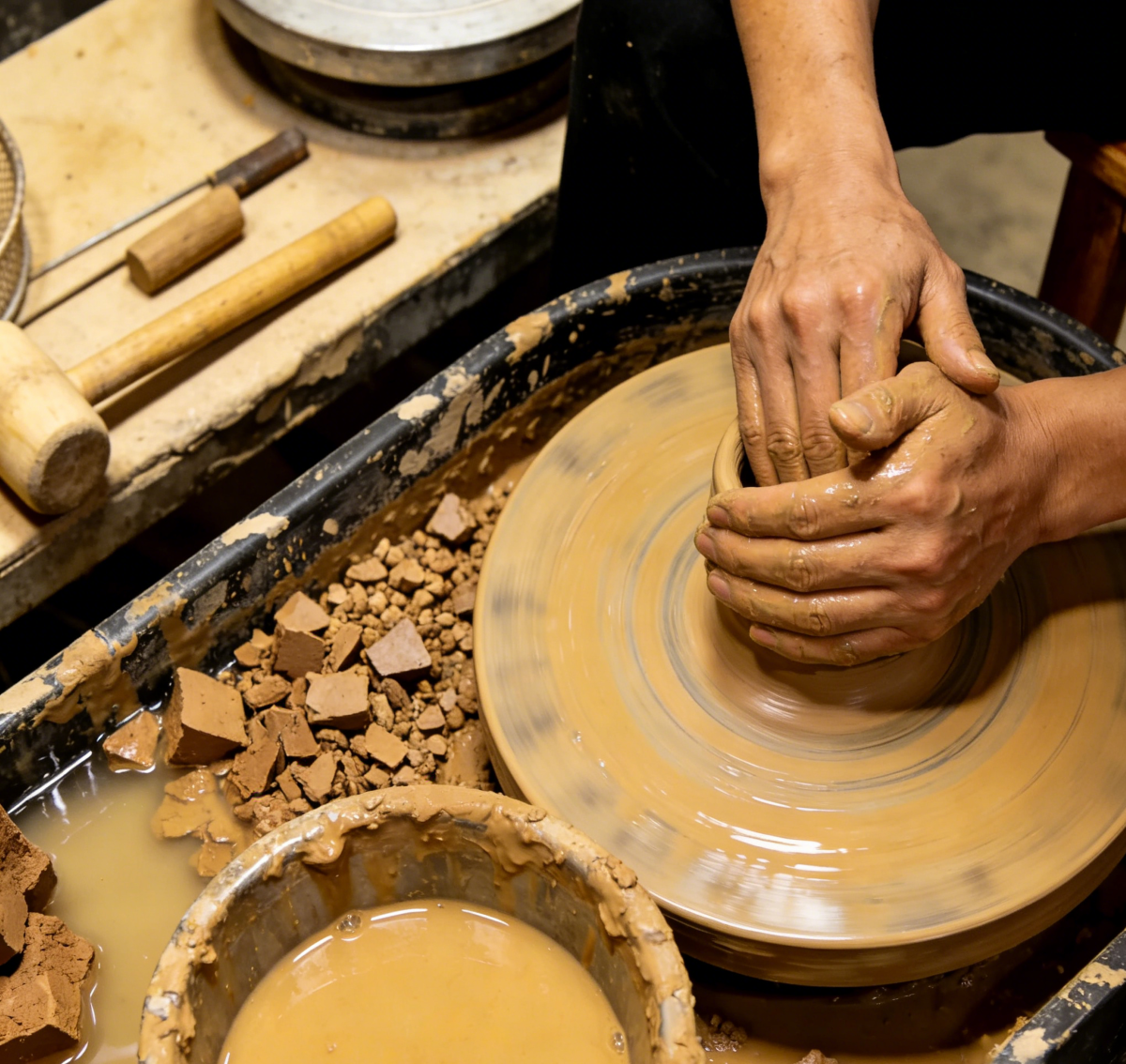
Before making porcelain, the clay must be processed. This includes different steps such as smashing and washing, mixing with water and beating, or grinding down to the correct consistency for throwing or hand building. If clay is not properly processed, pieces made from it could fall over, crack or fire skew.
To the user, these technologies and processes may be invisible, but it shapes everything that comes later. The whiteness of porcelain, the smoothness of the surface, and even the clarity with which tea color shows in a cup all begin here.
Shaping the Pieces One by One
Once the clay body is ready, artisans begin forming the separate parts of the tea set. A Chinese ceramic tea set may include a teapot or gaiwan, tasting cups, a fairness pitcher, and sometimes accessory pieces. Each part must be shaped with function in mind.
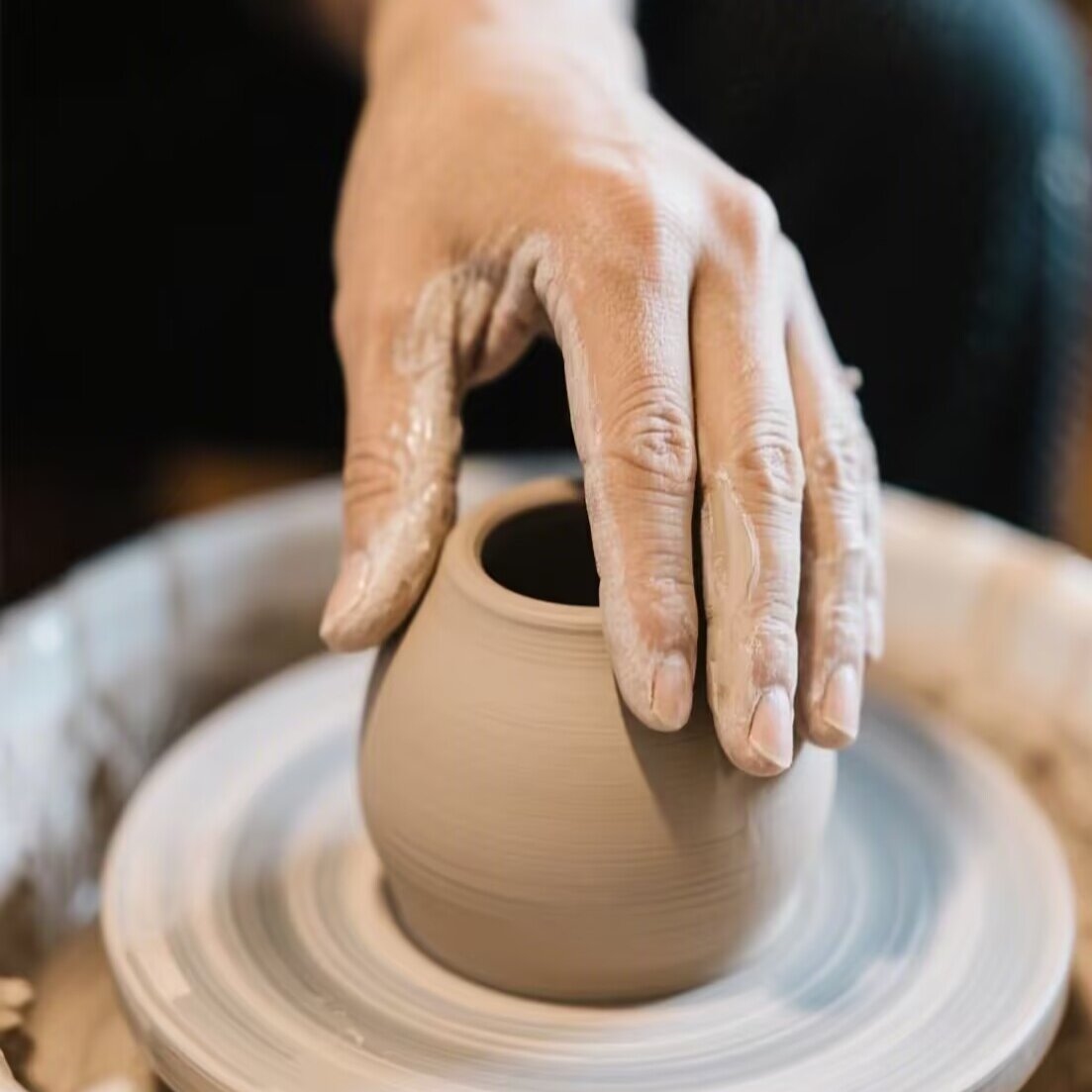
Some pieces are wheel-thrown, especially rounded vessels like cups or teapot. Others are press-molded or slip-cast for consistency. Parts like handles, spouts, knobs or lids are often formed separately and attached later. This is an important point in the handmade process where form must serve function. The teapot must pour water smoothly, the lid must fit perfectly, and the teacup’s rim and grip must be comfortable. Even the slightest change in the spout angle will affect the pouring, the cup wall thickness will affect heat retention, and the rim width will affect the release of aroma. Their proportions are designed to support use.
Drying, Trimming, and Fine Adjustments
Once a piece has been shaped and completed, it cannot be fired until all pieces have slowly dried out in the air. Otherwise, the surface will shrink unevenly and crack. Also, if moisture remains trapped inside, the piece may break during firing.
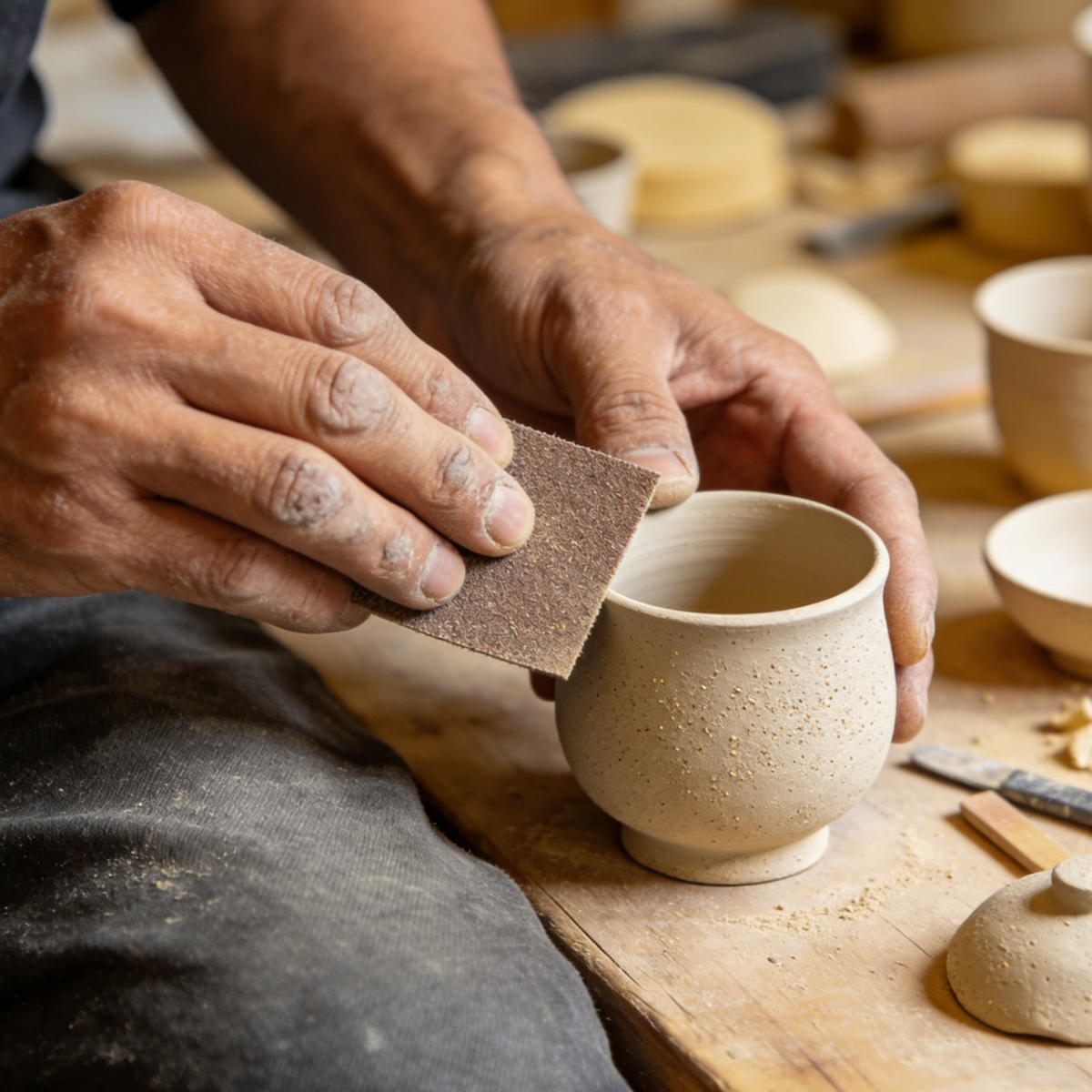
Artisans then fine tune the piece to its final form and make any last adjustments. They trim excess clay, smooth the walls, sharpen the foot ring. Teapot lids are made to fit perfectly and spouts aligned correctly. The rims of cups are refined to give a clean and comfortable finish to the piece.
This step is very important. It is often where the difference between an ordinary object and a beautiful one becomes visible. A well-made Chinese tea set feels calm and resolved because these details were carefully adjusted before the fire ever touched it.
Decoration Comes Before or After the Glaze
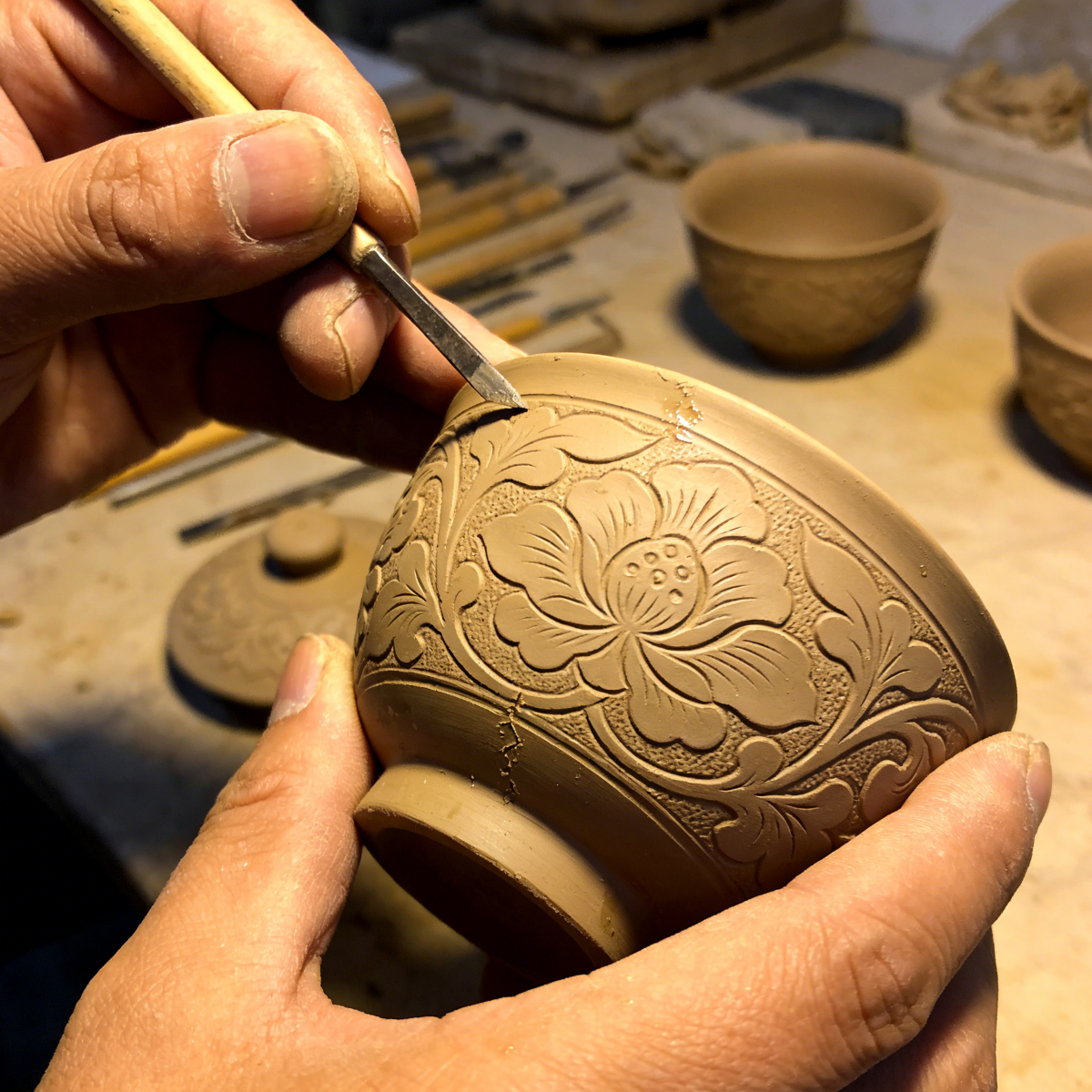
Not every Chinese ceramic tea set is heavily decorated. In fact, many of the most elegant ones rely on simplicity: soft white porcelain, celadon tones, or restrained hand-painted details. But when decoration is added, timing matters.
In ceramic production, decoration can be applied under the glaze or over it. Underglaze decoration is painted onto the body before the final glaze firing, so the design appears beneath the glossy surface. Blue-and-white porcelain is one of the most famous examples of this method. Overglaze decoration, by contrast, is applied after the glazed piece has already been fired once and is then fired again at a lower temperature. The patterns, glaze, and ceramic body of Chinese tea sets blend together in a harmonious way.
The First Firing Builds the Structure
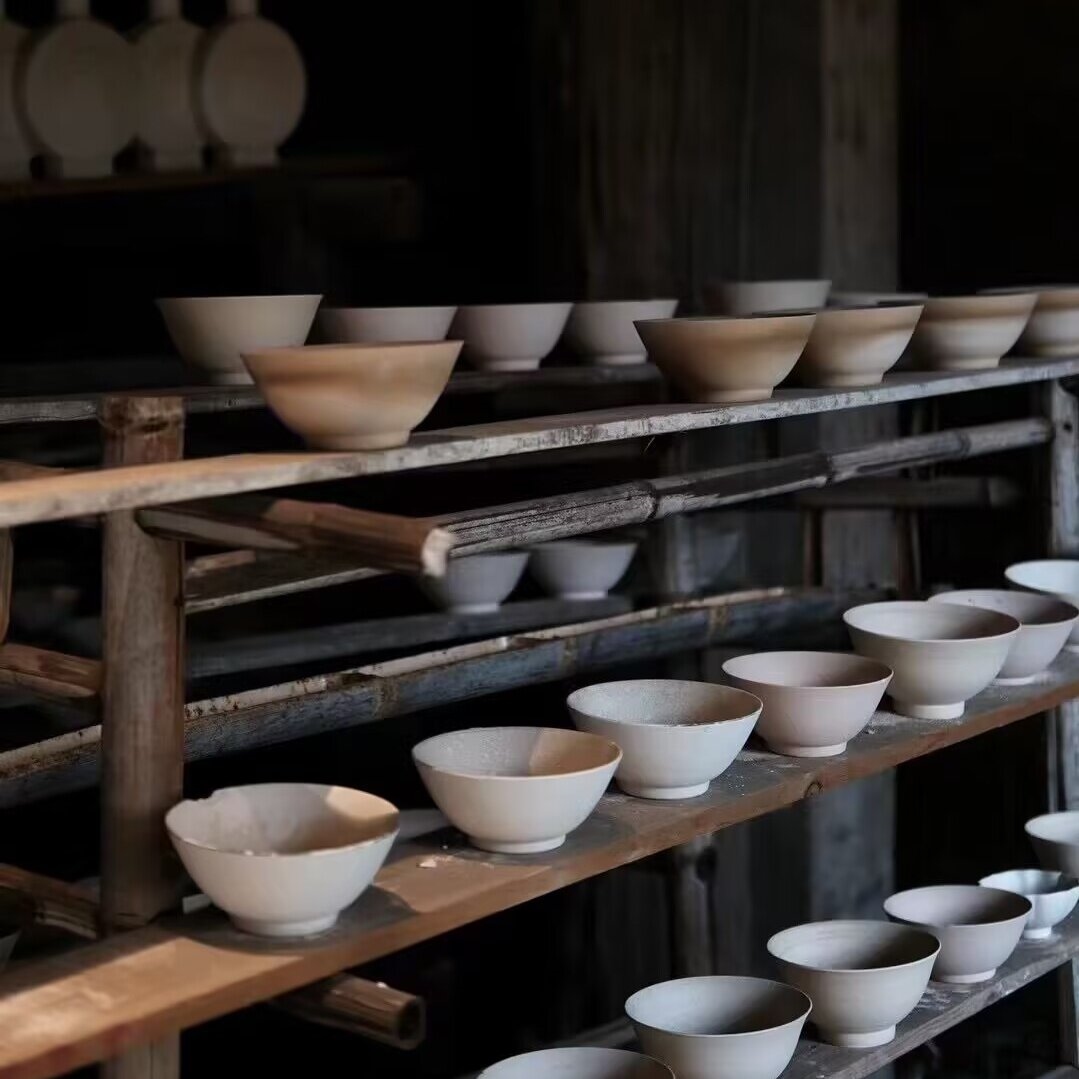
Before the final surface appears, many ceramic pieces go through an initial firing often called a bisque firing. This first firing hardens the dried clay body and prepares it for glazing or further decoration. The object is no longer fragile raw clay, but it has not yet reached its final density or finish.
The kiln work is the most technical part of the process, and certainly the most high risk. So many variables to get right: temperature, timing, atmosphere, and position all interact to give a final result. Even small variations in heat can alter the final result. That uncertainty is part of what gives ceramic tea ware its character. In handmade production, no two pieces are ever completely identical.
Glazing Gives the Surface Its Final Voice
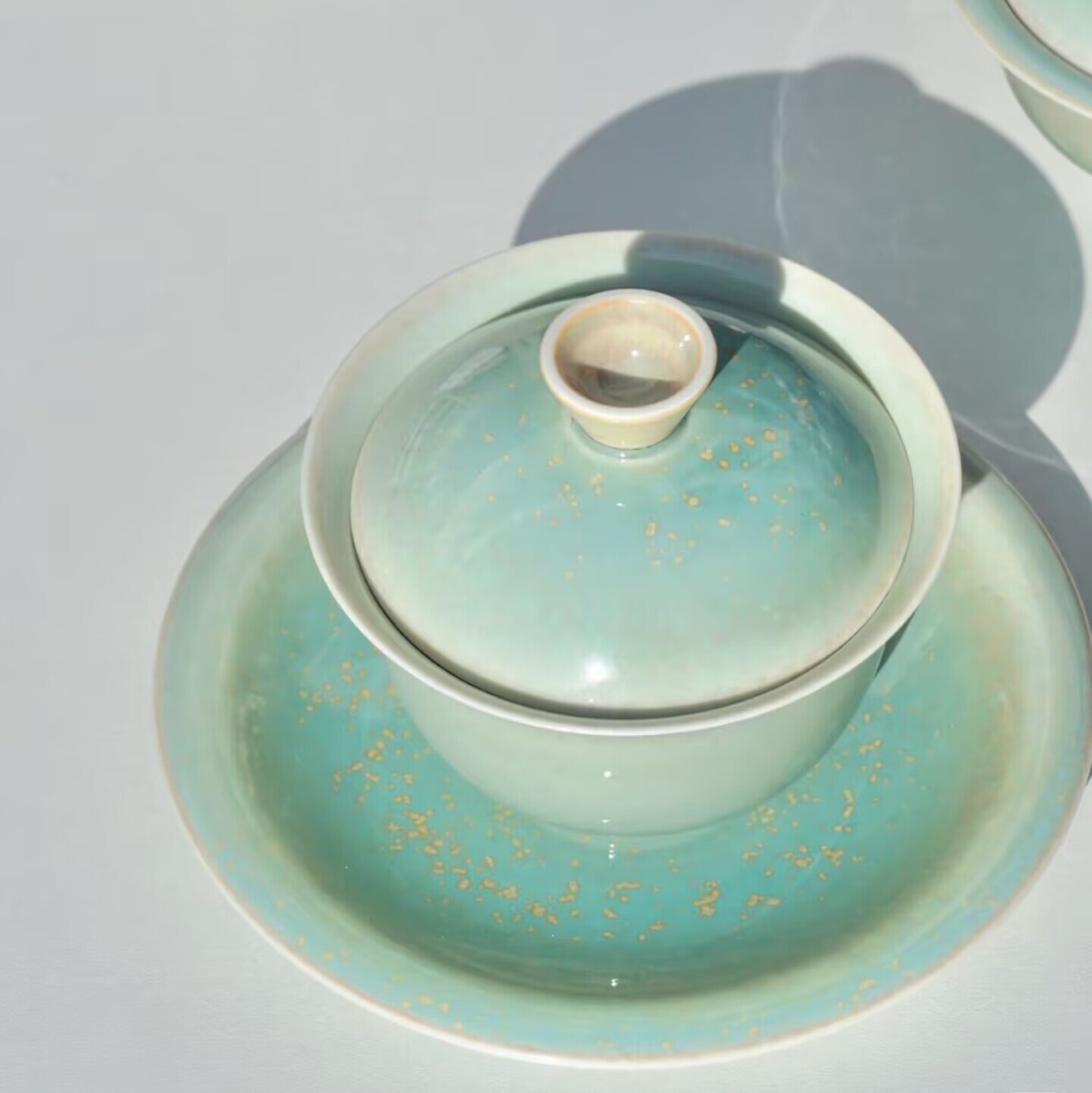
For many Chinese ceramic tea sets the glaze is what completes the work. This outer layer provides a barrier between your tea and the clay itself. Glazes can be high gloss, matte, clear or colored and come in a variety of washes from light to dark. While functional in protecting the ware from stains and grout, as well as wear, the glaze plays the largest role in how a piece looks.
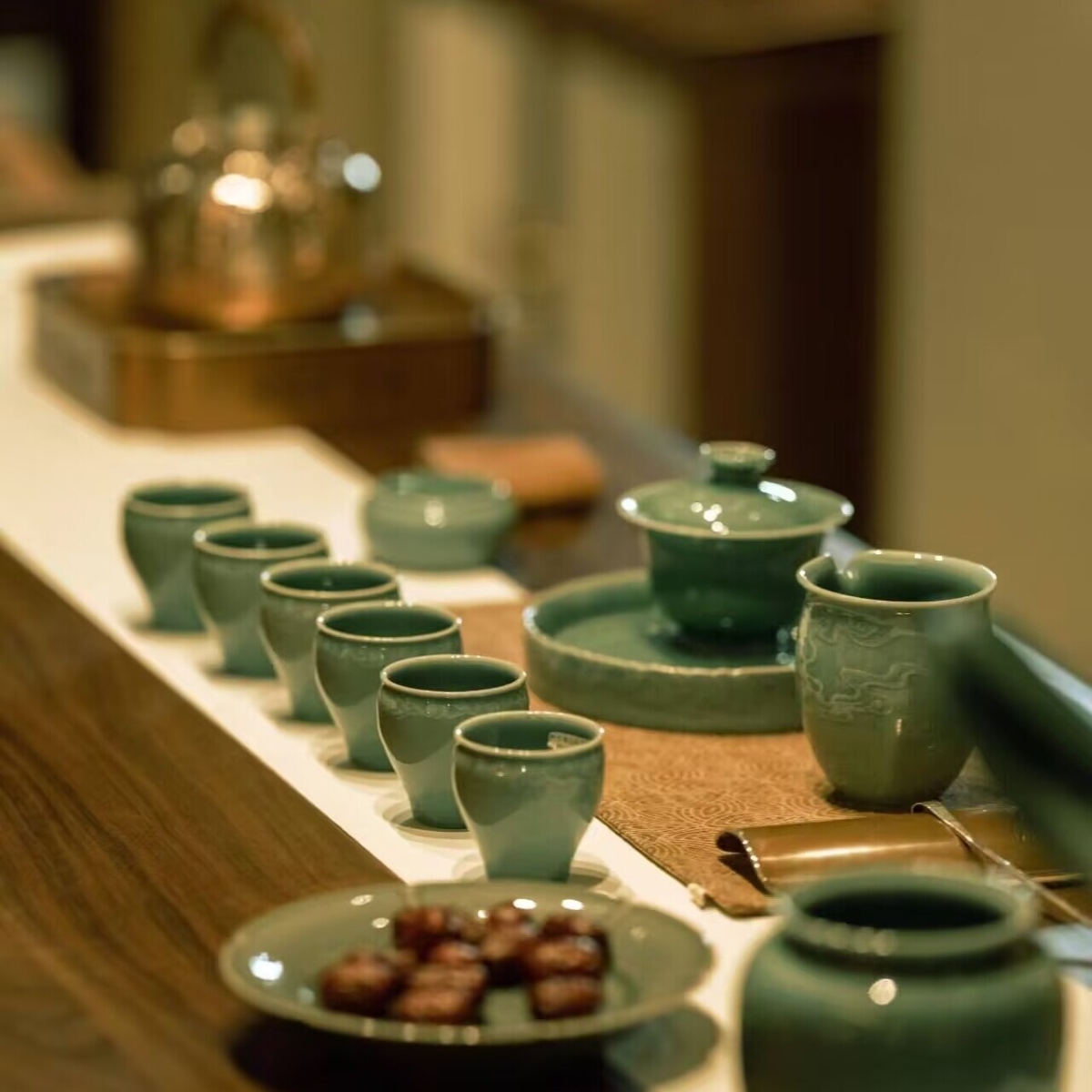
Some tea sets use clear or white glazes that look bright and pure. Others use celadon glazes, which is highly regarded for its fresh and natural color. After Song Dynasty, they are especially admired for glazes that feel restrained, layered, and quietly rather than loud or overly decorative.
A glaze does more than simply add colour to a piece; it mediates your whole sensory relationship to the object. When picking up a cup you feel the texture of the cord or bumps of the handles between your fingers. When you bring the teacup to your lips, you will see the light shimmering on the delicate rim.
The Final Firing Is Where Everything Comes Together
The final firing, the last of all the firings, is where the final curing of the ceramic body occurs and the glaze is fixed to the porcelain surface. This firing temperature is usually between 1250℃ to 1400℃. which helps create the hard, glassy, refined qualities associated with true porcelain. This is also the point at which the tea set truly becomes itself. Before firing, it is only potential. After firing, it has strength, tone, translucency, and permanence. The object can now be tested, inspected, and selected for use. Artisans usually check for practical details at this stage: does the teapot pour well; does the lid fit properly on; do the cups fit on the teapot; and is the glaze smooth to touch and pleasing to the eye.
The history of ceramics making remains important today. A set of Chinese ceramic teaware can seamlessly integrate into modern life because it combines practicality, artistry, and ambiance. It has the marks of the production process: the shaping of the clay, the craftsmanship, the high temperatures of the kiln, and the patience and attention to detail of the artisans.