Amy Duval is a Canadian artist based in Medicine Hat, Alberta. Working between contemporary craft, sculpture, and installation, Duval’s practice reflects an ongoing interest in the lives of objects and how they accumulate meaning: how they are made, replicated, used, collected, remembered and mis-remembered. She draws from experiences within ceramic studio environments and histories of industrial ceramic manufacturing to create works that examine the shifting boundaries between abstraction and representation.
Duval received a Master of Fine Arts in Craft and Material Studies from Virginia Commonwealth University in Richmond, Virginia, and a Bachelor of Fine Arts from Kwantlen Polytechnic University in Surrey, British Columbia. Her work has been exhibited in solo and group exhibitions throughout Canada and the United States.
Her practice has been supported through numerous residencies and awards. She was the recipient of the Winifred Shantz Award for Ceramics in 2023 and a Windgate Fellowship in 2025. Duval has participated in residencies at Harbourfront Centre, and at Medalta International Artists in Residence, where she also worked professionally for several years supporting artists and programming within one of Canada’s most significant ceramic centres.
Duval’s work is held in private collections and has been featured in exhibitions, publications, and public presentations focused on contemporary ceramics and craft. She continues to live and work in Medicine Hat, Alberta.
Visit Amy Duval’s website and Instagram page.
Featured work
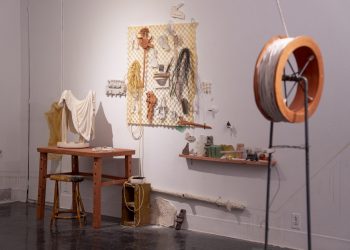
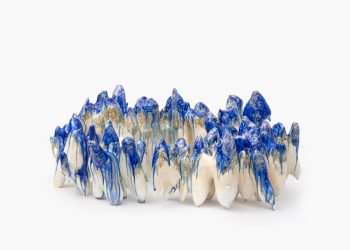
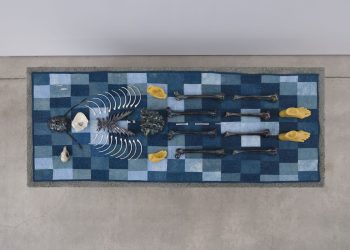
Love Letter #36, 2025
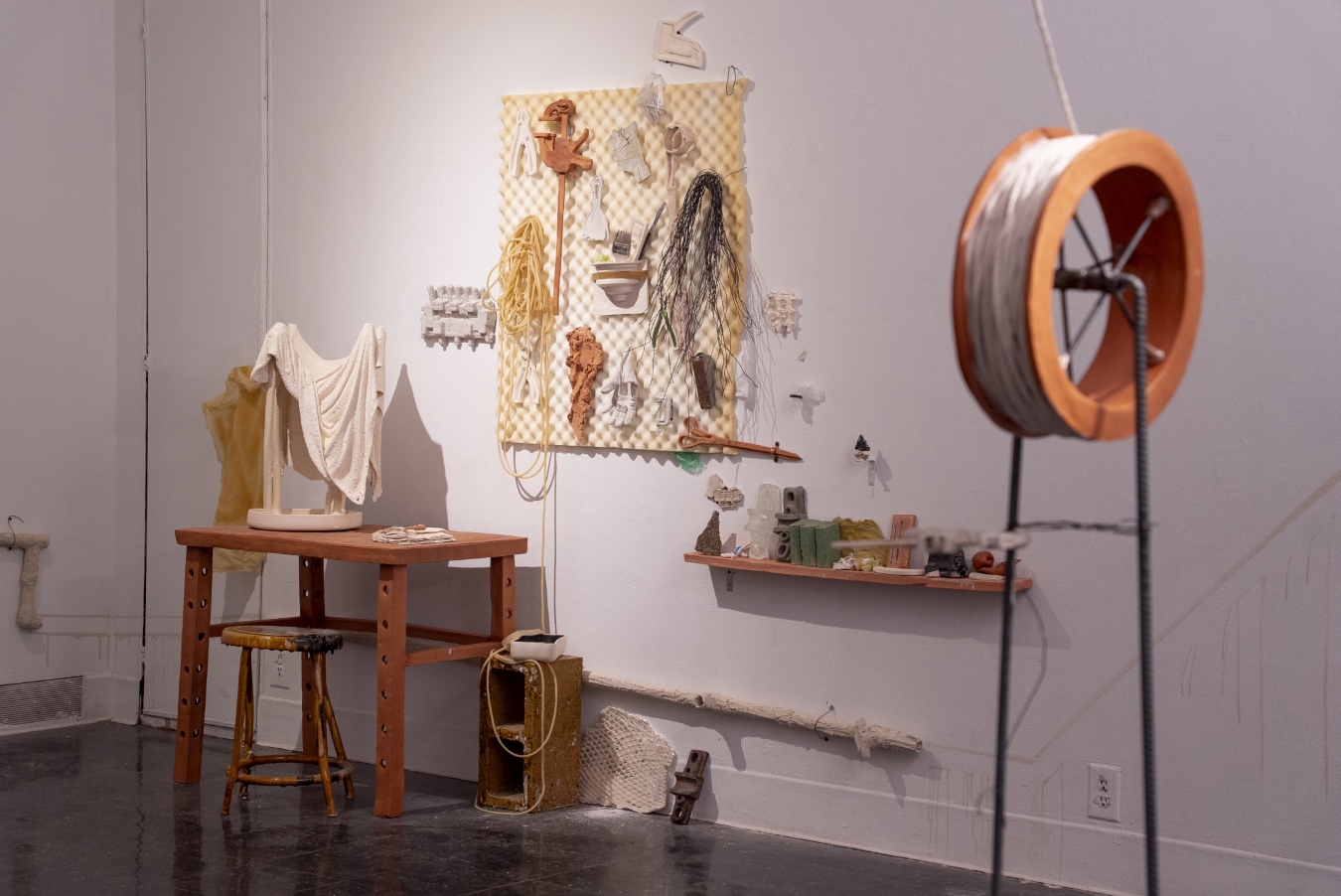
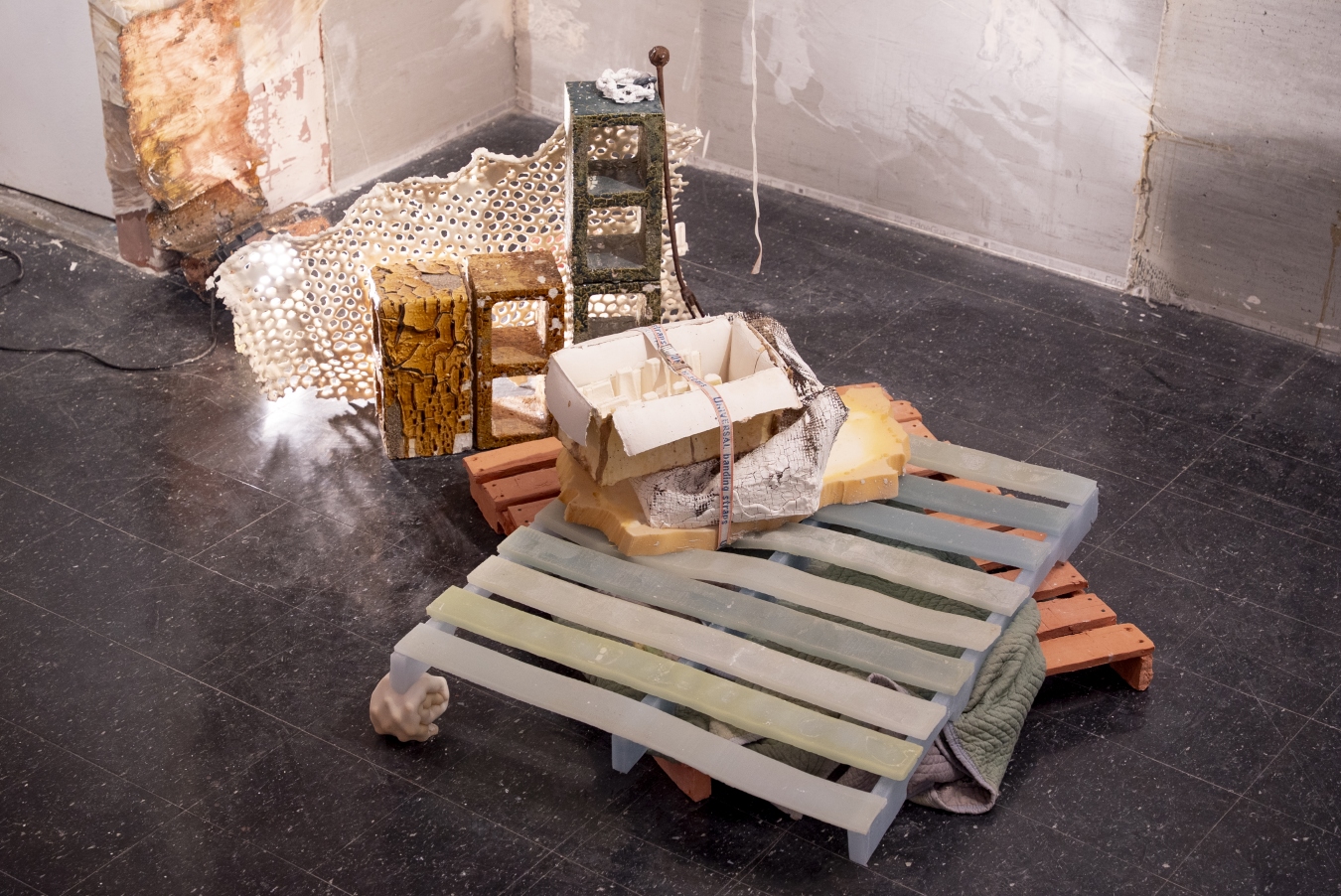
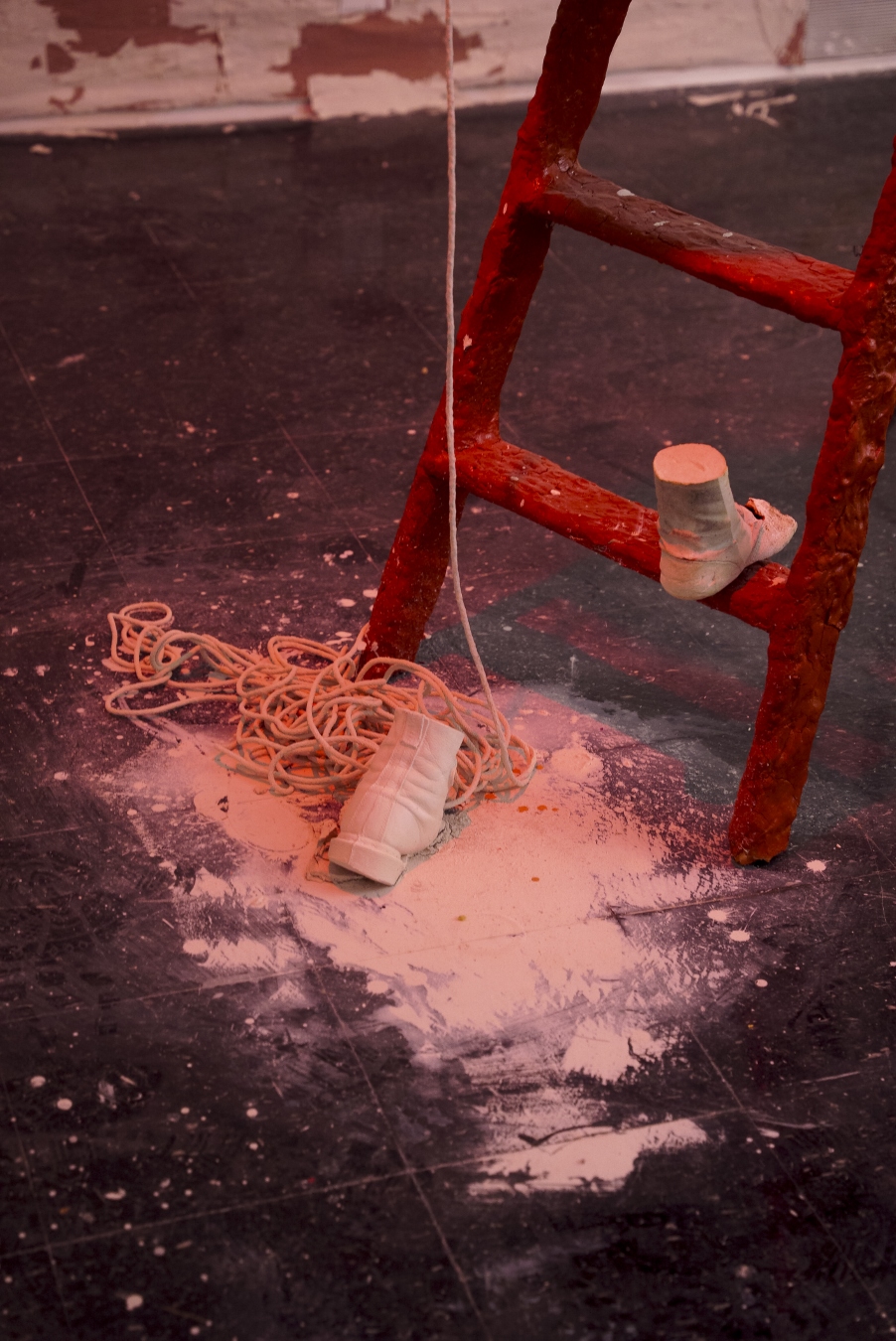
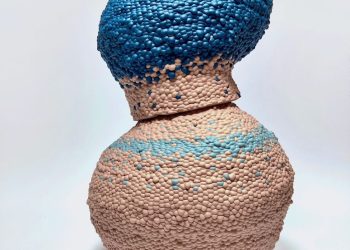
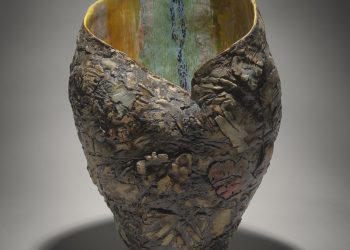
Working at the intersection of sculpture, site responsive installation, and craft, I use ceramics as both medium and process to investigate my own labour and systems of organization, tools, and the poetics of workspaces. Found objects and everyday studio materials function as generative prompts, activating processes of mold making, slip casting, hand modelling, and material translation. These processes accumulate a collection of objects that shift between representational and abstract. Through processes of translation and replication, everyday objects are removed from their original functions and reintroduced as iterations of themselves.
I work primarily with low-fire clay bodies, combining glazed and raw clay surfaces with alternative cold-work finishes such as latex, wax, and paint. Ceramic processes are frequently extended to non-ceramic materials: organic matter dipped in clay and burned out during firing, fired ceramic shells formed around industrial substrates, or adobe-based “skins” applied to found objects. These material strategies allow me to explore ceramics as a transformational logic rather than a fixed medium.
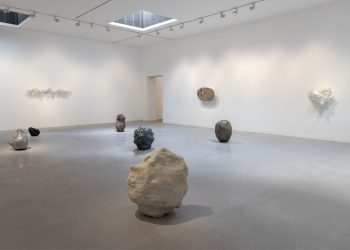
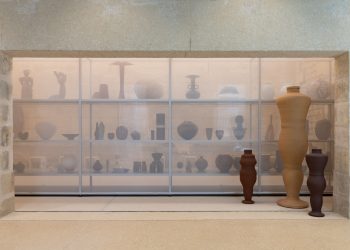
Installation functions as a method of inquiry within my practice. Rather than working toward a predetermined narrative, I build through observation, adjustment, and proximity, allowing relationships between objects to emerge over time. Meaning is discovered and invented through the process of arrangement. Objects accumulate significance through their encounters with one another, creating narratives that remain open, contingent, and subject to revision. My installations are composed as spatial paintings; collections of handmade sculptural objects arranged to respond to the architectural, historical, and material conditions of a site. This approach brings intuitive and embodied forms of decision making into conversation with industrial aesthetics and methods of production. I am interested in the tension between these modes of working: between system and improvisation, replication and invention, order and uncertainty. Through installation, I explore how objects can be active agents in the construction of knowledge rather than illustrations of predetermined ideas.
Clay provides a particularly rich material basis for these investigations. Its histories of use, labour, production, and transformation, mirror many of the questions I ask through my work. By translating objects into ceramic iterations and arranging them within larger sculptural environments, I explore how meaning is built through attention, accumulation, and the relationships we form with the material world.