By Karolina Wolska-Pabian
The building of the Academy of Fine Arts on Wybrzeże Kościuszkowskie in Warsaw has long been a cornerstone of the University’s activity. The first building, funded by Eugenia Kierbedź, was completed in 1914, but the outbreak of the First World War delayed the establishment of studios and lecture halls within it. The ceremonial opening of the Academy1 eventually took place on March 11, 1923. It was then that the Ceramics Studio was formally introduced to students, located in the basement of the building at 37 Wybrzeże Kościuszkowskie. Initially led by sculptor Tadeusz Breyer (1874–1952), and later by Wojciech Jastrzębowski (1884–1963), the studio entered a period of significant development when Karol Tichy took over in 1924.2
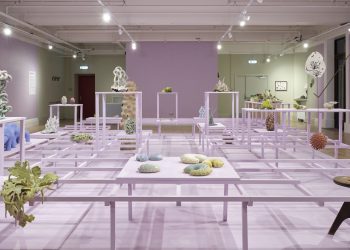
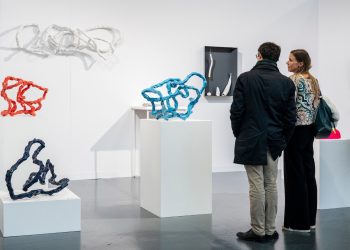
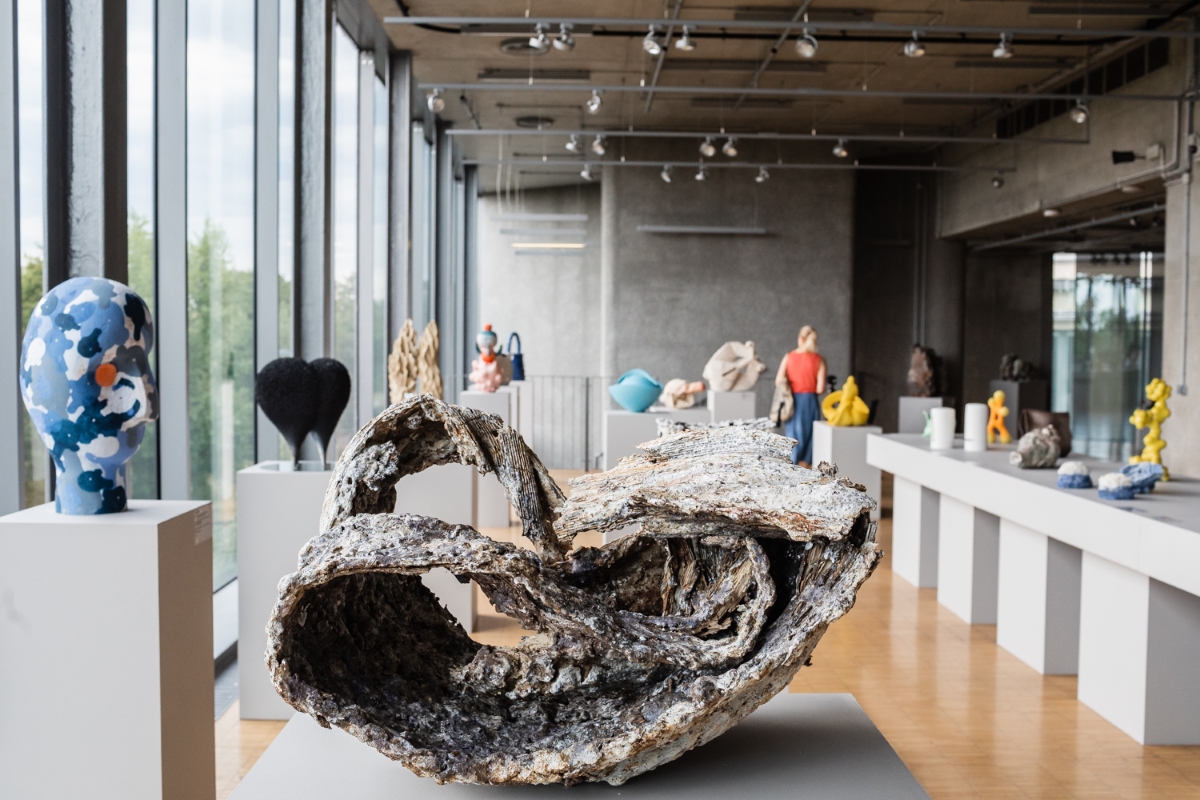
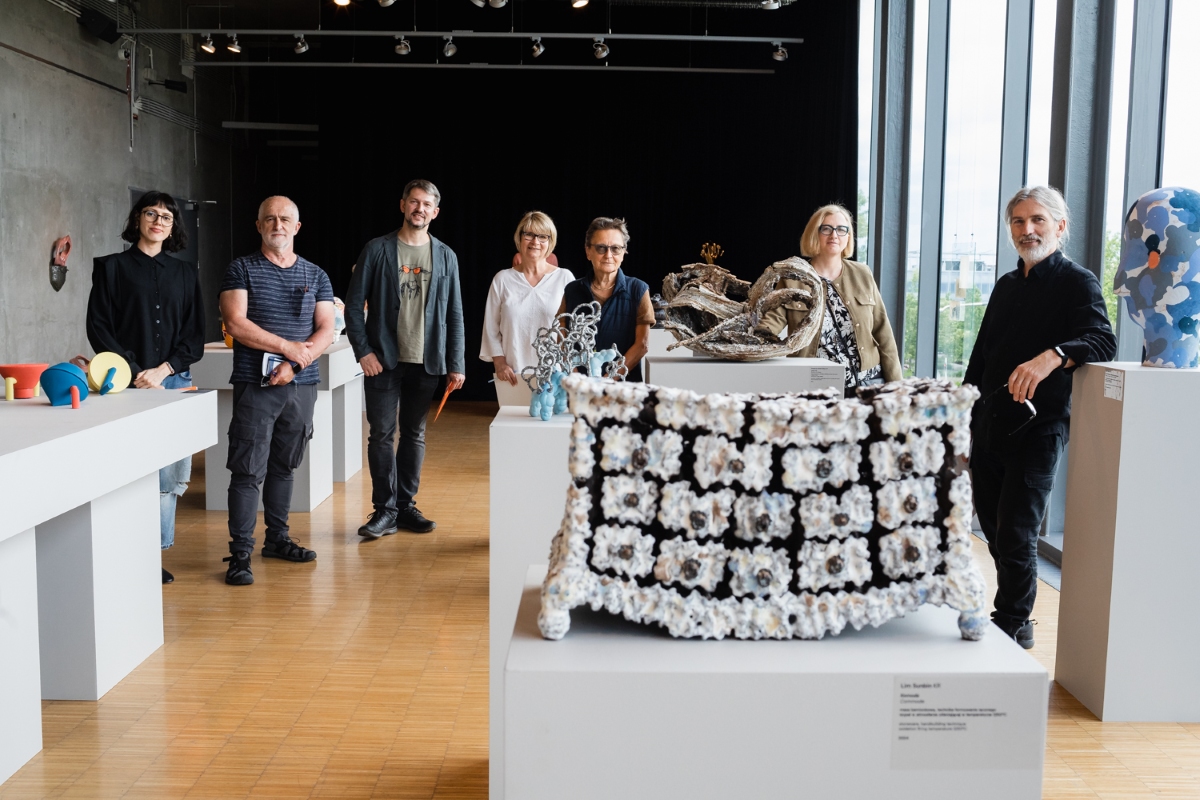
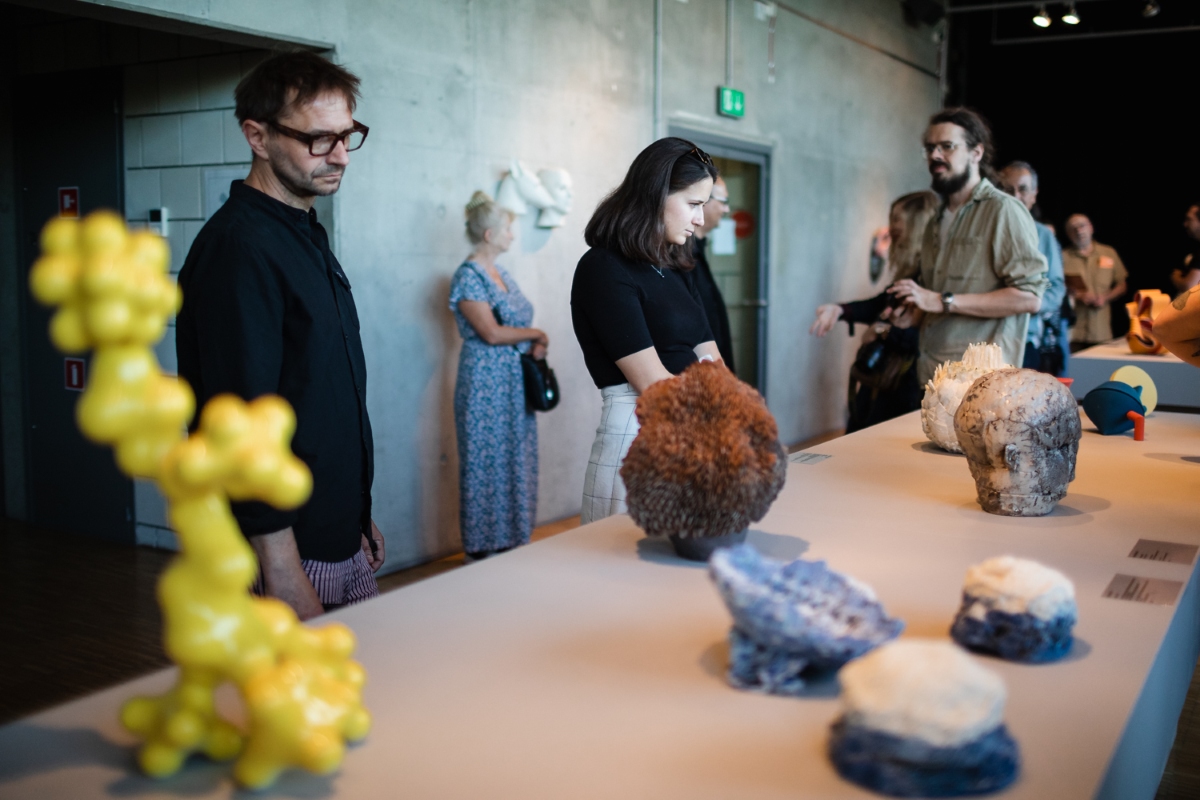
A hundred years after the construction of the first building, a new, functional facility was established in 2014, featuring a spacious auditorium and a foyer. In May 2023, the venue hosted the International Scientific Symposium ‘Wood-Fired Ceramics’, commemorating Professor Wanda Golakowska, who led the studio for nearly 40 years, and thereby also celebrated the 100th anniversary of the establishment of the Ceramics Studio at the Faculty of Sculpture of the Academy of Fine Arts in Warsaw. Today, the same building is home to the final exhibition of the 1st International Ceramic Sculpture Triennial, a landmark event that brings together generations of ceramic artists from across the globe.
Since 2010, the Ceramics Studio has been led by Professor Stanisław Brach, who engages students in numerous competitions and exhibitions, both nationally and internationally. Now, the time has come to invite ceramicists and sculptors from around the world. The idea to organize an international ceramic sculpture competition has been developing in the plans and dreams of Professor Stanisław Brach (Academy of Fine Arts in Warsaw) and Dr. Weronika Surma (Academy of Fine Arts in Wrocław) for several years. The International Ceramic Sculpture Triennial Association was established to organize the competition, and several crucial institutions were involved, whose support, both financial and promotional, enabled this event to take place. Partners included several prestigious institutions, such as the Ministry of Culture and National Heritage, the Academy of Fine Arts in Warsaw, the Eugeniusz Geppert Academy of Fine Arts in Wrocław, and media patrons: Glass and Ceramics, artinfo.pl, Ceramics Now, and New Ceramics. The curators of the final exhibition are renowned researchers of contemporary ceramics: Dr. Barbara Banaś from the National Museum in Wrocław and Dr. Bożena Kostuch from the National Museum in Krakow.
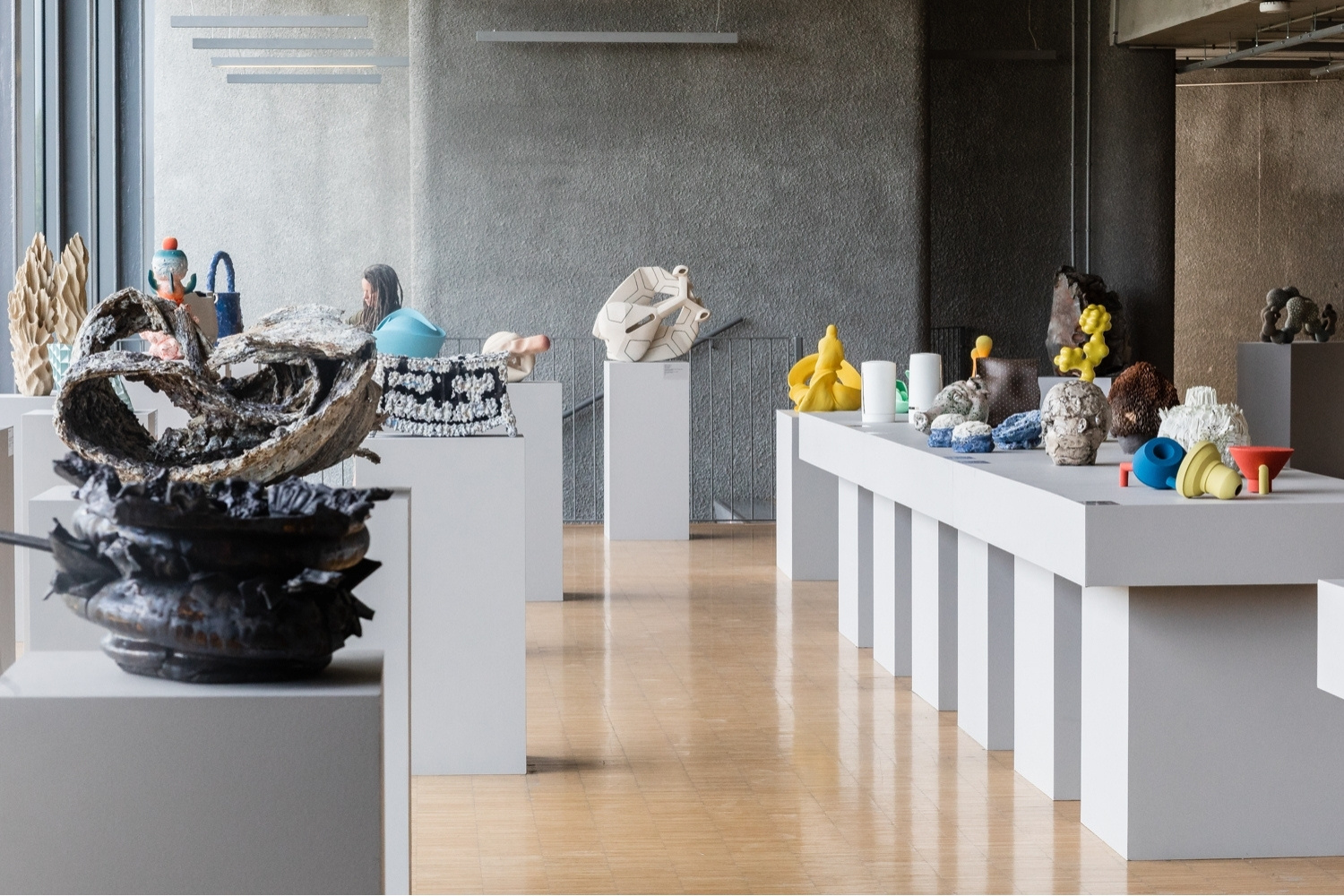
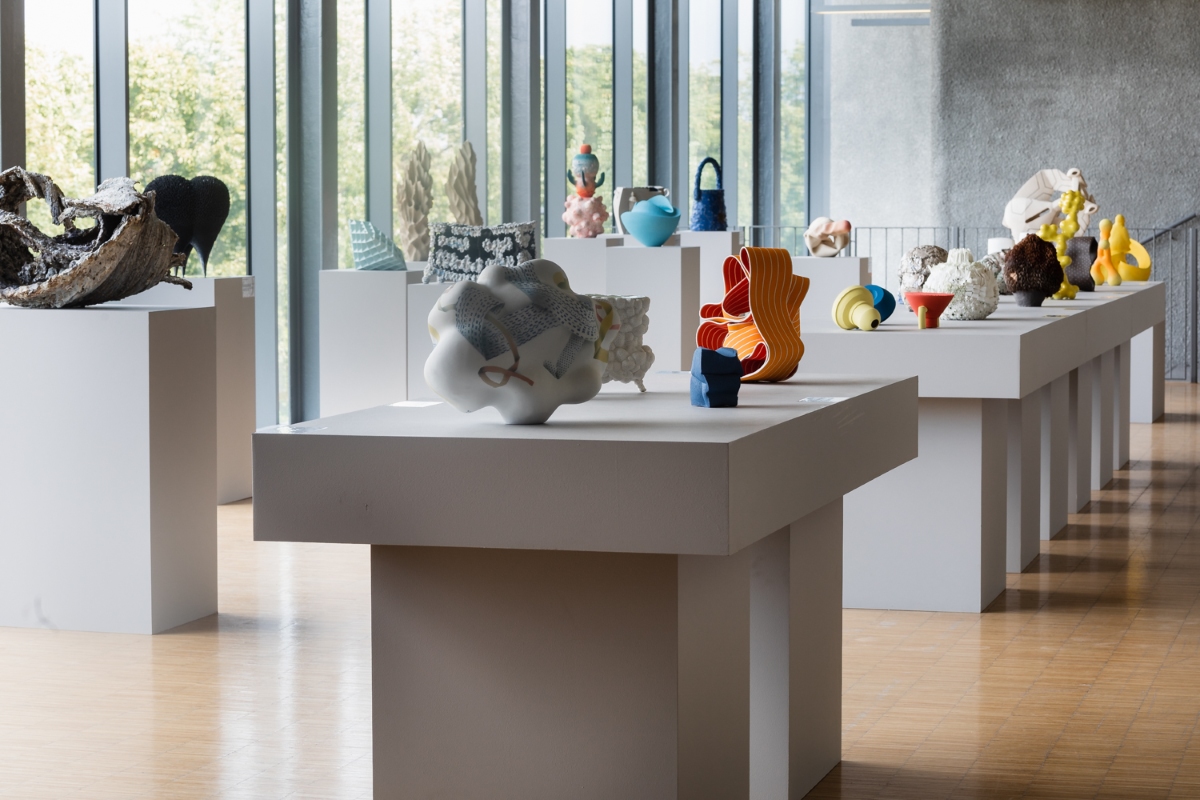
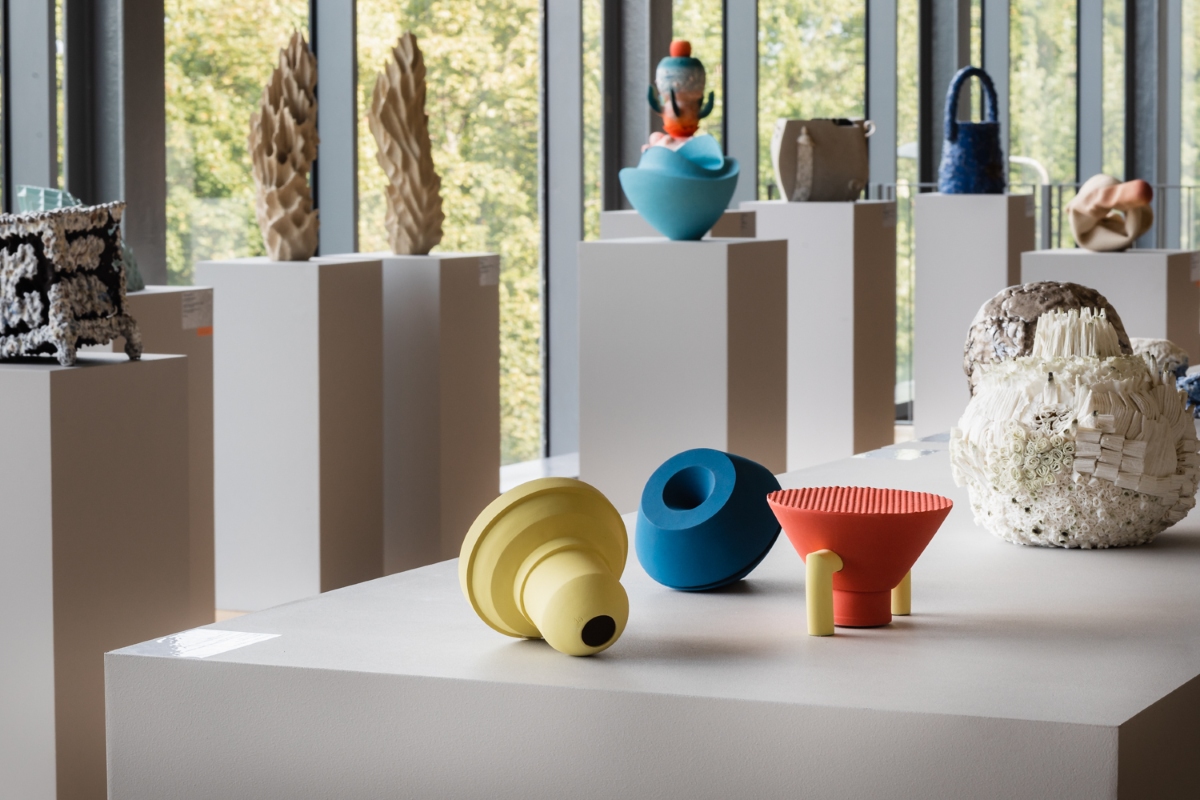
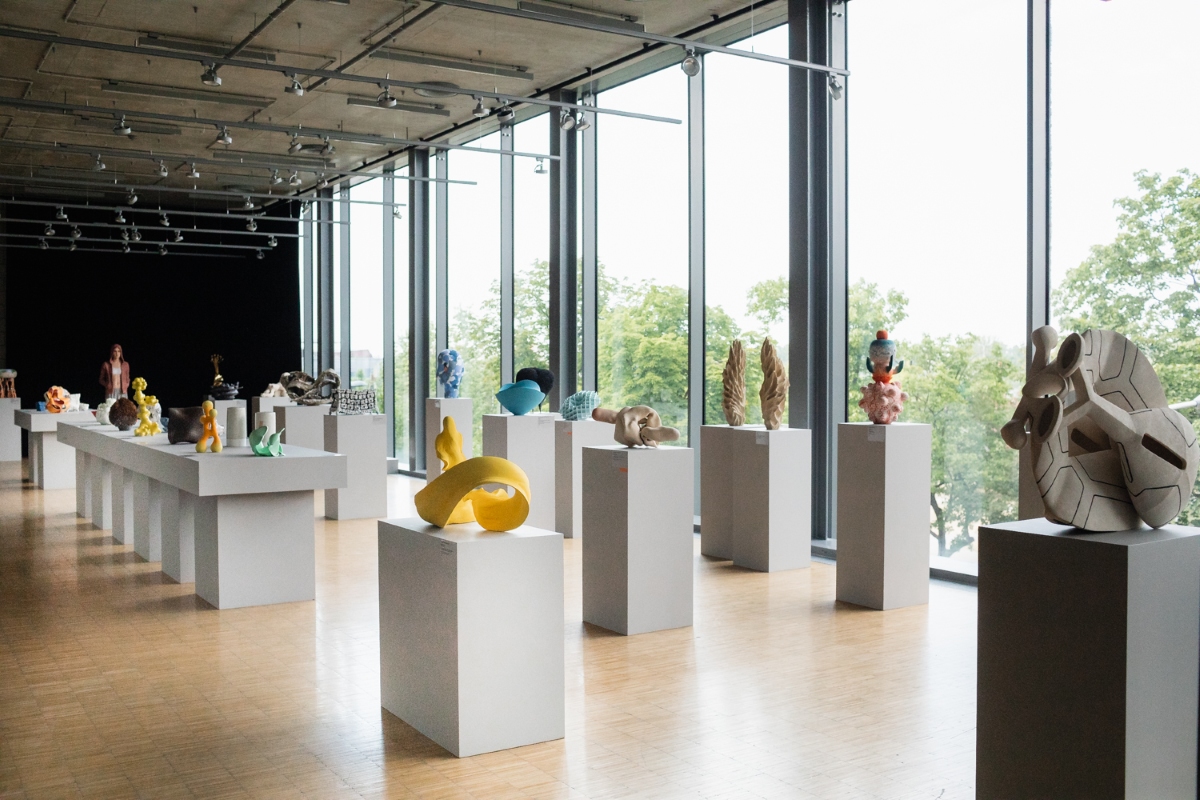
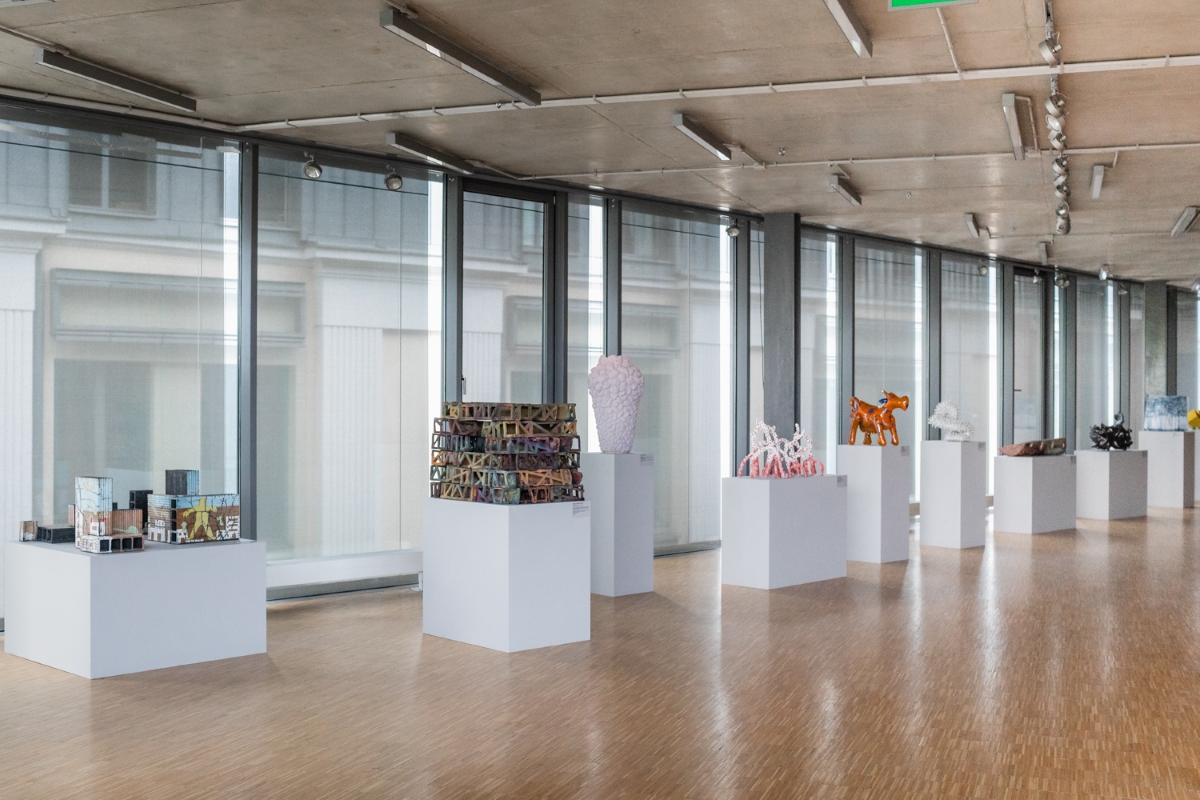
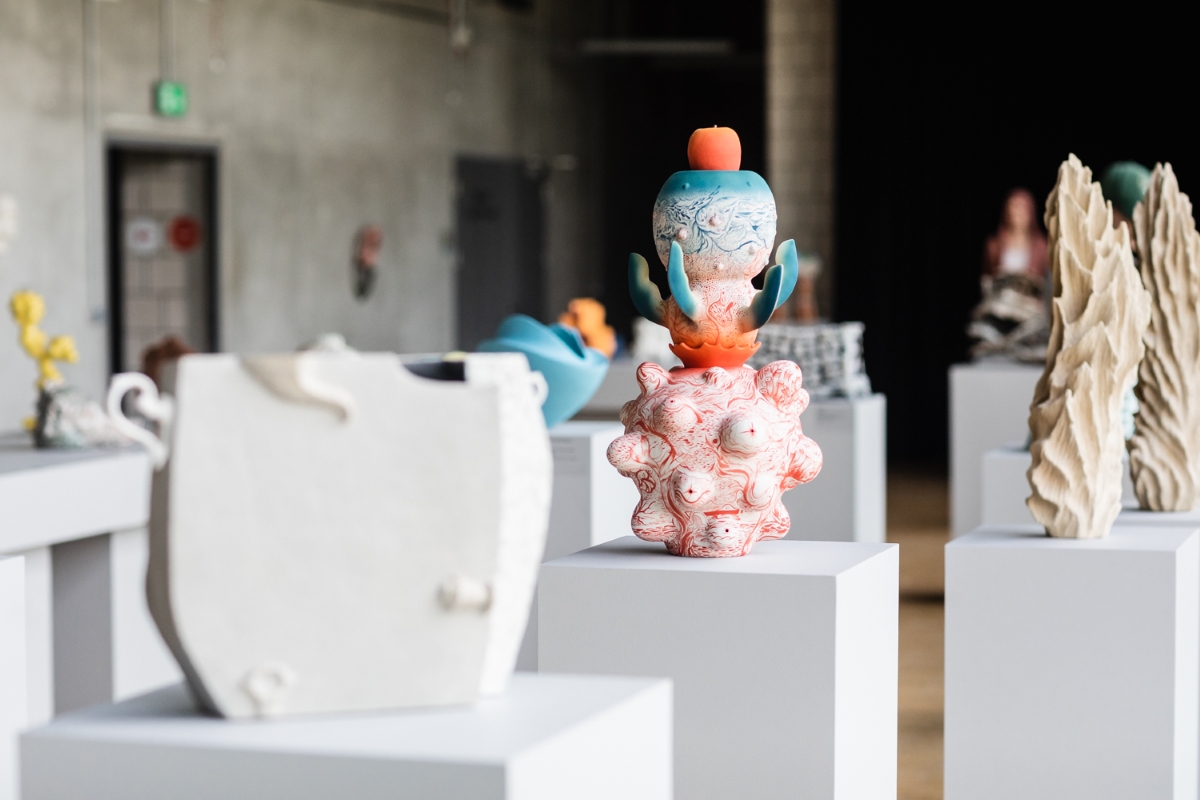
The competition regulations stipulated that the submitted work must consist of at least 80% ceramic material and have been created between 2021 and 2024. The maximum size of the work was 110 cm (height, width, or depth). No dimension could exceed 110 cm. The responses to the open call quickly confirmed the great need for such an event. The number of submissions far exceeded the organizers’ expectations. As many as 678 works were submitted from nearly the entire world, from 56 countries. This is considered a huge success for the first edition of the international competition. Despite rejecting over 100 works that did not meet the formal requirements, the jury consisting of Monika Gass, Aivars Baranovskis, Dr. Anna Bober-Tubaj, Prof. Mirosław Kociński, Paulina Kurc-Maj, Dr. Weronika Surma, and Dr. hab. Stanisław Brach, Prof. ASP, faced the challenging task of selecting works for the final exhibition.
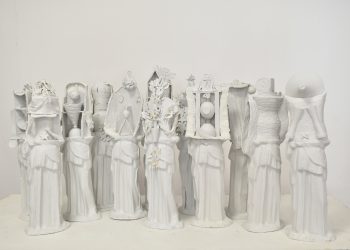
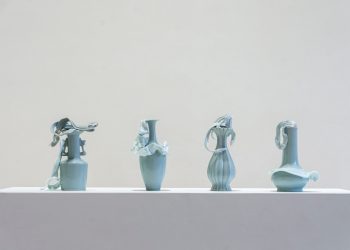
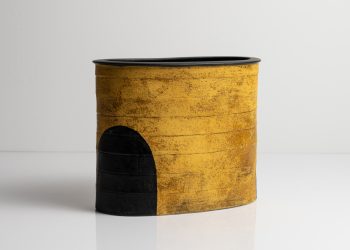
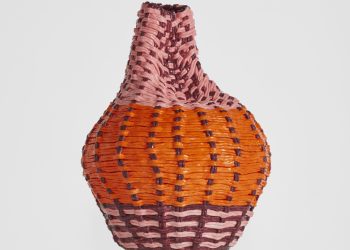
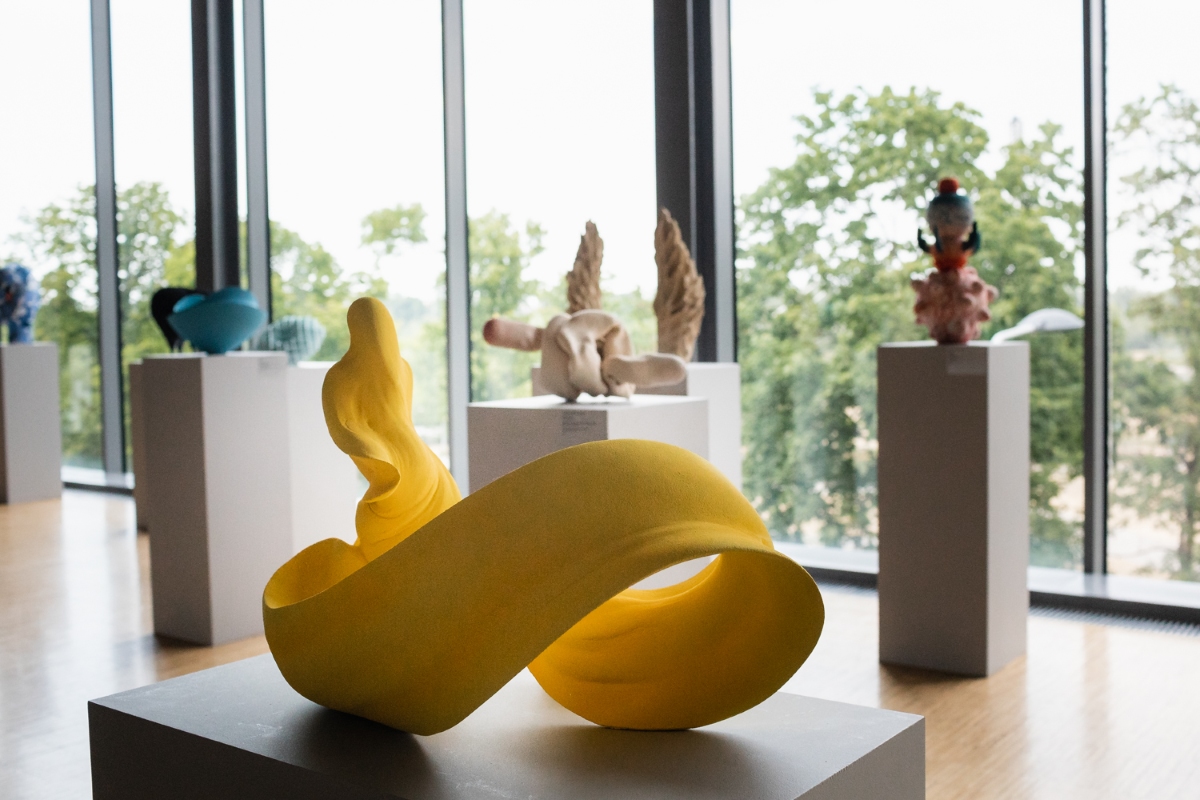
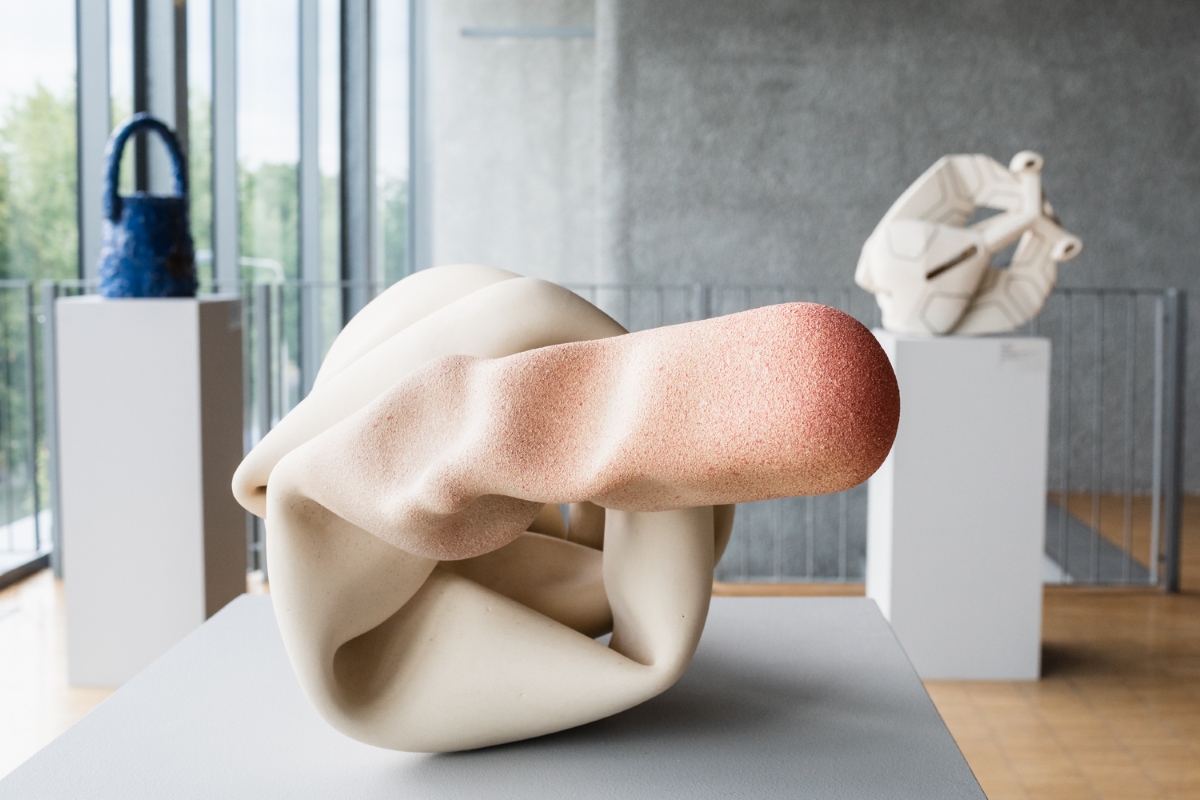
The submitted works reflect trends in contemporary ceramic sculpture and can be divided into several categories, both in terms of technique and technology used, as well as subject matter. Each author attached a short contextual description and the techniques used in making their sculptures. Among the 52 works selected by the jury, one can find tendencies toward traditional ceramic techniques such as raku or anagama. Some creators applied modern and experimental techniques, often self-made solutions, such as 3D printing. The range of materials used varied from chamotte clay and stoneware to porcelain. The overview of the exhibited sculptures shows the endless possibilities of clay as a material. The attached titles and descriptions reveal the variety of themes that engage contemporary artists. Complementing the artwork, they allow us to understand the idea that inspired the creative process. Issues raised coincide with the leading themes of almost every field of modern art today. They oscillate around the conditions of contemporary human existence, consumerism, and matters of war and peace. Some artists reflect on their own identity and the role of the artist in the world. Themes related to the natural rhythm of life and nature were equally embraced. Artists took up subjects inspired by nature’s movement and geometry. Some sculptures strive for the ideal form, resulting from the application of the latest scientific achievements, with structures evoking associations with laboratories developing new technologies. When others refer to the world of nature and its structures, they often describe a harmony, dynamism, and organic transformations, including certain forms of degradation, which is reflected in the roughness, irregularity, and earthy character of the forms.
It was a real challenge for the jury to select works for the final exhibition, since they had to evaluate both the processing of the raw material, the form of the sculpture, and its contextual layer. Sculptural quality was one of the main criteria for assessing the works submitted to the Triennale; therefore, works of design and everyday use projects were rejected.
The jury awarded the Grand Prix, 1st Prize, 2nd Prize, 3rd Prize, and two honorary mentions. Additionally, the event’s partners granted four Special Partner Awards.
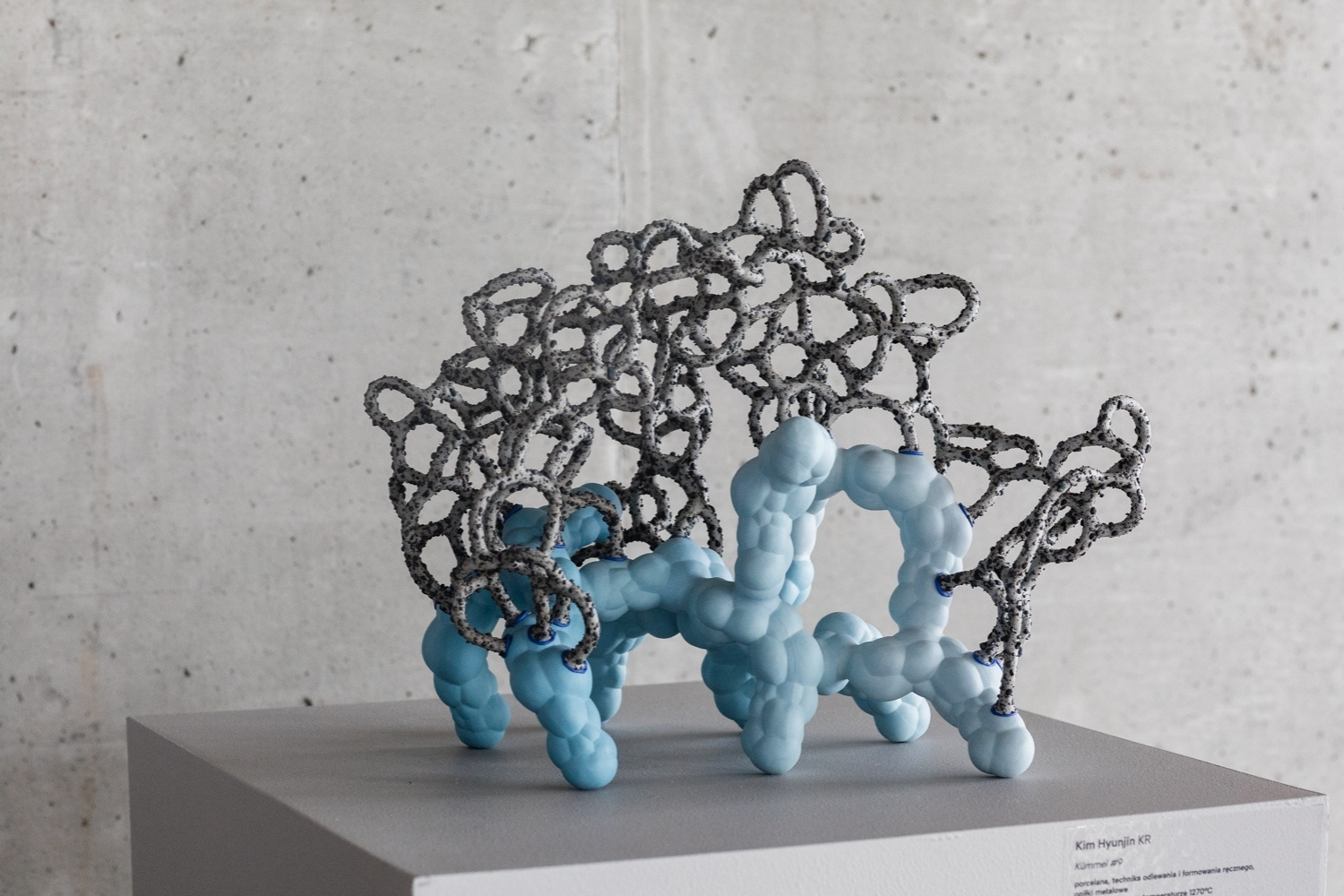
The Grand Prix for the work Kümmel #9 was awarded to Hyunjin Kim, representing Korea and working in Germany. The artist drew inspiration from her own emotions and used self-observation as a source of her creative process. In her work, she focuses on the nature of feelings, which manifest, communicate, and develop in many ways: movement, enlargement, disappearance, and reappearance. Elements multiply and pile up into formations. Kim uses surfaces inspired by organic and inorganic shapes, contrasting colors, and sculptural structures. In the awarded work, she combined cast and hand-formed porcelain with metal filings.
The 1st Prize went to Breaking the Waves by Mette Maya Gregersen, representing Denmark, who set herself the task of depicting the halting of an ocean wave in motion. The jury appreciated how she captured the moment of ‘freezing’ the wave just before hitting the shore. Noteworthy is the ability to show such dynamism in the static form of the sculpture.
A completely different style is represented by the 2nd Prize winner, Heidi Hentze (Denmark), with the work Iceblue Diamond. It is an example of a work in which the ceramic material, in this case, porcelain, appears to resemble metal. The openness of the work and the spatial form seems to be made of perfect, factory-like metal sheets. The use of glaze in a cold blue tone deepens the ‘technical’ impression, especially considering the title, which refers to a perfectly polished diamond.
In contrast, the 3rd Prize went to Joanna Opalska-Brzecka (Poland) for her work (Un)foreign Body, which refers to organic forms inspired by the human body. The artist treated clay as a reflection of the properties and experiences of human skin, whose texture, including folds, wrinkles, and scars, becomes a testimony of individual experiences imprinted on the ceramic surface. In this way, the author touches upon the issues of human emotions and carnal experiences.
Two honorary mentions were awarded: to Dimitrij Buławka-Fankidejski (Poland) for So That the Wall Would Not Collapse, and to Marina Kuchinski (USA) for One More Way of Being Human.
The uniqueness of the forms, techniques, and themes of all the works qualified for the exhibition would warrant discussing each one. This is, however, quite impossible, and due to the great diversity in both visual and ideological layers, every viewer will surely have their own reflections and personal favourite sculptures at this exhibition. Nonetheless, a few works deserve a brief mention.
In terms of material treatment, Frozen Whispers by Nadine Bell, stands out for its use of fiberglass. Despite the closed spherical form, the artist managed to convey fragility and delicacy. The sculpture Uranos by the Greek duo Despina Chroni and Giorgos Zitis is the only one that seems to have a defined, utilitarian form, yet the description aptly directs us to the mythological Greek god of the sky. The harmonious sculptural form in an intense shade of blue refers to the harmony of the universe. Similarly, monochromatic is Radical Yellow by Eglė Einikytė-Narkevičienė, whose dynamic shape and intense color invite reflection on the significance of the sun and light. The work received a Special Partner Award in the form of a residency at the Creative Work House of the Faculty of Ceramics and Glass of the Eugeniusz Geppert Academy of Fine Arts in Wrocław.
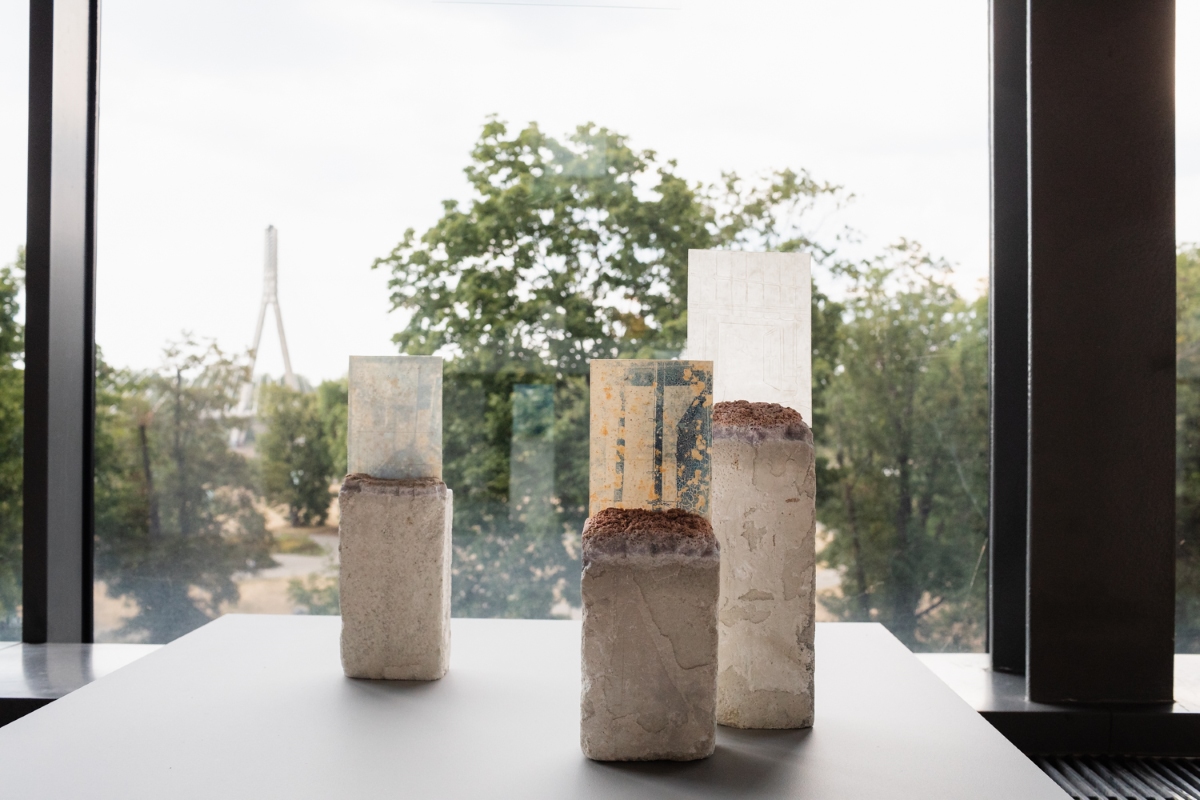
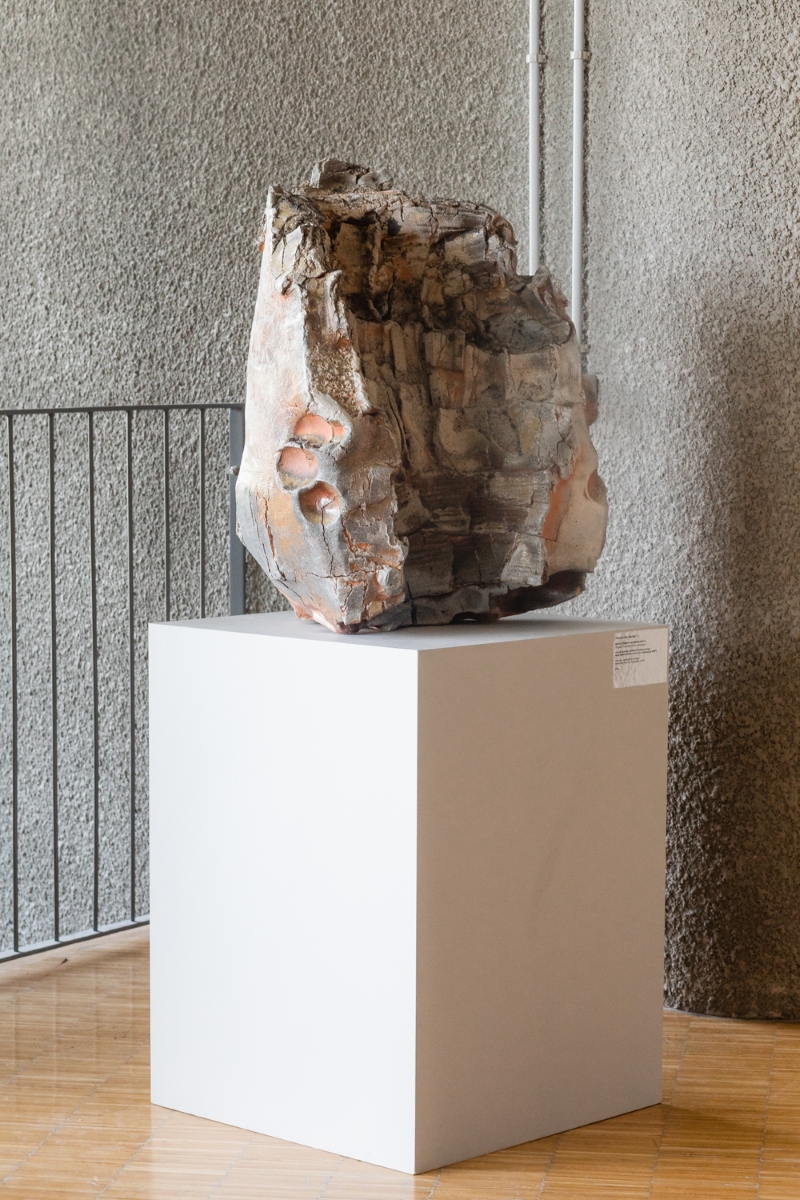
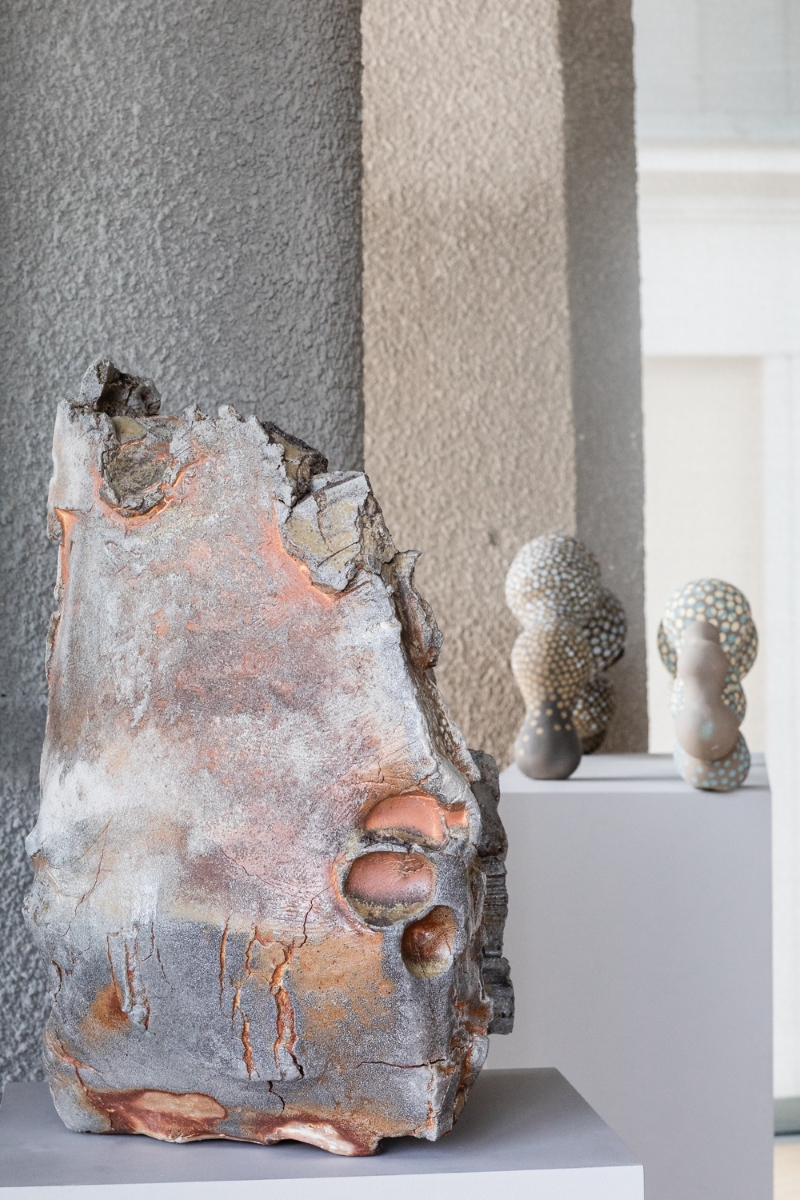
Flowing compositions created by exploiting the properties of porcelain firing sheets are achieved by Simcha Even-Chen in the work Integrated Inside-Outside. Another notable example is the sculpture Canyon / The Fired Earth Landscape 3 by Michał Puszczyński (Poland), which was awarded a Special Partner Prize in the form of an artistic residency at the Latvian Center for Contemporary Ceramics. The work reflects on the destructive impact of humans on the environment and evokes a landscape of decay. A different approach to the image of destruction is represented in Reconstruction by Alicja Kupiec (Poland). The sharp, dark, and raw composition is meant to evoke an impression of destruction. Composed of architectural fragments and various remnants of objects, it may evoke associations of war and its consequences, as well as with rebirth and building upon ruins.
Hanna Miadzvedzeva created her own technique of producing forms from slip, with her sculpture Storm reminiscent of a thundercloud billowing low overhead. In terms of contextual engagement, a sculpture that particularly stood out, was the creation From the series War by Czech artist Robert Buček, who paints representations of war in the style of children’s drawings on prefabricated ceramic segments. The destructive impact of war is further emphasized through the use of the raku method. Childhood is also referenced, though differently, in the works Mumu model Voodoo by Mariusz Dydo (Poland) and JOY by Marta Olejniczak (Poland).
An important voice from a country with an unstable political situation is Diseuse, the Speaking Woman by South Korean artist Yeeyoung Ham. The theme of femininity is also taken up by German sculptor Rainer Kurka, who realistically presents human figures dressed in contemporary outfits. In the sculpture Shell, he directs the viewer inward and shows the contradiction between the introverted character hidden under the hood and the bold clothing.
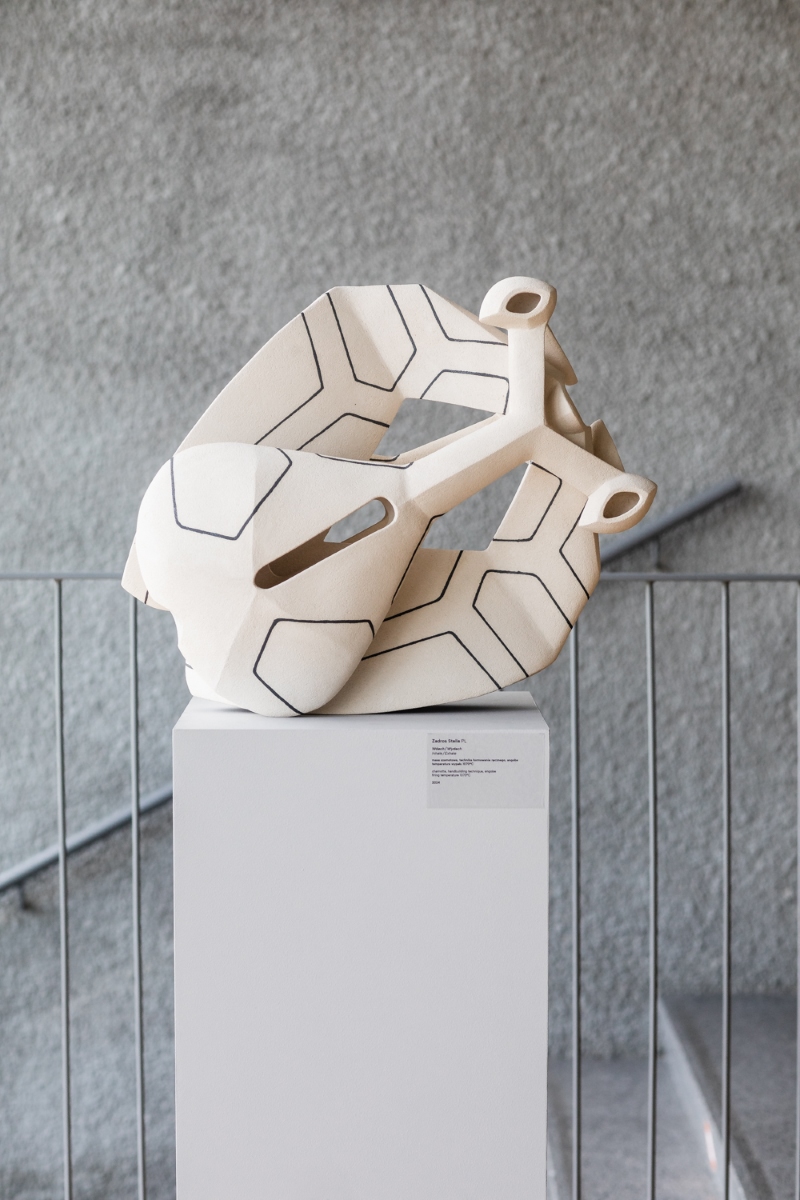
The fascination with the human body and technological development, in an almost futuristic vision, is explored in Inhale/Exhale by Stella Zadros (Poland), who was awarded a Special Partner Prize from Porto.art in the form of an exhibition at the gallery in Portugal. The sculpture refers to breathing, and its form evokes associations with the shapes of human organs such as the lungs or the heart. The artist reaches into the world of technology and biotechnology, as her sculpture represents a bionic inhaler, a medical device that is a hybrid of nature and science, making these two spheres inseparable. This work exemplifies how the human condition has inspired artists across all fields since the dawn of art. Creators continually work with universal themes related to both the inner sphere, human emotions and mind, as well as to the experience of the human body.
The outcome of the 1st International Triennale of Ceramic Sculpture demonstrates the necessity of such initiatives dedicated to ceramic sculpture. In Poland, there is no other competition, especially one of global scope, that allows artists to present their achievements in the field of ceramic sculpture. The enormous response to the open call, already evident in the first edition of the Triennale, speaks to the vitality and growth of the field of ceramic sculpture. It also highlights the importance of such opportunities for artists to showcase their work. The diversity of both ceramic techniques used in the submitted works and the themes explored by the creators, who excel in captivating compositions, compels us to include the exhibition of the International Triennale of Ceramic Sculpture in Warsaw in the permanent art calendar. We await future editions with genuine anticipation.
In the meantime, until October 26, 2025, the triennale exhibition can be visited at the Punkty Gallery at the Academy of Fine Arts in Warsaw (37/39 Wybrzeże Kościuszkowskie).
Karolina Wolska-Pabian is an art historian and curator with a PhD in the Humanities. In 2016, she defended her doctoral dissertation Karol Tichy (1871–1939). Artist and Educator at Cardinal Stefan Wyszyński University in Warsaw. She graduated in Art History from the John Paul II Catholic University of Lublin. Karolina is a member of the Warsaw branch of the Association of Art Historians and the Polish Institute of World Art Studies. Her research focuses on Polish applied arts, with particular emphasis on ceramics from the early 19th century to the first half of the 20th century. She works as a curator in the Ceramics Collection at the National Museum in Warsaw.
Subscribe to Ceramics Now to read similar articles, essays, reviews and critical reflections on contemporary ceramics. Subscriptions enable us to feature a wider range of voices, perspectives, and expertise within the ceramics community.
Photos by Iza Sawicka