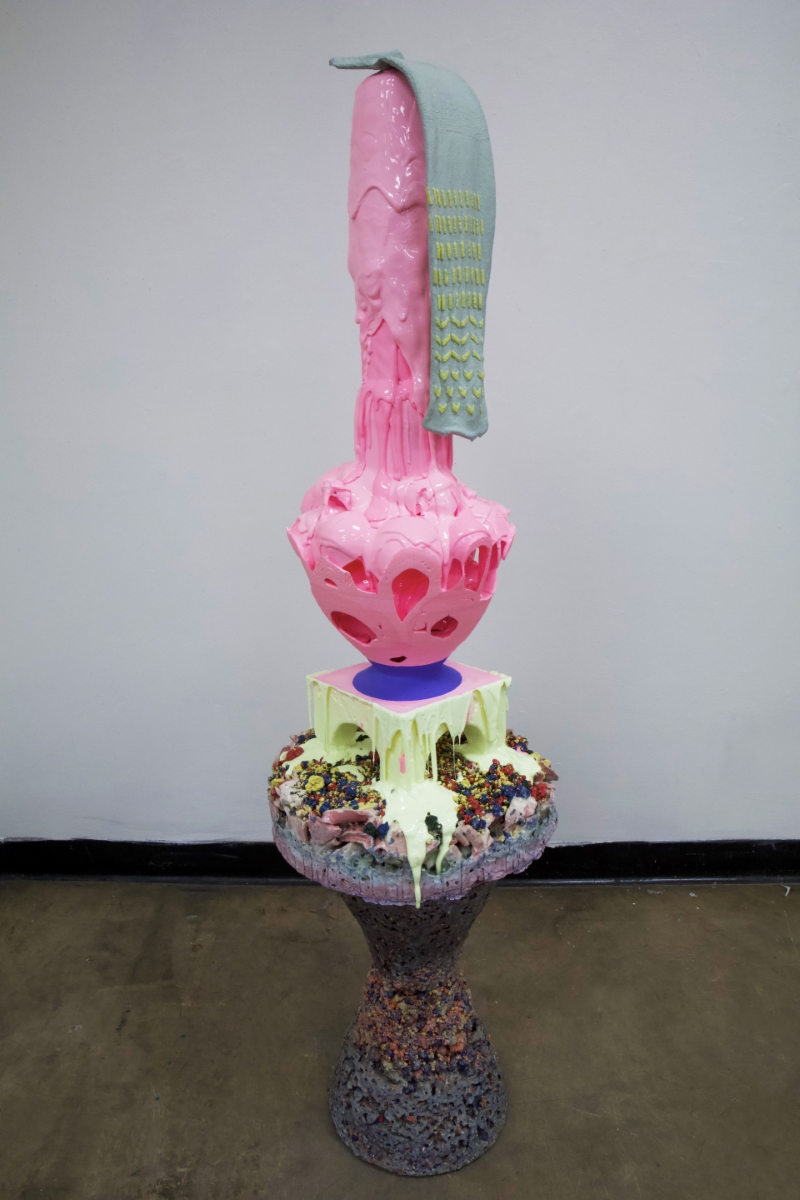
Joshua R. Clark, Attitude Effacee, 2019, Ceramics, resin, 18L X 24W X 70H in
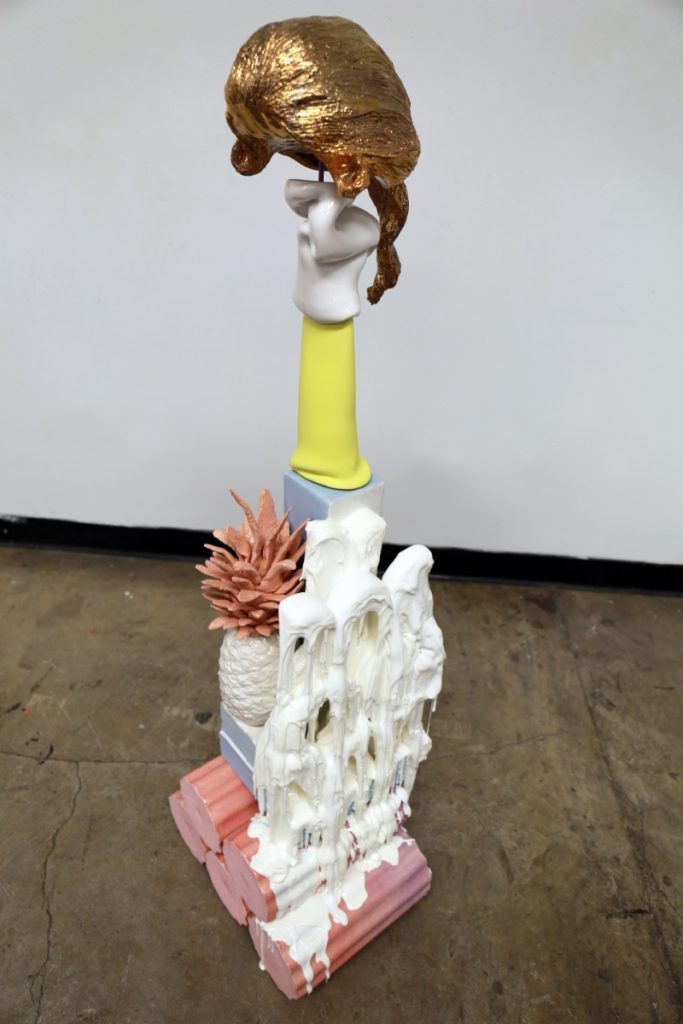
Joshua R. Clark, Herr Direktor, 2019, Ceramics, resin, 15L X 10.5W X 48H in 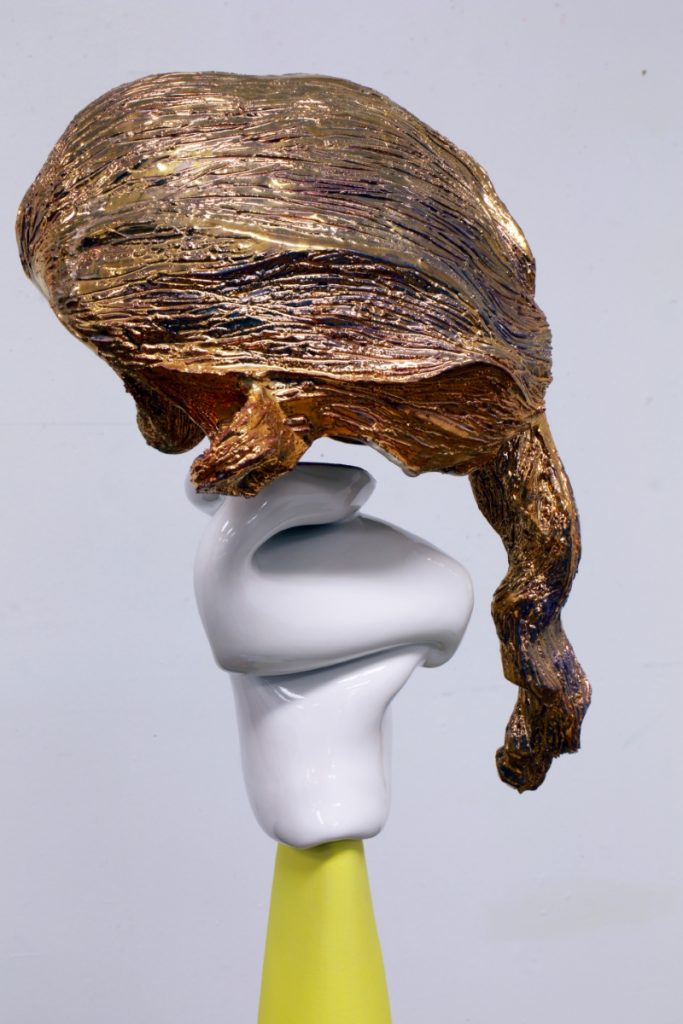
Joshua R. Clark, Herr Direktor, 2019, Ceramics, resin, 15L X 10.5W X 48H in 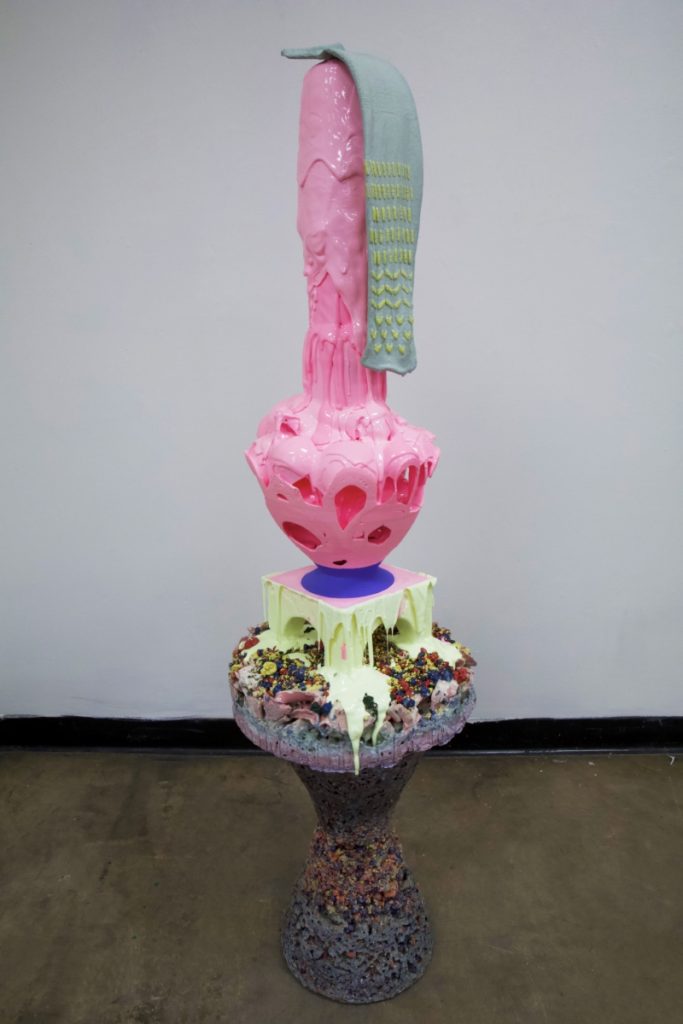
Joshua R. Clark, Hospital Bedside, 2019, Ceramics, resin, 30L X 30W X 60H in 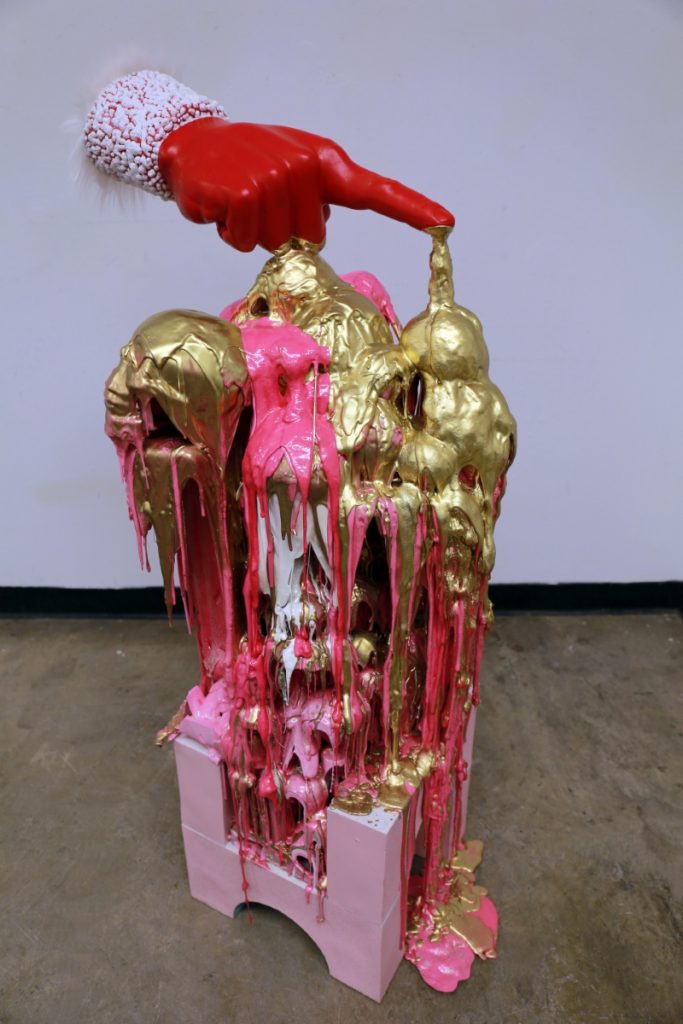
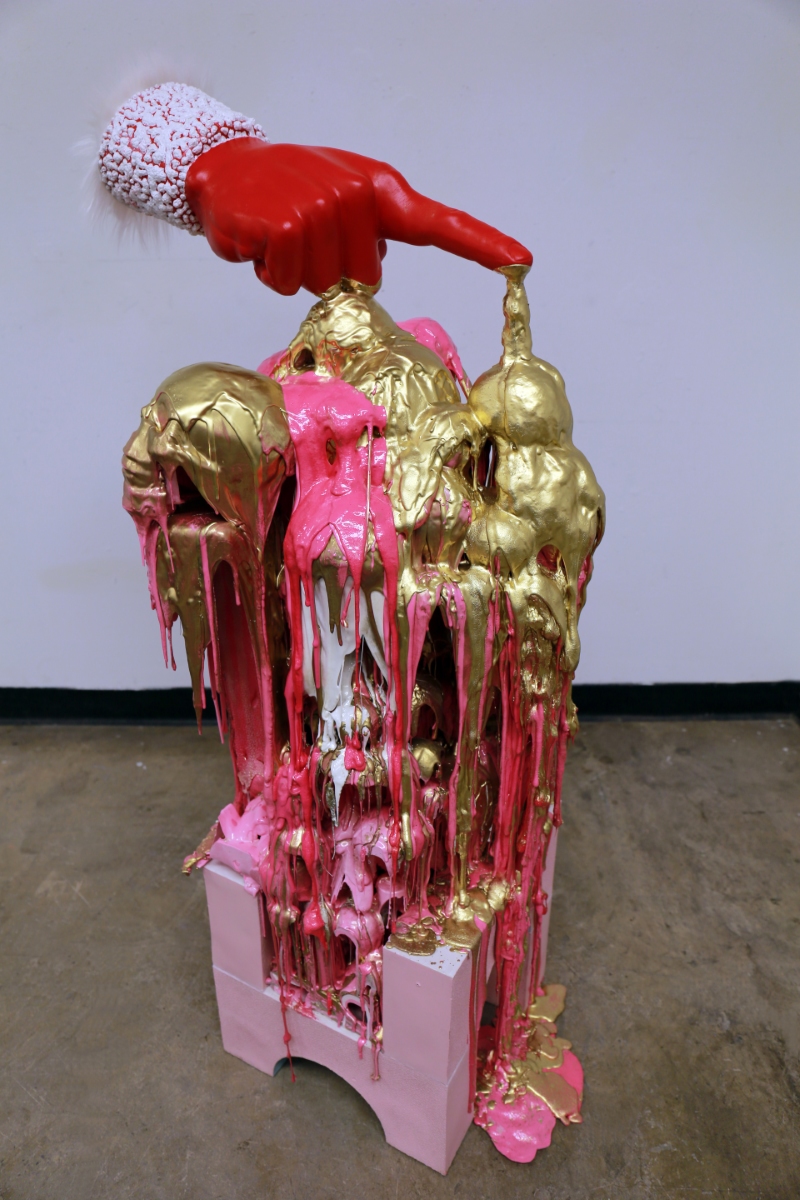
Joshua R. Clark, Number one, 2019, Ceramics, resin, 15L X 20W X 50H in 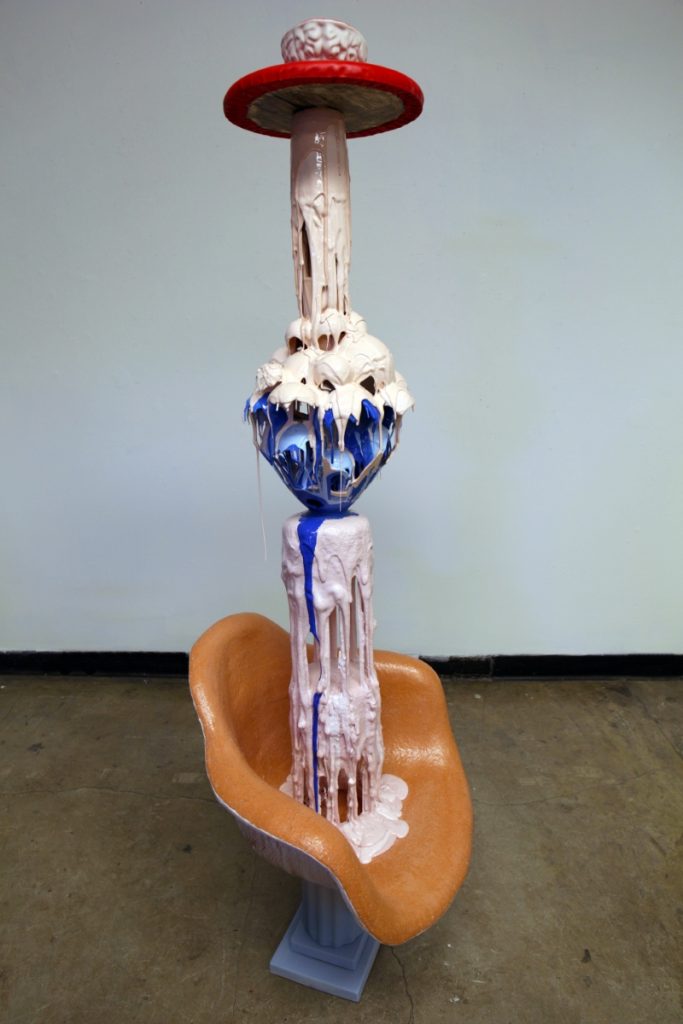
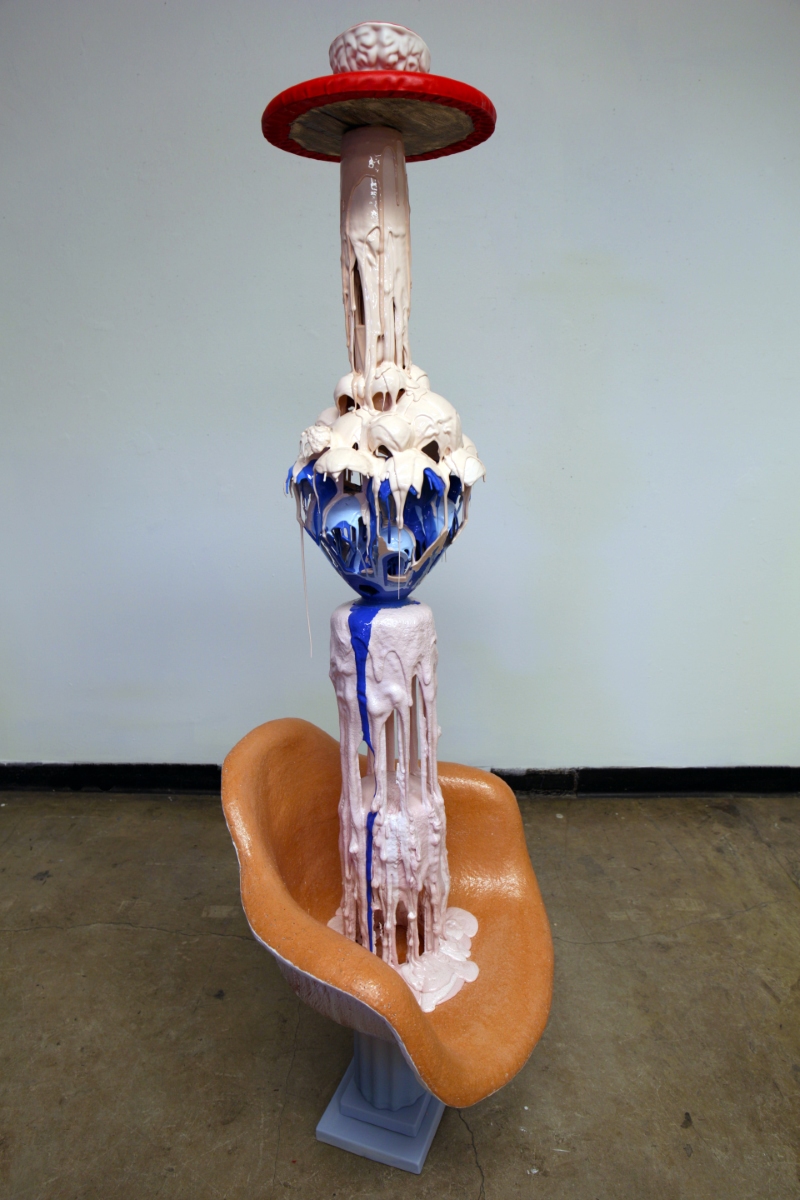
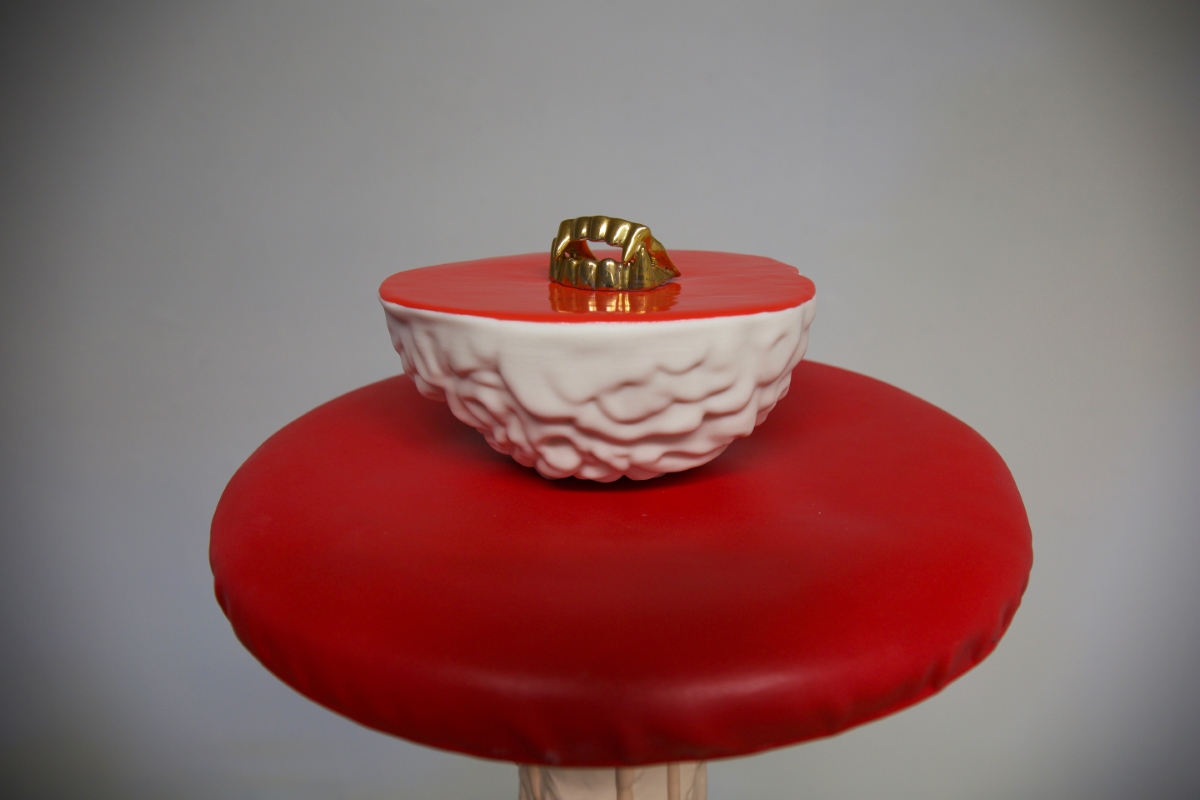
Joshua R. Clark, Undying Love, 2019, Ceramics, resin, 30L X 30W X 70H in 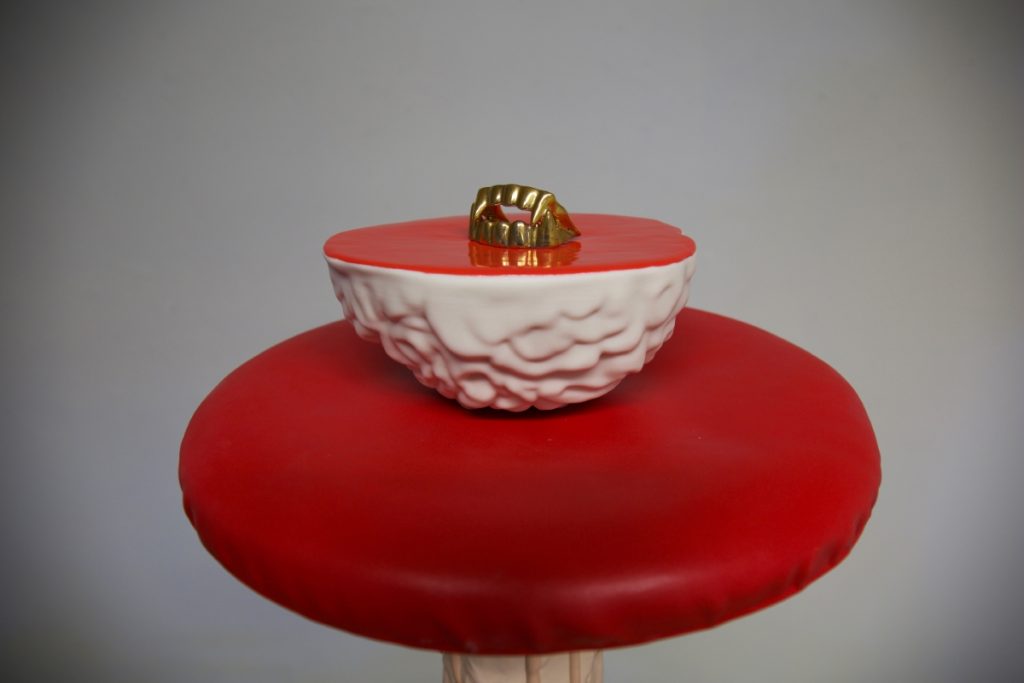
Joshua R. Clark, Undying Love, 2019, Ceramics, resin, 30L X 30W X 70H in
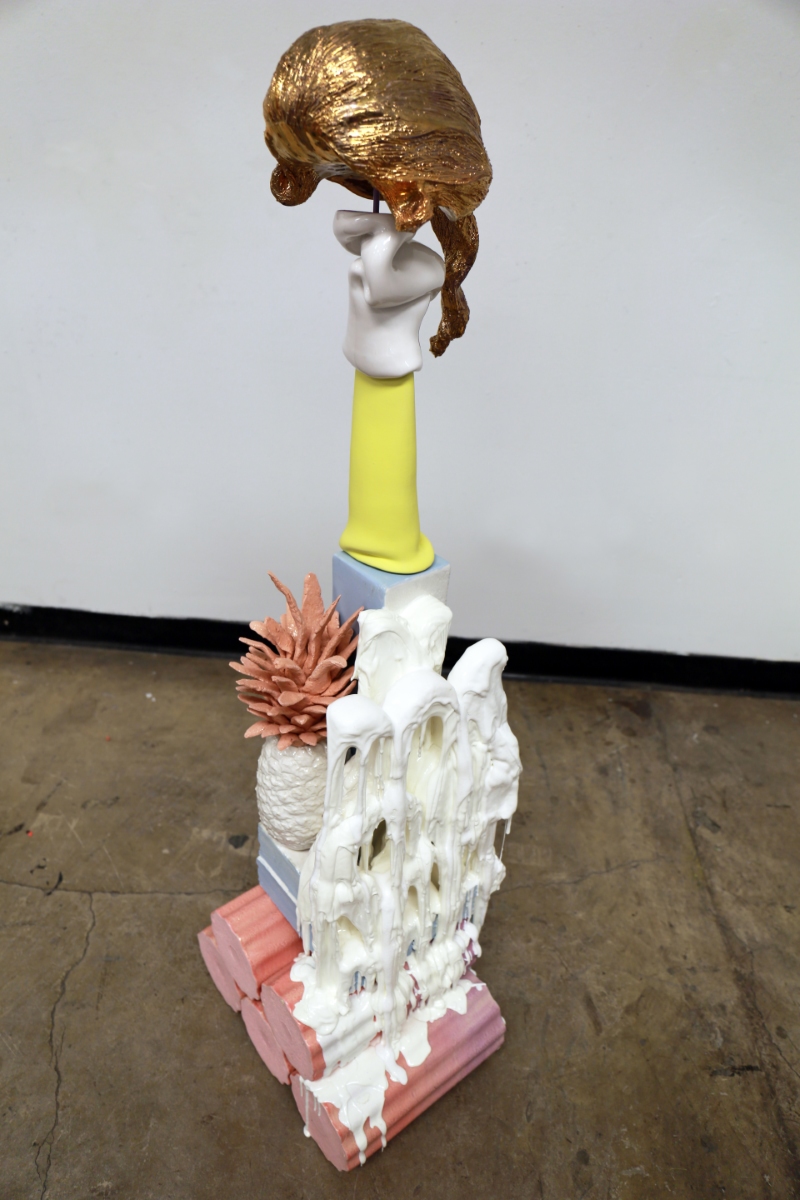
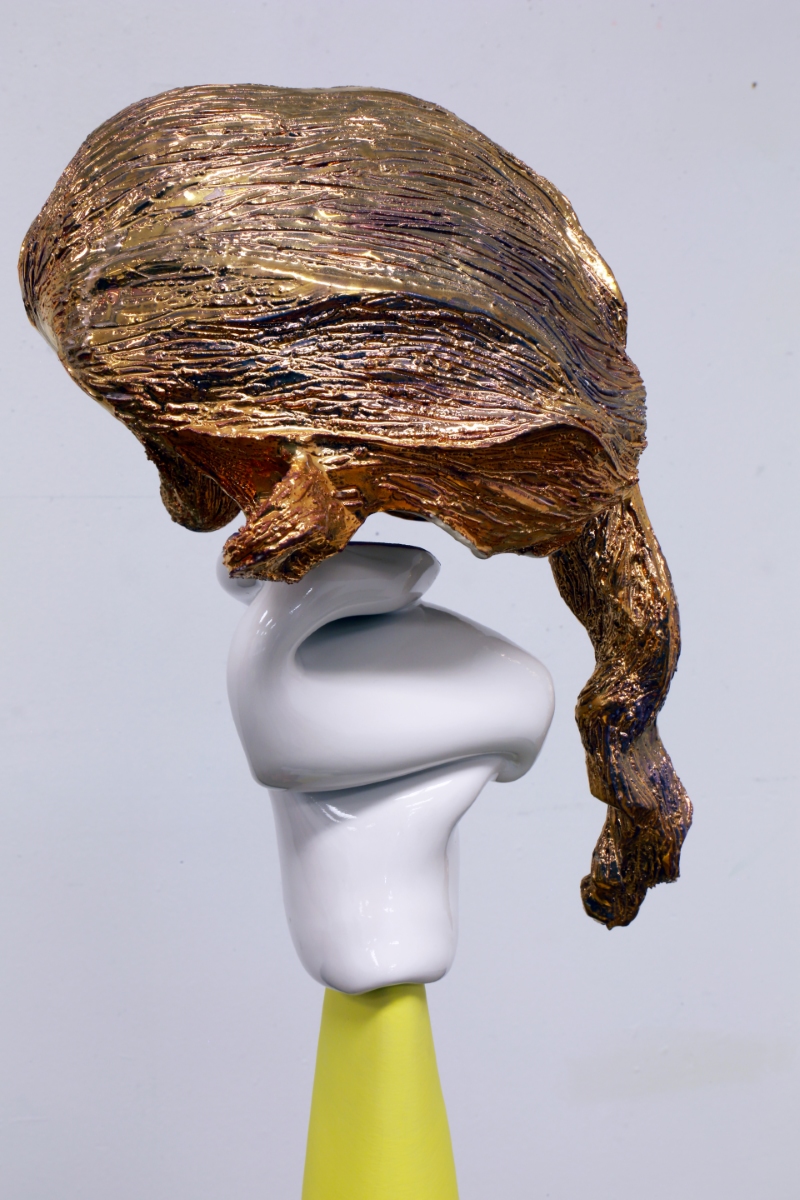
Joshua R. Clark: Large works, 2019
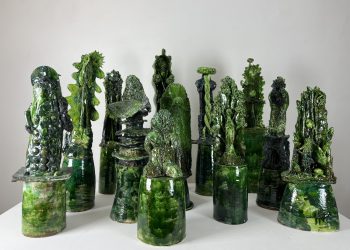
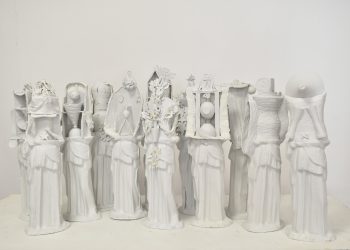
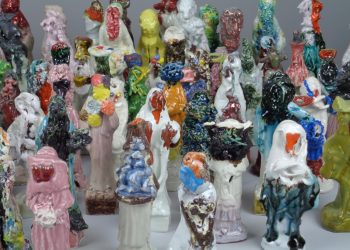
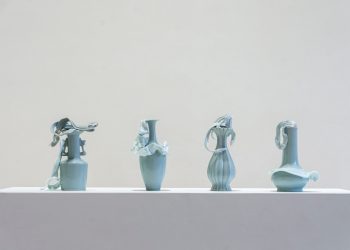
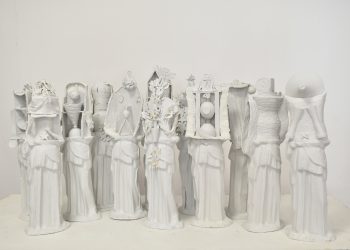
The large sculptures implicate the viewers body in a more direct way, while the smaller sculpture rely on a more metaphysical understanding. This is to say that, the smaller works create their own worlds, while the larger pieces highlight the uncanny nature of ours. In both cases I am interested in the associative power of materials and objects to recall our attention to things we can understand emotively, but which always eludes our best efforts to articulate into spoken or written language correctly. It has always been in the encounter of things that exhilarate me in a troubling way, that I cannot explain, which motivates me to make art. The smaller sculptures happen quickly, I make them spontaneously from a library of forms that already exist in the studio. Their first concerns are formal, but because the molds I am making them from are all original forms I have idiosyncratically chosen to make, they end up having associative powers. The larger sculptures happen much slower. The idea is formed in the mind before it is physically manifested. In the larger sculptures there is often direct art historical references and psychological associations. For example, in the piece titled Number One, the red slip-cast of a foam finger makes direct reference to Michelangelo’s Sistine Chapel The Creation of Adam, and conflates this act of god creating the first human with a fan waving a foam finger at a sporting event proclaiming that their team is number one. In both cases there is a desire to be unique or singular. In both bodies of work I am trying to avoid linear narratives. I want there to be enough associative power in the pieces that they connect with the viewer, but no linear narrative that seeks to explain or make concrete claims.
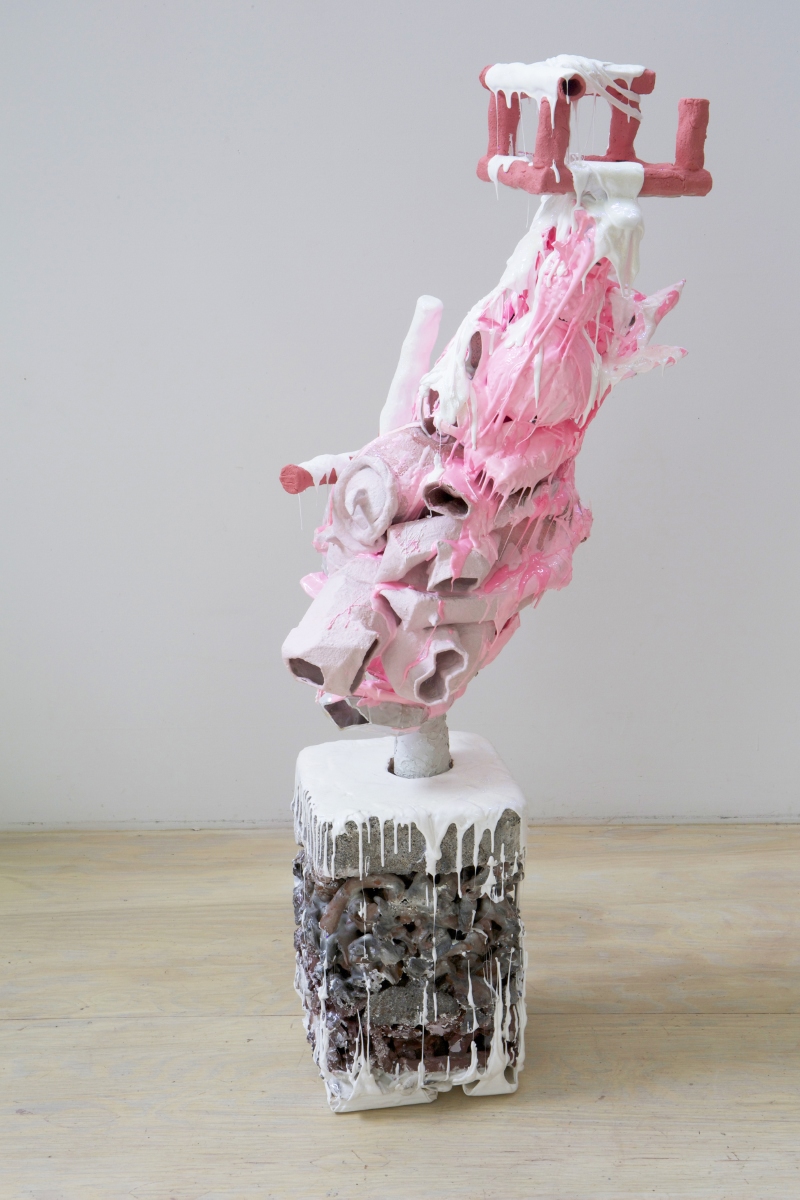
Attitude Effacee, Ceramics, 2019, resin, 18L X 24W X 70H in
Processes:
The bottom portion of the sculpture is created by mixing glaze and ceramic materials together in equal proportions and layering them inside a bisque ceramic container before firing it and fusing the layers together. For example, (1. I make a vessel, (2. I line the inside of the vessel with a glass release, (3. I fill the vessel with glaze and ceramic materials, (4. I fire the vessel containing the glaze and ceramic materials, (5. Once the kiln is finished I break the vessel away revealing the glaze and ceramic material that is now fused together in a solid form. I think of this process as synthesized geology.
The Top portion of the sculpture is created by pouring resin over an unfired raw clay form. Once the resin has hardened, the entire form is submerged in water and the raw clay dissolves away leaving behind the hollow form you see in the image. This process is used to reference clays place in sculptural art history. Historically clay was the material by which the original gesture would have been modeled or sculpted before being translated into another material such as bronze or marble. However, instead of simply copying the initial gesture in another material, this process seeks to highlight the removal of the initial gesture and thus highlighting its loss.
Herr Direktor, Ceramics, resin, 15L X 10.5W X 48H in
Process:
The white dripping arches were made by pouring resin over an unfired raw clay form. Once the resin has hardened, the entire form is submerged in water and the raw clay dissolves away leaving behind the hollow form you see in the image. This process is used to reference clays place in sculptural art history. Historically clay was the material by which the original gesture would have been modeled or sculpted before being translated into another material such as bronze or marble. However, instead of simply copying the initial gesture in another material, this process seeks to highlight the removal of the initial gesture and thus highlighting its loss. The remainder of the sculpture was made by slip-cast forms and hand built forms.
Hospital Bedside, 2019, Ceramics, resin, 30L X 30W X 60H in
Processes:
The bottom portion of the sculpture is created by mixing glaze and ceramic materials together in equal proportions and layering them inside a bisque ceramic container before firing it and fusing the layers together. For example, (1. I make a vessel, (2. I line the inside of the vessel with a glass release, (3. I fill the vessel with glaze and ceramic materials, (4. I fire the vessel containing the glaze and ceramic materials, (5. Once the kiln is finished I break the vessel away revealing the glaze and ceramic material that is now fused together in a solid form. I think of this process as synthesized geology.
The Top portion of the sculpture is created by pouring resin over an unfired raw clay form. Once the resin has hardened, the entire form is submerged in water and the raw clay dissolves away leaving behind the hollow form you see in the image. This process is used to reference clays place in sculptural art history. Historically clay was the material by which the original gesture would have been modeled or sculpted before being translated into another material such as bronze or marble. However, instead of simply copying the initial gesture in another material, this process seeks to highlight the removal of the initial gesture and thus highlighting its loss. The draped hospital sock is slip-cast using a colored porcelain.
Number one, 2019, Ceramics, resin, 15L X 20W X 50H in
Processes:
Both the pink ceramic base and red and white hand are slip-cast using a colored porcelain slip. The middle dripping gold and pink resin form, is created by pouring resin over an unfired raw clay form. Once the resin has hardened, the entire form is submerged in water and the raw clay dissolves away leaving behind the hollow form you see in the image. This process is used to reference clays place in sculptural art history. Historically clay was the material by which the original gesture would have been modeled or sculpted before being translated into another material such as bronze or marble. However, instead of simply copying the initial gesture in another material, this process seeks to highlight the removal of the initial gesture and thus highlighting its loss. The draped hospital sock is slip-cast using a colored porcelain.
Undying Love, 2019, Ceramics, resin, 30L X 30W X 70H in
Processes:
The top portion of the sculpture, the vampire teeth, brain, and cushion, were slip-casted. The vase form is made by pouring resin over an unfired raw clay form. Once the resin has hardened, the entire form is submerged in water and the raw clay dissolves away leaving behind the hollow form you see in the image. This process is used to reference clays place in sculptural art history. Historically clay was the material by which the original gesture would have been modeled or sculpted before being translated into another material such as bronze or marble. However, instead of simply copying the initial gesture in another material, this process seeks to highlight the removal of the initial gesture and thus highlighting its loss. The draped hospital sock is slip-cast using a colored porcelain. The remainder of the sculpture was hand built.