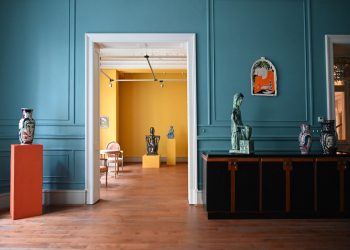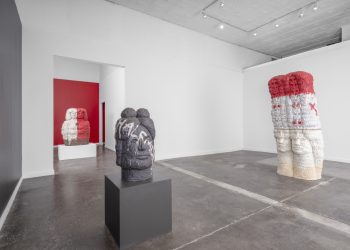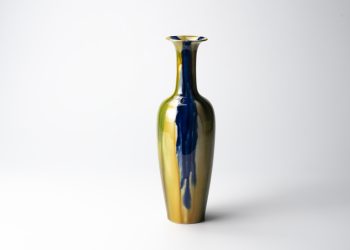

Camila Capra: punto de encuentro (meeting point) is on view at Abra Espacio, San José
February 19, 2026 – May 2, 2026
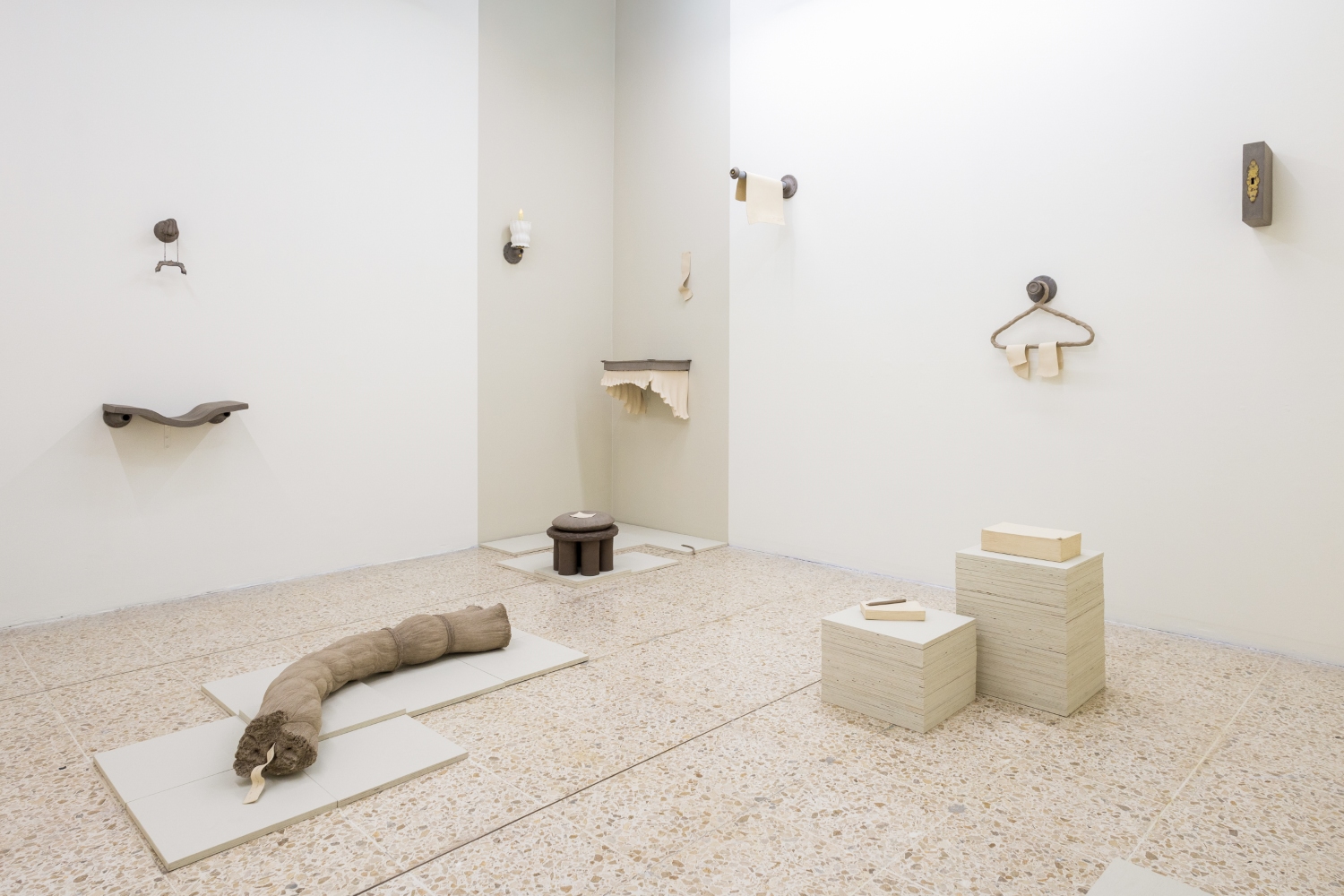
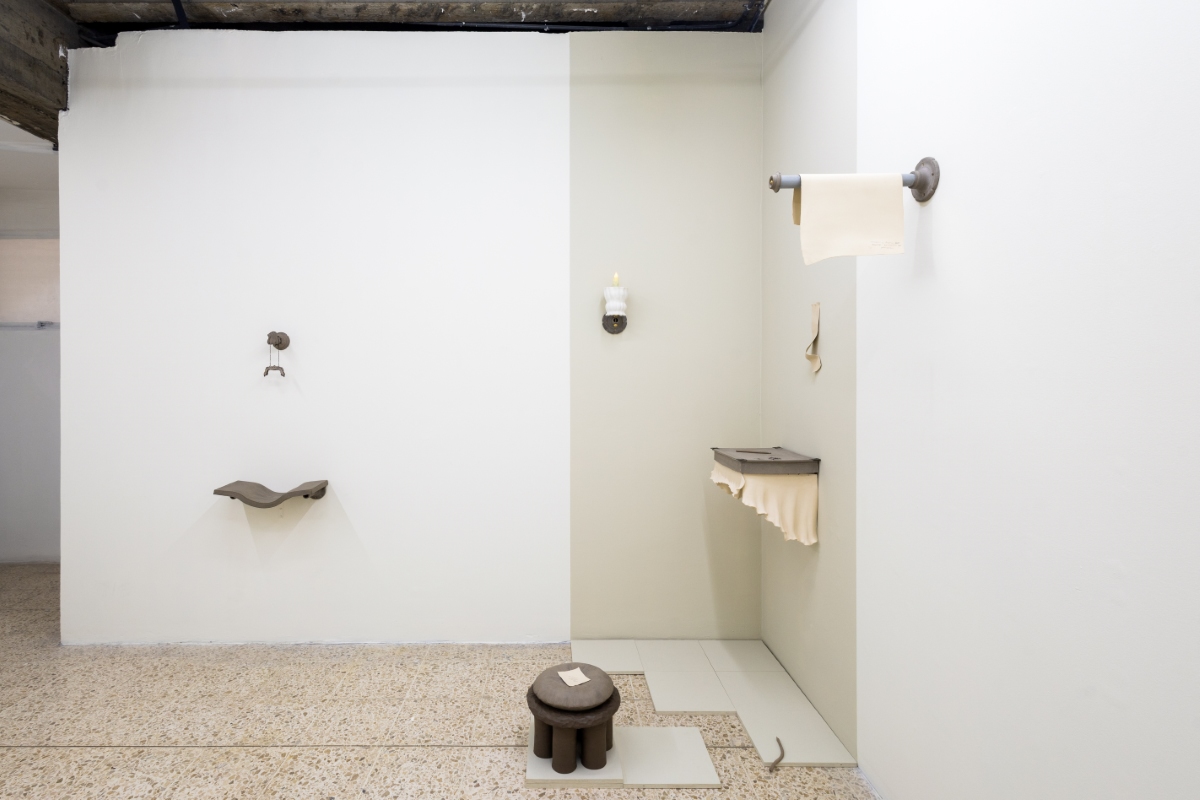
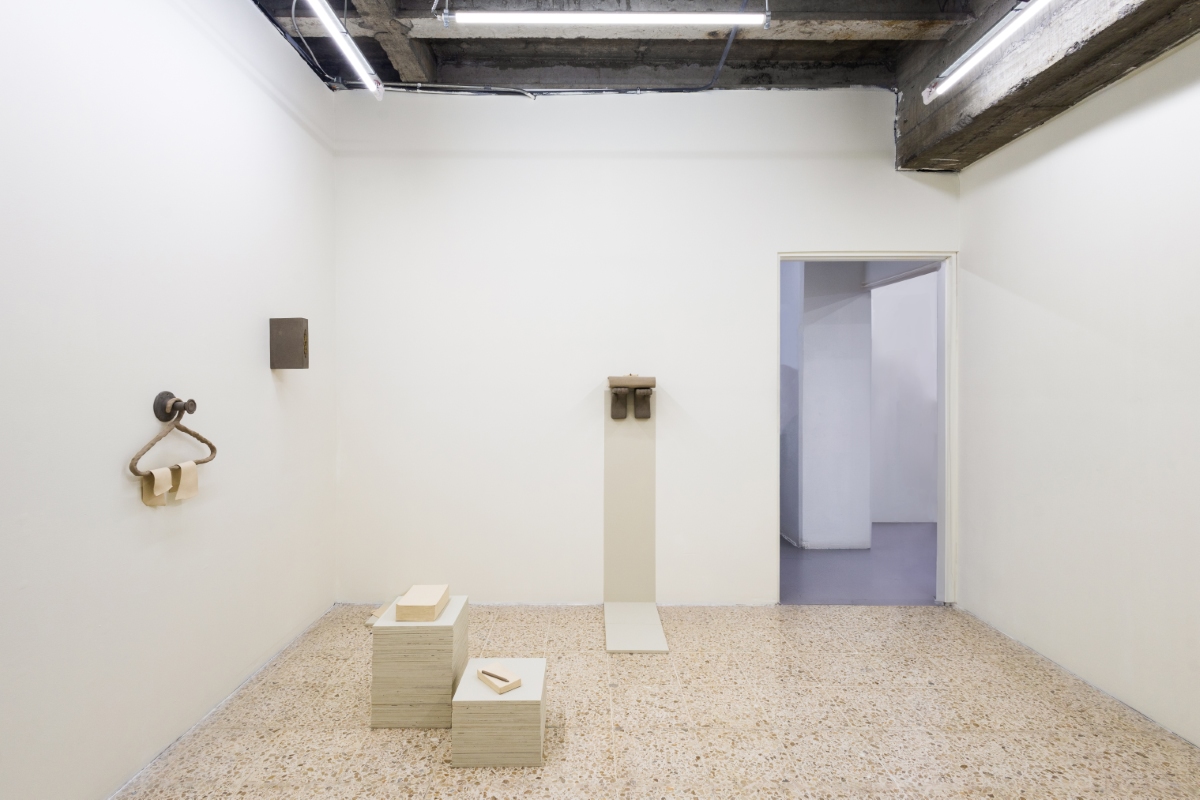
Abra is pleased to present punto de encuentro, an exhibition of new work by Costa Rican artist Camila Capra. This is Camila’s first show in the space and her second solo exhibition overall. In this series, Capra uses ceramics to explore family history as a space of convergence between unveiling and concealment.
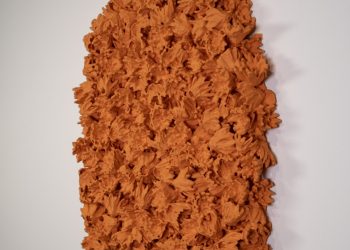
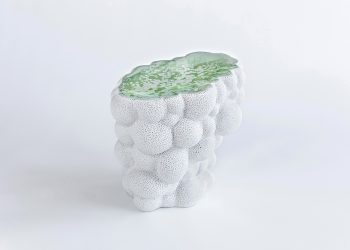
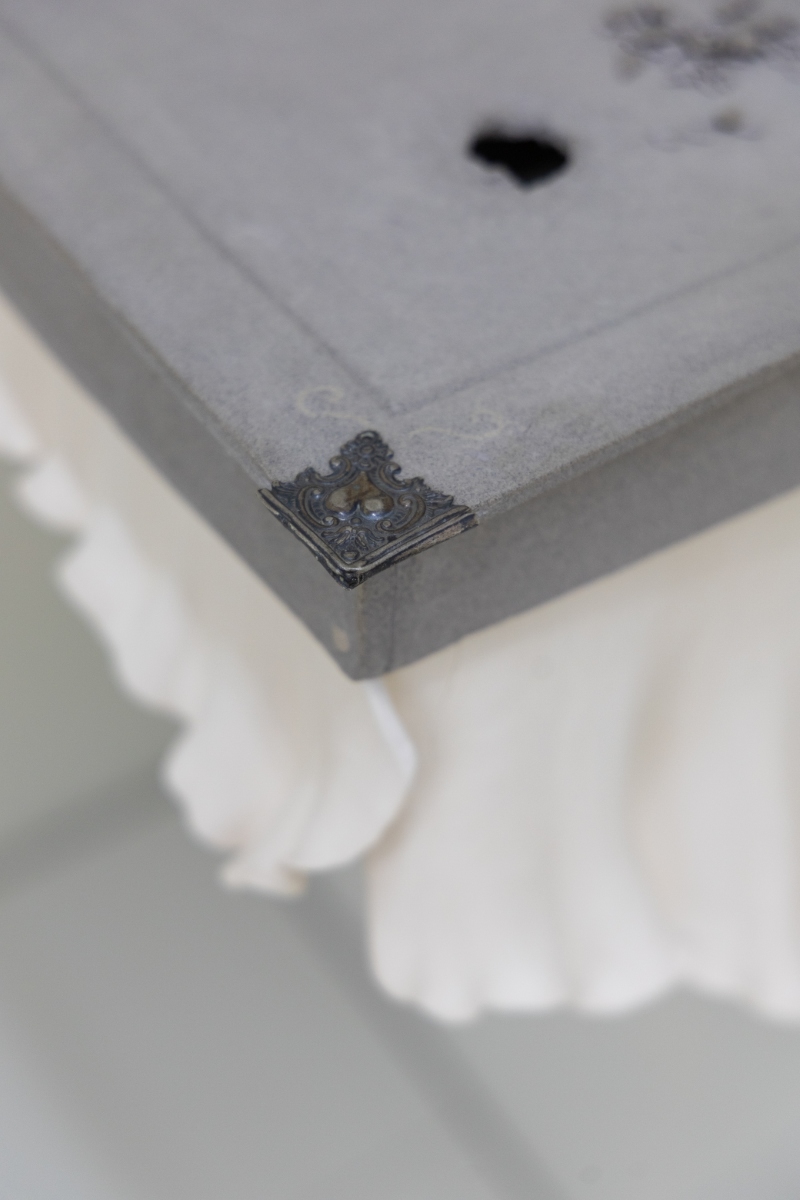
For over a decade, Capra has dedicated herself to honing her skills with clay, exploring its technical nuances and pushing the material’s boundaries. Her artistic practice, which is a more recent endeavor, centers on hand-built sculptures that consider the affective qualities of the objects that surround us. She often revisits the home as a conceptual framework, exploring themes such as memory, identity and personal history. Through pieces whose tangibility is undeniable, emphasized by exquisite texture and detail, she has built a dreamlike and nostalgic body of work, populated with symbols that shape her imagination of specific spaces, both physical and emotional. Her characteristic use of unglazed ceramics highlights the material’s capacity to hold corporeal memory and stand as an emblem between fragility and permanence.
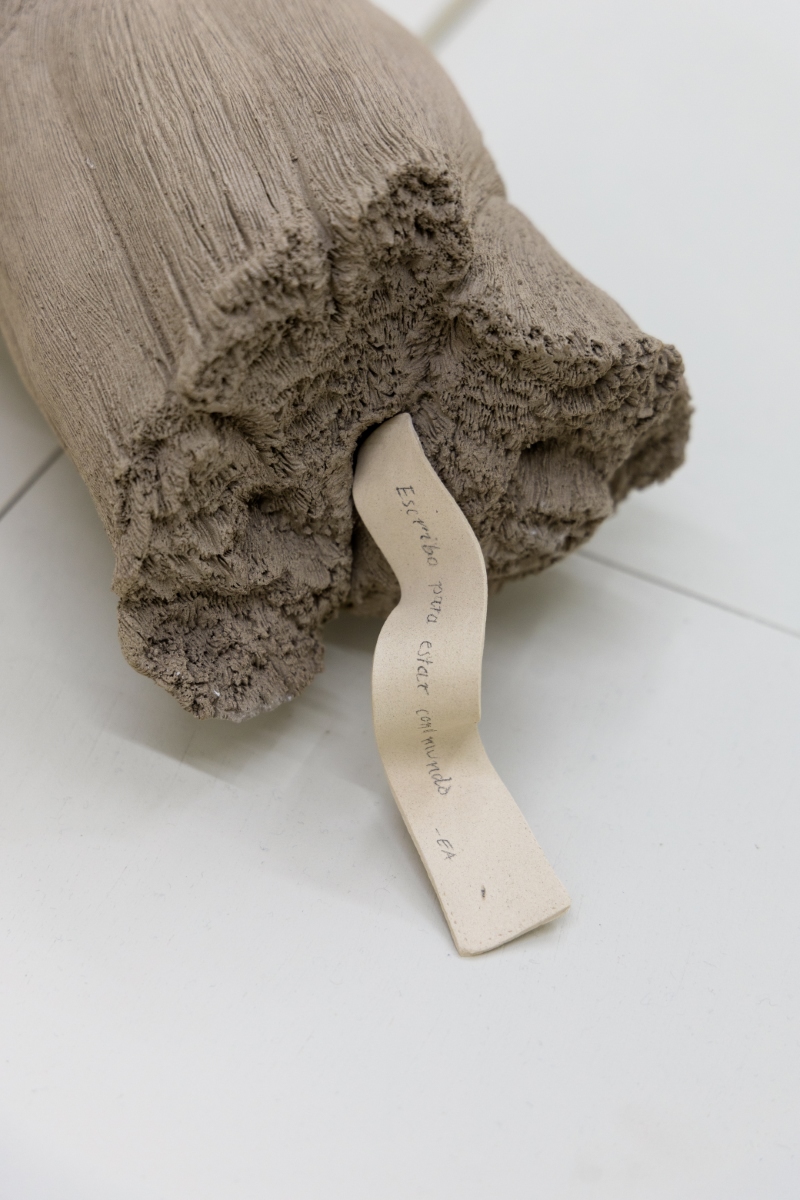
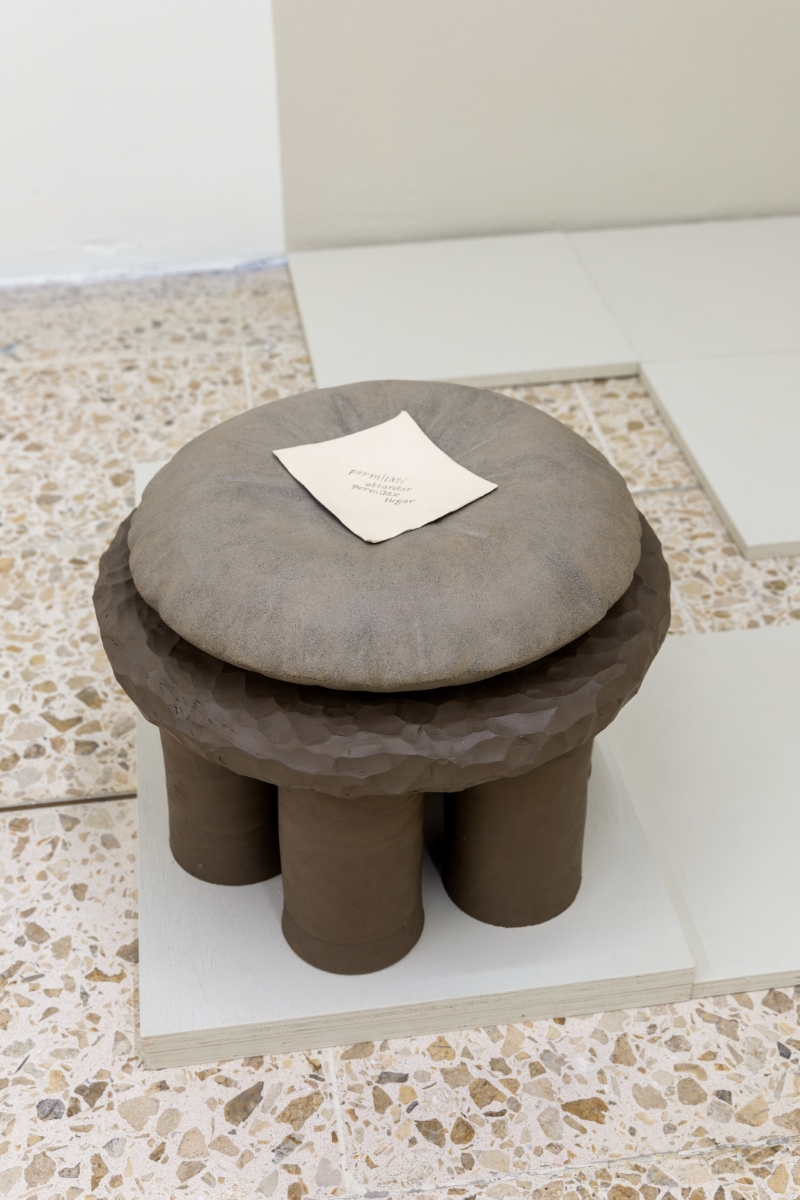
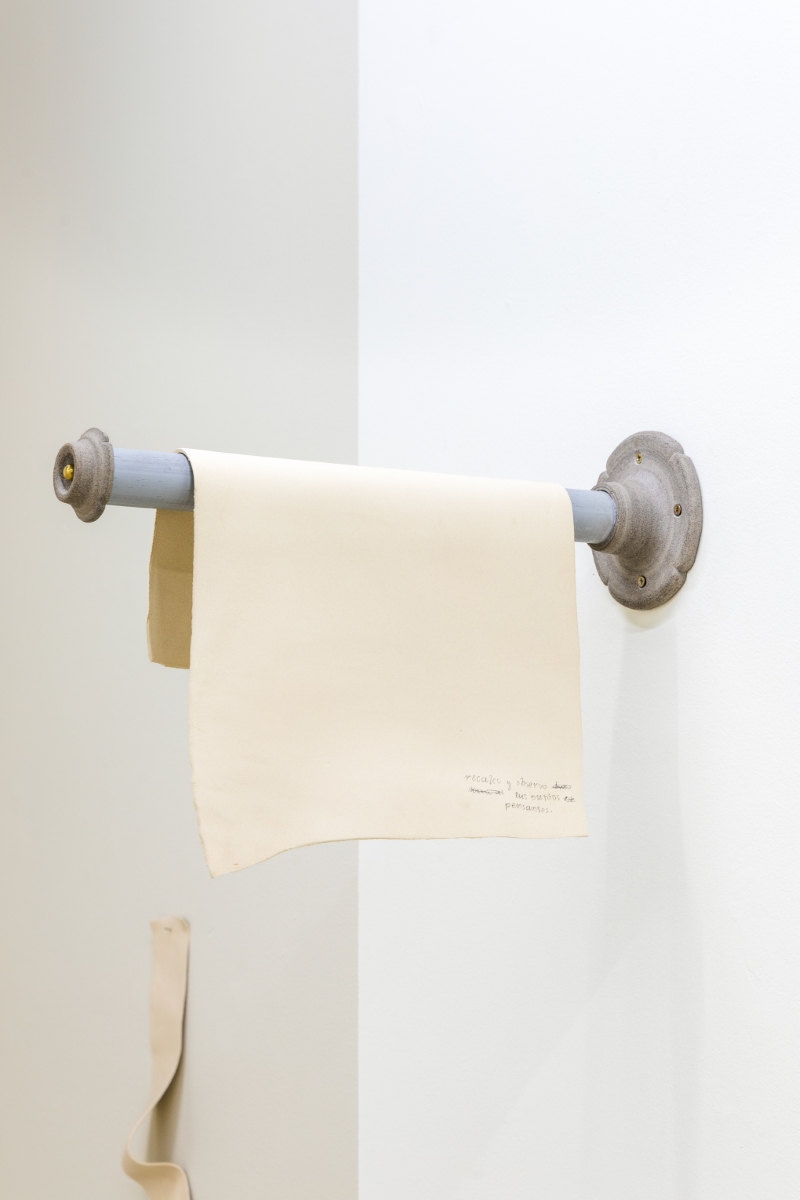
punto de encuentro is rooted in the emotional weight of an intimate confession from the artist’s maternal grandmother. After keeping it secret for 50 years, she disclosed to Capra that she had written and published reflections in the newspaper under the pseudonym “Vértice” (Spanish for vertex), which she described as a “meeting point.” Drawing on this guarded gesture, Capra’s pieces engage with the hidden, the inherited, the shared, and the unspoken; the written word composed in silence, kept for oneself.
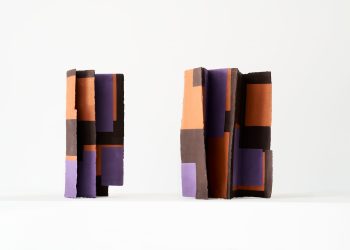
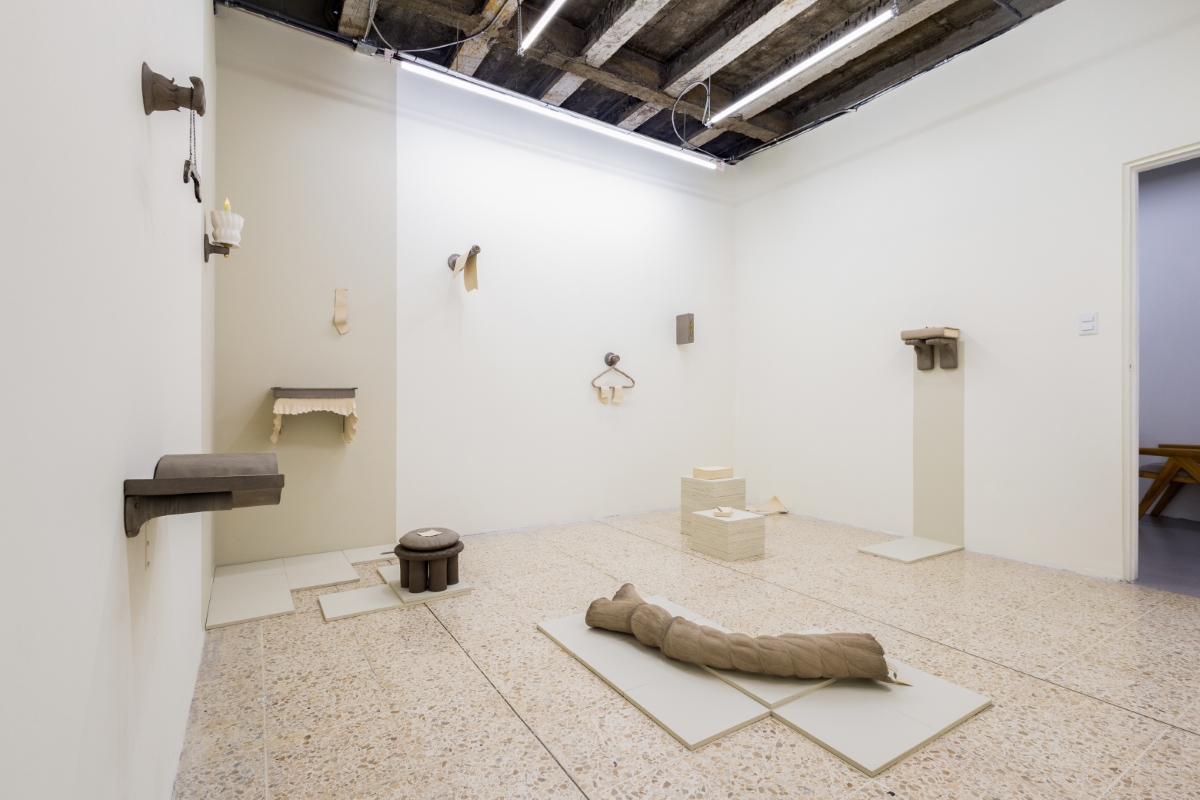
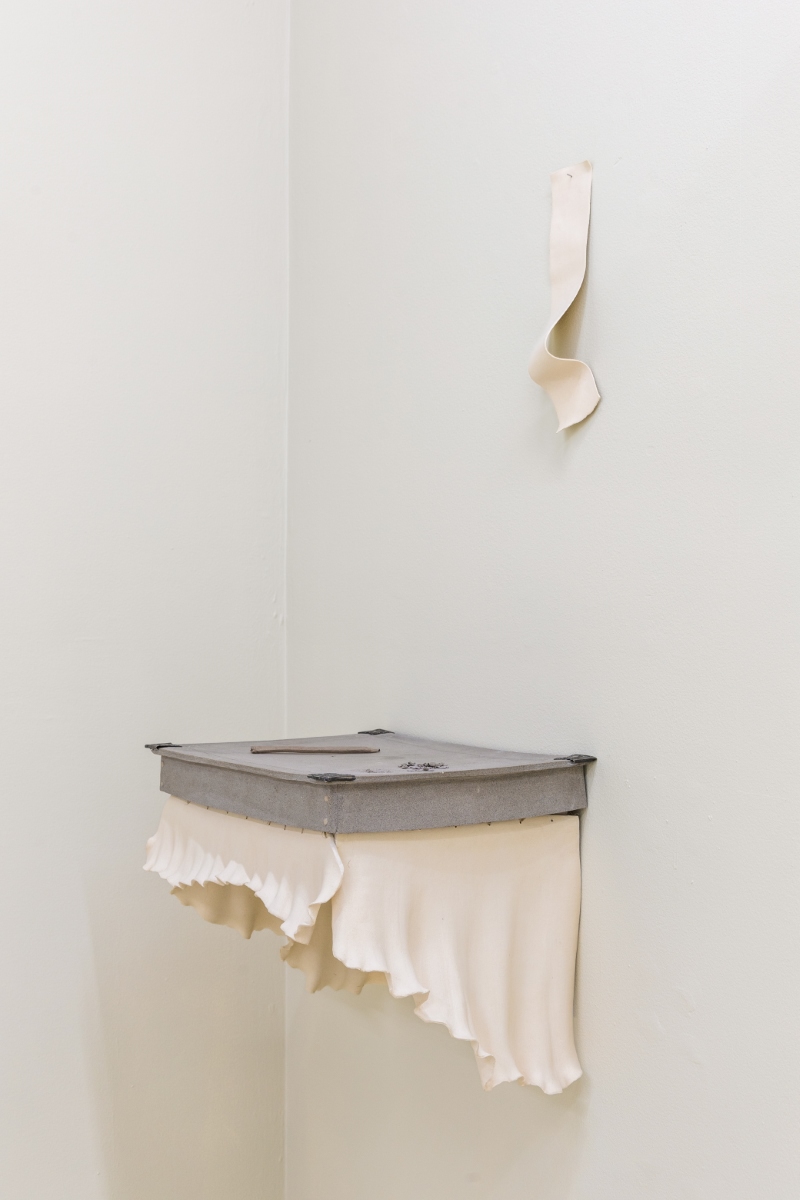
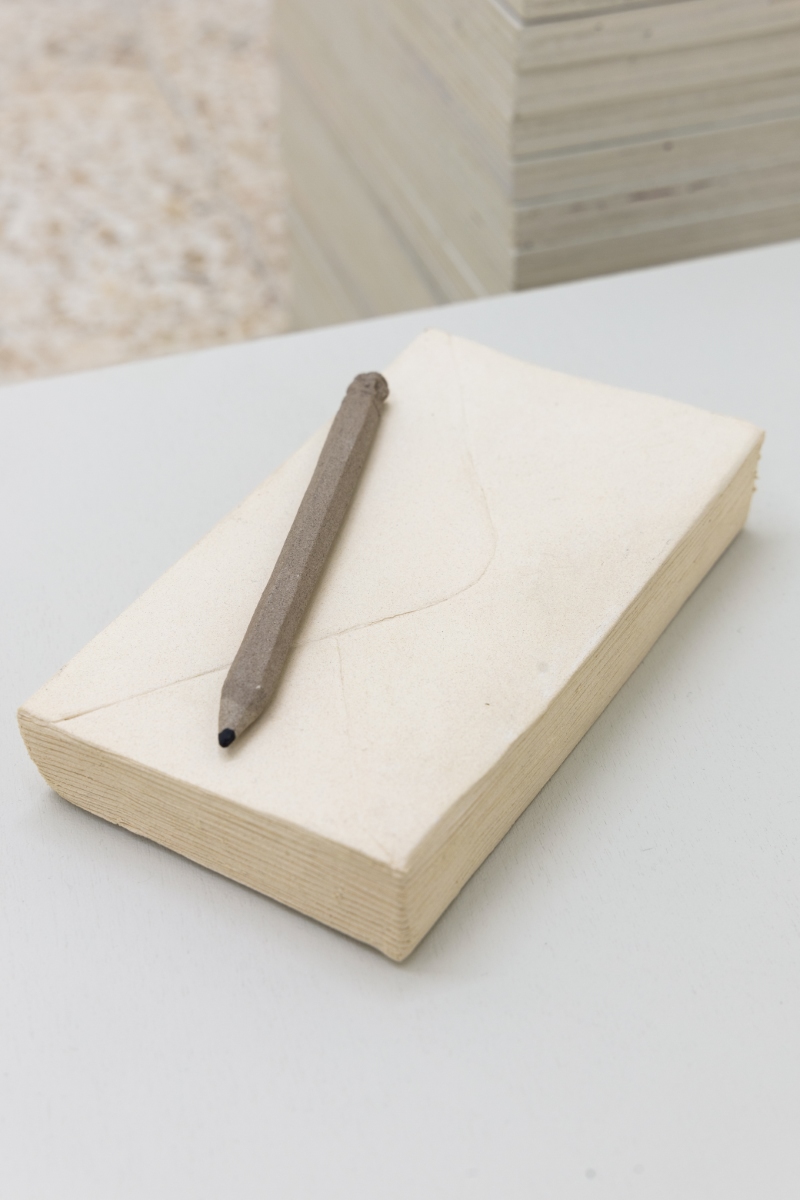
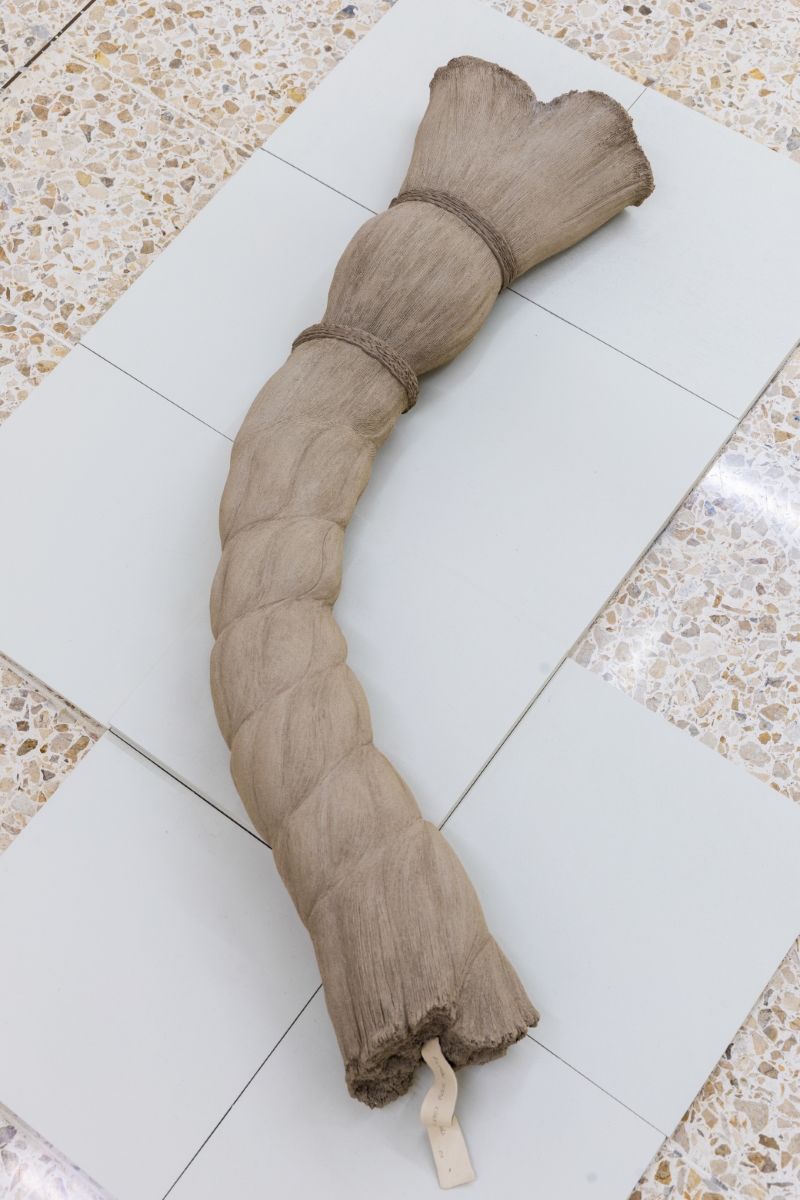
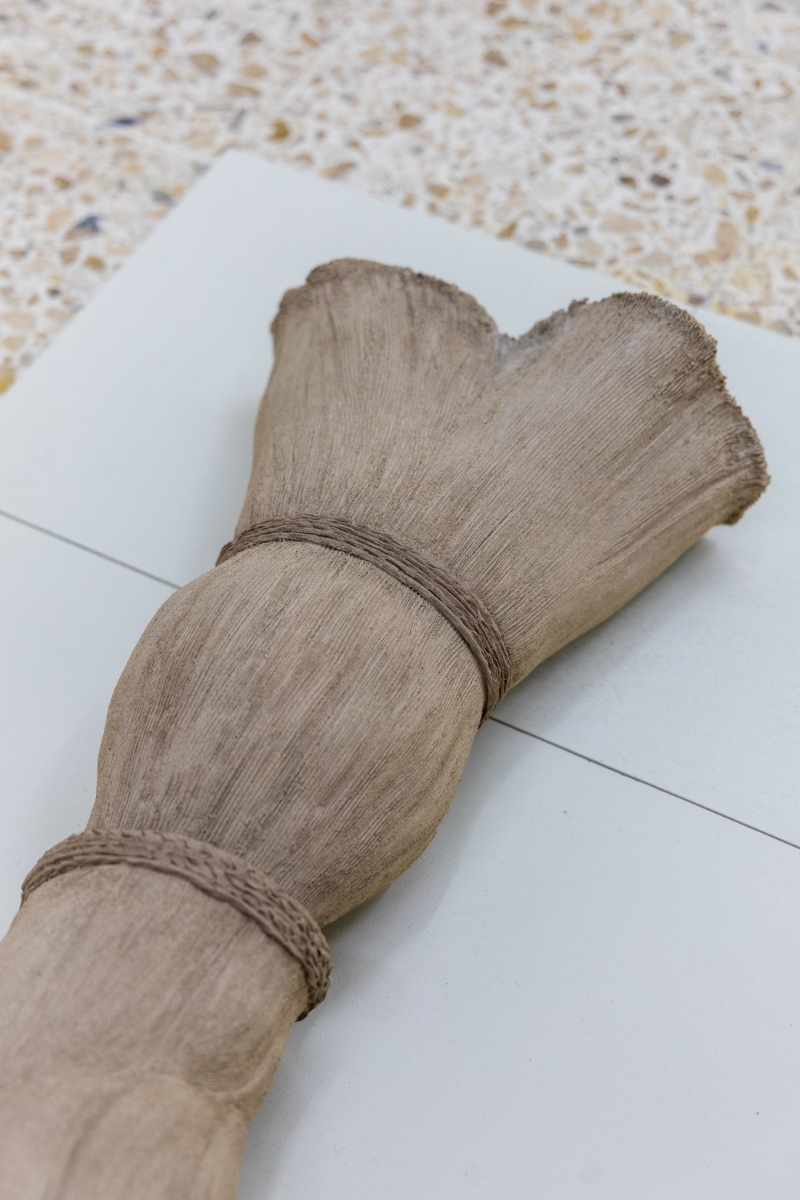
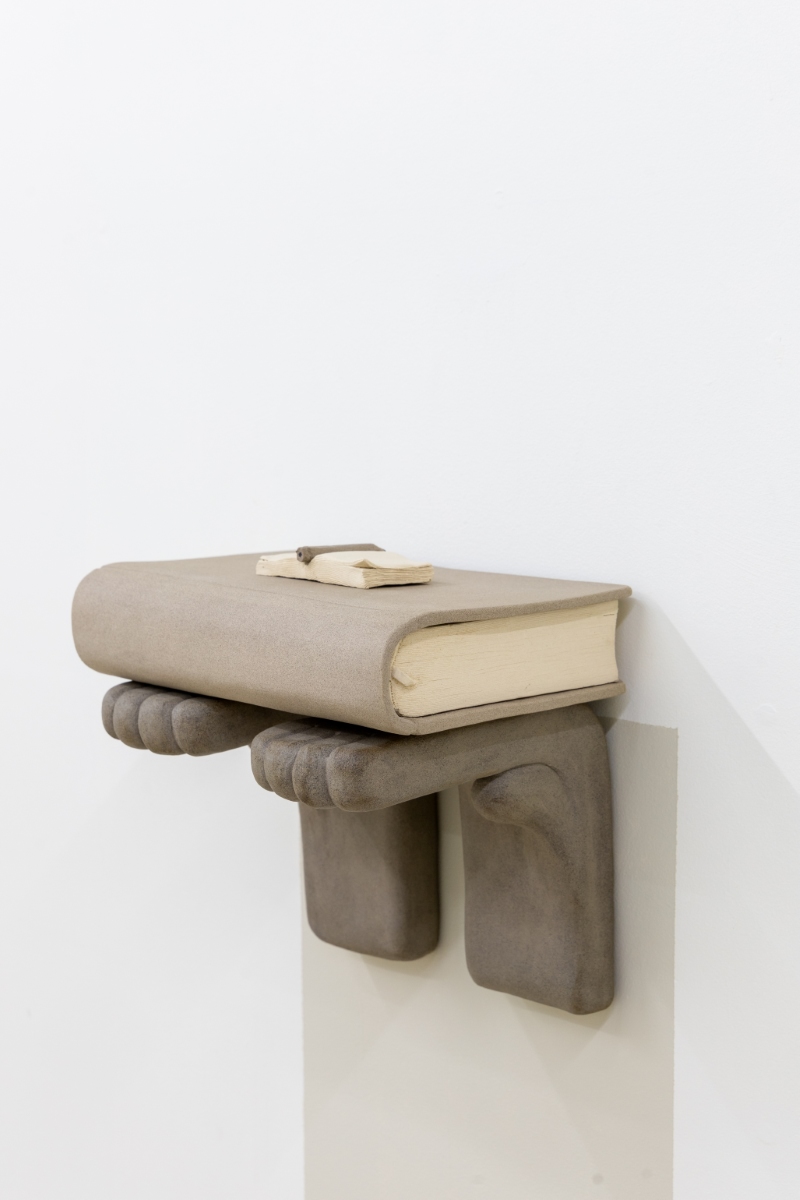
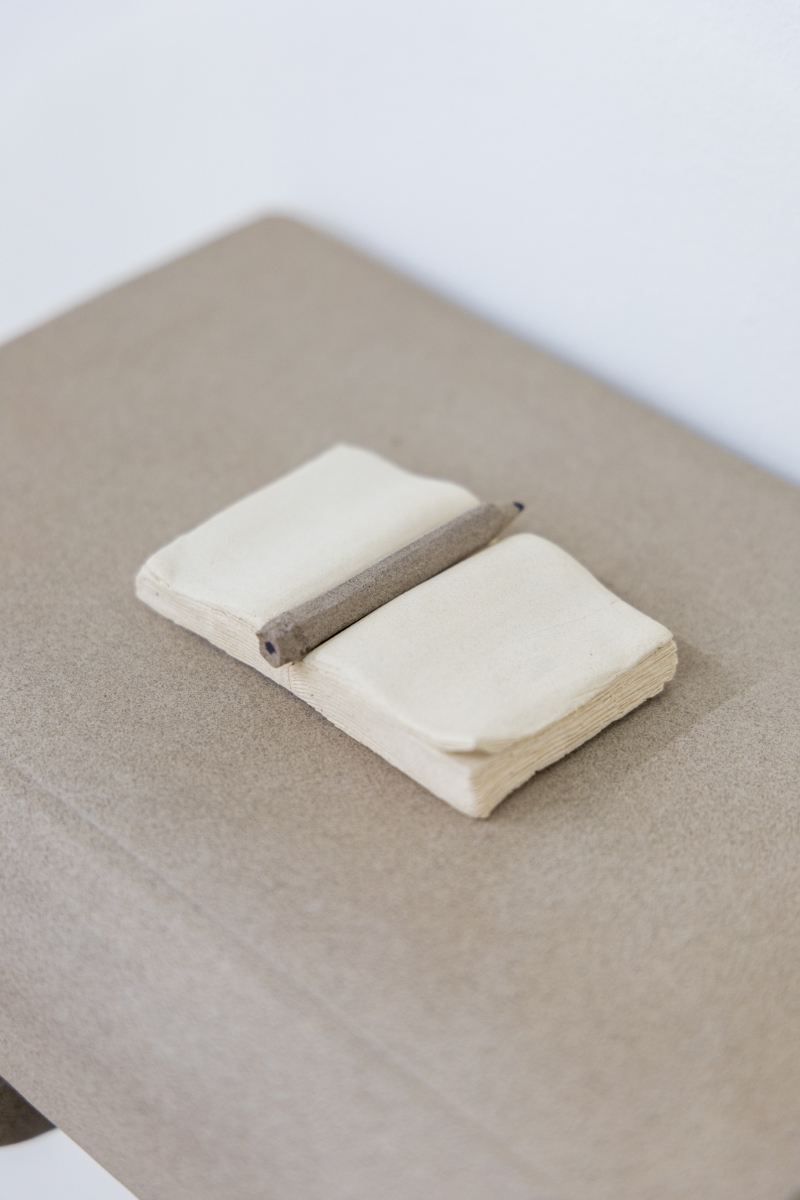
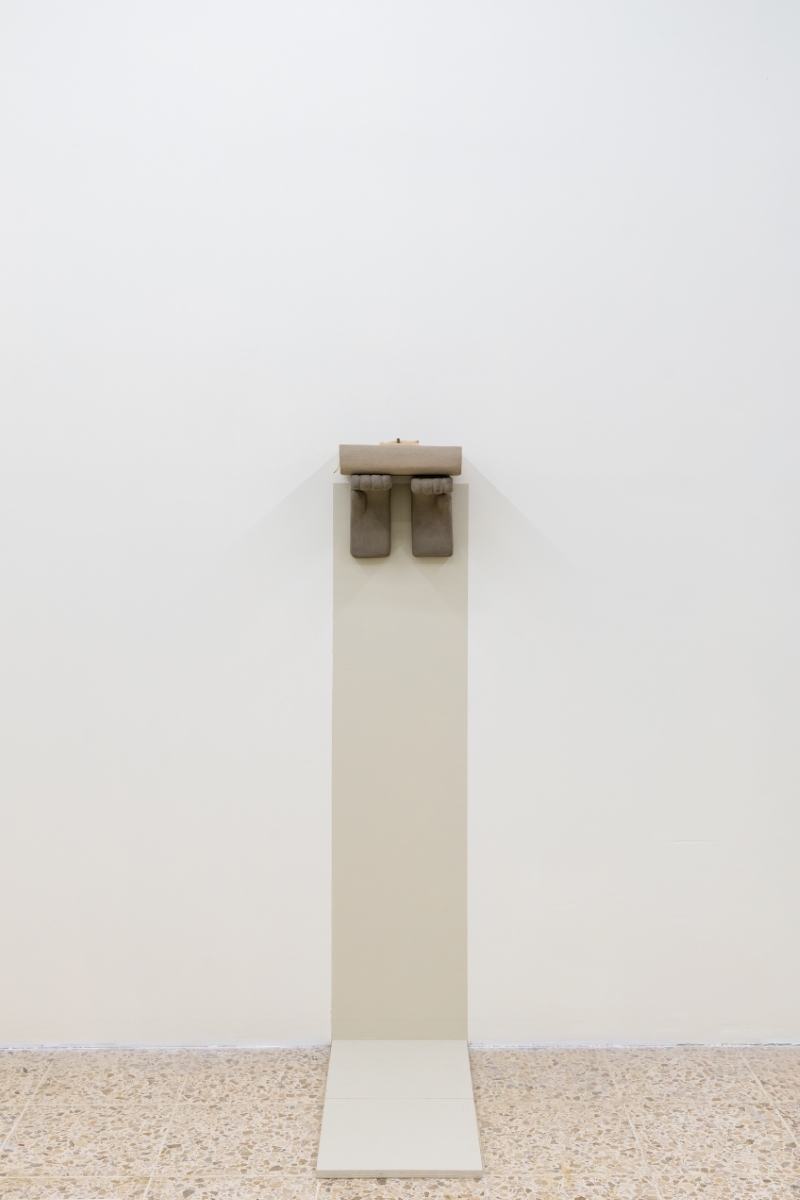
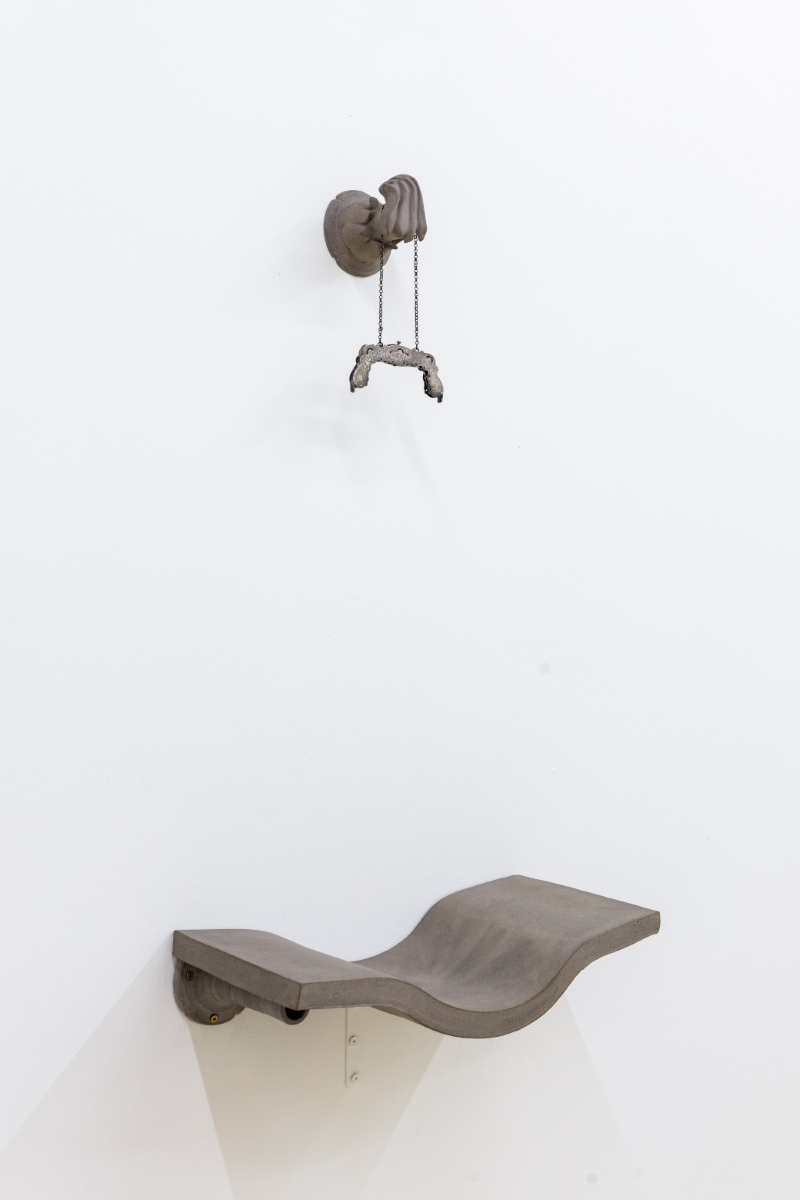
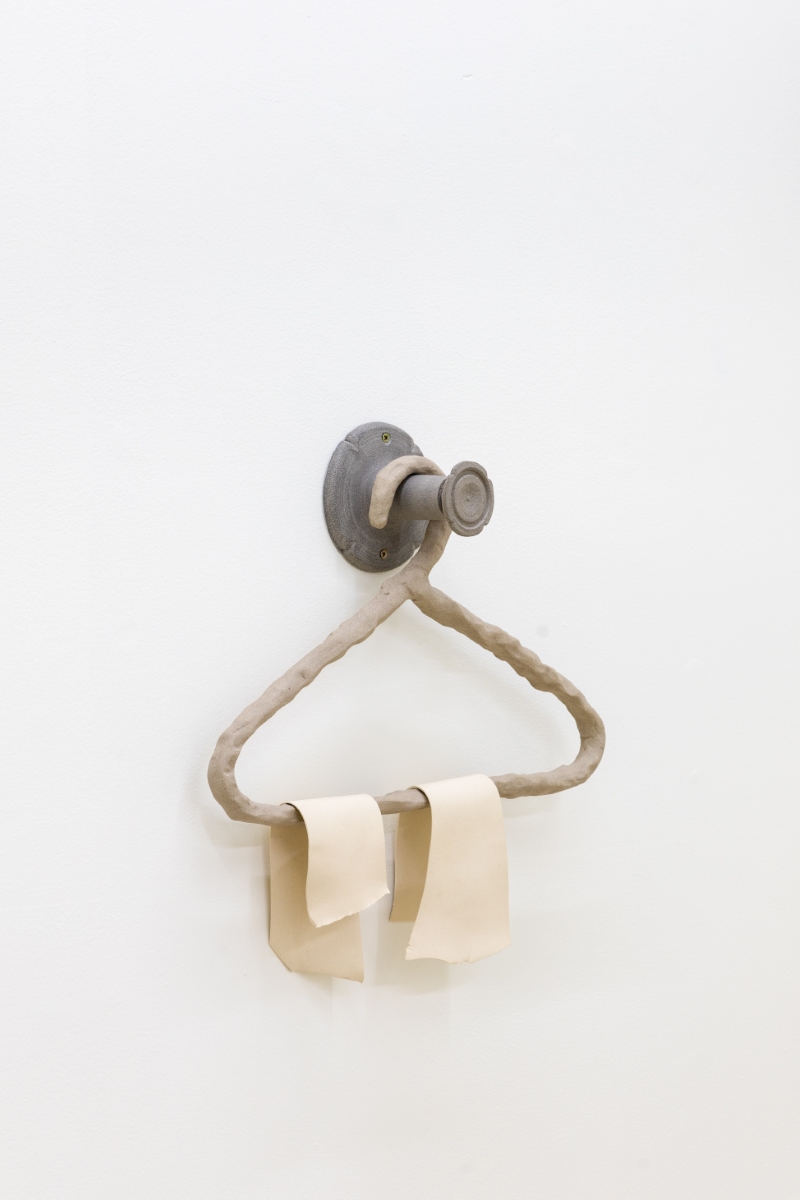
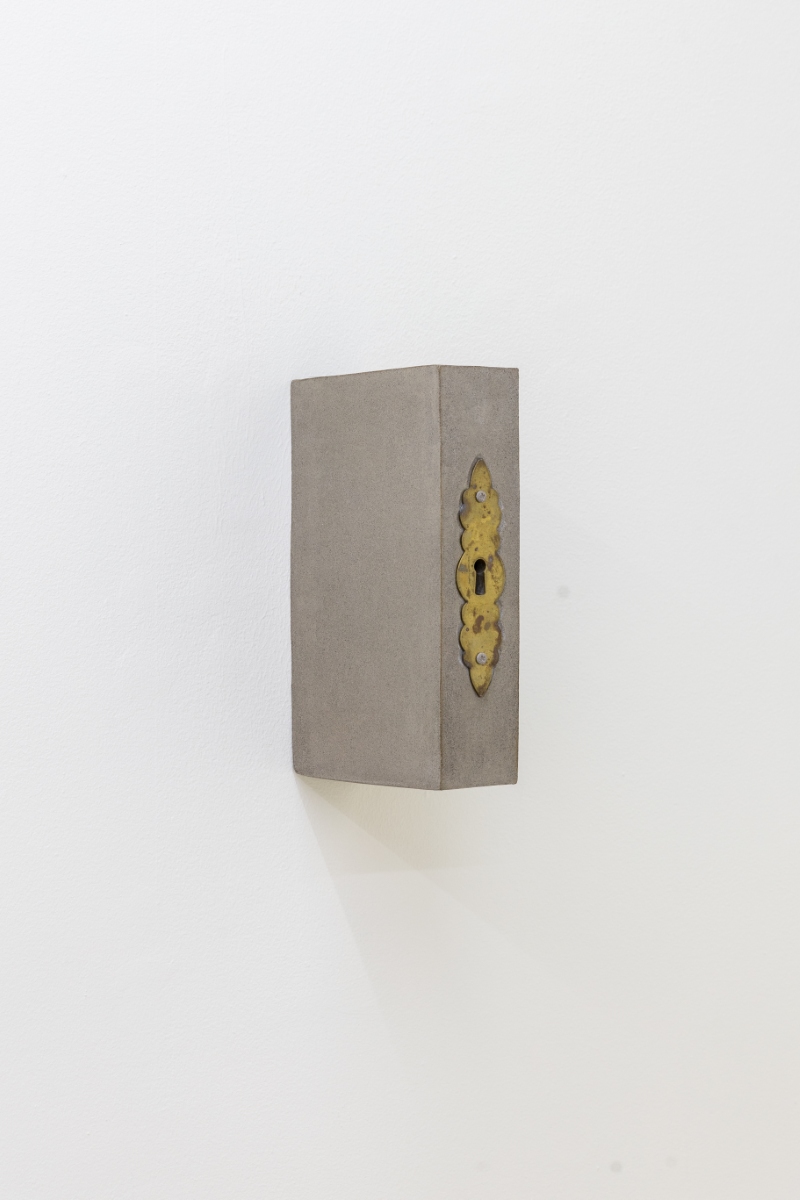
The translation of recognizable objects —such as a desk, a book, a hanger, a pile of papers and a tassel— into ceramics reminds us that what we see is not always what we think. Stripped of their expected function, it is in their detail and subtlety that the invitation to pause and soften emerges. Her objects transcend figuration, conveying a sense of protection: everything seems to preserve something precious, only partially revealed.
The viewer encounters a carefully guarded world: they can’t read the book, discern the contents of a relic-like safebox, or know what the implied bag holds. Access to this symbolic space is intentionally limited, creating a personal and protected realm where the recollection of her grandmother’s voice can quietly inhabit and resonate.
In this sense, the exhibition is deeply evocative. It stems from a specific family narrative but seeks to expand the imagination toward broader territories. Ceramics give the artist great freedom to explore the interplay of personal memory, agency, and the feminine. It situates her reflection within a material that contains traces of past gestures, allowing the narrative to take form and occupy space. punto de encuentro is an exercise in remembrance, recovery, and retelling, with all the speculation and imagination that such act entails.
Camila Capra (San José, Costa Rica, 1992) is a visual artist based in the Netherlands. Her practice, centered on ceramics, explores the human experience through the relationship between subject, object, and space, engaging with themes such as identity, memory, grief, and the passage of time. By working with a material marked by the memory of bodily gesture, process becomes a central axis of her work, with particular attention to failures and moments of rupture as sites of transformation.
Camila holds a Master’s degree from Design Academy Eindhoven (2022), where she received the Best Thesis Award, and a Bachelor of Fine Arts with honors from Parsons School of Design (2015). She has presented her work in solo exhibitions in San José, Costa Rica, and in group exhibitions in Eindhoven, the Netherlands; Mexico City, Mexico; and Toronto, Canada. Her work has also been featured by Materia Press.
Contact
info@abraespacio.org
Instagram: @abra.espacio
Abra Espacio
Piso 5, Condominio Las Américas
San José
Costa Rica
Photo credit: Juan Tribaldos