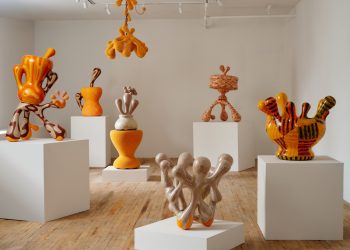
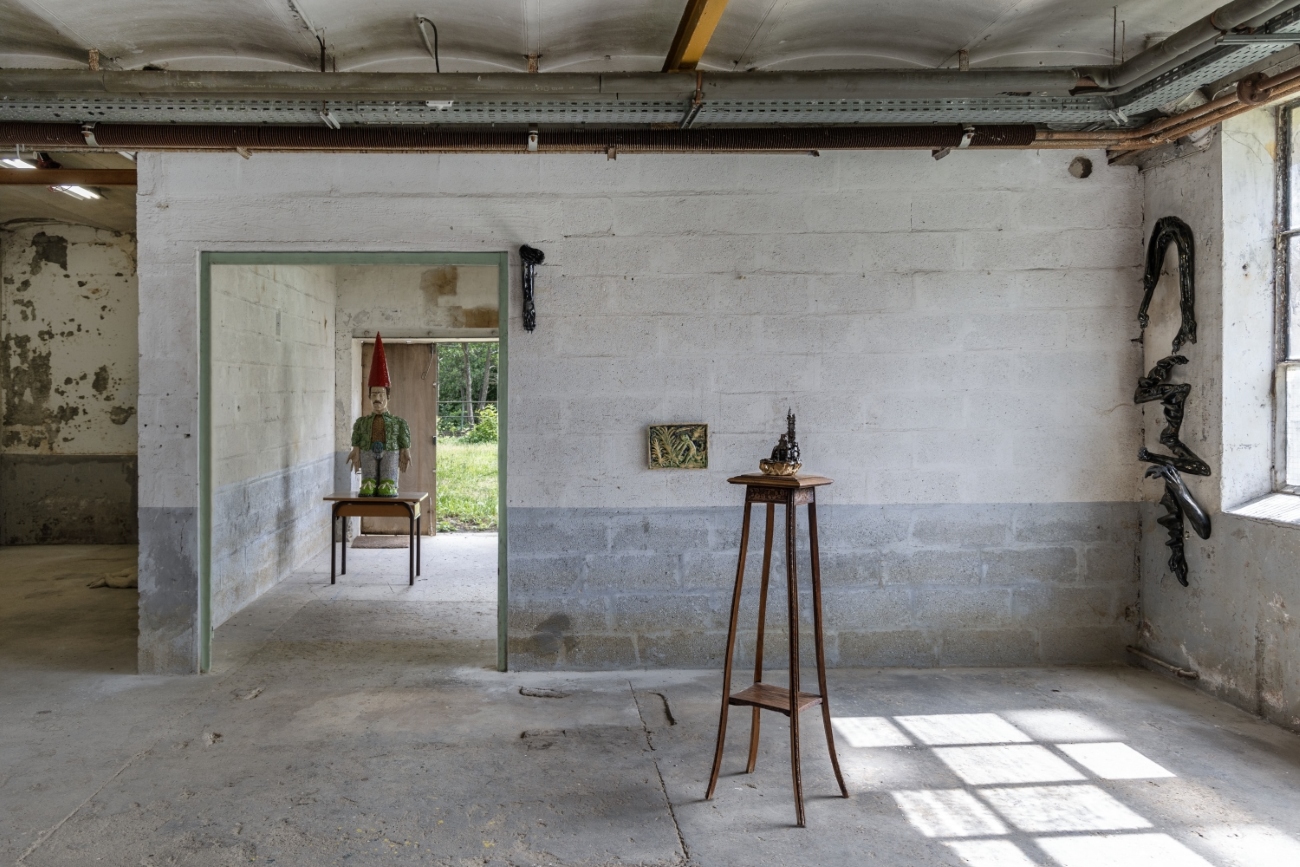
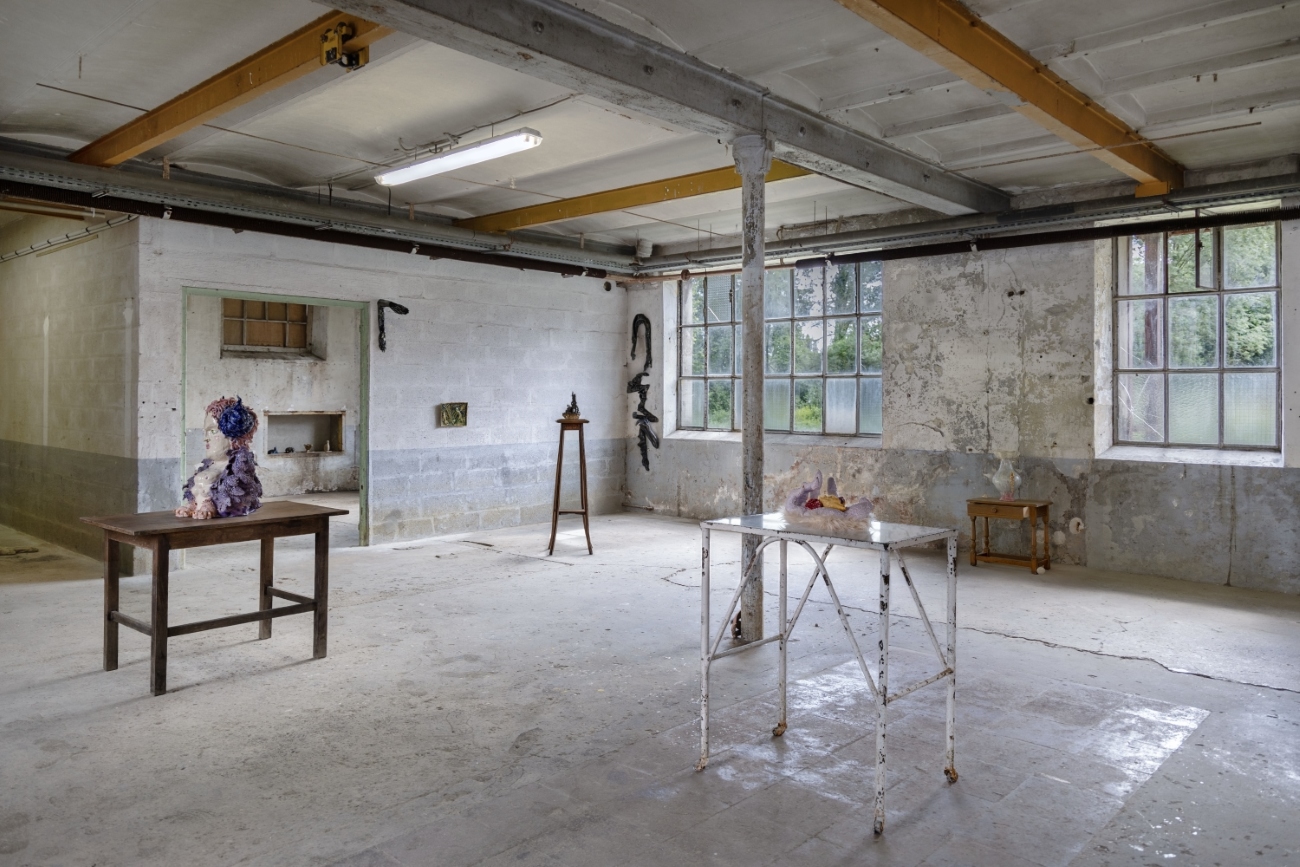
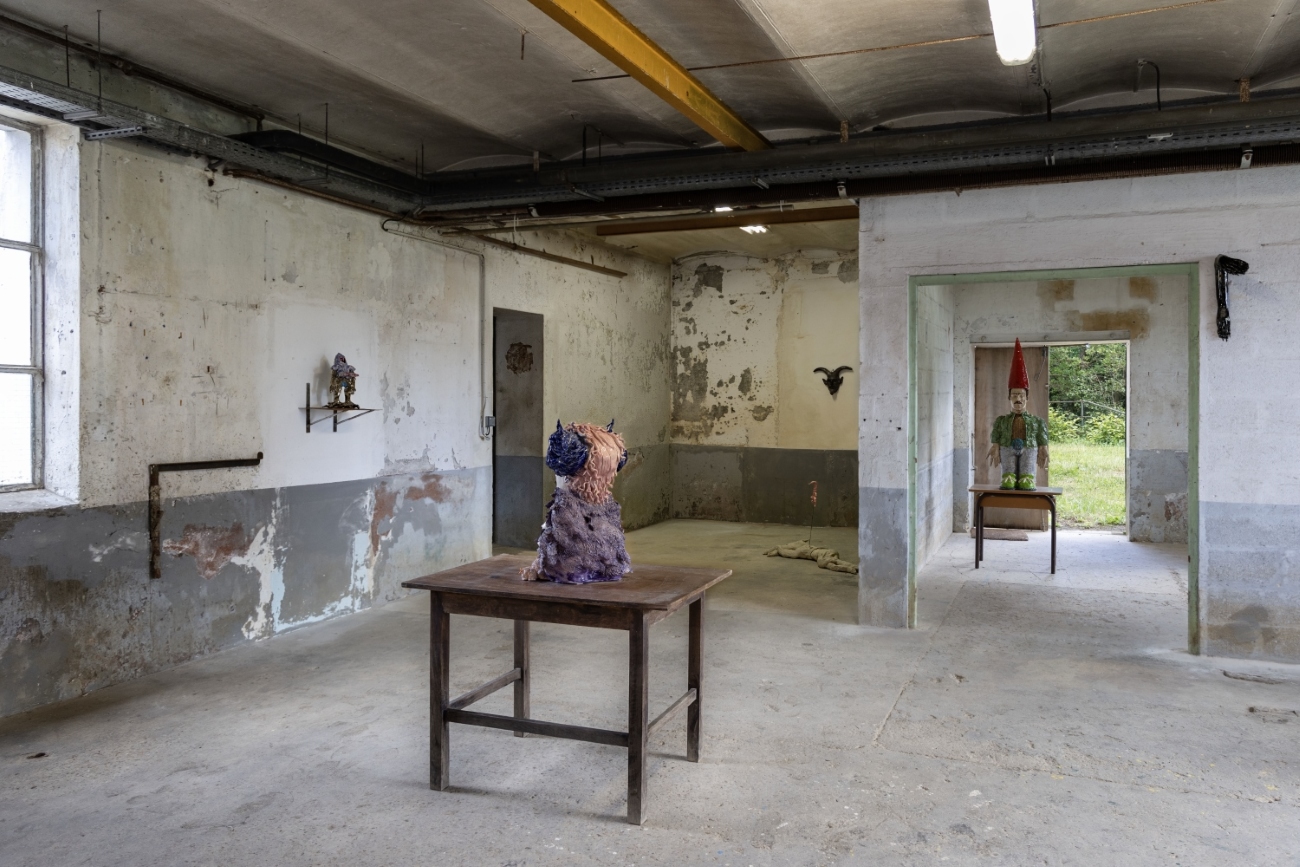
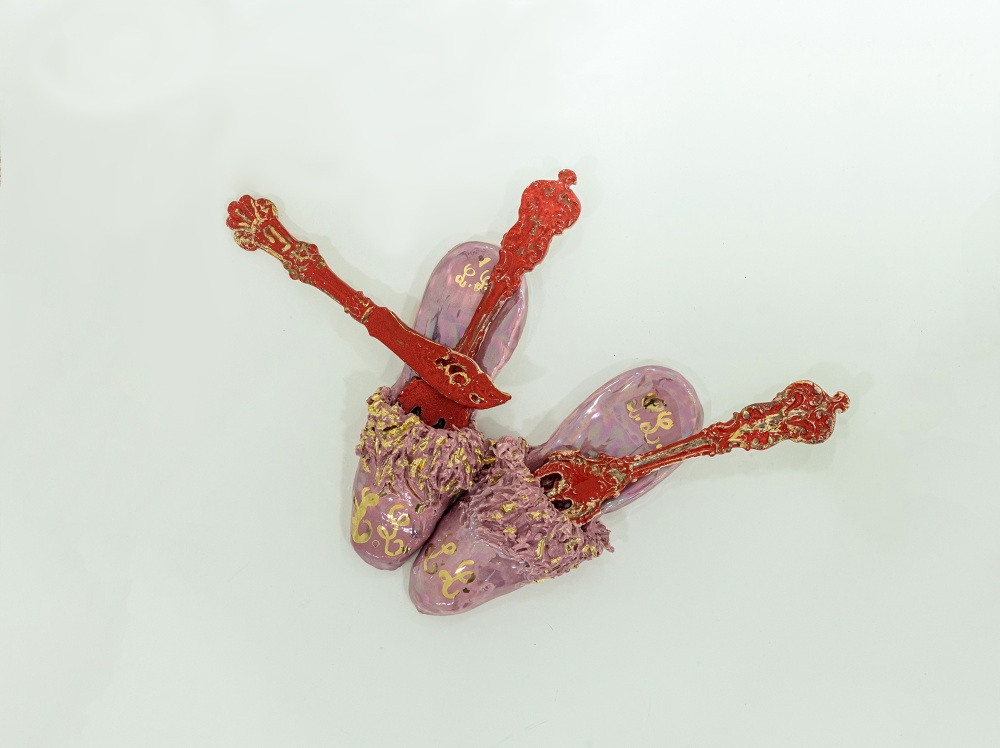
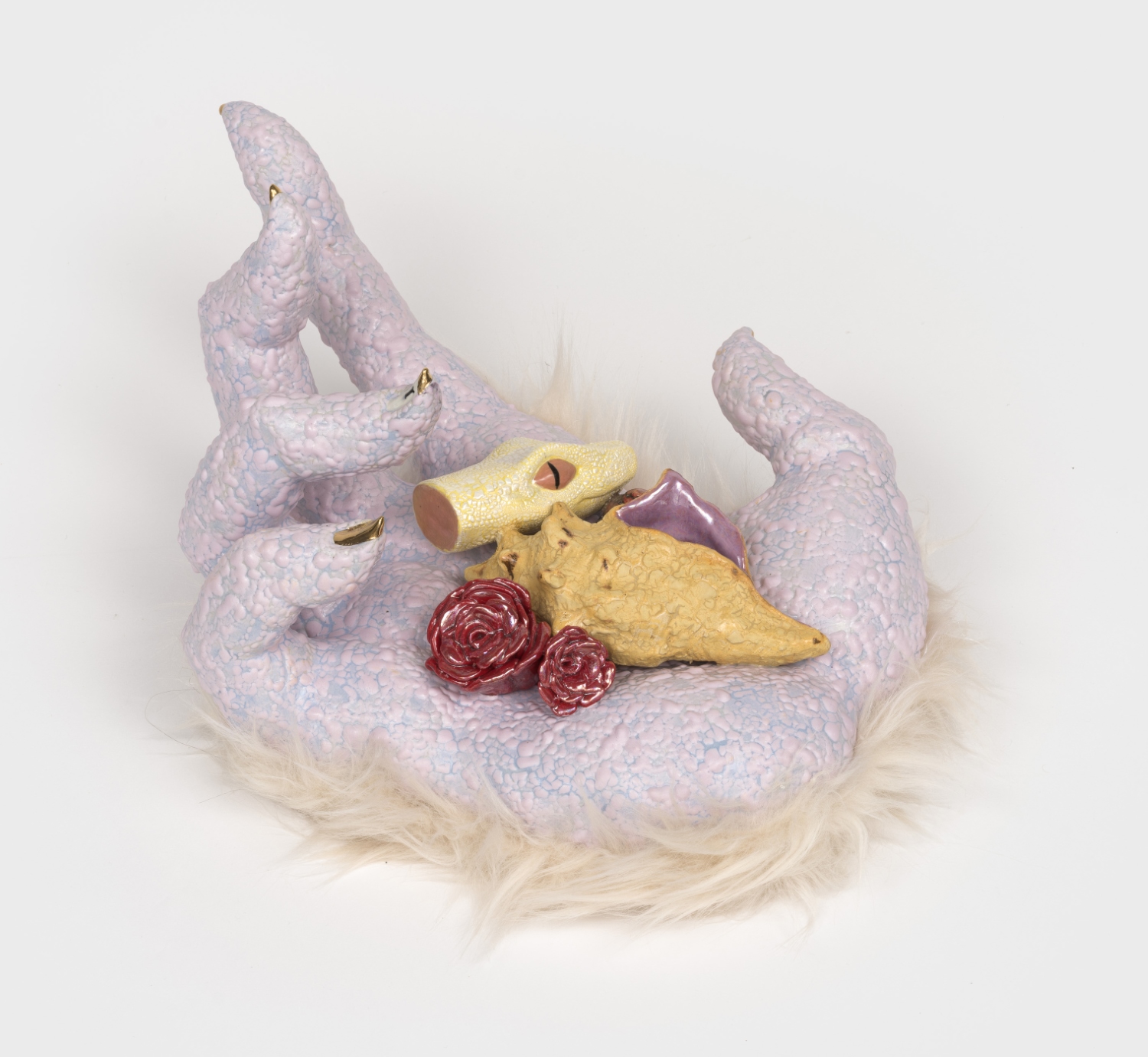
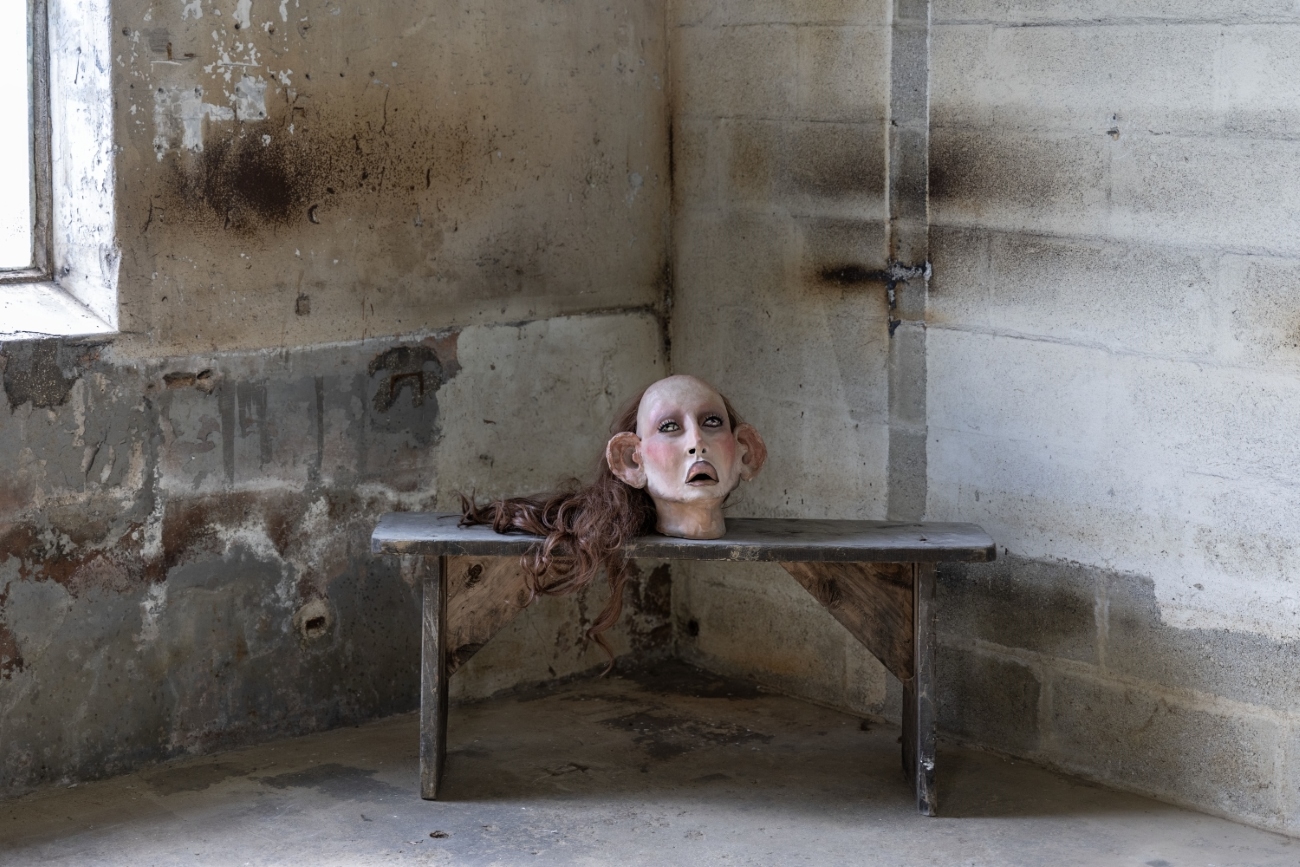
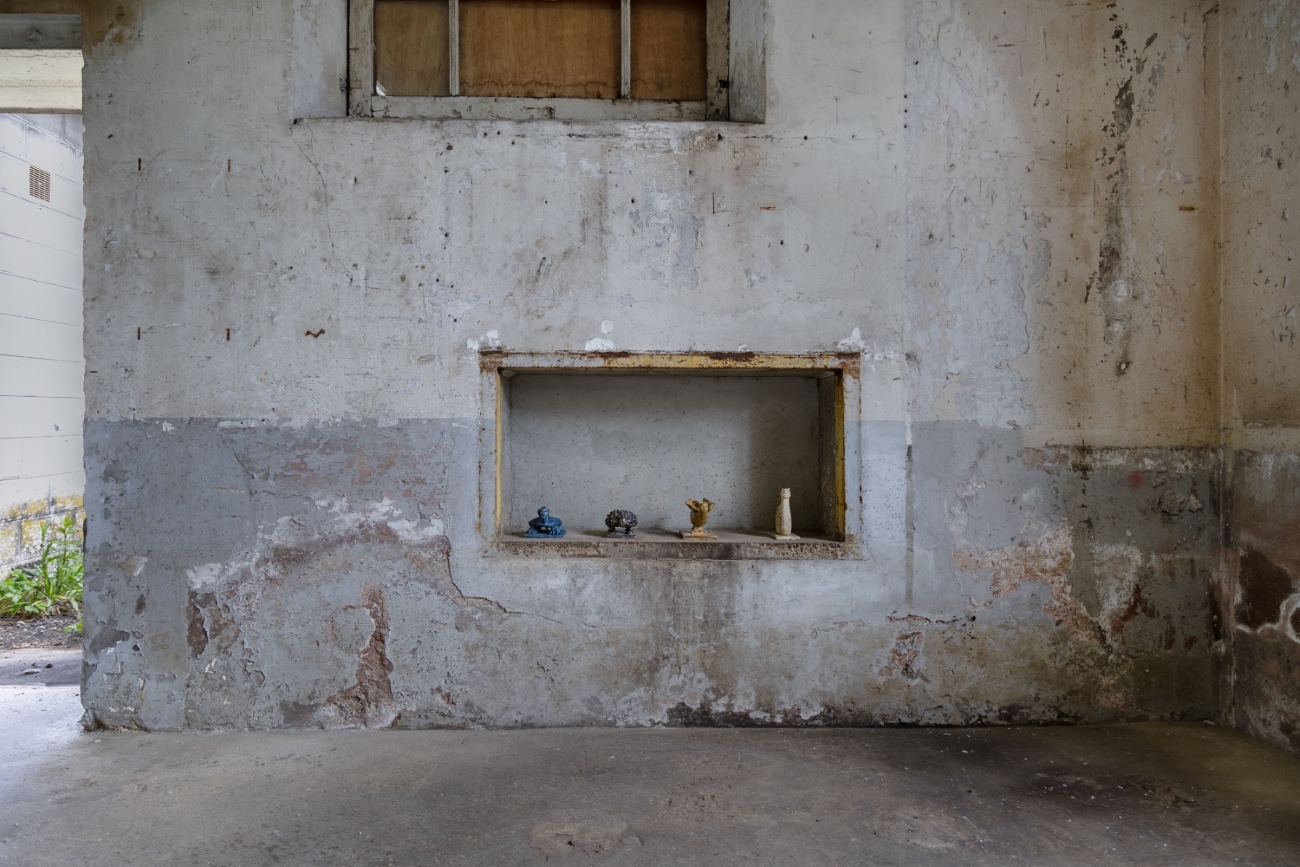
For Want of a Nail, the Golden Shoe was Lost is on view at Studio Orta – Les Moulins, Boissy-Le-Châtel
May 31 – July 5, 2026
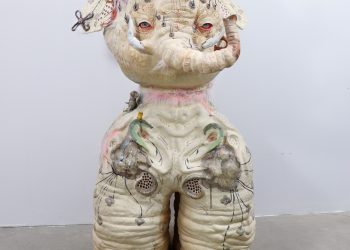
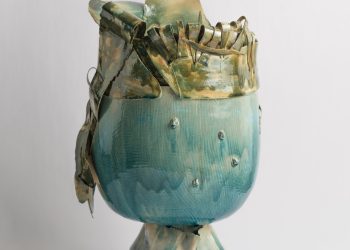
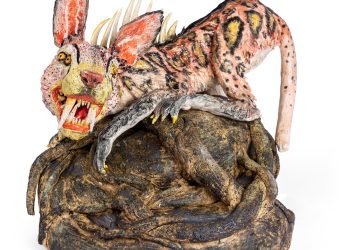
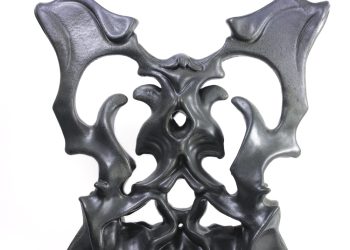
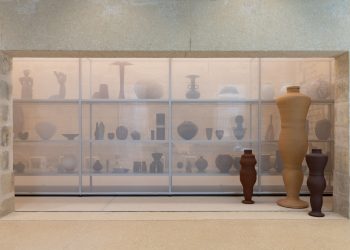
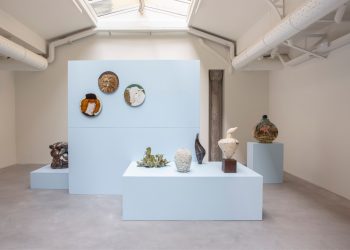
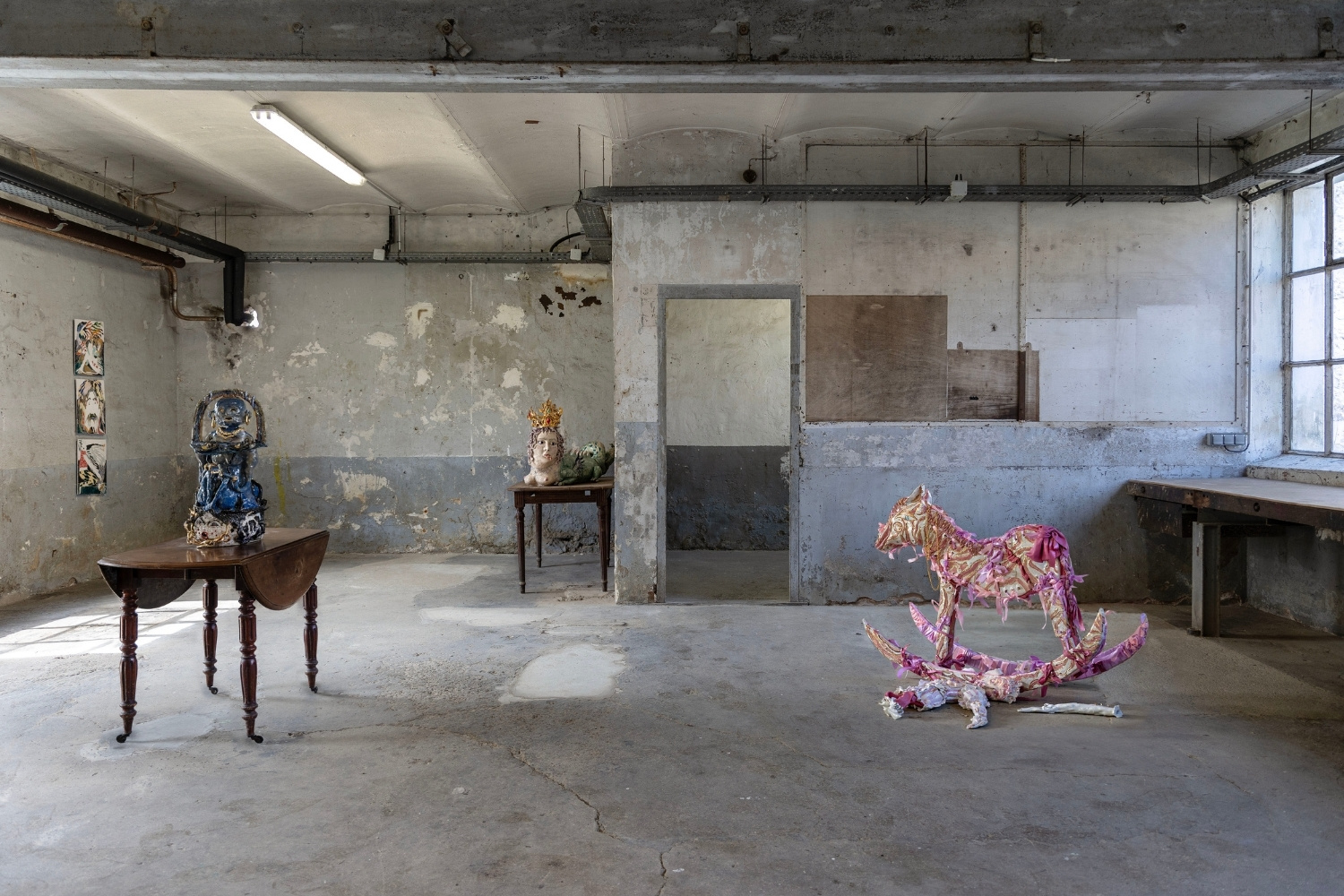
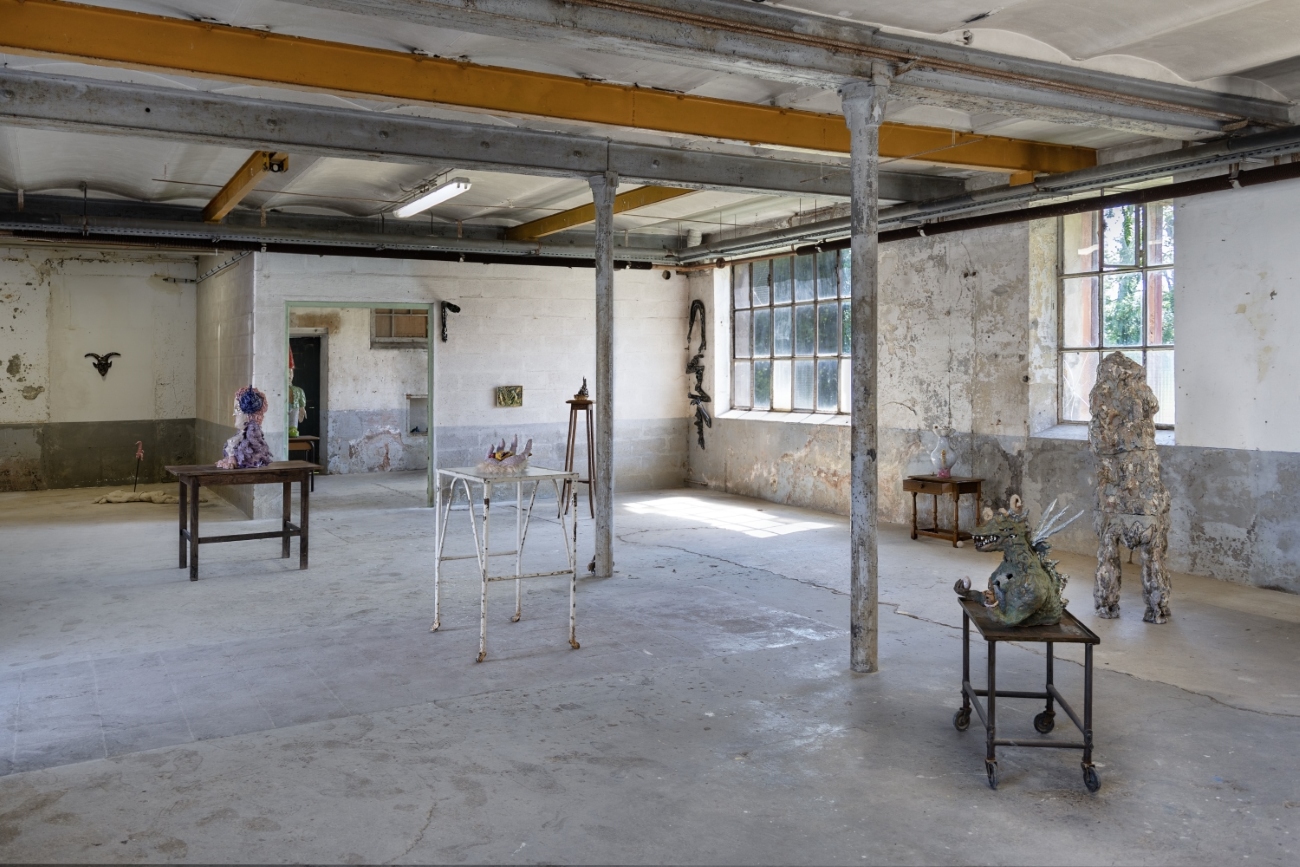
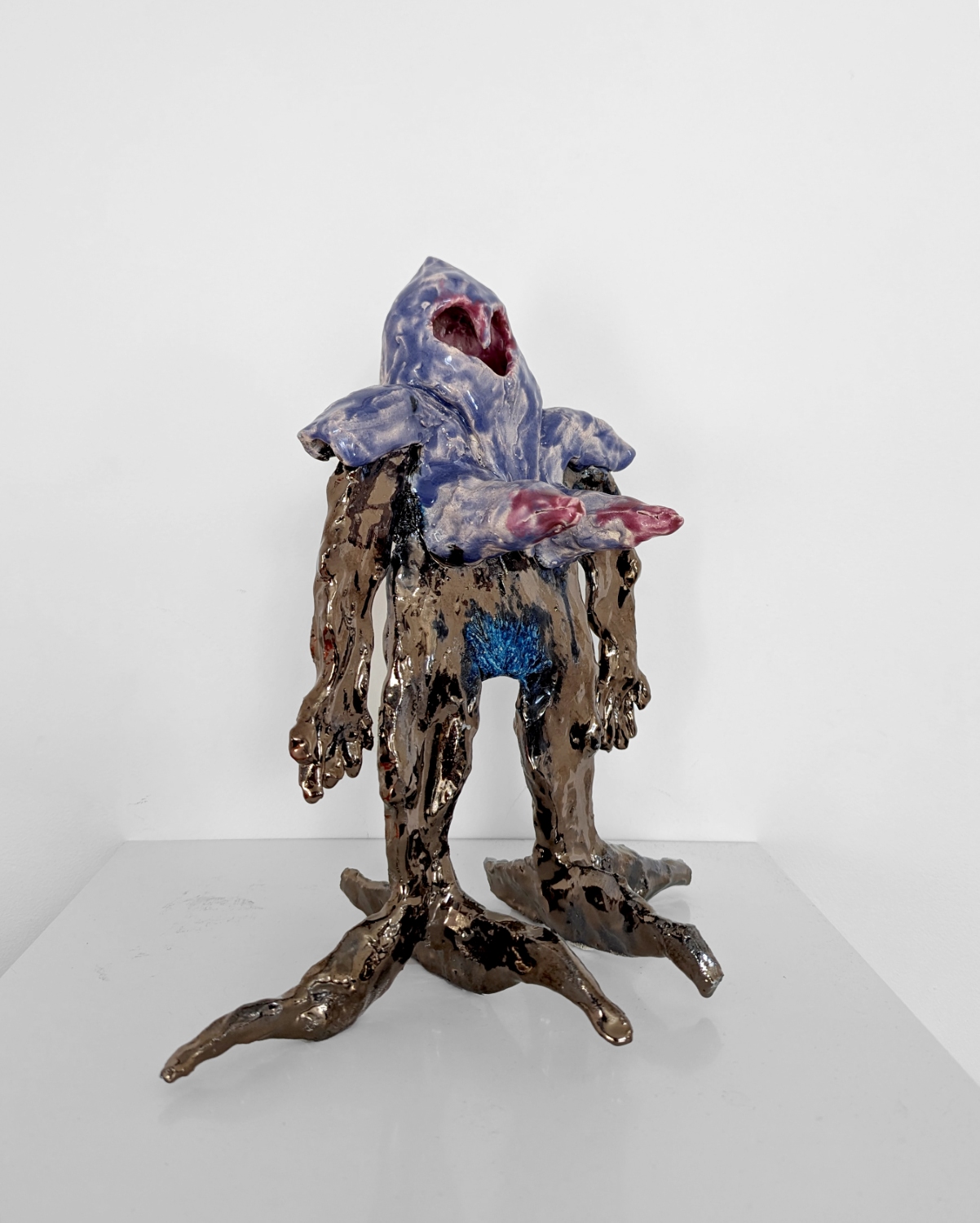
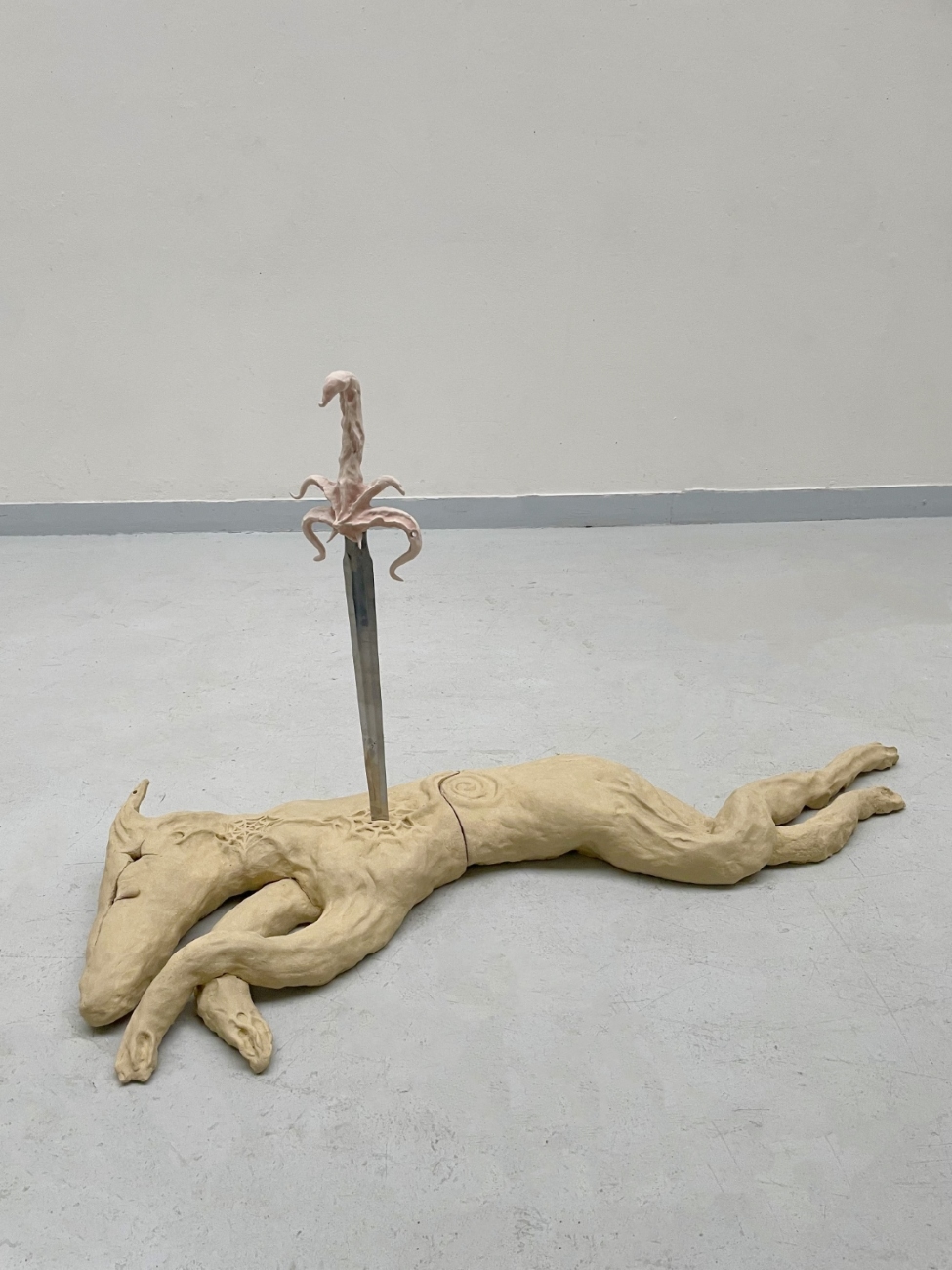
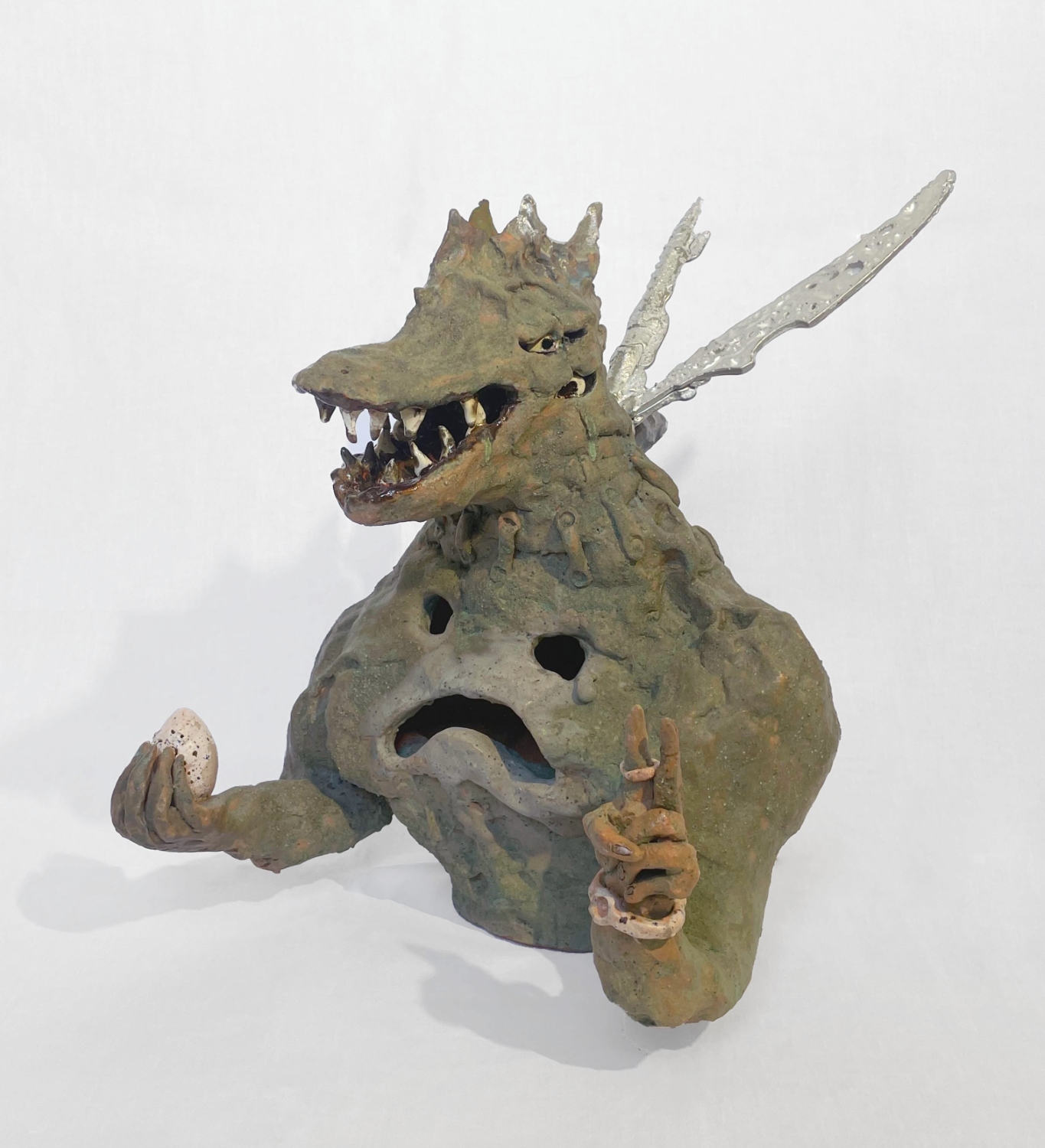
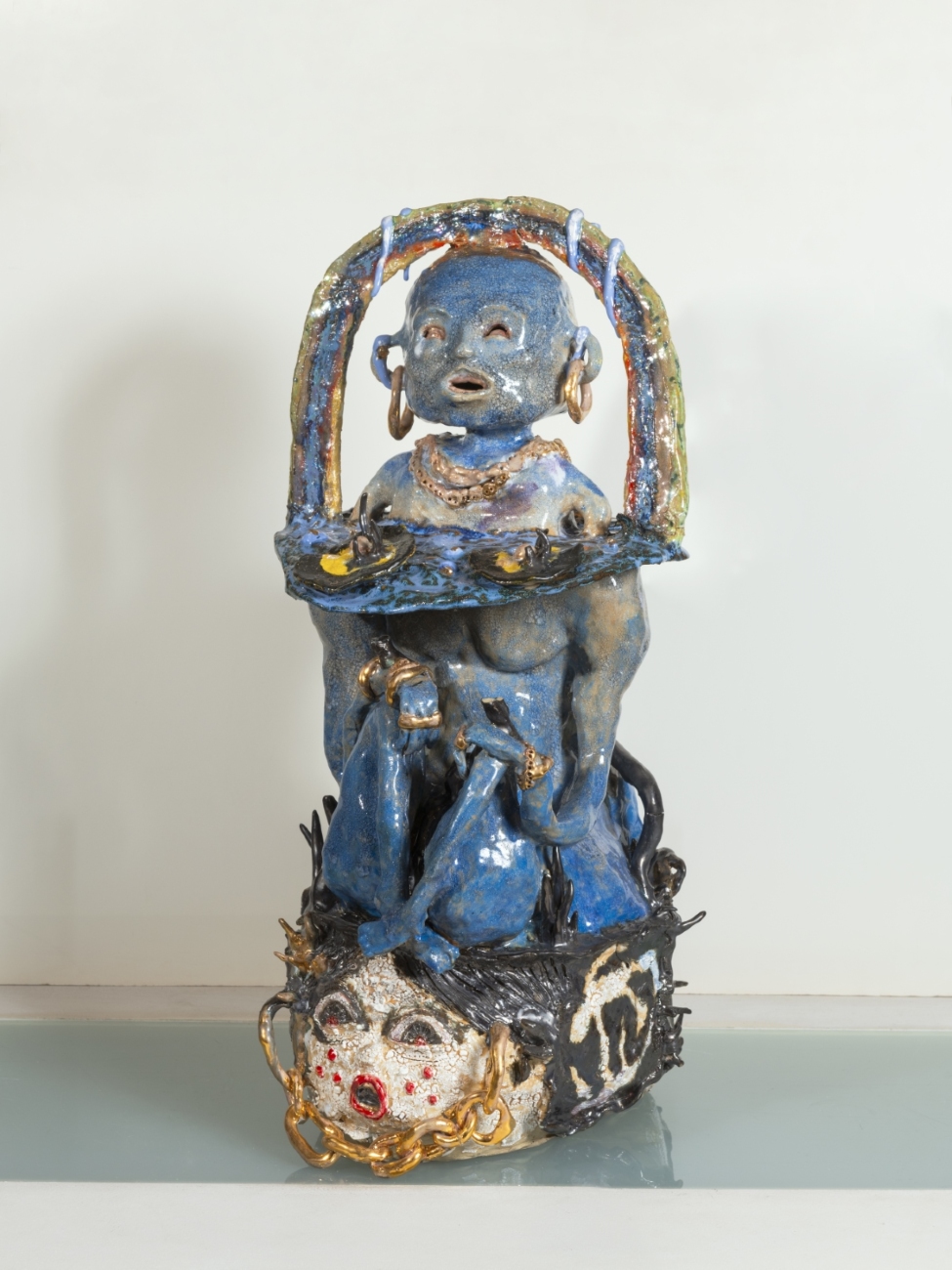
For Want of a Nail, the Golden Shoe Was Lost evokes the world of folk tales in an exhibition dedicated to ceramics. Through new symbolist languages and the imagination of magical realism, the works are permeated by the ambiguity of a mystified world and its unsettling dries. They function like relics of the memory of our childhood tales, while at the same Ume slipping into troubling territories that subvert the familiarity of these stories.
Featuring works by Arina Antonova, Valeria Carrieri, Margot Darvogne, Clément Garcia, Alejandro Garcia Contreras, Roxanne Jackson, Margaux Laurens-Neel, Barbara Léon Leclerq, Lucile Littot, Antoine Moulinard, Emily Orta, Théo Ouaki, Robin Penalva, Héloïse Rival, and Rufina Ruiz Lopez.
Curated by Inès Carrazé and Emily Orta.
Is there a connection between ceramics and vulnerability? In For Want of a Nail, the Golden Shoe Was Lost, this relationship emerges almost naturally. Ceramics seem to be defined by a contradiction: they possess something enduring, mineral, almost timeless, while remaining deeply fragile. These works become vessels of memory, forms in which ancient tales, collective imaginaries, and childhood recollections intertwine. Like alchemy, transformed clay remains unstable, capable of preserving stories while allowing them to drift, evolve, and mutate over time. An ambiguous innocence.
The folklore of certain images from my childhood continues to haunt me. I wonder where they have gone. I summon creatures dancing around the moon, clouds pierced by profane animals, and fireflies shimmering in the darkness. I wonder whether the pragmatic realism of adulthood condemns us to abandon this sacred melancholy.
Since I began learning ceramics, the artists who inspire me have served as guiding lights in my practice. Their singular worlds fascinate me. This exhibition project offers a unique opportunity to come together and recognize ceramics as a contemporary medium nourished by vastly different languages, narratives, and sensibilities, depending on the artists who shape it. It is also a way of moving beyond the decorative and ornamental traditions that are still too often associated with ceramics. I have been discussing this idea with Inès for several years.
I set out in search of these mirages through the work of artists. They alone allow me to recover the fables that mass culture has exorcised. What remains of Symbolism? Of magical realism? Of shooting stars to gather after they have fallen to earth? It seems to me that the artist Emily speaks to me about attempting to answer these questions. They are storytellers of our contemporary curses, and within their narratives, the invocation of epic tales and imaginary characters becomes a safeguard against the powerlessness of everyday life.
In For Want of a Nail, the Golden Shoe Was Lost, folklore overflows into both the materiality and the iconography of the works. Together, they form a cosmography of popular tales across civilizations. Théo Ouaki’s primordial myths stand alongside Robin Penalva’s troglodytic worlds and Valeria Carrieri’s Mediterranean fantastical bestiary. Lucile Littot’s baroque relics of childhood flirt with the pagan kingdoms of Alejandro García Contreras. The subversion of feminine power explored by Margot Darvogne, Roxanne Jackson, and Margaux Laurens-Neel recalls the historically subordinate position assigned to women within modern Western narratives, while asserting the need to reawaken the chimerical powers they once embodied in Neolithic cultures. Antoine Moulinard likewise draws upon archaic magic, applying it to the spectrum of contemporary vernacular culture. Then there are Héloïse Rival’s mischievous fables, which naively adorn our daily lives, haunted by the malignant carcasses conjured by Barbara Léon Leclercq, or besieged by unsettling villains, the marginal figures embodied by Rufina Ruiz Lopez’s diablo mexicano and Clément Garcia’s masquerades. These disguised faces interrogate the archetypal figure of evil found in fables, transforming it into a raw sensibility in which menace becomes inseparable from fragility and vulnerability. Folkloric transmission belongs as much to the world of the living as to that of the dead, and it is by the light of the fire at night that the stories of funerary rites, sublimated by Arina Antonova, continue to circulate.
Although the figurative language of these works immerses us in distinct and situated worlds, they function less as literal narrations than as evocative forces that conjure enchanted imaginaries. Together, they form a constellation of dreamlike connections, restoring the vernacular function of the folktale; its liberating projections and its transgressive spaces. The transformation of oral storytelling into literary fairy tale during the eighteenth century gradually displaced this power, reducing it to a more normative and moralizing framework.
I realize that I am no longer simply seeking to dream or to escape. In this pursuit of the marvelous, I carry the banner of imagination in its struggle against the rationalizing forces of capitalist cultural industries. In this epic journey, magical creatures emerging from the earth guide me toward the eternal.
Perhaps, in our relentless desire to name what we see, we ultimately exhaust its possibilities. Some forms ask less to be understood than to be followed.
Text by Inès Carrazé & Emily Orta
Contact
cecile@studio-orta.com
Studio Orta – Les Moulins
48 rue des Papeteries
77169 Boissy-Le-Châtel
France
Installation views by Allison Borgo
Captions
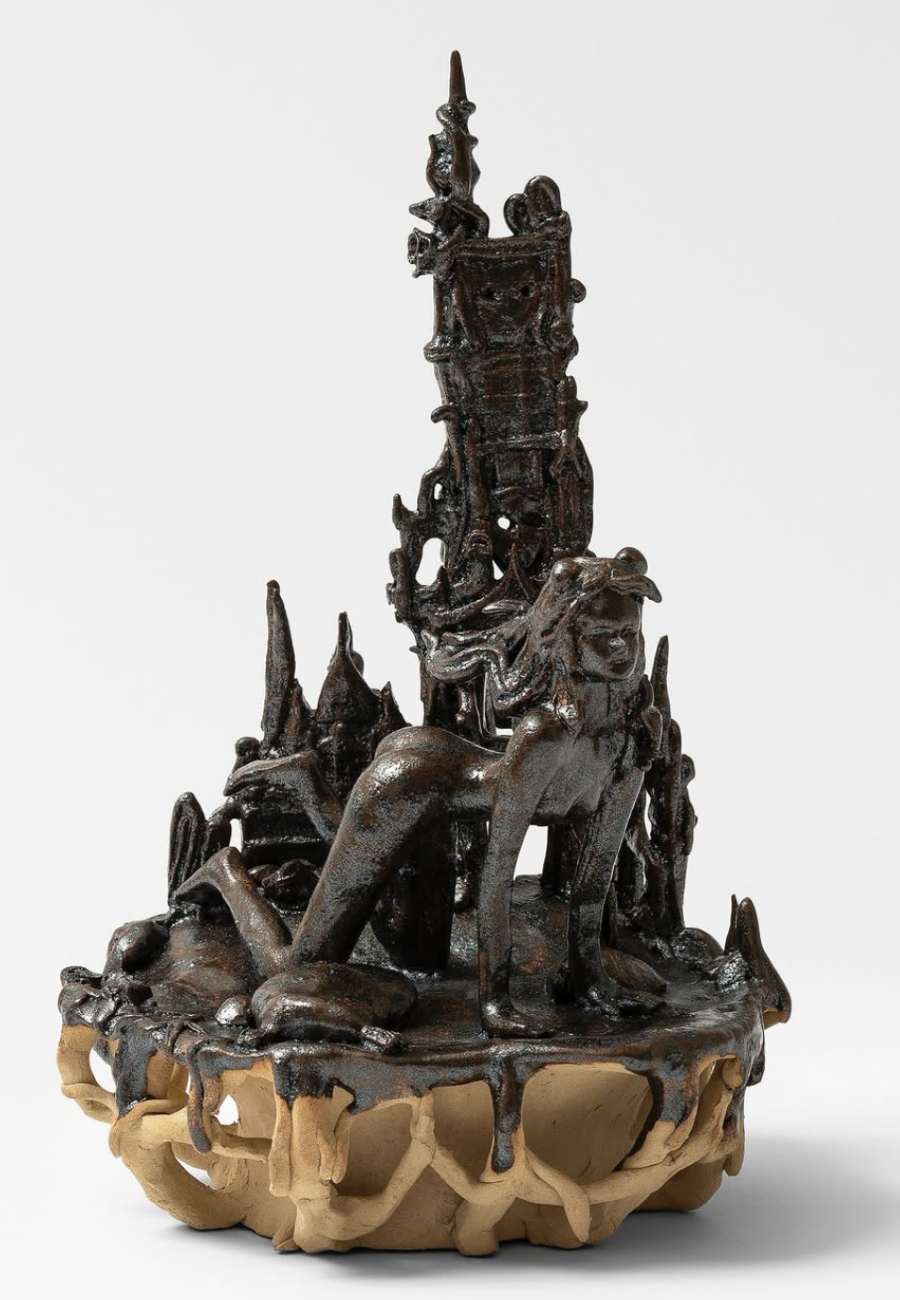
- Alejandro Garcia Contreras, El Palacio de Asuka, 2024, High-temperature glazed ceramic. Photo: Antoine Vanoverschelde – HV Studio
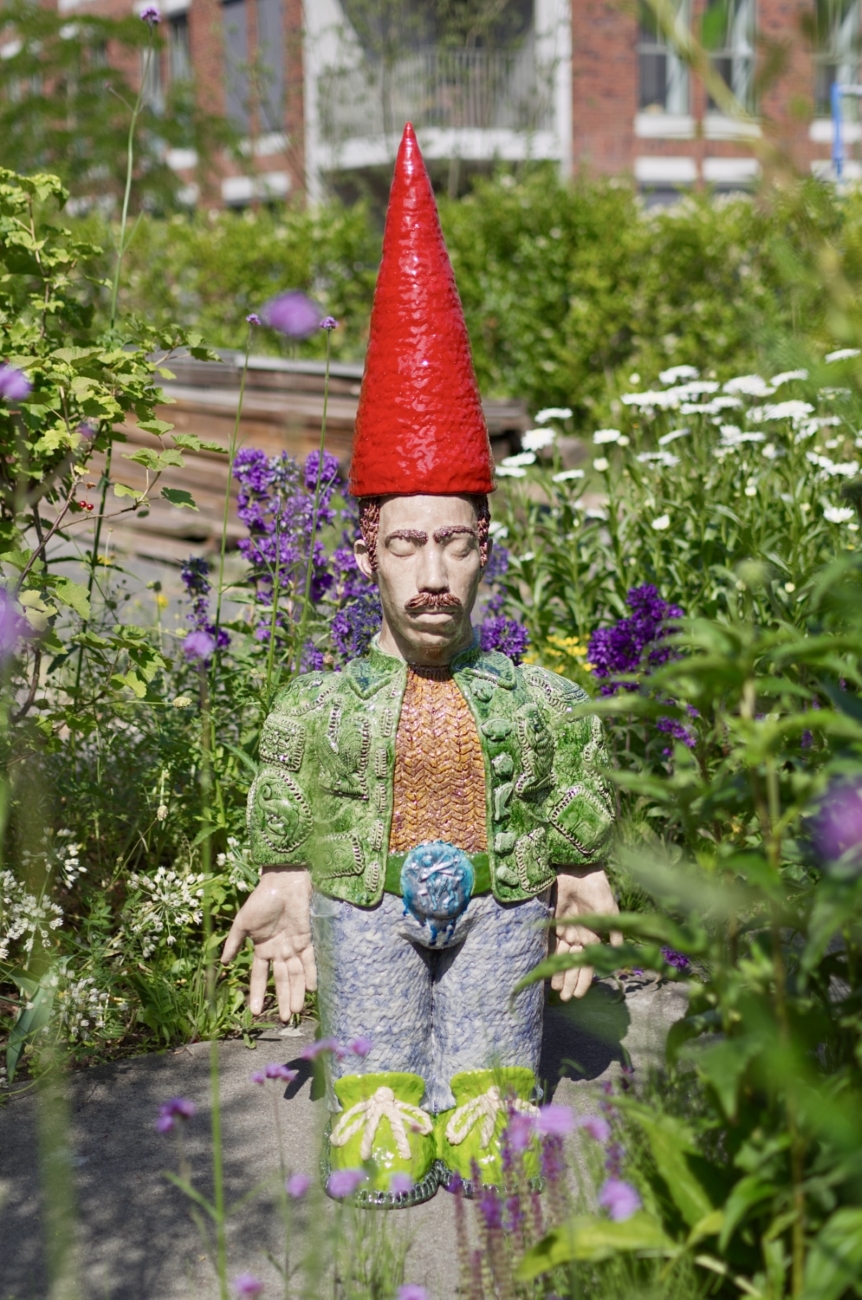
- Antoine Moulinard, Portrait de l’artiste en nain de jardin, 2025, Grès émaillé, 135 × 40 × 35 cm. Photo: Ad Van Lisout
- Arina Antonova, Oyster Urn, 2026. Photo: Santino Lamorte. Courtesy of the artist
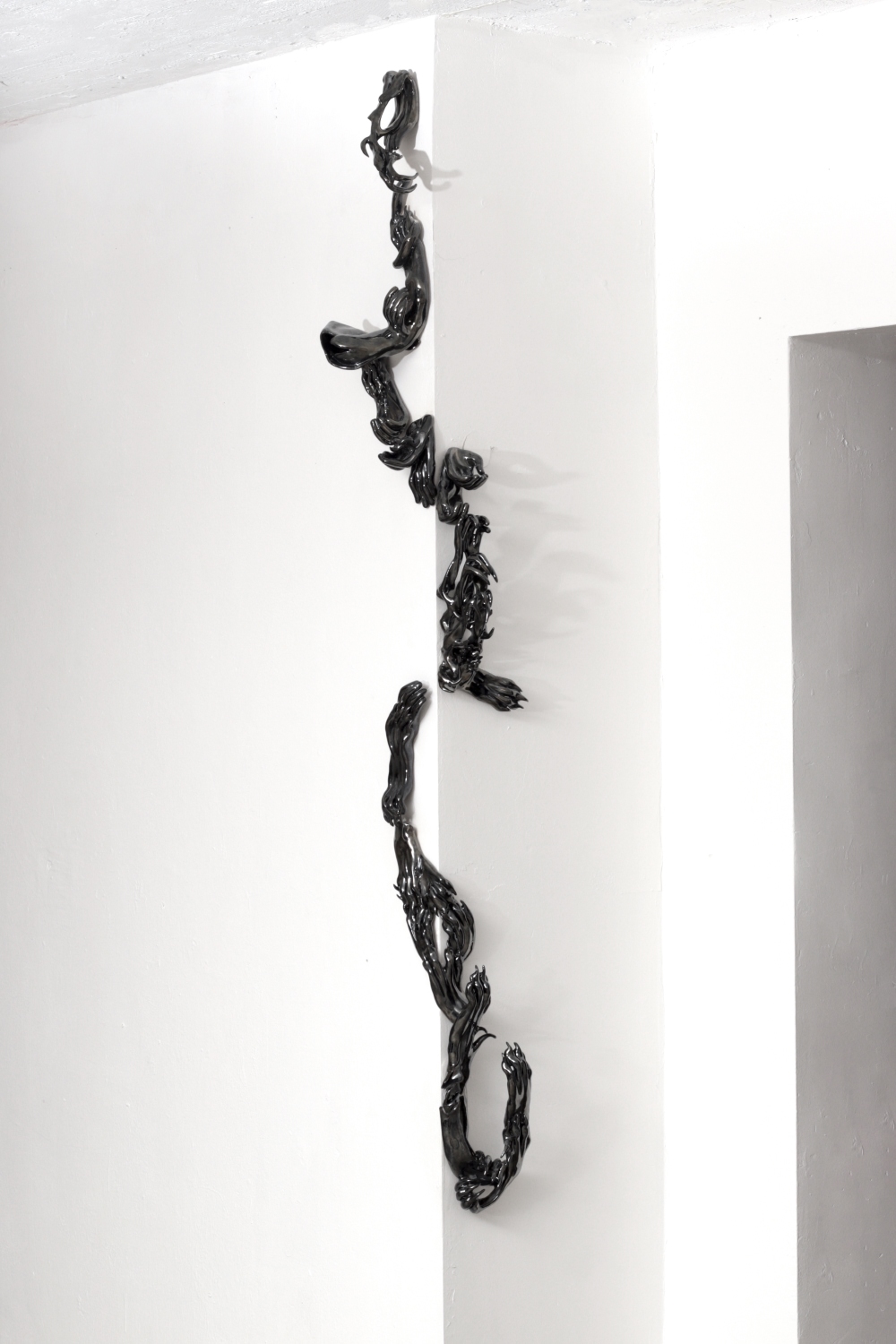
- Barbara Léon Leclercq, LIGNES, 2022-2025, Grès céramique émaillé, approx. 50/70 × 40 × 35 cm each. Photo: Théo Desmaizières
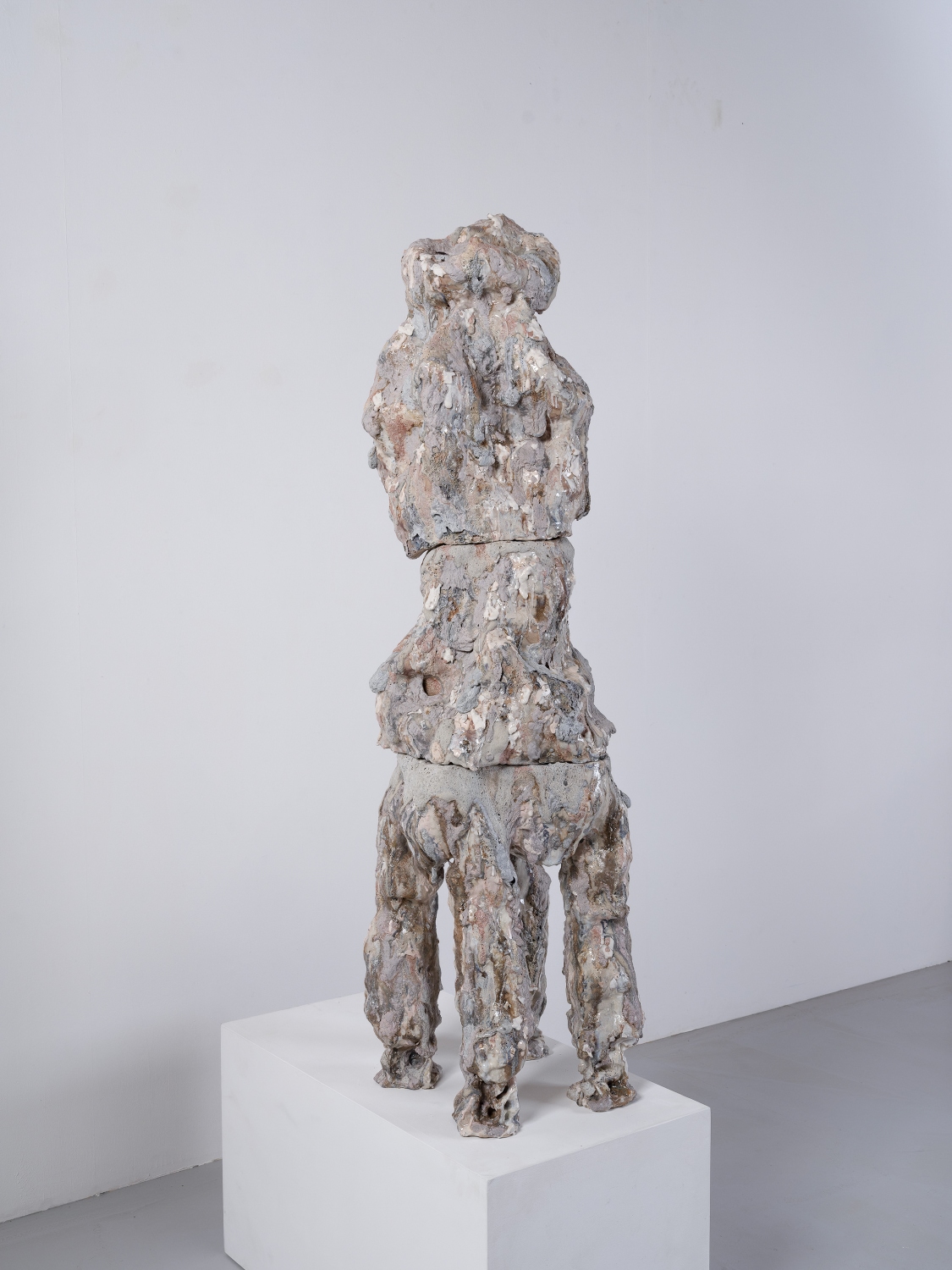
- Emily Orta, Rosamund, 2025, Glazed stoneware, 148 × 38 × 42 cm. Photo: Bertrand Huet
- Margot Darvogne, Guerillière du Love, 2025, Céramique, 35 × 23 × 20 cm
- Robin Penalva, Mélencol-lit2mort, 2023, Grès and acier, 140 × 54 × 14 cm
- Robin Penalva, GOMORA, 2025, Grès émaillé and étain, 55 × 36 × 51 cm
- Théo Ouaki, Be Water, 2023, Grès émaillé, 70 × 35 cm diameter
- Lucile Littot, Lucile In The Sky With Diamonds, 2021, Faïence, émail, and lustre or, 5 × 33 × 40 cm. Photo: the artist and Galeria Duarte Sequeira
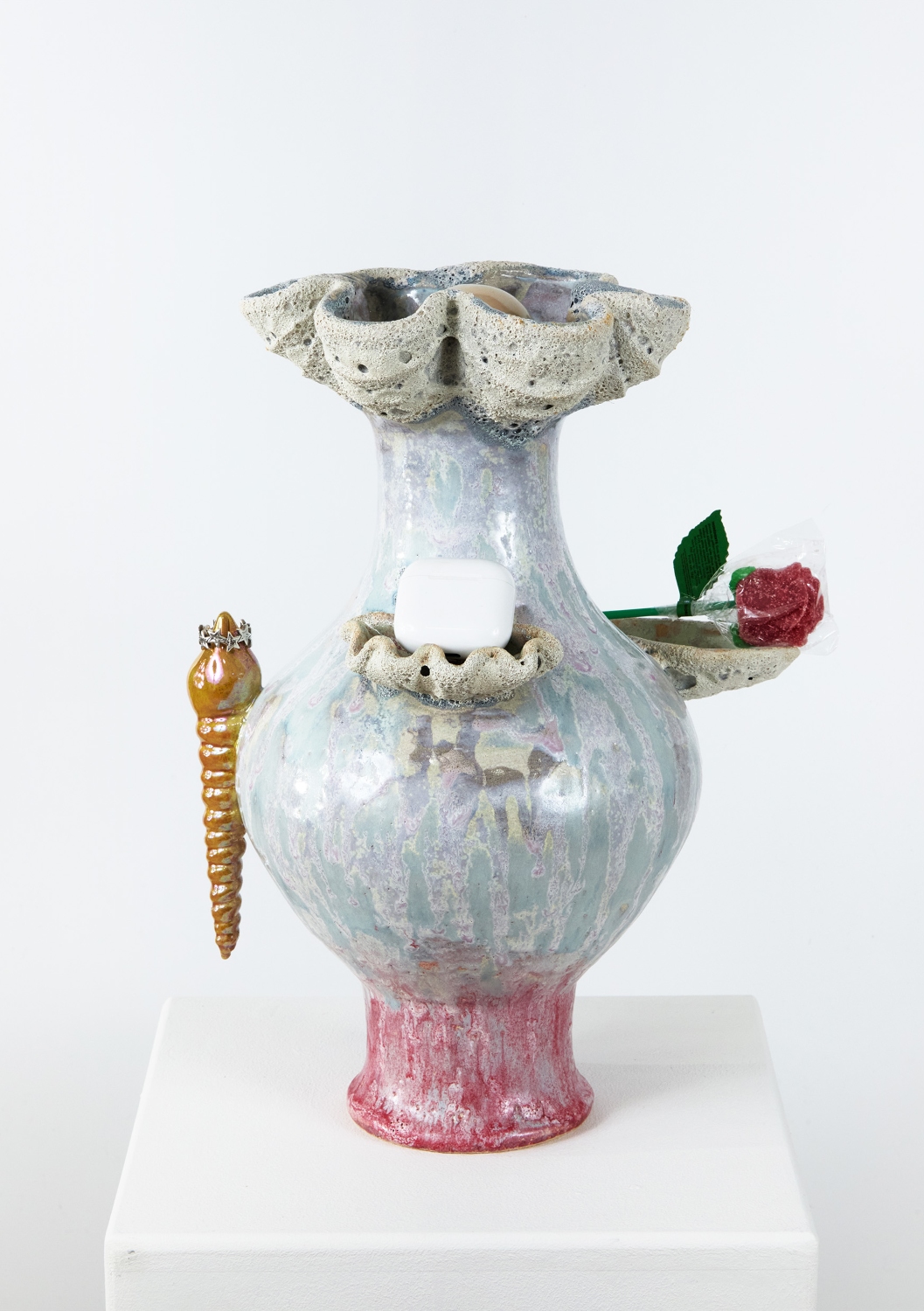
- Roxanne Jackson, Candie, 2025, Ceramic, glaze, luster, and faux fur, 40 × 19 × 26 cm
- Clément Garcia, Selfmade ultime qui tient debout c’est pas facile (EXTRAIT), 2022-2023. Photo: Allison Borgo
- Valeria Carrieri, Storno – Tartaruga – Porcospino – Lumaca, 2026, Céramique émaillée, approx. 17 × 12 × 9 cm. Photo: Allison Borgo. Courtesy of the artist and Salemi Ceramics