By Katherina Perlongo
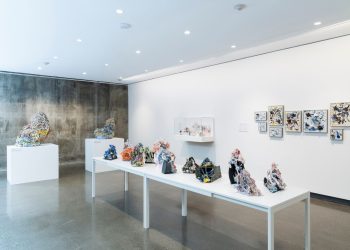
From November 8, 2025, to October 4, 2026, the GRASSI Museum of Applied Arts in Leipzig presents the exhibition GEFÄSS / SKULPTUR 4, presenting a remarkable collection of over 300 ceramic works by dozens of artists from five continents. This exhibition highlights for the forth time the museum’s growing focus on contemporary studio ceramics and serves as a distilled reflection of its extensive collection, enriched by significant donations and acquisitions over the years.
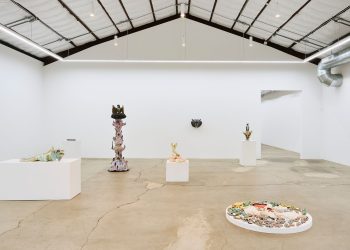
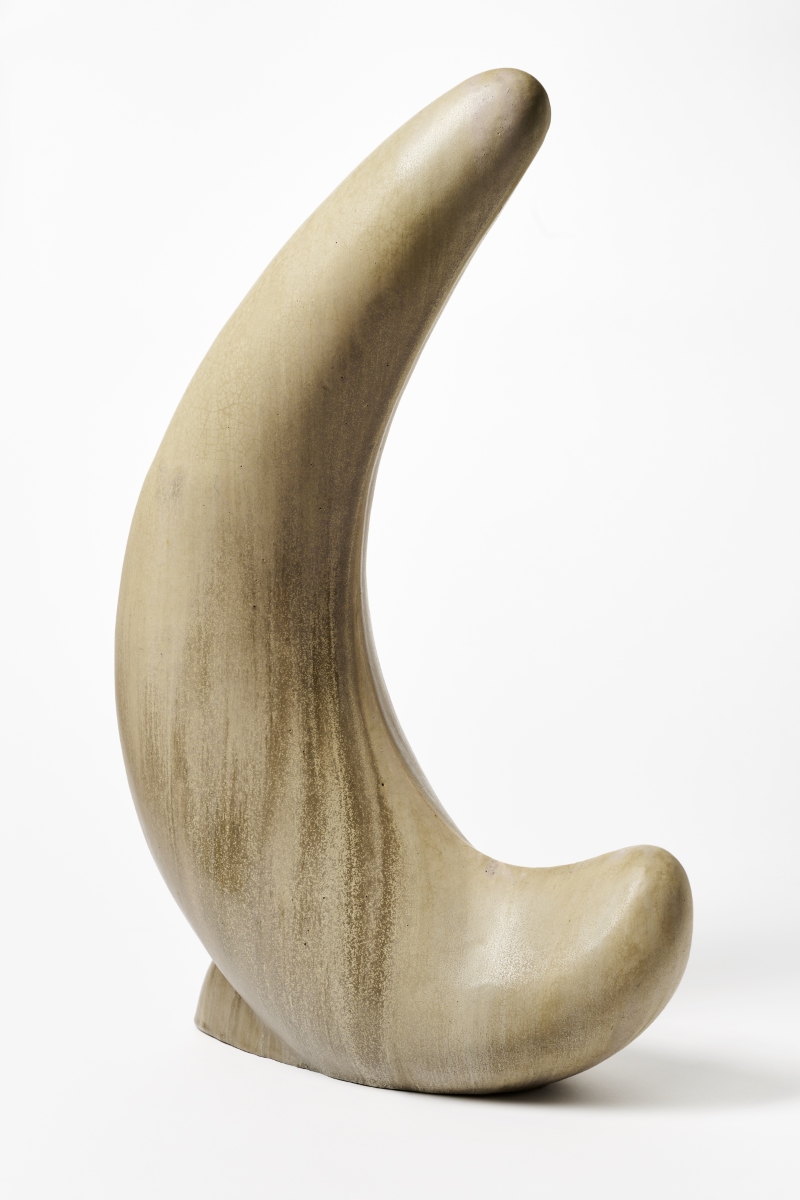
At the heart of the exhibition lies a profound exploration of the relationship between functional vessels and autonomous sculptures. The diverse artistic approaches are reflected spatially, as vessels and sculptures face each other along two central display rows. Rather than presenting them as opposites, the exhibition encourages an engaging dialogue intended to stimulate ongoing reflection. Visitors are invited to ponder the question posed in the exhibition text: Where does the vessel end, and where does sculpture begin? This setup reveals how modern studio ceramics have increasingly transcended mere utility, tracing the evolution of ceramic artistry from the post-war era to contemporary practices while emphasizing the dynamic interplay between form and function.
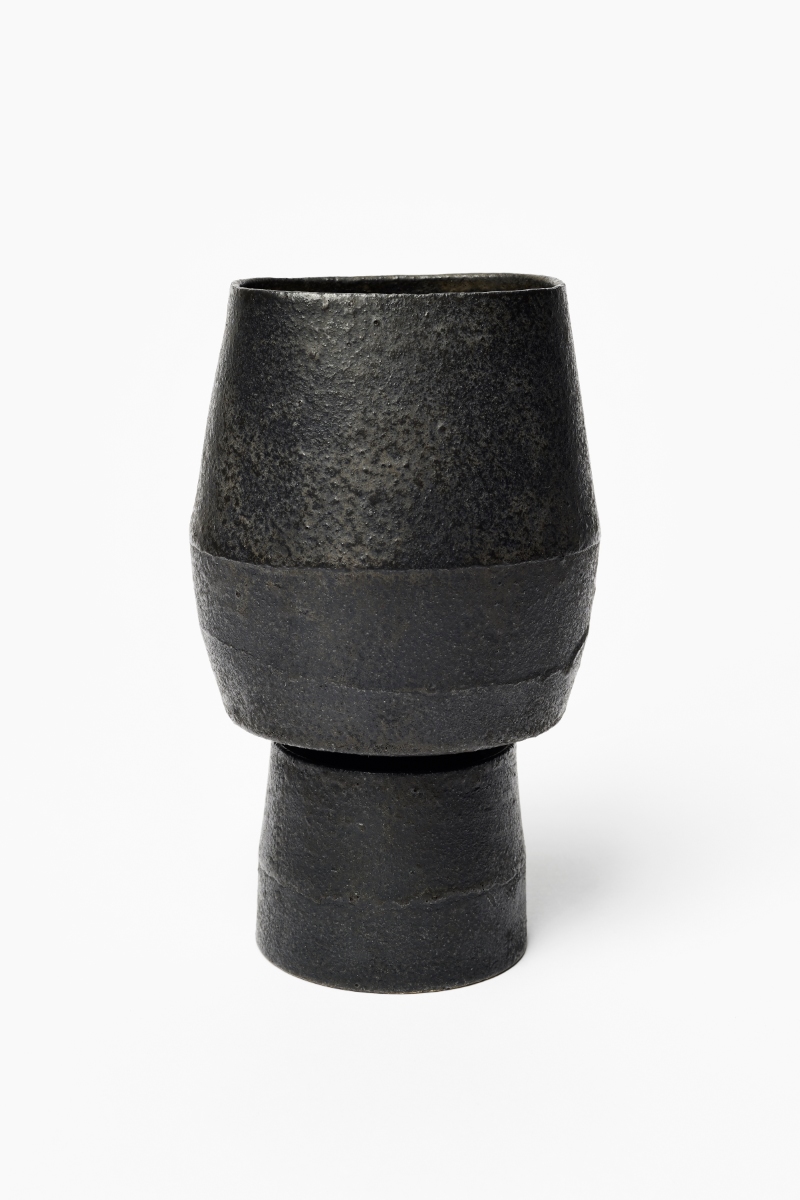
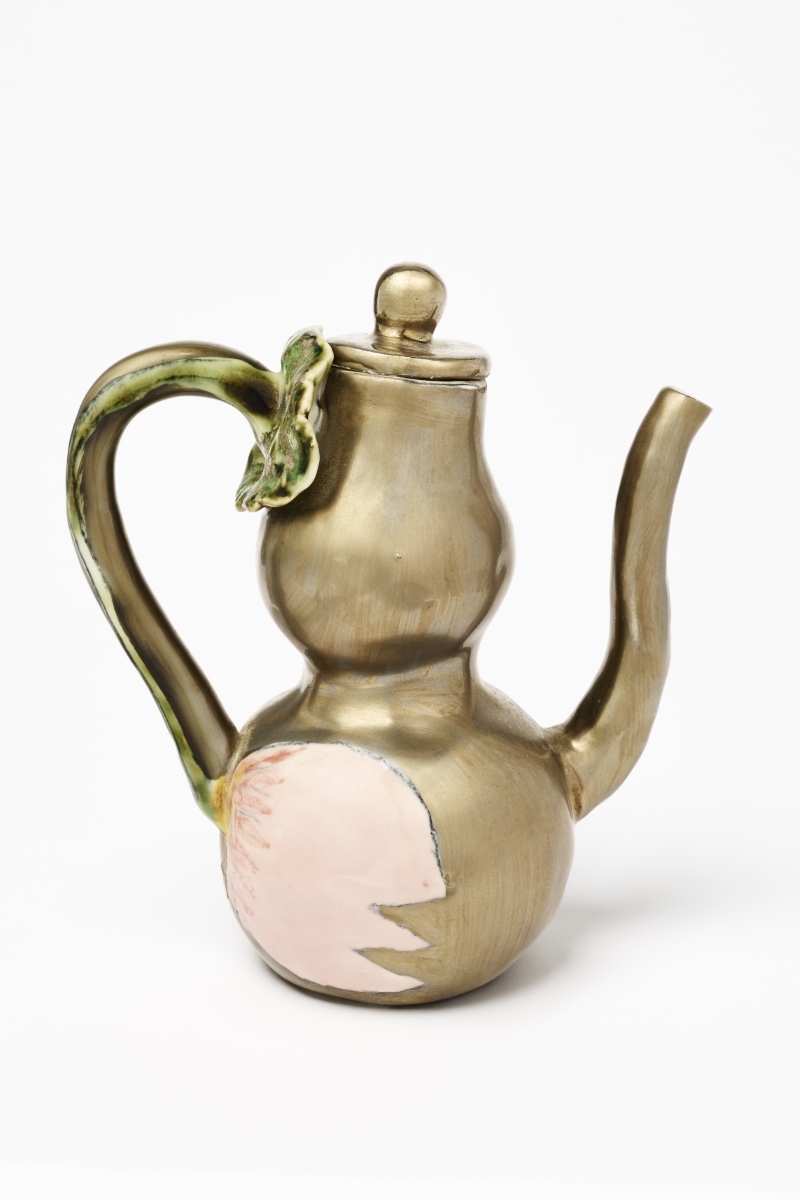
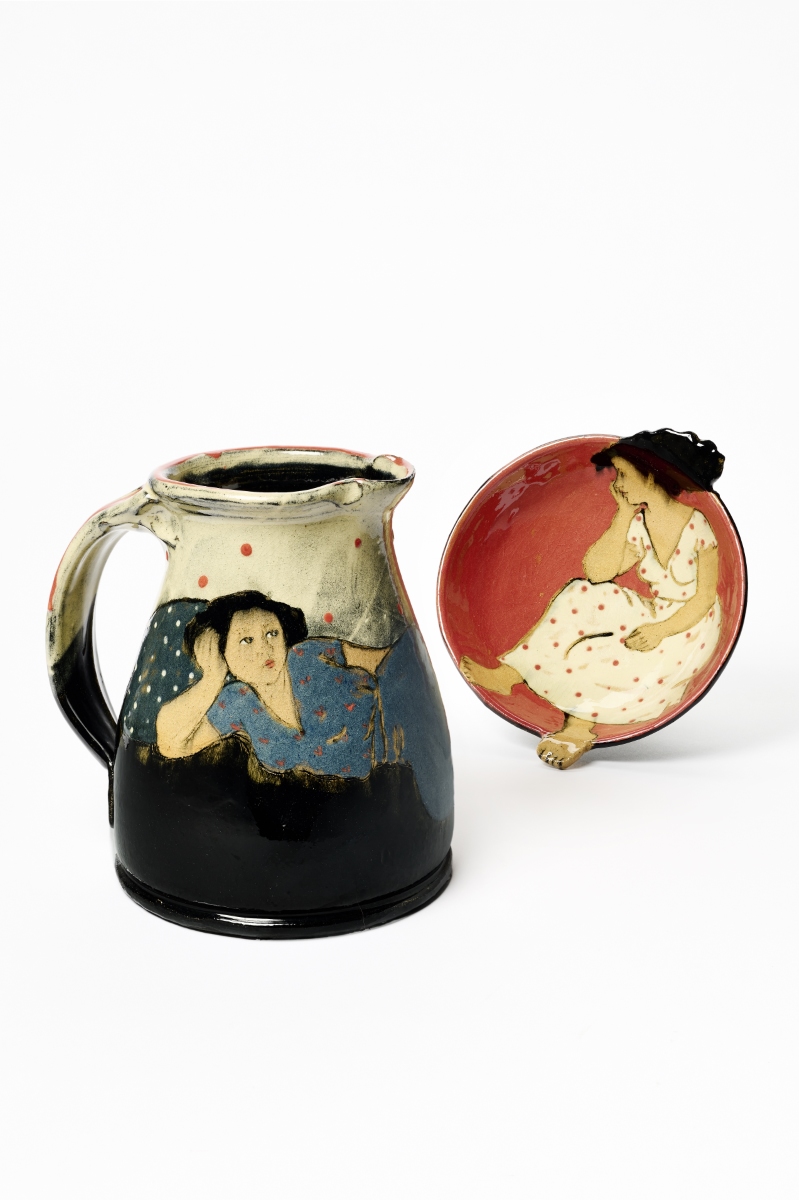
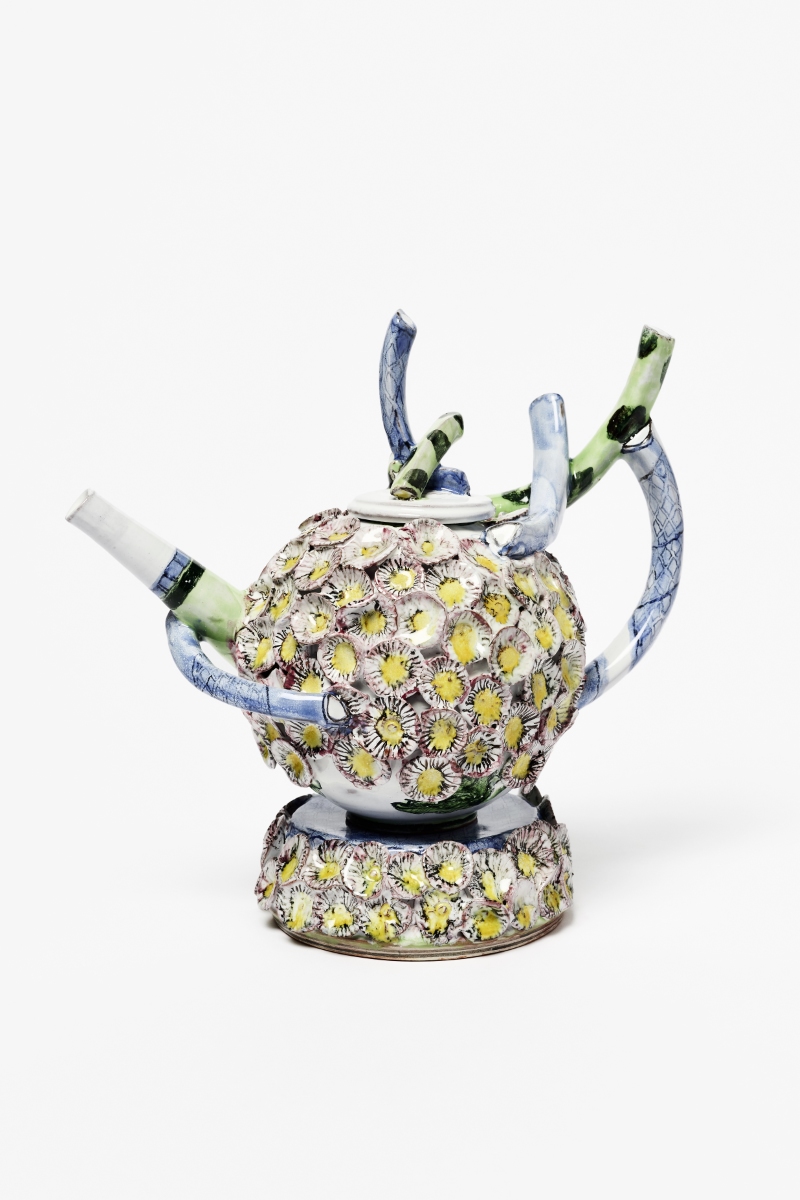
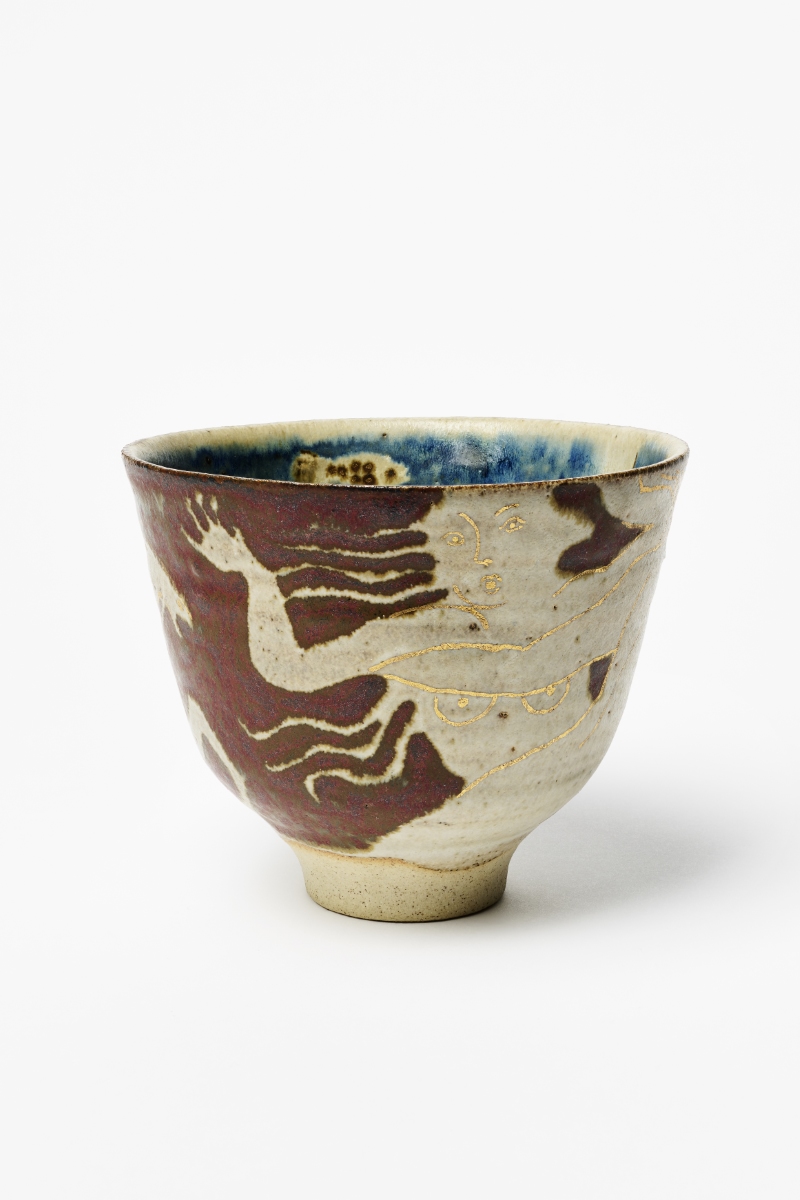
Notable works from the late 1940s to the 1970s, classics of the studio ceramic movement, such as those by Richard Bampi and Albrecht Hohlt, as well as by Lucie Rie and Hans Coper, illustrate the initial commitment to traditional vessel forms while simultaneously hinting at emerging sculptural intentions. Especially at the beginning of the exhibition, several works appear that can still be clearly assigned to the realm of the vessel, yet subtly begin to probe the limits of the functional object. This exploration unfolds in markedly different ways. At times it is playful and poetic, as in the 2010 teapot by Chikako Yoshikawa: a porcelain form whose handle sprouts a delicate green leaf, suggesting a quiet transformation from utility to organic metaphor. A similarly tentative gesture can be observed in the work of Louise Gardelle. In her 1992 bowl, the depicted female figure gently disrupts the vessel’s boundary – the flowing hair and a dangling foot extend beyond the rim, marking a cautious yet deliberate attempt to transgress the defined contour. A more assertive approach emerges in the 2013 teapot by Sonngard Marcks. While still recognizably functional, its surface is overgrown with a profusion of blossoms from which branches extend outward, rendering handling difficult, if not impossible. Here, the tension between usability and sculptural autonomy becomes unmistakably pronounced. This development reaches a decisive point in the work of Beate Kuhn. Her piece Plastik Musik I (2007) resists any immediate classification as a vessel. Evoking organic life forms – reminiscent of underwater landscapes with corals, shells, and algae – it nevertheless retains openings and expansive gestures that faintly echo the idea of a bowl without fulfilling it. Additional works by Kuhn in the exhibition further expand this vocabulary: larger-scale structures resembling organic architectures, composed of repetitive, upward-growing elements.
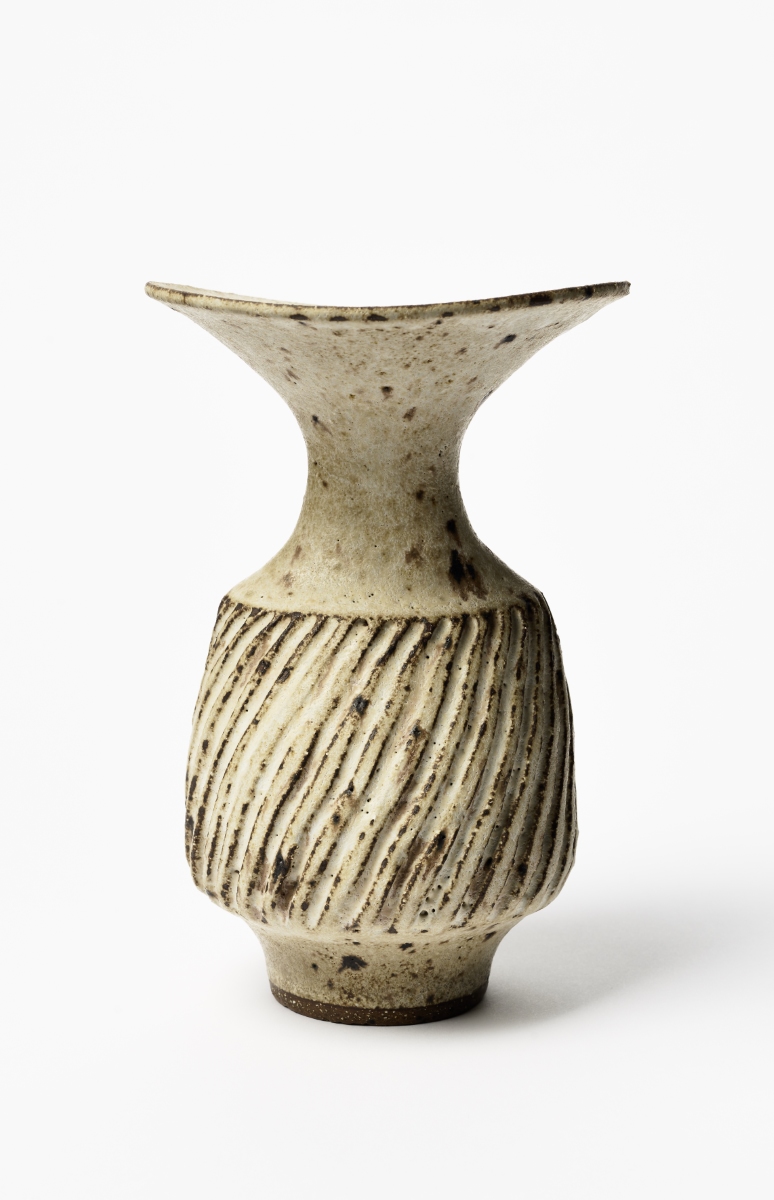
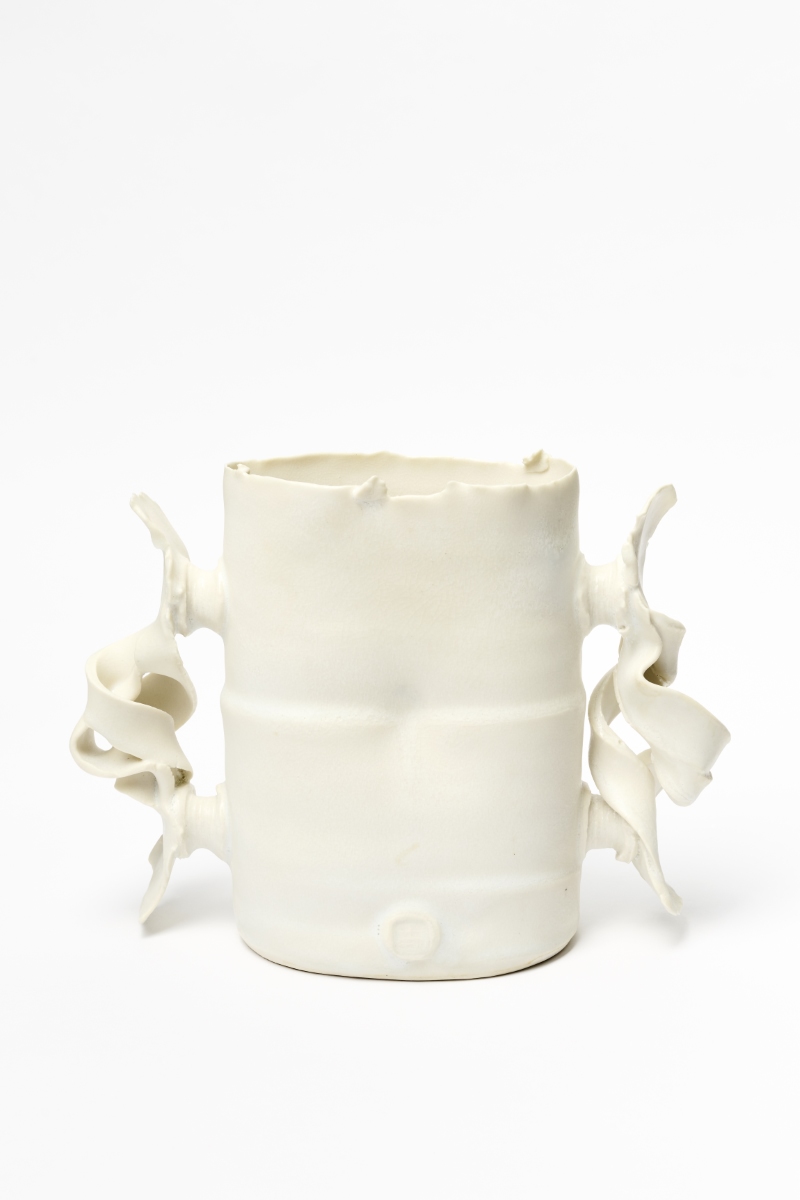
Among the abundance of works on display, one piece in particular holds my attention: a cup-shaped vase with two handles, created around 1990 by the British ceramist Colin Pearson. The object, made of fine stoneware – thrown, assembled, altered, and glazed – is presented alongside a tall cylindrical vessel by Edmund de Waal. Pearson, known for his slightly irregular thrown unique vessels, cylinders, and footed bowls – initially in grogged stoneware and later also in porcelain –developed a distinctly sculptural language. His works often feature torn rims and striking handle or wing-like attachments: pitchers with garland-like handles, as well as slab-built box forms. The cup shown here is a particularly graceful example. Covered in a matte white glaze, it invites a tactile response; one is almost compelled to hold it, to trace its subtly roughened surface. The handles, however, are what transform the piece. They seem to have evolved beyond their functional origin, taking on a wing-like quality, or resembling the emergence of delicate leaf formations – as if caught in a moment of motion. There is a tenderness and elegance to this transformation that inevitably calls to mind Gian Lorenzo Bernini’s sculpture Apollo and Daphne – a key work of the Italian Baroque. Much like Daphne’s hand, captured in the instant her fingers turn into laurel leaves, Pearson’s vessel seems to embody a moment of metamorphosis.
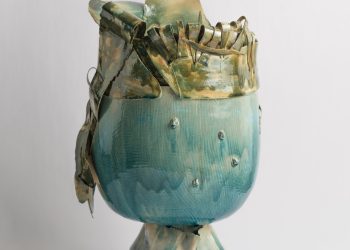
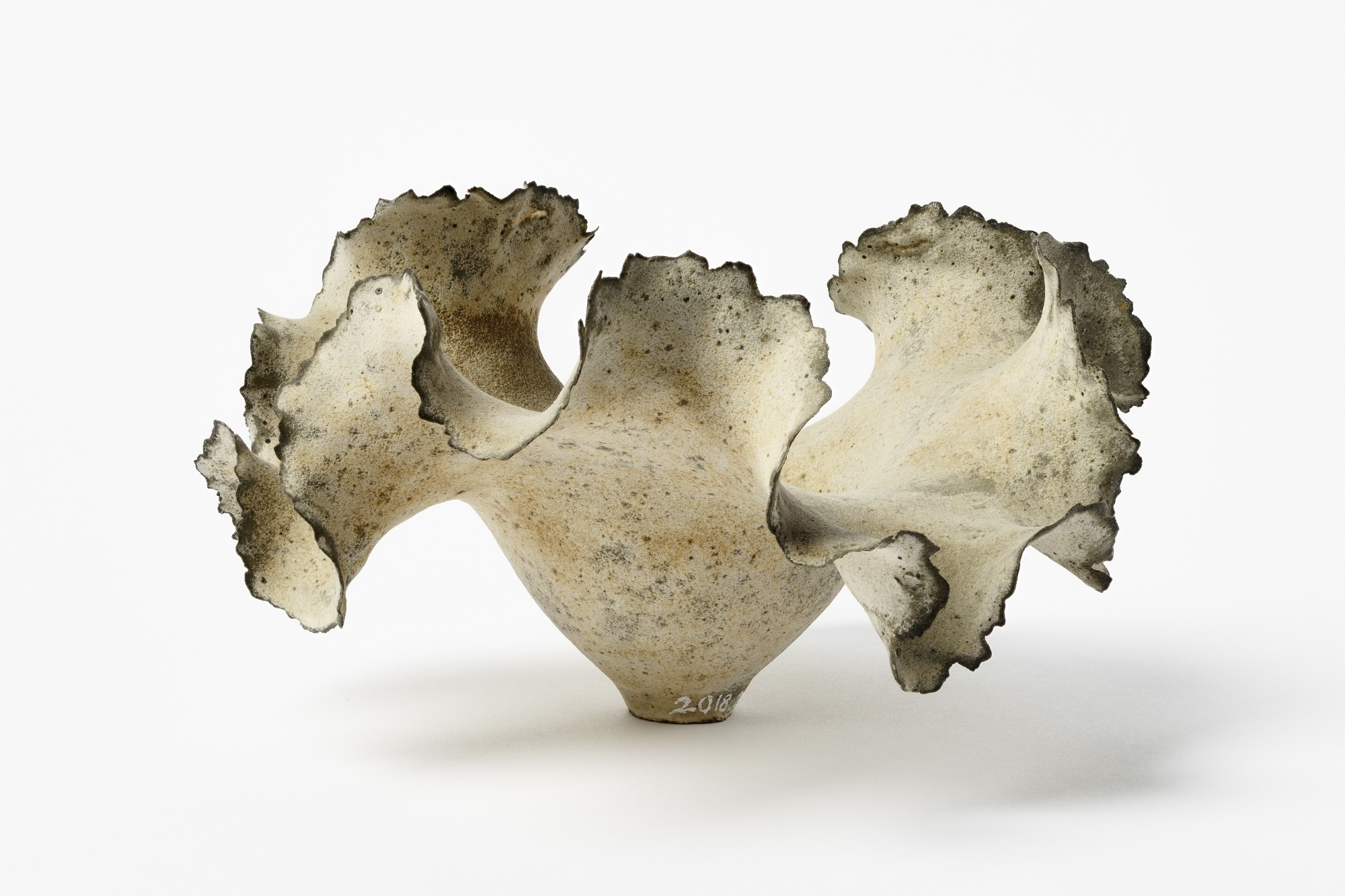
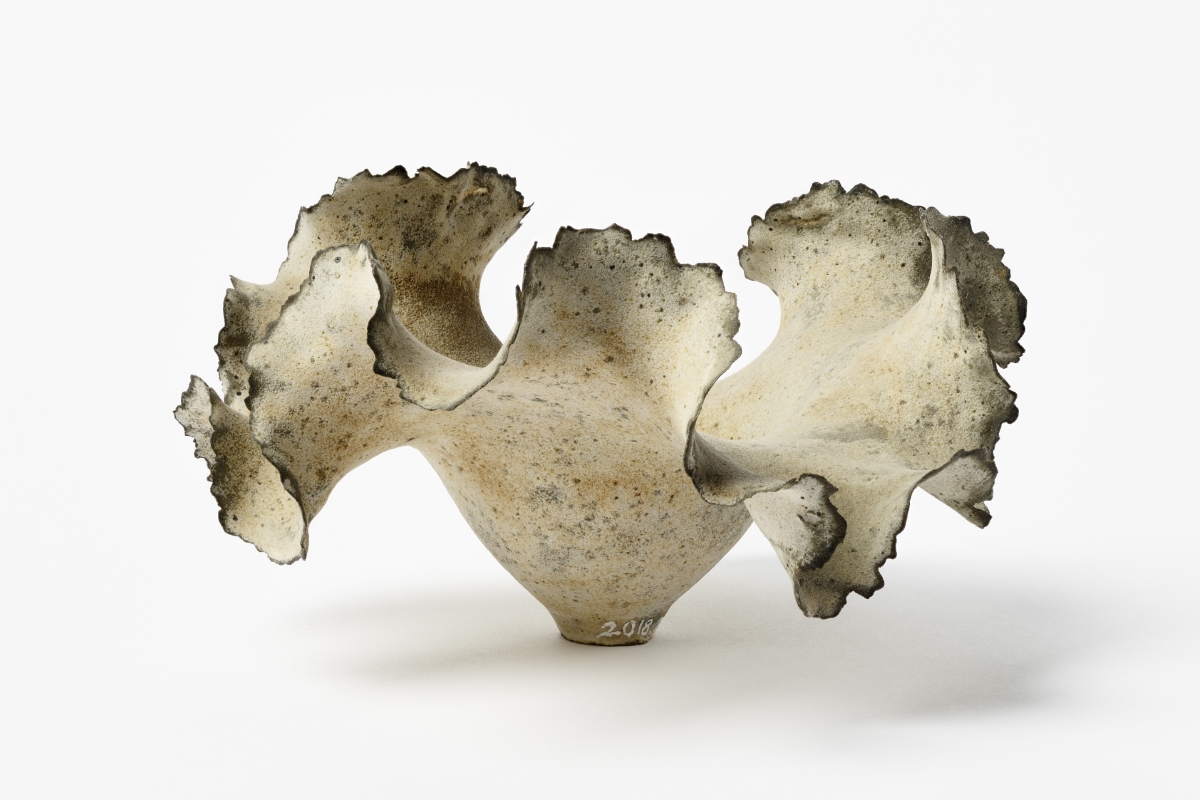
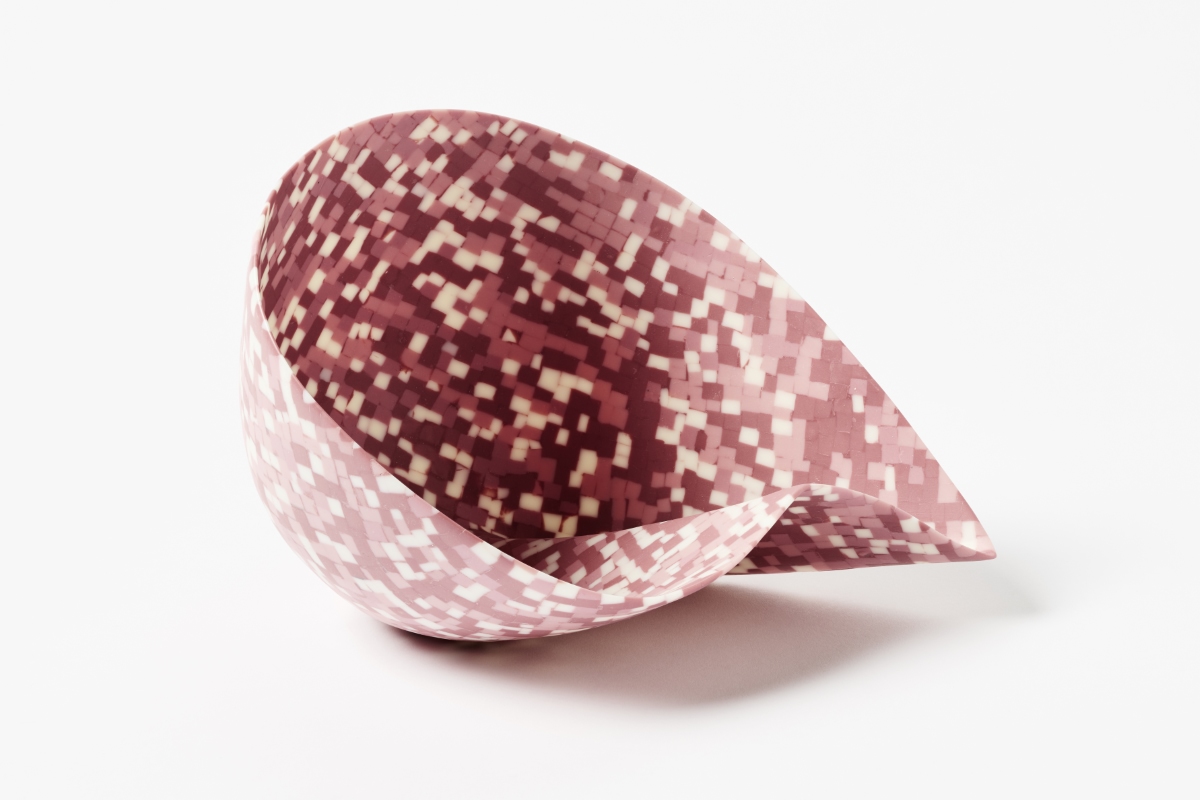
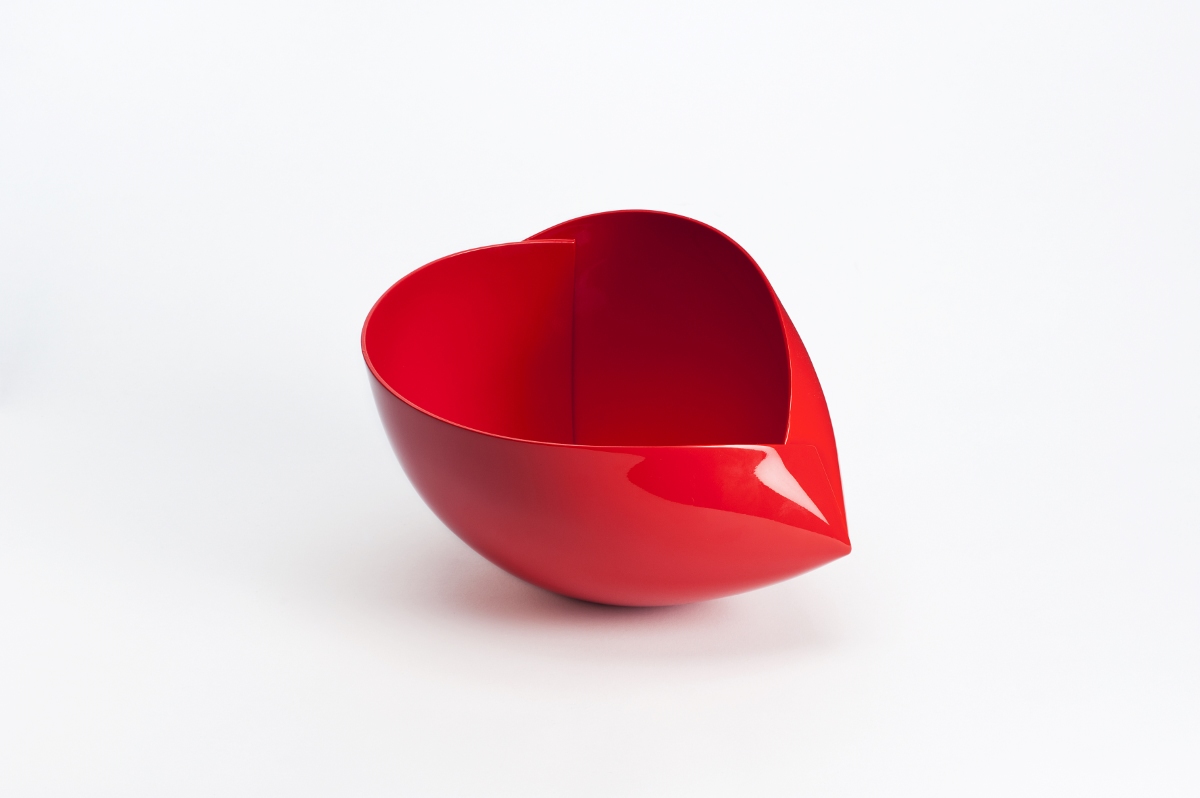
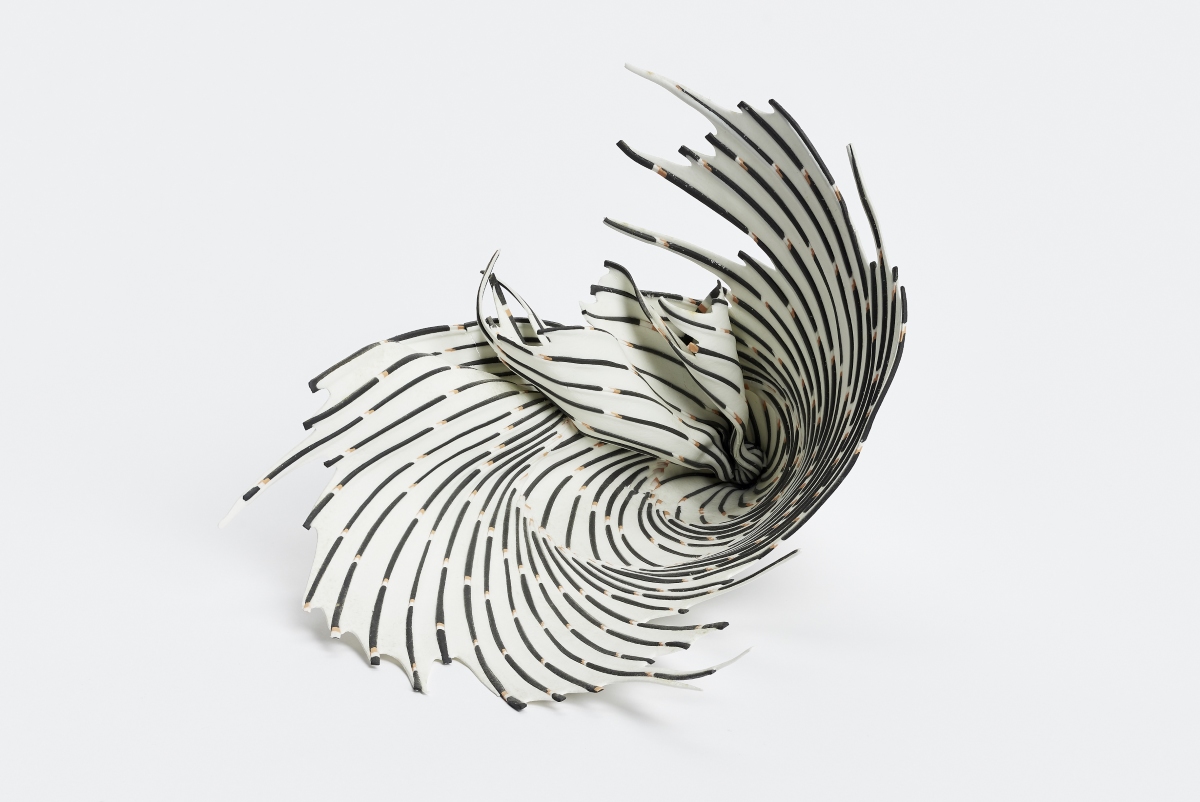
Another highlight – equally delicate, strikingly evocative, and imbued with a sense of movement – is Ursula Morley-Price’s blossom-shaped bowl object from around 1981, made of porcelain. The artist creates thin-walled vessel forms defined by vertical, ruffled lamellar structures. The porcelain is wafer-thin, its contours so refined that one might imagine this wide-open bloom stirring at the slightest breath of air. This natural impression is further enhanced by the subtle use of engobe, ranging from white to greyish-brown tones. Other bowl objects in the exhibition continue and intensify this dynamic interplay between vessel and sculpture, revealing an ongoing negotiation and subtle shifting of boundaries between the two. Each is so precisely resolved, so remarkably distilled in form, that it asserts itself effortlessly as a sculptural object beyond function. This is evident, for instance, in a bowl by Chinako Inaba, created around 2021. Made of light, glazed stoneware, its linear, relief-like slabs are bent and shaped into elegant forms, reminiscent of rolled or unfurling leaves and blossoms. Similarly compelling is Mieke Everaet’s finely constructed bowl of tinted porcelain. Built from small, narrow squares arranged in radial, concentric formations, the piece unfolds a subtle interplay of red and white tonalities. In contrast, Ann Van Hoey’s bowl Earthenware Ferrari (2015) captivates through its striking chromatic presence. Constructed from assembled earthenware slabs, cut and finished with automotive paint, the vivid Ferrari red reinforces the object’s form. Here, there is no ambiguity: the piece dominates the display case like a sculpture of the Pop Art. By comparison, the black-and-white porcelain object by Paula Bastiaansen only subtly recalls the idea of a bowl. Composed of rolled porcelain sheets, altered, cut, and assembled from meticulously prepared strips the work results in cold-assembled, fragile, and expansive form. Bastiaansen’s works often evoke the appearance of frozen liquid swirls or delicately stilled fan- or feather-like structures in mid-motion.
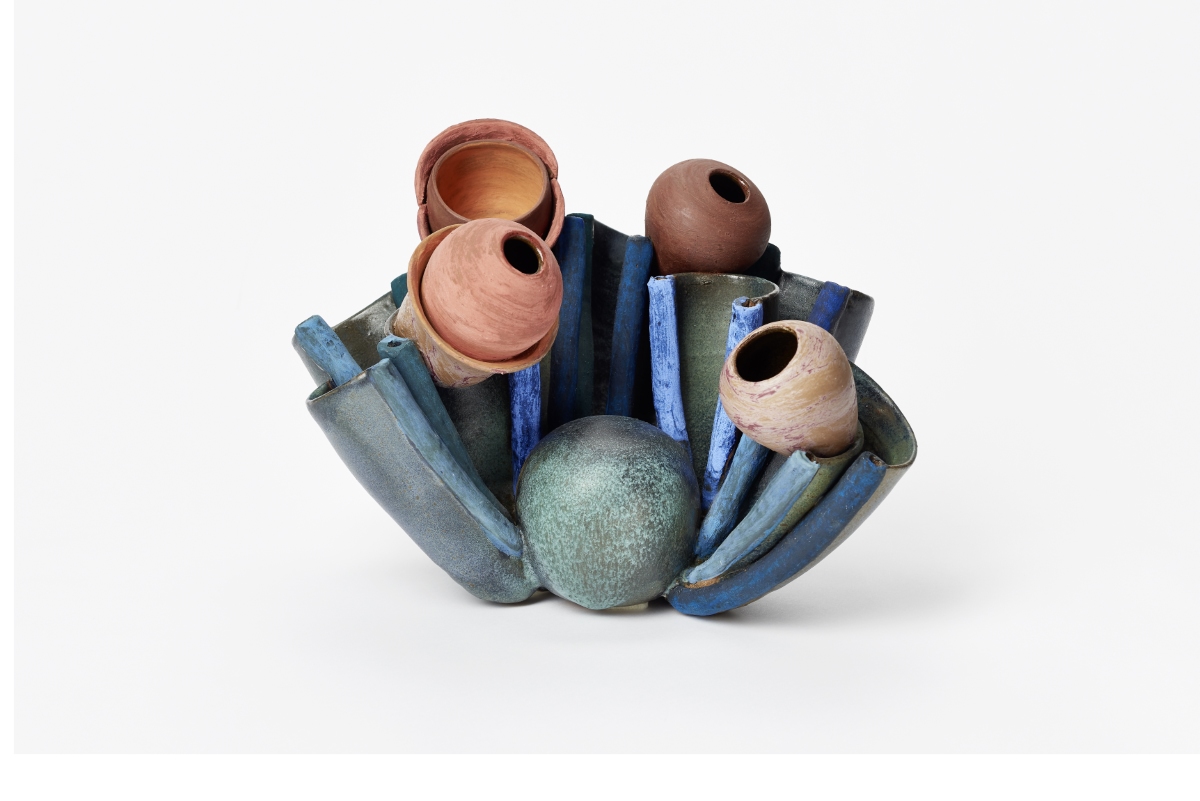
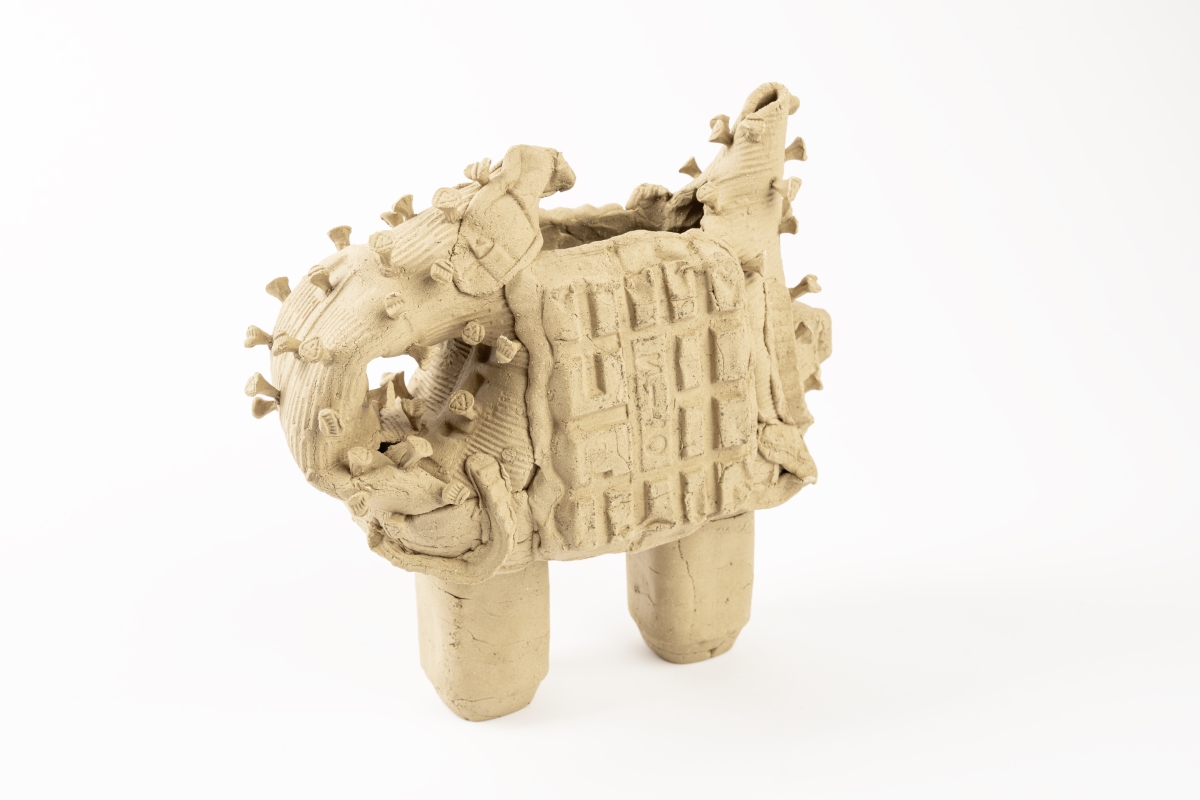
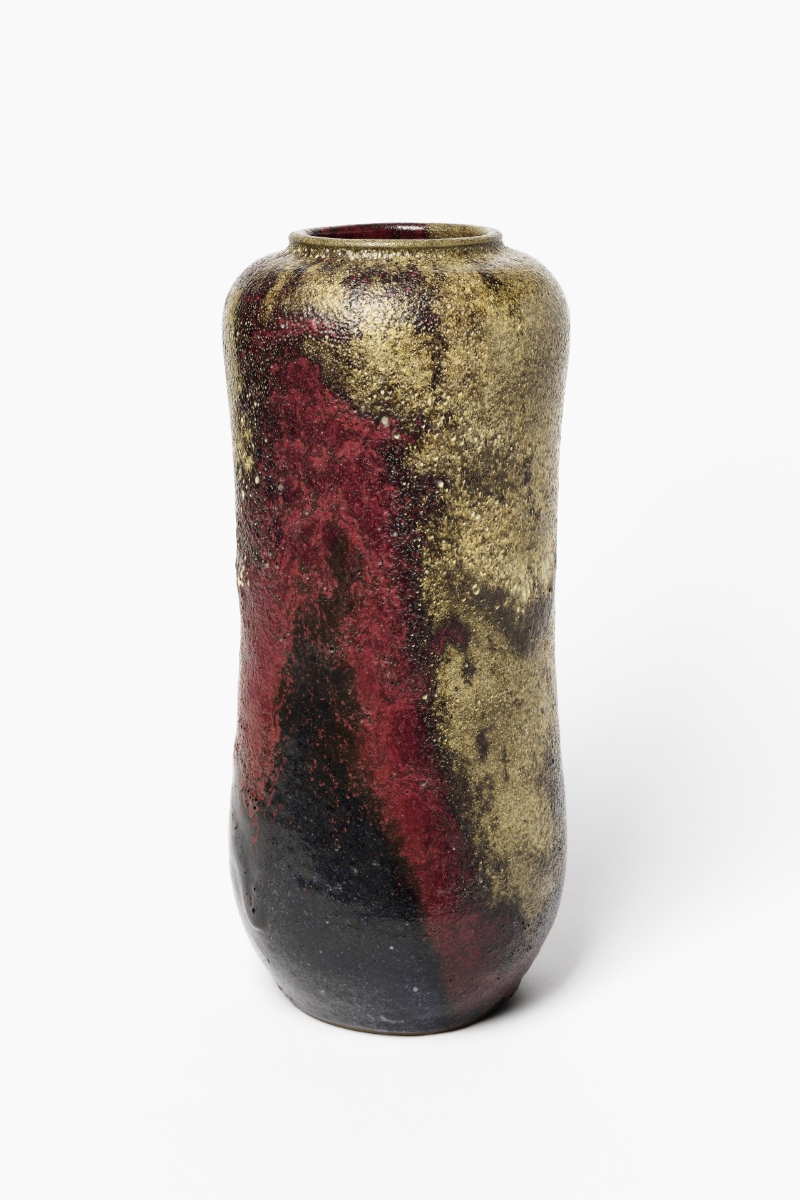
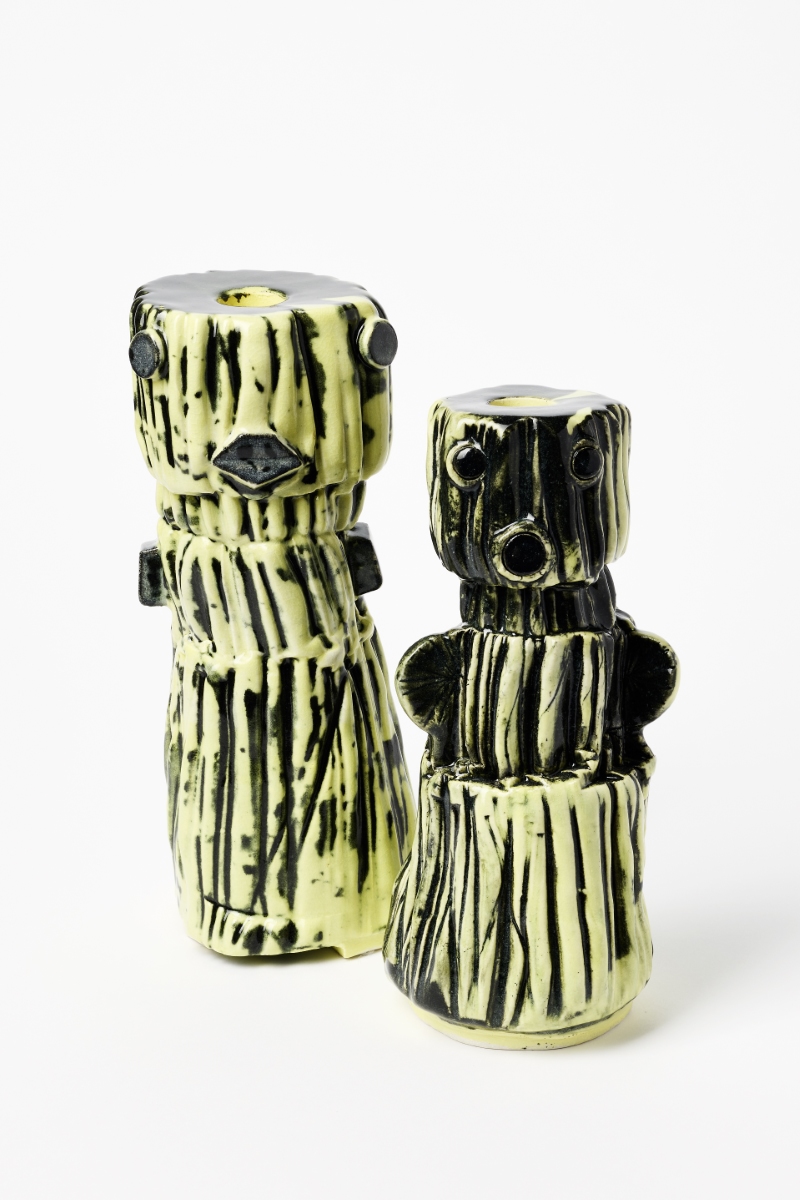
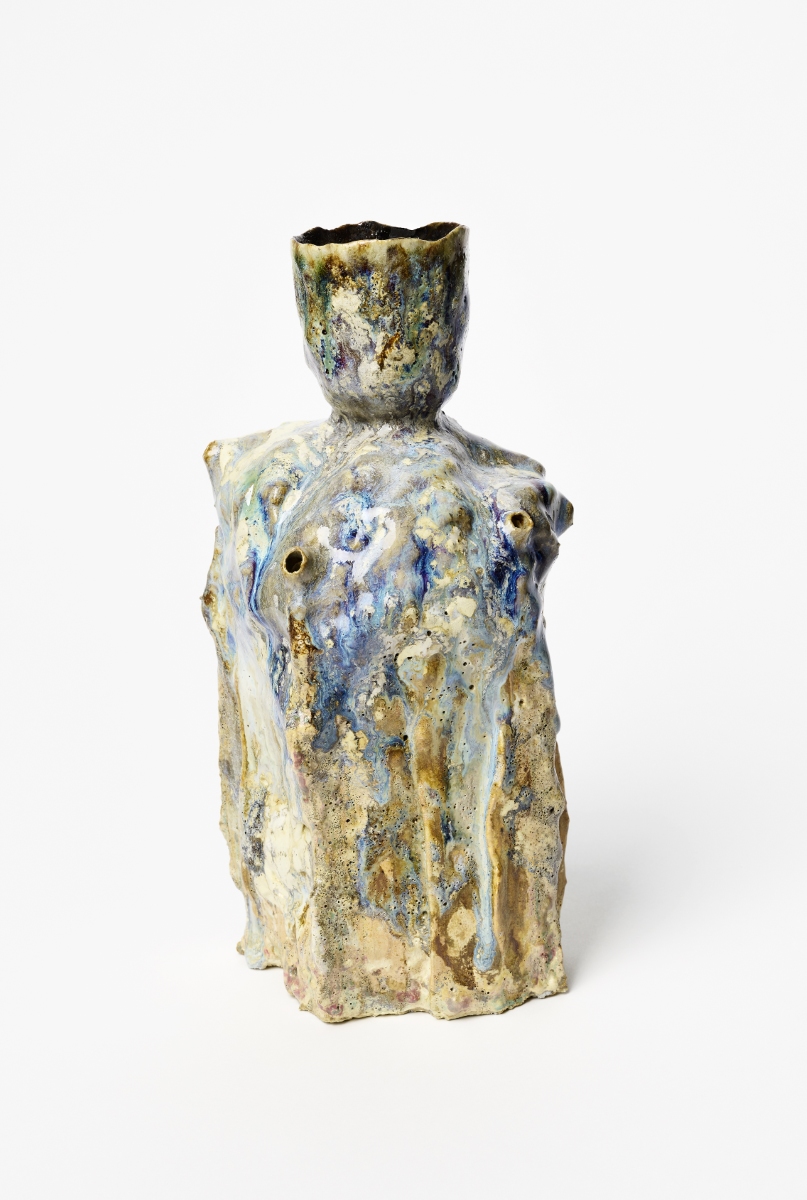
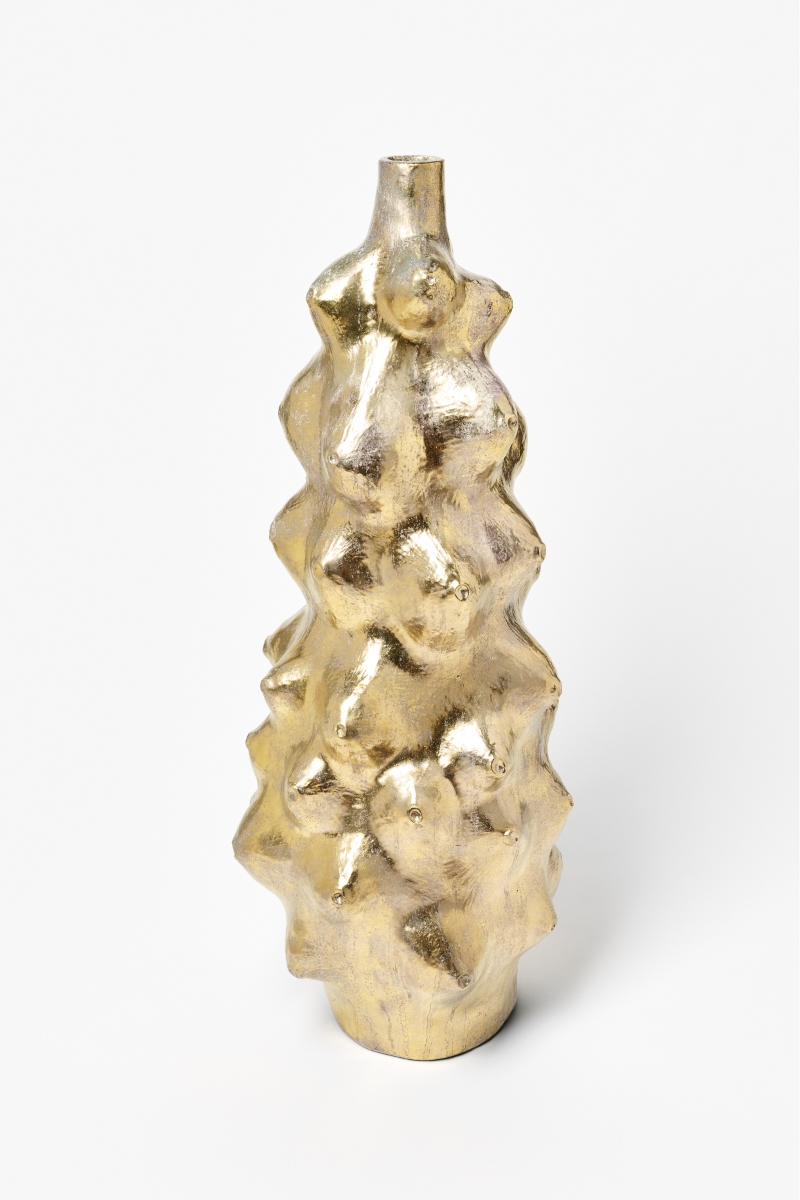
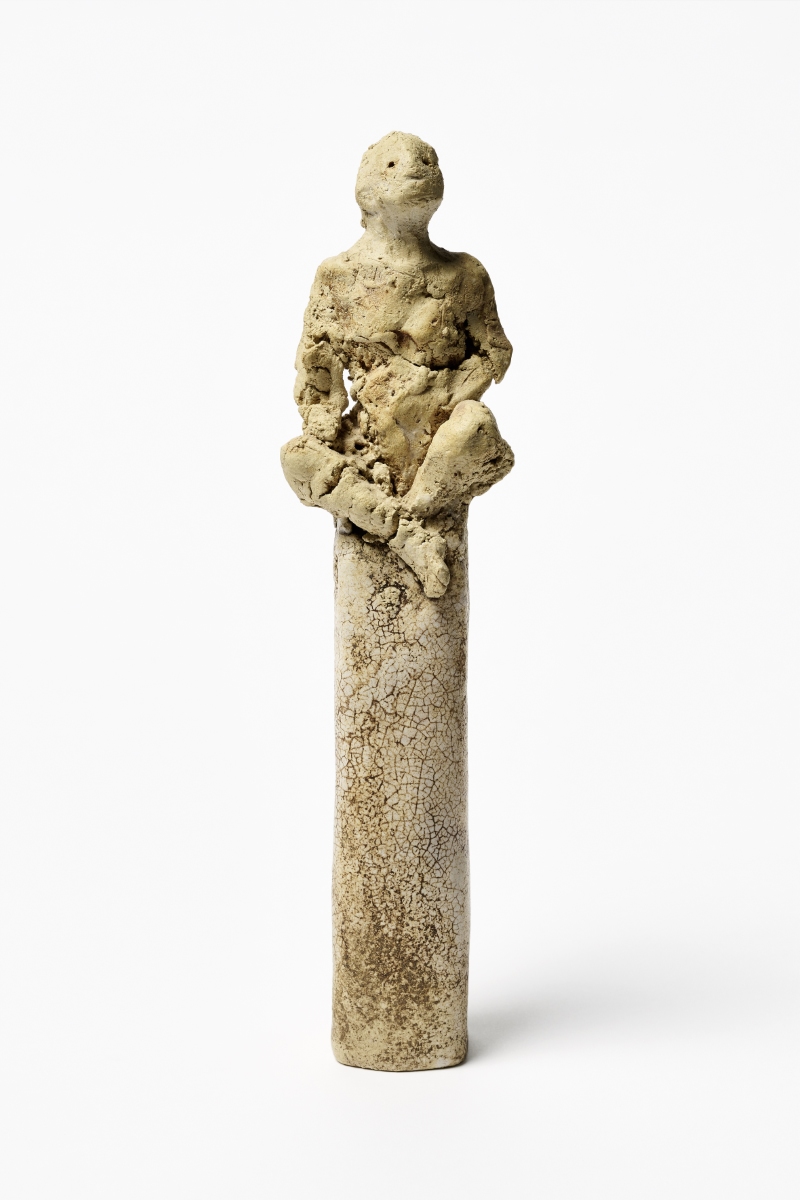
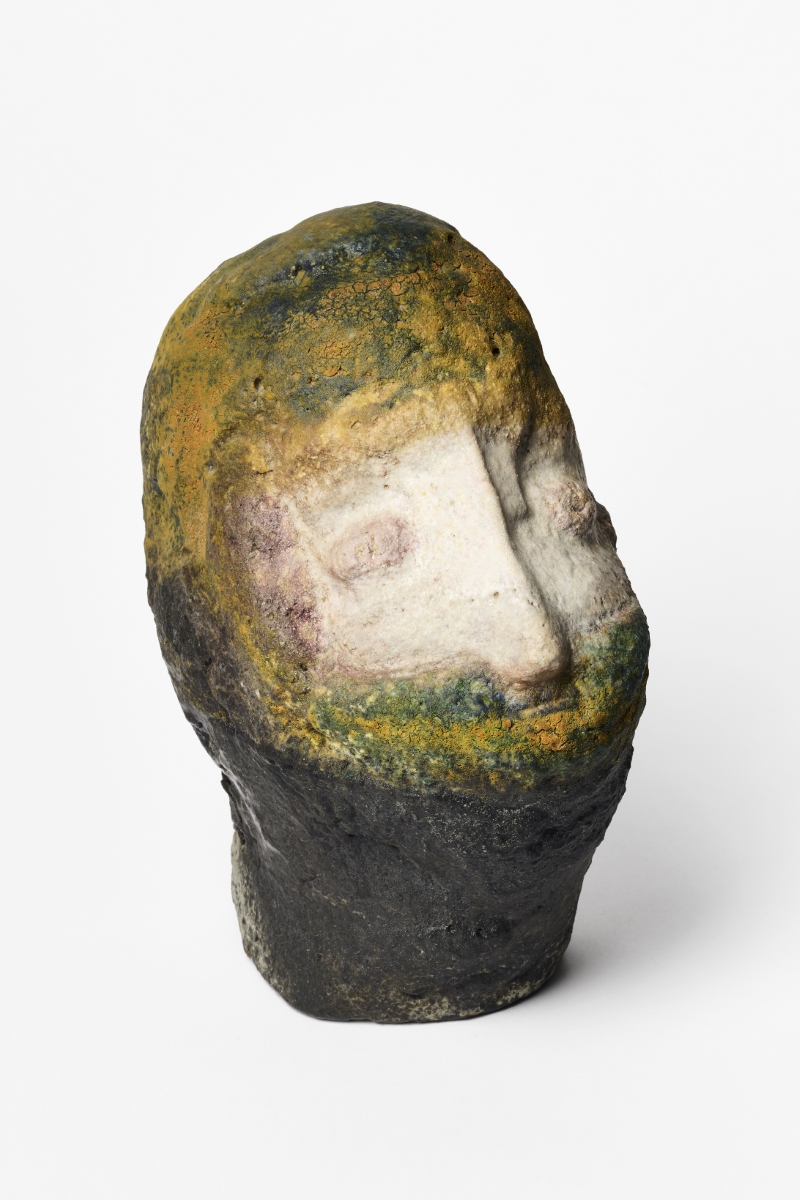
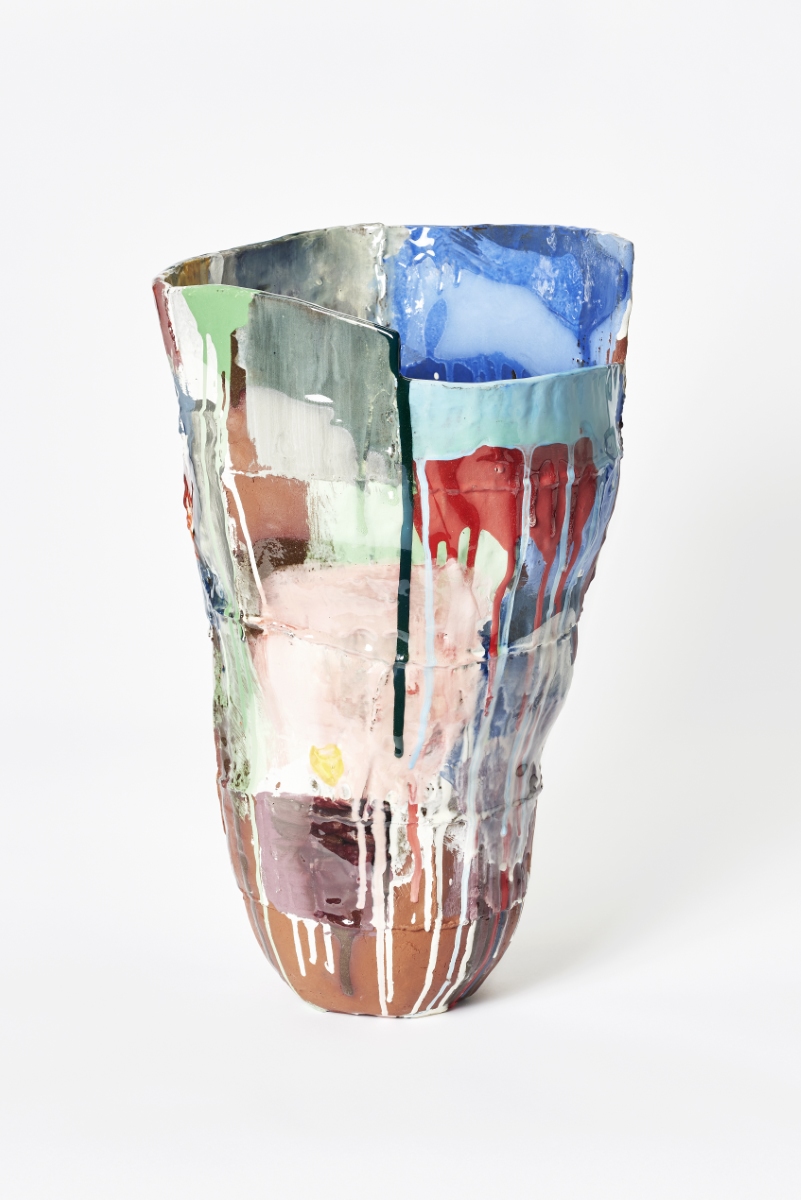
A further compelling aspect of the exhibition is the interplay between vessel, sculpture, and the anthropomorphic. A key example is Ayaka Terajima’s Little Nailed Arms Doki (2024), an unglazed work made from recycled clay. The artist draws inspiration from the richly ornamented ceramics of Japan’s Jōmon period (ca. 14,000–1,000 BCE), among the oldest surviving artifacts of the region. These historical works are characterized by distinctive relief patterns reminiscent of cords, shells, and plant forms; the recurring rope-like motifs are often interpreted as snakes – universal symbols of rebirth. Terajima translates this tradition into the present by pressing fragments of packaging materials into the clay, embedding traces of contemporary life. The resulting figures appear as serene, hybrid beings oscillating between archaic form and futuristic vision. A similar dialogue between object and figure emerges in Helmut Menzel’s two Leuchterfiguren (2025). Thrown, assembled, and double-glazed, they feature simplified faces composed of geometric forms, evoking contemporary emoji-like expressions. Philsoo Heo’s vase (2025) likewise carries a subtle anthropomorphic quality: while clearly defined as a vessel, its verticality suggests the presence of an upright human figure, pointing to the long-standing association between vessel and body in the history of ceramics. Particularly striking are Heo’s multilayered glazes, which lend the works a complex, painterly surface. His often elaborately constructed pieces – composed of stacked, amorphous elements and saturated with vivid glazes – challenge the relationship between object, surrounding space, and viewer. Ute Kathrin Beck engages similar anthropomorphic associations in her Apostle Vase Noel (2022), though here the reference is explicitly embedded in the title. This large-scale stoneware vessel, characteristically built and roughly modeled with convex bulging forms, is finished in a monochrome gold glaze and transformed into a figure imbued with Christian symbolism. The connection between vessel and religious form is further echoed in a chalice included in the exhibition, referencing liturgical objects used in the Catholic Eucharist. Beck’s practice also includes smaller “apostle” figures, sometimes regarded by their owners as protective objects – an indication of the long tradition of attributing special powers or symbolic charge to ceramic figures. This historical dimension is also evident in the works of Carmen Dionyse from the early 1980s. Her Säulenheiliger – a small clay figure, a saint, positioned atop a column – recalls archaeological finds and devotional objects. Here, the trajectory extends from vessel to fully realized figuration. The artist’s practice reflects a sustained engagement with sculptural figuration: heads, busts, and later full figures, often conceived as static, allegorical, or symbolic representations. These inward-looking, gaze-less forms frequently draw on biblical themes or Greek mythology. The artist works with varied clay bodies – often mixed and grogged – as well as low-fired porcelain, favoring matte, rough surfaces. Through the layered application of engobes and glazes in multiple firings, the works achieve a finely differentiated materiality and a richly nuanced chromatic presence.
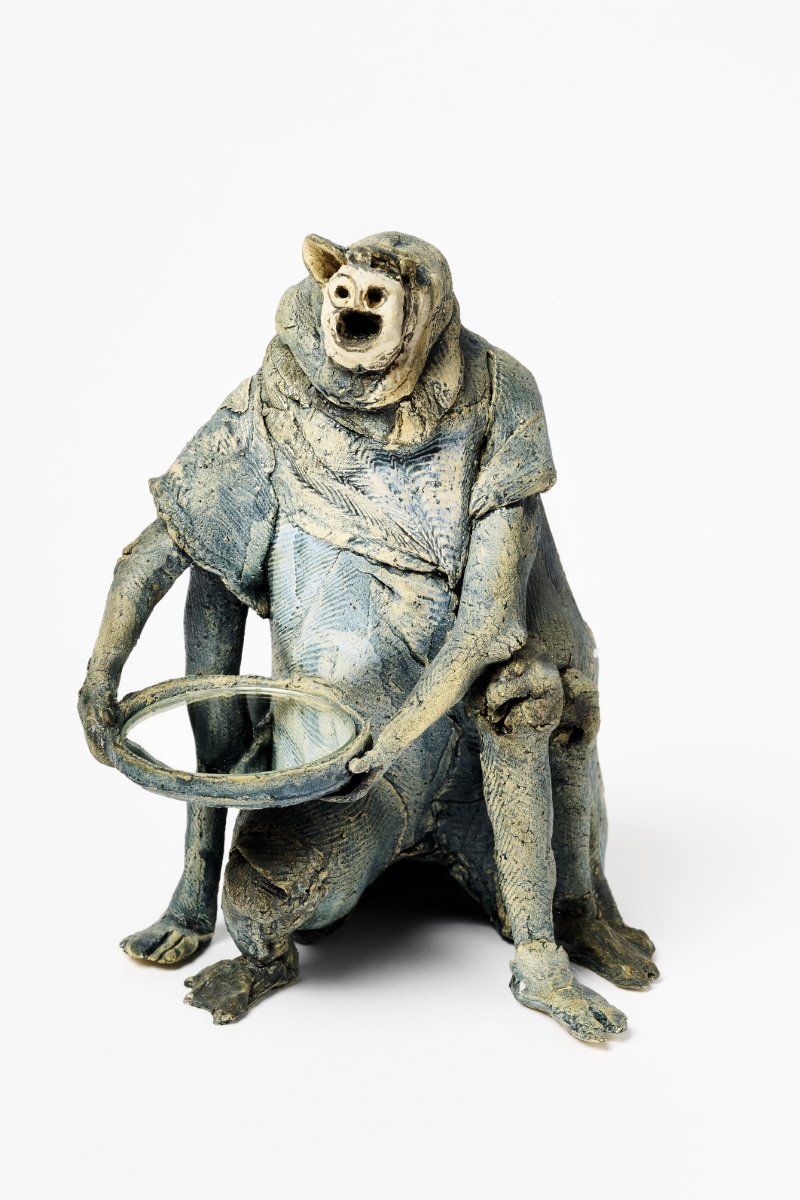
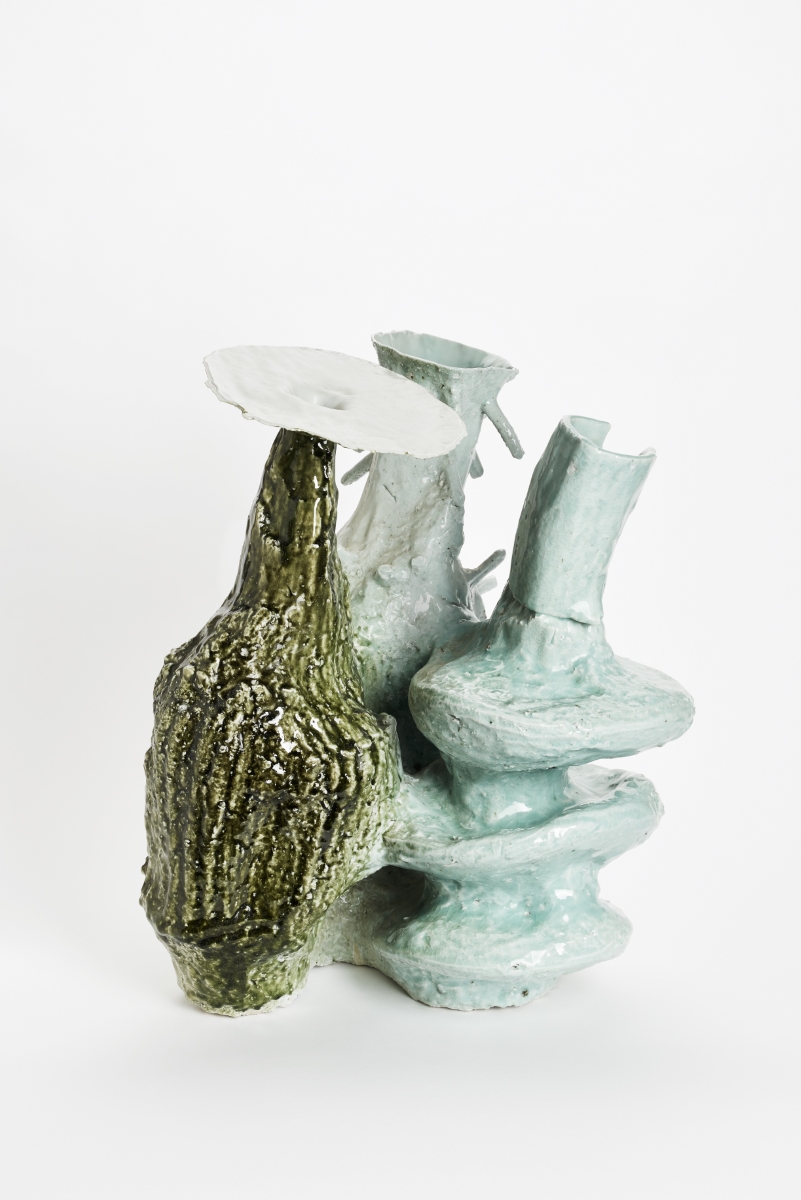
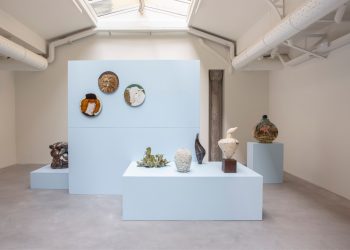
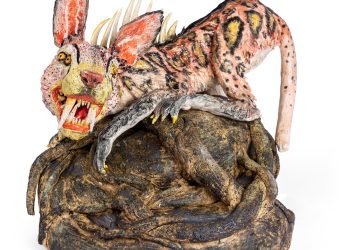
Also situated within the realm of figuration is Margret Weise’s Stasifigur mit Spiegel (1990). The sculpture depicts a clothed, seated monstrous figure with a gaping mouth, holding a round mirror in which its own distorted face is reflected. The work carries a distinctly political charge; as its title suggests, it alludes to one of the darker chapters of East German history. In doing so, the exhibition remains acutely aware of its location in Leipzig, foregrounding regional perspectives while embedding them within a wider international discourse, featuring works by Ute Brade, Walter Gebauer, Gertraud Möhwald, Sybille Abel-Kremer, Rosi Steinbach, Elke Sada, and Johannes Nagel. Notably, Johannes Nagel and Elke Sada are each represented with a large-scale work in the central blue display, exemplifying two prominent approaches to the fusion of vessel and sculpture. In both of their works the resulting tension between functionality and aesthetic exploration underscores the versatility and innovative potential of ceramics as a medium.
By placing significant emphasis on regional ceramic practices alongside international contributions, GEFÄSS / SKULPTUR 4 situates the richness of ceramic production within a broader German and global framework. The support of private collections has played a key role in shaping the exhibition, with important loans from collectors such as Heinz-Peter Adams and Dr. Gisela Freudenberg. Complementing the presentation are insights into the working processes of artist Beate Kuhn, including films and works on paper, that further expand the understanding of their artistic practice and artistic practice in general. As the exhibition unfolds, it offers a compelling exploration of the complex relationship between vessel and sculpture, inviting viewers to reconsider the boundaries of ceramic art.
Katherina Perlongo (*1989 in Bolzano, Italy) is a Berlin-based curator working at the intersection of contemporary art, craft, and design. With experience in curatorial and leadership positions across institutions dedicated to modern and contemporary art, her practice focuses on materiality, making, and the narratives embedded in objects.
VESSEL | SCULPTURE 4: German and International Ceramics Since 1946 is on view between November 4, 2025 and October 4, 2026, at the GRASSI Museum of Applied Arts, in Leipzig.
Subscribe to Ceramics Now to read similar articles, essays, reviews and critical reflections on contemporary ceramics. Subscriptions help us feature a wider range of voices, perspectives, and expertise in the ceramics community.
Captions
- Richard Bampi, Seerobbe, 1965. Photo credit: Esther Hoyer
- Albrecht Hohlt, Gestreckte Balustervase, 2024. Photo credit: Esther Hoyer
- Lucie Rie, Vase, 1995. Photo credit: Esther Hoyer
- Hans Coper, Bechergefäß auf Sockel, 1981. Photo credit: Esther Hoyer
- Chikako Yoshikawa, Teekanne, 1948. Photo credit: Esther Hoyer
- Louise Gardelle, Fußschale mit Bildmotiv, 1944. Photo credit: Esther Hoyer
- Sonngard Marcks, Kanne mit Gänseblümchen, 1959. Photo credit: Esther Hoyer
- Colin Pearson, Bechervase Henkelgriffen, 2007. Photo credit: Esther Hoyer
- Beate Kuhn, Plastik, 2015. Photo credit: Esther Hoyer
- Ursula Morley-Price, Blütenförmiges Schalenobjekt, 1963. Photo credit: Esther Hoyer (featured image)
- Mieke Everaet, Schalenobjekt, 1963. Photo credit: Esther Hoyer
- Ann van Hoey, Earthenware Ferrari, 1956. Photo credit: Esther Hoyer
- Paula Bastiaansen, Porzellanobjekt, 1953. Photo credit: Esther Hoyer
- Ayaka Terajima, Little Nailed Arms Doki, 1987. Photo credit: Felix Bielmeier
- Helmut Menzel, Leuchterfigur, 1963. Photo credit: Esther Hoyer
- Philsoo Heo, Objekt Zufälligkeit der Existenz, 1993. Photo credit: Esther Hoyer
- Ute Kathrin Beck, APOSTEL NOËL, 2022. Photo credit: Esther Hoyer
- Carmen Dionyse, Säulenheiliger, 2013. Photo credit: Esther Hoyer
- Carmen Dionyse, Kopf Gele Gemeentenaar, 2013. Photo credit: Esther Hoyer
- Margret Weise, Stasifigur mit Spiegel, 1941. Photo credit: Esther Hoyer
- Elke Sada, Keramische Plastik, 1965. Photo credit: Esther Hoyer
- Johannes Nagel, Objekt, 1979. Photo credit: Esther Hoyer
- Eric James Mellon, Kumme aus dem Persephone, 2014. Photo credit: Esther Hoyer