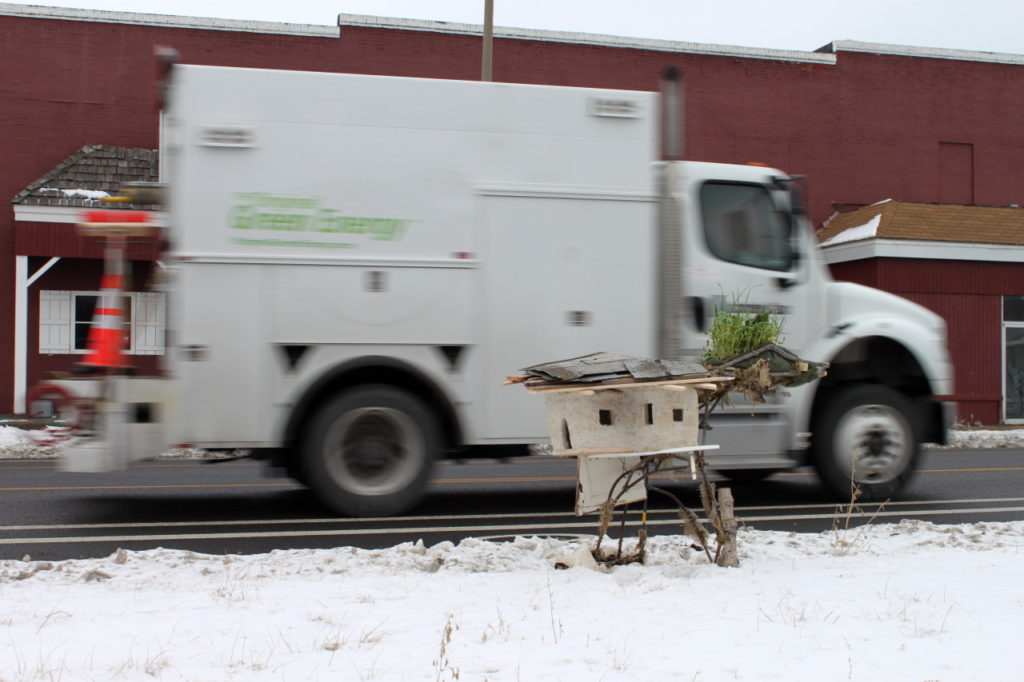
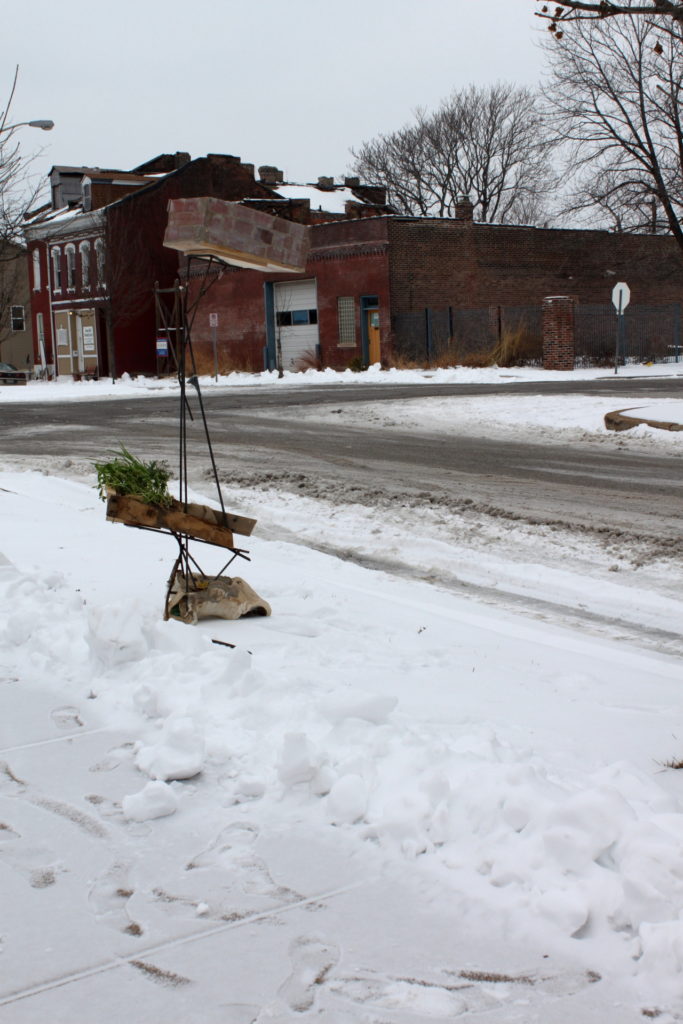
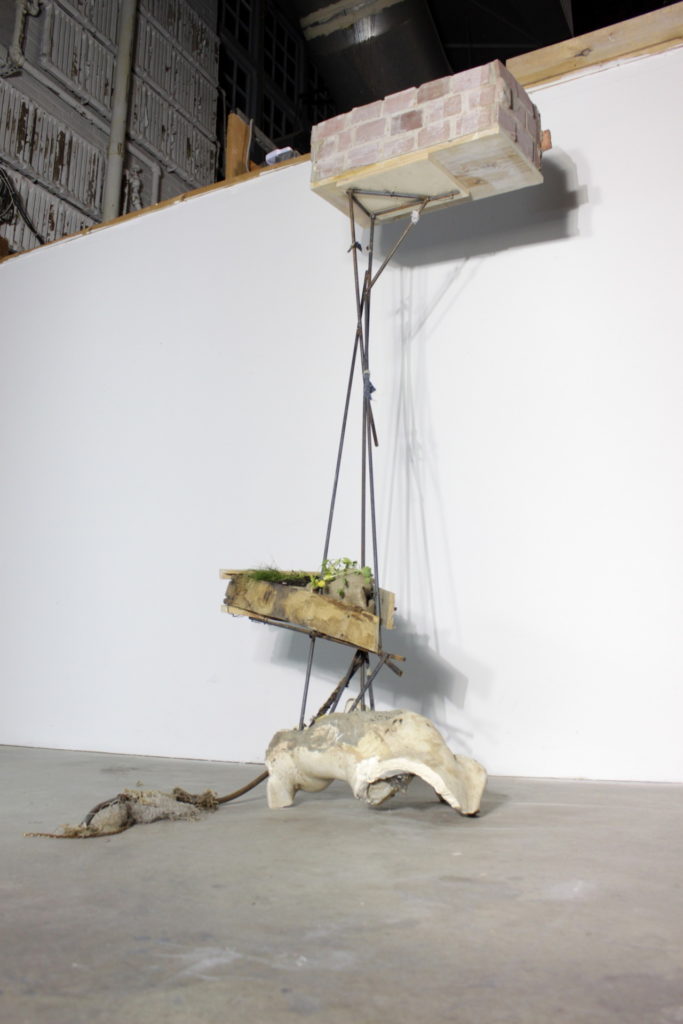
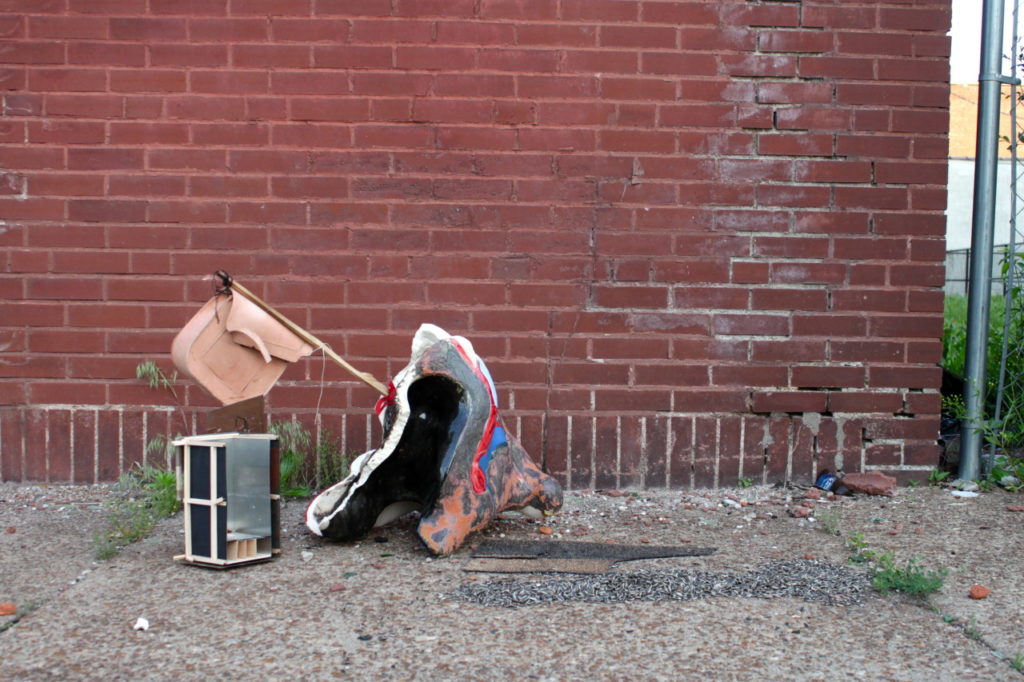
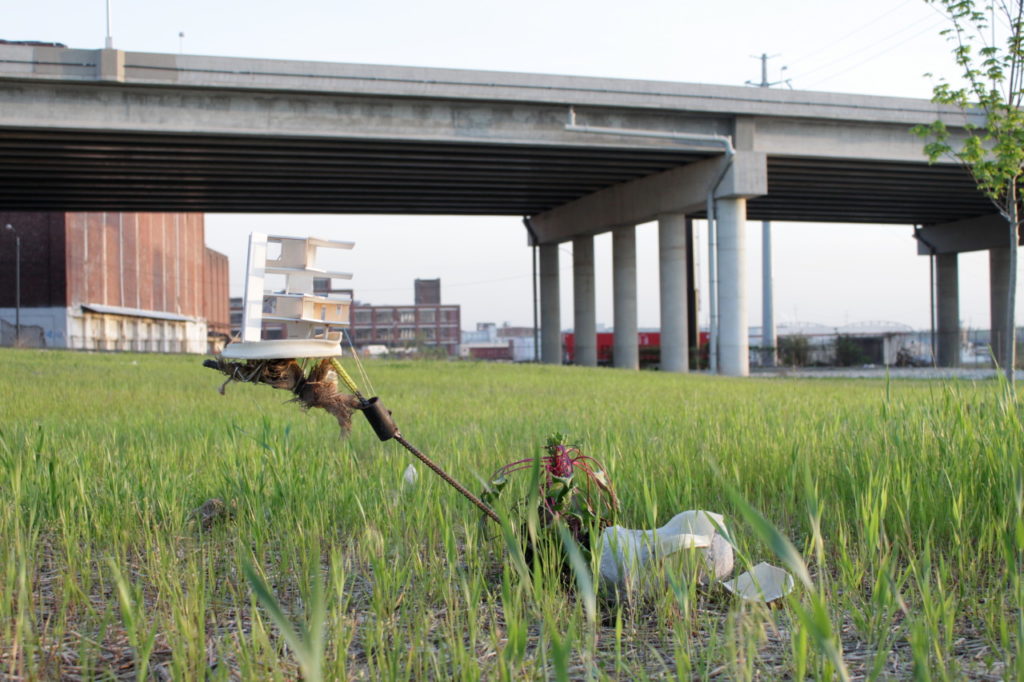
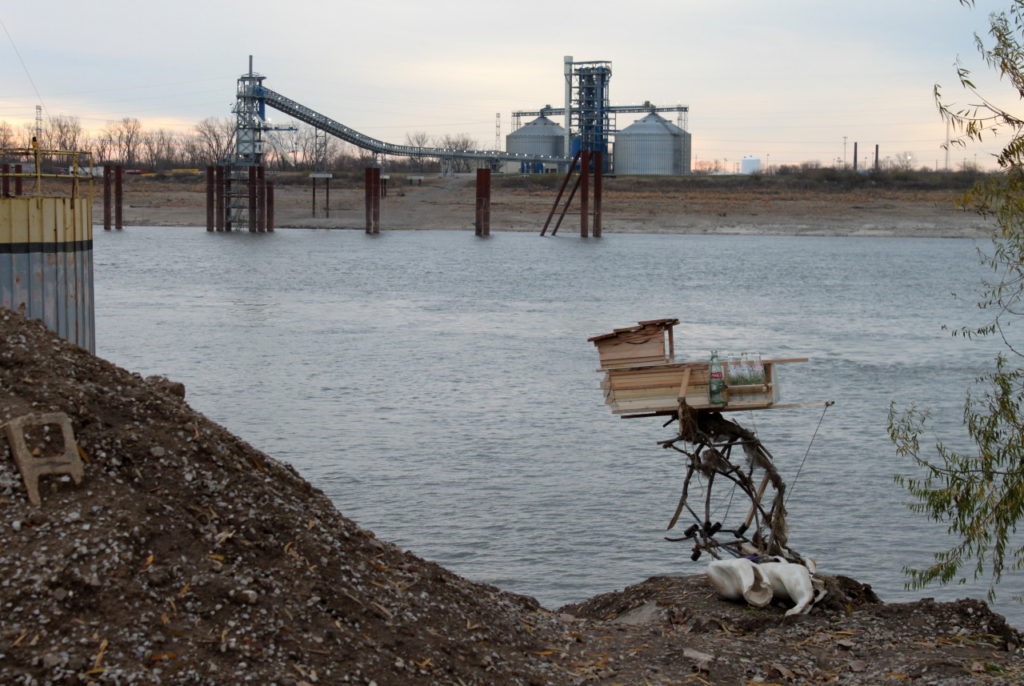
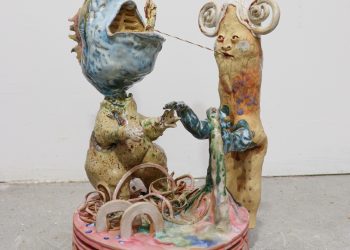
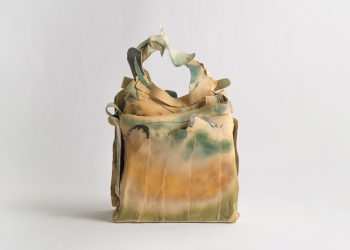
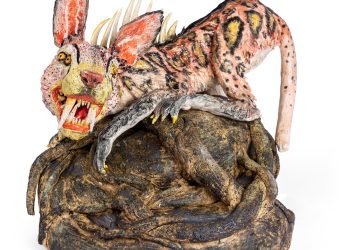
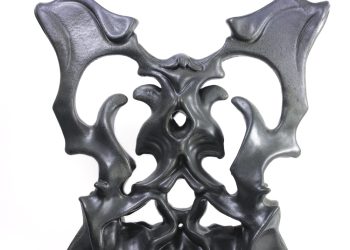
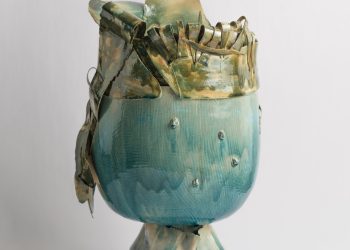
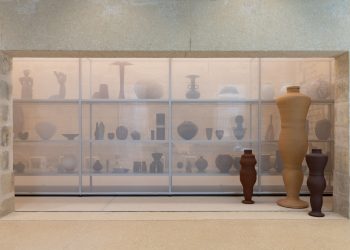
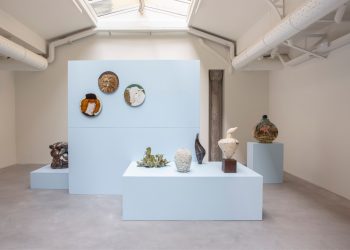
Seth Czaplewski, The Lumpy King Laclede, Photo, ceramic, unfired fire clay, reclaimed materials, soil, edible plants, 36 x 40 x 32 in.
Seth Czaplewski Ceramics, Henry Overstolz, Photo, ceramic, reclaimed materials, soil, edible plants, 77 x 30 x 44 in.
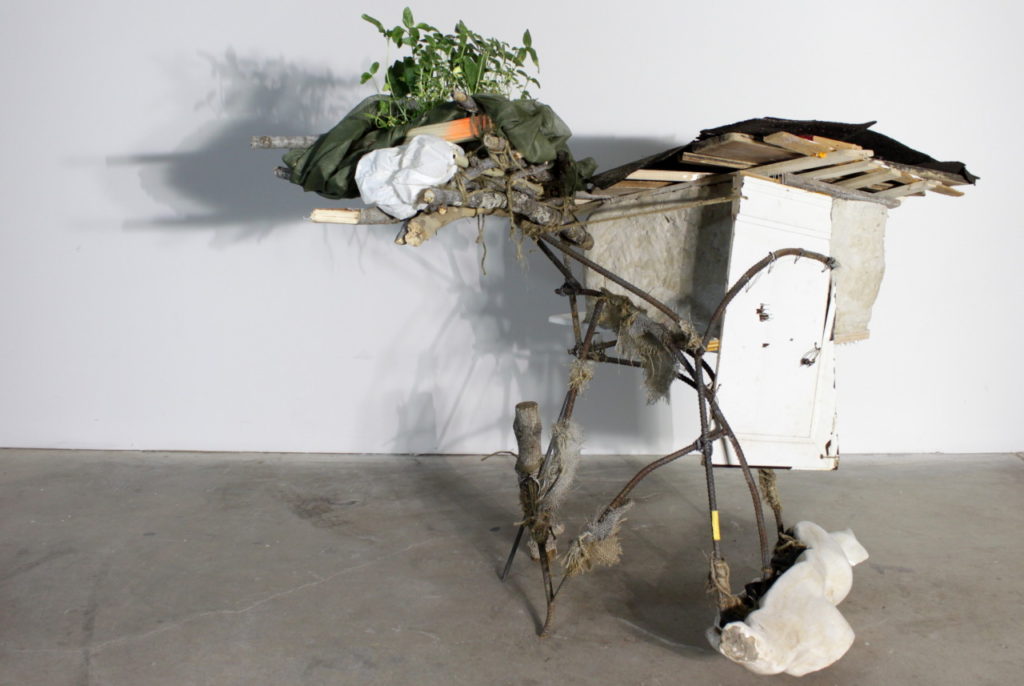
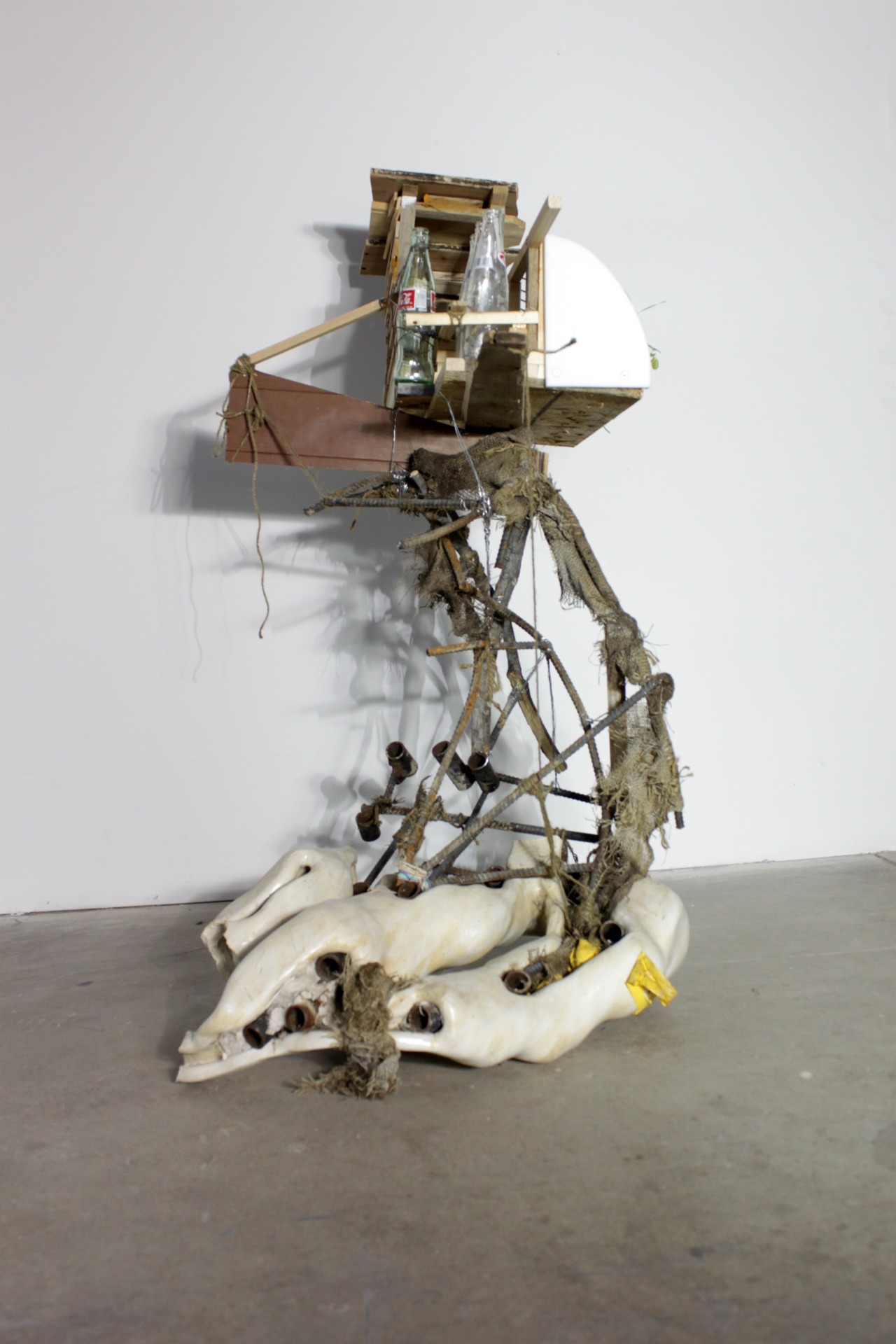
Seth Czaplewski, Henry Overstolz (Alternate view, before installation), Ceramic, reclaimed materials, soil, edible plants, 77 x 30 x 44 in.
Seth Czaplewski Ceramic Installation, Firecracker leather, Photo, ceramic, reclaimed materials, leather, sunflower seeds, 22 x 30 x 22 in.
Seth Czaplewski, Mullanphy playground, Photo, ceramic, reclaimed materials, soil, edible plant, 20 x 30 x 12 in.
Seth Czaplewski, Undertoe by the rivers of memory, Photo, ceramic, reclaimed materials, soil, edible plants, 44 x 36 x 36 in.
Seth Czaplewski, The Lumpy King Laclede (Alternate view, before installation), Ceramic, unfired fire clay, reclaimed materials, soil, edible plants, 36 x 40 x 32 in.
Seth Czaplewski, Undertoe by the rivers of memory (Alternate view, before installation), Ceramic, reclaimed materials, soil, edible plants, 44 x 36 x 36 in.
While researching North St. Louis, I have uncovered a history of production and self-sufficiency pushed to the periphery, which today is so prevalent in American society that we barely notice. In the early 1800’s the area just North of downtown St. Louis was a communal farmland for residents. There was also a 15-acre plot along the Mississippi river open to residents to use as they wanted. Both ideas were very progressive for their time and still are, although neither is still in place today.
European immigrants once flocked to this area due to failed farming in their homeland. In the case of Henry Overstolz, originally from Germany, once in America his fortune changed when he opened grocery stores. Since then the rapid development of infrastructure has led to a society of convenience. And once again, like in Overstolz’ time of the mid-1800’s, people have fled, as the site cannot meet the needs of the people. My works are inspired by and situated on sites like these.
With the agricultural and technological revolutions of the mid-twentieth century, skills were traded for convenience in the United States with the implementation of the assembly line, mechanization, and mass production. Skilled craftspeople traded their skills for work in a factory. The factory did provide some benefits, but within a generation, previous skills were lost. As a result, people no longer know how to construct goods, arrange living space, or grow the food needed to sustain life. In my work, I attempt to understand and teach myself all three skills on a small scale in relation to the sites former production. The chain of passed-down knowledge has been broken, and a relearning of these skills is essential to understand where we stand today.
How people live in relation to agriculture throughout recent history is influential to my work. As society is becoming increasingly disconnected from food production, we are losing the most basic and necessary skills. These works re-incorporate food production in direct proximity to dwelling, as it is a necessary step backwards to move forwards. Today the average distance it takes food to get to our homes in the U.S. is 1500 to 2500 miles. Although convenient, “progress is sometimes deceiving and makes us more vulnerable than we once were. Likewise my structures are precarious, permanently placed outdoors, and vulnerable to the whim of the passerby.
I rapidly construct these miniature dwellings in relation to food production on a scale reminiscent of the anthropological diorama. They are made out of necessity and use past fragments of mass production related to site as material in creating non-linear historically based sculptural markers. I draw upon past people, industry, patterns, and site uses in the creation of new fragments that anticipate, dedicate, and monumentalize the site. Once constructed, the physical objects are situated outdoors entering the strata. They are then documented digitally as the primary ‘art object’.
Infrastructural changes since the electrification and gassing up of the United States have been influential to my work. In the making of industry, we often lose culture and community, and there has been a considerable amount of unmaking. This unmaking is not isolated to North St. Louis where I currently work. As my needs change, and I move to new locations, my work will respond to local histories.
Ceramics Now is a reader-supported publication. If you enjoy reading, consider subscribing and becoming a member of our community. You'll receive instant access to Ceramics Now Magazine: