
Interview with Brian Kakas
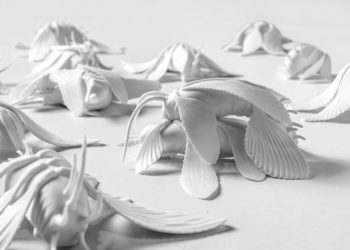
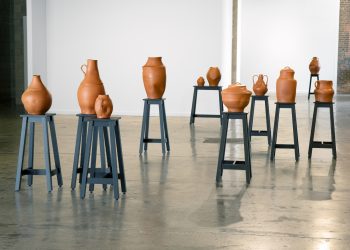
There is visible consistency in your creation. What was the starting point for your investigation with ceramic art? The starting ...


There is visible consistency in your creation. What was the starting point for your investigation with ceramic art? The starting ...

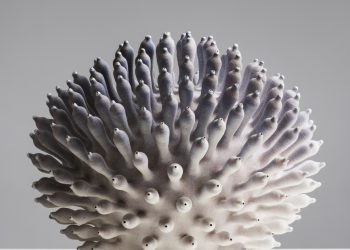
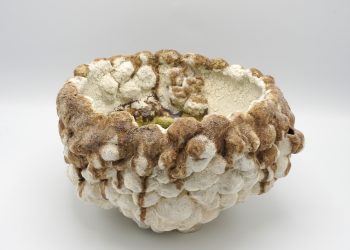
Before starting a career in ceramics, you studied Biology. In relation to your line of work, how would you characterize ...

Kjersti Lunde’s profile on Ceramics Now Magazine - View her works “Every day we are surrounded by objects of different ...

Brian Kakas’ profile on Ceramics Now Magazine - View his works Appropriate means of creatively adapting to continual changes have ...

Marie T. Hermann’s profile on Ceramics Now Magazine - View her works “Looking around Marie Torbensdatter Hermann’s most recent exhibition ...

Amanda Simmons’ profile on Ceramics Now Magazine - View her works Amanda Simmons makes kiln formed and cameo engraved glass ...

Chang Hyun Bang’s profile on Ceramics Now Magazine - View his works → Read the interview with Chang Hyun Bang, ...

Liza Riddle’s profile on Ceramics Now Magazine - View her works → Read the interview with Liza Riddle, Recognized artist ...

Yoichiro Kamei’s profile on Ceramics Now Magazine - View his works Born in 1974 in Kagawa Prefecture, Japan, Yoichiro Kamei ...

Ian F. Thomas’ profile on Ceramics Now Magazine - View his works “I have been making art objects for most ...

Grayson Perry’s profile on Ceramics Now Magazine - View his works Grayson Perry (born in 1960) is an English artist, ...

Georges Jeanclos’ profile on Ceramics Now Magazine - View his works The passionate and powerful figurative sculpture of the late ...

Ceramics Now is a leading independent art publication specialized in contemporary ceramics. Since 2010, we promote and document contemporary ceramic art and empower artists working with ceramics.