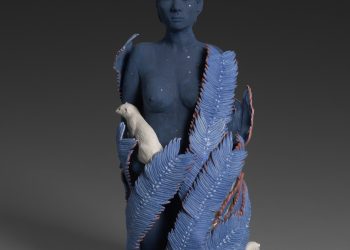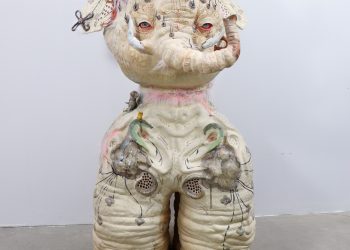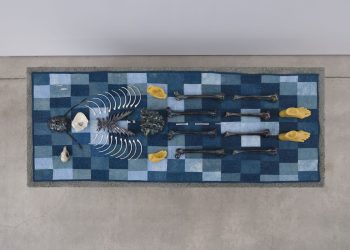
For over 20 years Derek Weisberg has given visual form to the fragility of man, the vulnerability of the human condition and his personal reconciliation with loss through sculptures. Through his searching, questioning and resolute art making Weisberg has arrived at a place where his work now concentrates not on death, but on life. His practice is focused on sculptures which encourage contemplation and introspective actions infused with kavanah defined as “intention of the heart,” in the Jewish tradition.
Weisberg’s artistic practice has been a profound and focused journey, investigating personal grief and loss. He has created work that seeks to transcend personal experience to speak to the universality of these themes, reminding the viewer of life’s unavoidable reality; that one day their breath too will expire. Through his work in ceramic sculpture and works on paper Weisberg has questioned how we operate and move through life knowing that we all exist in a finite capacity; trudging through Samuel Beckett’s “the mud” and “the funk of life” as described by Dr. Cornel West.
Recent solo exhibitions include Swivel, and Trotter & Sholer in New York City, Rena Bransten Gallery in San Francisco and Paris’ Lefebvre et Fils as well as a two person show with Alice Mackler at Kerry Schuss Gallery in Tribeca, New York. Weisberg has also been selected for residencies including the Sharpe Walentas Studio in Brooklyn, the Residency Program in Versailles, France, Ceramica Suro in Guadalajara, Mexico and most recently Mimar Sinan University, Istanbul. His work is held in collections worldwide including The Bunker in West Palm Beach, Ceramica Suro in Guadalajara, the American Museum of Ceramic Art in Pomona, California and the Rhode Island School of Art and Design in Providence, Rhode Island.
Weisberg was born in 1983 and received a BFA from California College of Arts and Crafts. He currently teaches at Greenwich House Pottery and Columbia Teachers College and lives and works in Queens, NY.
Visit Derek Weisberg’s website and Instagram page.
Featured work
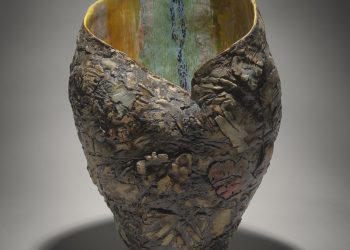
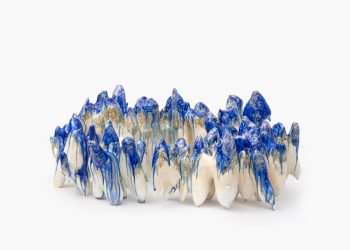
Songs From A Wishing Well, 2026
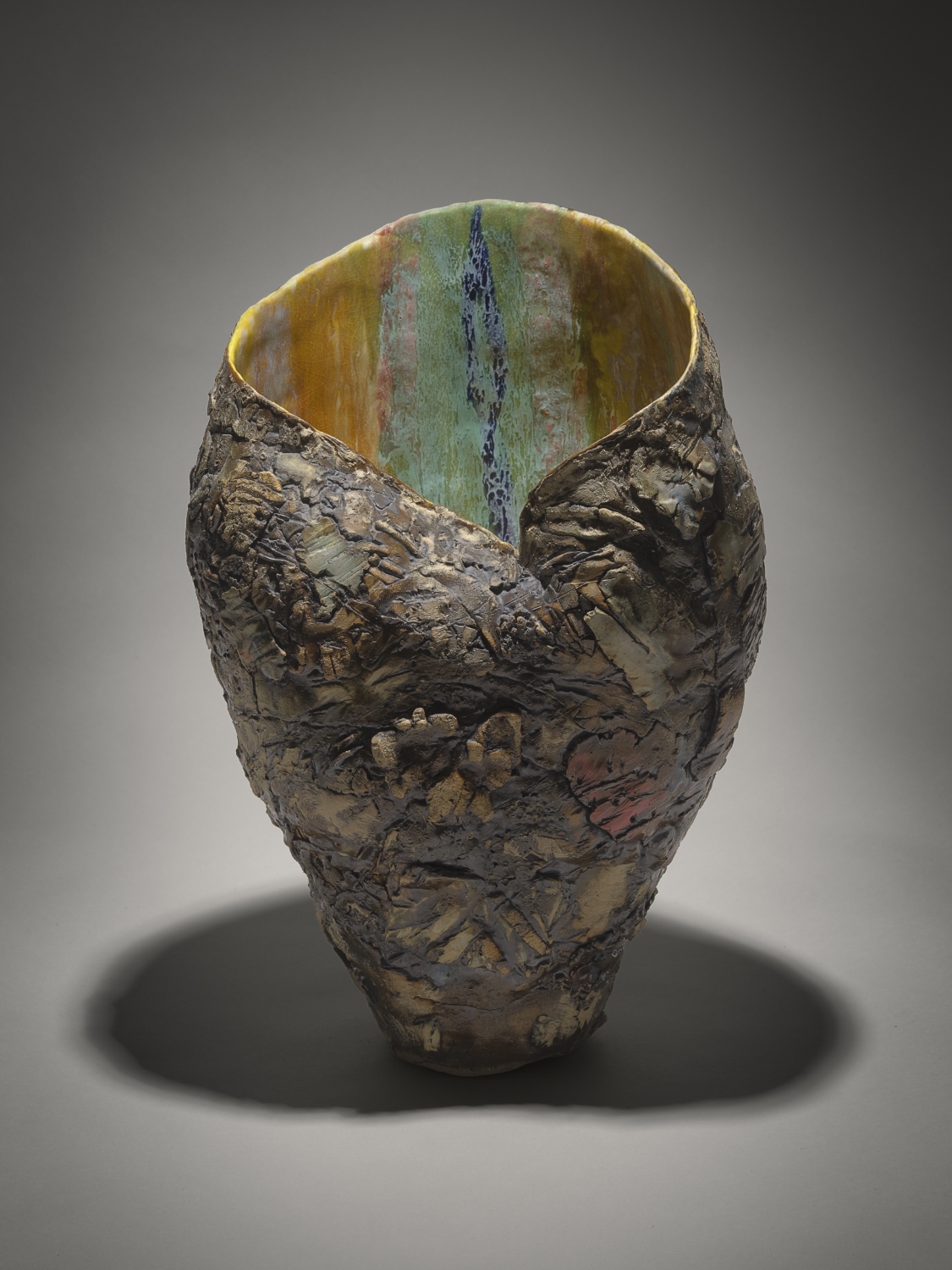
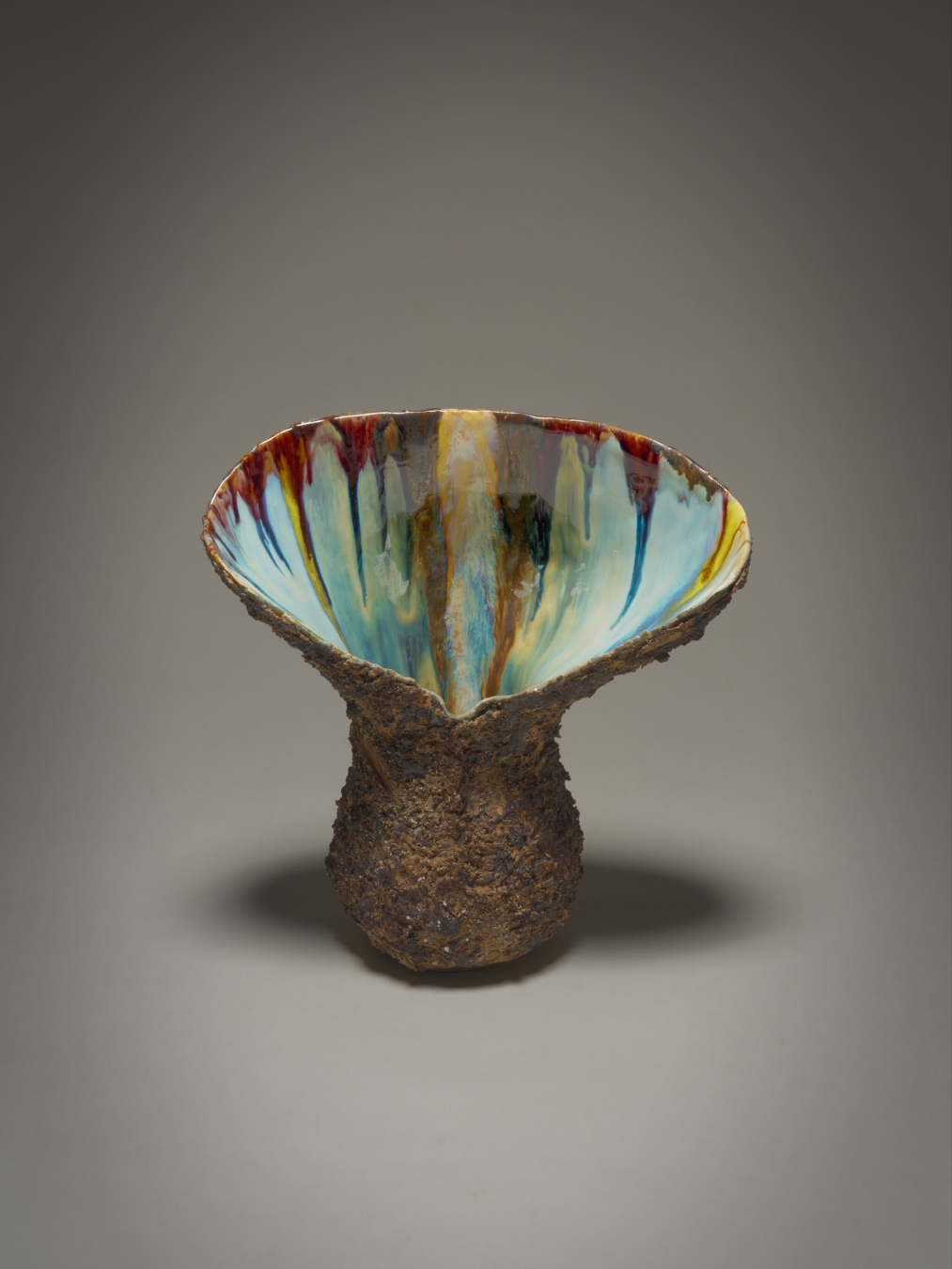
The Wishing Wells are not symbols. They are instruments that re-envision art as service, not spectacle; as participation, not concept.
Each wishing well begins as an empty form—an exterior material body shaped around an interior formlessness. This inner void is not absence but potentiality. Only through the gesture of another does the vessel move from potentiality into actuality. The work is completed not by the artist, but by the deed of the audience. These works collapse the division between subject and object. The viewer becomes participant; contemplation becomes action. And in the suspended instant when a hand hovers, a coin touches the rim, the interior receives—subject meets object, self meets other. I and Thou, as described by Martin Buber, converge. This is devekuth—adhesion, the closing of distance between human and divine. In this exchange, the boundary between sacred and ordinary life dissolves. The simple gesture—dropping a coin, making a wish becomes a mitzvah, a moral act that reverberates beyond itself. Tikkun Olam, the world is healed. The wells insist that spirit is not elsewhere. It is here, activated through the smallest deed.
Echoing the Lurianic vision of shattered vessels and scattered sparks: the world is broken; divinity is dispersed; repair requires human participation. Each deposited coin gathers fragments of light, creating a space where intention of the heart, action, and spirit meet. On the surface, they are familiar forms—flowers, bodies, nature, accessible, almost vernacular. Yet their deeper meaning unfolds only to those who enter into relation with them. They ask something of us. They demand presence, and commitments of care and kindness. They embody like Levinas says “an infinite responsibility towards the other.” These works are about living and life, they guide toward love.
They are thresholds—moments in which ordinary gesture becomes sacred, and the distance between self and world dissolves, if only for a breath.