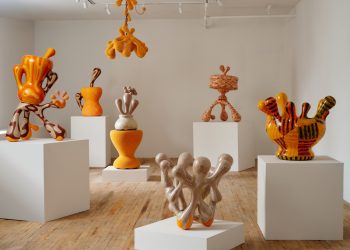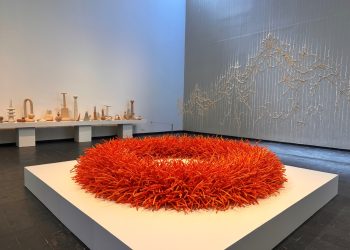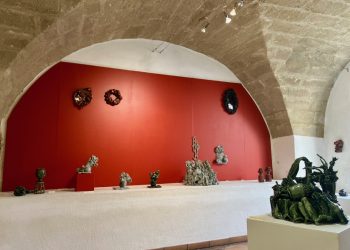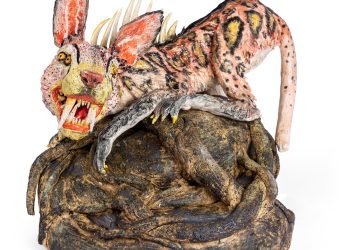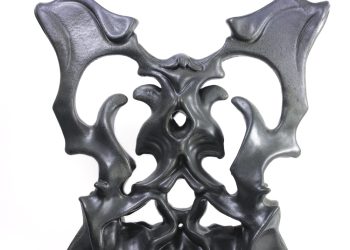
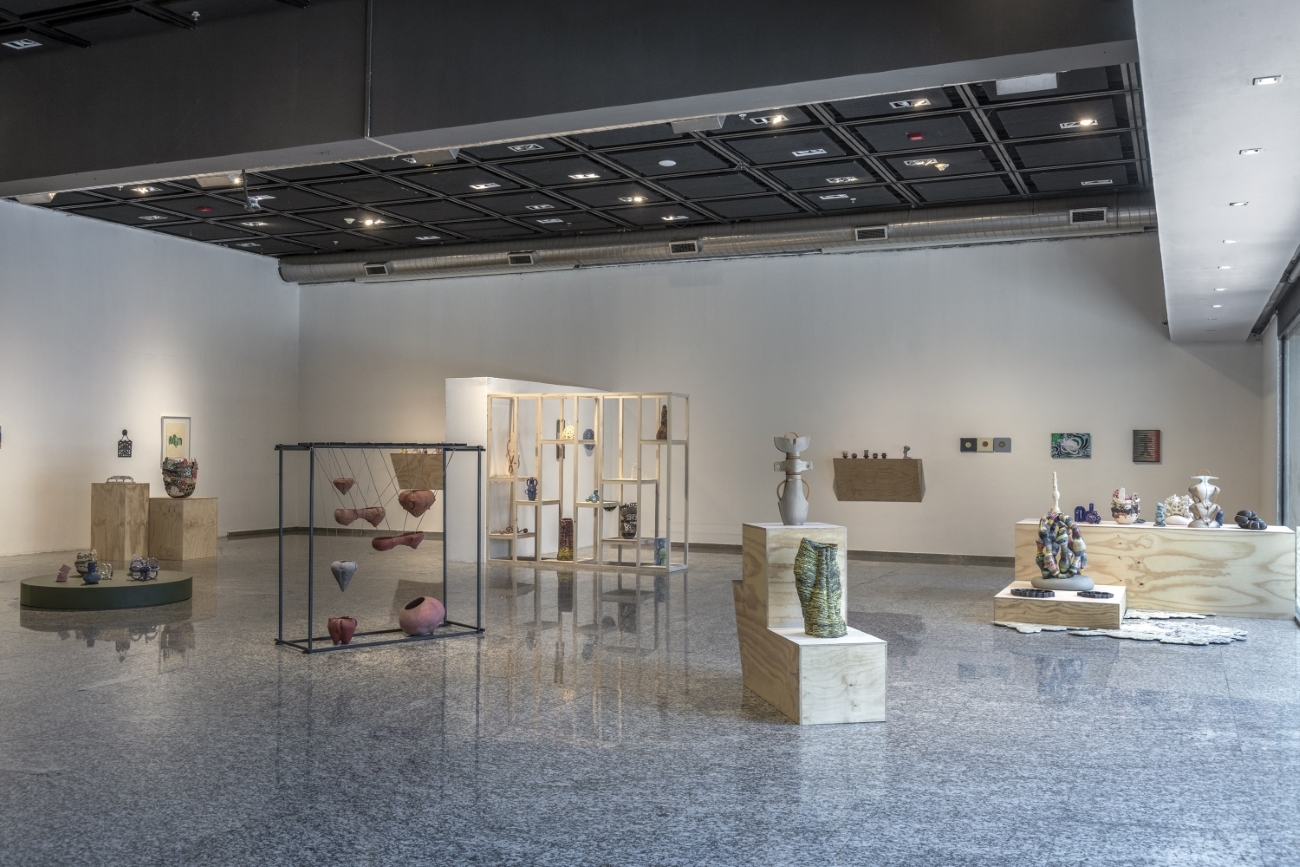
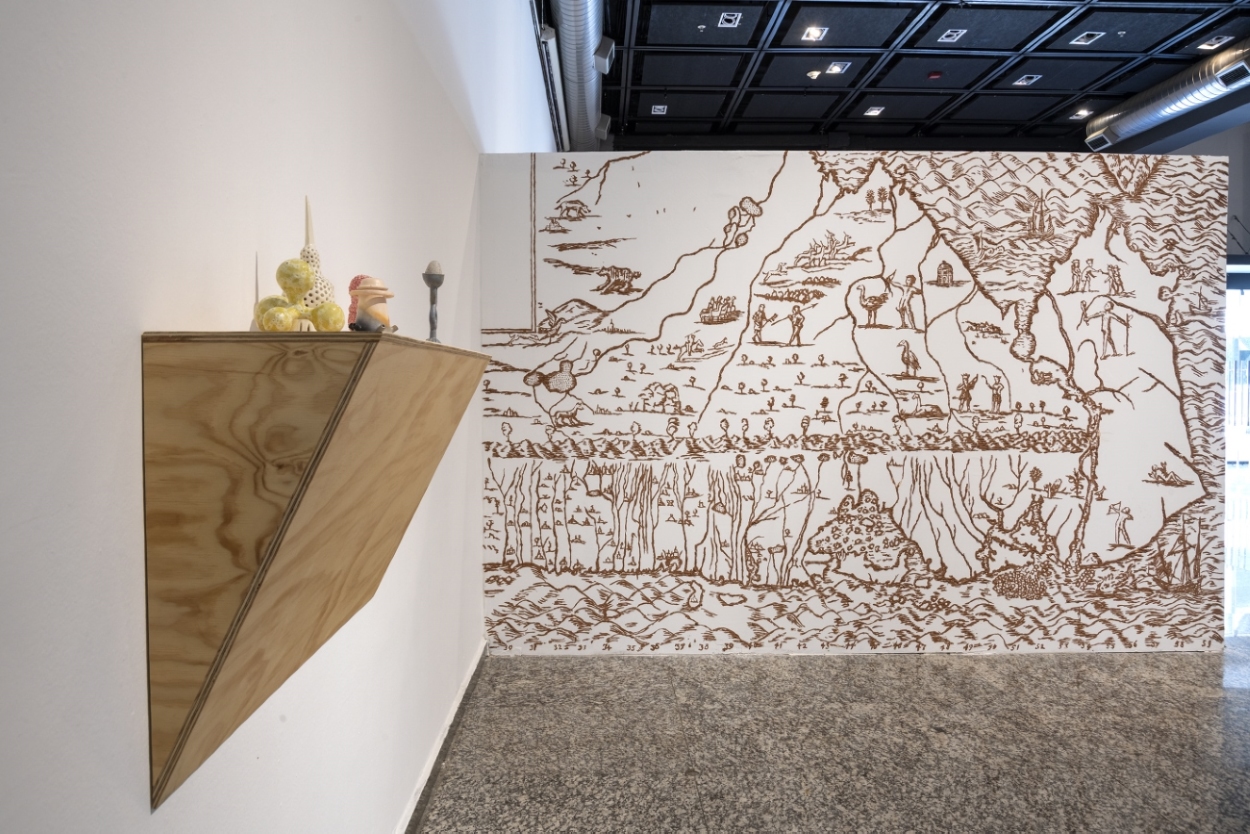
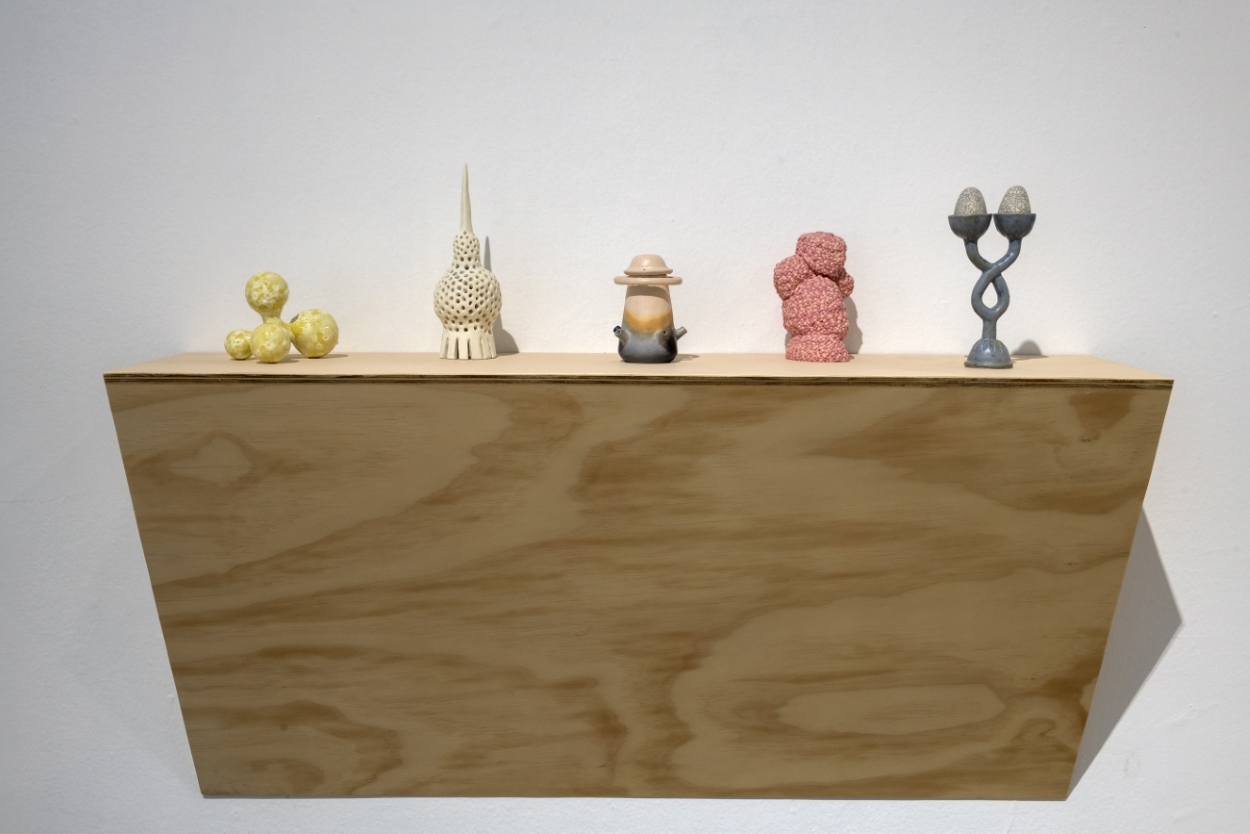
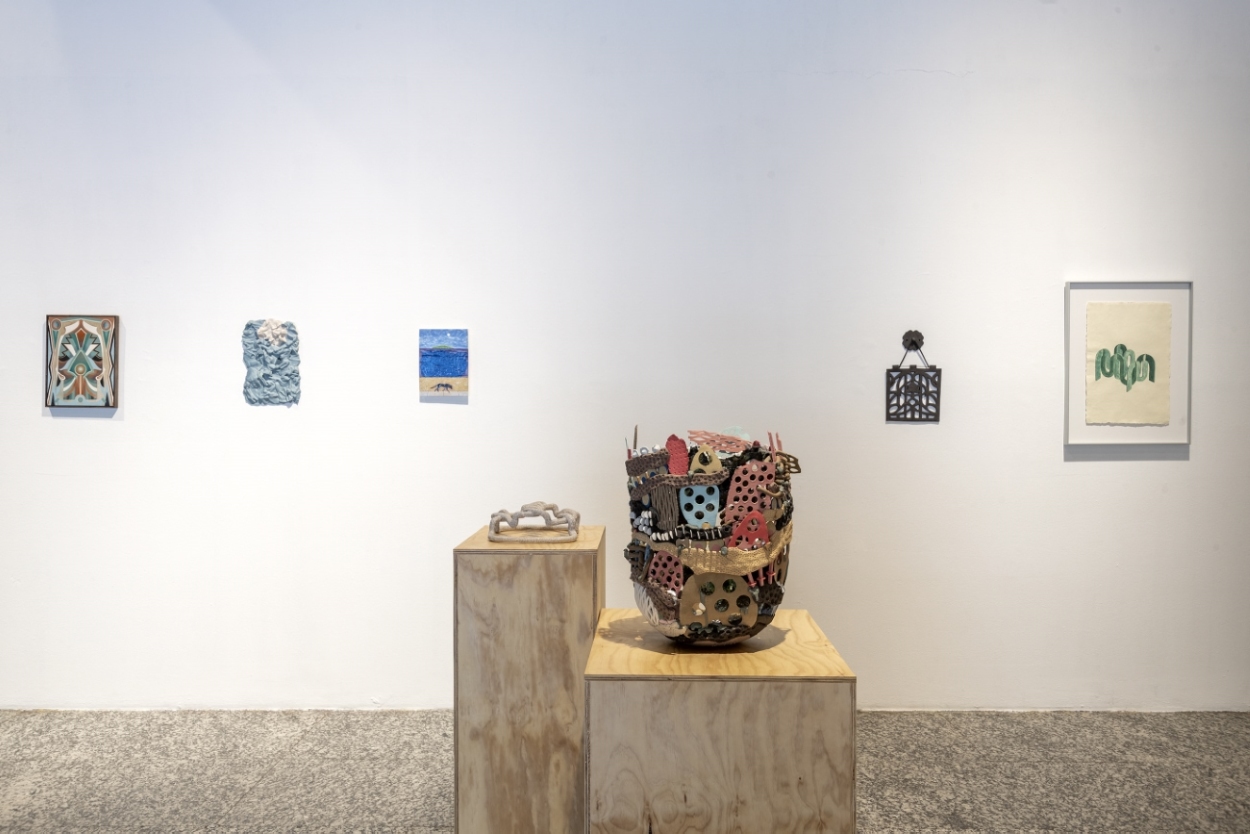
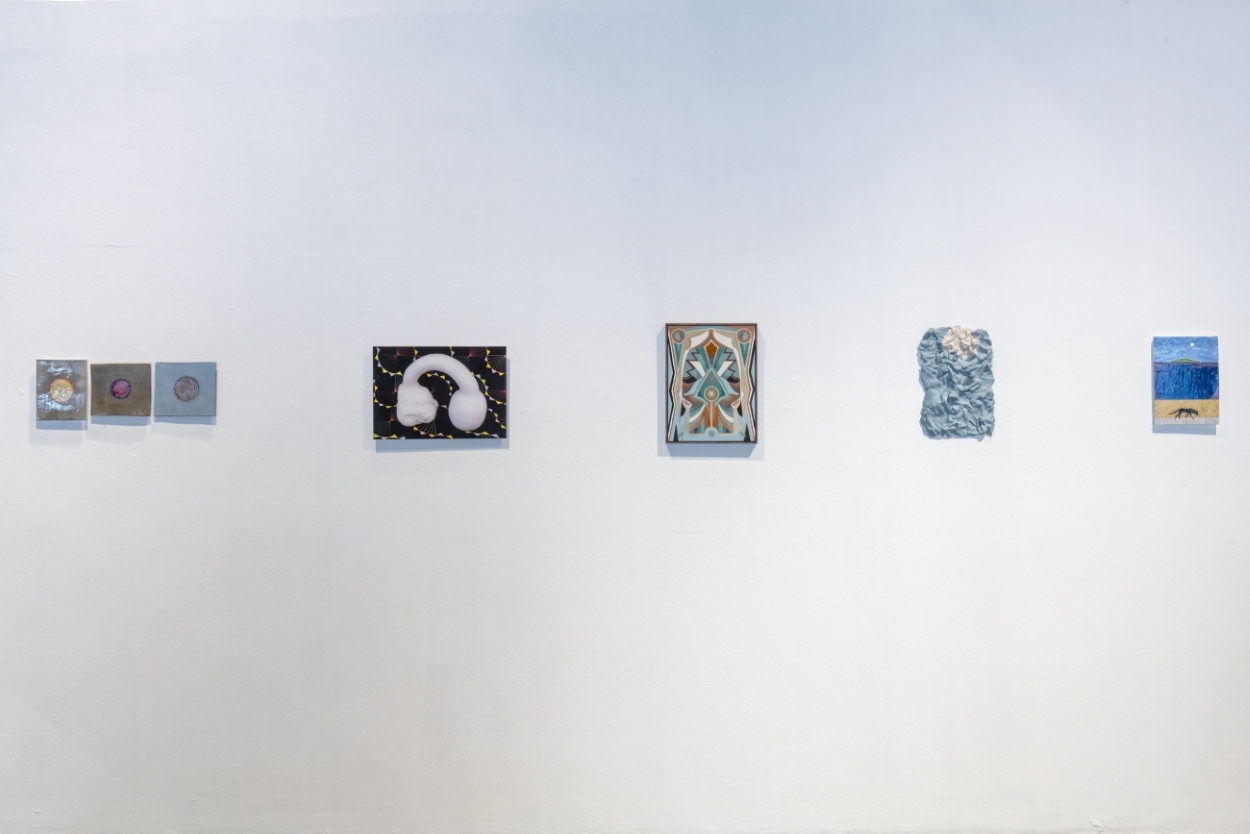
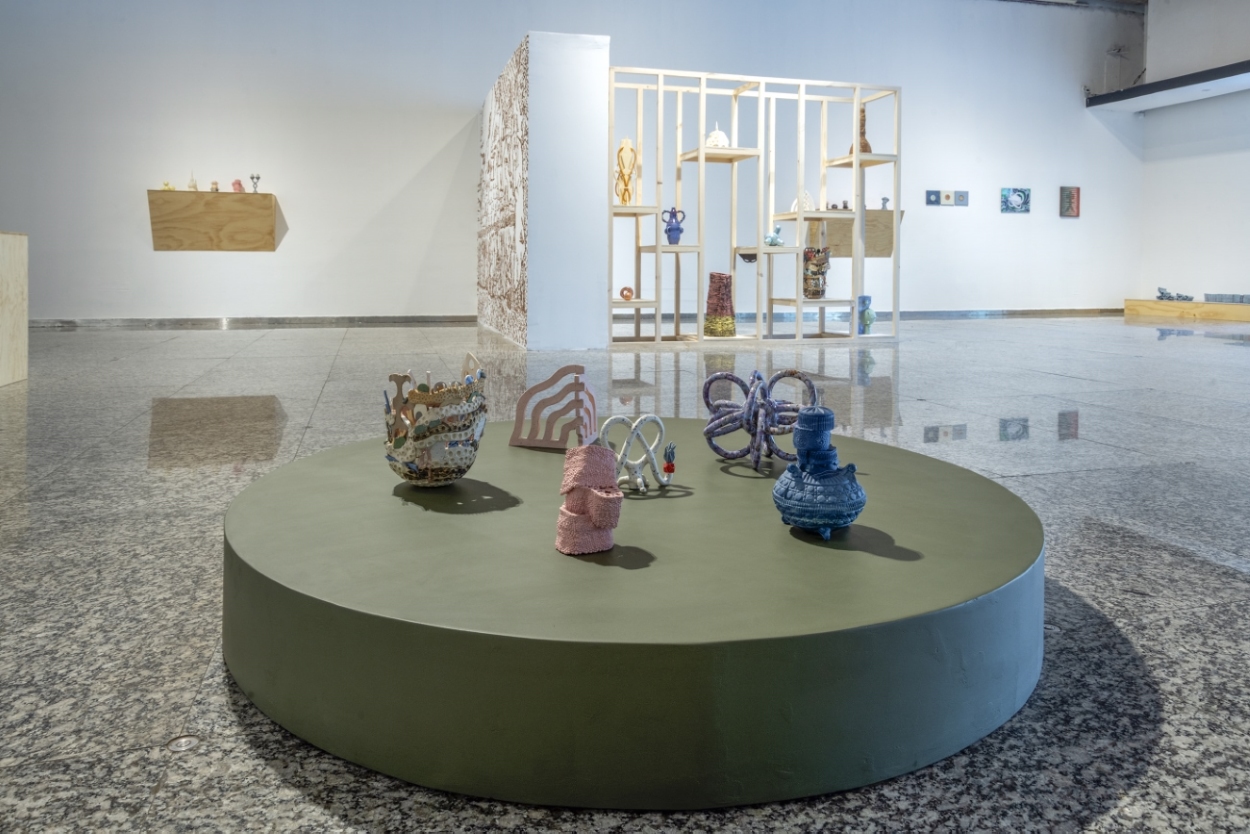
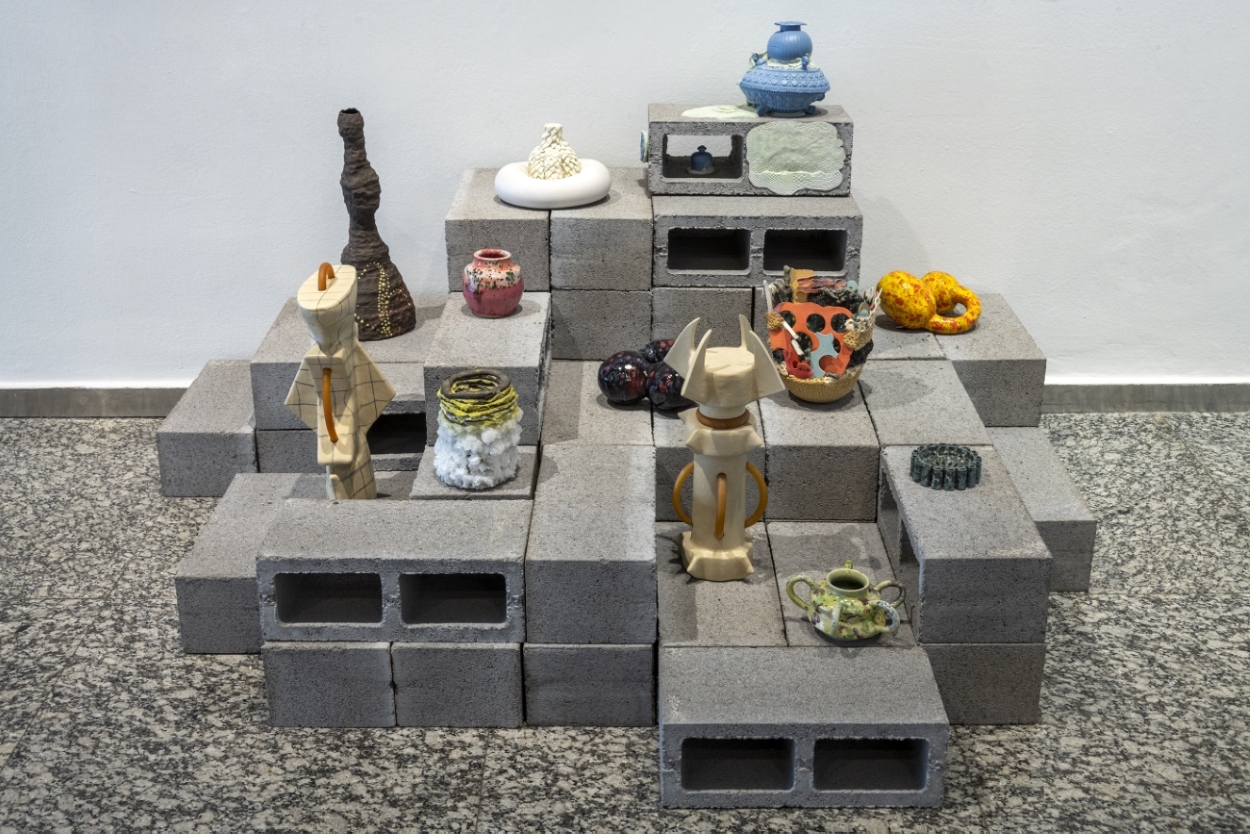
Forms From The Subsoil is on view at Sala de Arte CCU, Santiago, Chile
April 9 – June 5, 2026
Participating artists: Magdalena Atria, Renata Ayala, Macarena Correa, José Cori, Colomba Fontaine, Martín Kaulen, Patricio Kind, Mariette Lefranc, Rocío Olivares, Daniela Pulido, Paula Subercaseaux, Valentina Soto, Catalina Vial and Catalina Zarzar.
Ceramics carries a familiar history: vessel, function, craft, permanence. For centuries, it has been tied to utility, ritual, everyday use and, of course, manual skill. Forms from the Subsoil begins precisely from the possibility of interrupting that familiarity. Not in order to deny this history, but to ask again under what conditions ceramics appears today, what relations it activates, and what status it acquires when it no longer responds docilely to the categories that have historically organized it.
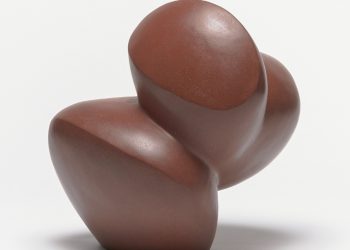
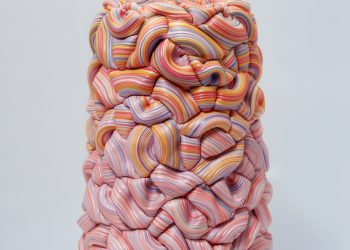
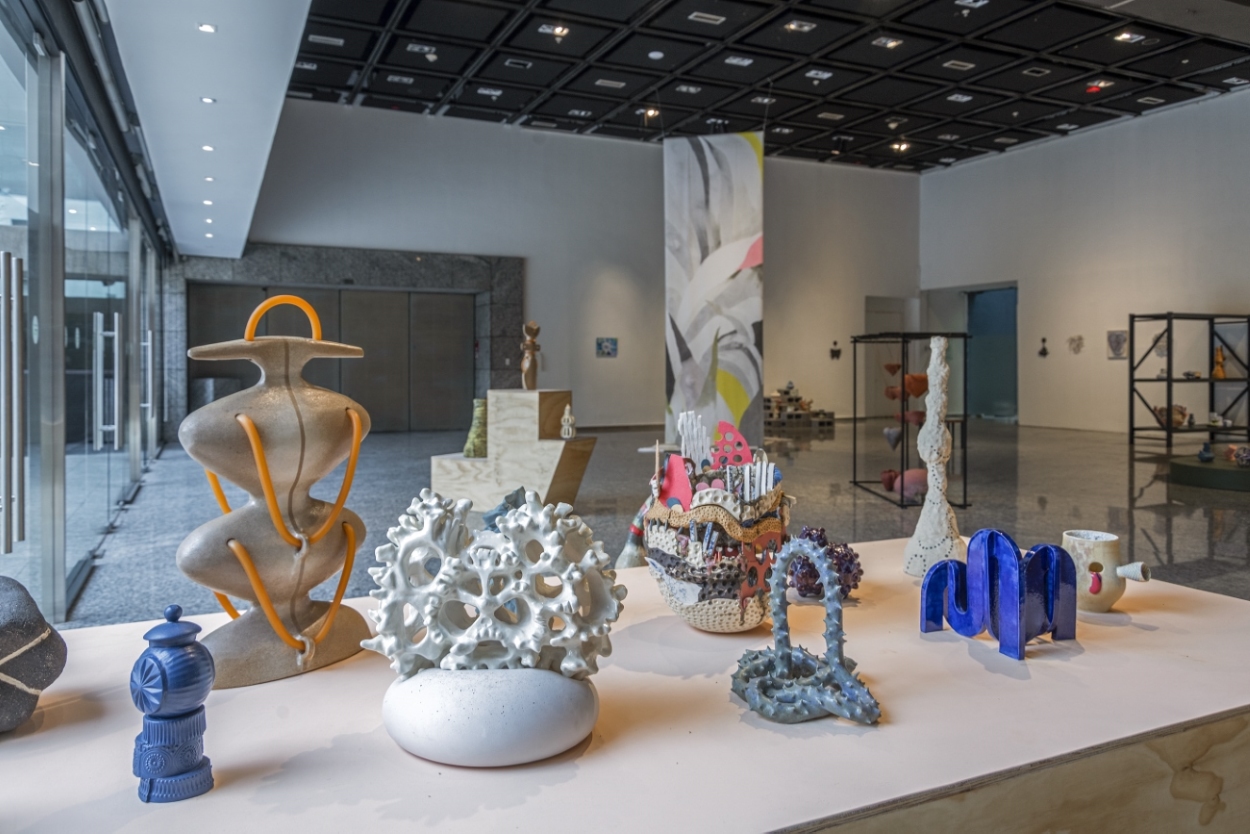
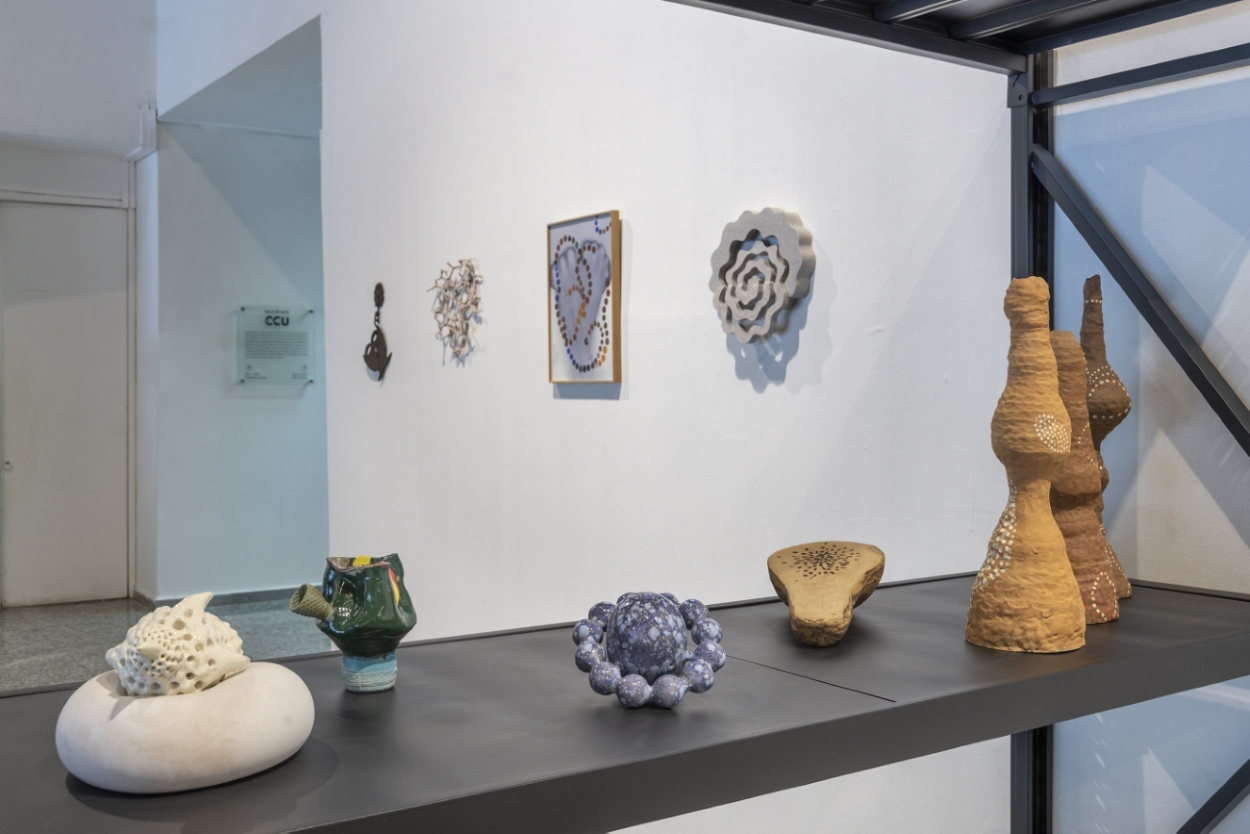
The exhibition does not attempt to offer a survey of contemporary ceramics. Instead, it proposes a scene in which the medium shifts its condition. Clay appears as surface, volume, edge, residue, structure, skin, module or fragment. At times it preserves a memory of the vessel; at others, it seems to have passed through that genealogy and become organism, relief, expanded image or spatial device. Rather than a rejection of tradition, what emerges is an insistent negotiation with it: a ceramics that does not entirely abandon its narratives of origin, but does not allow itself to be contained by them either.
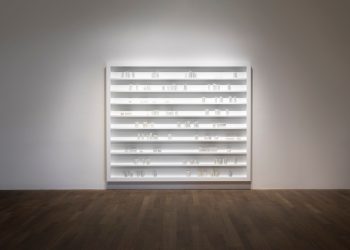
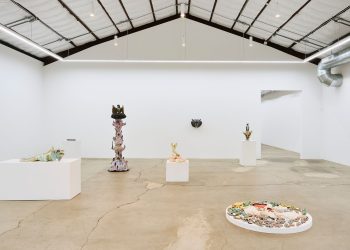
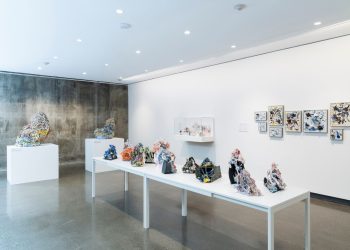
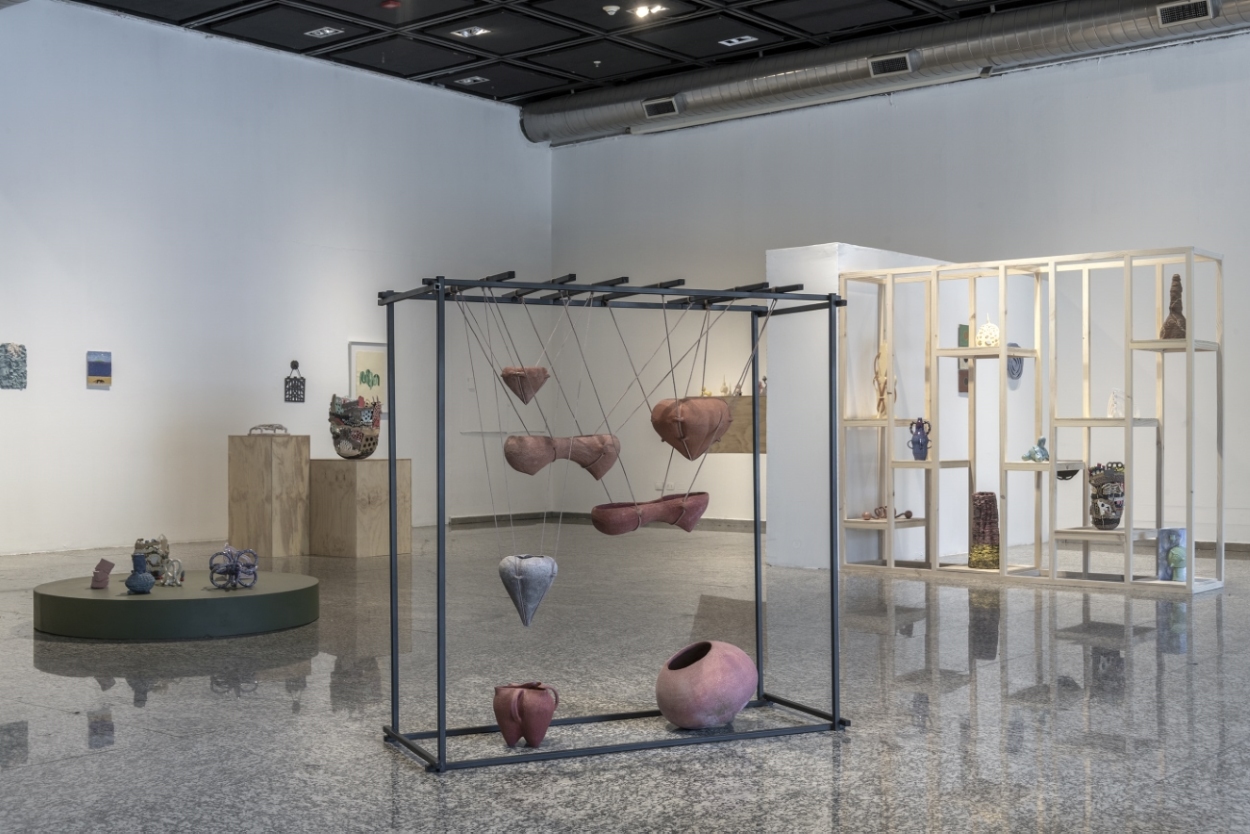
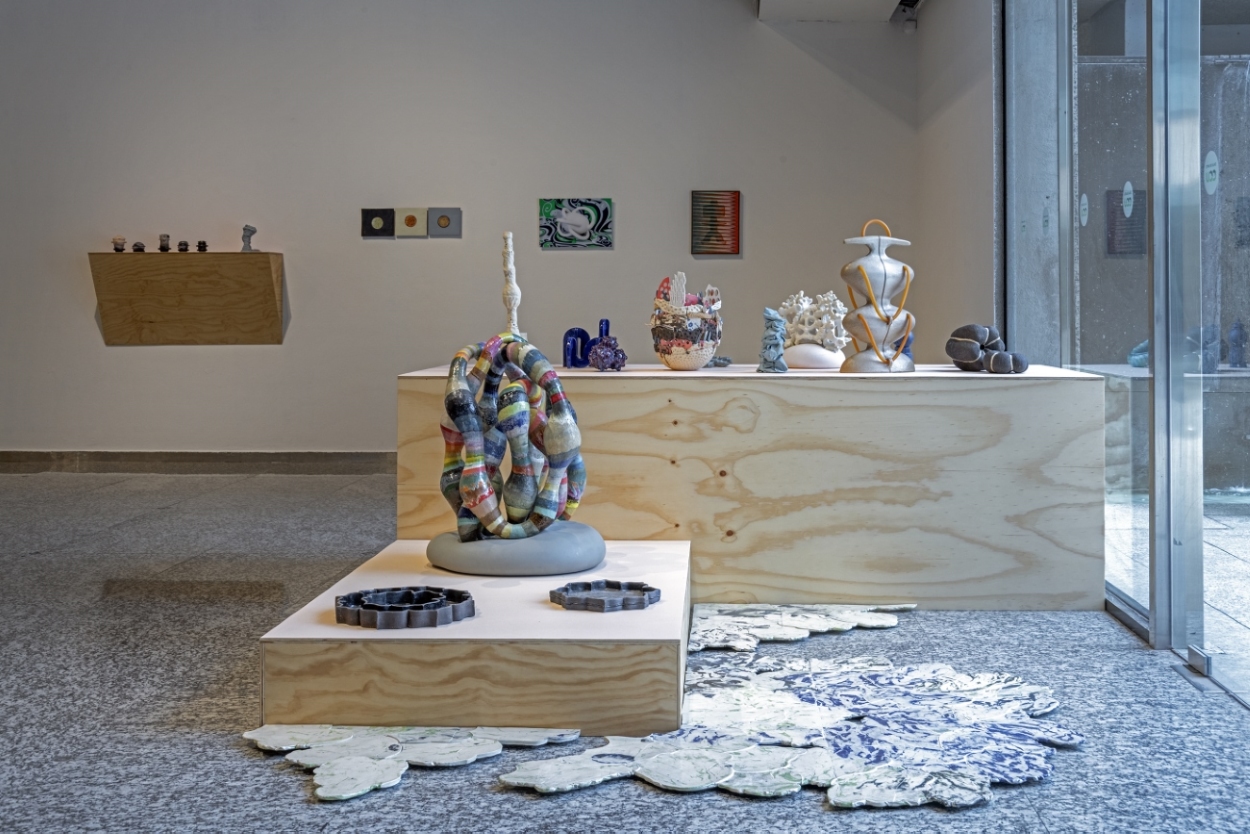
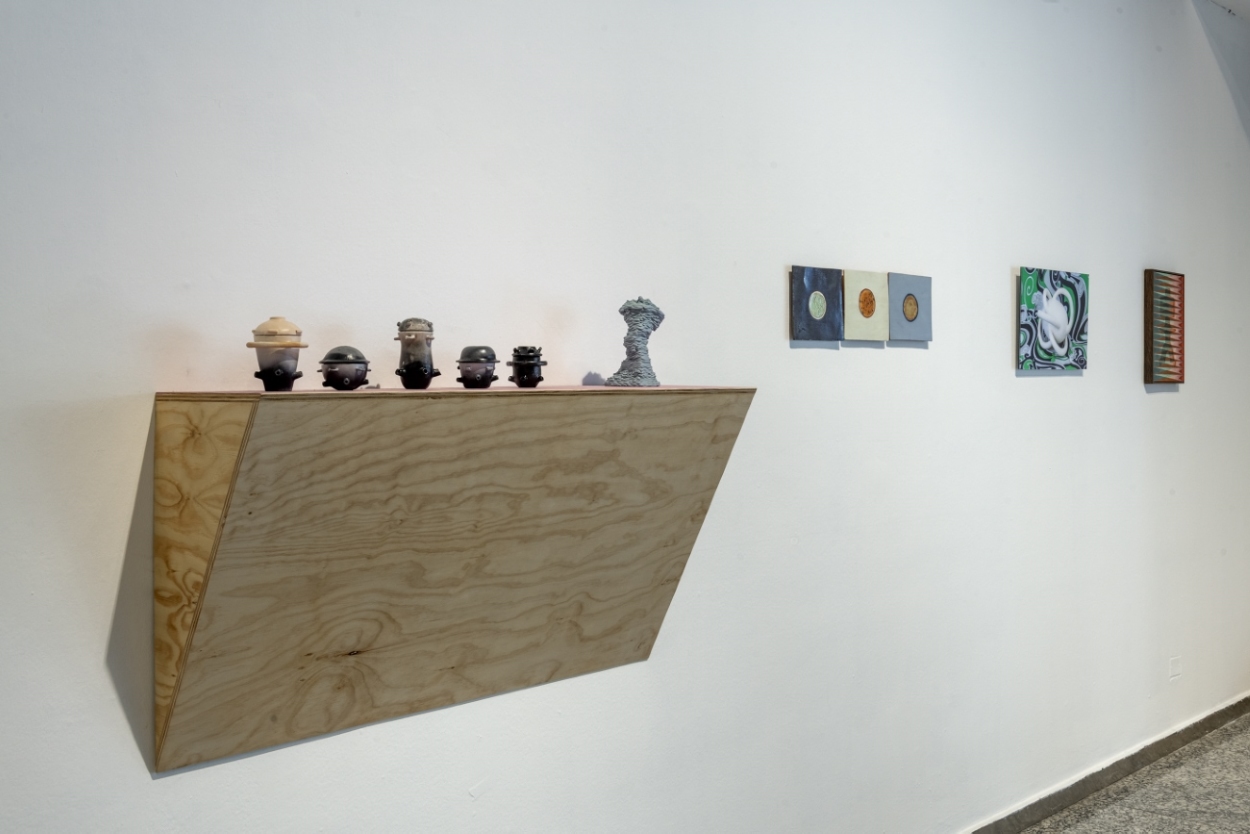
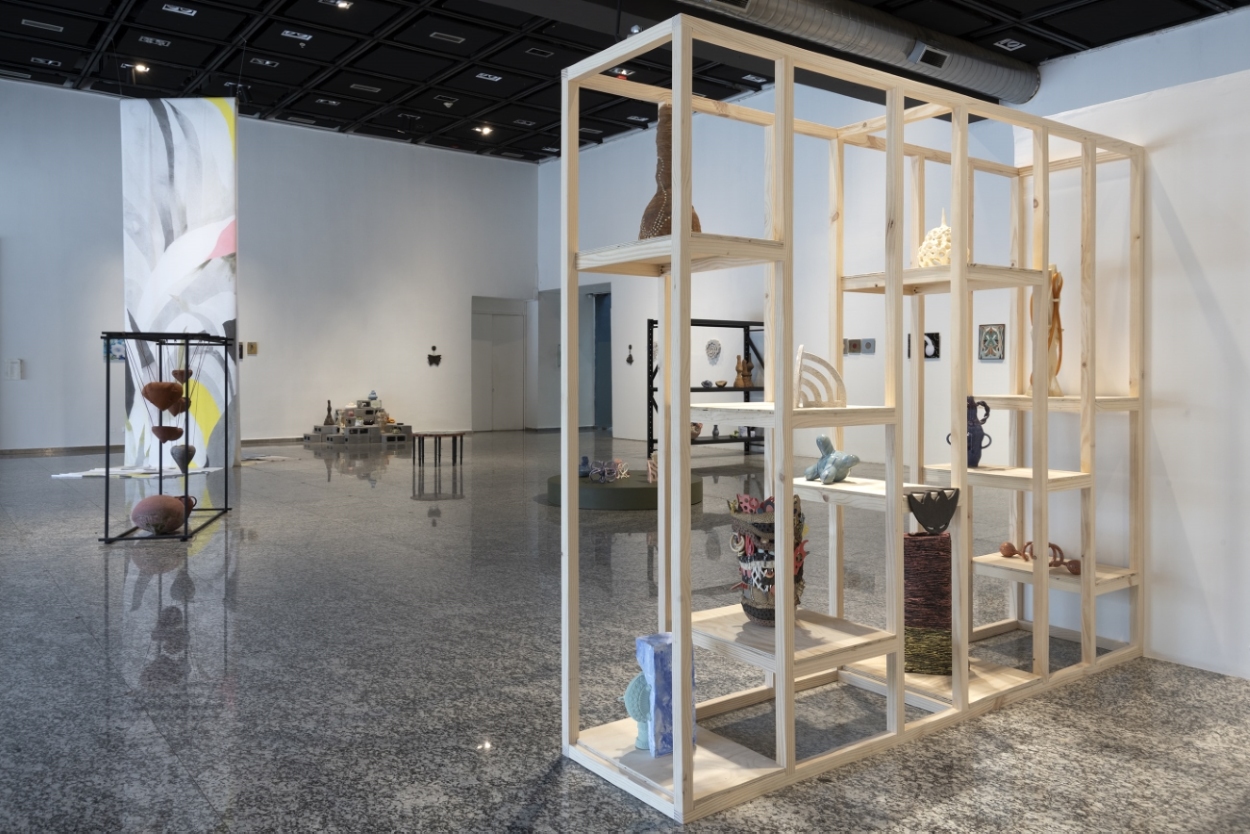
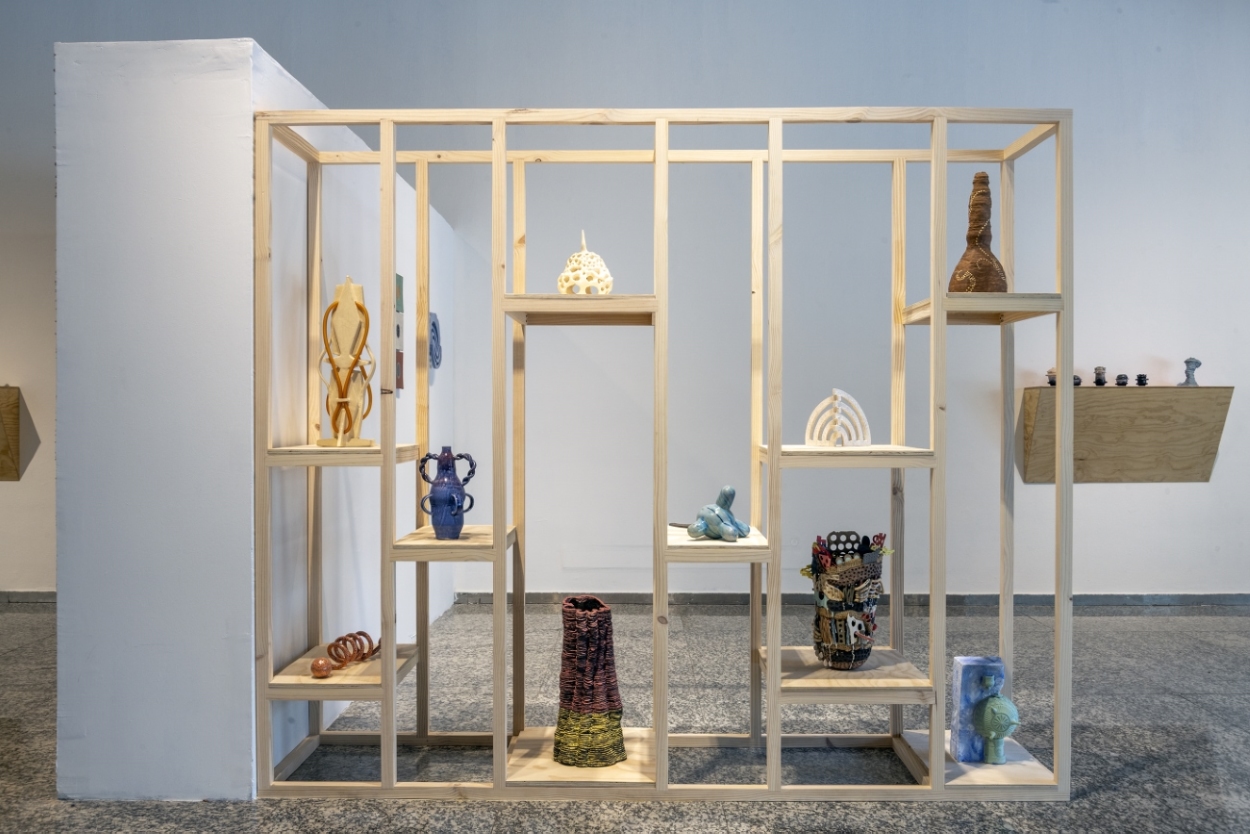
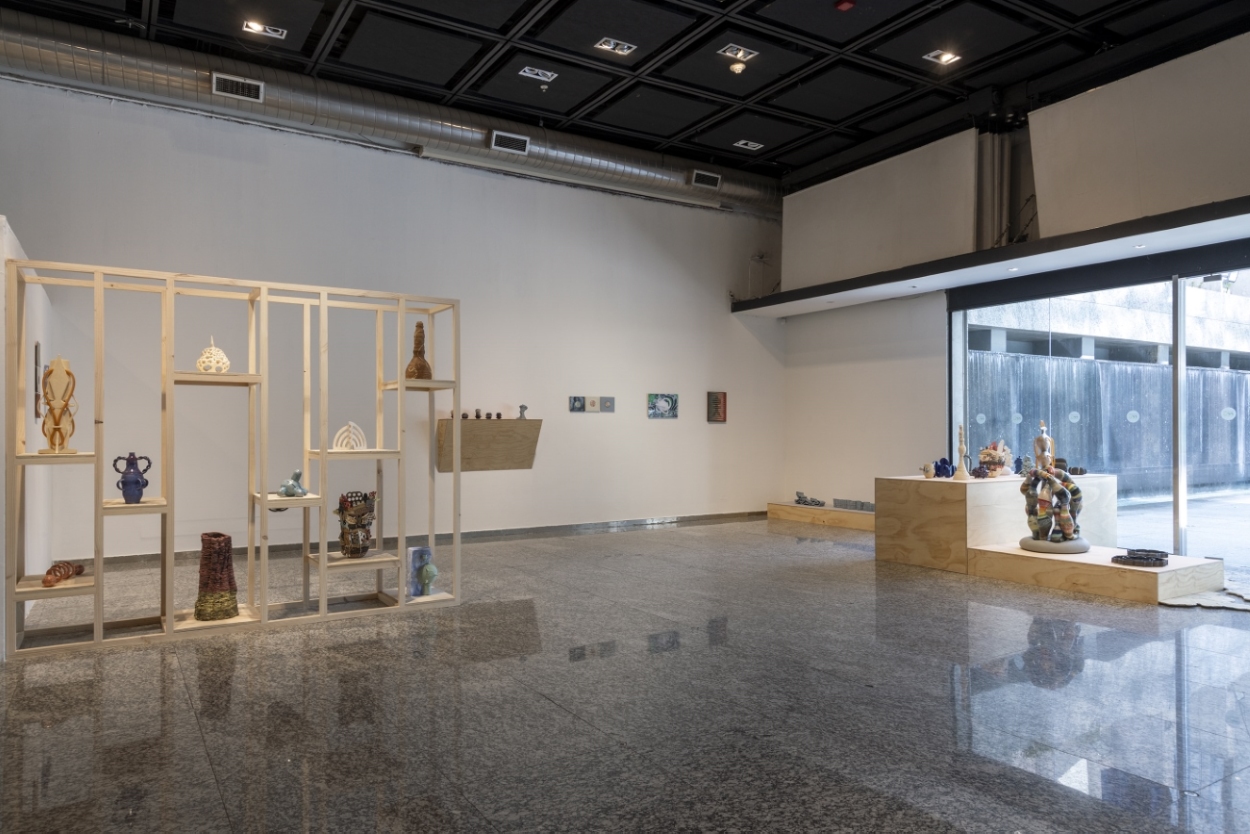
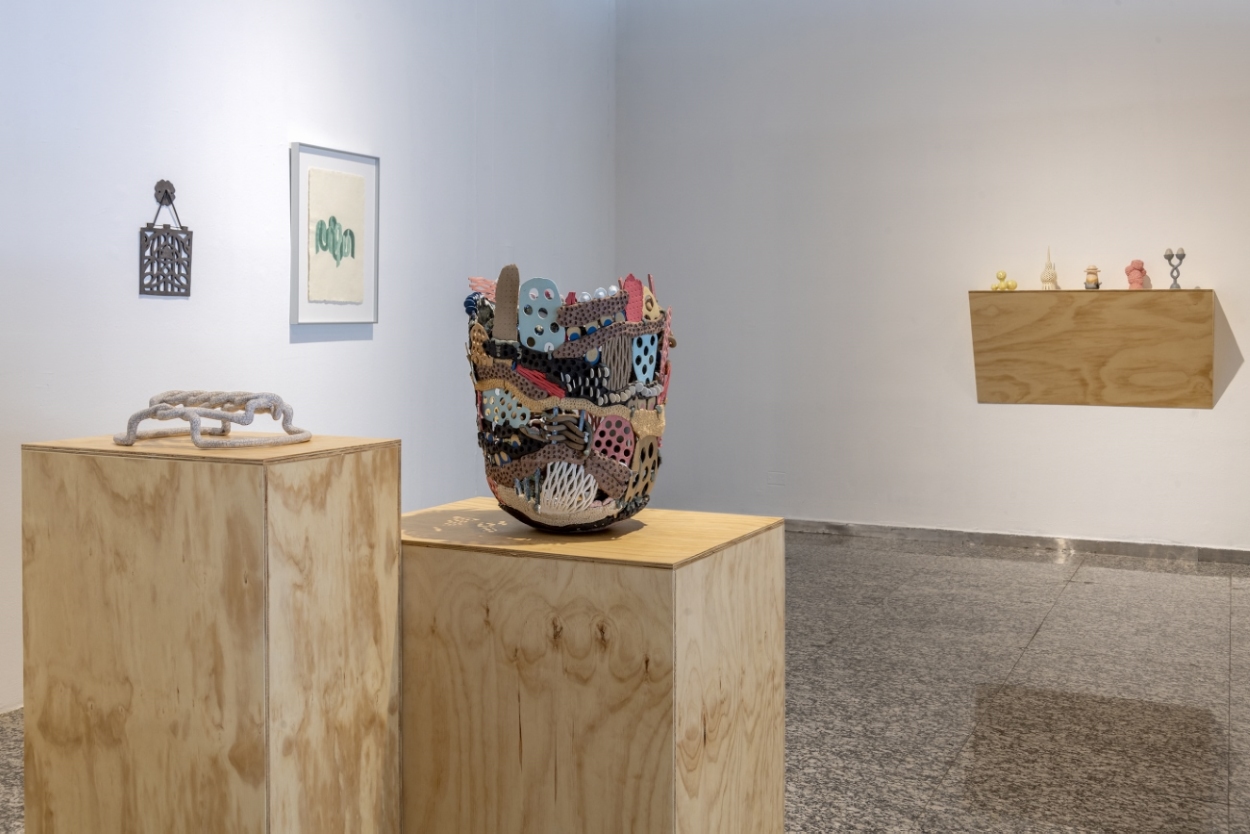
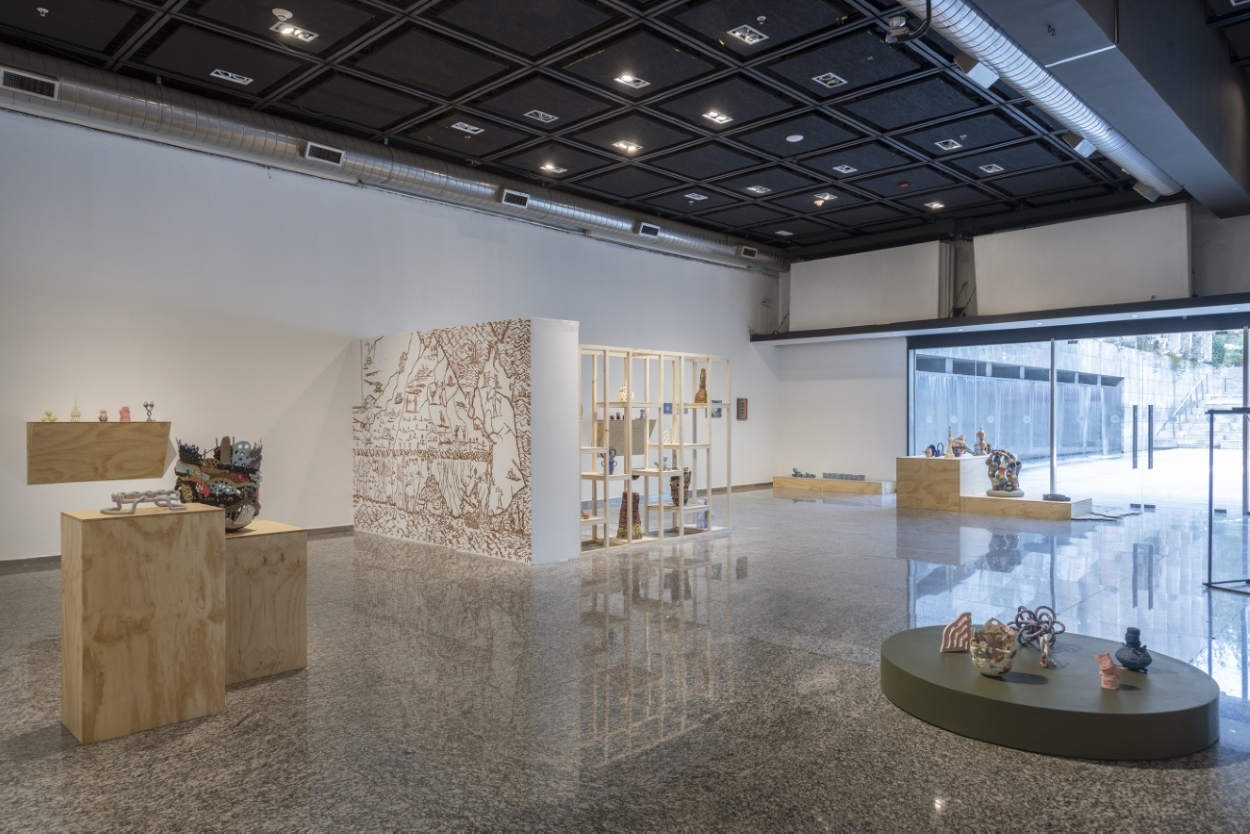
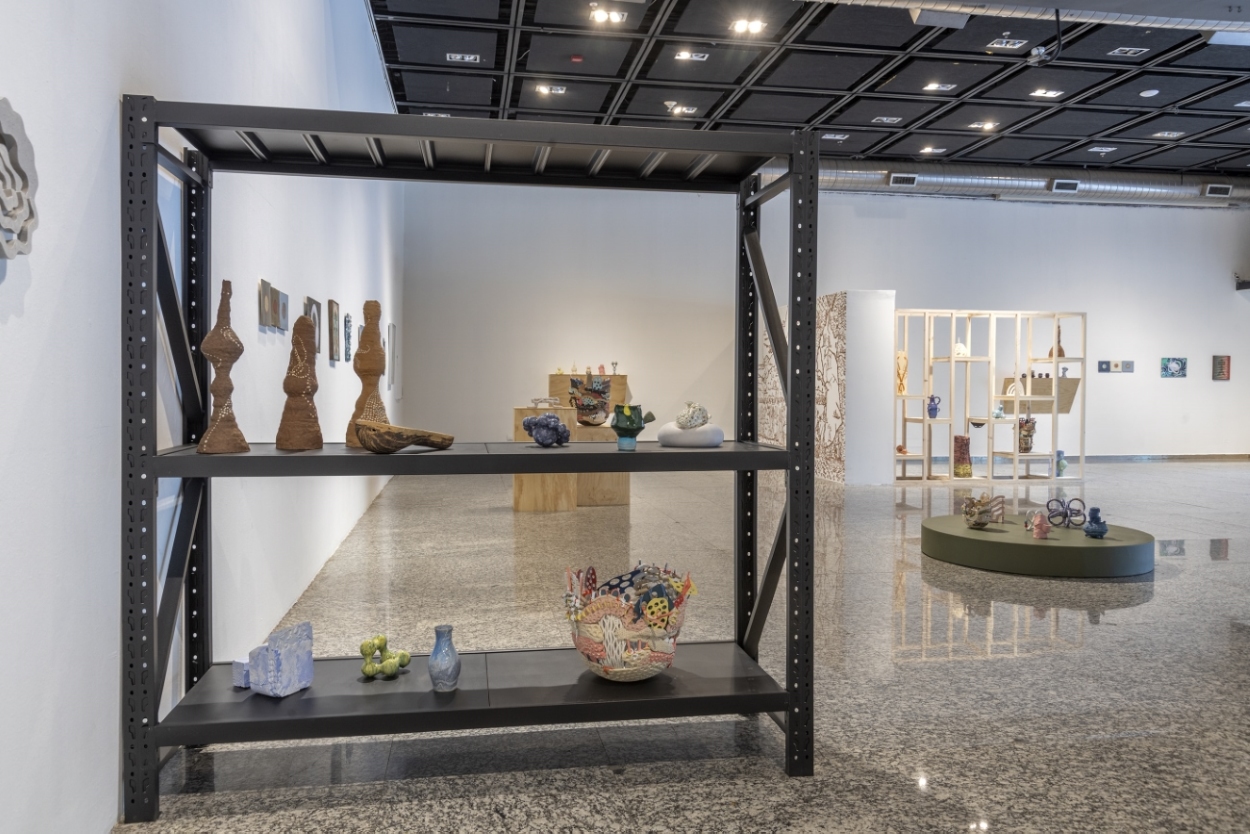
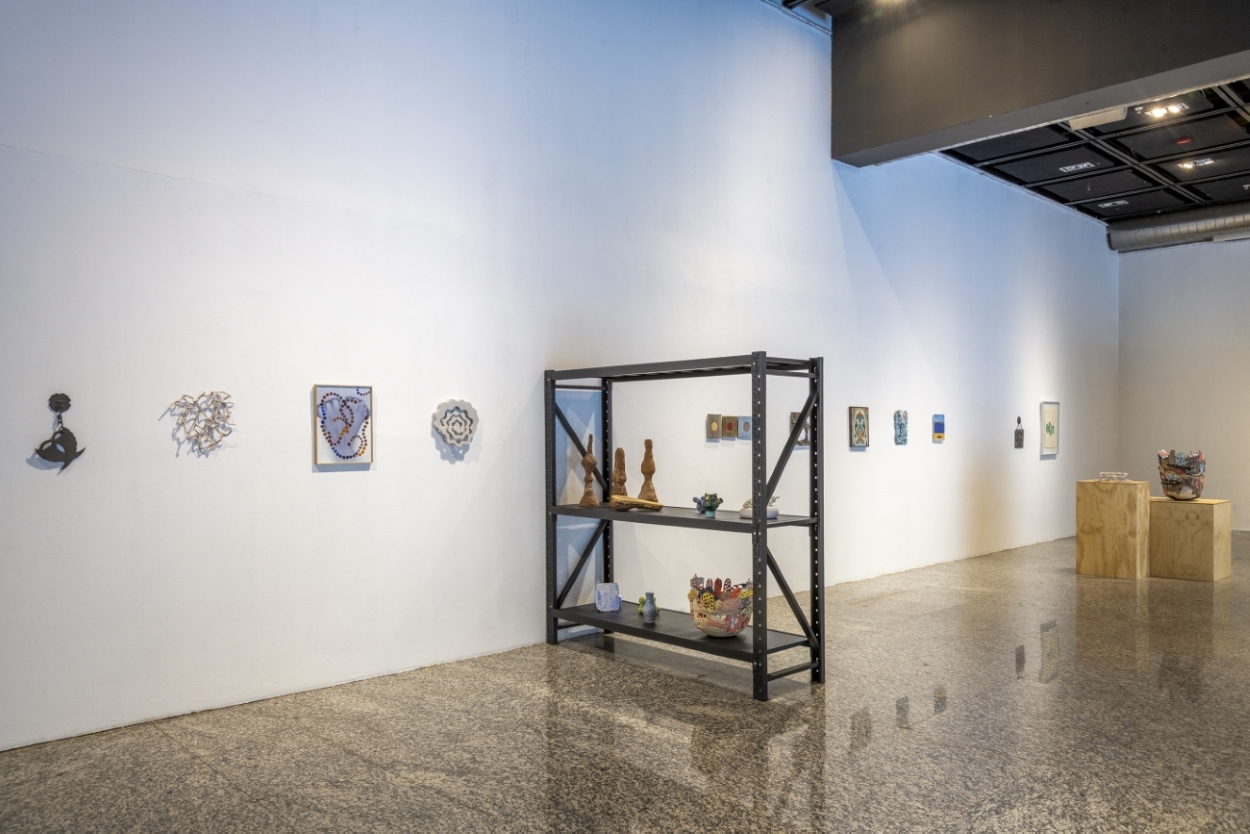
This condition is activated through the way the works are placed in relation to one another. The exhibition display avoids a neutral or individual sequence and instead proposes a syntax of appearances. Shelves, platforms, metal racks, open structures and suspended surfaces displace ceramics from the singular logic of the pedestal, distributing it across multiple regimes of reading. At moments, the display suggests a worktable; at others, an archive, a storage room, a shelf or an architectural structure. The meaning of each piece depends on its form, surface and scale, but also on its proximity, isolation and the neighborhood in which it is inscribed.
For this reason, the exhibition is better understood less as a group of objects than as a system of circulation. Some works, when gathered together, form communities; others produce differences, contrasts or shared scenes. Others, by contrast, interrupt the route and change the temperature of the exhibition. Certain pieces break through the overall density in order to reveal another rhythm within the show. A raw material such as quartz, associated with the formulation of glazes, may cease to be a recipe and become an autonomous surface; a binding material such as slip may shift toward drawing and cartography; a form close to furniture, such as a table, may open an ambiguous zone between art, design and use.
The “subsoil” of the title may seem obvious: it refers to the physical origin of clay, to minerals, sediments and materials extracted from the earth. But it also points to a historical and sensorial thickness. It is deposit, stratum, pressure and latency: a zone where inherited techniques, persistent errors, industrial procedures, formal intuitions, affective gestures and barely visible imaginaries accumulate. In some works, such as those by Catalina Vial, this appears as a recomposition of layers, traces and contacts. In others, such as Martín Kaulen’s, it becomes the sedimentation of an unstable perception. Elsewhere, as in Daniela Pulido’s work, it emerges as a symbolic memory condensed in forms that touch upon the ritual or the heraldic without fully settling into either register. Even the counterform, the mold and the casting process, so visible in certain operations by Renata Ayala, bring this ground to the surface as an active part of the work.
Seen up close, many of these pieces share an unstable morphology. Not because they are poorly defined, but because they refuse to settle into a single formal family. At times, matter shifts toward image; elsewhere, the line thickens until it becomes edge, drawing in space or supporting structure. In other works, volume opens, perforates or crumbles, as if preserving the memory of an internal pressure. Some forms seem to emerge through patient accumulation; others through assemblage, stitching, grafting or modular repetition. In Paula Subercaseaux’s Hormigueros series, for example, the surface concentrates a contained intensity, almost as if excavated. In other areas of the exhibition, porosity, opacity and filtration push the reading toward less resolved states, closer to material testing than to the closure of the object. This instability is also a negotiation with the technical conditions of the medium: shrinkage, fracture, collapse, the memory of firing, and the resistance of the material.
It is here that the exhibition becomes especially fertile. The works cease to assert themselves as closed units and begin to behave as neighborhoods. The display organizes these differences in order to sustain them. The ornamental, the tectonic, the playful and the architectural remain together. Without abandoning the singularity of each work, the exhibition attempts to construct a scene of contagion, resonance and friction.
There is also a deeper intuition running through the exhibition: ceramics retains a historical capacity to gather. Long before modernity separated art from craft, utility from autonomy, clay was tied to scenes of assembly and ritual: the table, the offering, storage, ceremony, mourning. Ceramics contains things; more importantly, it also contains ways of being together. Perhaps this is why it has proven so difficult to discipline completely. Even when it is reduced to craft or elevated to sculpture, a fundamental ambiguity persists within it: it remains intimate and public, utilitarian and symbolic, tactile and speculative, domestic and architectural at the same time.
Forms from the Subsoil works through this ambiguity without attempting to resolve it. Far from offering a conciliatory image of the medium, it configures a territory in tension. Ceramics appears as a matter that never fully settles: it accumulates layers, remains and excesses; it changes meaning depending on where it is placed; it is affected by architecture, distance, support and the company of other forms. The exhibition does not seek to establish a new definition of ceramics. Instead, it leaves it open, as something still taking place and deliberately unwilling to come to rest.
Curatorship – Exhibition Design – Furniture Design: Patricio Kind
Production: Patricio Kind – Claudia Verdejo – Celeste Vilches
Exhibition Design Render: Camilo Contreras
Furniture Construction: Ignacio Mardones
Installation: Periferia Arte – Viviana Herrera – Ignacio Mardones – Teresa Córdova – Alejandro Orellana – Celeste Vilches
Gallery Map Design: Celeste Vilches
Paint Sponsorship: KRACK
With the support of: FAAD UDP / Escuela de Arte, through the Artistic Creation Grant Fund
Contact
ccuenelarte@ccu.cl
Sala de Arte CCU
Av. Vitacura 2680
Las Condes, Santiago
Chile
Photos by Jorge Brantmayer