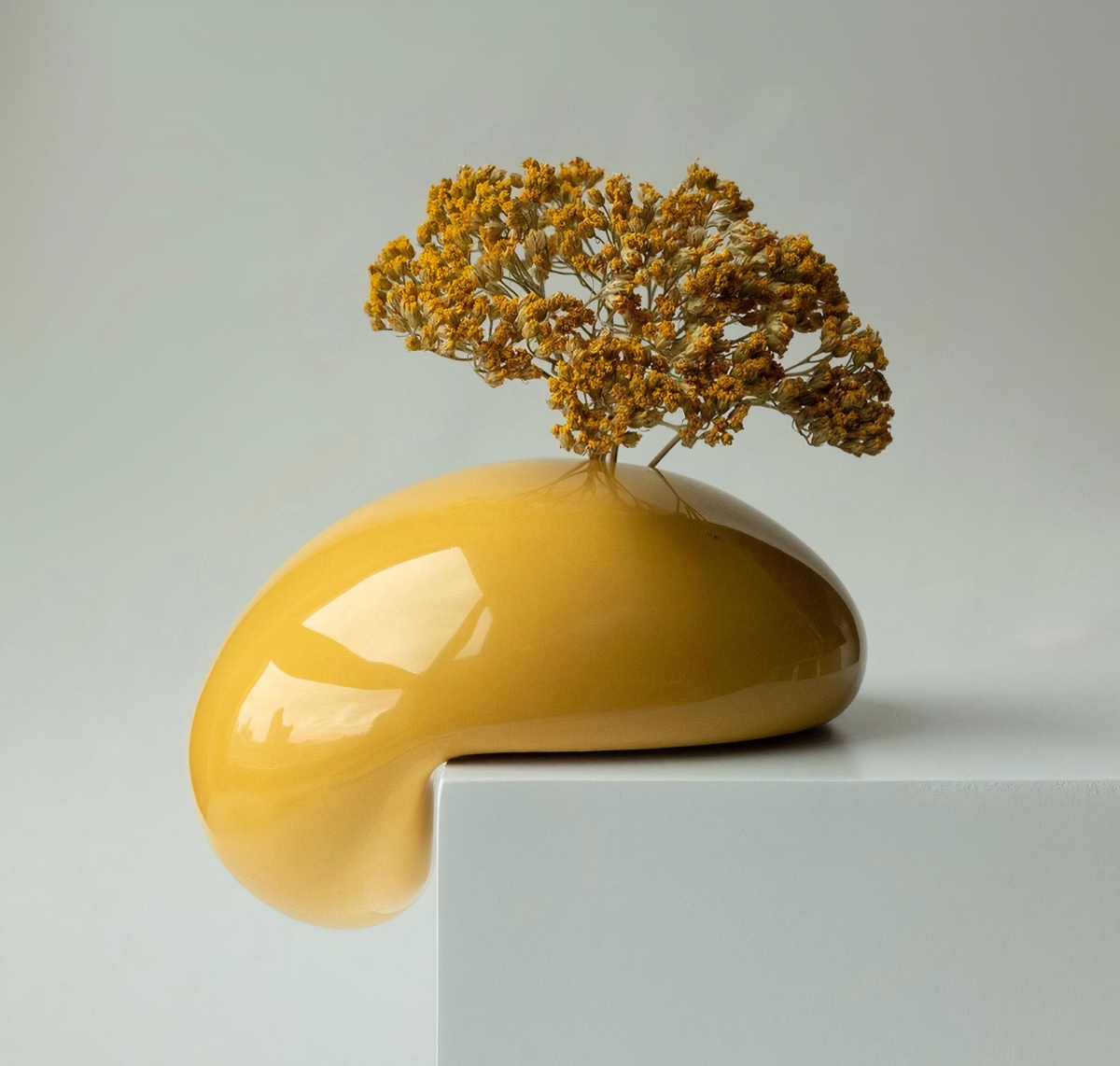
Kwambio presents: To pot or not to pot
Ceramics is having a moment. It is no longer just thought of as a craft taken up in retirement. Mugs are no longer simply knick-knack memorabilia brought home from gift shops, but being sold alongside gorgeous jewelry and fancy clothing. Thanks to Instagram, ceramic art has been given a spotlight, and more and more can foster the art industry, making functional and beautiful art.
Pottery is older than you, your grandmother, and all your relatives together. On the walls of the Egyptian tombs, there are paintings with ceramic vases from Crete. During excavations of the island, archeologists discovered a factory where cups, plates, vessels were made. It took several centuries, but ceramics remain one of the basic materials. People make of ceramic almost everything from a large panel in size of a giraffe to a tiny coaster.
The first evidence of human-made ceramics in Europe dates back to at least 24,000 years BC – a small statue known as Venus of Dolní Věstonice, found in a settlement near Brno, in the Czech Republic. Around the 19th century, the application of the material was discovered in the machine industry: mainly as thermal and electrical insulators in motors.
Due to its long history, the advent of ceramic 3D printing was expected, as ceramic materials have mechanical properties and high-resolution geometries that have never been possible to use with traditional techniques.
Binder Jetting is one of the technologies that started working with ceramic powders. The beginning of this technology goes back to the 90s. The technique consists of manufacturing ceramic powders using a binder that solidifies in a cross-section on a powder bed.
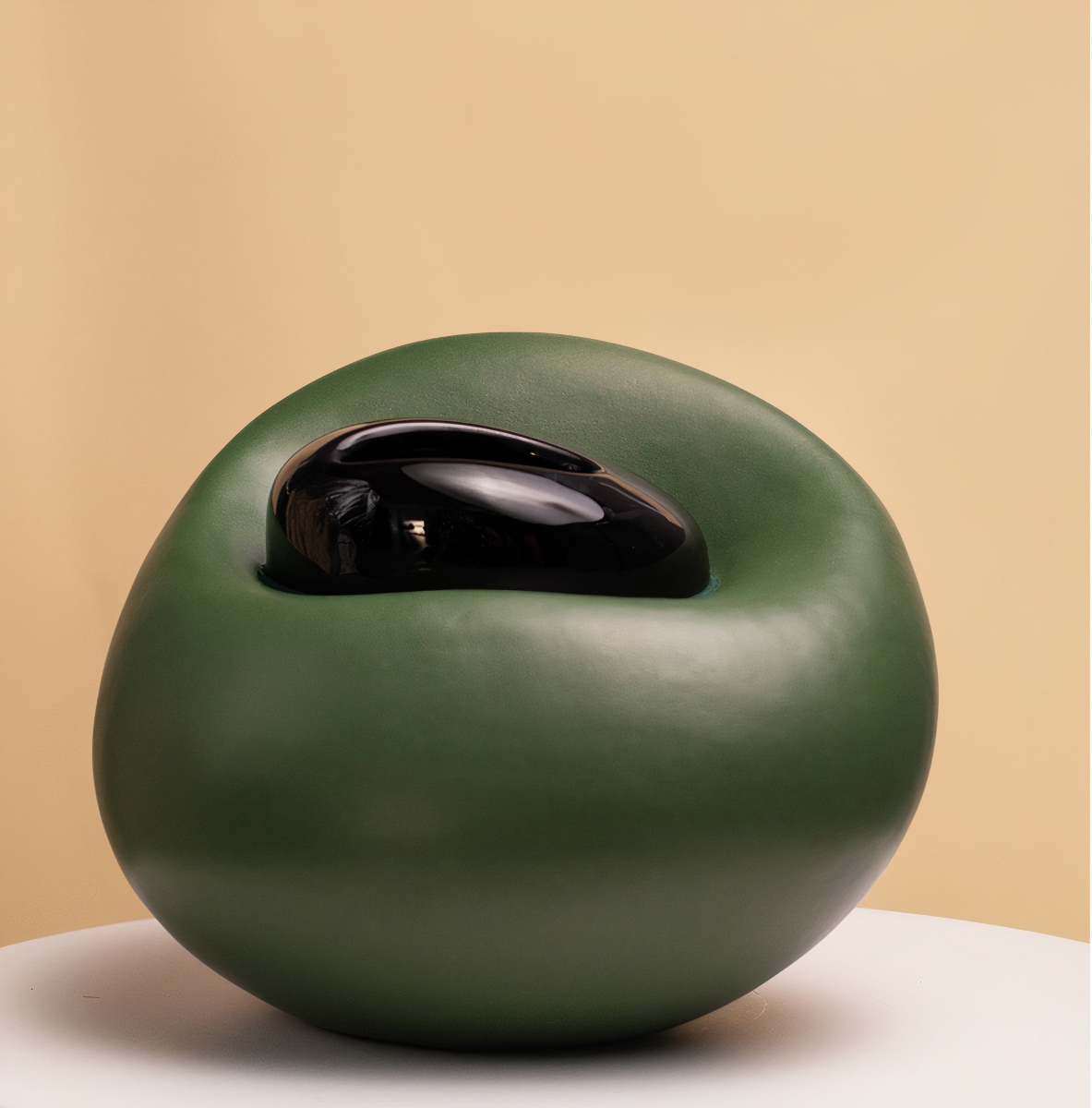
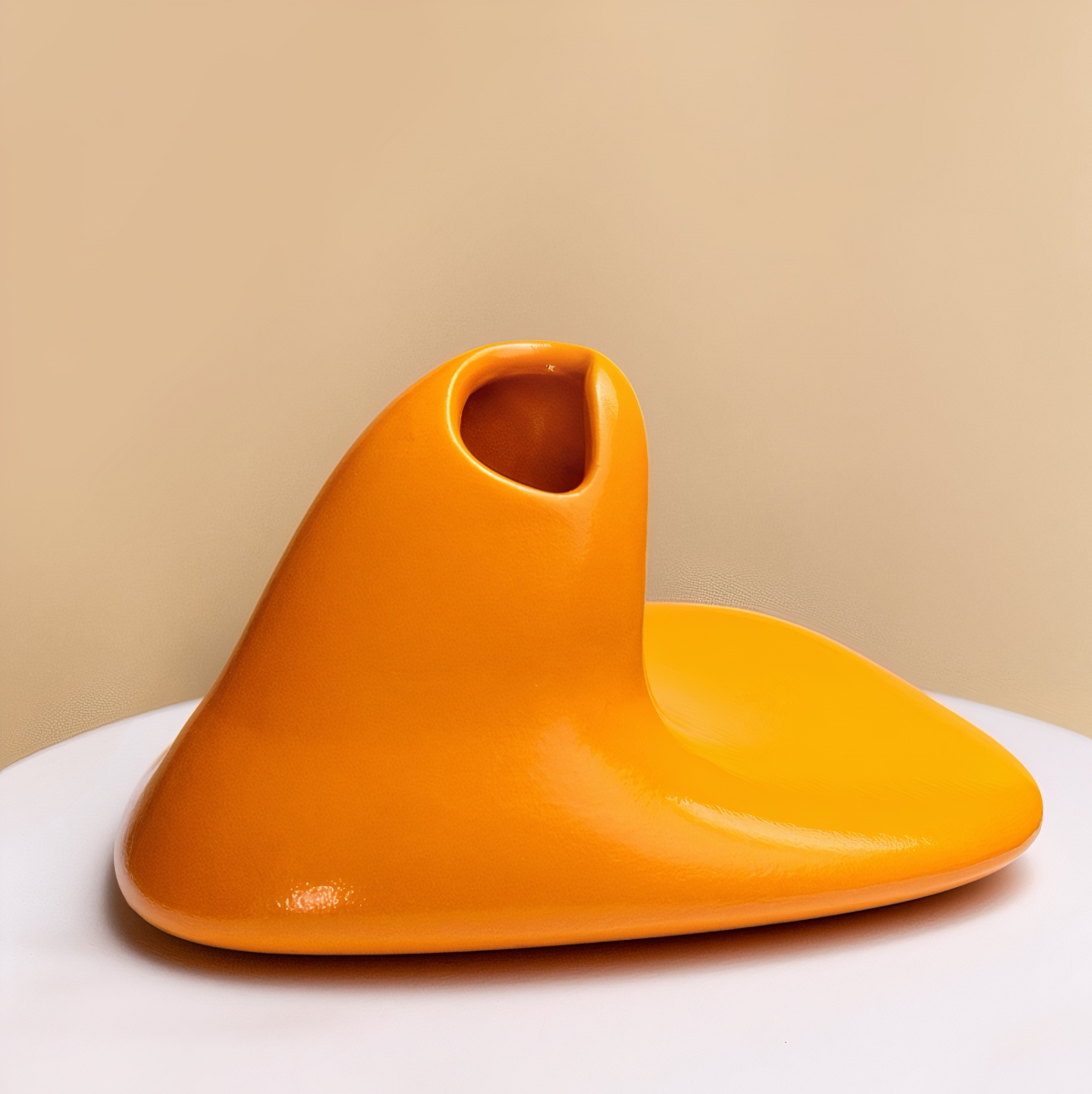
Kwambio is a kind ceramic 3D printing service that you have never seen before. They have been on the market for 5 years and during that time, they have developed their own materials and printers, opening up new heights for the ceramic industry. Some of their clients include Christian Dior, OTHR, David Weeks Studio, BSC, and many others.
Kwambio team believes in supporting and enhancing creativity. They accept any sketches, even the ones that were drawn on a napkin in the spirit of a moment. The sketches can be submitted on their website. Now, all of the times where bringing an idea to life was not possible, due to the lack of support or technical knowledge—that is finally changing.
Many have realized that the future is with 3D printing technology, but why isn’t it widely used? The answer is fairly simple, it is the silky and smooth finish that designers are after and couldn’t get with the 3D printing technology we are used to until now.
However, the tables are turning, as the Kwambio team has upscaled the technology that completely replicates the traditional finish but also carries the benefits of 3D printing.
Binder Jetting is a process during which a liquid binding agent is selectively layered on top of powder particles. The printhead puts down a powder layer on top of which the binder is added in specific places. Through this repetitive process, layers of material form an object.
What makes the Binder Jetting technology different from all other types of printing even though the process seems relatively similar? Most of the other processes melt the material first and then fuse these melted layers to produce an object. As the material is liquefied the structure that is being printed requires some support, which means more material is being used, and generally the process is more time-consuming. Unlike these processes Binder Jetting technology does not melt the material thus reducing the strain put on the object with heat, moreover, the powder supports the construction, eliminating the need for an additional build plate. Currently, Binder Jetting technology surpasses all the other processes that exist.
One line. Two. Three, and the contours make up in a vase or lamp. Artists are working with 3D printing because it gives them a quick start. It is simple, fast, easy. It does not inquire any extra skills or time. It gives shape to things that would be difficult or impossible to create with other techniques. And as 3D printing continues to improve, we believe we’re only at the beginning of what we can do.
Article kindly sponsored by Kwambio.