By Julia Ellen Lancaster
Having travelled to Rotterdam Centraal on the Eurostar, it’s an easy ten-minute hop on the Intercity Sprinter to my destination of Delft. This picturesque Dutch city in South Holland, set between Rotterdam and The Hague, is known as the birthplace of Dutch Golden Age painter Johannes Vermeer and the iconic Delft Blue pottery.
With a population of just over 100,000, it is significant that around 27,000 residents are students, the majority studying at the world-renowned Delft University of Technology (TU Delft). Delft’s historic, canal-lined centre felt wonderfully relaxed during my visit, partly because it coincided with the university holidays, when many students had left the city for a while, and partly because Delft was experiencing an official Red Warning heatwave, with temperatures rising to 37°C.
In the old town stands the medieval Oude Kerk (Old Church), over 800 years old and the burial place of Delft’s native son, Johannes Vermeer. The church was originally laid out as a traditional basilica, with a nave flanked by two smaller aisles. Its most recognisable feature is a 75-metre-high brick tower that leans almost two metres from the vertical. According to local lore, the foundations were built on unstable ground, and cow hides were laid beneath them in an attempt to provide stability. As work continued, builders tried to compensate for the lean with each successive layer of brickwork, but to this day only the four turrets at the top remain truly vertical.
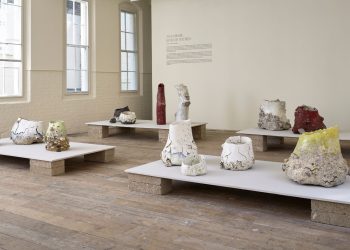
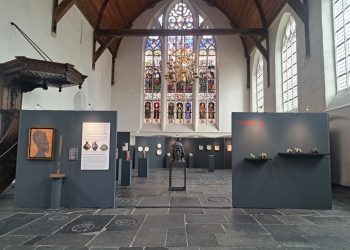
It is here, within this astounding Gothic Protestant church, that Galerie Terra Delft staged Common Ground: A World of Ceramics, a major anniversary exhibition marking 40 years of the gallery and bringing together ceramic works from five continents. The coolness of the church was a welcome escape from the heat outside and undoubtedly encouraged visitors to linger a little longer among the artworks.
At the opposite end of the nave, a second ceramic exhibition was on view. Also curated by Simone Haak and Joke Doedens, Co-Directors of Galerie Terra Delft, The Table of 40! featured forty ceramic works by forty ceramic artists. Each piece represented one year from 1986 to 2026, together telling the story of four decades of craftsmanship, innovation and dedication to the ceramic medium.
Common Ground: A World of Ceramics, Oude Kerk, Delft
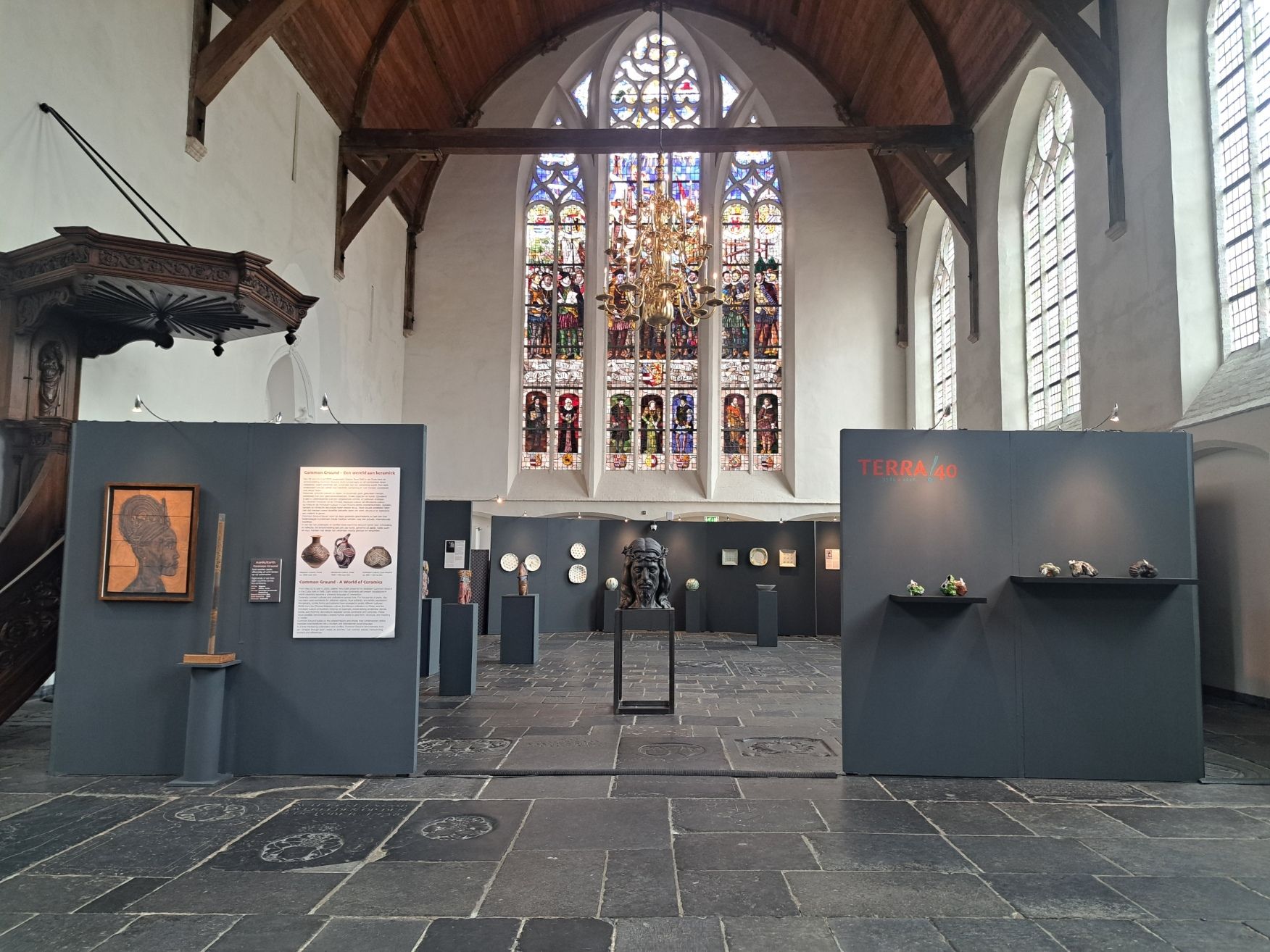
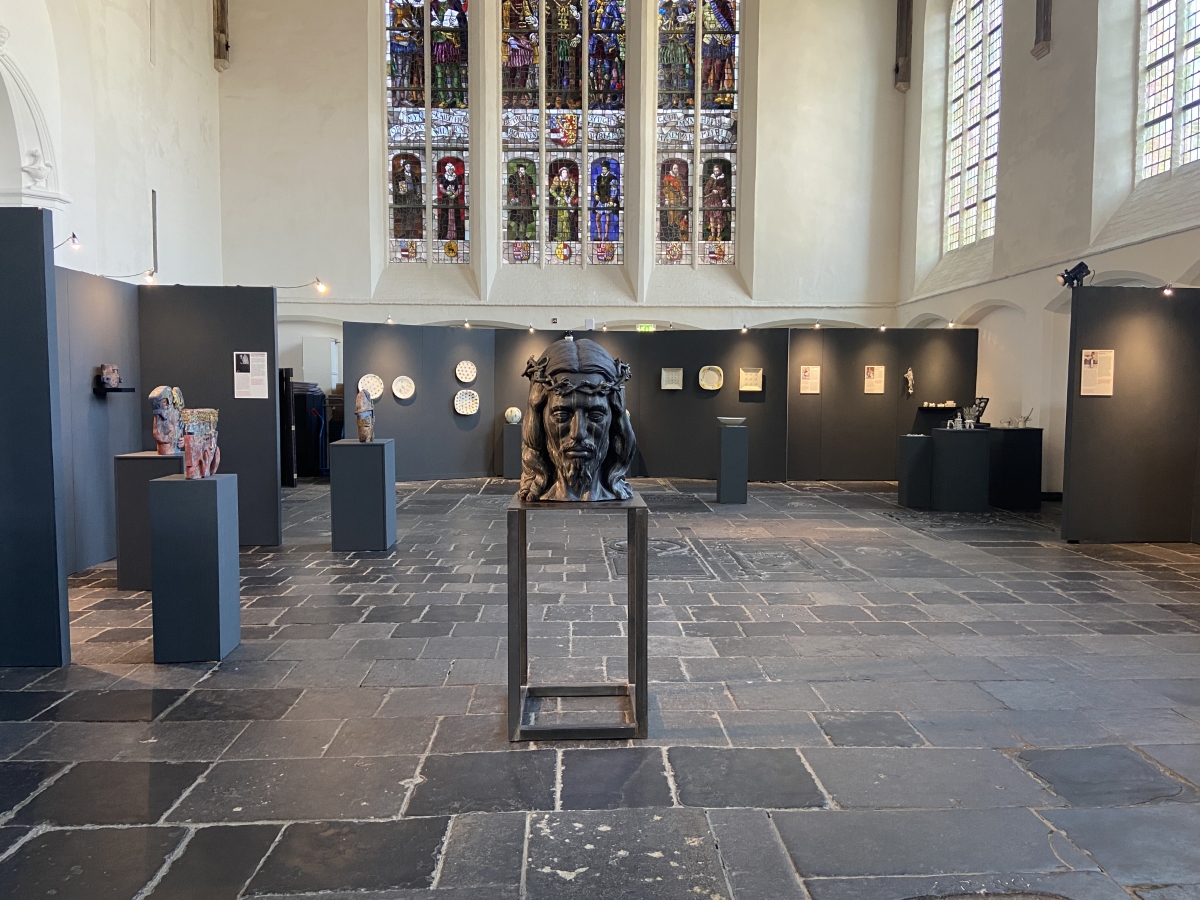
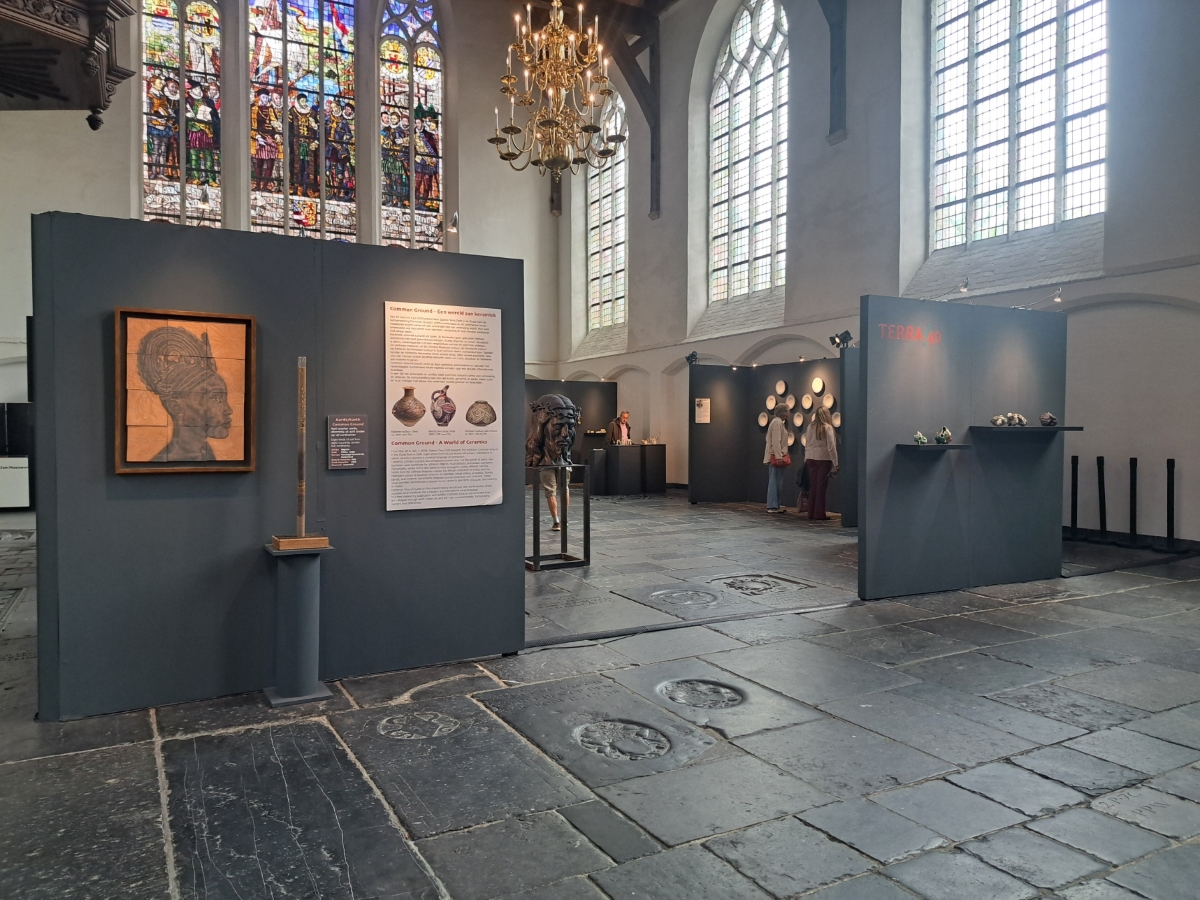
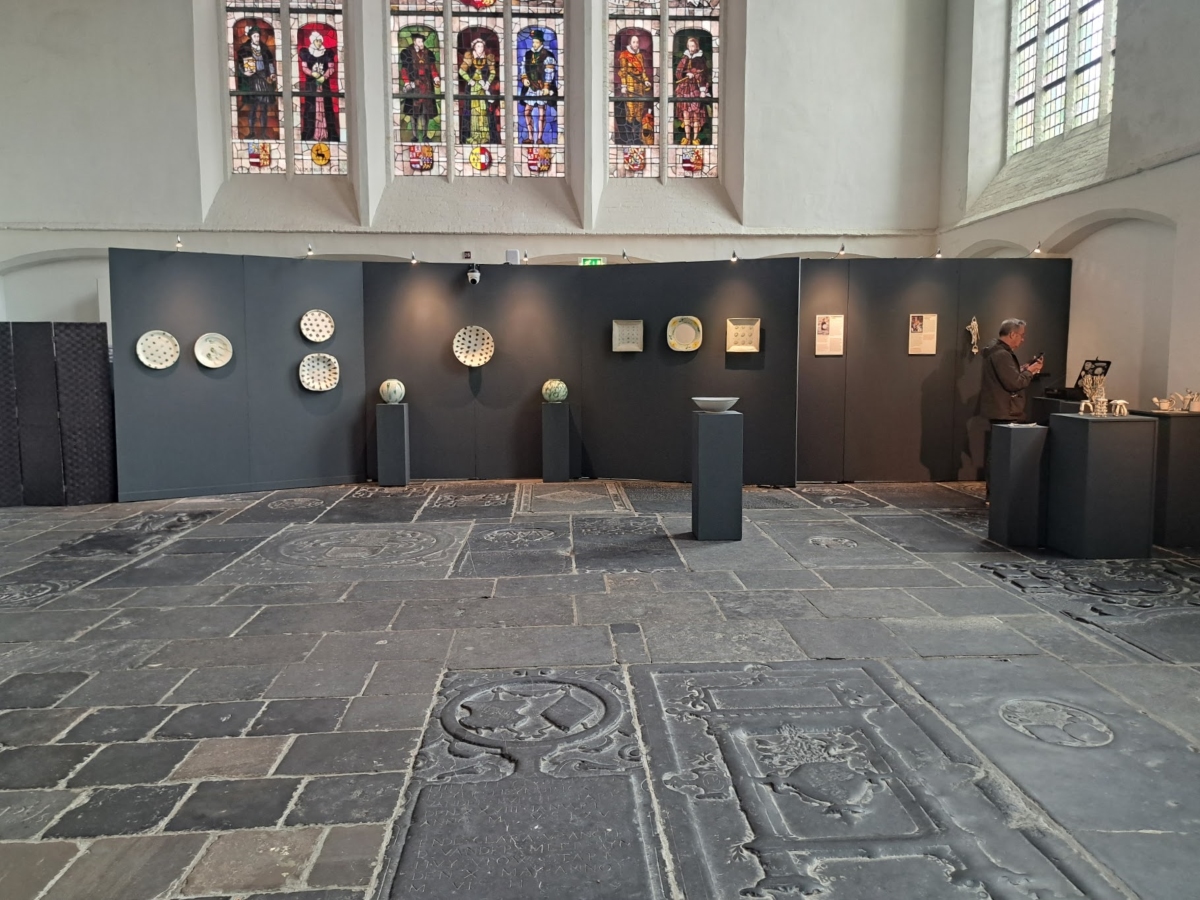
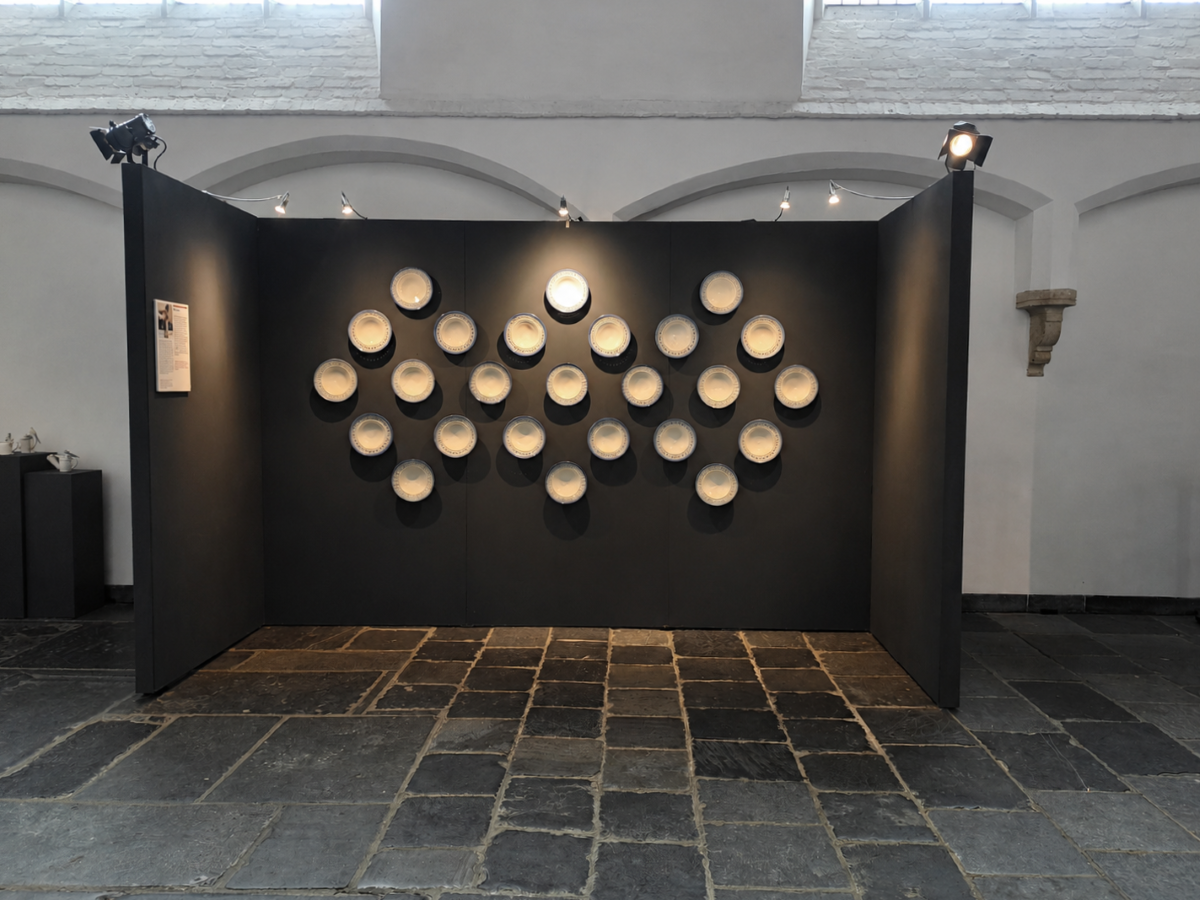
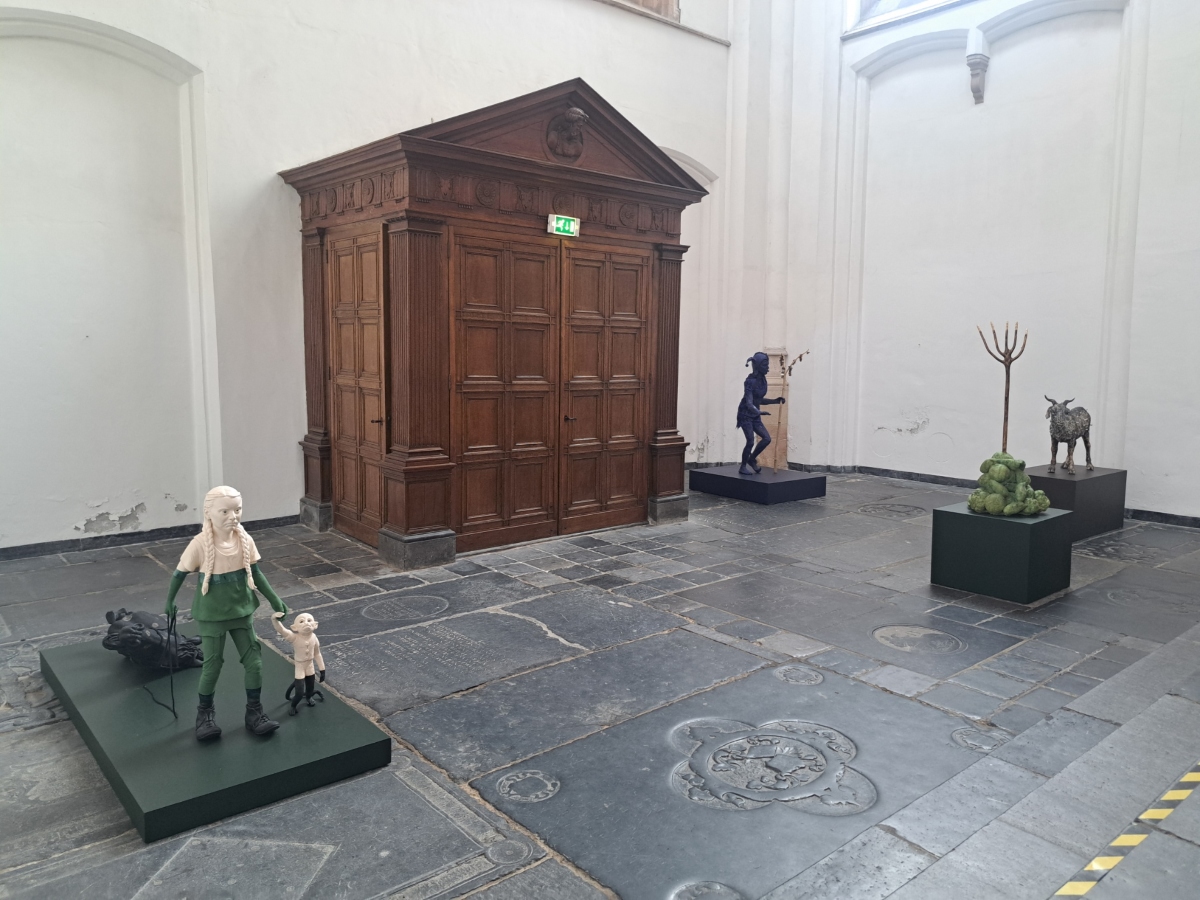
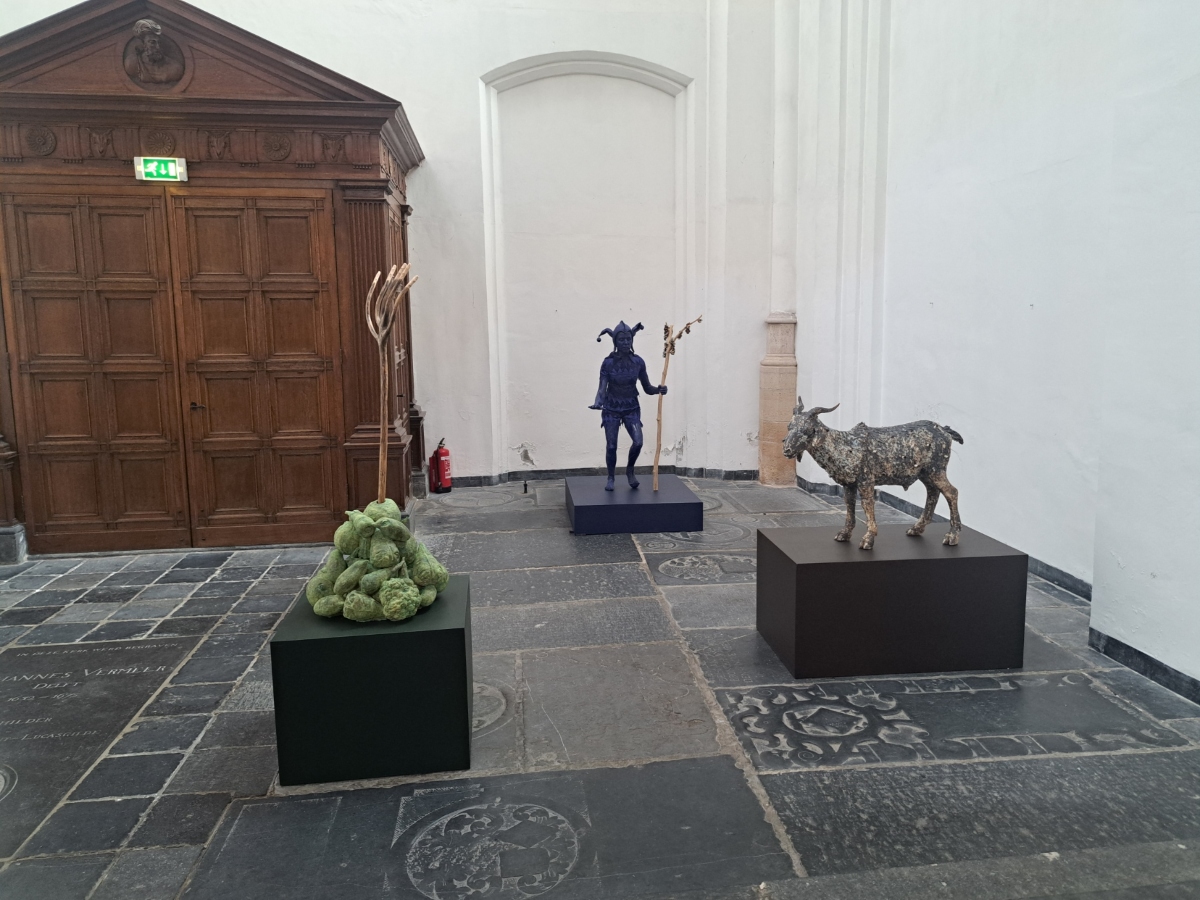
Featured artists: Li Zhen (China, Asia); Prithwiraj Mali (India, Asia); Mahala Hill (Australia, Oceania); Adeoti Afeez Azeez (Nigeria, Africa); Katherine Morling (United Kingdom, Europe); Mariëtte van der Ven (Netherlands, Europe); Eliza Au (Canada/United States, Americas); Keka Ruiz-Tagle (Chile, Americas).
In this global exhibition, eight artists from five continents ask the question: what does clay tell us about who we are, where we come from, and what we share?
Li Zhen, based in the renowned ceramics city of Jingdezhen, produces what might initially be considered relatively traditional teapots, vases, plates and bowls inspired by ceramics of the Tang dynasty (618–907 CE). By employing another Chinese tradition, that of free, hand-brushed calligraphy using metal oxides, his pieces acquire a distinctly contemporary energy, adding flow and movement to these functional forms.
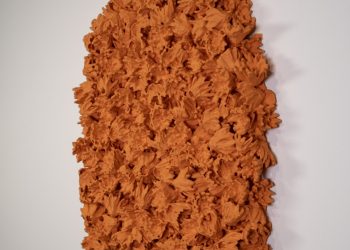
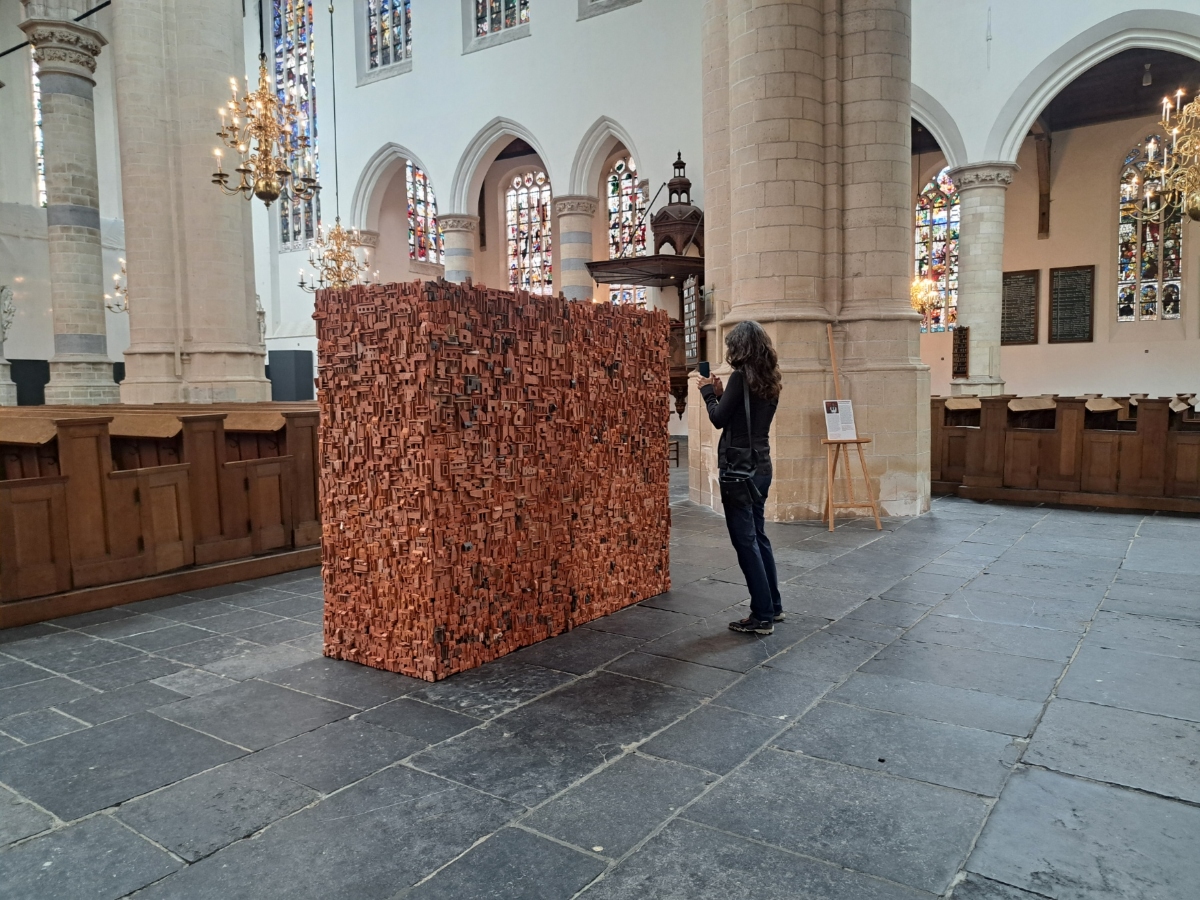
Prithwiraj Mali, born in West Bengal, grew up in an environment where socio-cultural values and the impact of natural disasters shaped his worldview. The aftermath of the Partition of India and ongoing migration flows heavily influence his work. His extraordinary piece, Home for the Homeless II, is made up of hundreds of fragile terracotta elements that together form a towering structure almost two metres high. Inspired by the beehive as a model for collaboration and migration, the work is visually arresting and compelling, demonstrating how clay can translate urgent political and social themes into poetic and powerful visual language.
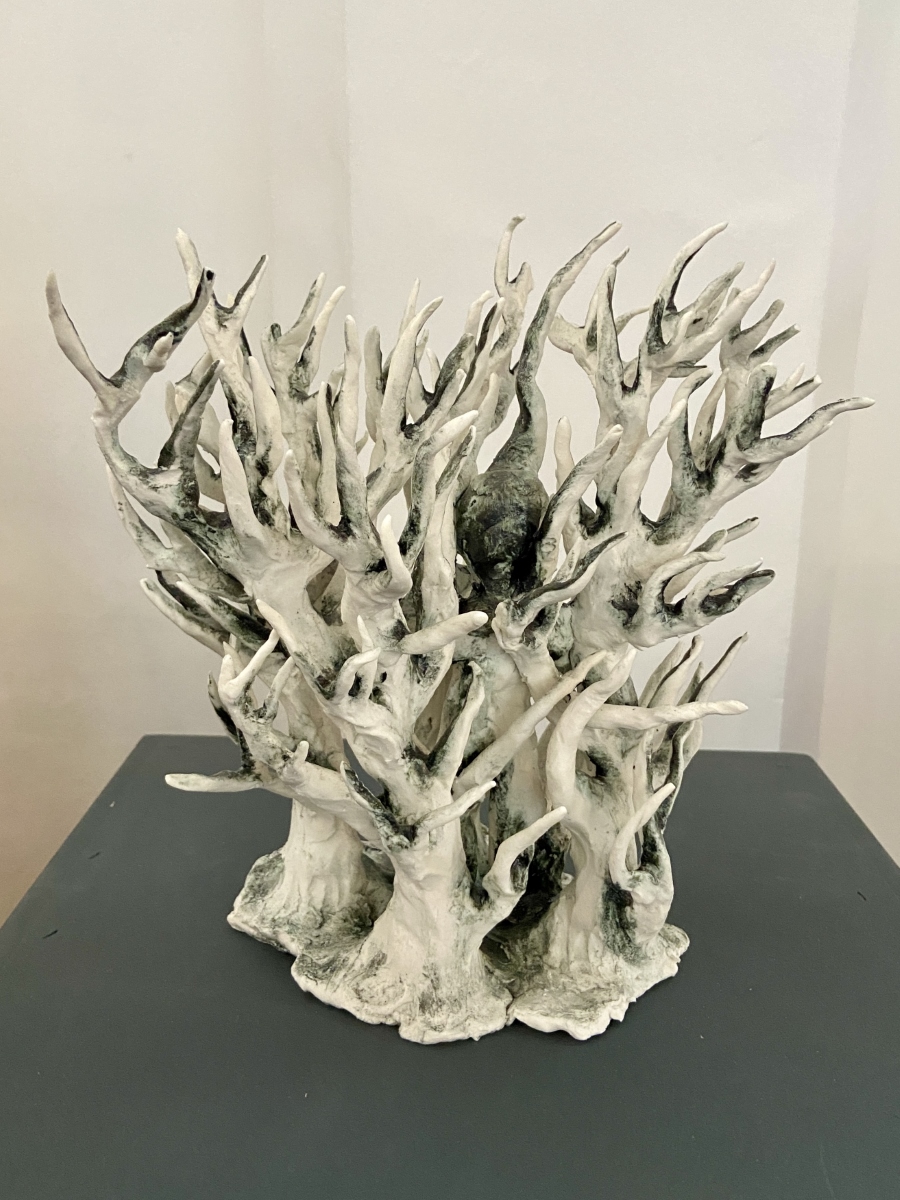
Mahala Hill draws inspiration from the coastal and bush landscapes of her Australian childhood. Using a technique that involves immersing plants in clay slip before burning them away, she leaves behind irregular, fragile forms that reflect landscapes under pressure from climate change and pollution. Her work gives form to global urgency and shared responsibility while retaining a poignant connection to death and loss through her use of bone china clay.
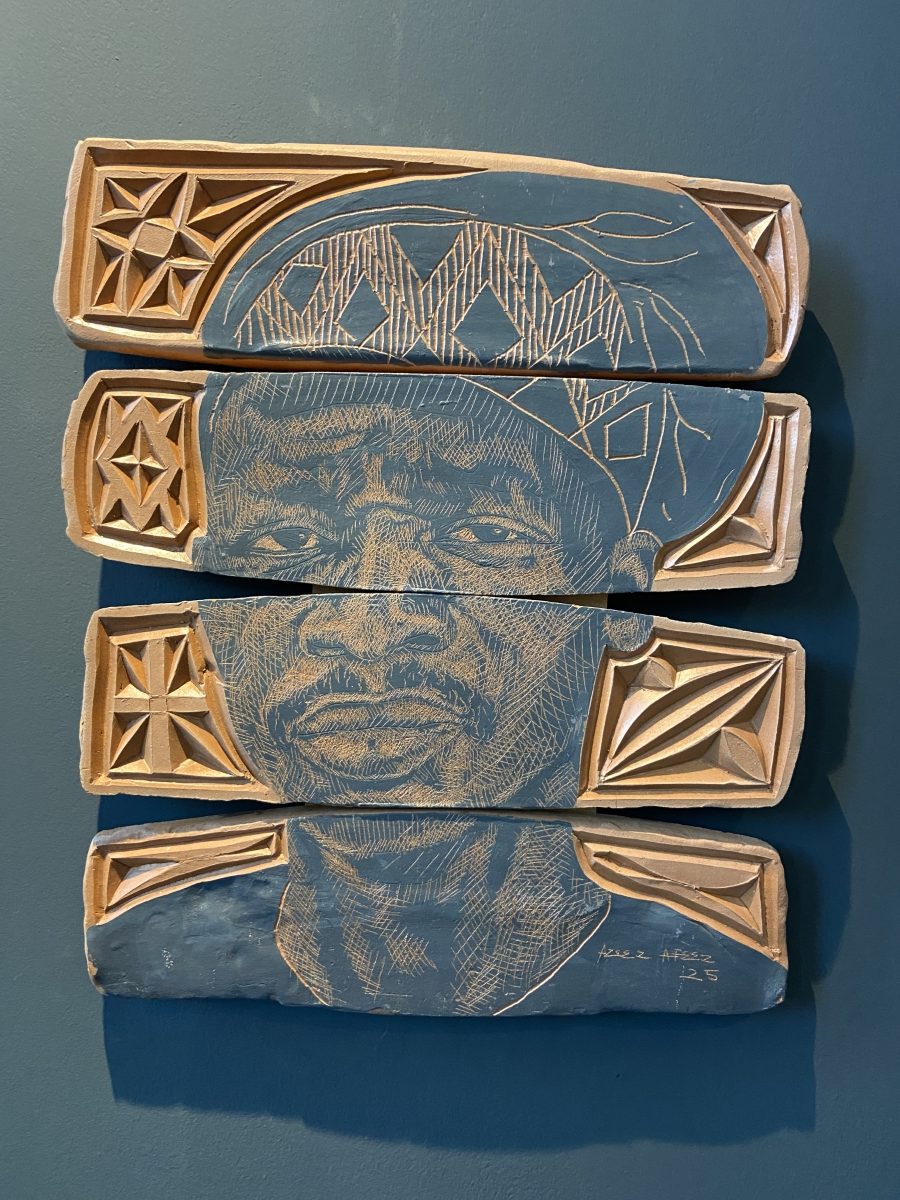
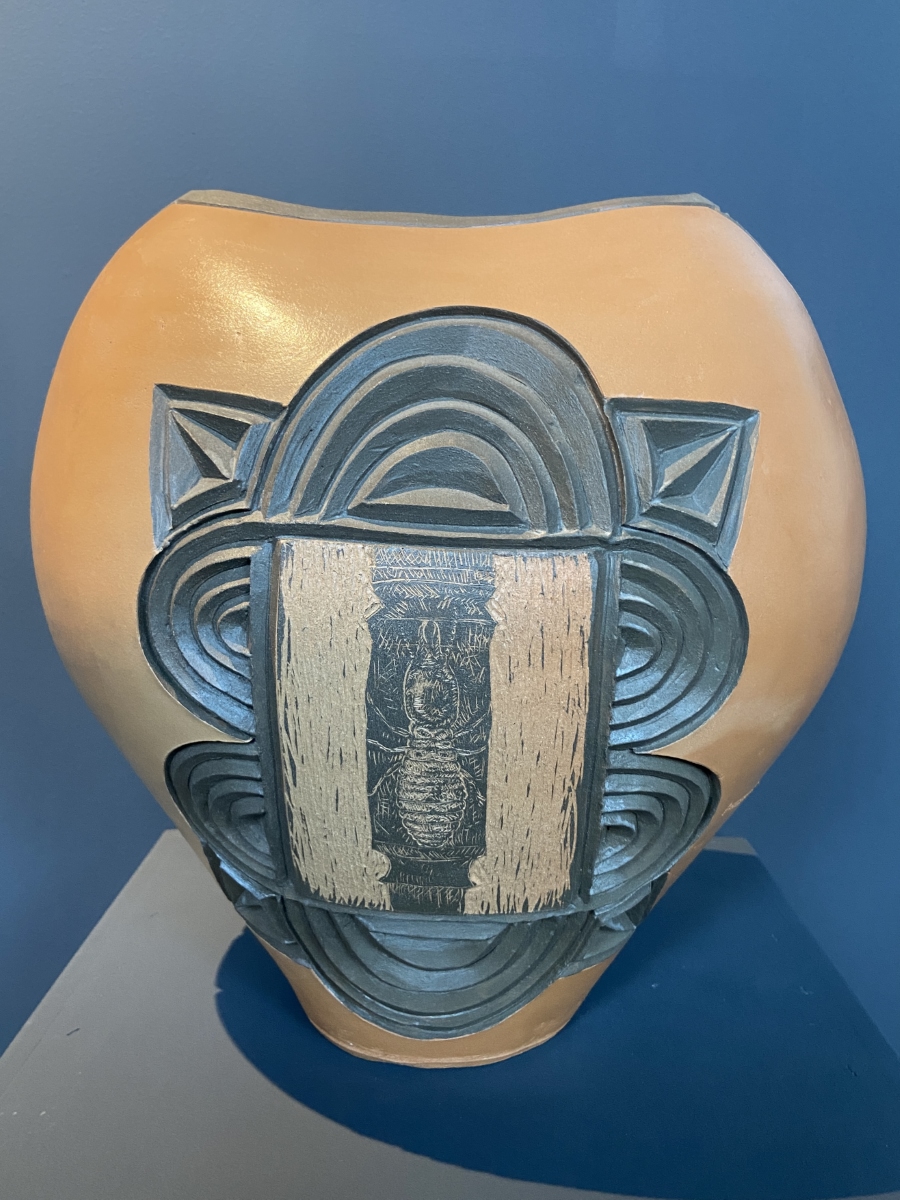
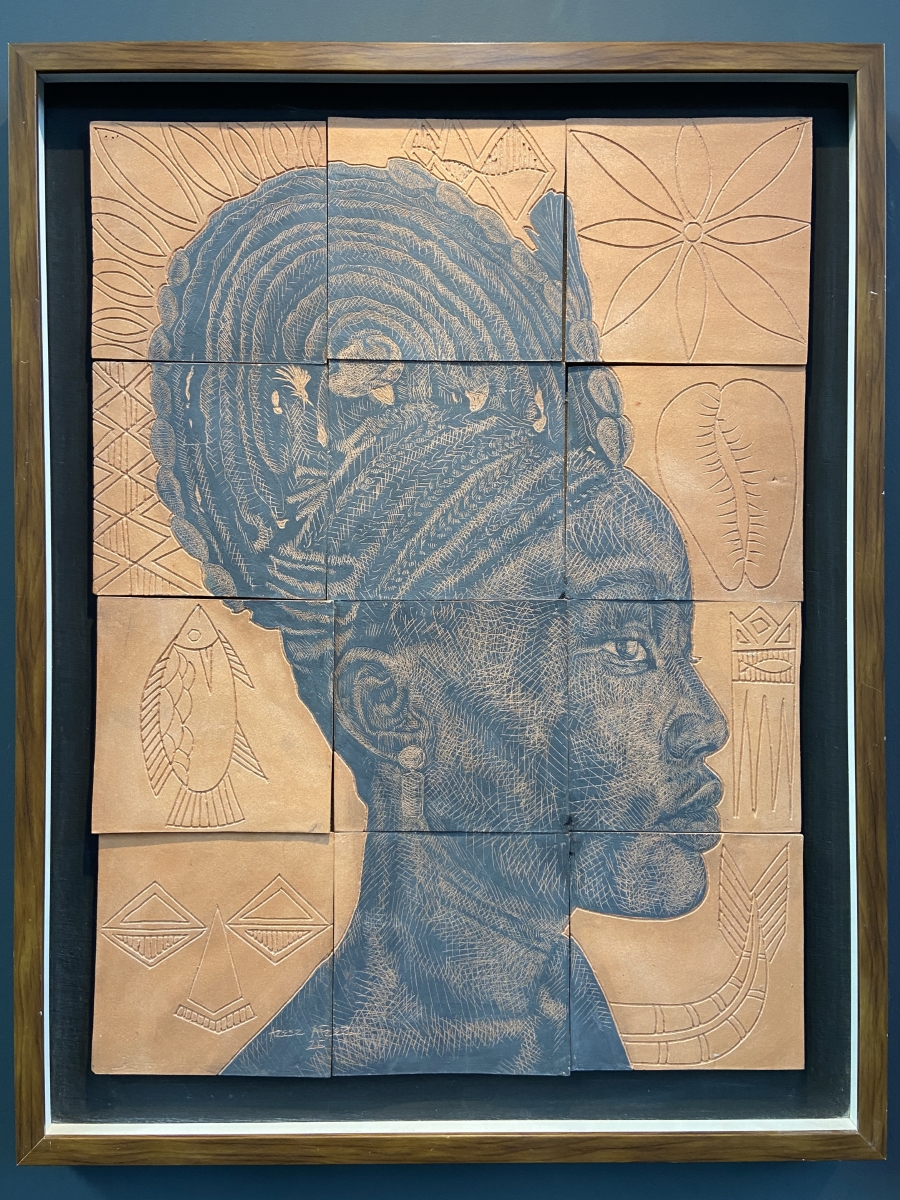
Adeoti Afeez Azeez employs the technique of sgraffito while drawing upon the rich visual culture of the Yoruba people of West Africa, known for their bronze sculpture, masks and ceramic traditions. Working with clay sourced locally in Nigeria, the act of drawing and the medium of clay are closely connected to the material traditions of his environment. His self-portrait tableaux present clay as a carrier of identity and personal histories, demonstrating how ceramics can simultaneously preserve and communicate cultural memory.
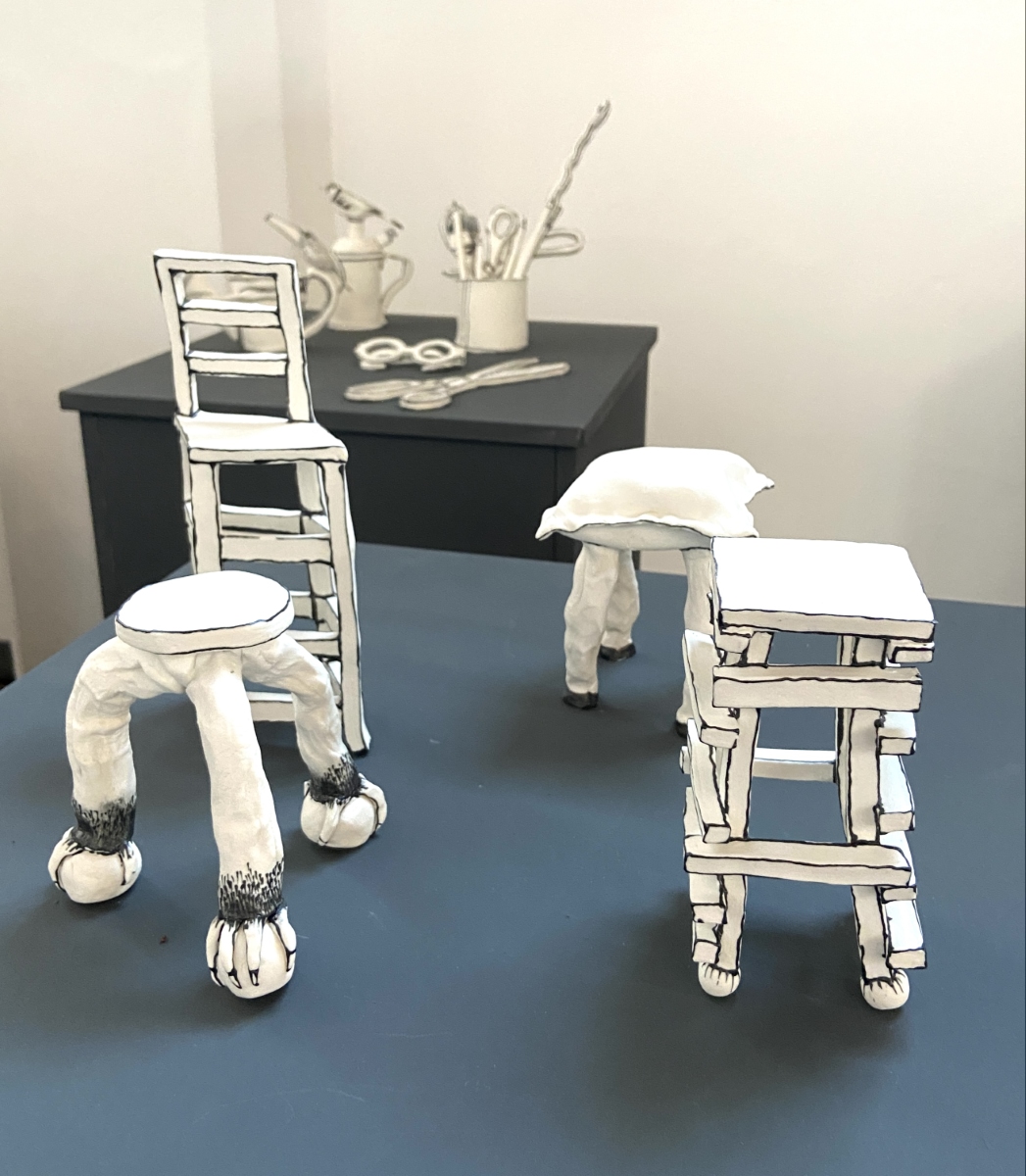
Katherine Morling creates ceramic sculptures that she describes as “three-dimensional drawings”. Using unglazed porcelain outlined with distinctive black lines, they appear almost cartoon-like or theatrical. There is a delightful sense of imagination at play in these miniature installations; by transforming everyday objects in this way, Morling makes the familiar feel strangely unsettling and quietly enigmatic.
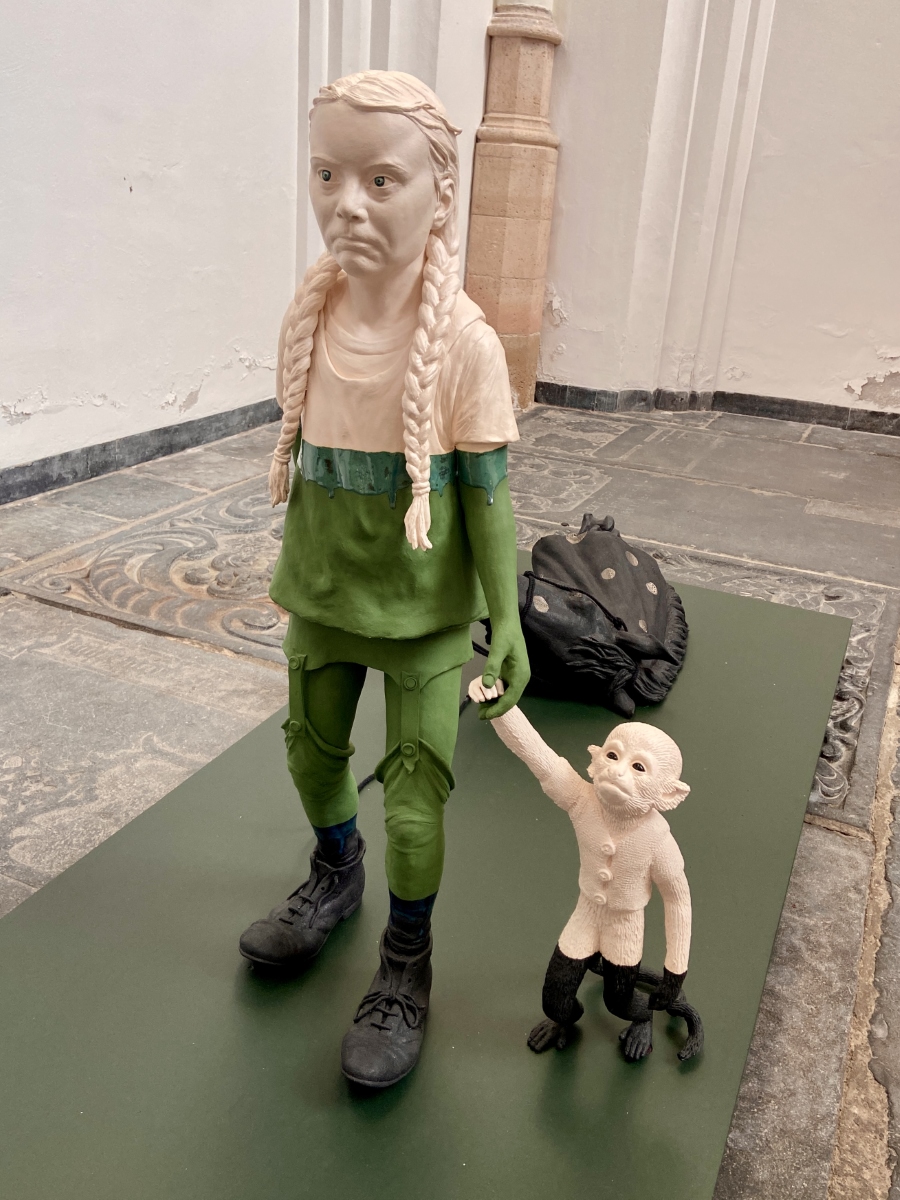
Mariëtte van der Ven is a Dutch sculptor who creates compelling figurative works. Her use of porcelain was inspired by its similarity to human skin and its ability to capture subtle expressions with remarkable sensitivity. One piece, titled How Dare You, depicts a young female figure leading a monkey while appearing to wade through an oil slick, with a dead horse or donkey behind her. Combining the innocent fearlessness of Pippi Longstocking with the environmental activism associated with Greta Thunberg, the work urges us to reconsider our relationship with the Earth.
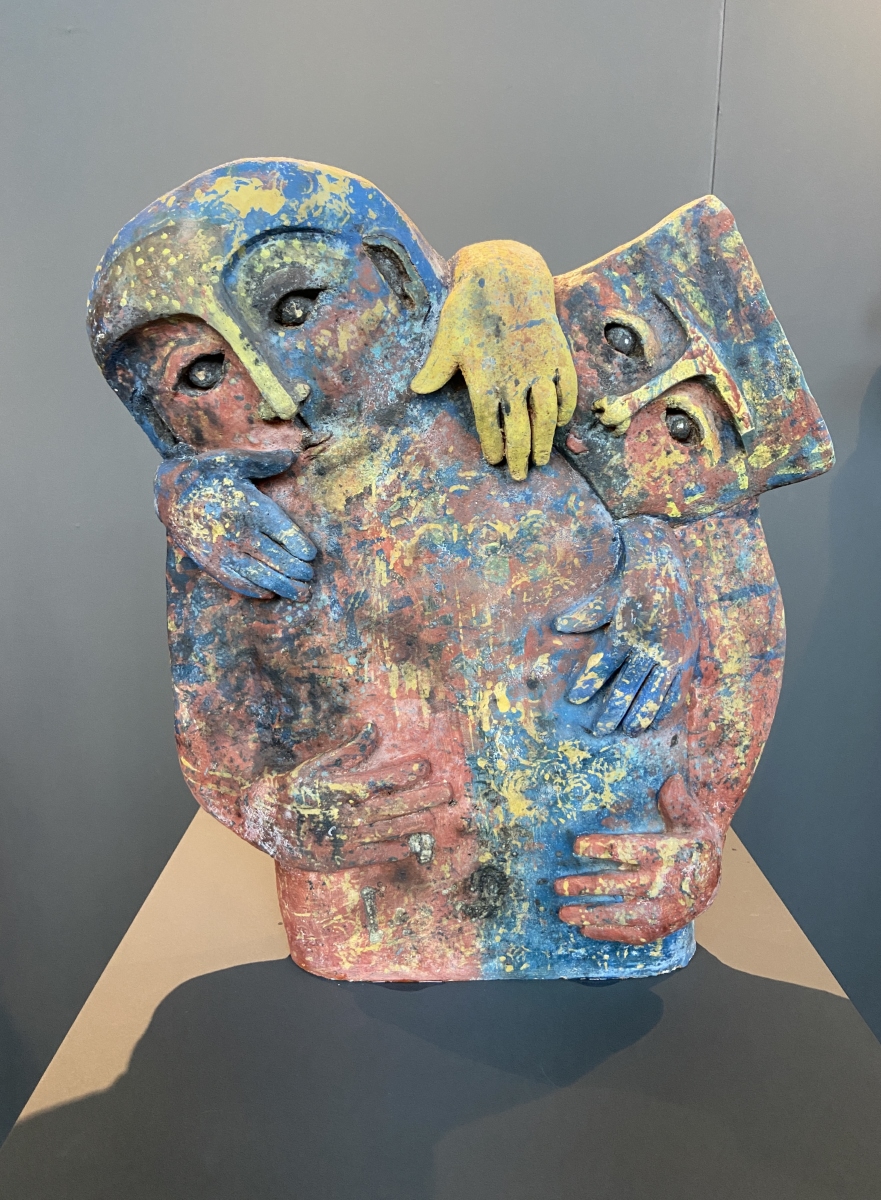
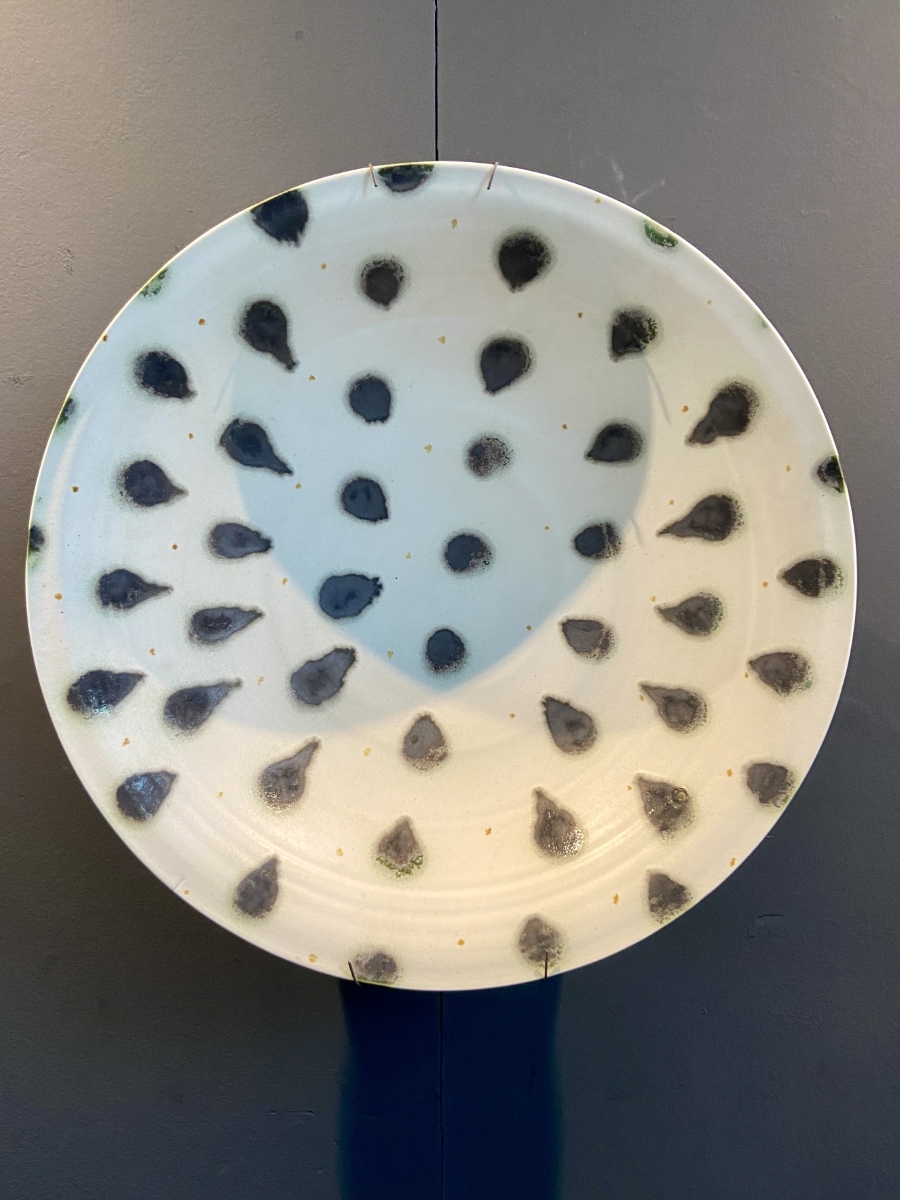
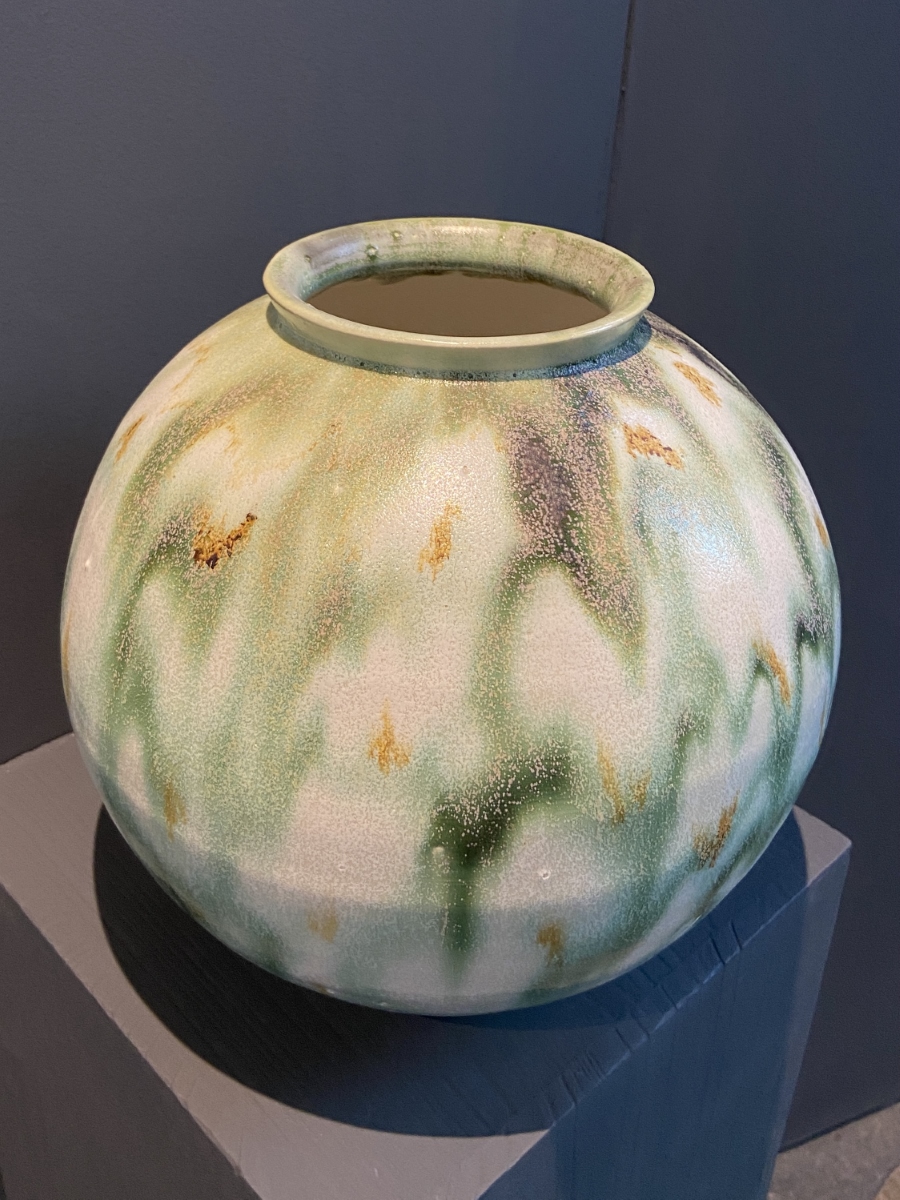
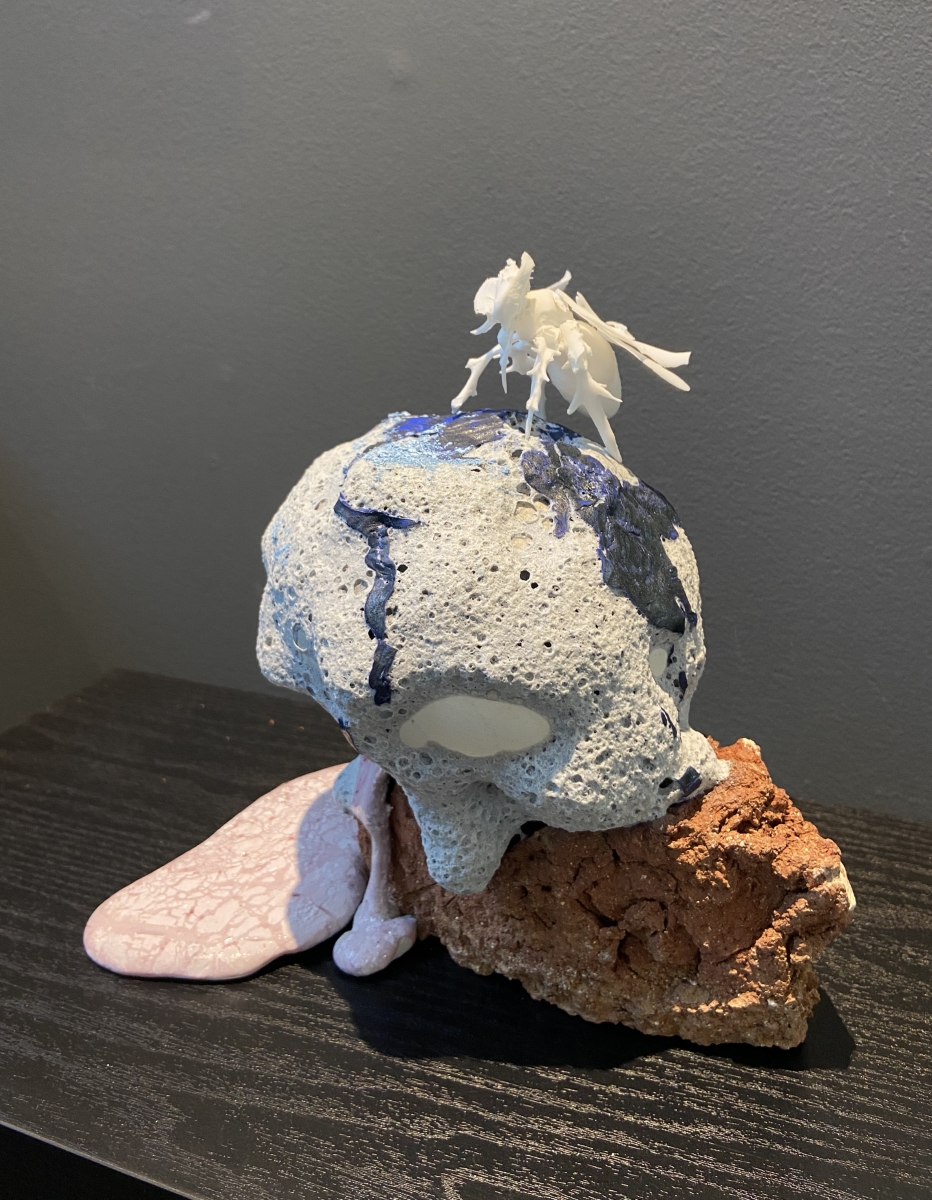
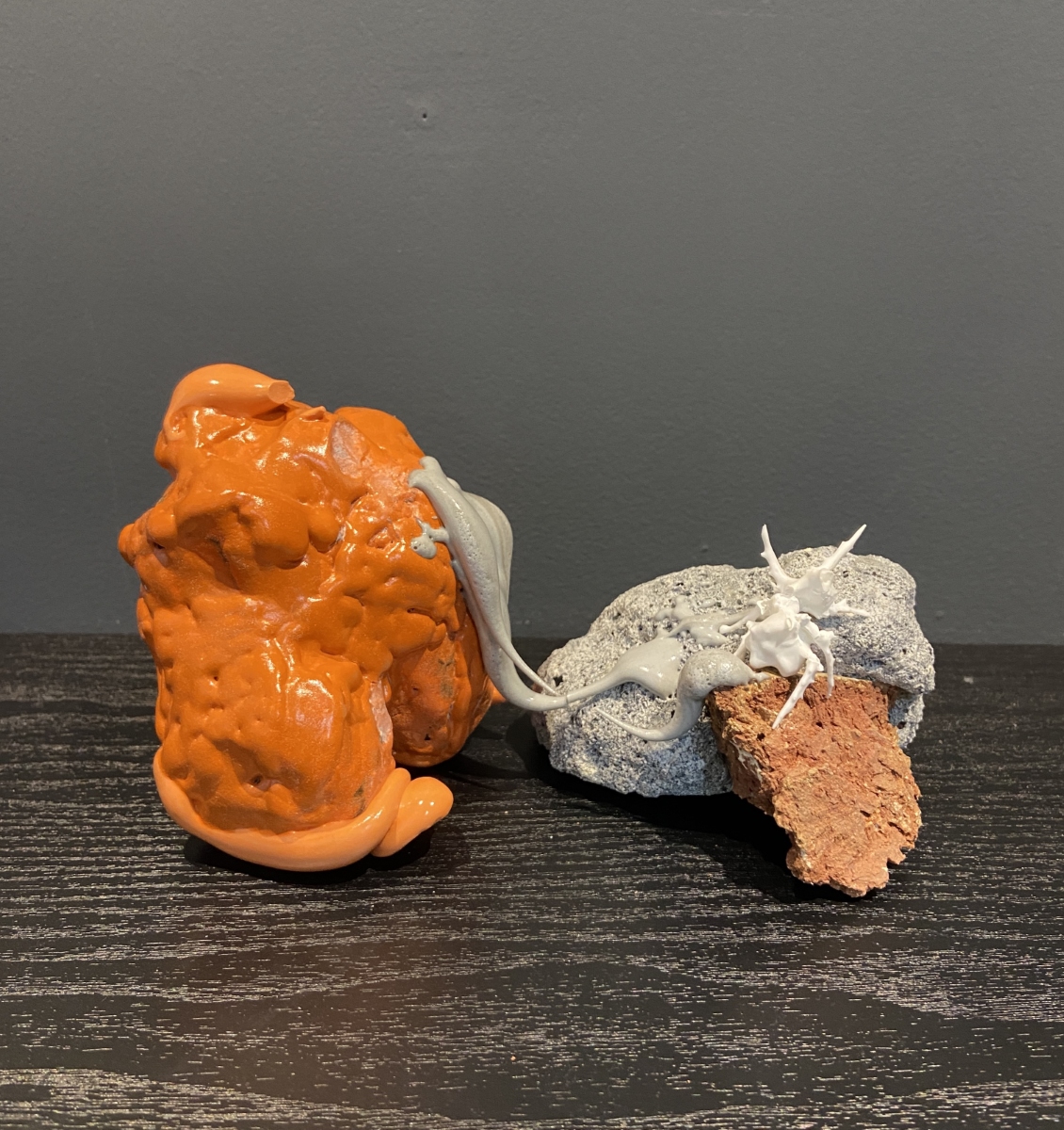
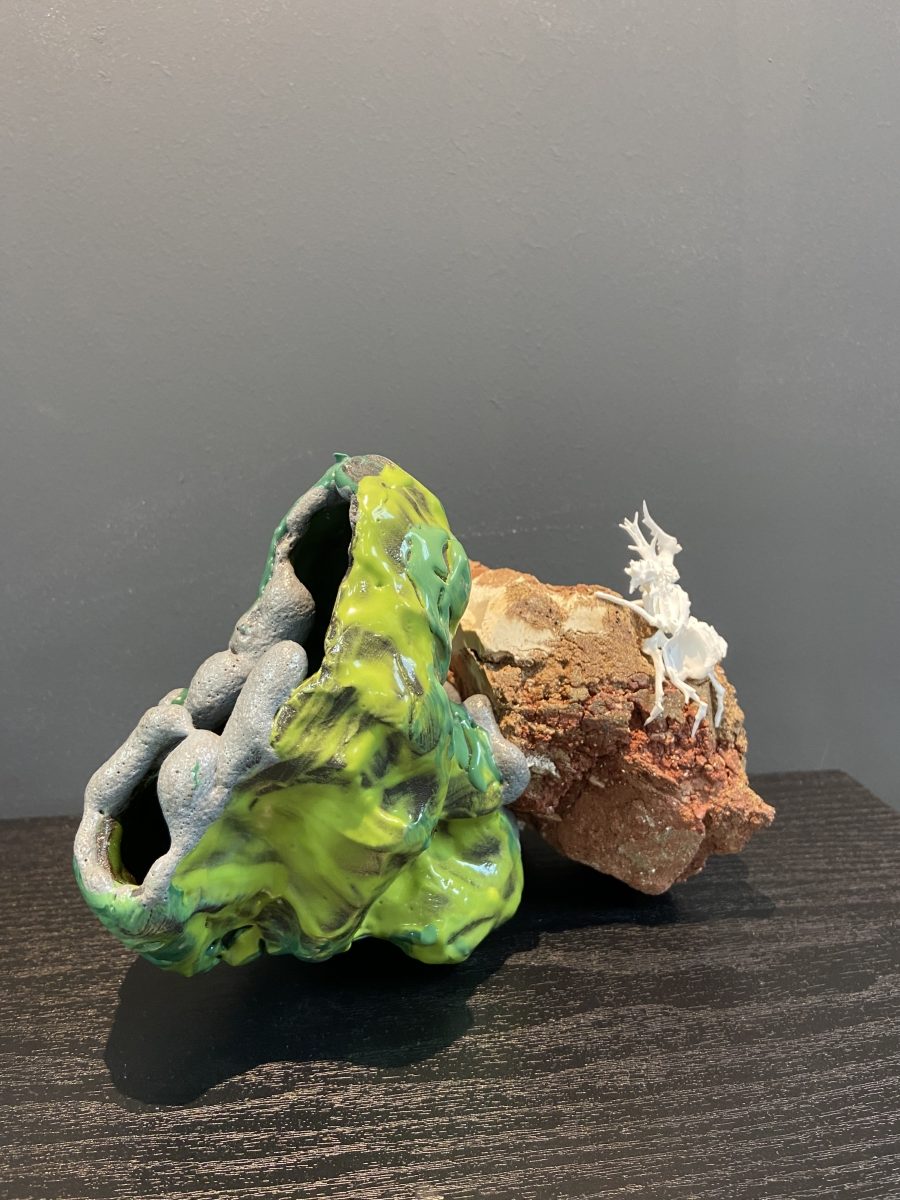
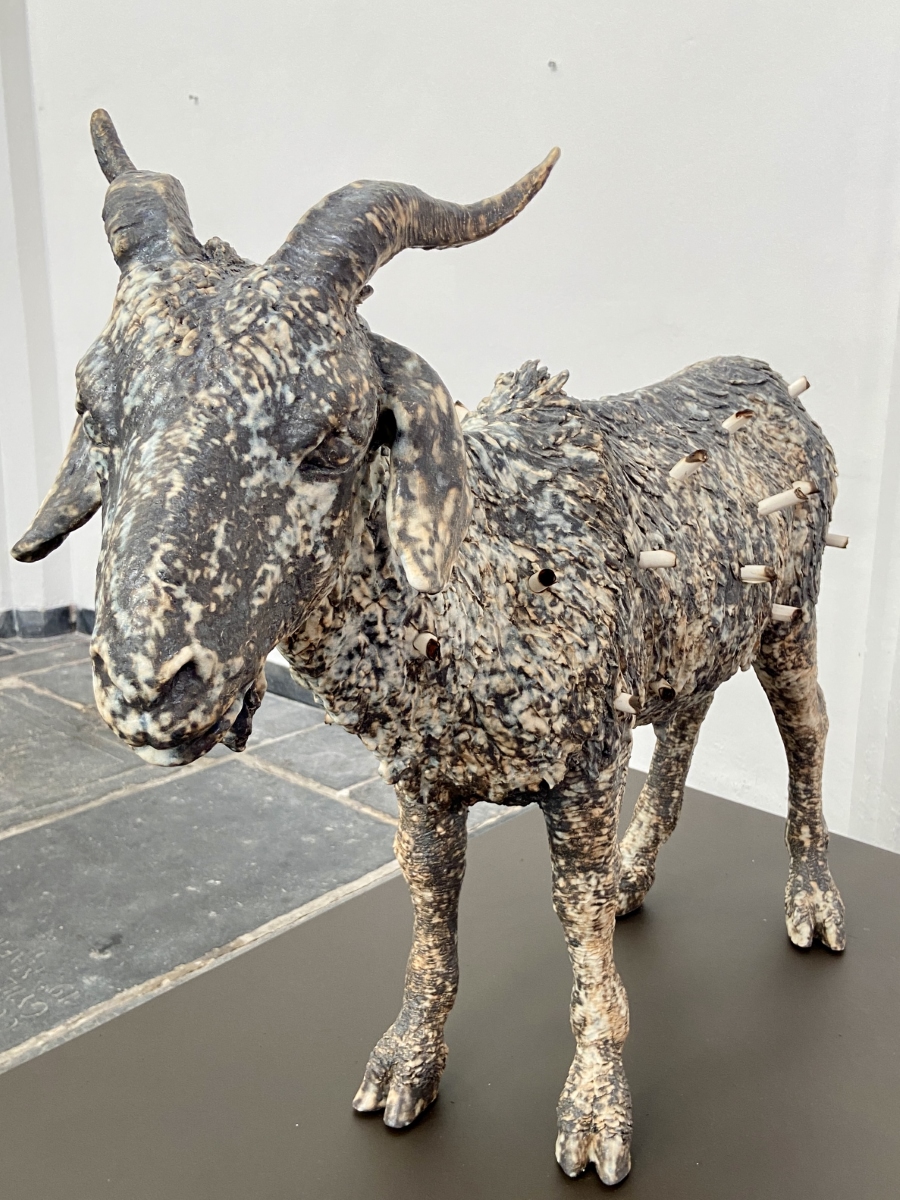
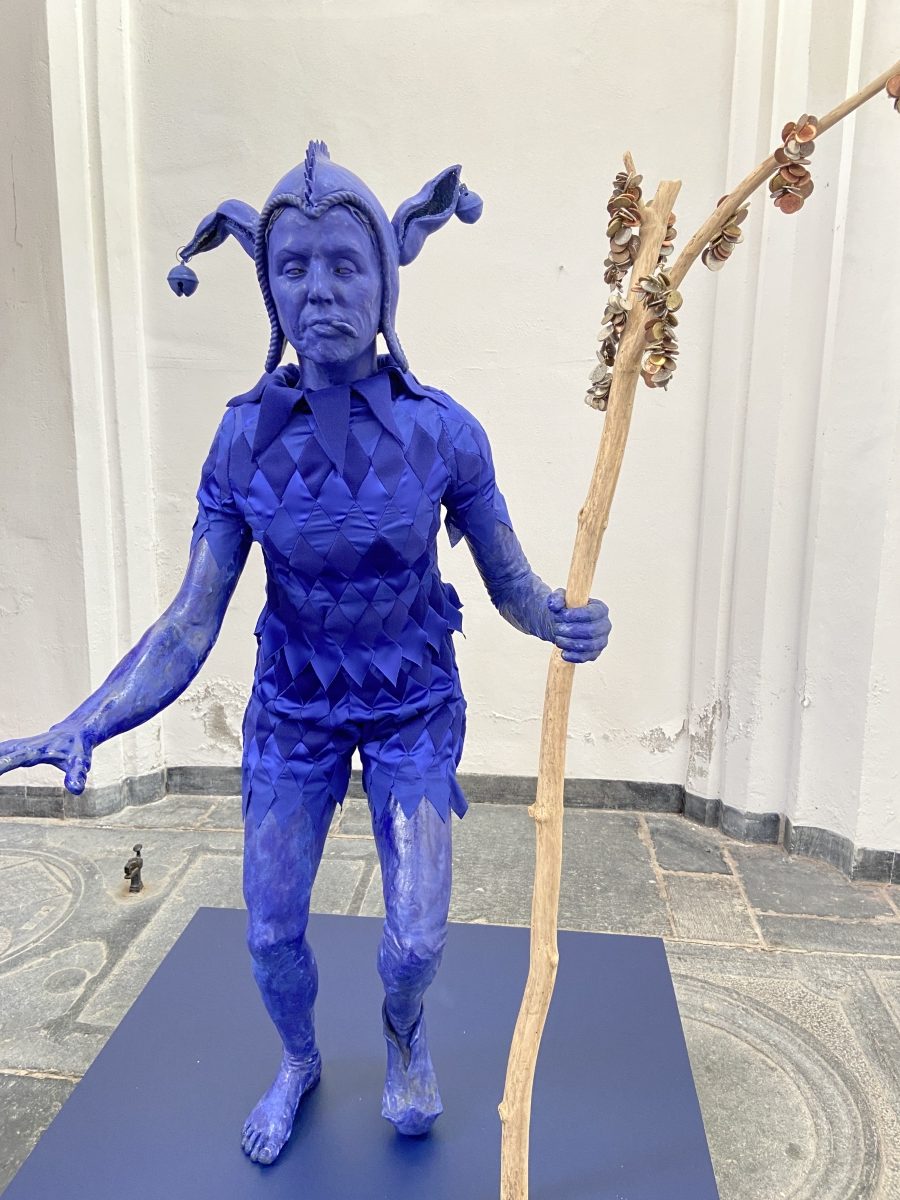
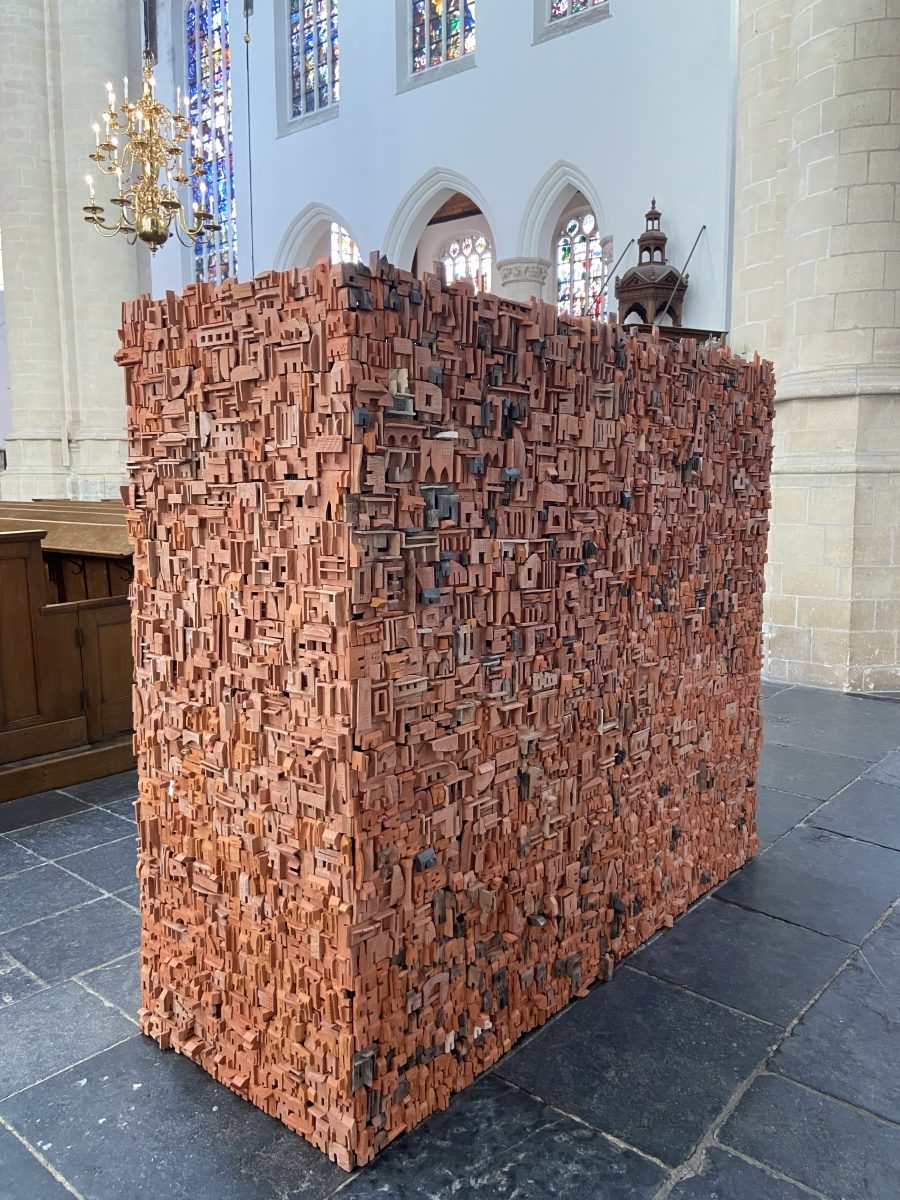
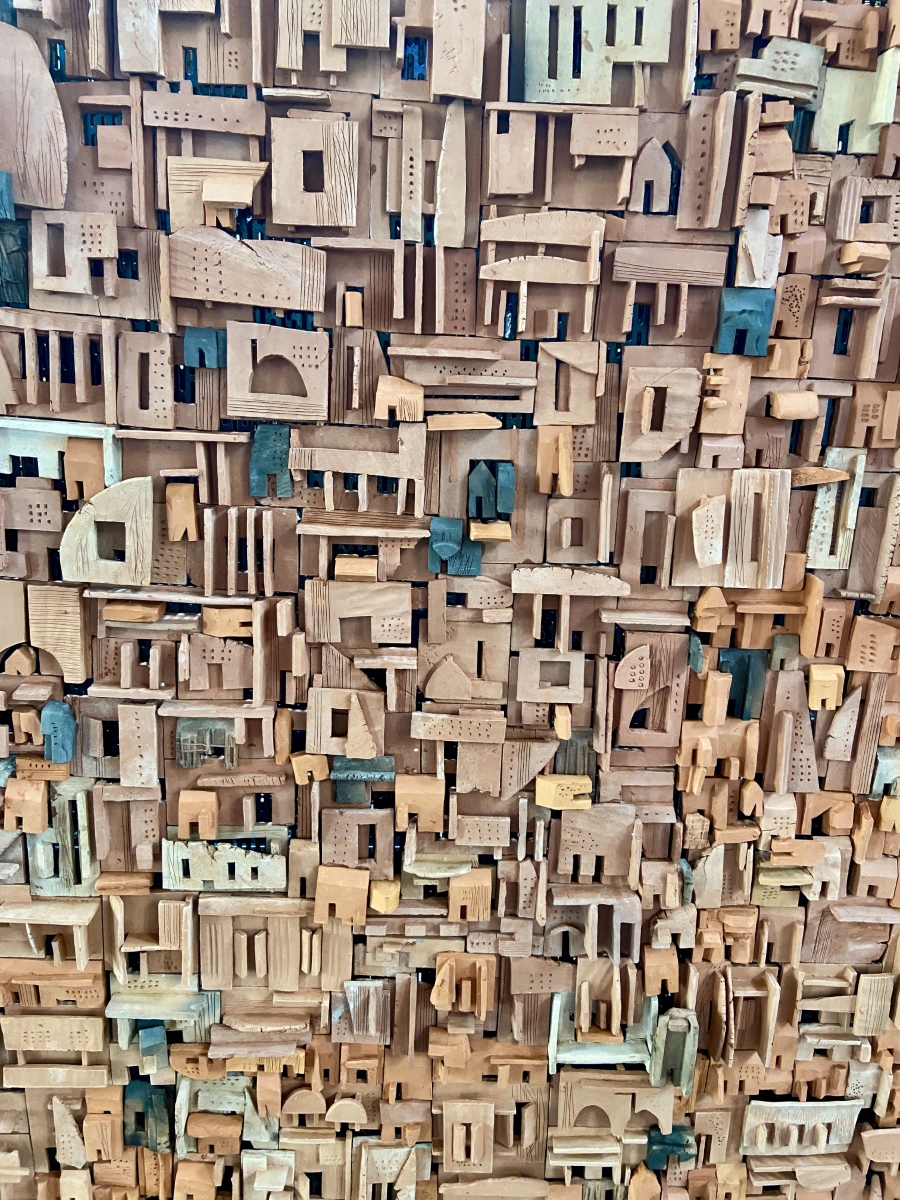
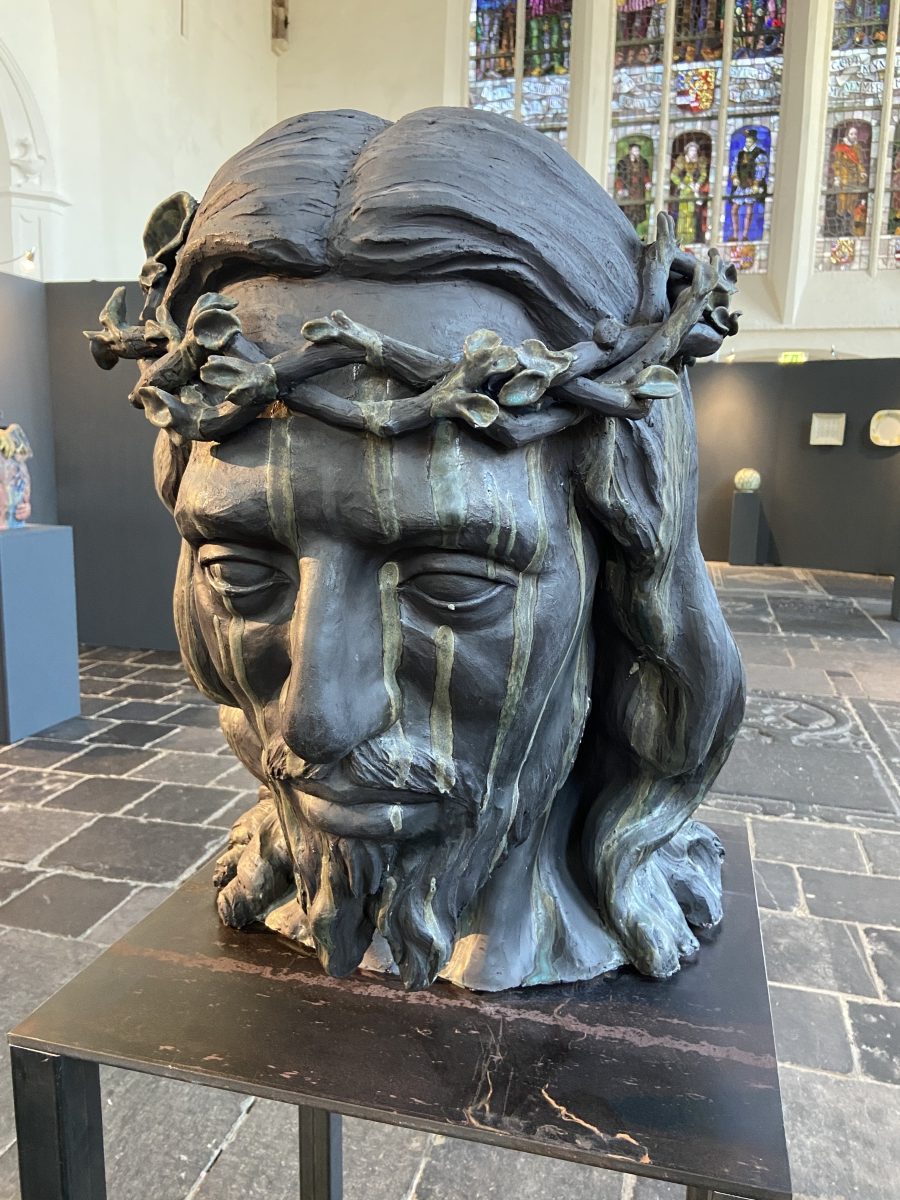
Another work, Save Our Nature, is a monumental representation of the head of Jesus crowned with thorns, positioned centrally within the exhibition. In the setting of the church, it is difficult to distinguish whether we are looking at a contemporary sculpture or a religious artefact, and perhaps that ambiguity is precisely the point. The work invites us to consider how art continues to give tangible form to our deepest anxieties, hopes and beliefs.
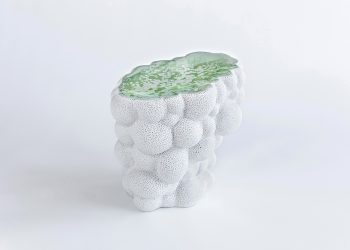
Eliza Au, a Canadian artist based in Texas, uses digital design software to construct circular and geometric forms that resemble architectural models or mathematical weavings before casting them in plaster moulds. Combining digital precision with manual craftsmanship, Au’s work embodies the productive tension between tradition and technological innovation.
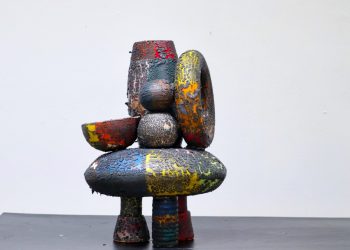
Keka Ruiz-Tagle’s practice focuses on the spiritual and cultural traditions of the Andes. She describes clay not as a passive material but as a living medium that carries ancestral knowledge and memory. In particular, she references the concept of Kamaquen, the transforming energy that gives life and makes possible the procreation of all species. Her sculptures possess the appearance of ancient relics, enhanced by earthy colours and weathered surfaces that remind us of the enduring connection between humanity, history and the earth itself.
In Common Ground, the title might literally refer to the earth, a shared material that connects people across continents and cultures. Yet it also speaks of shared ideas, shared cultural space and our shared humanity. Rather than seeking similarities for their own sake, the exhibition celebrates difference, demonstrating how diverse artistic voices can coexist without losing their individual identity.
There is also something particularly resonant about encountering contemporary ceramics within an 800-year-old church. For centuries, churches across Europe have been among the greatest patrons and custodians of art, commissioning works that sought to communicate spiritual, cultural and social values to their communities. Long before museums existed, churches were places where people gathered to encounter humanity’s finest artistic achievements. In many ways, Common Ground continues that tradition. Clay, the most ancient and democratic of materials, is used here to tell contemporary stories of migration, ecology, identity and memory beneath the soaring vaults of the Oude Kerk. I left feeling as though I had gently travelled around the globe, offered a generous glimpse into the vastly different languages spoken by the material beneath all our feet.
Delft Ceramic Market Days, Market Square, Delft
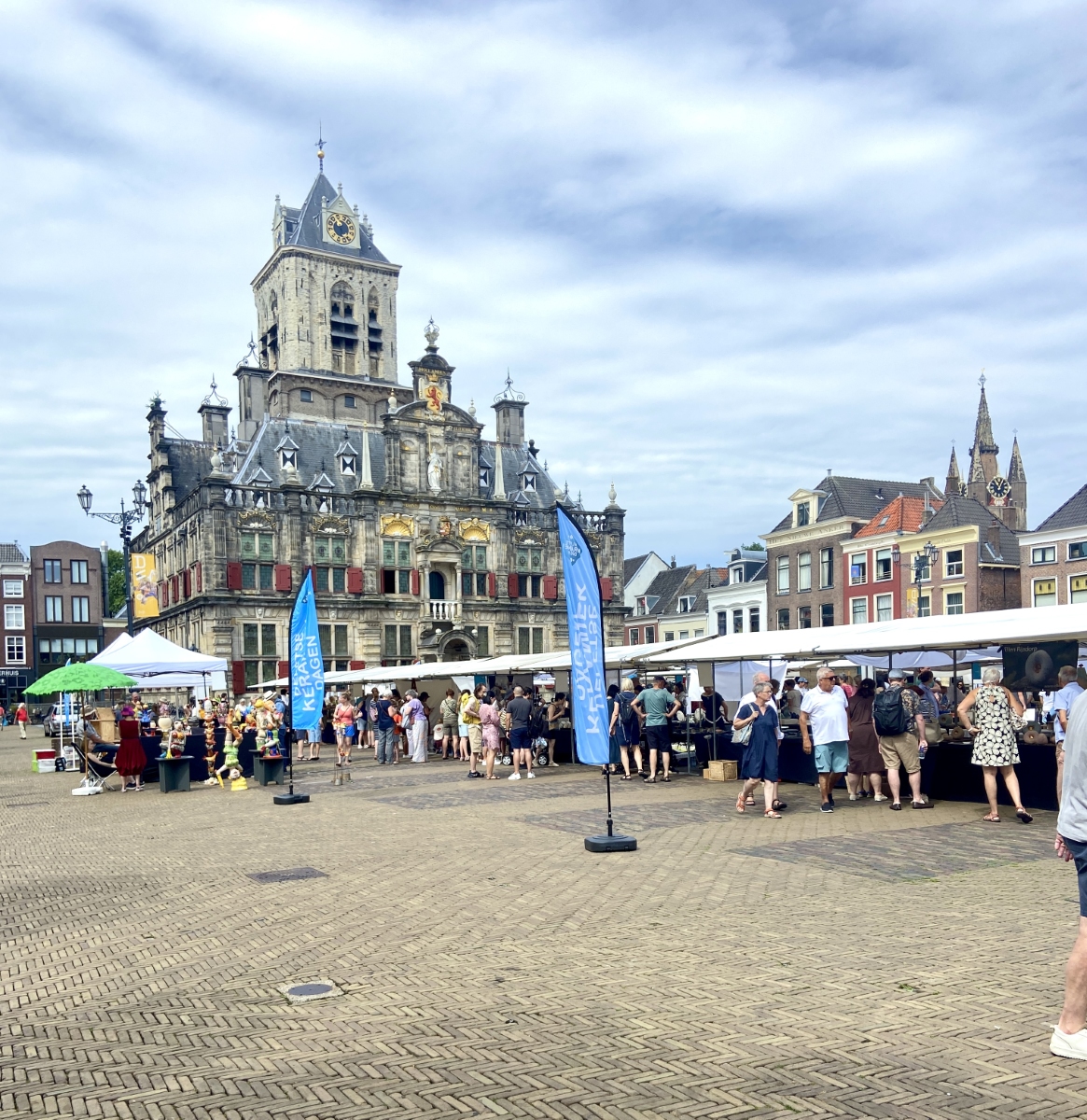
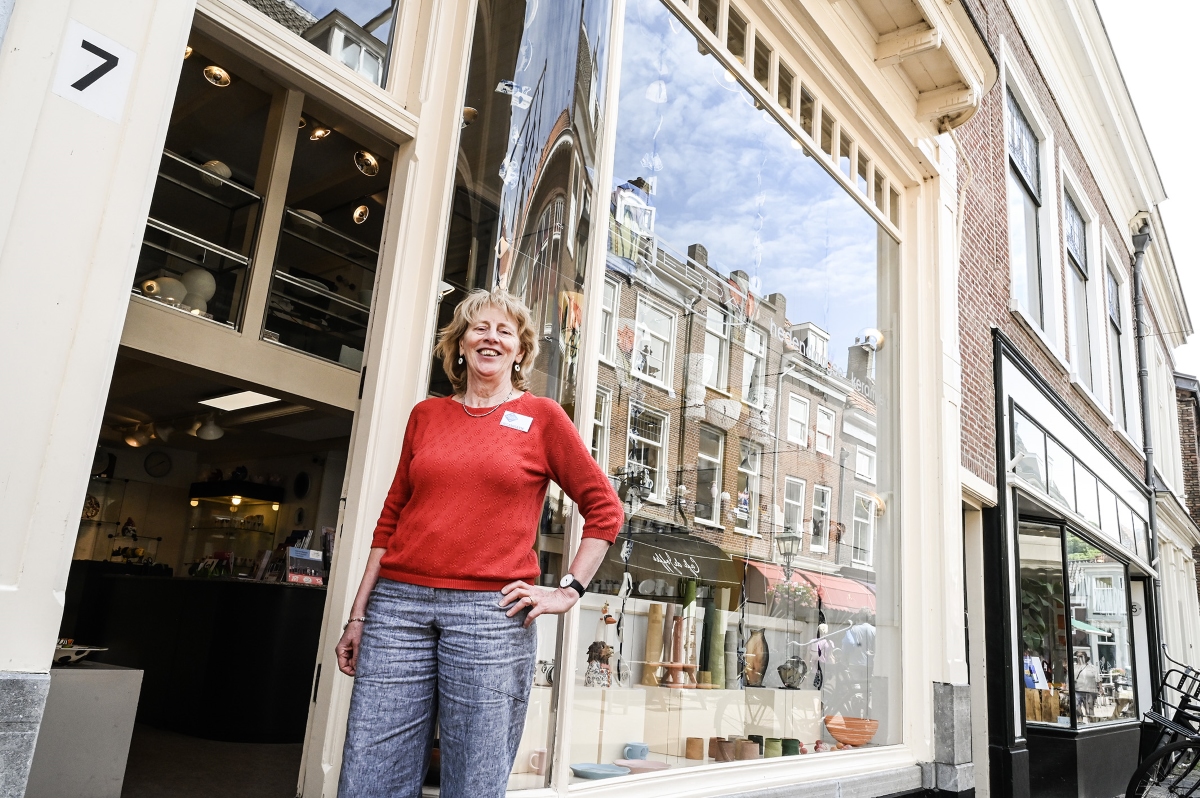
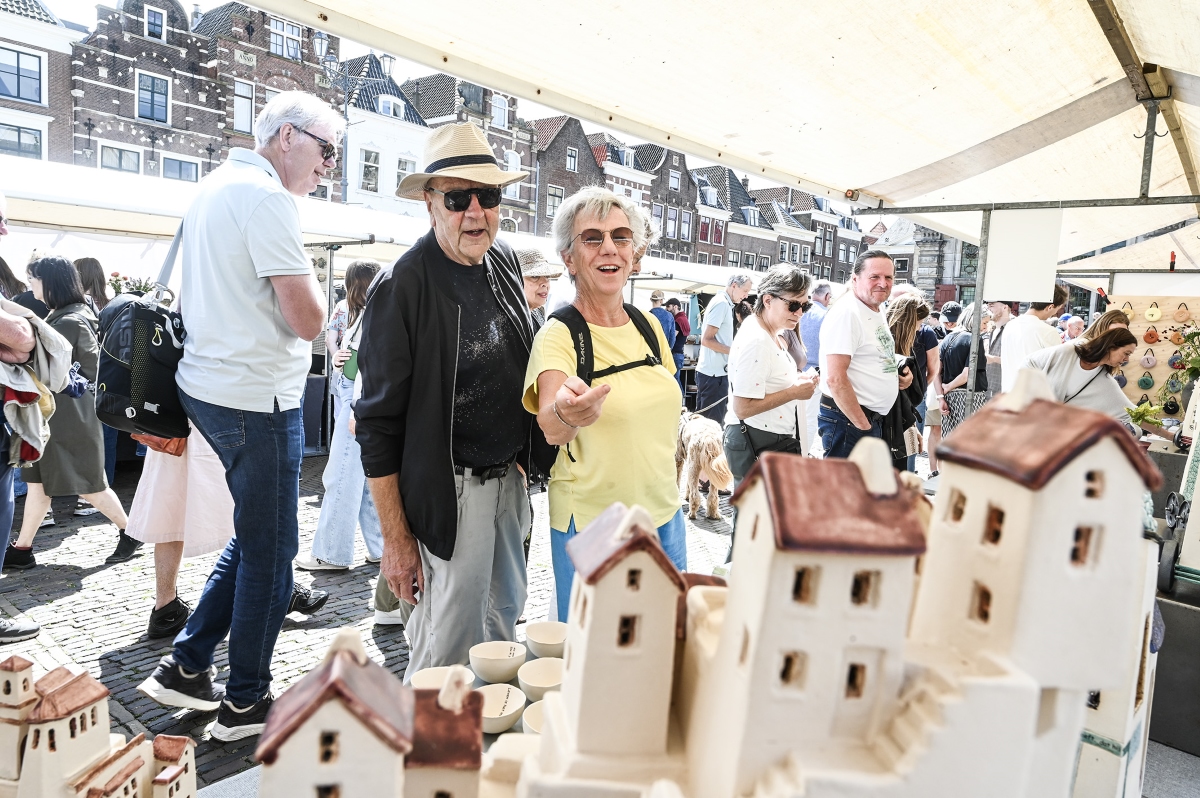
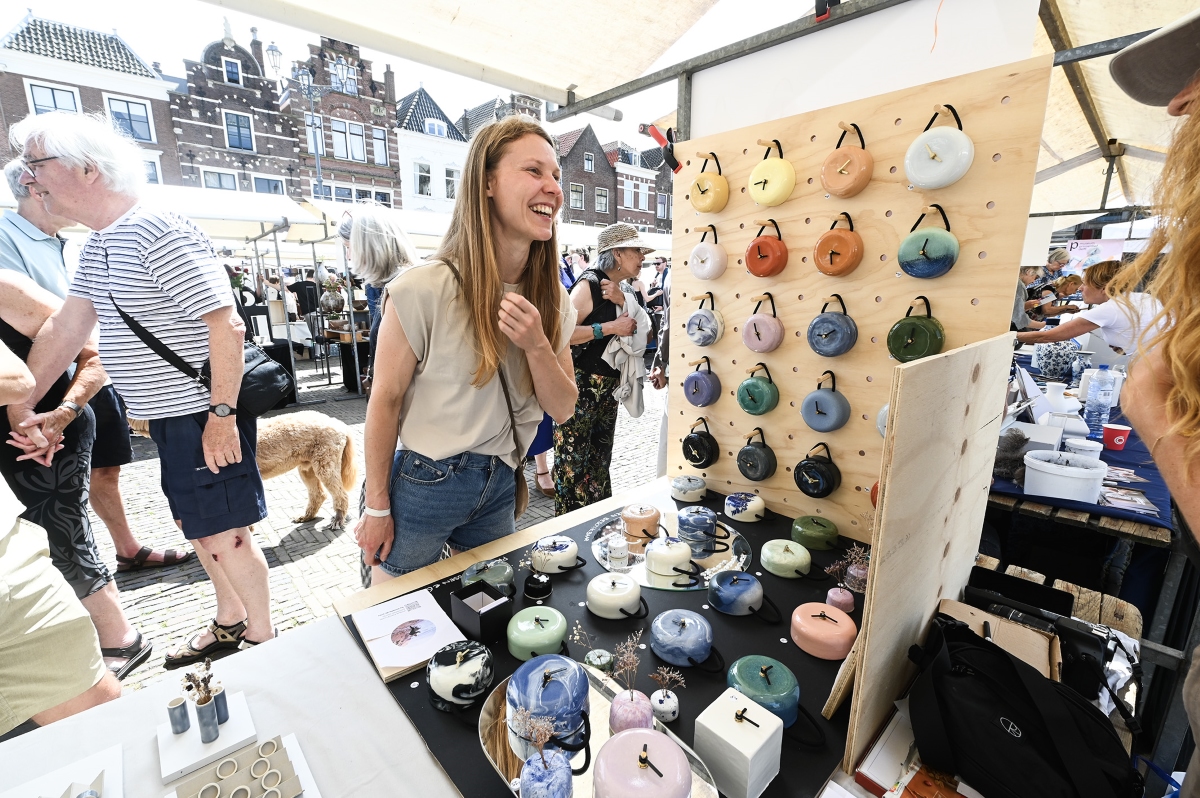
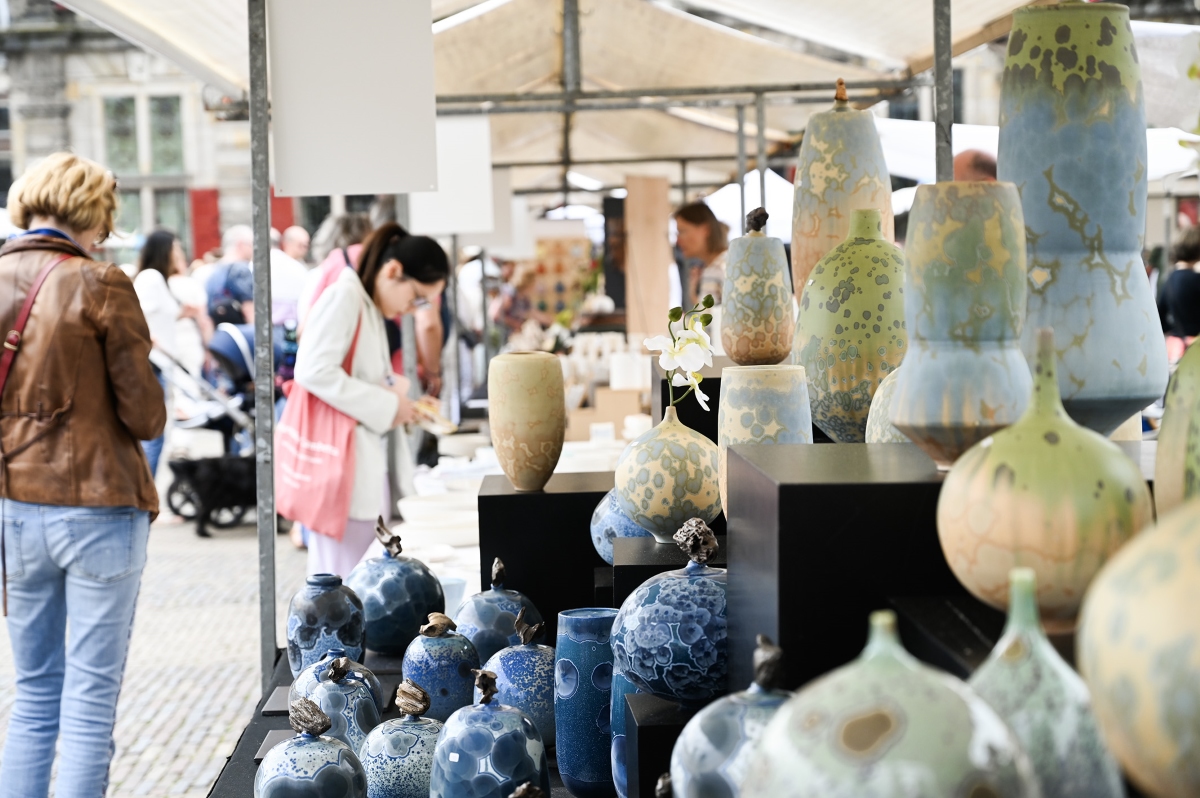
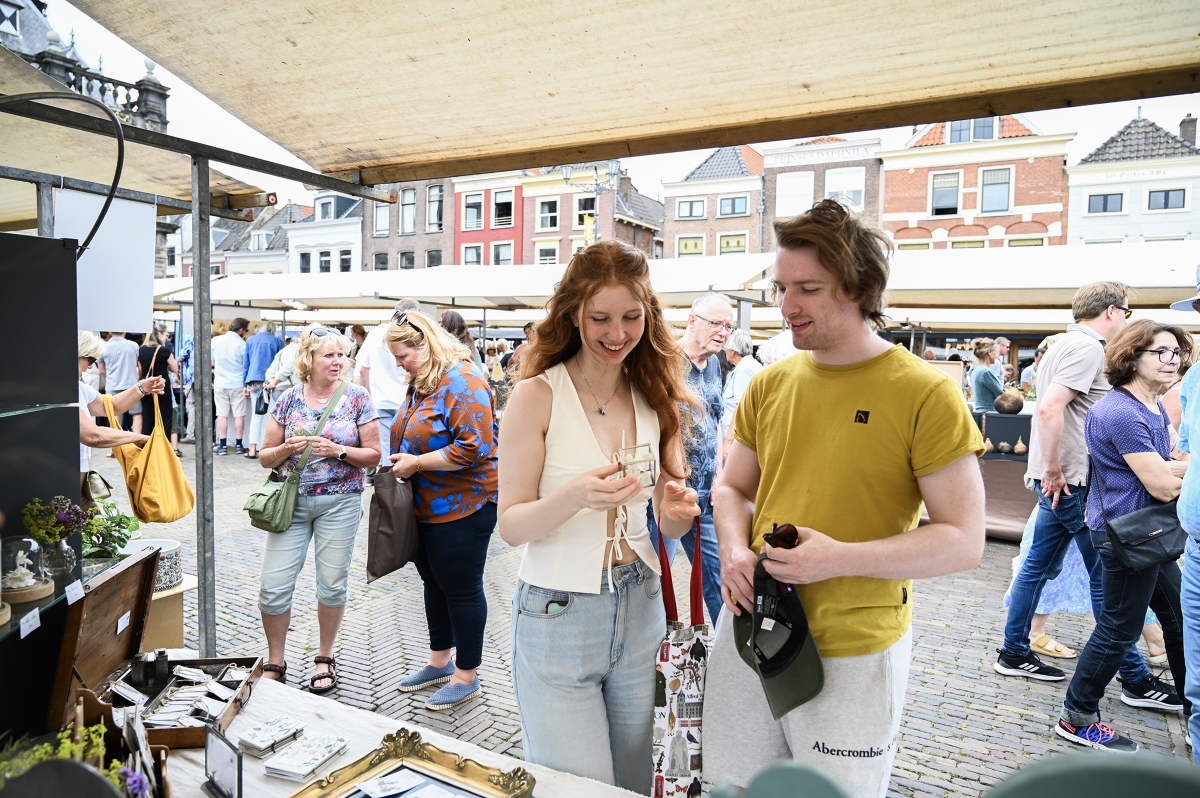
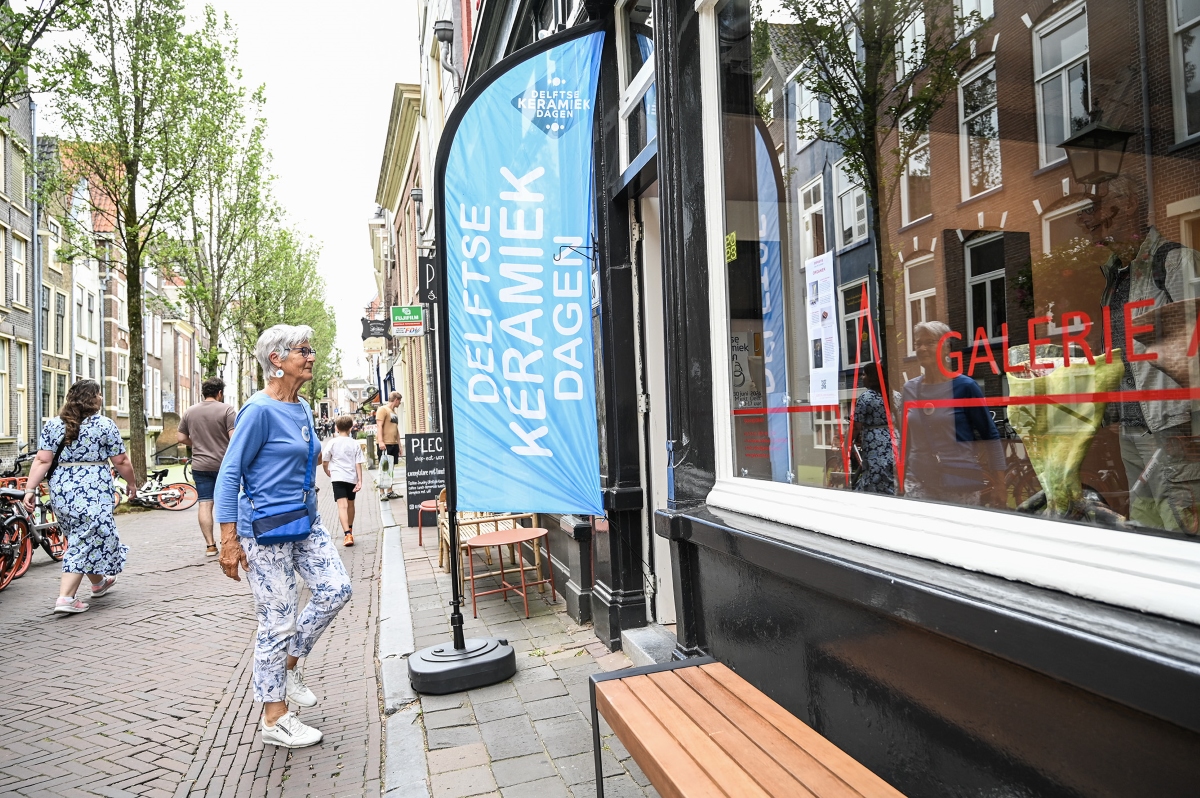
Just a short walk from the Oude Kerk stands the 15th-century Nieuwe Kerk (New Church), overlooking Delft’s lively market square where the Delft Ceramic Market Days, also organised by Galerie Terra Delft, were held.
Here, almost eighty exhibitors gathered to display their ceramic wares for visitors. Since 2022, when there was a possibility that the ceramics market might cease altogether, Galerie Terra took over the responsibility for organising the event.
Normally, the Delft Ceramic Days are held over two weekend days each year and, for many, particularly collectors, they are a regular fixture in the ceramics calendar, offering the opportunity to meet favourite ceramic artists and purchase work directly from the makers. As Simone Haak of Galerie Terra Delft explained, “We have makers applying from all over the world now, but we have to be selective to keep the standard high.”
Later, when I bumped into Simone at the market, she was making her rounds, ensuring that every stall was presented at its very best.
This year, however, the team had to make the difficult decision, on the advice of local authorities, to cancel the Saturday market because of the extreme heat. Fortunately, the market went ahead on Sunday and included demonstrations by Clay Time Studio Delft, attracting visitors of all ages eager to try throwing on the wheel.
The market square provides the perfect setting for the event, with plenty of space to wander and exhibitors keen to talk about their work. It was particularly notable that on Saturday evening Galerie Terra Delft organised a social gathering and dinner for all the exhibitors. It was evident that this offered a valuable opportunity for participants to reconnect, many of whom return to Delft year after year.
In a city internationally celebrated for its ceramic heritage, the Delft Ceramic Market Days feel less like a commercial event and more like a continuation of that centuries-old conversation between maker, material and community, a fitting complement to the international voices presented in Common Ground.
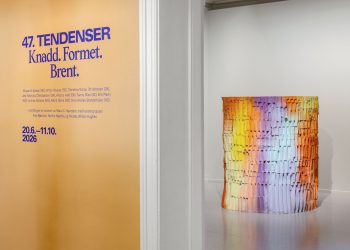
Urban Blue – From Bricks to Tiles, Royal Delft Museum, Delft
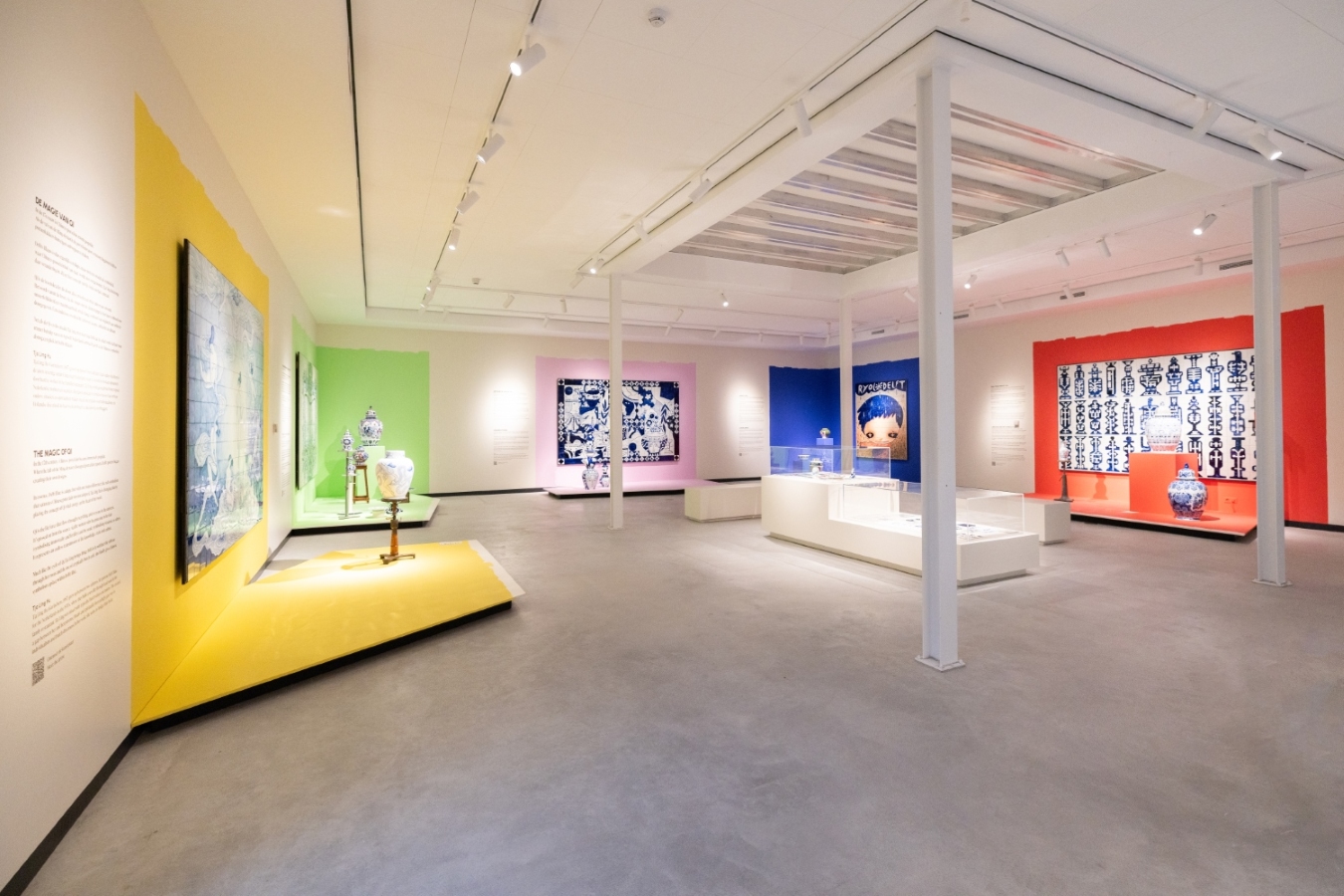
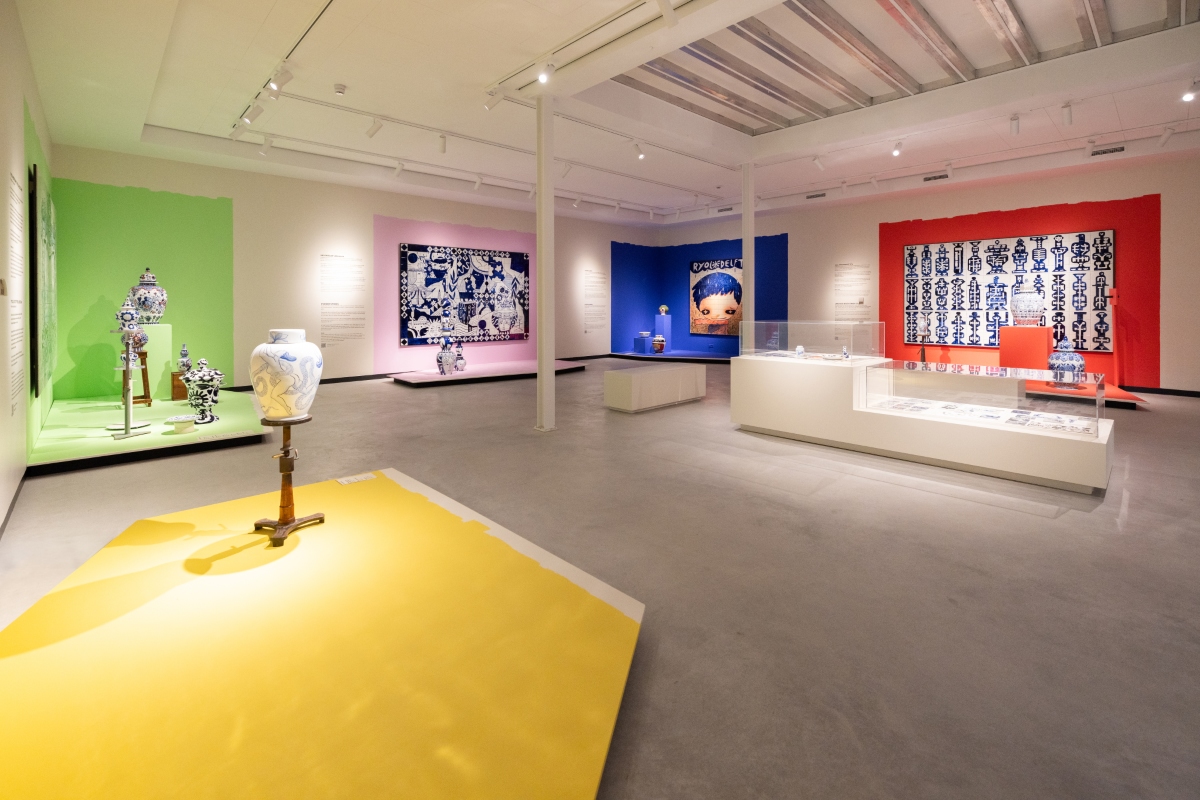
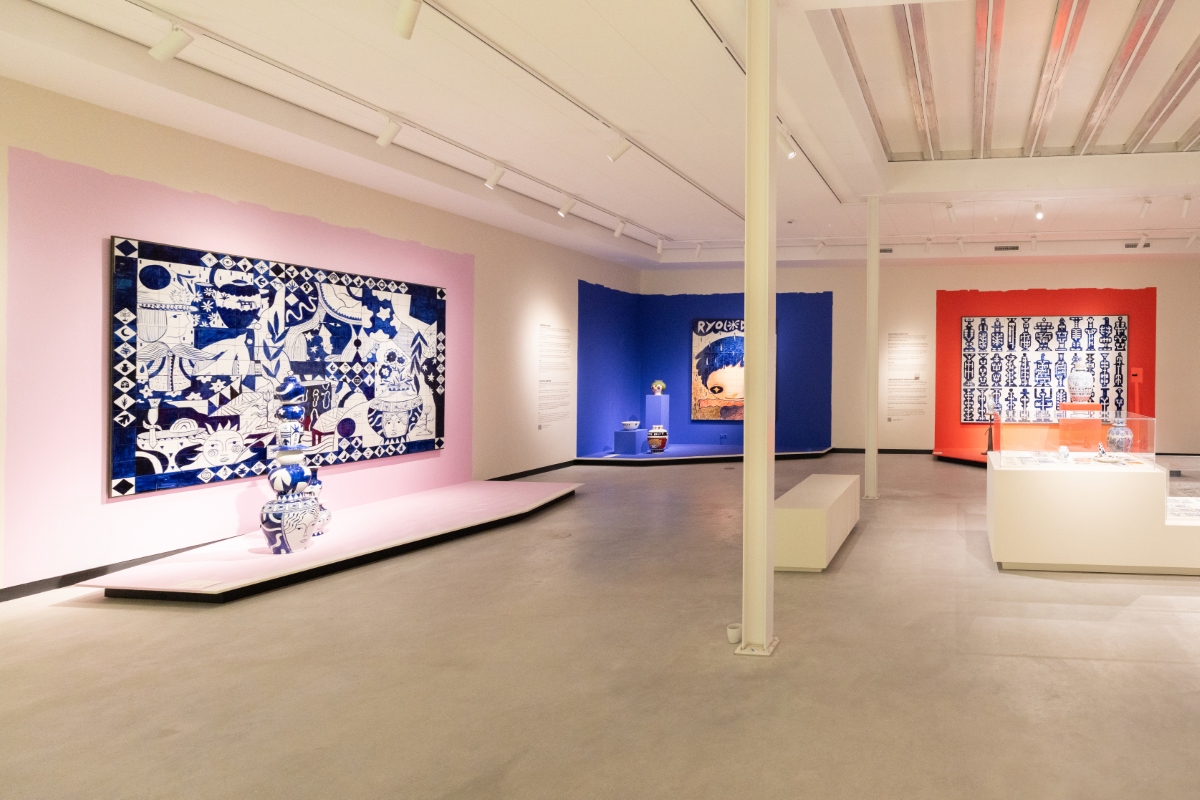
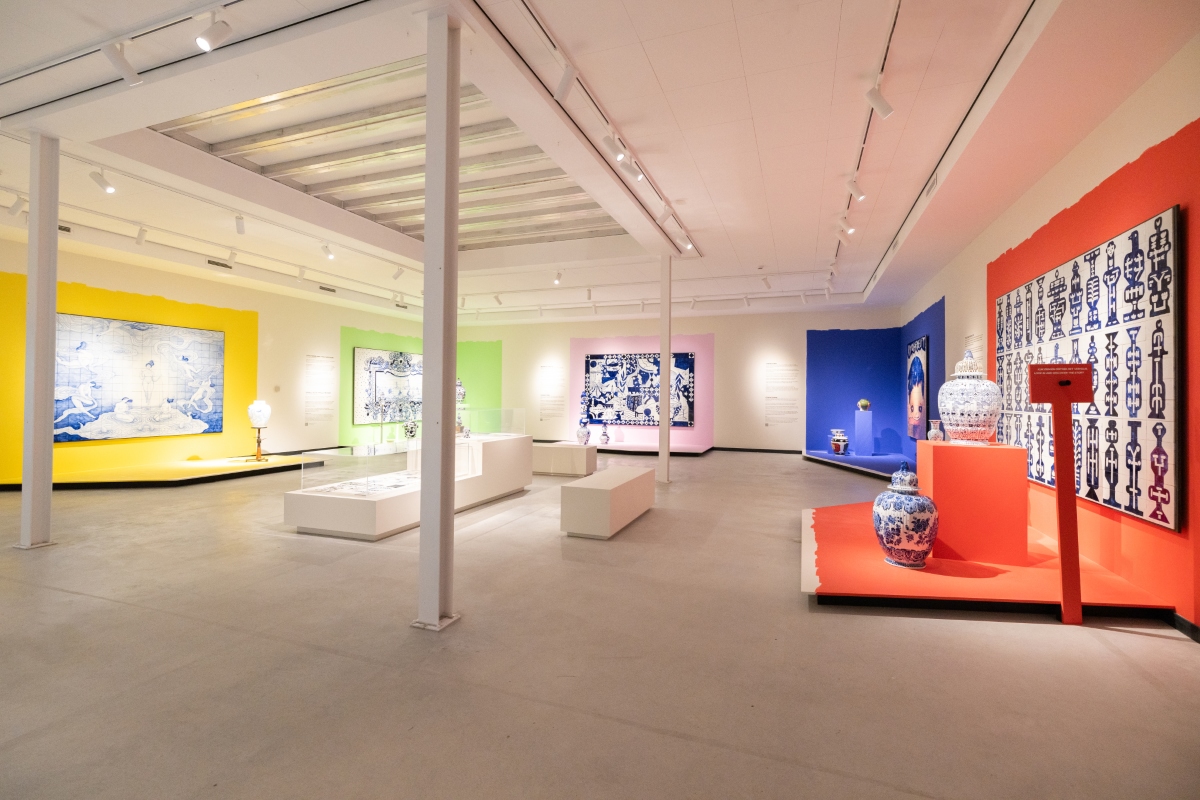
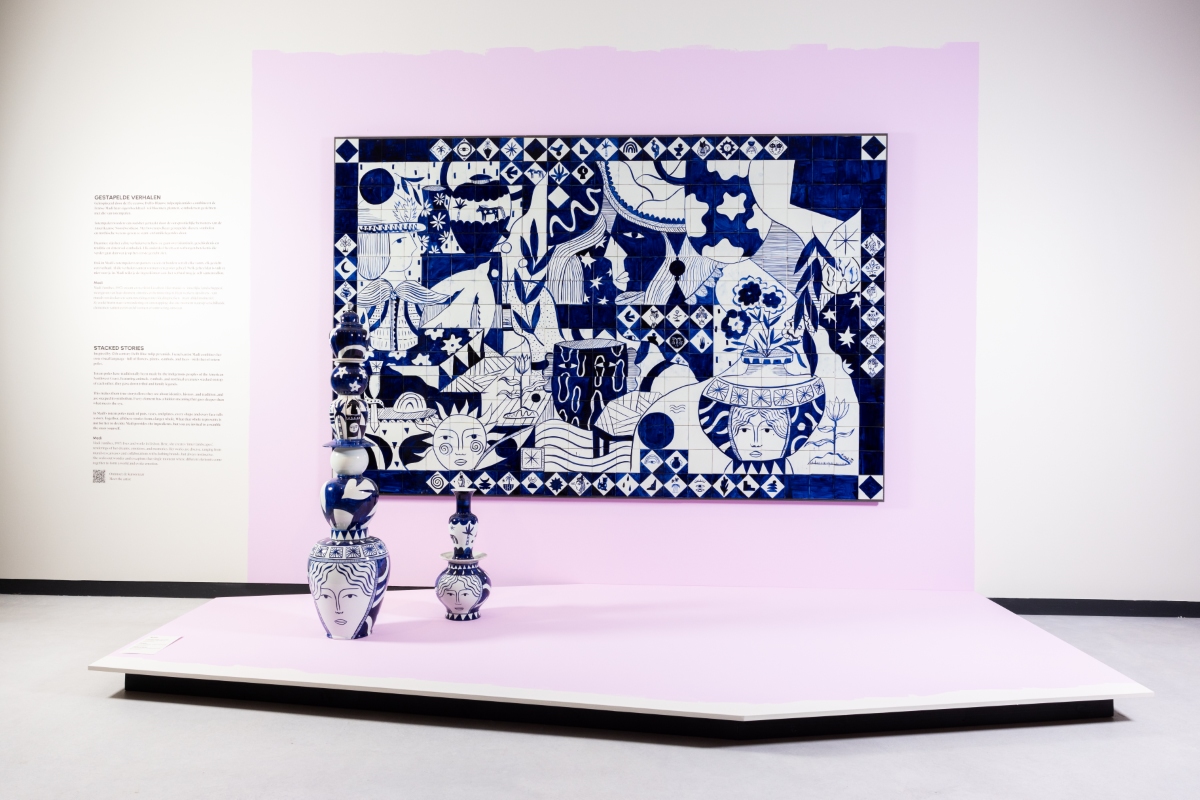
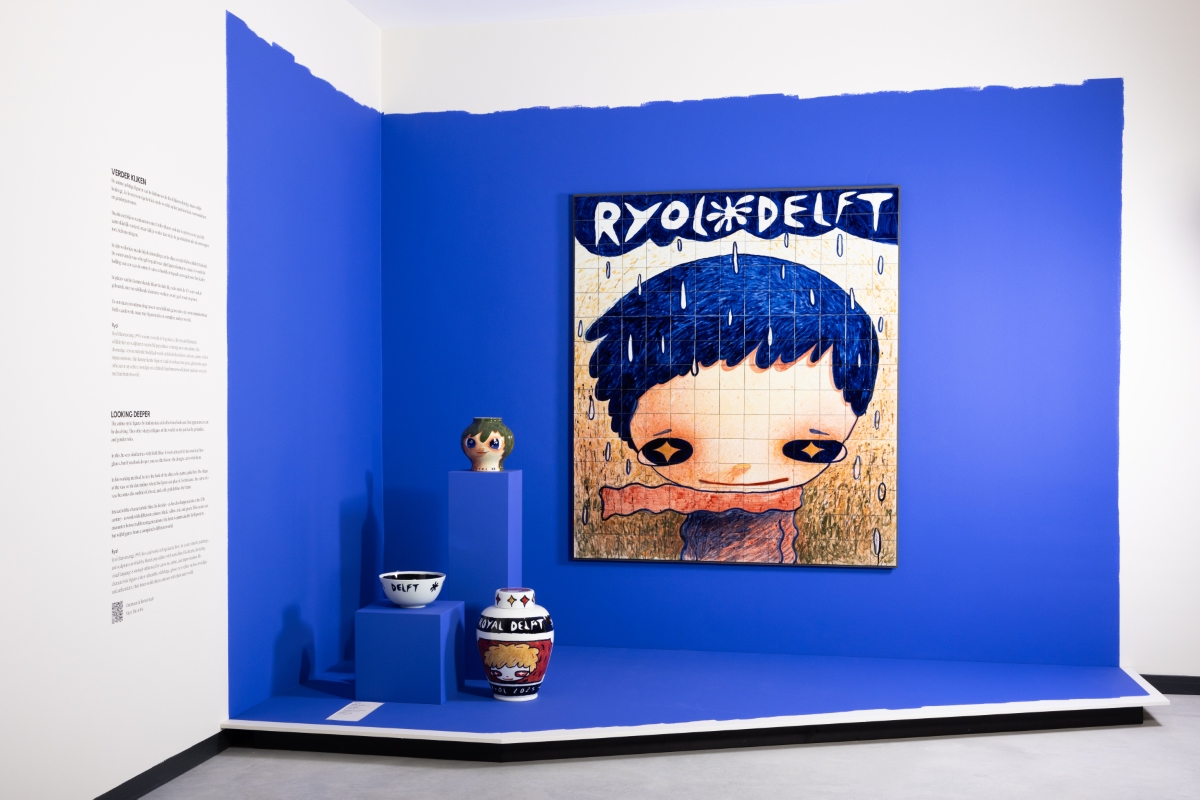
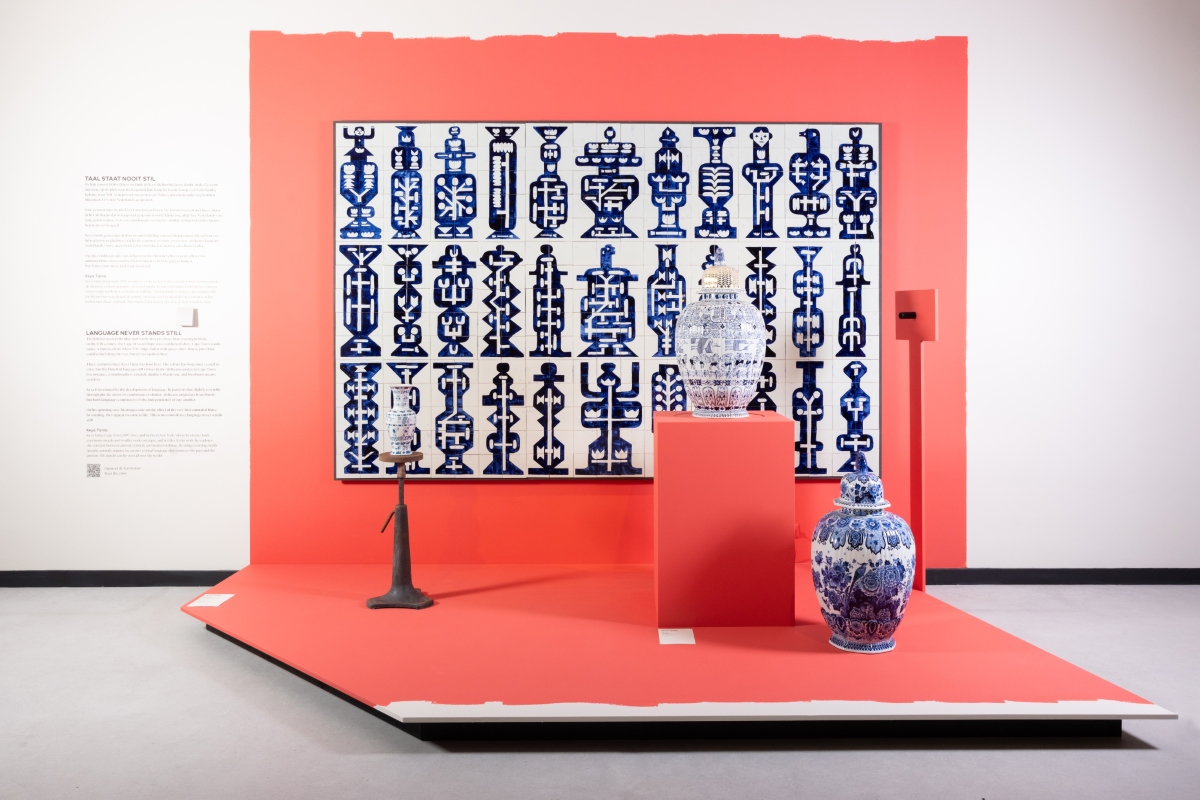
Featured artists: Ryol (Laksamana Ryo), Tja Ling Hu, Madi, Keya Tama, Claudio Limon, Speto (Paul César Silva)
Finally, on my itinerary was a visit to the Royal Delft Museum, specifically to see Urban Blue – From Bricks to Tiles, an extraordinary exhibition bringing together six international street artists who spent a two-week residency producing new work in collaboration with Royal Delft.
Before visiting the exhibition, I was treated to a fascinating tour of the working factory that sits behind the museum. Housing giant modern kilns, barrels of raw materials and hundreds of stacked plaster moulds everywhere you turn, it offers a glimpse into the remarkable craftsmanship that continues to define Royal Delft today.
The museum itself tells the story of how, with the introduction of Chinese porcelain from the Far East, everything changed. The Dutch East India Company (VOC) brought porcelain from Asia, and the Dutch elite fell in love with it at first sight. Dutch potters could not compete directly when the essential ingredient, kaolin clay, simply did not exist in Dutch soil. The answer lay not in imitation but in the reinvention and refinement of their own craft. Thinner clay bodies, brighter glazes and more refined forms brought innovation. Blue-and-white designs, inspired by Chinese porcelain, captured the popular imagination and Delft faience was born.
Later, the import of Chinese porcelain faltered between 1640 and 1670 due to political unrest in China, but demand remained high and Delft seized the opportunity. A small number of families came to dominate the faience industry and by around 1700 more than thirty specialised factories were producing millions of ceramic objects each year for export to England, France and Germany.
At court, Delftware was championed by Mary II Stuart, who displayed her collection throughout her palaces. Much like today’s social media influencers, her endorsement transformed Delft Blue into a fashionable status symbol and an important export product.
However, like most fashions, the bubble did not last forever. During the eighteenth century, cheaper ceramics flooded the market and Delft began to struggle. By around 1800, only eleven faience factories remained. One factory, De Porceleyne Fles (now Royal Delft), survived under the leadership of Joost Thooft through innovation, introducing casting clay to enable faster and more efficient production. Today, Delftware has become an international symbol of Dutch ingenuity and craftsmanship, while hand painting remains a crucial part of its identity.
Street art and Delft Blue may seem unlikely partners. One is iconic, artisanal and associated with respectable drawing rooms and historic collections; the other is often linked with activism, rebellion and, at times, illegality. Royal Delft Museum therefore posed an interesting question: how can it speak to new generations while remaining vibrant and relevant as a living heritage?
To answer this, Royal Delft joined forces with STRAAT Museum, the world’s largest museum dedicated entirely to street art and graffiti, housed in a former shipyard warehouse on Amsterdam Noord’s NDSM Wharf. STRAAT selected six internationally acclaimed street artists to participate in an artist residency at Royal Delft Museum.
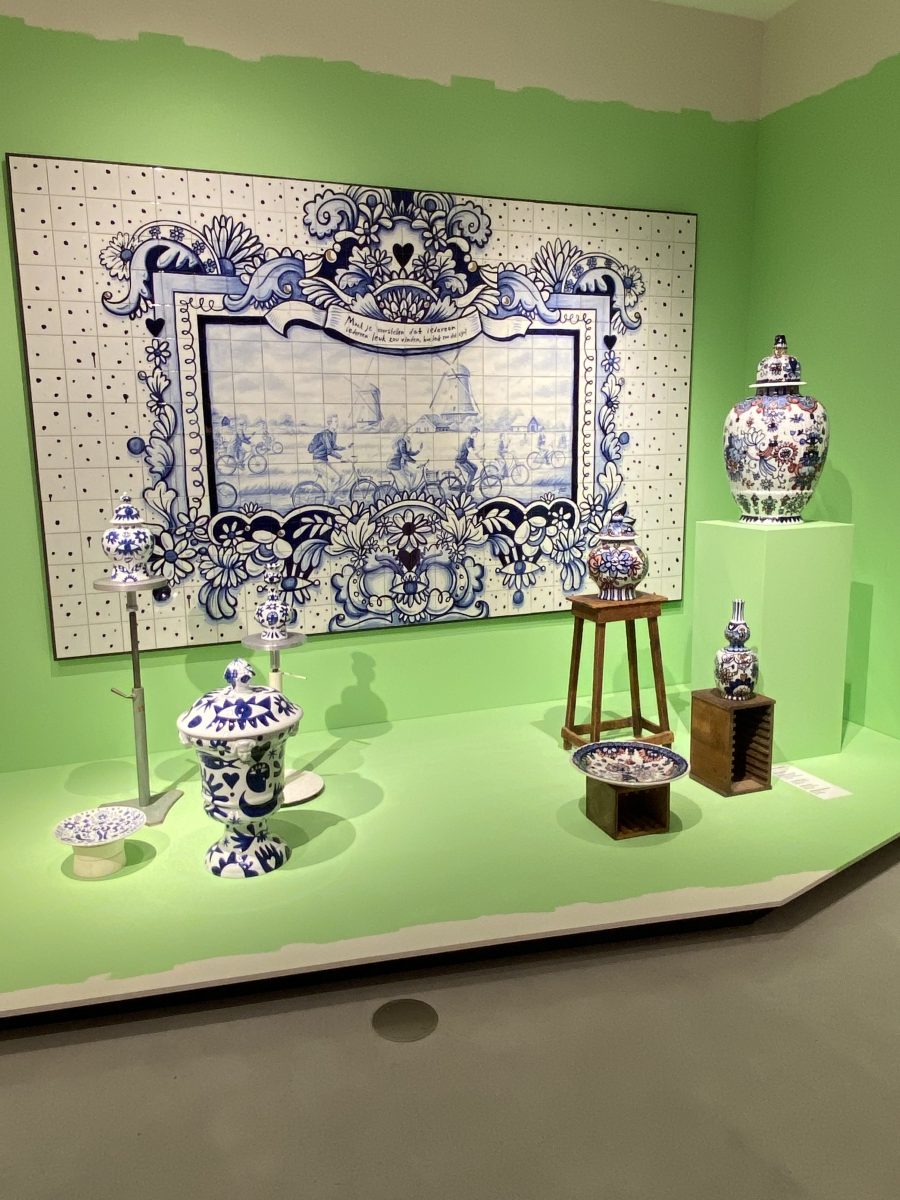
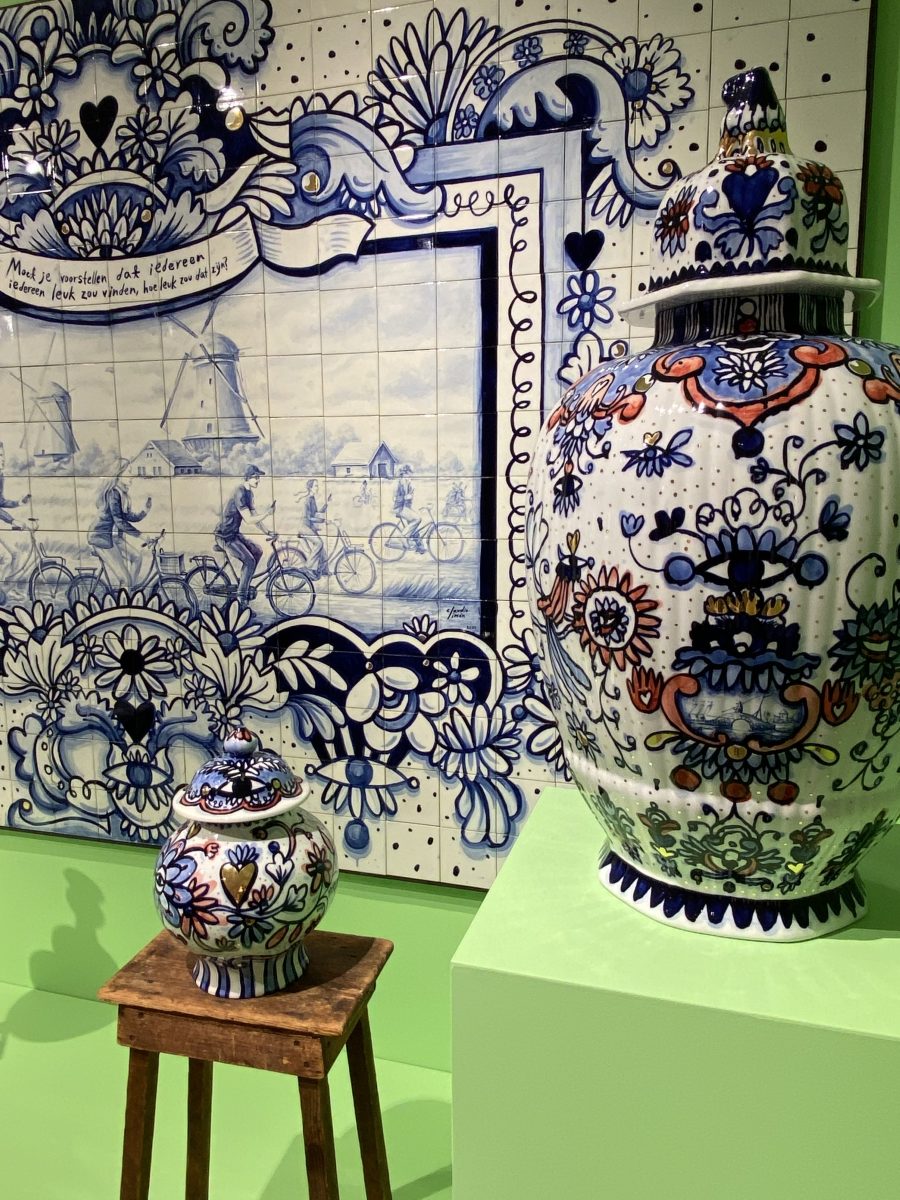
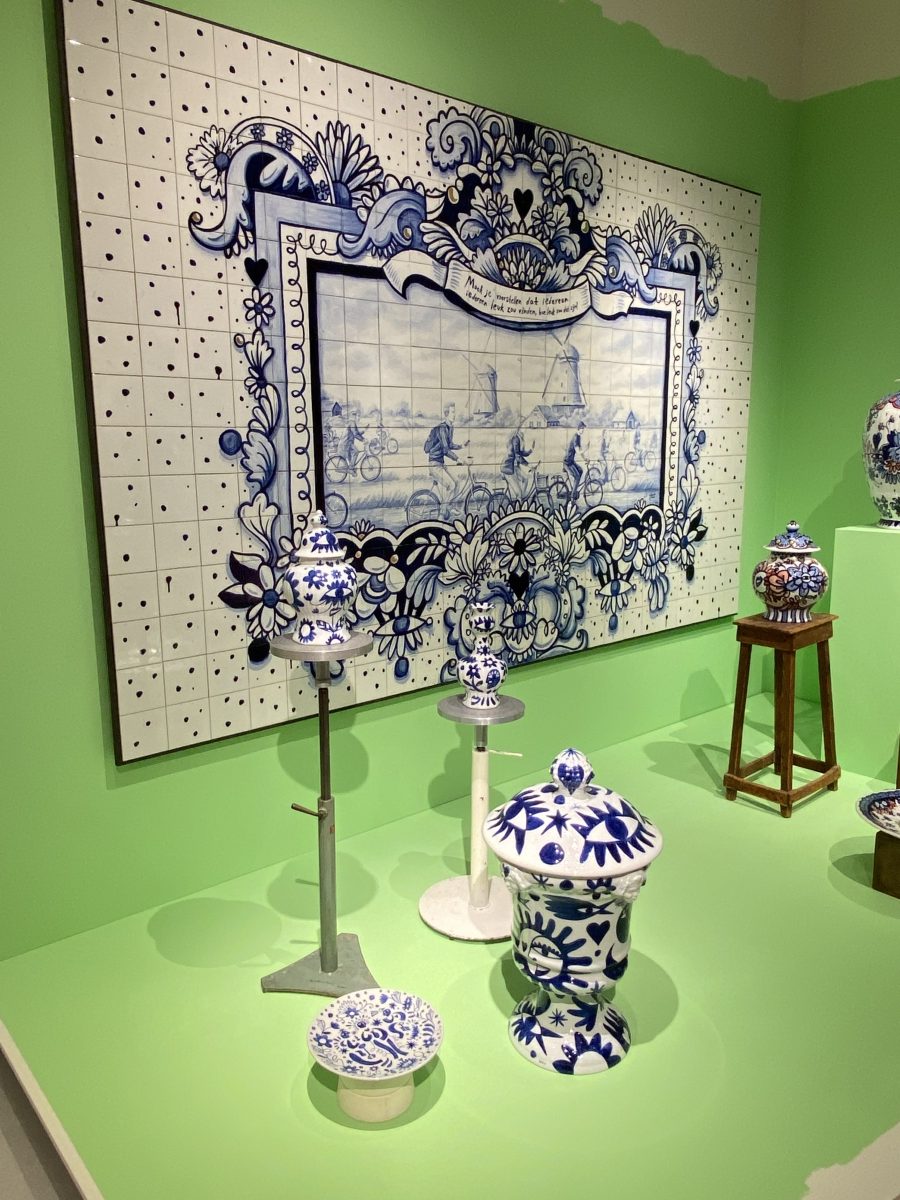
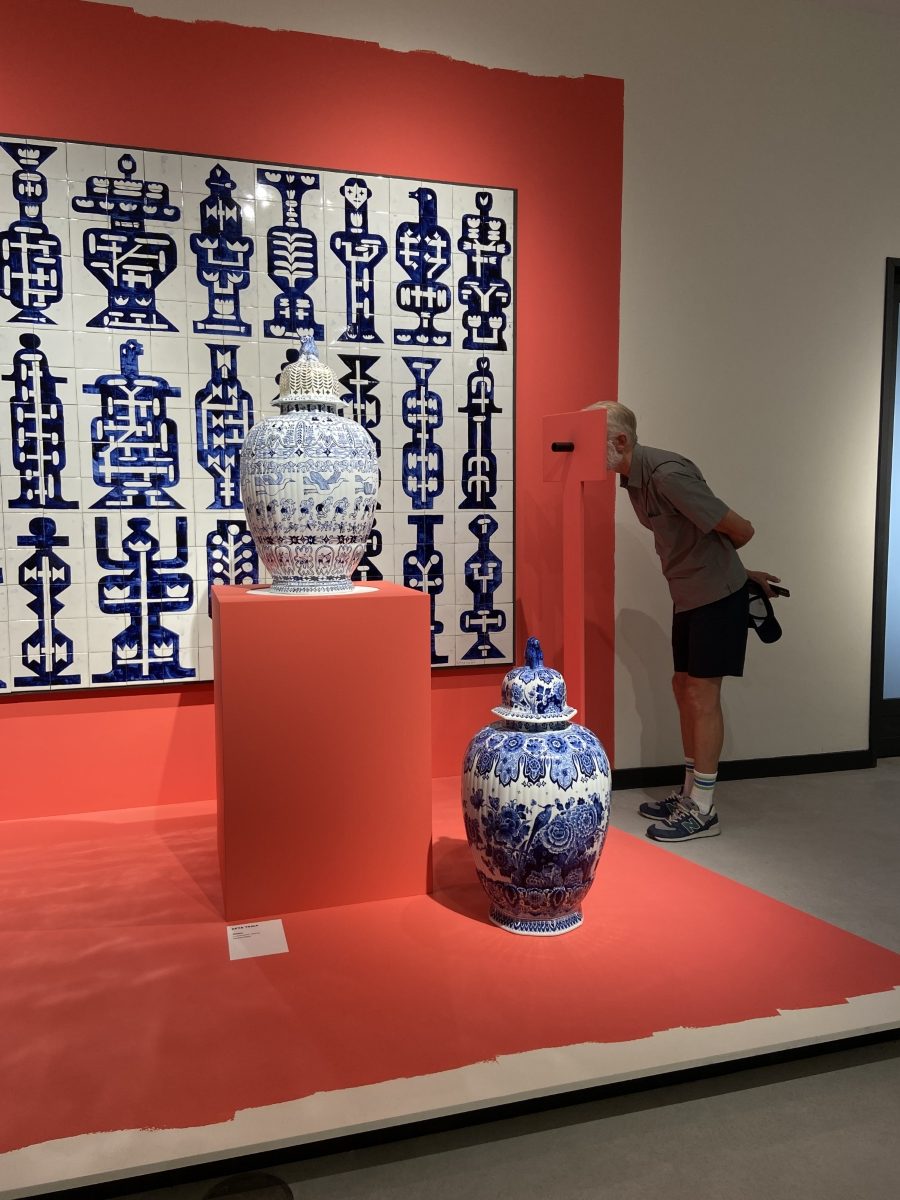
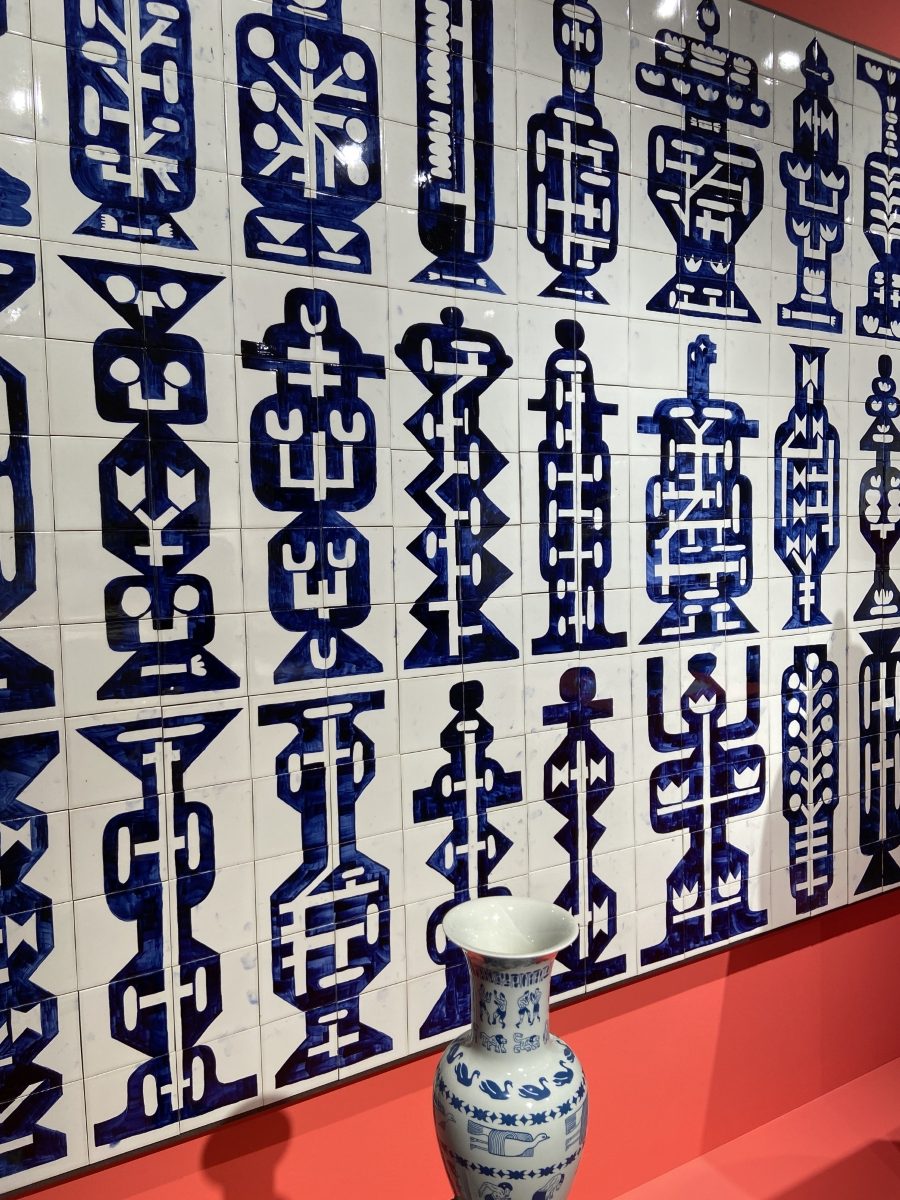
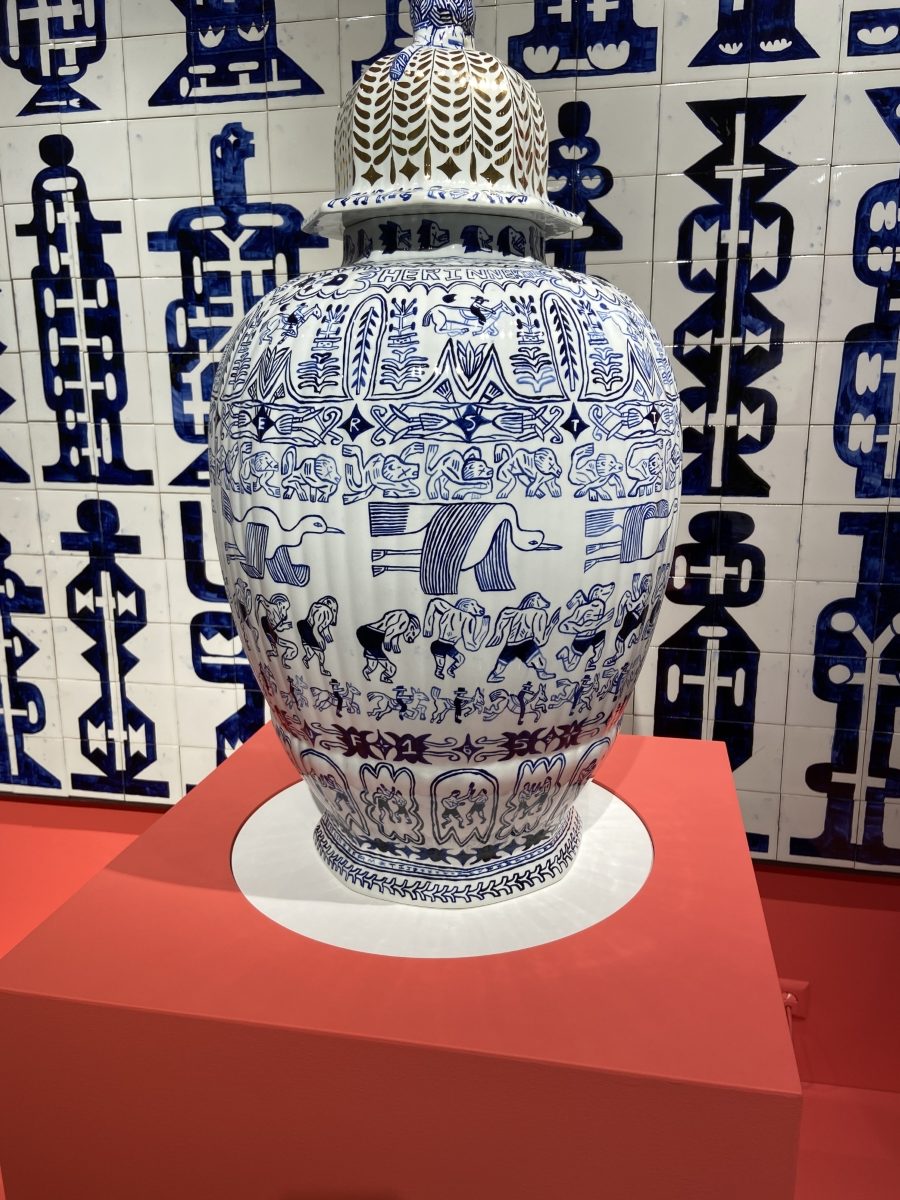
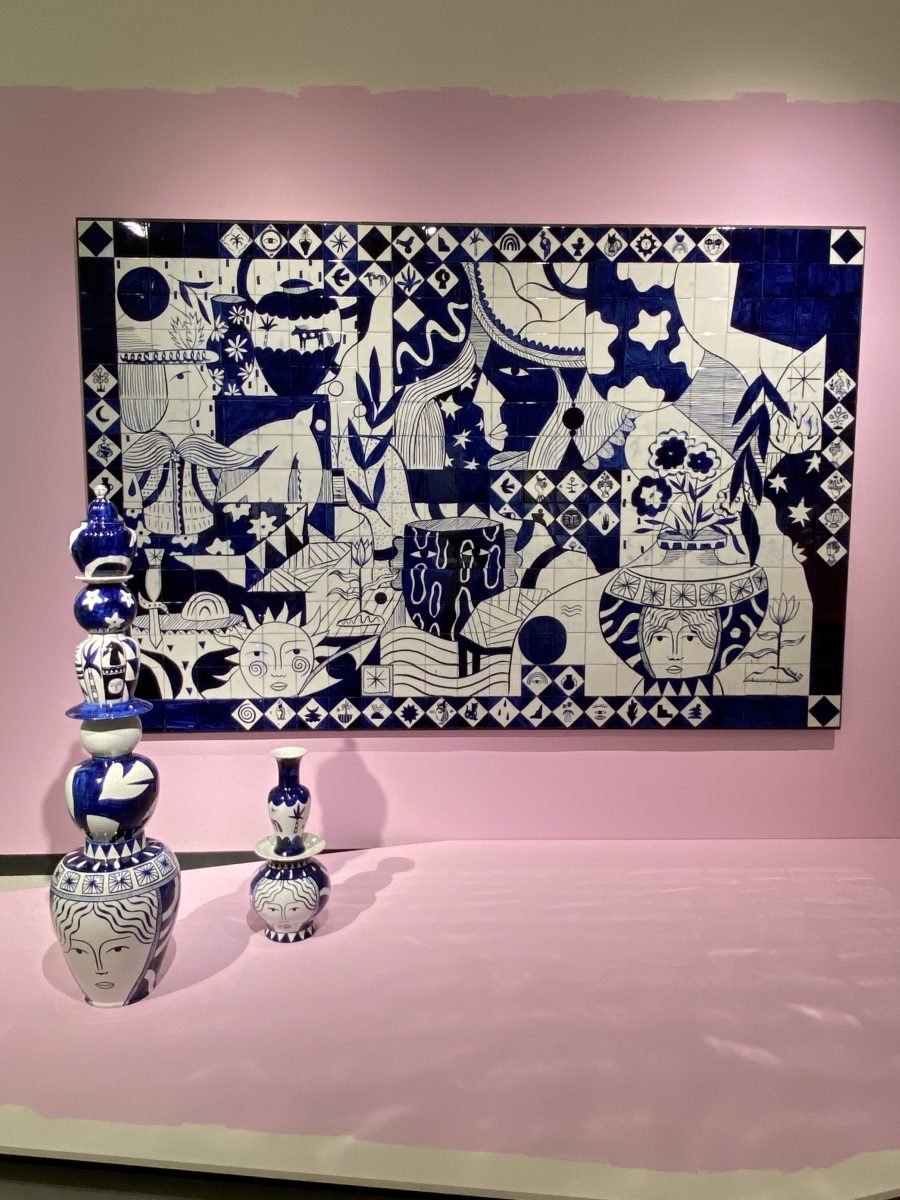
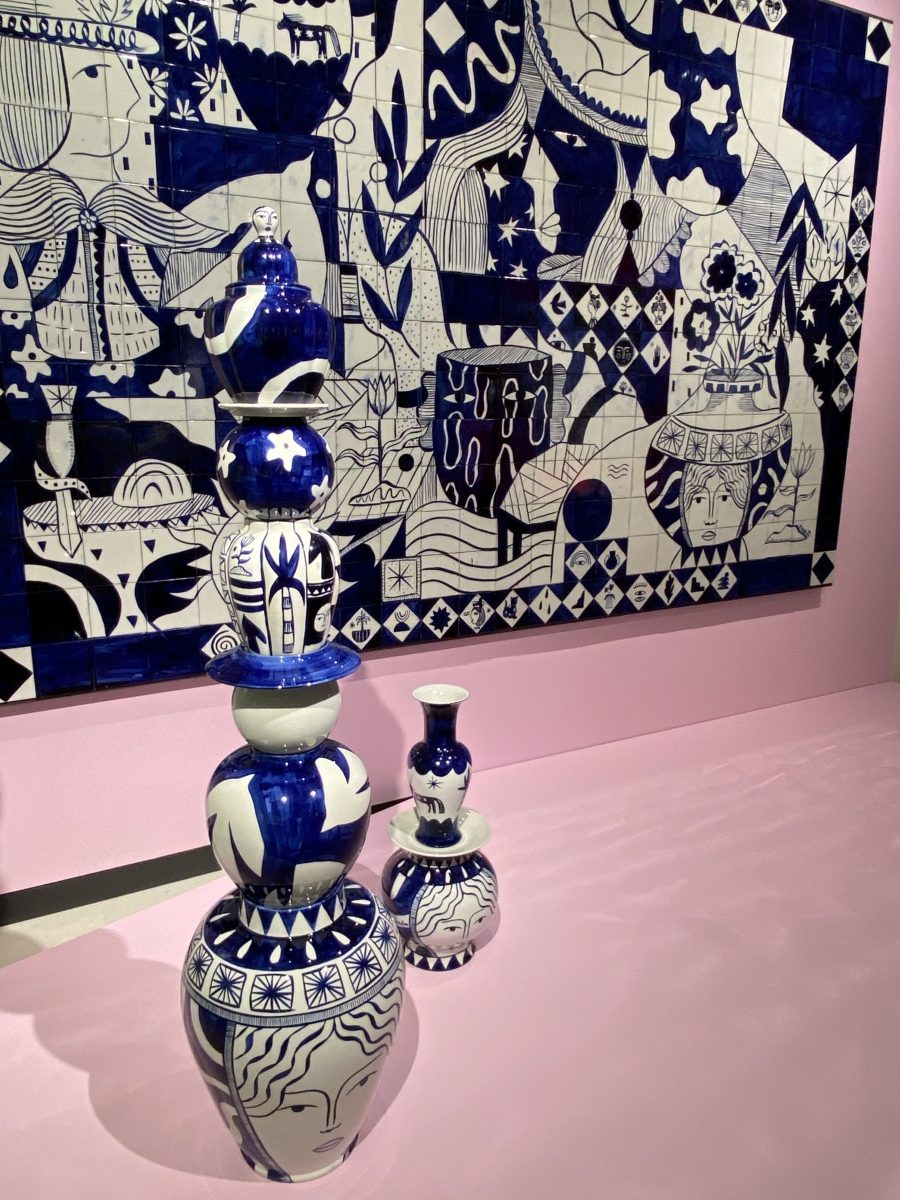
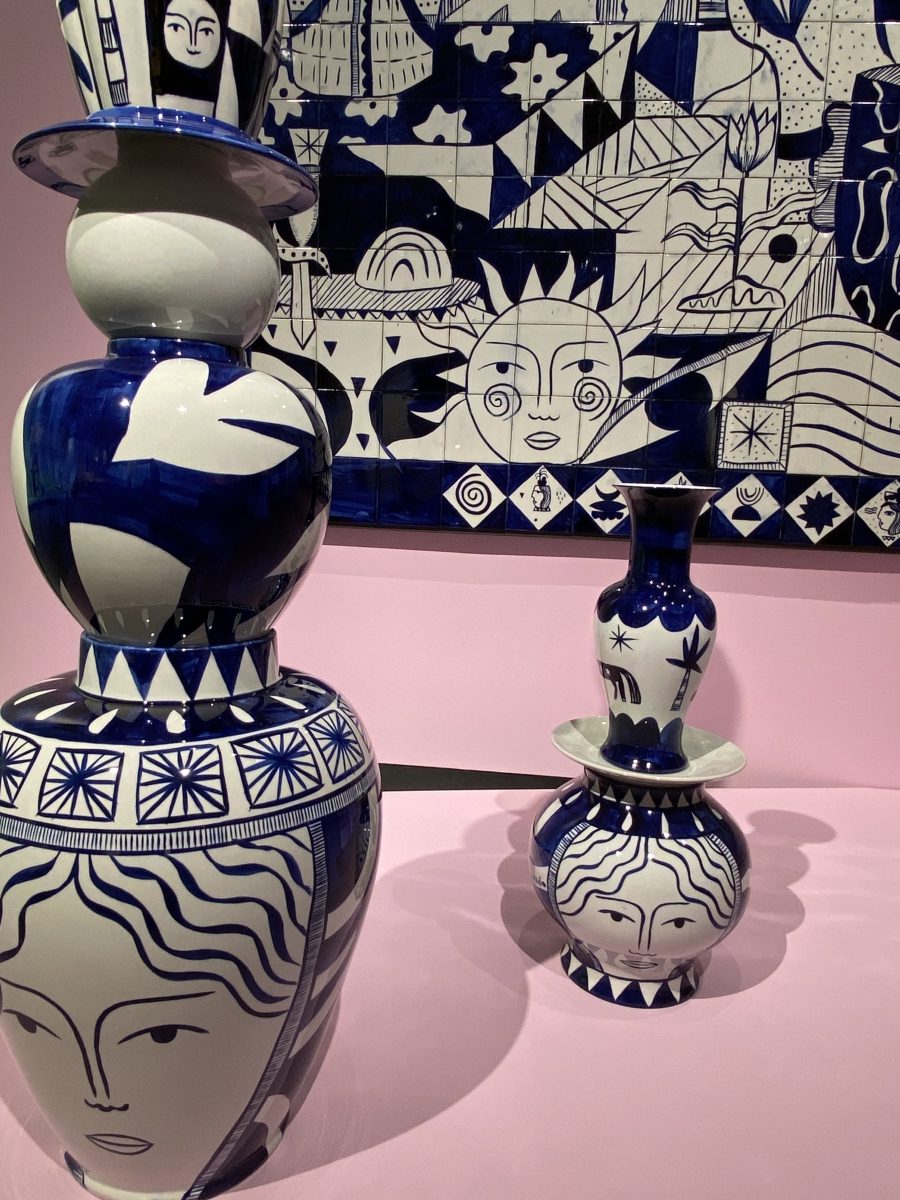
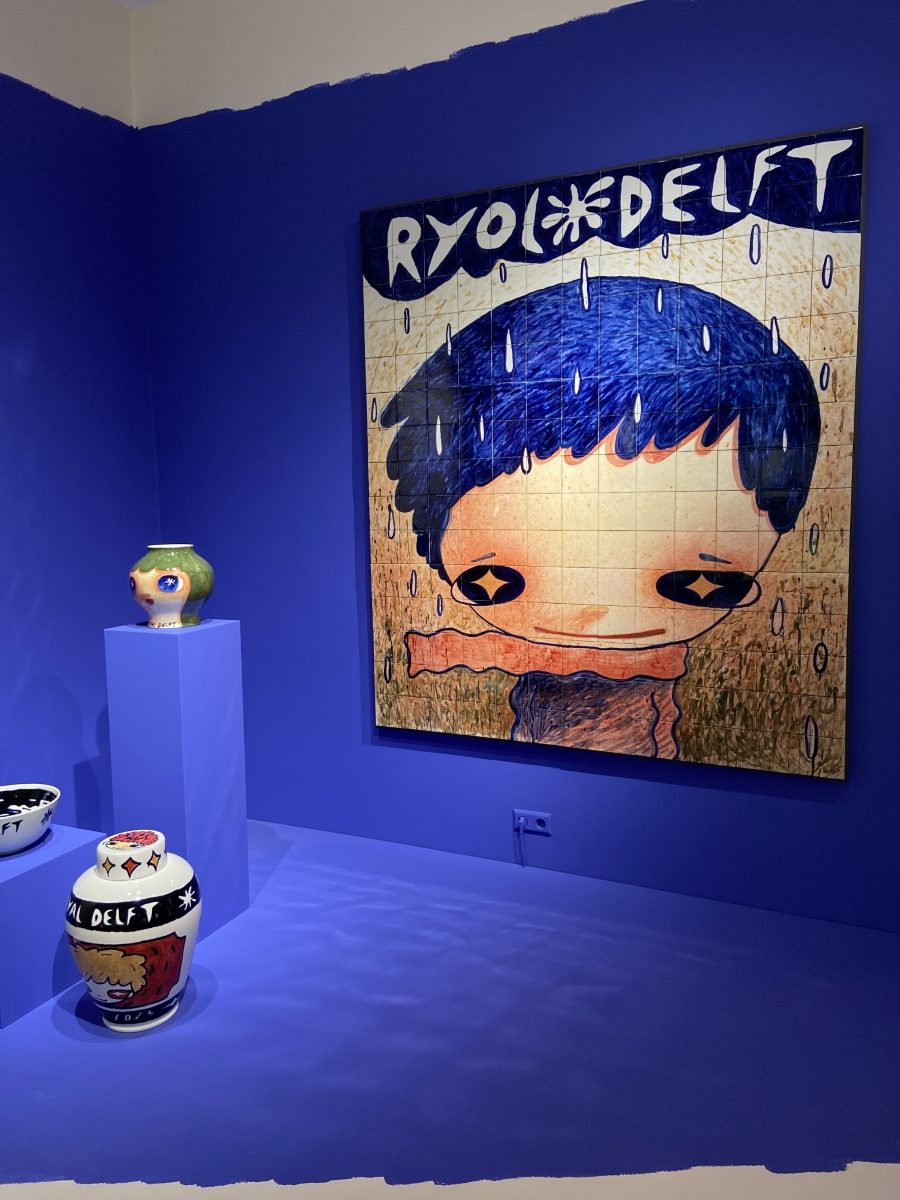
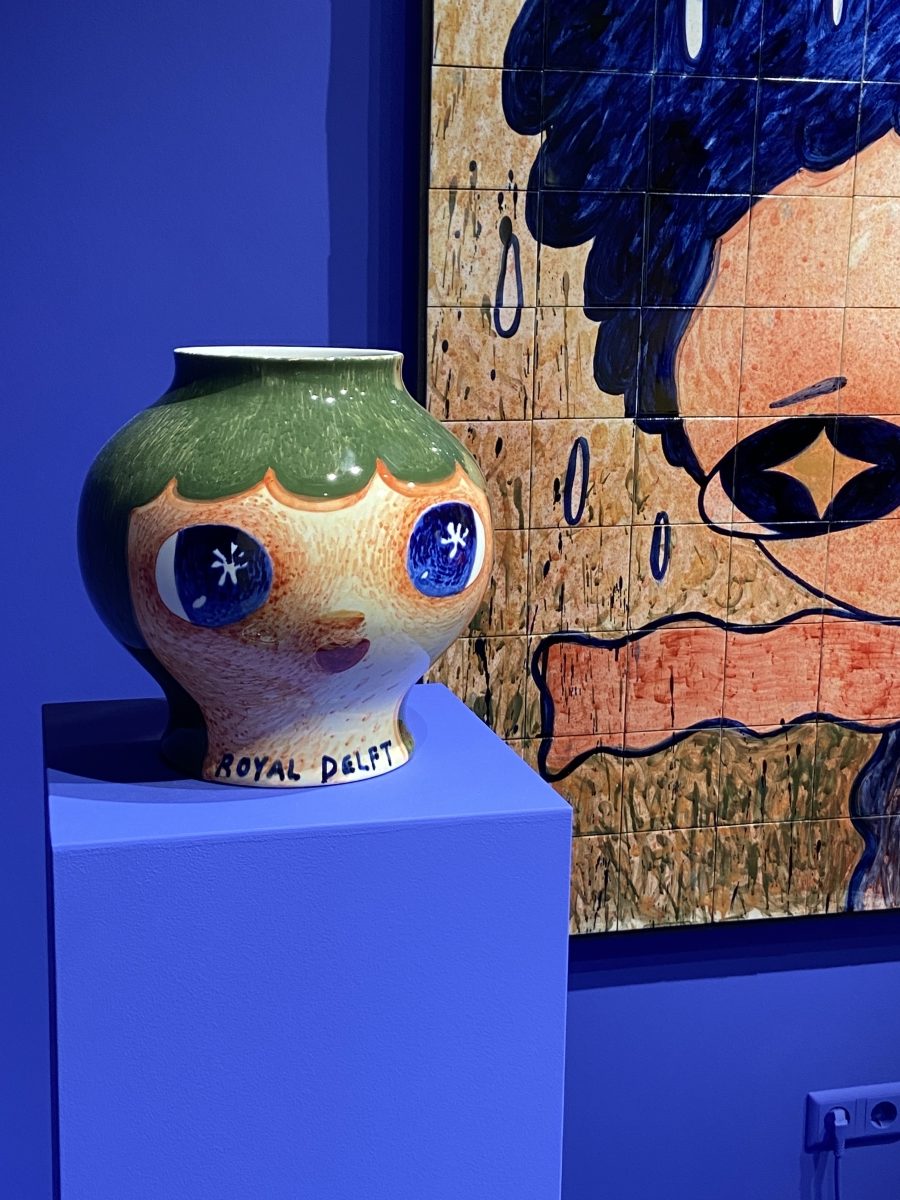
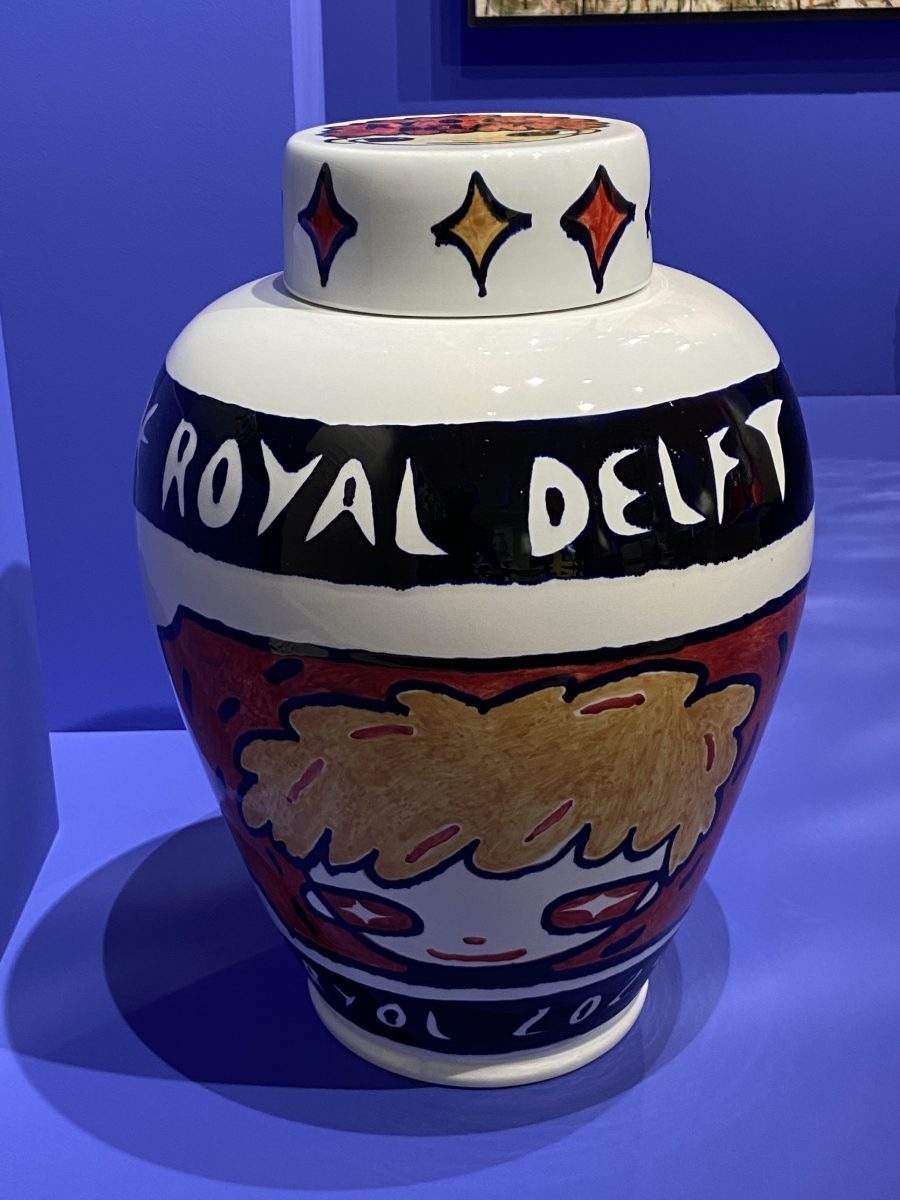
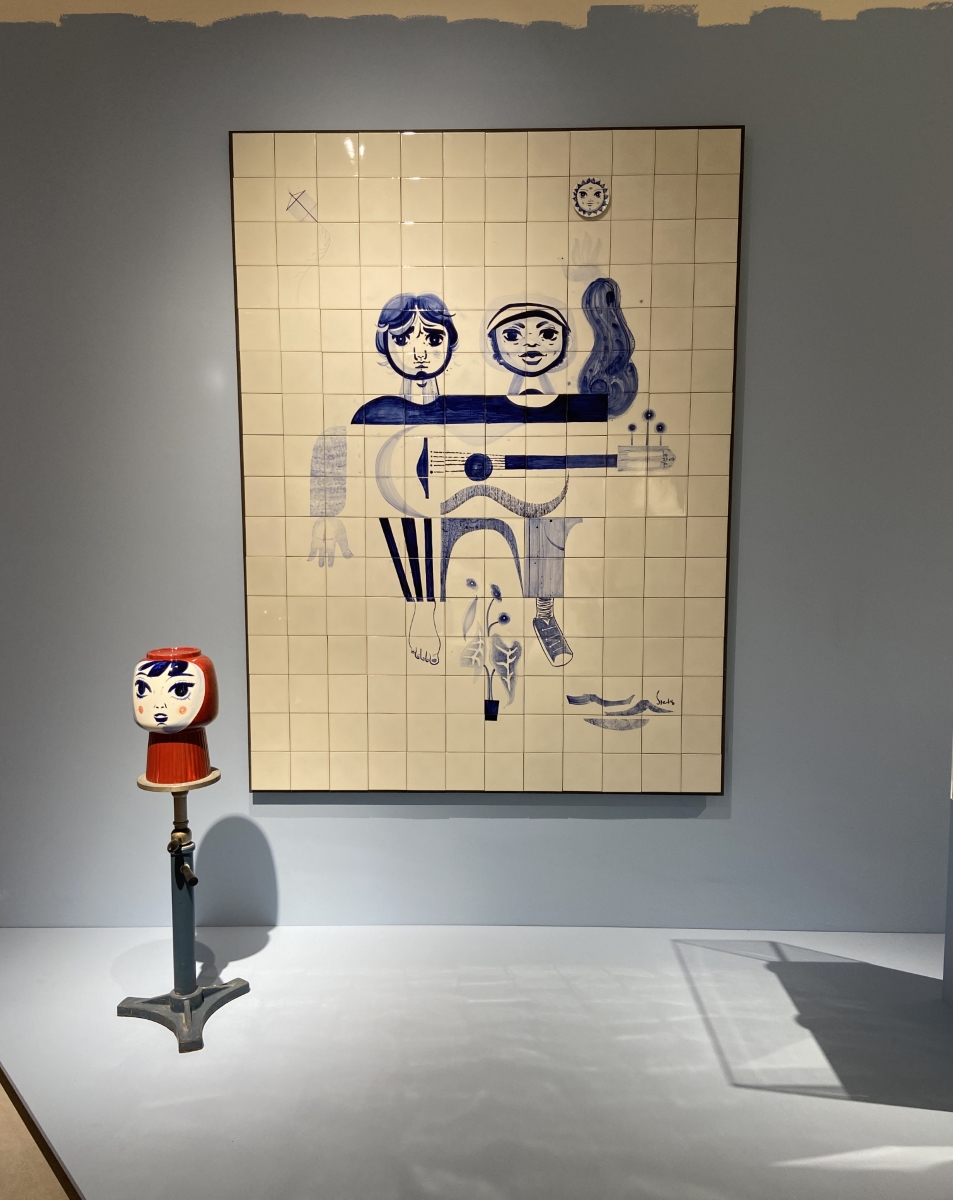
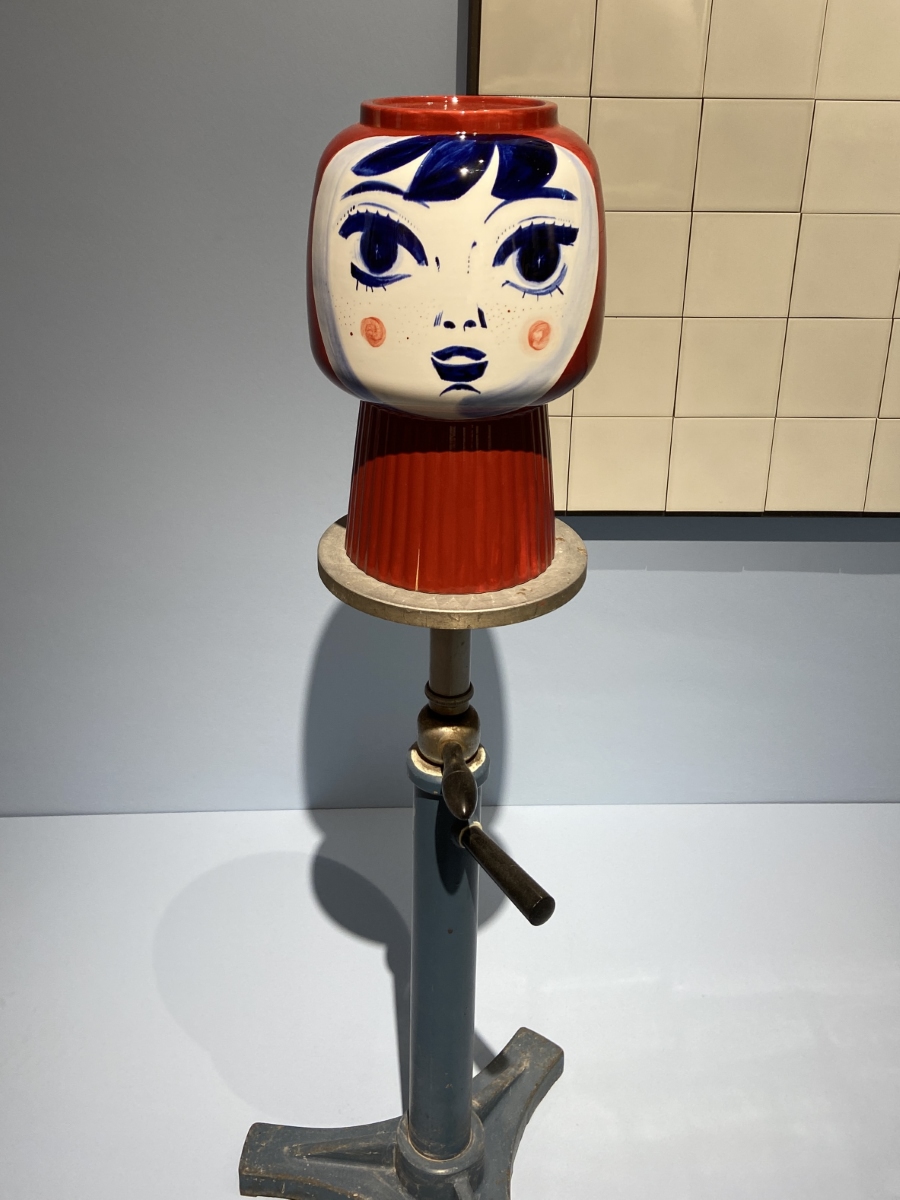
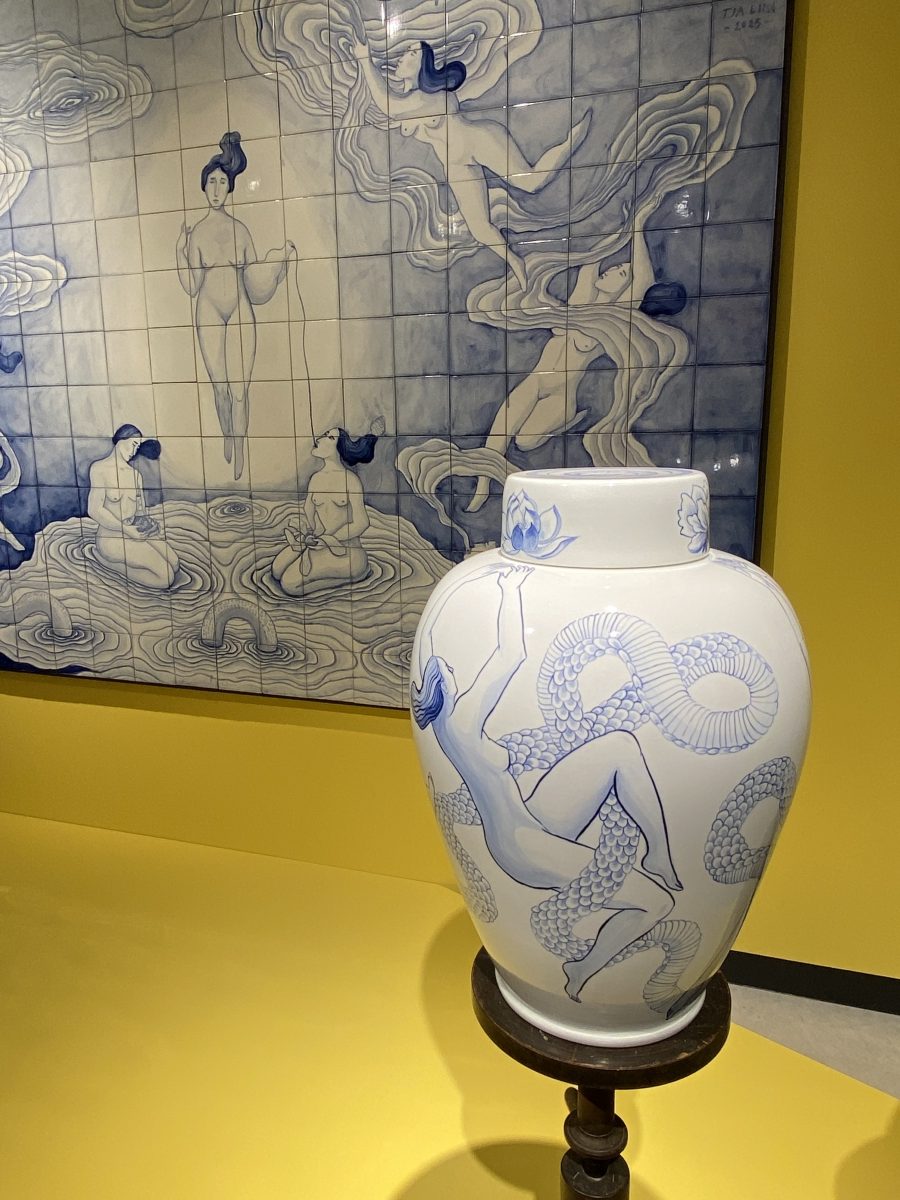
Curiously, the same thing happened as it had all those years ago when Joost Thooft took the helm at De Porceleyne Fles. Immersed in the power of craftsmanship and the extraordinary skills of Delft’s makers, the artists’ response was not imitation but transformation. They observed, experimented and ultimately made Delft Blue their own.
The history of street art is long and, perhaps surprisingly, connected to many of the same driving forces that have guided craft and traditional arts for centuries. Today’s street art movement developed alongside the rebellious rise of graffiti but gradually established its own identity through artists such as Keith Haring in late-1970s New York. Haring adopted the vibrancy and immediacy of graffiti and translated it into a visual language that appealed to wider audiences. Graffiti itself became a way of taking art beyond the seemingly exclusive confines of galleries and museums and claiming public spaces as an open-air canvas.
Today, street art encompasses murals, stencils, paste-ups, poster art and a wide range of experimental practices. It is this plurality and energy that resulted in Urban Blue – From Bricks to Tiles, created by six street artists in collaboration with Royal Delft Museum.
The exhibition is presented in a large, new, climate-controlled gallery space, purpose-built for future exhibitions. Each of the six artists produced ambitious two-dimensional tile murals alongside three-dimensional ceramic works displayed on floors and plinths. The curation cleverly extends the language of street art by painting each artist’s display wall in a vibrant colour, with deliberately unfinished brushstrokes around the edges, avoiding neat boundaries and nodding to the spontaneity of hand-painted murals.
As a whole, Urban Blue – From Bricks to Tiles is an ambitious and visually striking exhibition. It is clear that each of the six artists recognised and respected the historic craft traditions presented to them at Royal Delft and embraced the opportunity to learn from them while remaining true to their own cultural roots and creative practices.
Royal Delft posed an interesting question when embarking on this project: how can a centuries-old craft speak to new generations while remaining a vibrant part of a living heritage? This exhibition answers that question convincingly. After all, Delft Blue itself was born from cultural exchange, Dutch makers responding creatively to Chinese porcelain and transforming it into something distinctly their own.
Urban Blue simply continues that story. These six street artists have not diluted the tradition; they have demonstrated that it is robust enough to evolve. Far from being preserved behind glass, Delft Blue is shown here as a living artistic language, one that remains open to reinvention, collaboration and contemporary expression. If this exhibition is anything to go by, Royal Delft’s next chapter looks every bit as compelling as its first. The exhibition is on view until November 1, 2026.
Julia Ellen Lancaster is an artist working with clay, glass, rock, ceramics and glaze across the UK. Her work draws on the specifics of a place or space, driven by a response to emotional intuition, and externalising the impression that a time, or the feeling a space and its contents, provoke. Lancaster explores locations, history and the community through materials, using a mix of clays including reclaimed and excavated wild clays, rocks and collected materials and changing their structure and make-up with extreme heat. The sculptures produced build a language of materials, acting as punctuations or conversations of the changing world we live in and an imagined future. Lancaster is an alumni of the Royal College of Art, a selected Member of the Royal Society of Sculptors, a member of the Public Statues and Sculpture Association and a member of Contemporary Glass Society.
Subscribe to Ceramics Now to read similar articles, essays, reviews and critical reflections on contemporary ceramics. Subscriptions help us feature a wider range of voices, perspectives, and expertise in the ceramics community.
Photos courtesy of the author, Galerie Terra Delft, and Royal Delft Museum