By Jennifer Zwilling & Josie Bockelman
At The Clay Studio, care is at the core of working in clay and building community. When we began preparing for our move to our new building in the South Kensington neighborhood of Philadelphia in 2018, we invited forty neighbors to join us for Clay & Conversations, funded by a Discovery Grant from the Pew Center for Arts & Heritage. We met four times, each time creating a project in clay while discussing what each person loved about their neighborhood, their hopes and fears for its future, and how The Clay Studio could help. Our hunch was that working in clay during these deep conversations would create a greater sense of ease and allow for better connection and understanding. Our intuition was proven correct; we heard thoughtful suggestions and formed deep relationships that still exist today. The seed for this exhibition was planted. We conceptualized Clay as Care as a way to explore how ceramic artists use the material to express deep feelings of care and healing, and how those concepts are communicated to the viewer.
The exhibition Clay as Care is predicated on our intuitive sense that concepts of care are inherent in the process of making ceramics. Transforming this earth material into a finished ceramic art object is not easy. It requires many steps, hard physical labor, skill acquired over years, a light touch, a sense of agency, and an understanding of nuance. Is this not congruent with how we care for others, with the work we do as parents, as teachers, as mentors, as friends, as citizens of the world?
Our understanding that working with clay is a care modality is built from our collective experience and that of the thousands of people who have worked at The Clay Studio over the years, together with the artwork and writings of artists like MC Richards, Paulus Behrenson, Adelaide Alsop Robineau, and William Morris (just to name a few). We also recognize that clay has served humanity as a care modality long before our modern times. Since humans discovered from their own ingenuity and imagination how to shape clay into forms, the finished products have served as tools to care for others. Ceramic vessels allowed water and food to be offered to others in the community and enabled food and drink to be stored and preserved over an extended period of time. This provided the possibility for larger groups of humans to stay together and build mutually beneficial relationships, to care for each other, and to allow culture to grow and flourish.
The physical act of manipulating clay—wedging, kneading, wheel throwing, and preparing it for firing—along with preparing and watching the kiln, practicing patience to see if the long process has produced a successful object, are all congruent with actions and ideas involved in caring for ourselves and others. These steps can create a meditative state, as repetitive motions are shown to create psychological release. The clay-working process also demands that the maker slow down and focus on one thing, to practice patience through the many steps in the process, and in modern times it forces us to look away from screens.
Through Clay as Care, we are starting with what we know—the clay—and hoping to move forward with these ideas. We engaged practitioners of art therapy and neuroaesthetics as partners in the project to explore the scientific bases for our intuited connections between clay and care. They are helping us determine the measurable data that will bolster the link between the physical act of working with clay and its effect on our neurology.
Our process to create exhibitions, especially this one, is a microcosm of care. Collaboration is also at the heart of concepts of care and is also key to our exhibition design process. Our big exhibition ideas often start with group discussions, bringing together many voices to talk about what drives us to do this work, which topics feel critical to address, and how these are reflected in the artwork being created in the ceramic art world.
We sensed that care was becoming part of the zeitgeist in 2020. As we moved through the COVID pandemic, we saw the rise of empathy, social activism, anti-racism, and ideas about rest as a tool of resistance, along with a growing focus on how to care for ourselves and others through hard times. We saw it happening in our own studios, in the larger art world, in scientific studies, and in the culture at large. The concept of care became our focus for a future exhibition, which we present in 2025 as Clay as Care.
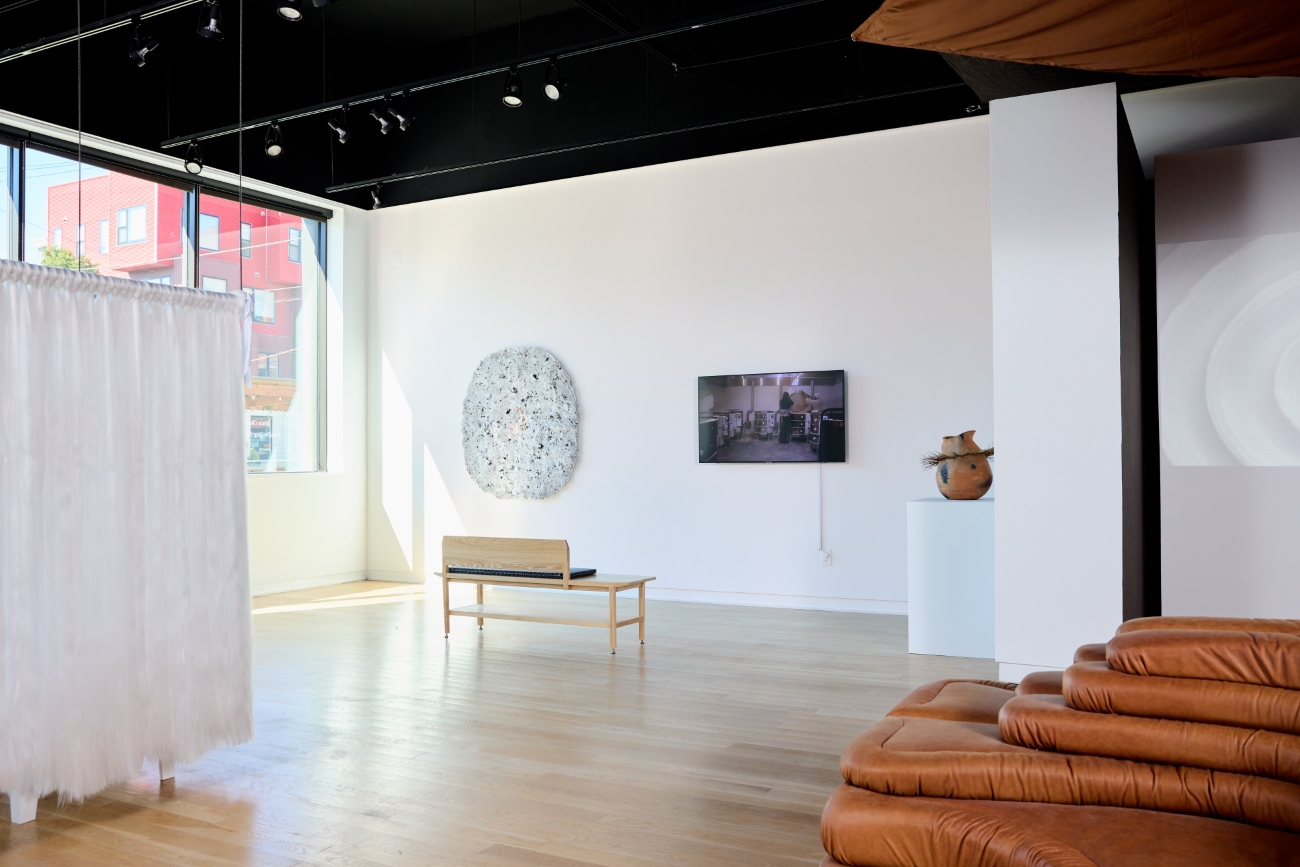
Clay as Care is a groundbreaking project examining how care manifests in ceramic art through an exhibition, research, publication, and symposium that considers the relationships between clay, care, and rest from artistic, civic, and scientific perspectives. Alongside landmark contemporary artworks in clay that center care and healing, we will examine how viewing ceramic art and working with clay can promote wellness for both the artist and the viewer.
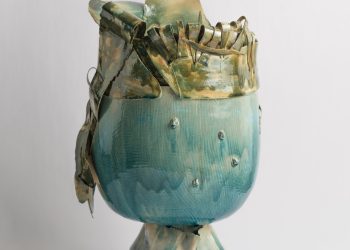
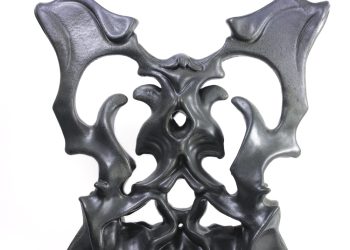
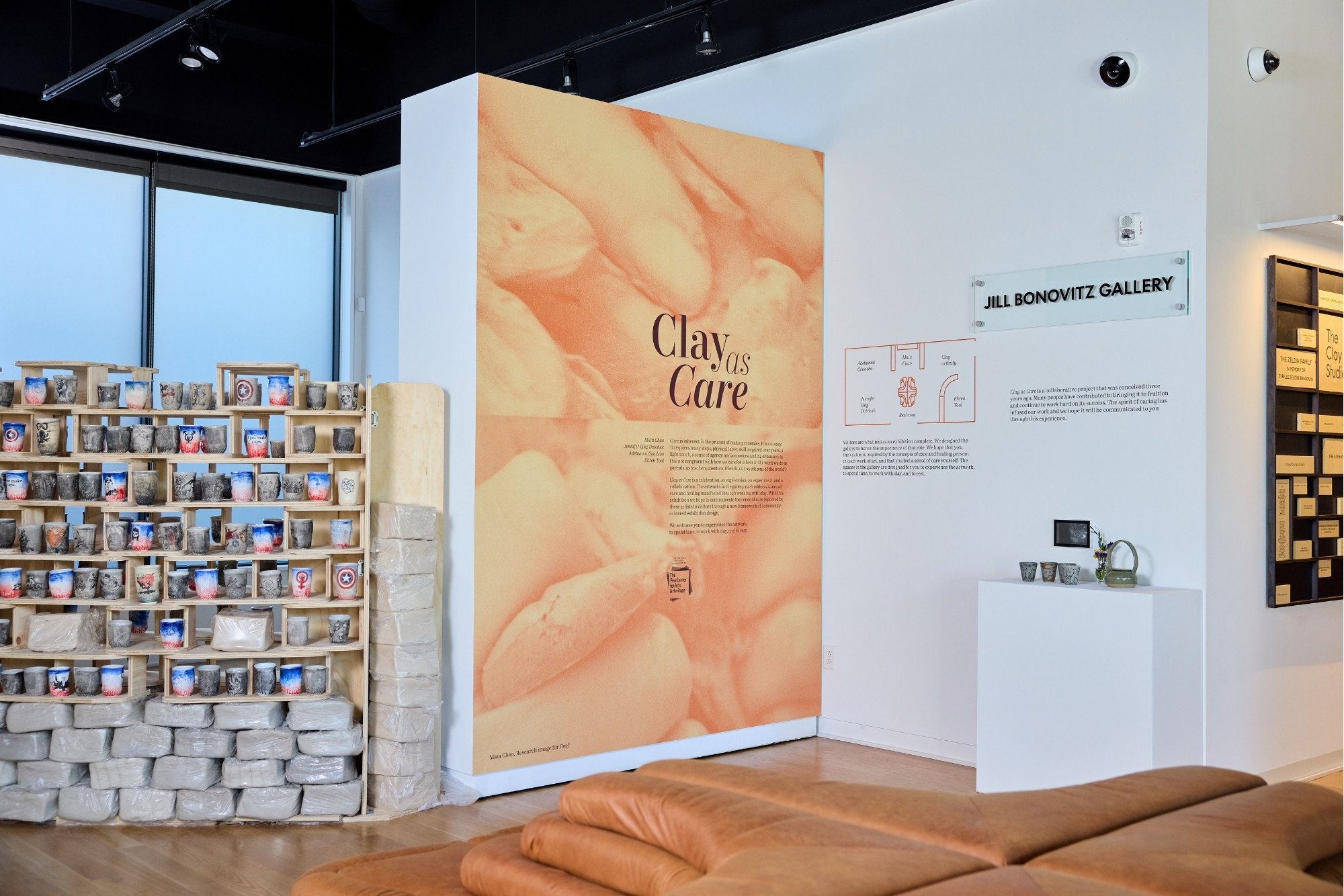
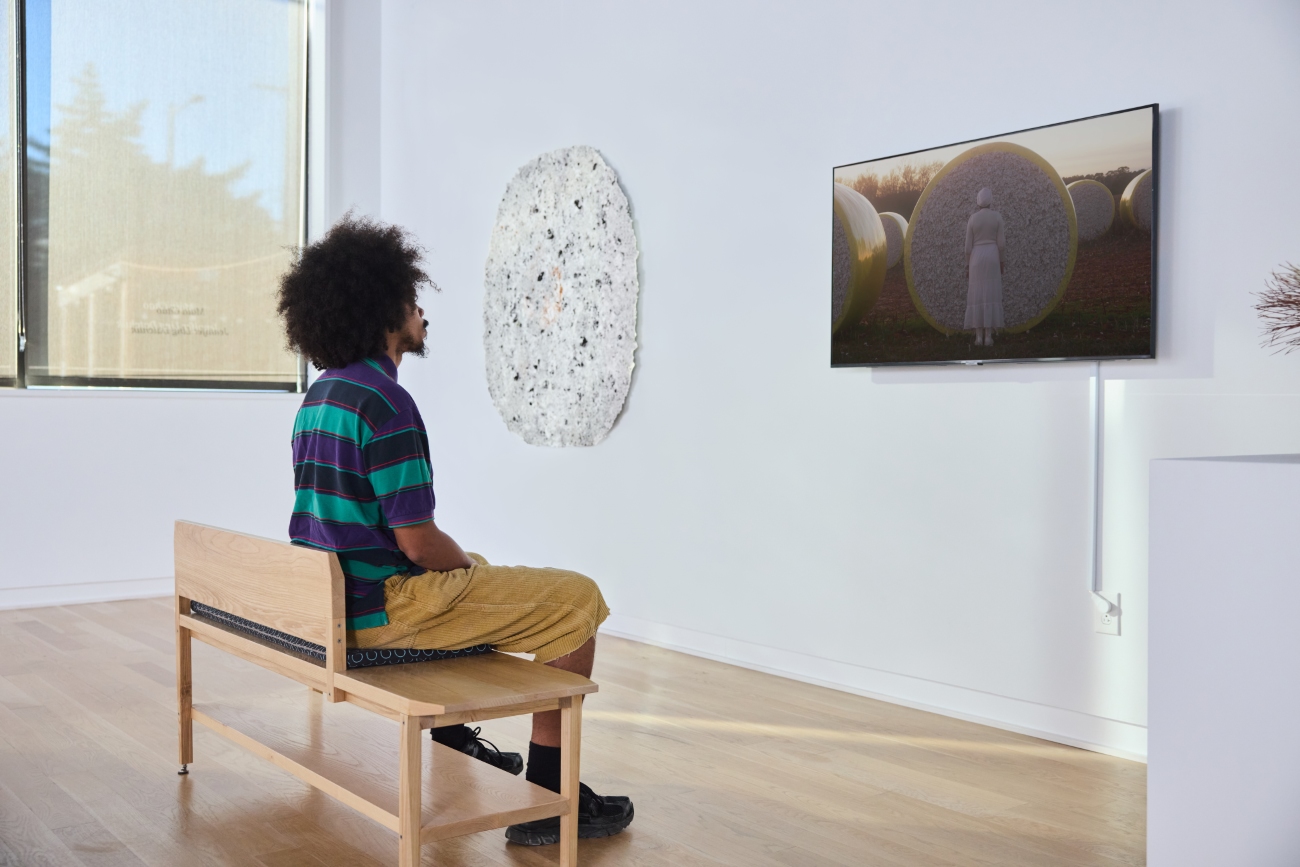
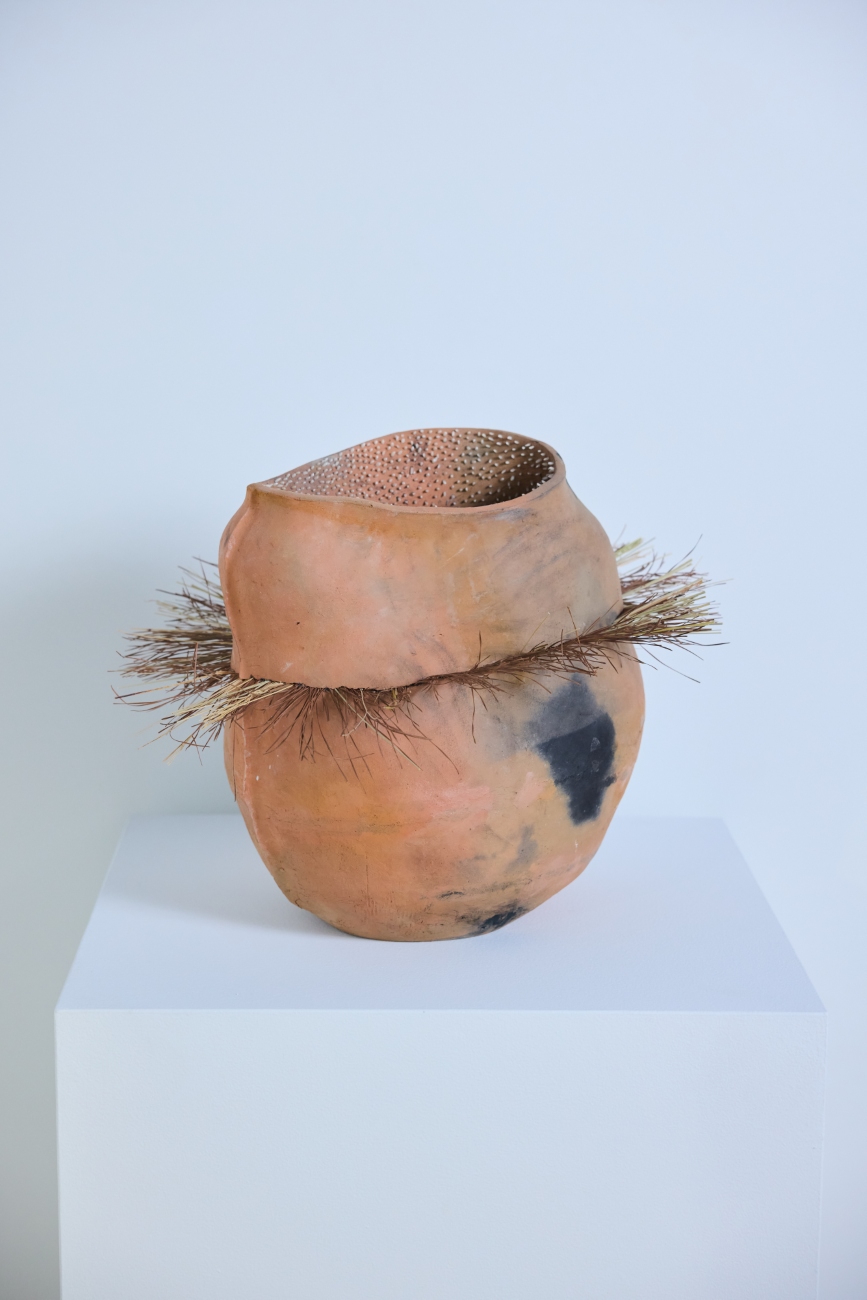
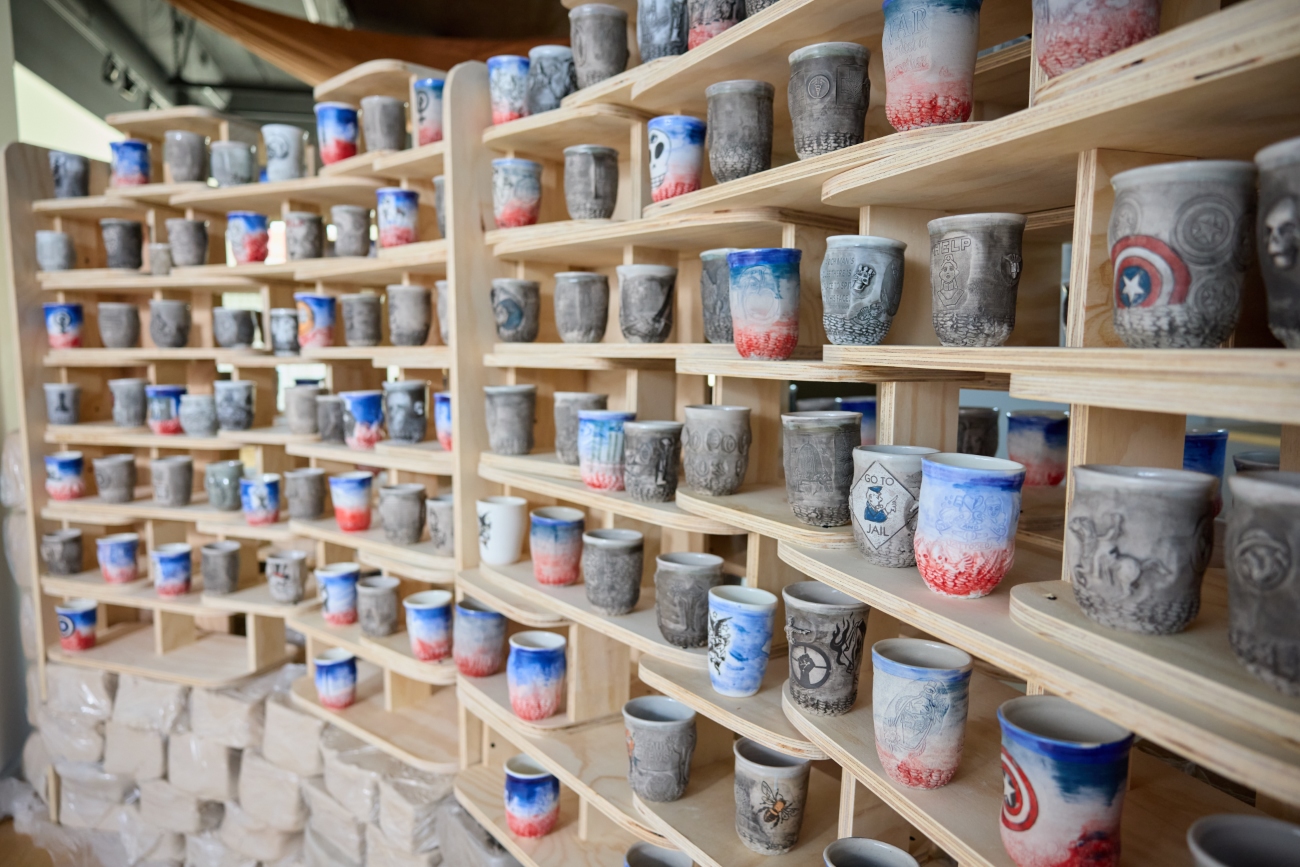
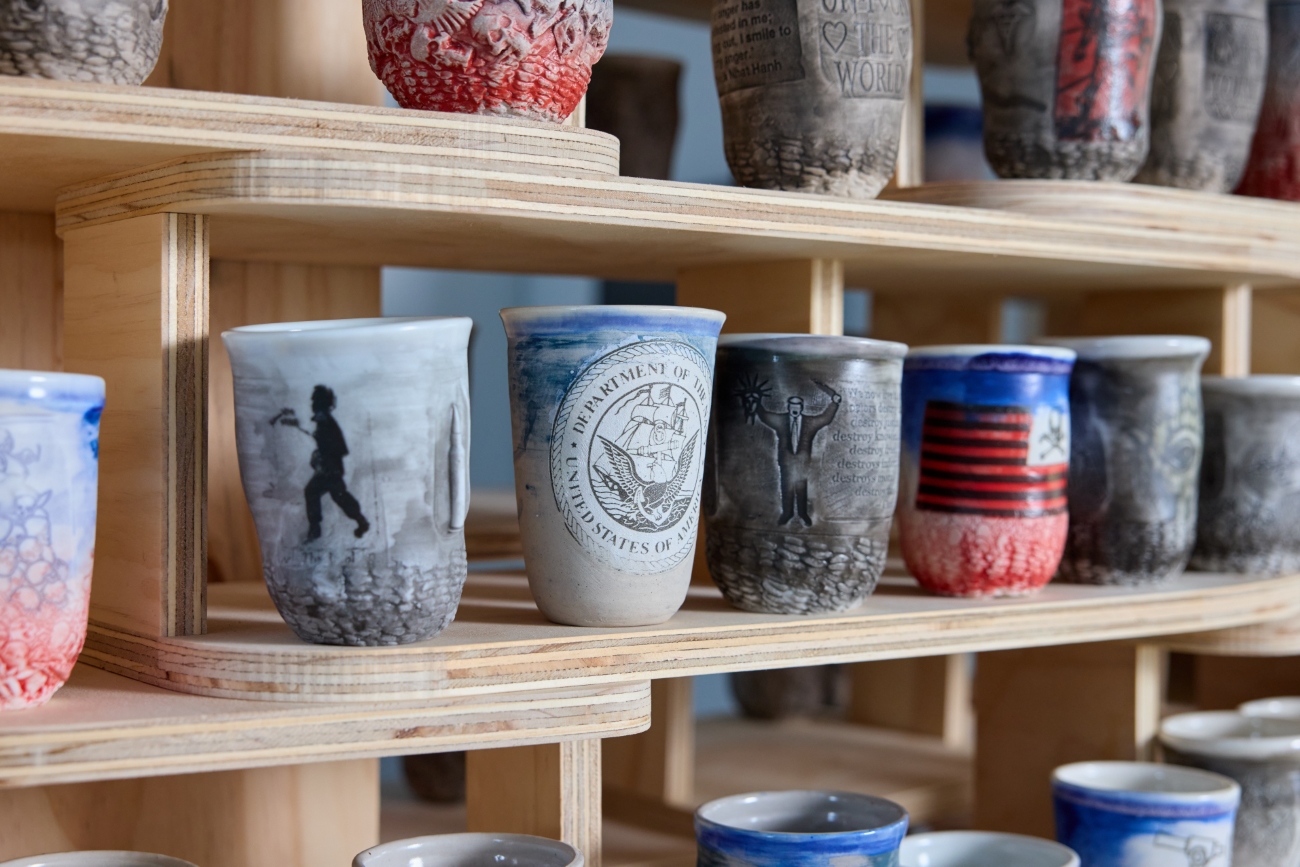
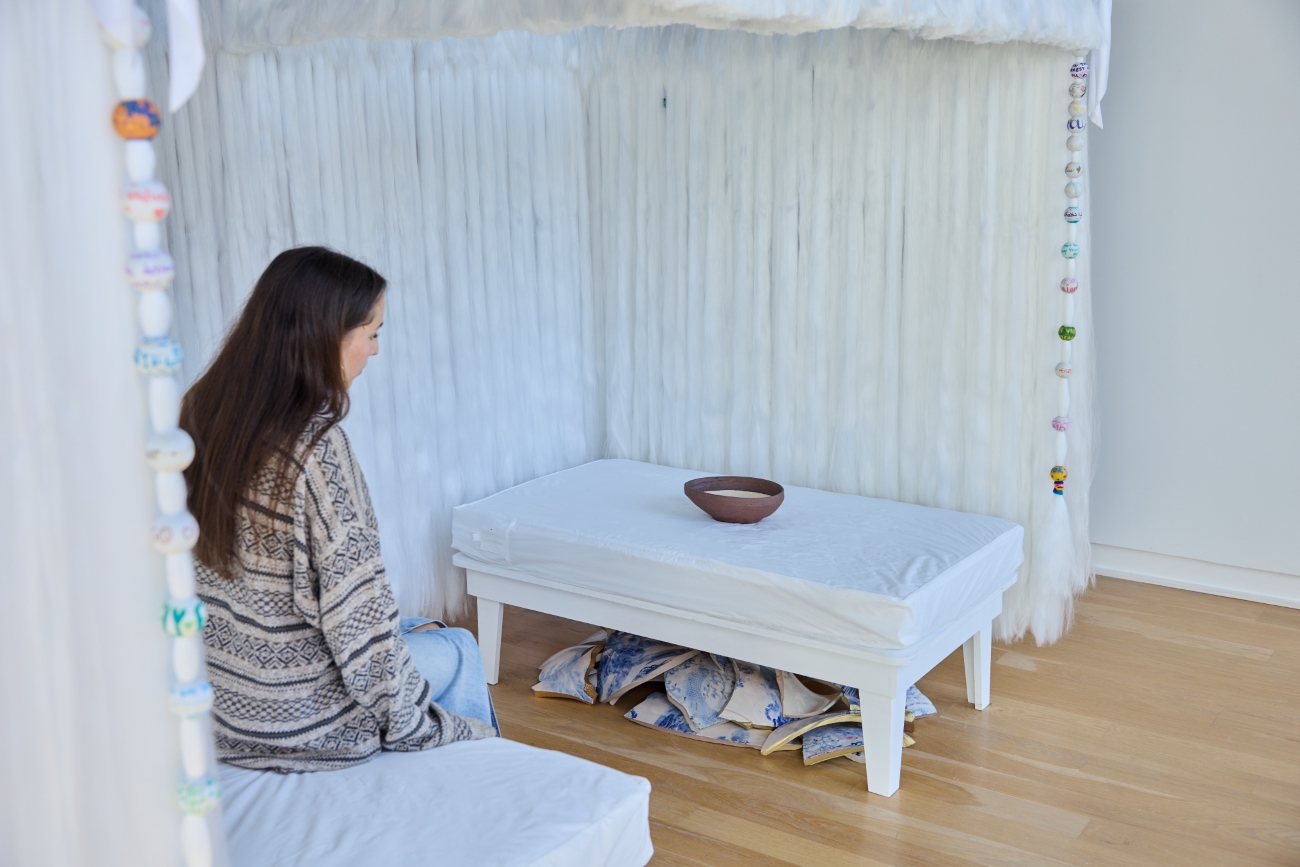
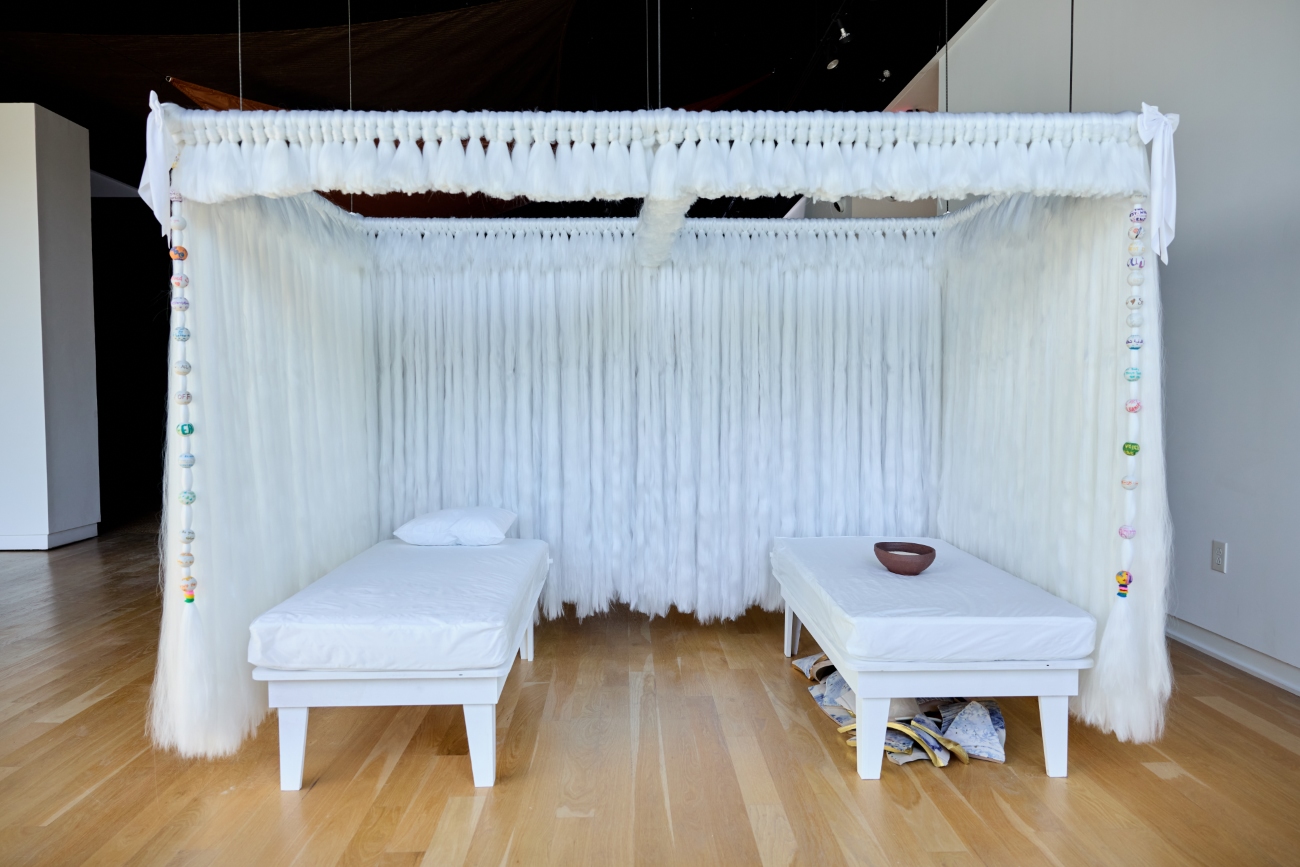
At the core of Clay as Care is the work of Adebunmi Gbadebo, Jennifer Ling Datchuk, Maia Chao, and Ehren Tool, groundbreaking artists who are addressing care, healing, rest, and resilience in their work. These artists acknowledge and access qualities of care for themselves in making their art, and therefore communicate aspects of care to their audiences. Gbadebo harvests clay from the plantation where her family was enslaved, and uses it to create vessels as an act of healing for the memory of her ancestors. Datchuk creates work with images representing her journey with fertility-related medical procedures and builds spaces for contemplation. Tool, a military veteran, has made over 26,000 cups during his artistic life and says that his “process is therapeutic—and the cups are a kind of catharsis in clay.” In addition to the artists, co-curator Nicole Pollard, our Community Exhibition Council, members of the care movement, and scientists researching the connections between art and care have come together to explore how to offer the visitor ways to engage in acts that combine clay and care within the gallery. The planning process brought these individuals together to learn from each other and explore ideas that break down hierarchical structures present in many art viewing environments. The exhibition pushes beyond traditional methods of displaying art to create new systems of engagement for visitors that include viewing, creating, and resting.
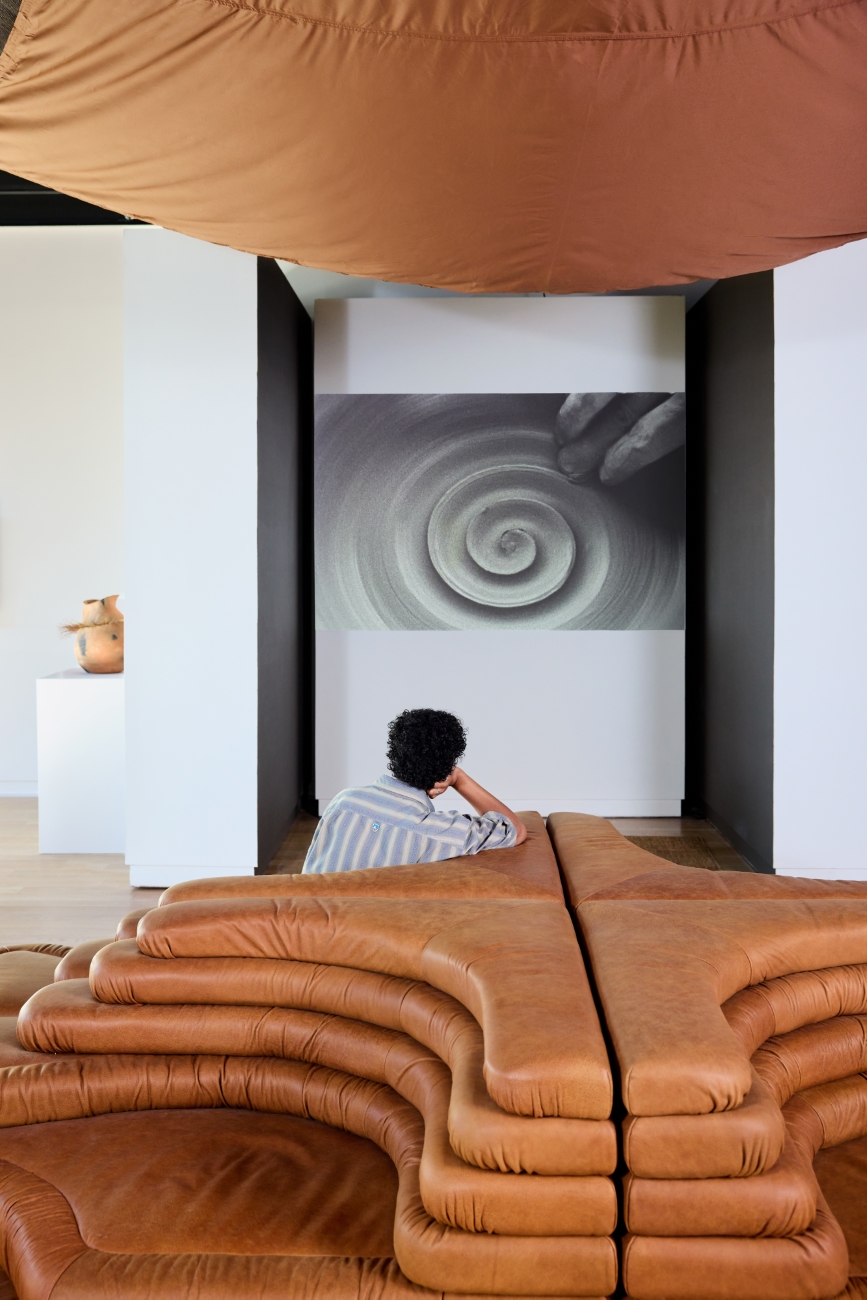
The strength of Clay as Care is that it connects the healing value of viewing and making ceramic art directly into the exhibition experience by offering the viewer a place to work with clay and to experience rest. This is a creative priority because The Clay Studio functions on the belief that through promotion of the ceramic arts, we can create positive social change. We continue to stretch in new ways to ensure that our programming is meaningful for the greatest number of people possible by including many voices in the exhibition planning and design process.


The Clay Studio Exhibition Council is composed of neighbors with whom we have worked and built trust since 2018. They act as ambassadors in their networks to help us form strong relationships in our hyperlocal community. Additional members are curatorial peers, and artists. Together, they give feedback and input on all exhibitions, with more active participation in planning major shows like Clay as Care. The Council represents a variety of cultural backgrounds that reflects Philadelphia’s demographics. They are compensated for their time, and are an important part of The Clay Studio community.
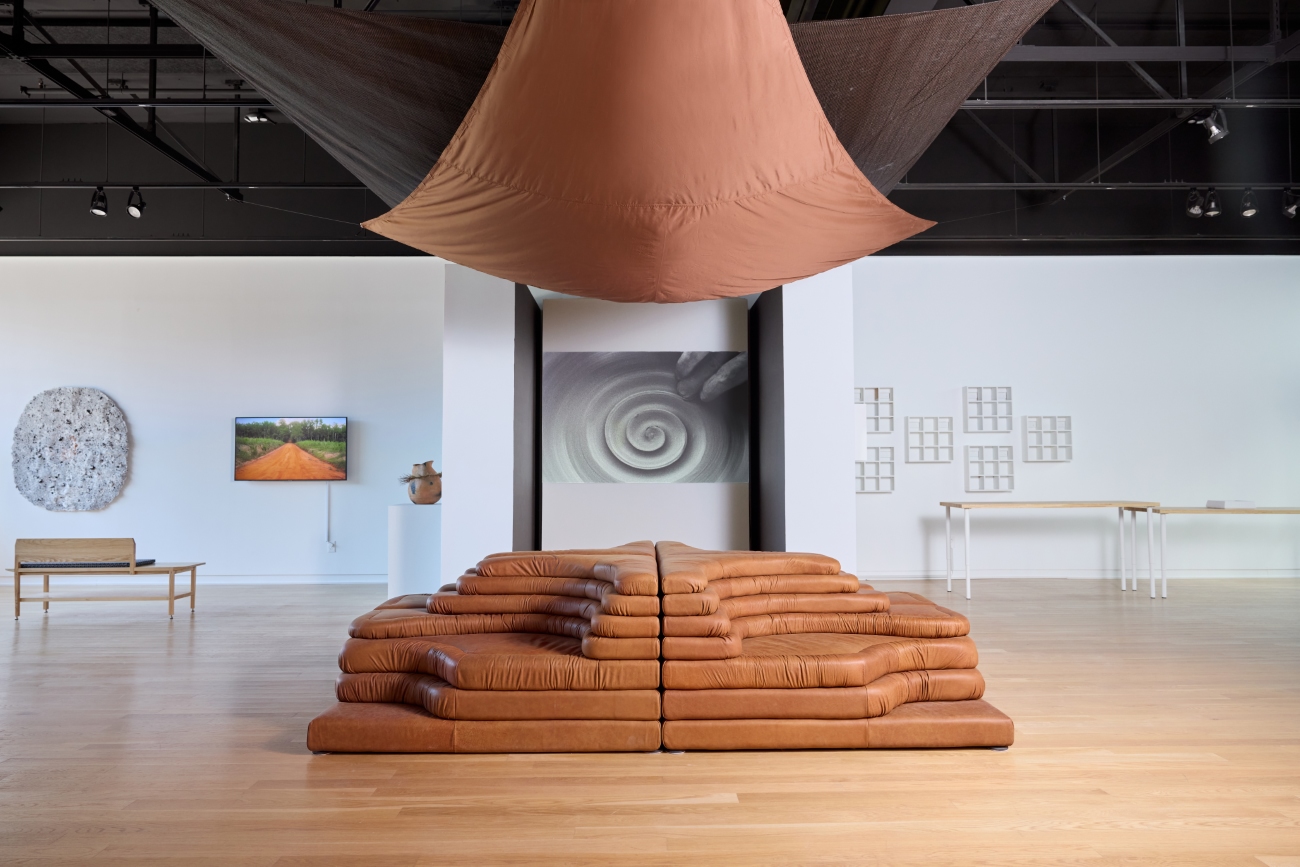
Our continually evolving understanding of how best to serve our audience drives the concept of Clay as Care. Audiences deserve to be centered in exhibition design, a concept that is often not honored in mainstream museum exhibitions. With our Council during the planning phase, Clay as Care has made the care and comfort of the visitor central to how the exhibition is shaped and how the gallery space is designed by including a space to physically rest that is comfortable for people of different abilities, as well as a place to experience the benefits of working with clay. Surveying the visitors throughout the exhibition period, we will examine the essential quality of care that can be accessed when making, viewing, and experiencing ceramic art in a gallery setting.
Clay as Care extends our mission to support artists and community by unifying our exhibition and studio programming to celebrate care as an important shared outcome. It has enabled new partnerships with collaborators from the care movement and health research sectors. These include Tricia Hersey, author of Rest Is Resistance; Anjan Chatterjee, Director of the Penn Center for Neuroaesthetics; Rachel Brandoff, former Art Therapy Program Coordinator for the master’s program in art therapy and counseling at Jefferson University and Girija Kaimal, Chair of the Drexel Creative Arts Therapies department. The gallery space includes elements we have never before used, including a space for working with clay inside the gallery, and an area where visitors can experience physical rest during their art-viewing gallery time.
By expanding our normal spheres of exhibition collaborators to include health researchers, we increased our capacity to develop new standards for visitor experience. Together with our scientific partners we formulated a visitor survey to determine which gallery elements are most beneficial. Clay as Care will manifest a new nexus of inquiry, a space for gathering people who can help us make a meaningful contribution to this essential contemporary conversation about the role of art and care in personal and collective healing, in order to build a better future through a focus on art and what unites us as humans.
Jennifer Zwilling is The Clay Studio’s Curator and Director of Artistic Programs. She earned her BA in History from Ursinus College and MA in Art History from Temple University, Tyler School of Art. Previously, she was Assistant Curator of American Decorative Arts and Contemporary Craft at the Philadelphia Museum of Art. Jennifer developed and taught History of Modern Craft at Tyler School of Art for ten years and has taught and lectured around the world.
Josie Bockelman is The Clay Studio’s Deputy Director, leading daily operations and championing the high-quality programming and staff support that draws artists, students, and collectors to The Clay Studio. Since earning her Bachelor of Arts in ceramics from Whitman College in 1999, Bockelman has been dedicated to non-profit community art education both as a teaching artist and program administrator. She believes strongly in fostering an educational community that is vibrant, inclusive and supportive.
Clay as Care is on view at The Clay Studio, Philadelphia, between October 9 and December 31, 2025.
Subscribe to Ceramics Now to read similar articles, essays, reviews and critical reflections on contemporary ceramics. Subscriptions enable us to feature a wider range of voices, perspectives, and expertise within the ceramics community.
Photos by Alexander Mansour