By Aurelija Seilienė
The Latvia International Ceramics Biennale is gradually becoming one of the most significant ceramics events not only in the region, but also in Europe. This is evidenced by the growing interest among artists and their desire to be part of the biennale. Its extensive programme, curatorial work, distinguished selection committee and critical reception all contribute to the image of a promising and important event.
In 2025, the Latvia International Ceramics Biennale presented its fifth edition, consisting of a variety of exhibitions. Alongside the main juried Martinsons Award exhibition, dedicated to honouring one of Latvia’s most important ceramic artists, Pēteris Martinsons, the programme features numerous solo and curated displays. The winner of the previous exhibition is invited to present a solo show at the Rothko Museum. In 2025, it was Lithuanian artist Milena Pirštelienė with her exhibition Matchstick in the Sand. Here she presents small cube-shaped ceramic objects (an important element for emphasising craftsmanship), which serve as a basis for recording her everyday memories — a slow documentation process that becomes a form of personal therapy.
In recent years, the biennale has also expanded geographically. In addition to the main exhibitions, other cities have hosted events such as Fresh – New Voices in Latvian Ceramics, a showcase of young Latvian ceramicists, and Windless, a Baltic ceramics exhibition featuring artists from Lithuania, Latvia and Estonia. As a guest exhibition within the biennale’s framework, the Rothko Museum also presented works by ceramicists from the The Eugeniusz Geppert Academy of Art and Design in Wrocław, Poland, titled Lost for Words. Thus, the autumn ceramics season in Latvia was truly impressive, stretching across both time and visual experiences.
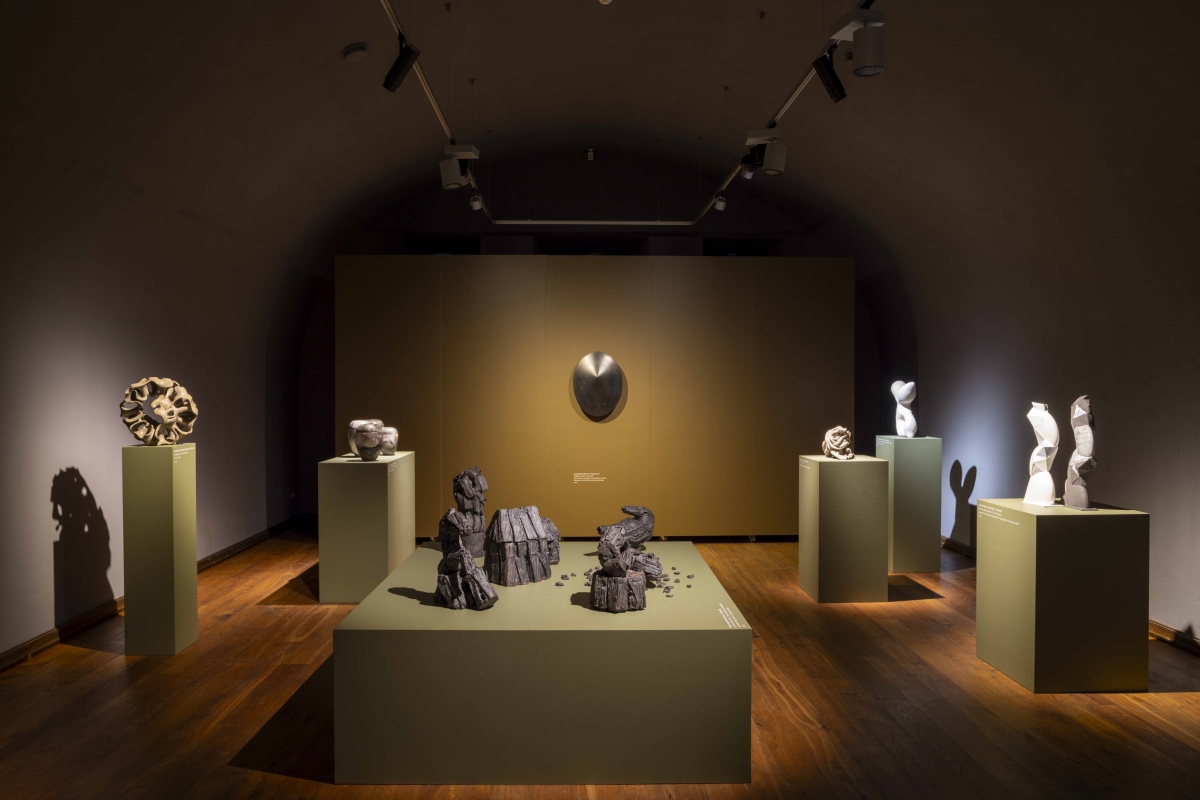
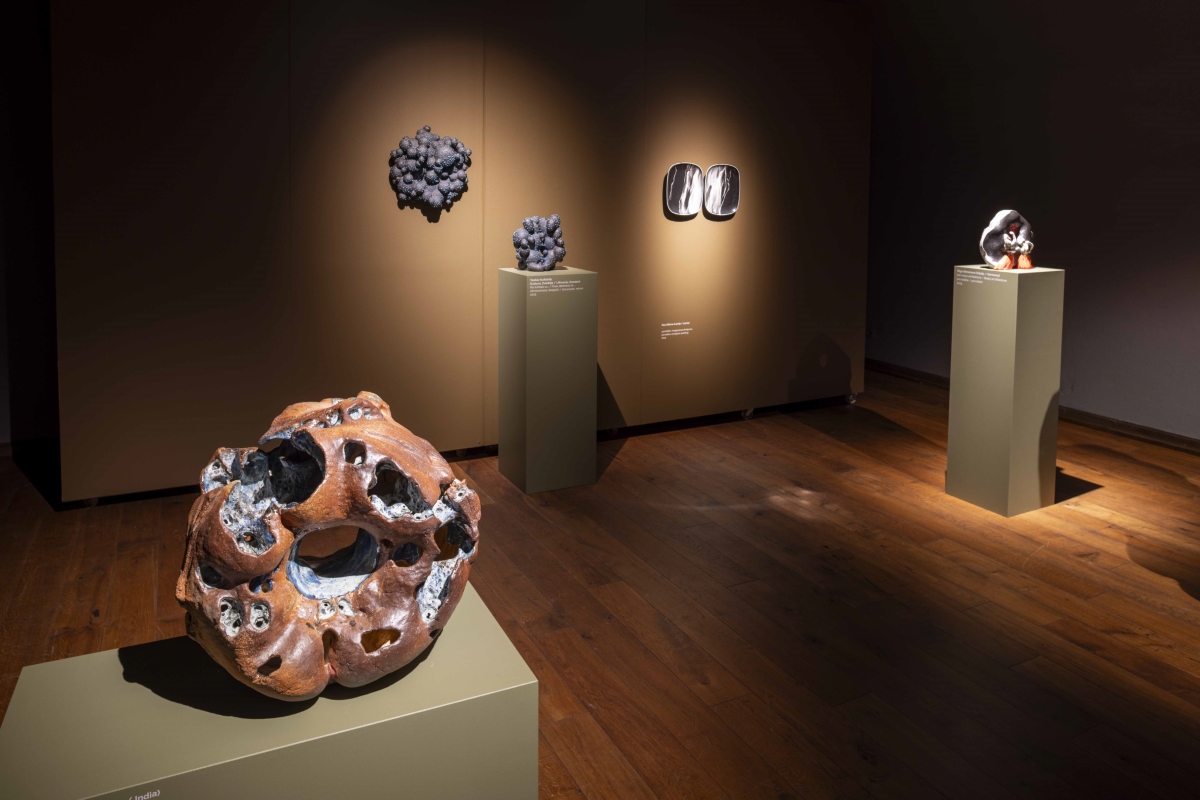
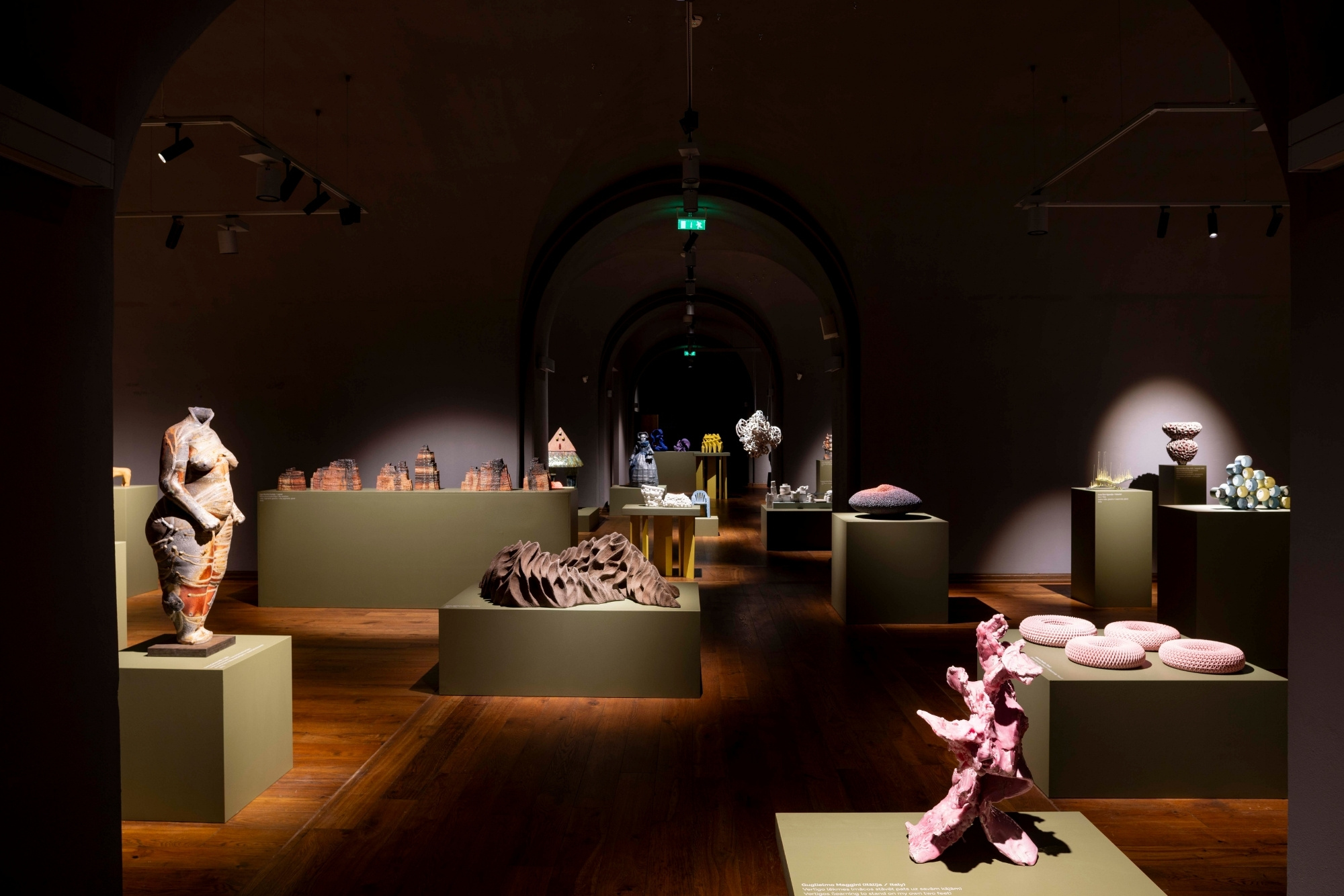
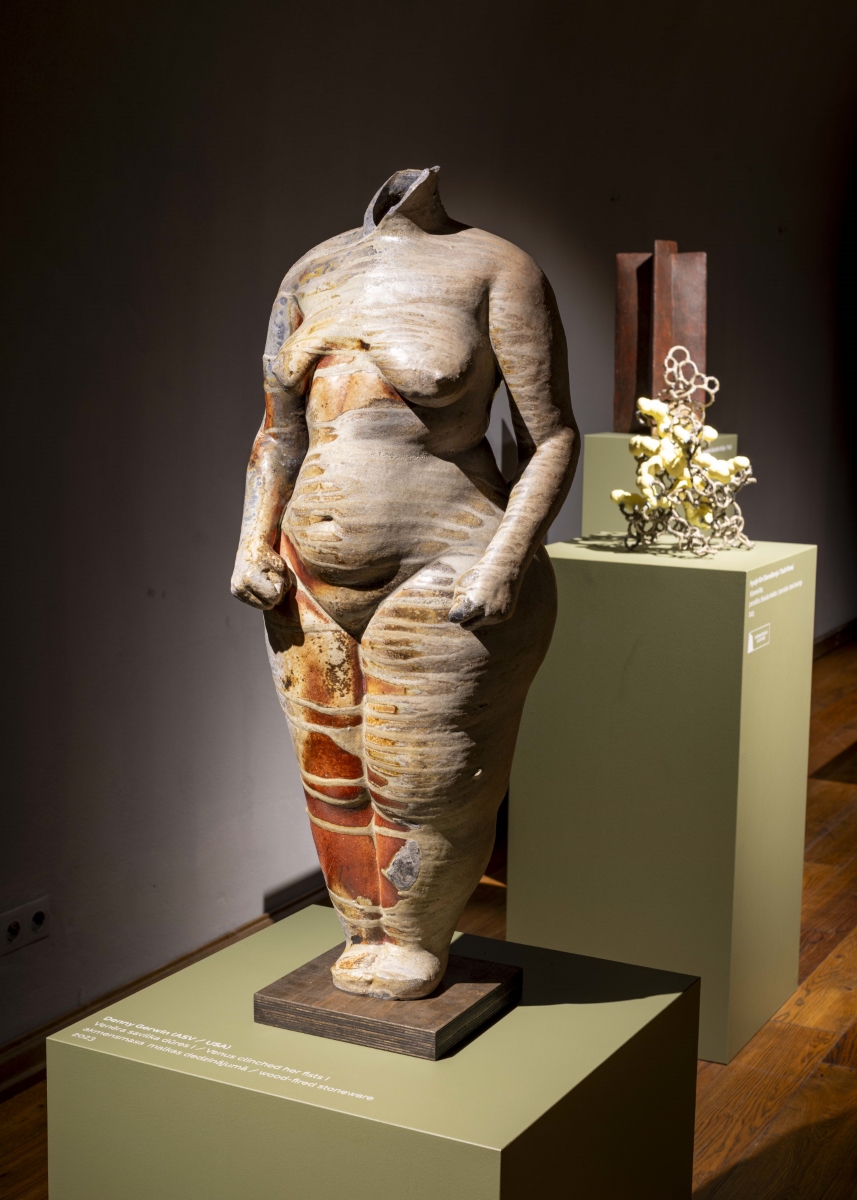
The 5th edition theme, From Stardust to Lush Sprouts, embraces the journey from primordial beginnings towards further development – much like the creative process from idea to physical form. According to the curators (Valentins Petjko and Aivars Baranovskis), it also reflects clay as a material that has accompanied humanity from its origins, first as a fundamental tool for development and later as a medium for artistic expression. This transformation from primal imagery to contemporary contexts — including feminist narratives and the depiction of woman as a creator of the universe (inspired by Marija Gimbutas’ archaeomythological research) — can be seen in the work of U.S. artist Denny Gerwin. His Venus is a depersonalised and furious (yet restrained) female figure. Simple chamotte clay combined with wood firing references ancient cultural foundations, while the clearly expressed, declarative pose of the hands signals resistance to persistent gender stereotypes.
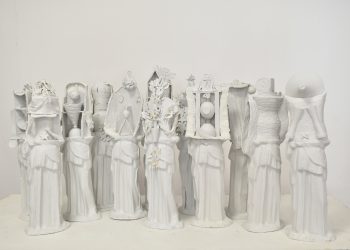
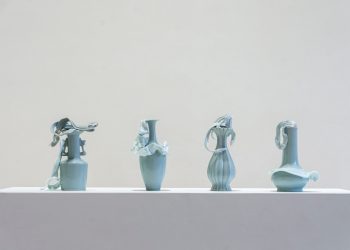
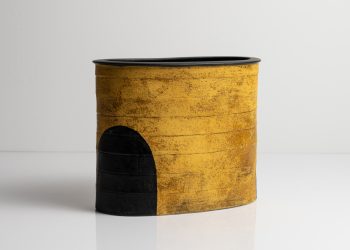
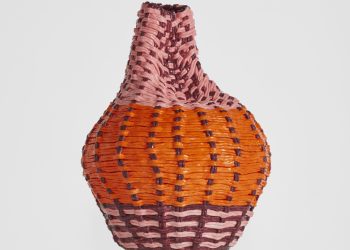
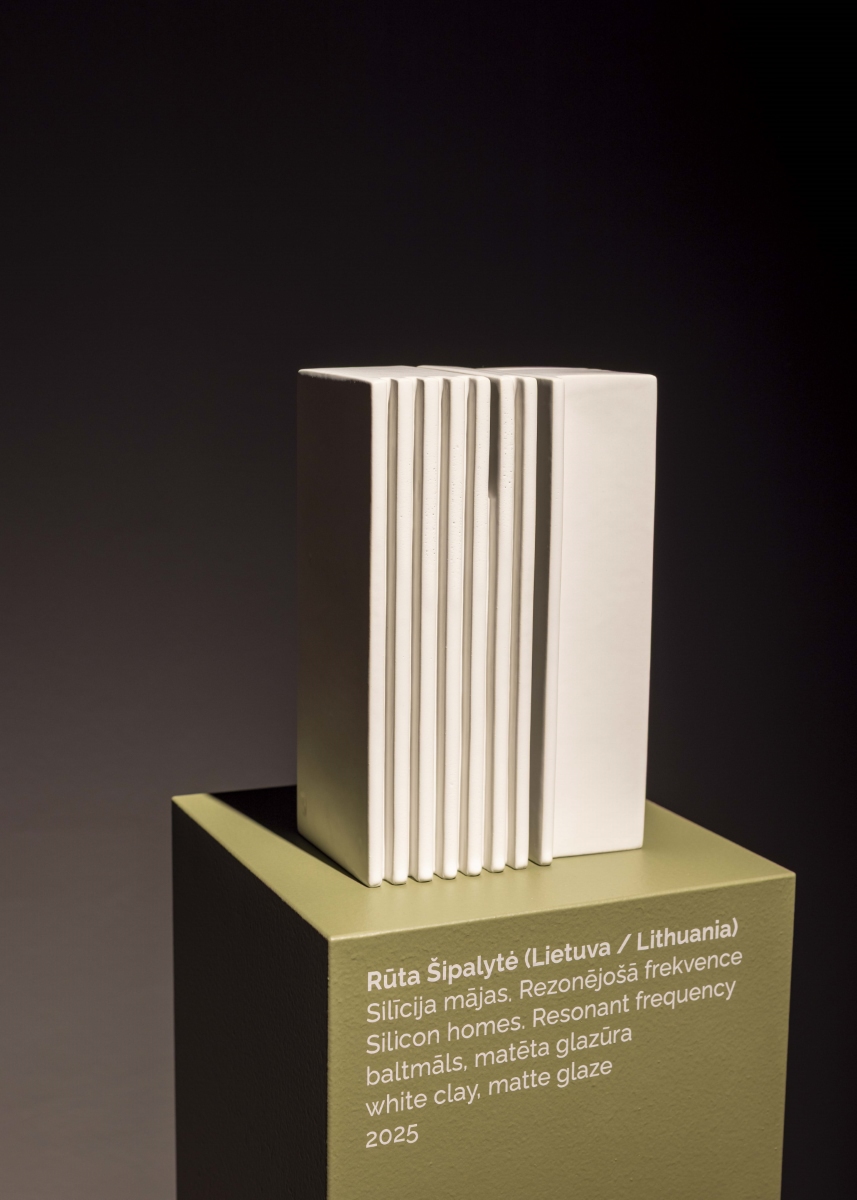
The exhibition showcases works of highly diverse themes, ranging from figurative to abstract. Understandably so – from nearly 1,000 applications, the international jury selected 80 artists. Thus, participation alone is a considerable achievement. Ceramics from 30 countries are included. As this is a competition, winners were selected in both the international and national categories. The concept of first, second and third prizes was abandoned, and instead gold, silver and honourable mentions were awarded.
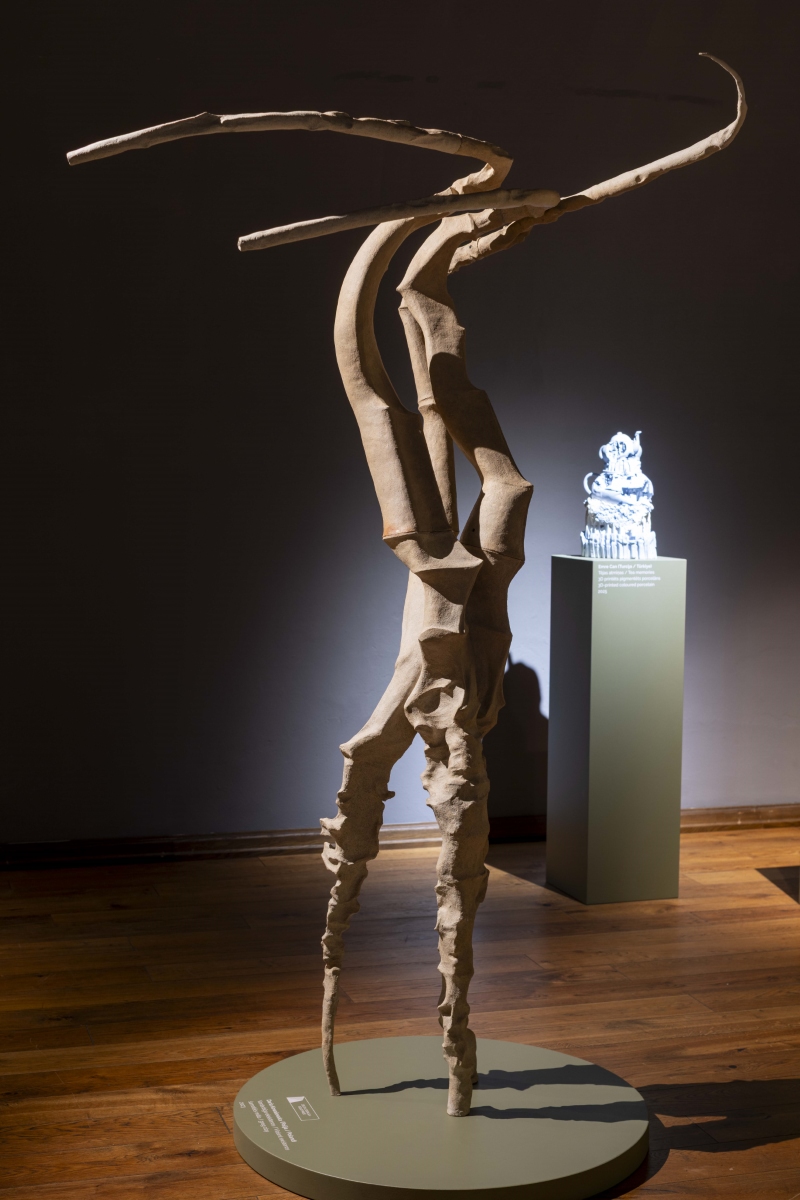
The gold prize in the international category and the title of best artwork of the year went to Polish artist Daria Kowalewska for her piece Violent Existence. It is a highly expressive yet monumental work, evoking a slightly unsettling image of a mysterious creature. According to the artist, the work conveys strength and energy. The form – or imagined creature – grows, expands and seeks to occupy as much space as possible, demonstrating boundless vitality. Kowalewska is accustomed to creating complex, multi-part, large-scale compositions. Her palette is typically subdued, echoing natural clay colours and further emphasising organic qualities. Her artistic interests revolve around material transformation and decay, drawing inspiration from natural forms.
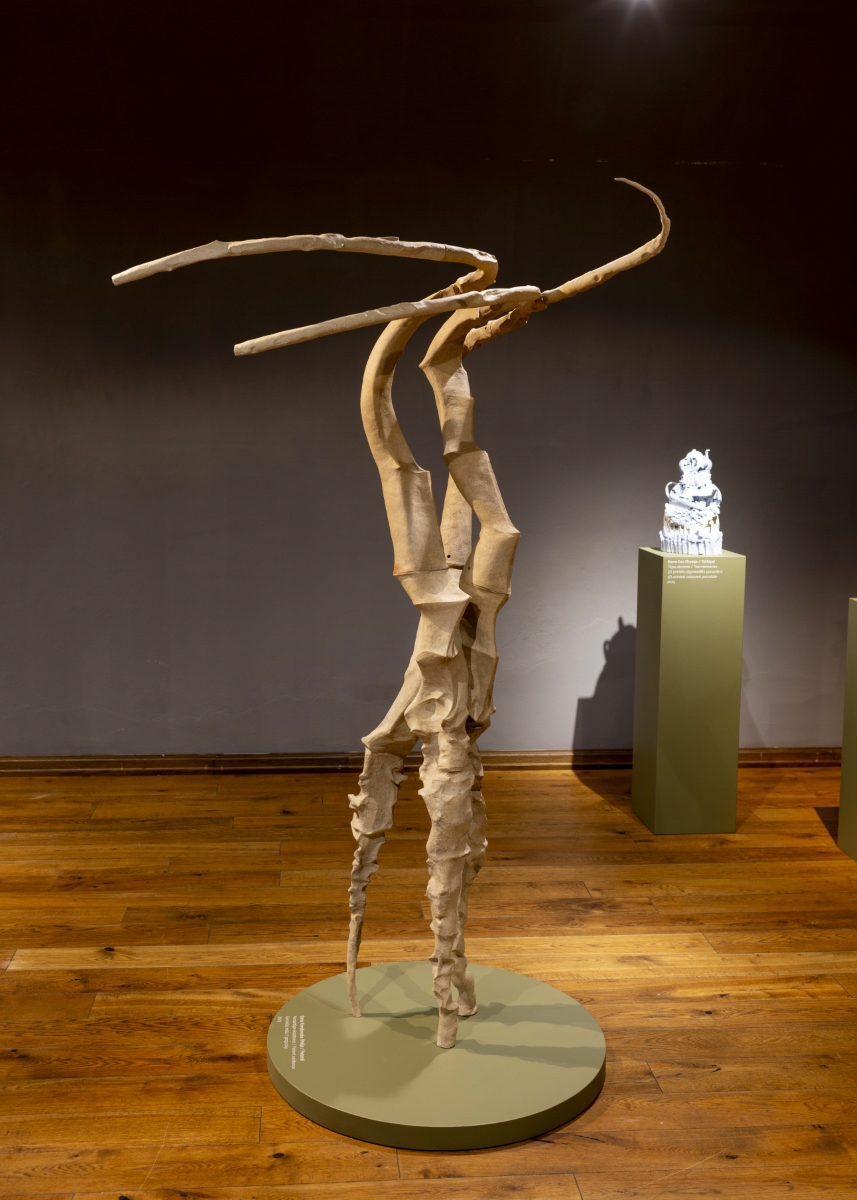
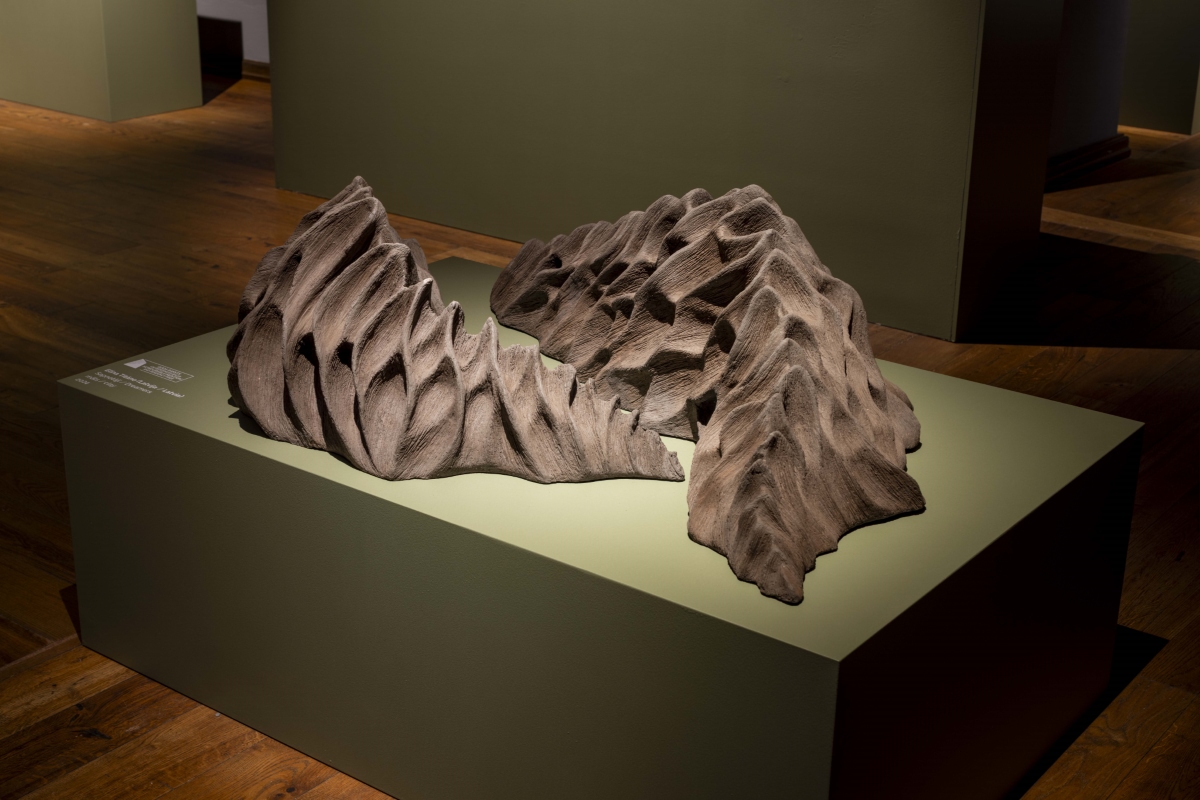
Latvian artist Elina Titane follows similar creative principles, and she received an honourable mention for her work Dreamers. In her creative process she prioritises playful exploration rather than rational explanation, searching for connections between materiality, intuition, visual expression and inner sensibilities. Her organic forms are inspired not only by nature but also by fragments of everyday life. Titane emphasises the inherent qualities of clay and therefore usually avoids using glazes – as she has also done this time.
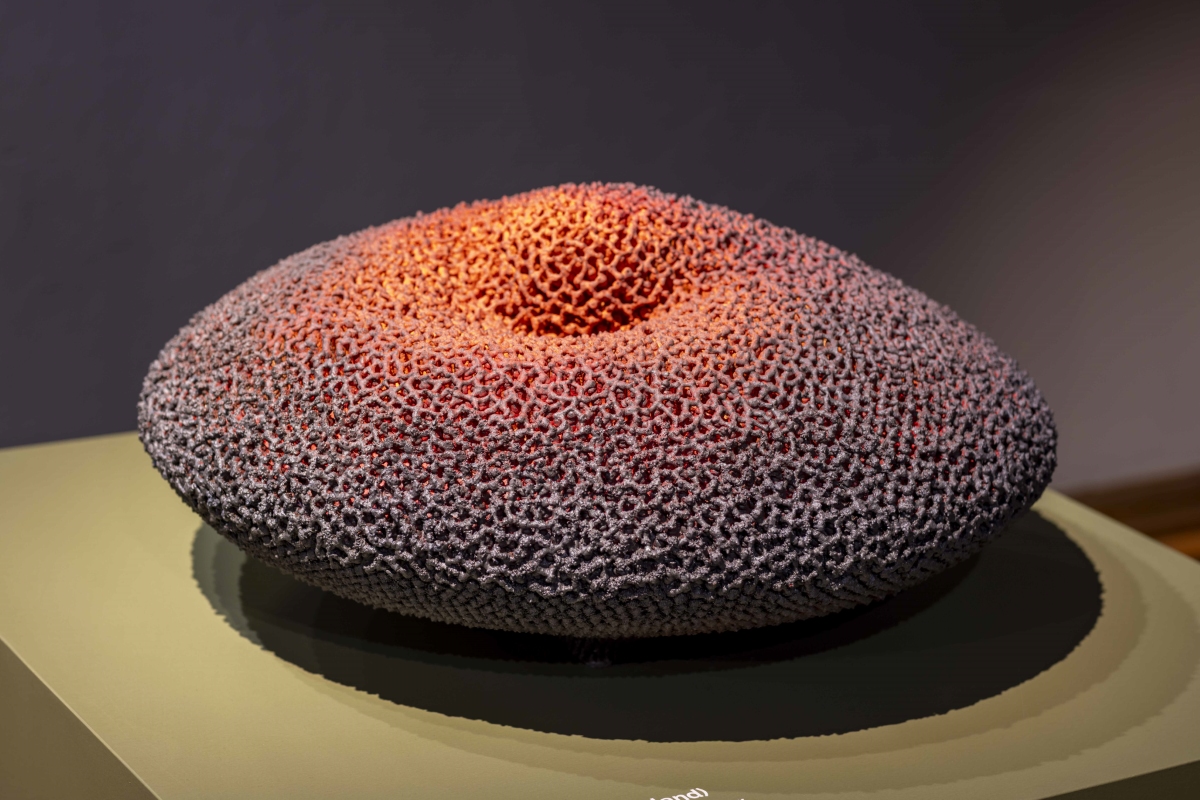
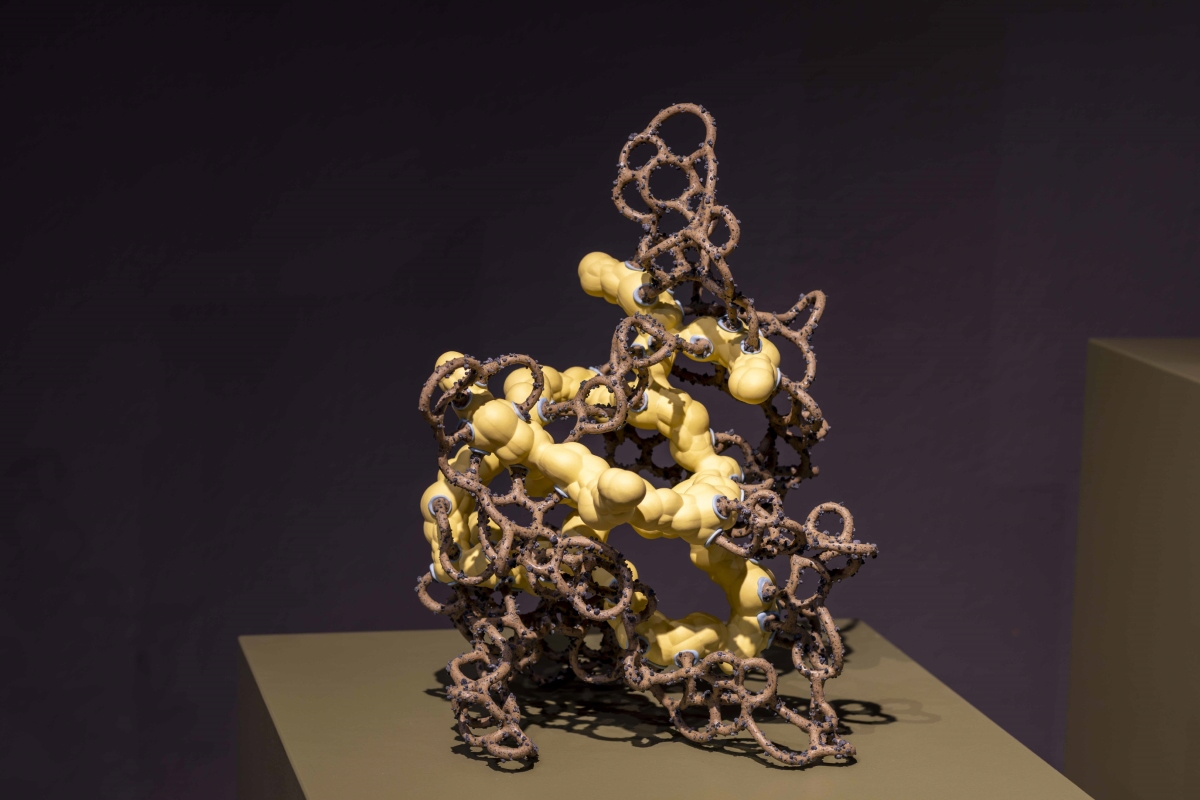
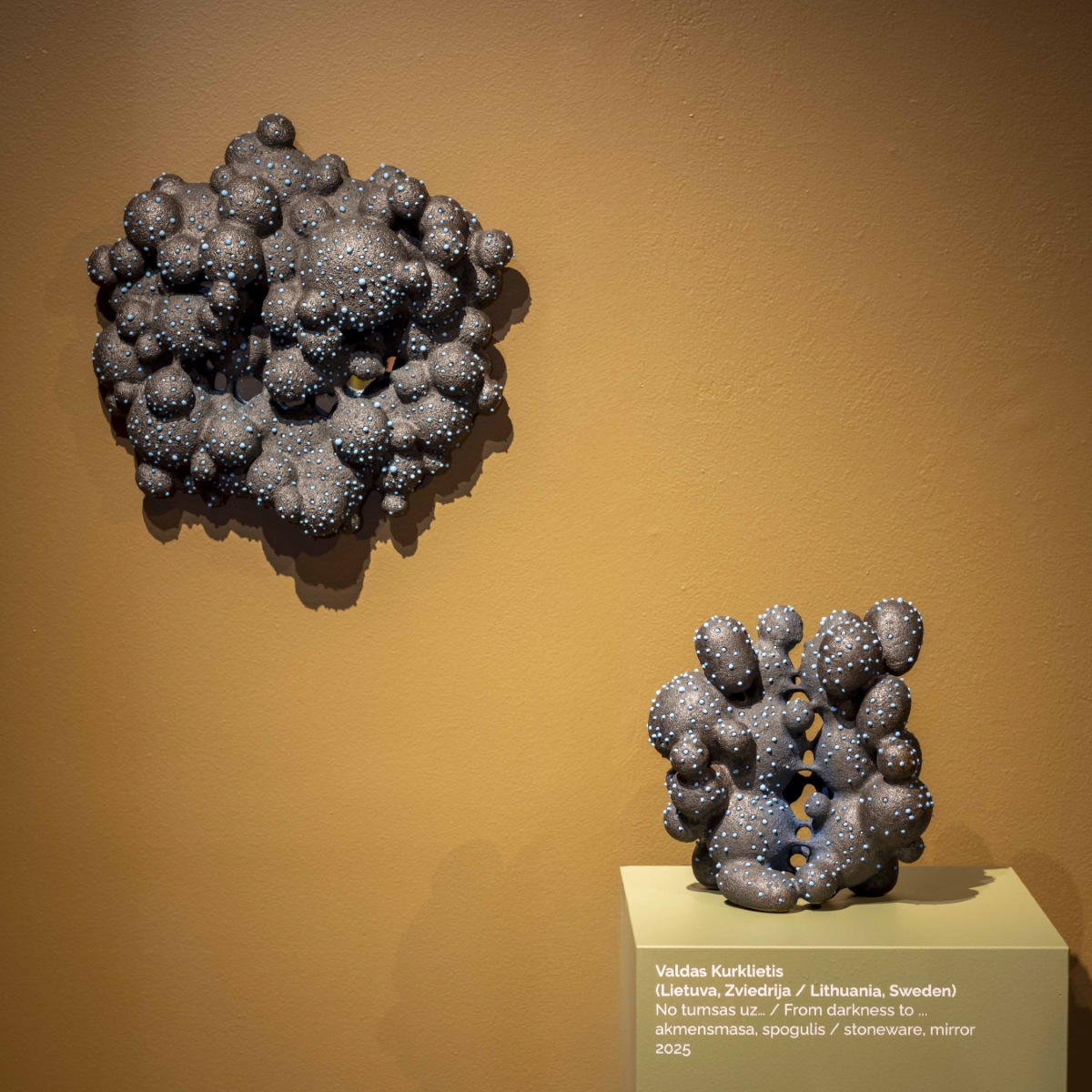
Silver prizes in the international category were awarded to Hanna Miadzvedziava and Hyunjin Kim. Miadzvedziava has received numerous awards in recent years, including the Faenza main prize at the 63rd Premio Faenza. Her work Hot–Cold War explores the fine balance between outward calm and inner turmoil. Through its spiky, viscous forms and colouring, it expresses the tension accumulating in these turbulent times – tension ready to erupt at any moment. Meanwhile, South Korean artist Kim’s piece also examines the complexity of emotional worlds, but focuses more on the emotions themselves and how they interact. The piece weaves a labyrinth – emotions overlap, intersect and form intricate structures and layers. The turbulence of these times, like dark clouds, also appears in Valdas Kurklietis’ From Darkness to…. The artist holds onto the idea that although the present feels unpredictable and frightening, light – or at least its reflection – always emerges, sustaining belief in the ultimate triumph of good.
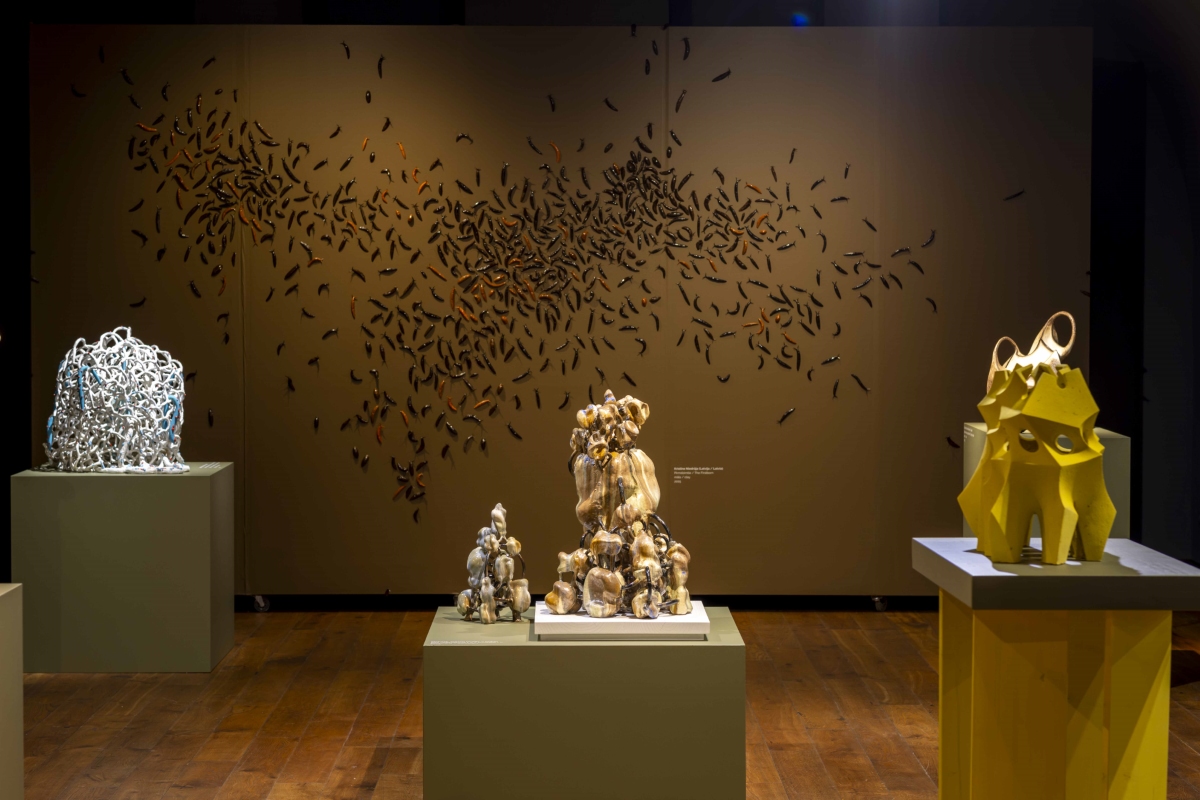
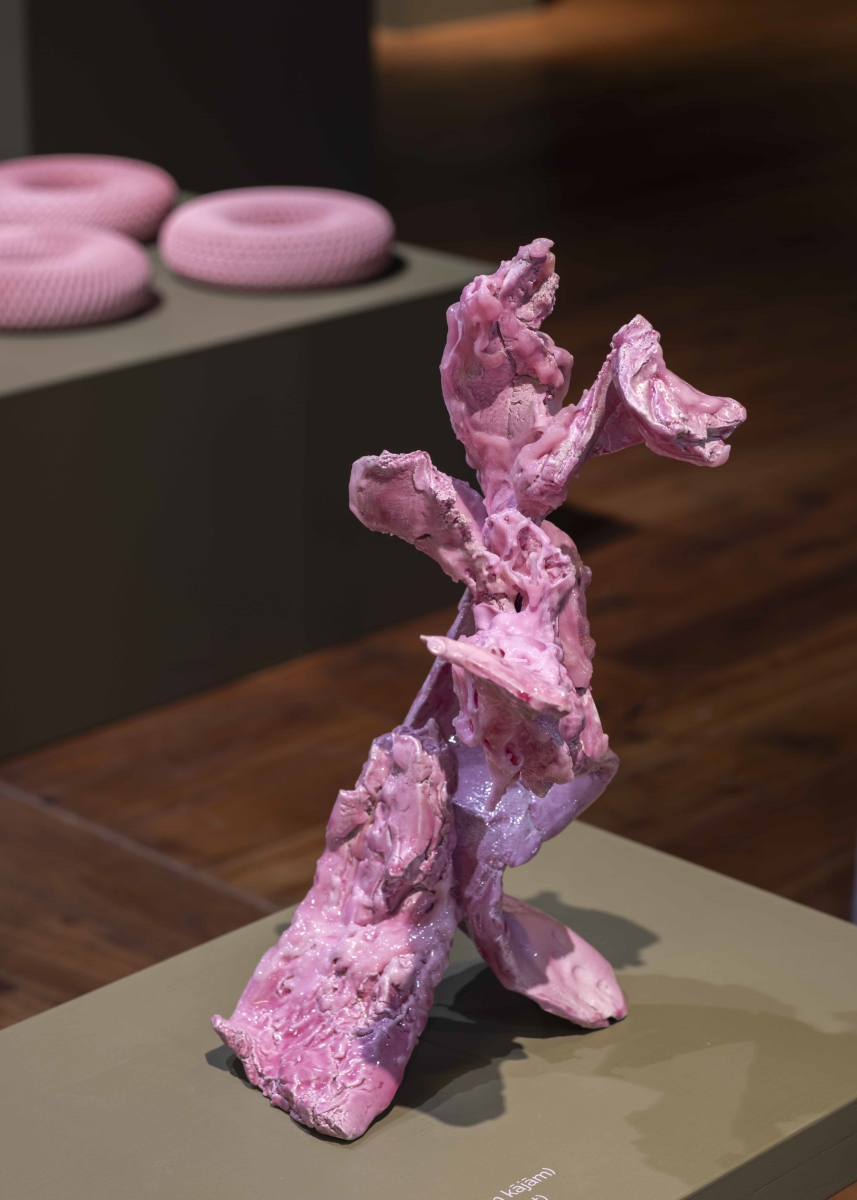
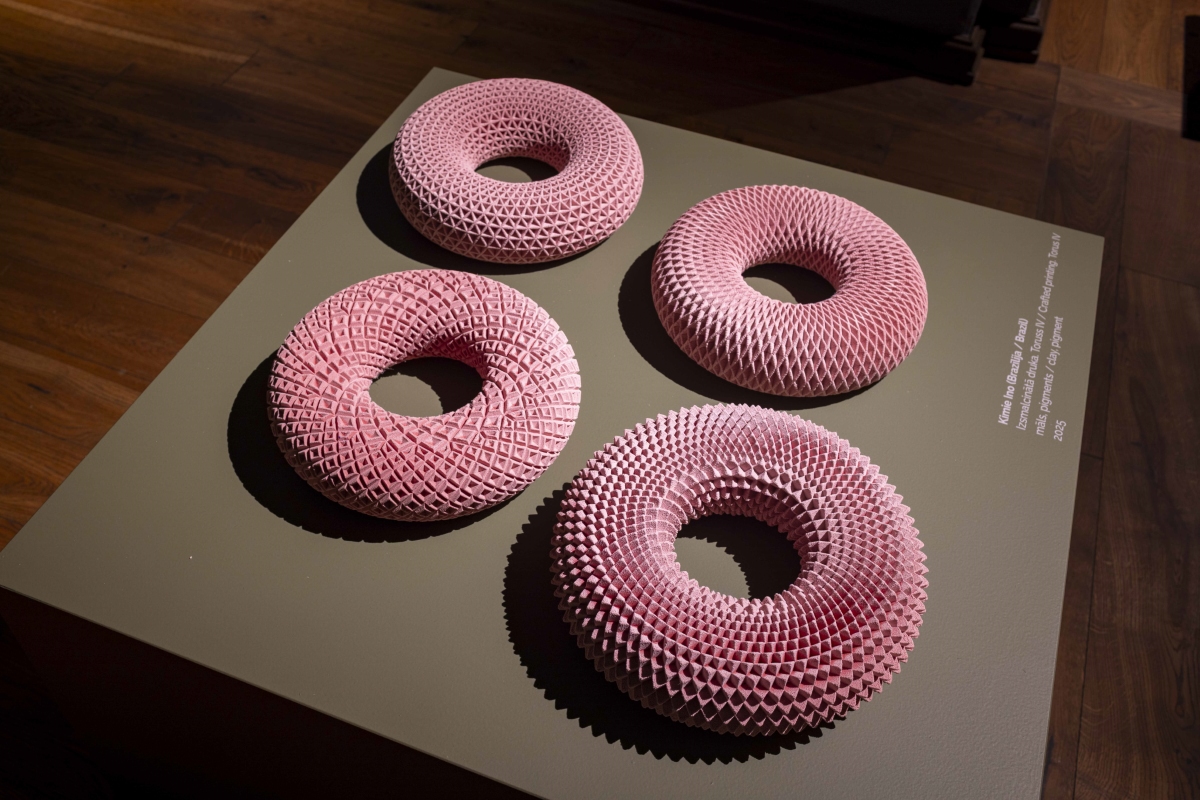
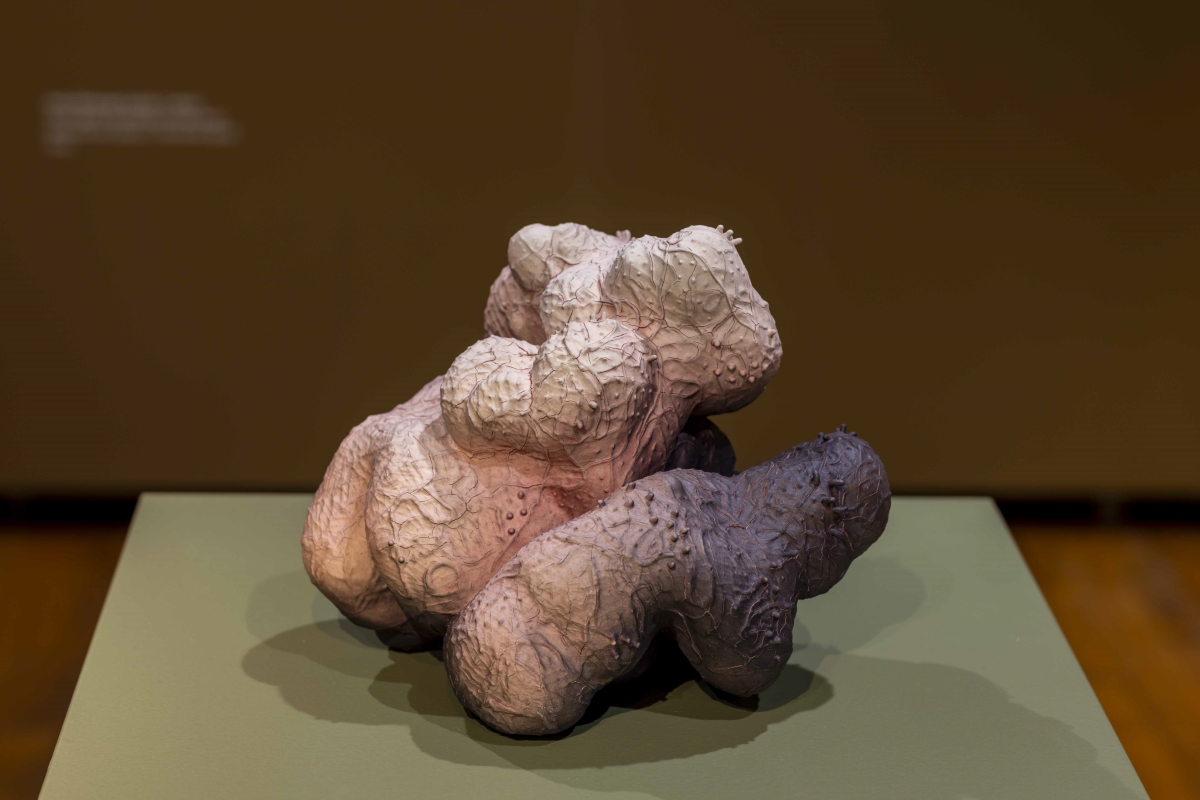
Part of the exhibition features works combined with non-ceramic materials, or use techniques that diverge from those typical of the medium. For example, another honourable mention recipient, Guglielmo Maggini, presents a bright pink creature (something between a living being and an organic natural form) that blurs the line between life and death. Through the combination of natural (clay) and synthetic (resin) materials, the artist explores themes of historical and personal memory. Like Kowalewska and Maggini, several artists address themes of growth and transformation through strange, slightly unsettling creatures, as seen in Agnė Šemberaitė’s Totem, Michał Żesławski’s Fused Together, and Kristīne Niedrāja’s The Firstborn. Particularly organic and sensitive forms characterise Eglė Einikytė-Narkevičienė’s Between Different Worlds. Her works are full of drama and powerful emotional intensity. Drawing on Baroque ideas, the artist examines the eternal conflict while juxtaposing it with the search for harmony. Her vibrant colouring and striking plasticity distinguish her from many others and make her work recognisable on the international ceramics scene.
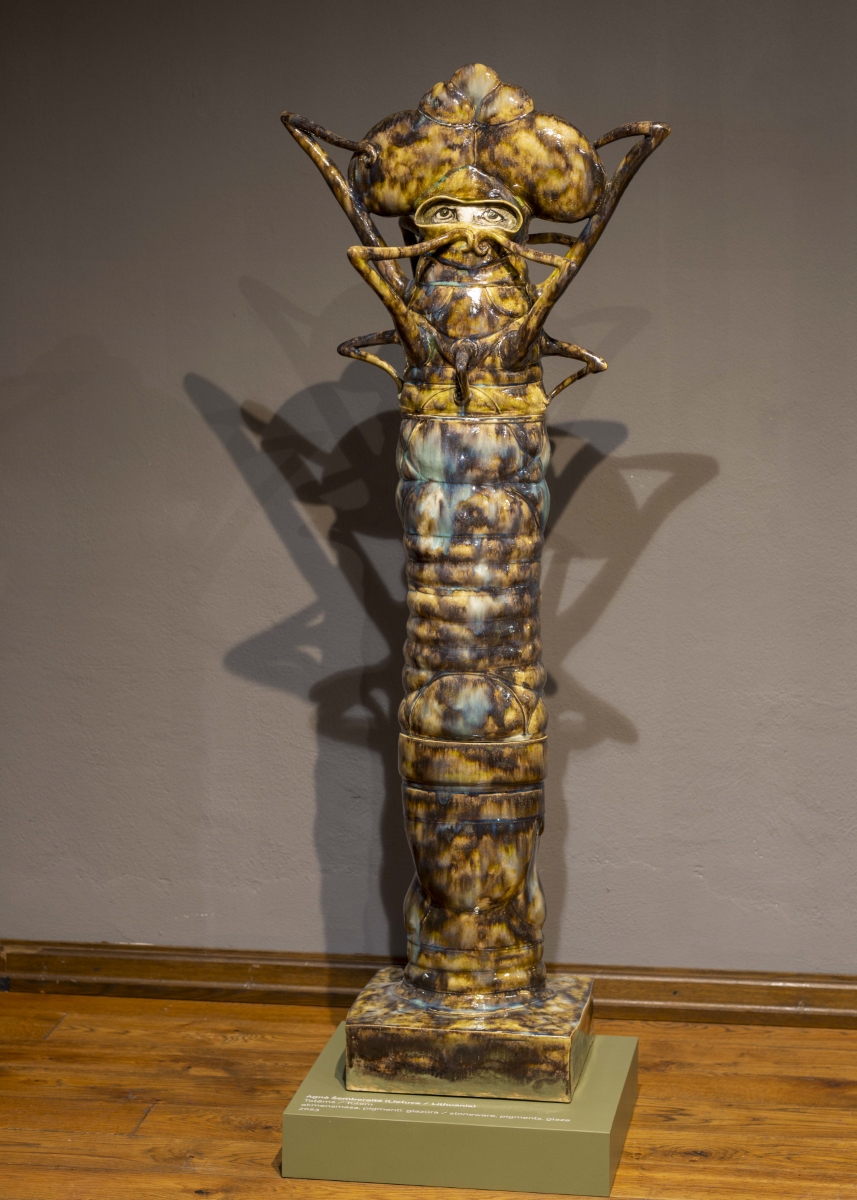
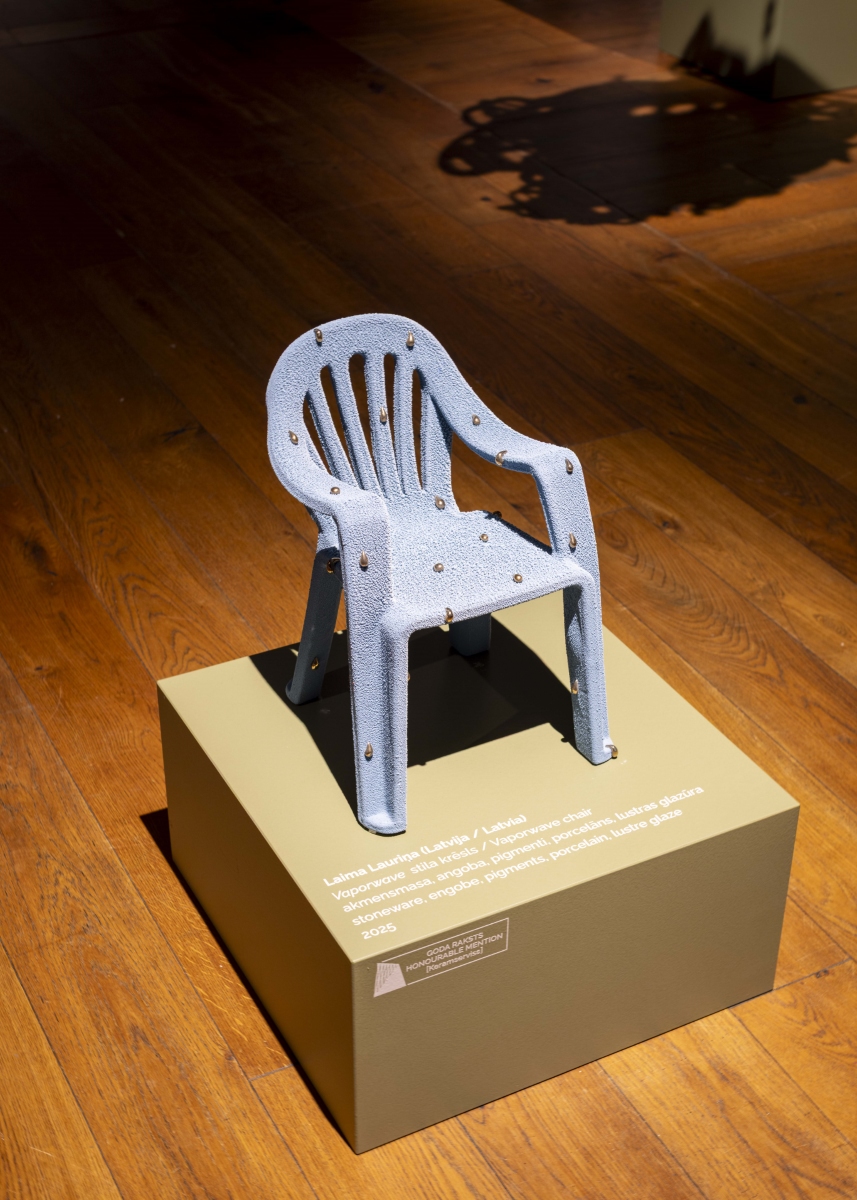
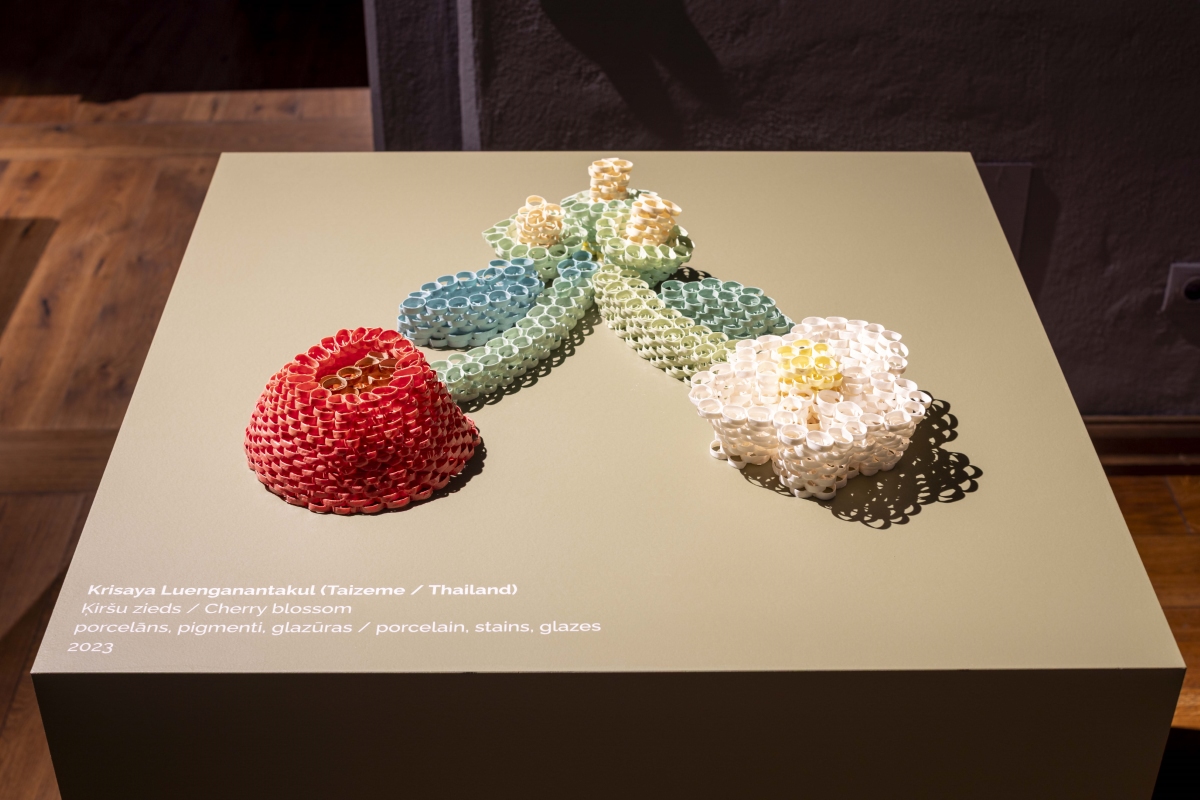
There is also no shortage of humorous works that charm with their playfulness, lightness and sometimes ironic intent. Elements of humour can be found in works by Krisaya Luenganantakul (Thailand), Kauri Kallas (Estonia), Agate Kalcenaua, Laima Lauriņa, Zahars Ze, Rūdis Pētersons and Vita Valdmane (Latvia). As can be seen, many such works come from Latvian artists.
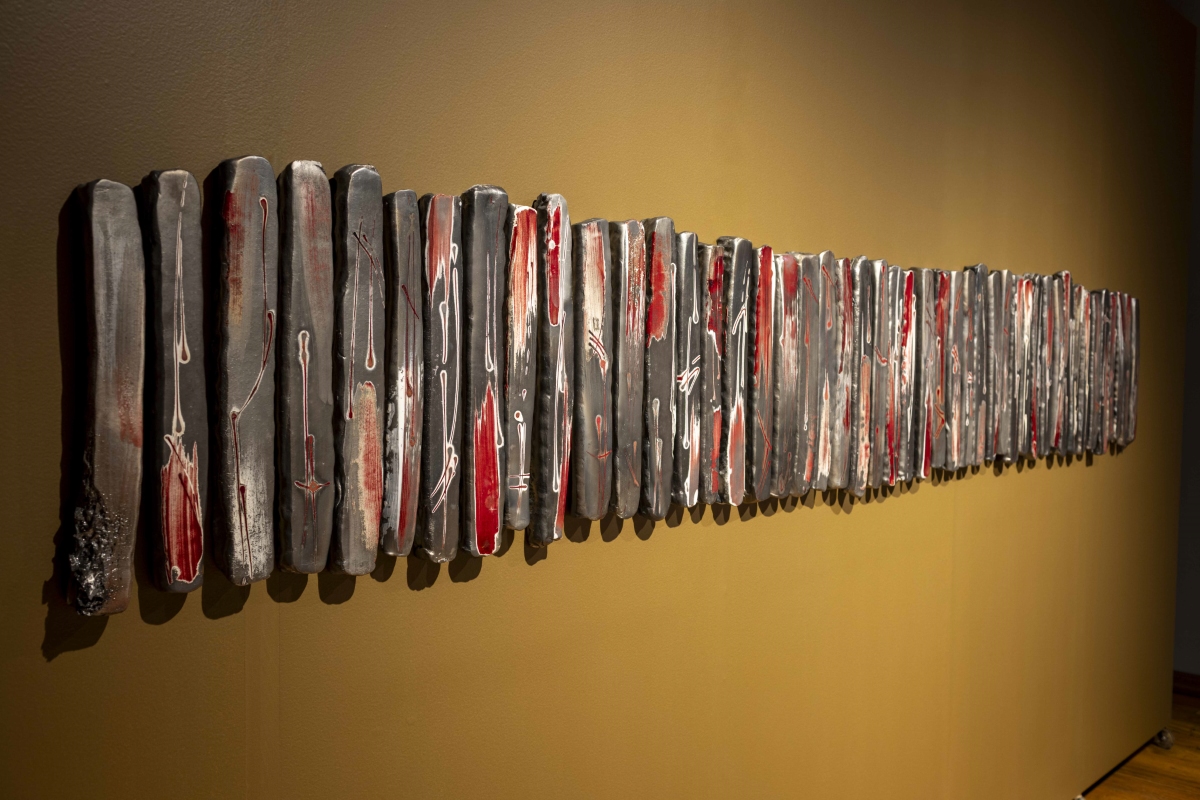
In the national category, two artists received the gold prize: Lilija Zeiļa and Inese Brants. Both are representatives of an older generation with long-standing experience in the field. Zeiļa presents Burnt Landscape, a rhythmic work without a clear beginning or end, full of repeating elements. This is exactly her aim – to create the impression of boundless space. The familiar palette of deep red, black and grey, and the sheen achieved through terra sigillata technique, are immediately recognisable. She draws inspiration from traditional Latgalian pottery and, of course, from nature. By combining traditional techniques with contemporary forms (a hallmark of her work), she reflects on destruction and rebirth.
Inese Brants is widely known in Latvia as a master of porcelain and decals, and is considered one of the country’s most significant creators. Art historian Dace Ļaviņa even compares her to Pēteris Martinsons, so it is no surprise that Brants was awarded the main prize in the national category. In addition to actively participating in local and international exhibitions, she also works in porcelain research and is one of the organisers of the Latvian International Porcelain Painting Symposium.
Not only the piece exhibited at the Martinsons Award, but Brants’ entire artistic practice aligns closely with the biennale’s theme. Her artistic trajectory connects past and present, aiming to create a link between them and leave a trace for the future. Like Zeiļa, Brants addresses time: it does not stand still, it does not disappear, yet always carries emotional weight. Yesterday’s events become today’s memories, and thoughts of tomorrow manifest as dreams. Everything is interconnected and cannot exist without the other parts.
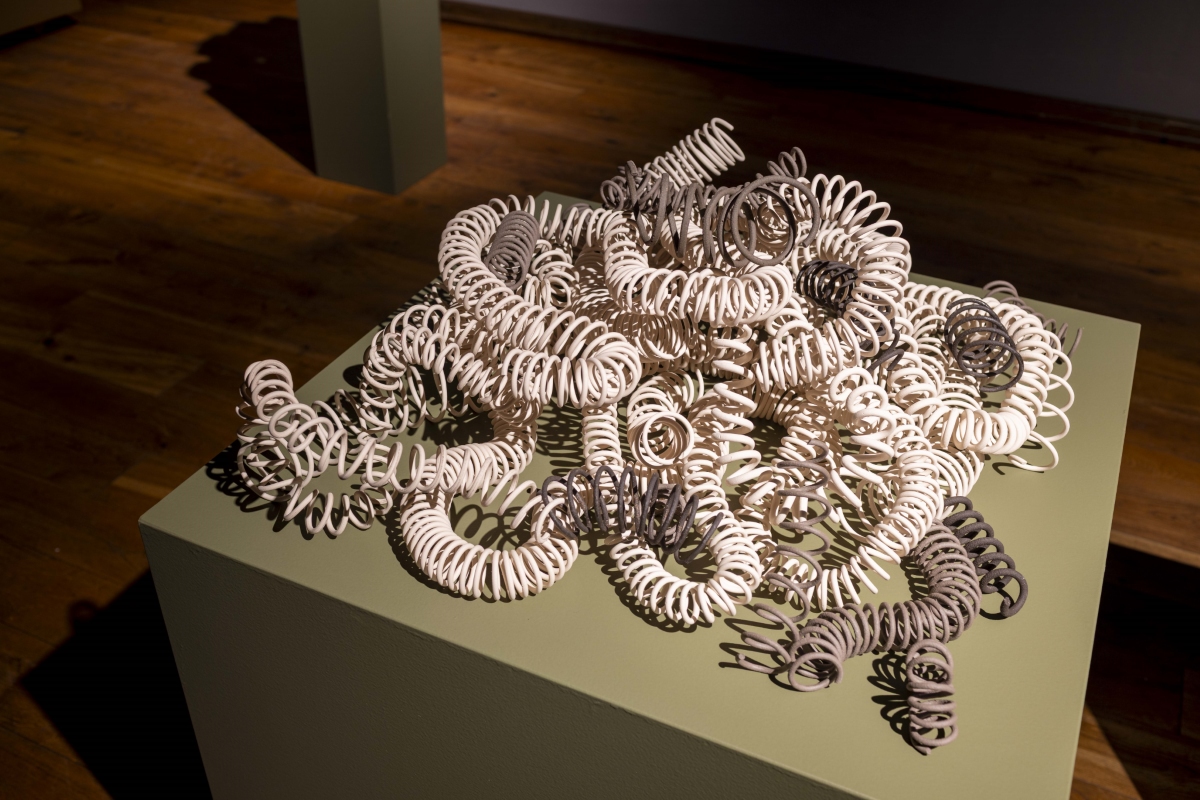
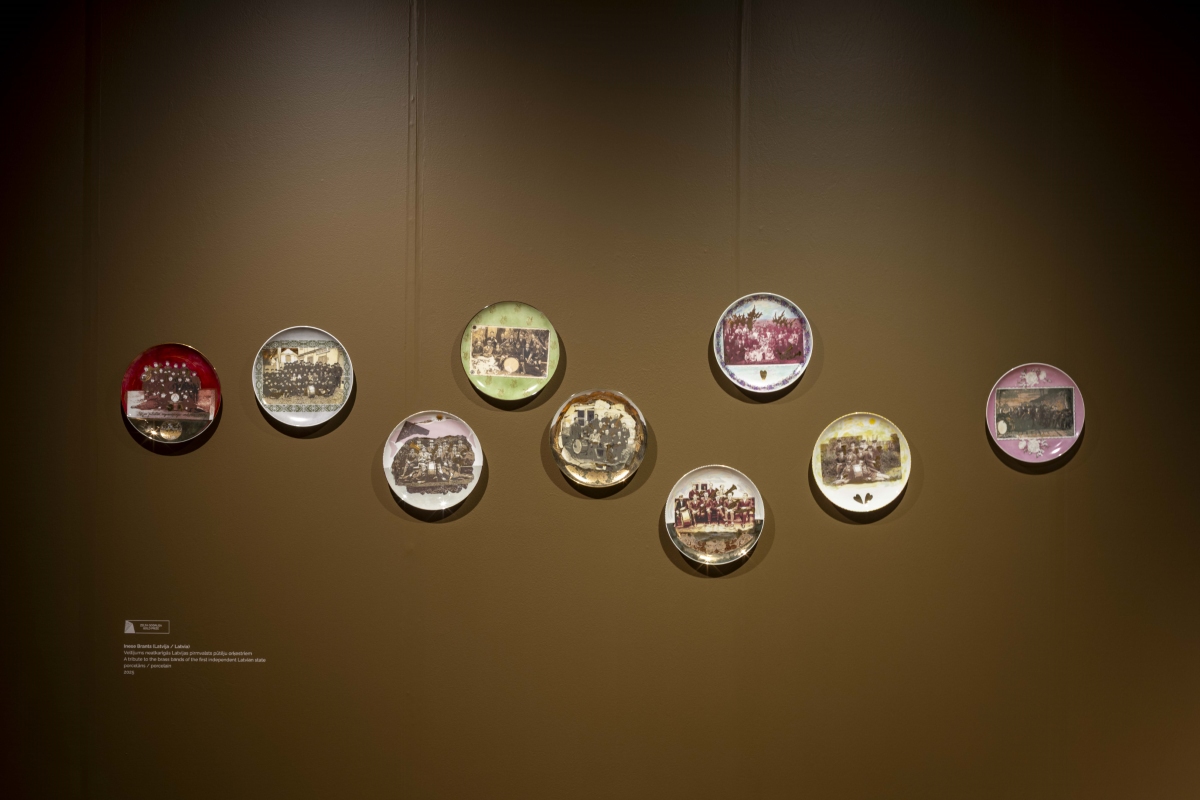
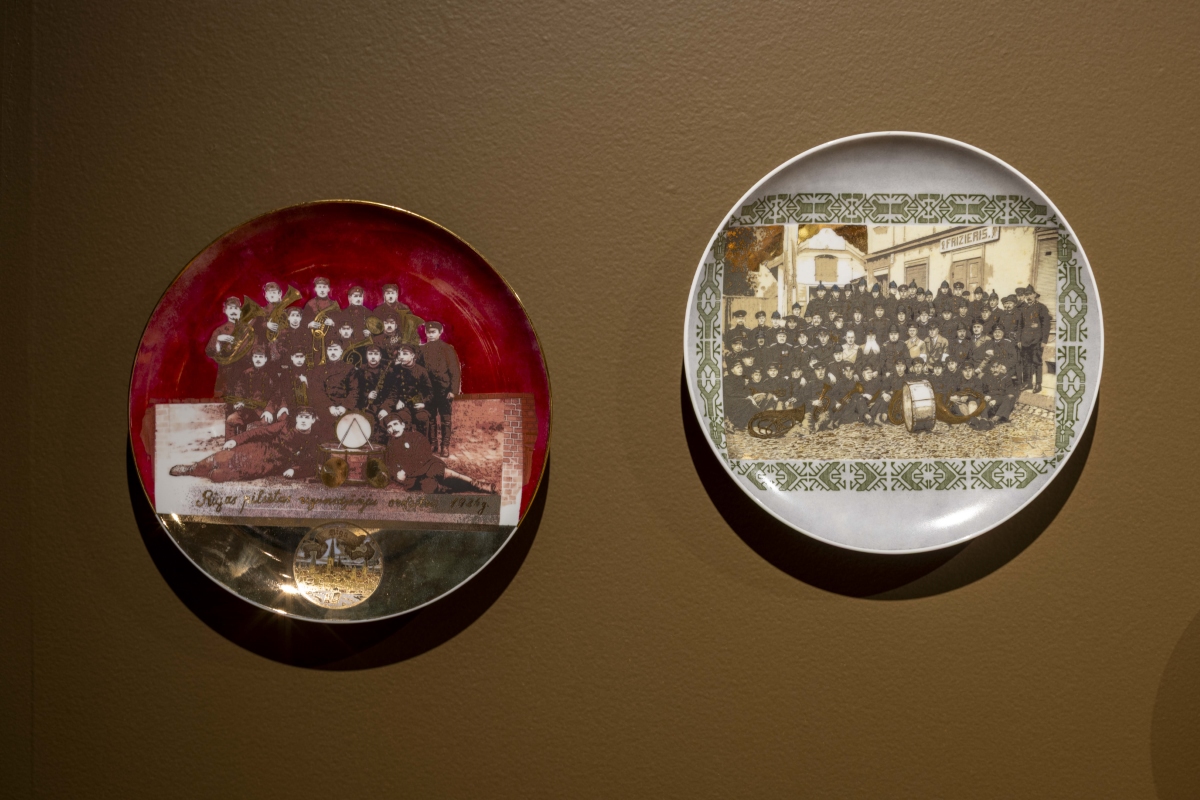
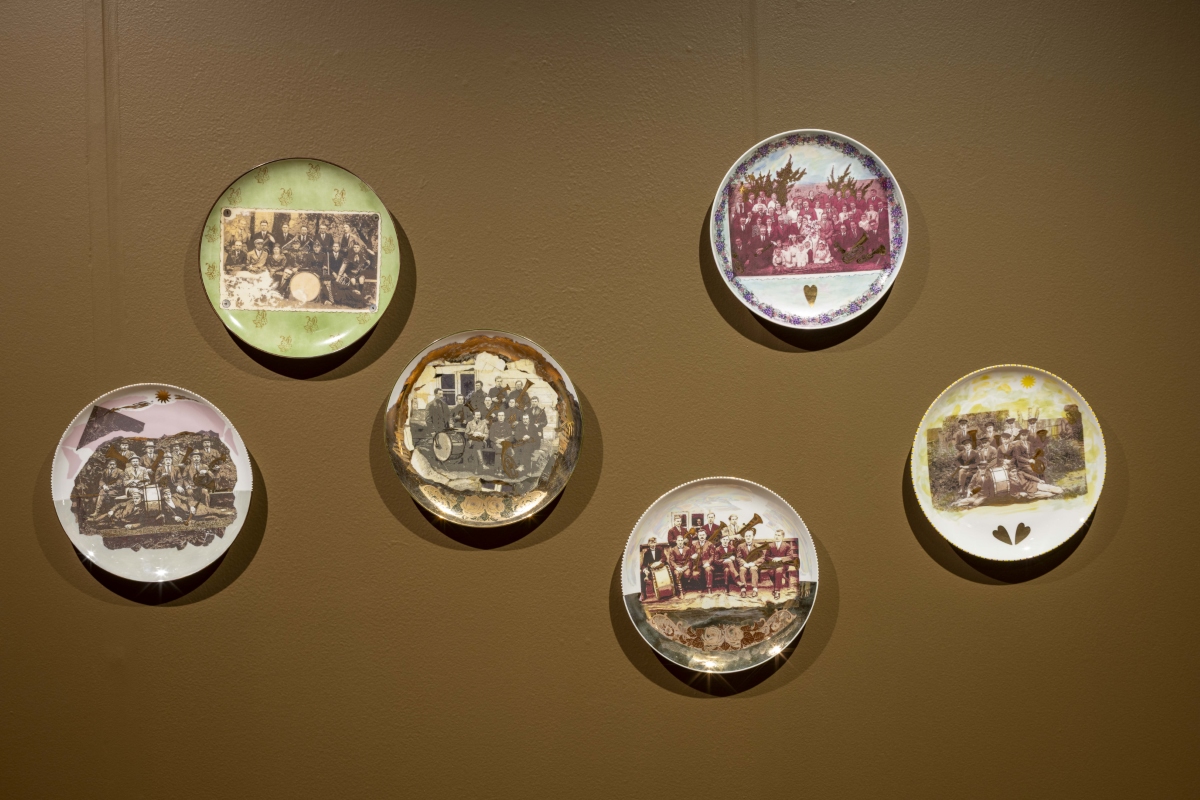
Alongside conceptual strength, her work is characterised by exceptional technical mastery. She is particularly interested in re-using old decals from the now-defunct Riga Porcelain Factory in a contemporary context. She often incorporates found historical objects into her artworks: old factory decals or, in her latest series, historical photographs. Using contemporary technologies, she transforms these historical artefacts for present and – she hopes – future generations. The work exhibited at the biennale, A Tribute to the Brass Bands of the First Independent Latvian State, combines historical narrative, modern technologies and current global events. It depicts early 20th-century Latvian freedom fighters – members of military brass bands. The orchestra is chosen as a symbol of emotional strength and unity, striving for independence. In today’s context, echoes of the past gain renewed relevance, resonating not only with Brants herself, but also with other artists. The connection with the author’s historical roots is also conveyed through the work’s color scheme. Surfaces lavishly decorated with gold and platinum lustres gleam and radiate luxury, and this brilliance is drawn from Latvian folk tales. It is also her personal way of honouring key historical figures through what she excels at most – the demanding and delicate techniques of porcelain decoration, where corrections are almost impossible. Brants also undertook meticulous research, selecting the best photographs from 12 Latvian museums, processing them, creating decals via silk-screen printing and finally hand-painting them to produce the remarkable A Tribute to the Brass Bands of the First Independent Latvian State series – truly deserving of gold.
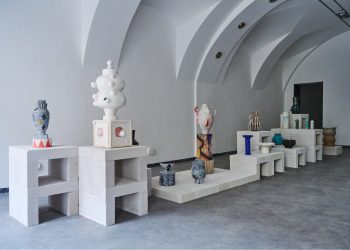
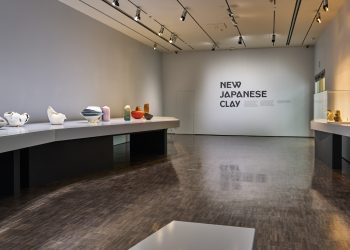
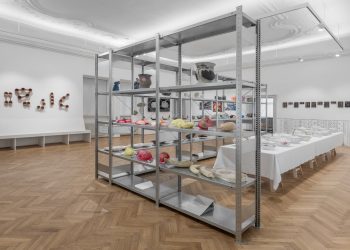
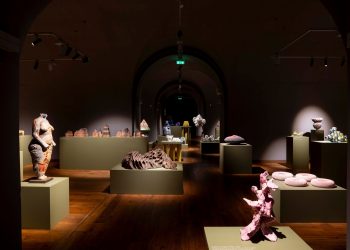
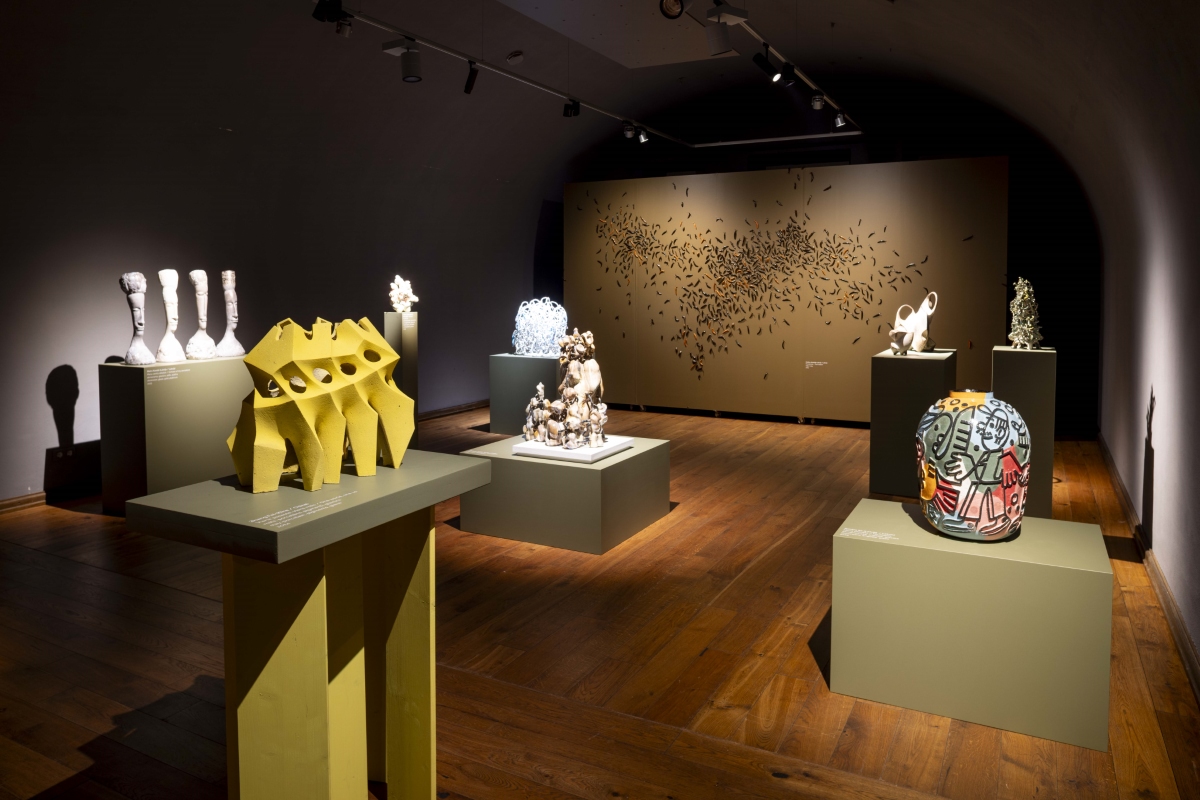
It is practically impossible to describe every artist in such a rich exhibition. This article aims to highlight the works particularly noted by the jury. Yet it must be stressed once again that the exhibition abounds in remarkable technical solutions, diverse ideas and outstanding craftsmanship. The biennale’s theme is also excellently reflected in the physical presentation of the works and exhibition design. The interplay of light and shadow not only highlights individual pieces but also creates an overall atmosphere, where individual elements merge into a cohesive portrait of the Latvia International Ceramics Biennale.
Aurelija Seilienė is a Lithuanian art critic and curator working mainly in ceramics. She earned her Master’s in History and Theory of Arts from the Vilnius Academy of Arts. Seilienė published numerous articles in the cultural press, compiled catalogs, and wrote introductory articles. She participates in ceramic conferences and also works as an expert in various exhibition selection commissions and project financing programs.
Martinsons Award, the International Juried Exhibition of the 5th Latvia Ceramics Biennale, is on view at the Rothko Museum in Daugavpils from September 5, 2025, to February 1, 2026.
Subscribe to Ceramics Now to read similar articles, essays, reviews and critical reflections on contemporary ceramics. Subscriptions help us feature a wider range of voices, perspectives, and expertise in the ceramics community.
Photos by Didzis Grodzs