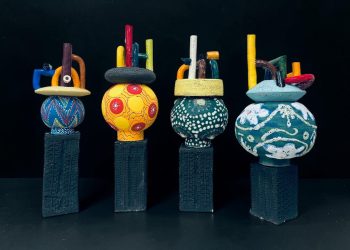
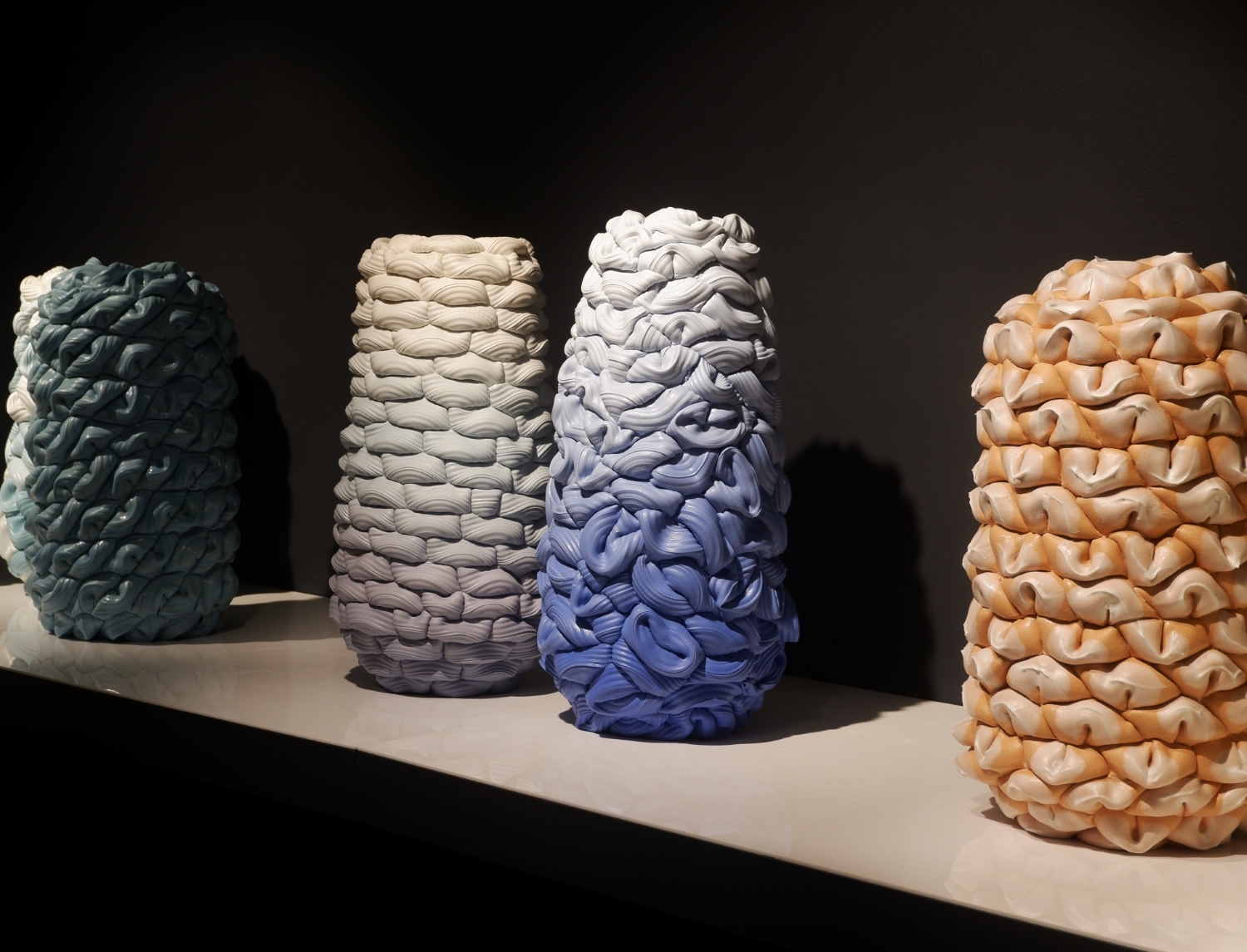
Steven Edwards: Selected works, 2025-2026
My practice is rooted in a process-led approach, where each work evolves through intuitive actions, experimentation, and a continual dialogue with materials. Cutting, rearranging, layering, and reworking are central to the making process, allowing each piece to develop organically rather than towards a predetermined outcome. The finished forms become records of their own construction, revealing the decisions, disruptions, and transformations that occurred along the way. Ultimately, the work grows out of curiosity and wonder, shaped by an eclectic mix of influences spanning art, craft, design, geology, architecture, and theory.
Working primarily with clay, I investigate the language of making through the material’s physicality and responsiveness. Traditional ceramic techniques provide a foundation, but I deliberately push beyond their conventional applications, using clay bodies in ways they were not intended to perform. Through manipulation with bespoke tools and an openness to uncertainty, I encourage unanticipated outcomes that become integral to the work.
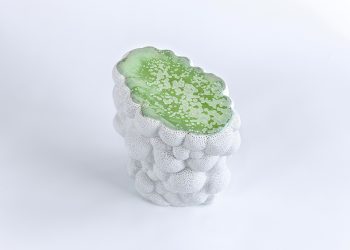
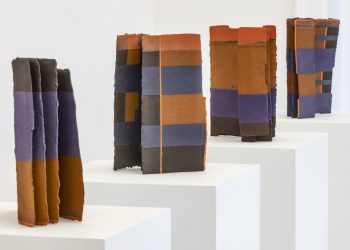
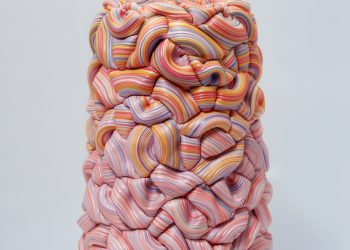
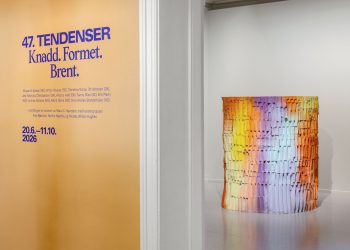
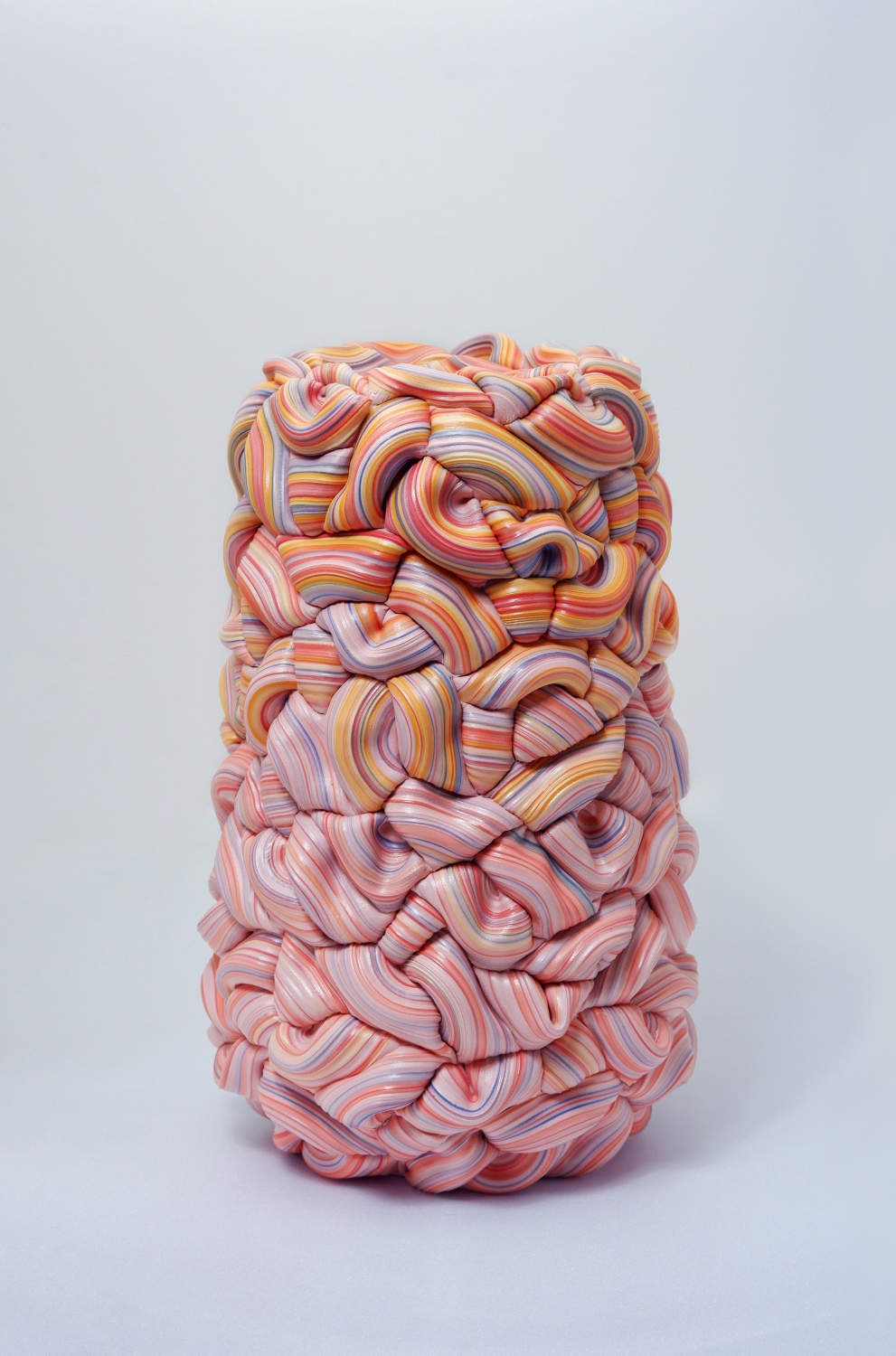
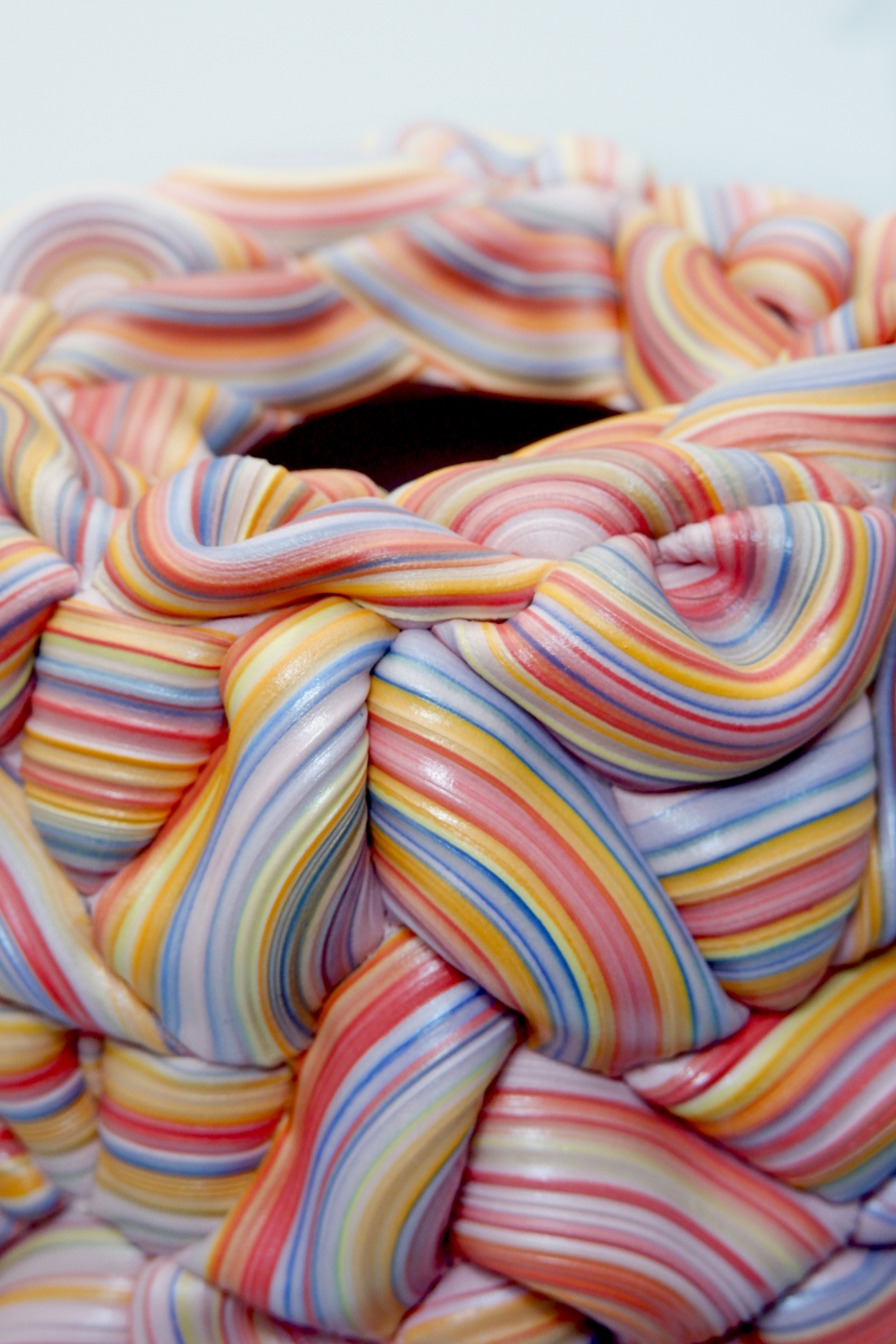
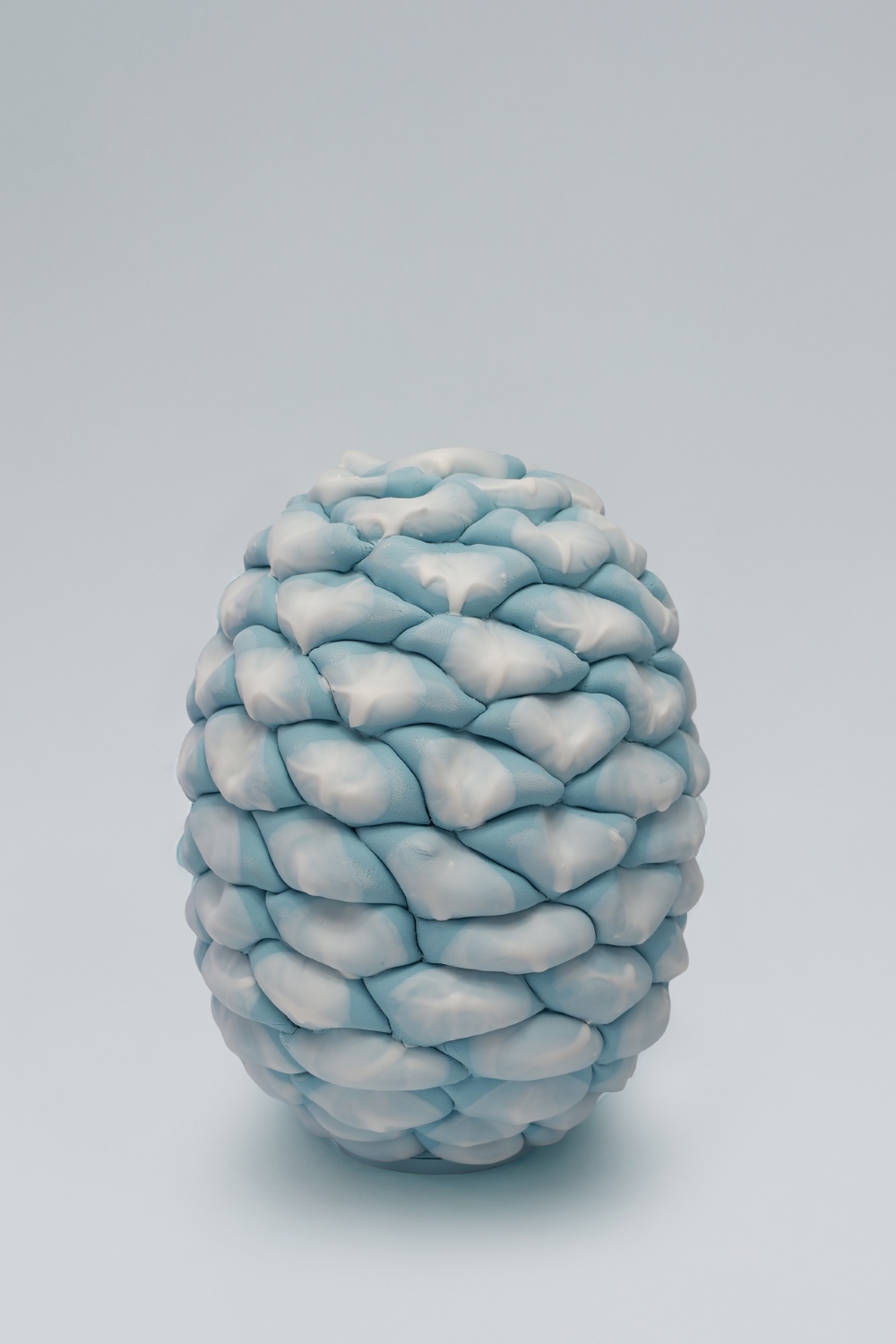
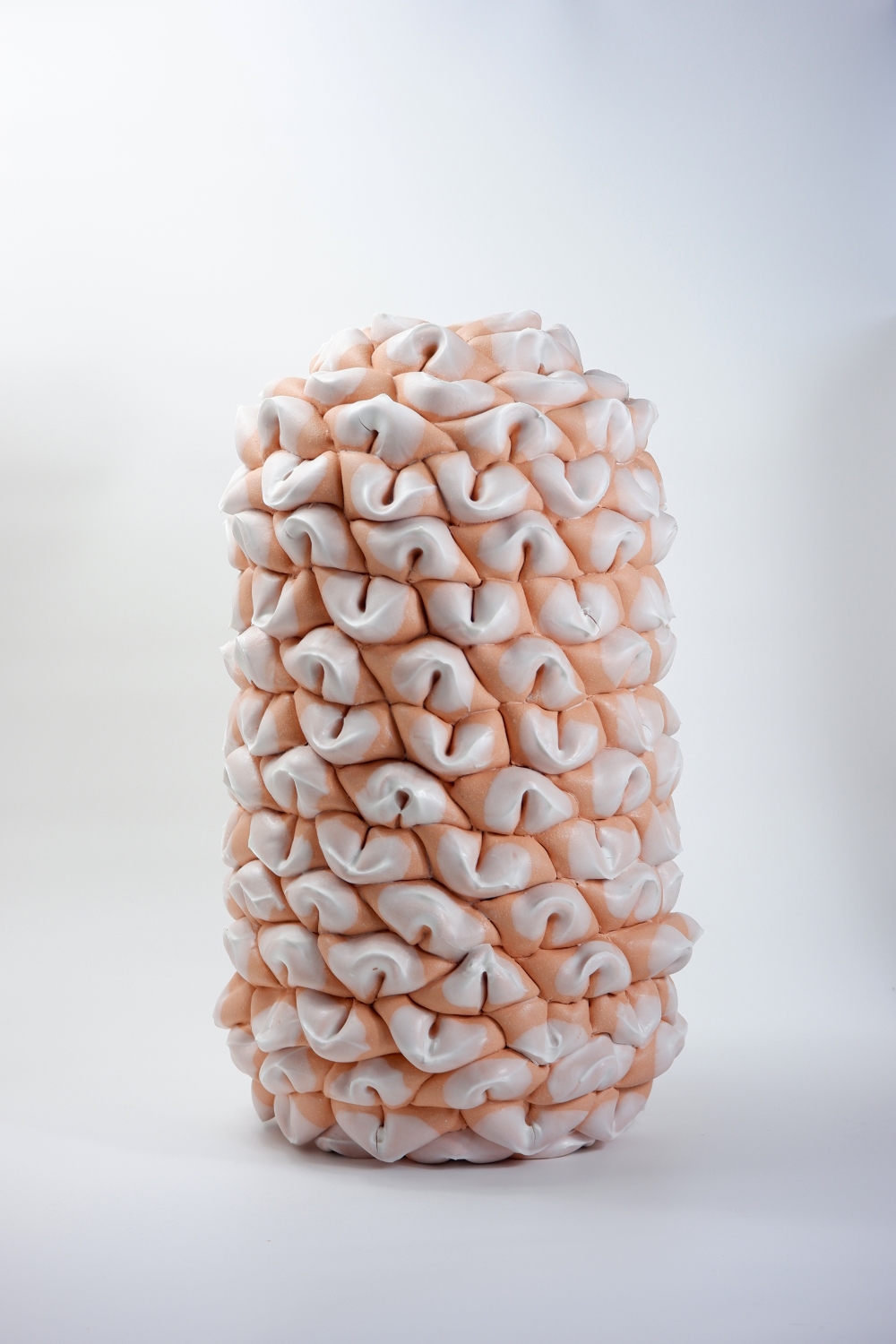
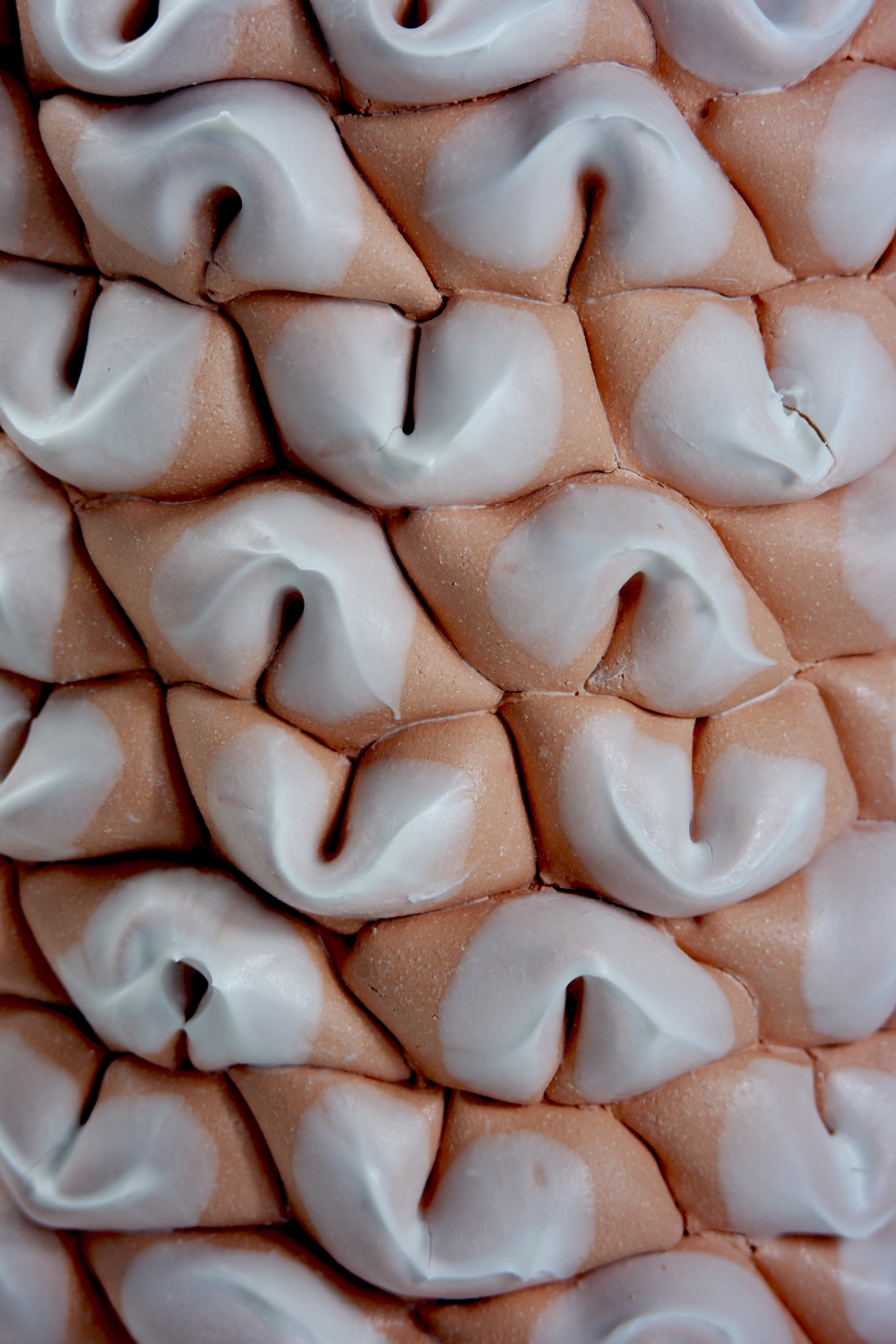
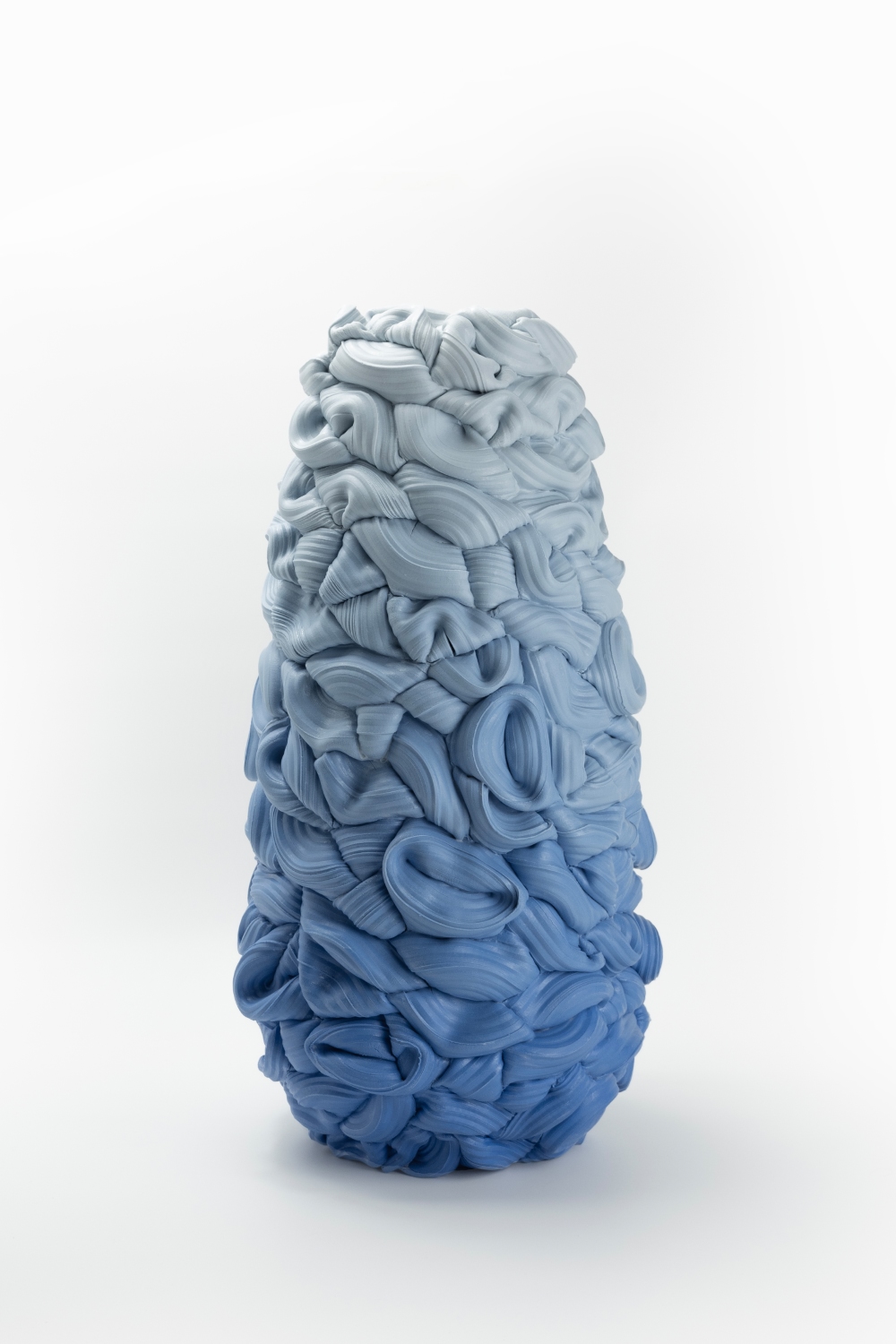
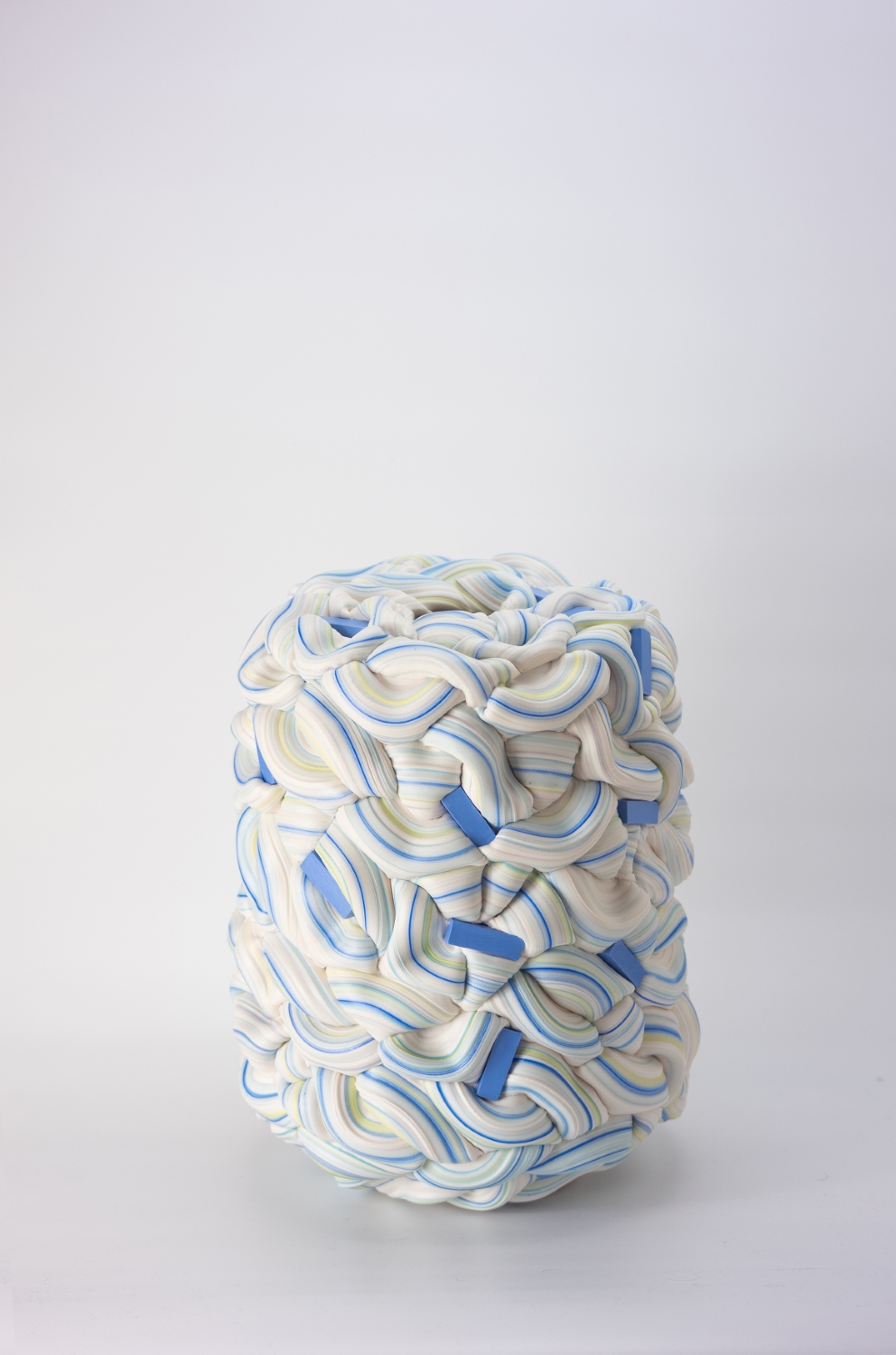
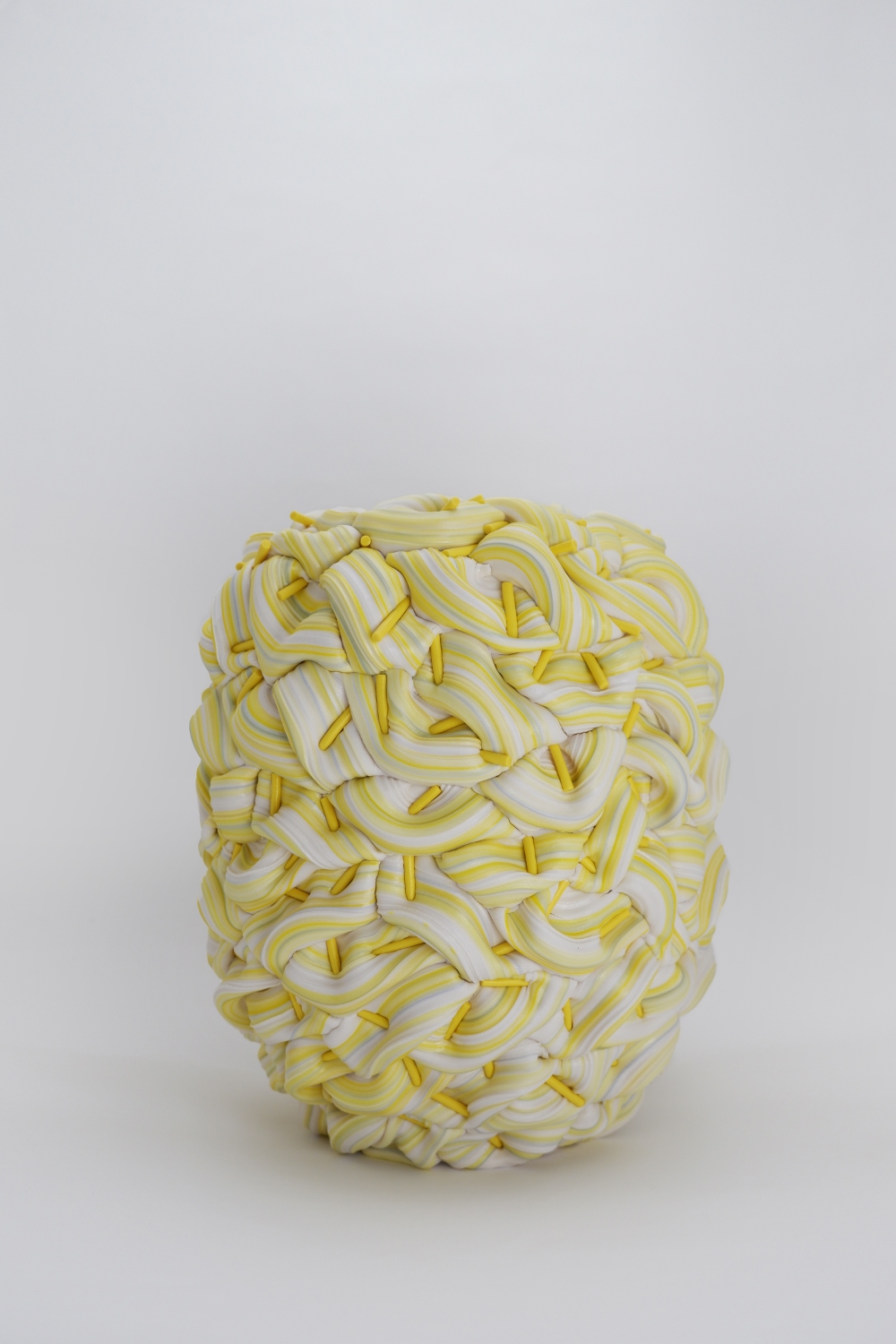
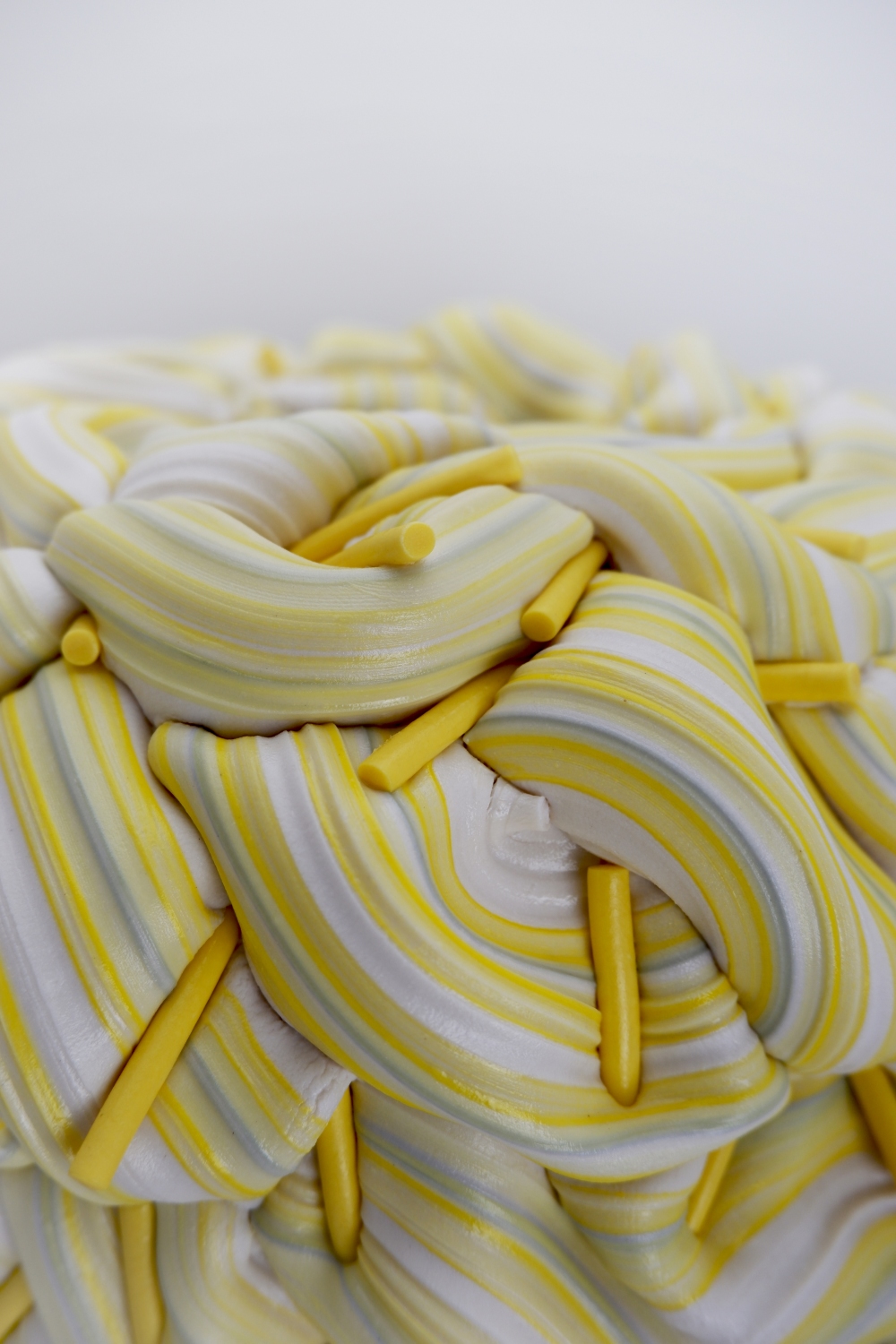
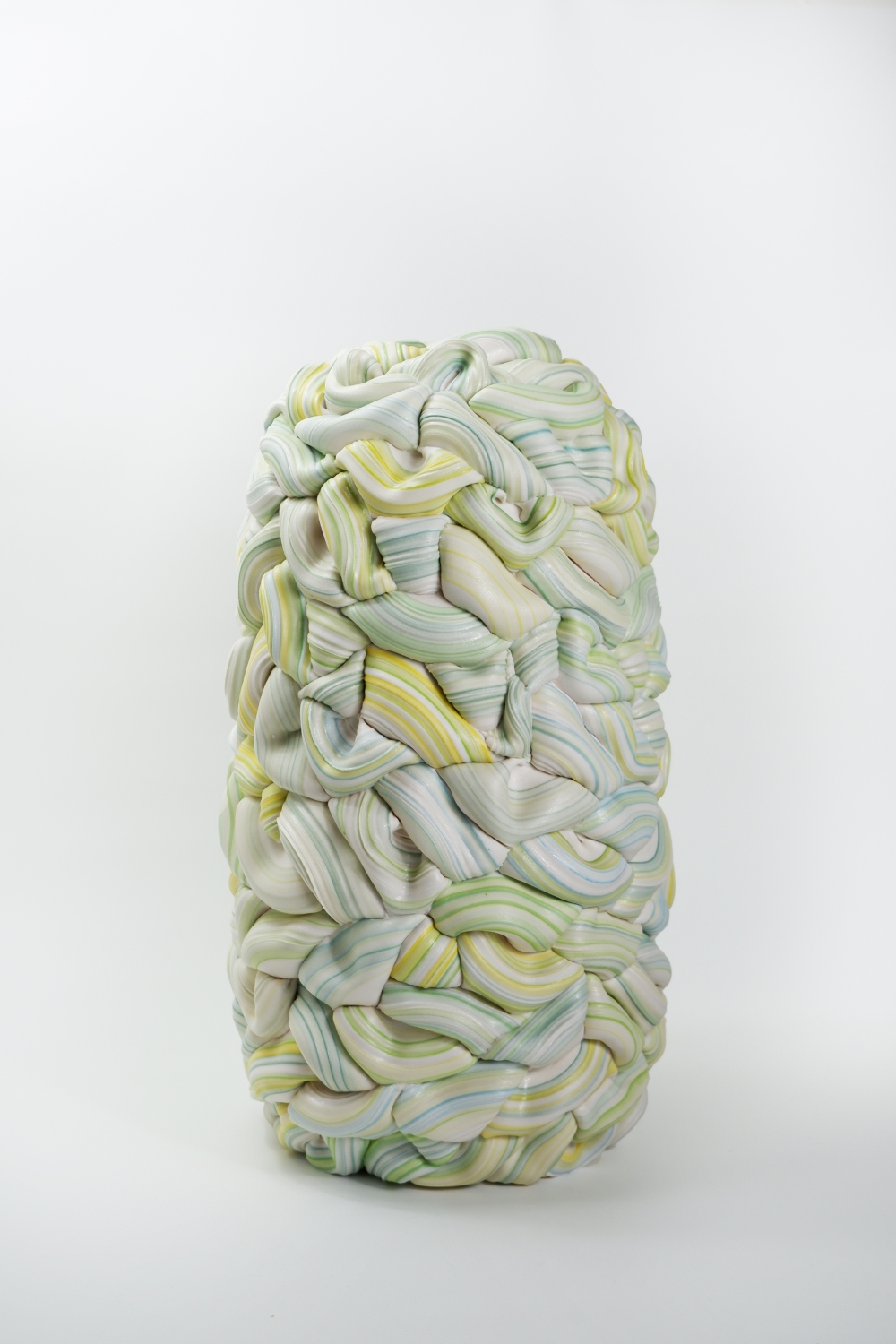
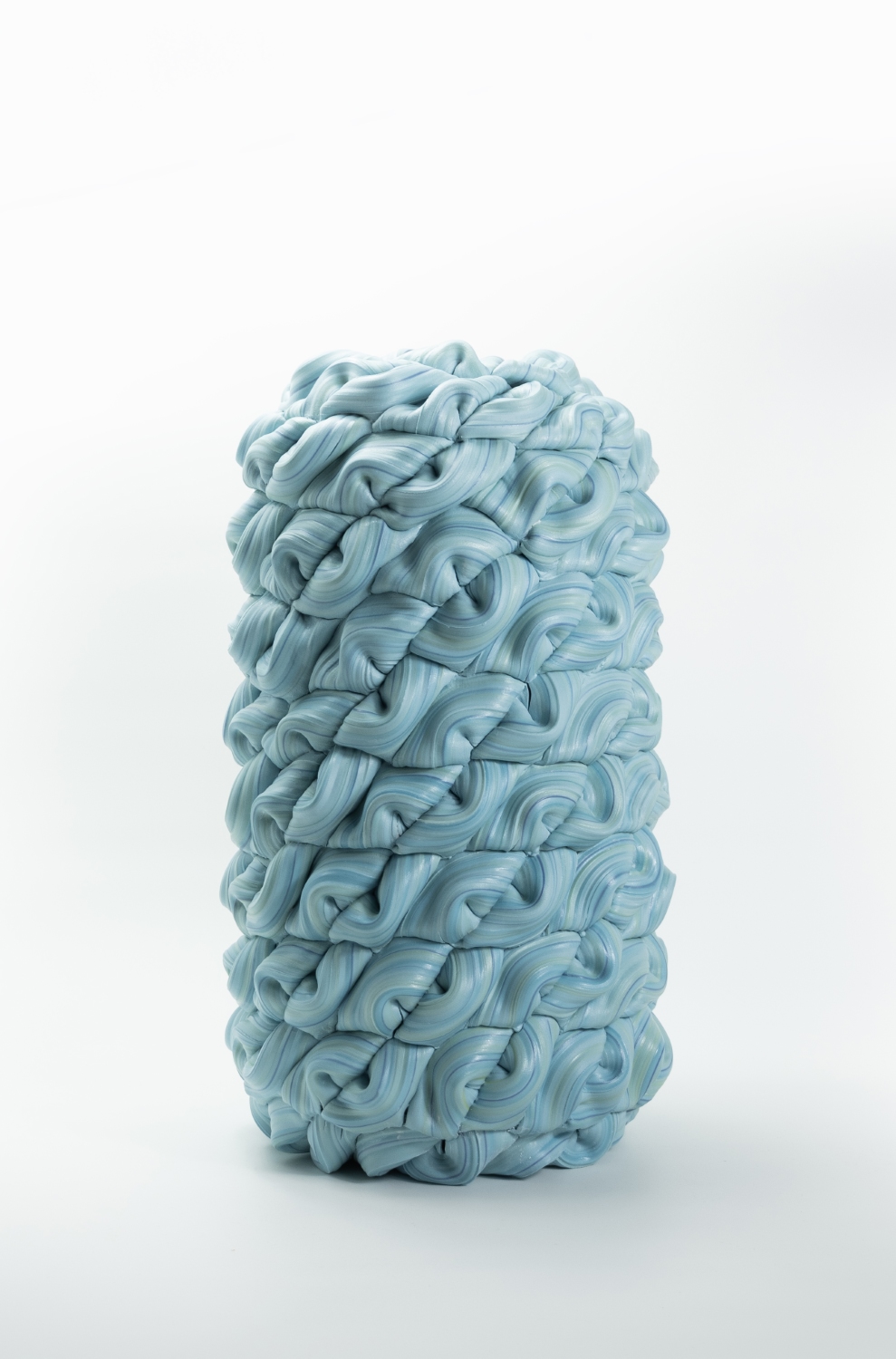
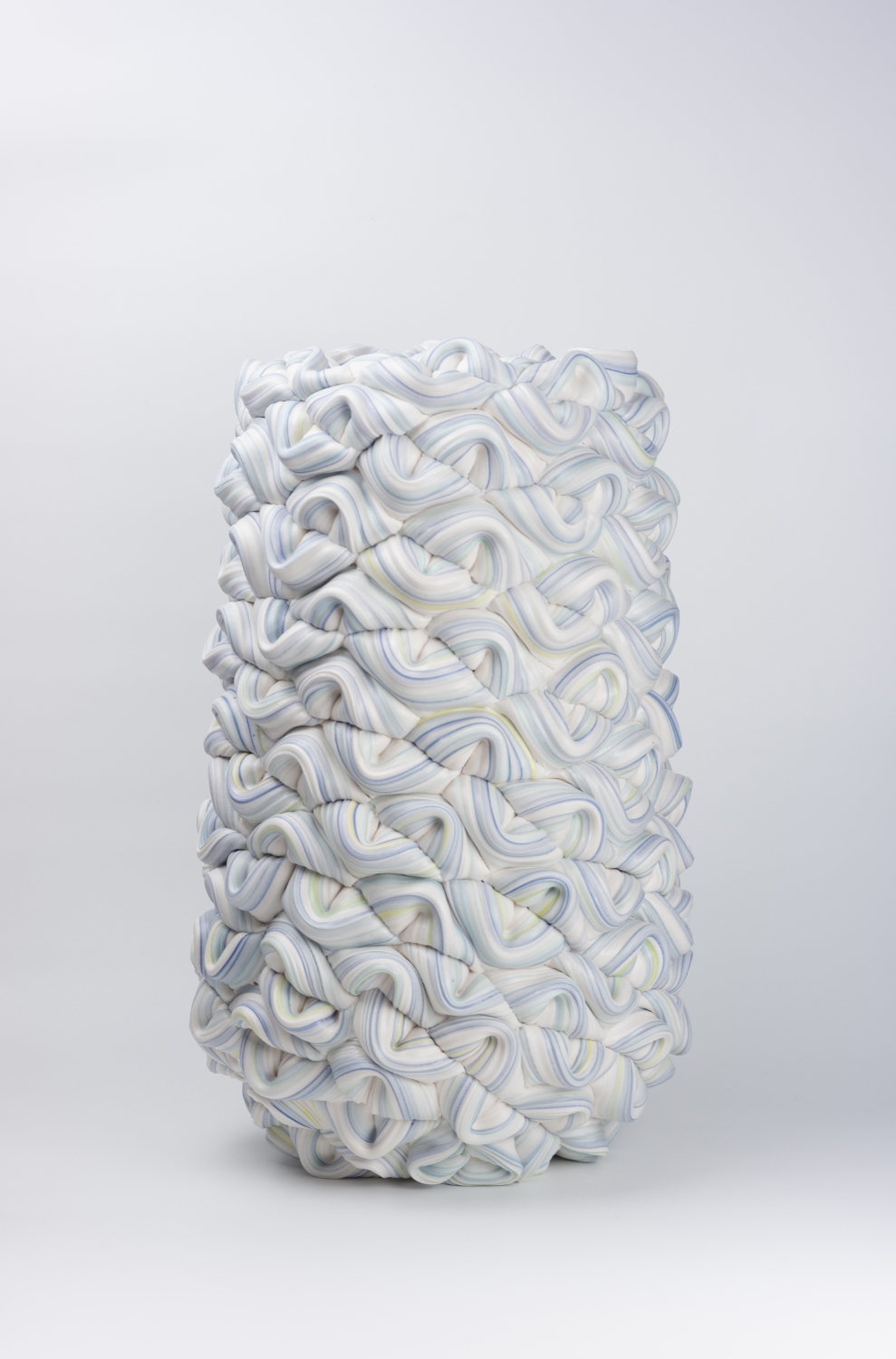
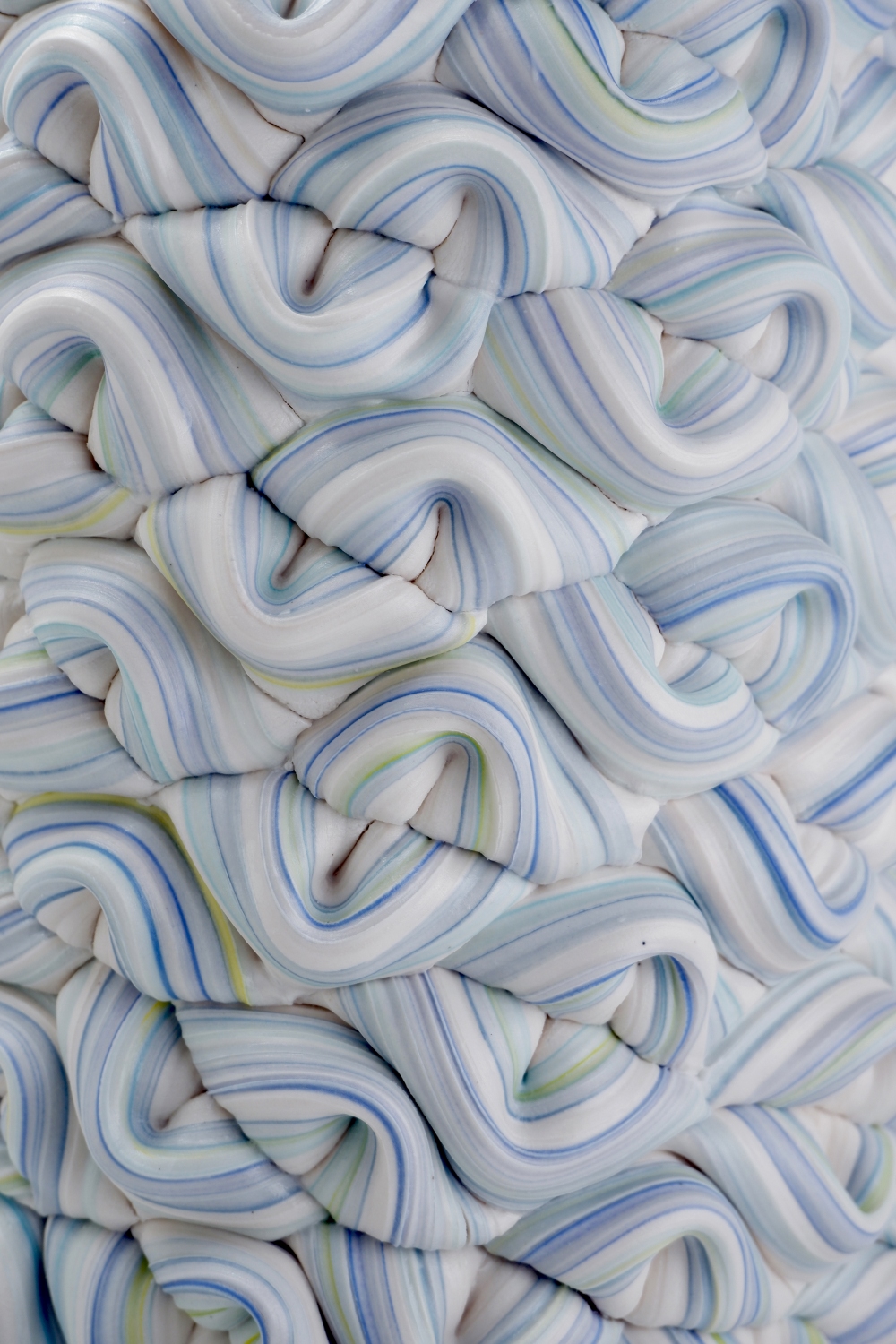
The resulting forms embody both control and resistance. As the clay is stretched, compressed, and challenged, it often cracks, buckles, and bears permanent scars. These fissures are not treated as flaws to be concealed, but as evidence of the extremes demanded of the material and of the process itself. They create a subtle sense of unease, acting as a counterpoint to the idealised, layered rings and confectionery-like surfaces that characterise the work.
By embracing both intention and accident, precision and disruption, my practice explores the expressive potential of clay as a material capable of carrying the narrative of its own making. The work exists in the space between order and instability, inviting reflection on transformation, resilience, and the potential that can emerge from uncertainty.
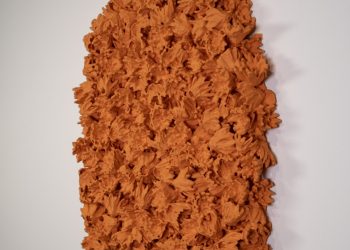
The viewer’s perception is important to me. My work is recognised for its unique surface texture, which often leads people to question what they are looking at. At first glance, viewers can be uncertain whether the work appears curious, playful, or unsettling. This ambiguity encourages them to look more closely and consider how the piece was made and what it is intended to be. There is often a playful confusion, with questions ranging from, “Is that really ceramic?” to “Can I eat it?”
My background in graphic design has significantly informed the way I develop and execute my work. It taught me to think critically about composition, balance, and visual hierarchy—skills that continue to inform how I construct images and communicate ideas. The discipline of design instilled a respect for clarity and purpose, but over time I’ve become more interested in pushing those boundaries—allowing for intuition, texture, and imperfection to take up more space in my work.
Captions
- Striped Fold XXIX, 2026, parian and porcelain, H46 x W30 x D30cm
- Analogous Fold II, 2025, parian and porcelain, H51 x W27 x D27cm
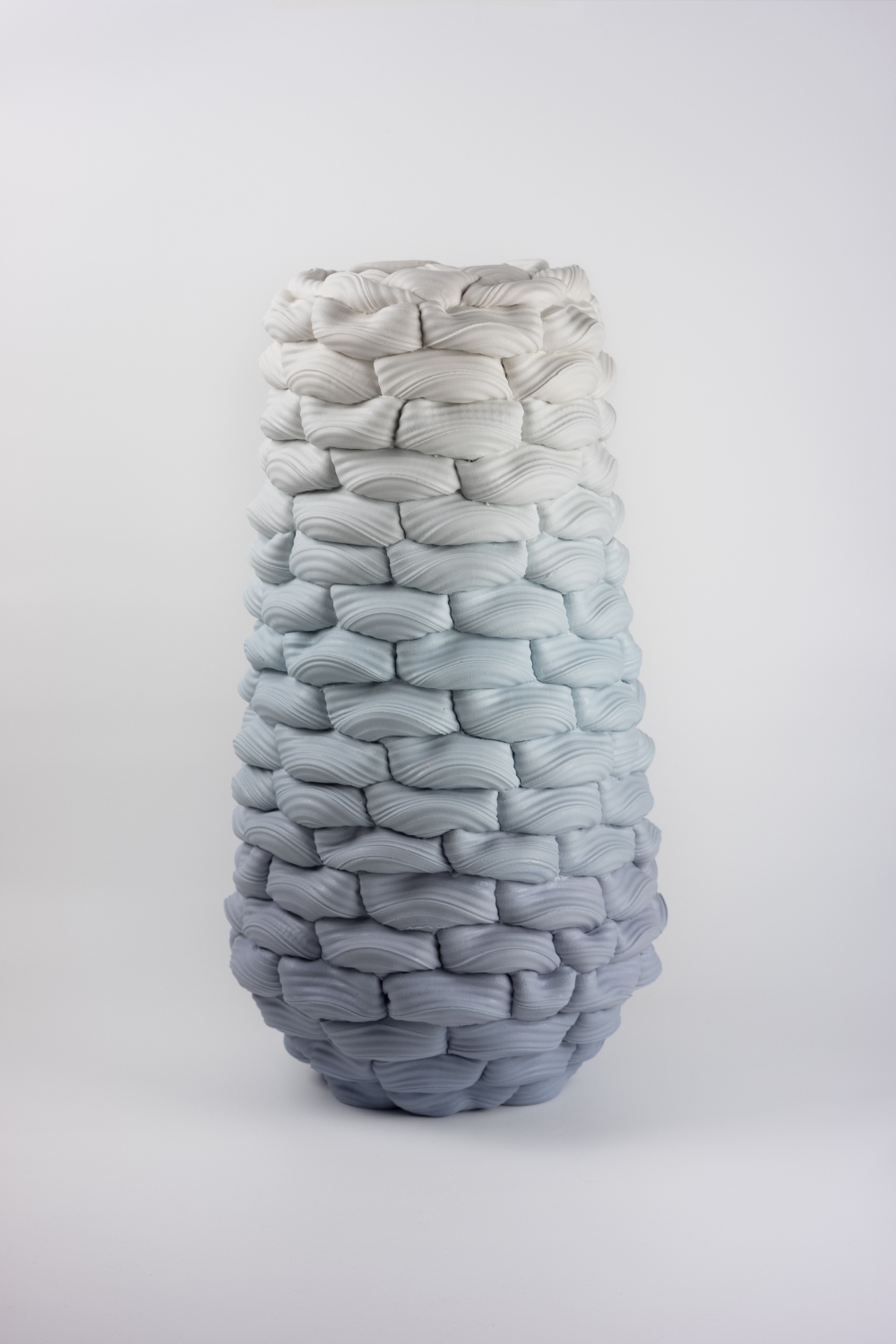
- Dip Fold III, 2025, parian and porcelain, H36 x W30 x D30cm
- Dip Fold IV, 2025, stoneware and porcelain, H49.5 x W28 x D28cm
- Monochromatic Fold XIV, 2025, parian and porcelain, H53.5 x W26 x D26cm
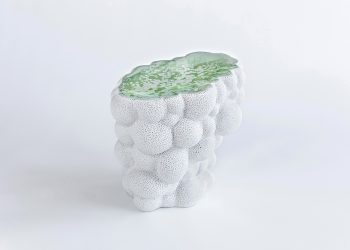
- Striped Fold with inclusions II, 2025, parian and porcelain, H36 x W26 x D26cm
- Striped Fold with inclusions III, 2025, parian and porcelain, H36 x W29 x D29cm
- Striped Fold XXIV, 2025, parian and porcelain, H47.5 x W24 x D24cm
- Striped Fold XXVI, 2025, parian and porcelain, H49 x W26 x D26cm
- Striped Fold XXV, 2025, parian and porcelain, H49 x W29 x D29cm
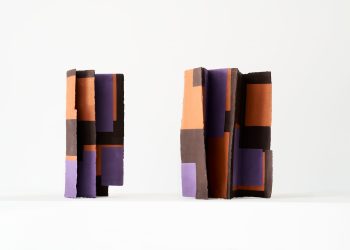
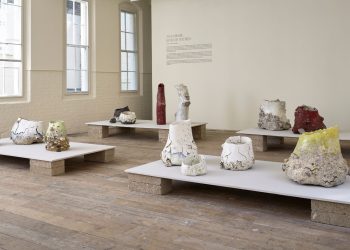
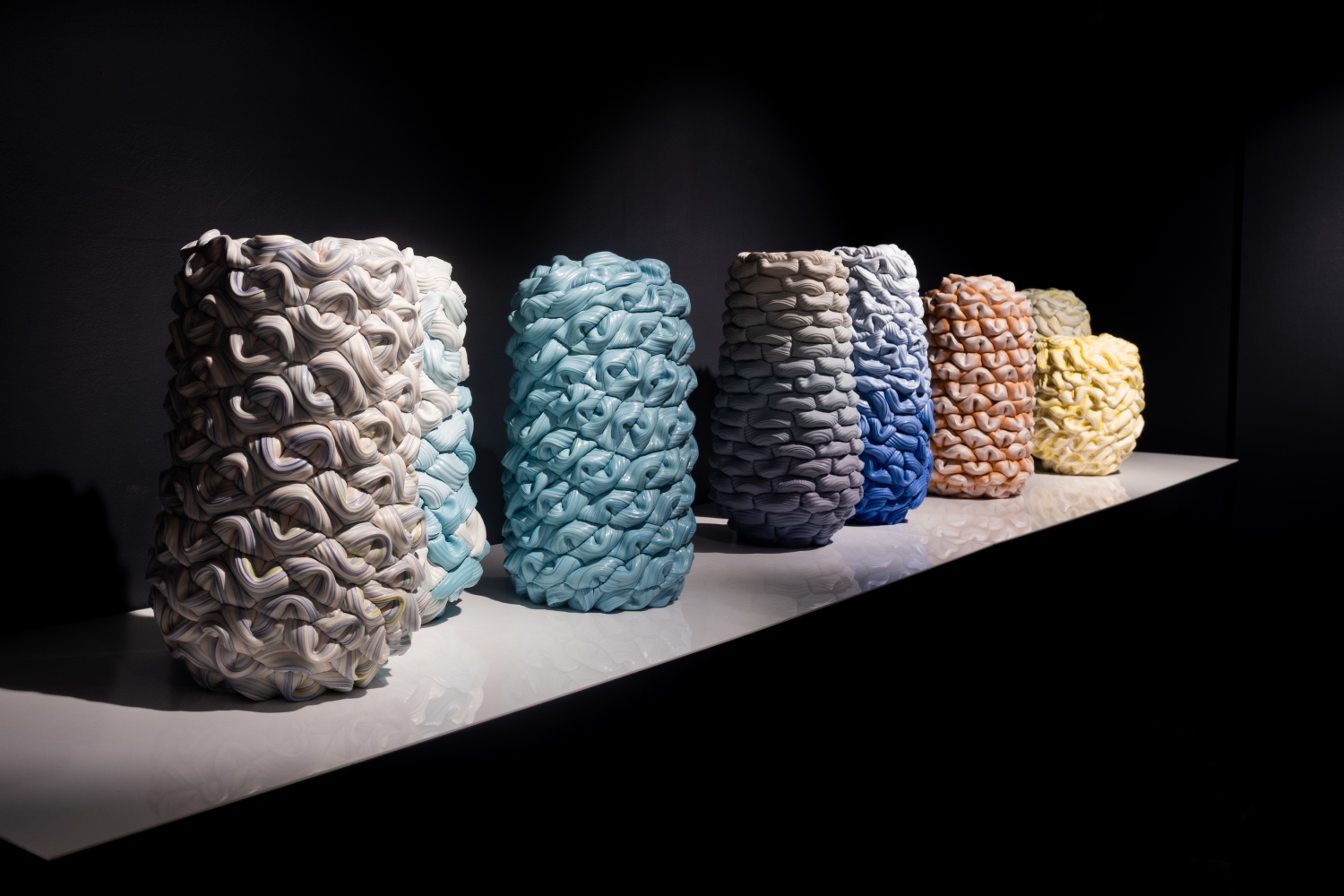
- Soft Geometry solo exhibition, Vessel Gallery London, stoneware/parian/porcelain, variable dimensions