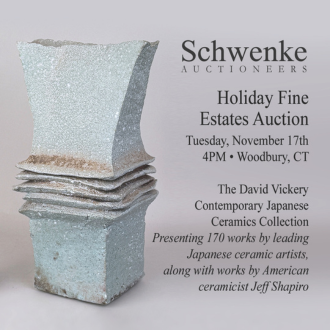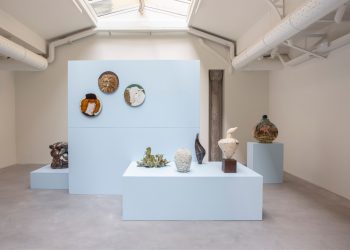
Schwenke Auctioneers will offer more than 170 works by leading Japanese ceramic artists, along with works by American ceramicist Jeff Shapiro, in its November 17th Fine Estates Auction.
Schwenke Auctioneers’ November 17, 2026, Fine Estates Auction will feature the David Vickery Contemporary Japanese Ceramics Collection, an assemblage of more than 170 works acquired over a forty-year journey of collecting. Encompassing sculptural vessels, expressive vases, tea wares, and guinomi sake cups, the collection reflects both the remarkable diversity of contemporary Japanese ceramics and the personal relationships Vickery cultivated with the artists whose works he admired.
Throughout his collecting journey, Vickery traveled from his Cambridge, Massachusetts home overseas to Japan, developing relationships with a number of the ceramic artists represented in his collection. These encounters provided a personal connection to the creative processes, traditions, and individual philosophies that informed their work. His collection consequently reflects more than an appreciation for ceramic objects; it represents decades of engagement with the artists and artistic traditions behind them.
Among the prominent artists represented are Goro Suzuki, Yasuhisa Kohyama, Masamichi Yoshikawa, Kaneta Masanao, and Shigemasa Higashida. The collection also includes works by American ceramic artist Jeff Shapiro, a personal friend of Vickery, whose own practice has been profoundly influenced by Japanese ceramic traditions.
Tradition, Experimentation, and Artistic Expression
Japanese ceramics have long occupied a distinctive position within the fine arts, with functional objects appreciated for their aesthetic, tactile, and expressive qualities. The irregular contour of a vessel, the movement of glaze across its surface, or the unpredictable effects of wood firing can be as significant as the object’s intended function.
Contemporary Japanese ceramic artists have continued to reinterpret this heritage, drawing upon centuries-old techniques while developing individual artistic languages. The Vickery Collection offers a compelling view of this continuing dialogue between tradition and innovation.
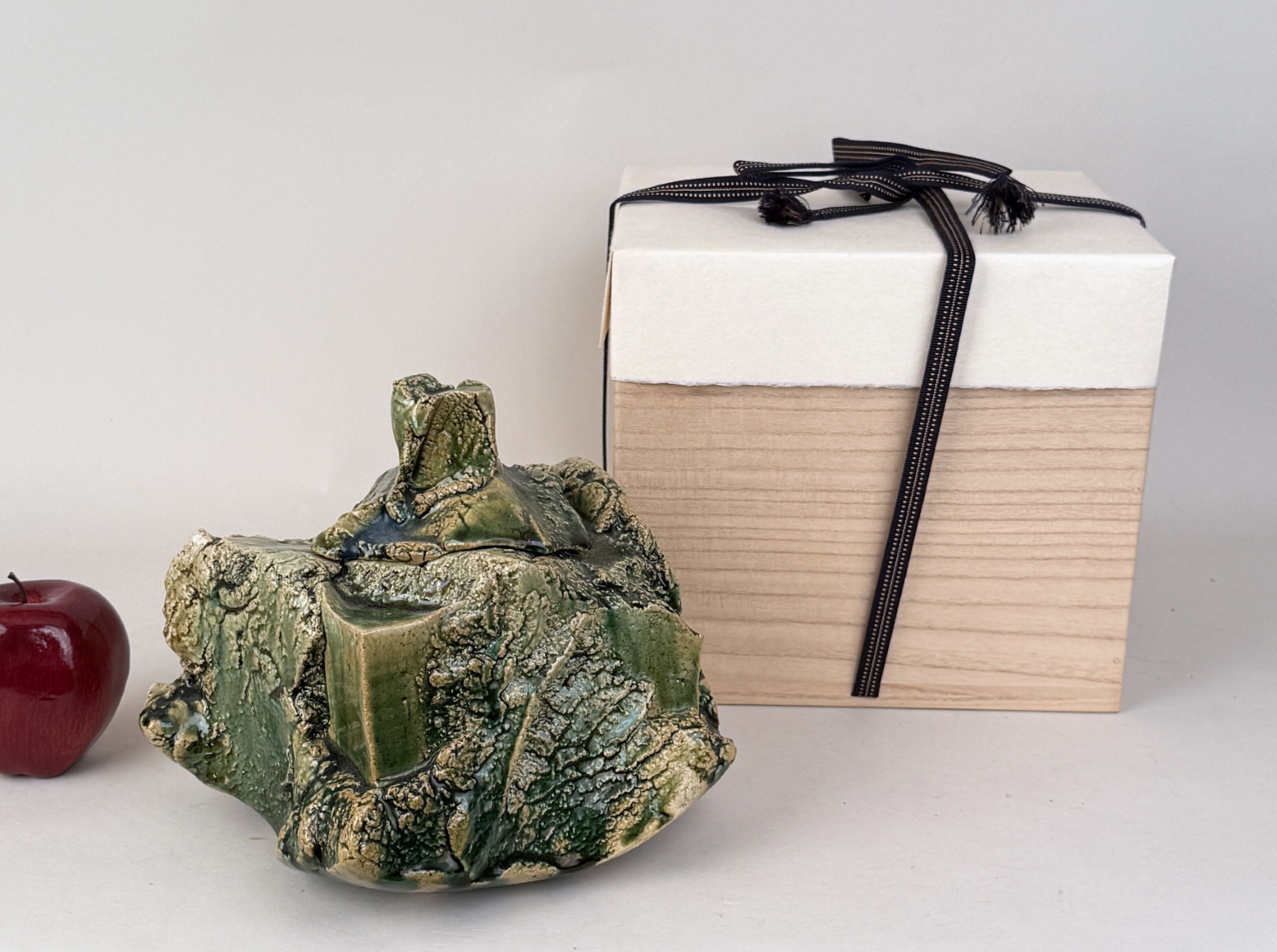
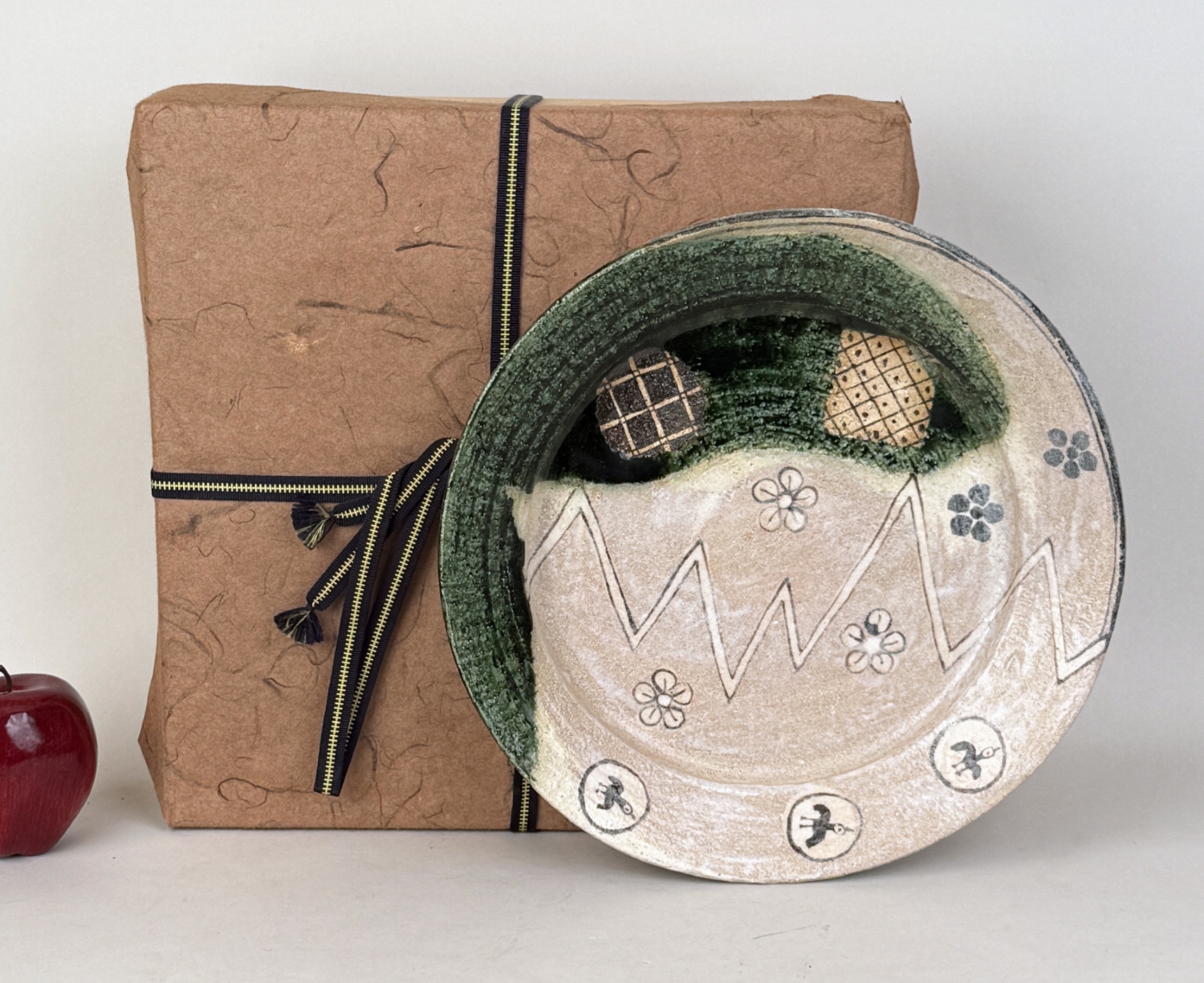
Goro Suzuki, born in 1941, is among the most inventive contemporary interpreters of traditional Japanese Oribe and Shino ceramics. Celebrated for his playful approach to form, surface, and decoration, Suzuki transforms historical ceramic styles through bold experimentation. His works frequently incorporate expressive brushwork, vibrant green Oribe glazes, and unconventional forms. His distinctive Goribe style combines elements of traditional ceramic techniques into highly individual compositions, reflecting an approach that embraces spontaneity and creative freedom.
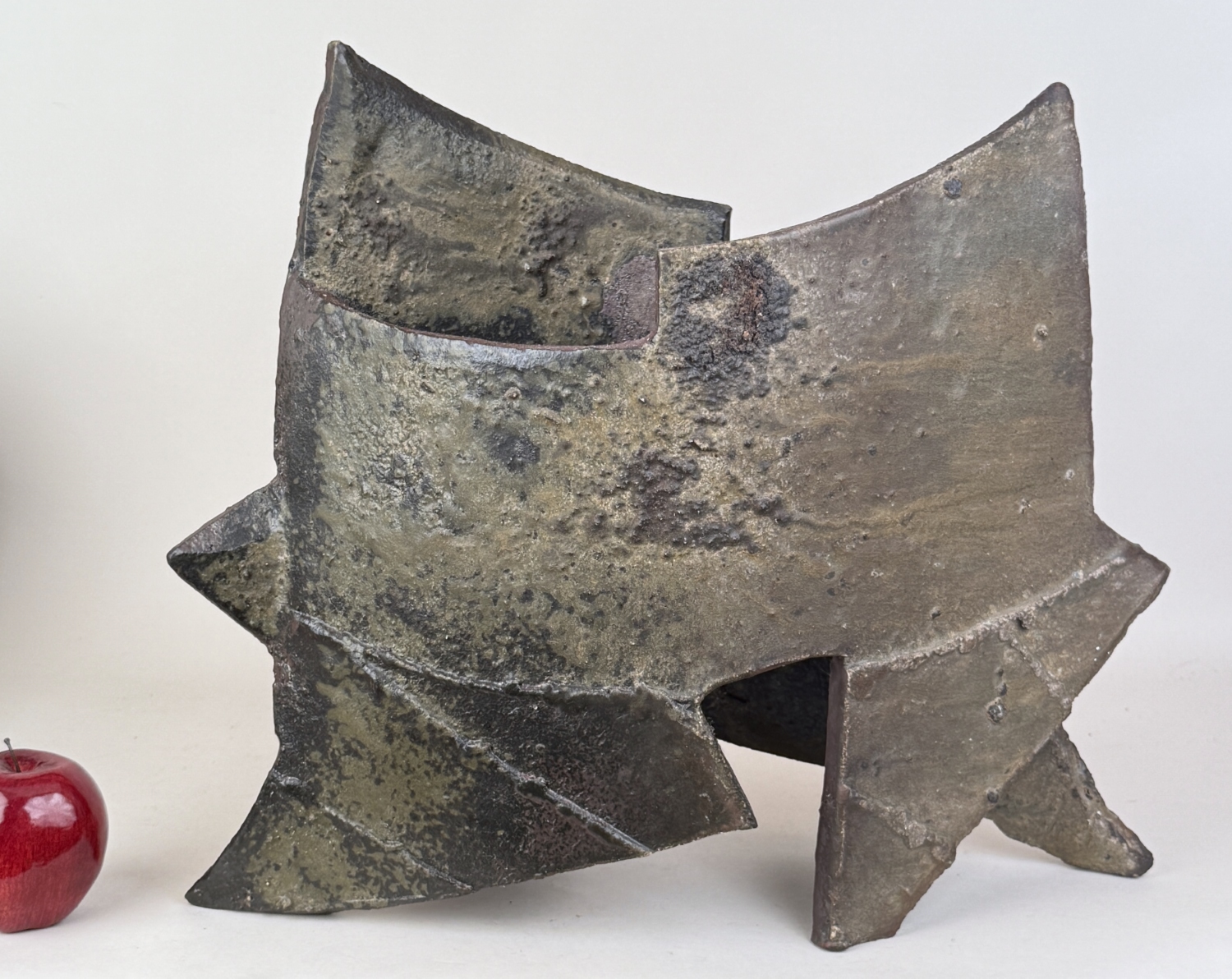
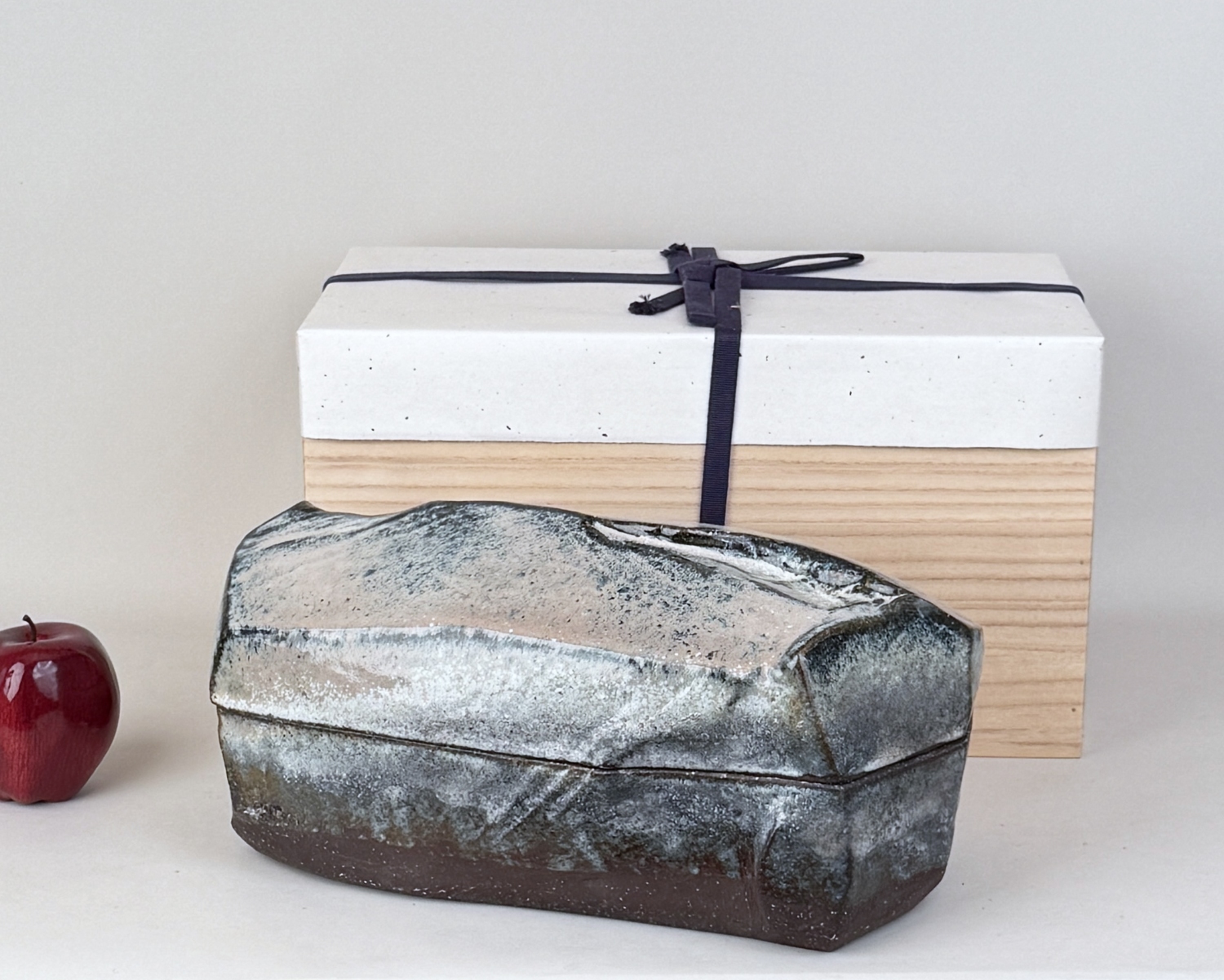
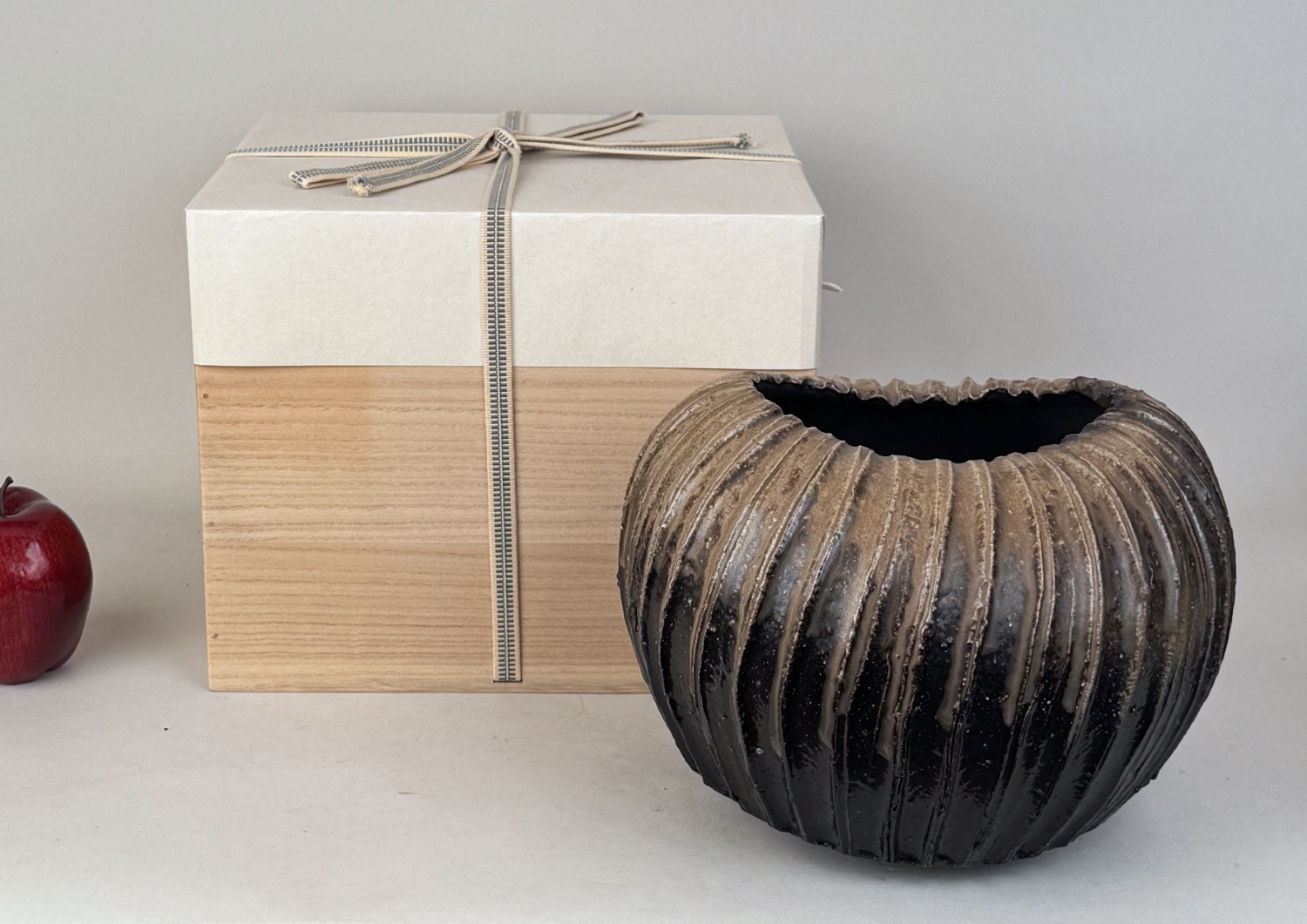
Yasuhisa Kohyama, born in Shigaraki in 1936, is widely recognized for his role in reviving the traditional anagama wood-firing kiln in his region. Working with hand-built forms and the natural effects of prolonged wood firing, Kohyama creates powerful sculptural ceramics characterized by angular profiles, carved surfaces, and subtle variations in color and texture. His work bridges ancient Japanese firing traditions and modern sculptural expression, allowing the interaction of flame, ash, and clay to become an essential component of the finished object.
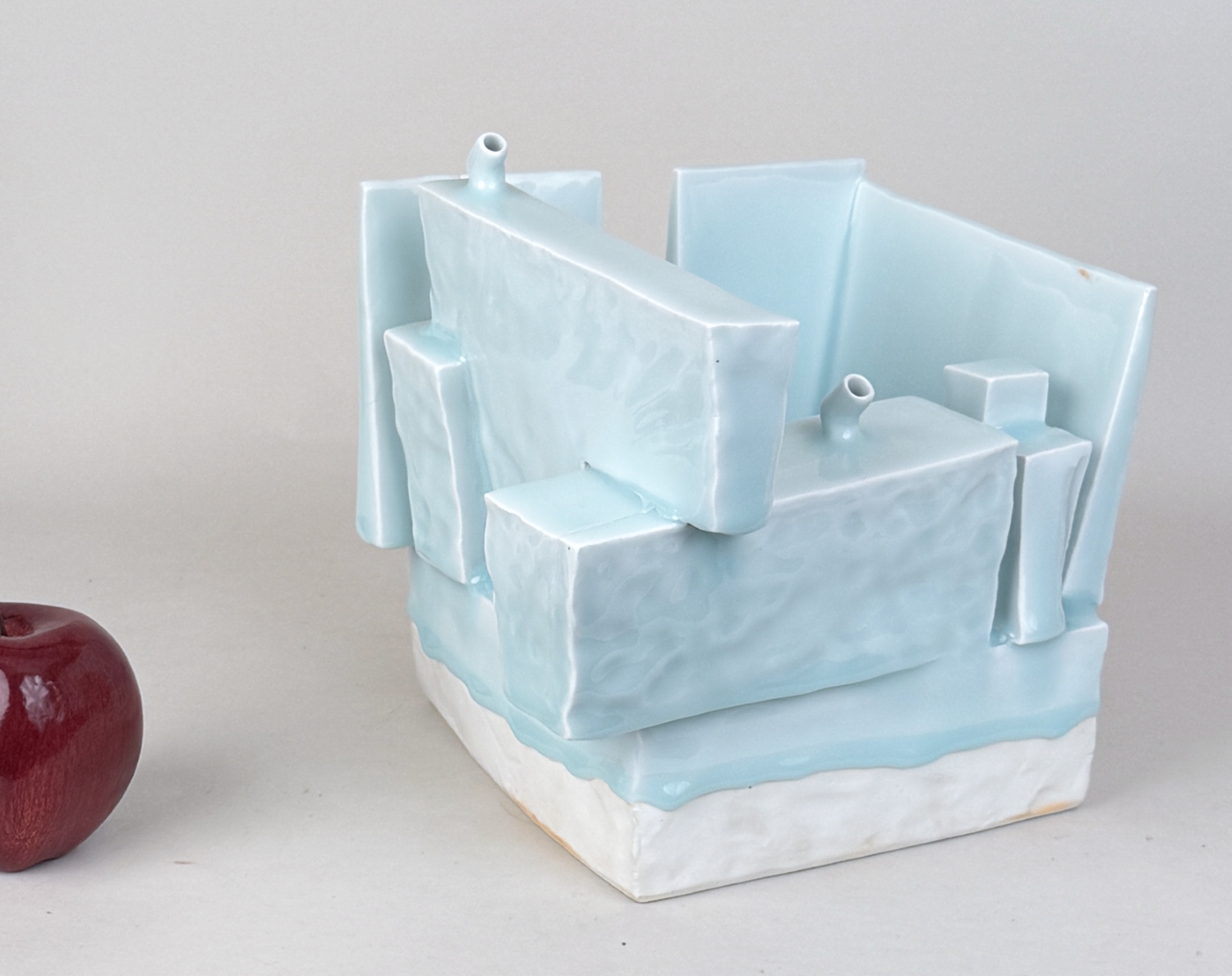
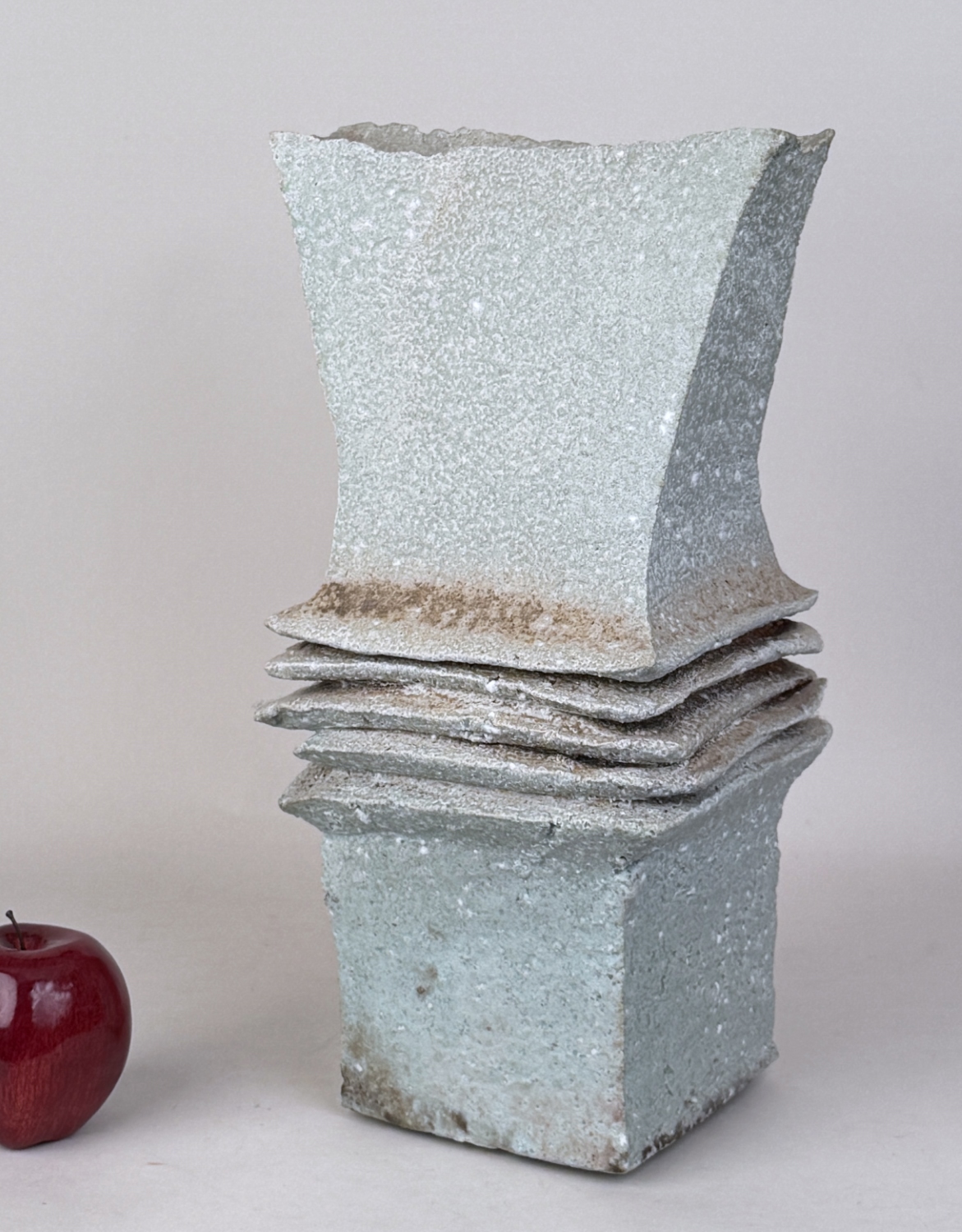
Masamichi Yoshikawa offers a contrasting artistic perspective through his exploration of porcelain and celadon glazing. Based in Tokoname, Yoshikawa is particularly known for his sculptural interpretations of seihakuji, a pale bluish-white glazed porcelain. His works frequently combine substantial architectural forms with luminous glazes that gather and flow across their surfaces. By emphasizing volume, geometry, and the relationship between glaze and structure, Yoshikawa transforms traditional porcelain techniques into distinctly contemporary expressions.
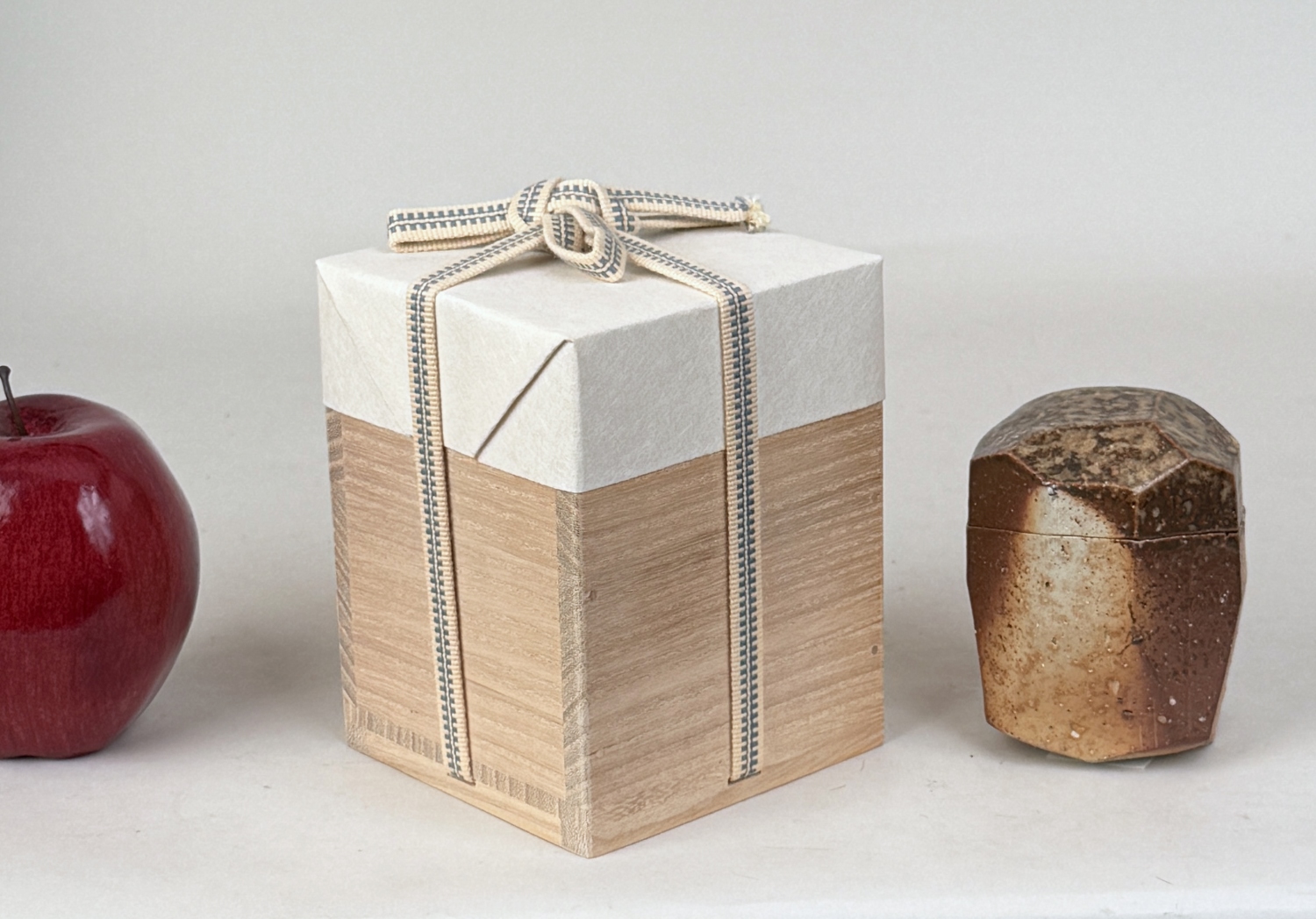
Kaneta Masanao, born in 1953 into a family of ceramic artists associated with the Hagi tradition, approaches pottery with a distinctly sculptural sensibility. His work is especially noted for its use of kurinuki, a technique in which forms are carved and hollowed directly from solid blocks of clay. The resulting vessels often possess dramatic, angular profiles and deeply textured surfaces, emphasizing the physical presence of the material. Through this approach, Kaneta reinterprets the restrained aesthetics of traditional Hagi ware while exploring the expressive possibilities of mass, space, and abstraction.
Shigemasa Higashida, born in 1955, is recognized for his interpretations of Oribe and Shino ceramics. His work explores the interplay between robust forms, textured surfaces, and expressive glazing. Drawing upon the historical traditions of Japanese pottery, Higashida creates vessels in which variations of surface and color contribute to a distinctive visual character. His ceramics demonstrate the continued vitality of traditional Japanese glaze techniques within contemporary studio practice.
The collection also features works by Shiro Tsujimura, whose ceramics are celebrated for their spontaneous forms, earthy surfaces, and deeply personal interpretations of traditional Japanese pottery. His sons, Kai Tsujimura and Yui Tsujimura, are likewise represented, offering an opportunity to consider the transmission and reinterpretation of ceramic traditions across generations.
Also noteworthy are works by Ryuichi Kakurezaki, recognized for his bold reinterpretations of Bizen pottery, and Koichiro Isezaki, a contemporary Bizen ceramicist whose work continues the region’s celebrated wood-firing traditions while exploring modern forms and surfaces.
Together, these artists illustrate the extraordinary range of approaches found in contemporary Japanese ceramics, from Kohyama’s elemental wood-fired sculpture and Kaneta’s carved clay forms to Yoshikawa’s luminous porcelain and Suzuki’s exuberant interpretations of Oribe.
A Collector’s Connection to the Artists
An important aspect of the David Vickery Collection is the personal engagement that accompanied its formation. Vickery’s travels to Japan and his relationships with ceramic artists provided opportunities to appreciate their work within the broader context of their studios, techniques, and artistic traditions. This direct connection between collector and maker adds a meaningful dimension to the collection’s history.
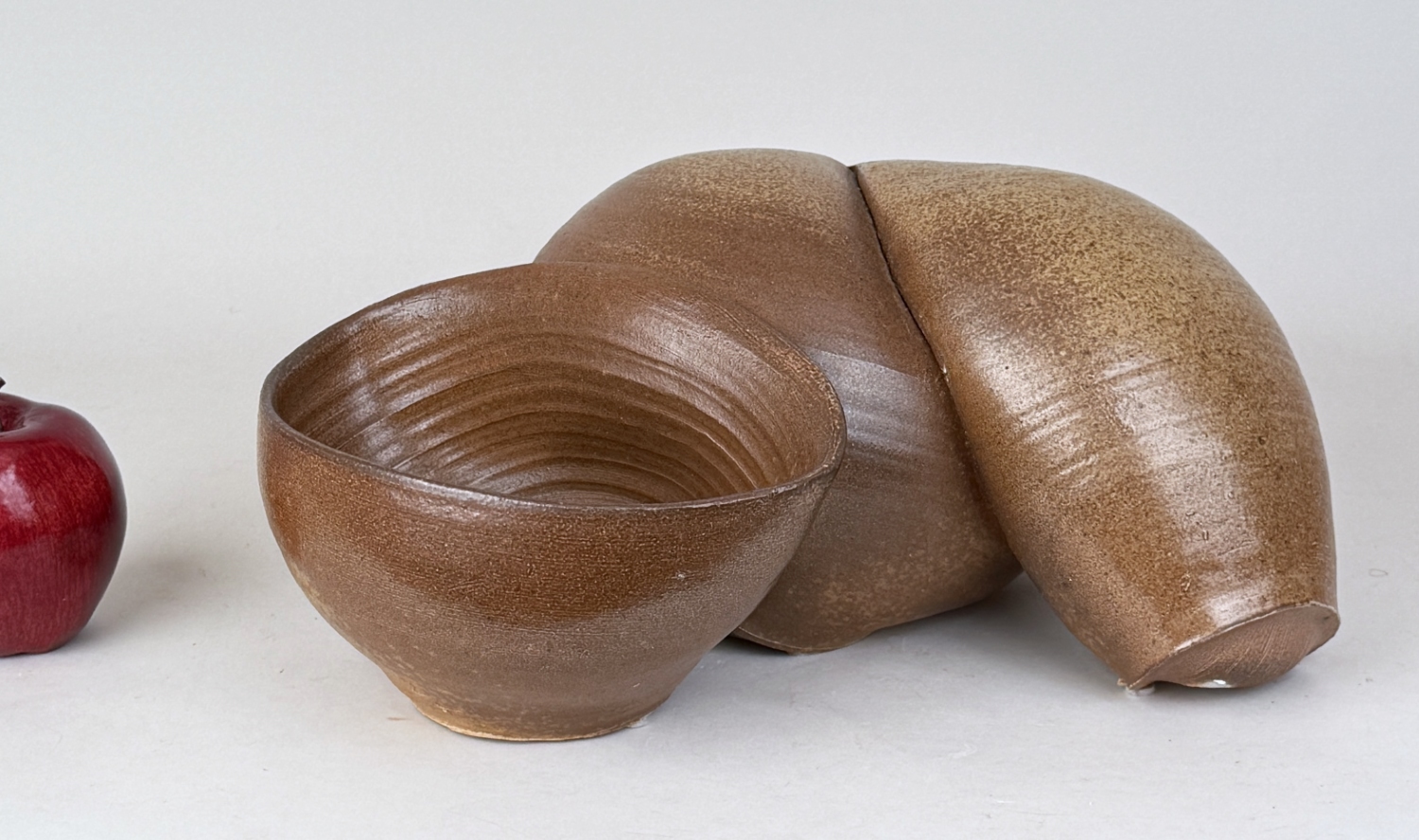
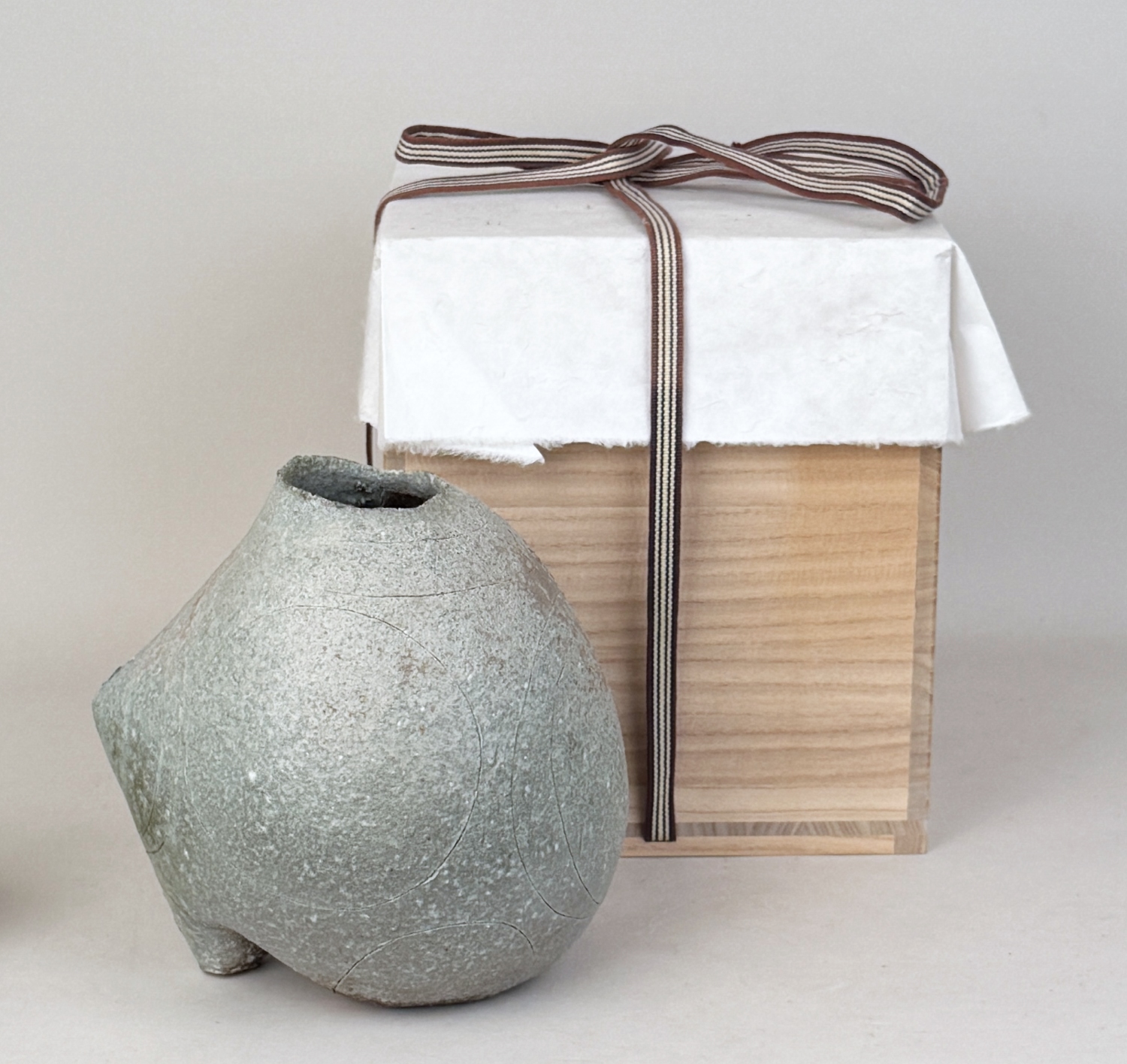
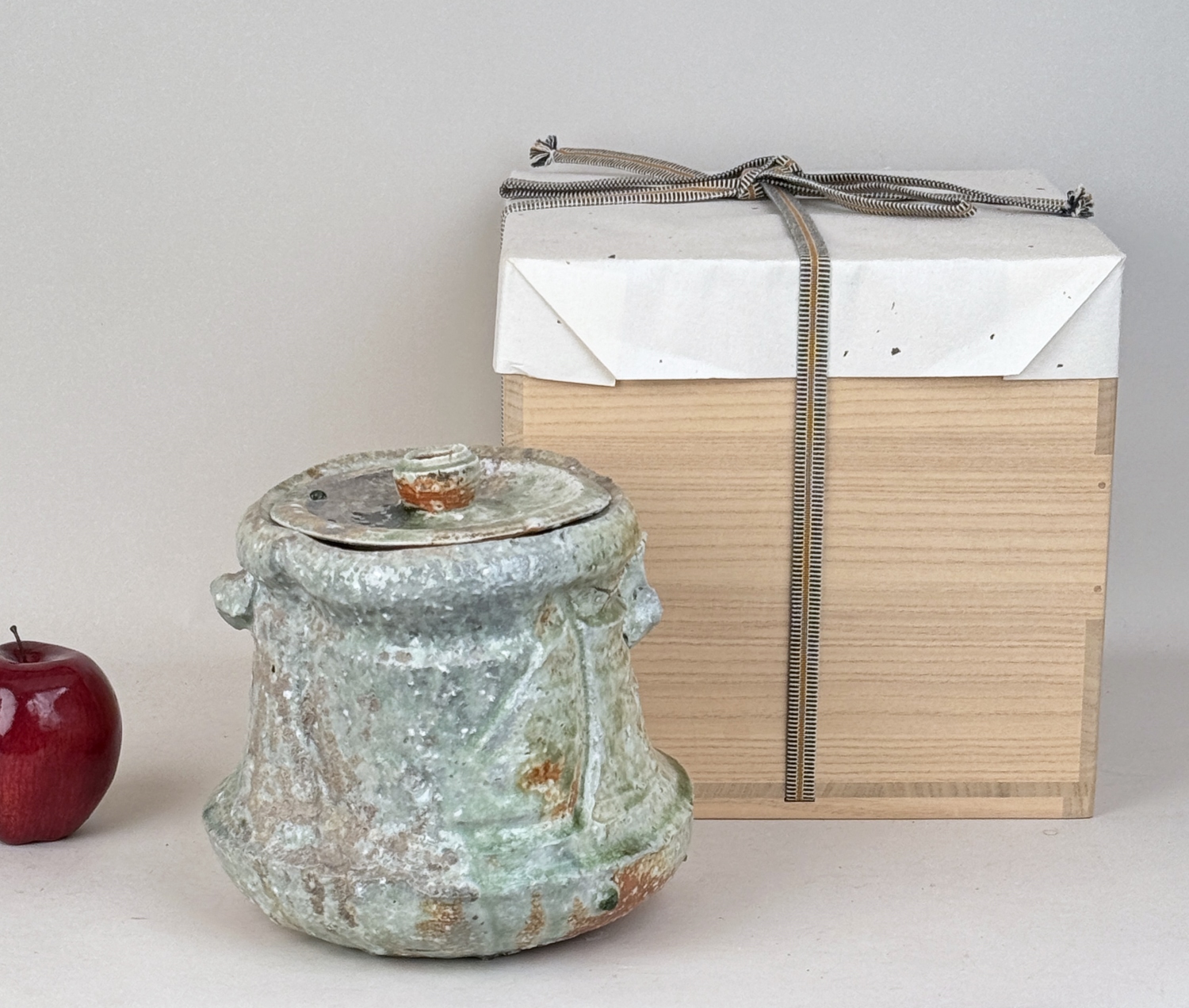
The inclusion of works by Jeff Shapiro is particularly significant. Born in New York in 1949, Shapiro spent approximately nine years living and studying ceramics in Japan, from 1973 to 1981. His artistic practice reflects a deep engagement with Japanese ceramic traditions, particularly wood firing and the expressive possibilities of natural ash deposits, irregular forms, and textured clay surfaces.
Working from his studio in New York’s Hudson Valley, Shapiro has developed an internationally recognized body of work encompassing both functional and sculptural ceramics. His work explores the relationship between deliberate artistic intervention and the unpredictable transformations that occur during firing.
Shapiro’s friendship with Vickery provides a personal connection within the collection. Another notable relationship is that of Japanese ceramicist Koichiro Isezaki, who apprenticed with Shapiro before establishing his own kiln in Bizen, Japan. This artistic connection illustrates the exchange of techniques, knowledge, and creative perspectives between Japanese and American ceramic traditions.
The collection also includes works by American studio potters Tim Rowan, Mark Shapiro, Karen Karnes, and Warren MacKenzie, among others, whose individual approaches to clay further broaden the scope of the offering.
From Intimate Vessels to Sculptural Forms
The collection encompasses an extensive range of ceramic forms, from small guinomi sake cups and tea wares to larger vases and sculptural vessels.
The guinomi, traditionally used for drinking sake, provides an intimate format for artistic experimentation. Within its modest dimensions, subtle variations in proportion, surface texture, weight, and glaze can profoundly affect the character of an object. These works invite close examination and tactile engagement, emphasizing the relationship between the vessel and the individual who holds it.
Larger vessels and sculptural works offer a different exploration of the medium, allowing artists to investigate scale, balance, abstraction, and the physical qualities of clay. In many examples of contemporary Japanese ceramics, the distinction between functional pottery and sculpture becomes increasingly fluid.
Equally compelling are the varied firing techniques represented by the artistic traditions within the collection. Wood firing, in particular, introduces an element of unpredictability, as the movement of flame and accumulation of ash create surfaces that cannot be precisely duplicated. These natural effects become integral to the artistic identity of each piece.
Four Decades of Collecting
Assembled over approximately forty years, the David Vickery Contemporary Japanese Ceramics Collection reflects a sustained appreciation for the creativity, technical accomplishment, and individuality of studio potters.
The collection’s breadth offers an opportunity to consider the relationship between traditional Japanese ceramic practices and the innovative approaches of contemporary artists. Equally important is the personal history behind its formation, shaped by Vickery’s travels, artistic interests, and relationships with the makers themselves.
Bringing together works by recognized Japanese ceramic artists and American and international studio potters, the collection reflects the continuing dialogue surrounding clay as both a functional and sculptural medium.
Schwenke Auctioneers will present the David Vickery Contemporary Japanese Ceramics Collection as part of its November 17, 2026, Holiday Fine Estates Auction in Woodbury, Connecticut, offering collectors an opportunity to acquire works representing a broad spectrum of contemporary ceramic expression.
Additional information, including the illustrated auction catalog and bidding details, will be available through Schwenke Auctioneers.