Modernity and Opulence: Women of the Wiener Werkstätte at the Jewish Museum, New York City
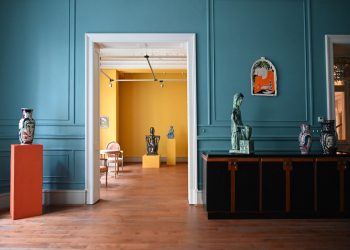
Now on view through November 15, 2026, at the Jewish Museum, NYC, Modernity and Opulence: Women of the Wiener Werkstätte sheds new light on the role that Jewish women played as artists, designers, patrons, and tastemakers shaping modernist aesthetics in early 20th-century Vienna and beyond.
Active from 1903 to 1932, the Wiener Werkstätte was founded by architect Josef Hoffmann, artist Koloman Moser, and industrialist art collector Fritz Waerndorfer as a multidisciplinary collective and commercial enterprise that embraced the synthesis of art and life (gesamtkunstwerk) as an essential condition of modern living. The establishment of the Werkstätte, which designed, produced, and sold high-quality goods, coincided in mutually supportive ways with the burgeoning economic opportunities available to women in Vienna during this same period. The exhibition highlights how women played an underrecognized and yet central role in the workshop’s activities, focusing in particular on the many Jewish women who worked as designers and artists, as well as those who supported these efforts as patrons.
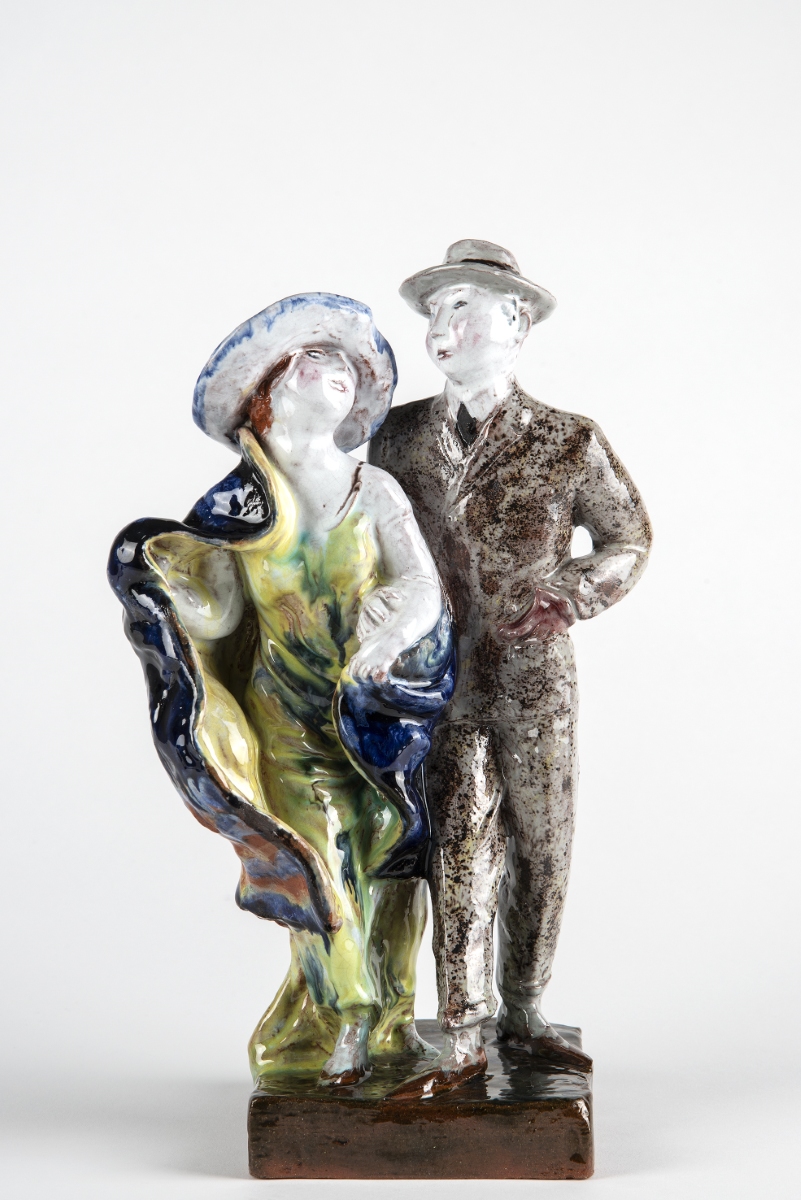
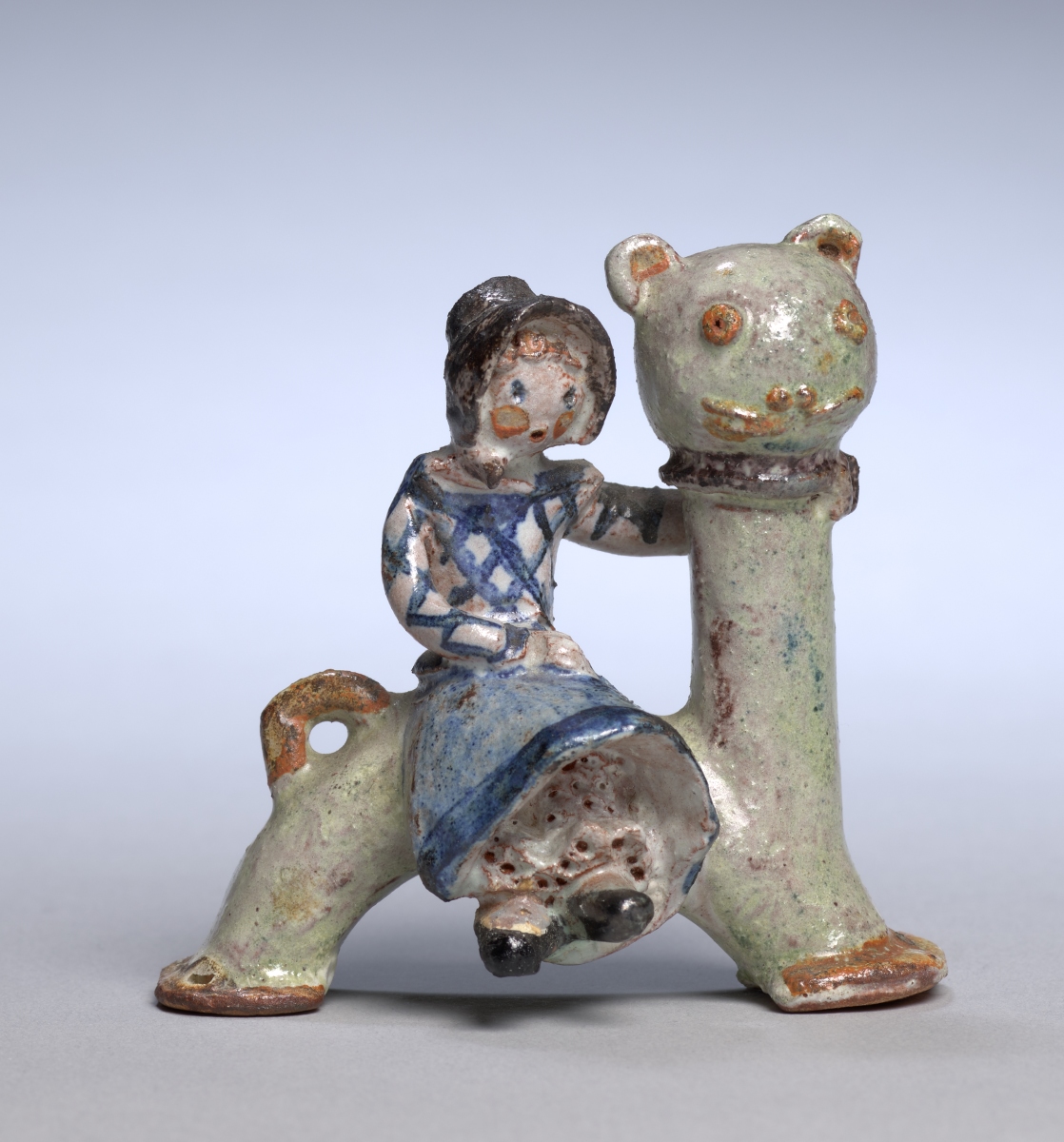
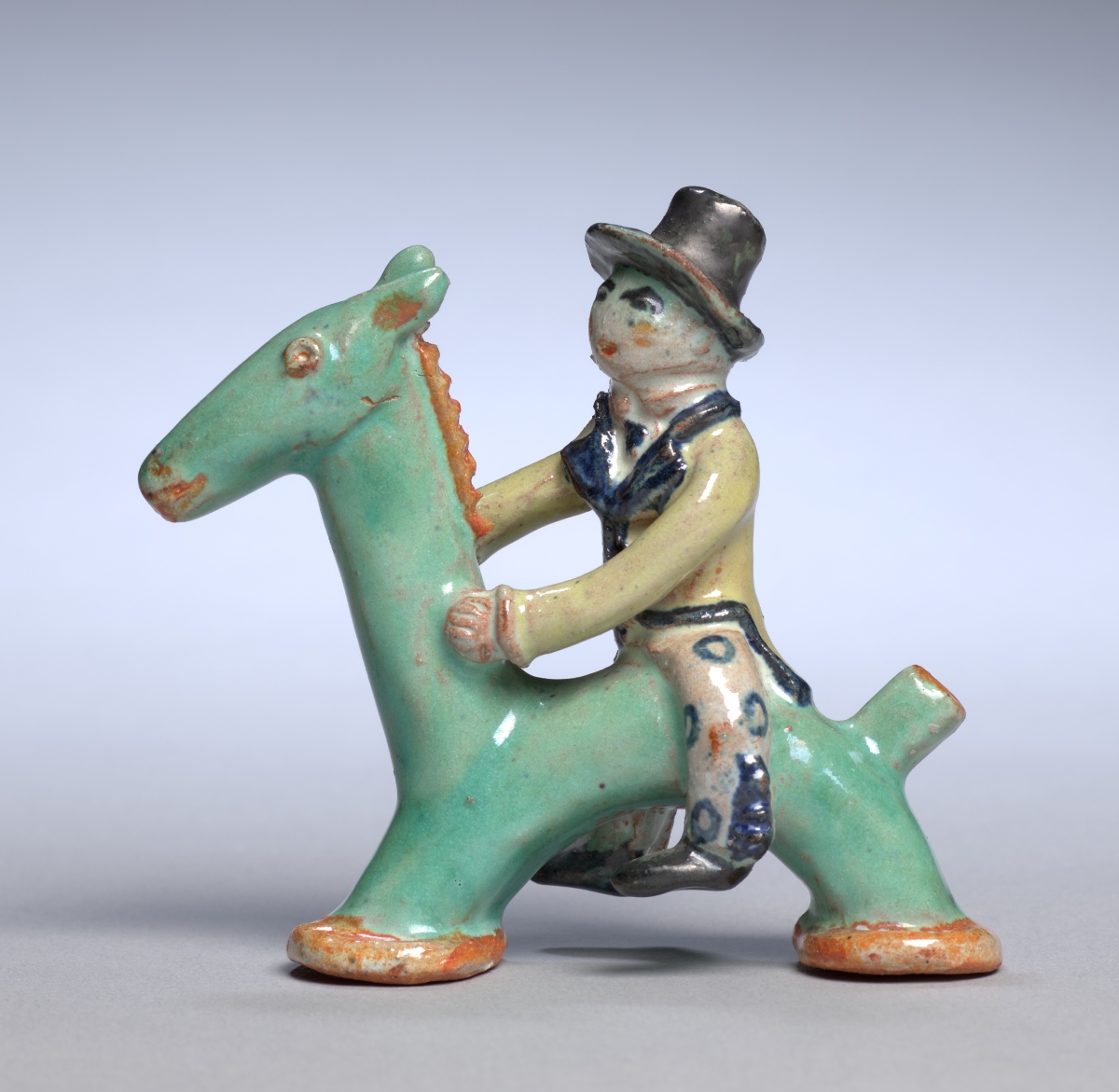
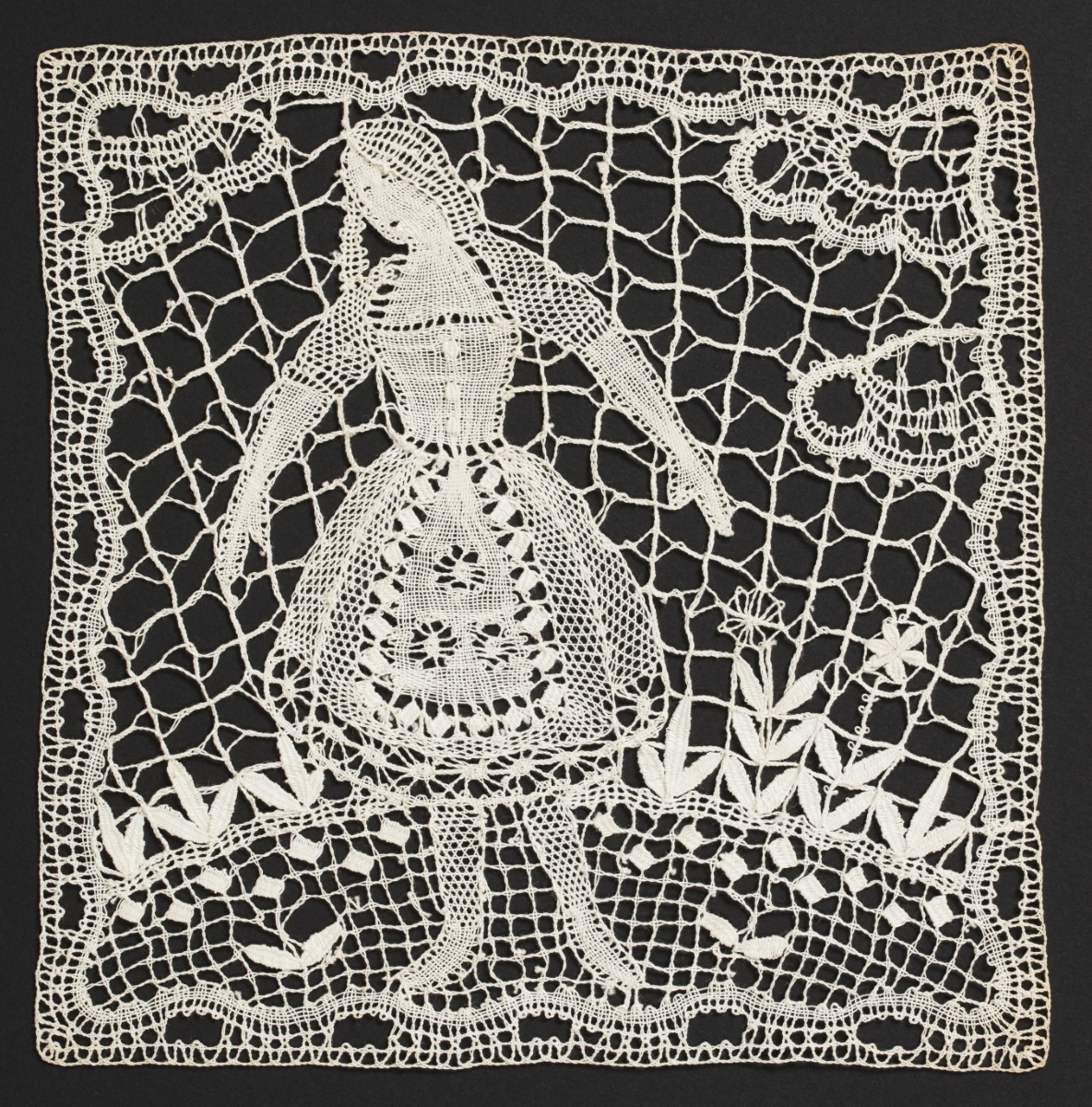
Featuring a wide-ranging selection of media including fashion, ceramics, graphic design, decorative arts, and painting, the exhibition reveals the breadth and depth of these women’s contributions and the lesser-known ways in which they shaped modernist design languages through the platform of the Wiener Werkstätte.
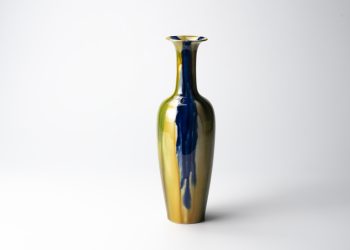
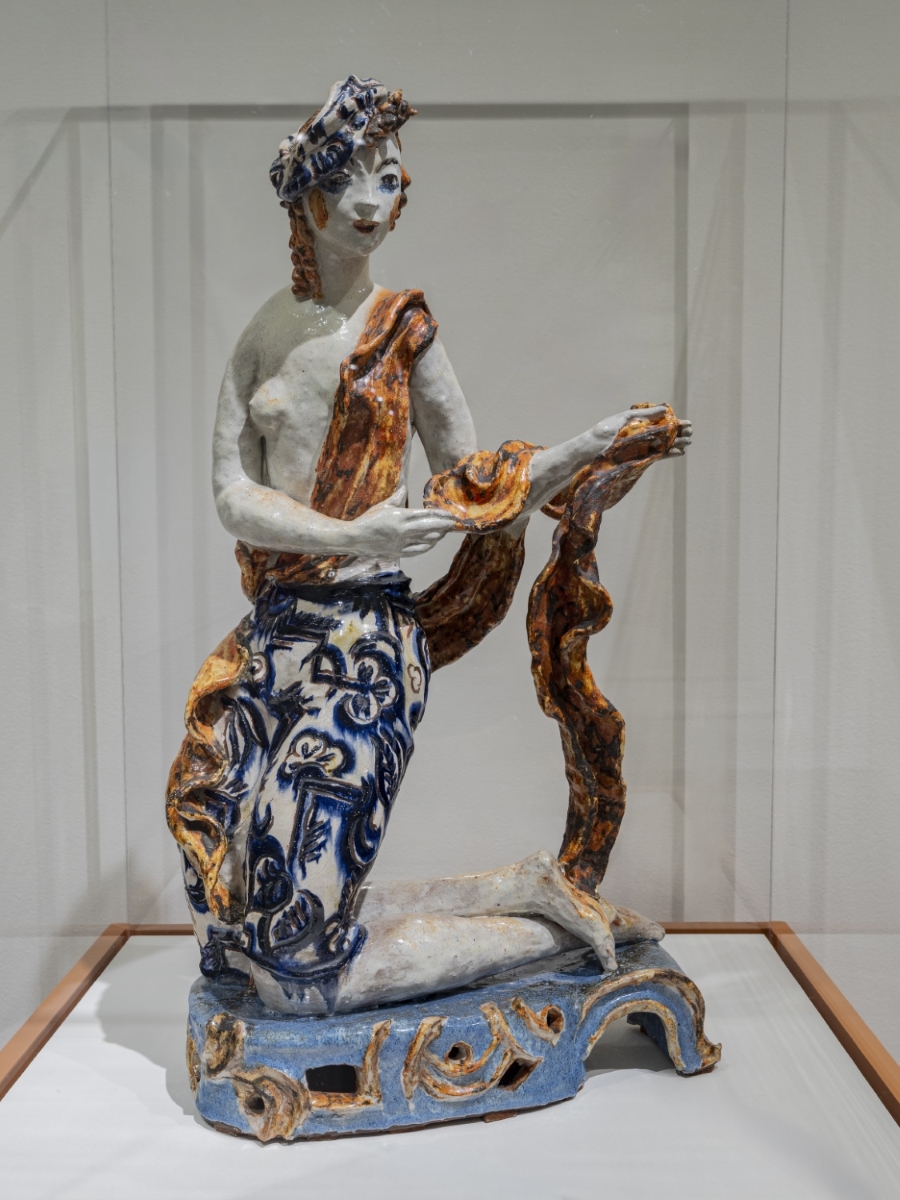
With more than 200 objects by some 30 women artists on view, Modernity and Opulence is organized thematically to reveal the extraordinary range and technical prowess of the women of the Wiener Werkstätte across mediums. A special emphasis is placed on Vally Wieselthier and Felice Rix-Ueno, whose prolific work, in ceramics and textile design respectively, has had lasting influence on these disciplines. The exhibition also provides a meaningful reintroduction to the work of artists whose work is less well-known today, and a platform for exploring their impact in the context of art and design histories.
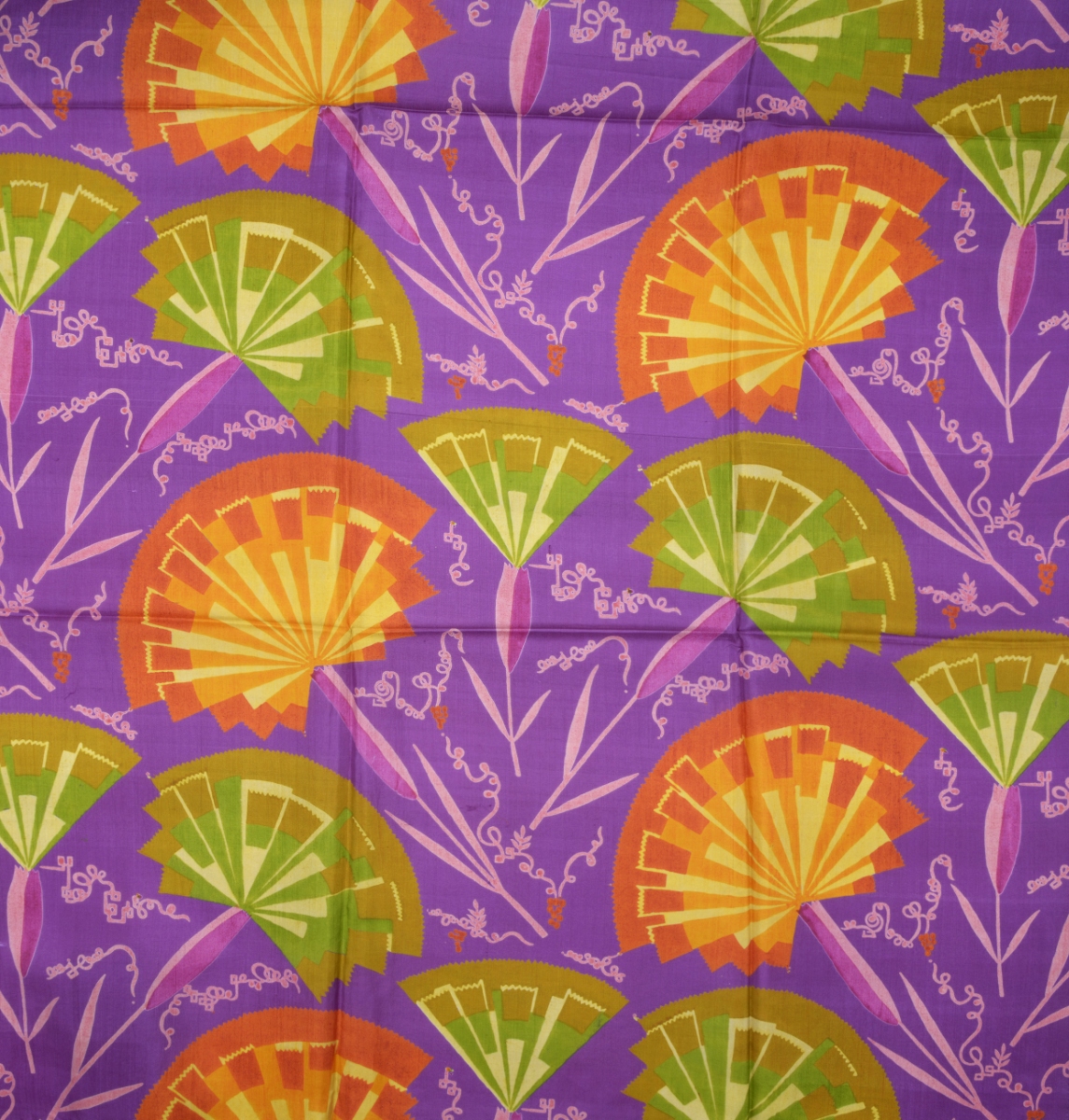
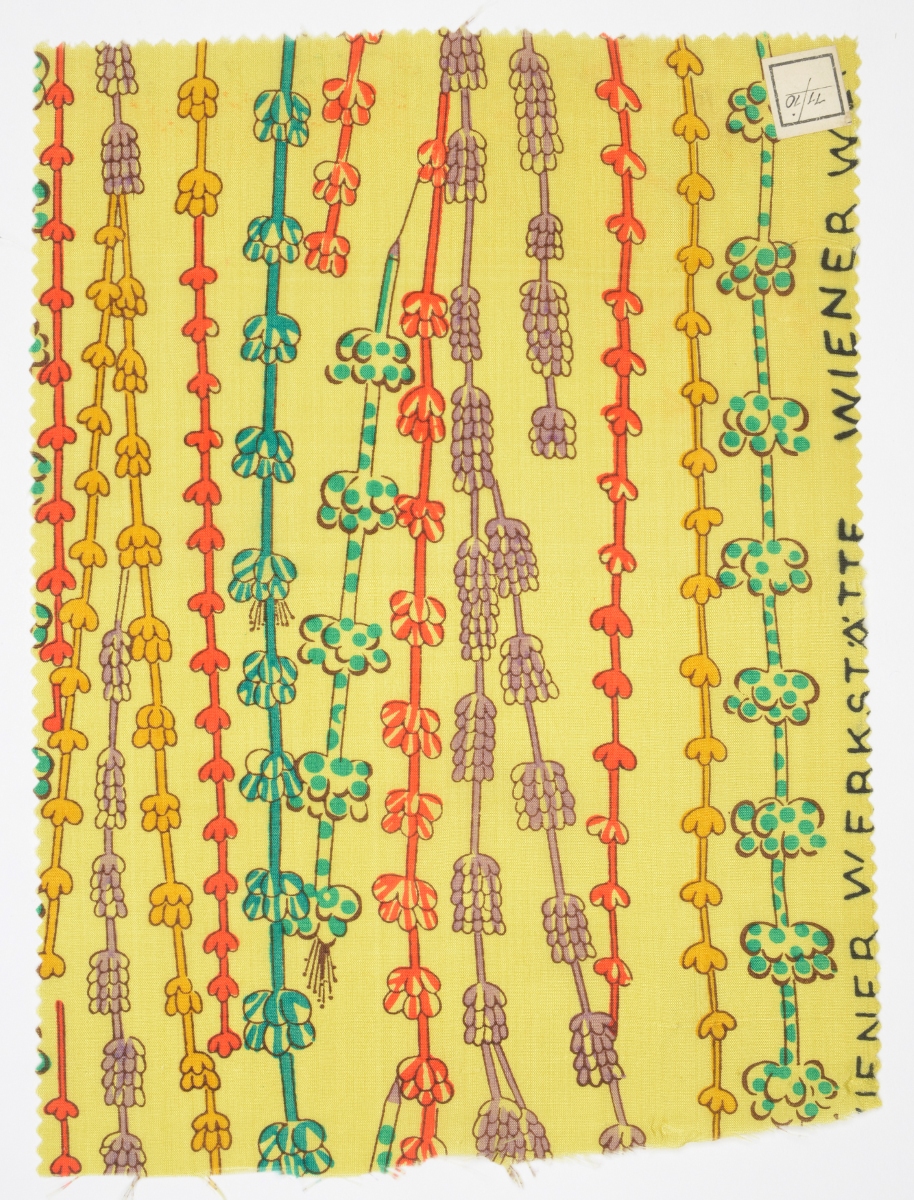
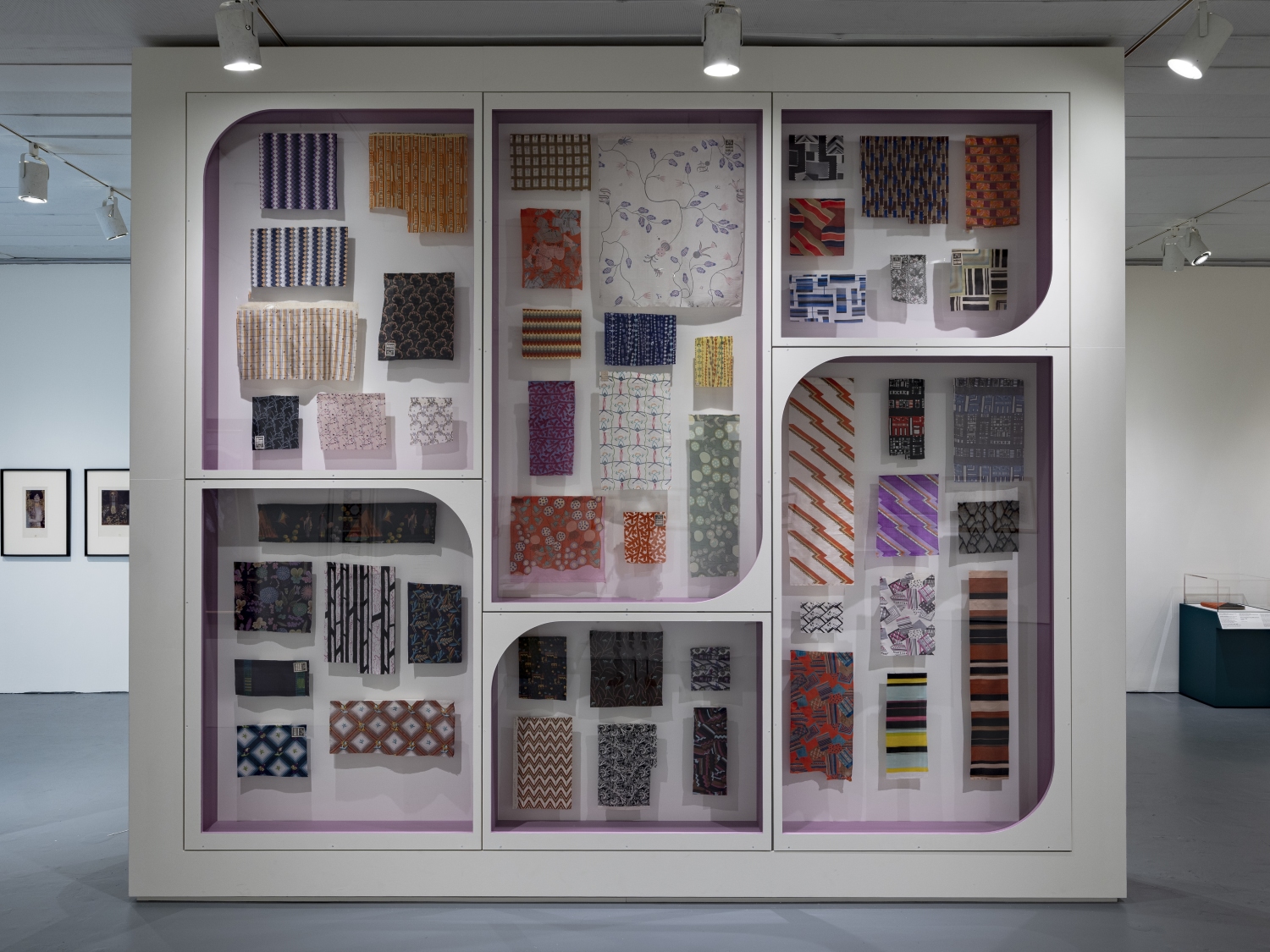
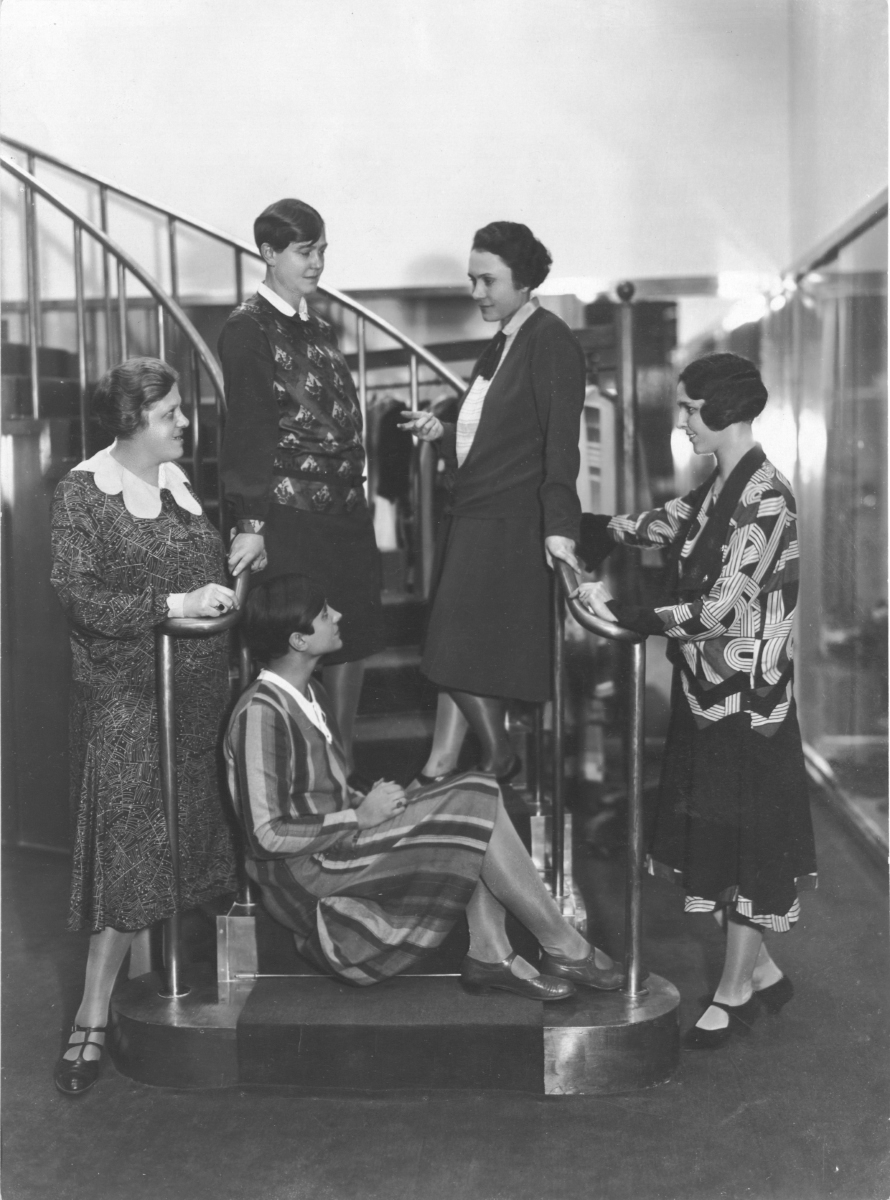
A section dedicated to the Werkstätte’s fashions illustrates the design collective’s alignment with progressive notions of reform and burgeoning feminist ideals, as women fought for increased access to education, economic opportunity, and universal suffrage. The sweeping variety of block-printed textiles and garment designs underscores the financial success of this branch of the Werkstätte. Artwork and ephemera, including a painting by Wilhelm List and Rosh Hashanah cards from the Jewish Museum’s collection featuring Werkstätte designs, further illustrate the remarkably widespread influence of these textile designs.
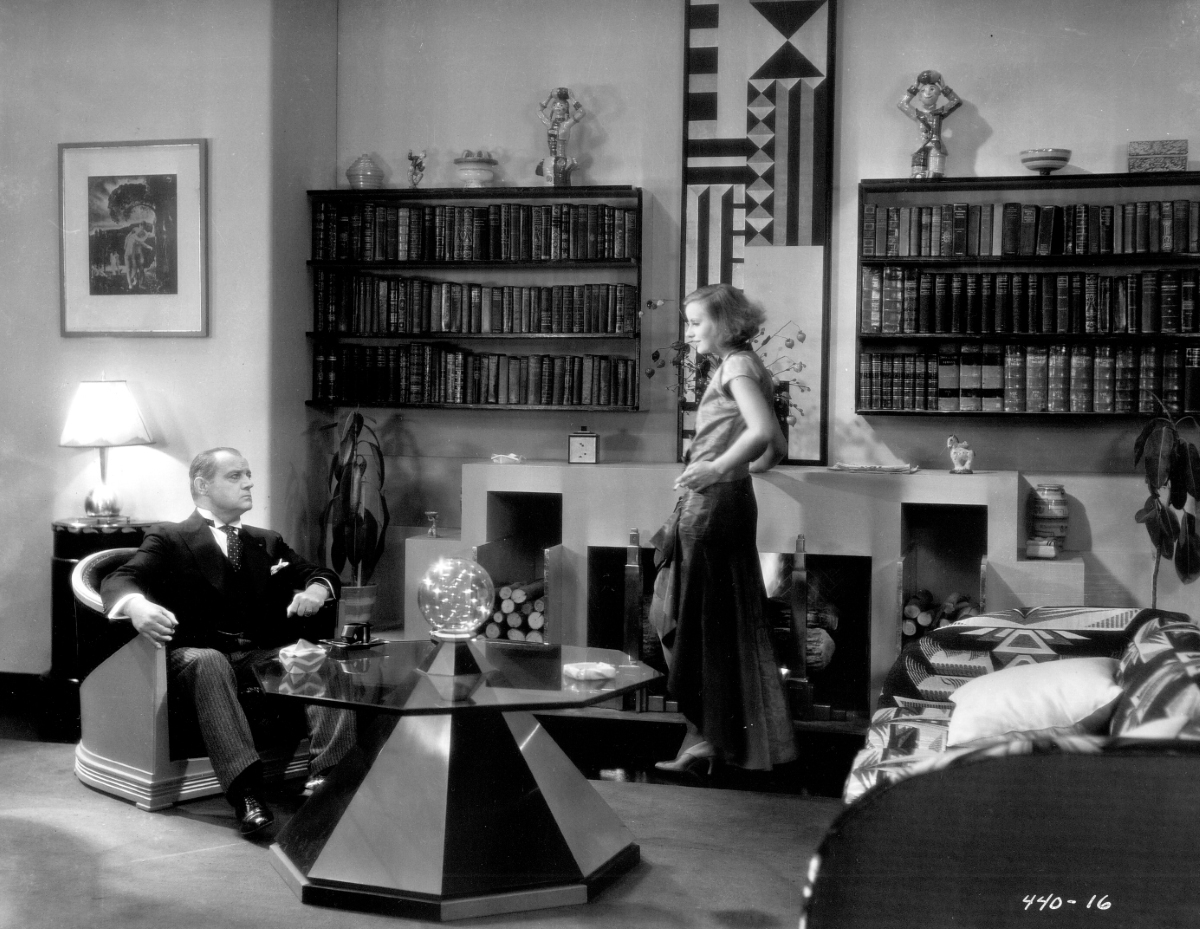
The exhibition also reveals the reach these artists had beyond Vienna, as seen during the 1925 Paris International Exhibition of Modern Decorative and Industrial Arts, which brought work by Wieselthier, Rix-Ueno, Lotte Calm, and Mizi Friedmann-Otten, among others, to the world stage. The Werkstätte’s relationship with Hollywood is also explored through the inclusion of films such as The Kiss (1929), starring Greta Garbo; Five and Ten (1931), starring Marion Davies; and Enemies of Women (1923), all of which featured Werkstätte ceramics.
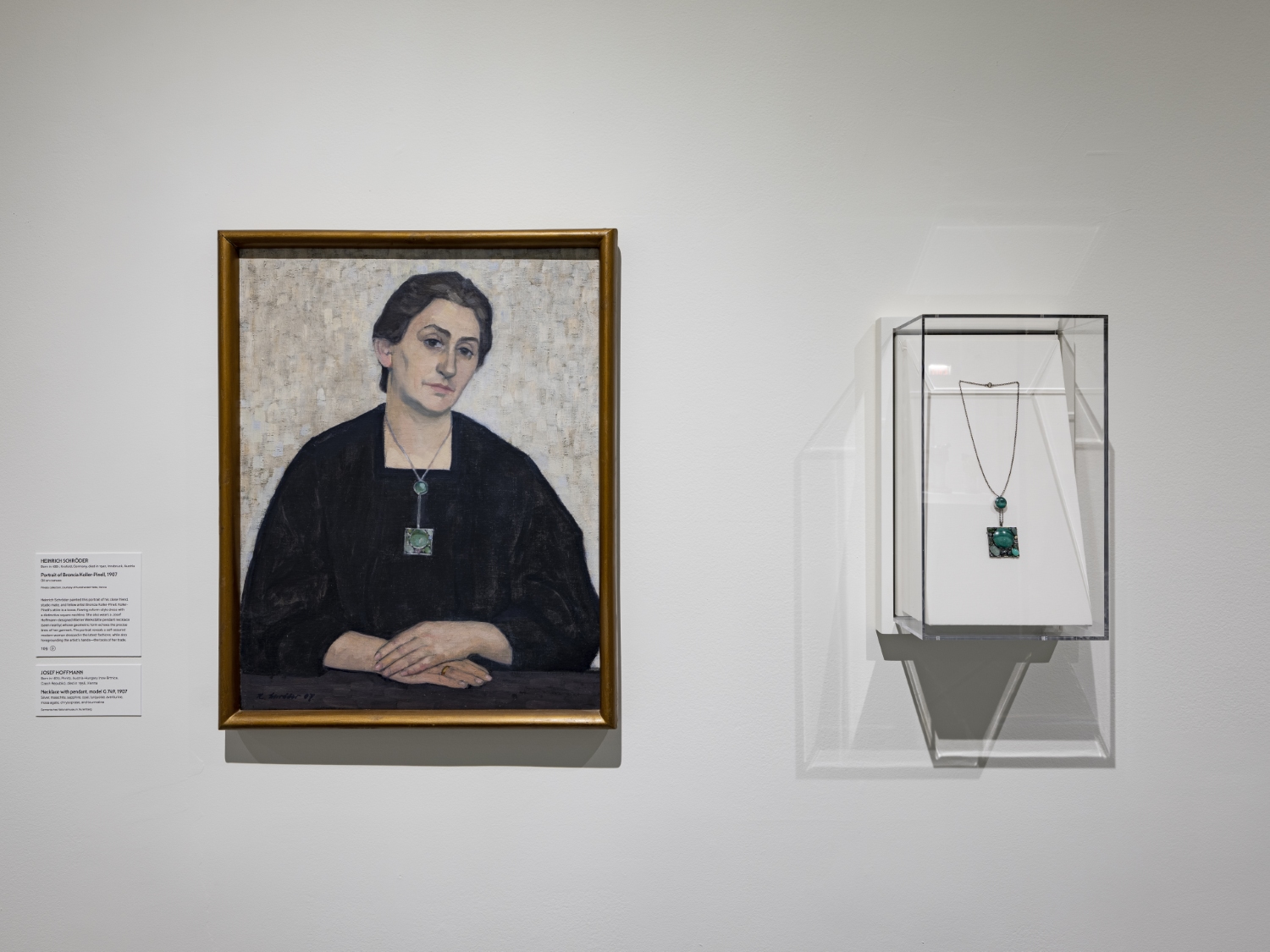
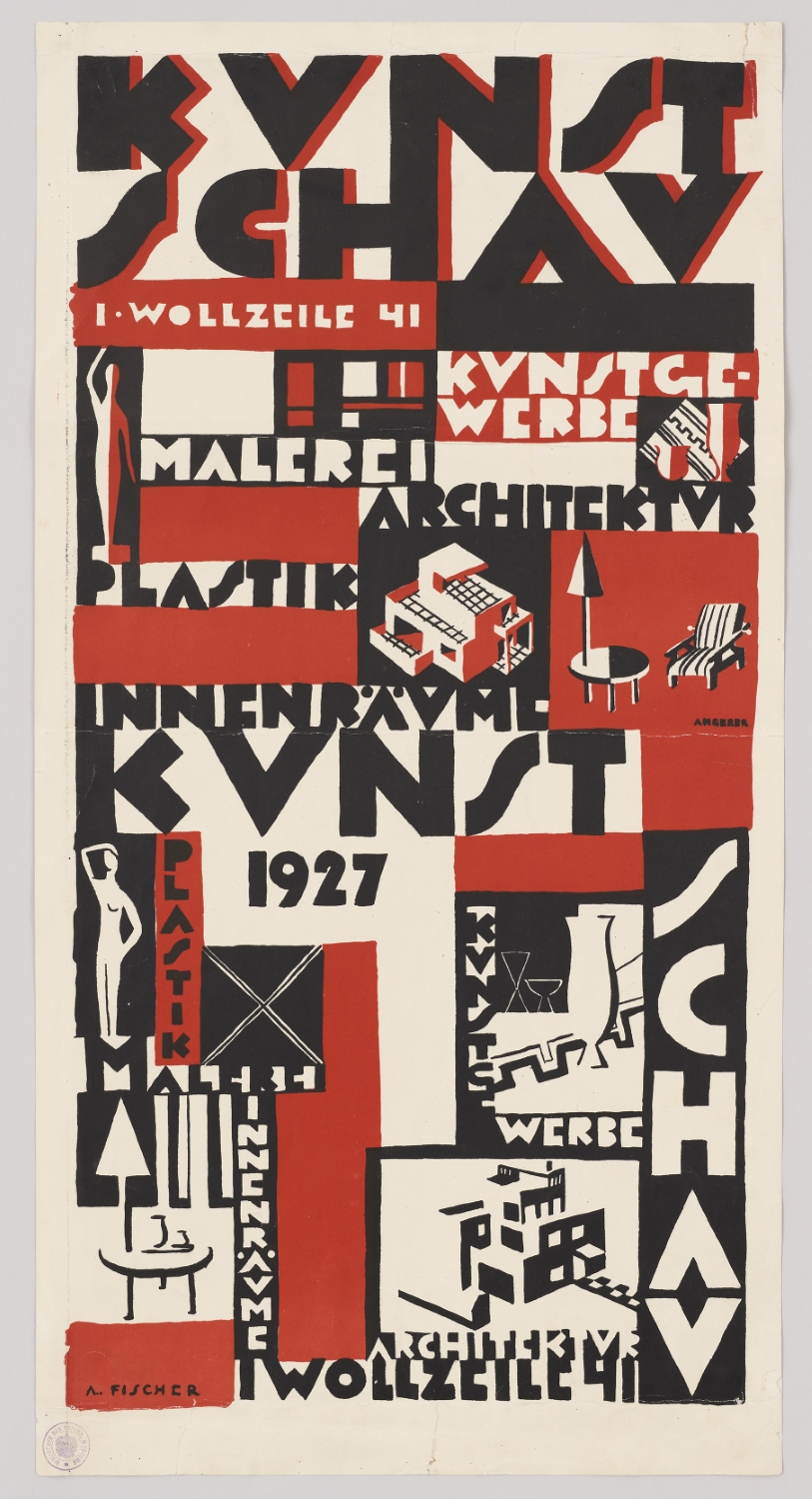
Modernity and Opulence: Women of the Wiener Werkstätte also demonstrates how Jewish women played a vital role in the success of the Wiener Werkstätte as patrons, clients, and cultural intermediaries who promoted its vision. These clients—including the noted socialite and arts patron Adele Bloch-Bauer and the art critic and writer Berta Zuckerkandl—commissioned furniture and interiors, wore Werkstätte fashions, used stationery designed by the Werkstätte in their correspondence, and embodied the spirit of gesamtkunstwerk through their generous patronage; a drawing of Bloch-Bauer from the Museum’s collection by Gustav Klimt, who was affiliated with the Werkstätte through its relationship to the Vienna Secession, is one of the exhibition’s highlights. Another notable example of these patrons’ intersecting circles is seen through a portrait of Broncia Koller-Pinell, one of the few women artists affiliated with Klimt’s Kunstschau group, and who is depicted in her portrait wearing a reform-style dress and Werkstätte necklace.
By integrating these designs into their daily lives as essential tools for self-fashioning an image of modernity, these women not only provided financial support and social legitimacy, but galvanized the avant-garde sensibilities of the collective.
Modernity and Opulence: Women of the Wiener Werkstätte is on view at the Jewish Museum, 5th Ave at 92nd St, NYC, through November 15, 2026. Learn more at TheJewishMuseum.org.