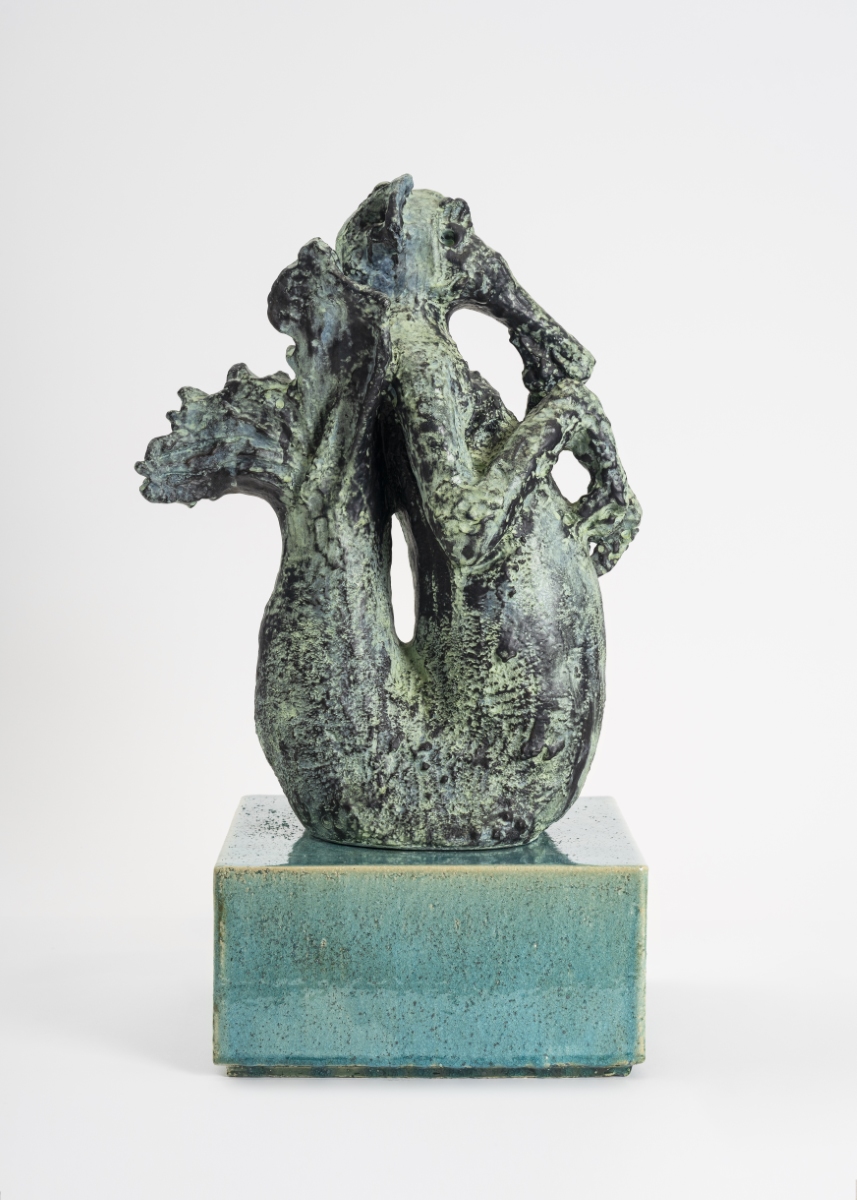
Johan Creten: How to explain the Sculptures to an Influencer? is on view at Perrotin, Paris
January 18 – March 23, 2024
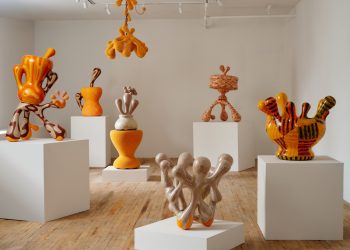
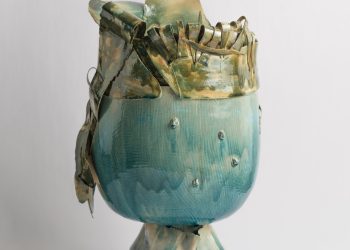
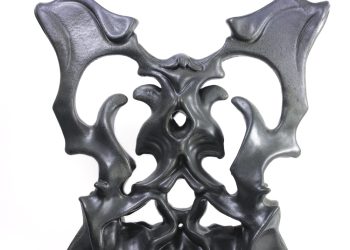
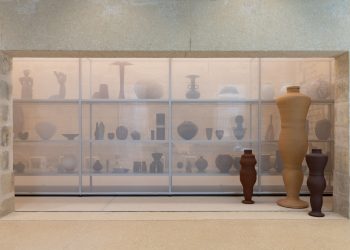
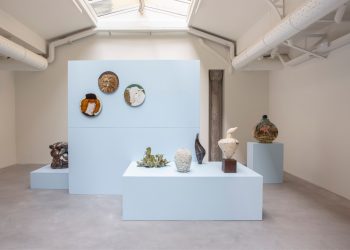
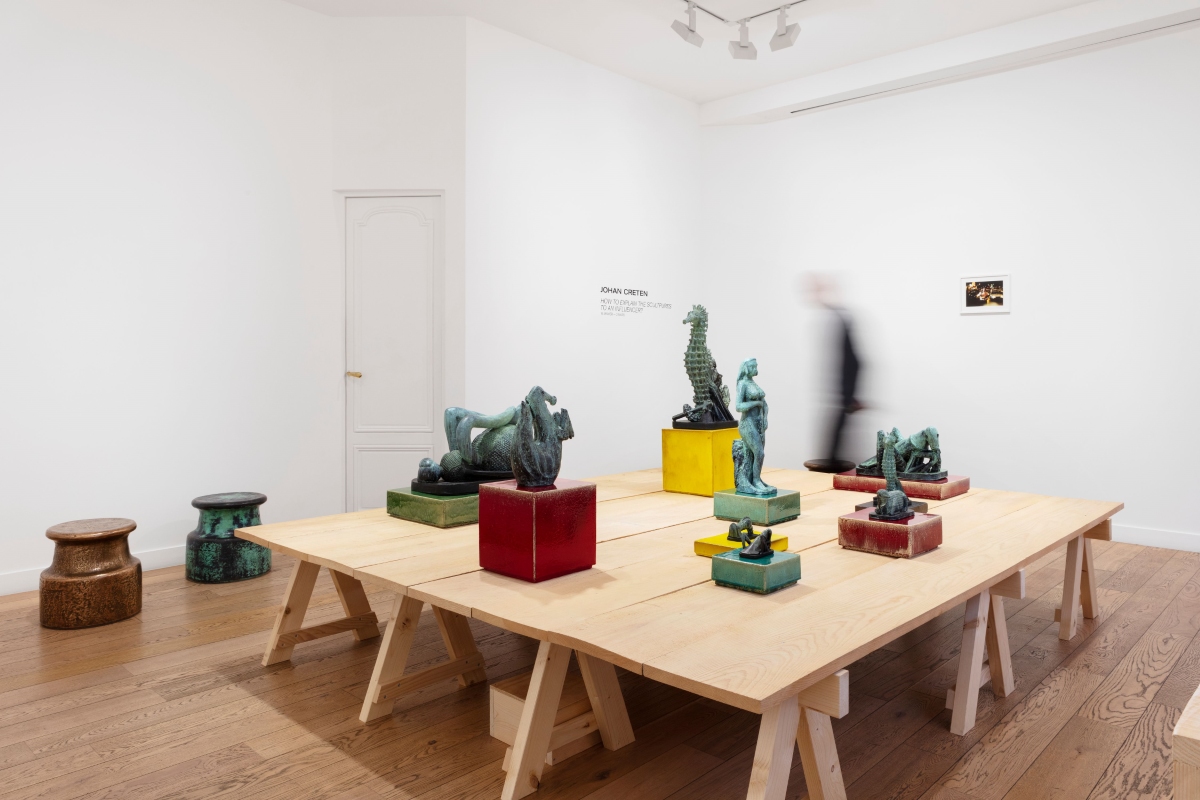
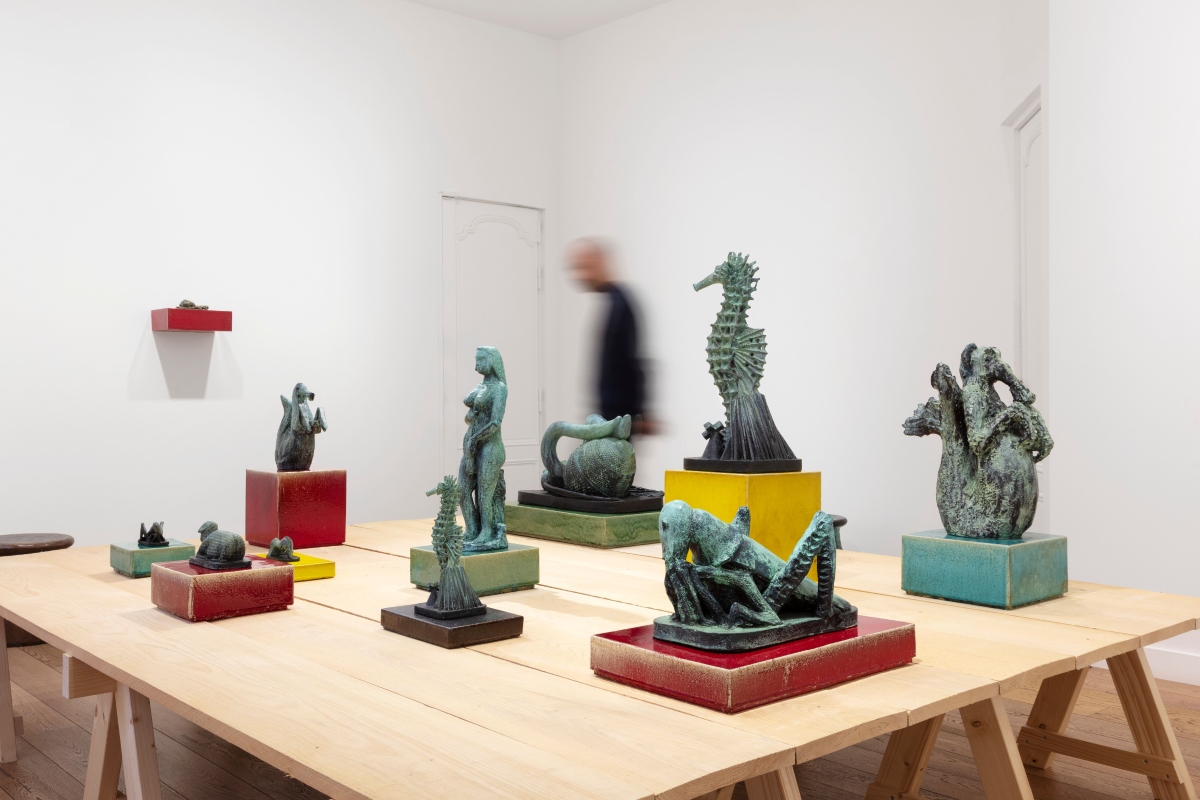
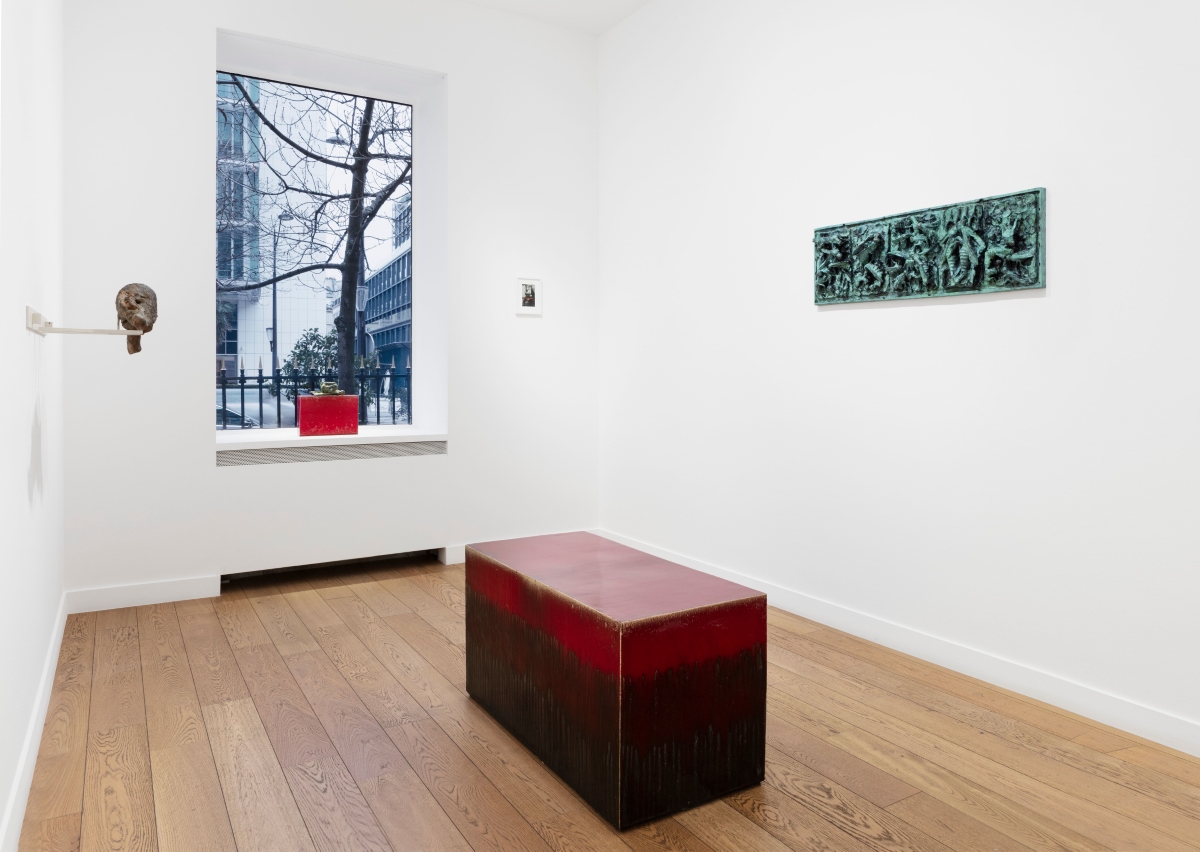
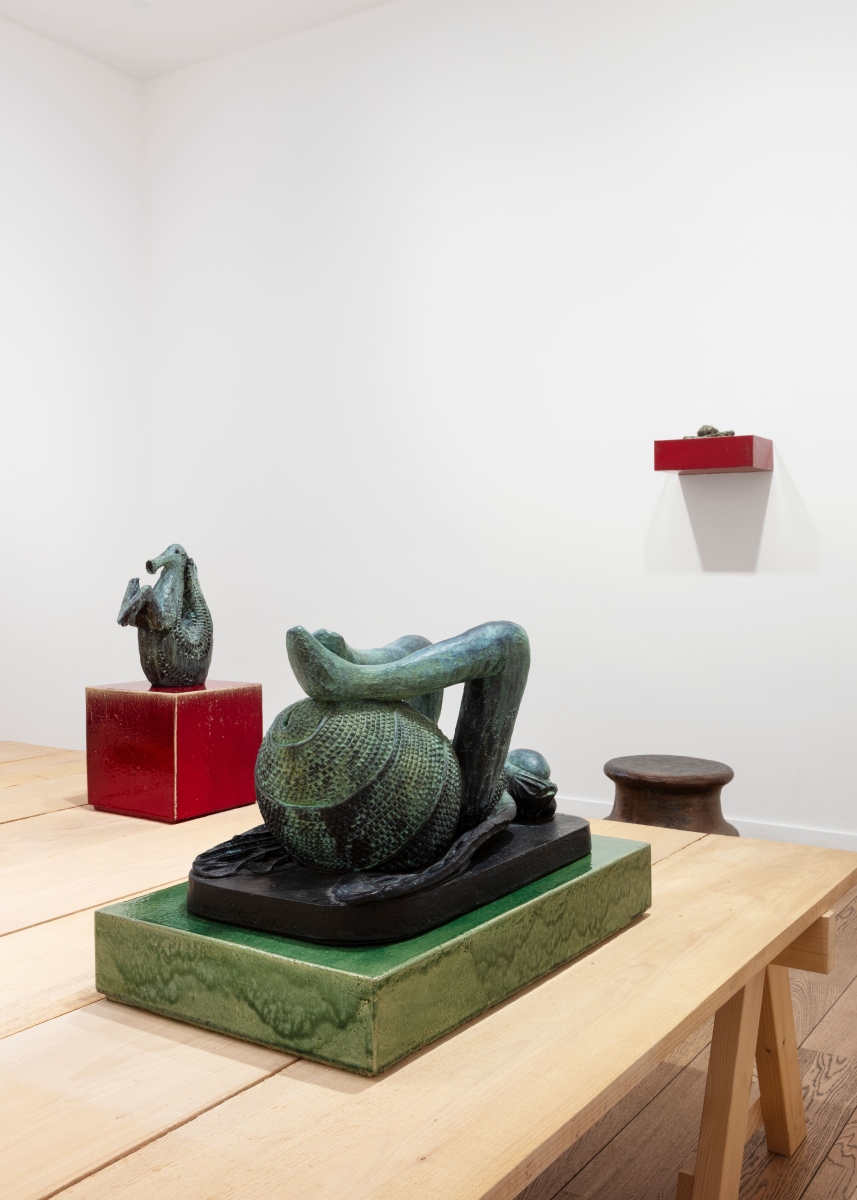
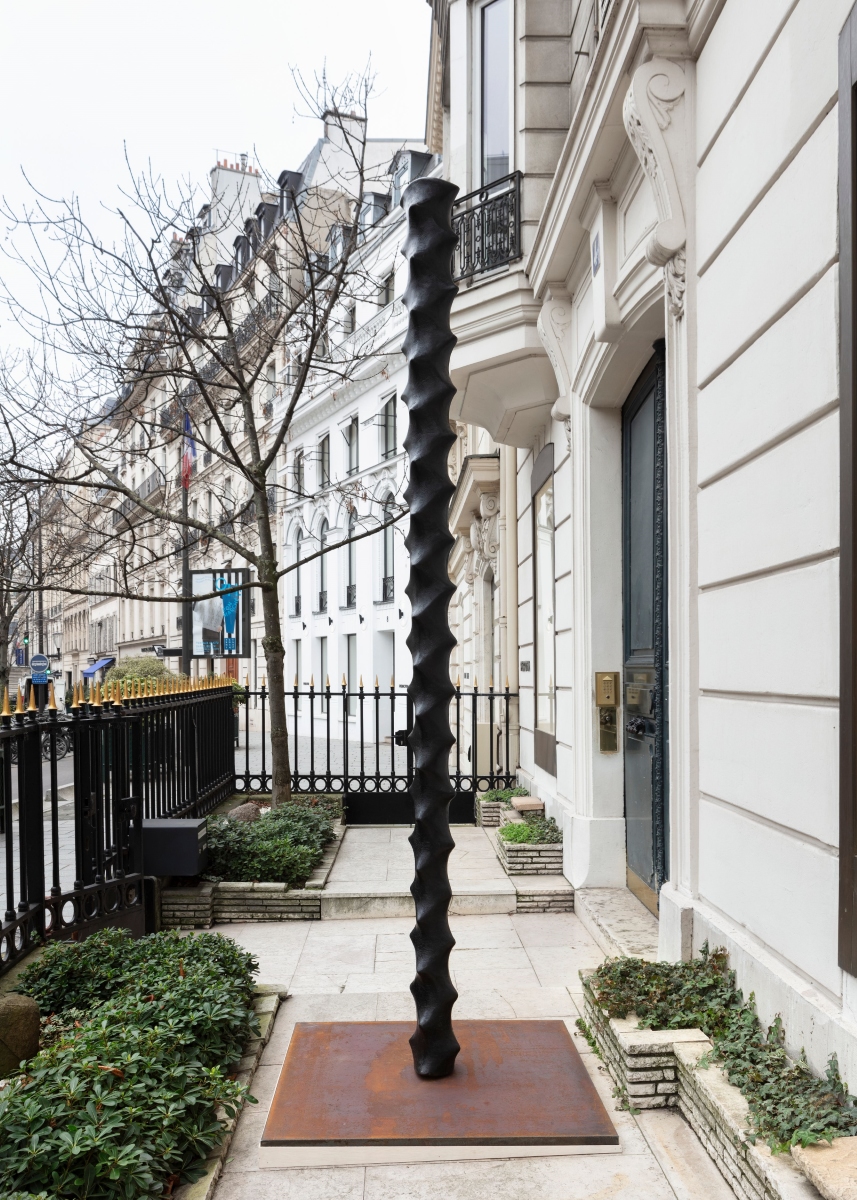
Perrotin is pleased to present How to explain the Sculptures to an Influencer?, the ninth solo exhibition by Johan Creten at the gallery – the fifth in Paris. On this occasion, the artist presents a collection of new animal bronzes, bas-reliefs, and furniture sculptures in bronze and clay.
Johan Creten explores the conditions under which a work appears in the real. The artist presents contemporary social mores in different contexts, such as public, domestic, and white cube spaces. Using a title1 that references art history (specifically Joseph Beuys’ 1965 performance at Schmela Gallery in Düsseldorf during which he explained art to a dead hare2) and the contemporary world, the exhibited pieces form a narrative, plastic, and political whole. The sculptor-ceramist studied painting at the Royal Academy of Fine Arts of Ghent and then at the Beaux-Arts in Paris, where he worked on performance art before shifting his focus to the object. Johan Creten works with clay and bronze, not only for their plastic potential but also for their intrinsic narratives. Clay represents the foundation of a society in the making, while bronze tells us about our relationship with history, mainly through monuments.
The exhibition features a collection of bas-reliefs, sculptures, and furniture sculptures. Like Beuys and Austin, Creten is concerned with language: La Langue ( The Tongue/ The Language) was the object of the artist’s first performance in 1986 while still a student at the Beaux-Arts. Exhibited during the day at Galerie Meyer, near the Beaux-Arts, the artist took the sculpture with him across the city at night. C’est dans ma nature (It’s in My Nature), from the eponymous project (2001 – 2021), and La Rencontre (The Encounter) explore the transmission of cultural heritage in a setting where the living no longer occupies center stage. Mounted on rolling panels, the pieces were used to restore damaged housing facades in Aulnay-sous-Bois and Mechelen. Can one story conceal another? In a rapidly changing world in search of ideals of stability, Creten often refers to Maurice Maeterlinck’s The Life of Bees, which presents the beehive as a model for a communal utopia where everyone works for the common good.
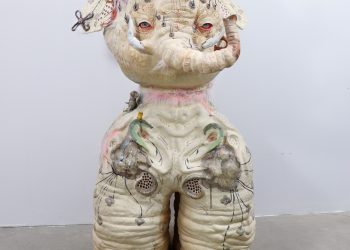
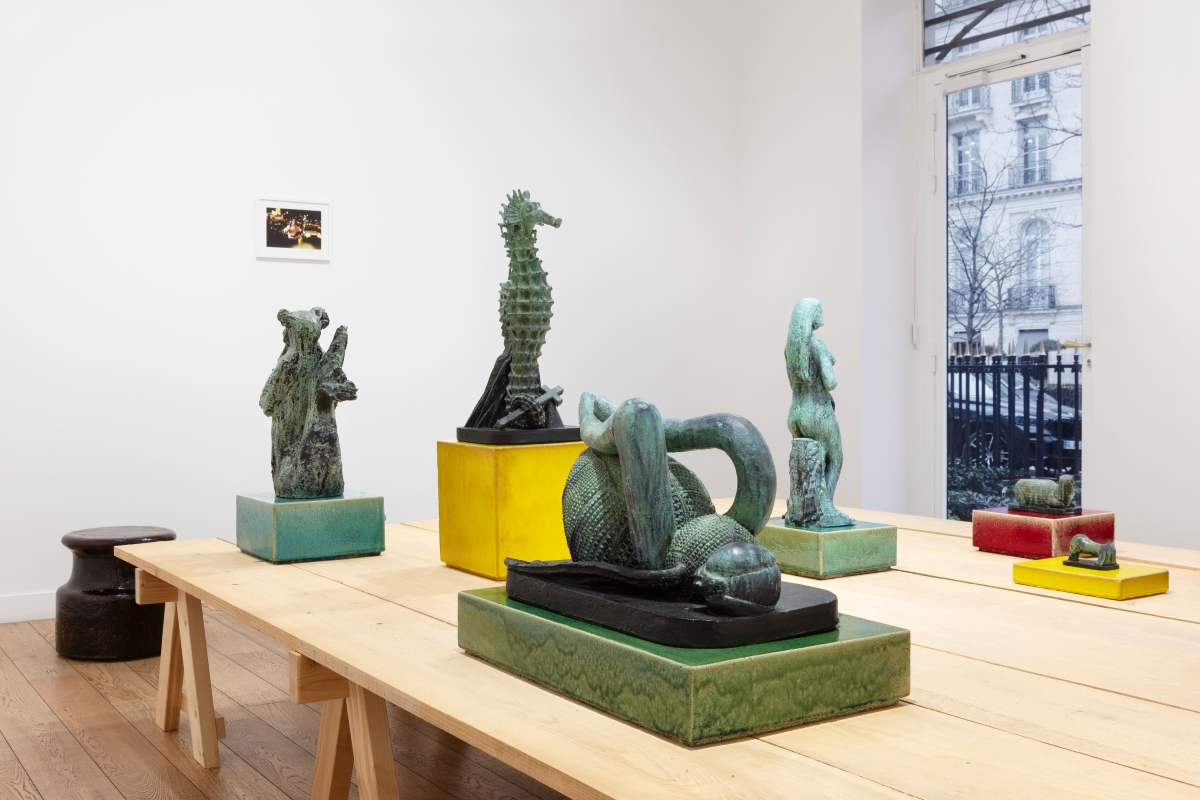
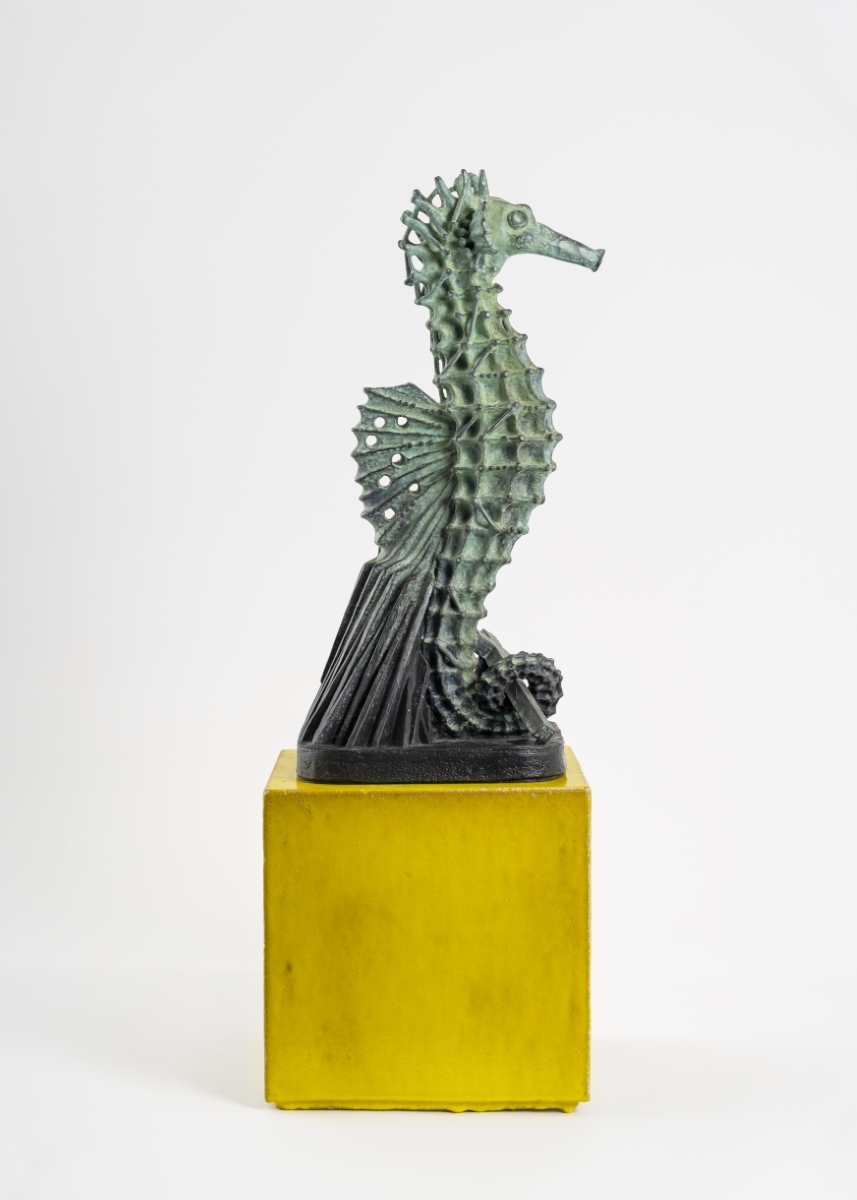
Small bronze figures cast in lost wax3 on a platform present a half-human, half-animal bestiary. Like characters from the Commedia dell’arte, grasshopper, wild boar, sheep, seahorse, Hypocrite, dead fly, and herring woman from a merry theatrical troupe. The scale of the figures contrasts with the grandeur and norms of traditional public monuments.
The animals tell the story of a social body that is beginning to fracture, similar to William Golding’s human fable Lord of the Flies, in which a group of children, left to their own devices, must learn to self-organize and end up reproducing the same patterns they learned from their upbringing in a more extreme manner. Johan Creten has placed his sculptures on a colored ceramic socle4 that stands on a pedestal, which symbolizes the concept of a diverse and ideal society; however, it also represents the homogenizing effects of self-promotion on social media. The sculptures are hollow inside, like a Brillo box, poking fun at the fleeting fame and self-indulgence of an over-connected world.
Finally, Points d’observation (Observation Points) features seven performative sculptures in bronze and enameled stoneware. In a nod to Marcel Broodthaers and his Musée des Aigles, Johan Creten invites the body, both individual and collective, to take a seat. Featured in collections such as the Musée d’Art Moderne de Paris, the bronzes emphasize the importance of sustainable social structures and a shared habitat. Bernard Palissy, a French potter, enameller, painter, writer, and scholar of the 16th century, was one of the first to understand that fossils, which are the remains of plants and animals, were proof of the shifting of the seas caused by global warming. Creten’s works call for a reconsideration of our relationship with beauty and the forms of life that existed long before us.
Beuys said of his performance, “The Hare (…) incarnates itself in the earth: it’s the only thing that matters.” Johan Creten uses the soil to shape the new, elevating beauty to an art of living.
Johan Creten
Frontrunner in the revival of ceramics in contemporary art, the Paris based artist Johan Creten (born in 1963) has been working on the move for almost forty years, from Mexico to Rome, from Miami to The Hague.
With his innovative use of ceramics, he started working with clay in the late 1980s, when the medium was still seen as taboo in the contemporary art world. Famous for his allegorical sculptures in ceramic and bronze, Johan Creten continues since the 90’s his representations of a world full of poetry, lyricism and mysteries. They underline the importance of beauty in his work, while reaffirming his humanist consciousness and the social and political resonance of his practice. In his creative process, Johan Creten mentions “Slow art” and the need for a return to introspection and exploration of the world with its individual and societal torments.
Contact
paris@perrotin.com
Perrotin (Paris Matignon)
2Bis Avenue Matignon
75008 Paris
France
Images
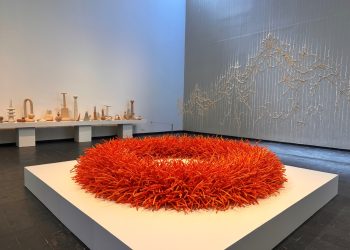
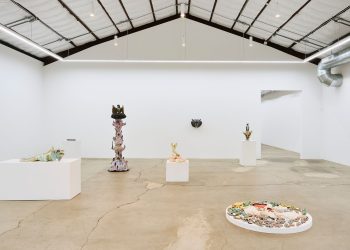
- Views of Johan Creten’s exhibition ‘How to explain the Sculptures to an Influencer?’ at Perrotin Matignon, Paris, 2024. Photo: Tanguy Beurdeley ©Johan Creten/ADAGP, Paris, 2024. Courtesy of the artist and Perrotin
- Johan Creten, L’Hippocampe, 2023, Bronze, 60 x 26 x 33 cm | 23 5/8 x 10 1/4 x 13 inch. Unique work of an edition of 6 + 1 AP. ©CRETEN/ADAGP, Paris, 2023. Photo: Claire Dorn. Courtesy of the artist and Perrotin
- Johan Creten, The Hypocrite – Library version, 2023, Bronze, 50 x 40 x 25 cm | 19 11/16 x 15 3/4 x 9 13/16 inch. Unique work of an edition of 6 + 1 AP. ©CRETEN/ADAGP, Paris, 2023. Photo: Claire Dorn. Courtesy of the artist and Perrotin
Footnotes
- The title refers to instructional guides that promise quick success such as How to Get Famous Fast. It also refers to the essay How to Do Things with Words (1962) by the philosopher of language J.L. Austin, who experimented with such deceptive titles long before the days of TikTok tutorials.
- Wie Man Dem Toten Hasen die Bilder erklärt (How to Explain Pictures to a Dead Hare).
- For Beuys, wax is a healing balm, but in Christian iconography, it symbolizes obedience.
- From the Italian socolo, “shoe,” separating the work from the ground.